These 5 Flooring Trends Are Fading Fast—and Designers Say It's Time to Move On
Flooring is a fundamental element in any room, serving as the base upon which the rest of the decor is built. Given its significant cost and infrequent replacement, selecting a timeless style is crucial. Like other interior design elements, flooring trends evolve, making it essential to identify and avoid styles that quickly become obsolete in favor of materials, colors, and finishes that offer enduring appeal. Design professionals emphasize the importance of making informed choices to ensure longevity and avoid regret.
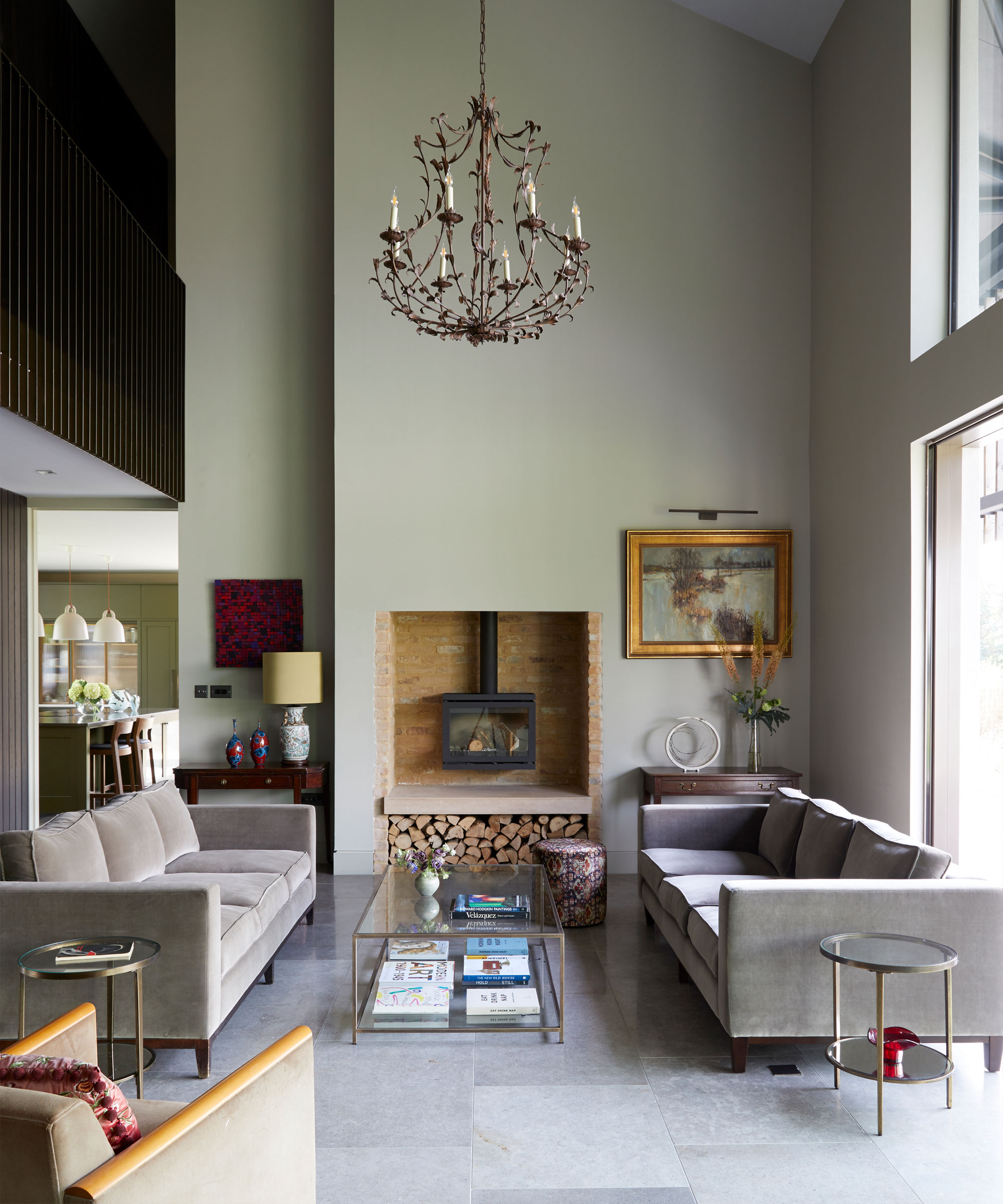
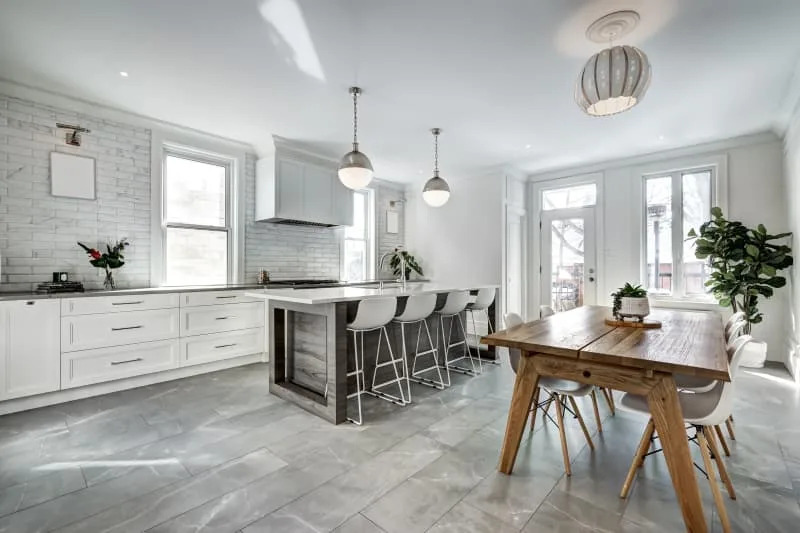
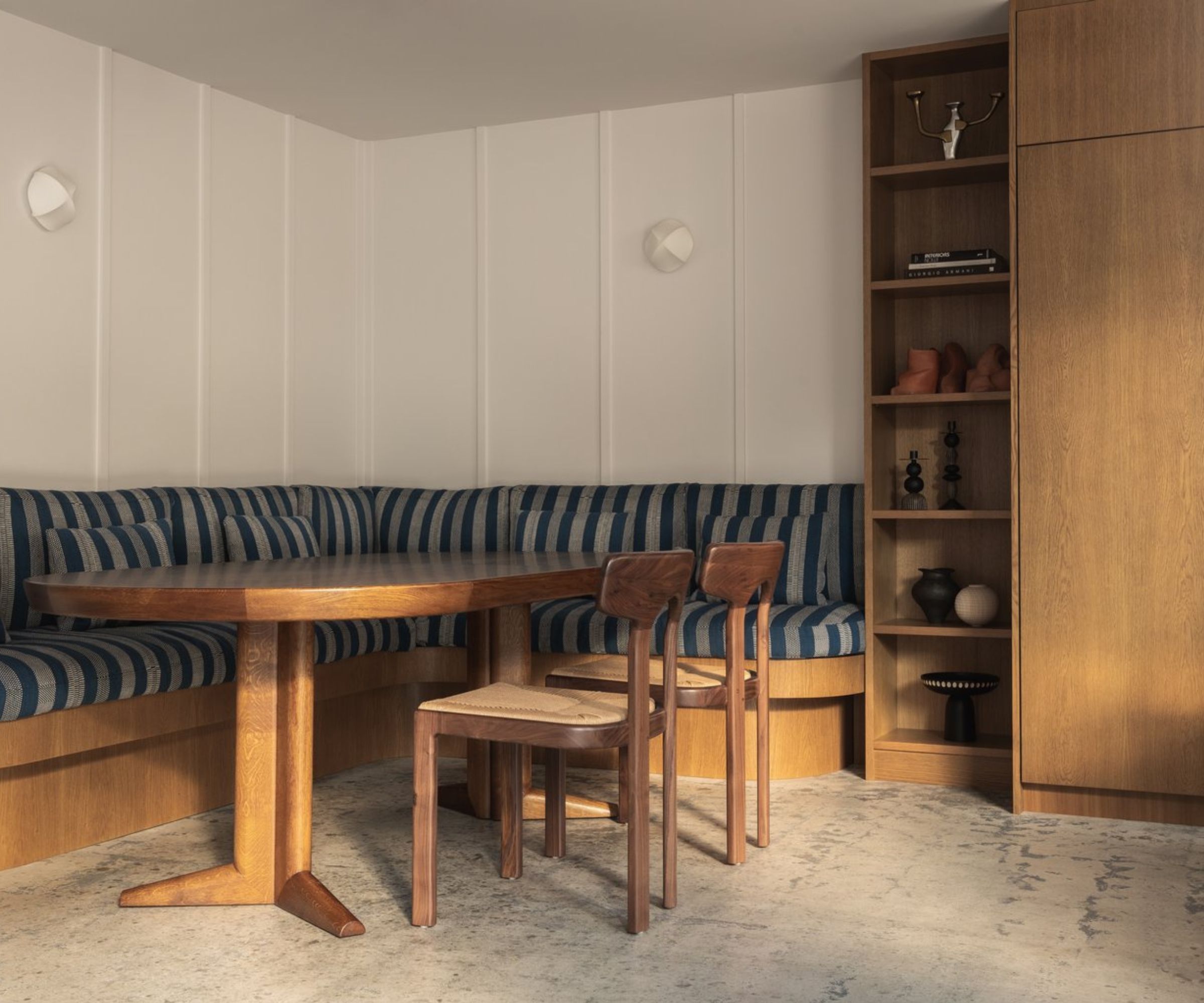
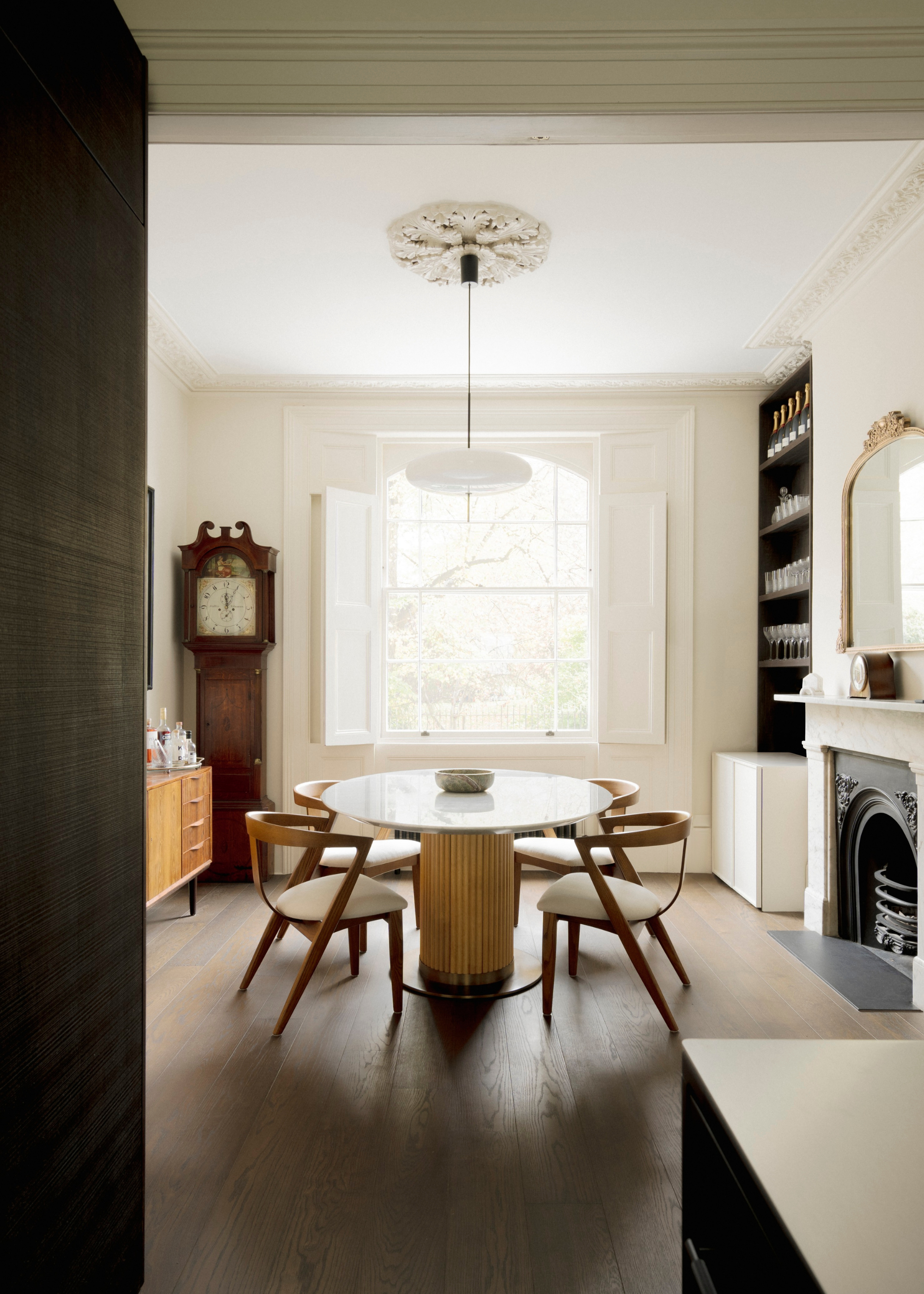
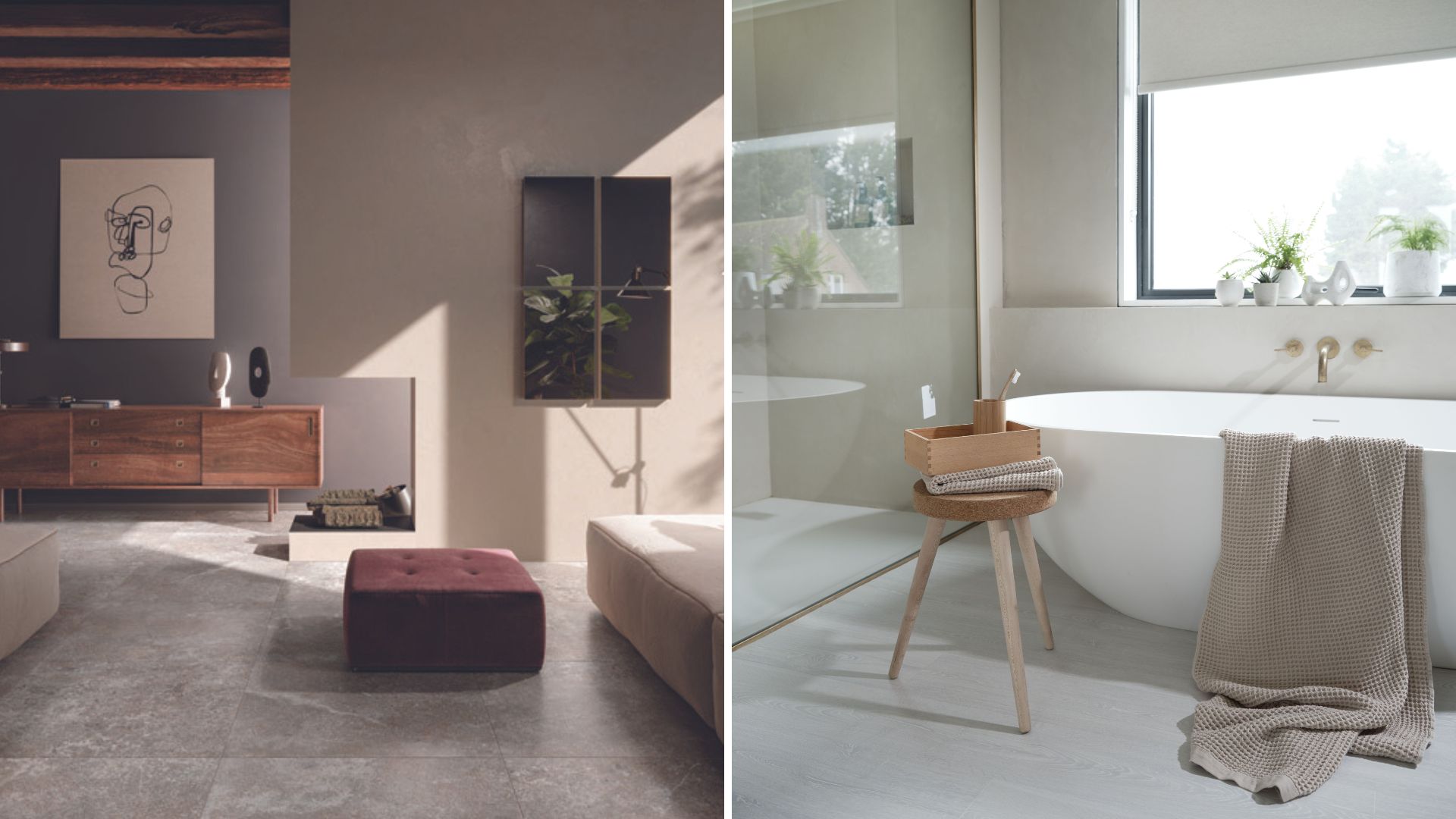
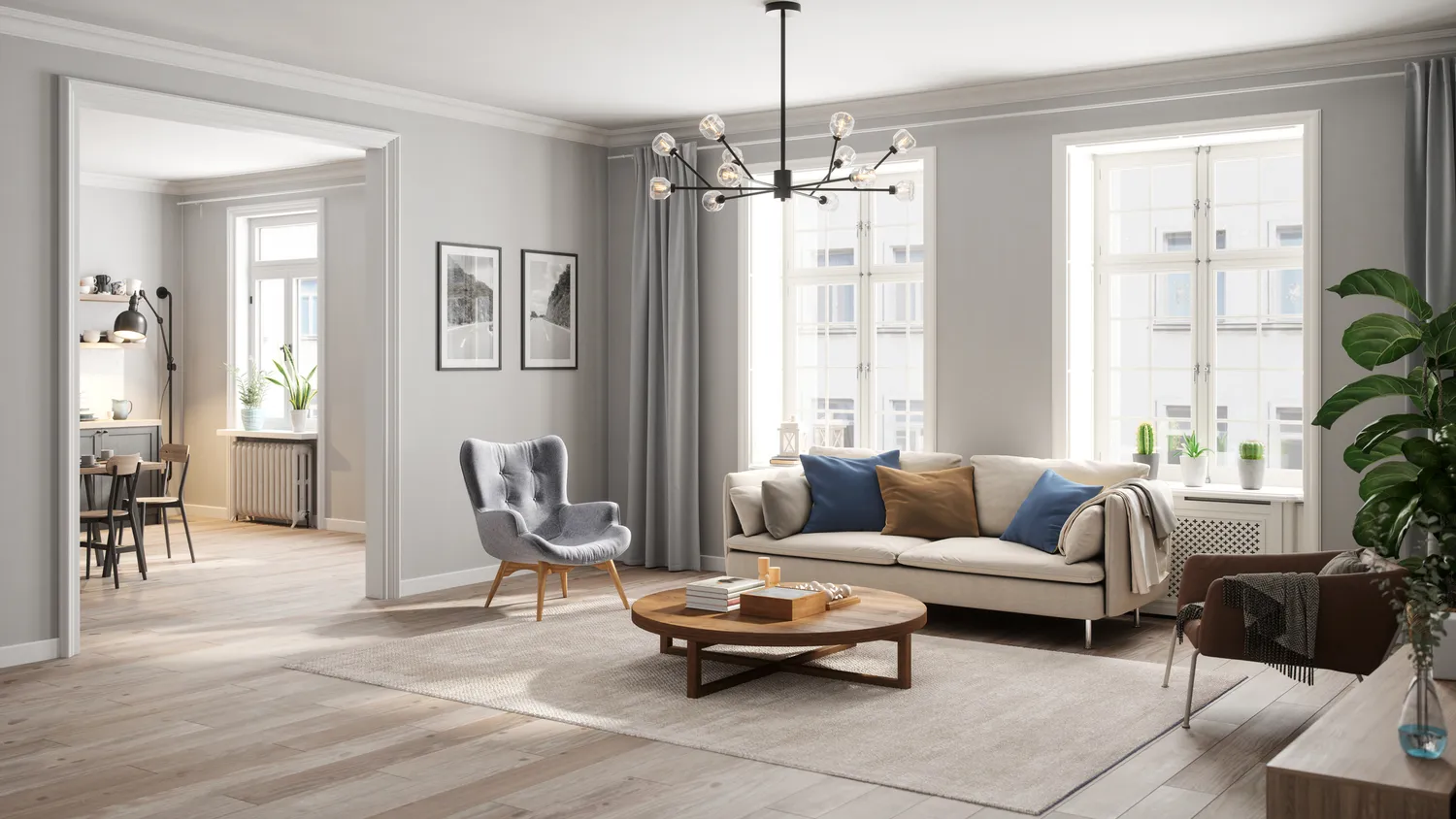
One prominent trend that designers advise against for 2025 is gray-toned wood flooring. While gray once dominated as a popular neutral for various home elements, its appeal for flooring is diminishing. Experts like Sky Hofstatter, owner and principal designer at House of Hof, note that cool gray floors can make spaces feel cold, flat, and lack the warmth and timelessness provided by natural wood tones. Unlike gray, natural wood finishes introduce depth and character, contributing more significantly to a room's overall aesthetic.
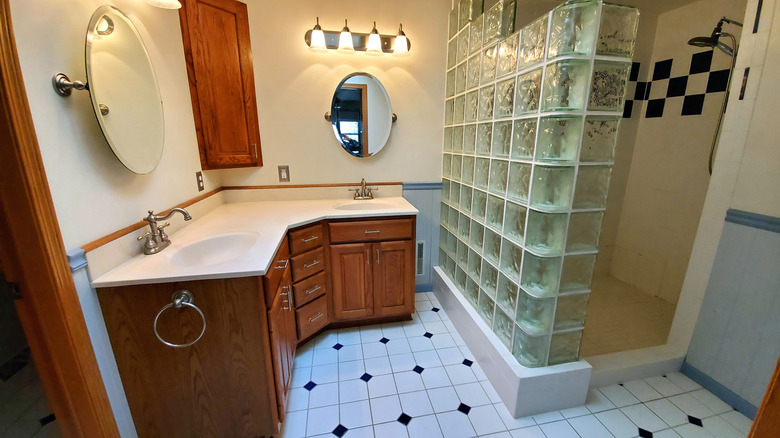
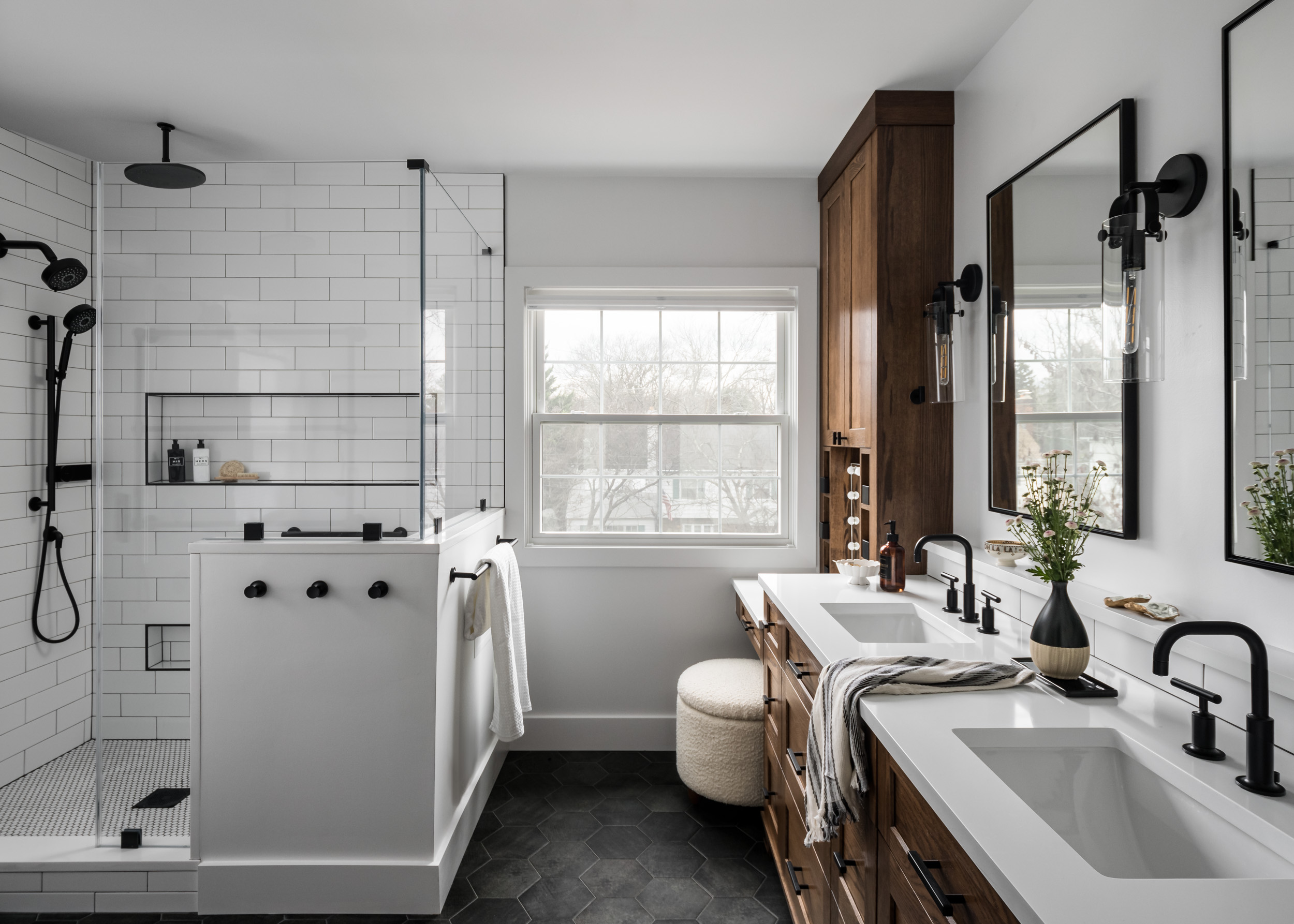
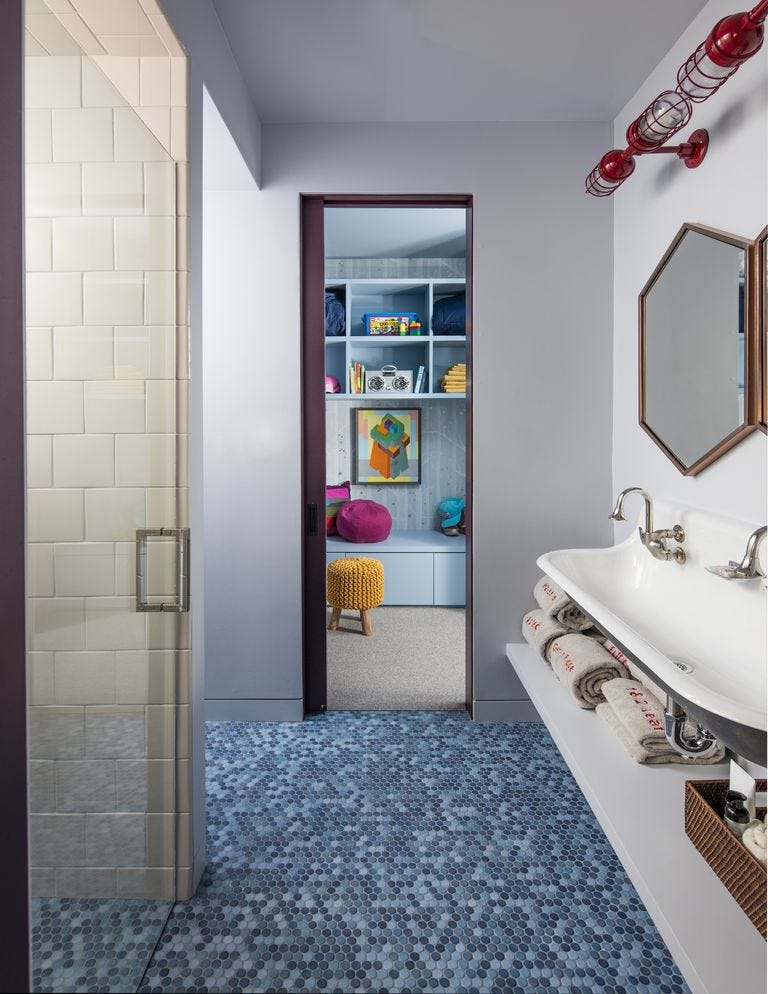
Another flooring style losing favor is the use of tiny hexagon mosaic tiles, particularly in bathrooms and shower rooms. Although initially charming, these tiles have proven impractical over time. Hofstatter points out that the multitude of grout lines makes maintenance extremely difficult, as keeping them clean is a perpetual challenge. Furthermore, their slippery surface and an aesthetic that now evokes a 'budget hotel renovation' rather than a luxurious spa retreat contribute to their declining popularity.
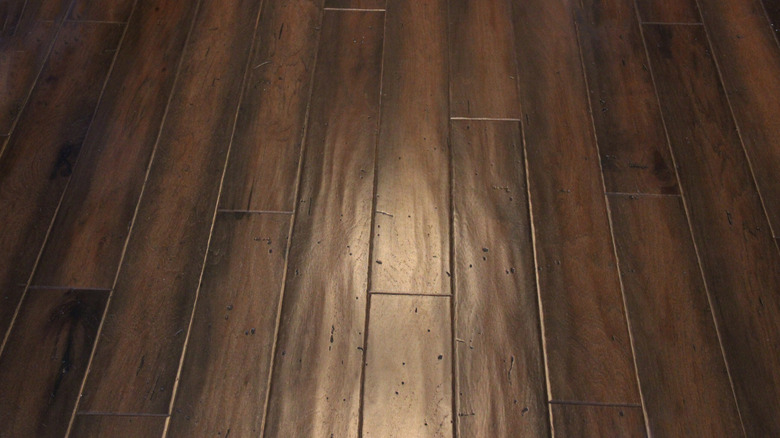
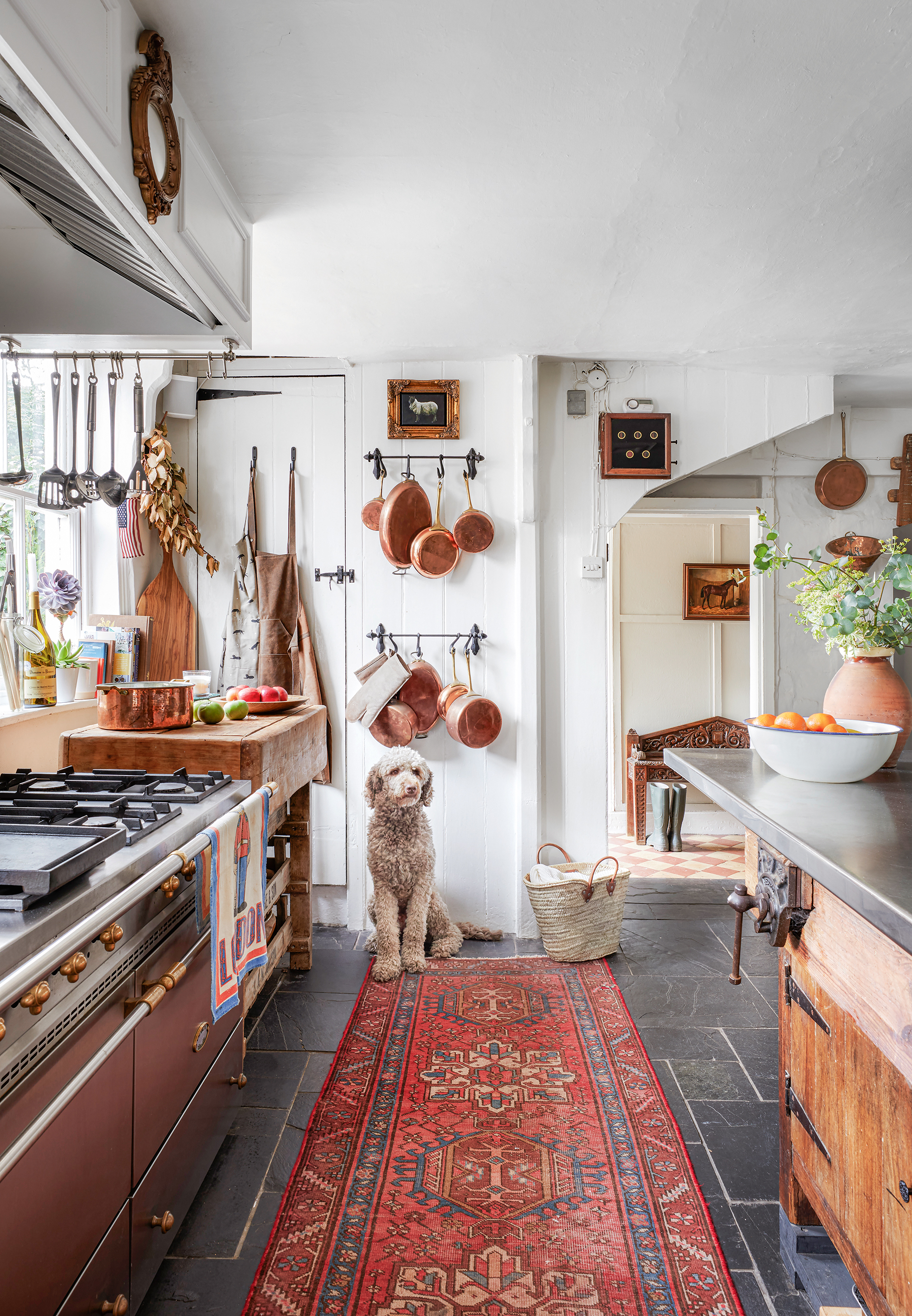
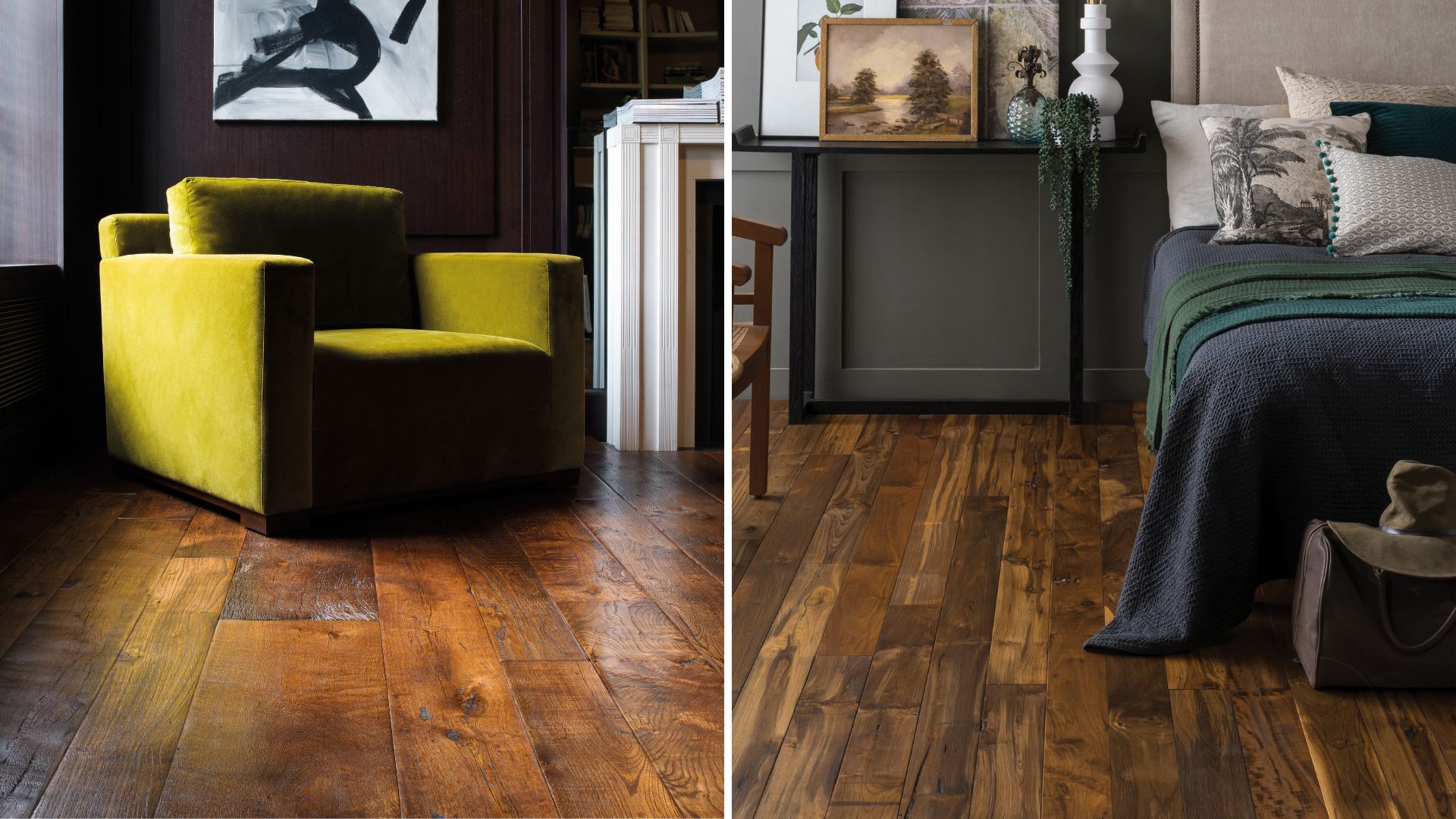
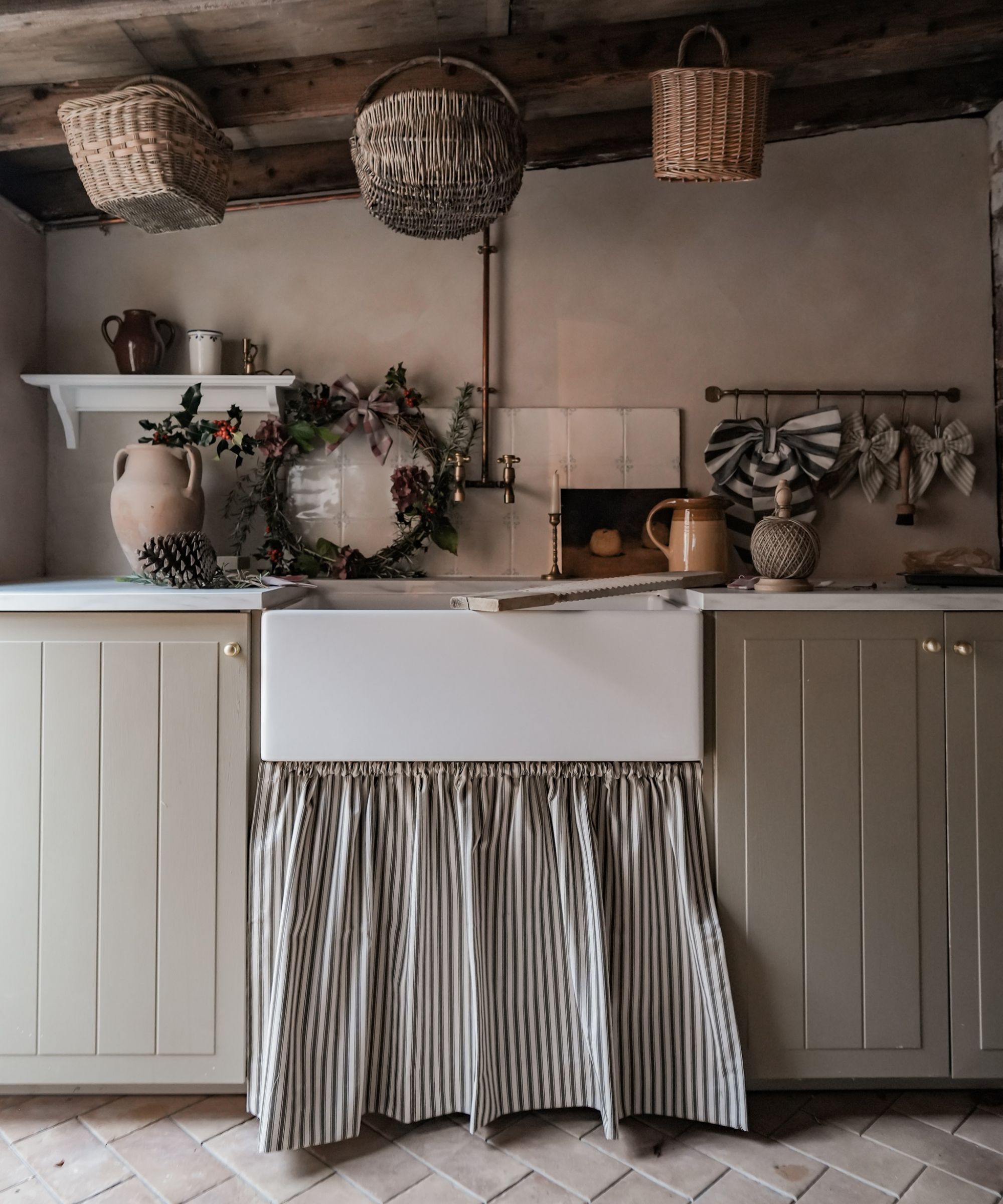
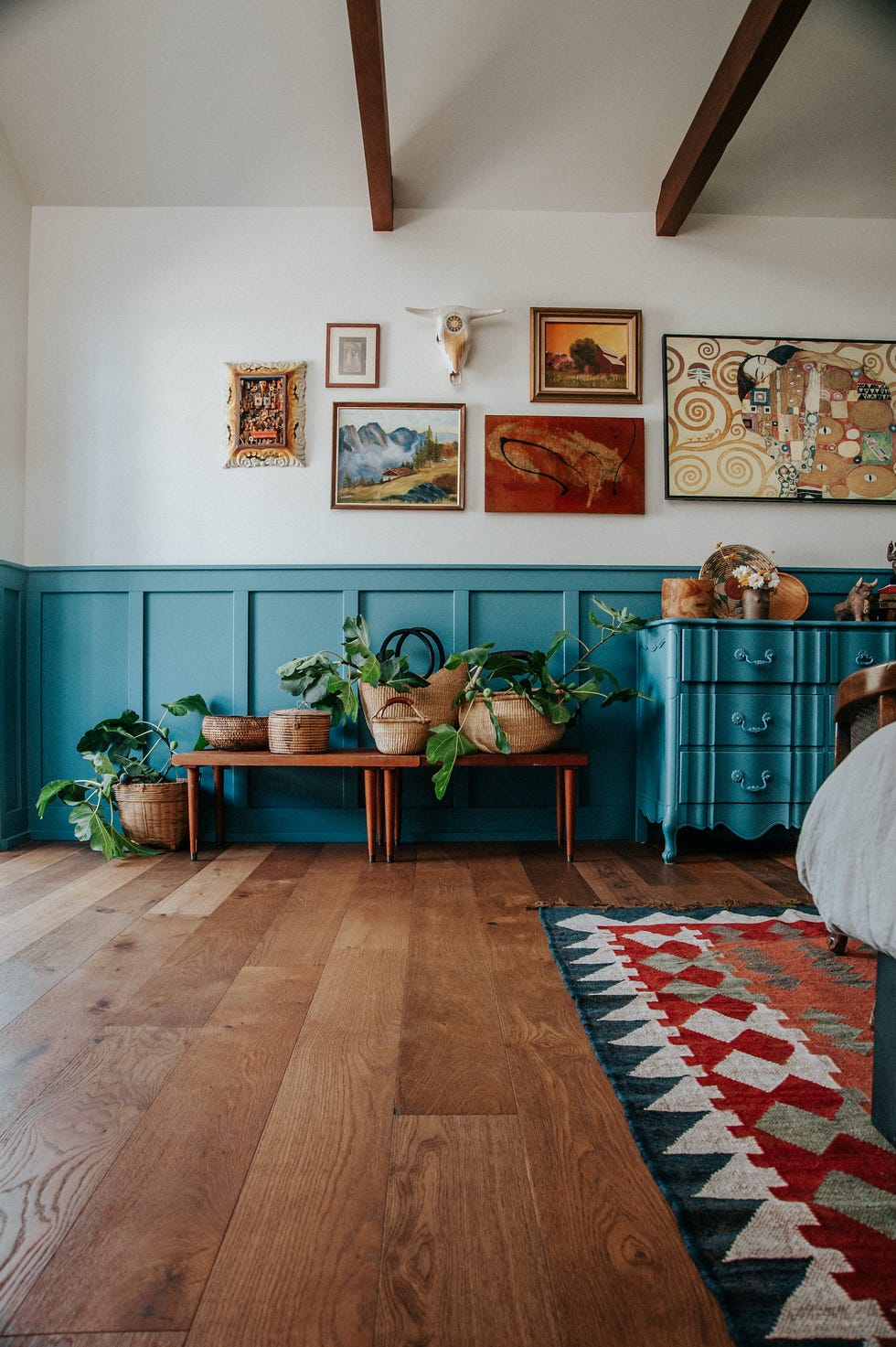
Faux barnwood floors, once a popular choice for rustic and farmhouse-style interiors, are also becoming outdated. While authentic reclaimed barnwood remains desirable for its genuine character, the replicated versions are now perceived as manufactured and less appealing. Lauren Kyle, principal designer and founder at Kyle & Co, observes a shift toward more authentic materials this year, including real reclaimed wood and contemporary interpretations of rustic textures that offer a more natural and enduring feel. The current emphasis is on incorporating genuine warmth into living spaces.
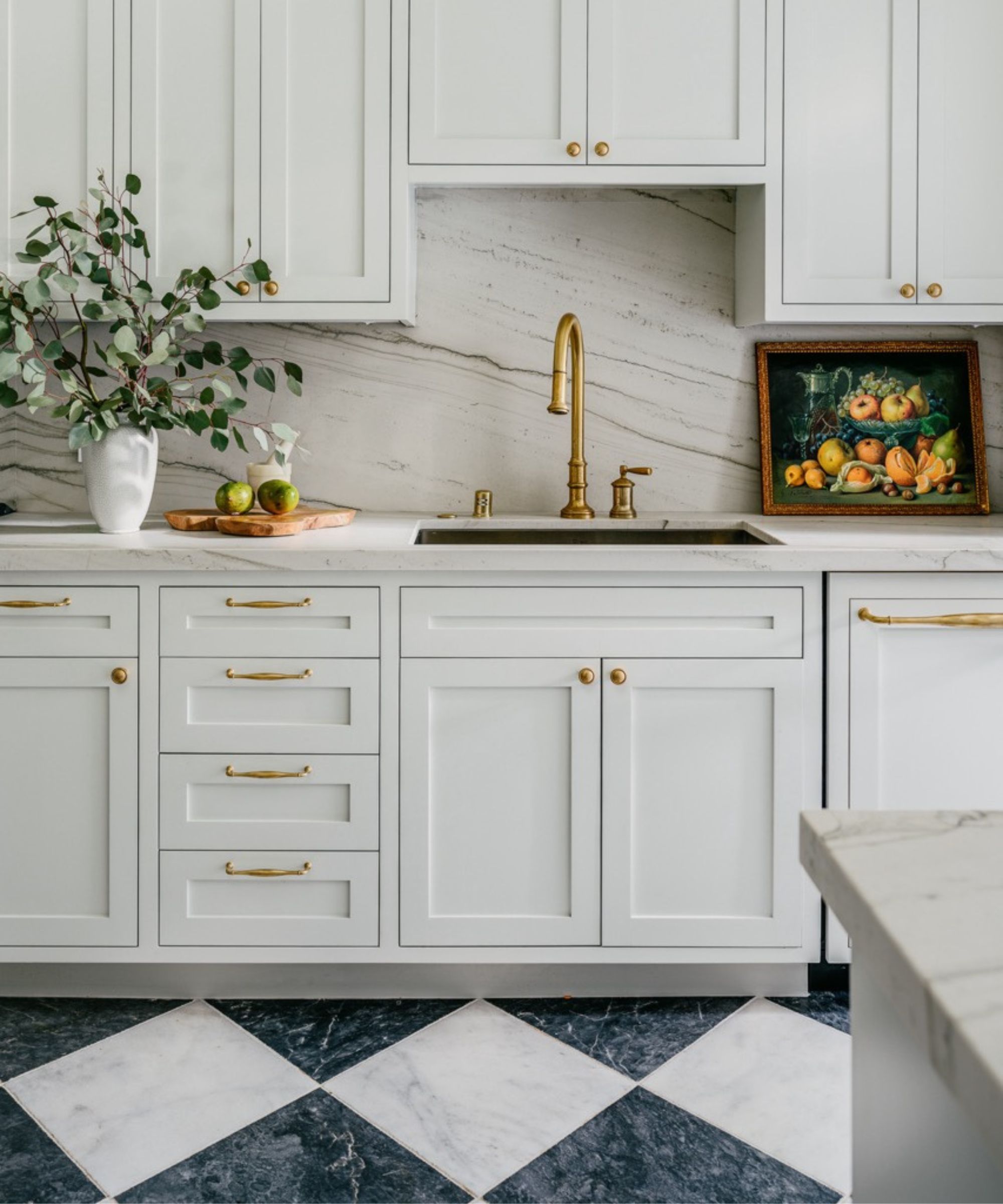
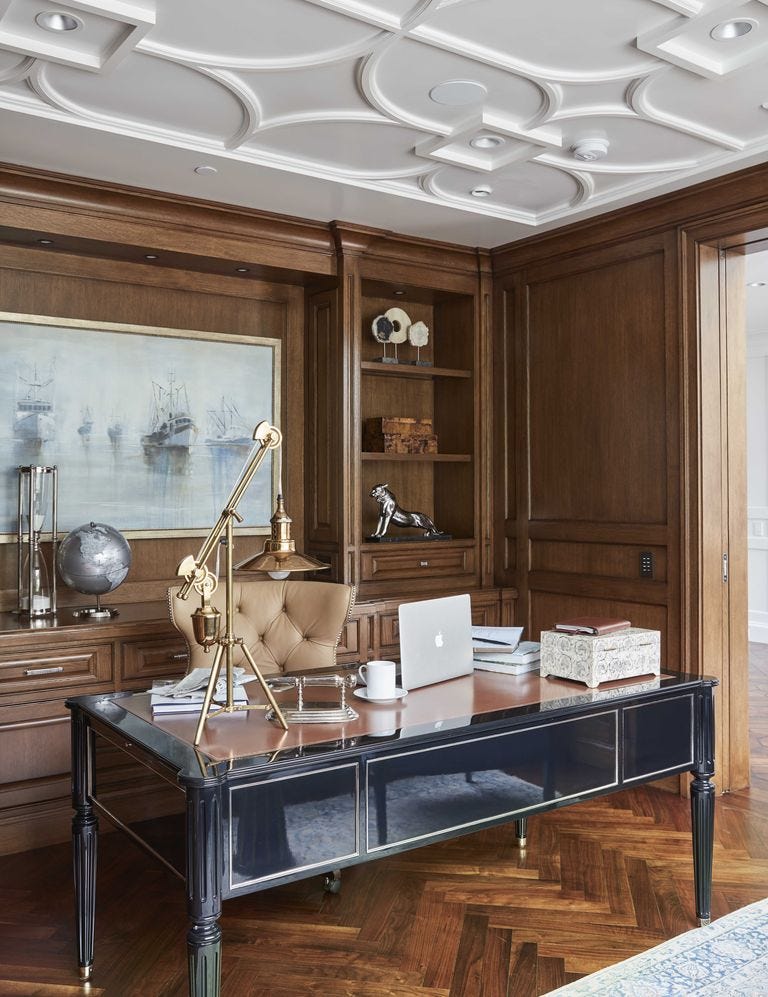
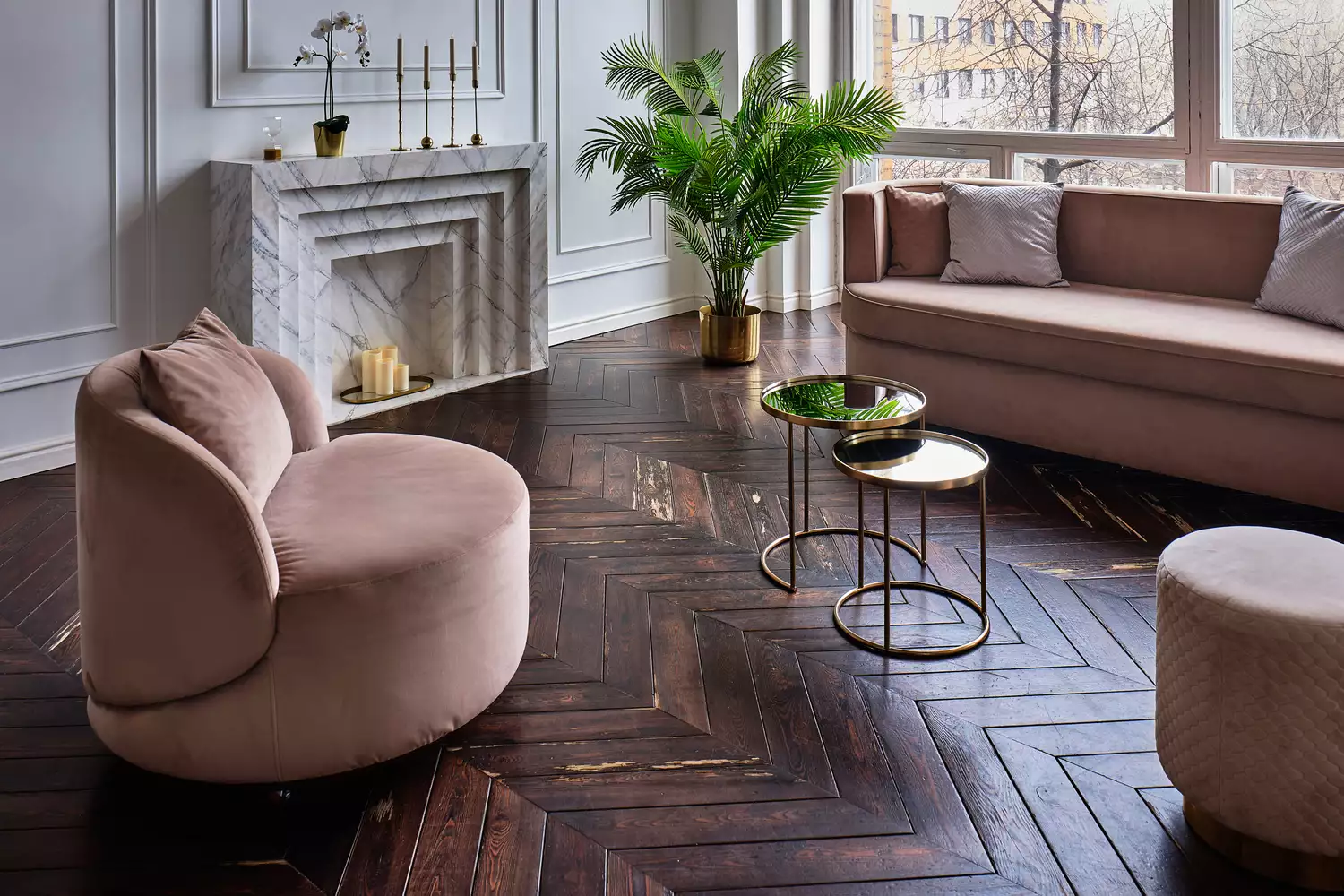
High-gloss floors, whether polished hardwood or glossy tiles, are another trend that is rapidly falling out of favor. Despite their initial association with luxury, these surfaces are notoriously difficult to maintain. Hofstatter explains that high-gloss finishes tend to highlight every scratch, smudge, and speck of dust, making them a constant cleaning challenge. Consequently, both designers and homeowners are increasingly opting for matte or satin finishes. These alternatives provide a more natural, understated look and are significantly more resilient to the everyday wear and tear of a busy home, offering practicality alongside aesthetic appeal.
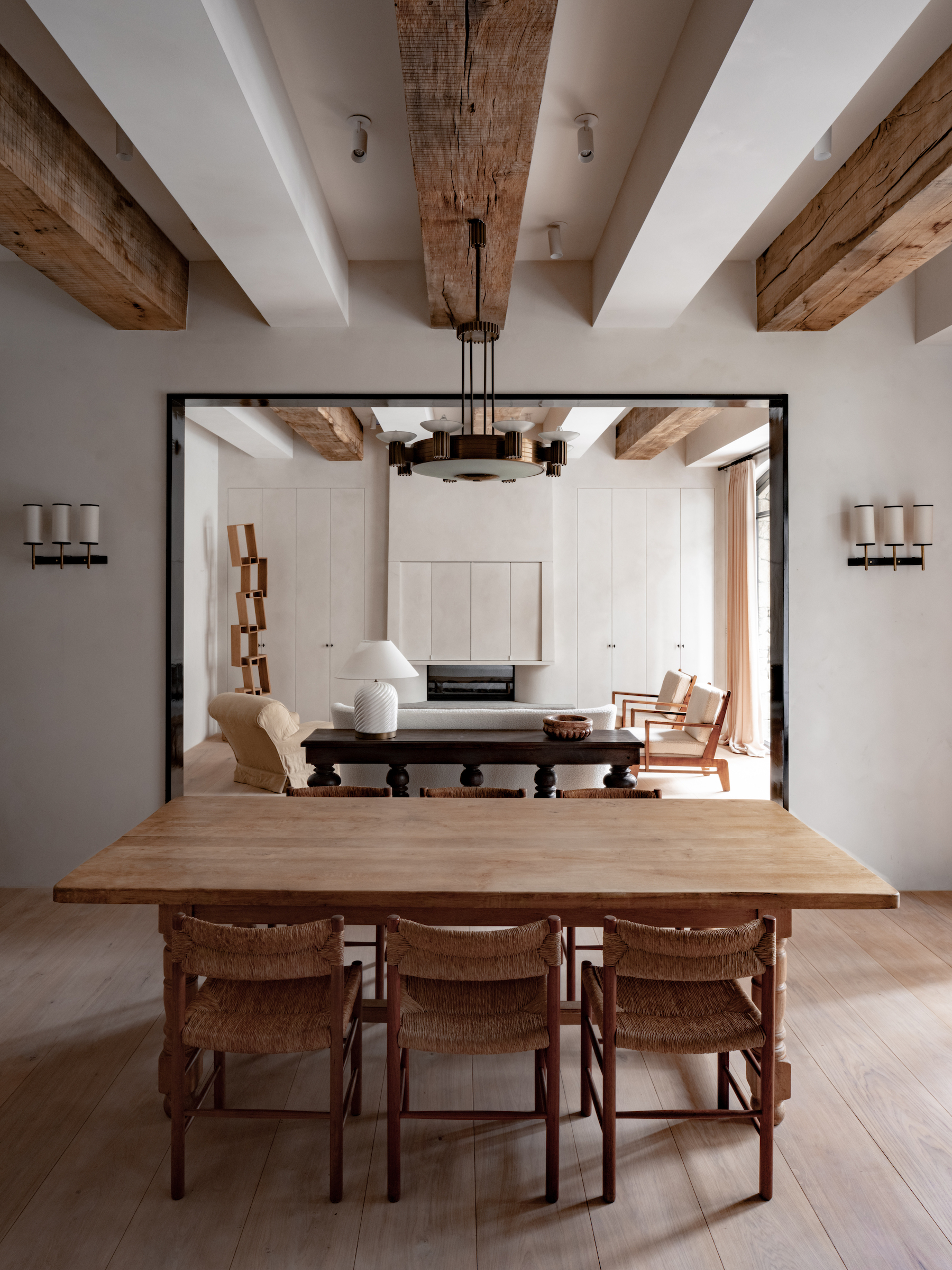
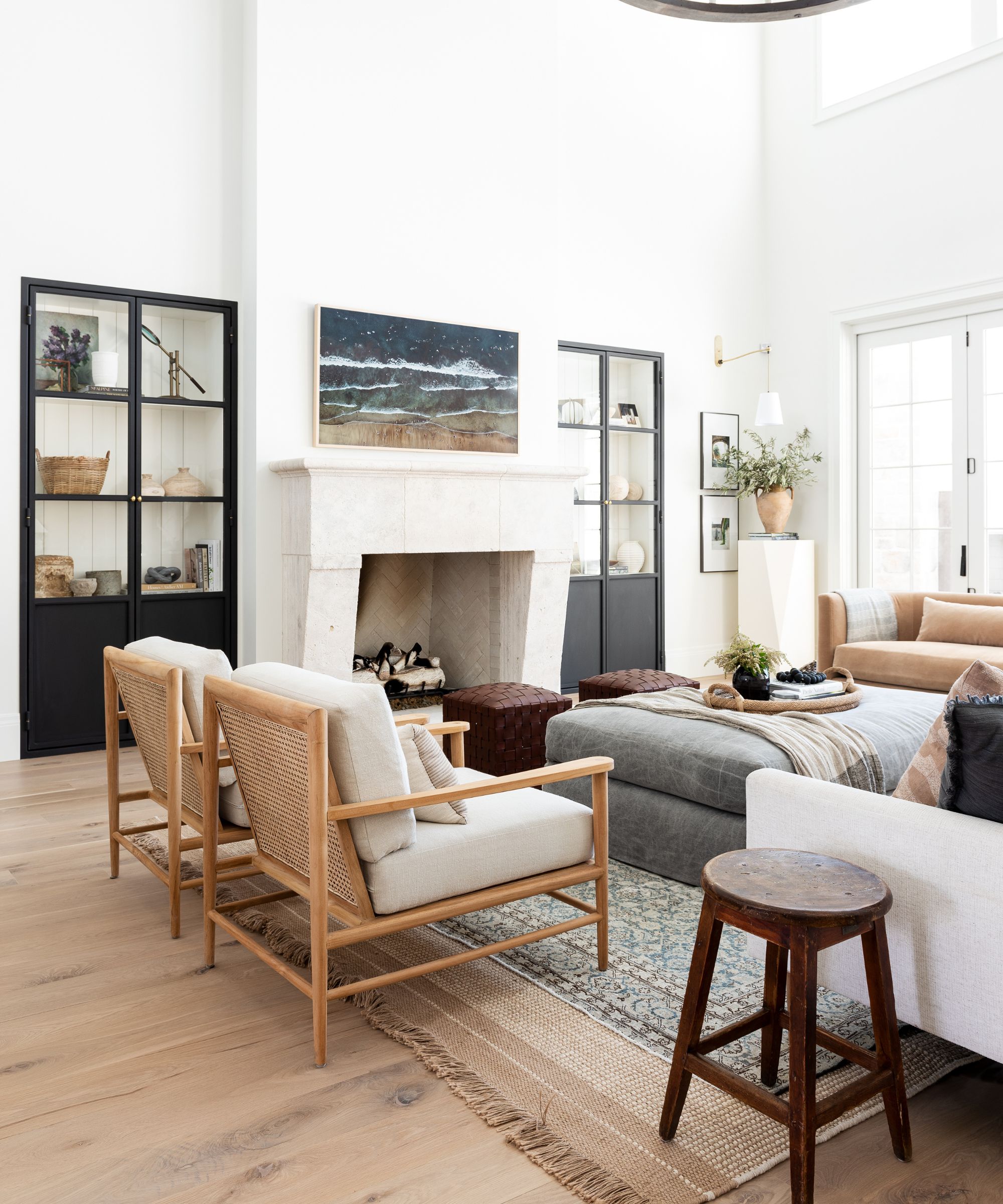
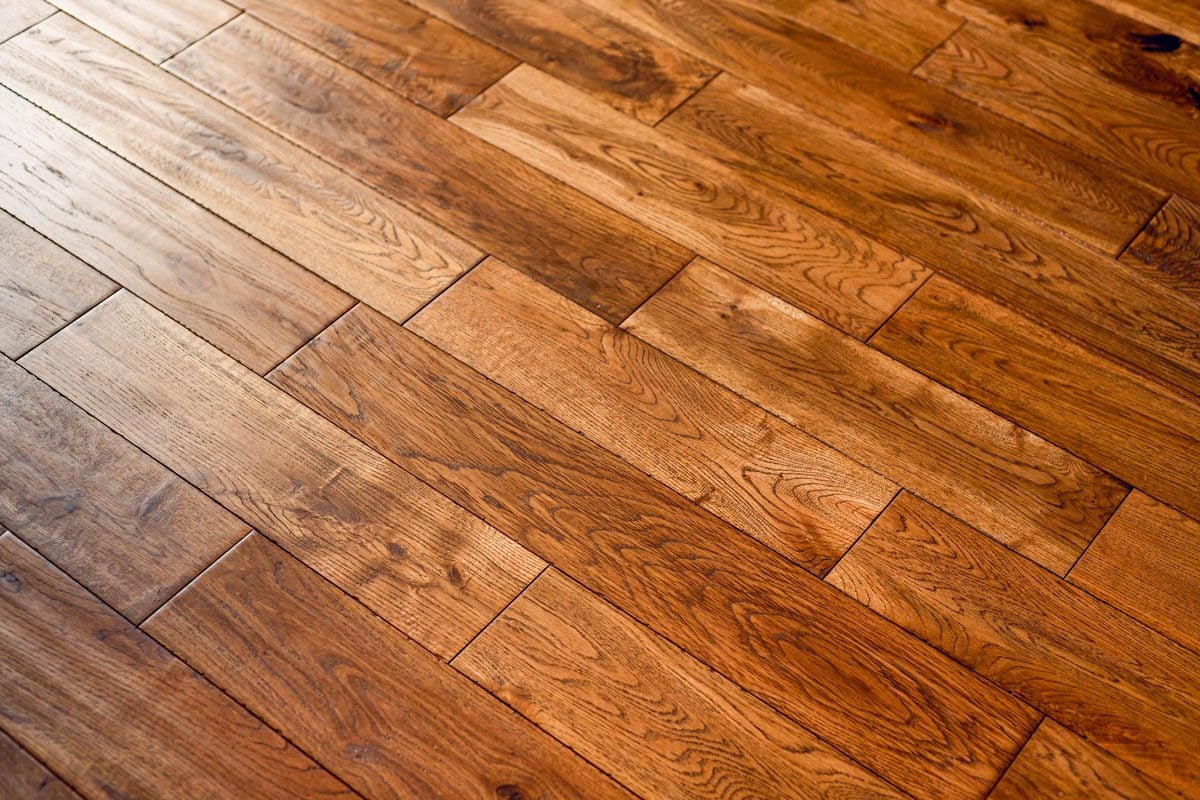
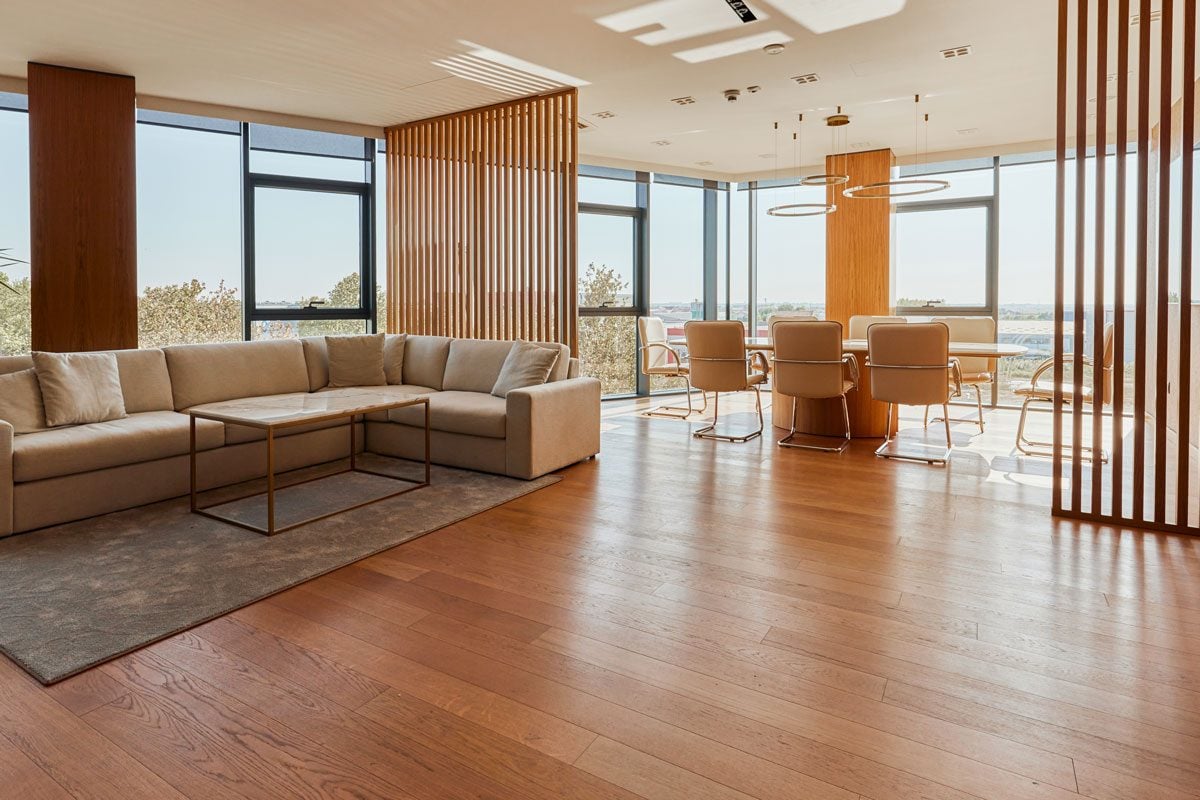
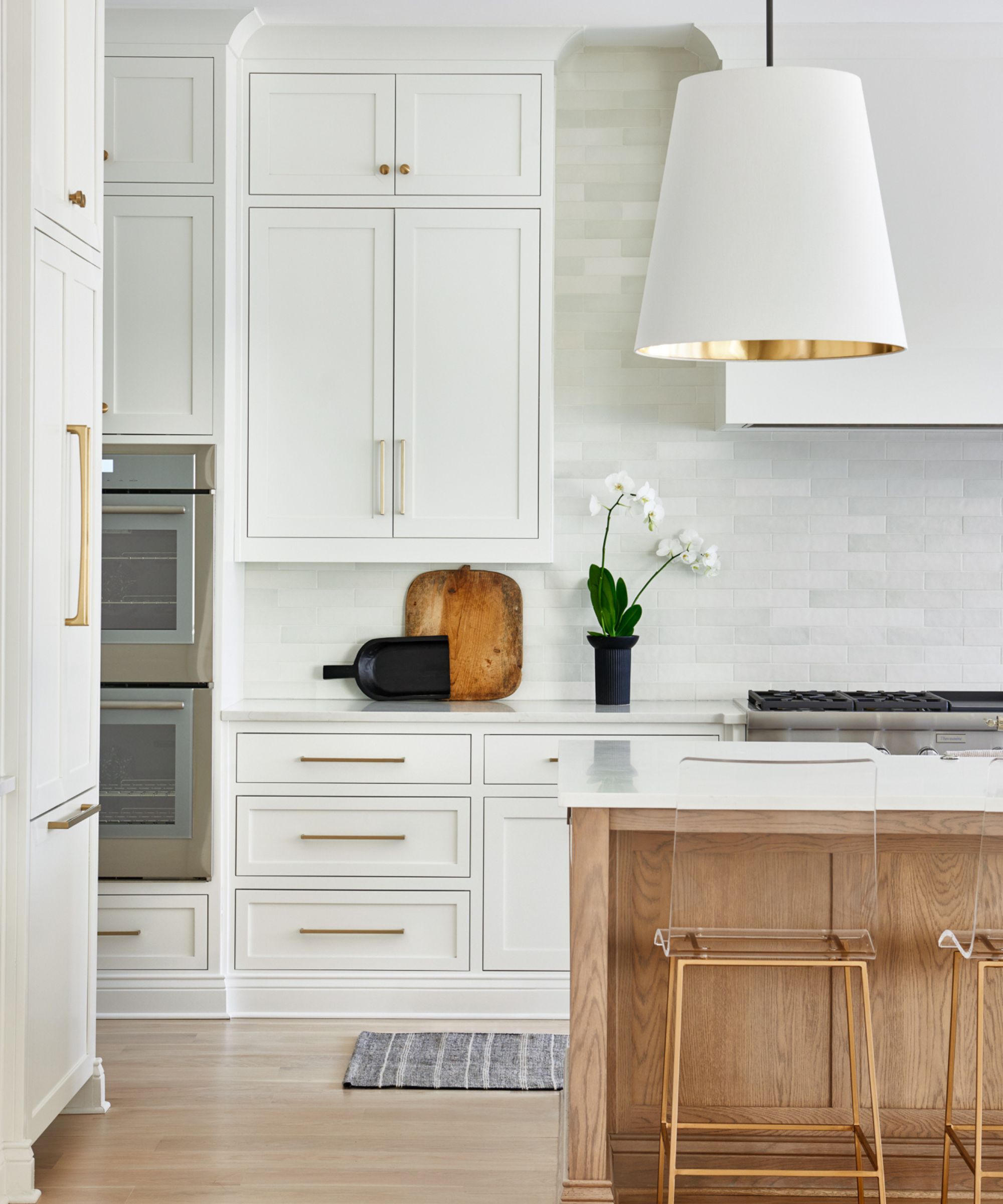
Finally, skinny plank flooring, once popular for creating a traditional look, is now considered dated. Hofstatter remarks that narrow wooden planks can make a floor appear busy and visually cramped. In contrast, wider floor planks are gaining popularity due to their ability to make a space feel larger, cleaner, and more luxurious. Wider planks also excel at showcasing the natural grain and beauty of the wood, adding to their aesthetic value and contributing to a more contemporary and expansive feel in any room.
#FlooringTrends #InteriorDesign #HomeDecor #DesignTips #OutdatedTrends #GrayFloors #MosaicTiles #FauxBarnwood #HighGlossFloors #SkinnyPlanks #FlooringTrends #InteriorDesign #HomeDecor #DesignTips #OutdatedTrends #GrayFloors #MosaicTiles #FauxBarnwood #HighGlossFloors #SkinnyPlanks
0 comment in total
 No comments yet
You may also like
Outdated Flooring Trends in 2025 That I Want You to Leave in the Past

5 trends that look good right now but interior designers warn they won't last
What's replacing wooden flooring? These are the 5 chic alternatives designers are switching to

7 Flooring Trends Designers Don't Want to See in 2025

9 Outdated Flooring Trends We're Leaving In The Past
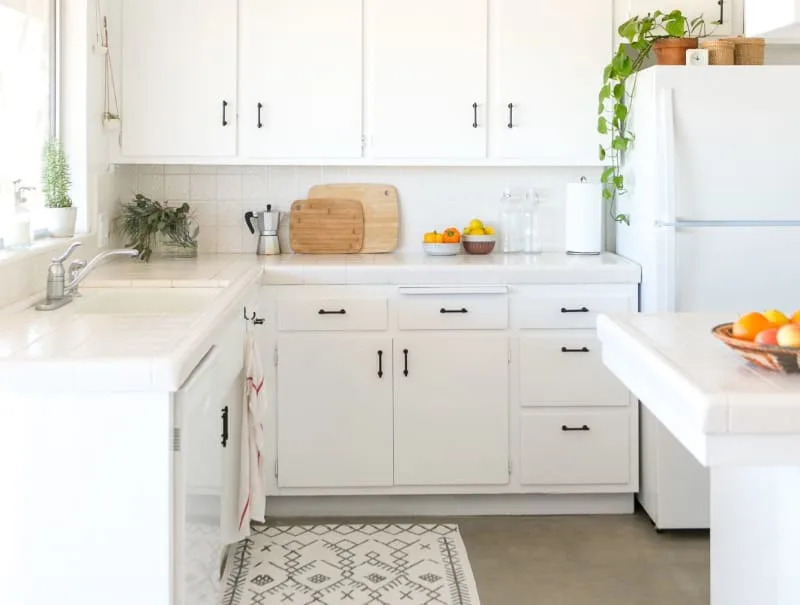
4 Kitchen Flooring Trends That Are on Their Way Out (and 3 Replacing Them)

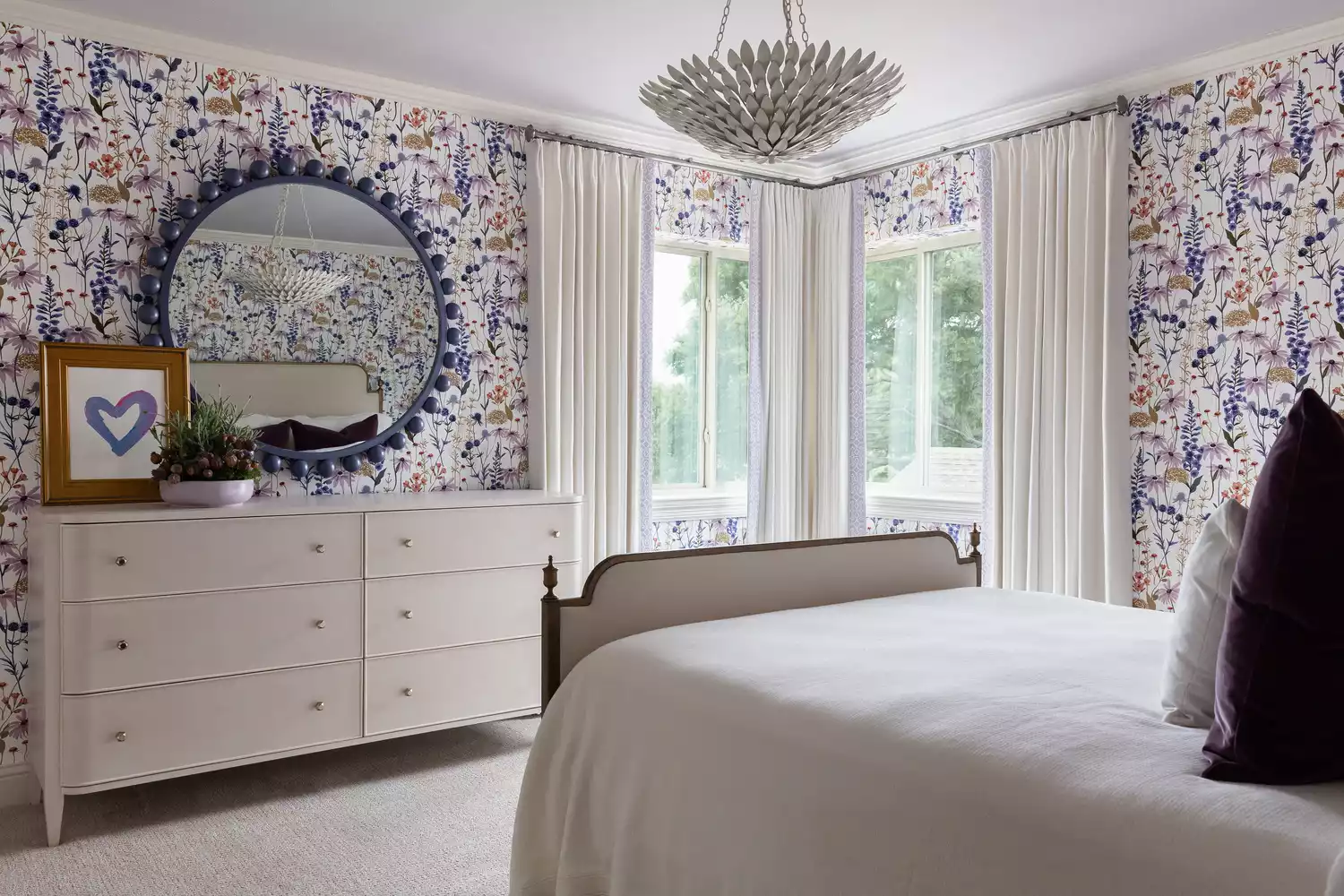
5 Flooring Trends You're About to See Everywhere in 2025, According to Designers
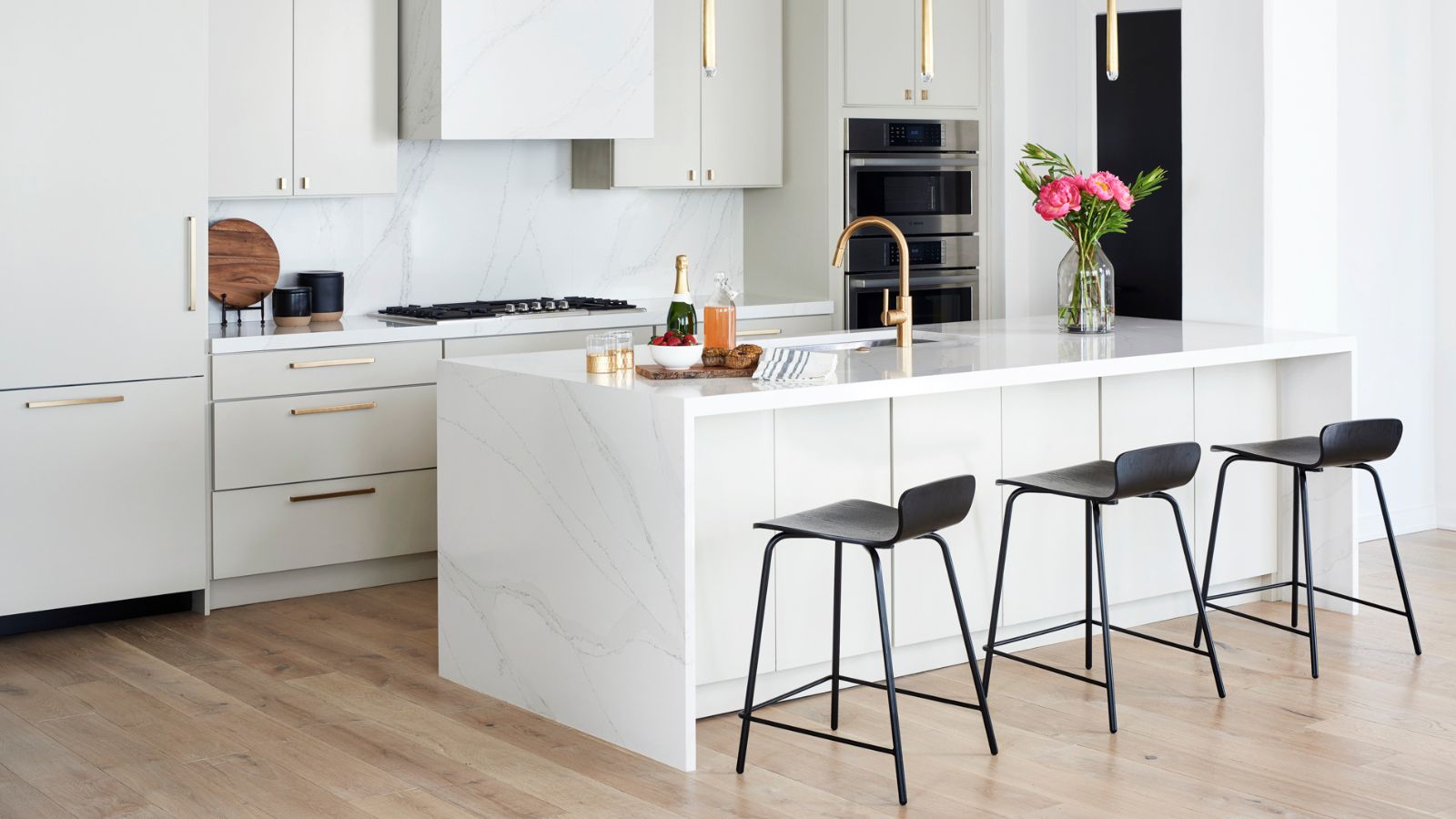
7 kitchen flooring trends you'll be seeing everywhere in 2025, say interior designers
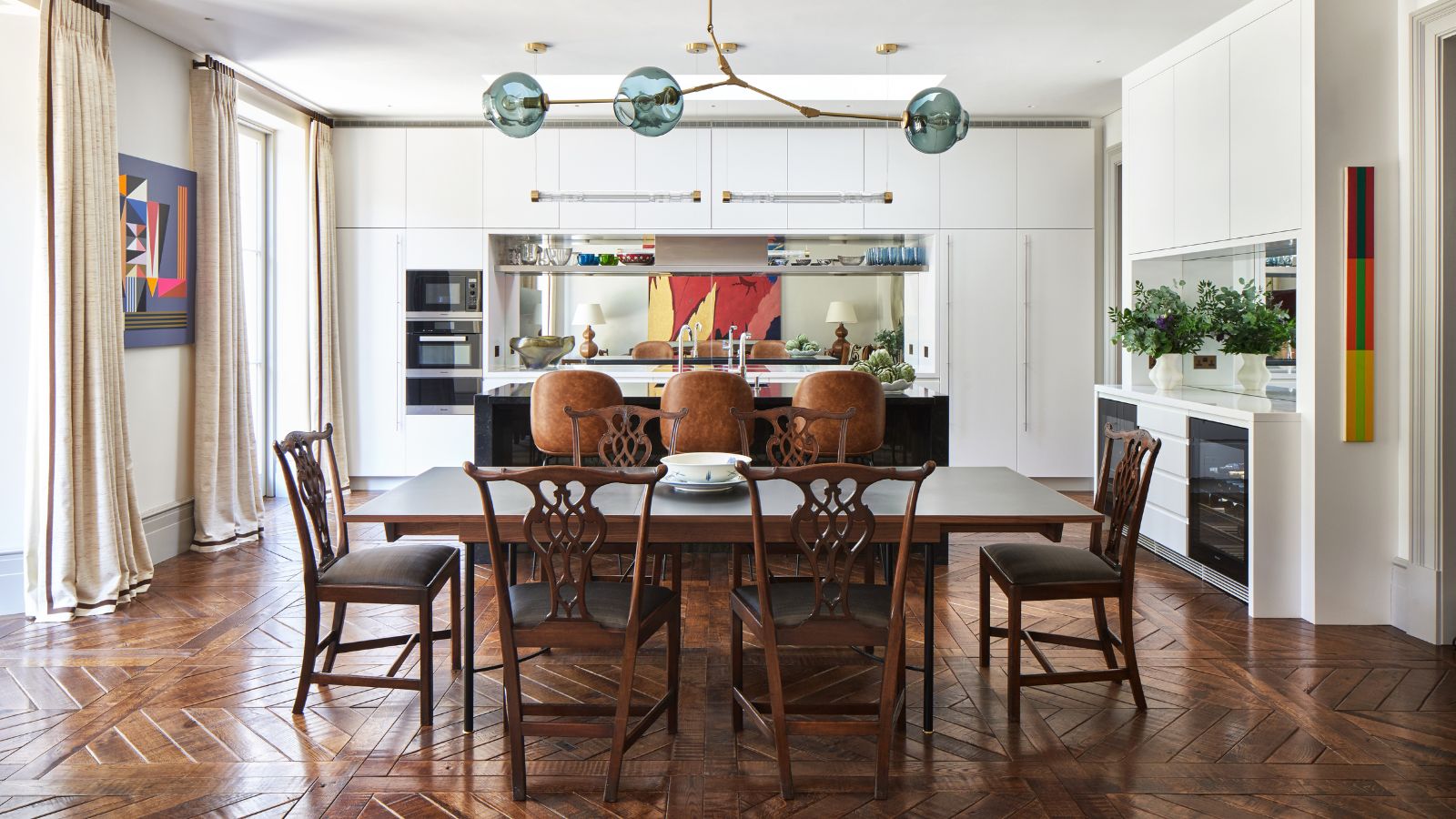
Are your floors passé? Find out from these 8 outdated flooring trends designers are leaving behind in 2025
6 Outdated Flooring Trends That Are Suddenly Back in Style, According to Designers
Future of Flooring: Home Pros Talk Through the Latest and Greatest Flooring Trends

5 tile colors going out of style for 2025, according to interior designers
These 5 Stair Trends Are Fading Fast—and Designers Say It's Time to Move On
5 Outdated Bathroom Flooring Trends to Avoid in 2025 — Plus the Ones the Experts Want to See More of in Your Home
The 10 Big Flooring Trends Emerging in Homes in 2025
8 Flooring Trends You Should Know for 2022

7 flooring trends you're about to see everywhere
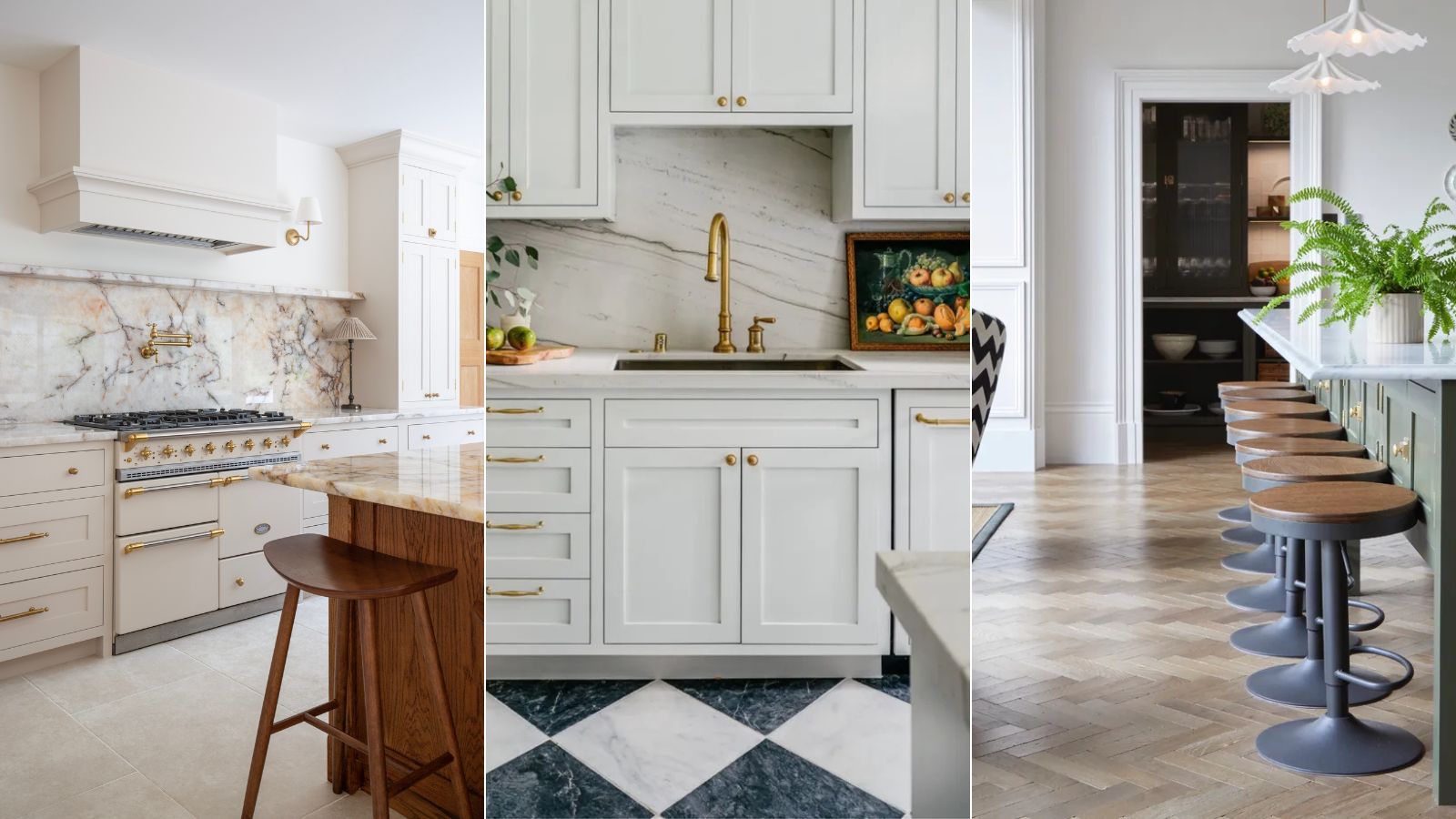
5 dated kitchen flooring trends to avoid in 2025 – and what experts say you should choose instead
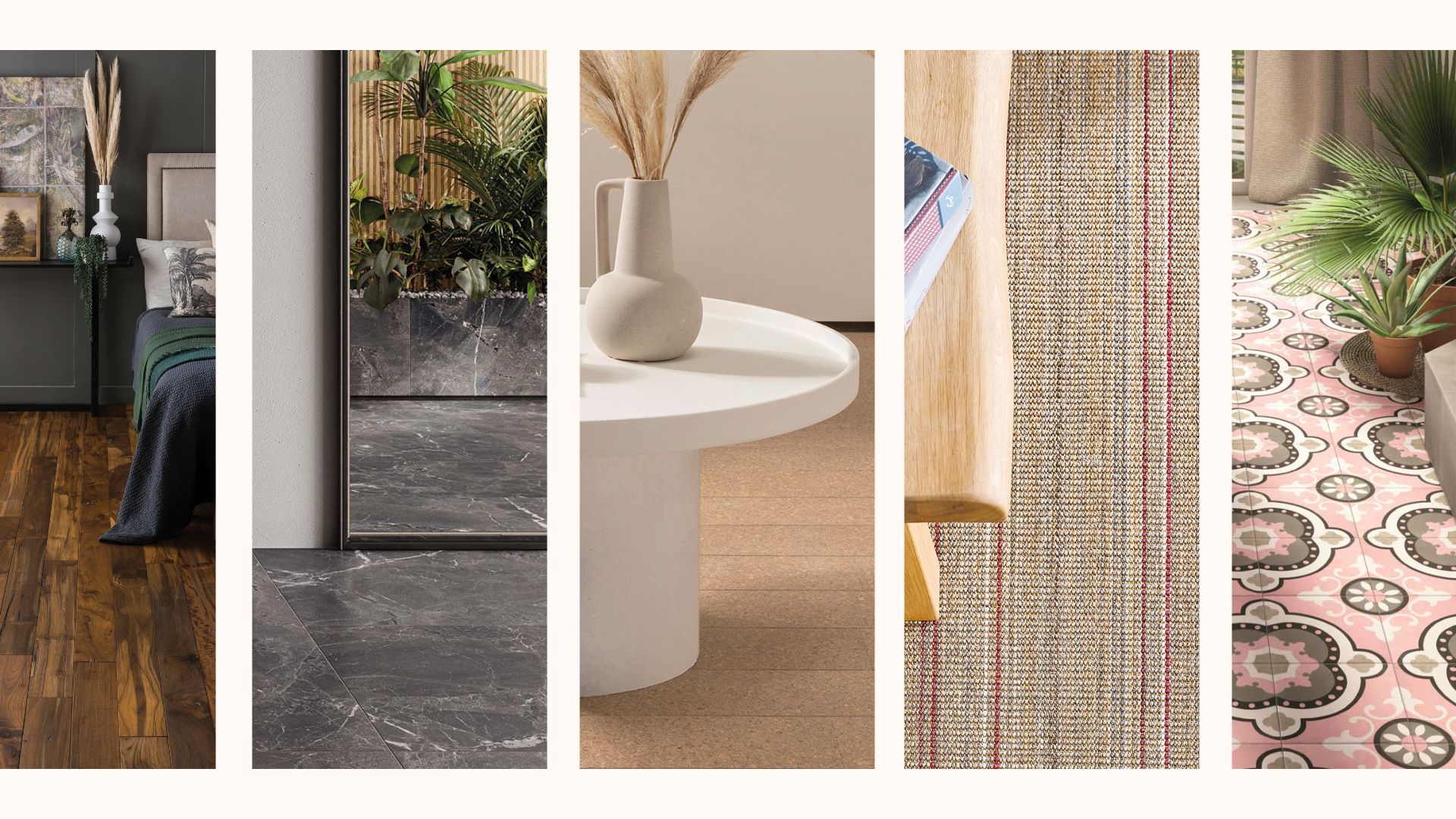
Flooring trends 2023: 18 popular design choices for stylish floors

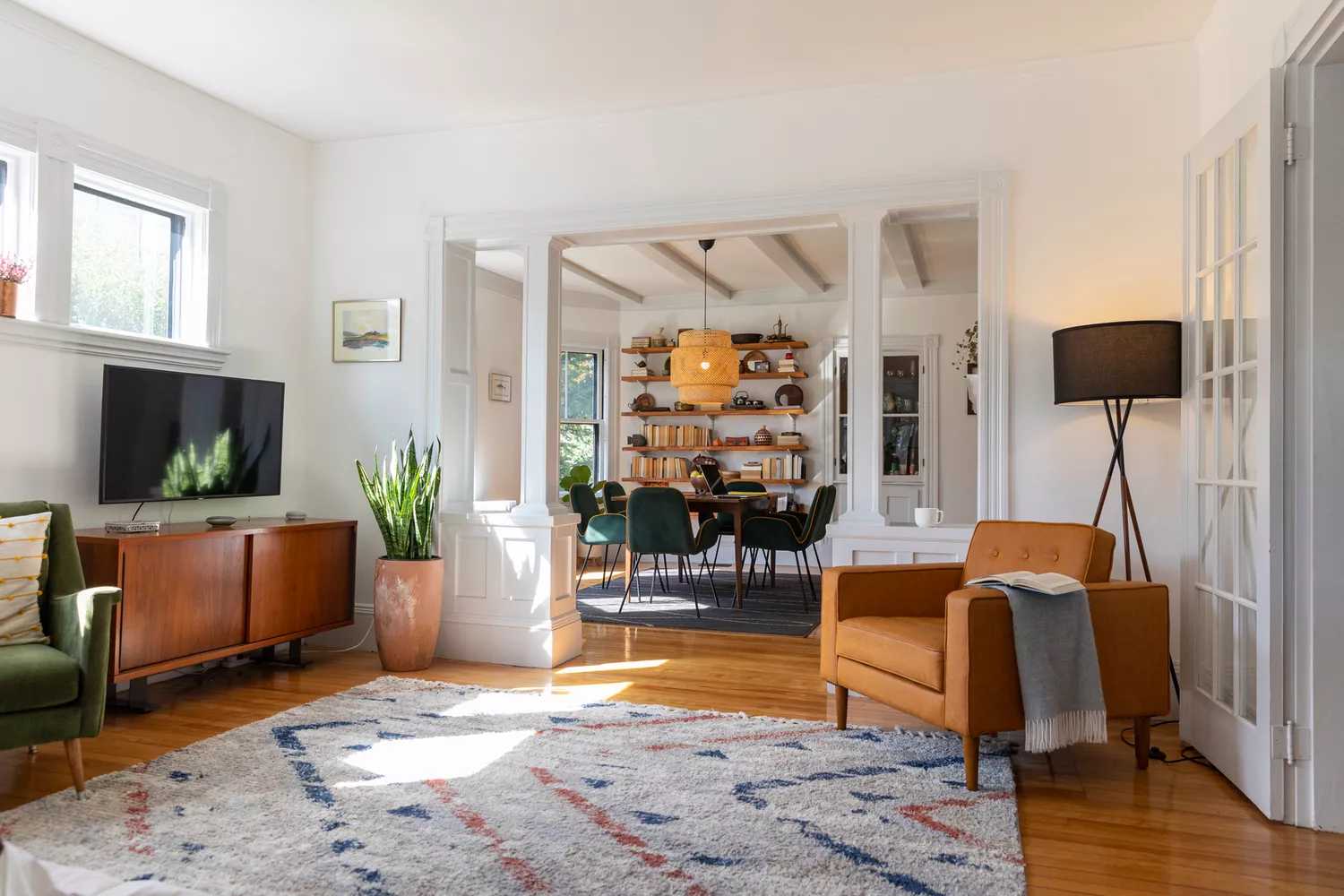
6 Flooring Options That Are So Outdated, According to Designers