7 Items You Should Never Store In Kitchen Cabinets
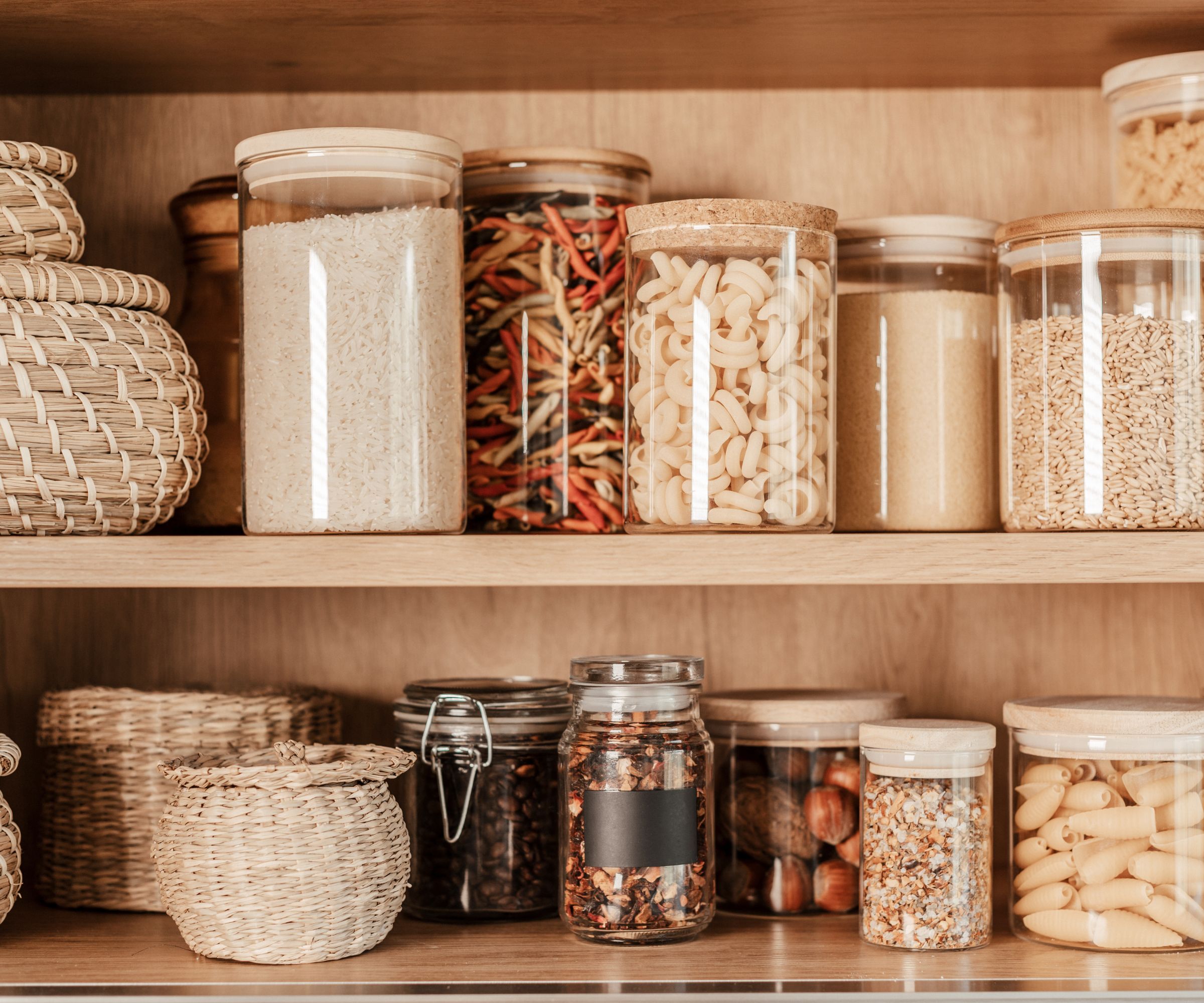
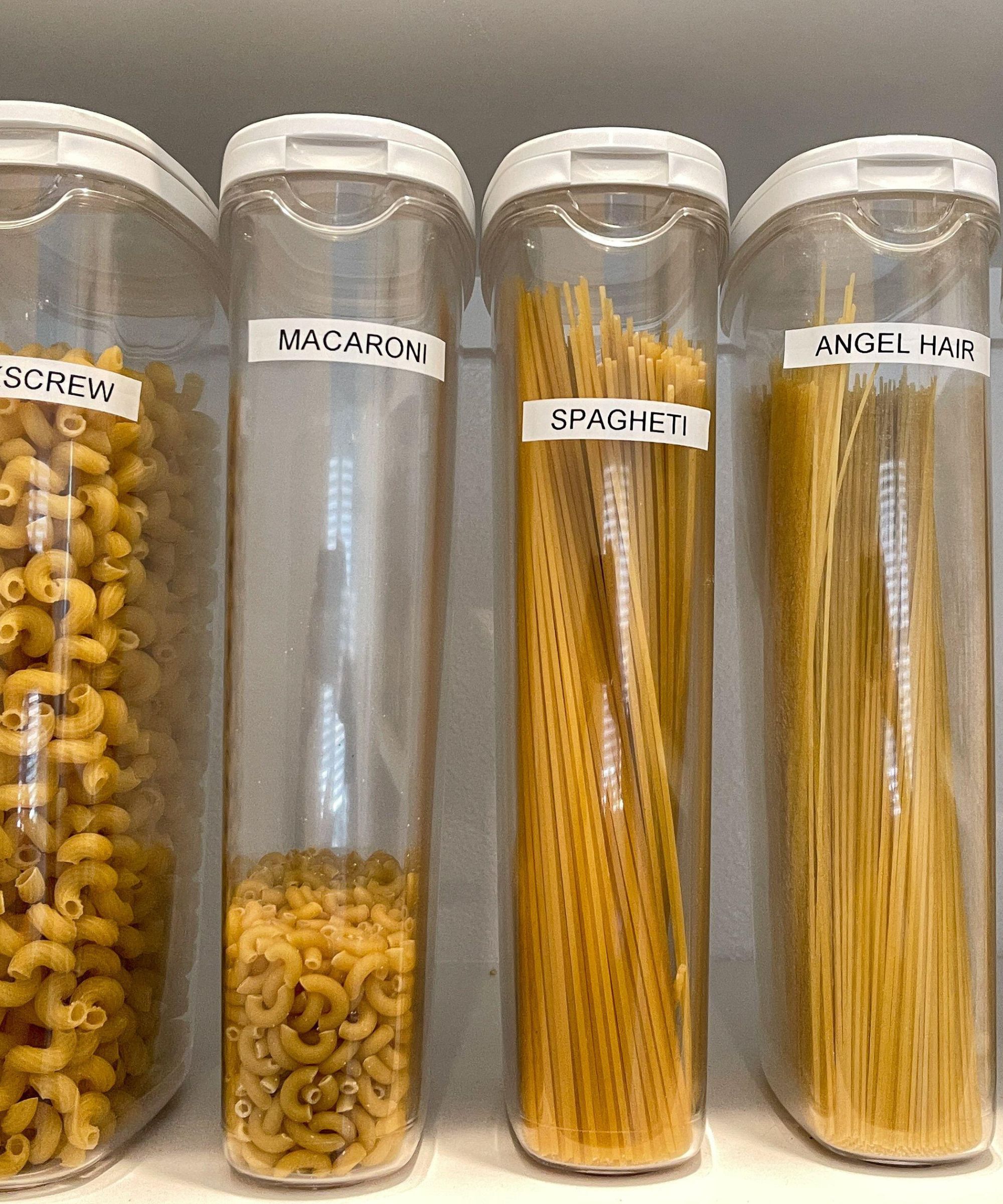
Proper storage of food and household items is essential for maintaining freshness, extending shelf life, and ensuring kitchen safety. Chef Molly Gordon emphasizes that not all items belong in kitchen cabinets, despite common practice. This article outlines seven specific items that should not be stored in cabinets and suggests appropriate alternatives to prevent spoilage, contamination, or safety hazards.
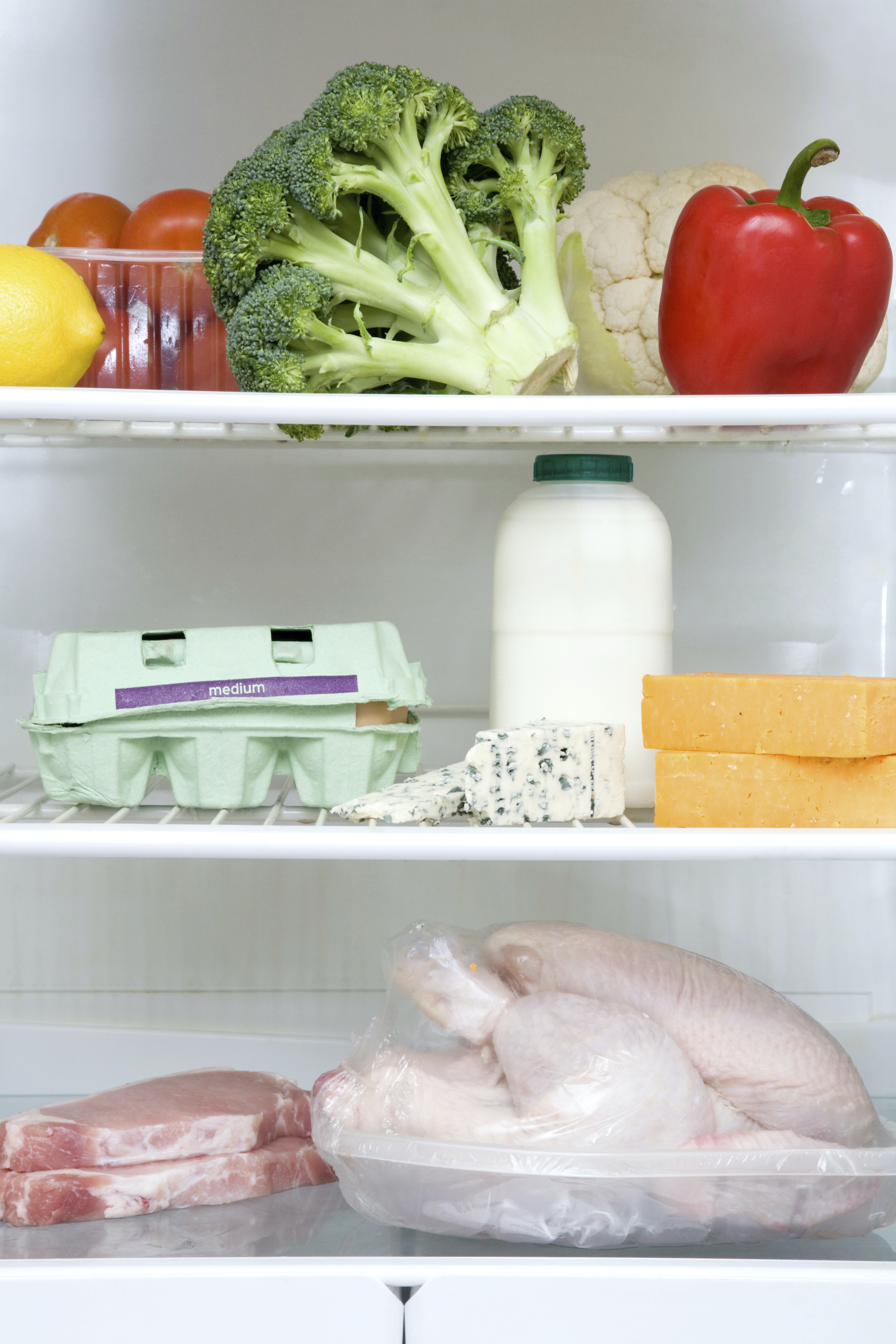
Unsalted butter, unlike its salted counterpart, lacks the protective qualities of salt, making it susceptible to bacterial growth. While it may be convenient to keep butter at room temperature for spreadability, unsalted butter should ideally be refrigerated unless it will be consumed within a few hours. This ensures its quality and prevents it from going bad prematurely.
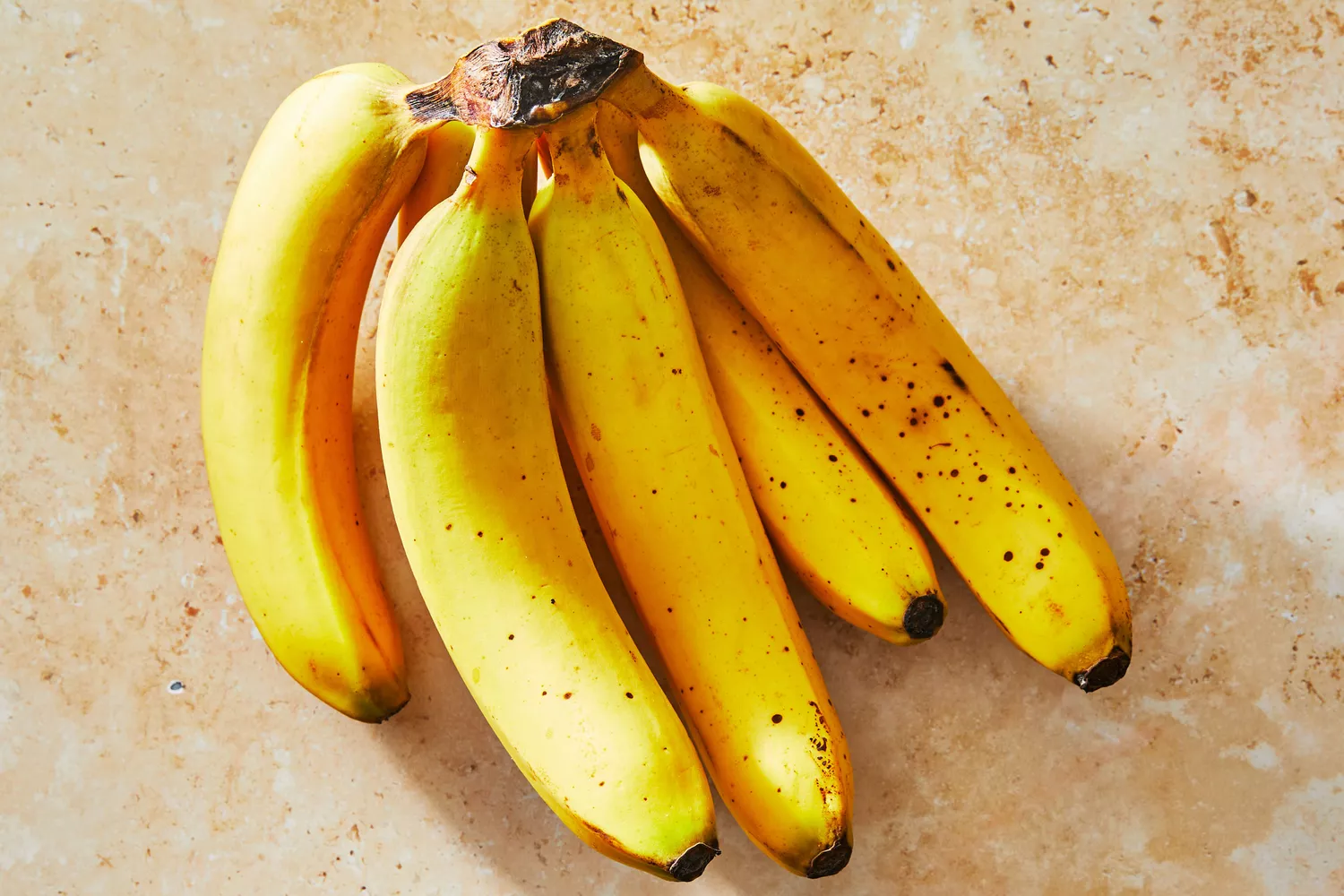
Bananas are another item often incorrectly stored in cabinets. While protection from light is beneficial, bananas require a cool temperature, specifically between 56 and 58 degrees Fahrenheit, to slow down the ripening process. Storing them on a countertop, rather than in a cabinet, helps maintain this ideal temperature, preventing them from over-ripening too quickly.
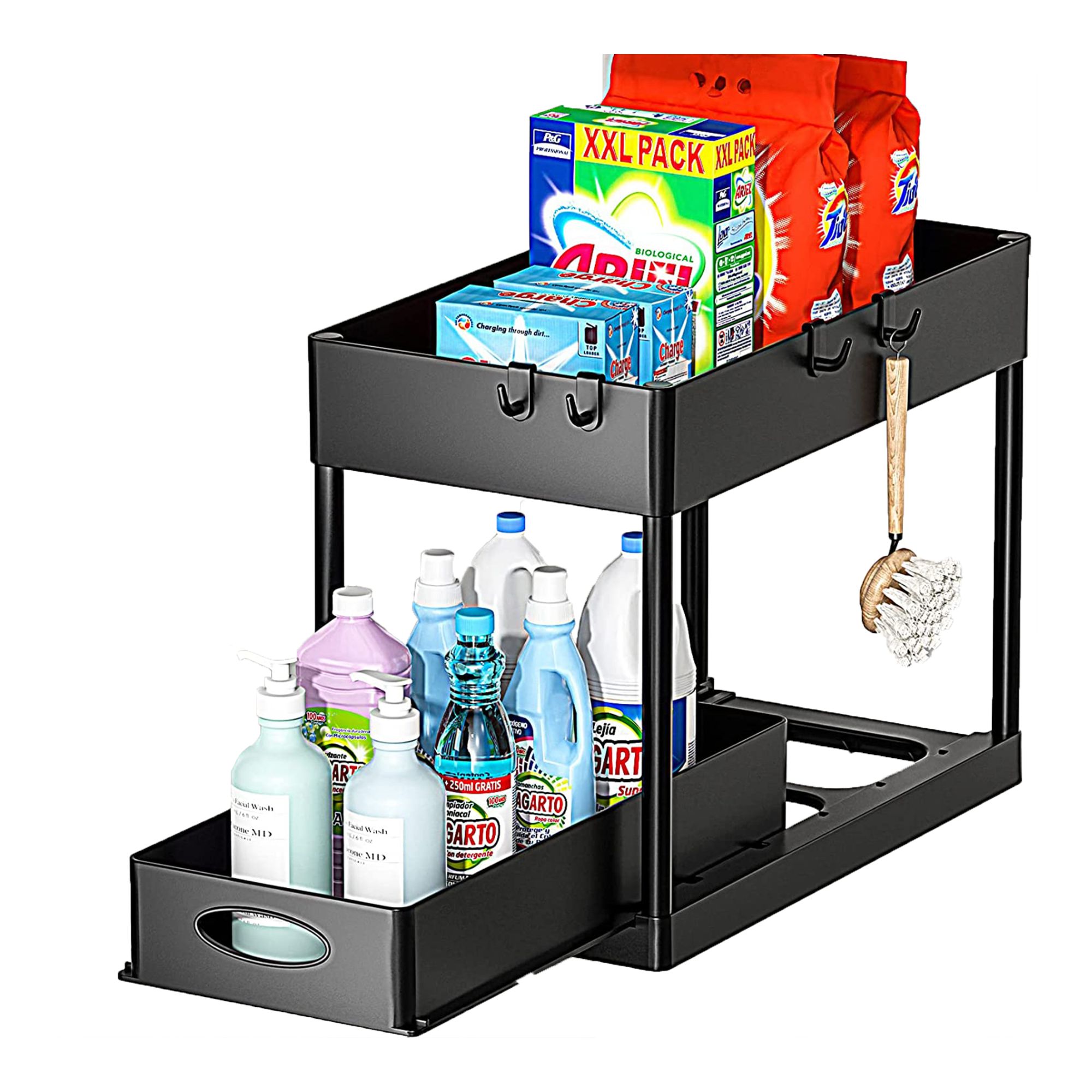
Cleaning supplies, even natural ones like vinegar and baking soda, should generally not be kept in kitchen cabinets, especially those within easy reach. Products containing chemical ingredients pose a significant risk, particularly if there are children or pets in the household. These items are best stored in an adjacent room or a secure, inaccessible location to prevent accidental ingestion or exposure.
Scented products, such as scented trash bags and air fresheners, also fall into the category of items to avoid storing in kitchen cabinets. These products are typically not made from food-grade plastic, and their chemical scents can be absorbed by and contaminate edible items. The recommendation is to store them with other cleaning supplies, away from food products, to prevent any chemical transfer.
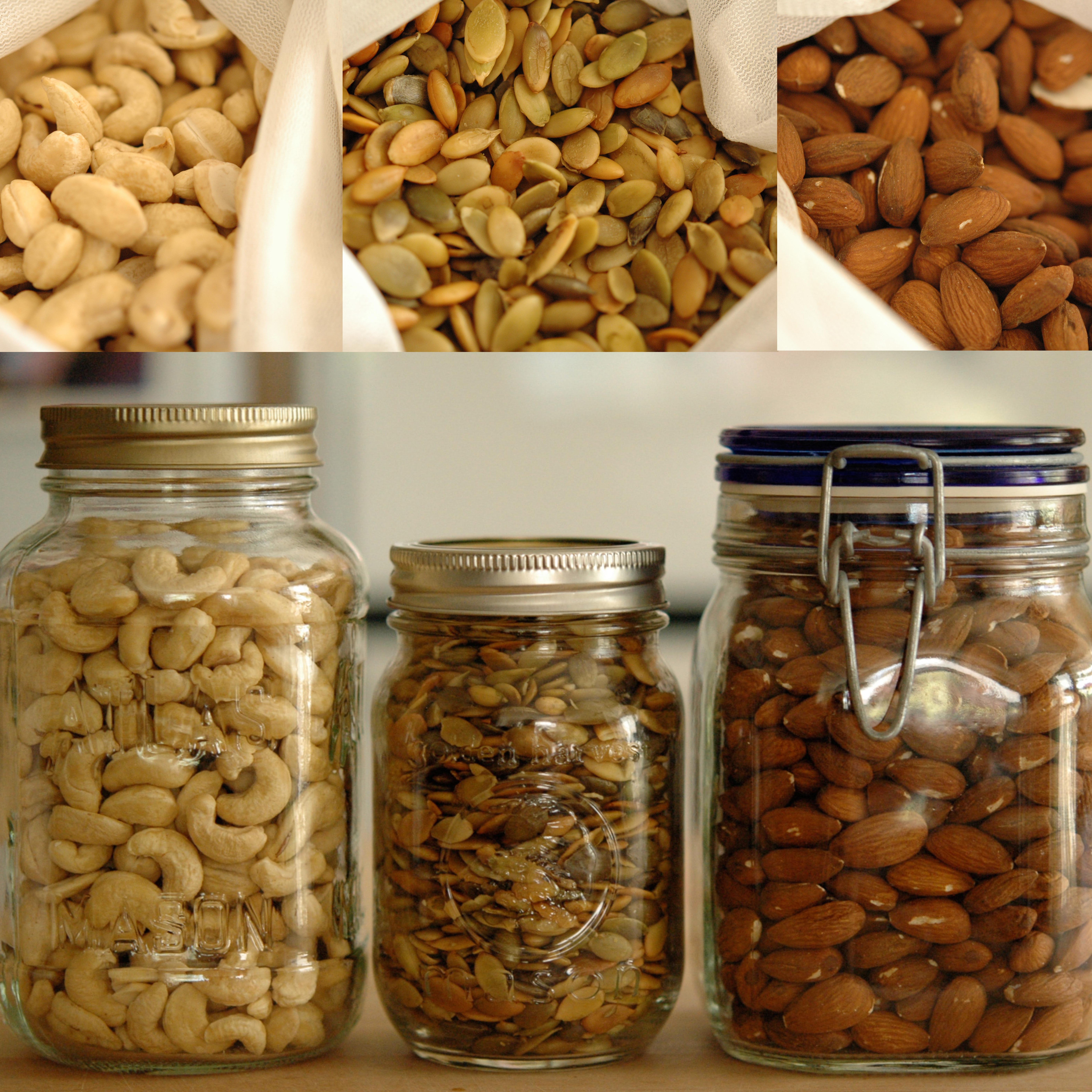
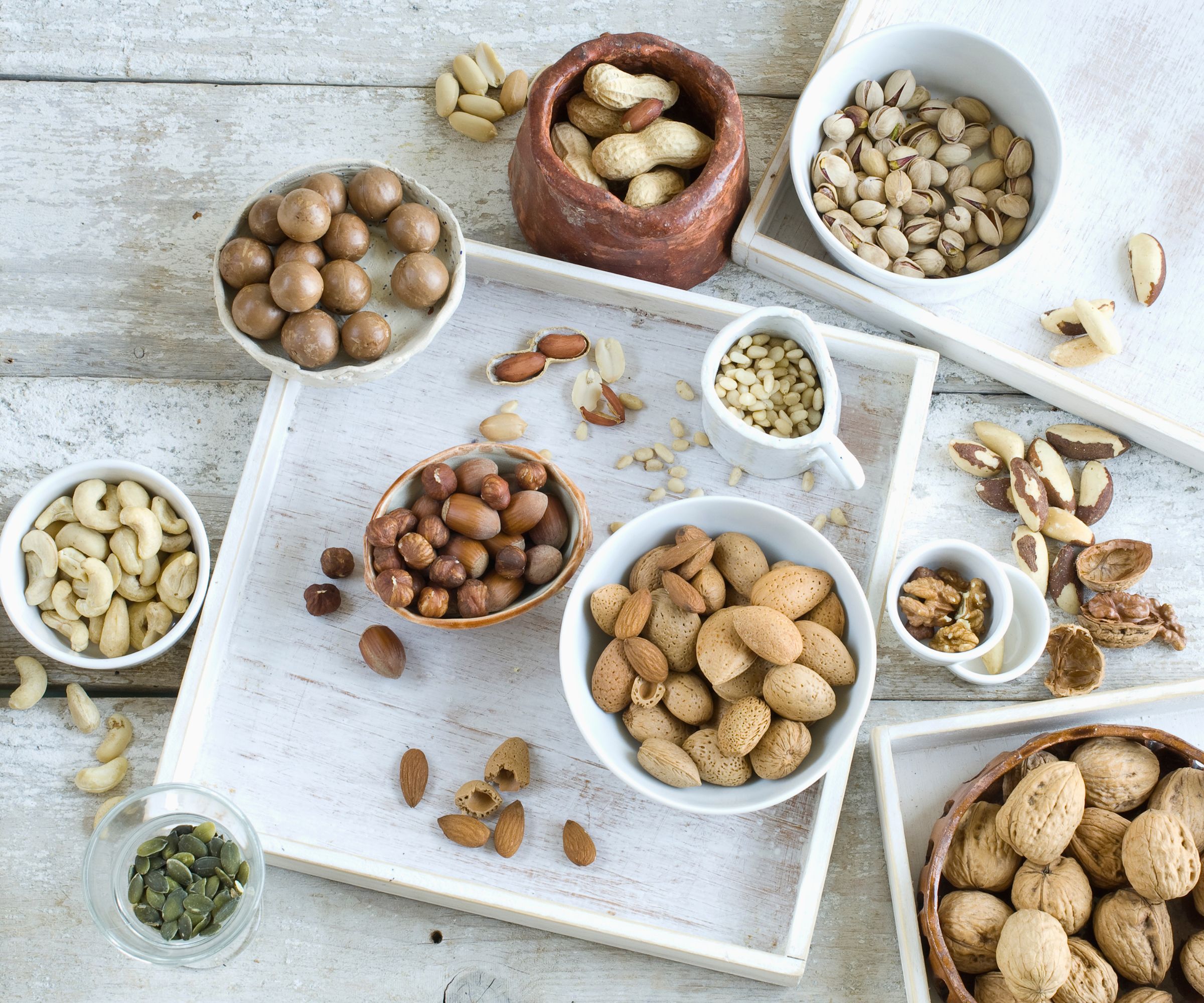
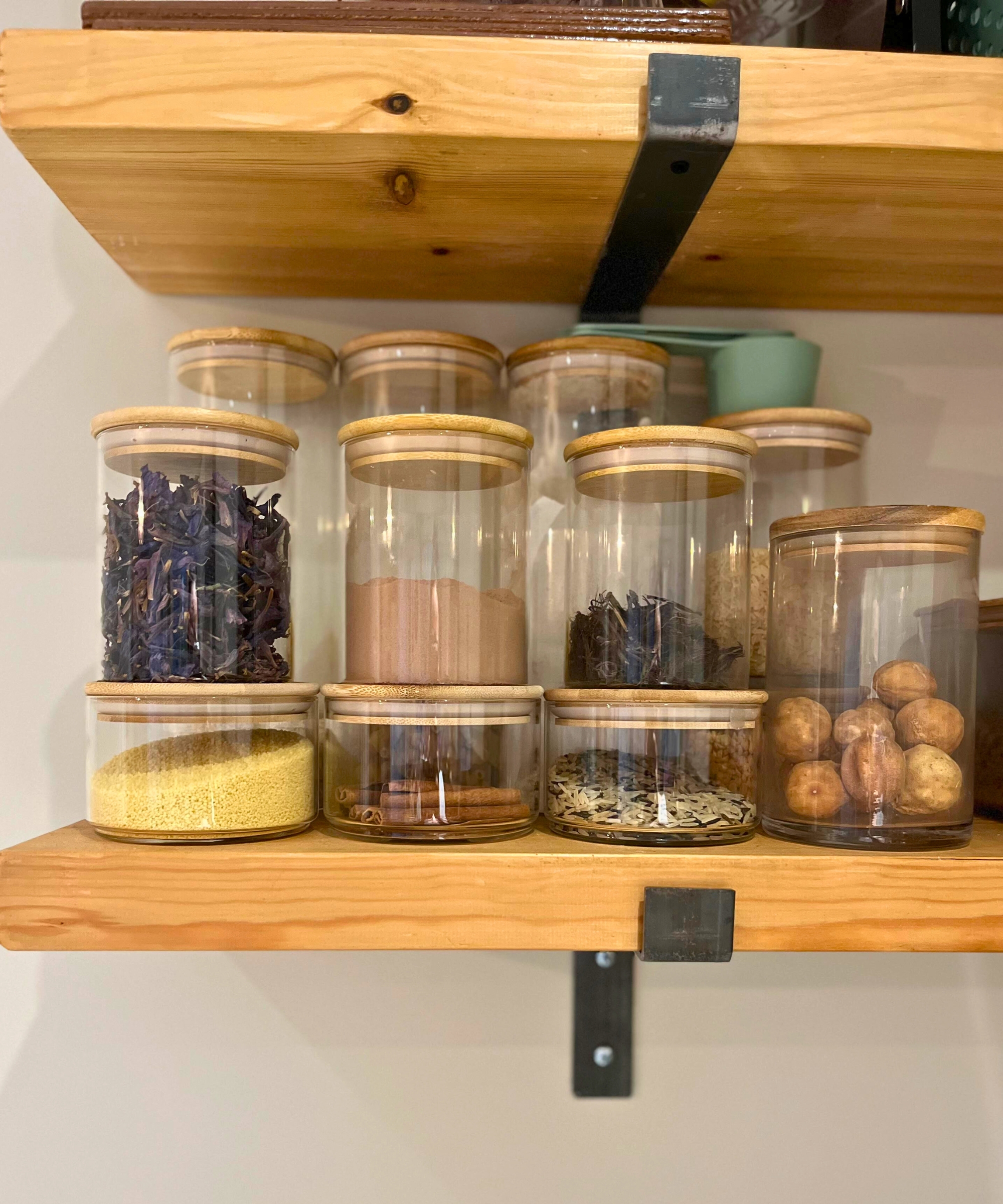
Nuts, despite being commonly found in snack aisles and often stored in pantries, should be kept out of kitchen cabinets. They contain high levels of unsaturated fats, which are prone to turning rancid quickly. To preserve their freshness and prevent spoilage, nuts are best stored in airtight containers in the freezer. This method helps to protect them from moisture and extends their shelf life significantly.
Pure maple syrup, unlike commercial pancake syrups that often contain preservatives, is a natural product and therefore requires refrigeration after opening. Without preservatives, pure maple syrup is more susceptible to mold growth and spoilage at room temperature. Refrigeration helps to maintain its quality and prevents it from fermenting.
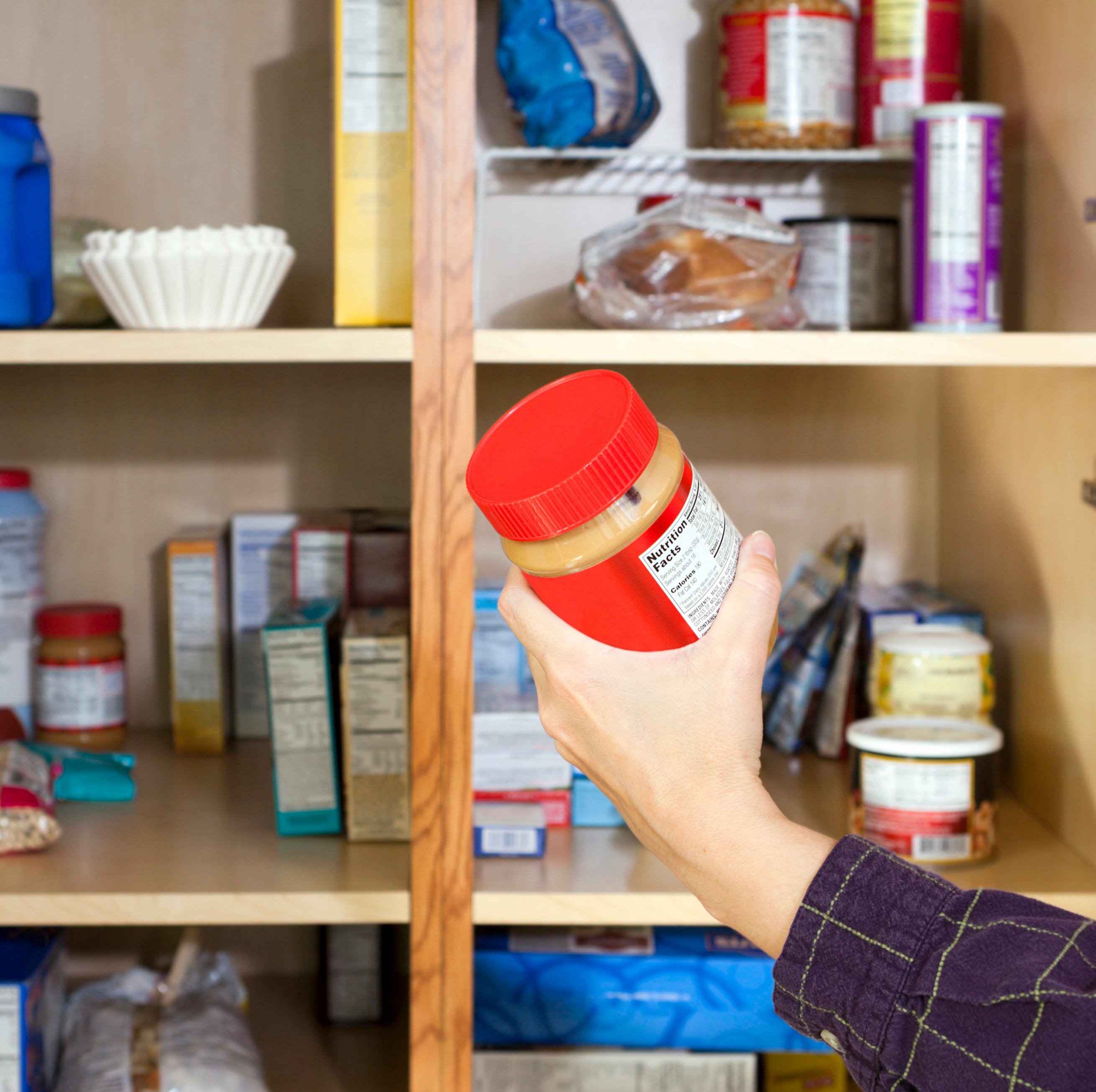
Finally, natural nut butters, which lack the preservatives found in many major brands, also should not be stored in kitchen cabinets. The natural oils in these products tend to separate and can go rancid if not refrigerated. Similar to whole nuts, storing natural nut butters in the refrigerator after opening helps to keep them fresh and prevents the oils from spoiling, preserving their flavor and quality.
#KitchenStorage #FoodSafety #FoodPreservation #HouseholdItems #KitchenOrganization #CookingTips #PantryManagement #KitchenStorage #FoodSafety #FoodPreservation #HouseholdItems #KitchenOrganization #CookingTips #PantryManagement
合計0件のコメント
 まだコメントはありません
あなたも好きかもしれません
6 Things You Should Never Keep on Your Kitchen Counter


7 Kitchen Storage Trends That Designers say are Best Avoided

7 kitchen storage mistakes you're making – and how to fix them
3 Things You Should Never Store On Your Kitchen Counter (Plus, What Actually Belongs!)
8 Things You Should NEVER Keep On Your Kitchen Counter
7 types of storage you should never use in a pantry – they'll make utilizing this space well 10 times harder, pros say

5 Things You Should Never Keep on Your Kitchen Island

7 things you should never store in plastic containers

Never store these 6 things on open kitchen shelving, warn pro organisers
5 Things You Should Never Store In Your Bathroom Cabinets
Pros warn never to keep these 8 things in your pantry

9 items never to store in a bathroom vanity – according to the experts
6 Things You Should Never Store in Your Kitchen Cabinets—and Where to Keep Them Instead

'Most kitchens don't suffer from a lack of storage, just inefficient use of it' – 7 things people with tidy kitchen cabinets never do
The 5 kitchen storage mistakes interior designers always avoid

11 items not to store in a bathroom cabinet, and what experts say to do instead
6 Things You Should NEVER Keep In Your Pantry, According To Pro Organizers & Chefs
11 things you should never store in a pantry, according to experts
5 Outdated Types of Kitchen Storage Experts Are Urging You to Avoid
8 Things Pro Organizers Say You Should NEVER Keep On Your Kitchen Counter