1/9
How to properly paint ombre walls for a gradual gradient, with a stress-free method for decorating novices
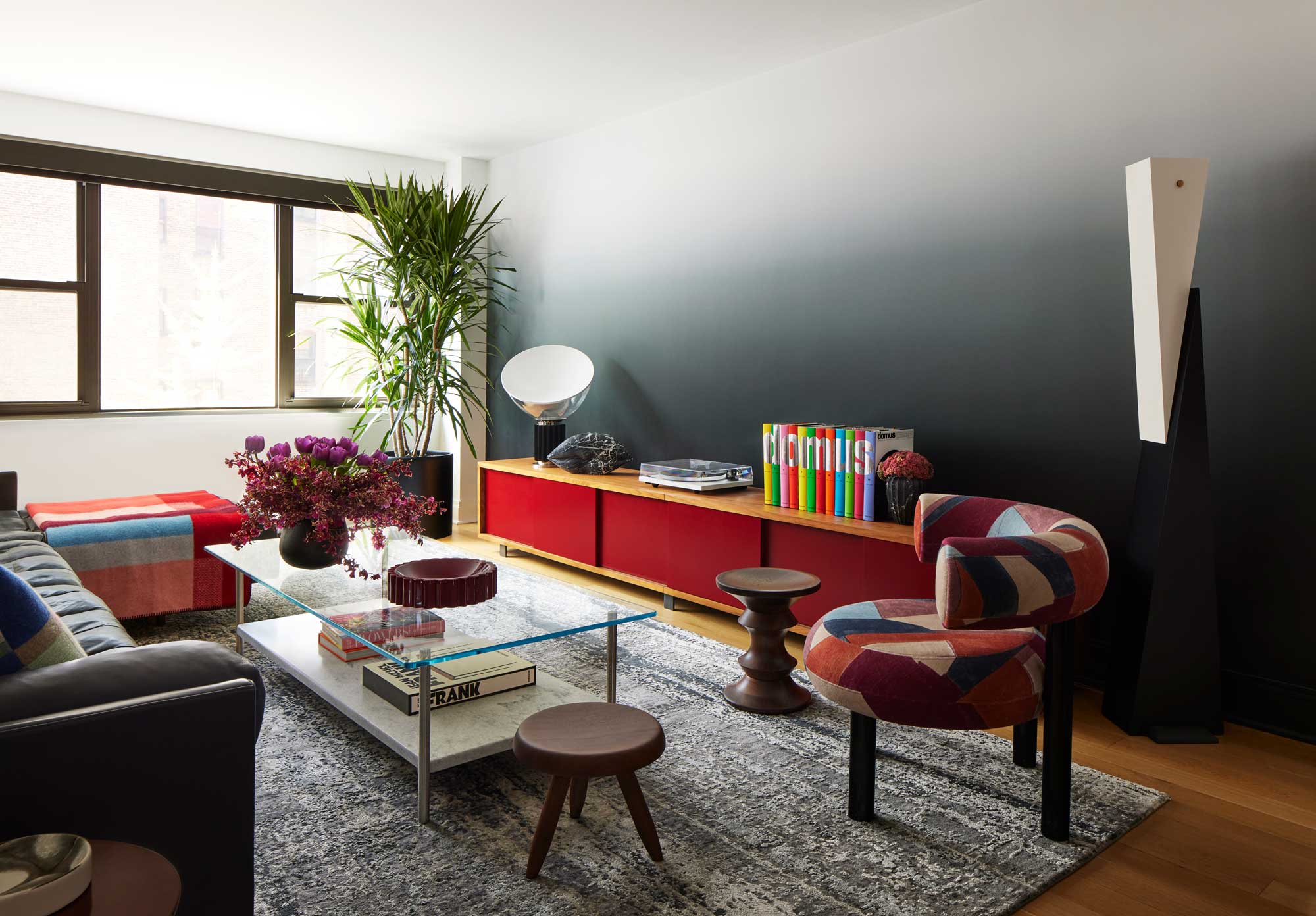
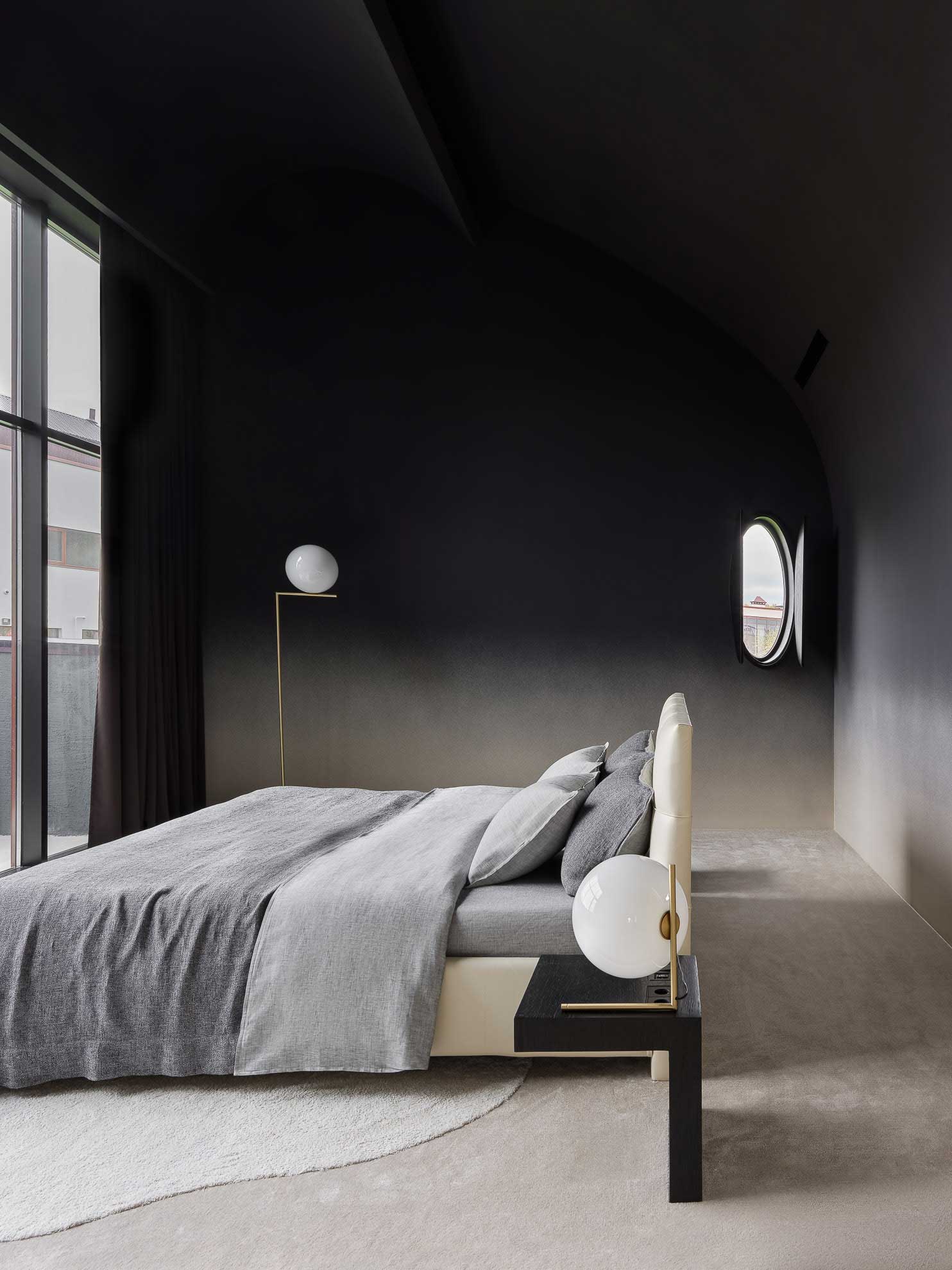
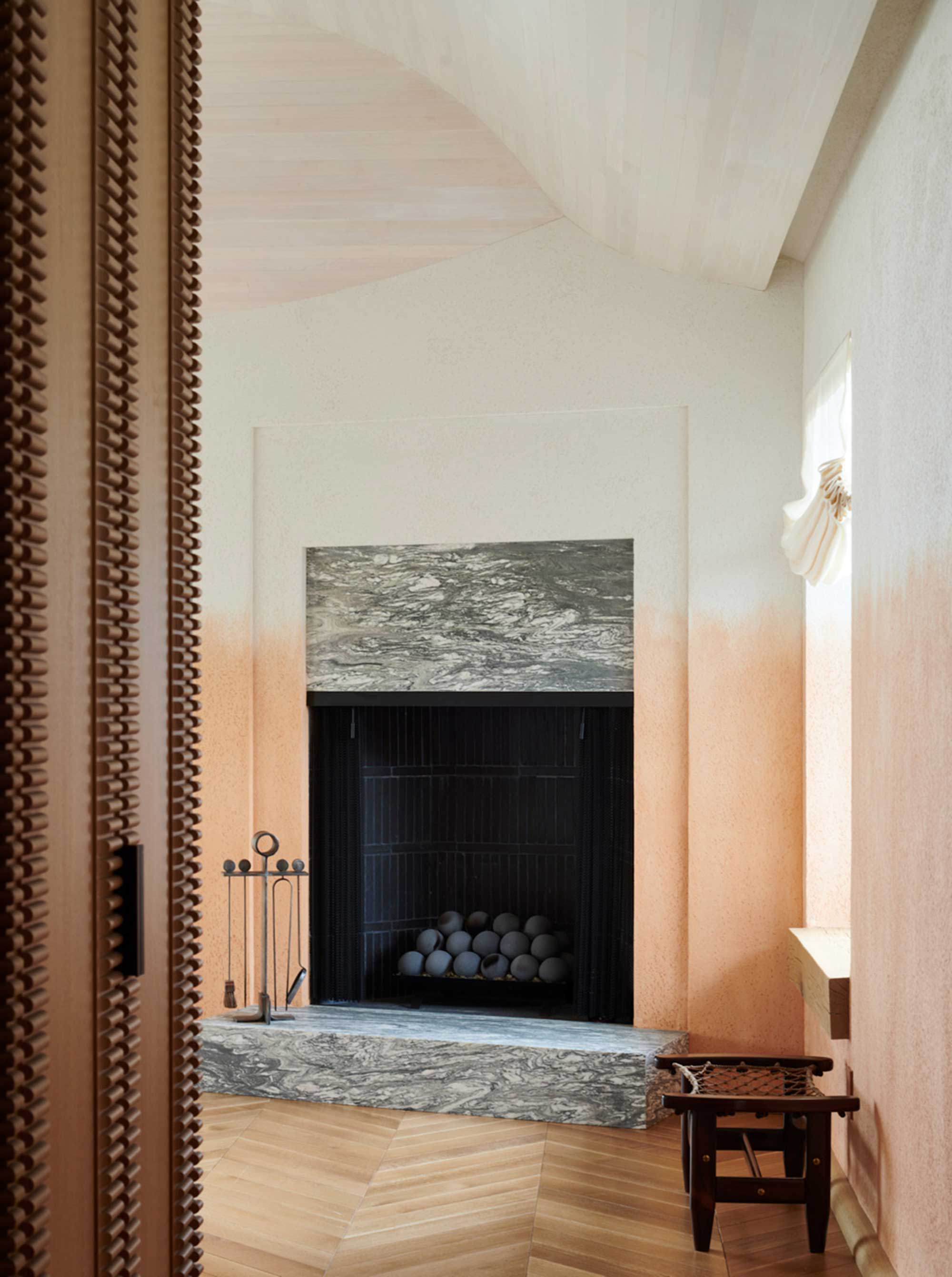
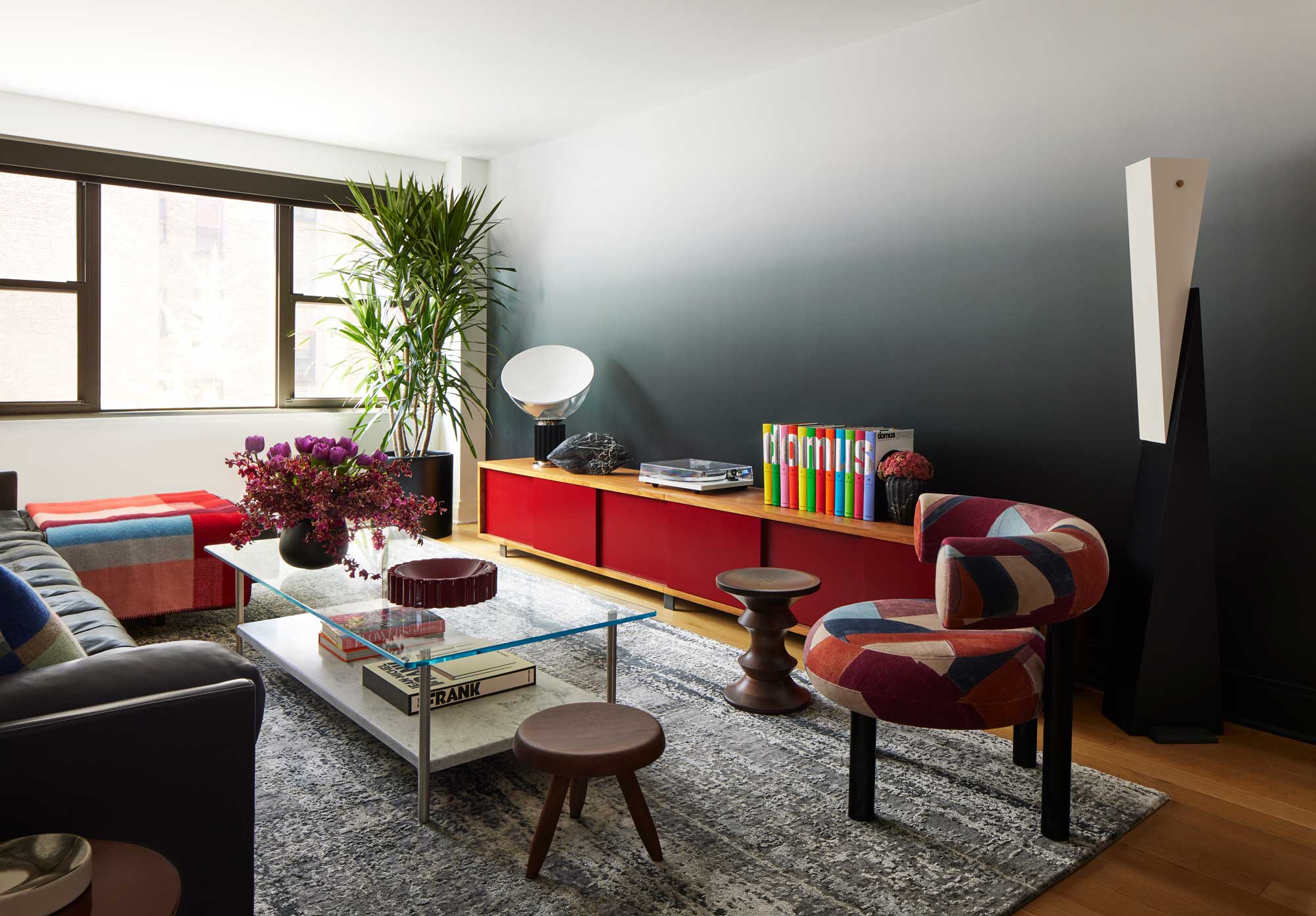
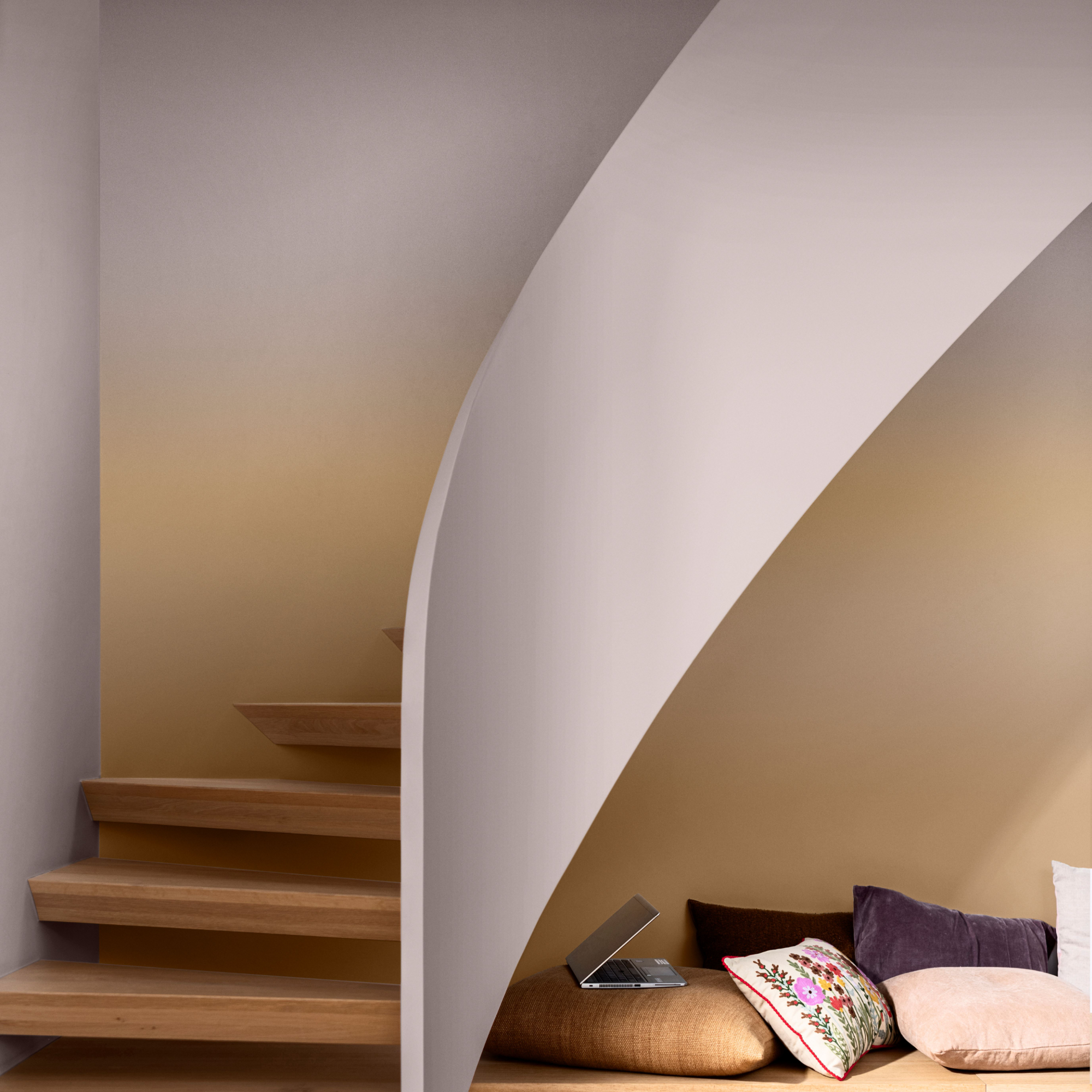
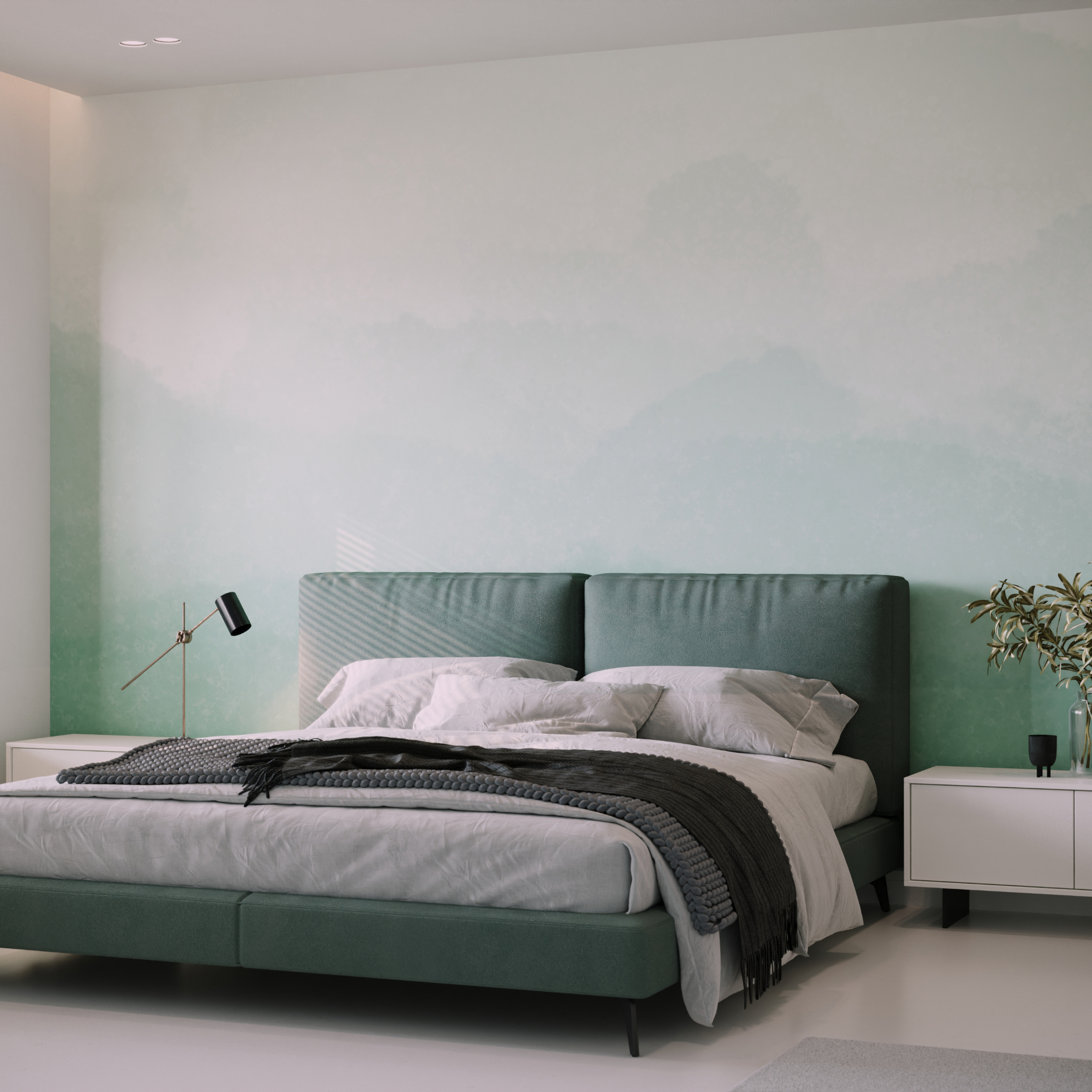
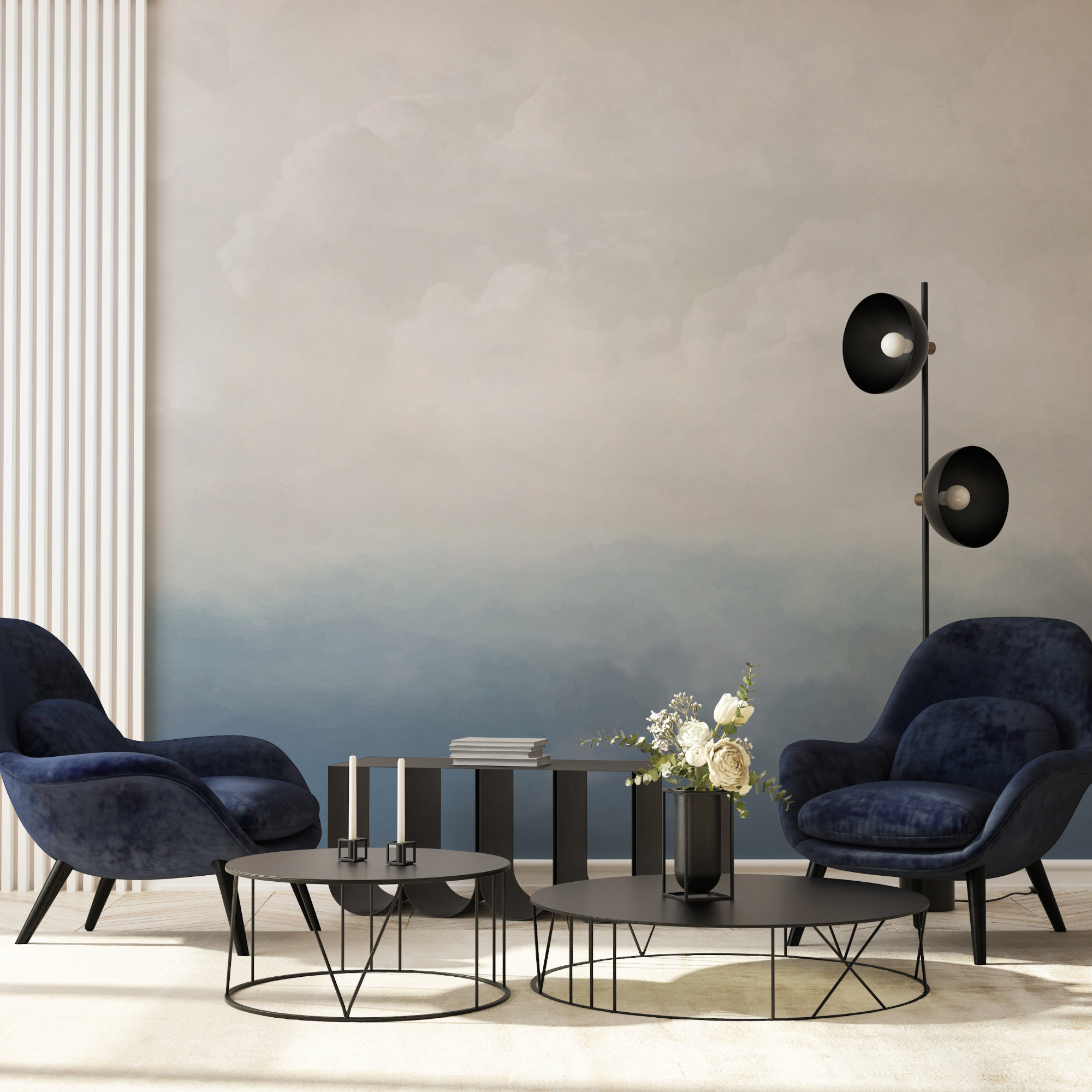
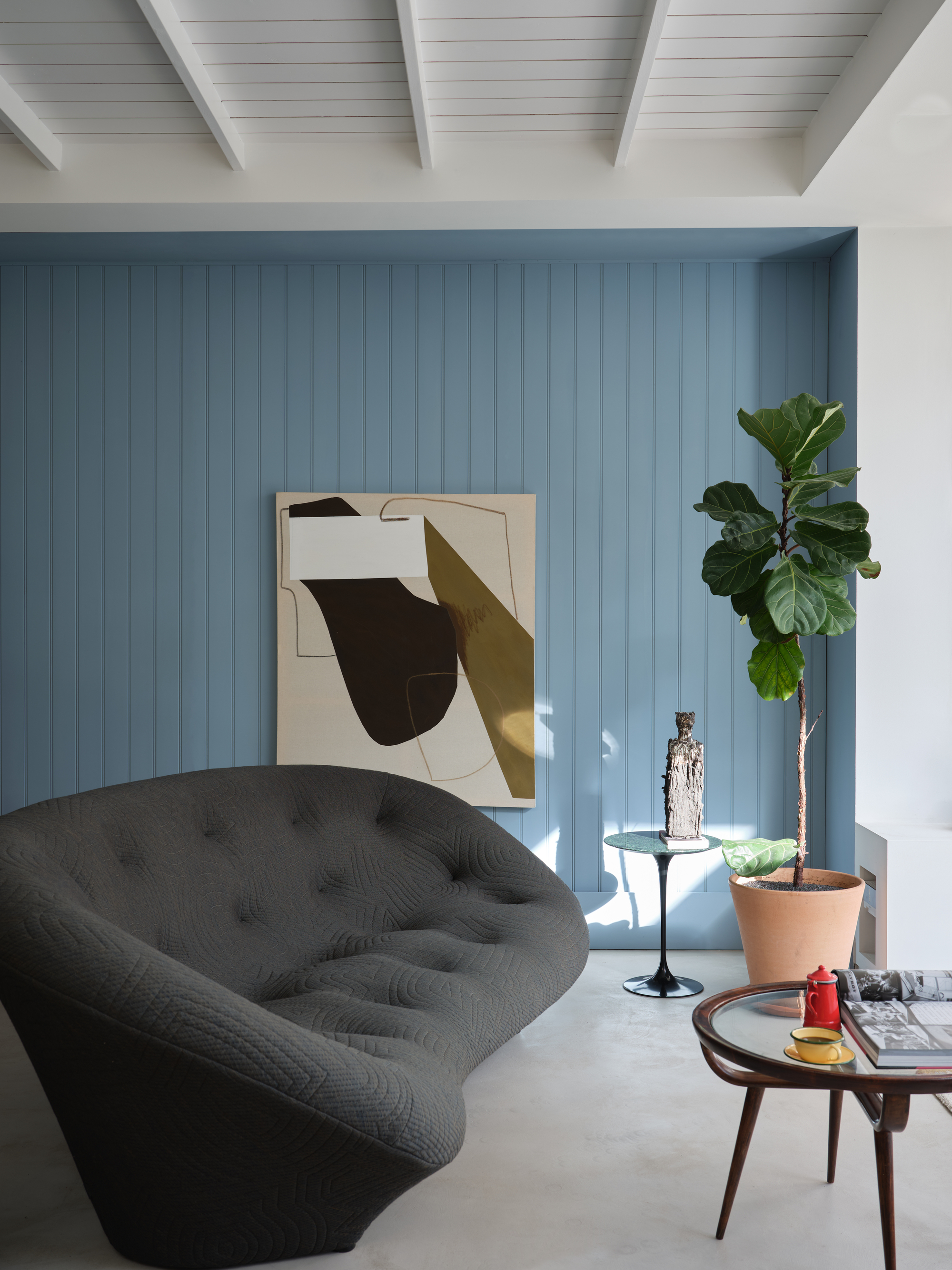
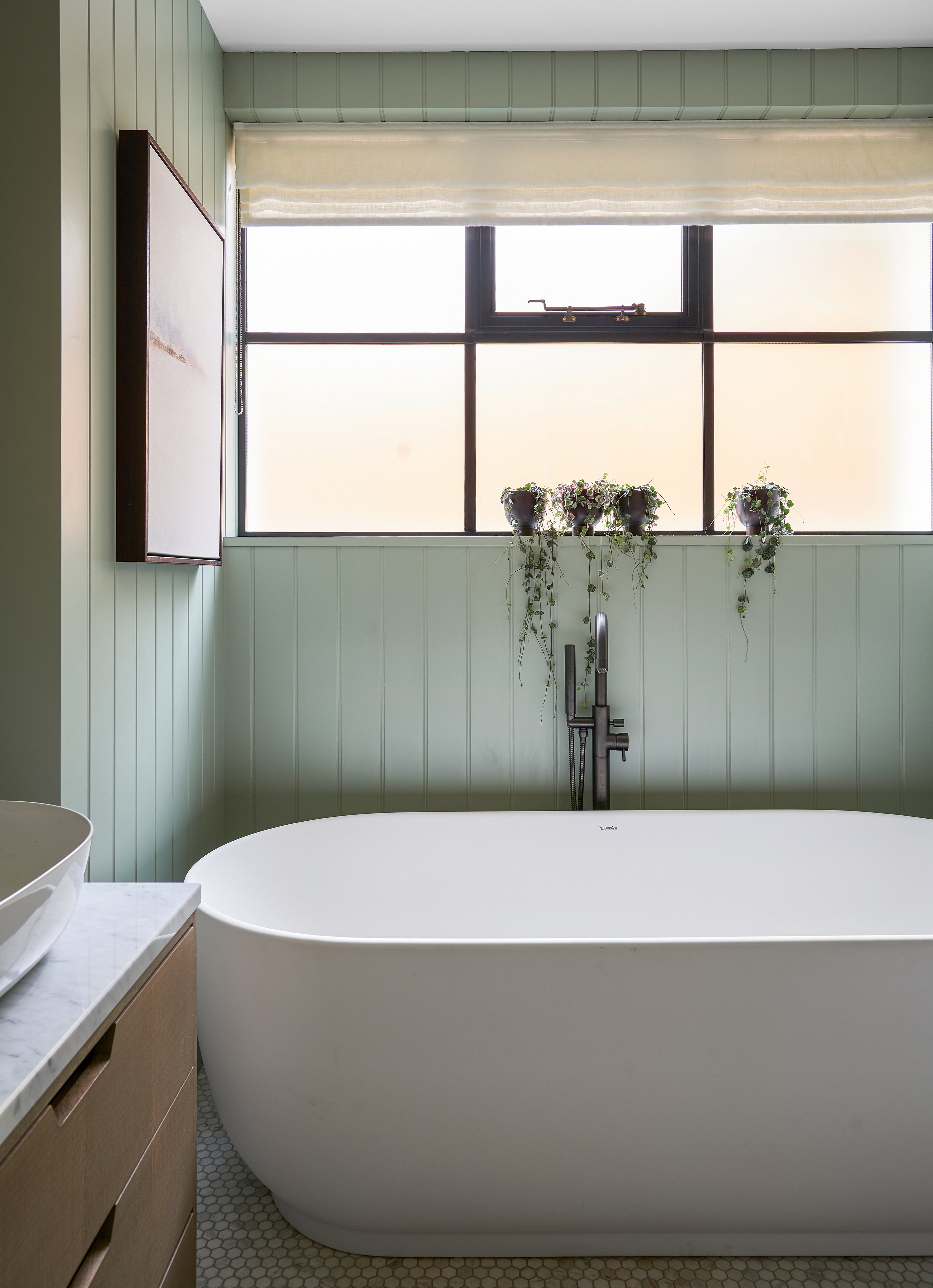
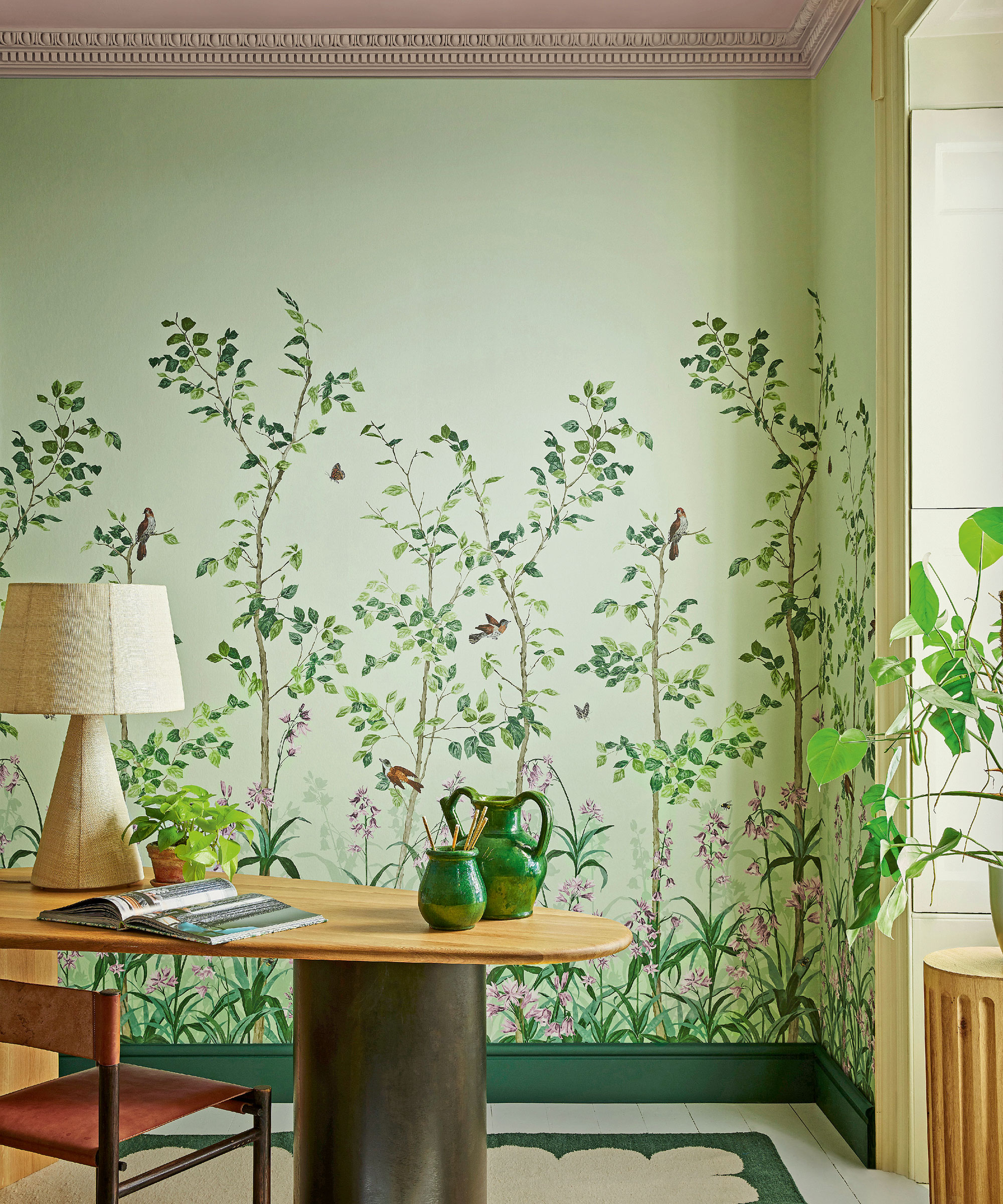
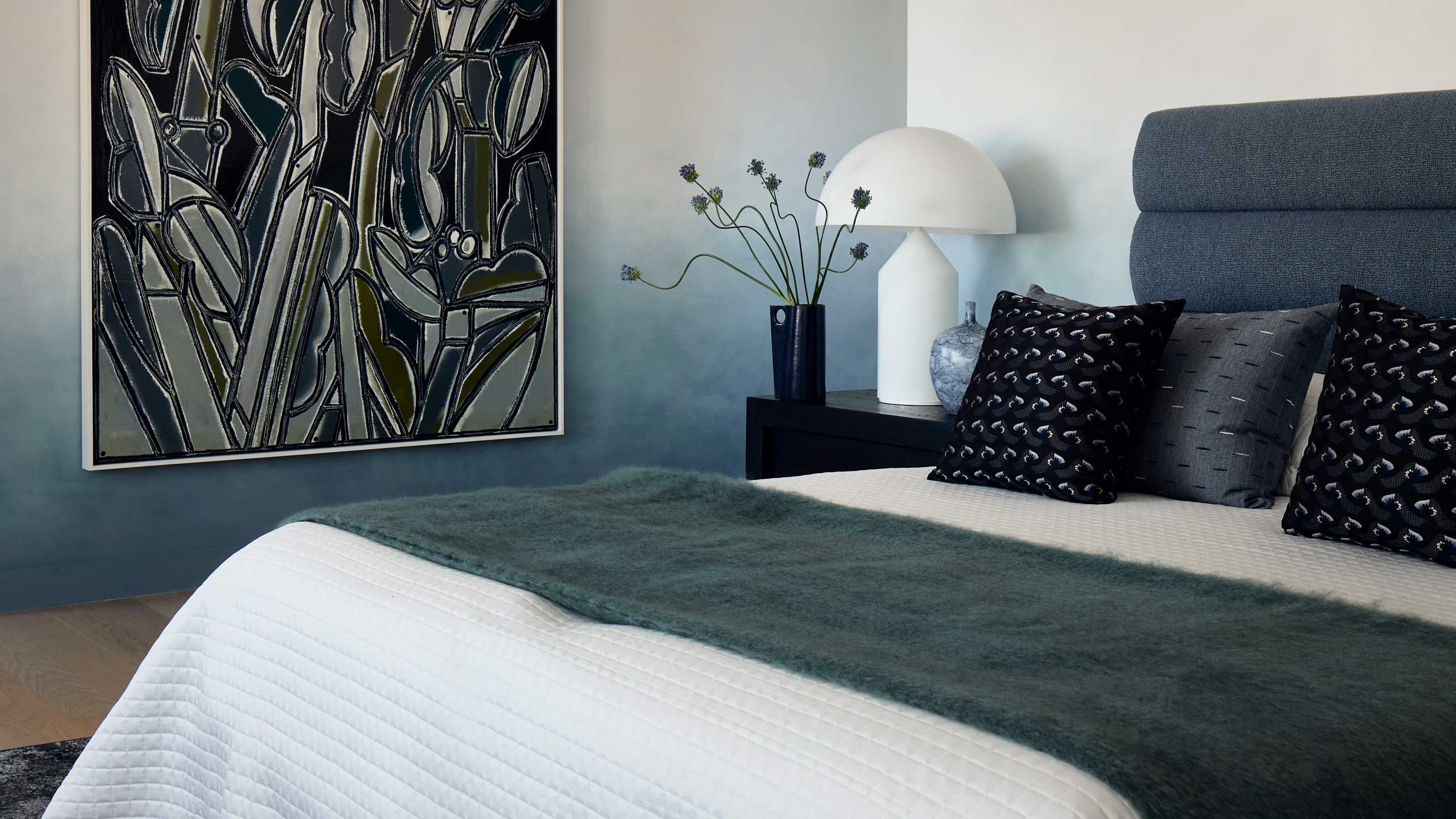
Ombre walls, a design trend that involves a gradual blending of colors, are currently experiencing a resurgence in popularity. This technique adds depth and dimension to a space and serves as a distinctive accent wall, allowing homeowners to personalize their interiors. While the process may appear challenging, painting professionals suggest it is more manageable than it seems. Alternatively, various non-paint methods can achieve a similar aesthetic.
The appeal of ombre walls lies in their ability to introduce a bold decorative element that is often more cost-effective than wallpaper. This approach offers a unique alternative to single-colored feature walls and provides an opportunity for personalization through chosen color schemes. This individuality resonates with homeowners seeking to infuse their living spaces with character. Industry experts like Tila Lee, owner of Pretty in Paint School, and Dennis Kalian of Five Star Painting of White Plains, highlight the trend's capacity to create a focal point and conversation starter in both small and large rooms.
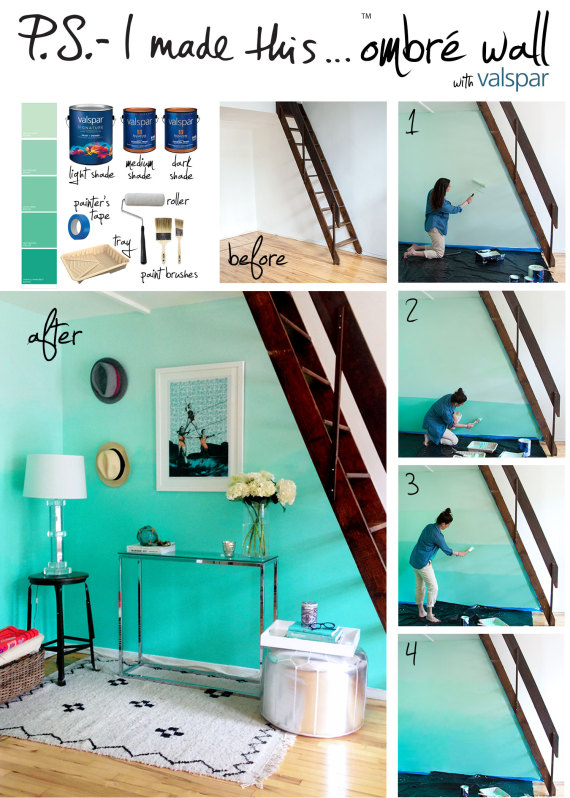
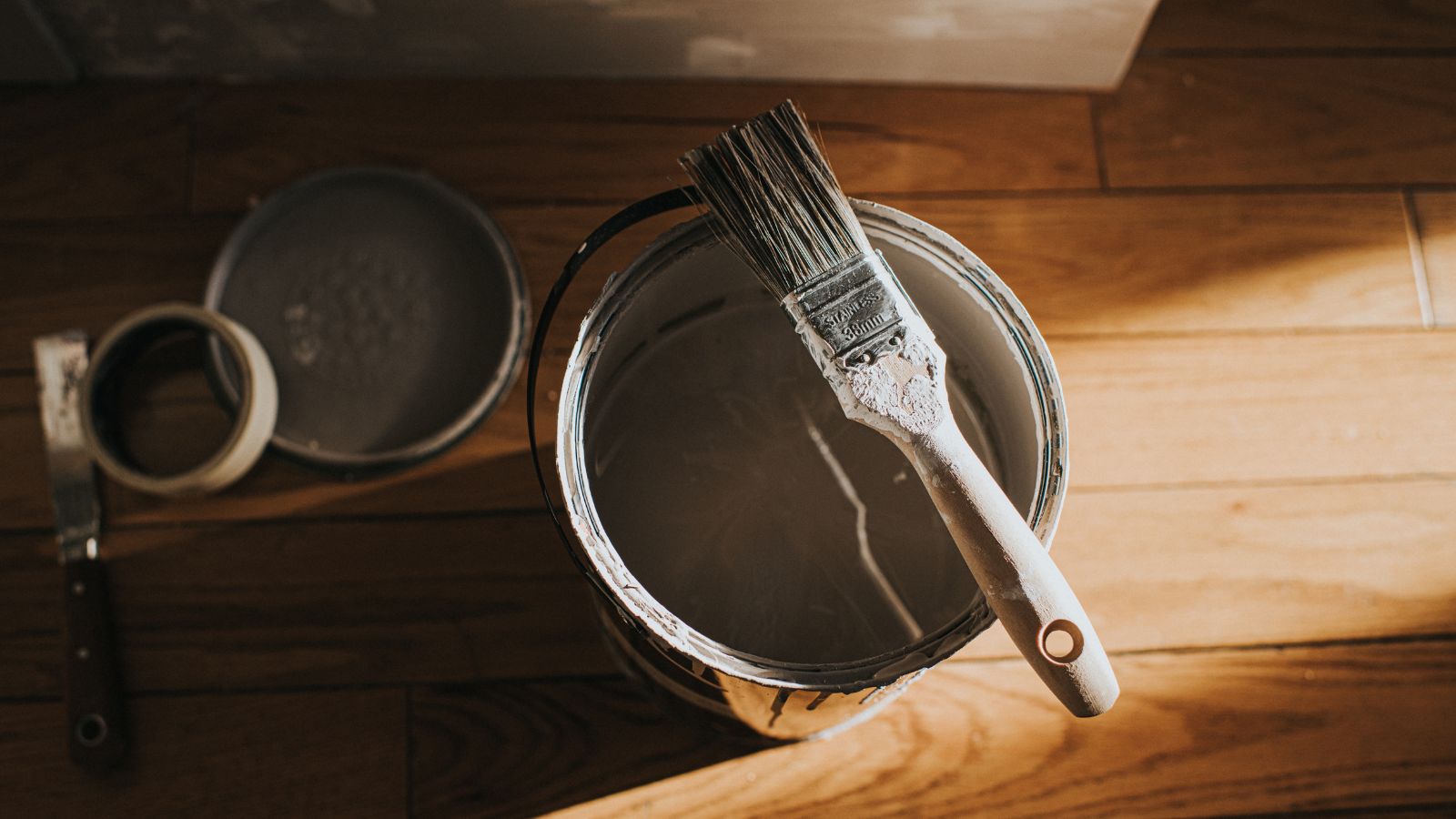
To successfully implement an ombre wall, careful planning and execution are necessary. The first step involves selecting the appropriate wall, with recommendations leaning towards areas with ample natural light. For beginners, starting with an accent wall is advisable to avoid overwhelming the space. Once the location is chosen, gathering the correct materials and preparing the workspace are crucial. This includes selecting at least three paint colors, comprising lighter and darker shades of a chosen hue, along with five paint trays for mixing, multiple brushes, painter's tape (specifically Frog Tape), rollers, and a sturdy step ladder. Essential clean-up tools such as mixing sticks, sandpaper, and clean rags are also required, with sponges being particularly useful for blending. Quantities of paint vary, but a gallon of high-quality white primer is recommended for surface preparation.
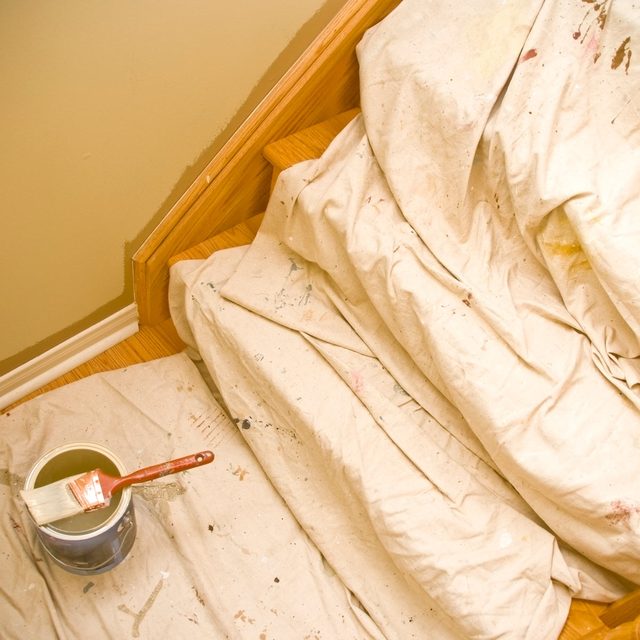
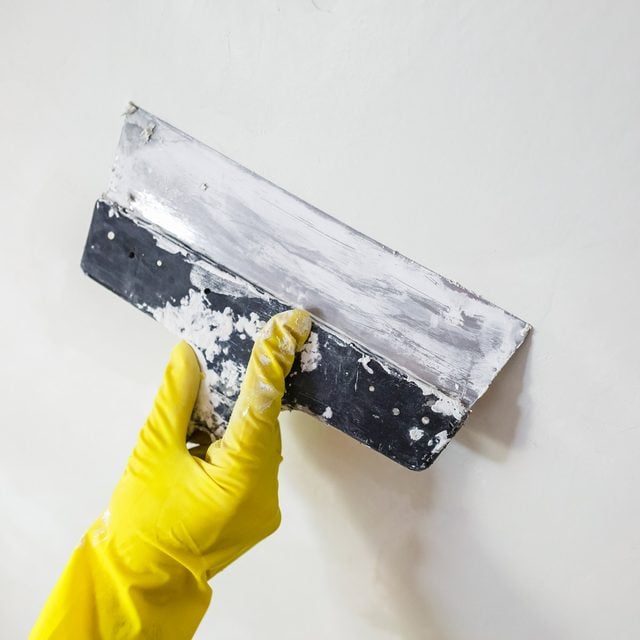
Workspace preparation involves removing wall hangings, covering furniture with drop cloths, and thoroughly cleaning the wall with mild soap and water. Any imperfections should be addressed by filling holes with DIY compound and sanding smooth. Baseboards, moldings, and adjacent walls must be taped off meticulously, followed by a single coat of white primer to ensure a consistent base.
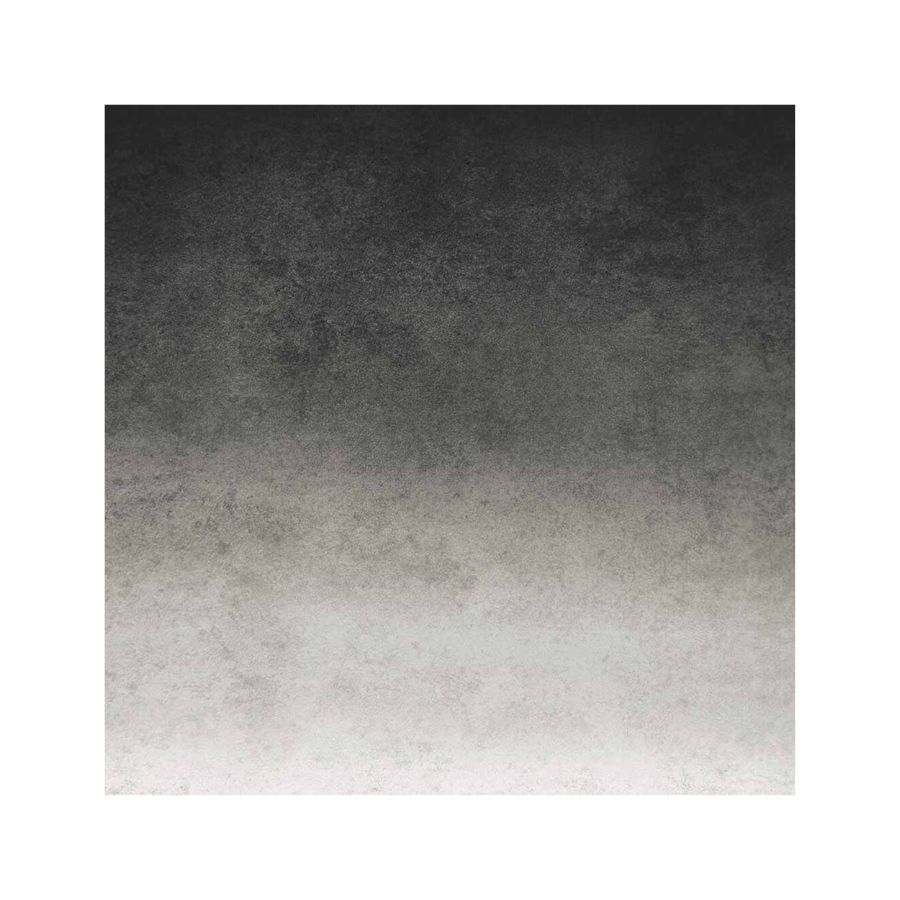
The painting process begins with applying a base layer of the lightest chosen shade across the entire wall using a paint roller, allowing it to dry completely. Subsequently, the darker paint color is applied to the bottom third of the wall. Before this darker paint dries, a dry brush is used to gently blend the boundary between the two colors with upward and downward motions to create a seamless transition. For an even smoother gradient, a mid-tone can be created by mixing portions of the lighter and darker paints in a separate tray and applying it where the two colors meet, being cautious not to overlap too much to avoid undesirable color mixing. Blending is critical, and experts recommend applying paint while the layer below is still slightly wet, typically from bottom to top, especially when the darkest hue is at the bottom. A damp sponge can also be used to dab and soften color transitions. After thorough blending, the wall should be inspected for harsh lines, which can be further blended with a dry brush or sponge. The paint then needs to dry completely, ideally overnight, with a full curing time of several days.
For those concerned about achieving the perfect gradient, additional tips include using at least three colors for a better transition and practicing blending techniques on construction paper. Maintaining wet paint during the blending process is vital for a smooth outcome. It is also important to consider that lighting conditions will influence the appearance of the ombre effect. If the DIY paint method seems too challenging, ombre wallpaper offers a simpler alternative to achieve a similar gradient look, though it might limit design flexibility compared to custom paintwork. Ultimately, while painting an ombre wall can be a demanding endeavor, it offers a unique and personalized design statement, with the option to engage professional painters for assistance.
#OmbreWalls #InteriorDesign #PaintingTechniques #HomeDecor #DIYProjects #AccentWall #ColorGradient #WallTreatment #HomeImprovement #OmbreWalls #InteriorDesign #PaintingTechniques #HomeDecor #DIYProjects #AccentWall #ColorGradient #WallTreatment #HomeImprovement
合計0件のコメント
 まだコメントはありません
あなたも好きかもしれません
This surprising color trend is having a comeback
We're enchanted by this paint trend that looks like 'something we adore seeing in nature'
This expert’s ‘BRB’ technique is something I'll forever use when painting wall paneling to avoid drips and paint build-up
Professional painters explain how to paint OSB – without uneven bumps, peeling paint, or rough textures

Painting Your Walls Freehand Is Incredibly Liberating

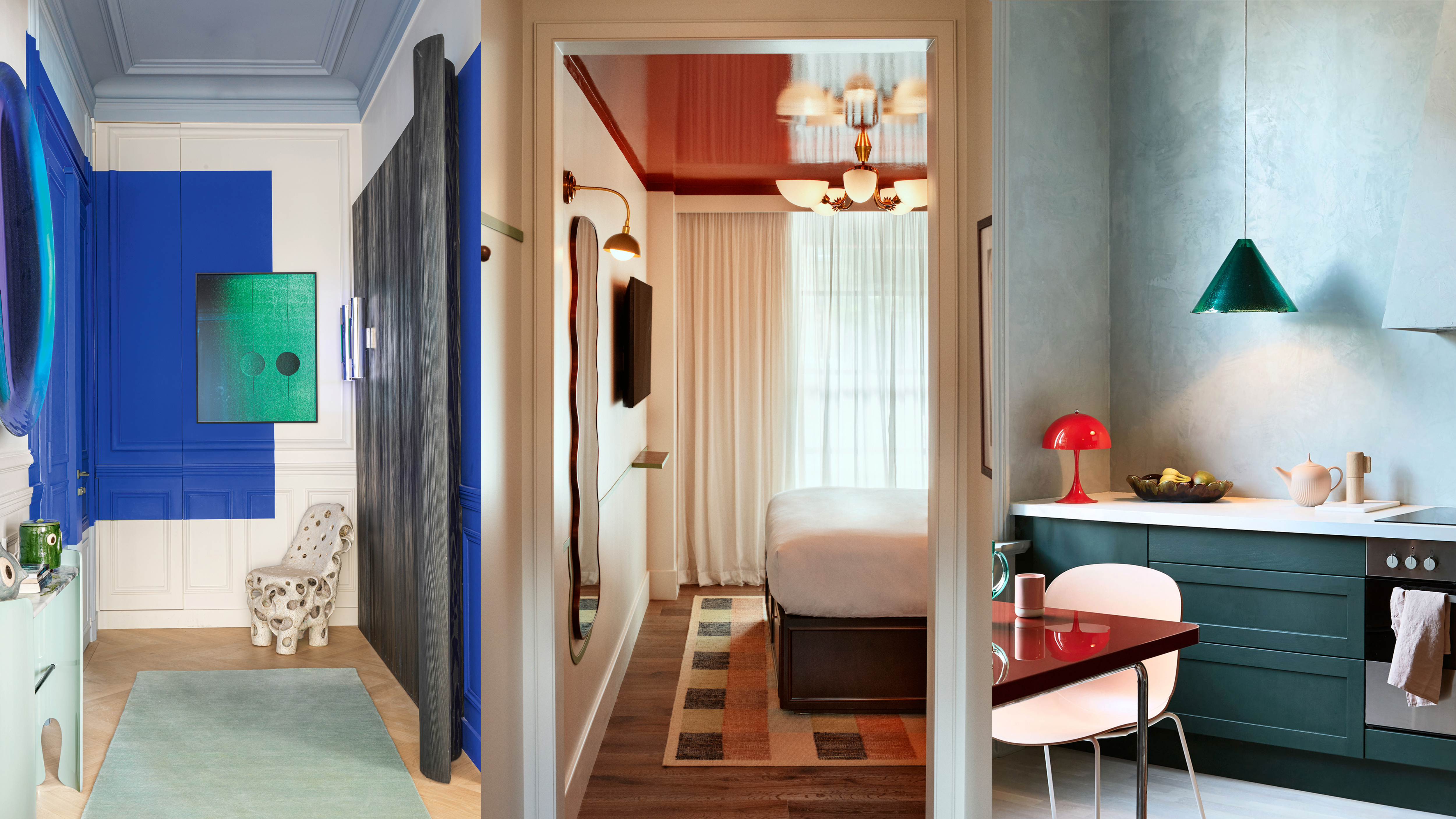
What are the best paint techniques for walls? 11 inventive effects that go beyond basic
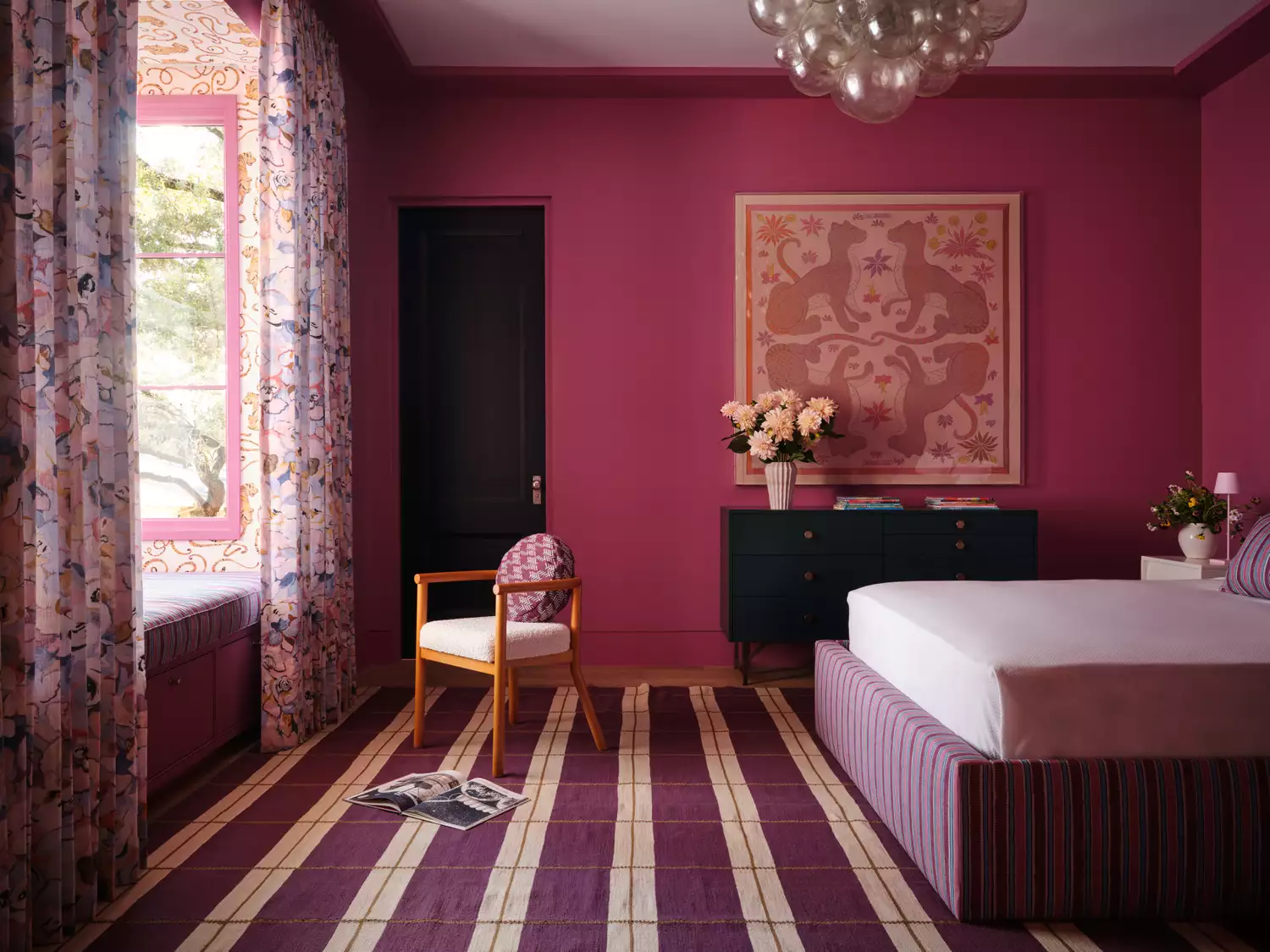
Color Capping Is the Surprising Interior Design Trend Everyone Will Be Trying in 2026
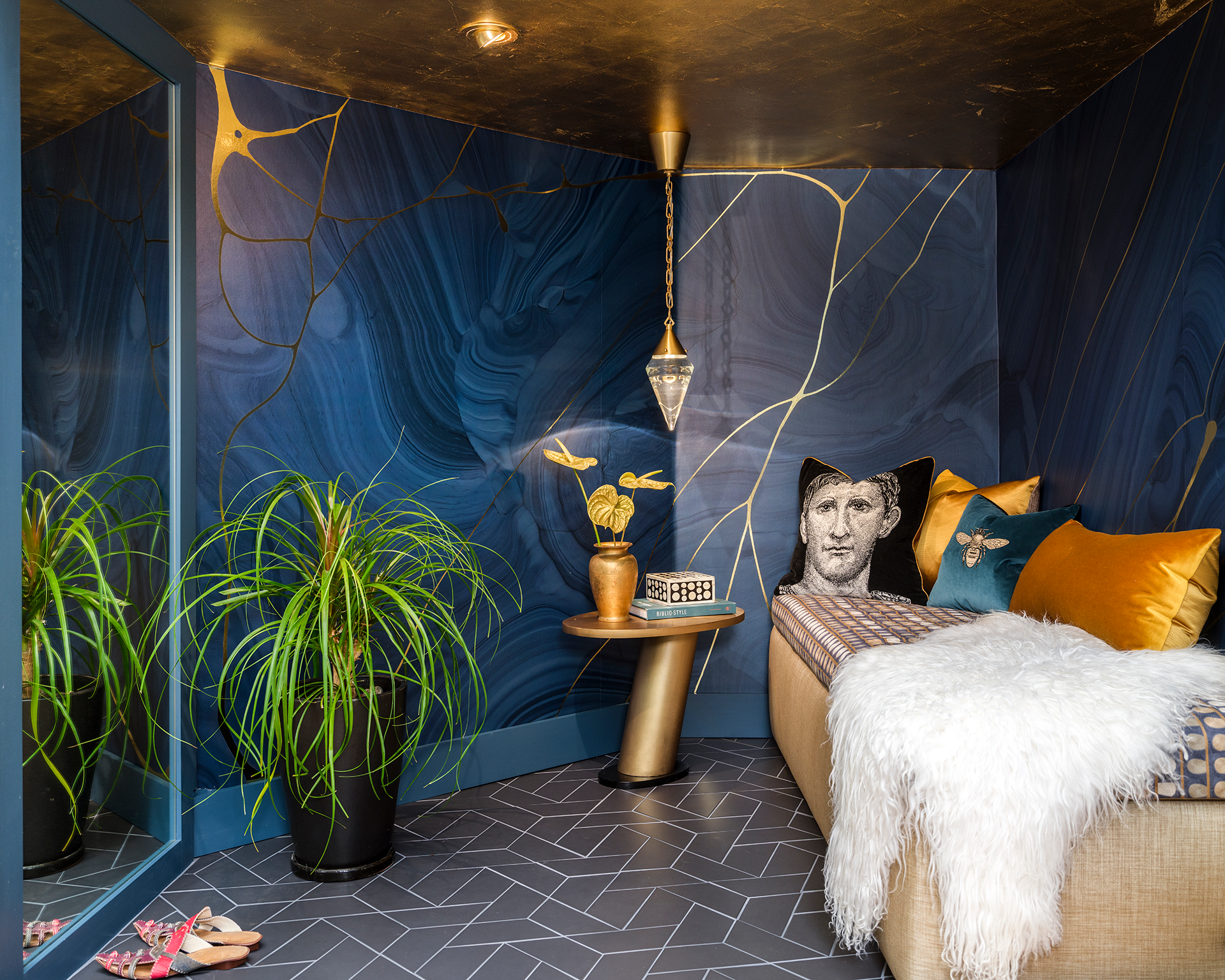
10 paint tricks for low ceilings that will make your room's "fifth wall" feel higher and more impressive
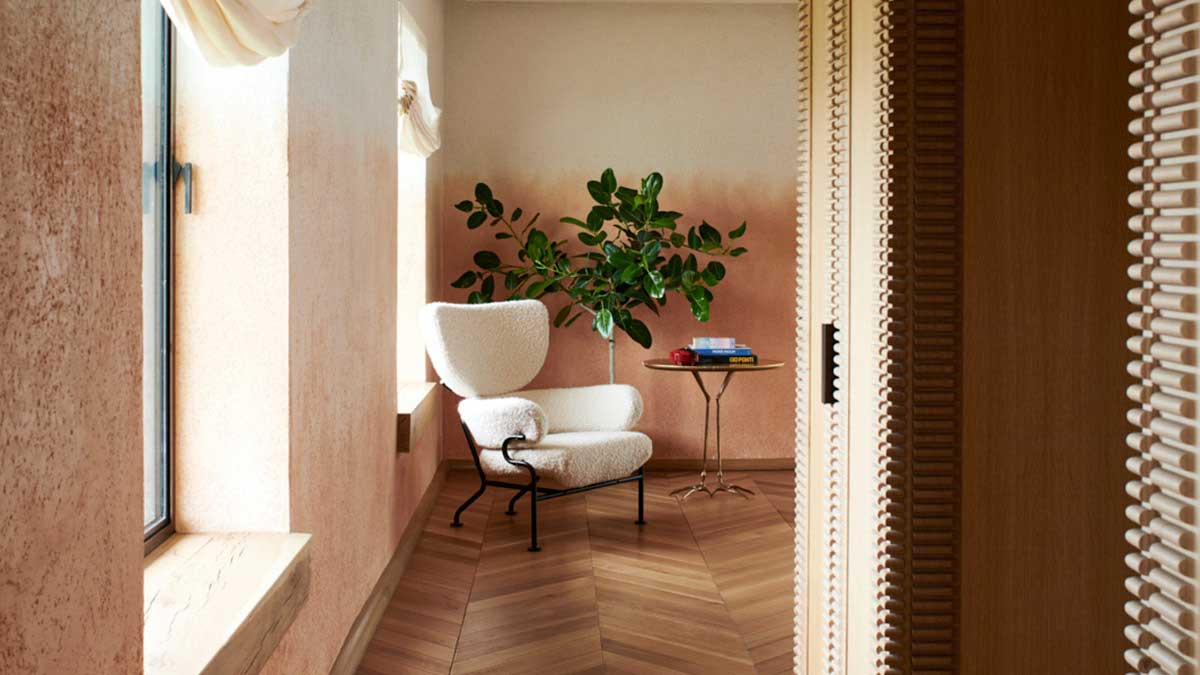
Ombre walls are having a moment – these 5 rooms have the best, most elevated versions of them
How To Create An Ombre Wall
How to make dark, moody walls work at home

How to texture a wall – 5 expert methods for intriguing wall textures
How to properly paint ombre walls for a gradual gradient, with a stress-free method for decorating novices

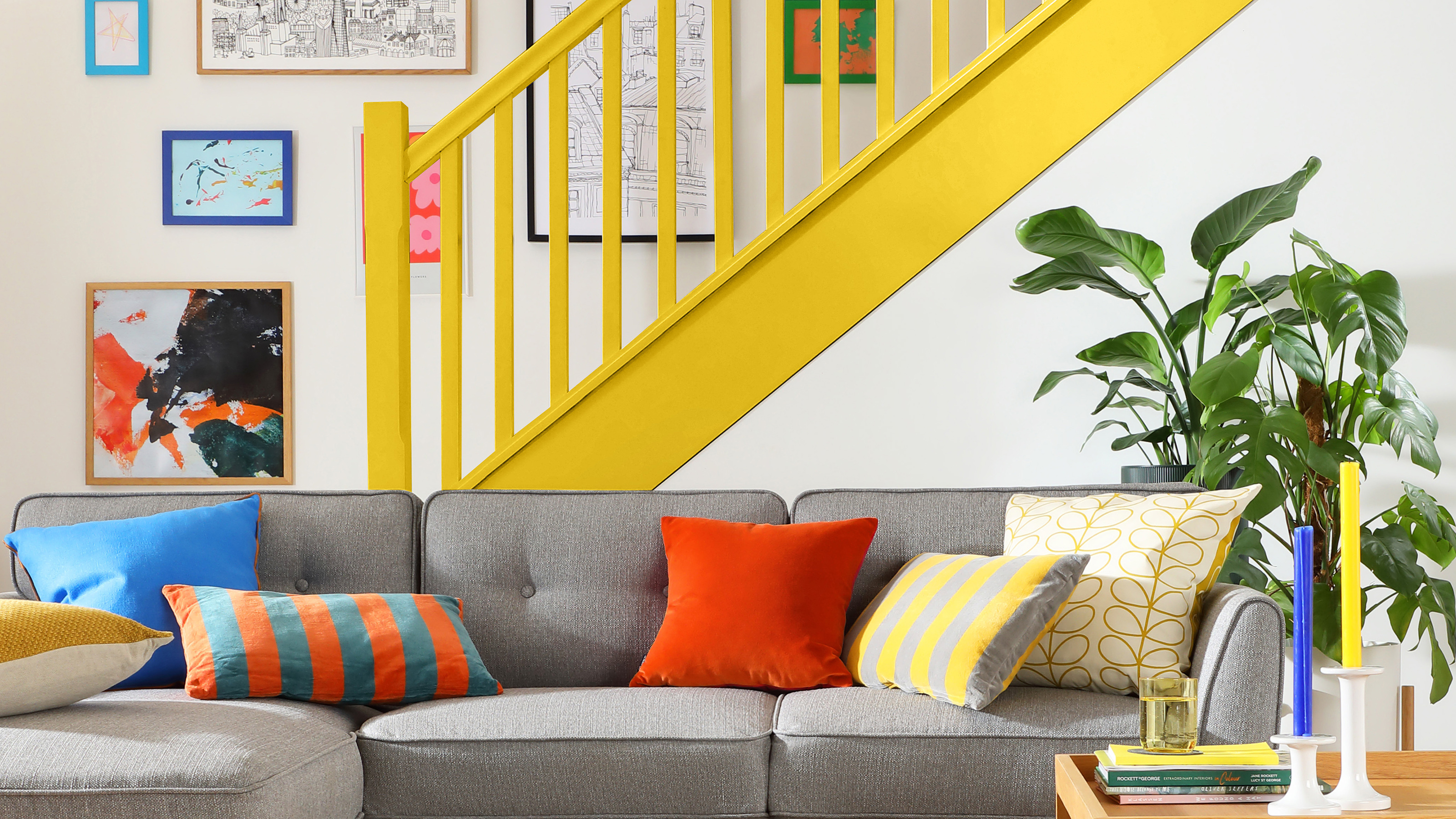
Staircase paint ideas – 17 colorful designs to upgrade your stairs

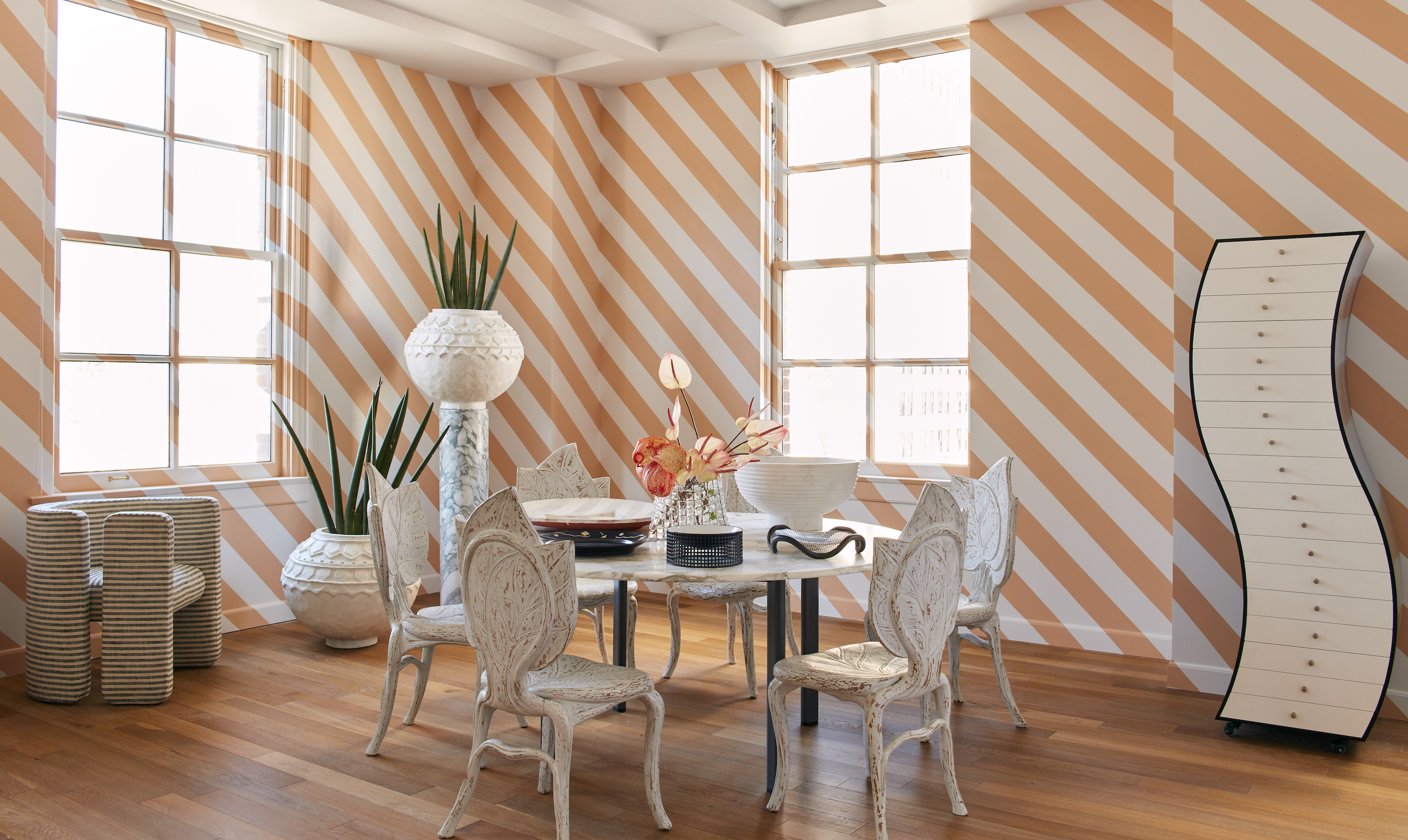
How to paint stripes on a wall - the expert guide to creating show stopping decor
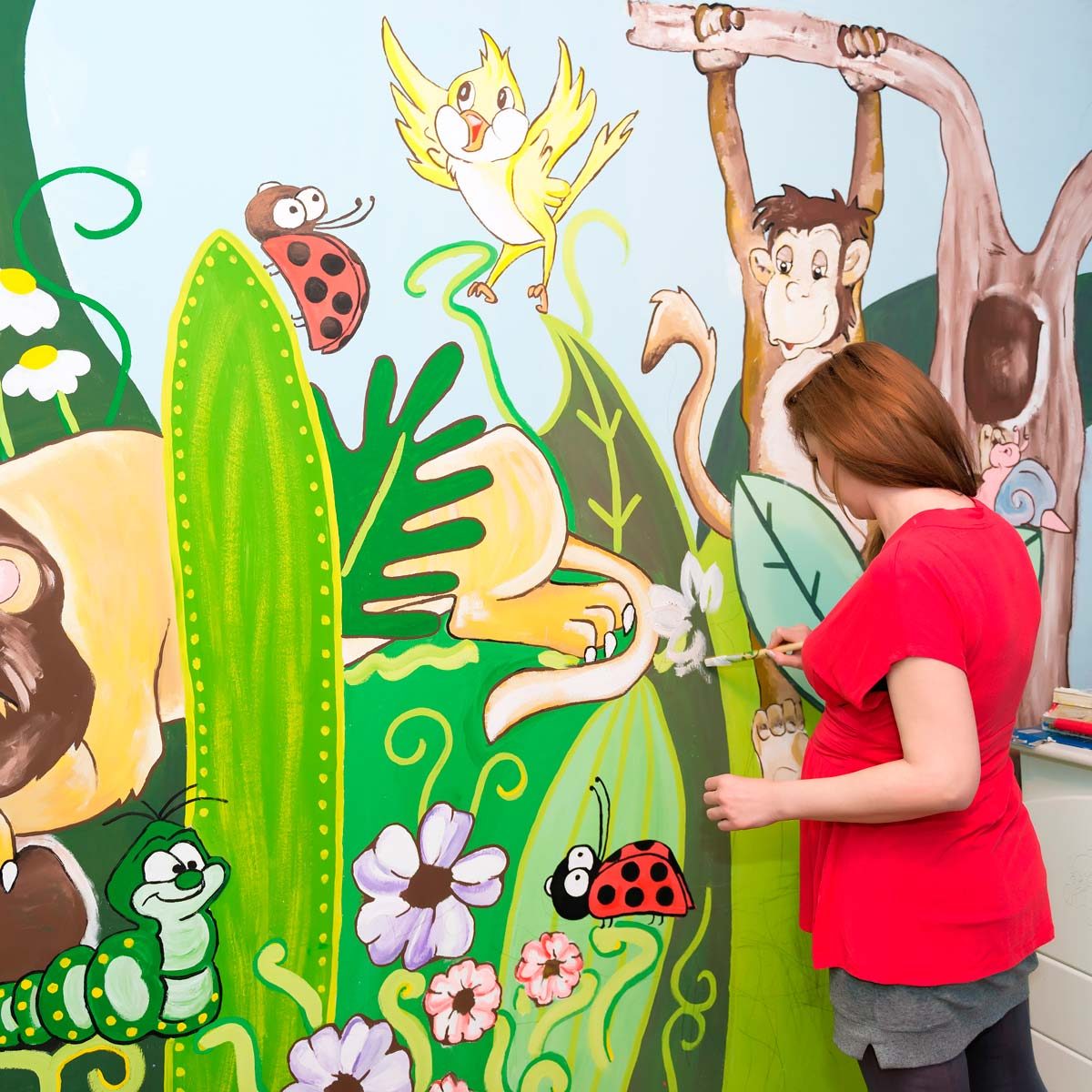
Everything You Need to Know About Mural Wall Painting

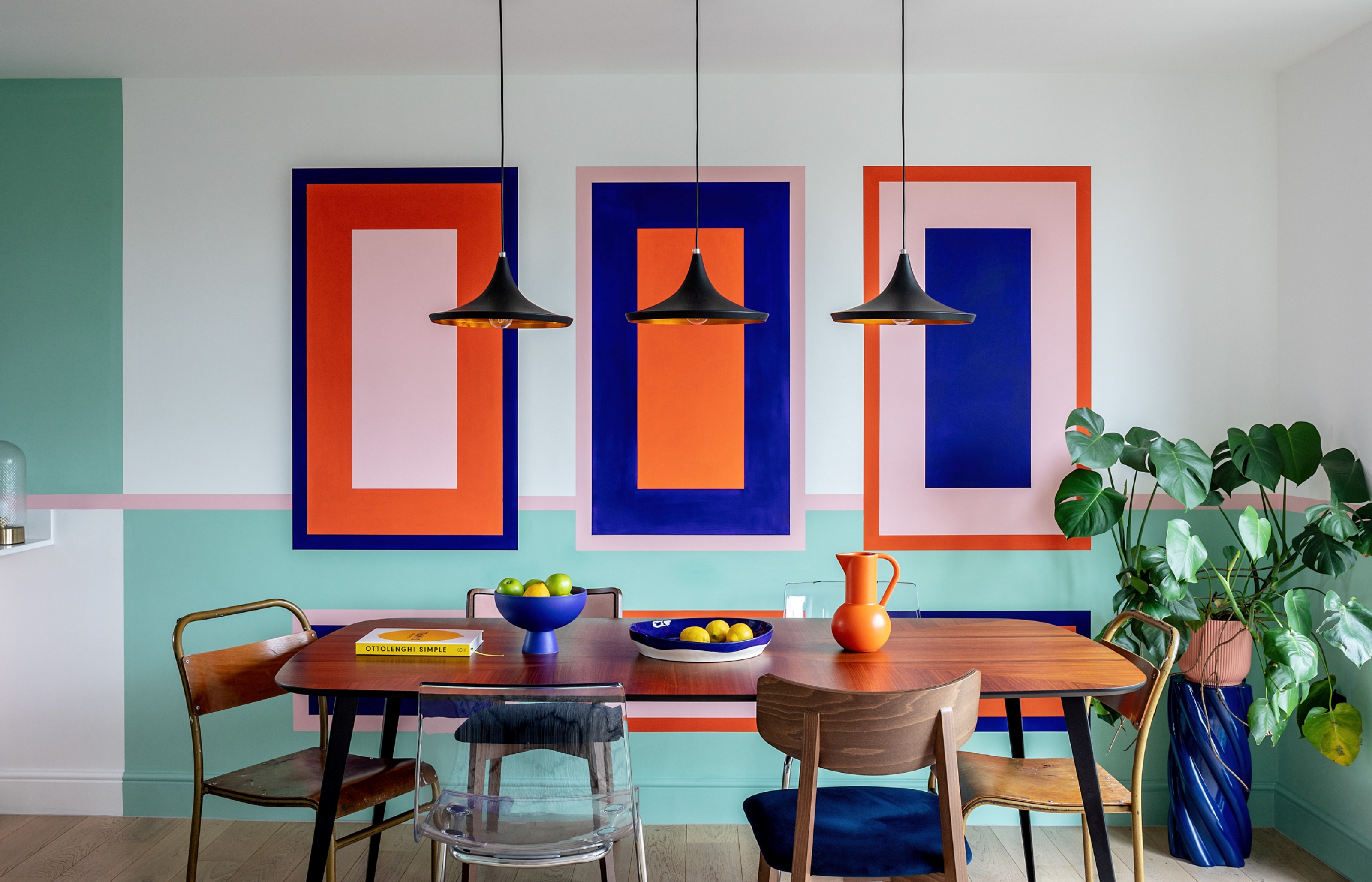
Hand-Painted Borders and Trims Are the Antidote to Dated Accent Walls — Here's How to Make it Look Good
5 Classic Wall and Trim Color Combinations—and 5 for Rule-Breakers Only

An easy guide to the charming scalloped walls trend

Story from Wallauer Paint & Design: Interior paint plans to spruce up any indoor space