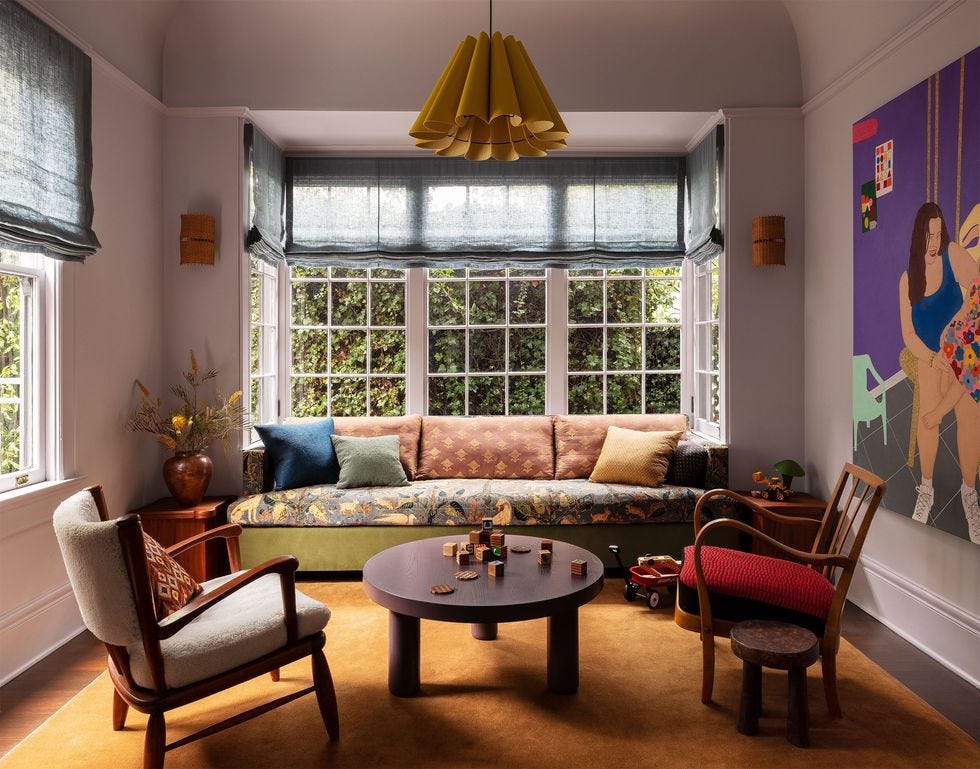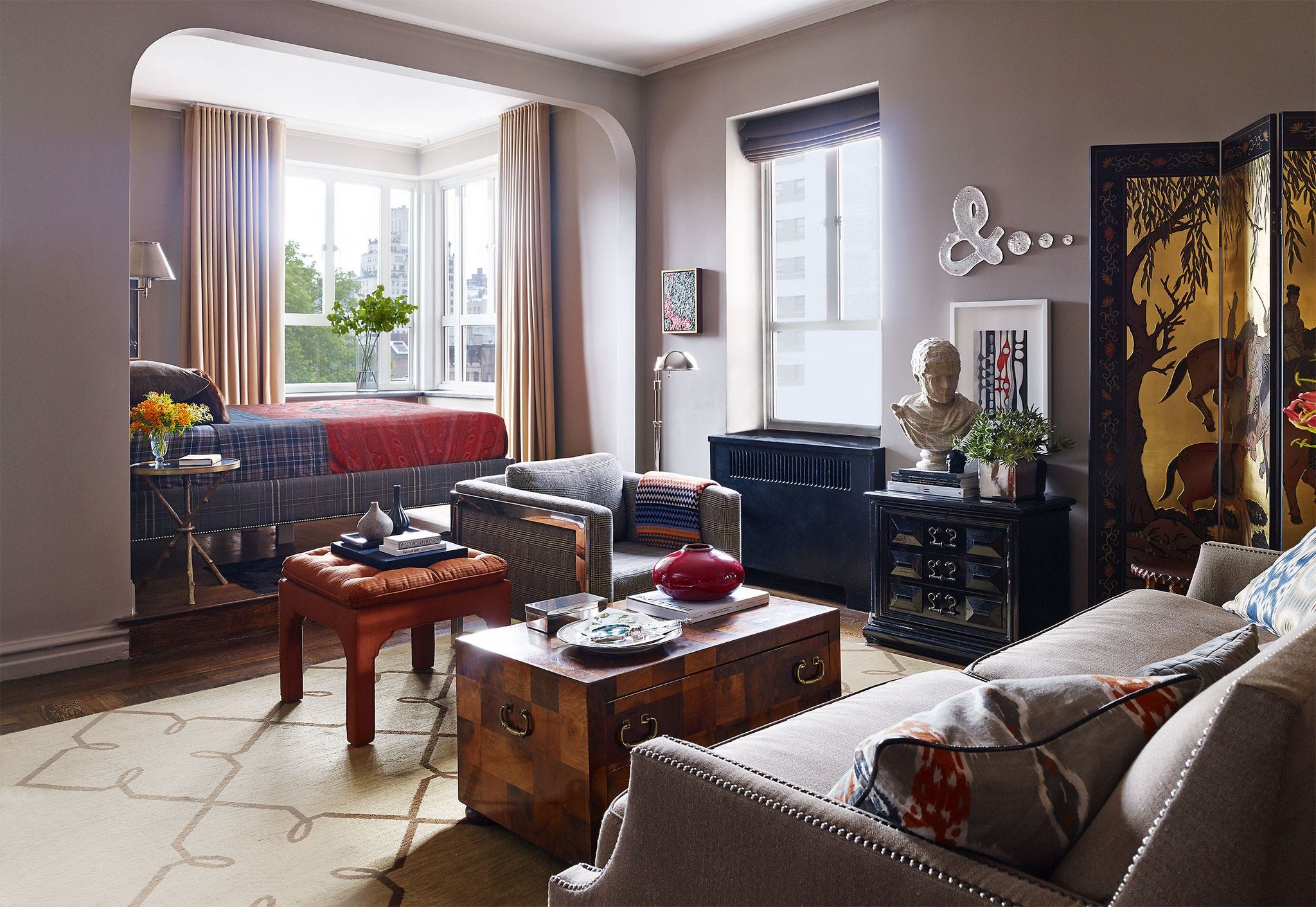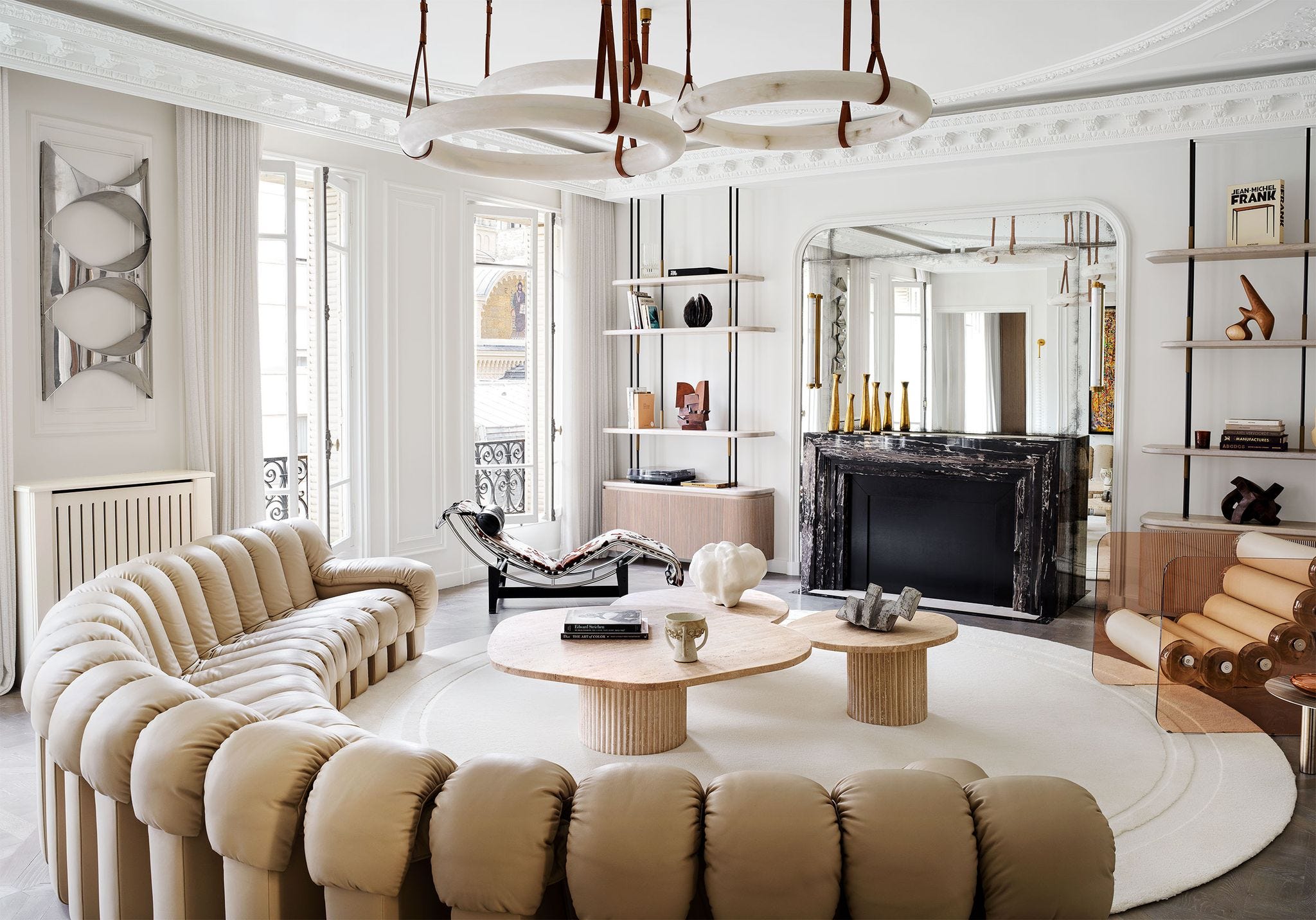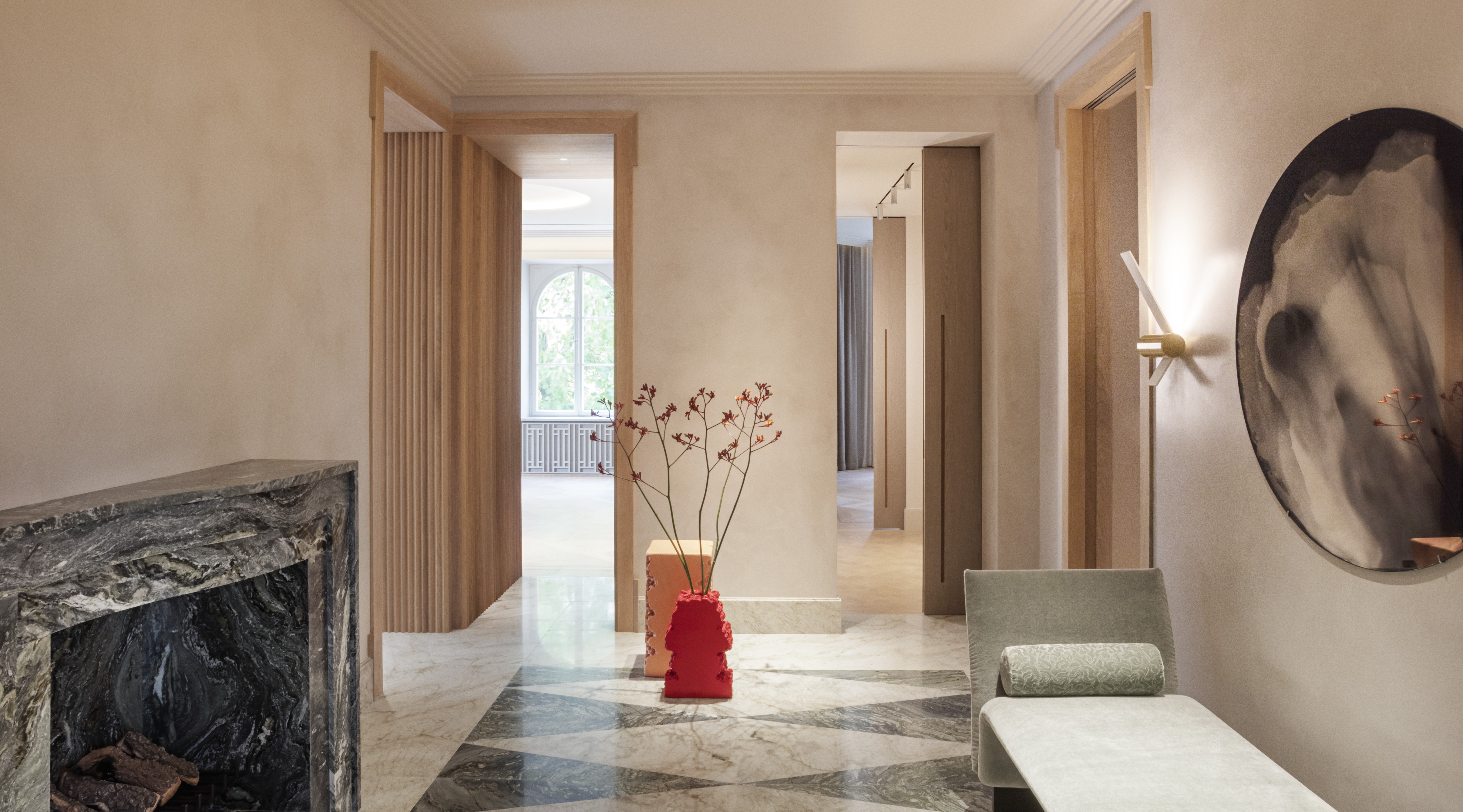
1/4
An Expert Guide to Using Positive Space in Interior Design
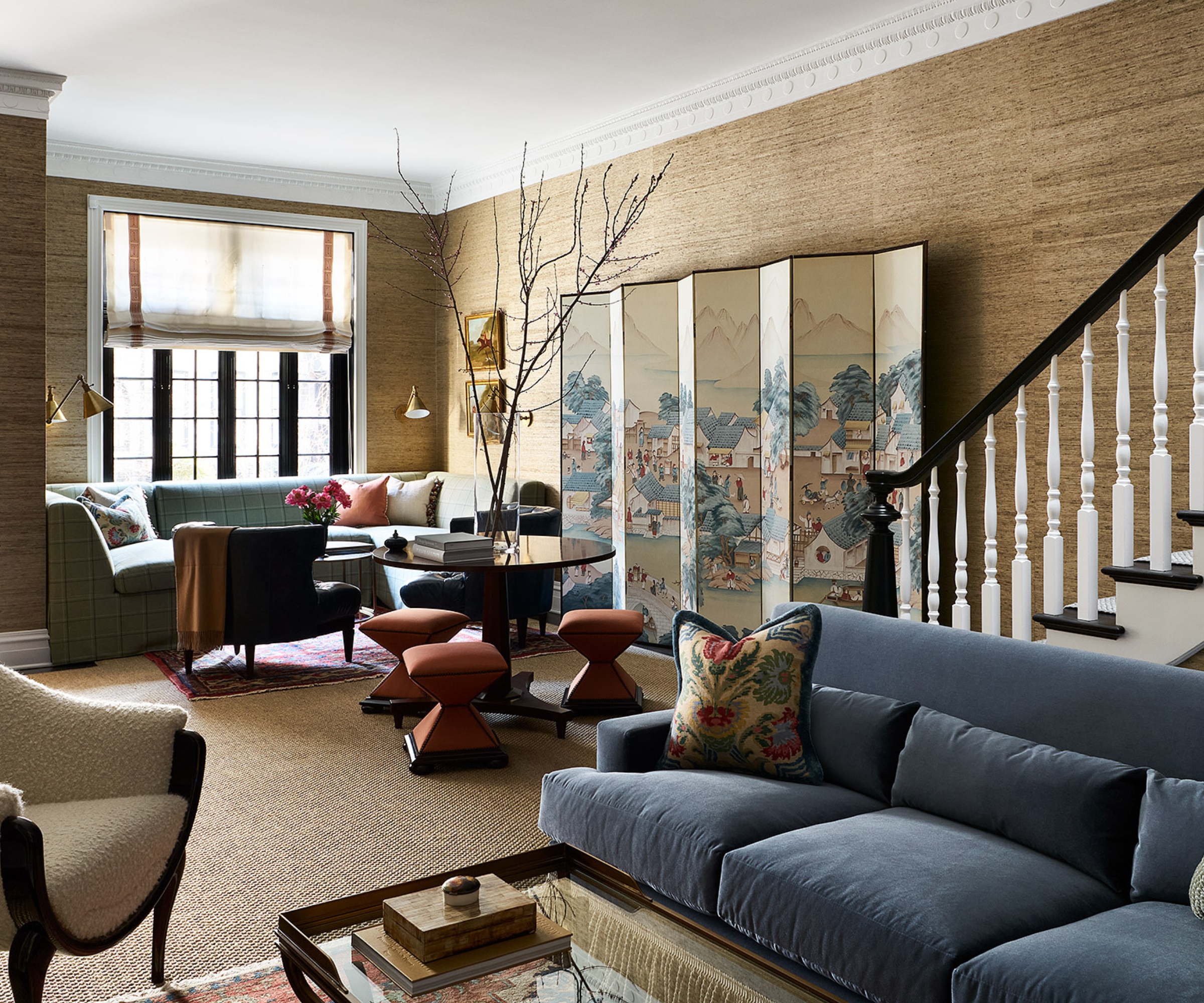
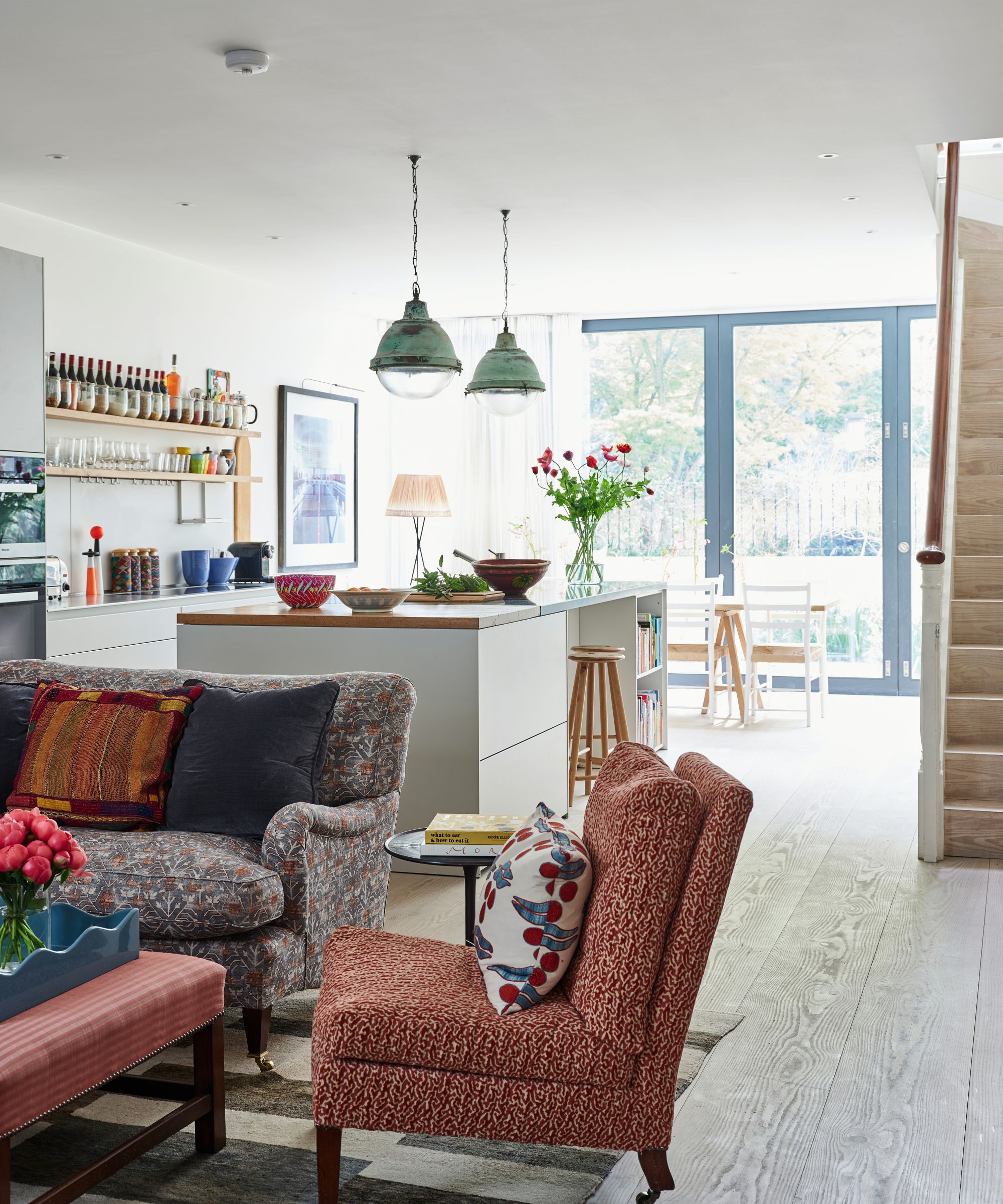
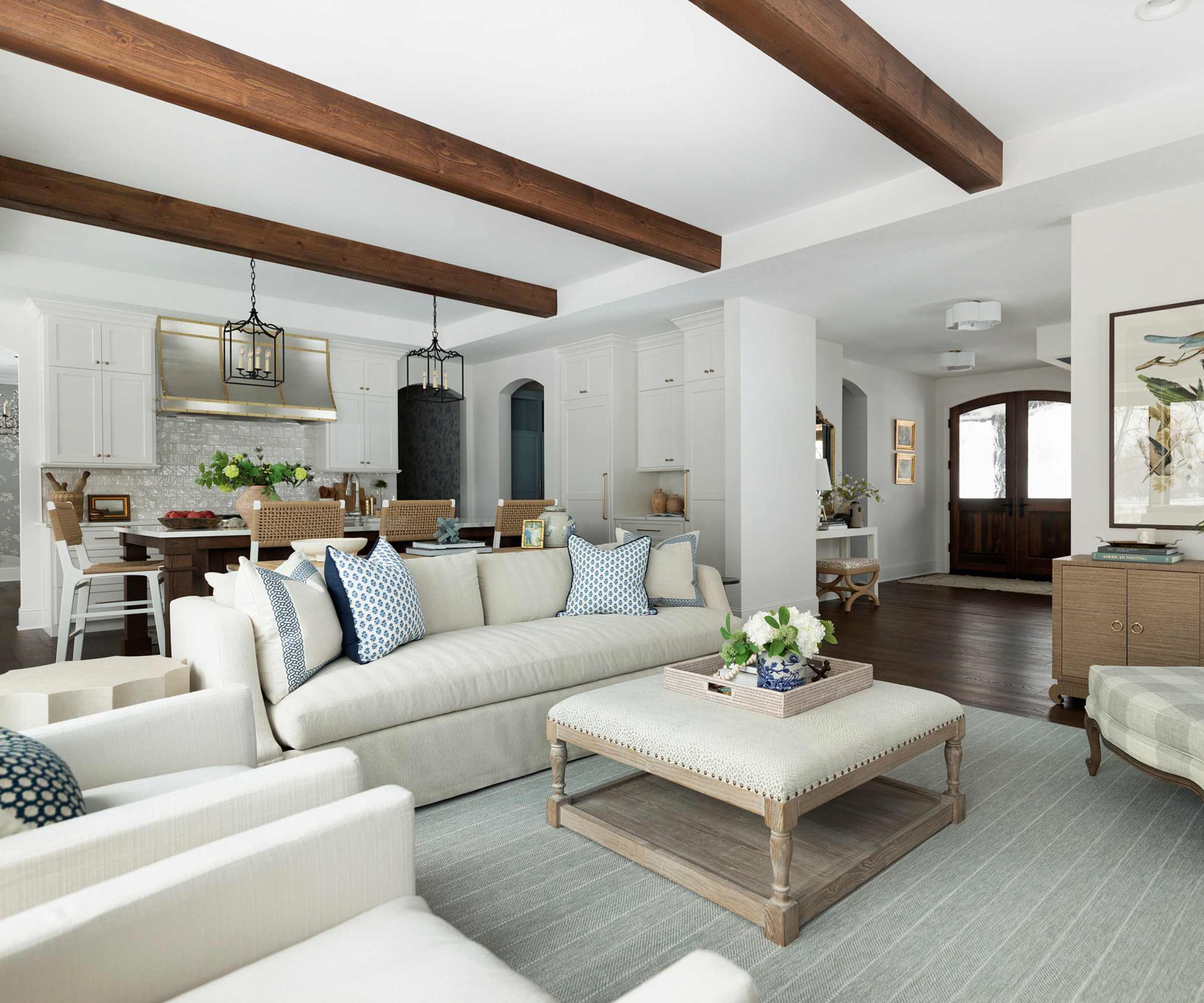
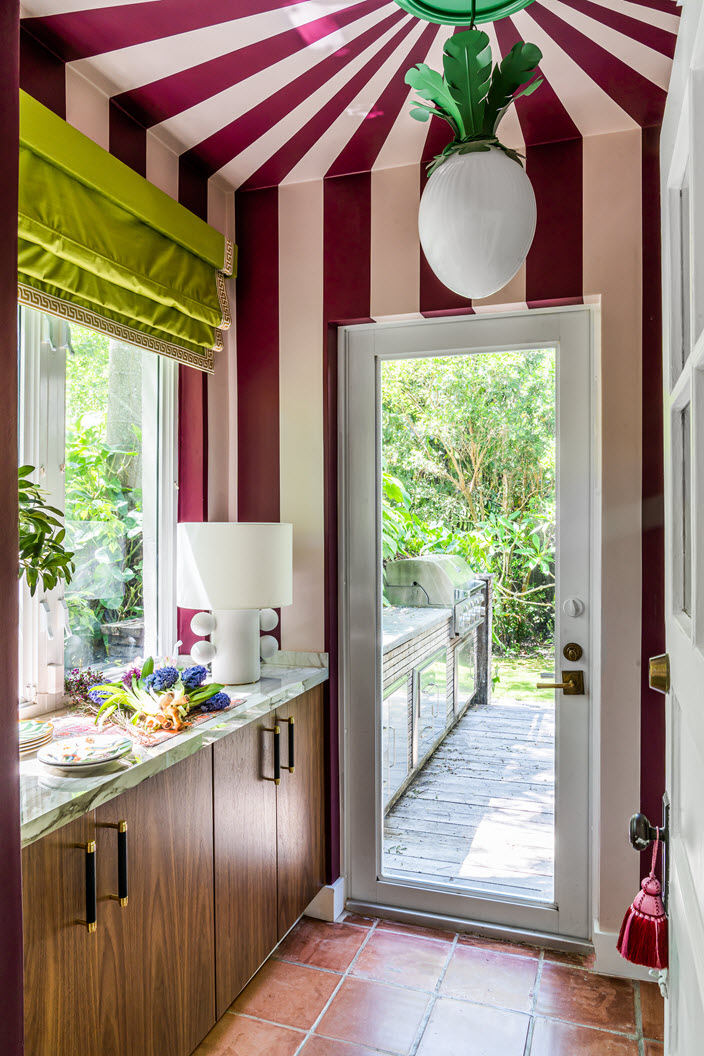
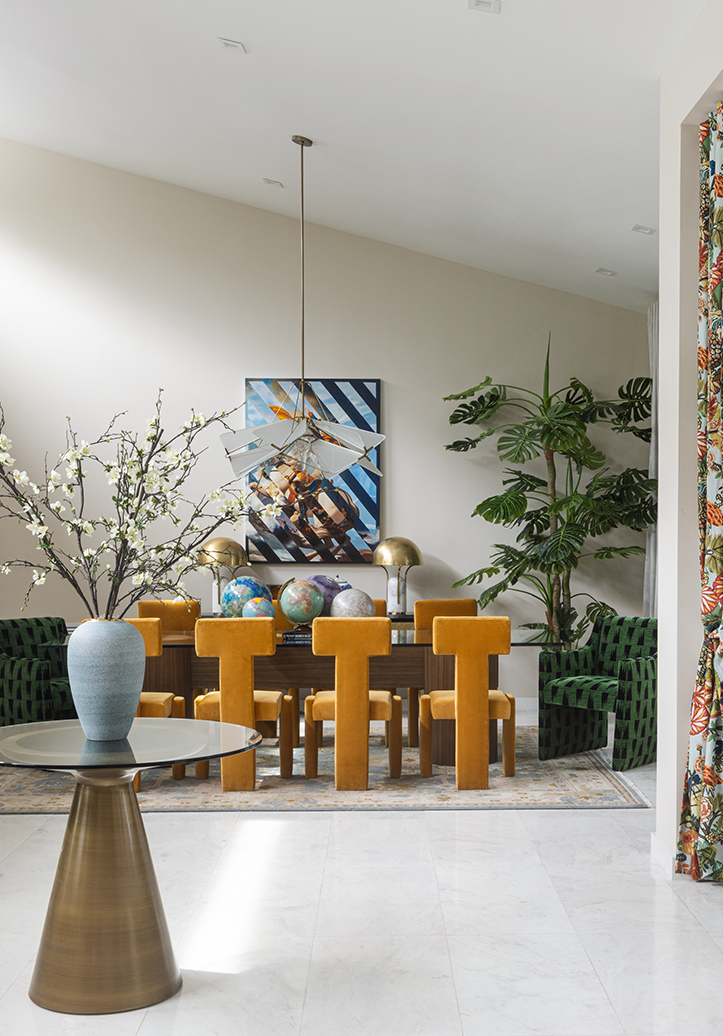
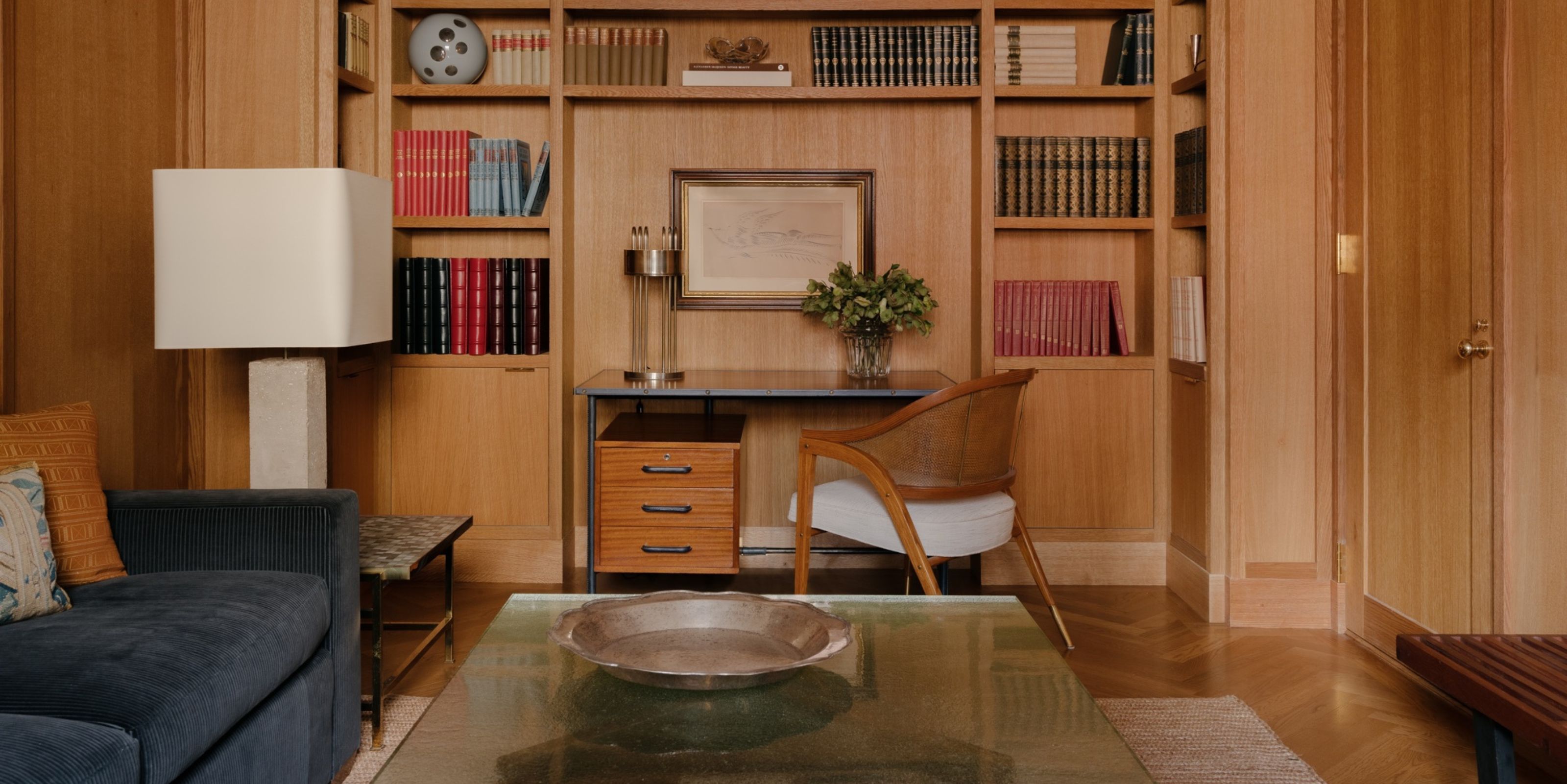
The article explores the concept of positive space in interior design, defining it as the area occupied by furniture, lighting, artwork, and other decor elements. It emphasizes that understanding and effectively utilizing positive space is crucial for creating well-balanced interiors with optimal ambiance. The piece differentiates positive space from negative space, which refers to the unoccupied areas around and between objects, highlighting that both are essential and interact to form a cohesive design.
Erica McLain of McLain by Design Interiors explains that positive space is the backbone of a well-balanced interior, defining function, creating focal points, and conveying a room's personality. She argues that without thoughtful use of positive space, a room can feel sterile, disconnected, or lacking soul. McLain stresses that positive space provides structure, expresses the inhabitants' lifestyle, purpose, and aesthetic narrative, and should be treated as a canvas for storytelling and well-being. This approach ensures interiors are not only visually stunning but also purposeful and restorative.
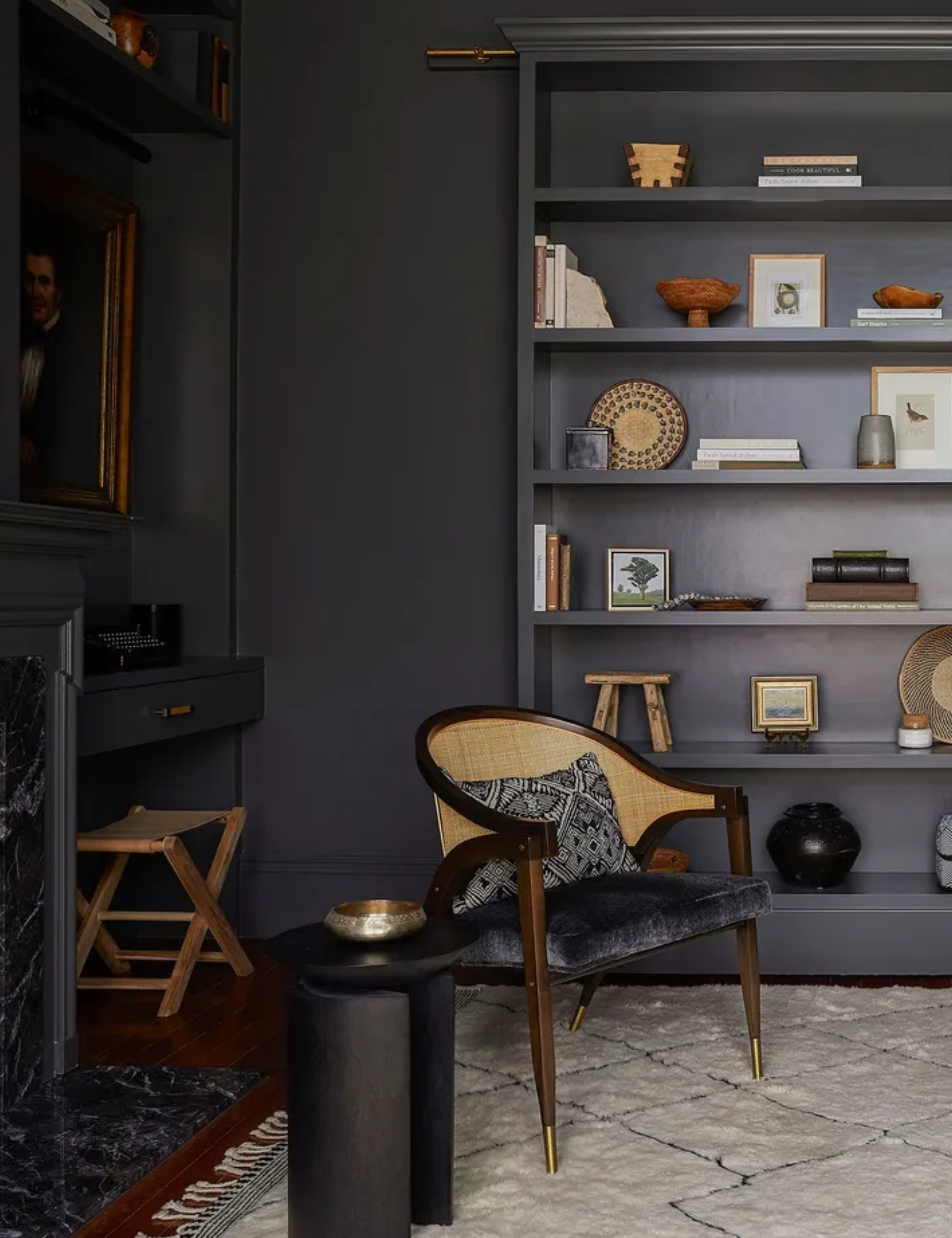
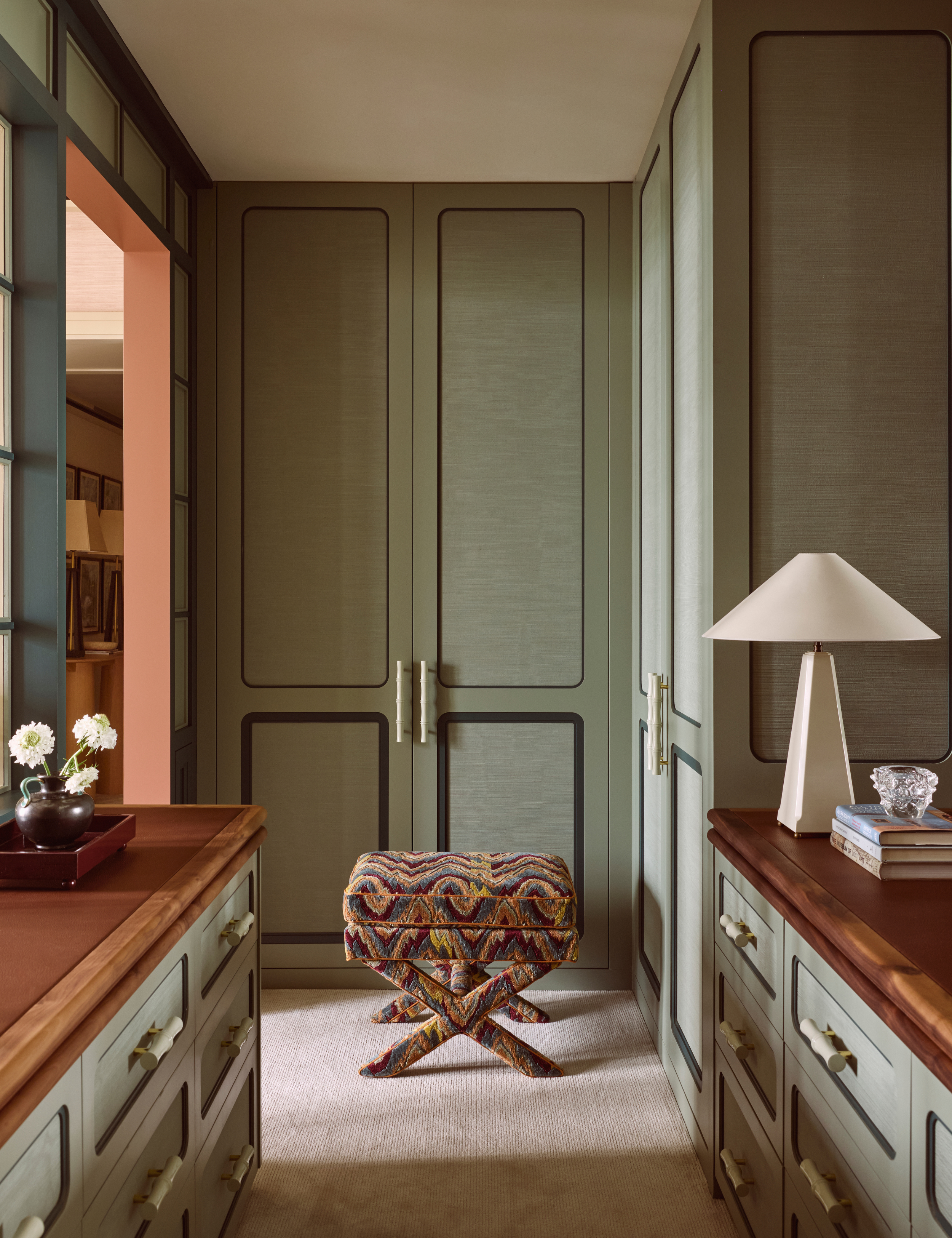
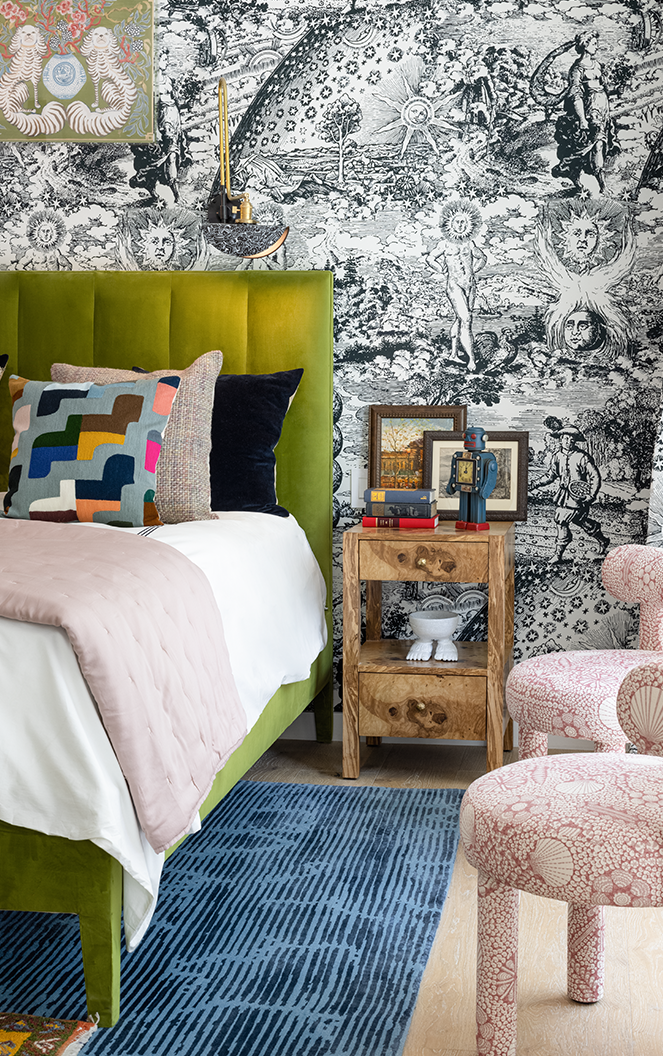
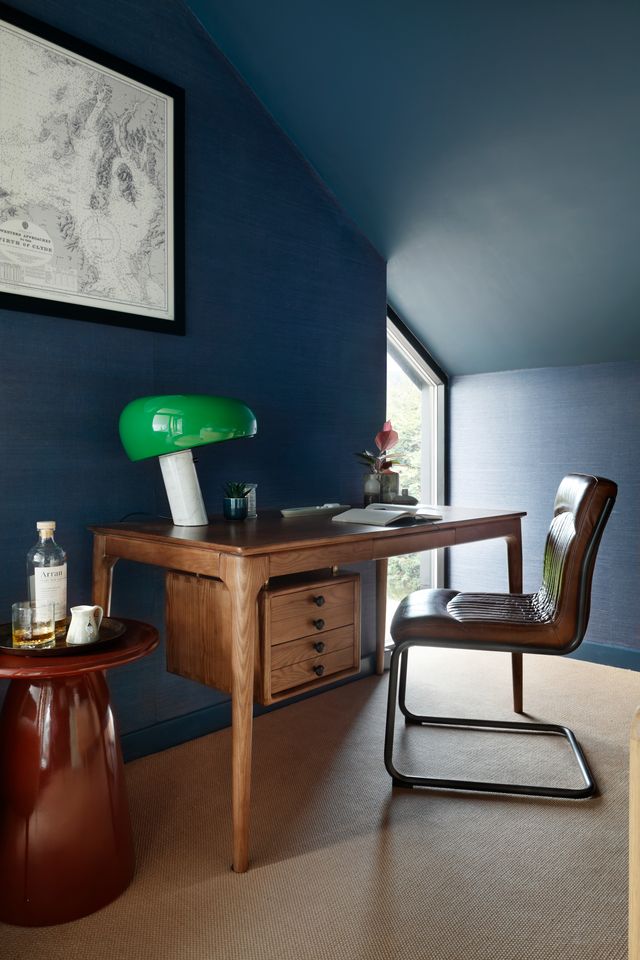
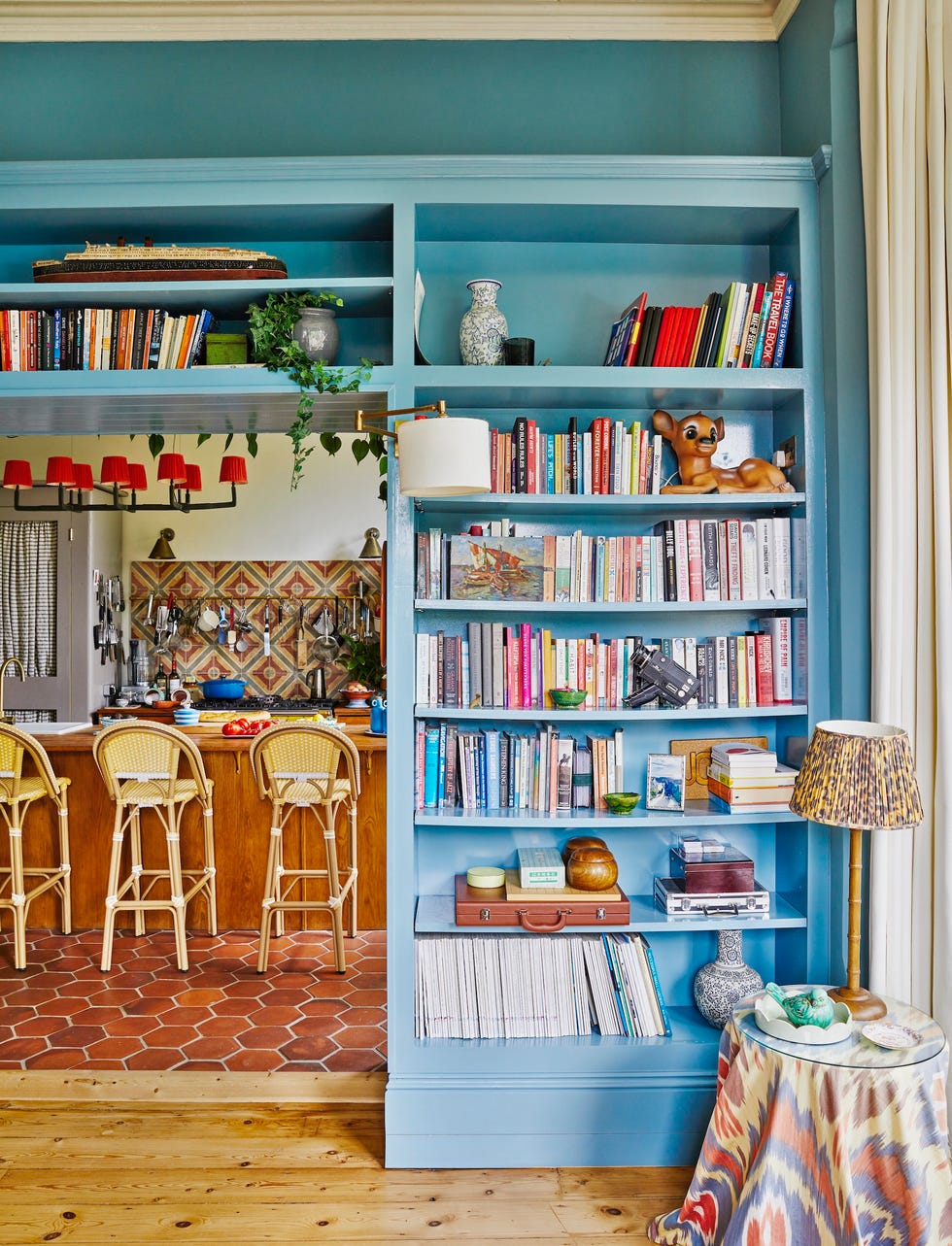
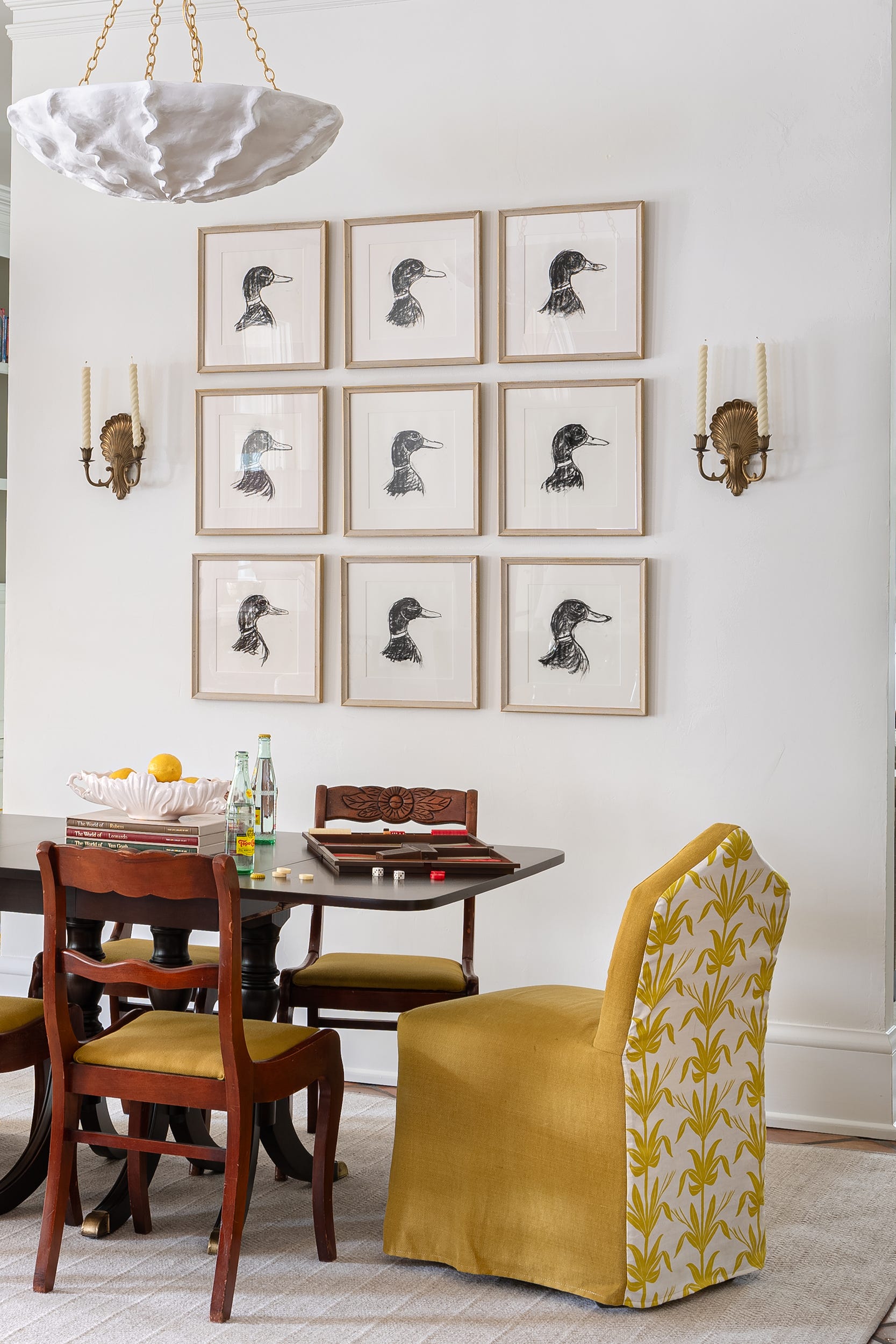
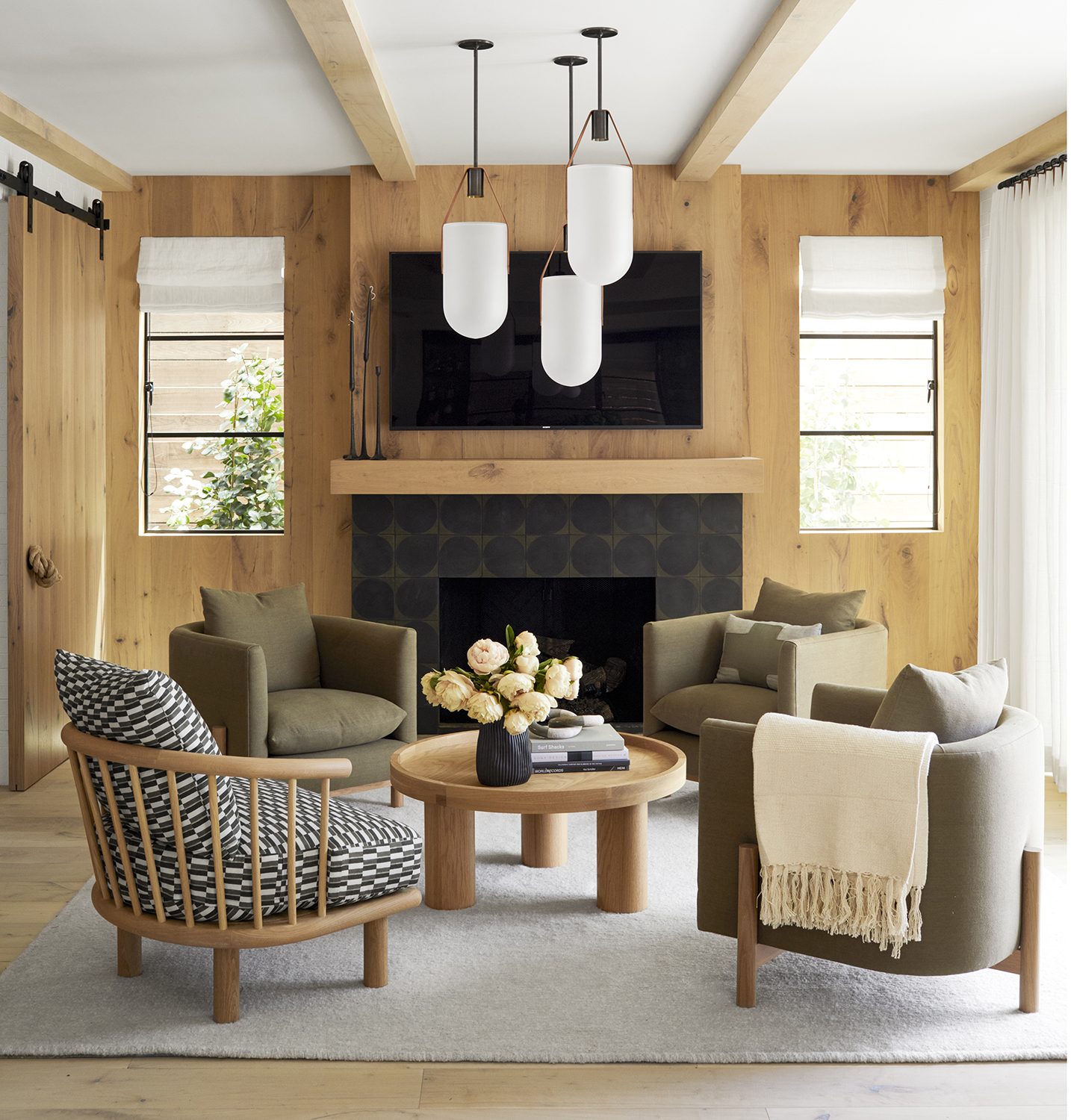
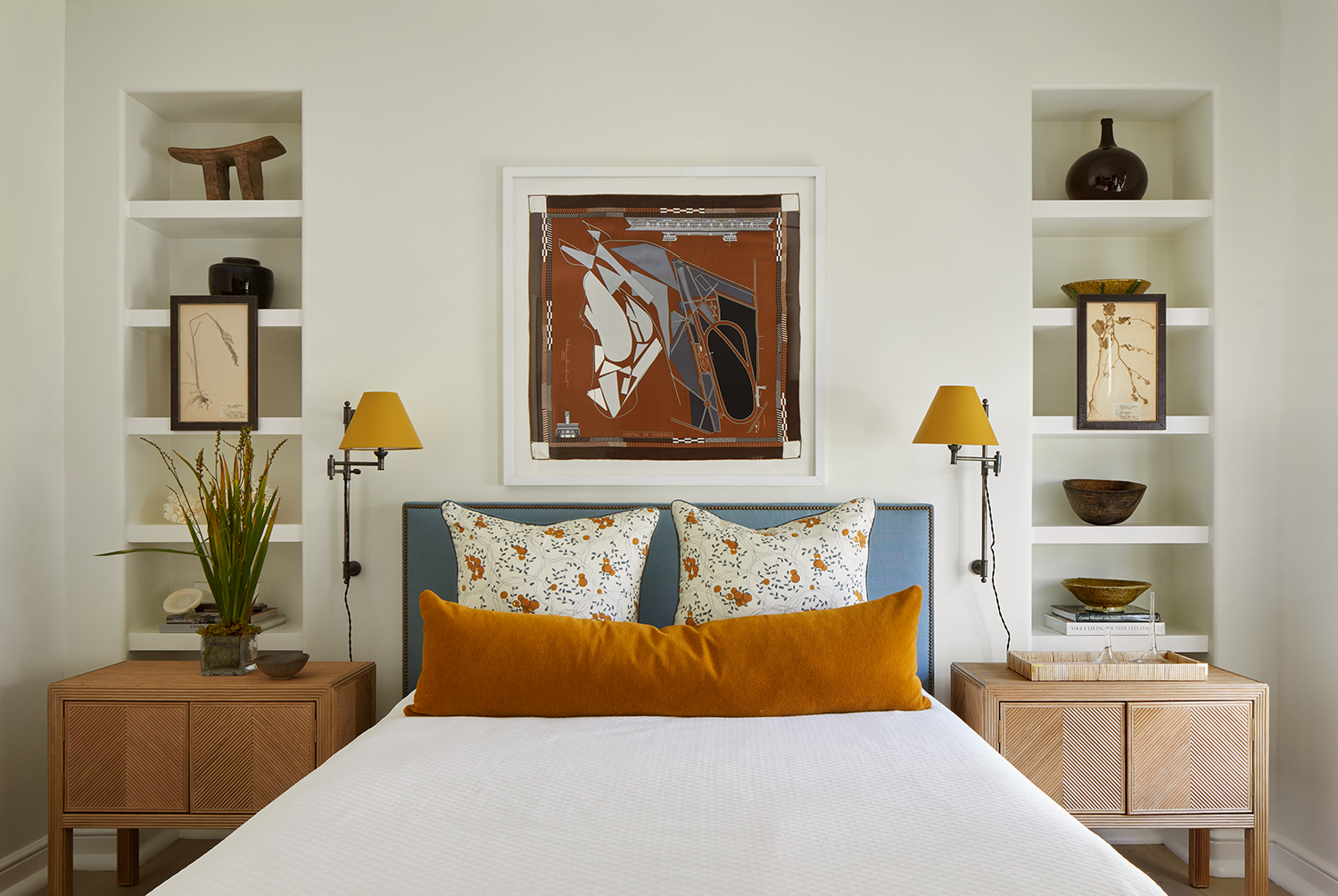
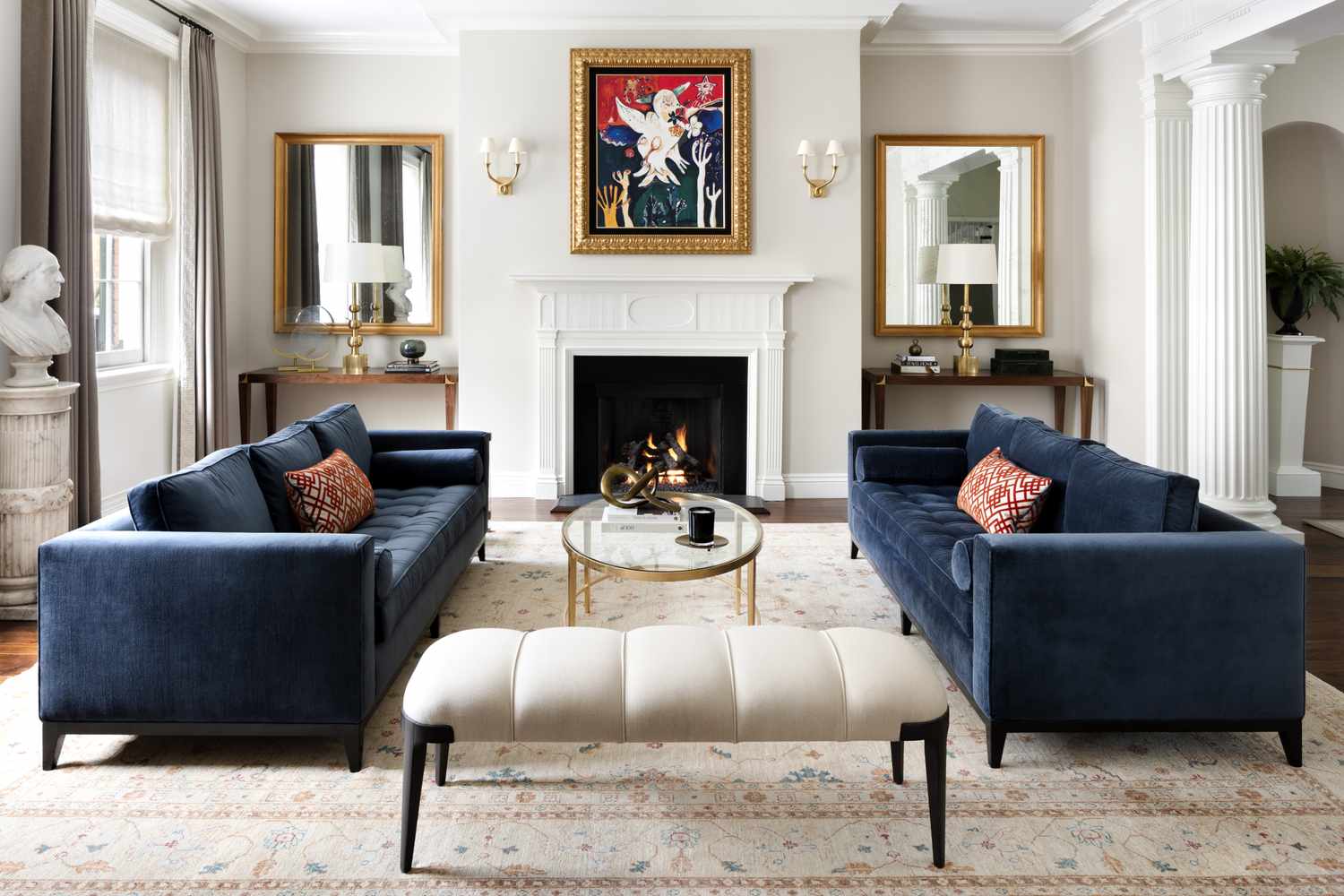
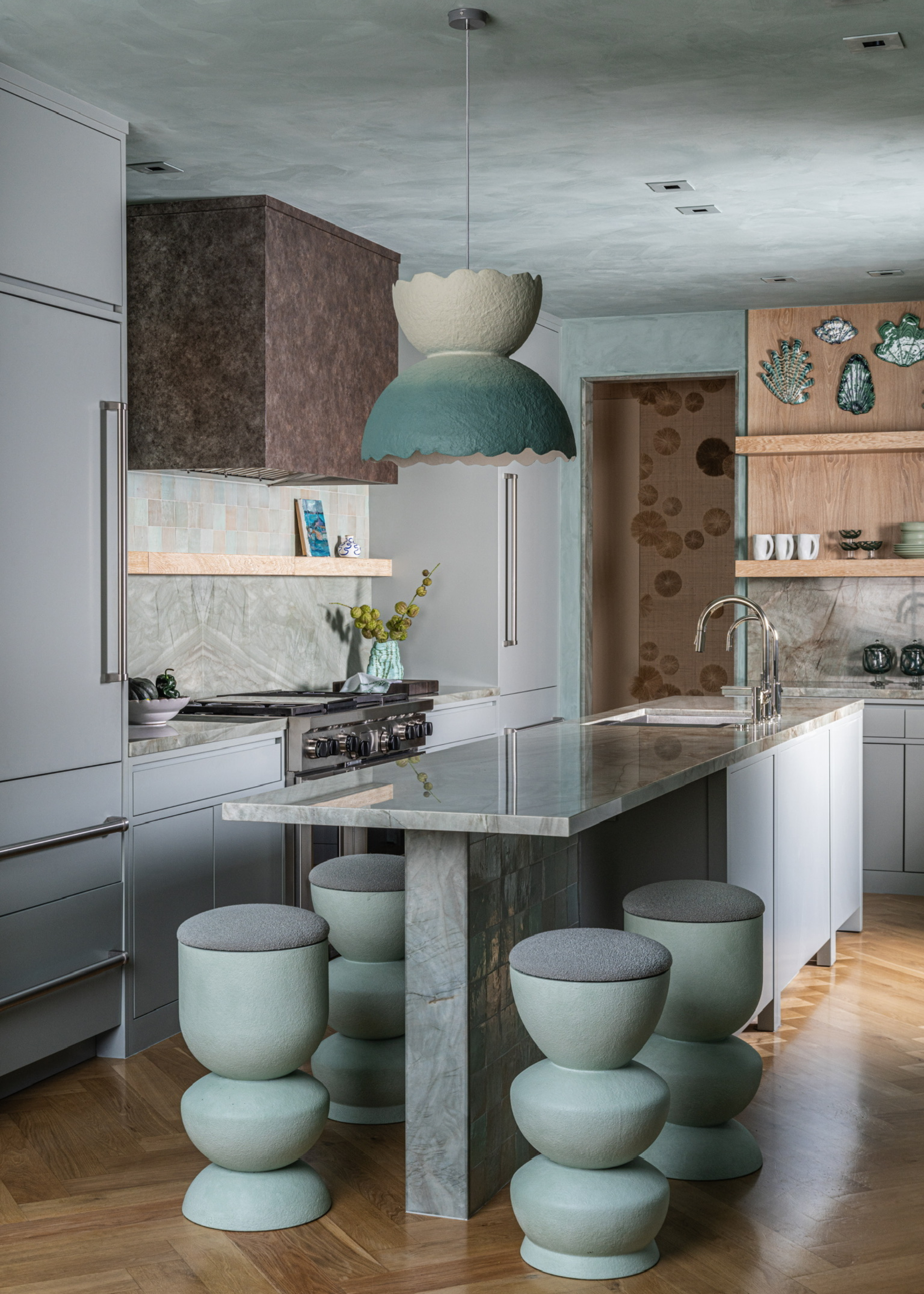
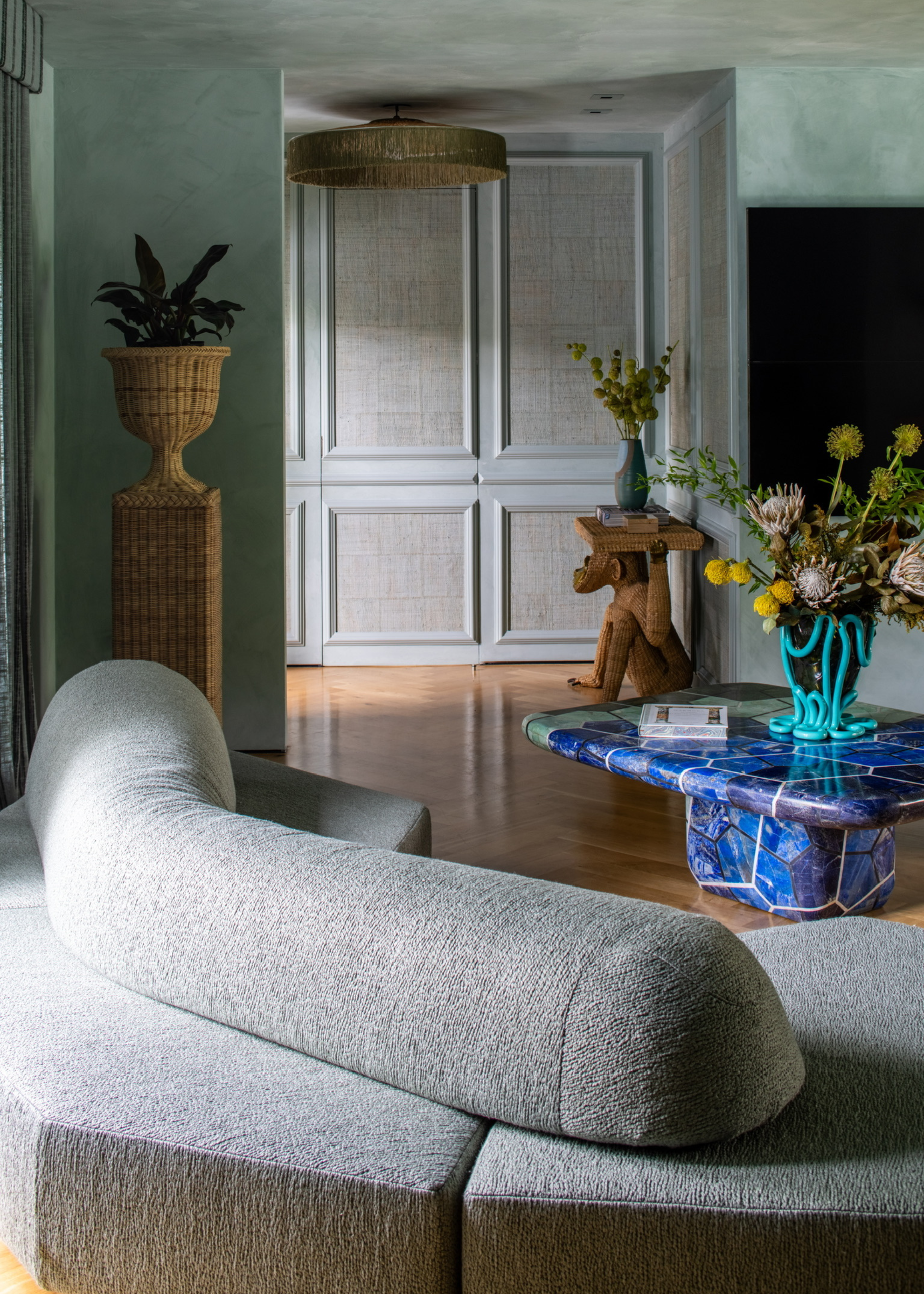
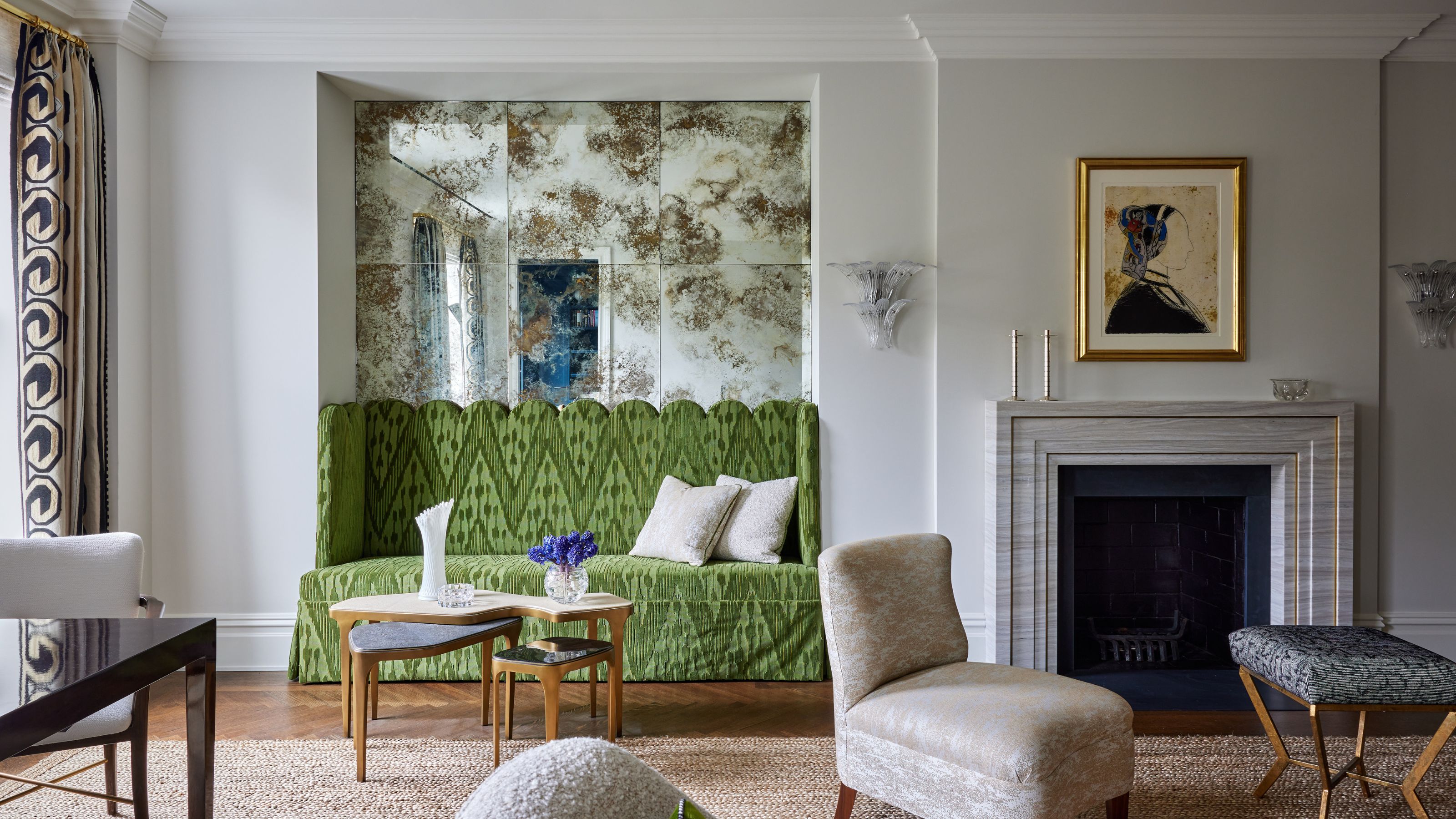
To make positive space intentional, every element within a room must serve a purpose aligned with the room’s overall function and mood. The article suggests integrating science-backed design principles like neuroaesthetics and biophilia to enhance well-being. This includes arranging furniture for optimal flow and placing artwork to create focal points. Utilizing design patterns such as symmetry or biomorphic shapes can subtly influence the space, making it feel cohesive and curated. The deliberate layering of materials, for example, juxtaposing textured fabrics with sleek furniture, contributes to tactile and visual harmony.
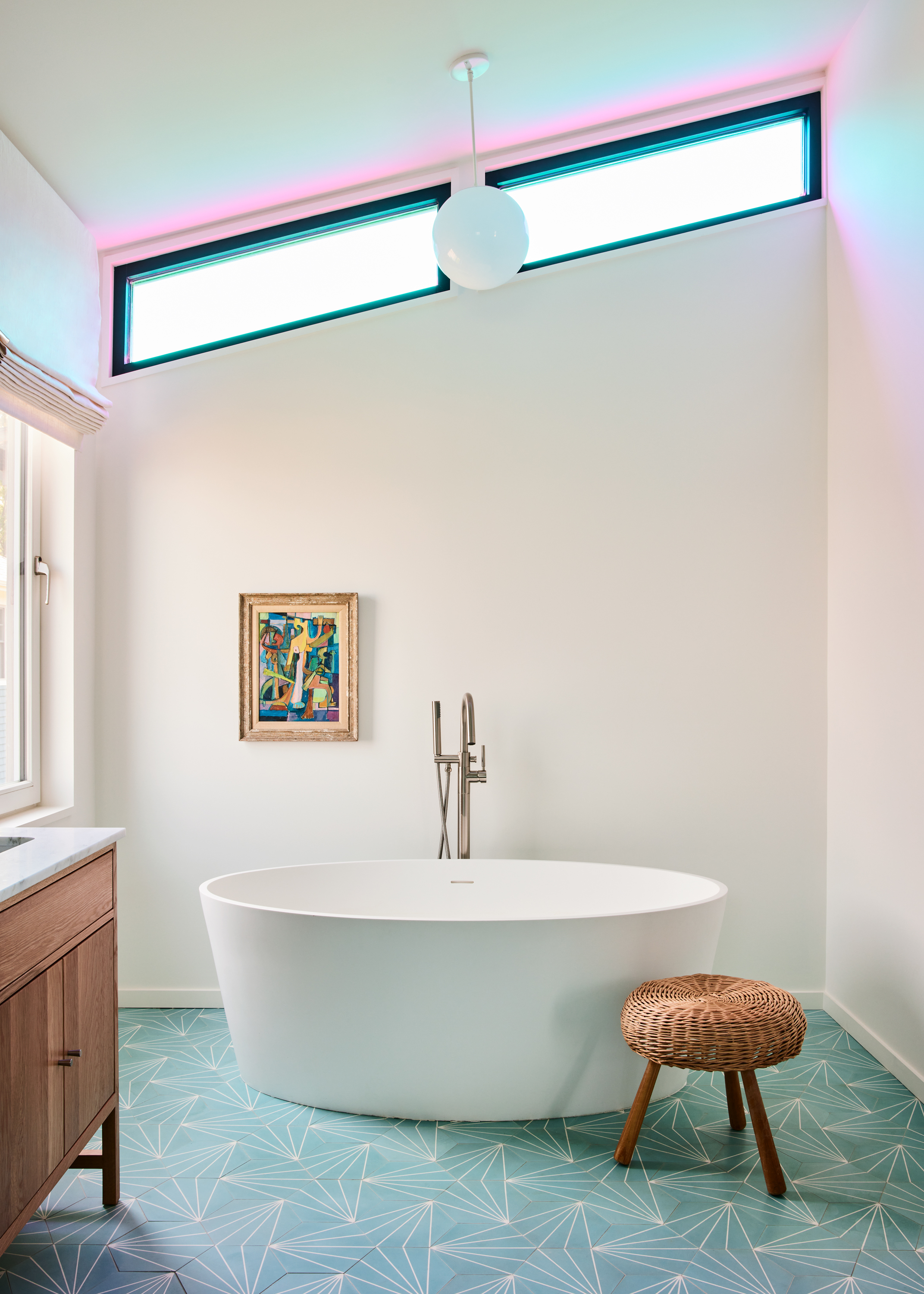
The relationship between positive and negative space is continuously in dialogue. Negative space provides visual pauses between objects, preventing a cluttered and visually overwhelming environment, and allows the positive space elements to be appreciated and make their intended impact. A balanced interplay between these two types of spaces is key to a successful interior design.
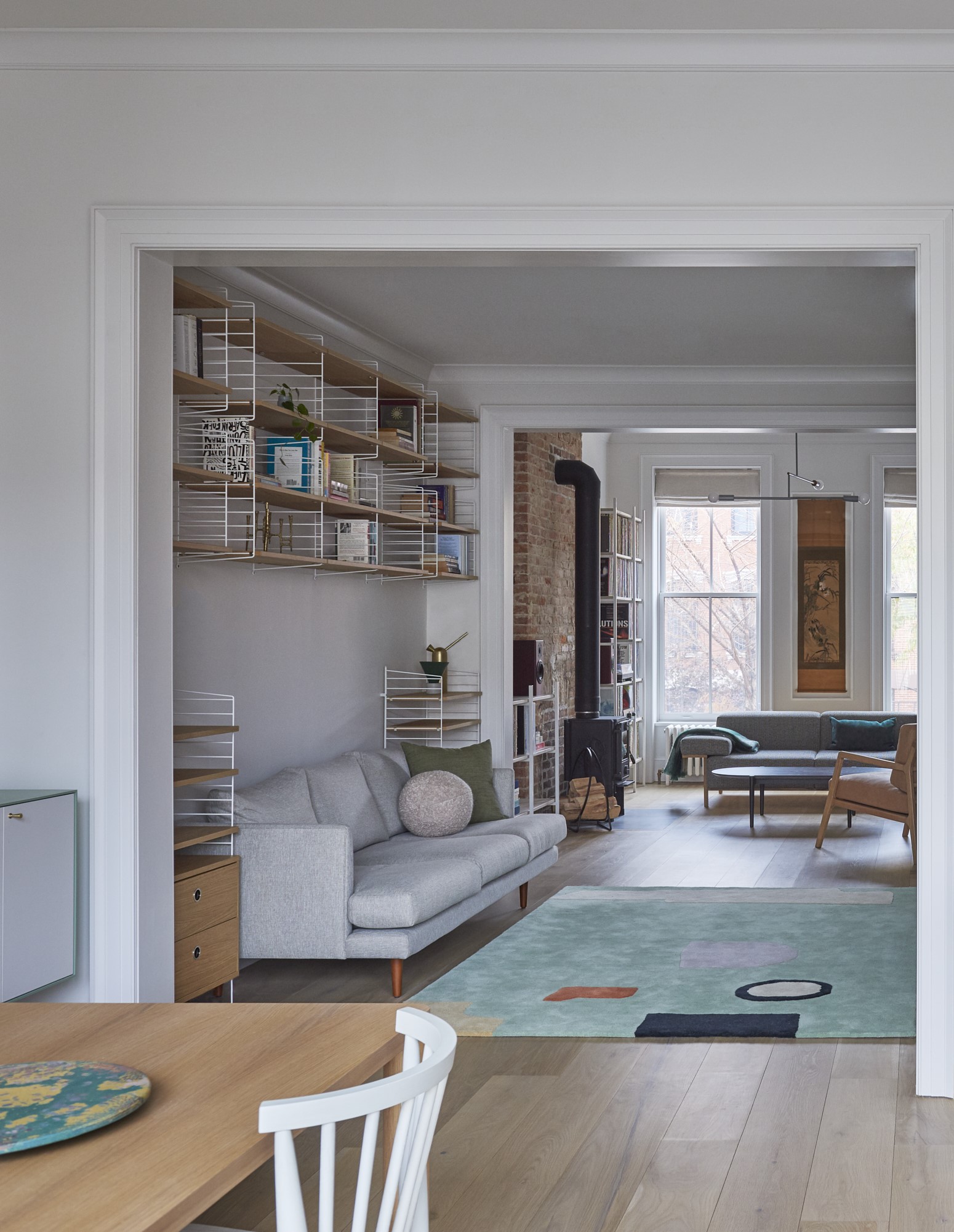
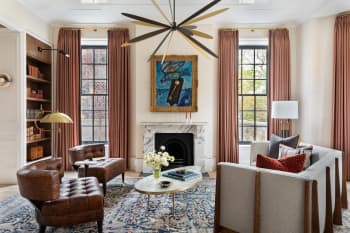
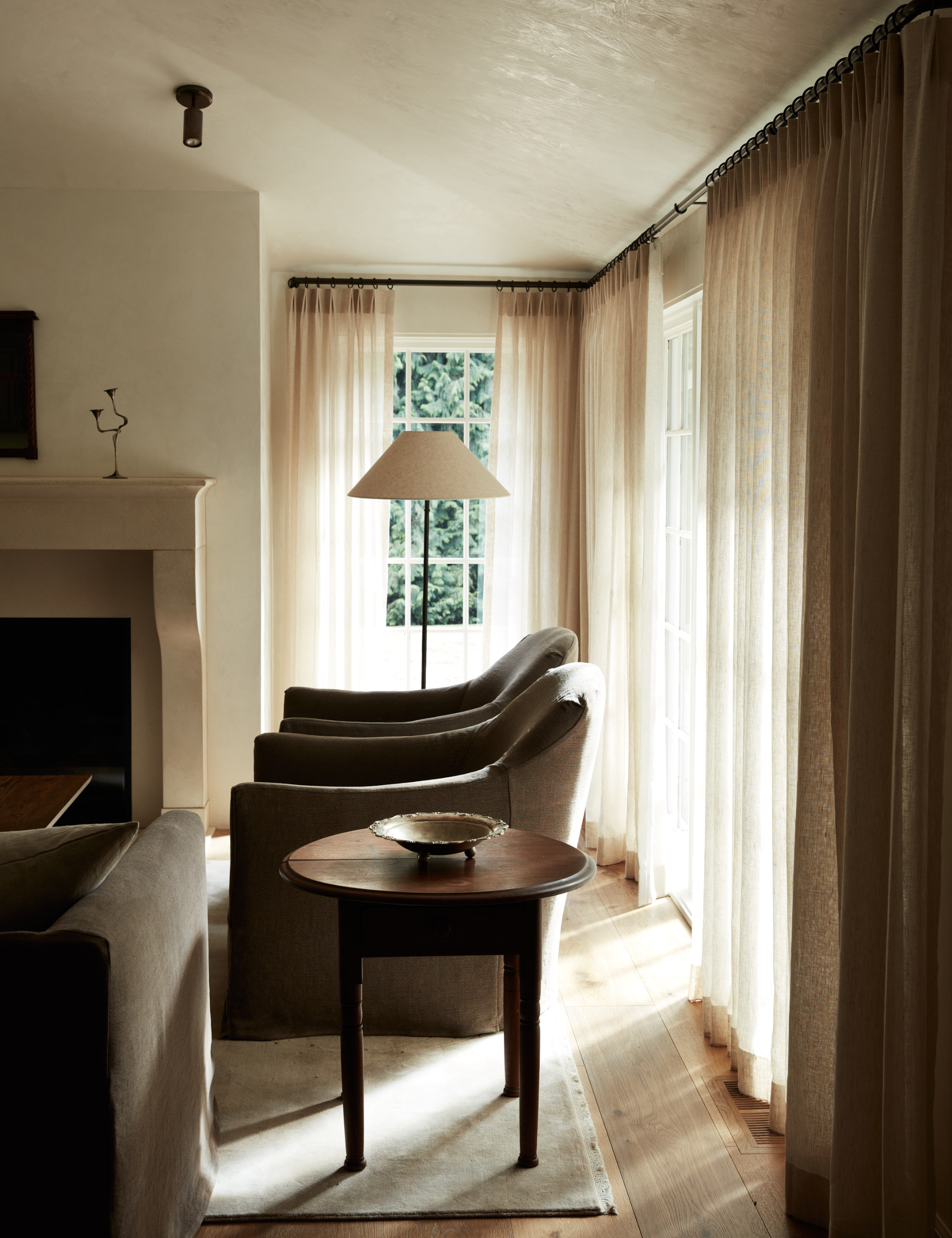
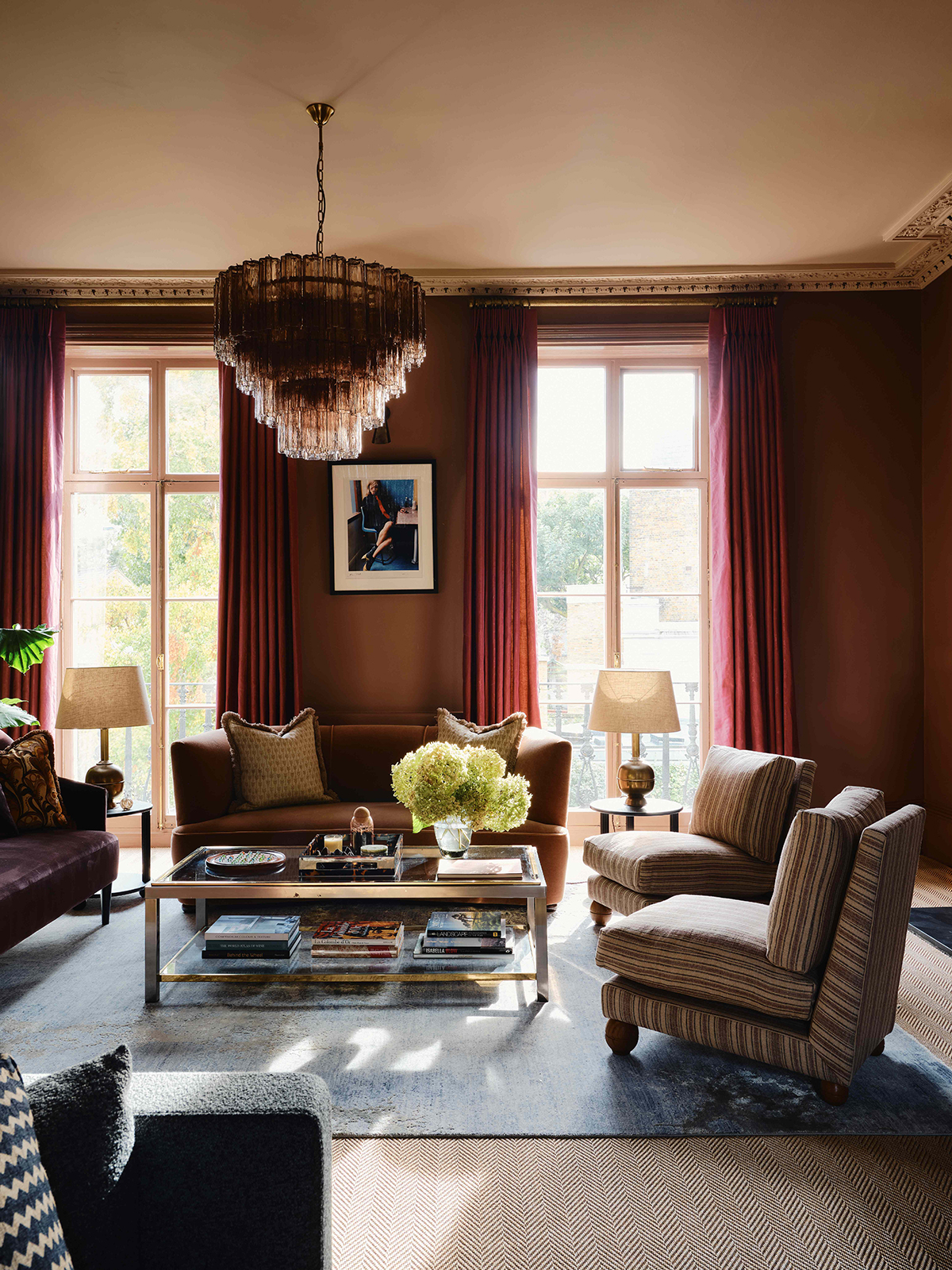
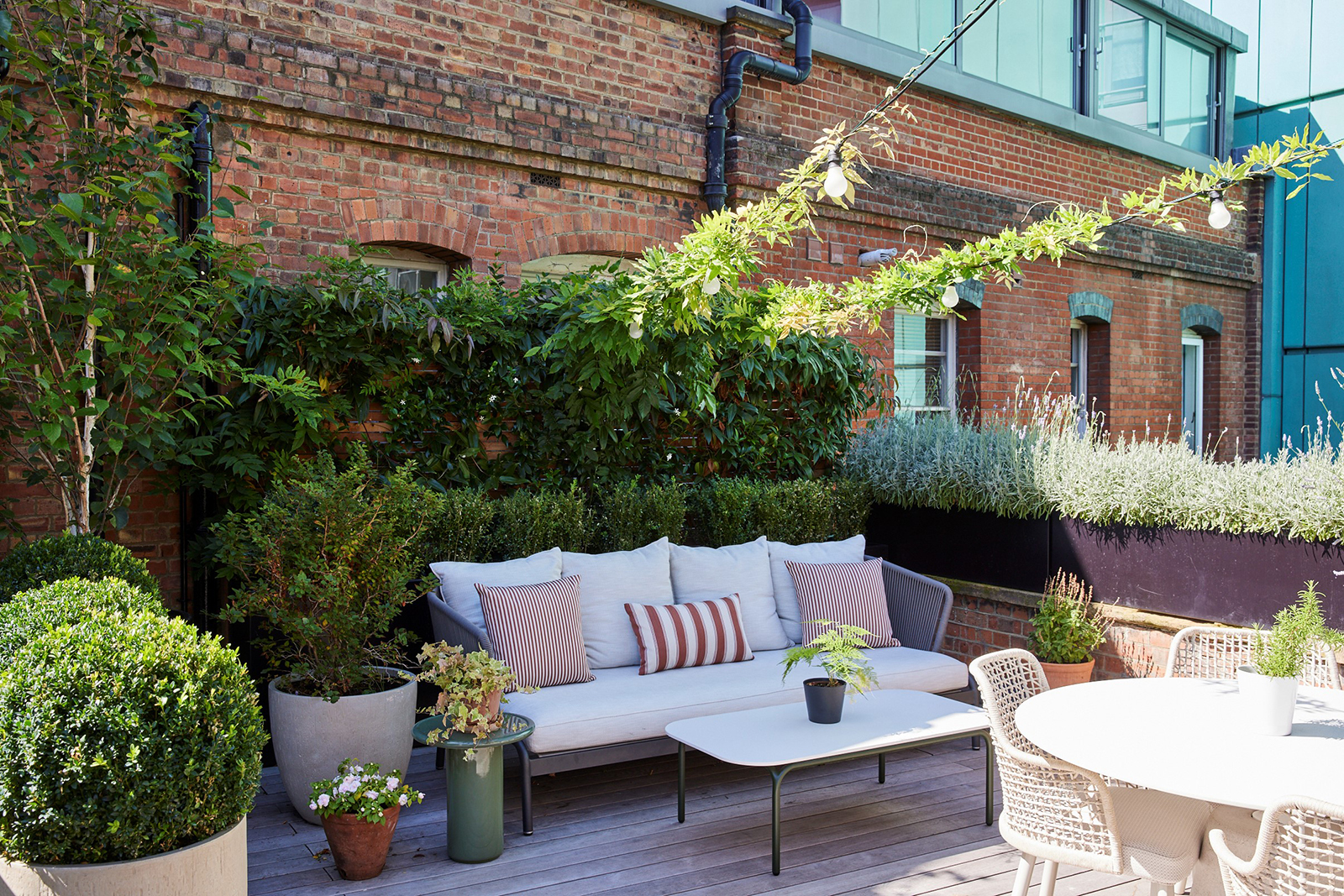
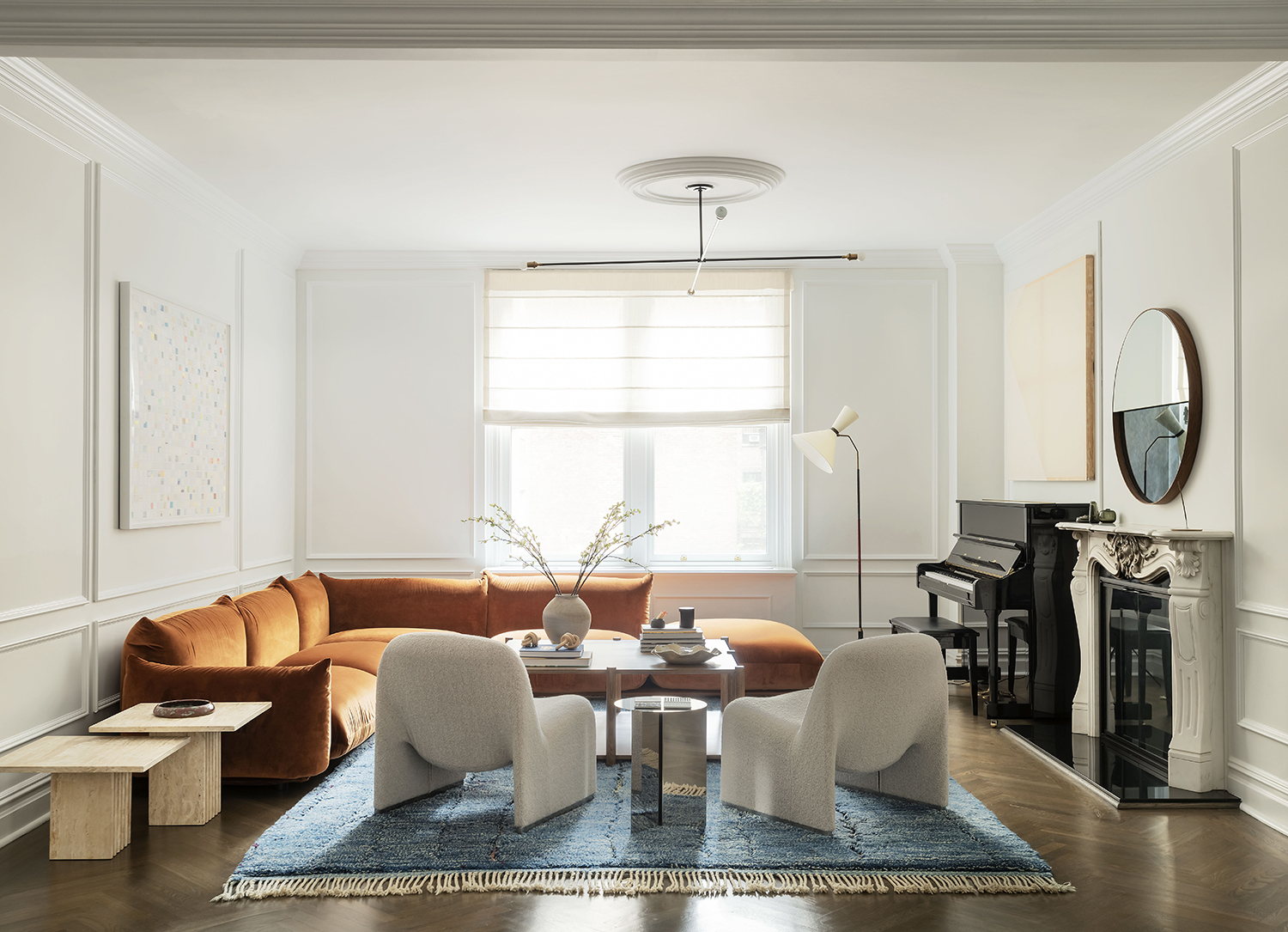
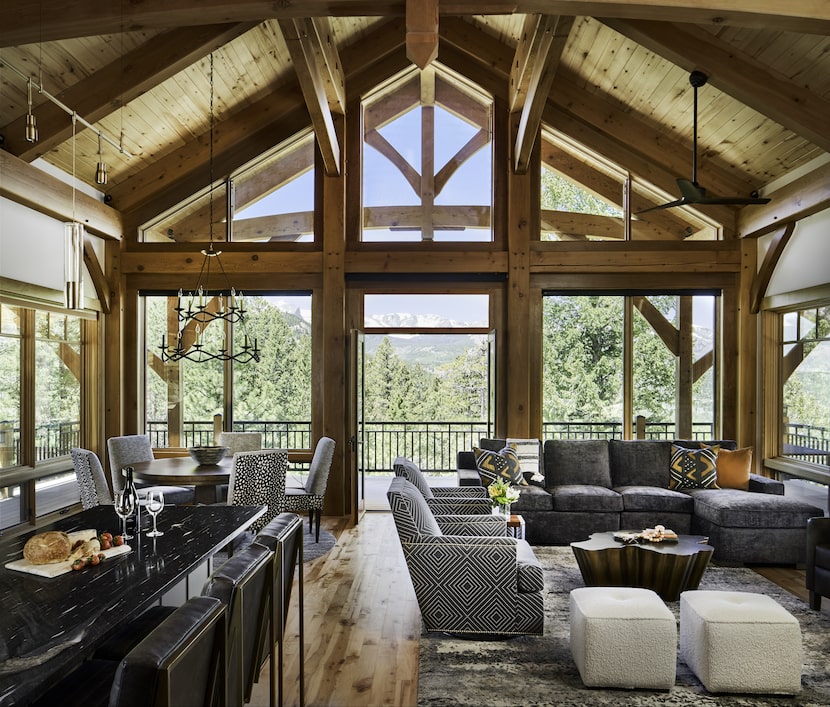
The practical application of positive space should always serve the functions of the interior. New York City-based interior designer Julie Anne Burch illustrates this point with an example of a home designed for comfort and entertaining. In this project, positive space was thoughtfully maximized to ensure functionality without sacrificing spaciousness. By strategically placing a sofa, she was able to frame the lush greenery outside, curating a sense of indoor-outdoor living. Burch also highlights how positive space can be used to create intimate areas within a home, inviting relaxation and catering to various needs, from large gatherings to quiet reflection. The article concludes by recommending that readers also explore other important design principles, such as rhythm in interior design, for a more comprehensive understanding of interior aesthetics.
#InteriorDesign #PositiveSpace #NegativeSpace #DesignPrinciples #HomeDecor #SpatialPlanning #Neuroaesthetics #Biophilia #InteriorDesign #PositiveSpace #NegativeSpace #DesignPrinciples #HomeDecor #SpatialPlanning #Neuroaesthetics #Biophilia
合計0件のコメント
 まだコメントはありません
あなたも好きかもしれません
These Are the Decor Ideas Designers Can’t Get Enough Of (and We’re Obsessed With!)

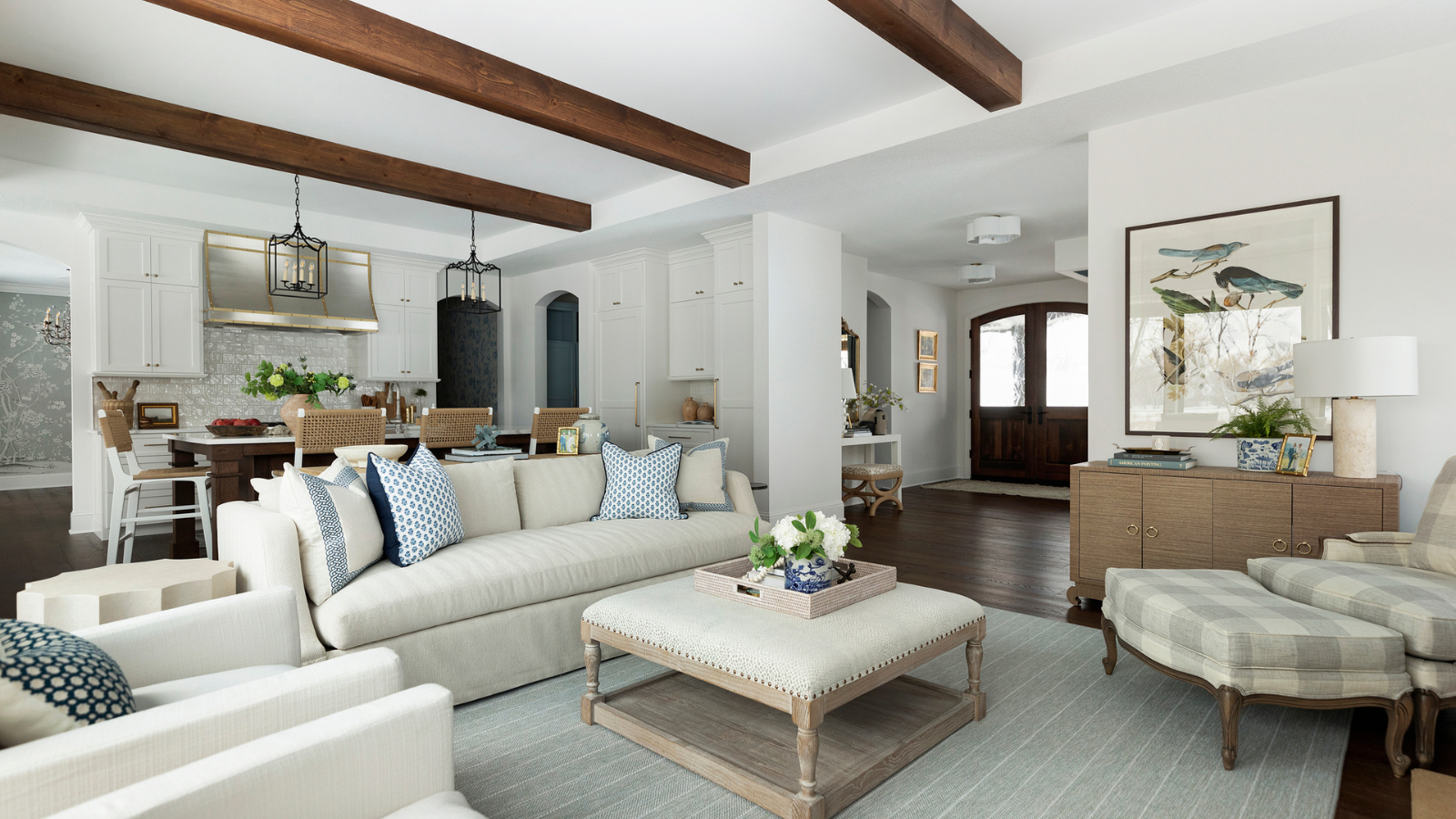
What is zoning in interior design? Expert layout tips

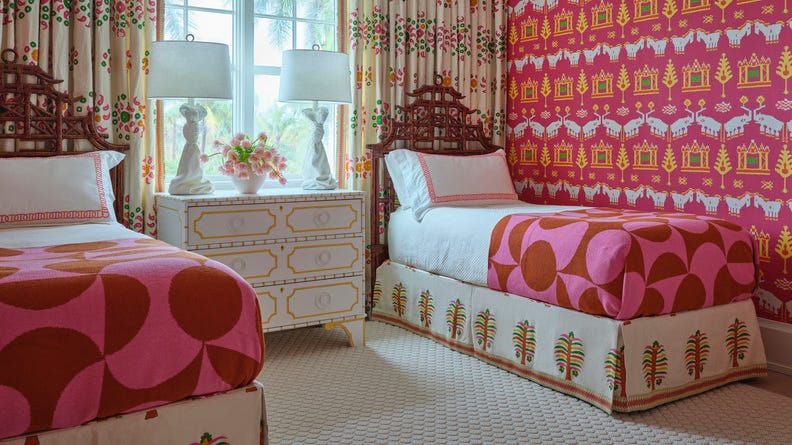
Design Insiders Reveal Their SECRETS to Decorating Your Home Like a Pro

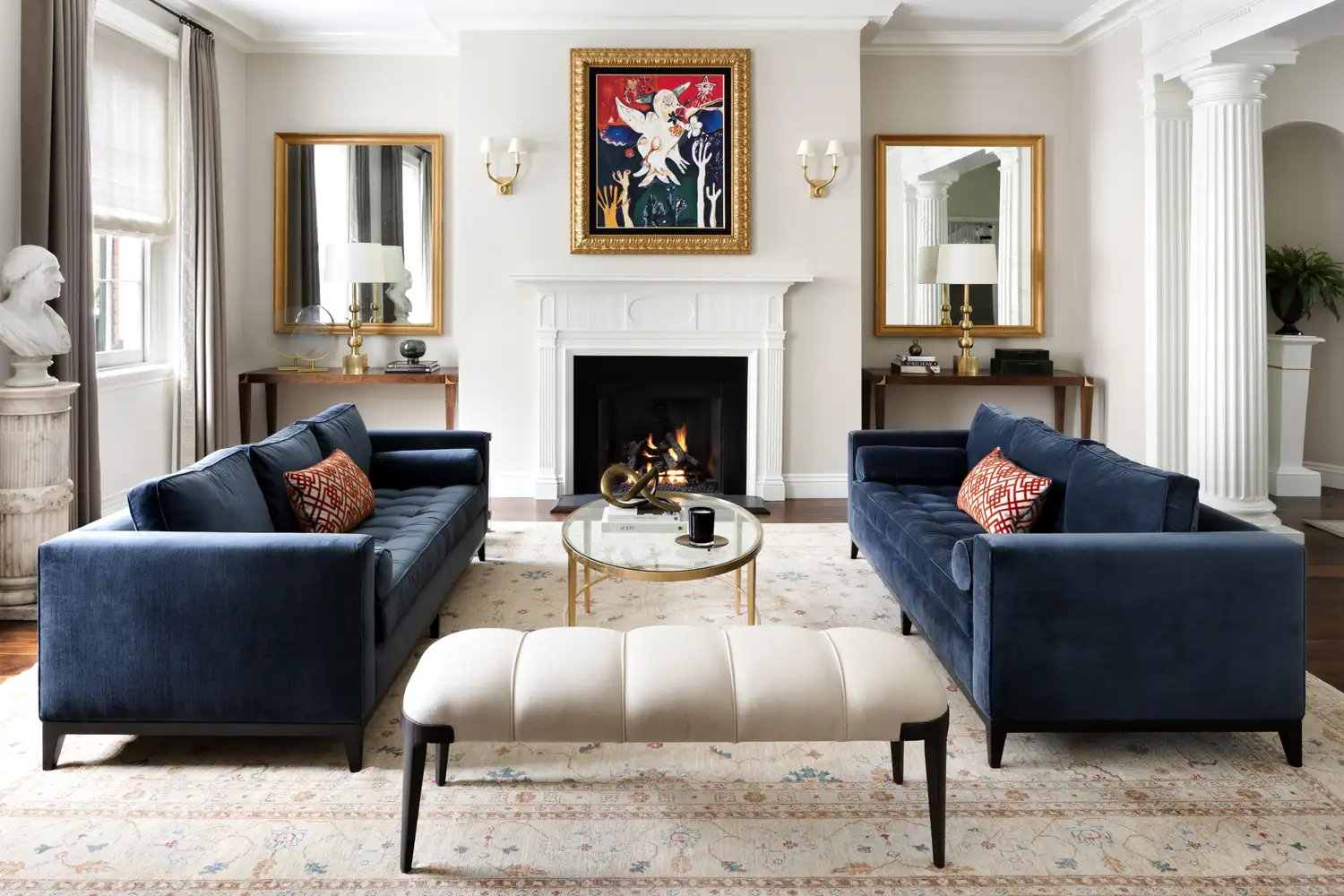
This Is the Room Design Formula Pros Use Again and Again—Here’s Why It Works

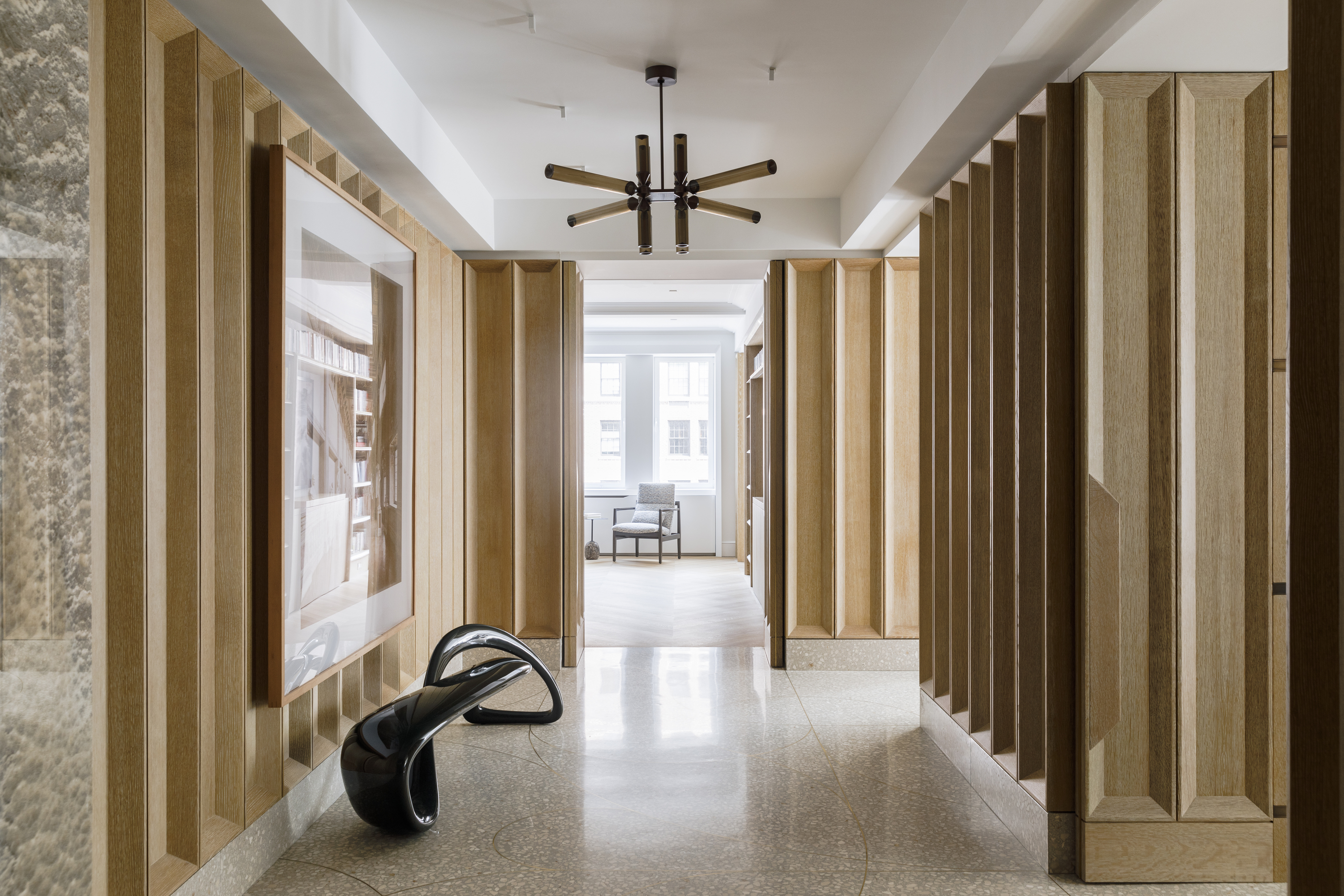
How to elevate your 'pass-through room' - experts make more of that unloved space you're ignoring
Emphasis in Interior Design —How to Create a Focal Point
The Differences Between an Interior Designer and an Interior Decorator
I Asked Interior Designers: 'How Do You Ensure a Room Isn't Boring?' These Are Their 5 Top Tips
Can’t Concentrate? Decorating Your Space With These Colors Can Sharpen Your Focus
Matt Armato and Beau Ciolino talk interior design and DIY tips

13 ways repetition in interior design can be used to create calmingly sophisticated rooms
How to divide open-concept spaces without adding walls
How These Interior Designers Are Staying Cozy (and Sane) at Home
How to make small spaces look bigger
Rhythm in interior design - 11 ways to use this clever technique for rooms that look professionally done
How to design the perfect living room
‘Not Every Space Needs to Be Filled’ – Interior Designers on the Art of Negative Space and 7 Ways to Use It Well
Copy-And-Paste Interiors: Repeating A Look Isn’t Lazy — It’s Clever
10 rules to achieve balance in interior design - the secret style sauce which brings schemes together
Why Your Room Feels 'Off'—6 Designer Rules for Perfecting Furniture Scale and Proportion