Why Your Room Feels 'Off'—6 Designer Rules for Perfecting Furniture Scale and Proportion
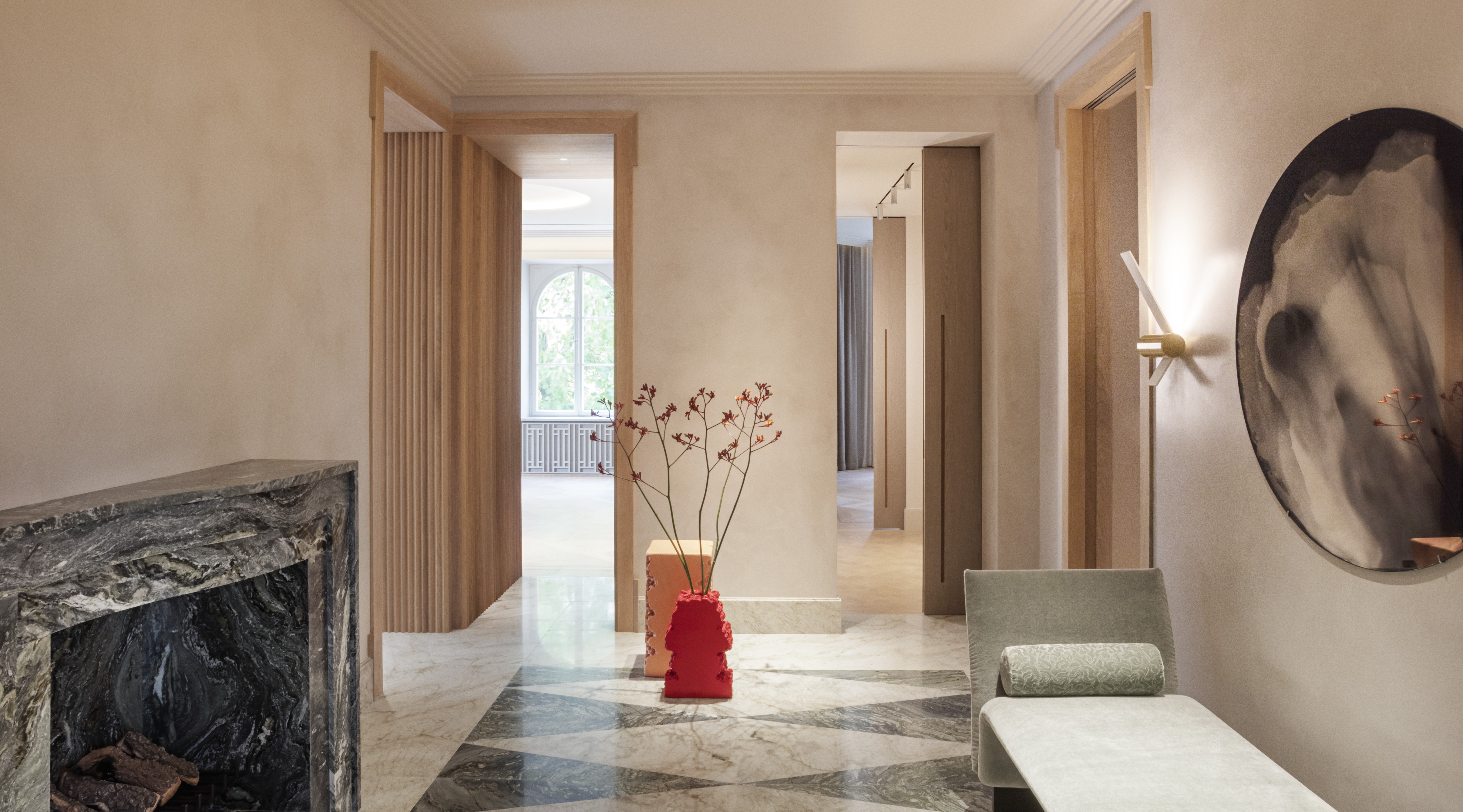
The balance and harmony of a room are significantly influenced by the scale and proportion of its furnishings and objects, both in relation to each other and to the space itself. When these elements are not harmonized, a room can feel unbalanced, disconnected, or even uncomfortable, regardless of how well-curated individual pieces or colors might be. Crystal Hackl, owner and principal designer of Eagle & Vine Interiors, emphasizes that creating a harmonious environment starts with selecting pieces that relate well, fostering a sense of intention, balance, and compatibility. Conversely, mismatched scale and proportion can make a room appear haphazard, induce unease, or impede comfortable traffic flow.
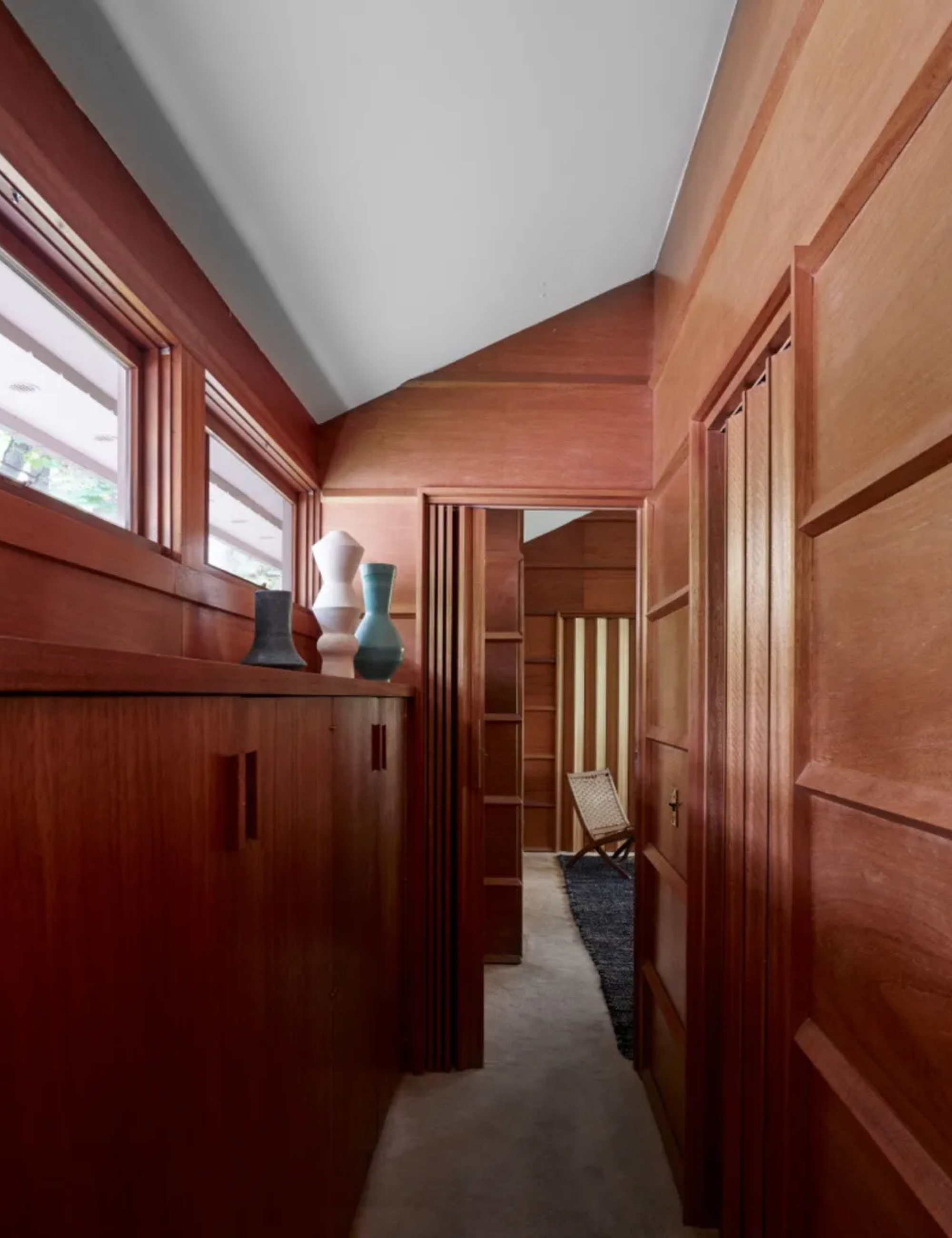
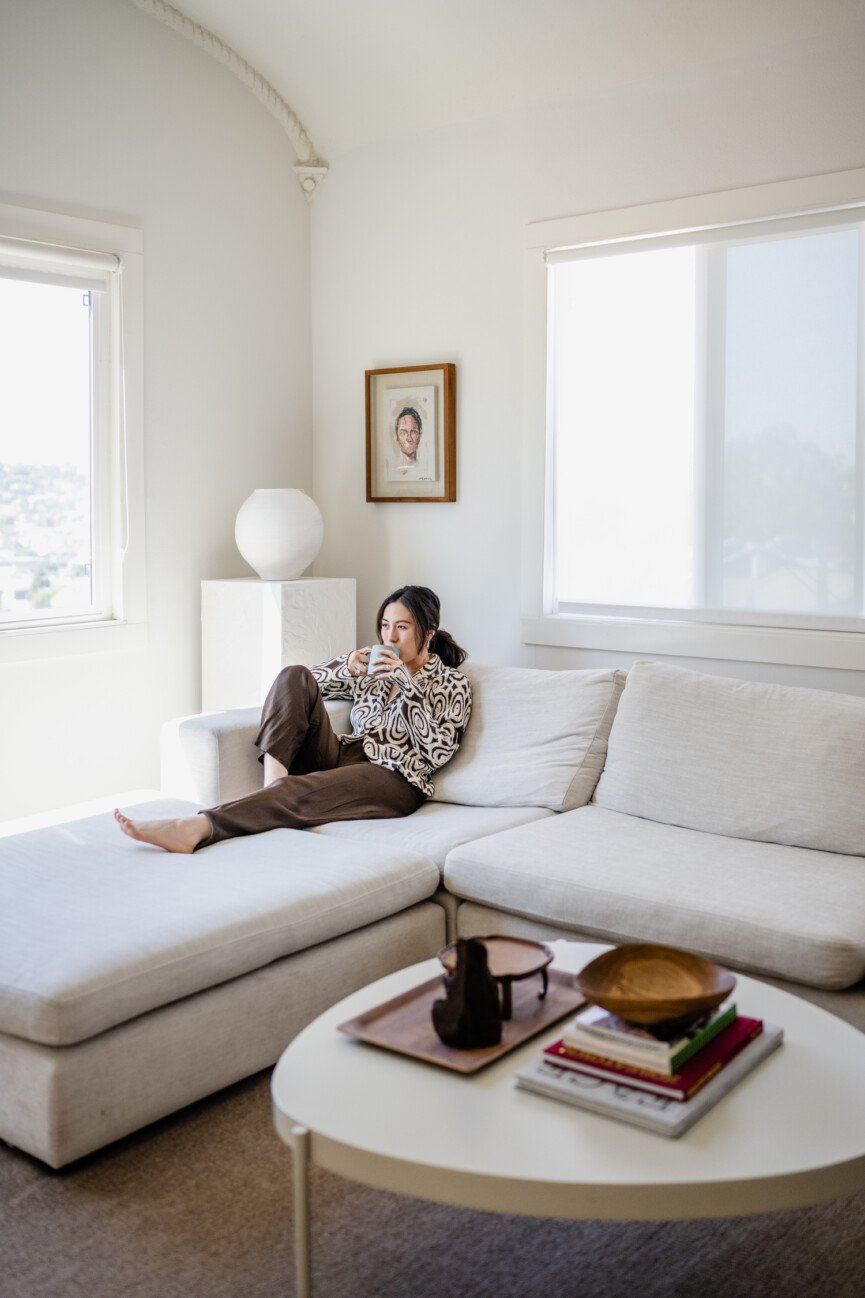
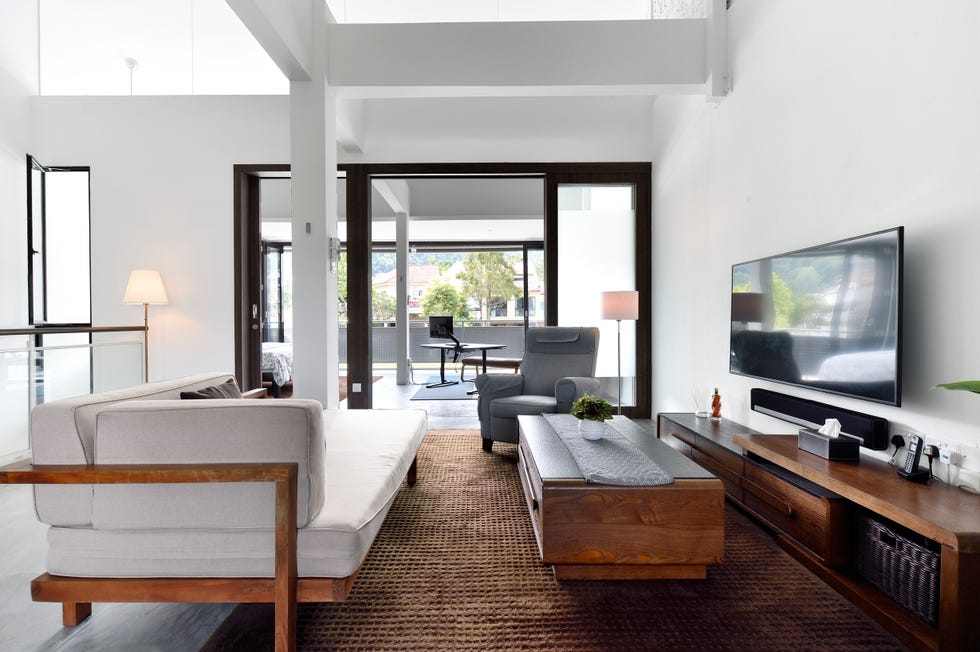
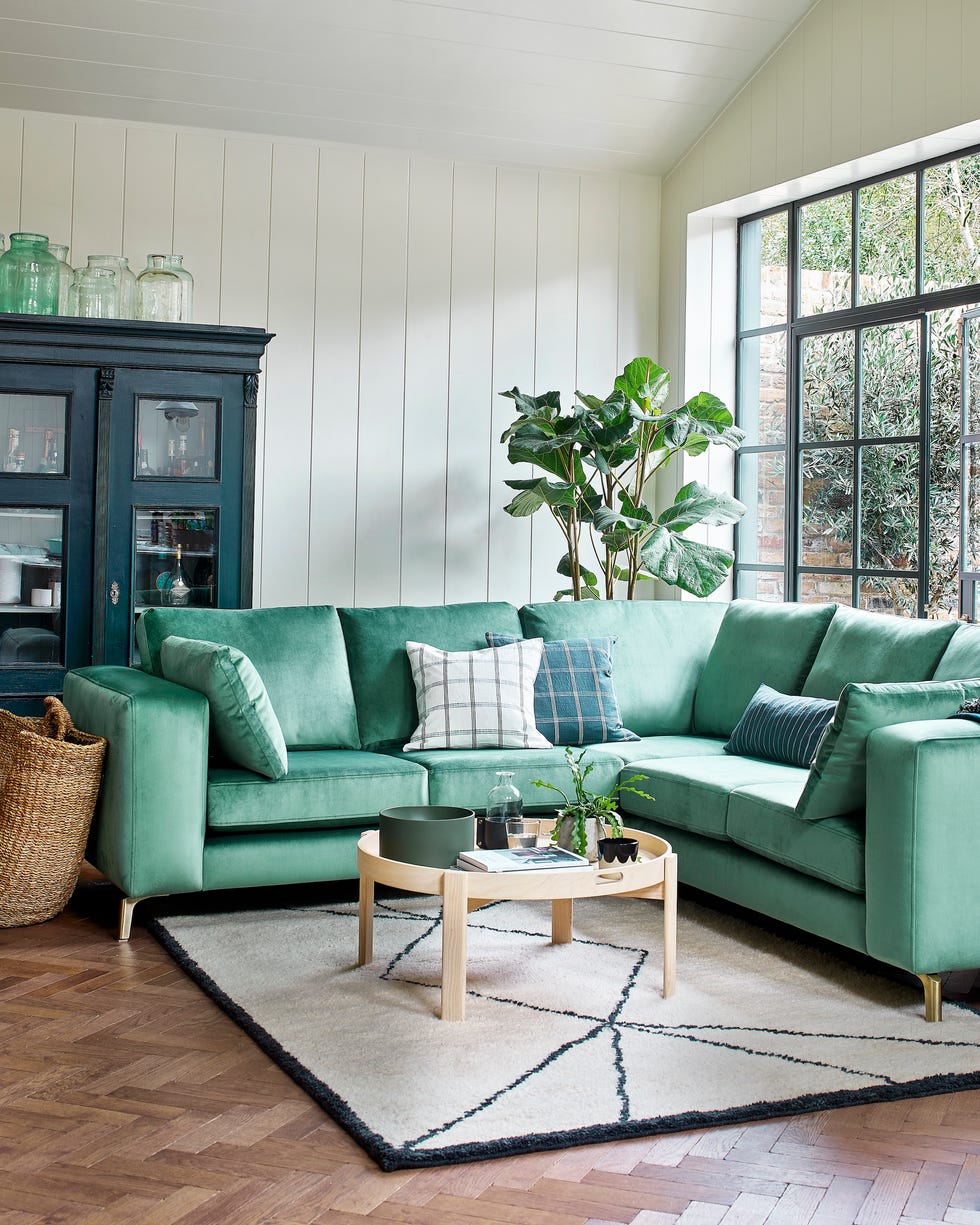
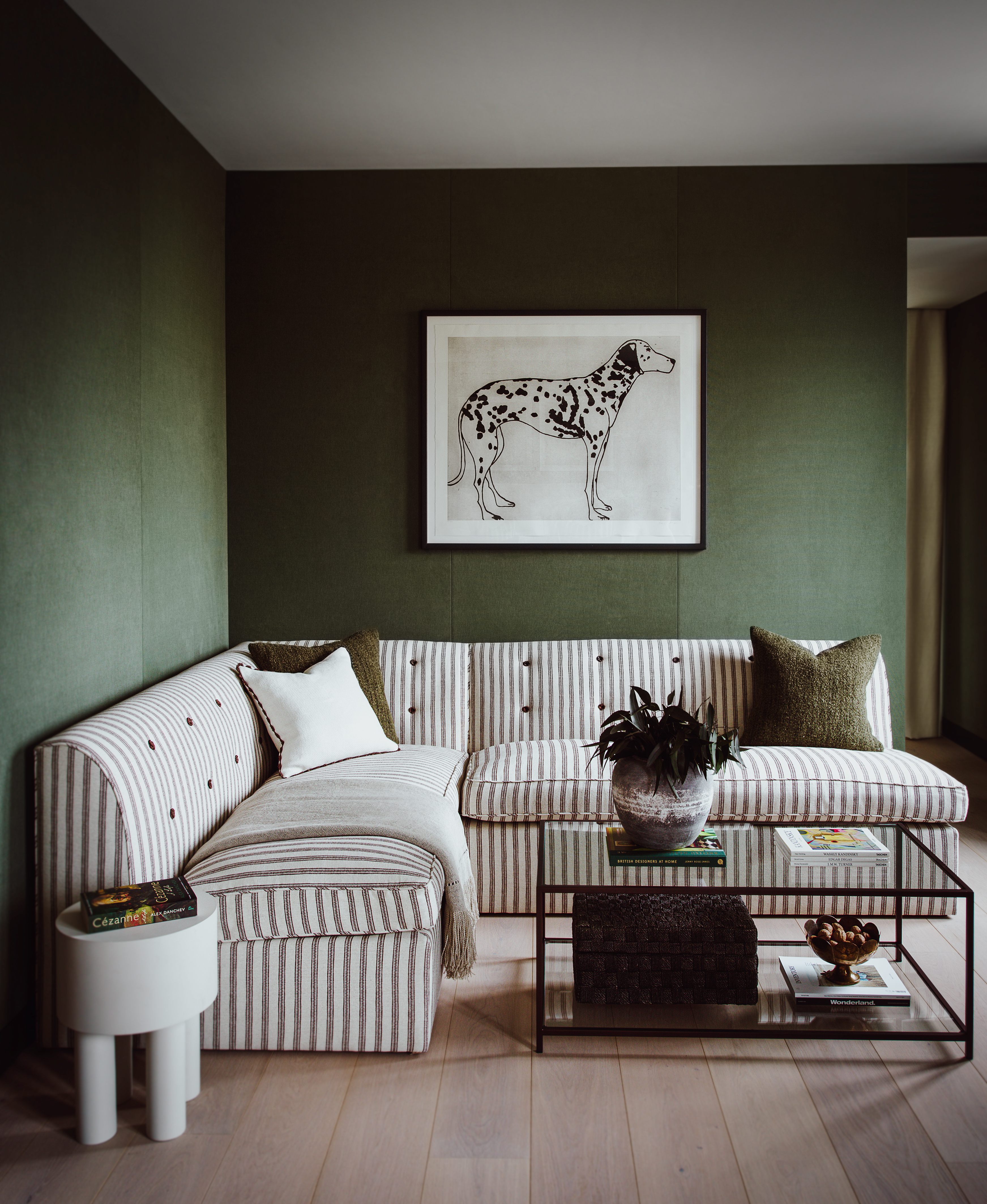
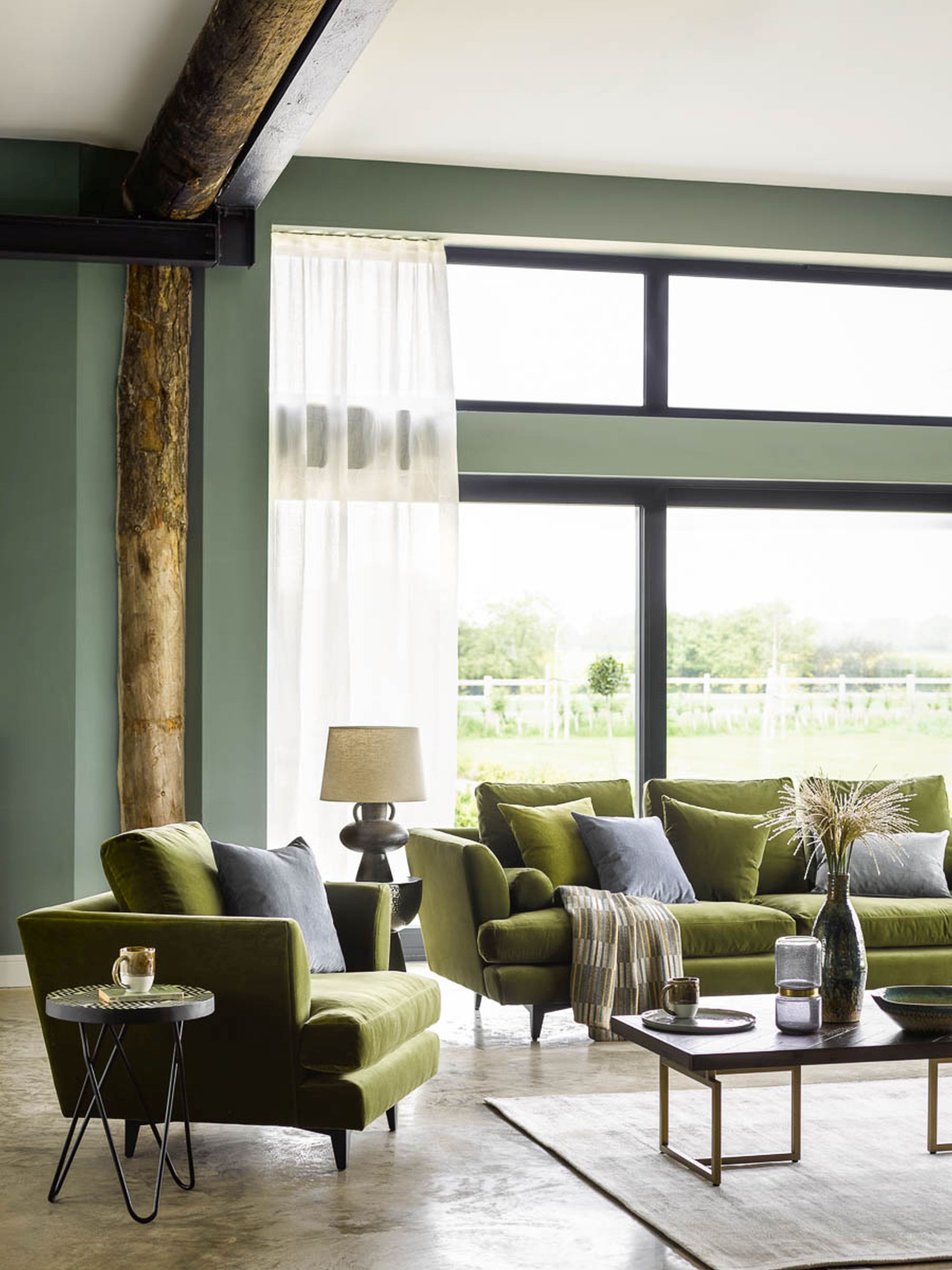
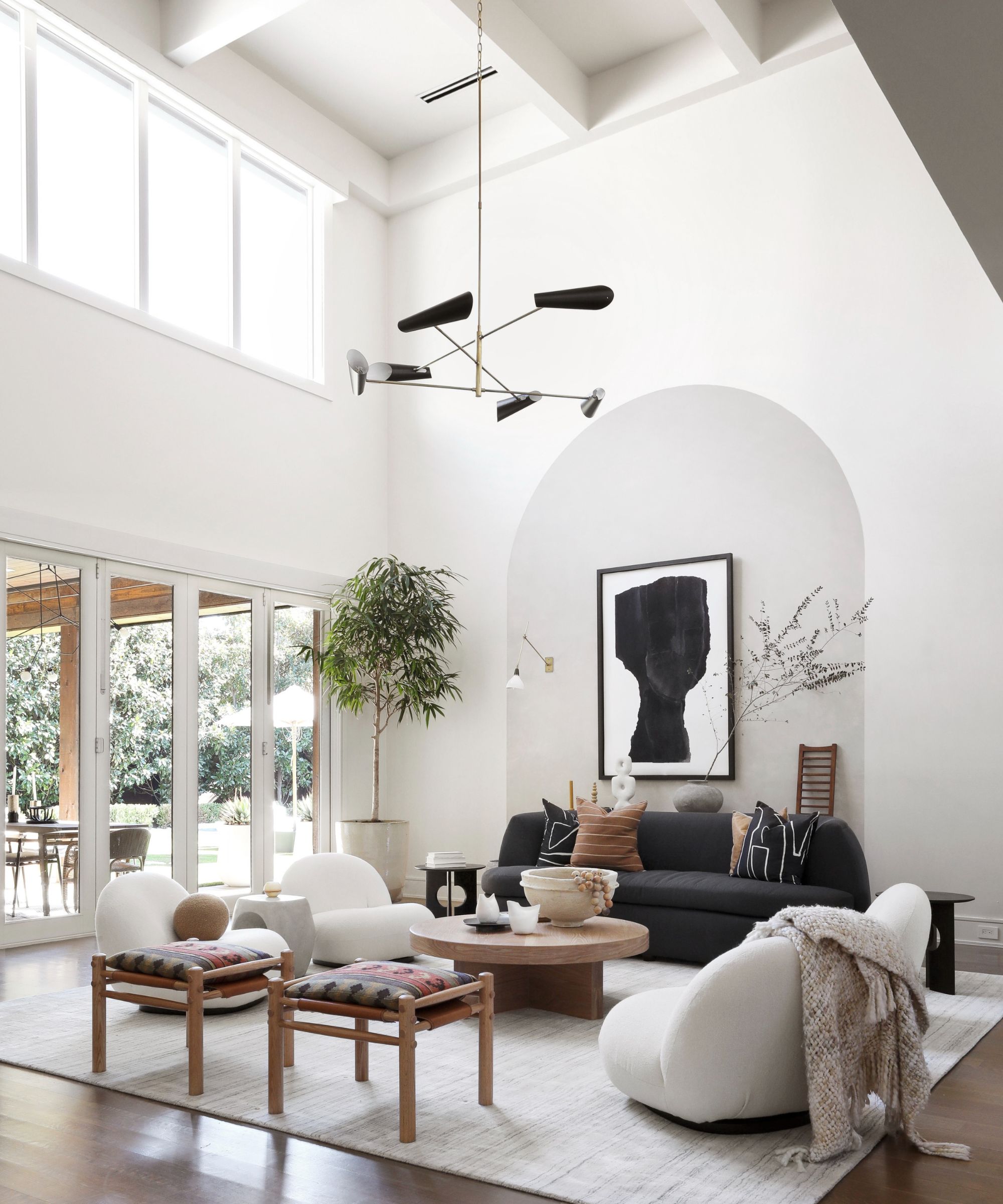
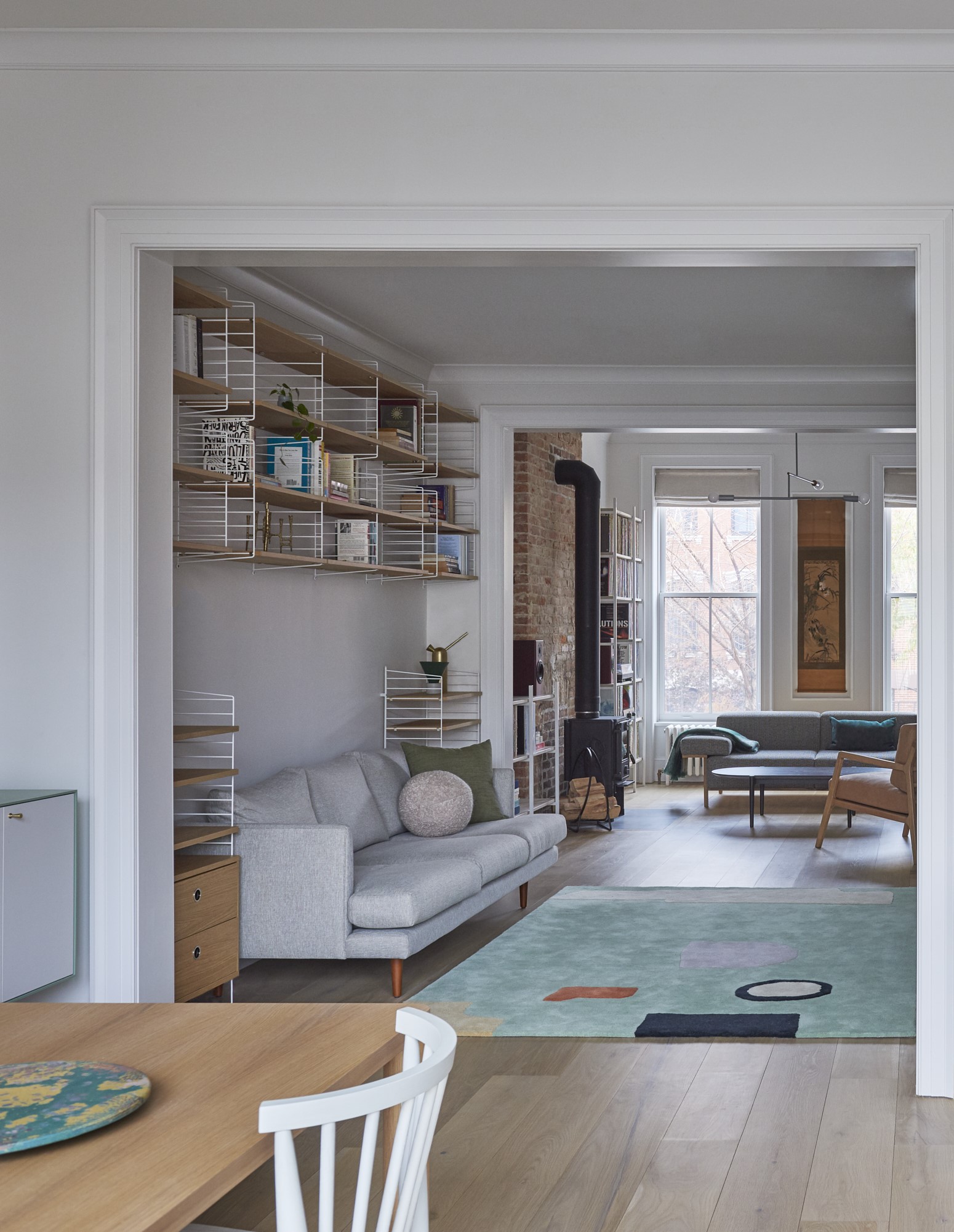
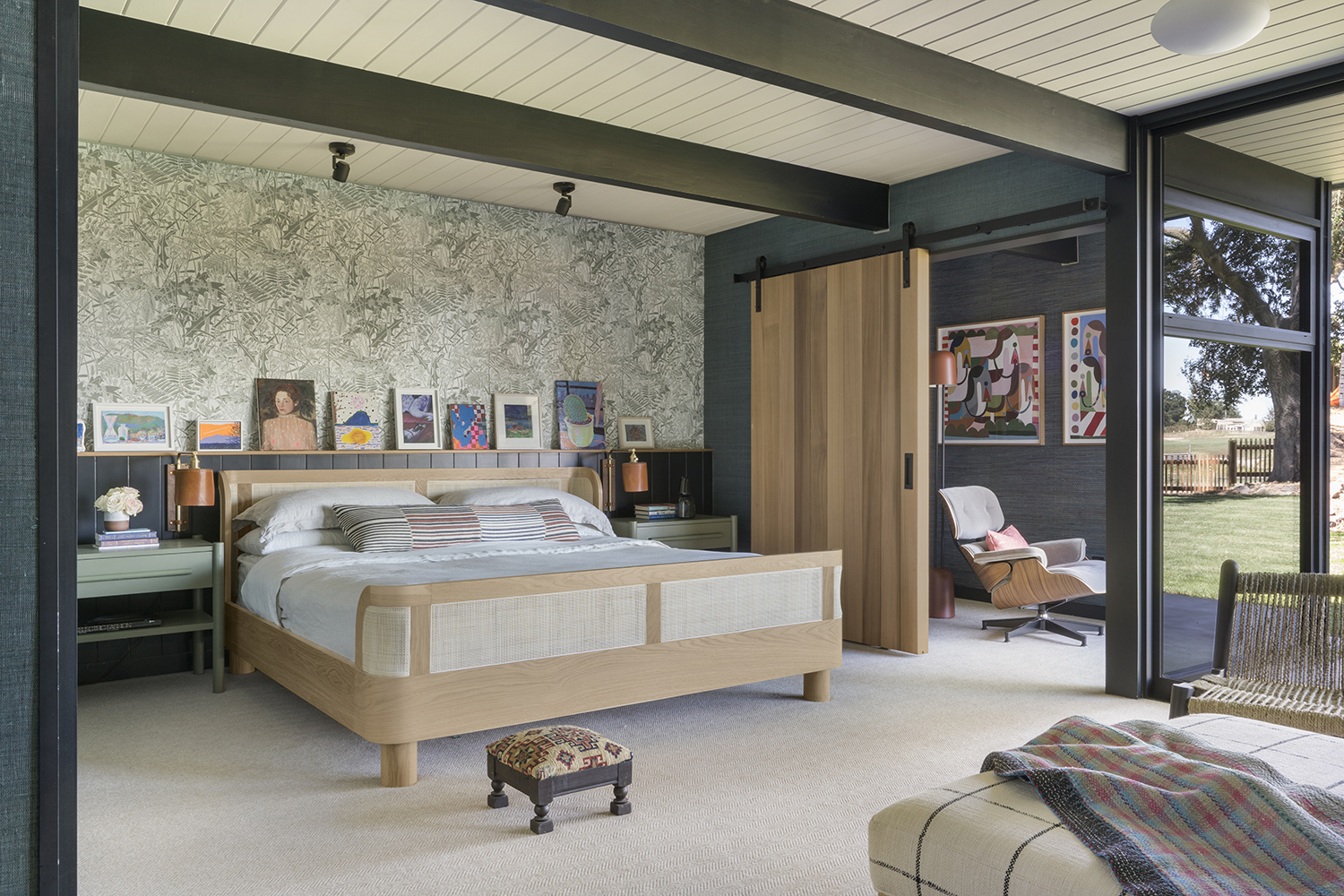
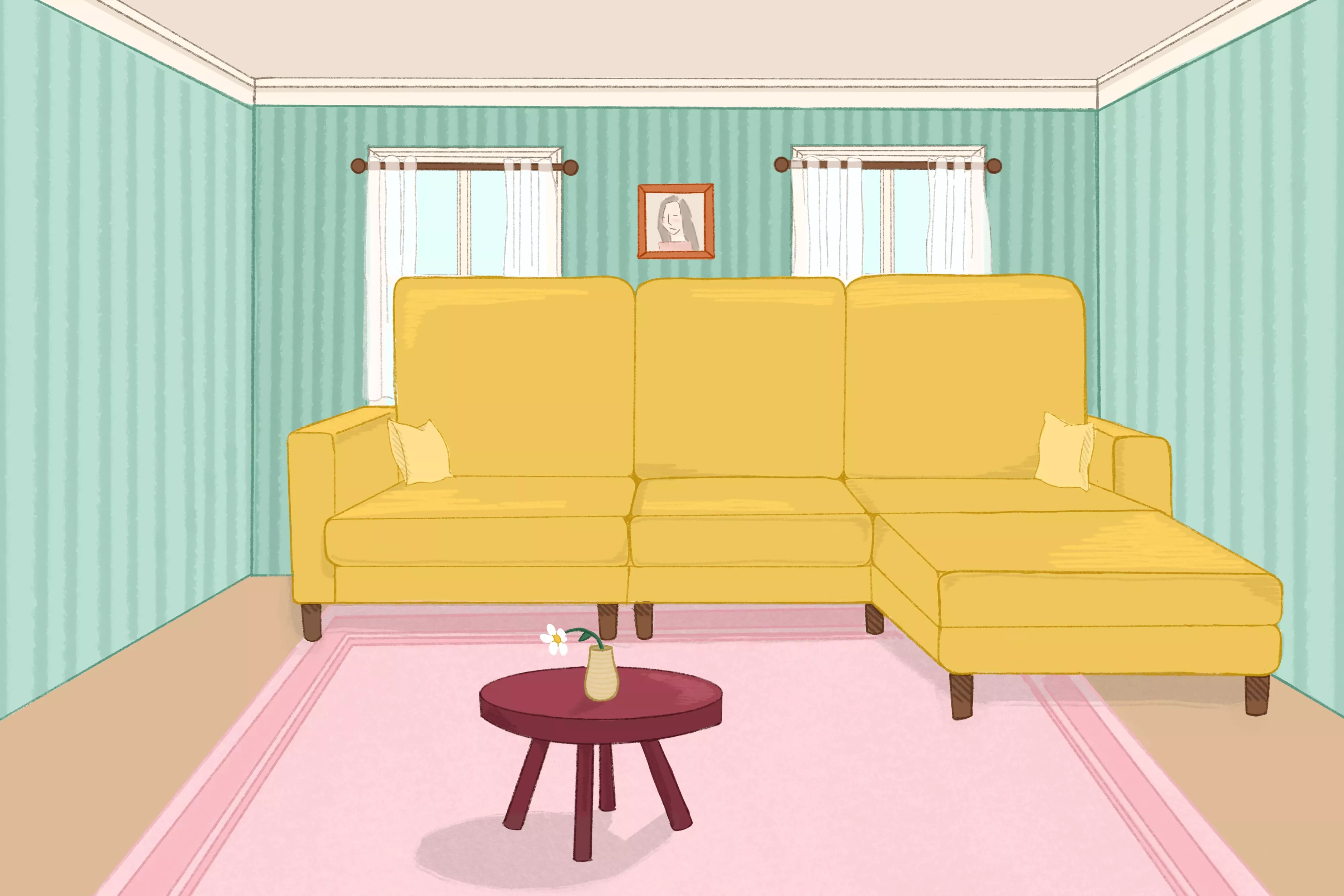
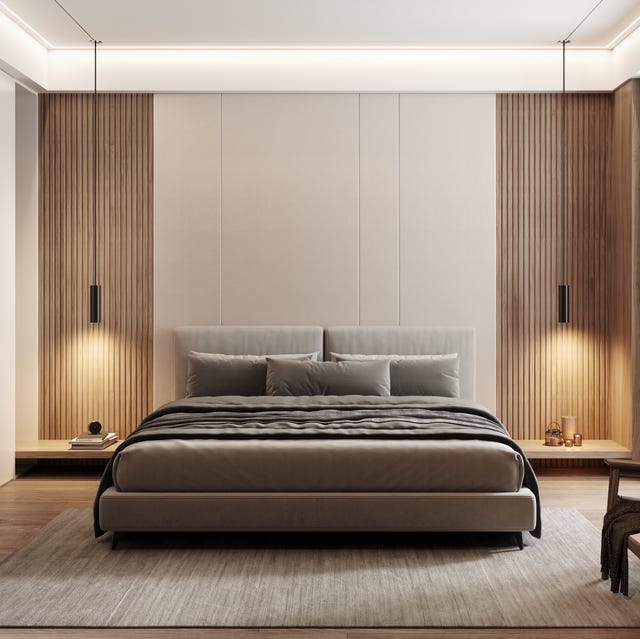
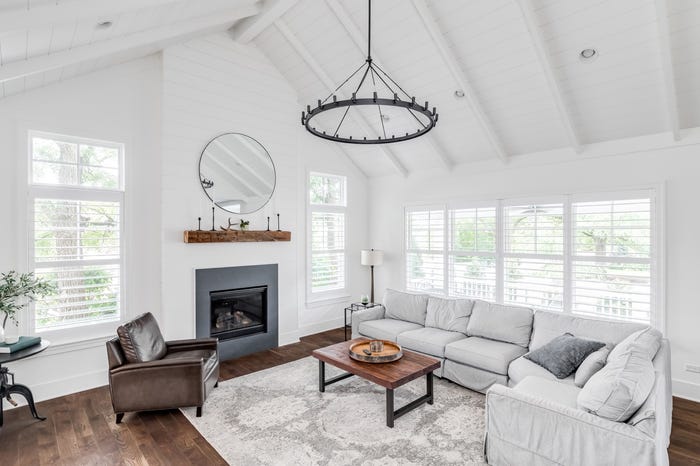
Three primary factors dictate successful scale and proportion in decorating: the room's overall size, sight lines, and focal points, and the relationships between elements within the space. The most challenging aspect is often balancing all proportions to achieve a cohesive whole. A common mistake is selecting furniture that is either too large or too small for a room. Large items, while appealing in a showroom, can overwhelm a smaller space and clash with other furnishings or architectural features. For rooms with high ceilings, vertical elements like artwork or bookshelves help balance the height, while low-profile furniture suits smaller rooms. The depth of furniture is also crucial; an oversized sectional might be too expansive for a small living room but appropriate for a larger one. In bedrooms, the size of the bed should not only fit the room but also consider the wall it rests against, especially for large bedrooms where even a king-sized bed might appear disproportionate without appropriate surrounding decor.
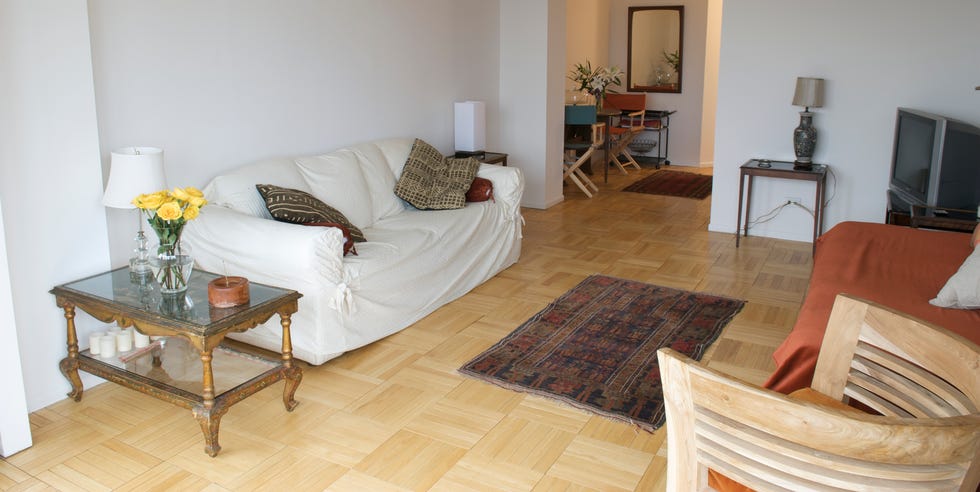
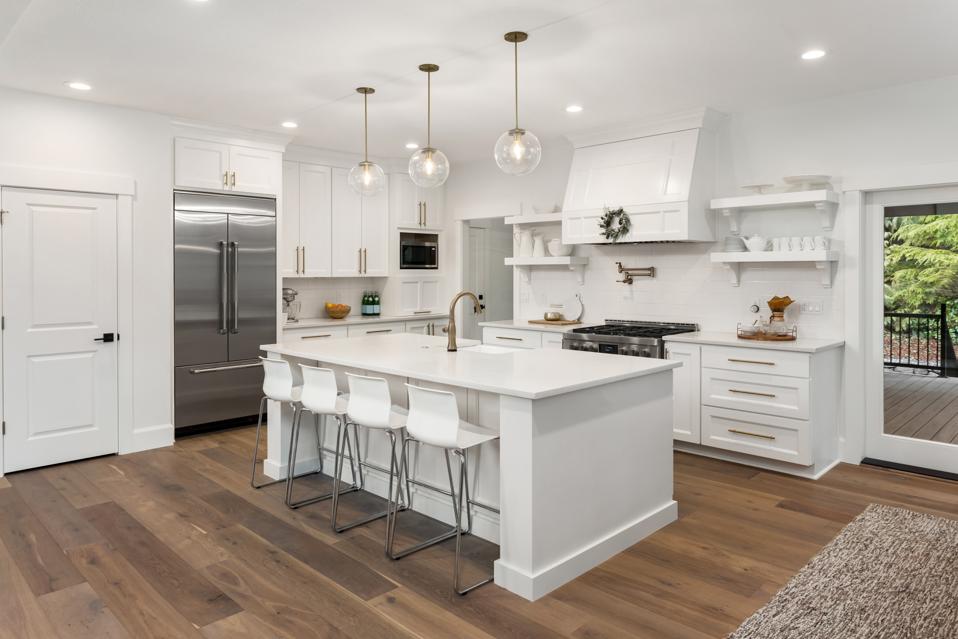
Overcrowding is another frequent error, leading to cramped or cluttered spaces that visually overwhelm and hinder movement. A furniture edit, involving the temporary removal of smaller pieces, can clarify the room's proportions and focal points. Architectural elements should be integrated into the design, not obstructed. Windows, doorways, and other features contribute to the room's scale and should influence furniture placement to ensure a smooth flow and avoid a busy appearance.
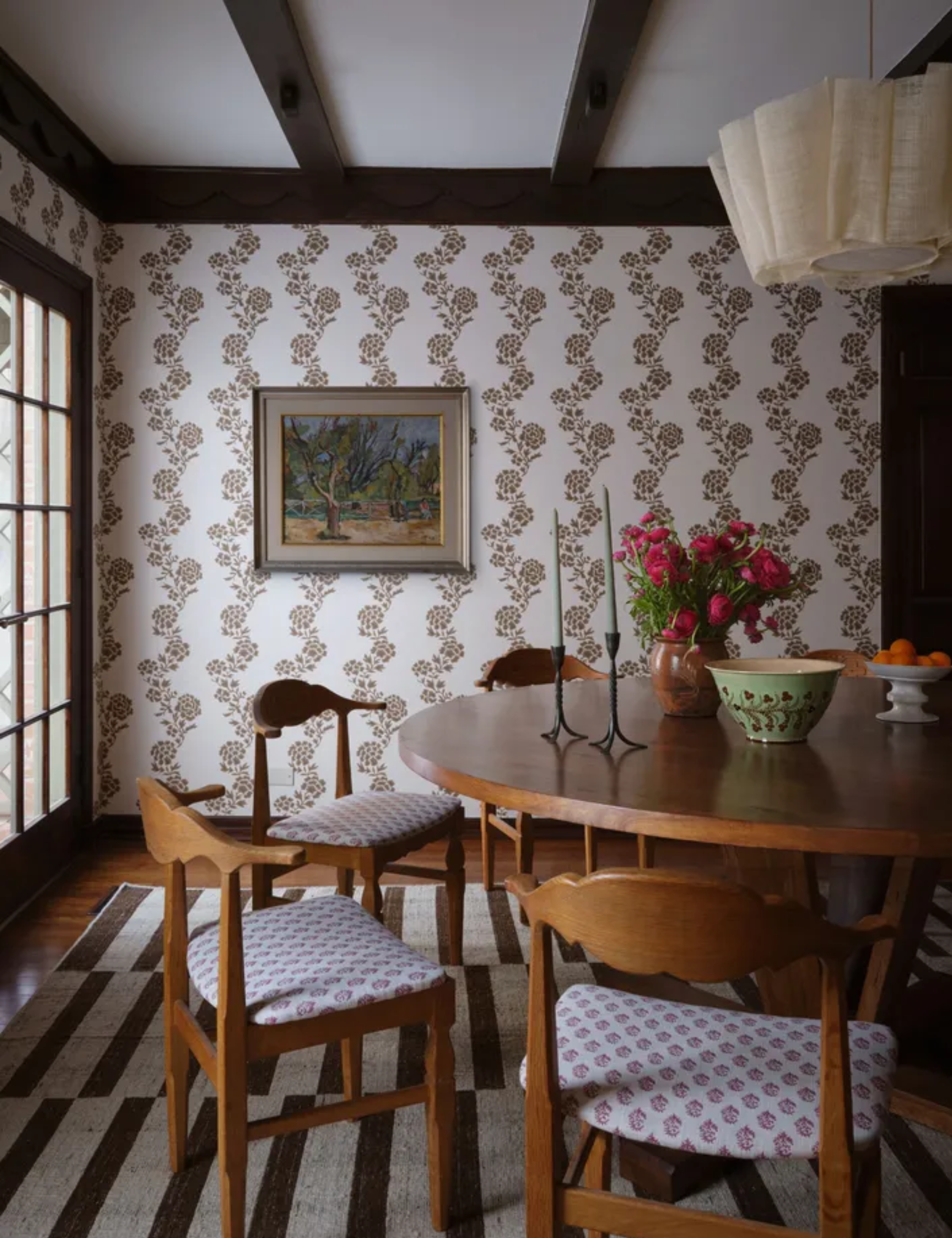
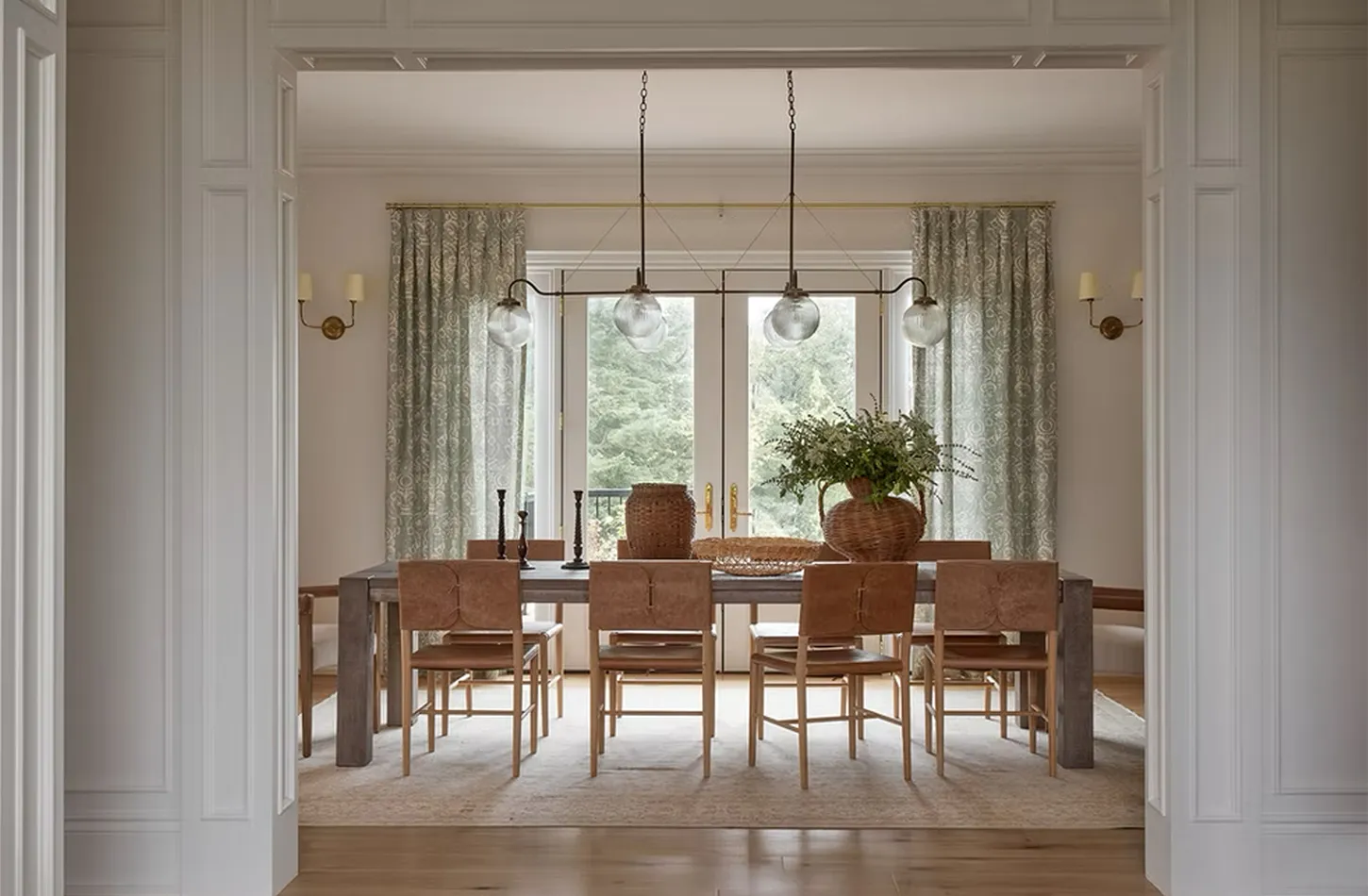
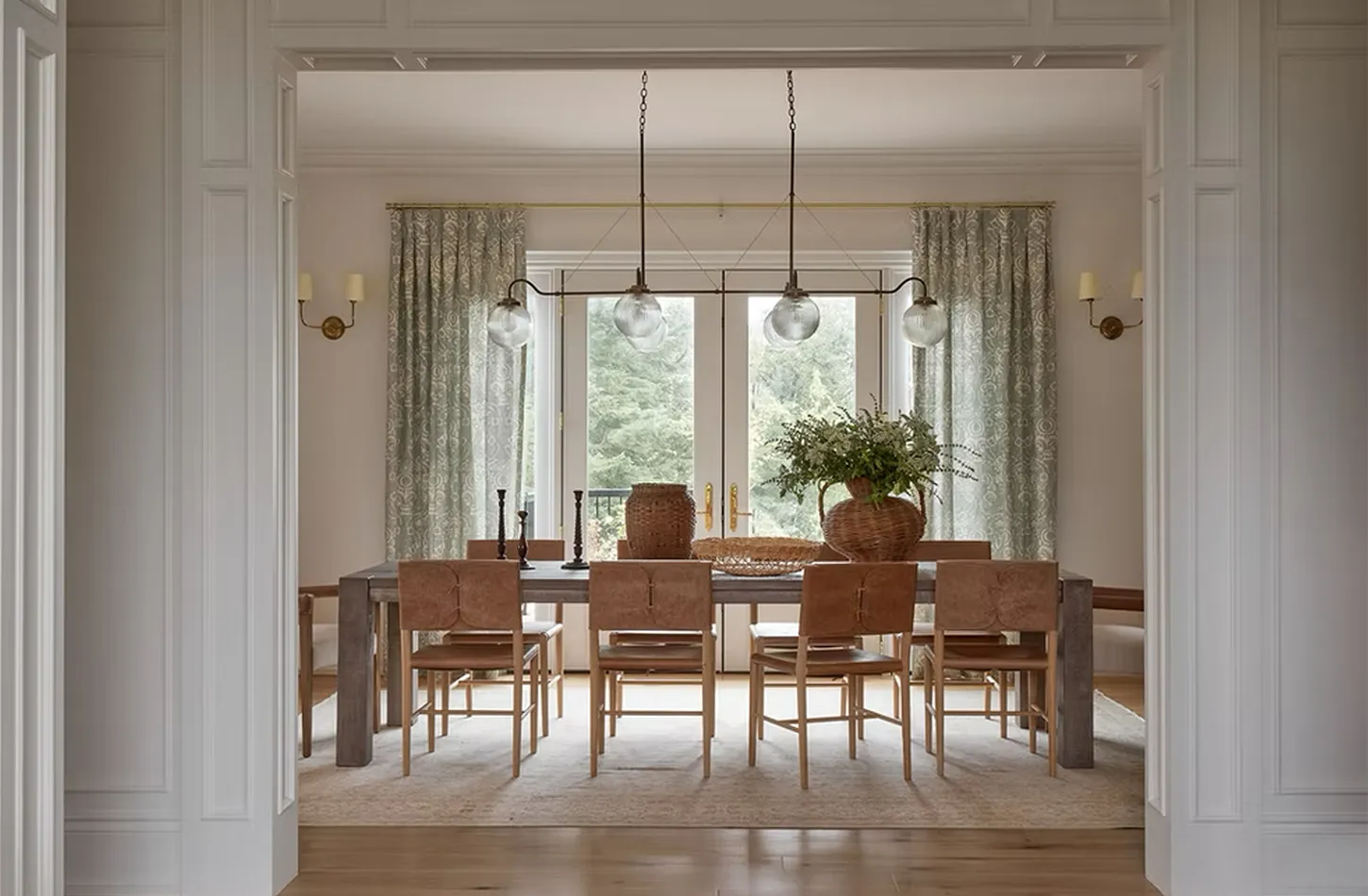
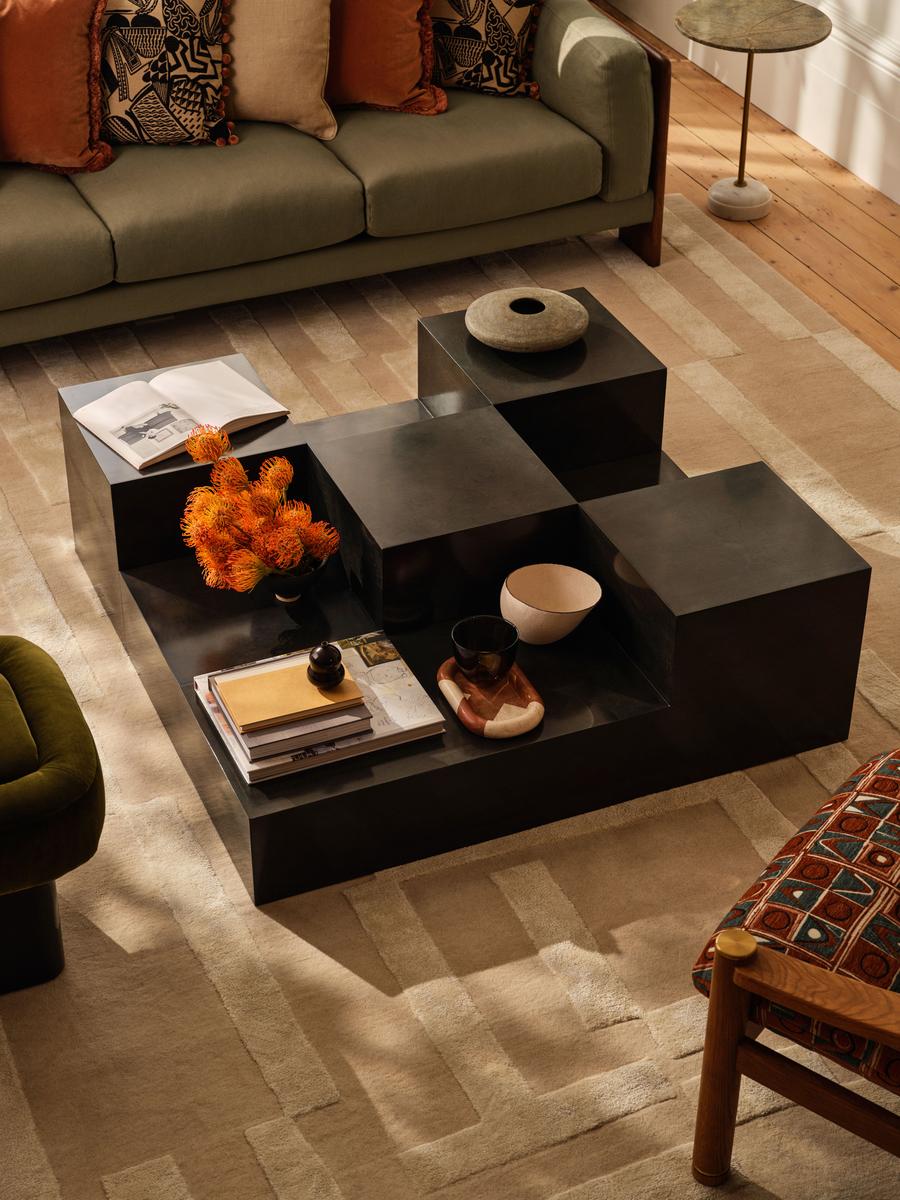
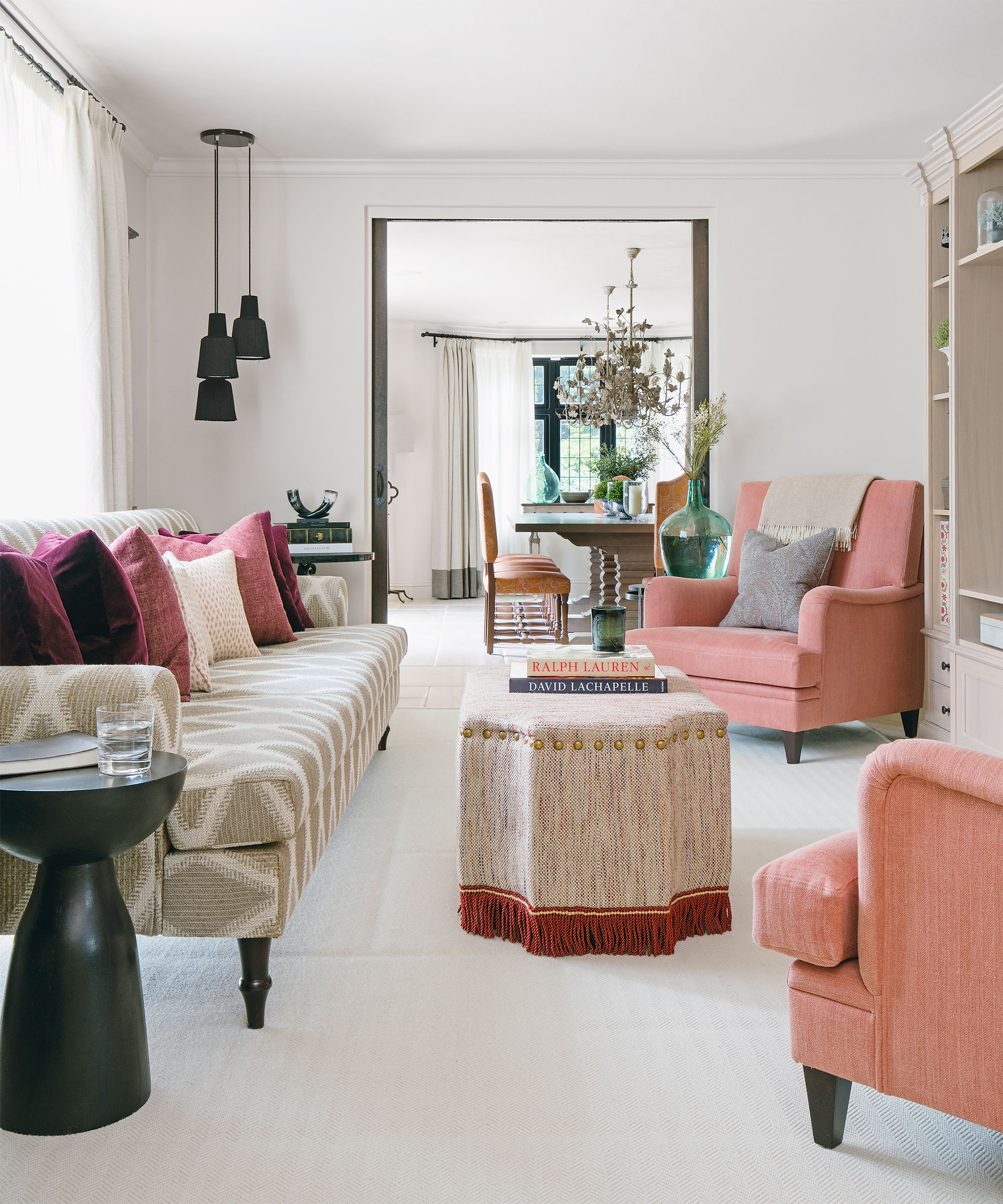
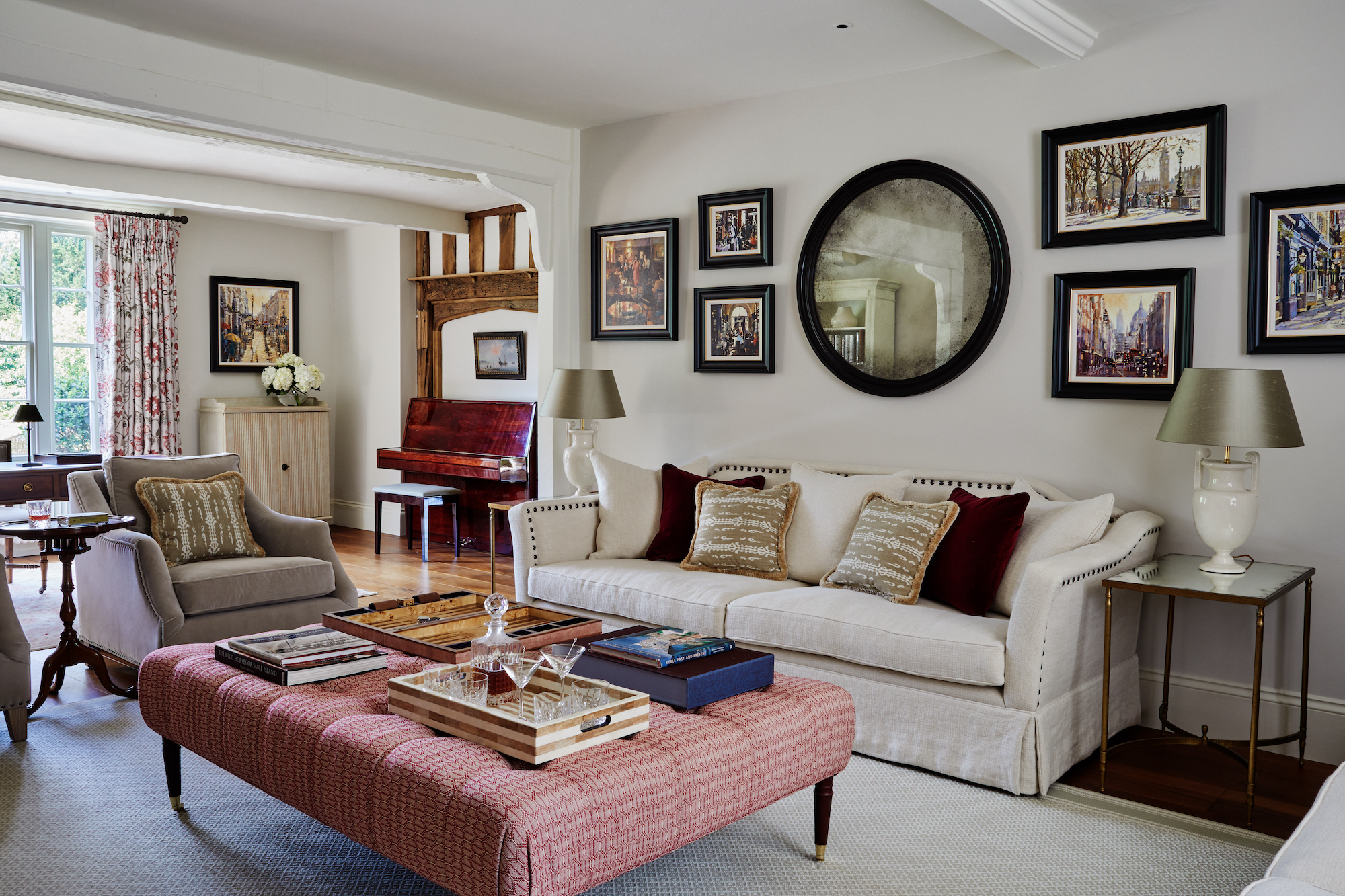
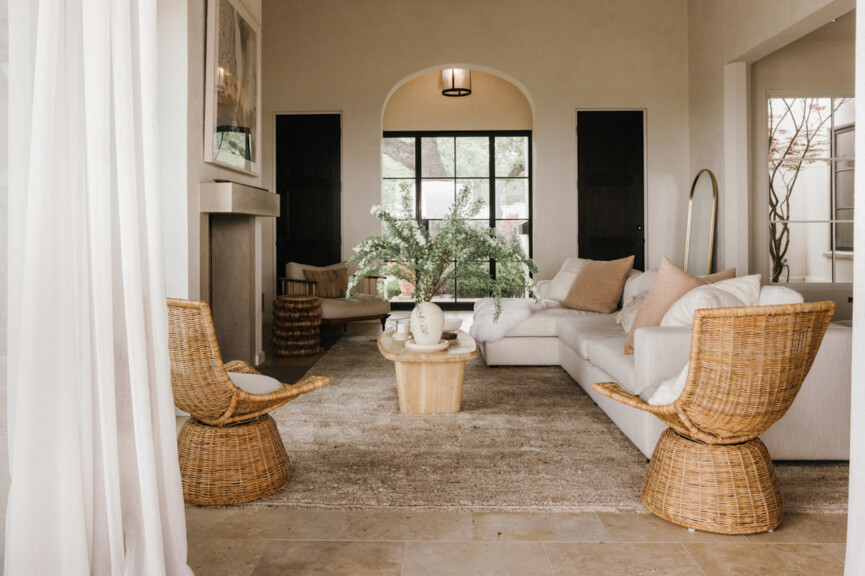
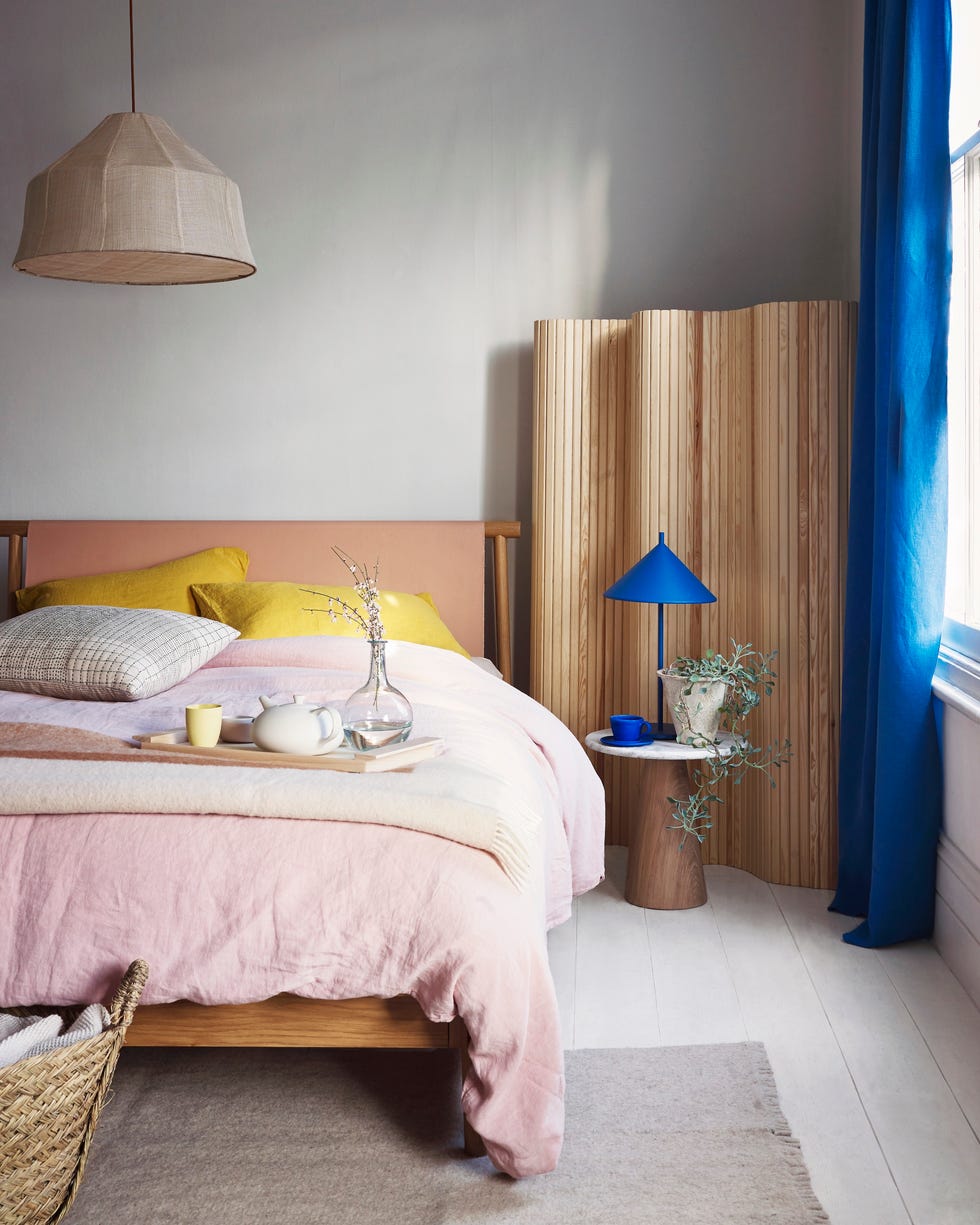
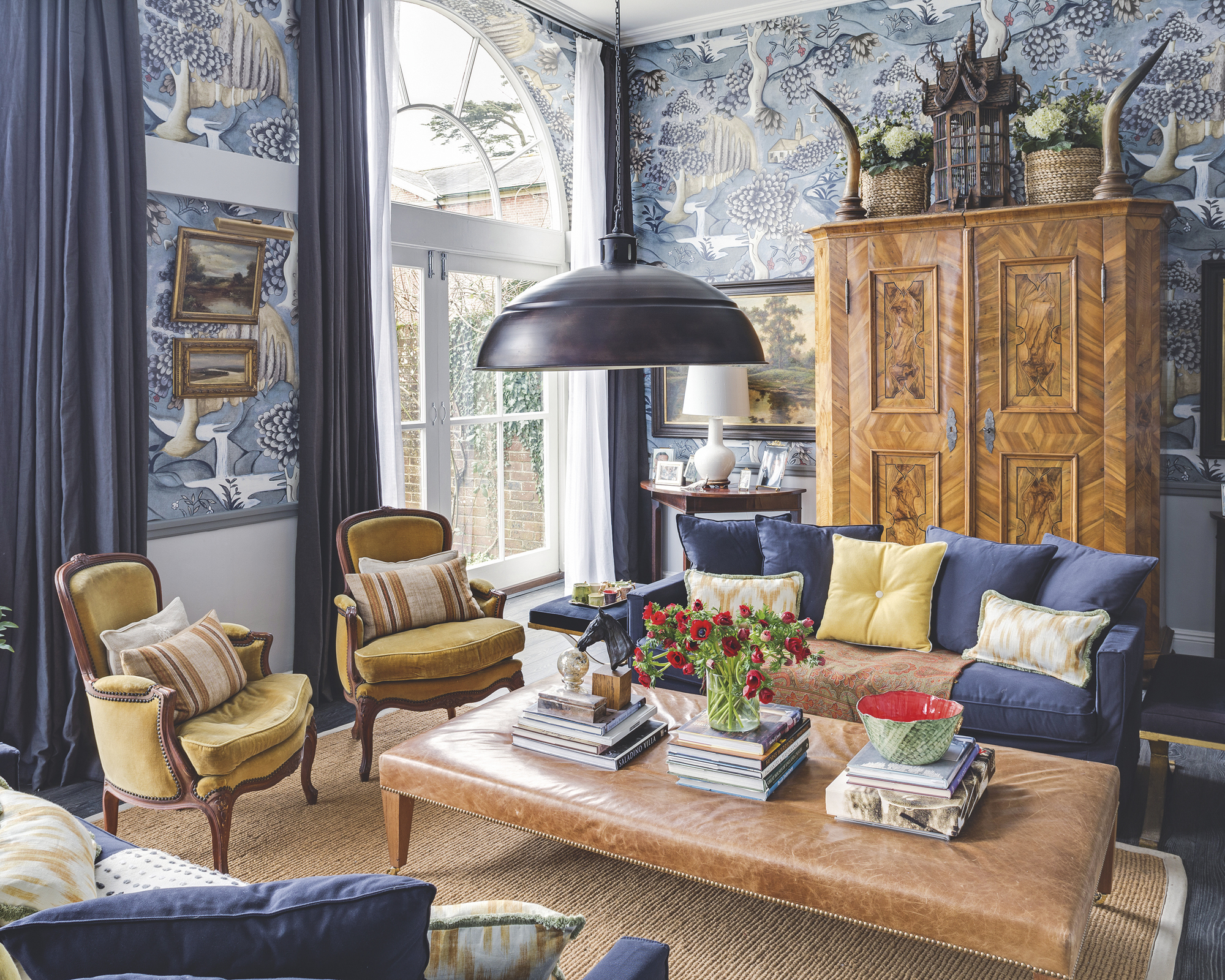
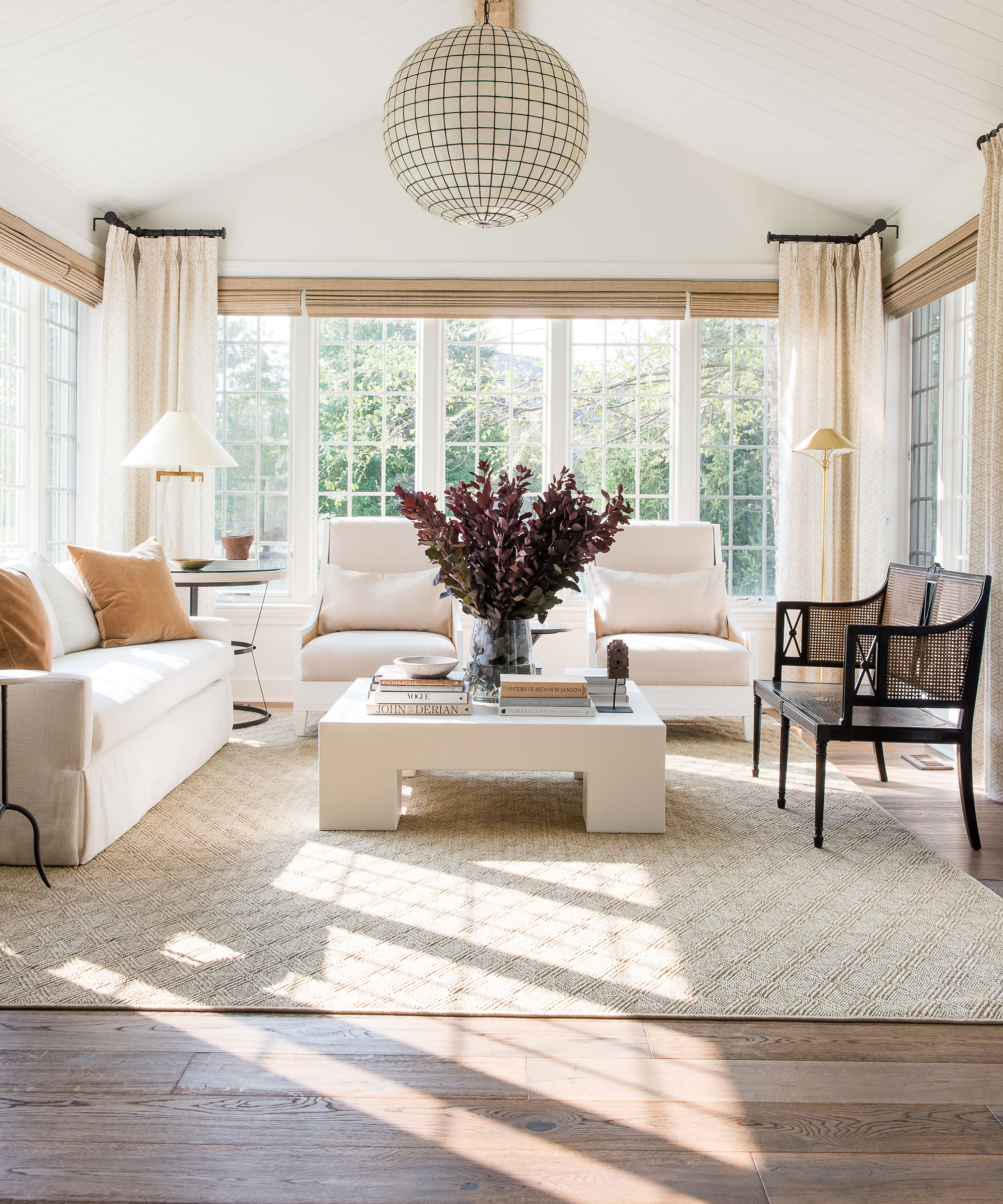
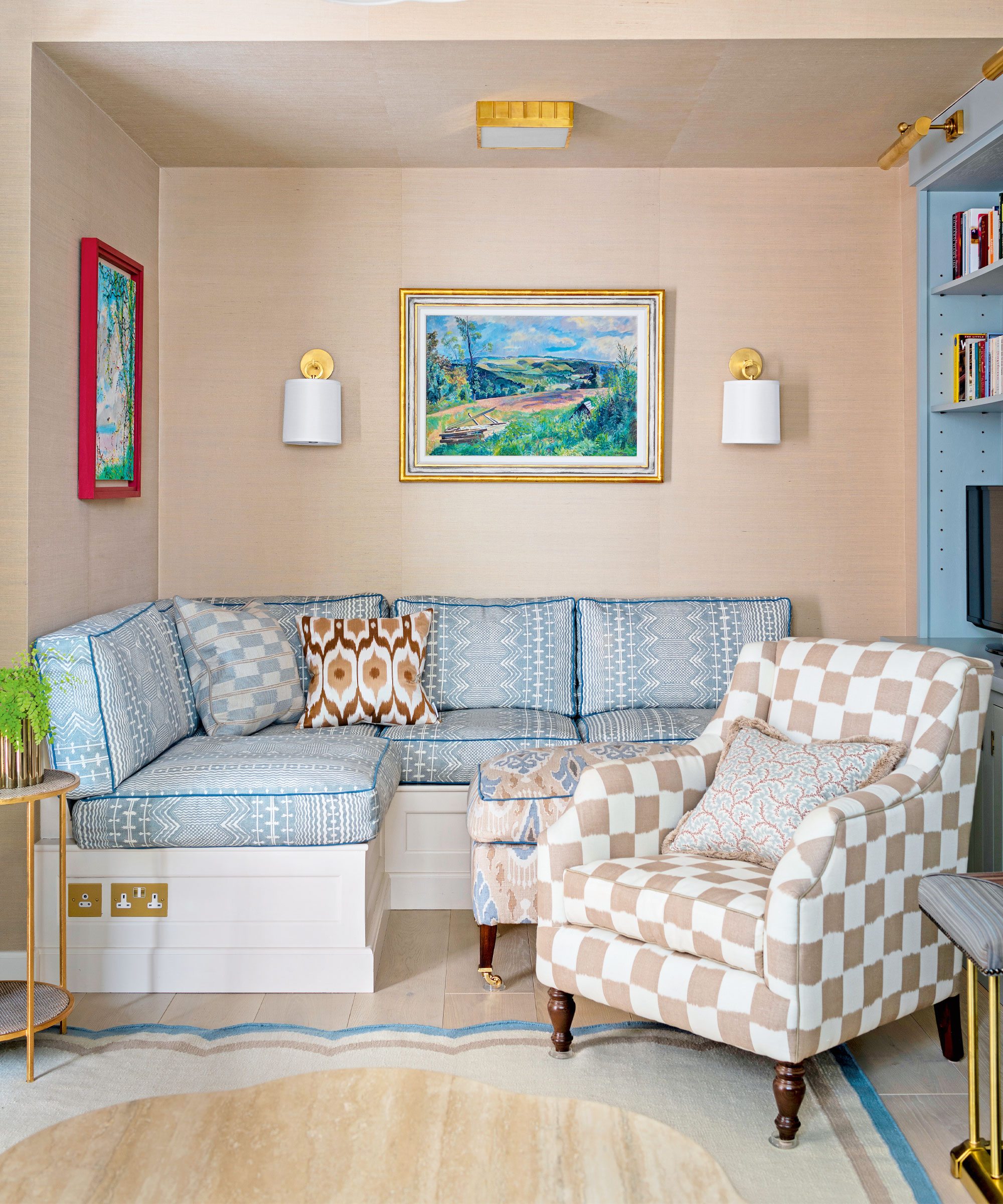
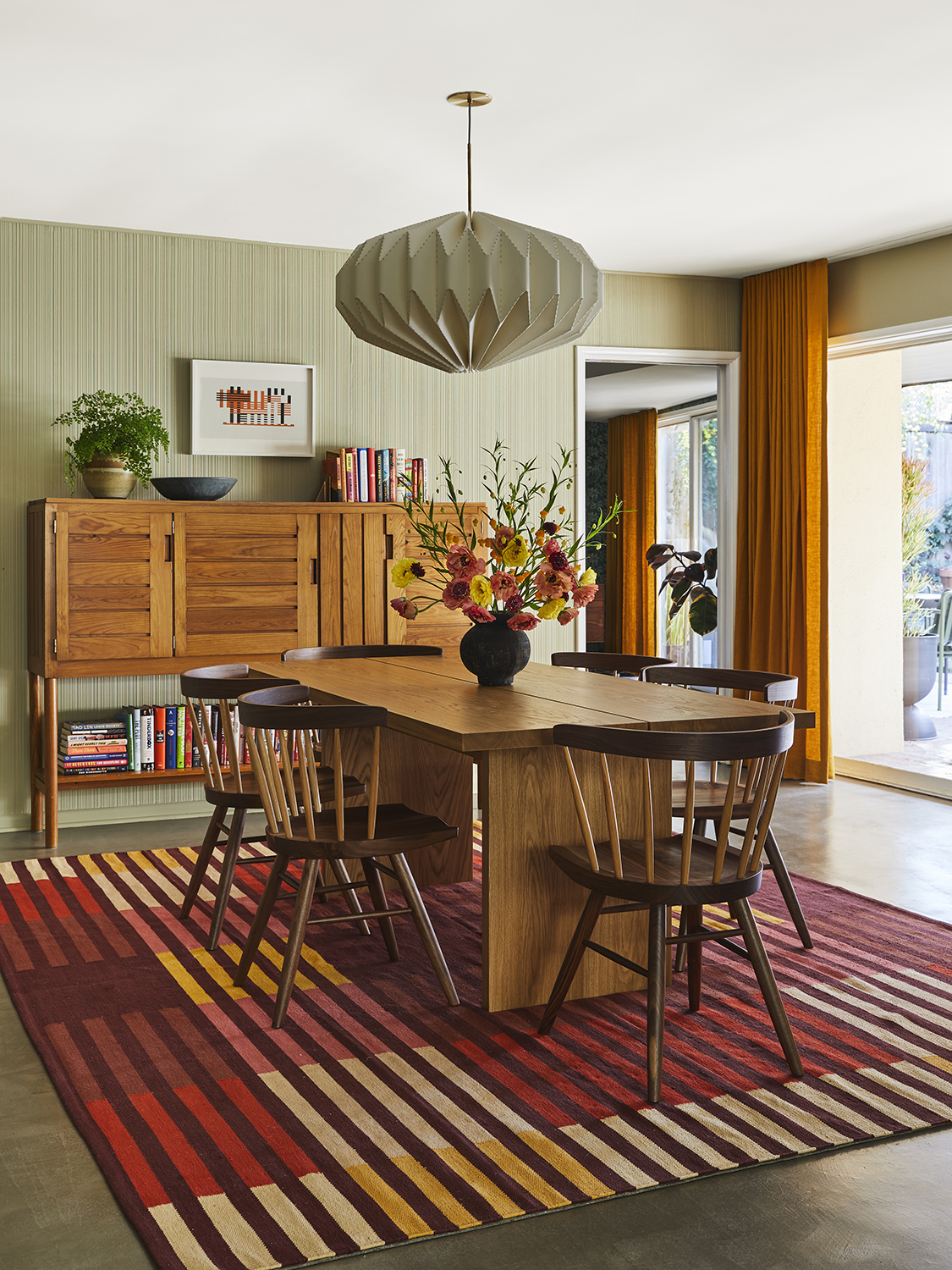
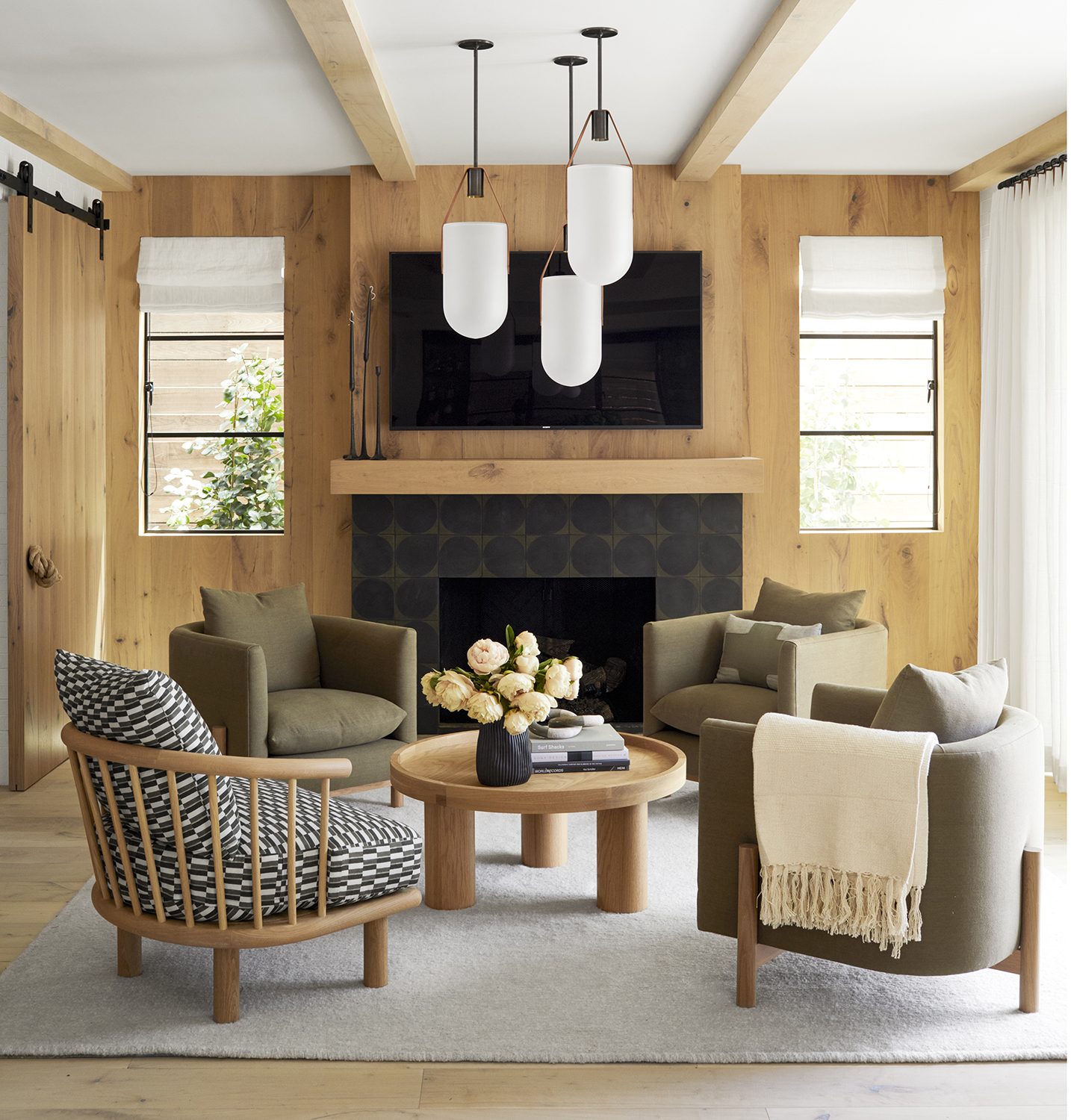
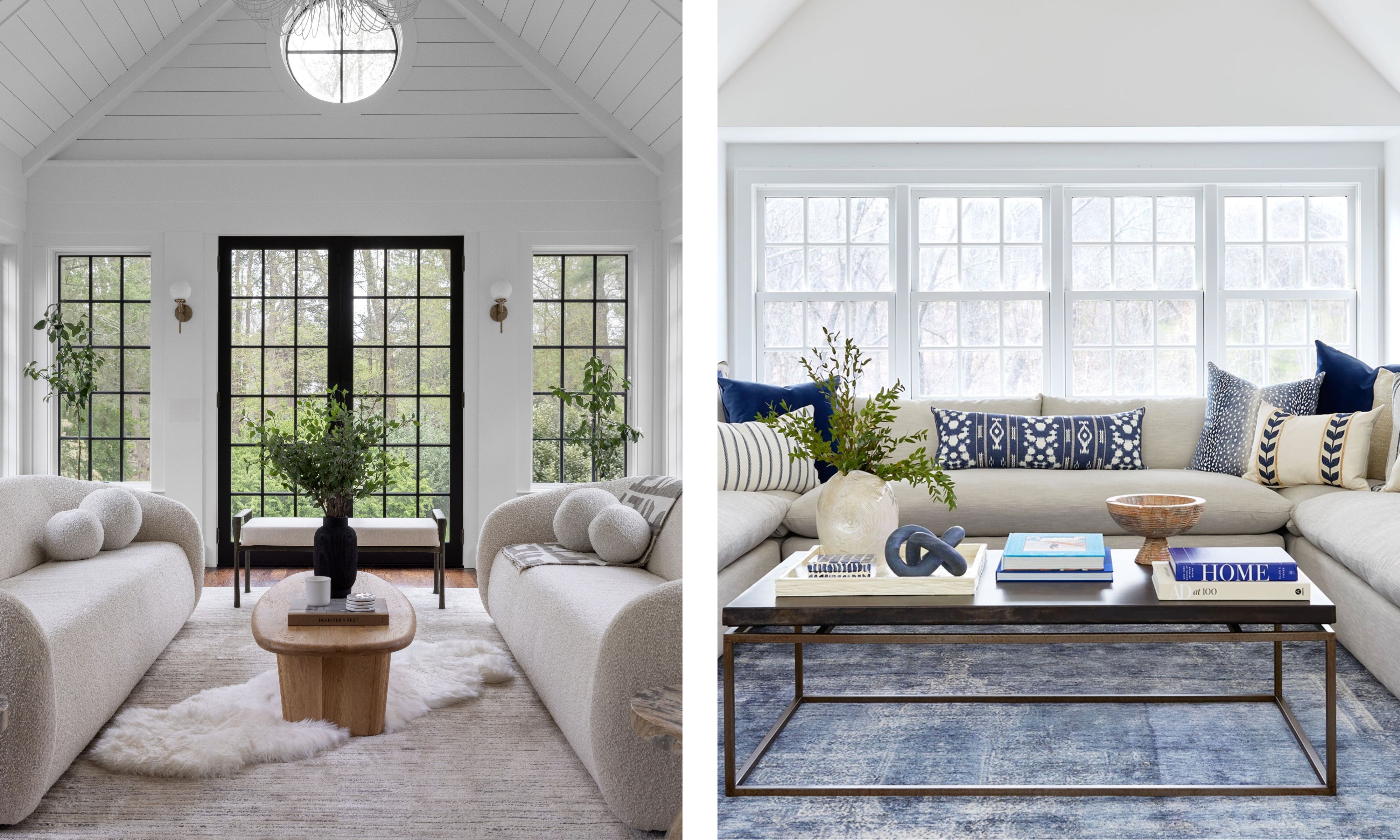
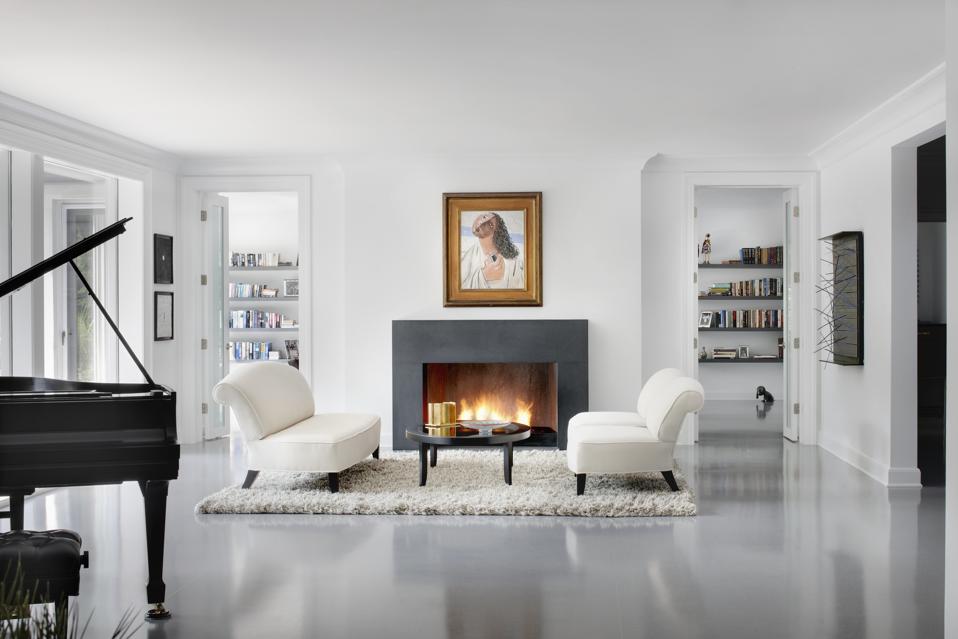
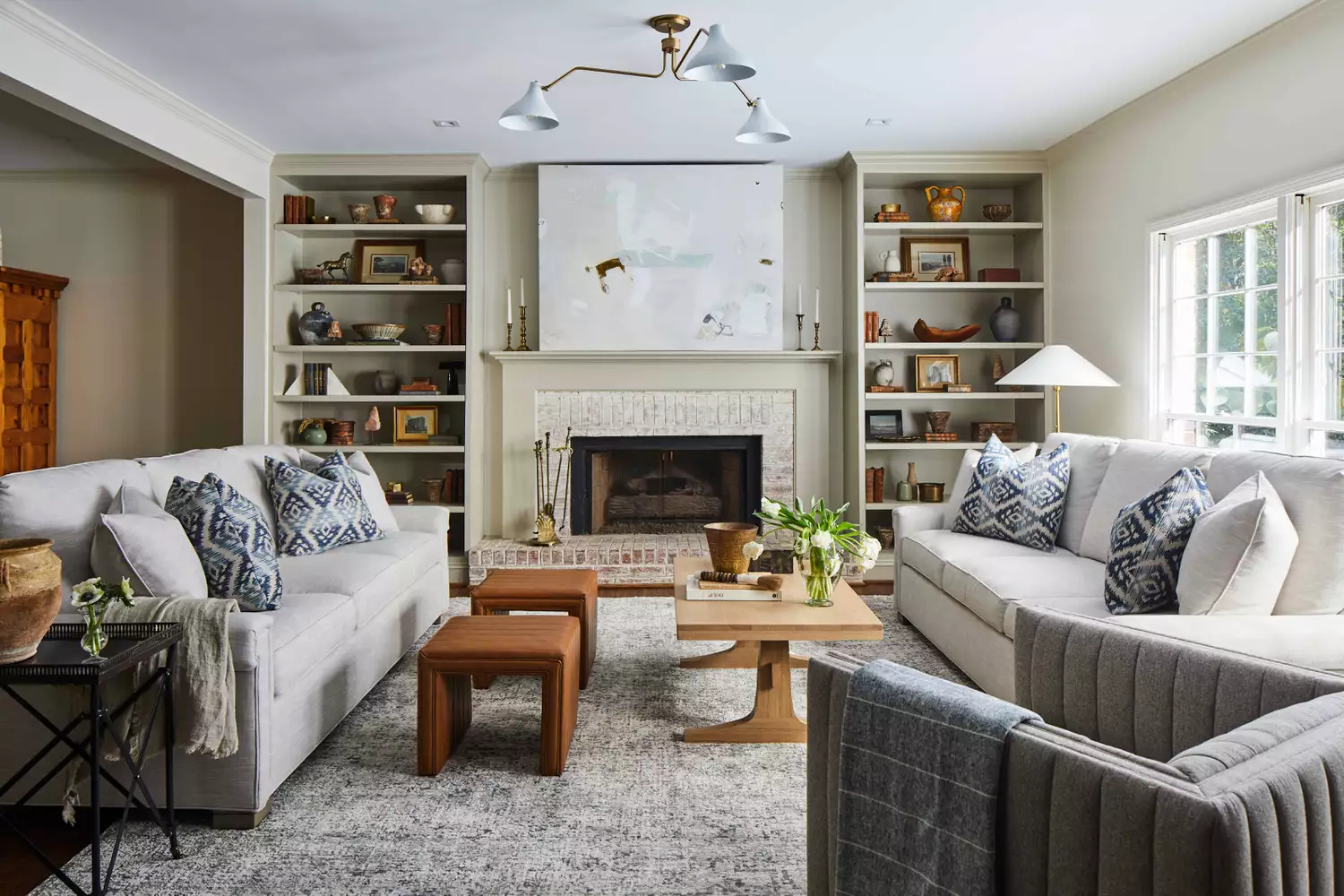
The relationship between furnishings is vital for a cohesive space. Rugs, for instance, are essential for defining areas and should be large enough to accommodate at least two legs of the important furniture pieces they anchor; a rug that is too small can make furniture feel disconnected. Similarly, major furniture elements should be consistent in scale. A large sofa requires a substantial coffee table, and a king-sized bed needs appropriately scaled nightstands and lamps. Color also plays a significant role in how scale and proportion are perceived. Light colors can visually expand a space, while dark hues create a cozier, more enclosed feeling. Strategic application of paint or wallpaper can either enhance or detract from these effects.
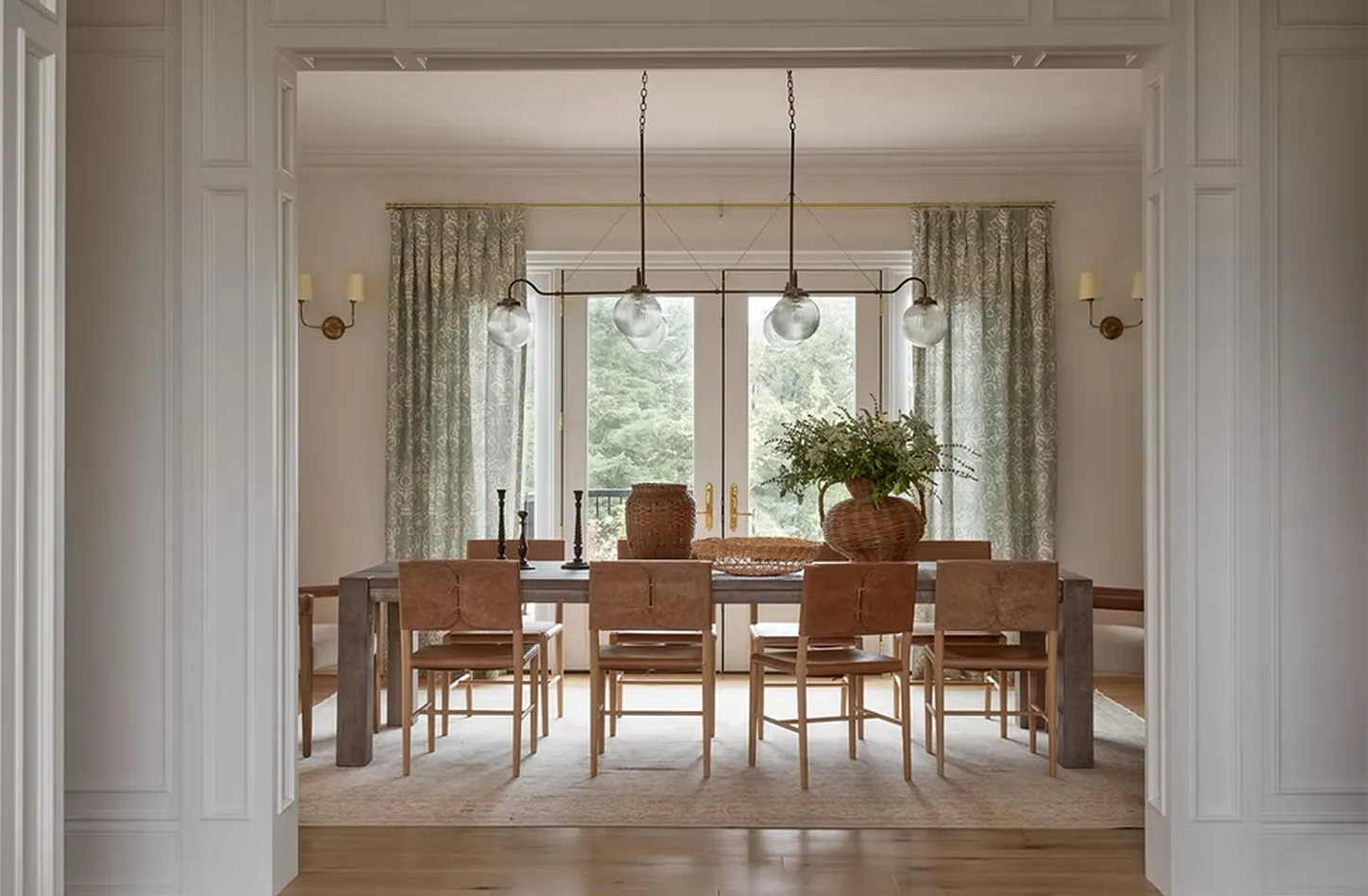
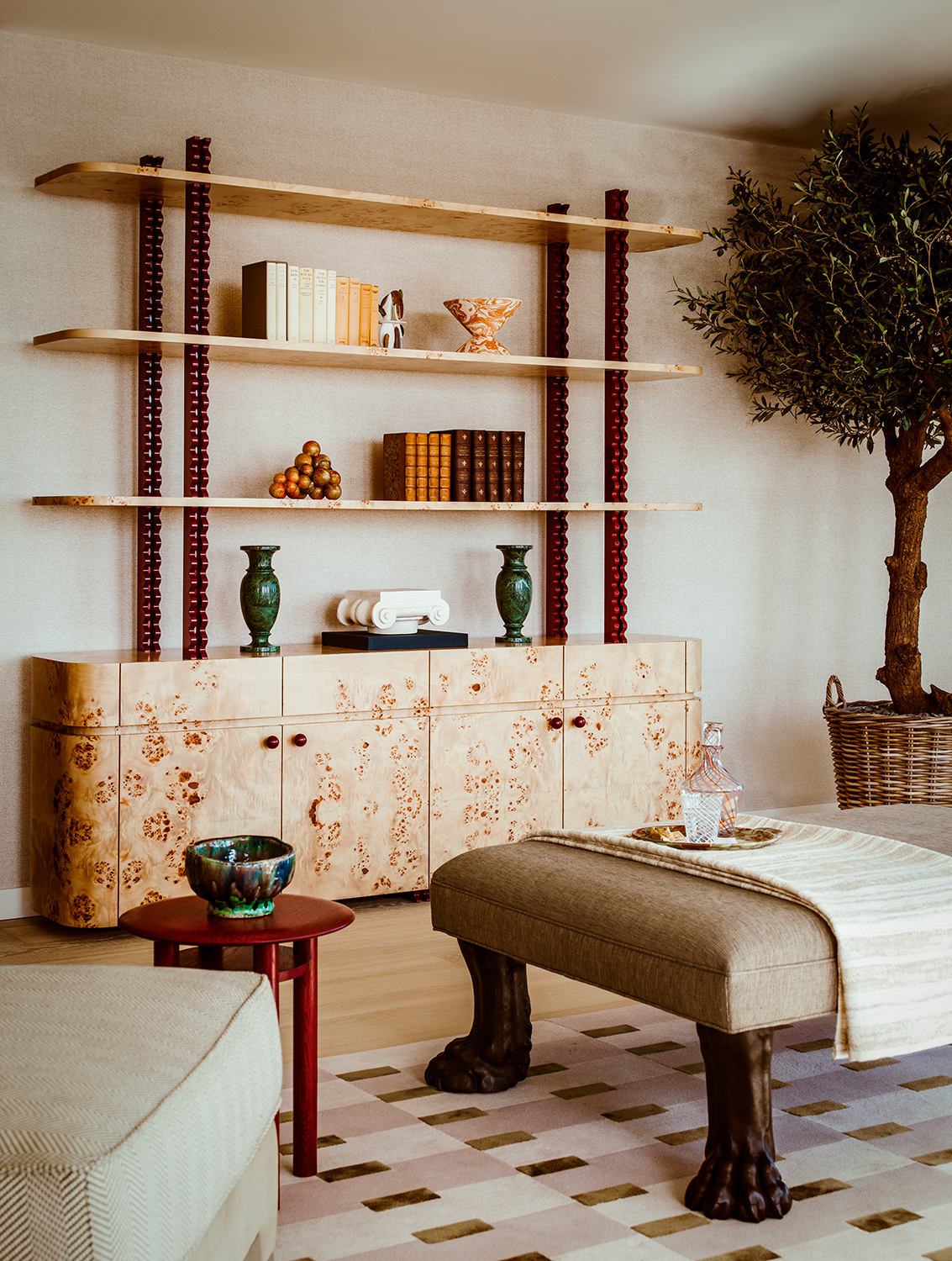
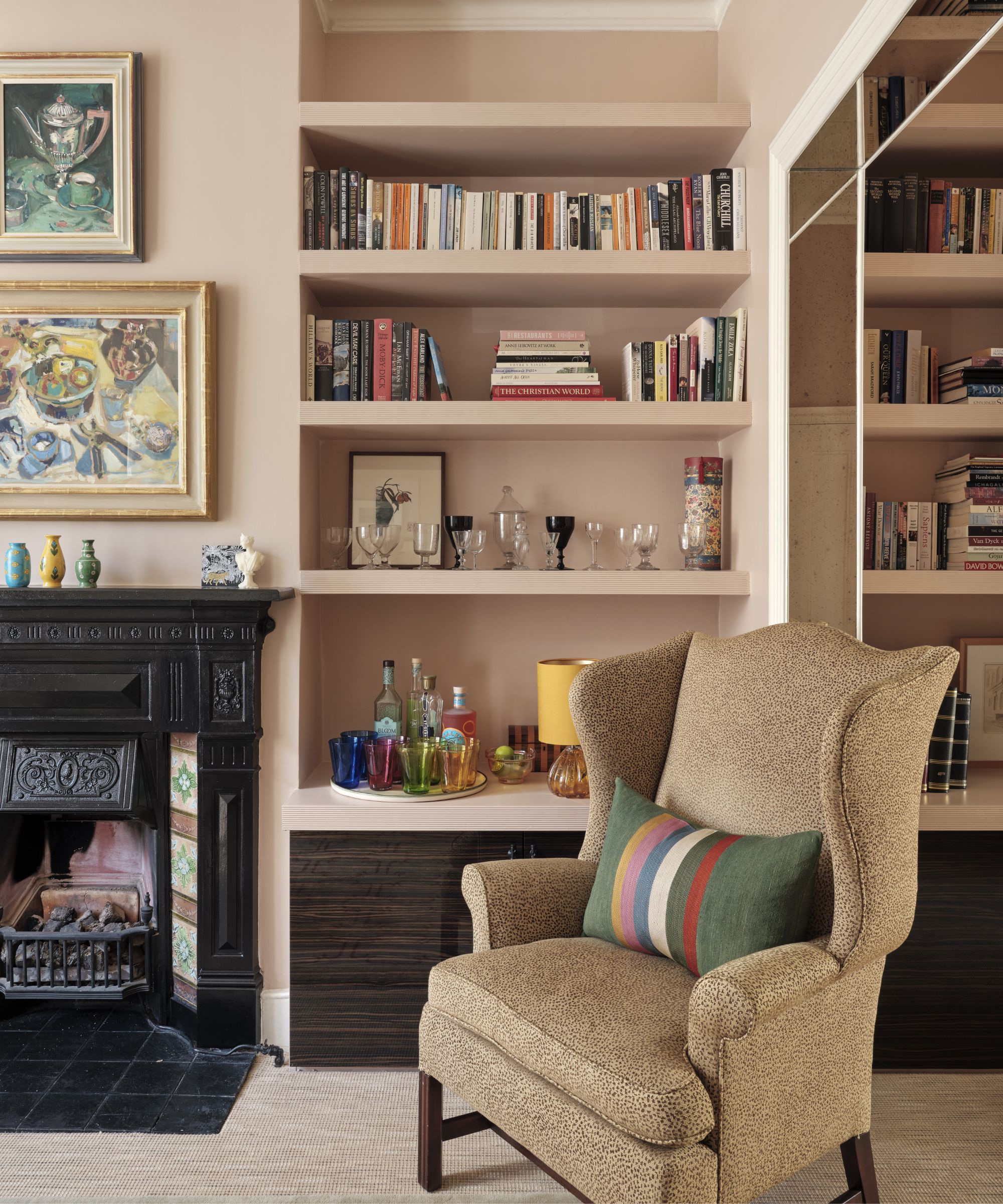
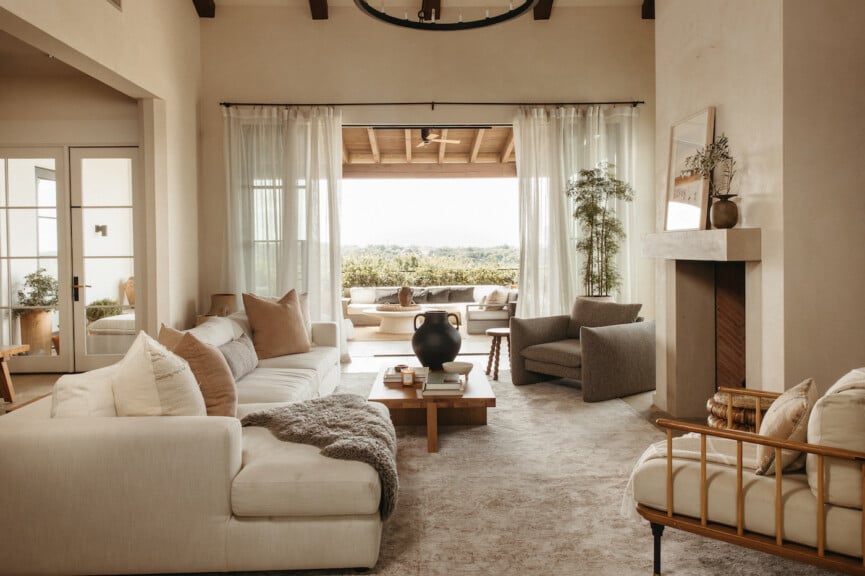
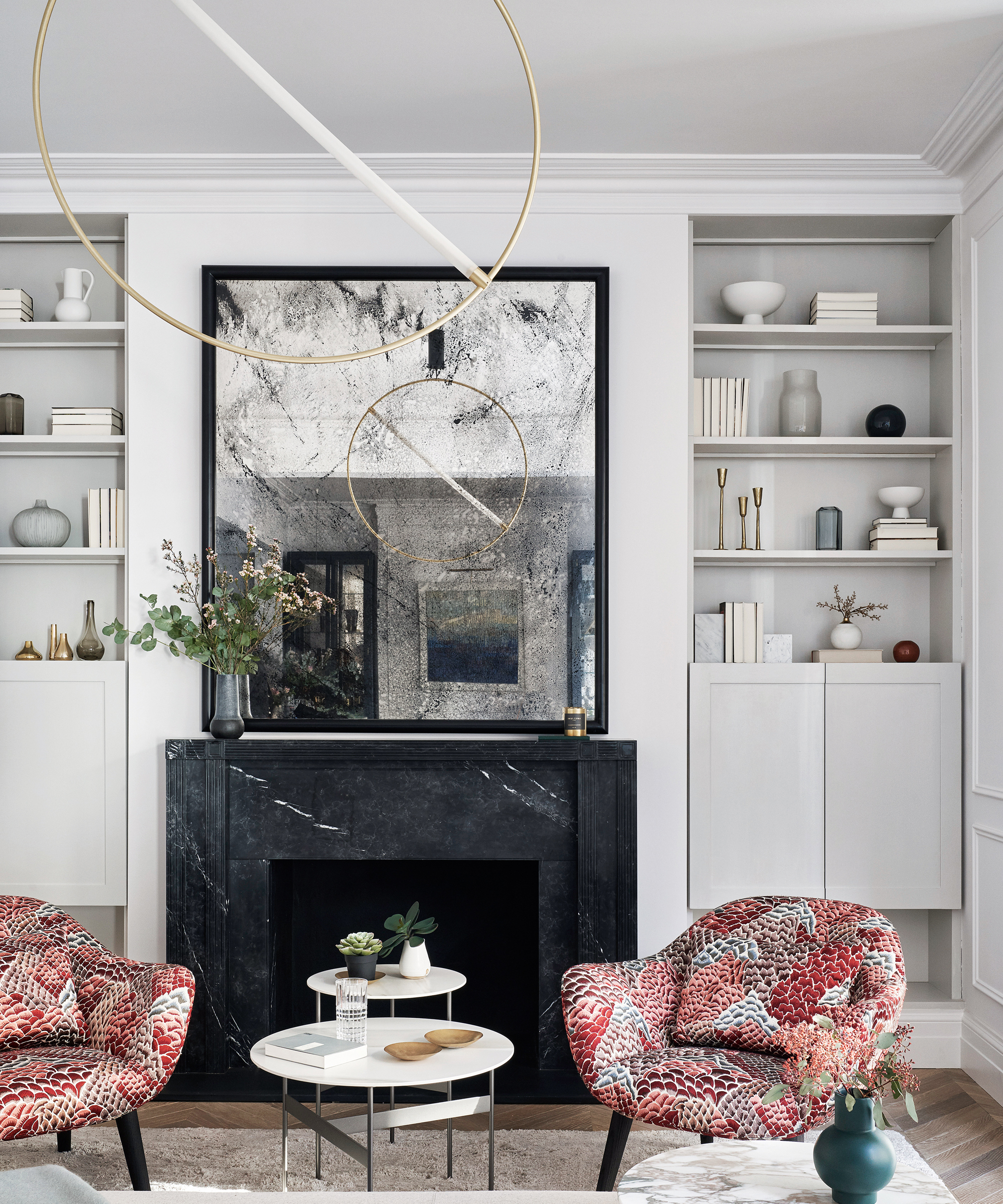
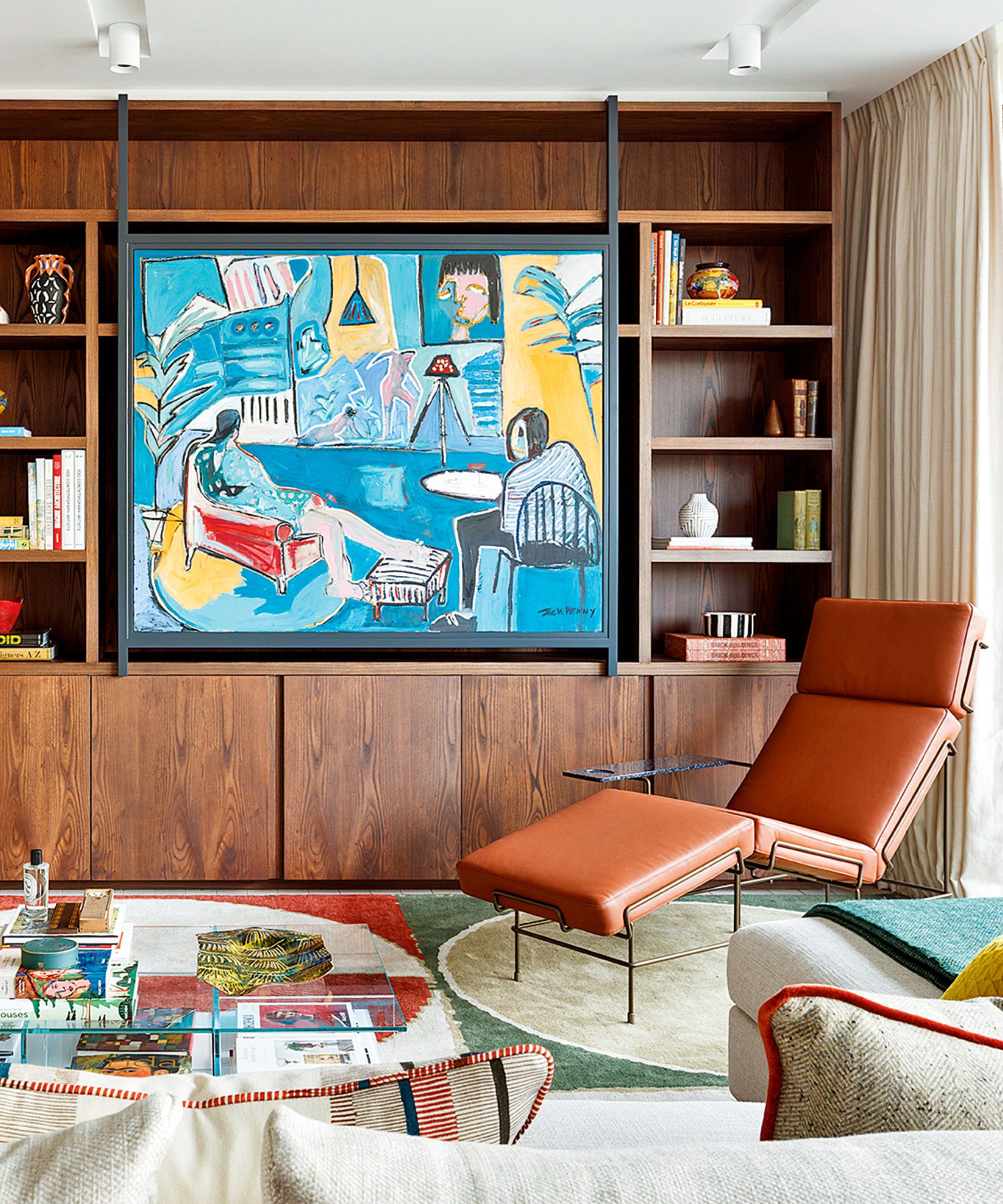
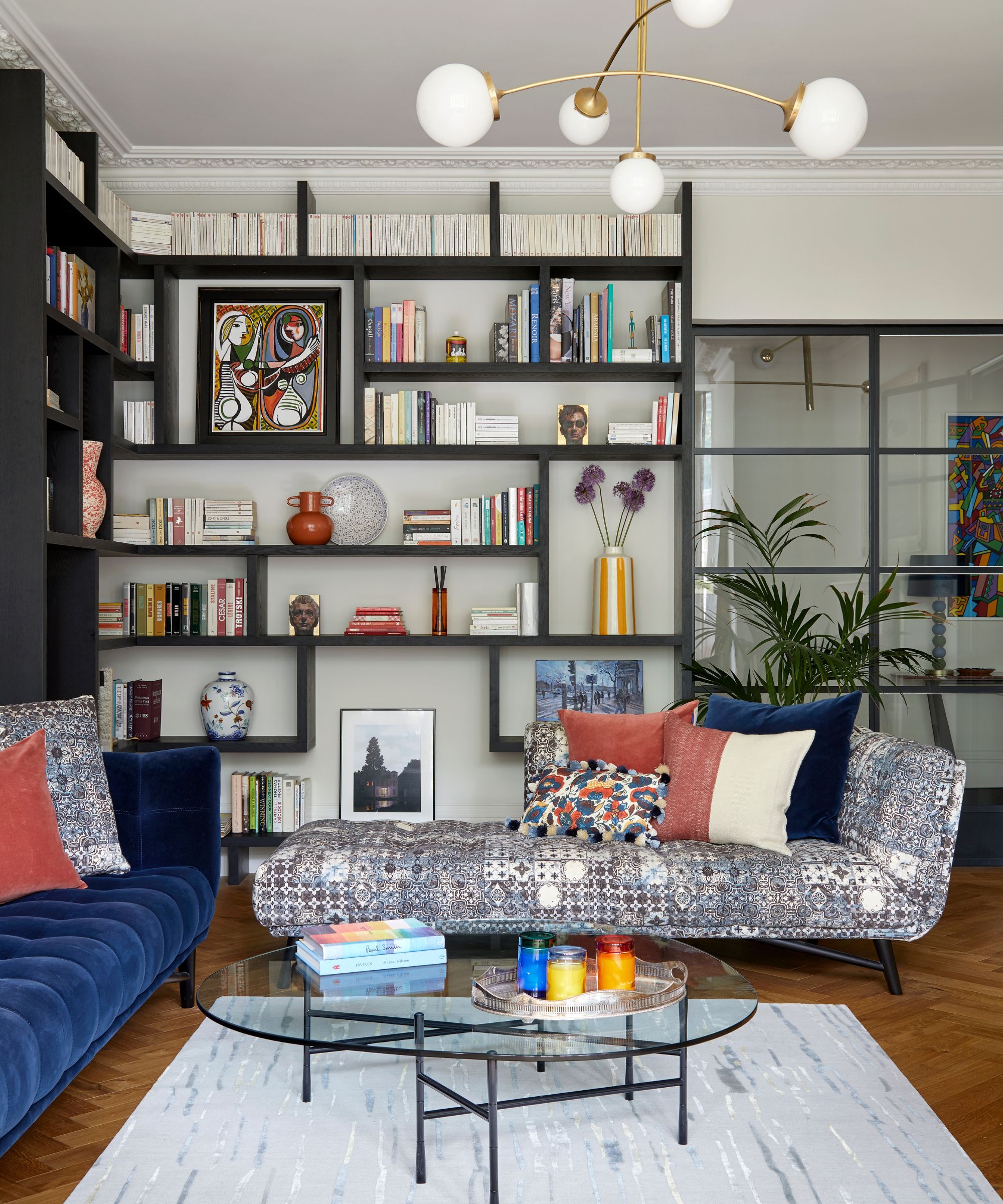
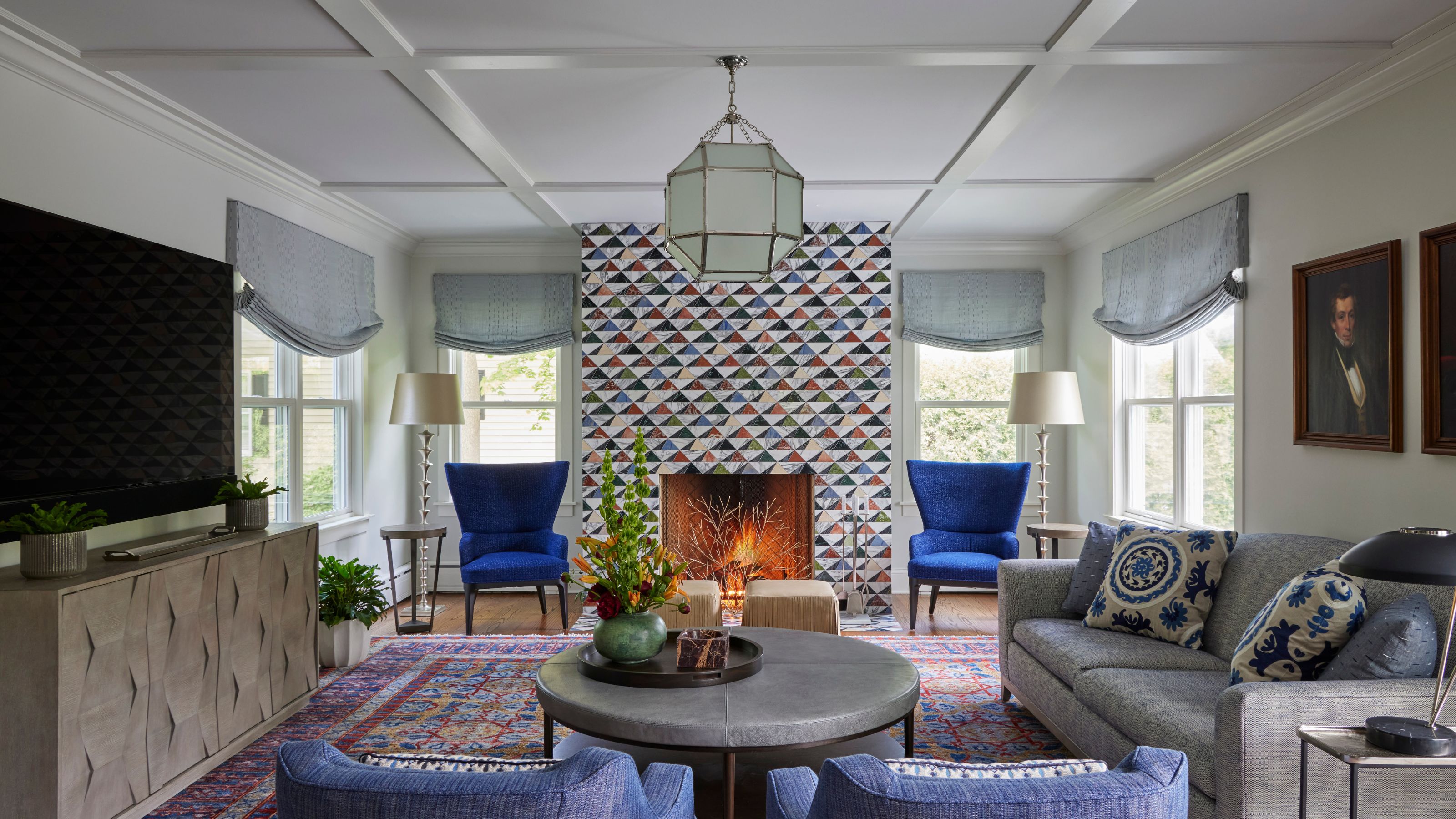
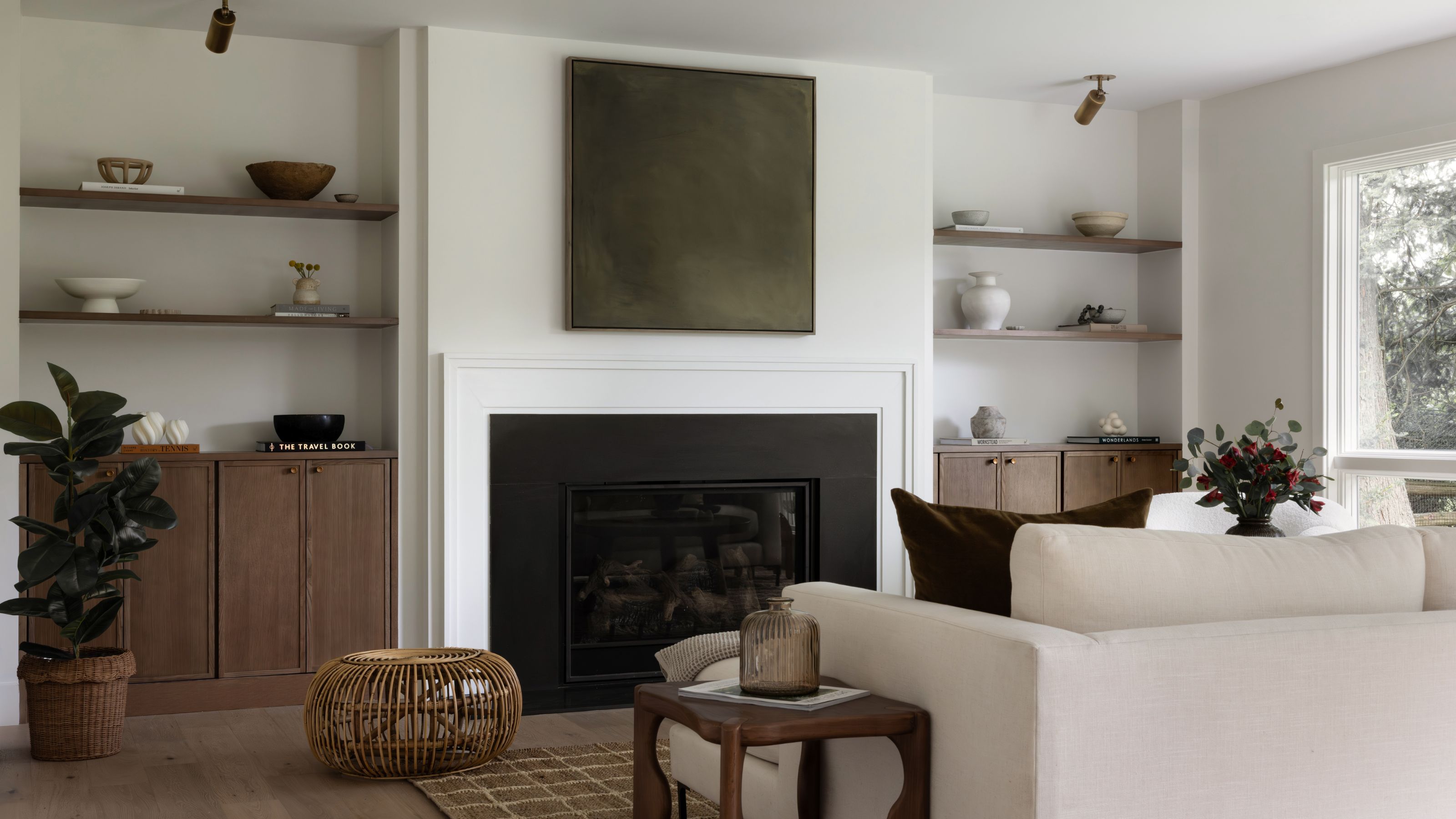
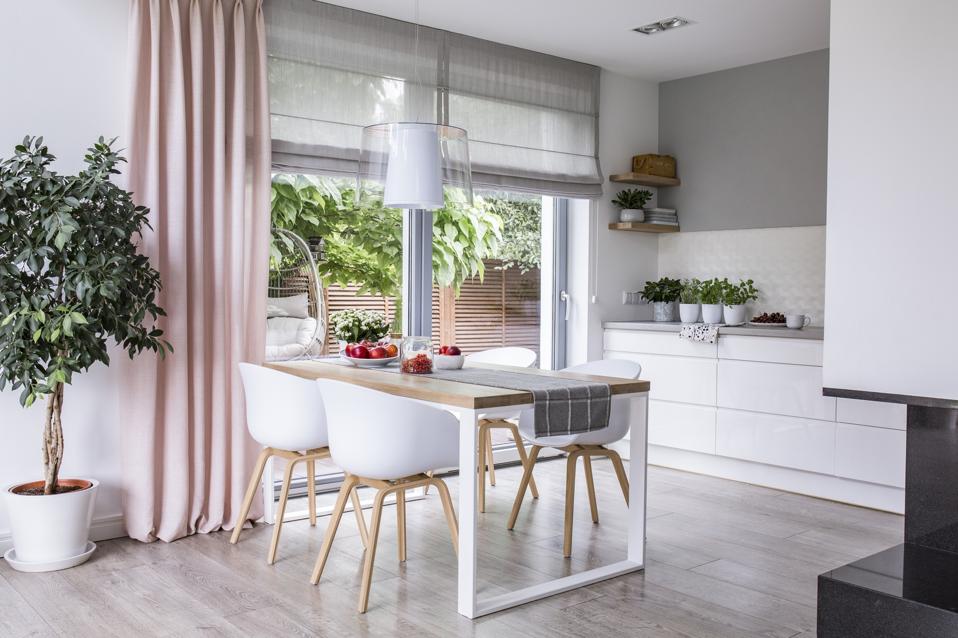
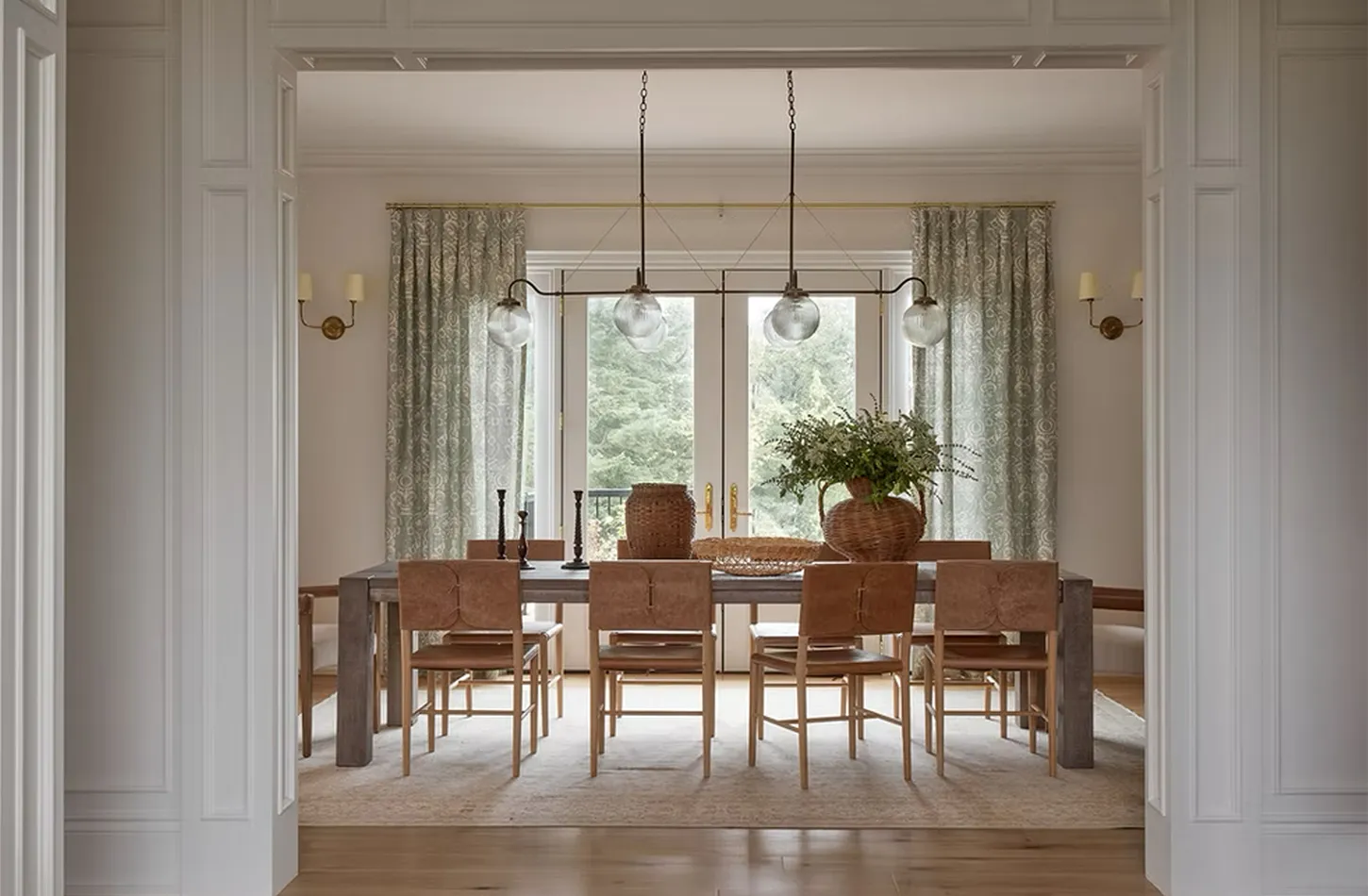
Finally, decorative elements, such as window coverings, accessories, and art, must also adhere to principles of scale and proportion. Small decor can get lost or make a space seem disproportionate. Drapery panels should be hung high, near the ceiling, with longer panels to elevate the room. Artwork should be scaled appropriately for the wall, whether it's one large piece or a well-arranged gallery. Shelf styling also benefits from appropriately sized objects that match the shelf's scale to prevent a cluttered appearance. Experimentation through sketching, mapping, and taking photos during the design process can help train the eye and avoid costly mistakes, allowing for objective assessment and refinement of arrangements.
#InteriorDesign #HomeDecor #FurnitureScale #RoomProportion #DecoratingTips #SpacePlanning #CohesiveDesign #ArchitecturalElements #ColorPsychology #InteriorDesign #HomeDecor #FurnitureScale #RoomProportion #DecoratingTips #SpacePlanning #CohesiveDesign #ArchitecturalElements #ColorPsychology
0 comment in total
 No comments yet
You may also like
5 Ways Designers Use Scale to Make Rooms Feel Right

Designers Say This Is the #1 Living Room Mistake Everyone Makes

From the Wrong Rug Size to Too-Short Curtains, Interior Designers Share Their Biggest Pet Peeves
11 Living Room Layout Mistakes Designers Want You To Stop Making
6 Underrated Designer Secrets That Instantly Make Any Room Look Better
10 Mistakes Designers IMMEDIATELY Notice When They Walk Into Your Home

My Designer Friends Swear By the "Two-Thirds Rule" for Living Room Sofas and More

Rhythm in interior design - 11 ways to use this clever technique for rooms that look professionally done

If You Don't Know the '18-Inch Seating Rule', It's What Could Be Making Your Living Room Feel Cramped, Unwelcoming, and Uncomfortable
6 Home Décor Mistakes Interior Designers Notice Right Away—and How to Fix Them
6 things making your living room furniture look cheap – explore the key mistakes to avoid and what designers do instead
The Library: The Key Principles That Define a Well-Designed Home – And Why They Work
6 Ways Designers Arrange Furniture Maximize Space Without Cramping Your Style

6 mistakes design experts instantly notice in your home – and how to fix them
6 failsafe formulas designers always follow when planning a living room
7 Design Mistakes Interior Designers Always Notice

Should living room furniture be the same height? Experts give their verdict
7 small living room layout mistakes design experts want you to avoid – and what to do instead
How to elevate your 'pass-through room' - experts make more of that unloved space you're ignoring
An interior designer with 14 years of experience shares the 10 decor mistakes she hates seeing in people's homes