6 Ways Designers Arrange Furniture Maximize Space Without Cramping Your Style
The article offers expert advice on arranging living room furniture to maximize space and achieve a styled, airy feel without removing or adding new pieces. It draws insights from interior designers Lauren Saab, Elizabeth Vergara, and Craig Gritzen, who provide practical strategies for optimizing furniture placement.
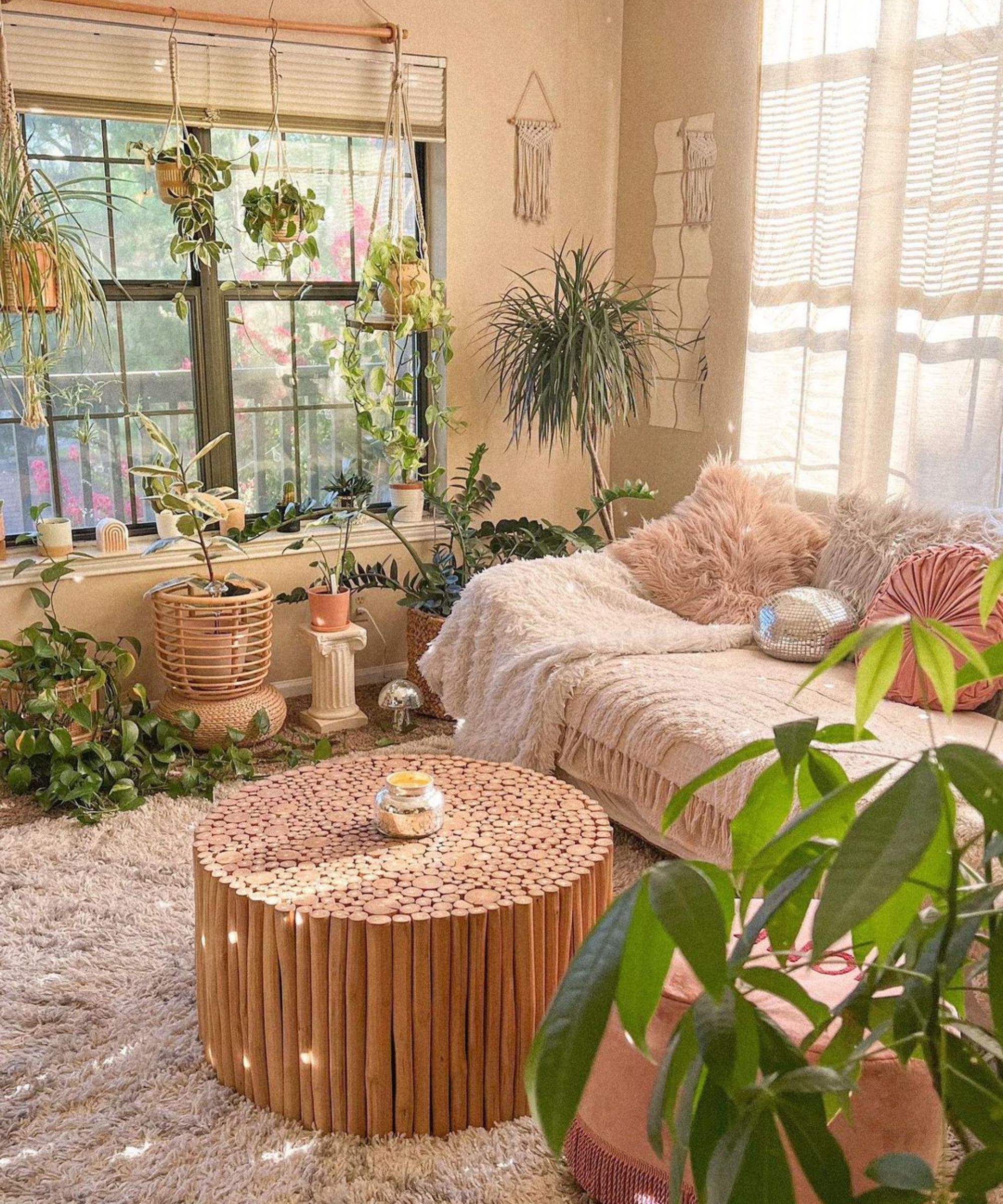
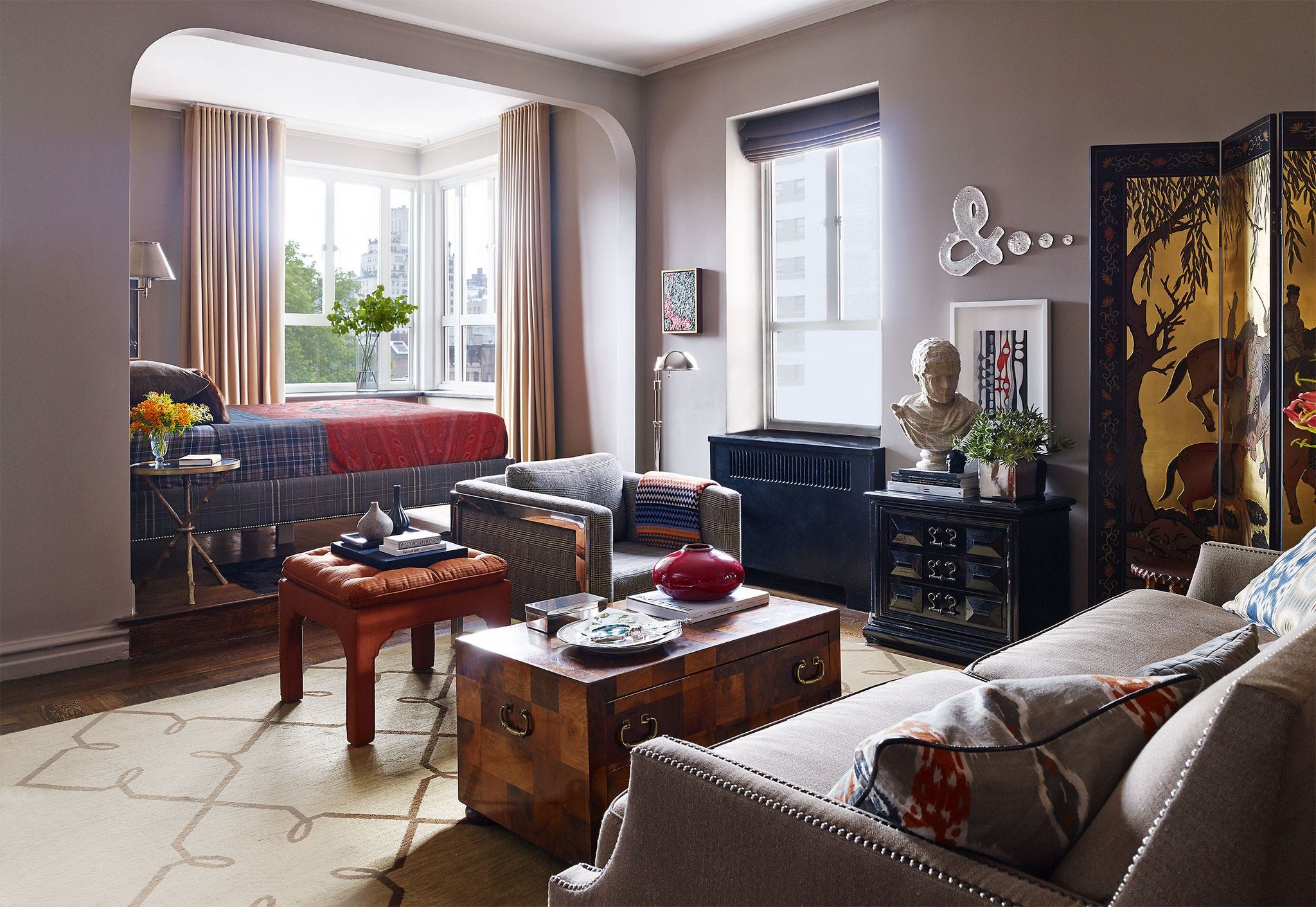
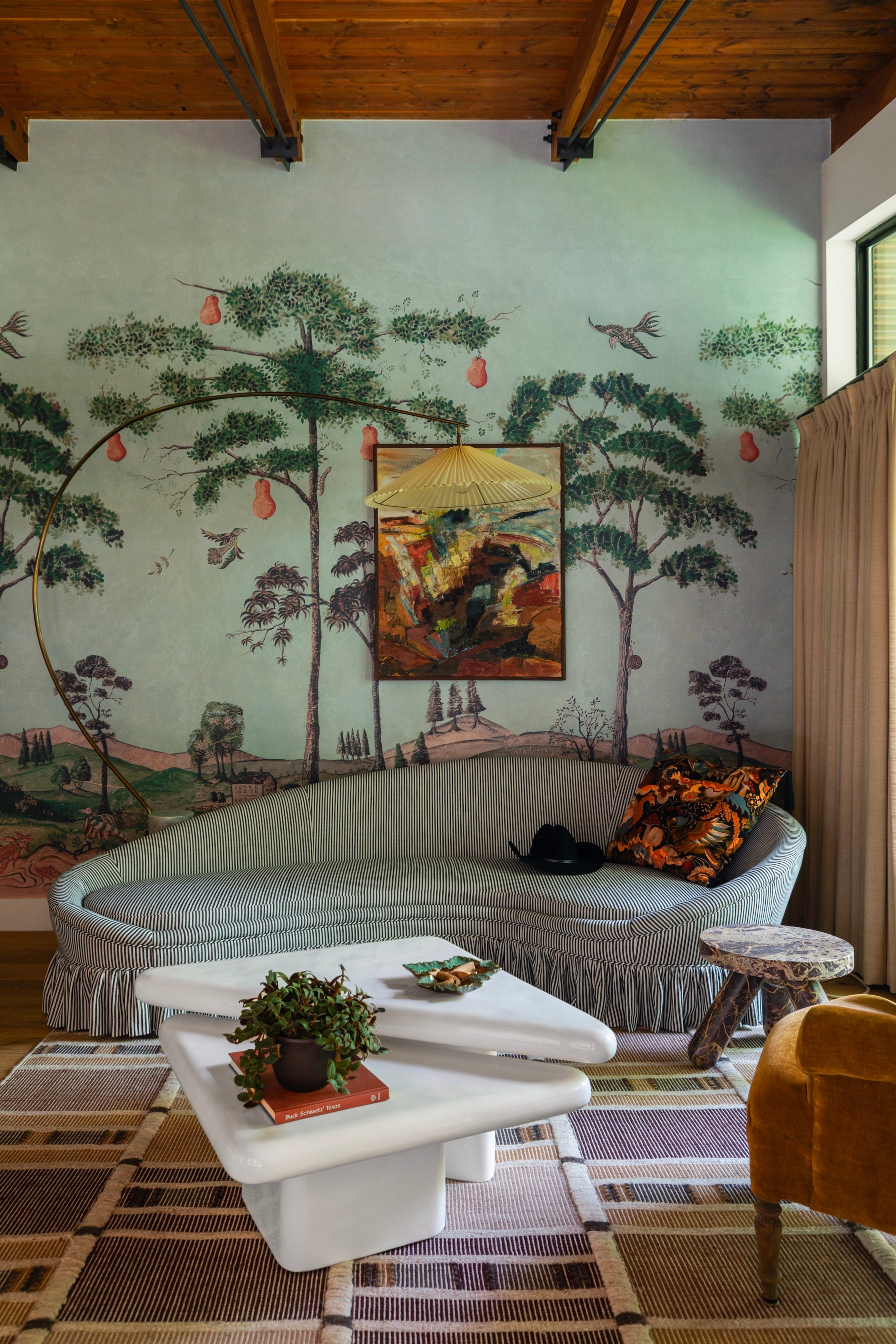
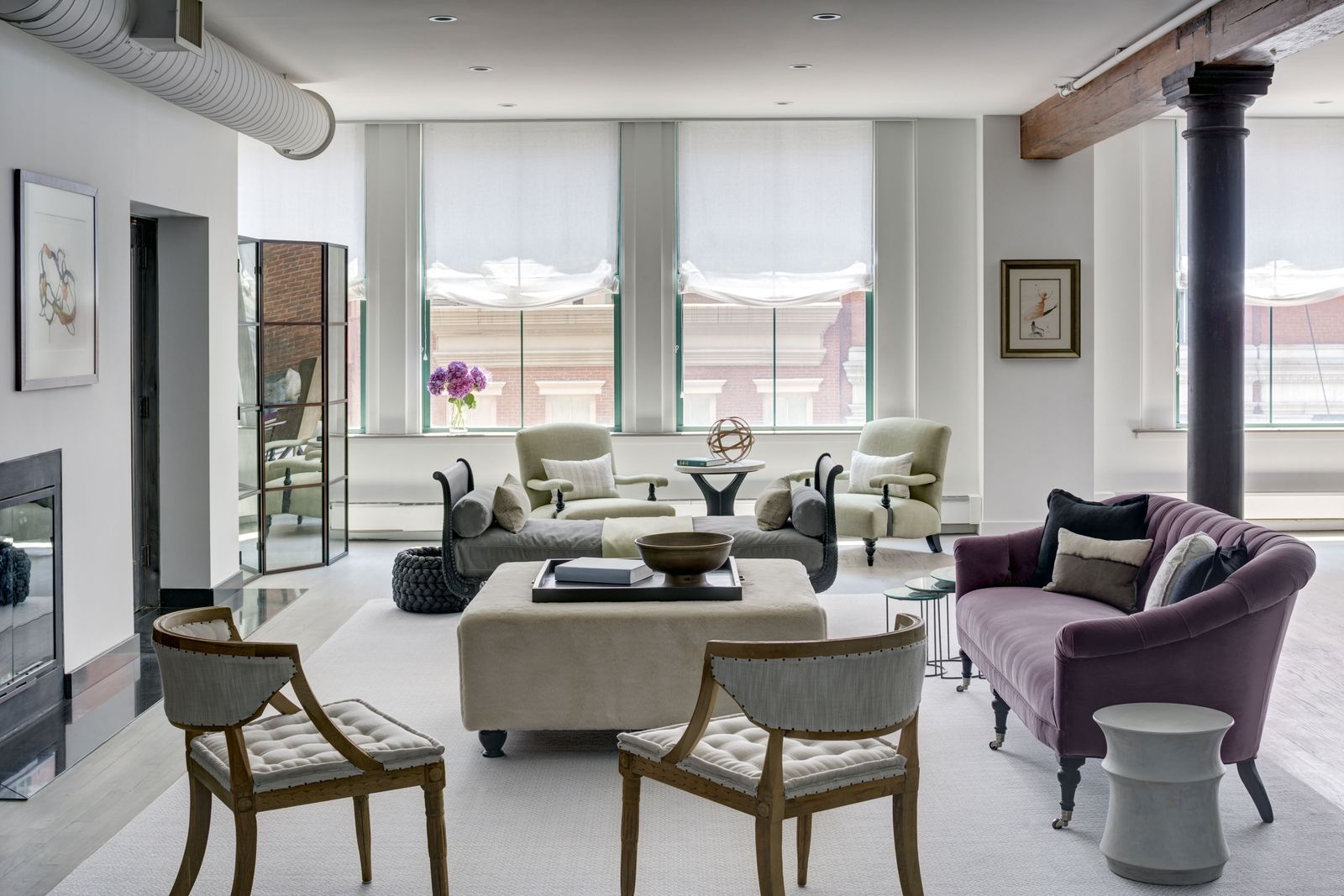
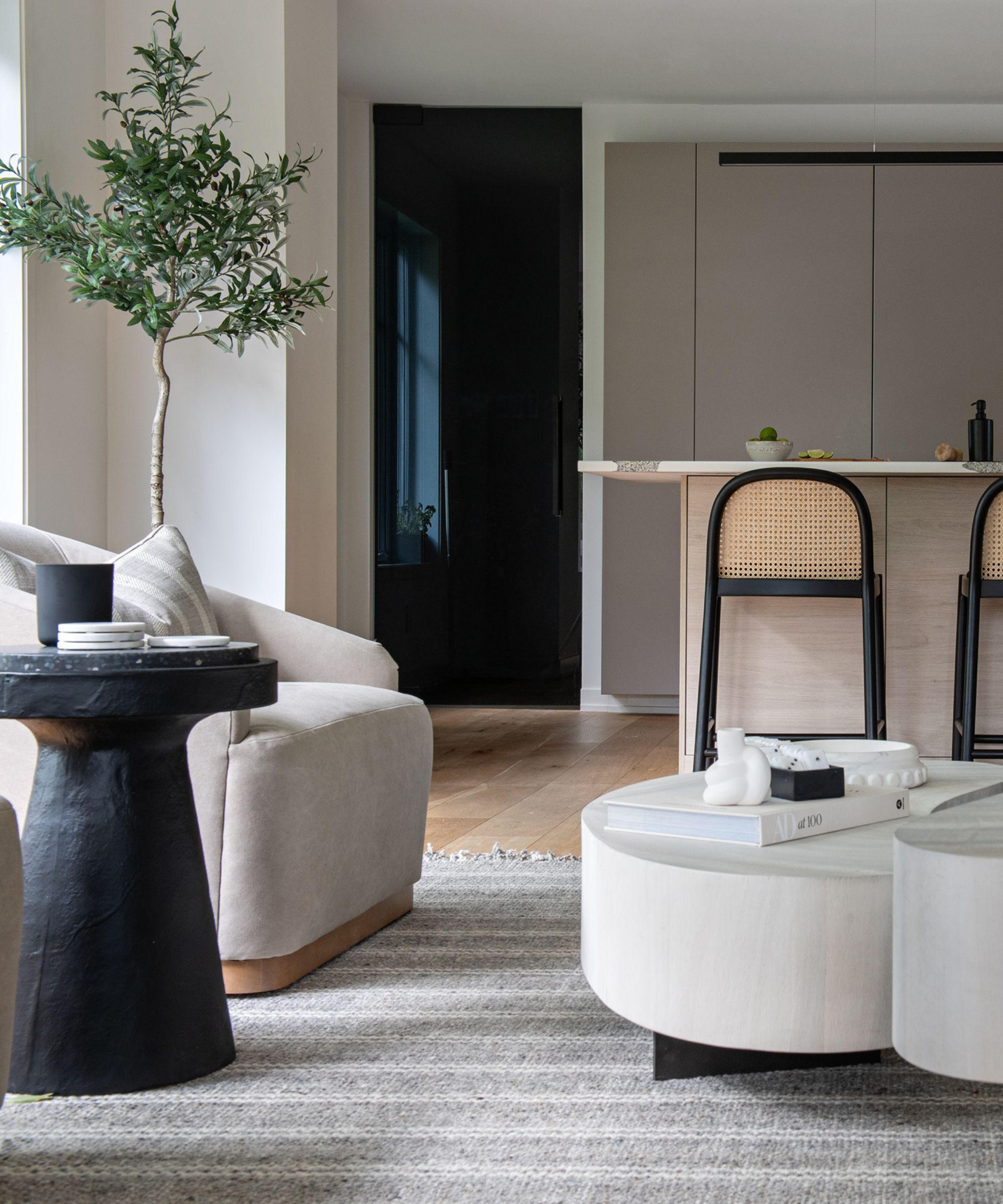
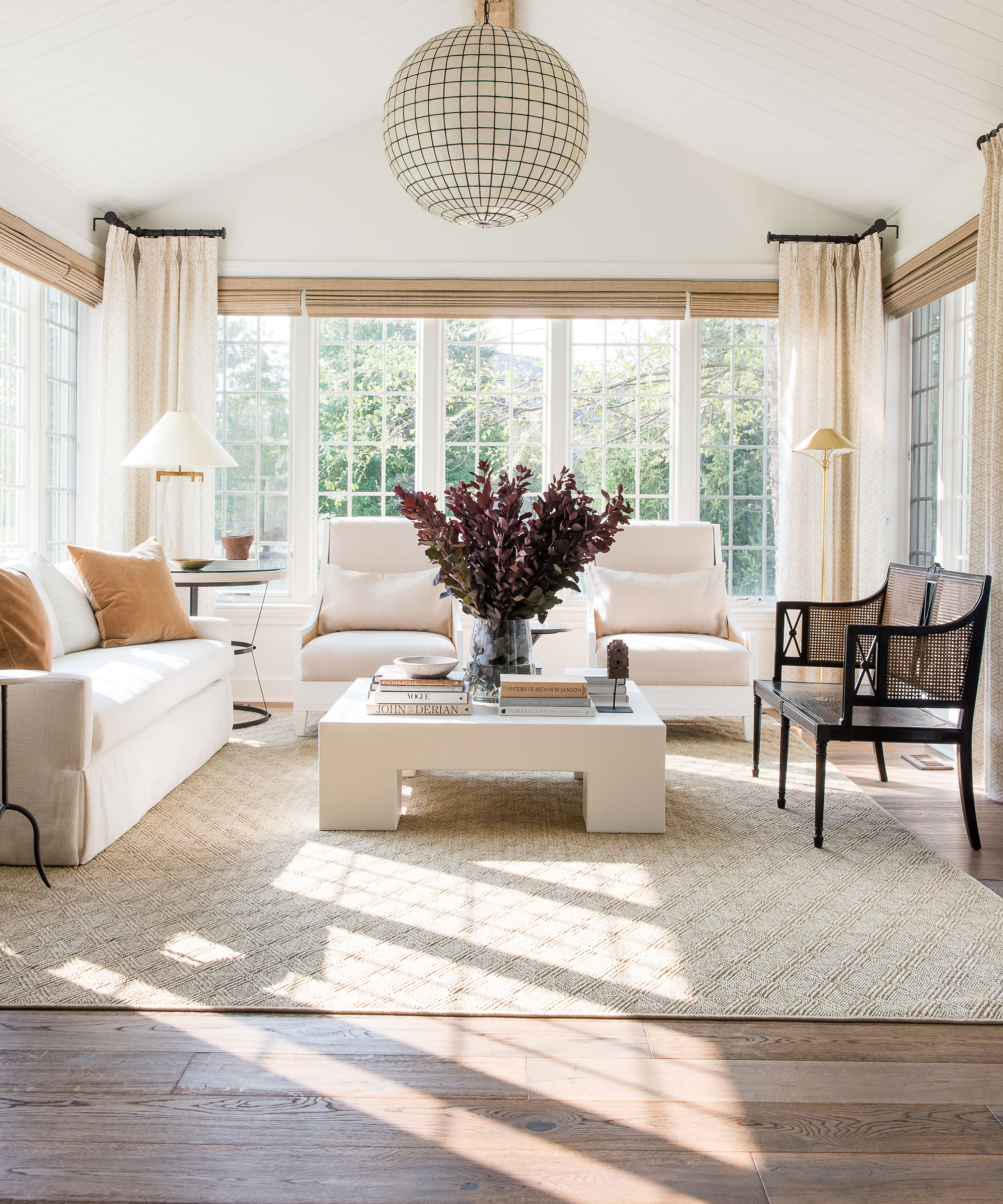
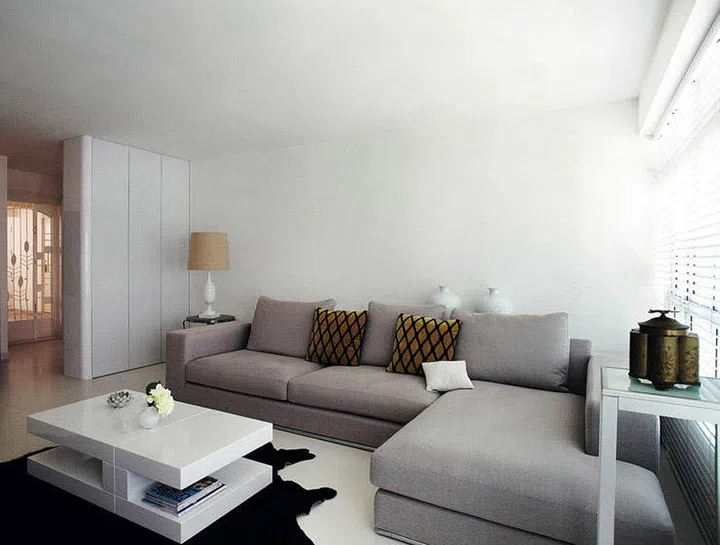
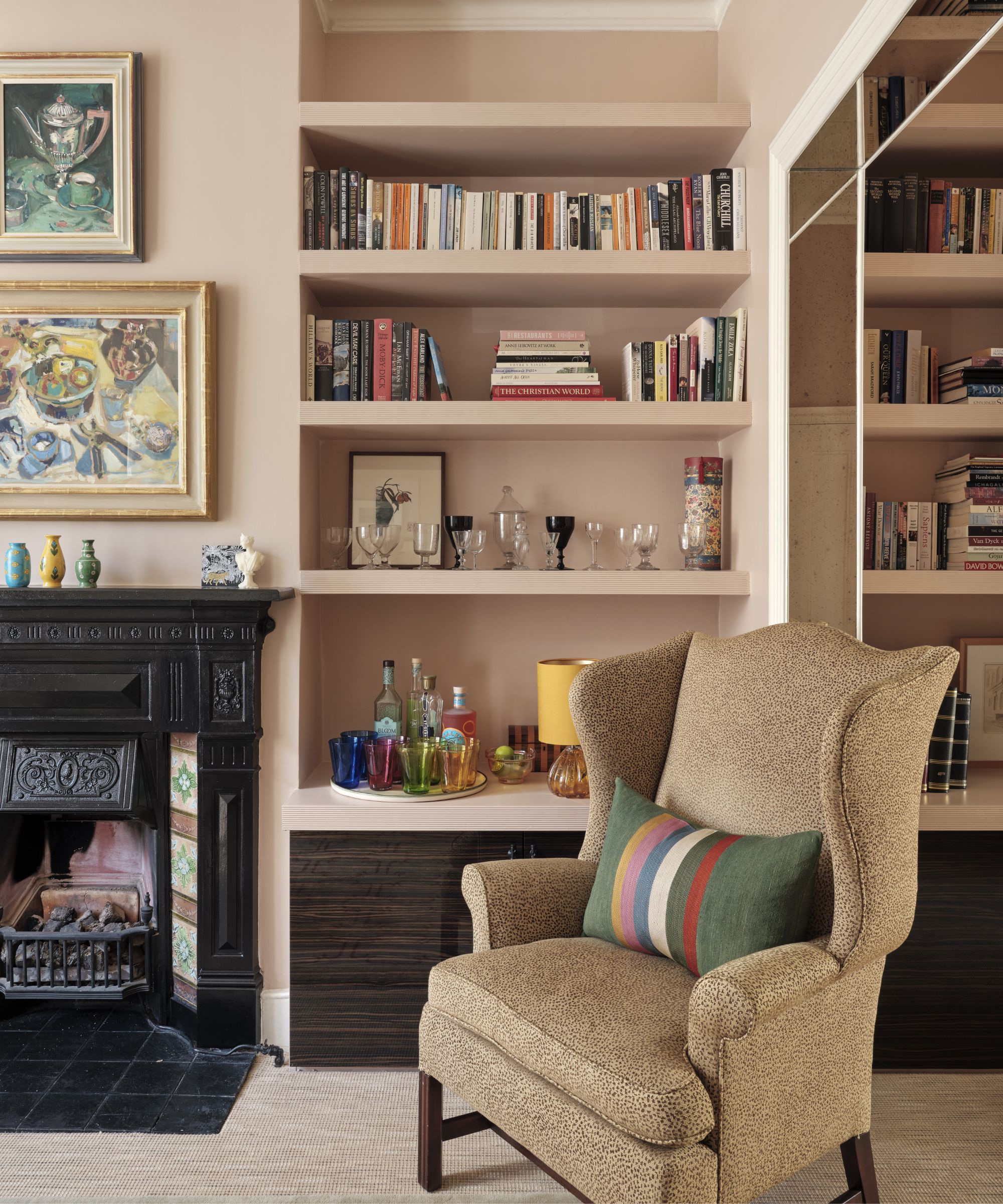
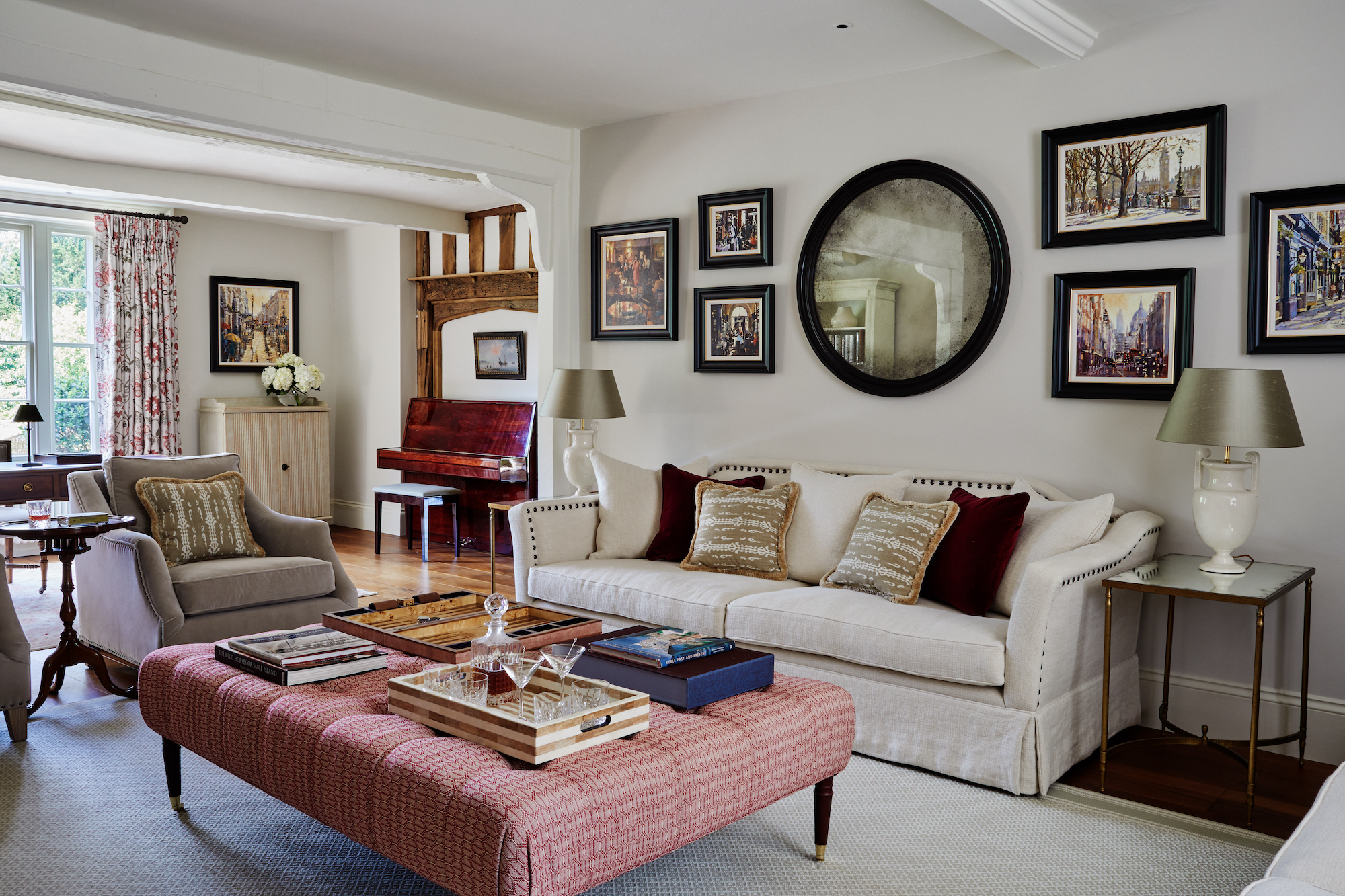
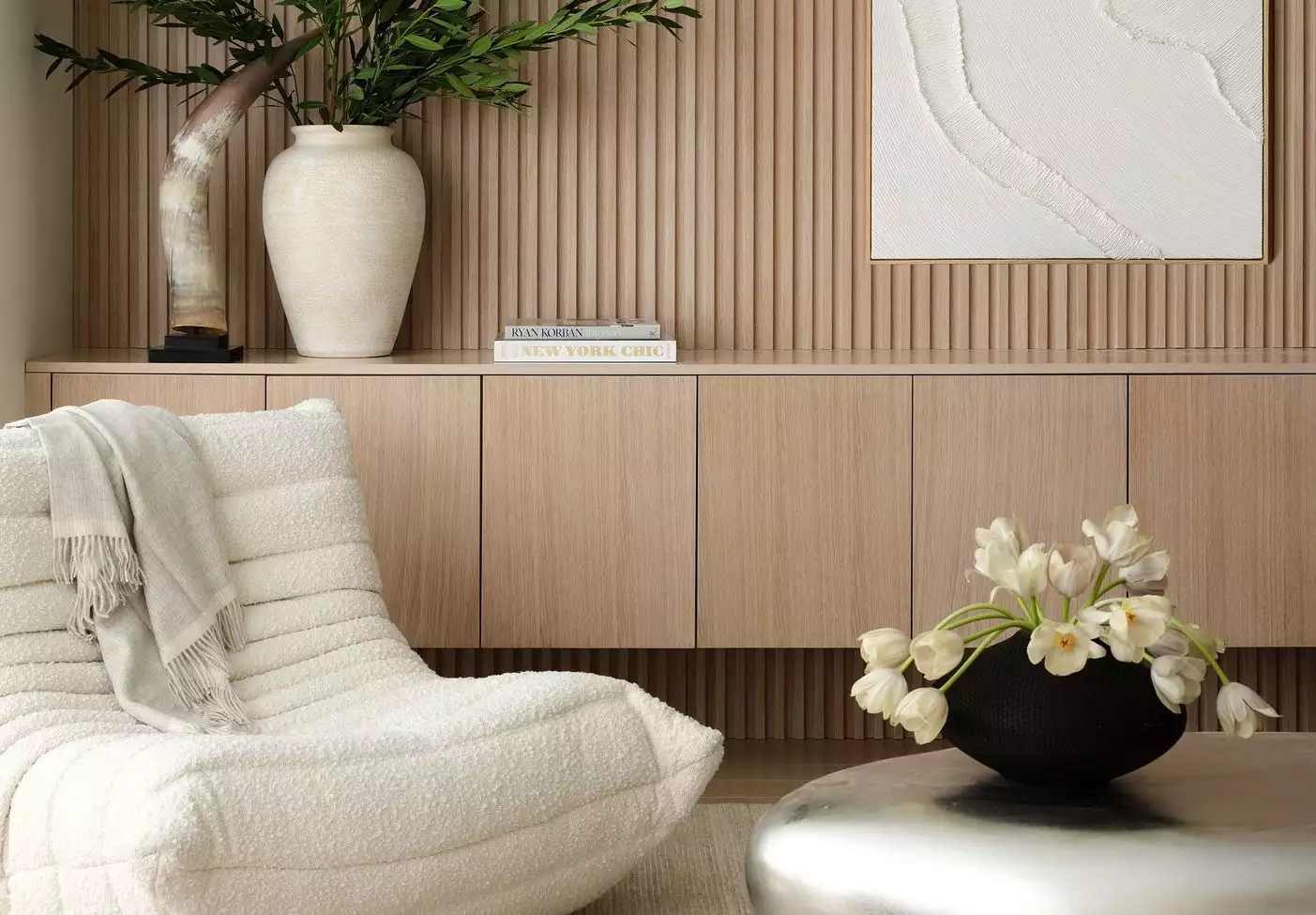
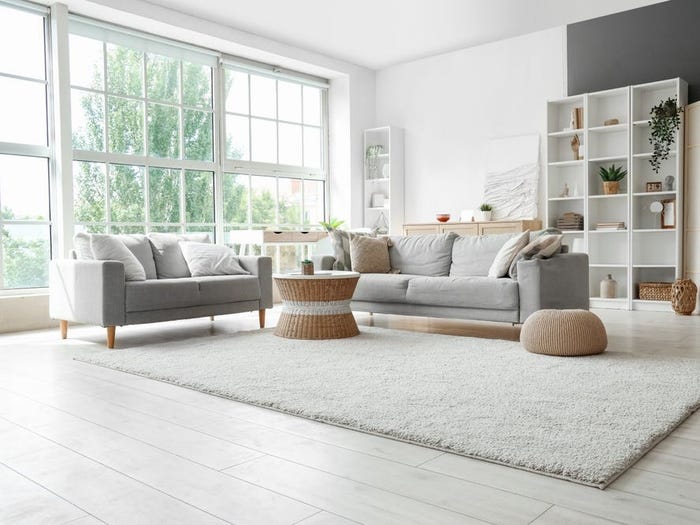
A core recommendation involves 'floating' furniture, which means pulling pieces a few inches away from the walls. Counterintuitively, pushing furniture against walls can make a room feel smaller and more confined by defining the walls too rigidly. Creating a slight gap allows for 'breathing room,' making the space appear larger and more intentional. This technique helps to visually expand the room, preventing a cramped or static appearance.
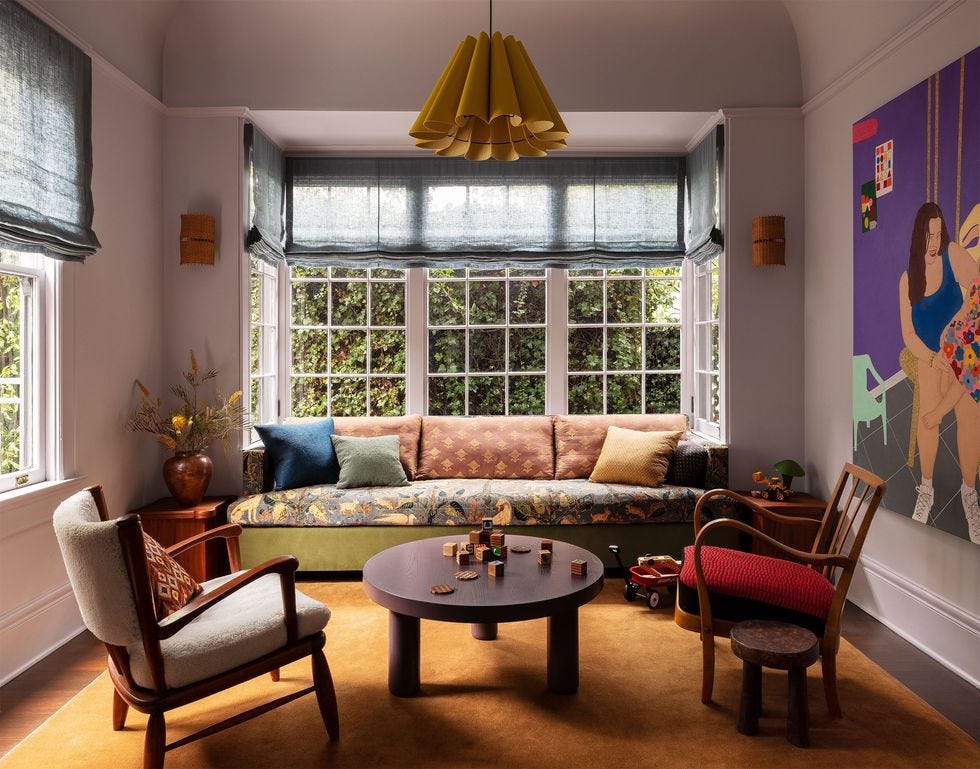
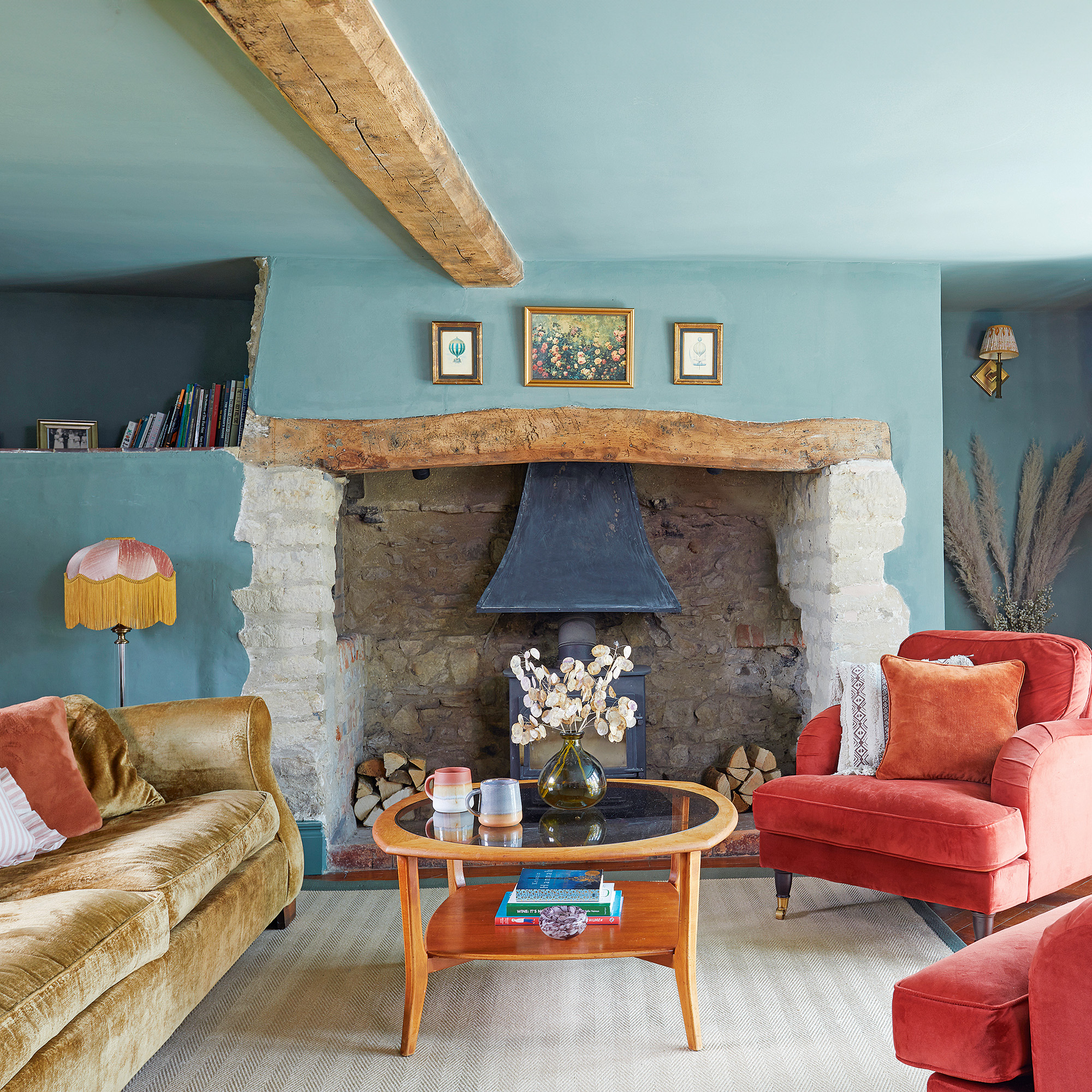
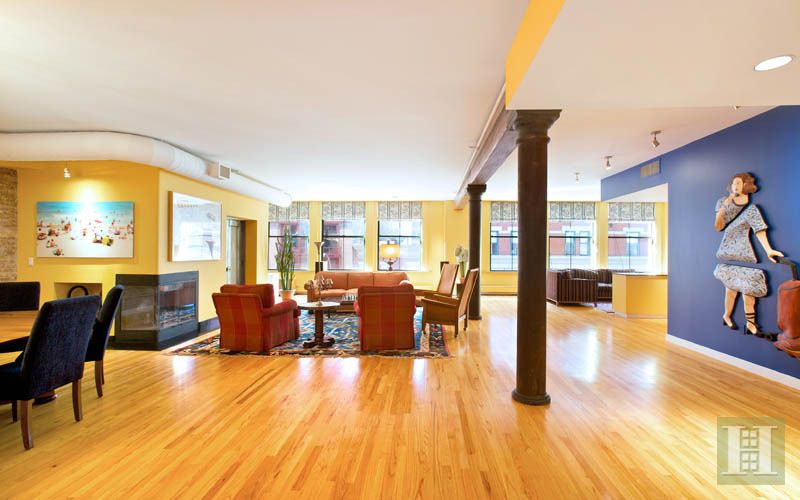
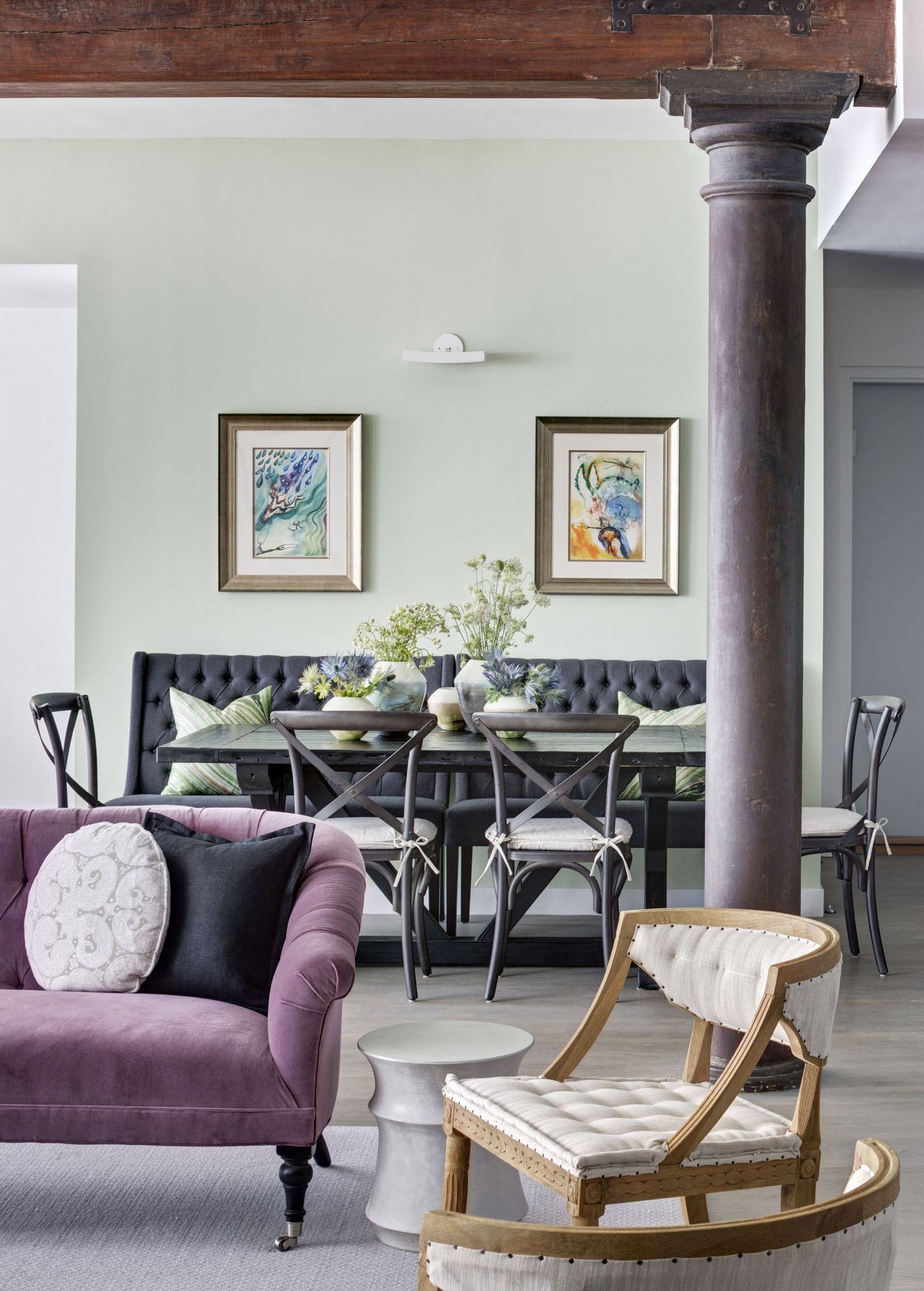
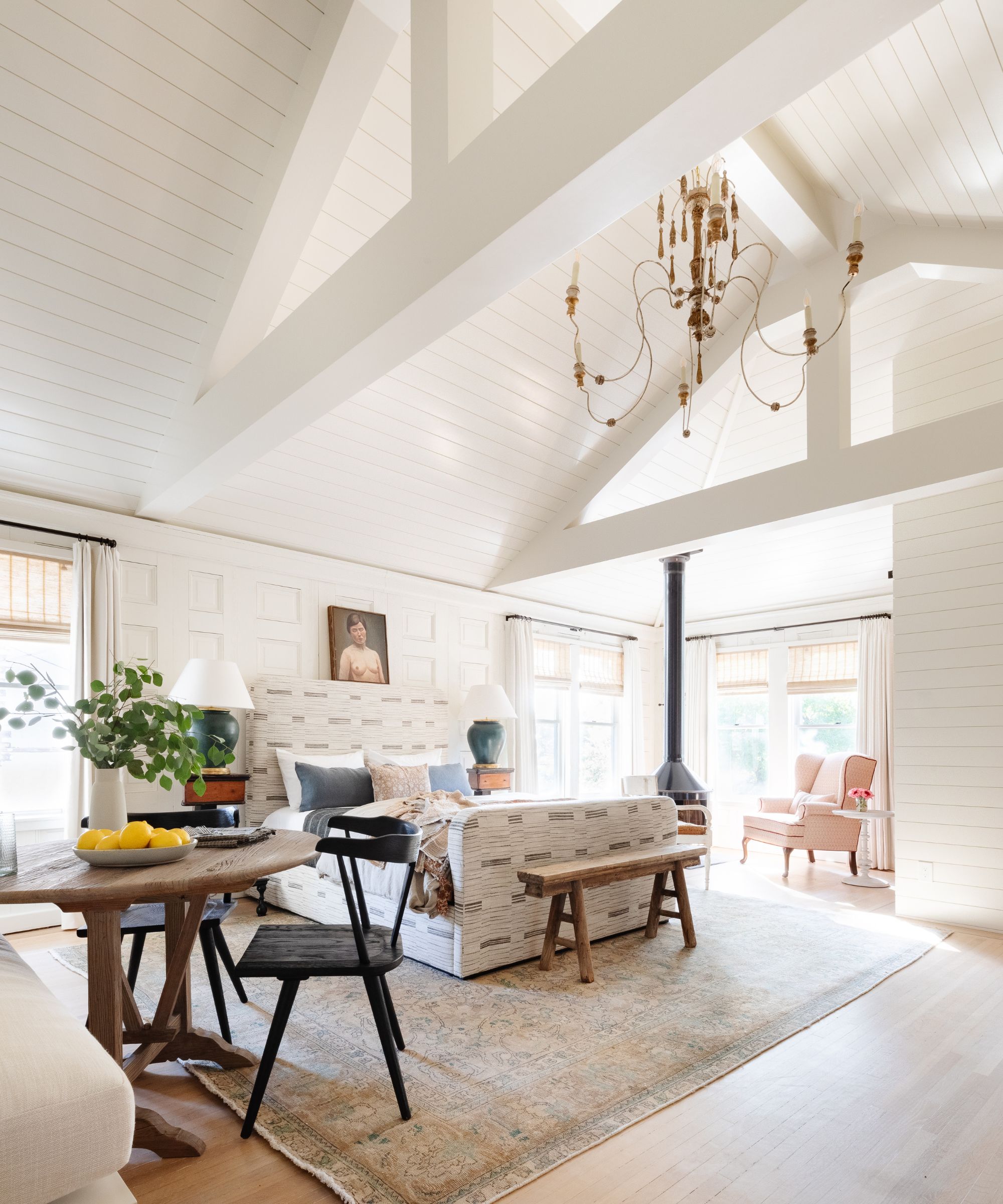
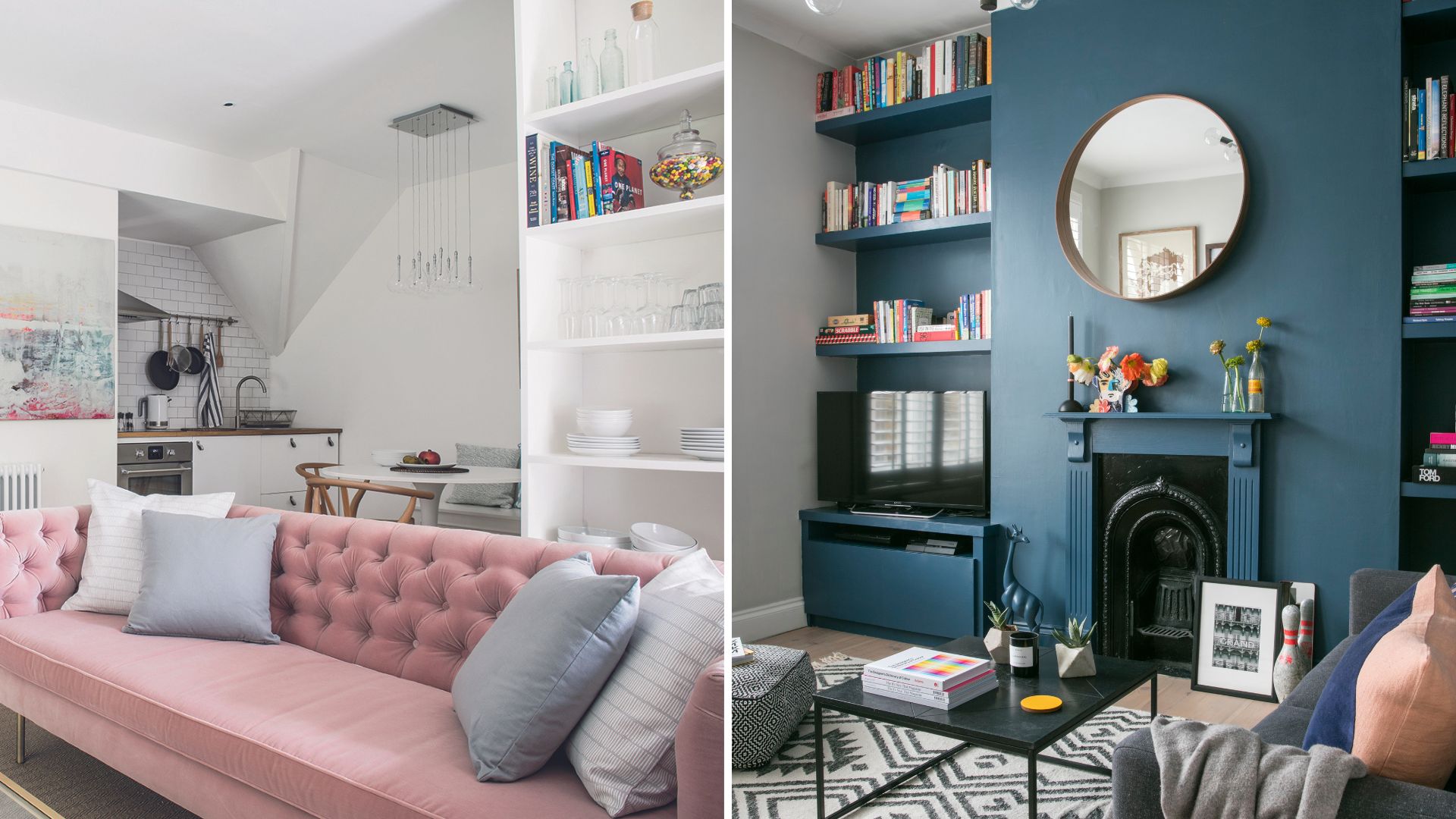
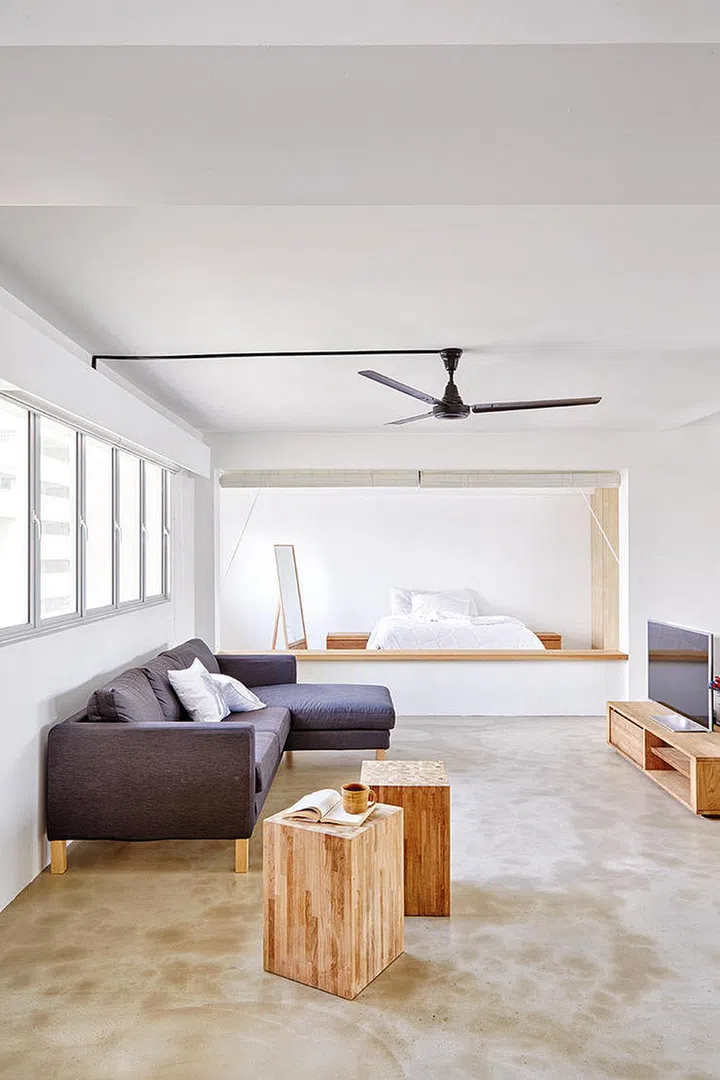
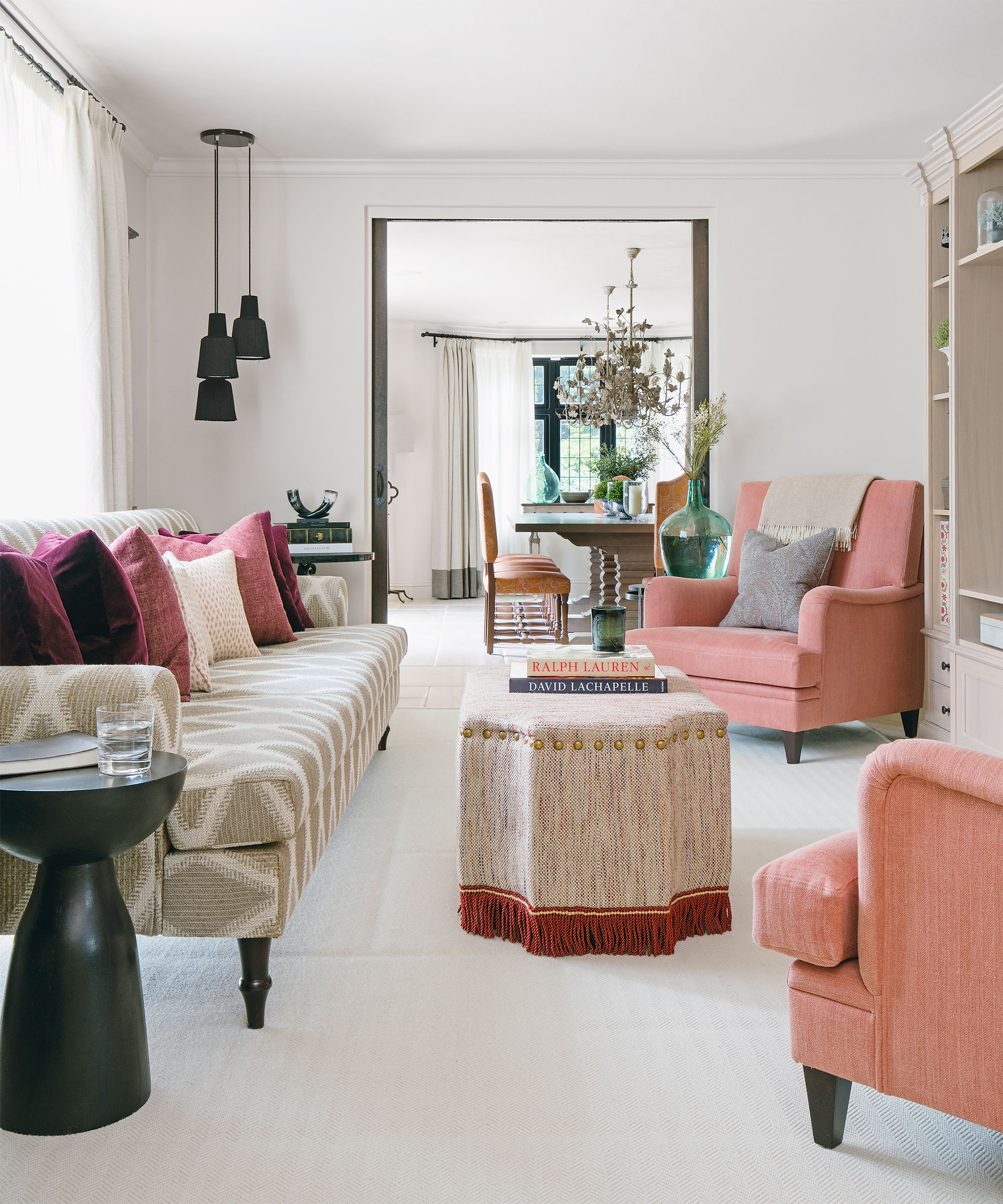
Establishing clear zones within the living room is another key strategy. This involves building furniture arrangements around focal points or specific activities. Examples include setting up a reading nook near a window or defining a dining area in an open-plan layout. Designers suggest starting with the most grounding piece, typically the sofa, and aligning it with a prominent feature like a fireplace, a large window, or a source of natural light. When each zone has a clear purpose and a central piece anchoring it, the room gains a sense of organization and appears more expansive and resolved.
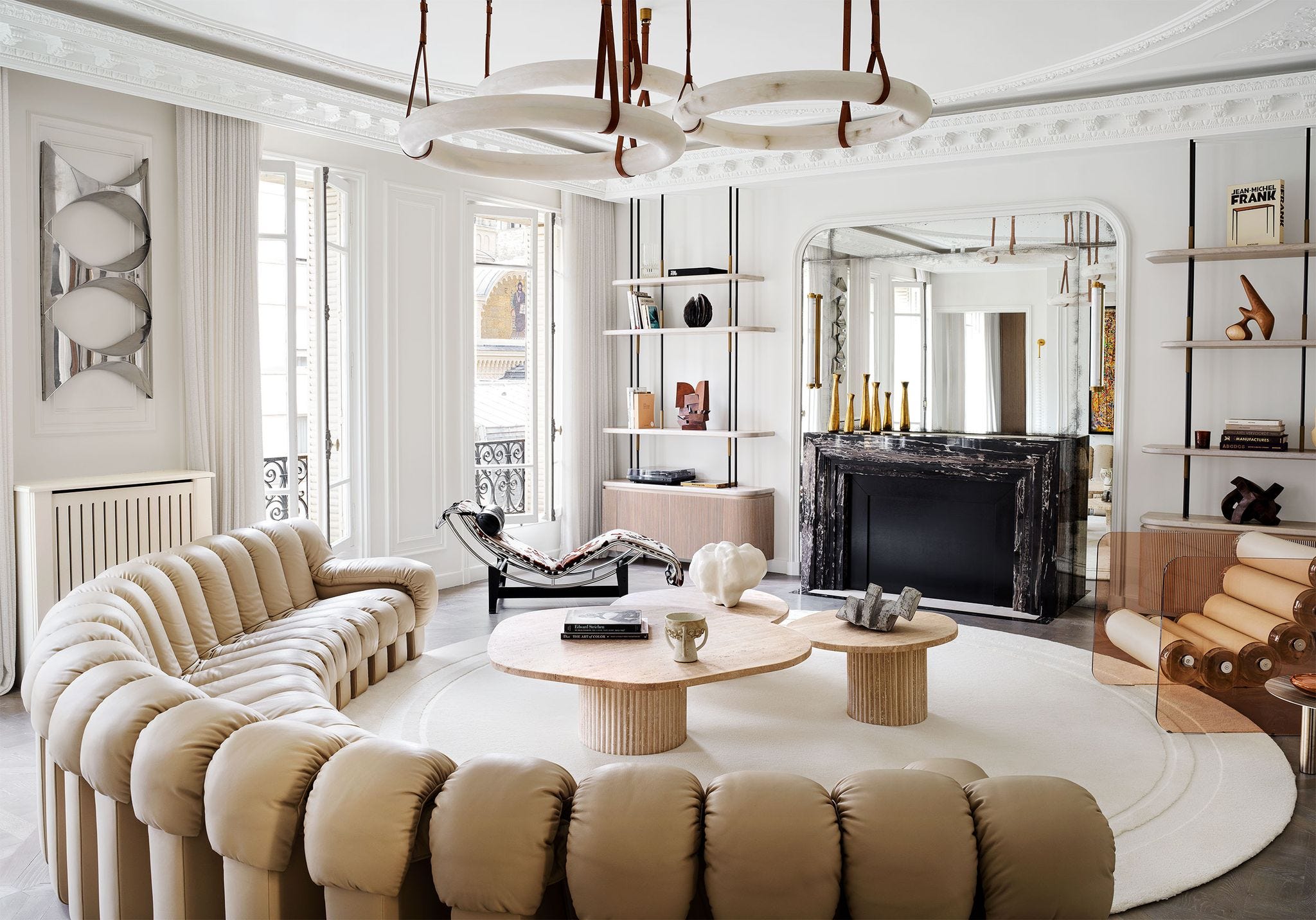
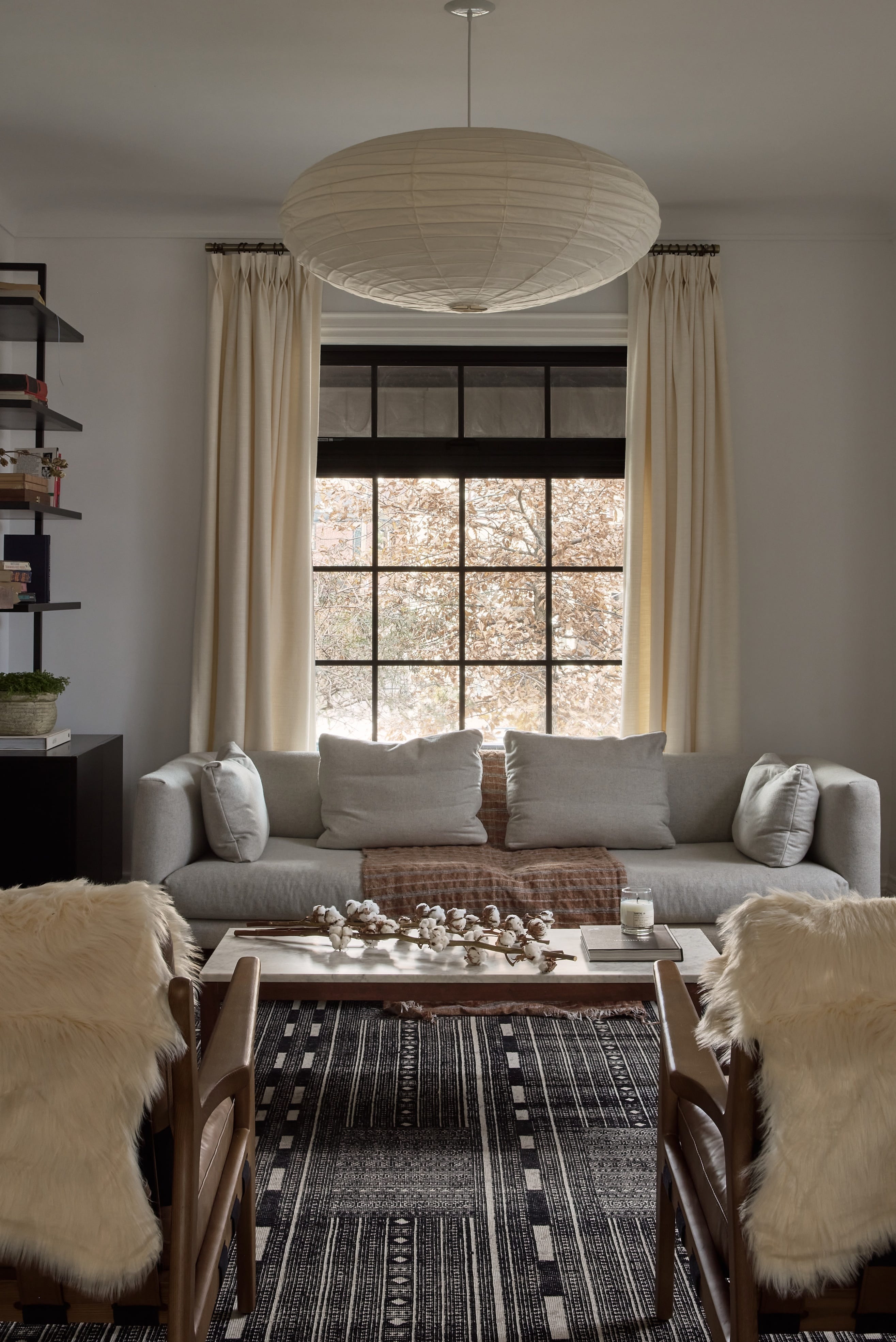
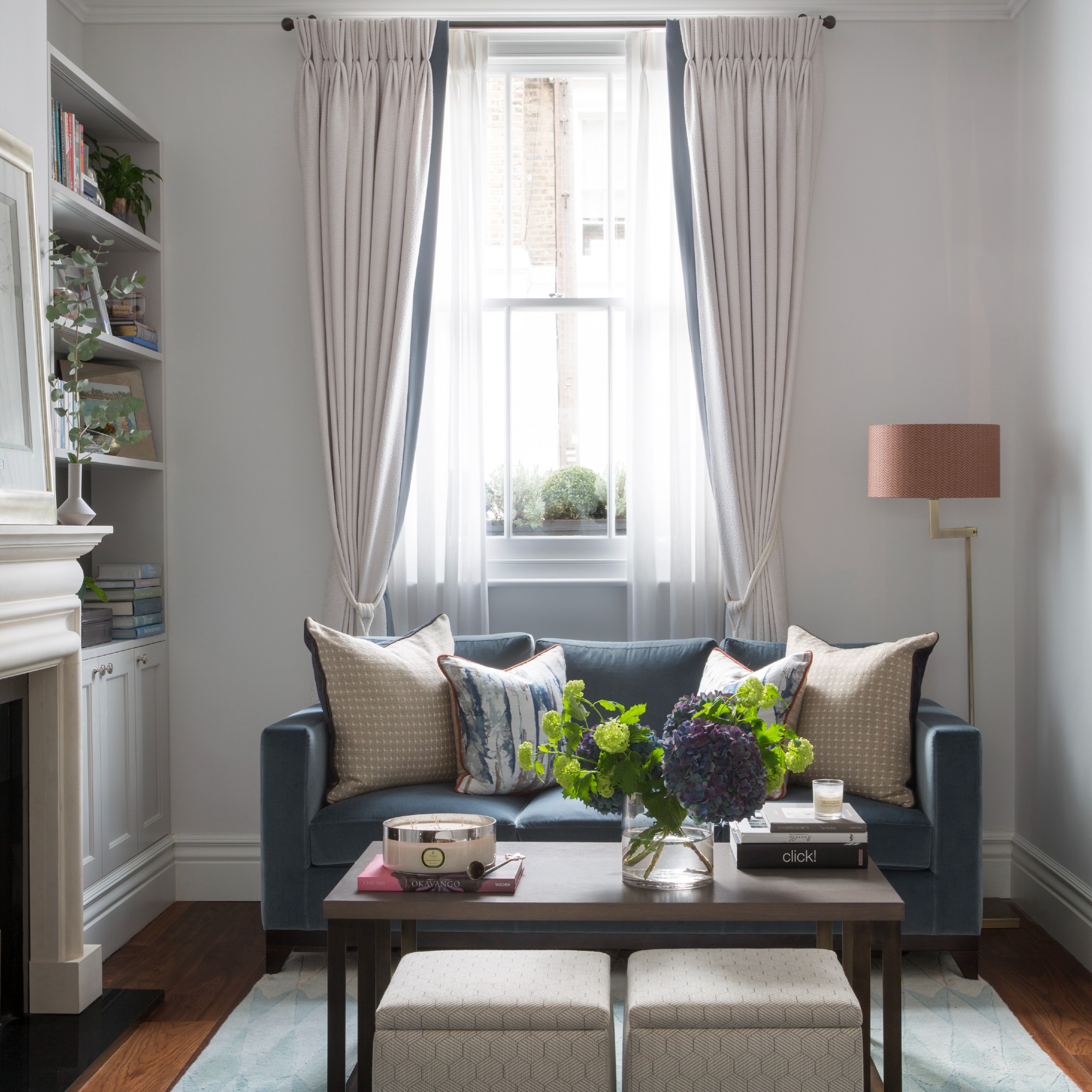
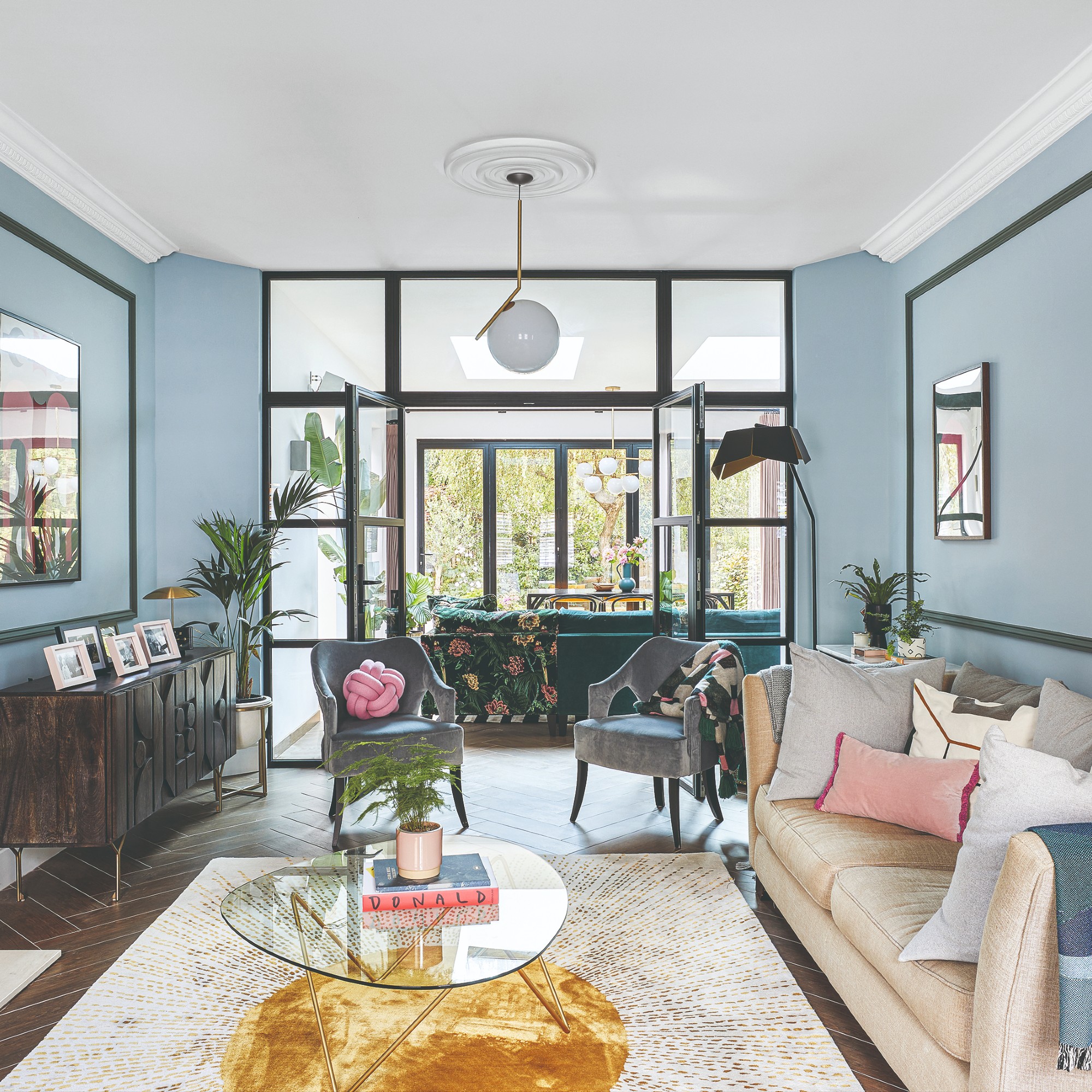
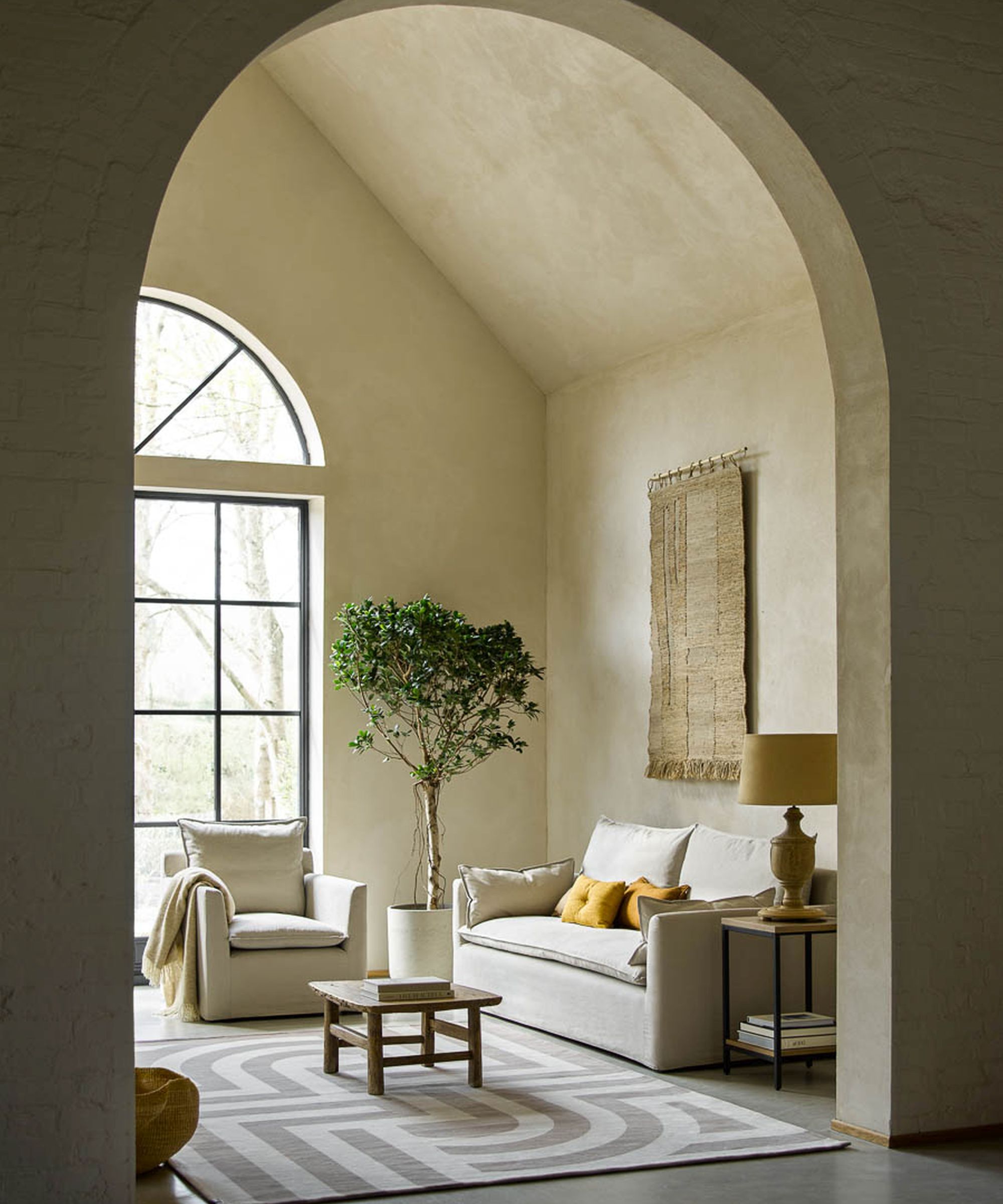
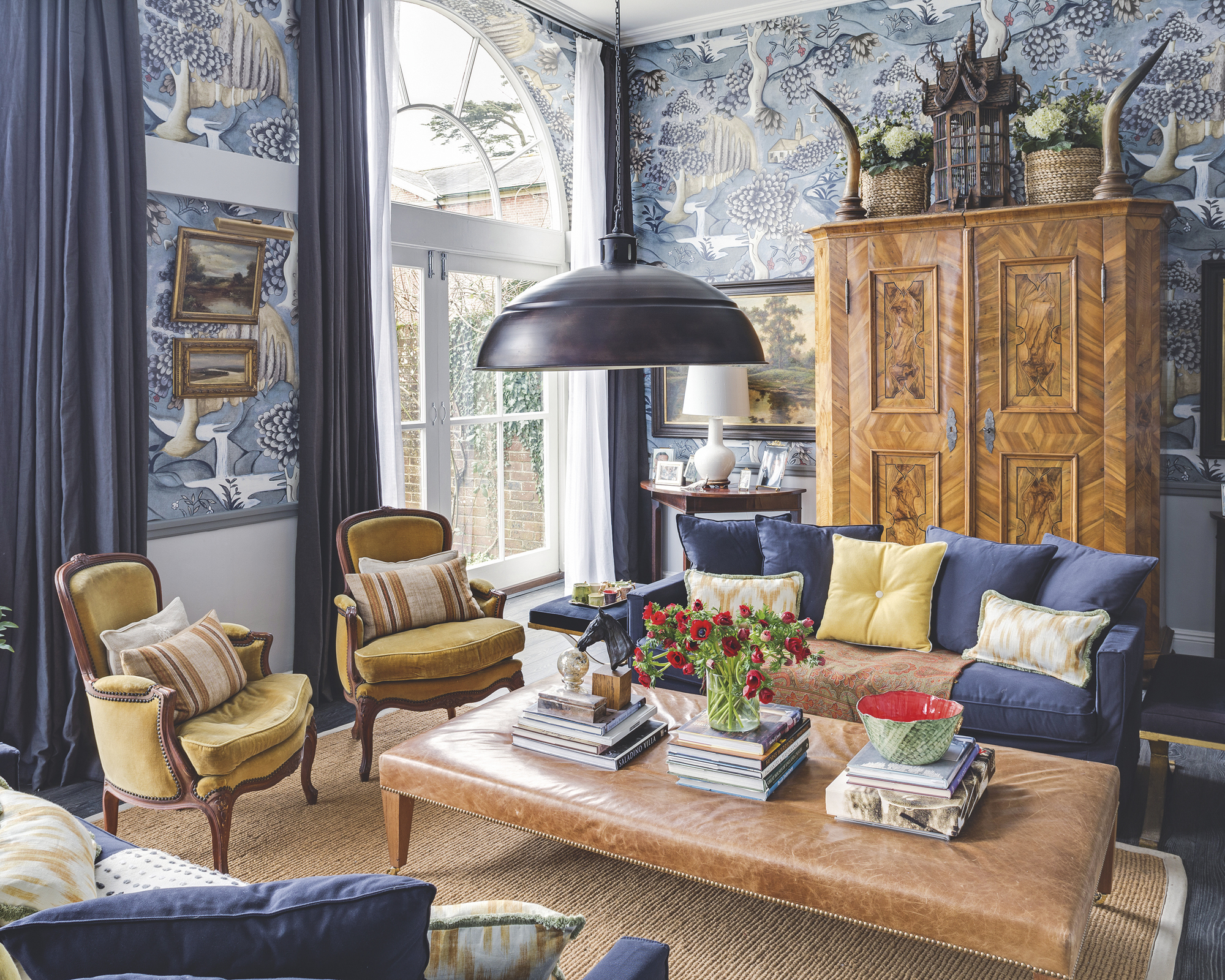
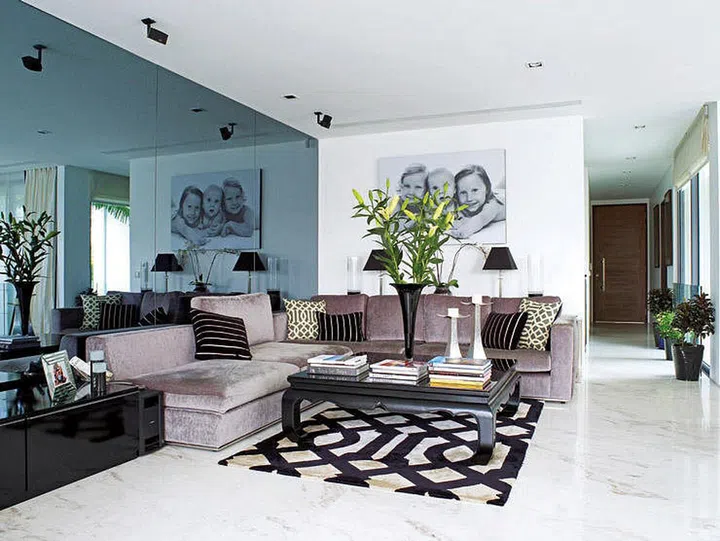
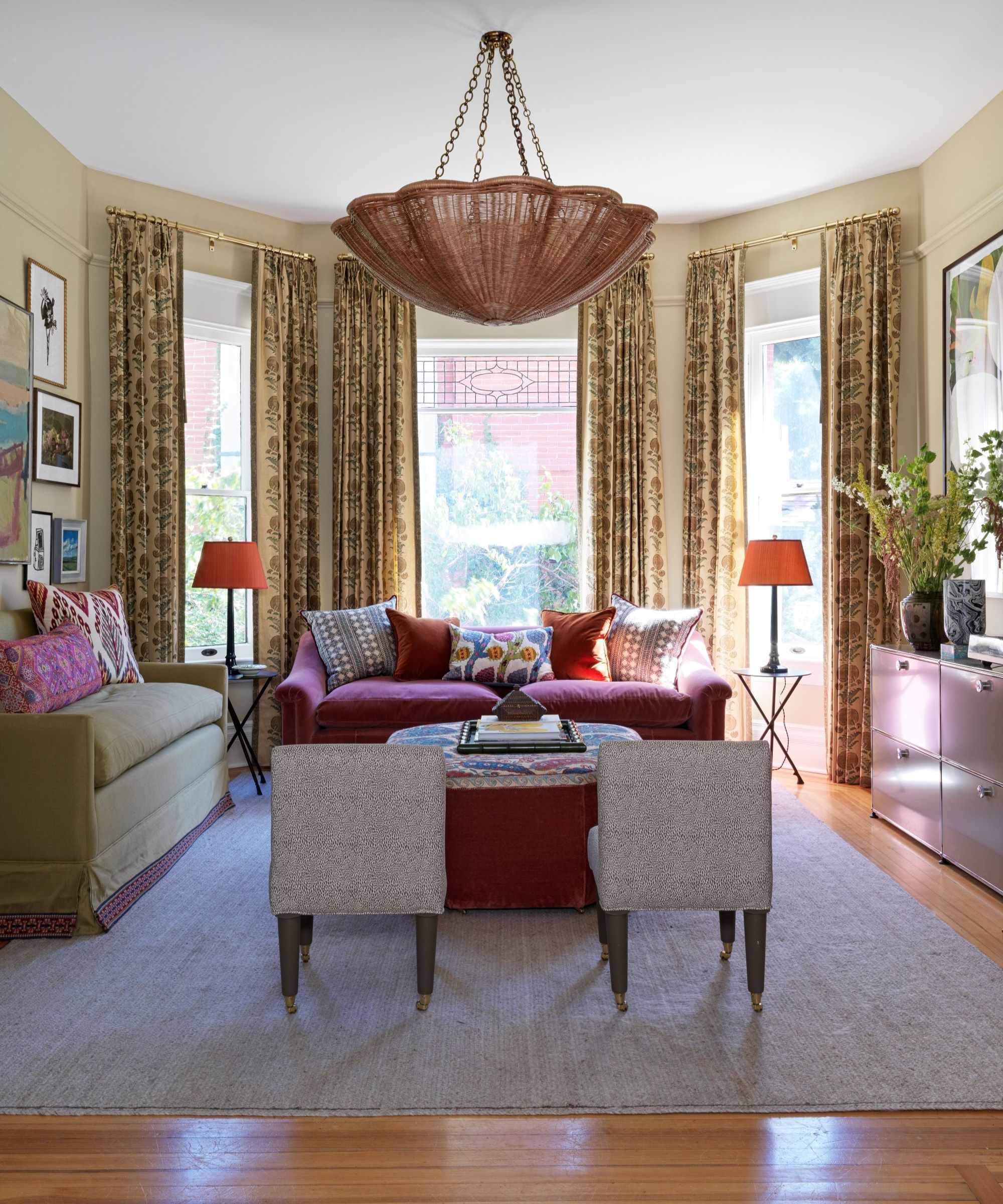
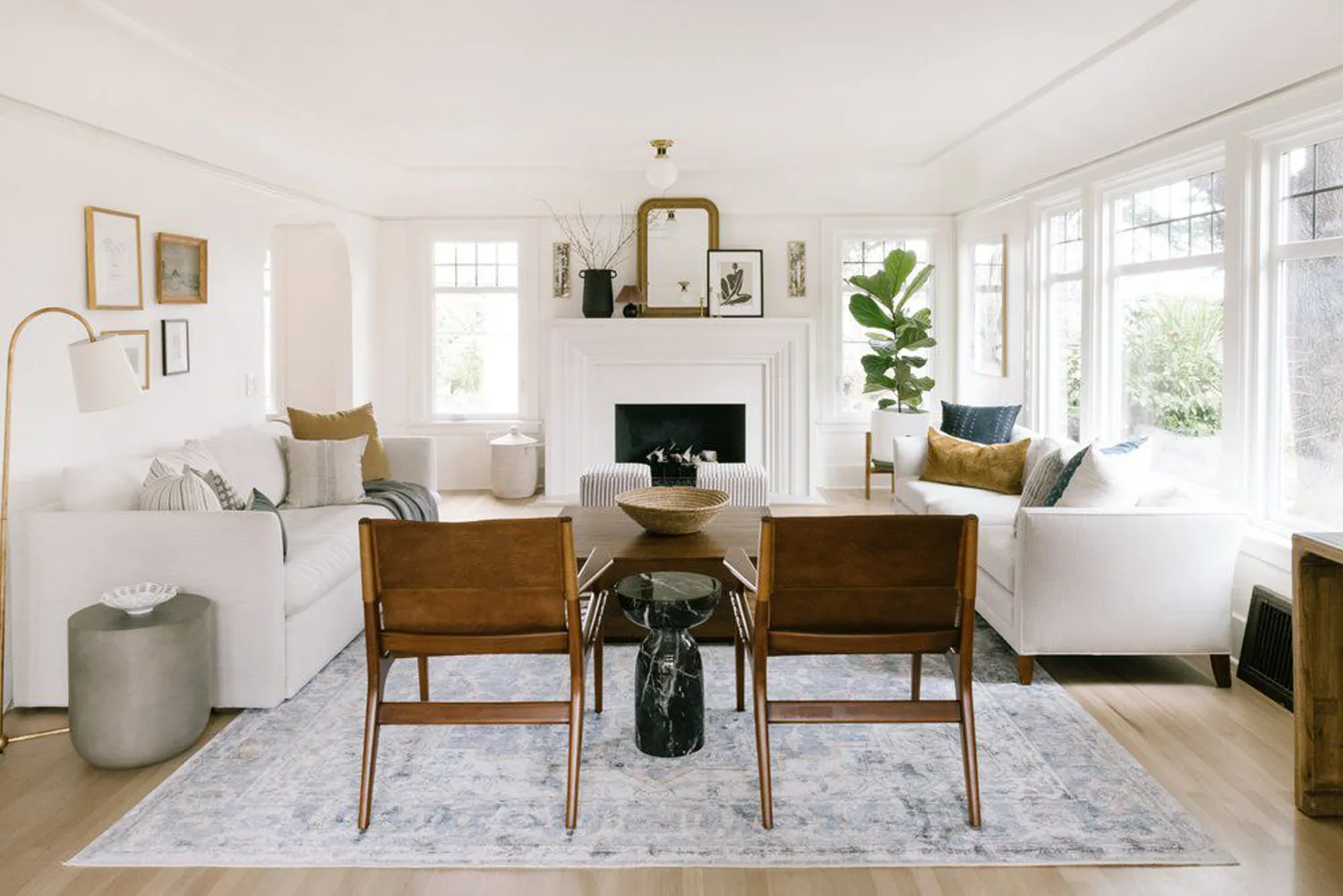
For a visually soothing and polished look, designers recommend symmetrical furniture arrangements. This approach ensures balance in the room's layout, which can make even small spaces feel more elegant and deliberate. Symmetrical placement might involve identical chairs facing each other or aligning a coffee table precisely with the center of a sofa. This method creates a sense of order and harmony, contributing to an uncluttered aesthetic.
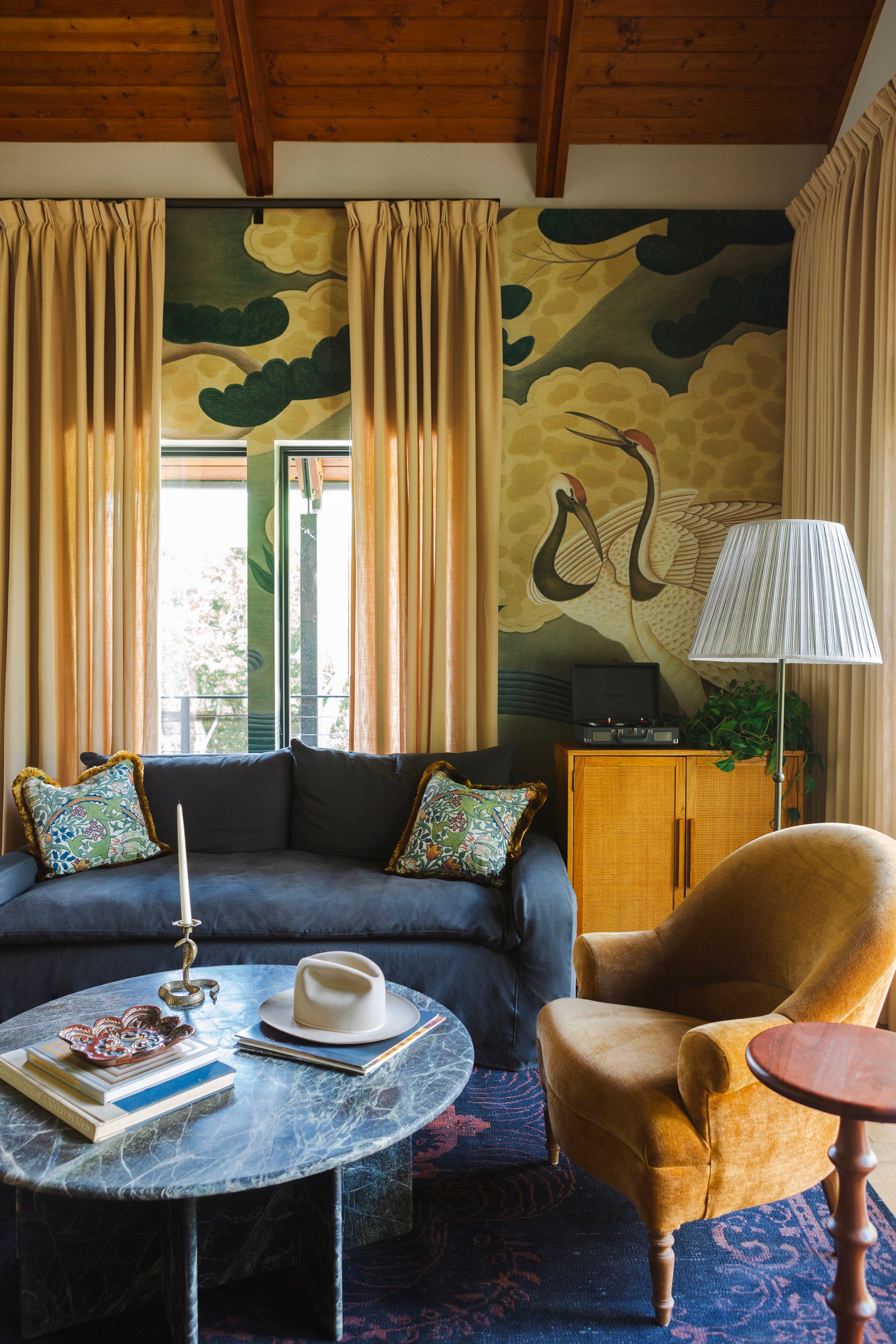
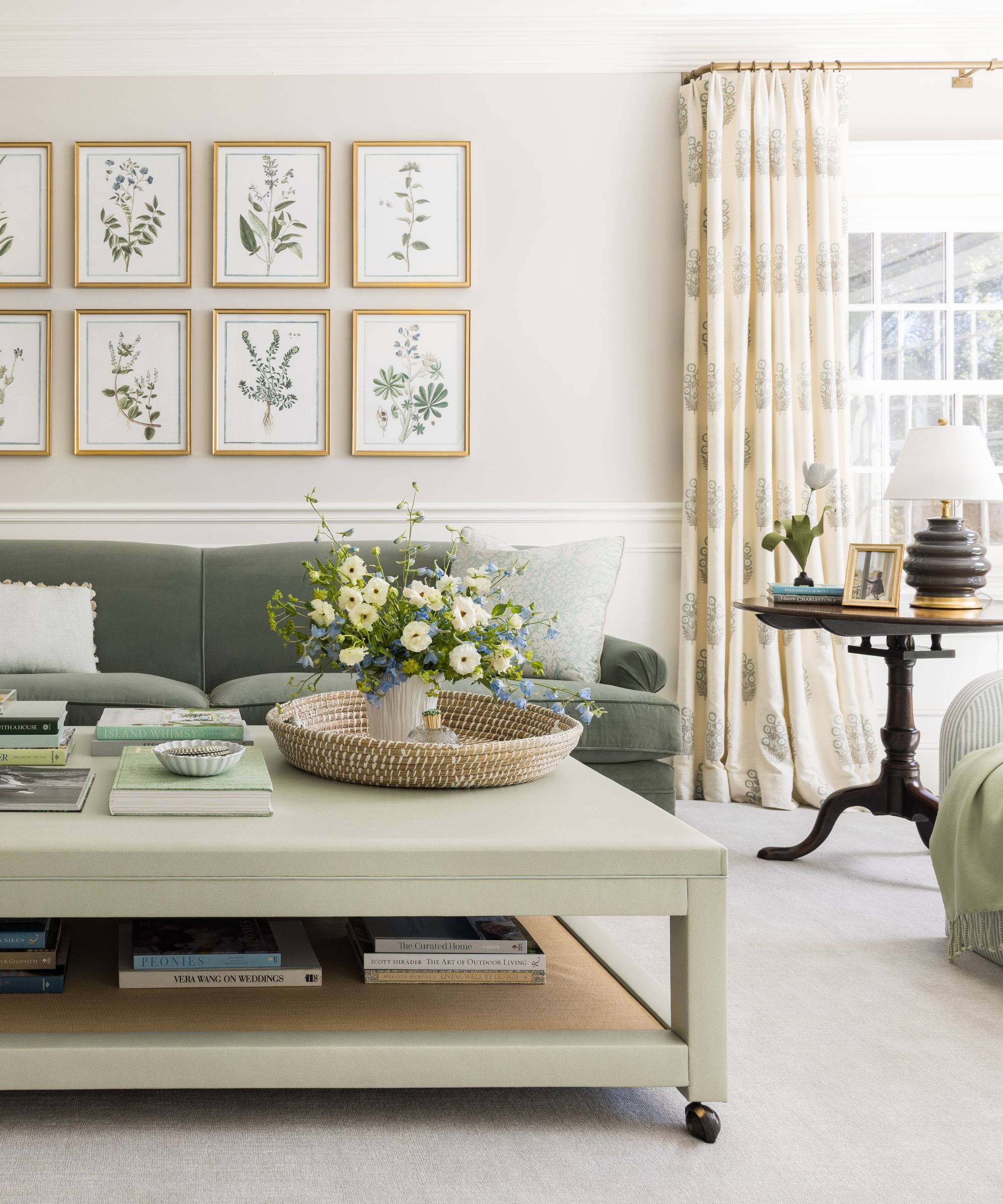
While symmetry offers balance, incorporating odd numbers of items for furniture groupings and decor adds visual interest and helps to free up walking space. Grouping objects in sets of three, five, or seven is suggested to be more visually appealing. To enhance openness and interest, variations in depth, height, texture, and proportion within these groupings are encouraged. This technique prevents a monotonous look and adds dynamic flow to the room.
Maintaining clear pathways is emphasized as a crucial practical consideration. When arranging furniture, it is essential to ensure ample room for movement around pieces like couches, coffee tables, and storage areas. If individuals have to sidestep or shuffle to navigate the room, the layout is counterproductive and contributes to a feeling of being cramped and cluttered. Bulky furnishings should be positioned away from primary traffic routes to maintain an open and natural flow, preventing the space from feeling closed off.
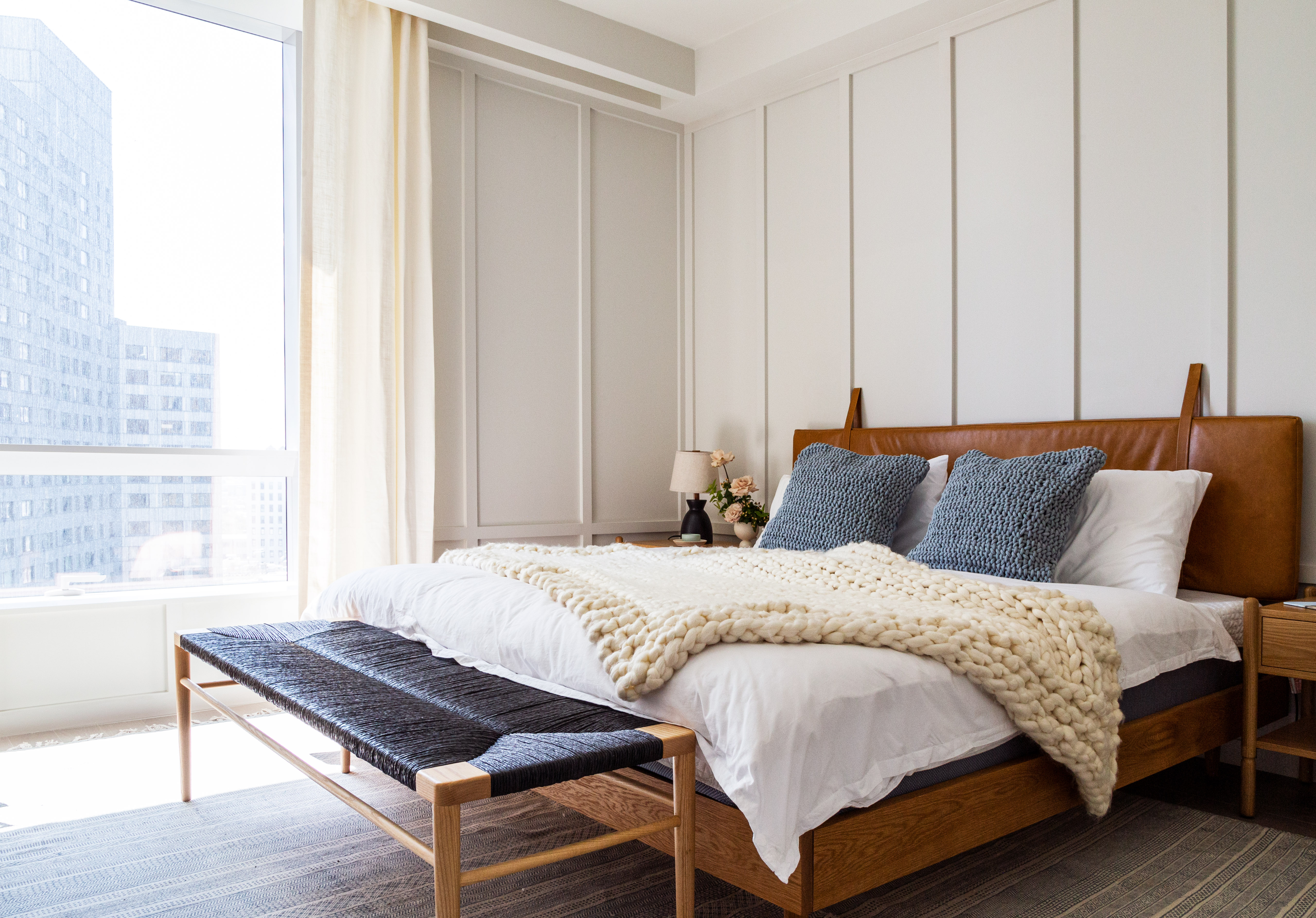
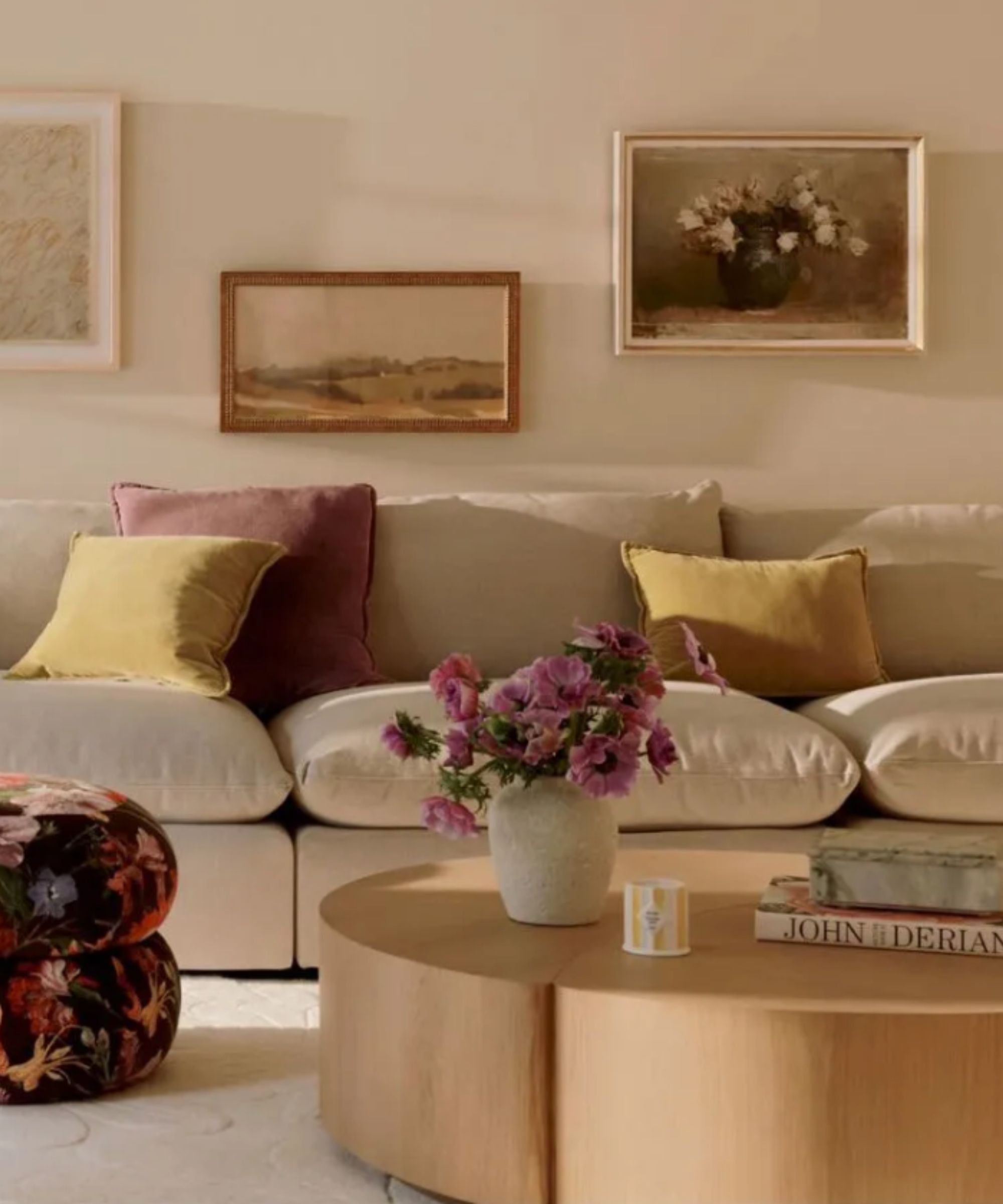
Finally, experimenting with furniture angles can make a significant difference, even if a complete rearrangement is not feasible. Shifting furniture to a slight angle or rotating a living room rug can alter the visual flow of the room, opening up seating and conversational areas. This creative adjustment can effectively make the space feel more open and dynamic without requiring substantial changes to the existing furniture. These expert tips provide actionable ways to enhance the spaciousness and style of a living room by thoughtfully manipulating furniture arrangements.
#HomeDecor #InteriorDesign #LivingRoomDesign #FurnitureArrangement #SpaceMaximization #DesignTips #HomeStyling #FengShuiPrinciples #HomeDecor #InteriorDesign #LivingRoomDesign #FurnitureArrangement #SpaceMaximization #DesignTips #HomeStyling #FengShuiPrinciples
0 comment in total
 No comments yet
You may also like
5 expert tips from local designers to maximize your closet space
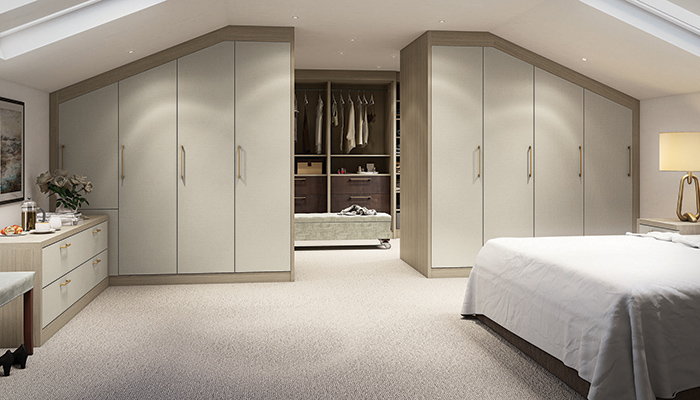
Bedroom furniture for clients keen to maximise every inch of space
Apartment bedroom ideas – 10 ways designers go big on space and style

Home decor perfect solutions: How designers optimized problem spaces
How to fit a table into a small space, according to interior designers

7 narrow living room ideas – how to turn an awkwardly shaped space into a dreamy lounge
Interior designers share 6 of the best and 4 of the worst ways to use extra space in your home
You Don’t Have to Sacrifice Style When Your Space Is Small

These Are the Decor Ideas Designers Can’t Get Enough Of (and We’re Obsessed With!)

5 Things That Always Make Your Home Feel Cramped, According to Designers

6 things making your living room furniture look cheap – explore the key mistakes to avoid and what designers do instead
Should living room furniture be the same height? Experts give their verdict

Why Your Room Feels 'Off'—6 Designer Rules for Perfecting Furniture Scale and Proportion
How to Arrange Furniture in an Open Space

How to organize a small space: 13 tips to keep your home clutter-free

A guide to living room clearances, measurements, and spacing
Design Pros Reveal Their Secret Tricks for Maximizing Space in the Tiniest Living Rooms

How can you make an open-plan apartment feel cohesive? Follow these designer's furniture placement rules
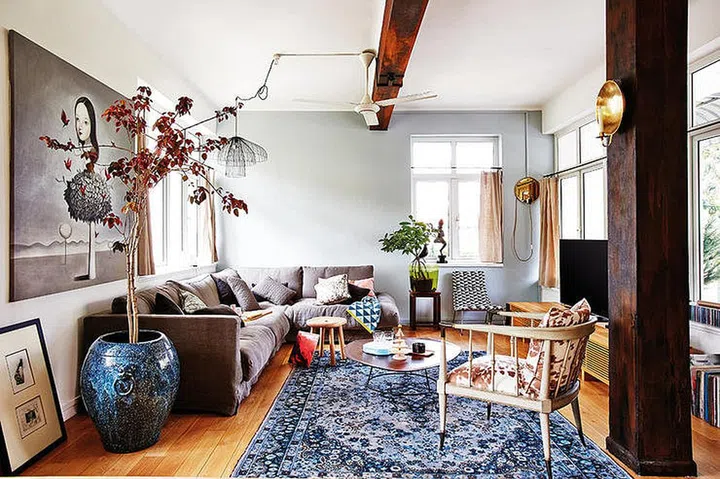
Living room design ideas: 3 ways to place an L-shaped sectional sofa
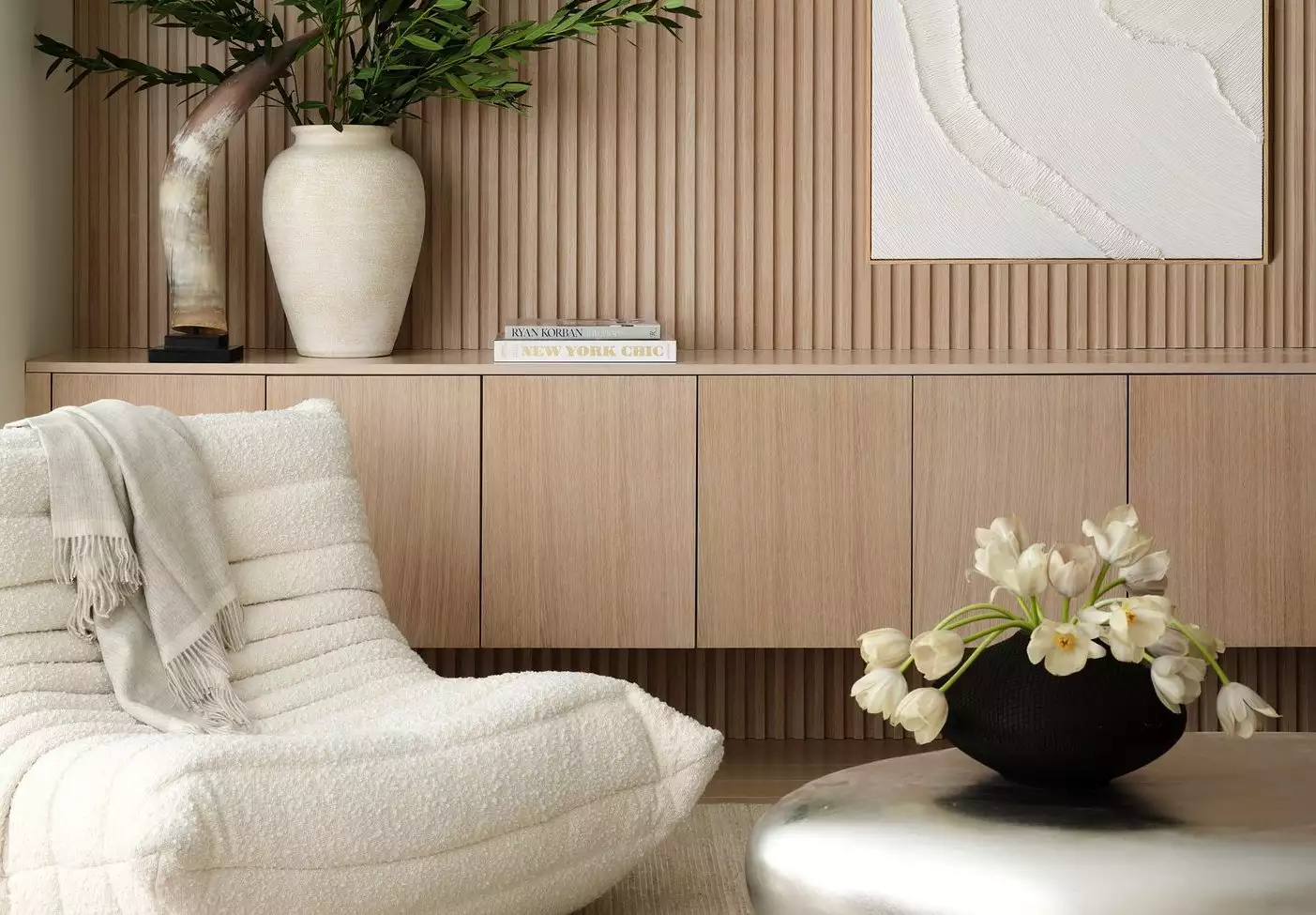
6 Simple Tips to Make Living Room Storage Look Expensive, According to Designers