1/11
Apartment bedroom ideas – 10 ways designers go big on space and style
The article explores various strategies for decorating apartment bedrooms, focusing on maximizing space and enhancing style within often-limited footprints. It emphasizes that despite challenges like restricted square footage, landlords' rules, or multi-functional rooms, thoughtful decor can transform these spaces into personal sanctuaries. Expert interior designers offer their top tips, covering practical and aesthetic considerations.
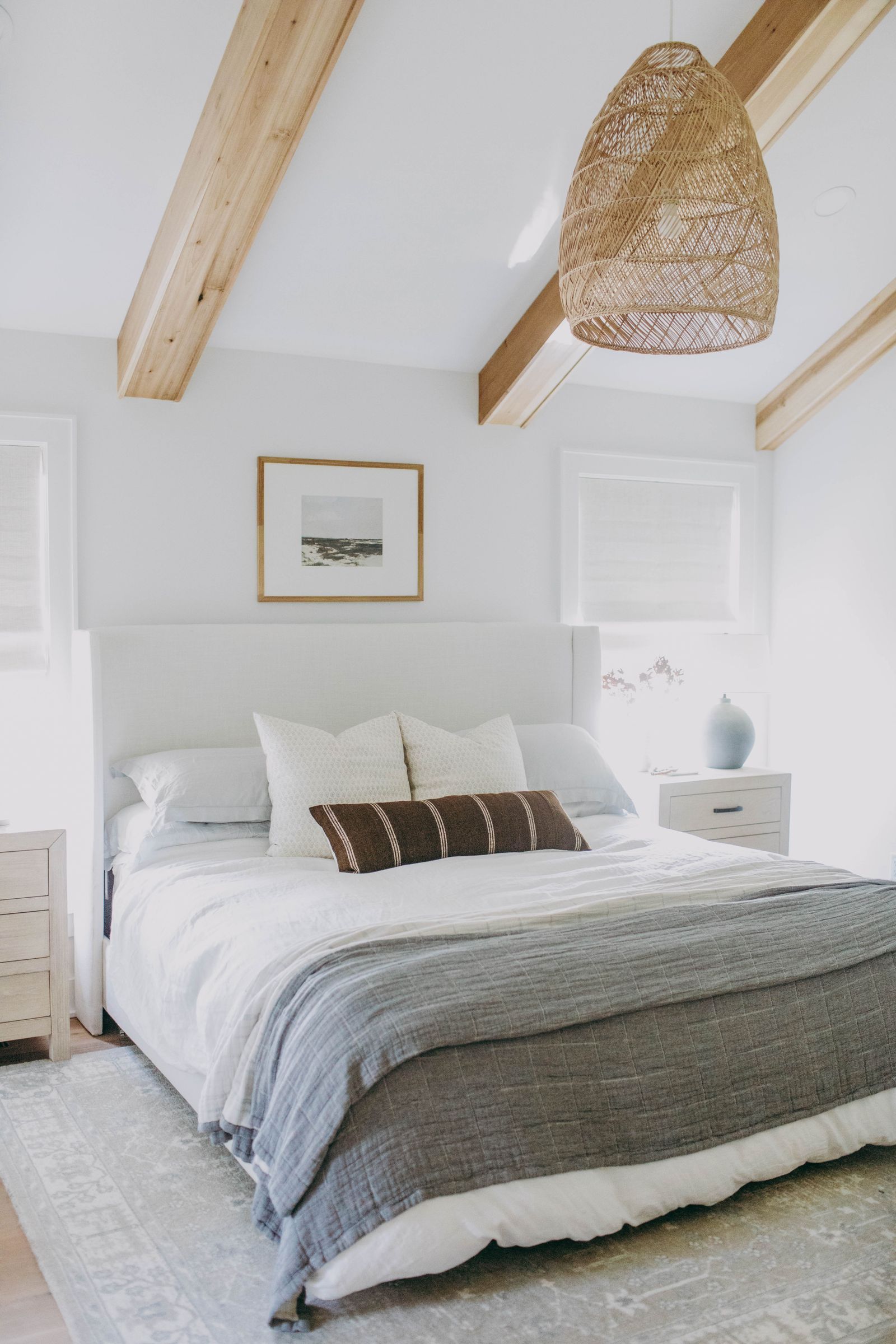
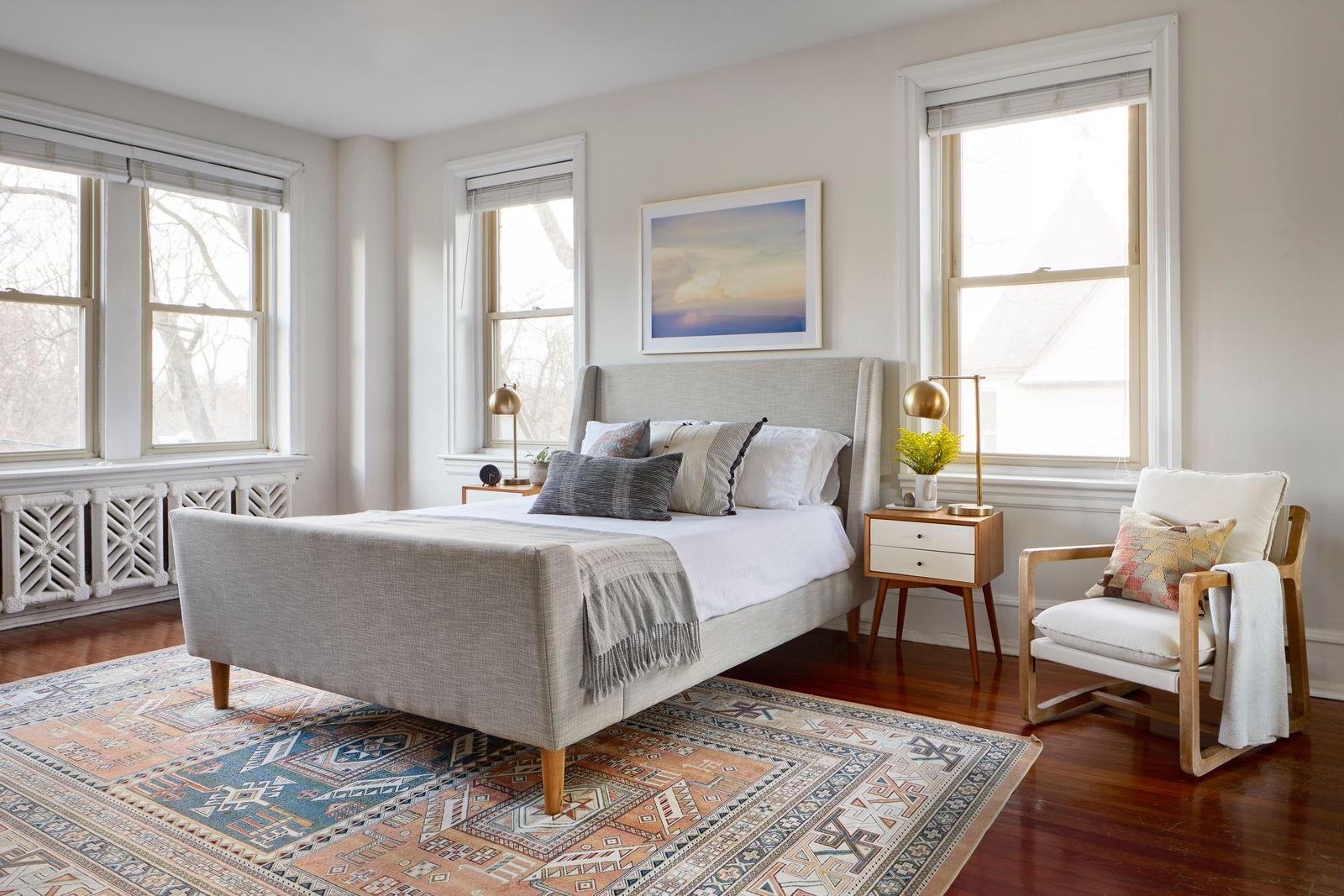
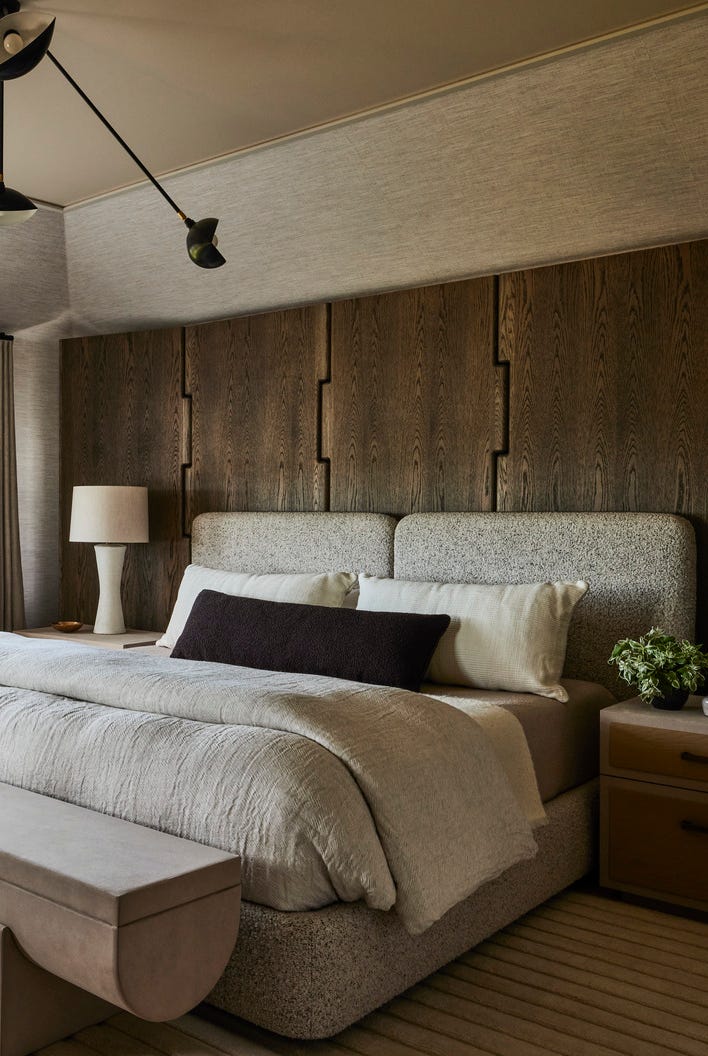
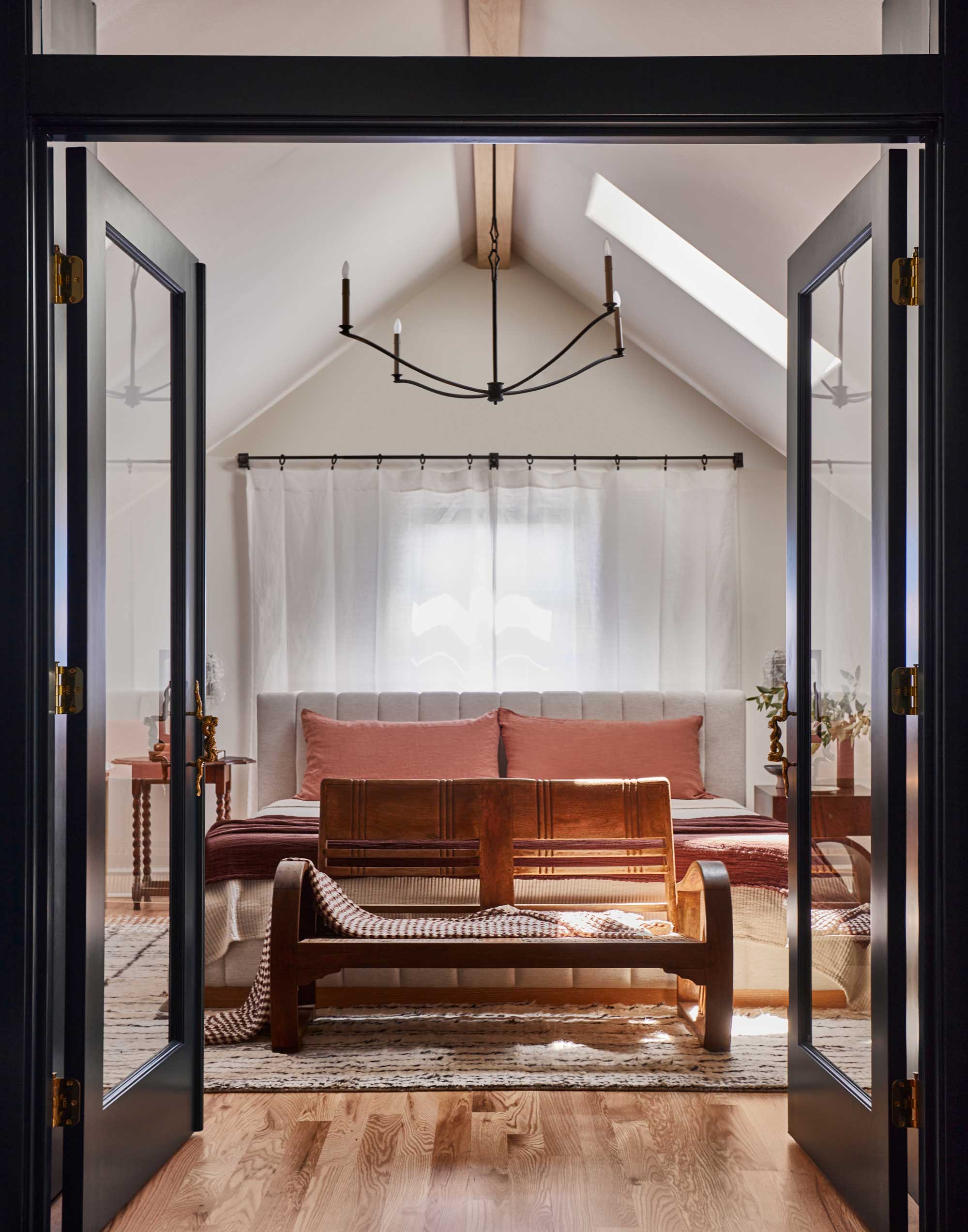
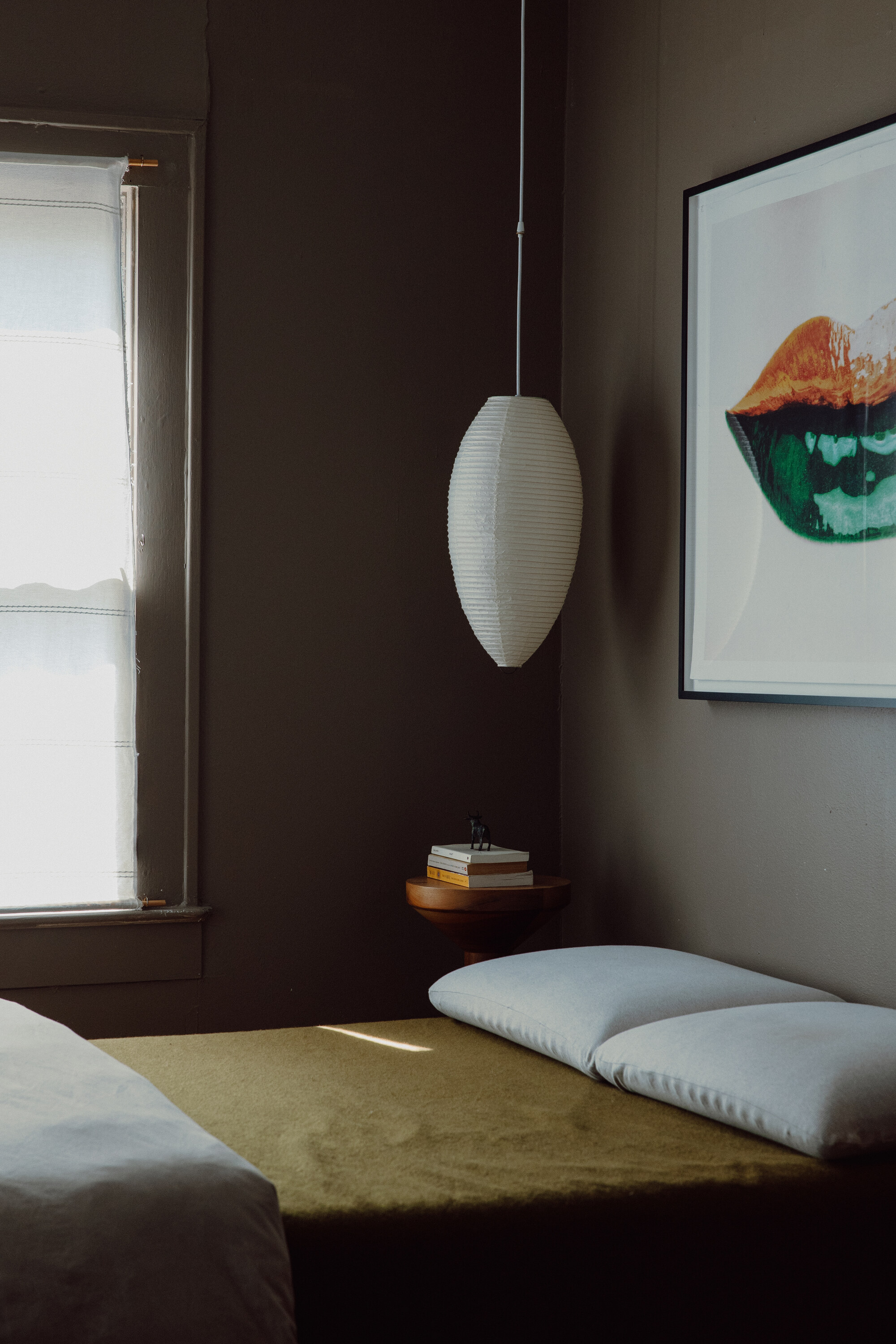
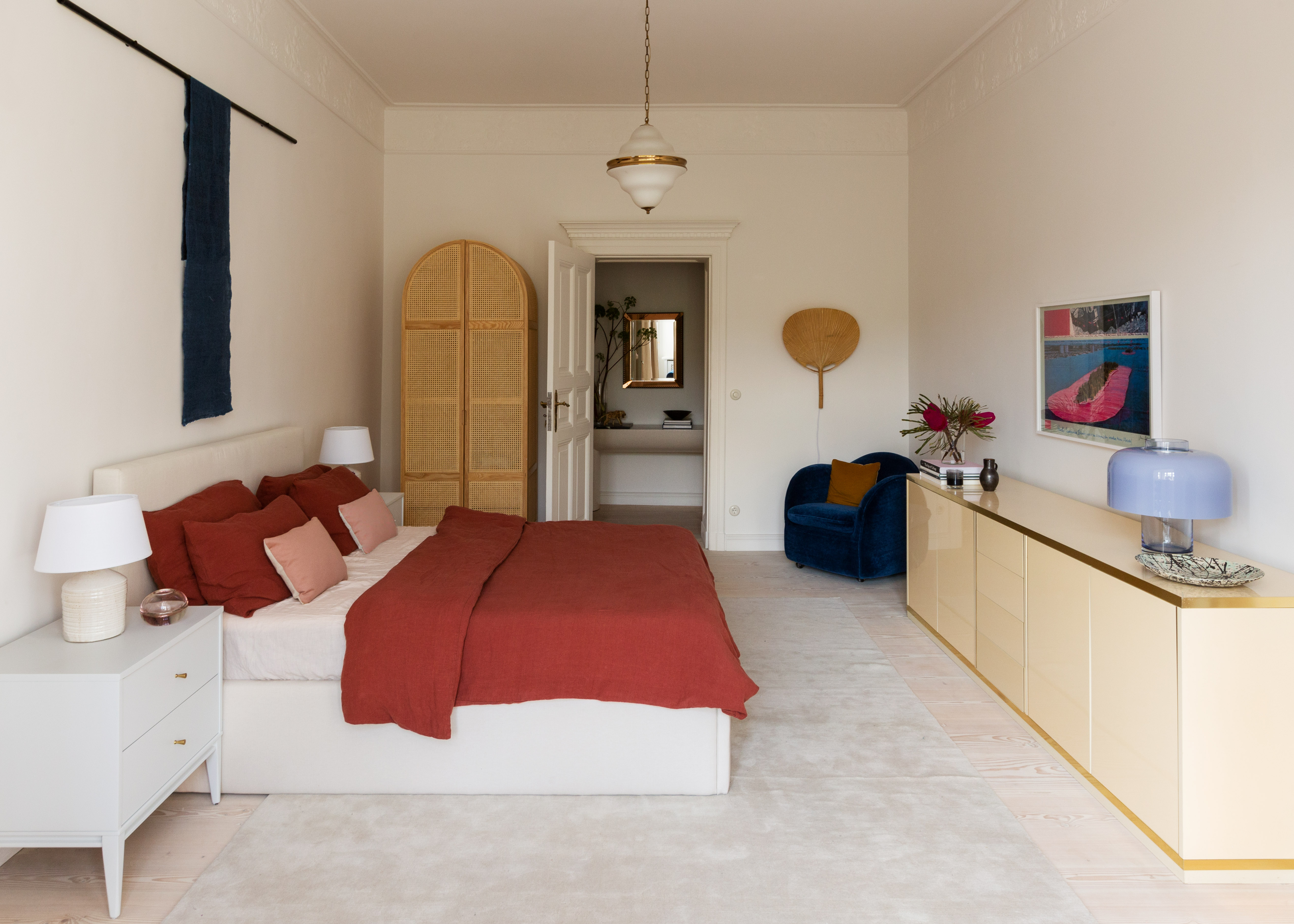
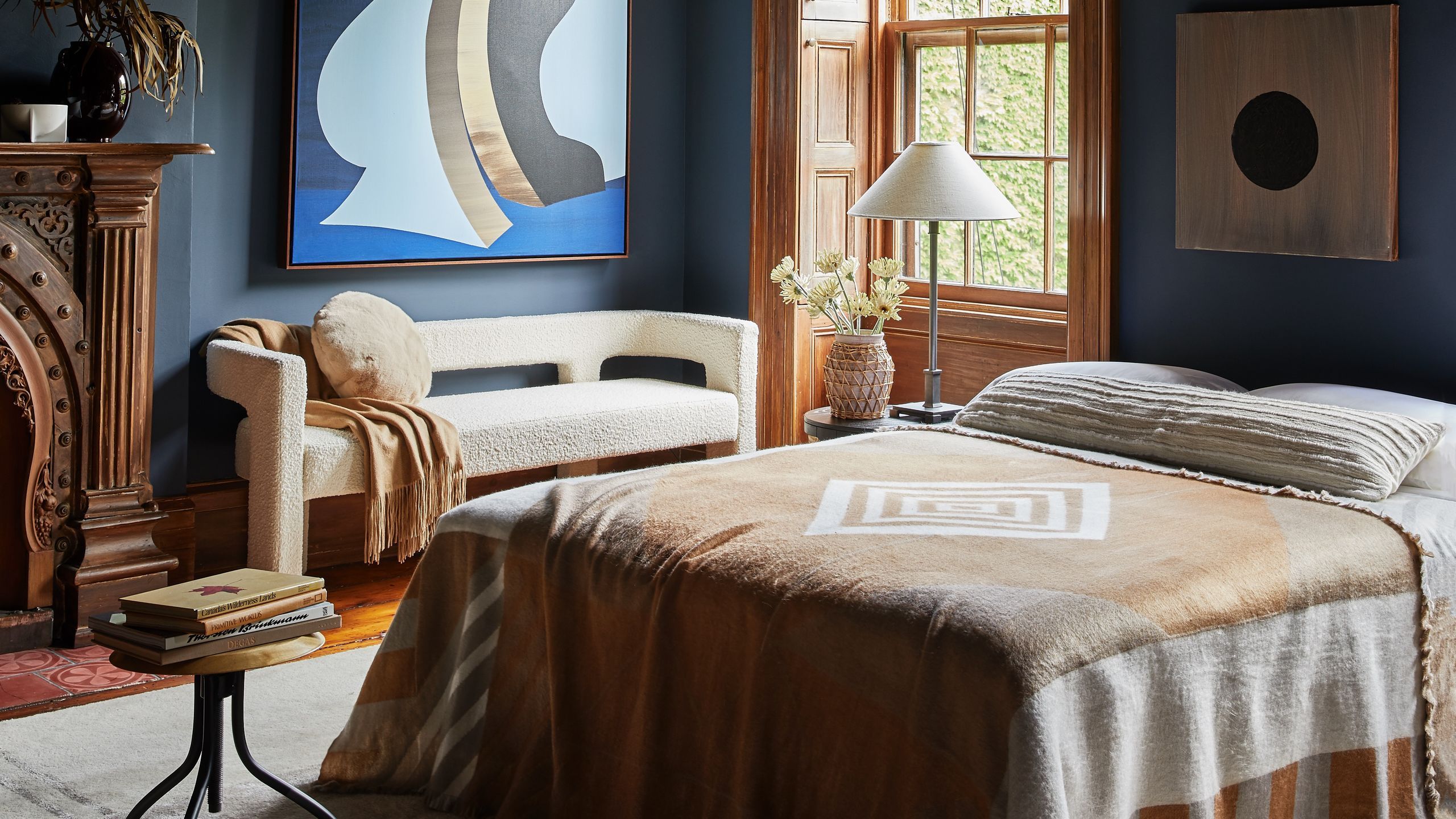
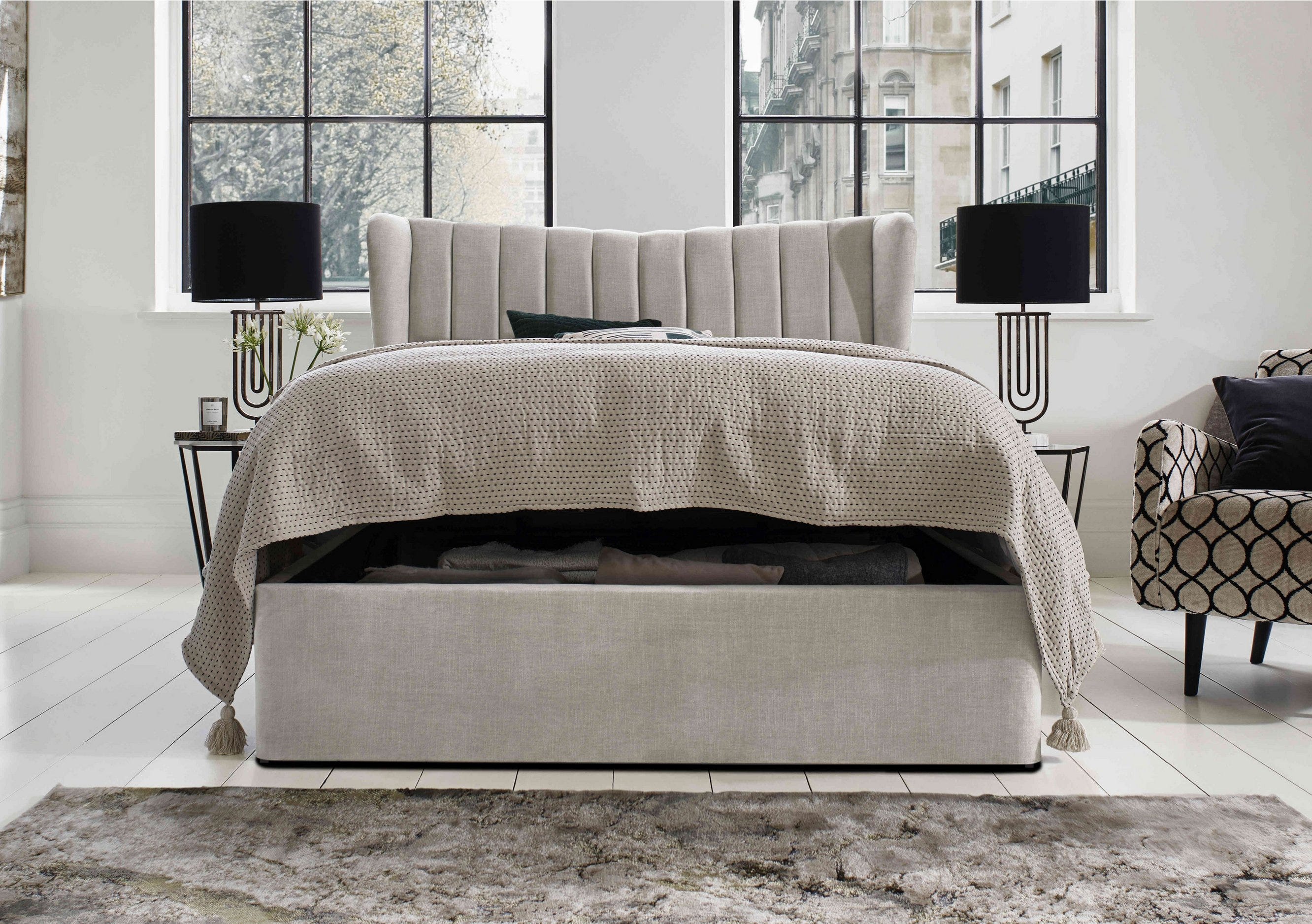
One fundamental approach highlighted is simplicity. In compact city apartments, a 'less is more' philosophy is often effective. Designers advise focusing on essentials such as adequate storage, appropriate lighting, and a comfortable bed. The example of a Brooklyn apartment illustrates how layers of texture and comforting tones can create warmth without clutter, maintaining a clean and minimalist aesthetic. Keren Richter of White Arrow stresses the importance of sufficient storage solutions, including walk-in closets, beds with under-storage, or extra-long dressers. She also recommends incorporating larger-scale pieces, layered lighting, and statement furniture like a bench or a chair to add focal points.
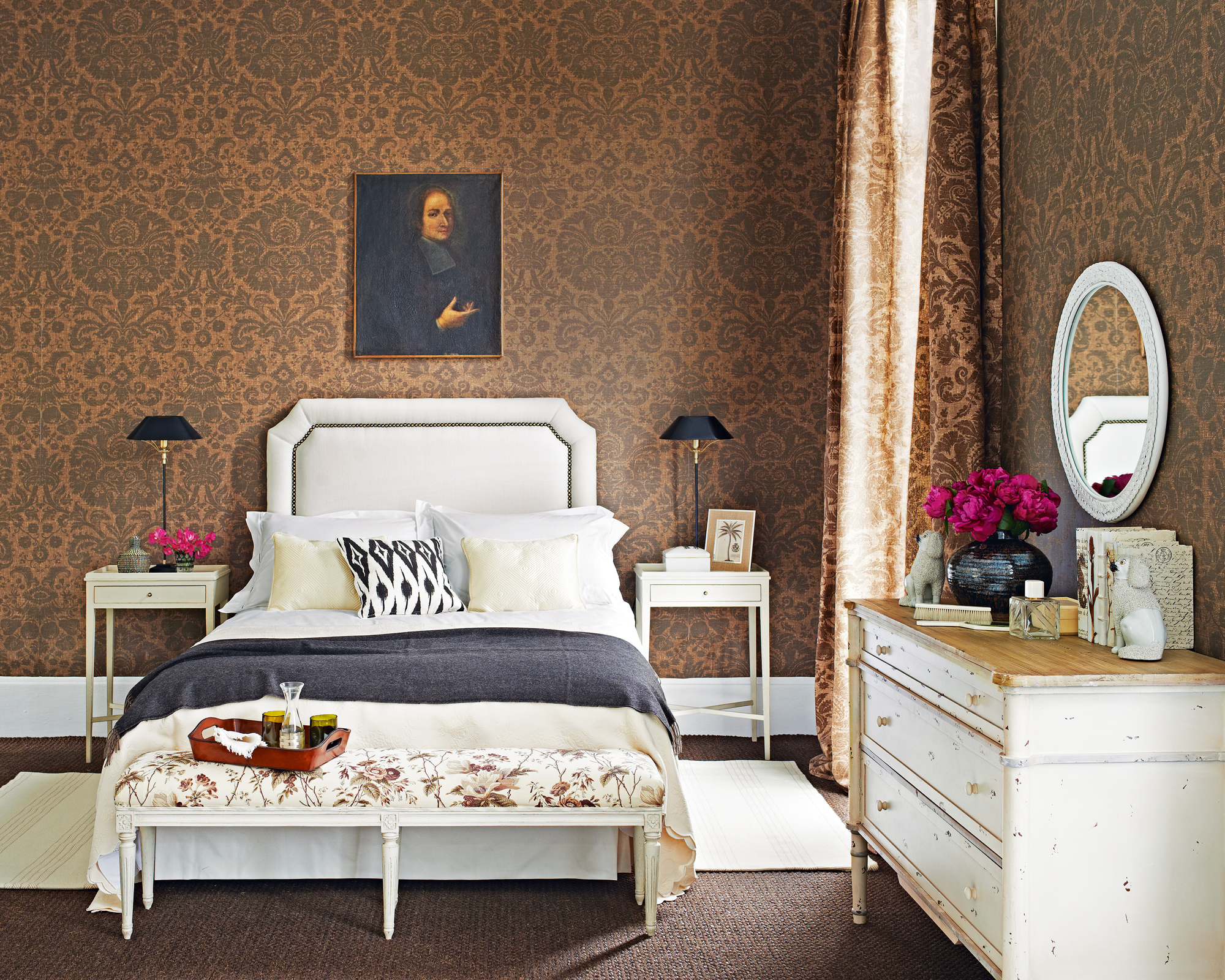
Creating visual links between spaces is another key design principle, particularly for studio apartments or small homes. The goal is to achieve a seamless flow between rooms, making the overall area feel larger. This can be accomplished by consistently using a single paint color or incorporating a bold shade or pattern throughout different areas. Christian Bense advises designing bedrooms as a continuation of the rest of the apartment to ensure organic flow, citing his own master bedroom where the color palette mirrored the living areas and a recycled sofa cover was used for the headboard.
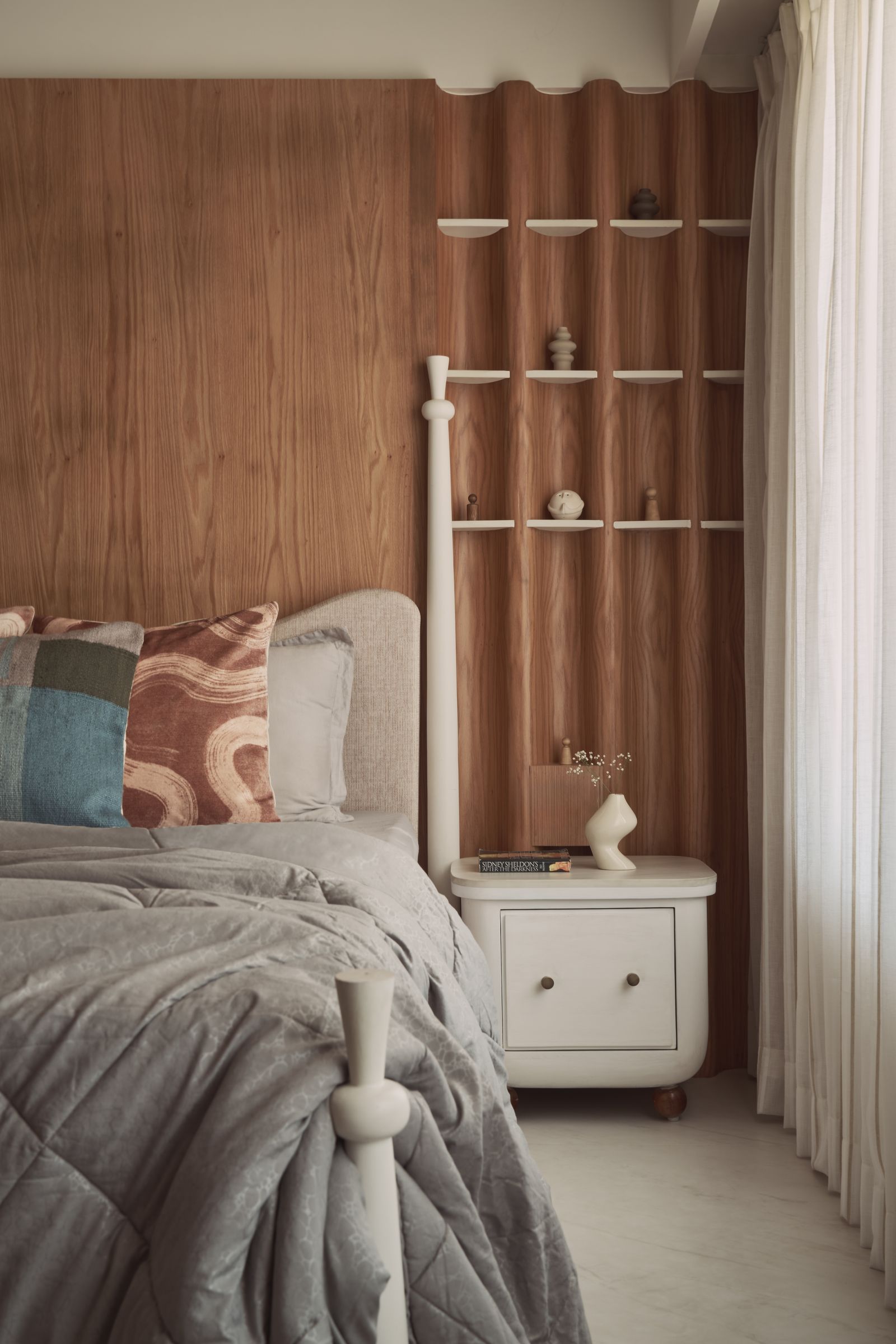
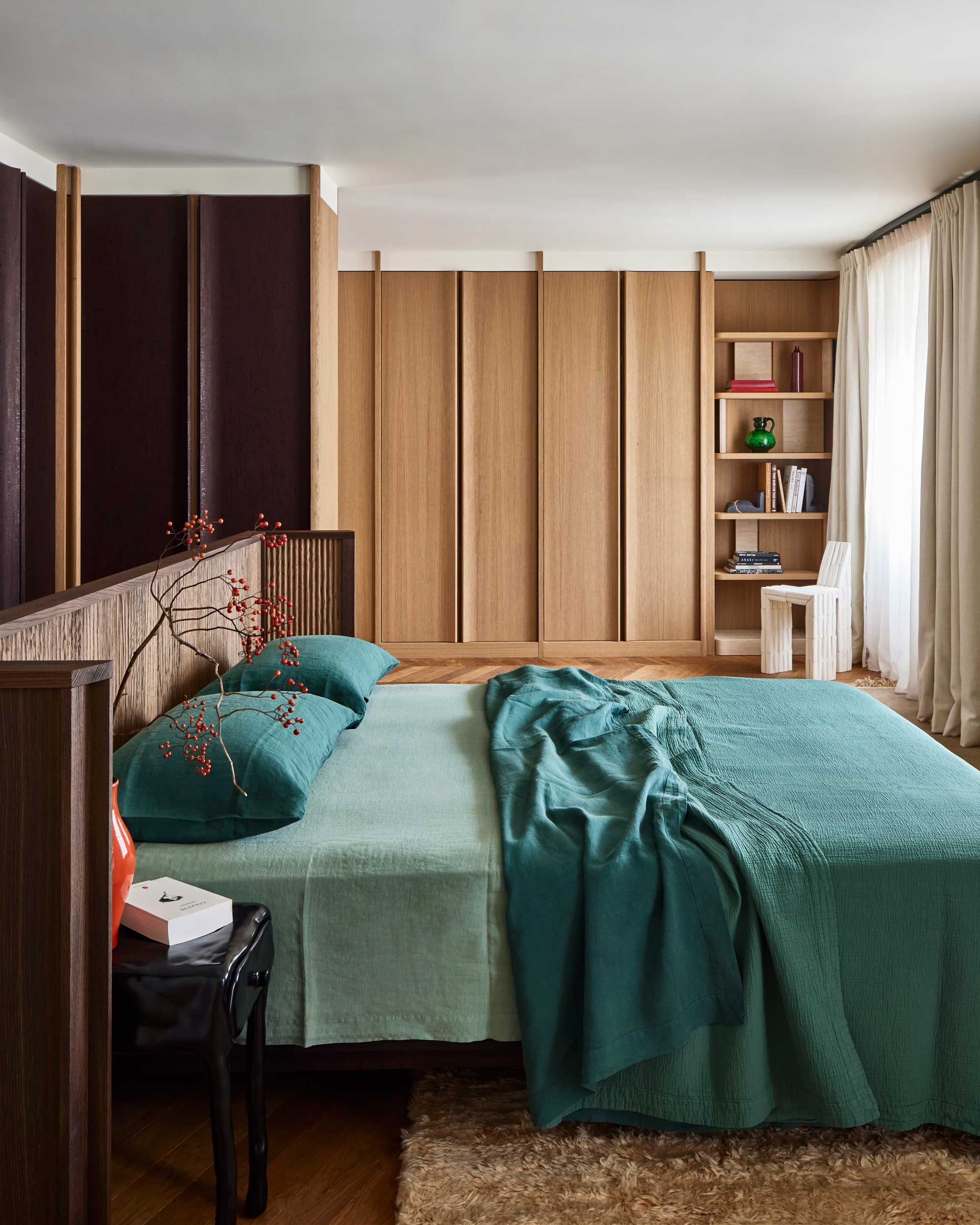
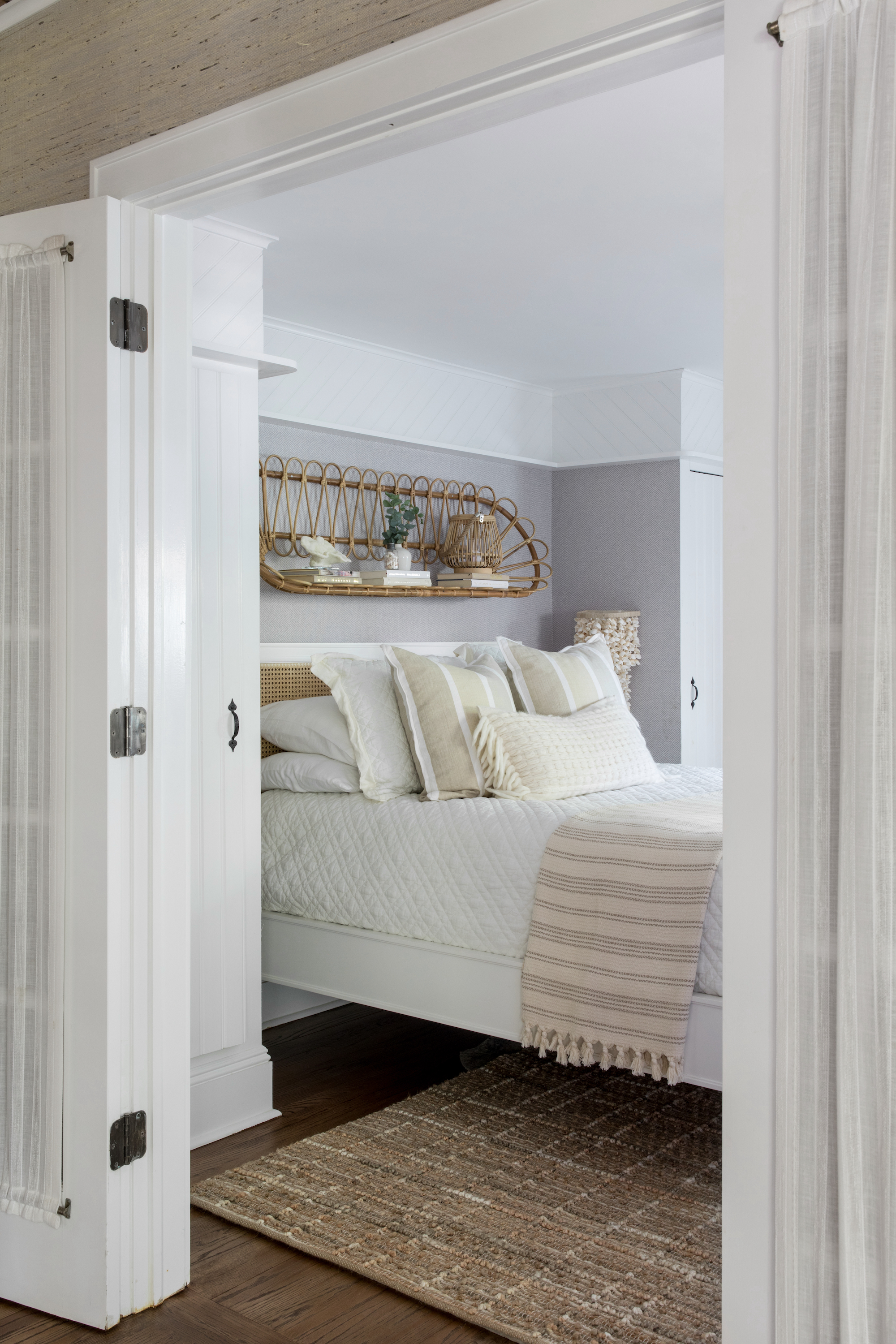
Built-in storage is presented as a highly recommended solution for maximizing space. Designing custom storage units that fit perfectly into the available area can eliminate wasted space, which is especially useful for Murphy beds that can be concealed within millwork. Colombe Studio's Marta Chrapka explains that built-in storage around the bed simplifies bedroom layouts, provides cozy niches, and prevents bulky furniture from visually dominating the room. For renters, modular freestanding options are suggested as an alternative.
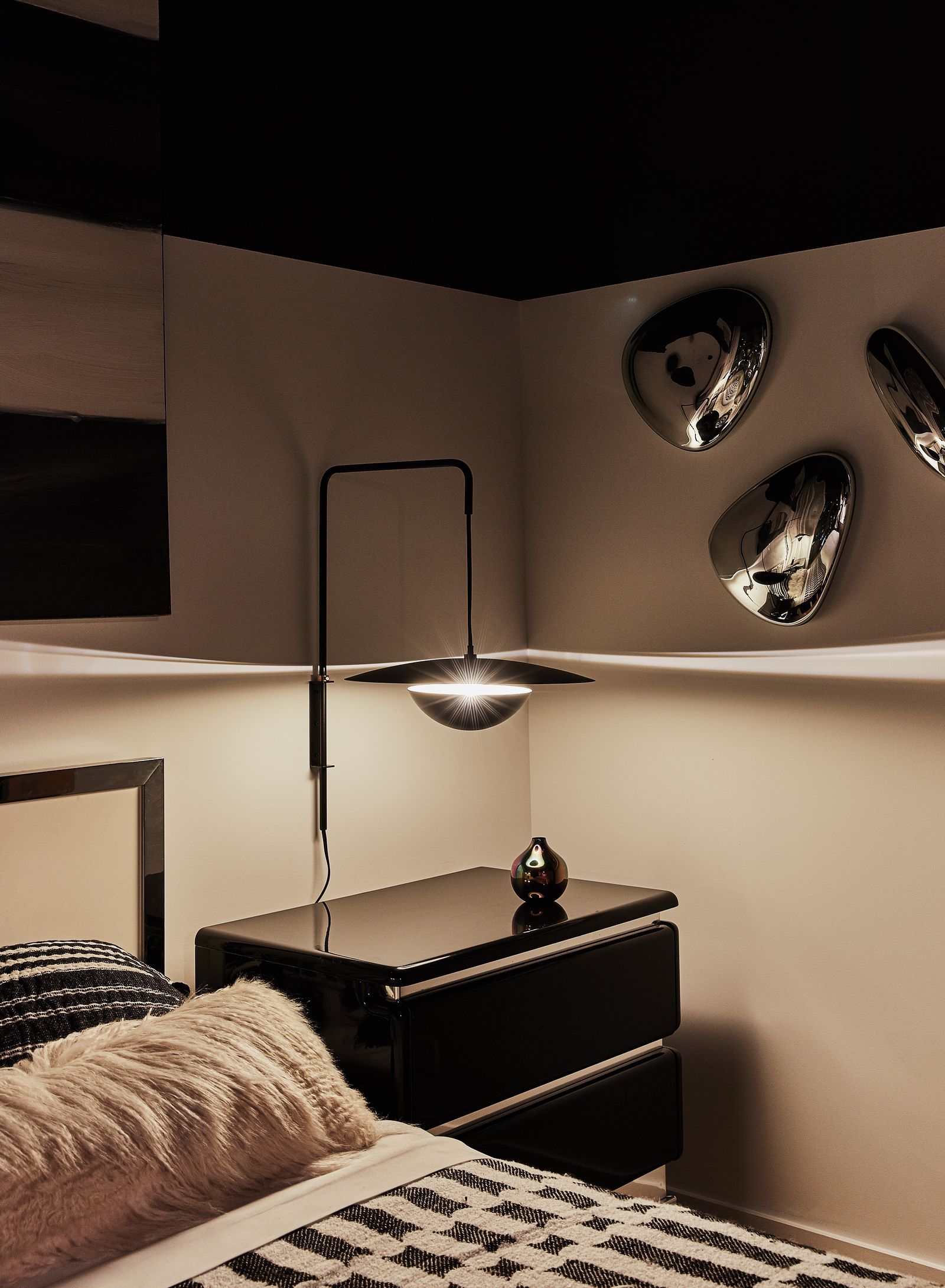
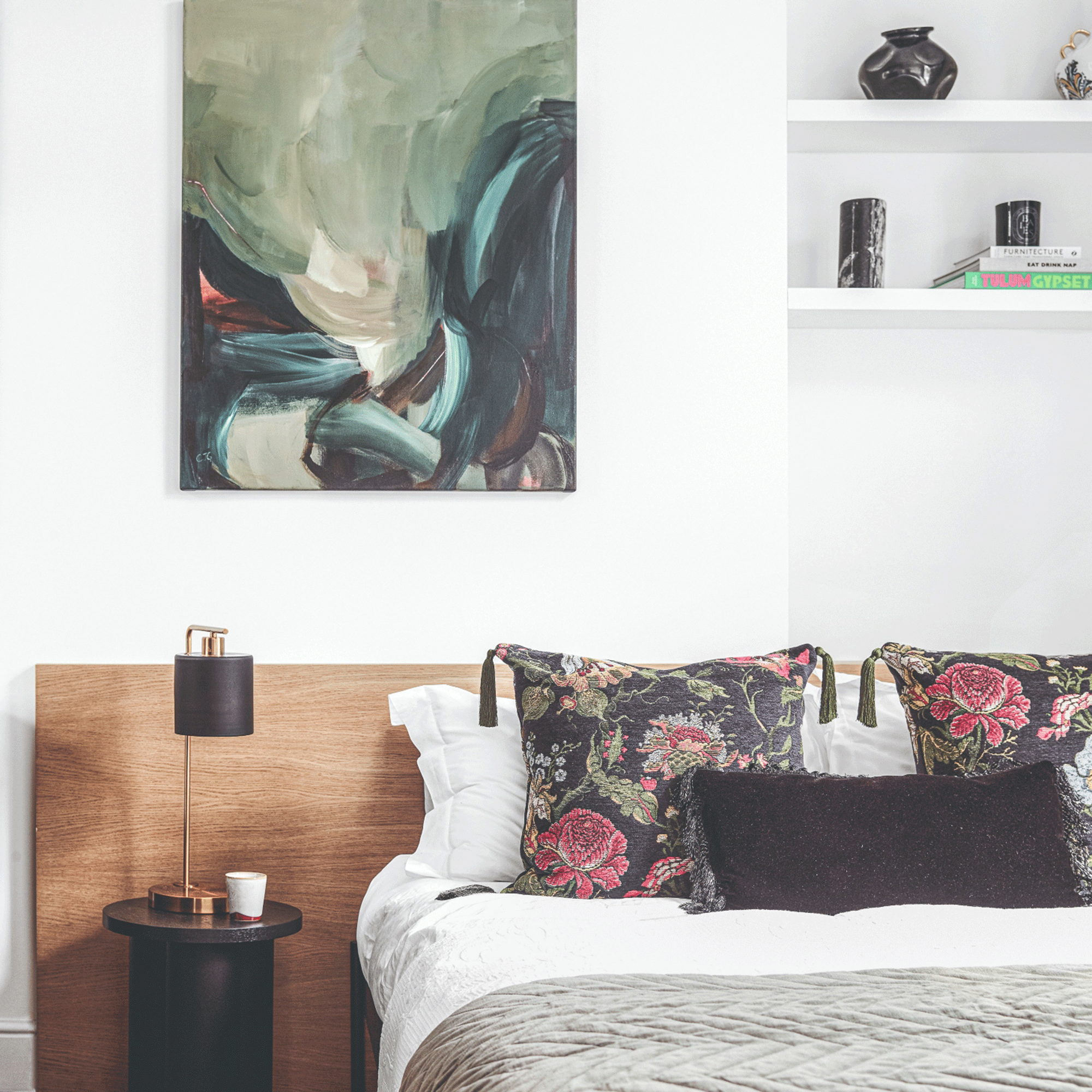
The article also addresses softening the potentially sterile feel of modern apartment bedrooms. Samuel Pye of Echlin suggests infusing human energy and personality through color, natural textures, and handmade pieces. He recommends gentle base colors with livelier textiles and artwork, alongside matt finishes for tactile appeal and metallic elements for an uplift. Pye also advises careful measurement for furniture, noting that king-size beds can fit in more spaces than expected with the right base type.
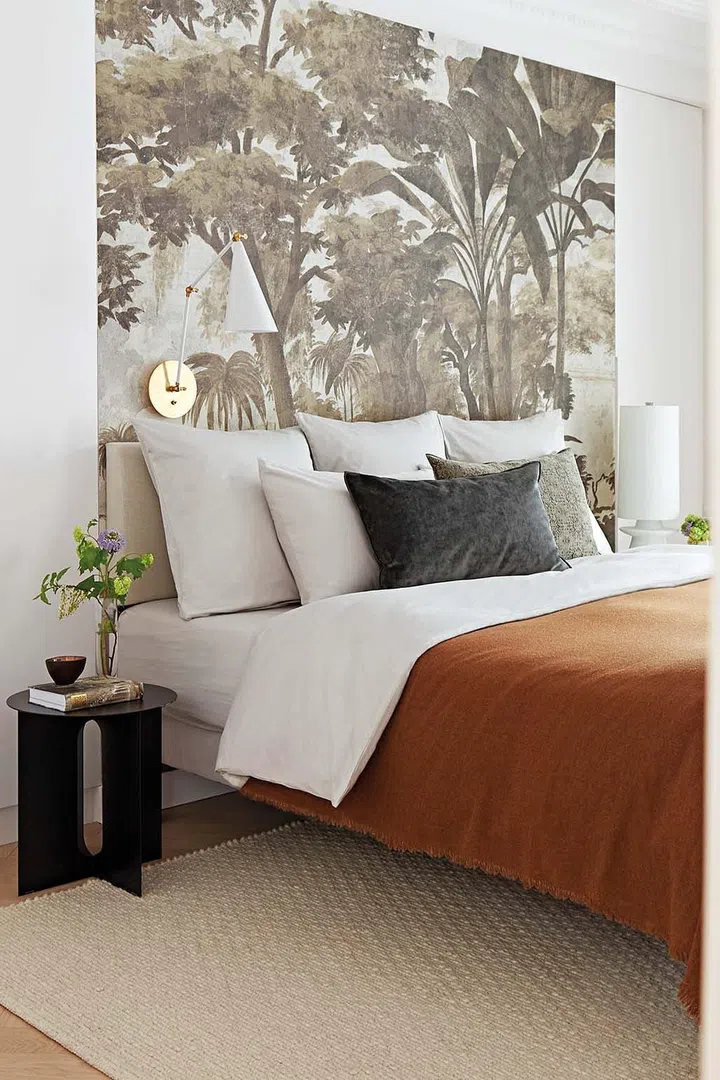
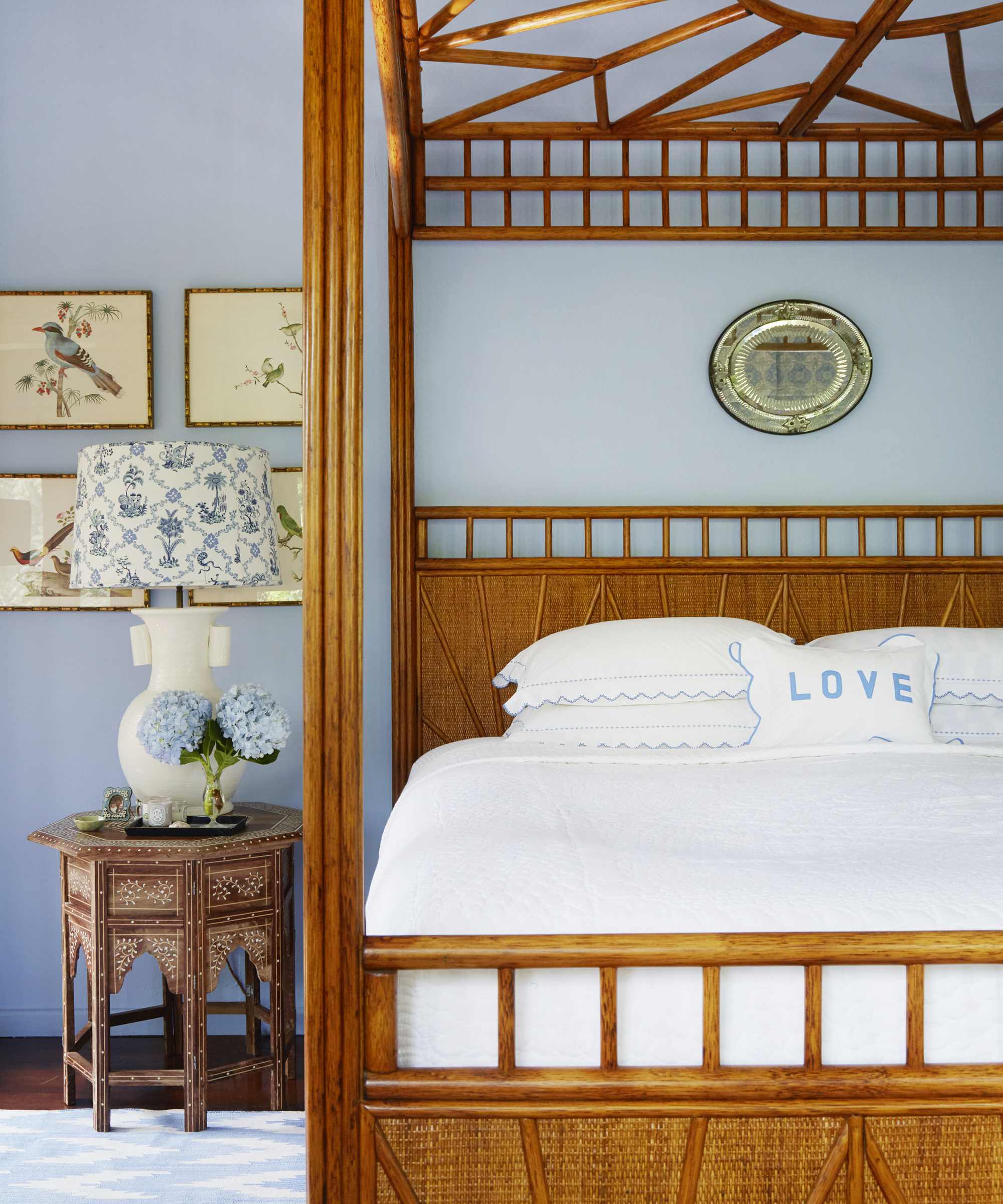
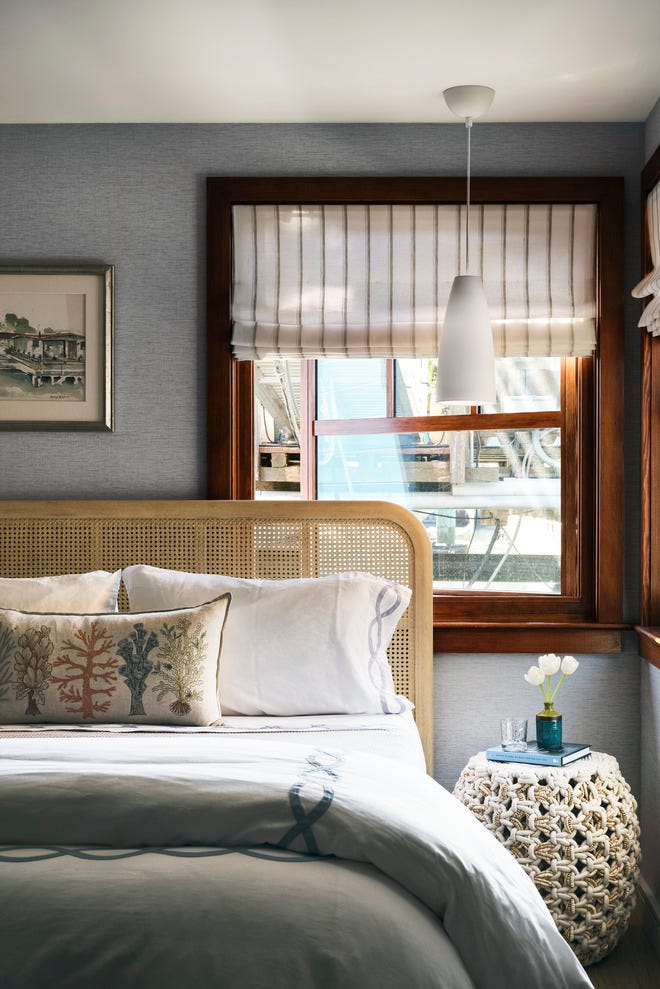
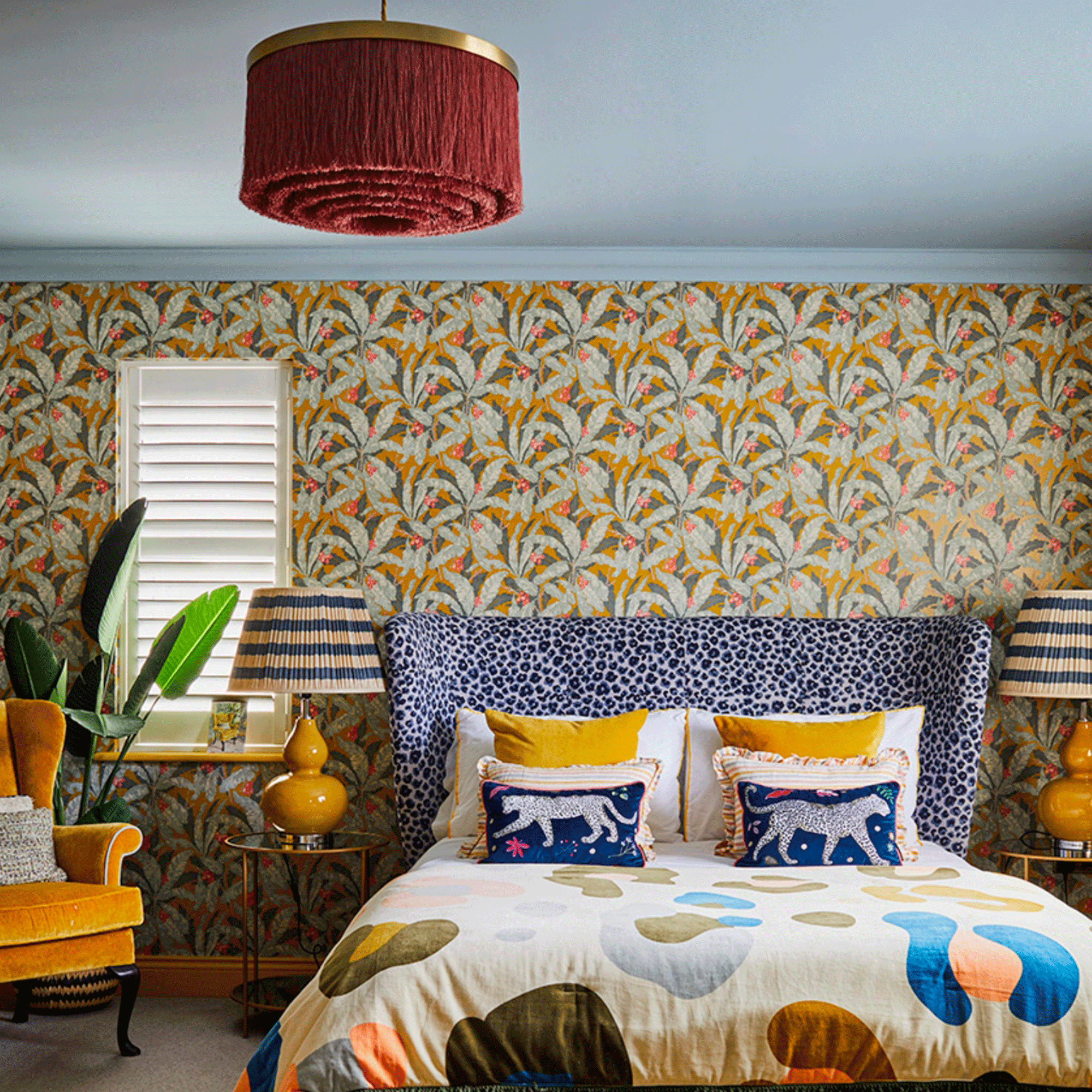
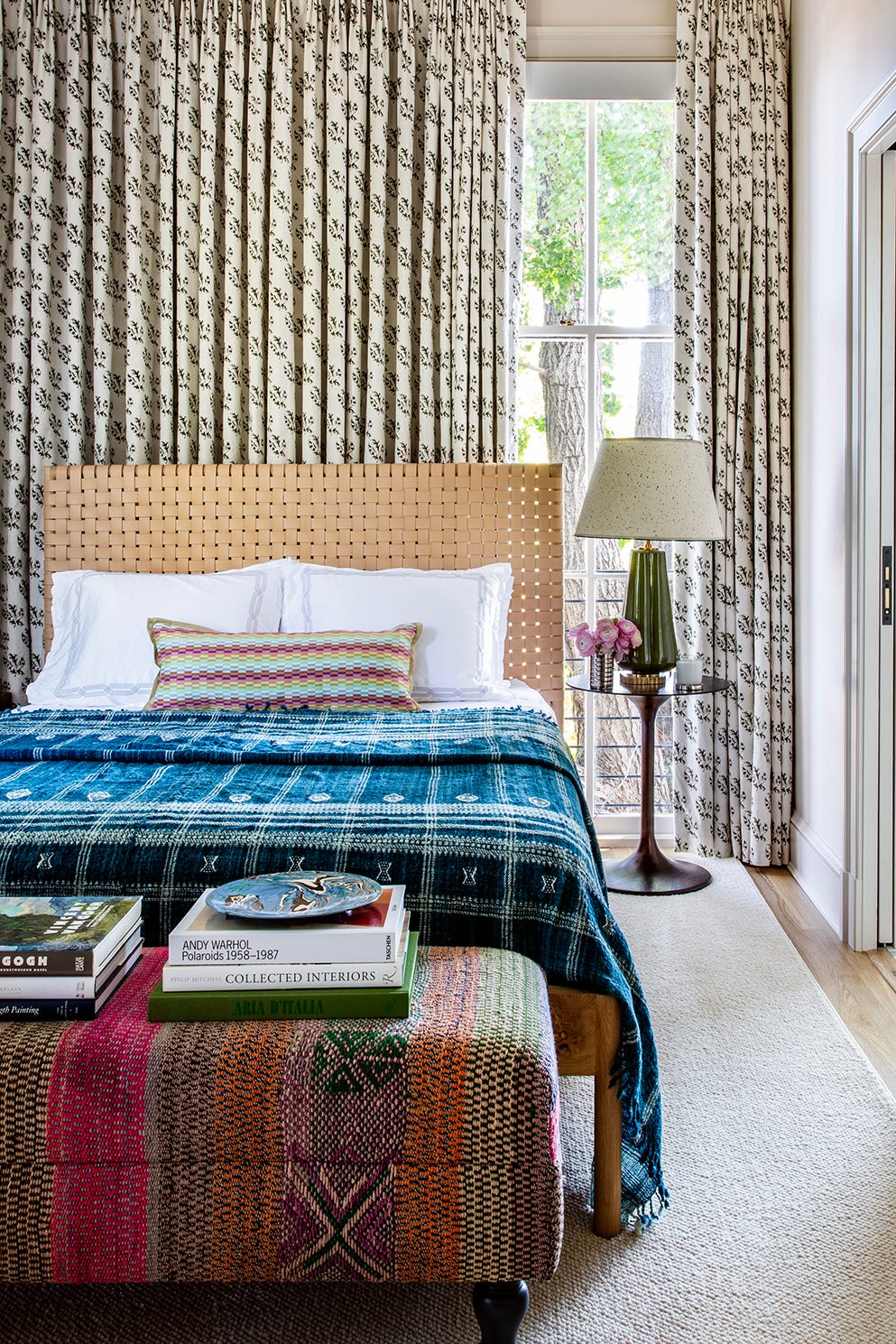
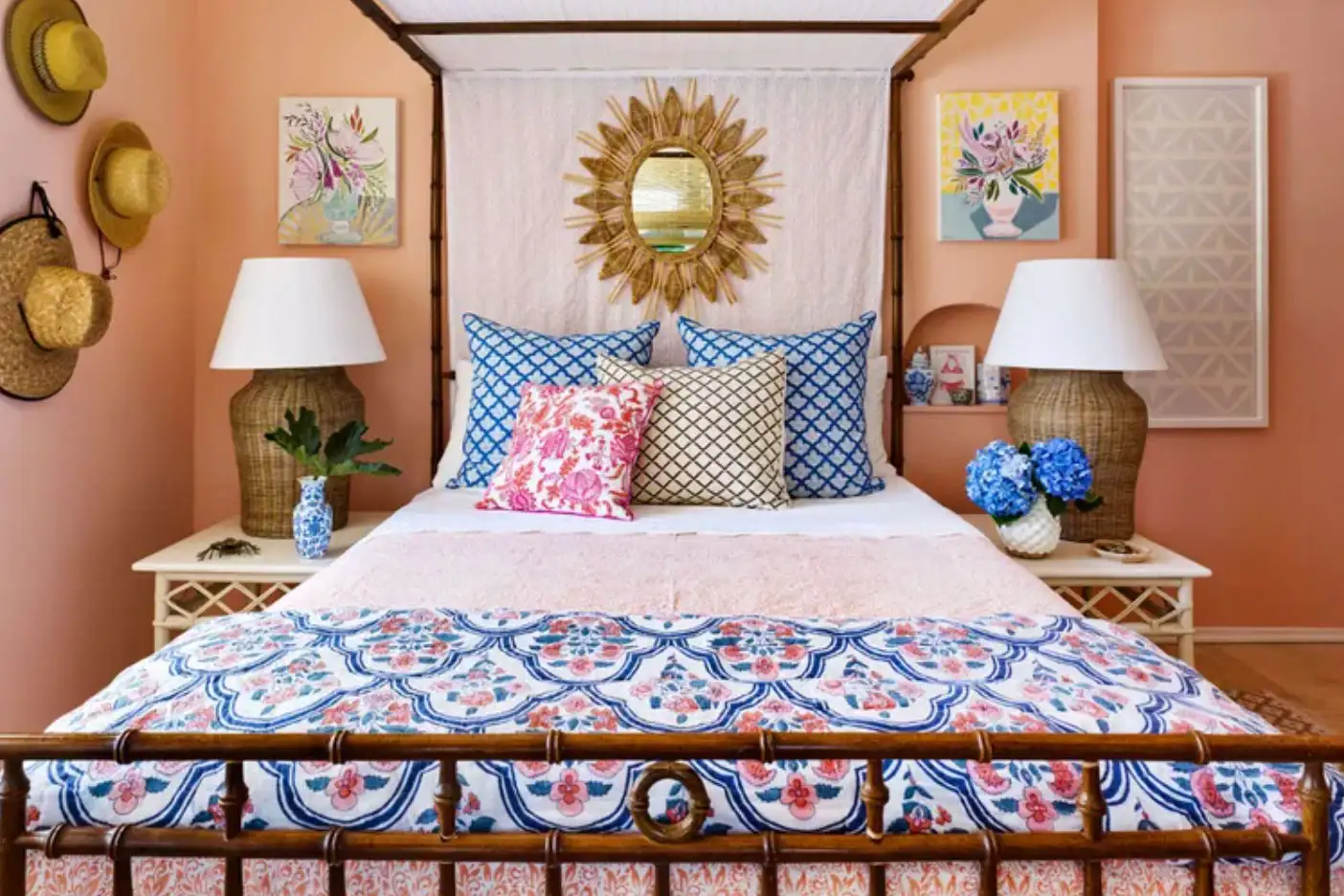
Incorporating pattern through soft furnishings is another strategy, particularly for rented spaces where wallpaper or hanging prints might not be feasible. Bed linen, cushions, throws, and rugs can introduce interest while maintaining an airy feel. Brooke Copp-Barton emphasizes layering texture, pattern, and color for a comfortable and relaxing bedroom atmosphere. Strategically placed mirrors are also highly effective for expanding space, reflecting natural light and making rooms appear larger and brighter. Irene Gunter advises choosing large mirrors and carefully considering what they reflect, ideally a garden view to bring the outdoors in, while cautioning against using too many small mirrors.
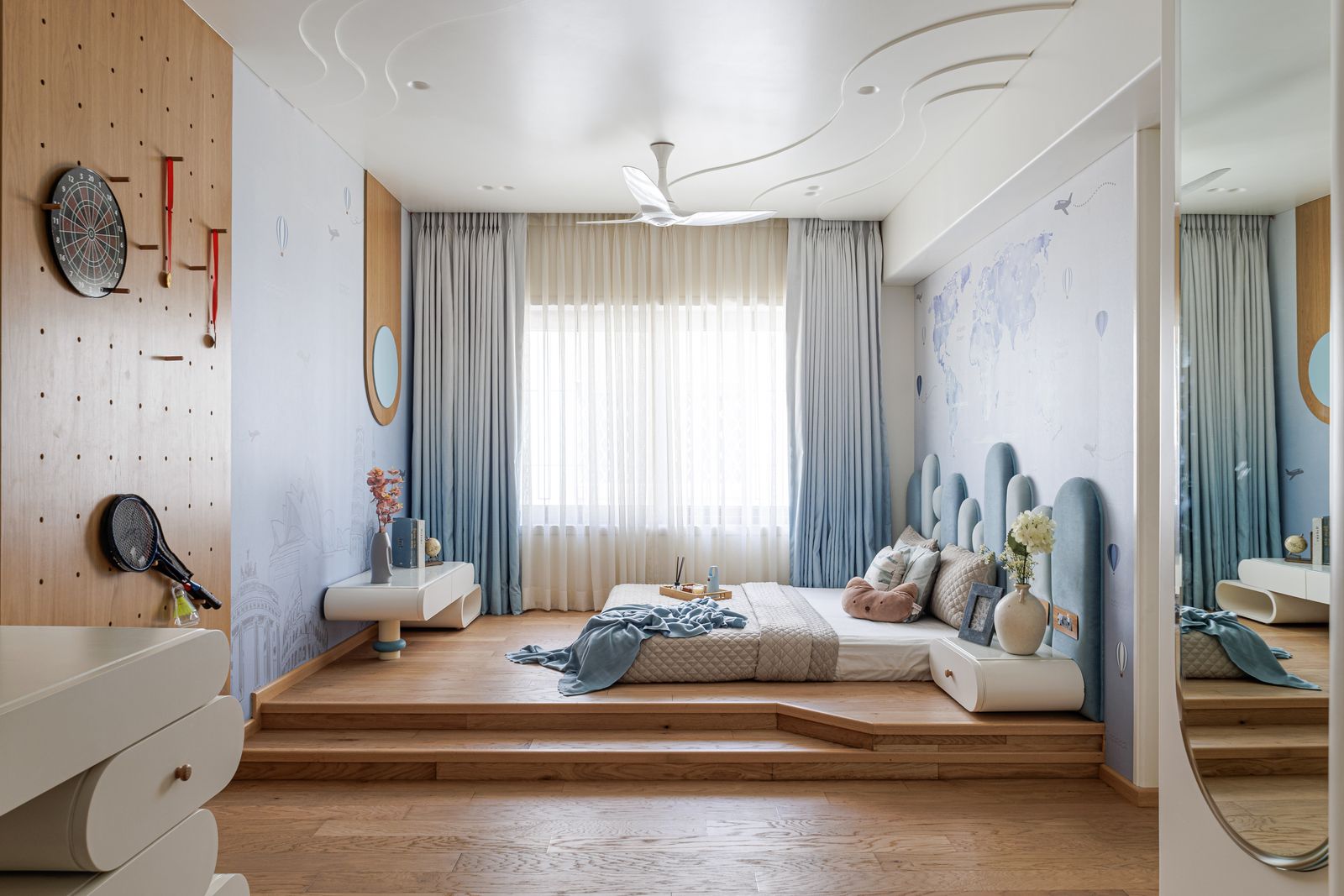
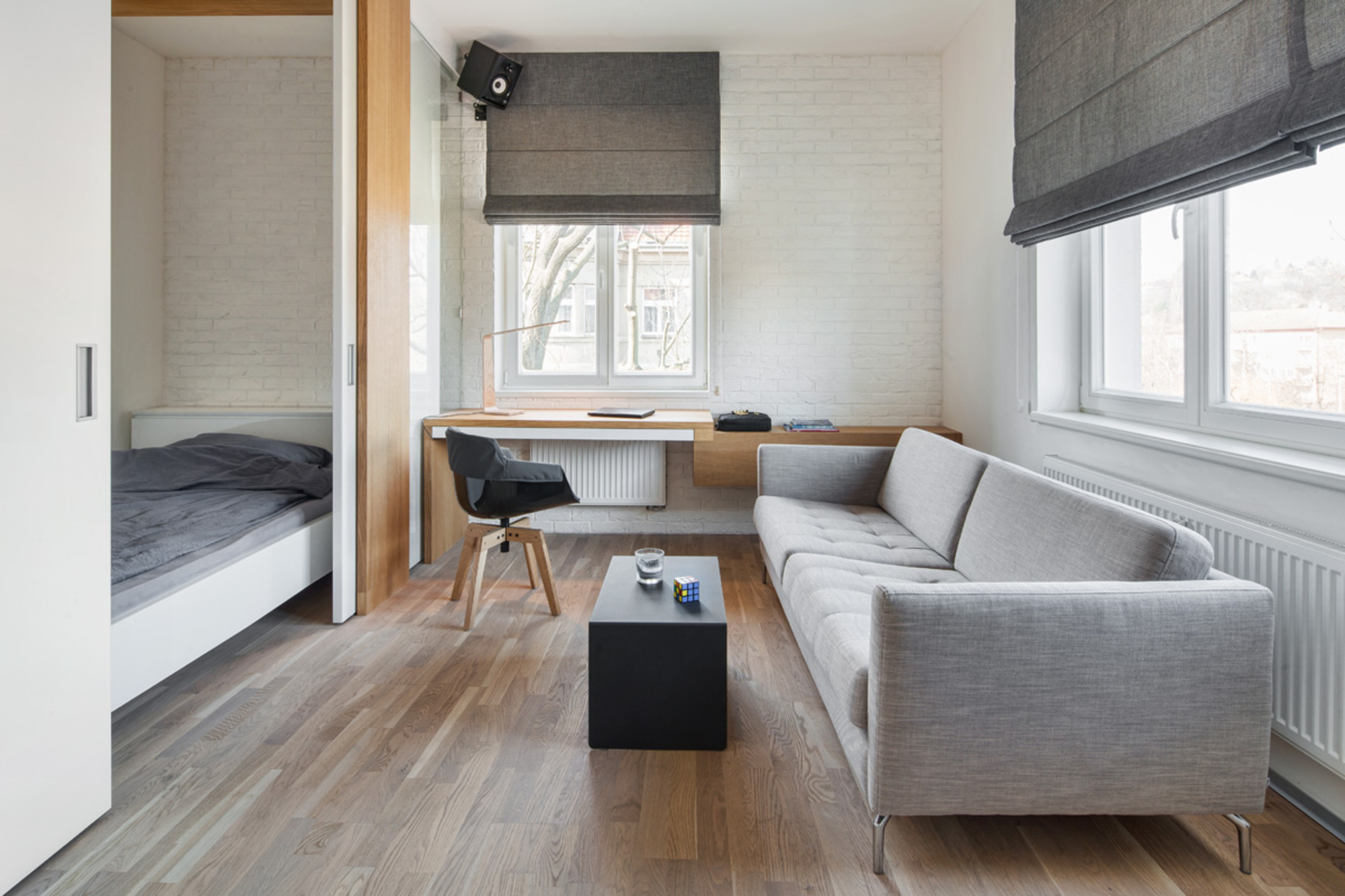
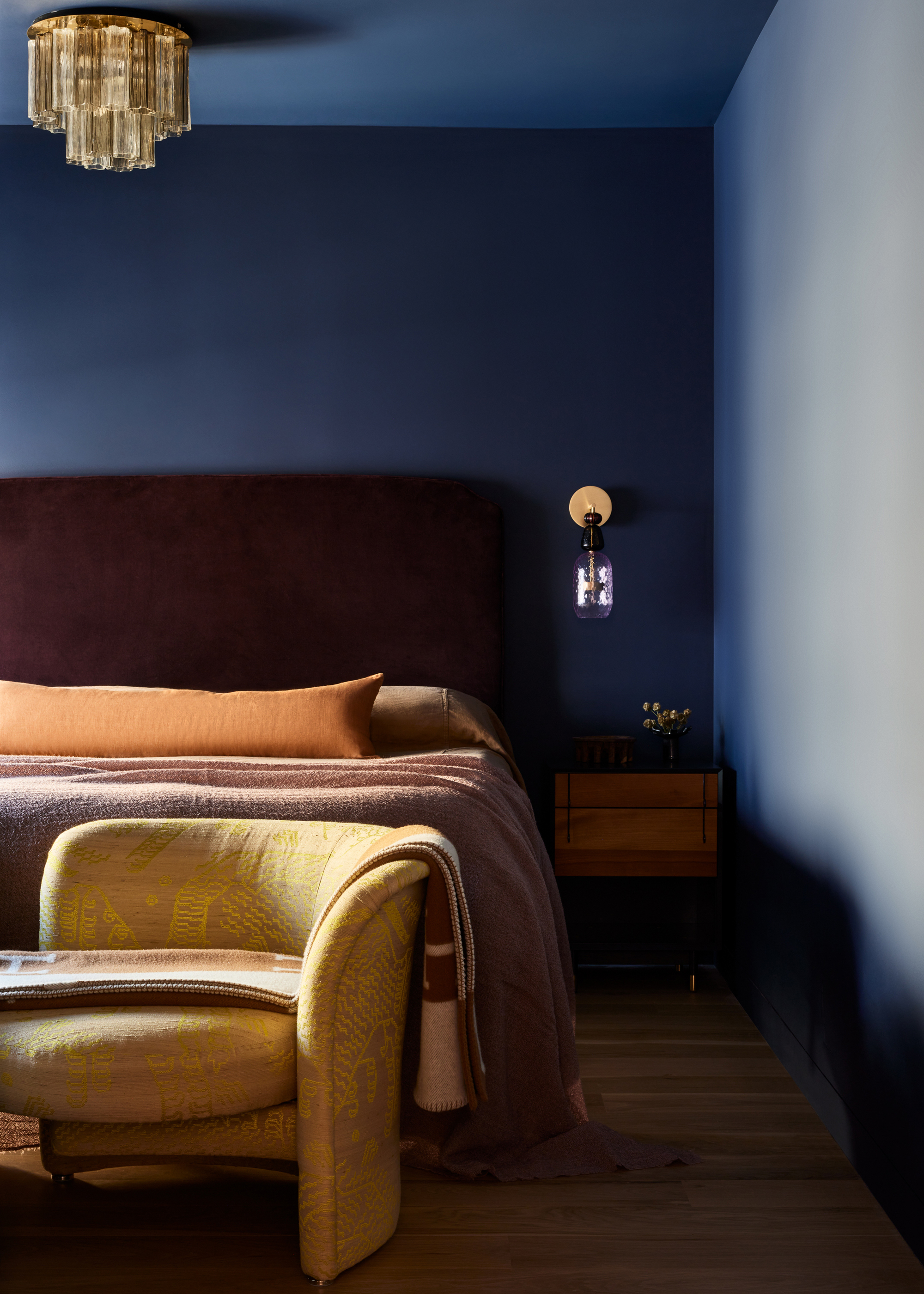
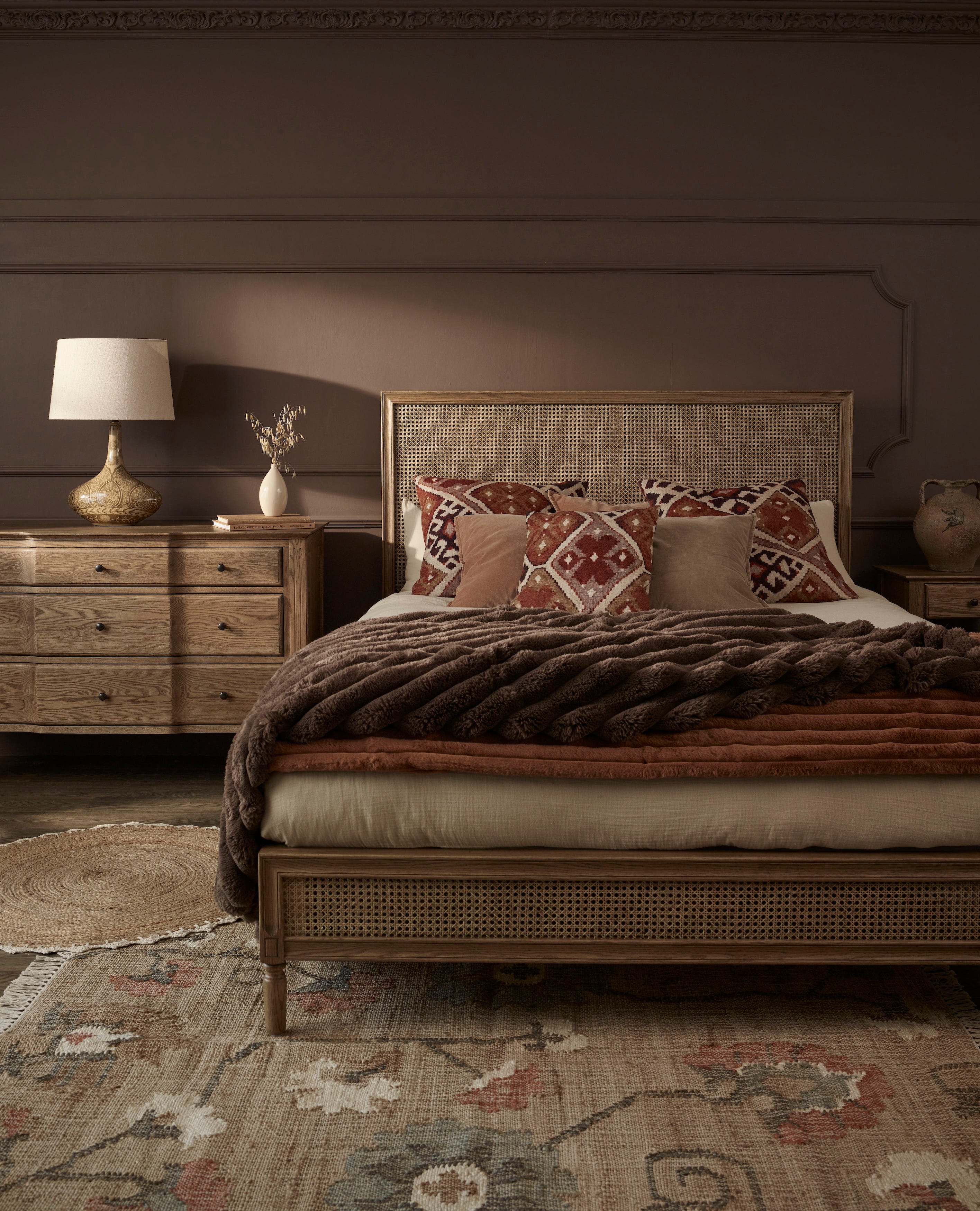
Creating distinct zones within multi-functional spaces is crucial for apartment bedrooms. Jen and Mar from Interior Fox suggest using furniture, textured rugs, or art to delineate different areas. The example of a Chelsea loft illustrates how a sofa, rug, and feature wall can separate a sleeping area from open-plan living spaces. Color drenching, the technique of using one shade across an entire room, is recommended for creating a cocooning effect and making small bedrooms appear larger, as demonstrated by an Albion Nord project using a bold red hue.
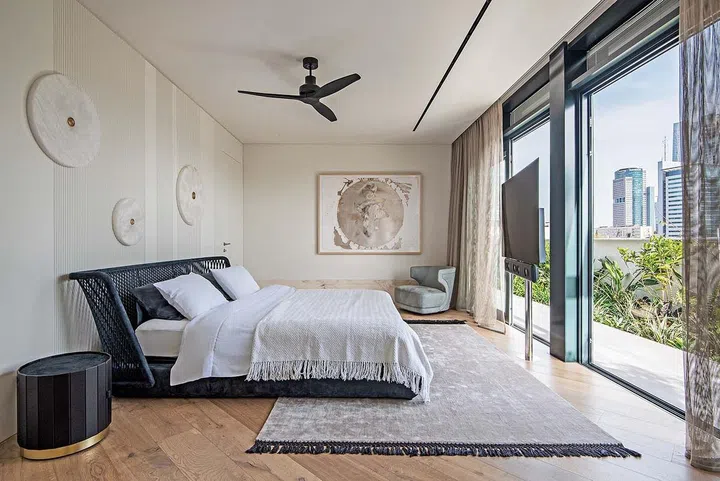
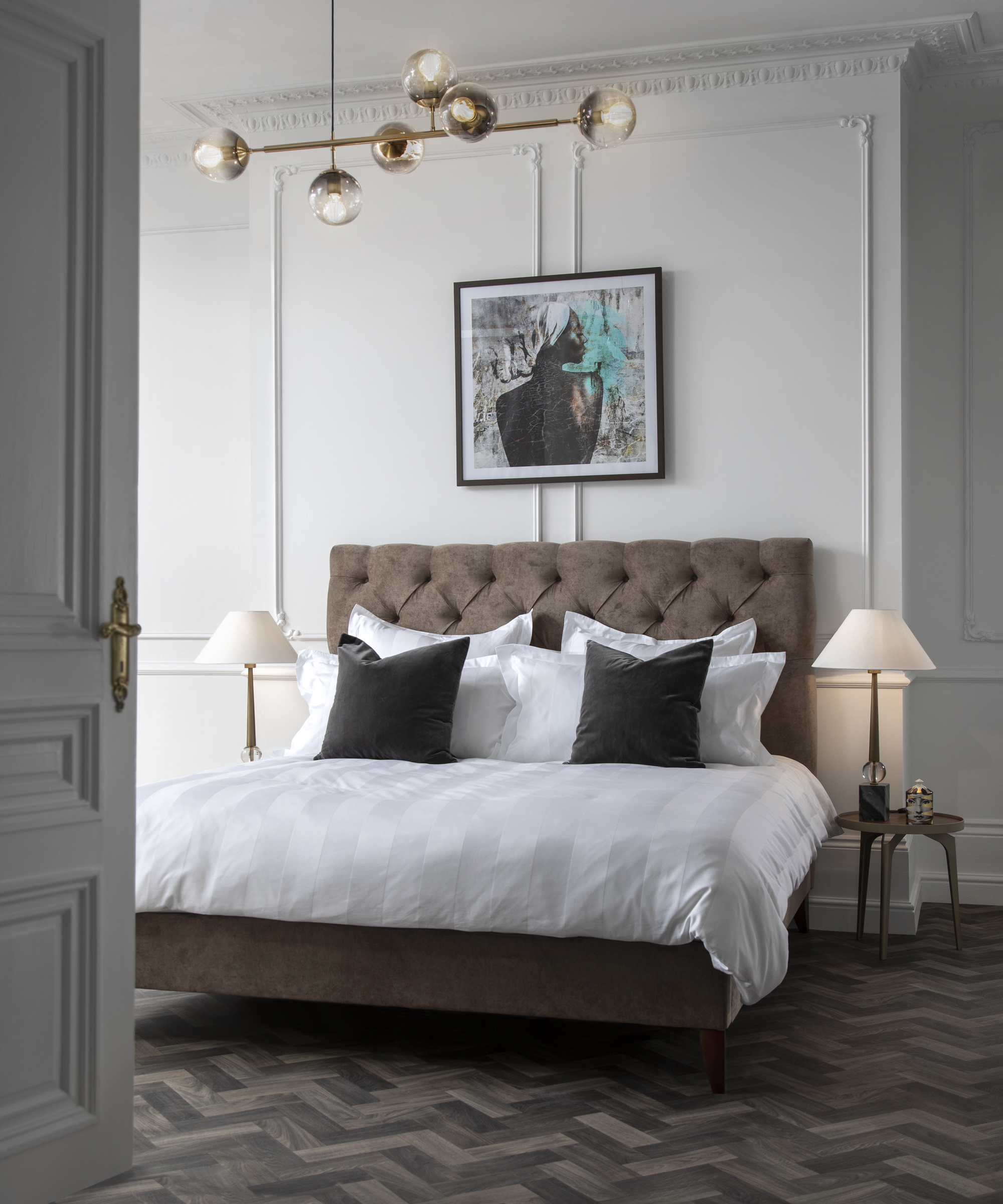
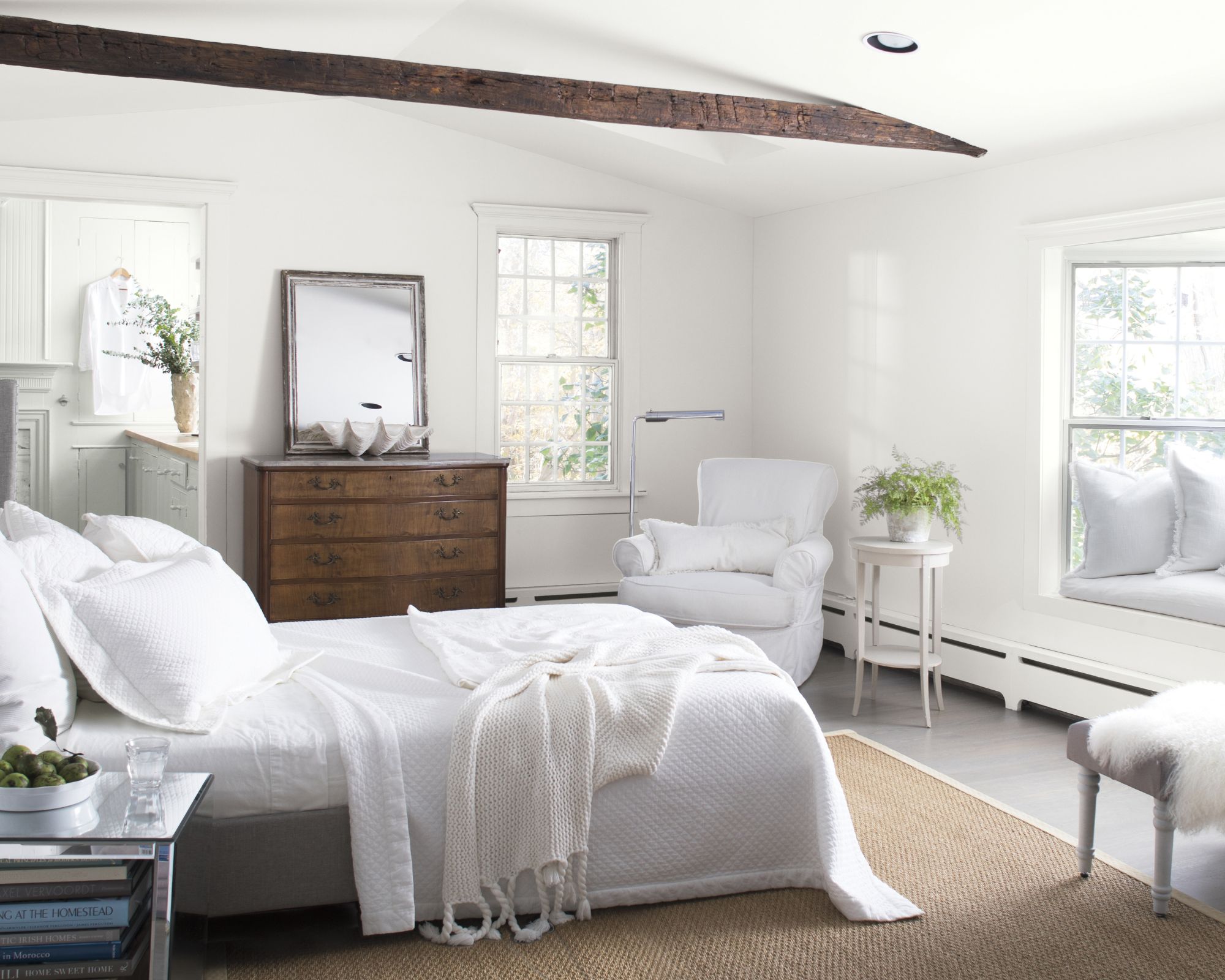
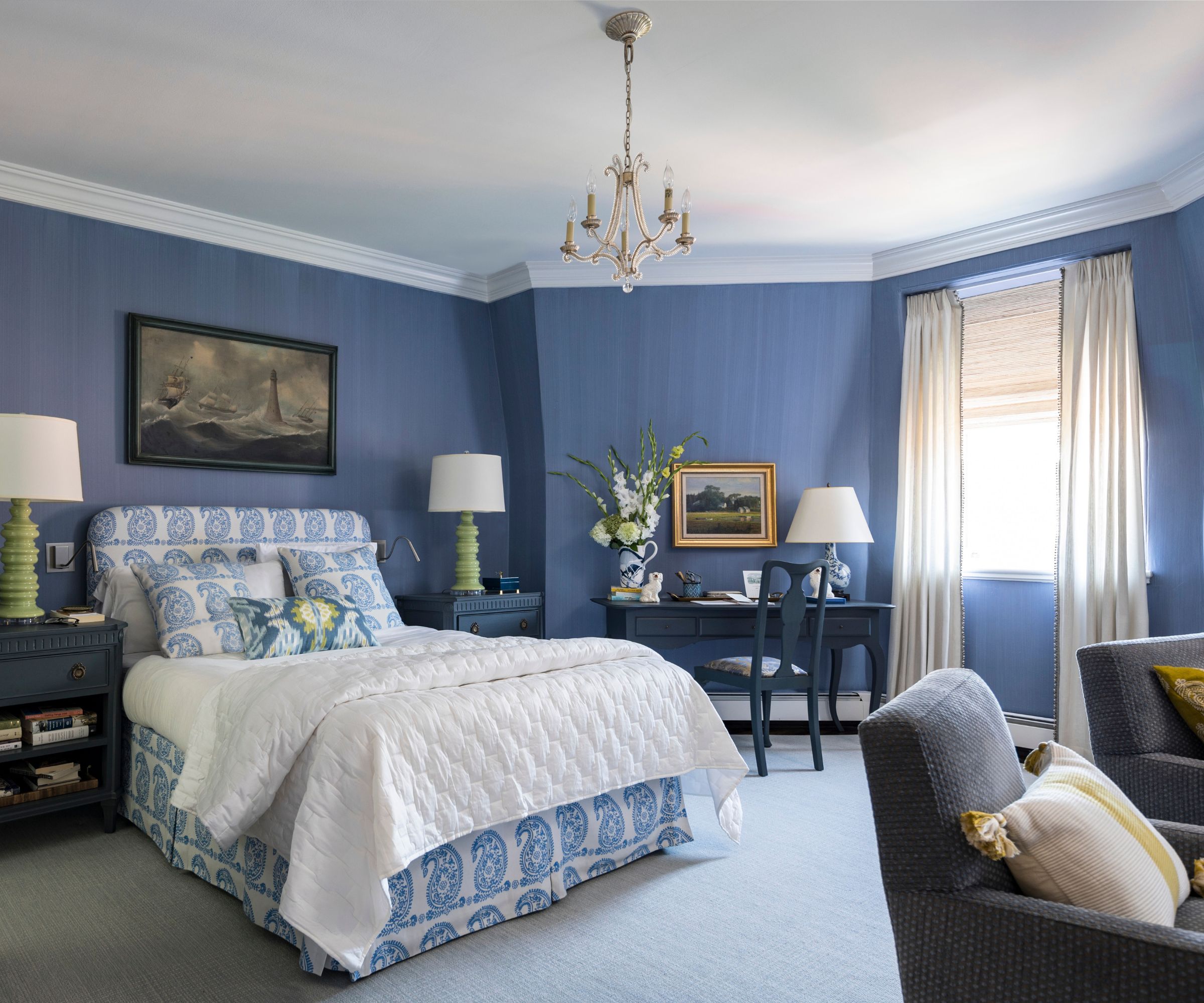
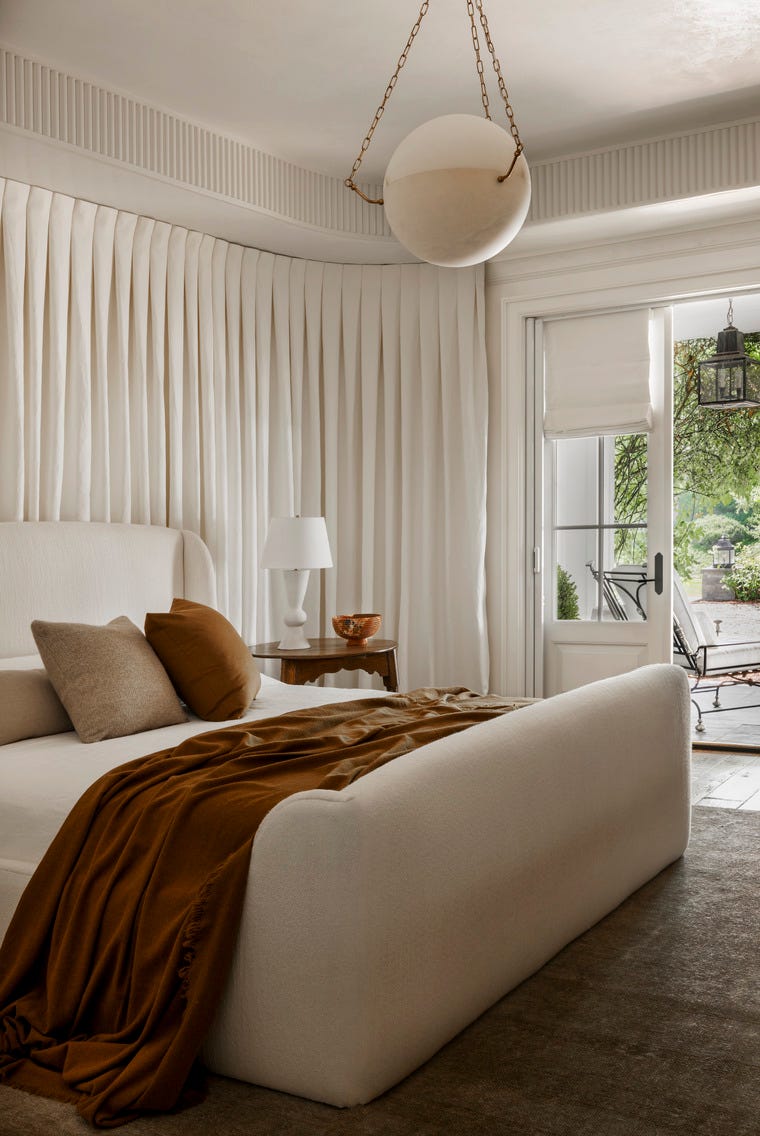
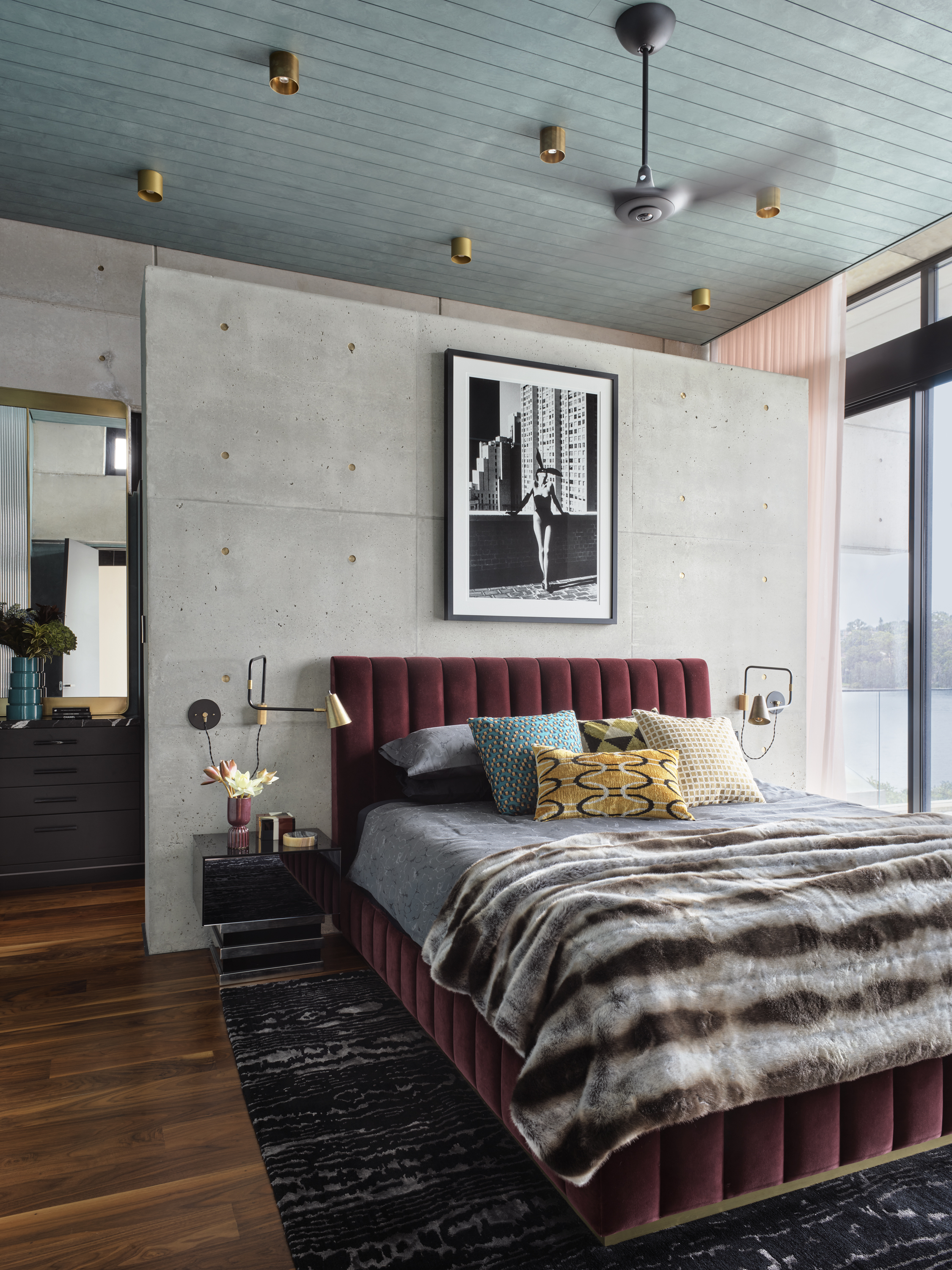
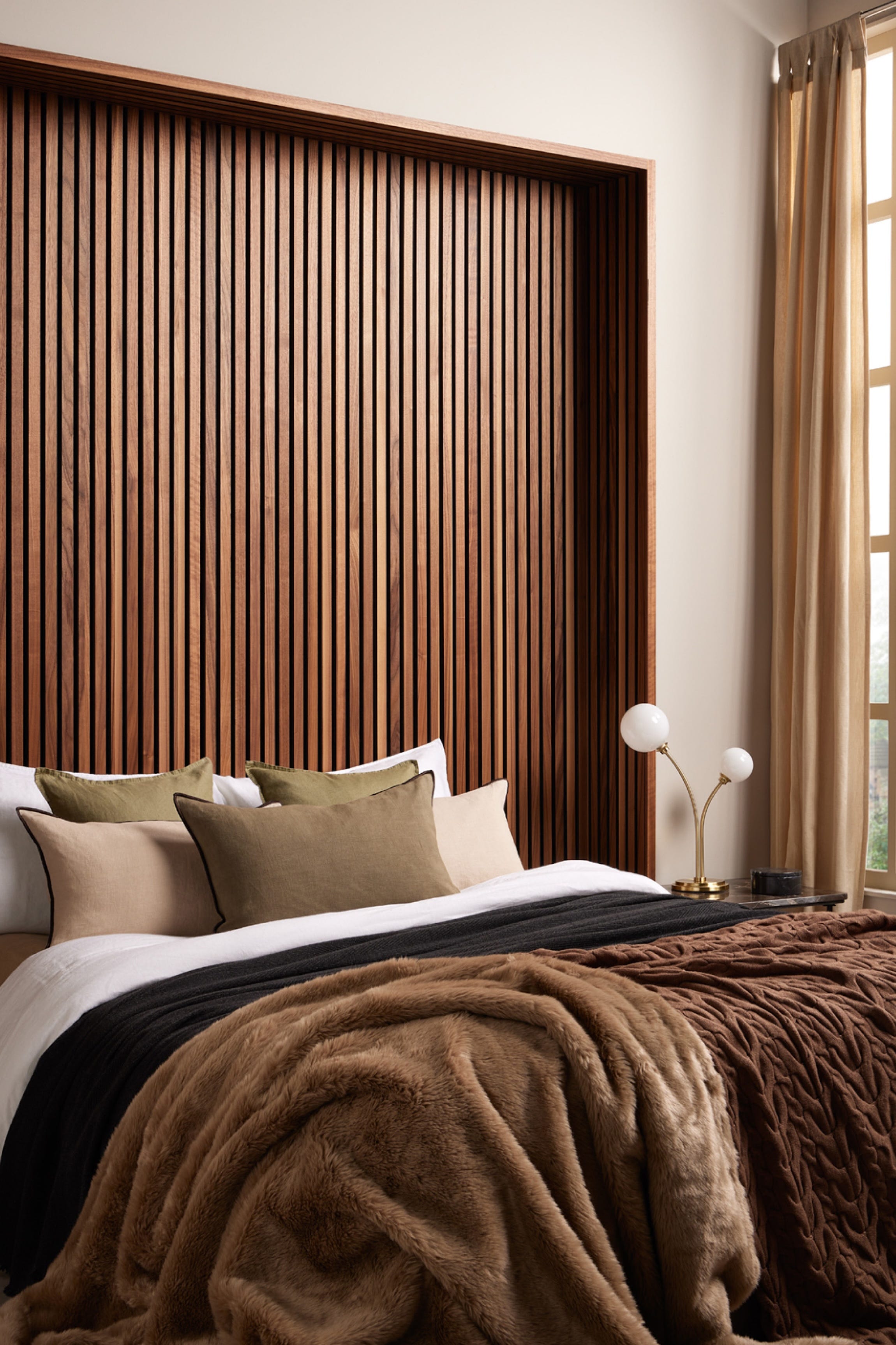
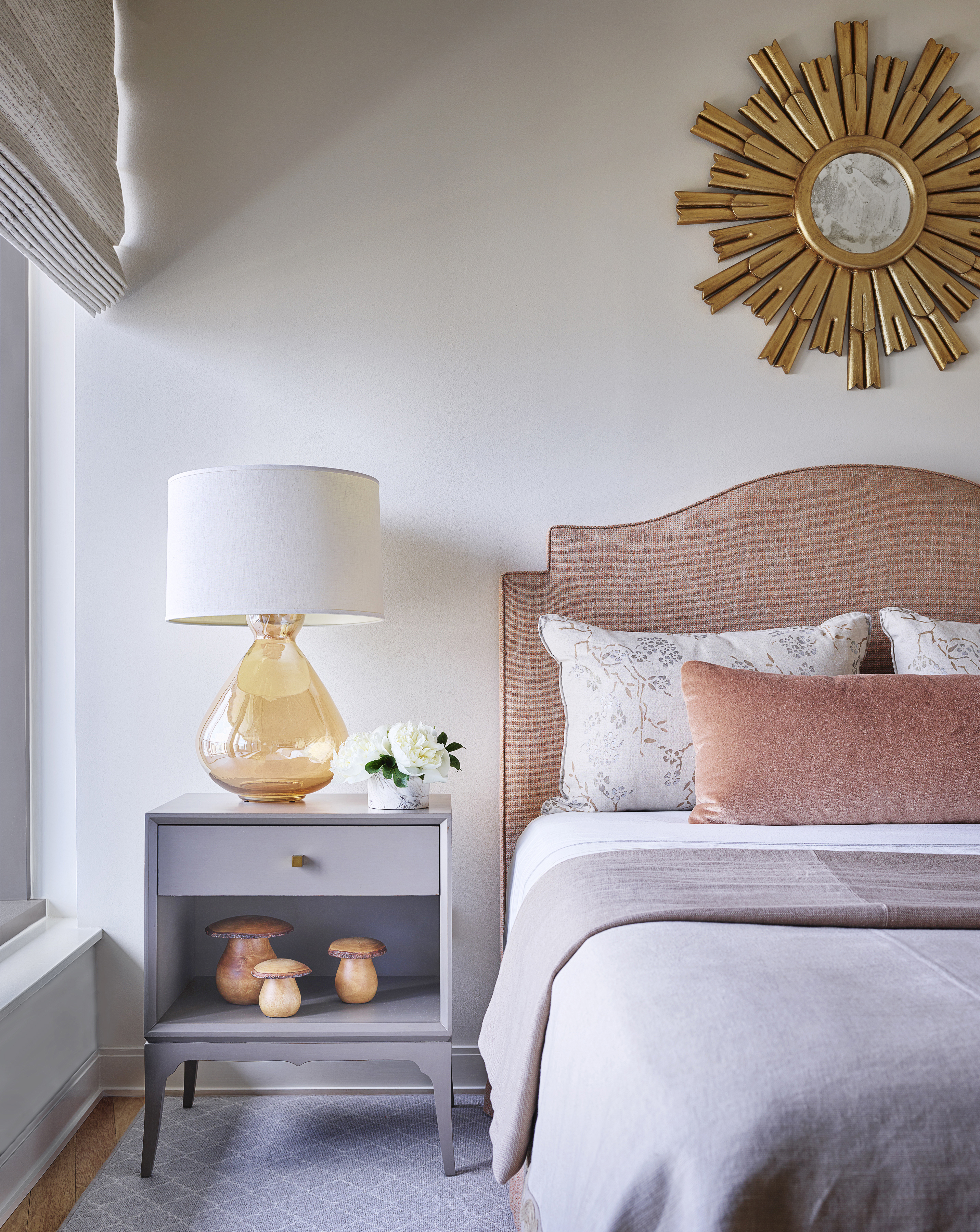
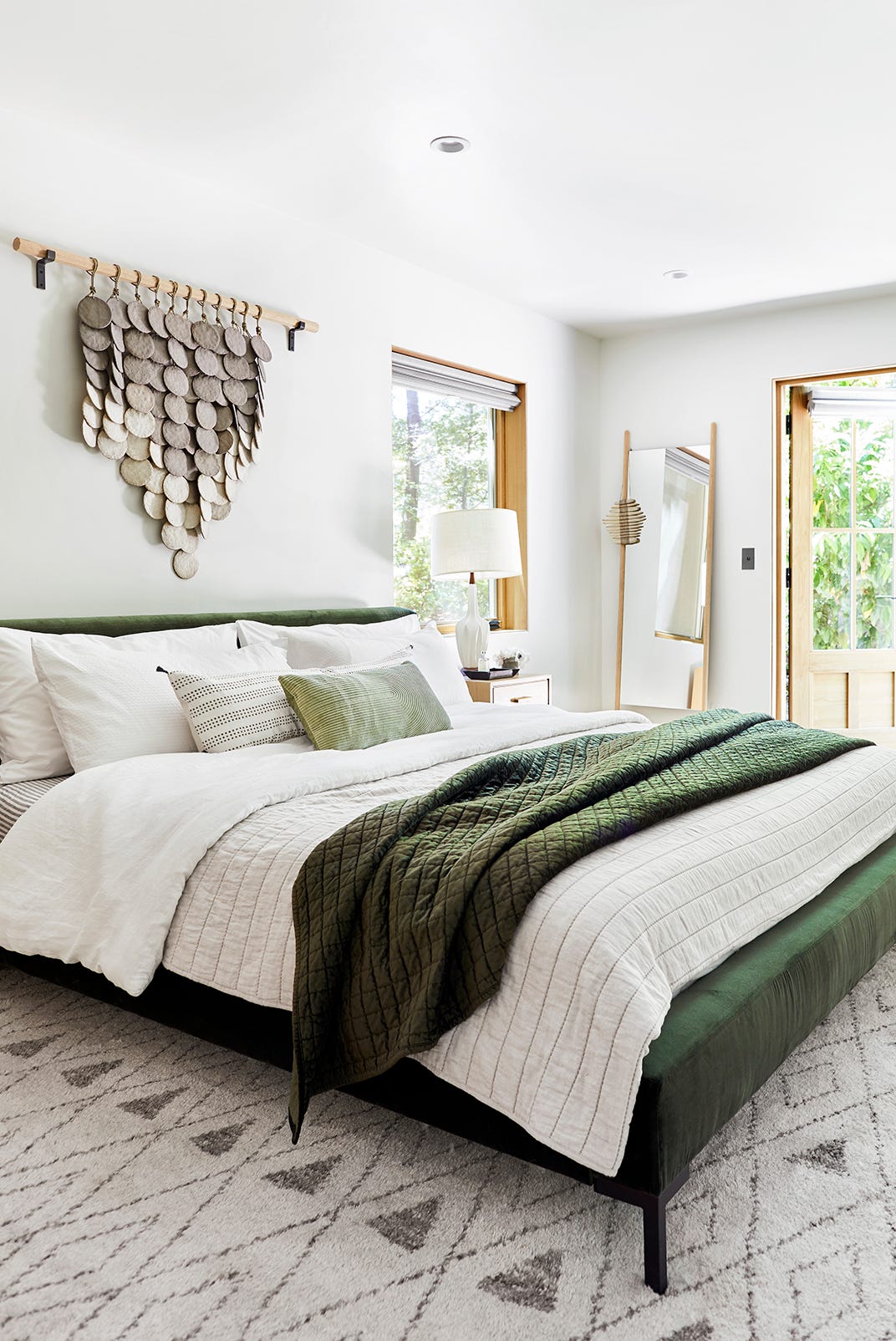
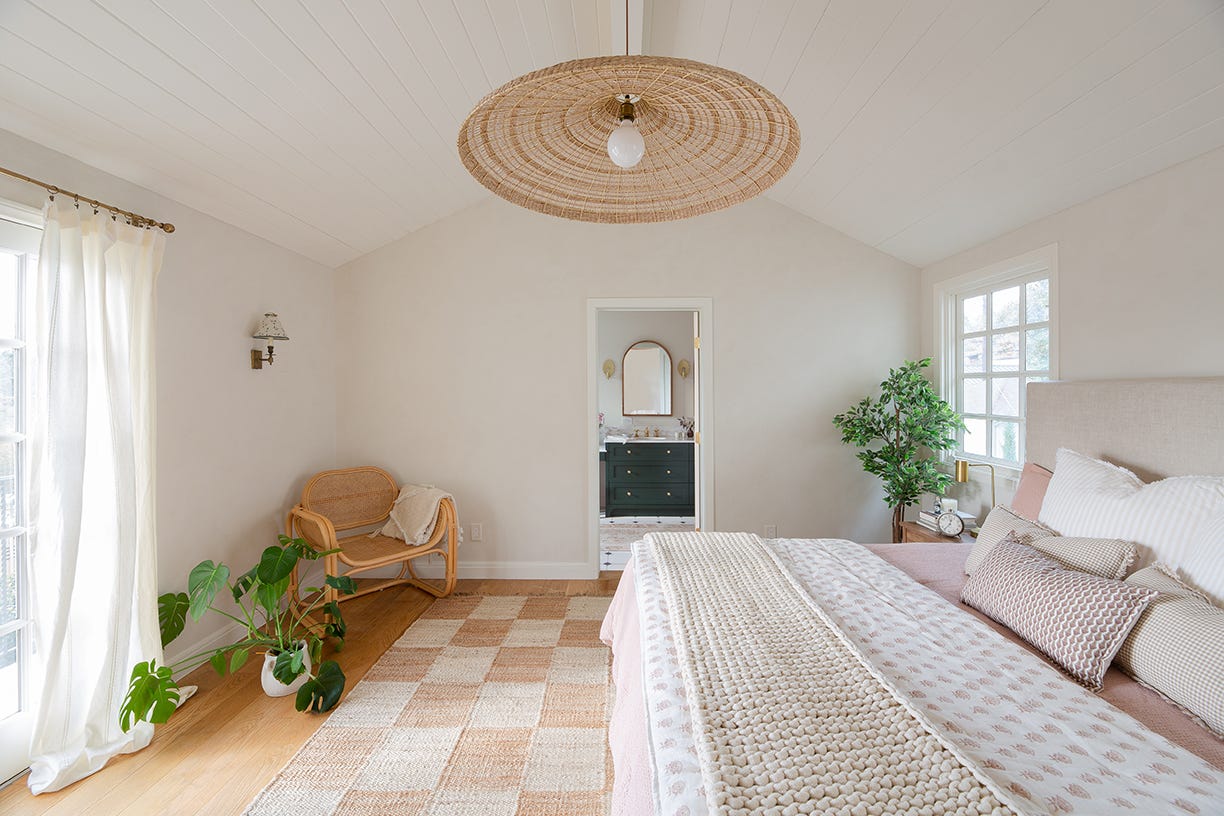
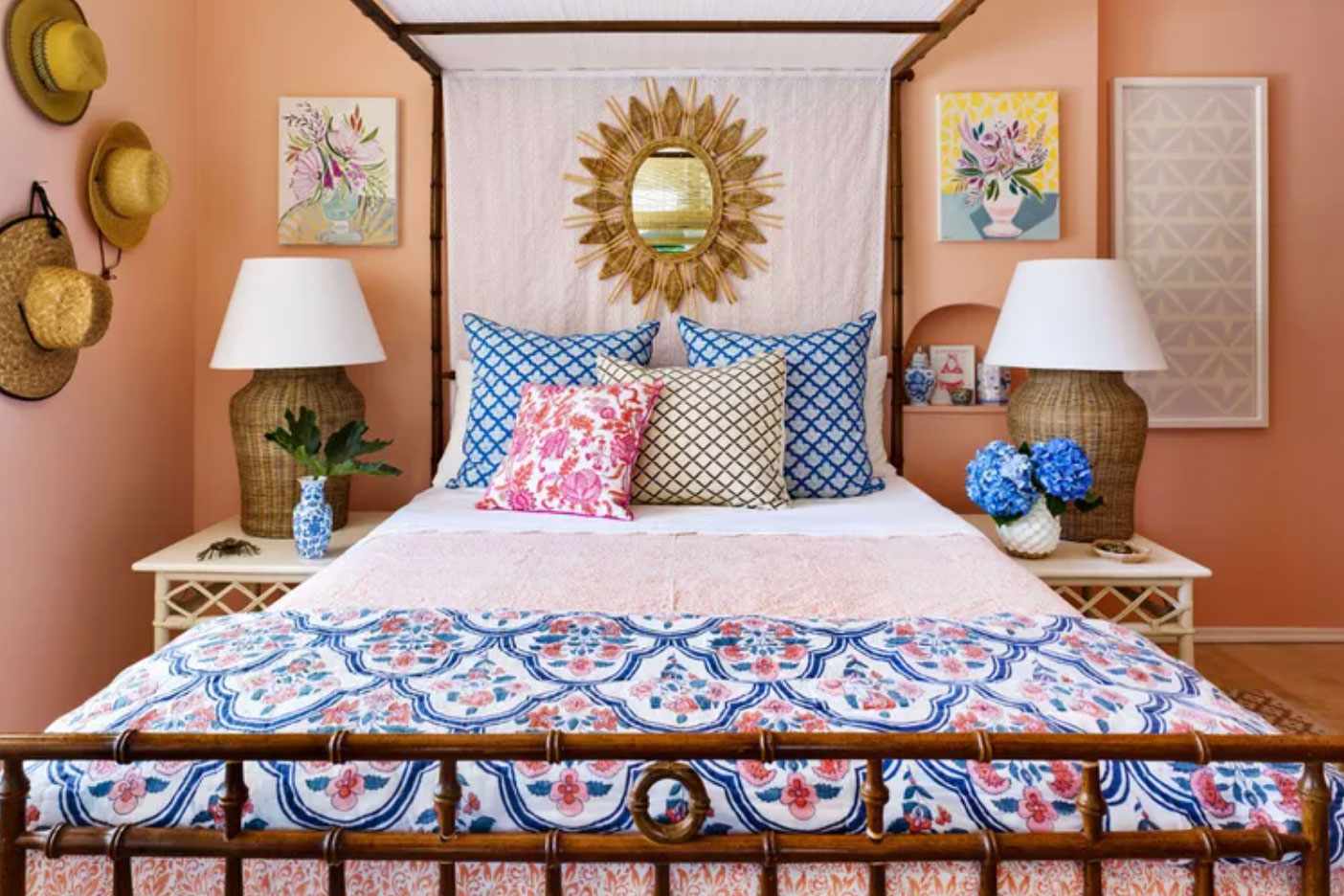
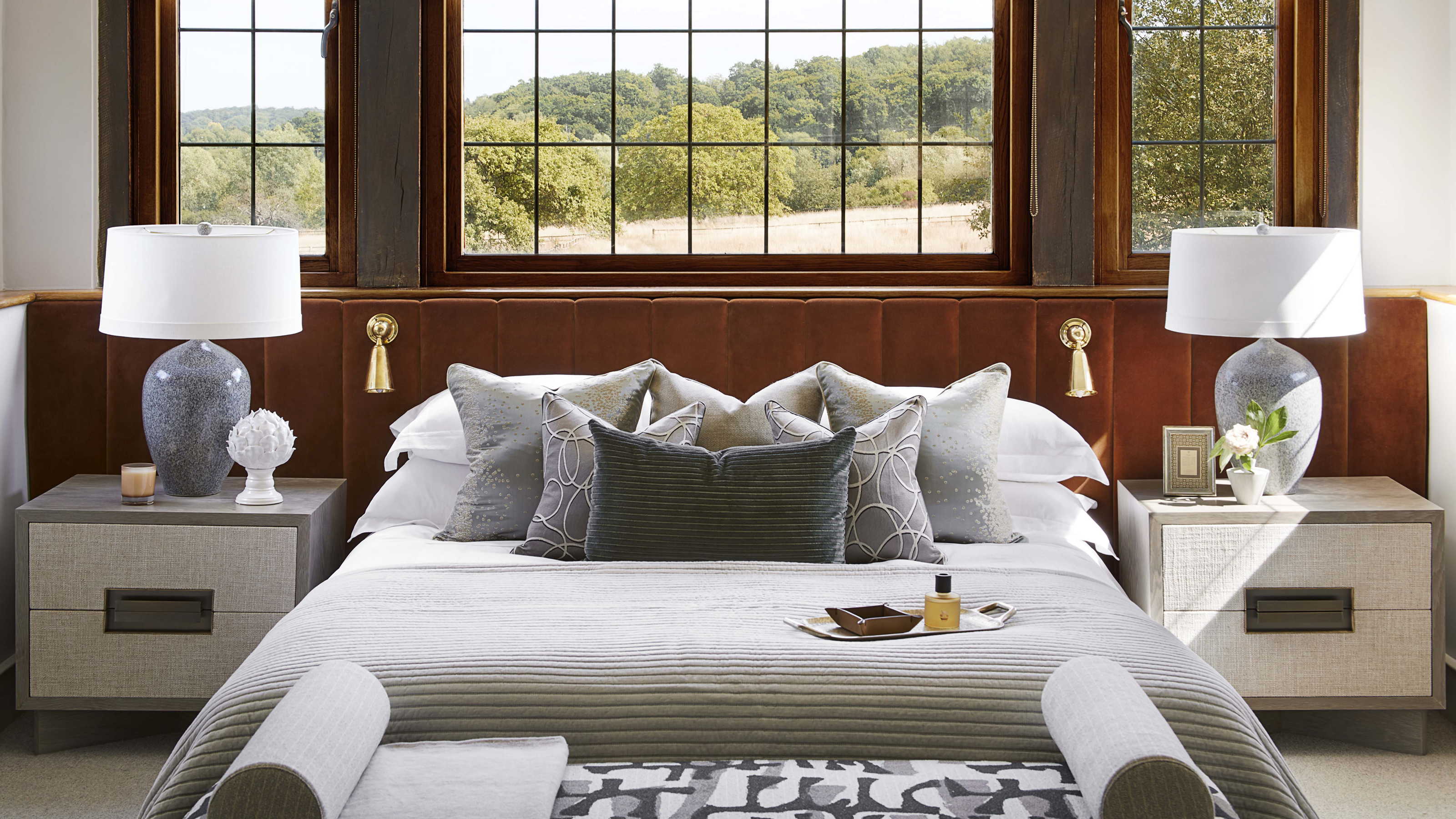
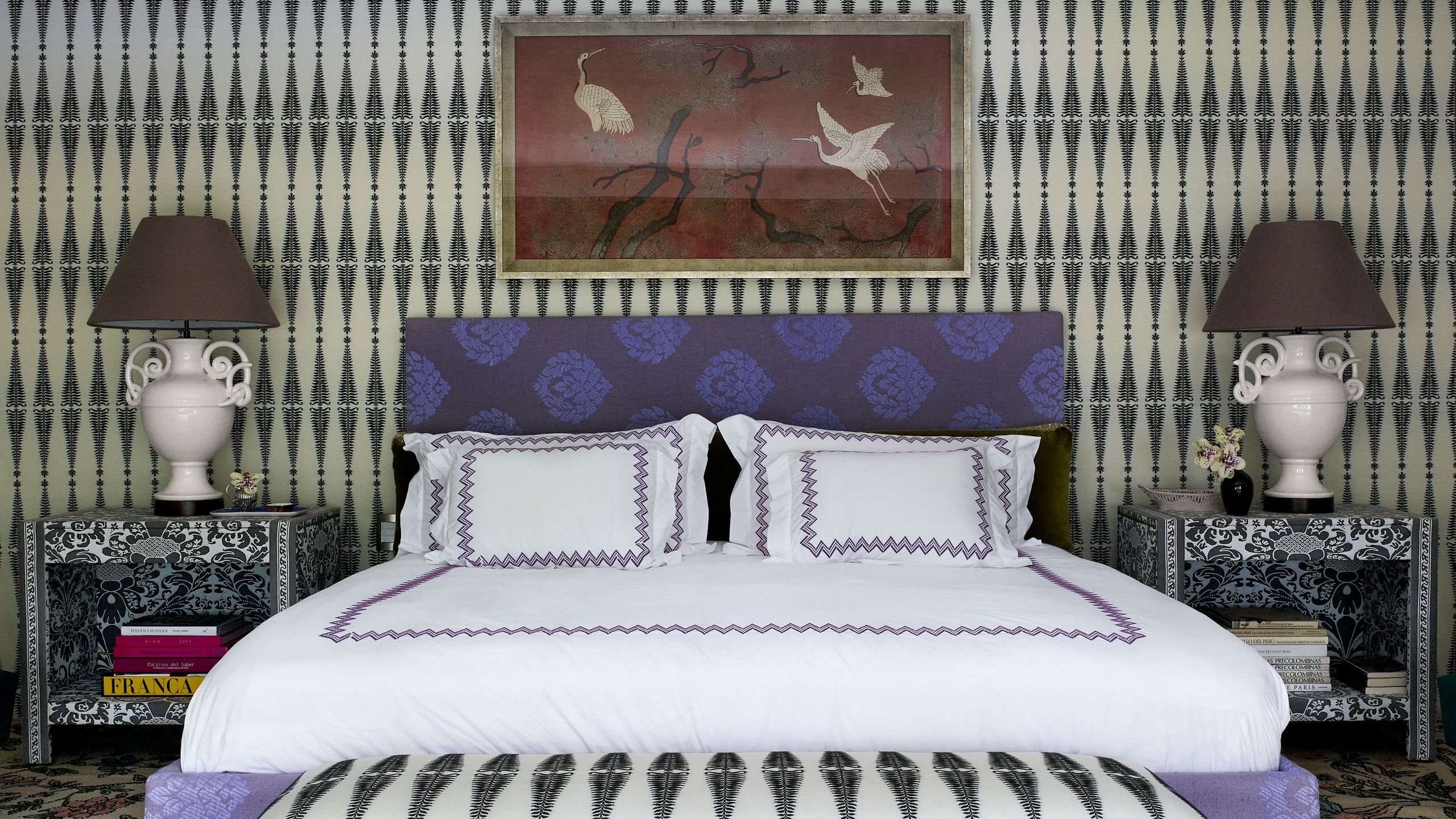
For those preferring neutral palettes, the article suggests focusing on texture to add interest. Sheena Murphy of Nune advocates for soft rugs, tactile fabrics, and cocooning materials to create a comfortable sanctuary. She also recommends well-proportioned ceiling lighting and upholstered bed platforms or headboards to minimize visual clutter. Finally, symmetry is proposed as a design principle to create a hotel-like ambiance, starting with the bed as the focal point and flanking it with matching bedside tables and lamps to achieve a cohesive and luxurious feel. The article concludes with advice on utilizing every inch, avoiding pushing all furniture against walls, and considering furniture with legs to create an illusion of more floor space.
#ApartmentLiving #BedroomDesign #SmallSpaceSolutions #InteriorDecor #HomeOrganization #SpaceMaximization #ColorDrenching #SymmetryInDesign #BuiltInStorage #DesignerTips #ApartmentLiving #BedroomDesign #SmallSpaceSolutions #InteriorDecor #HomeOrganization #SpaceMaximization #ColorDrenching #SymmetryInDesign #BuiltInStorage #DesignerTips
0 comment in total
 No comments yet
You may also like
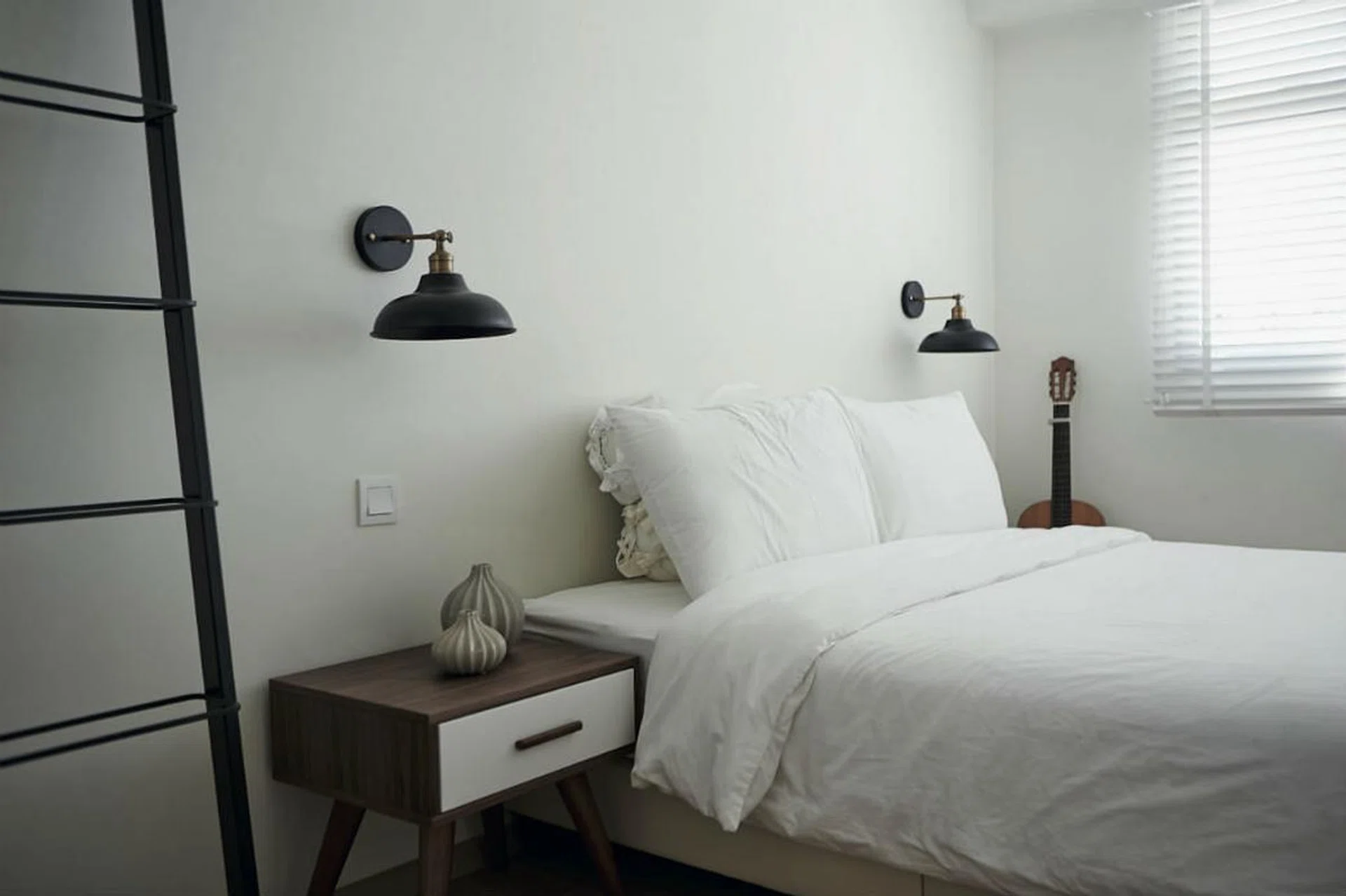
Bedroom Design Ideas: 20 Expert tips from interior designers
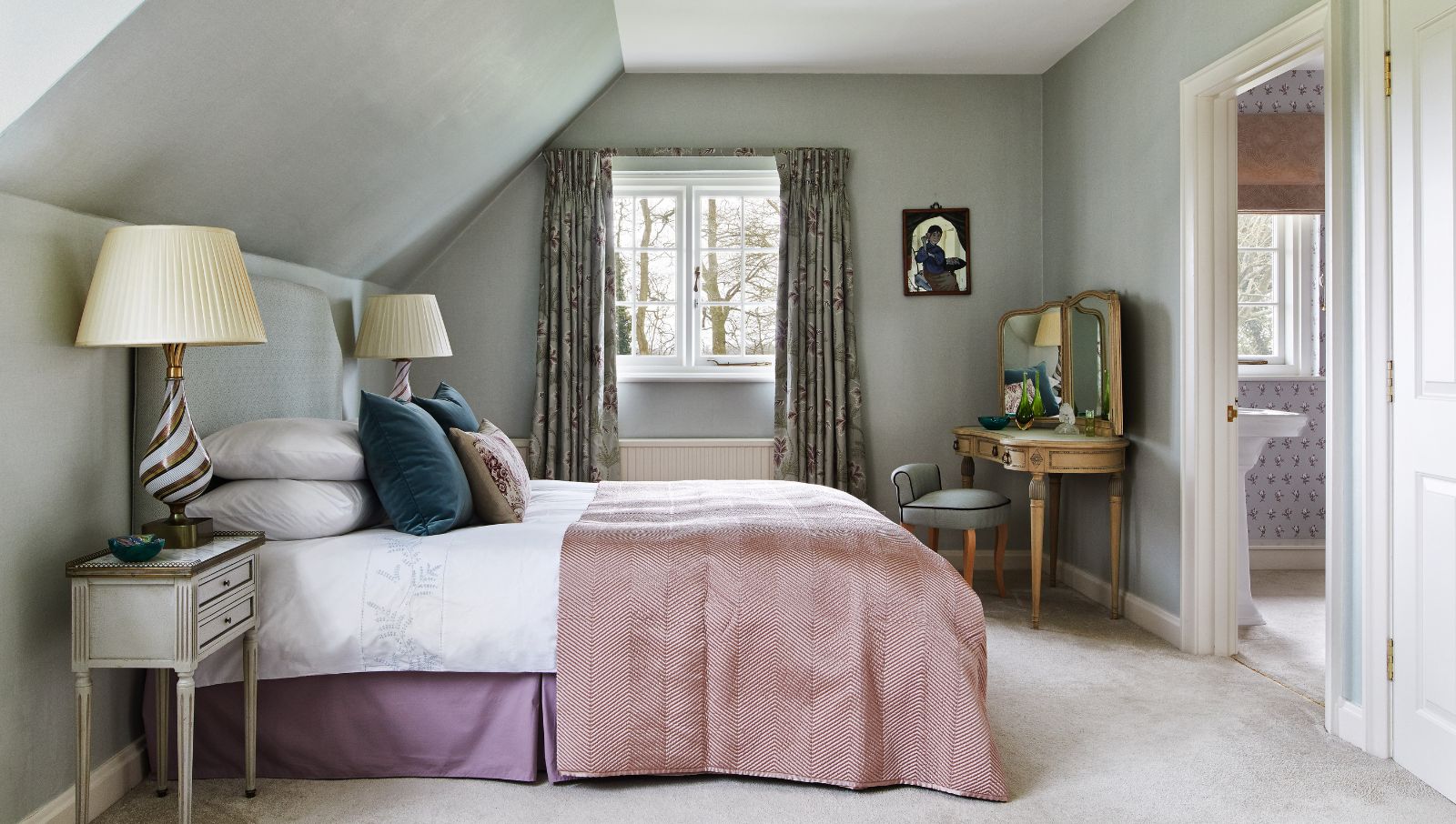
A guide to bedroom clearances, measurements, and spacing

This architect's trick for positioning a bed in the middle of a room makes me want to be braver with my bedroom layout
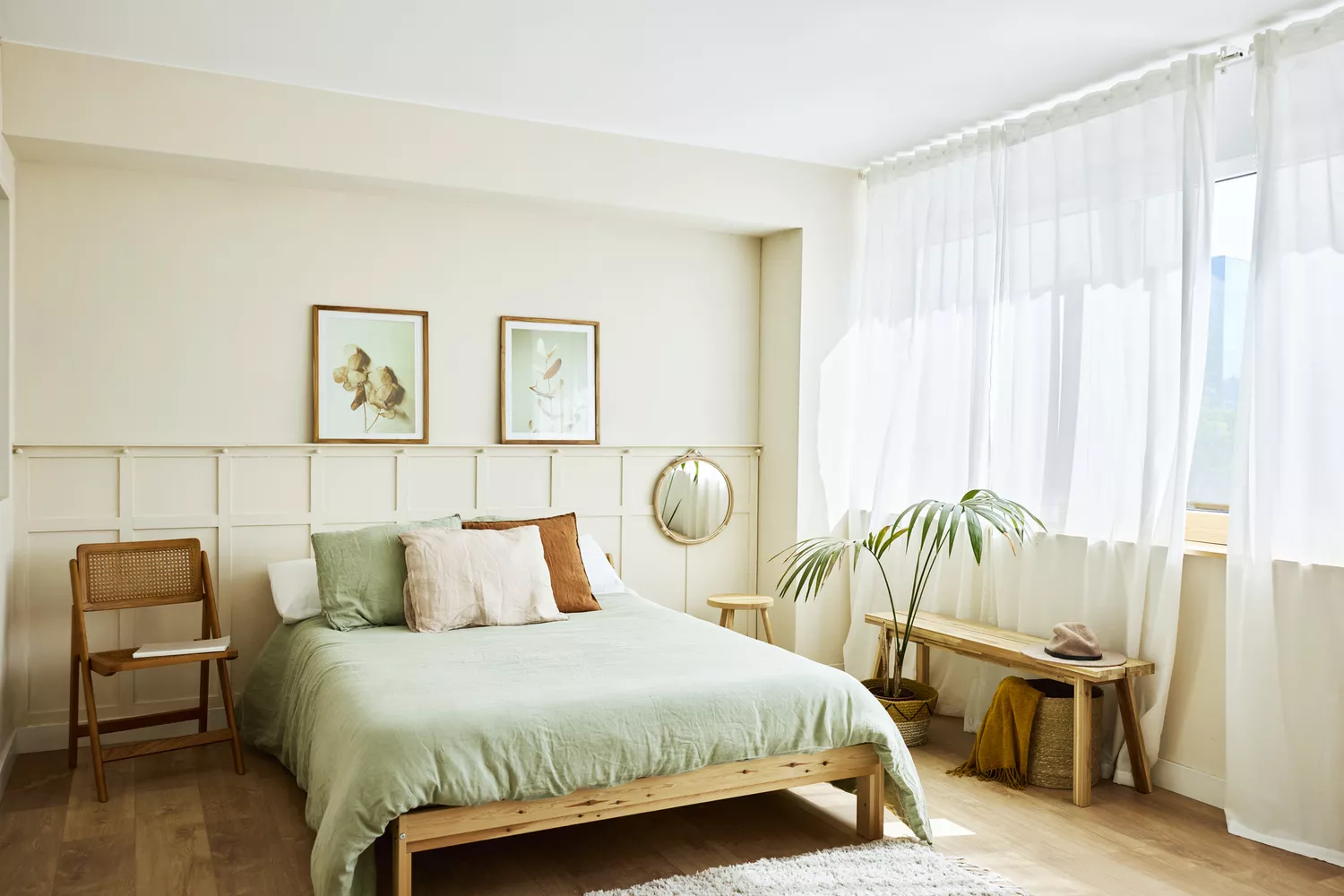
9 Things That Immediately Make Your Bedroom Look Bad, According to a Designer


How 11 Top Fashion Designers Decorate Their Bedrooms

9 bedroom design ideas designers swear by

Bedroom decor 101: Top interior design trends and tips to transform your space - Hindustan Times

12 above the bed decor ideas that will fill that negative space instantly

10 Bedroom Design Ideas Inspired By The Most Stylish Creatives On Instagram

Bedroom Decorating and Design Ideas

Small bedroom ideas – smart ways to maximize space without compromising on style |
Pull off a Dreamy Bedroom Design — No Matter Your Square Footage

Bedroom ideas to furnish your space stylishly

The Best Tips From Designers on Decorating the Bedroom of Your Dreams

10 small bedroom decor ideas to get the most out of your bedroom
10 things designers do to make rooms look bigger – strategies for success from the experts

Bedroom furniture ideas – 10 tips for designing your sleep space
22 best bed designs that master every vibe
Bedroom inspiration and bedroom decorating ideas
7 Designer Tricks That Make A Small Bedroom Feel Spacious