1/2
Next-generation precast insulated wall panels
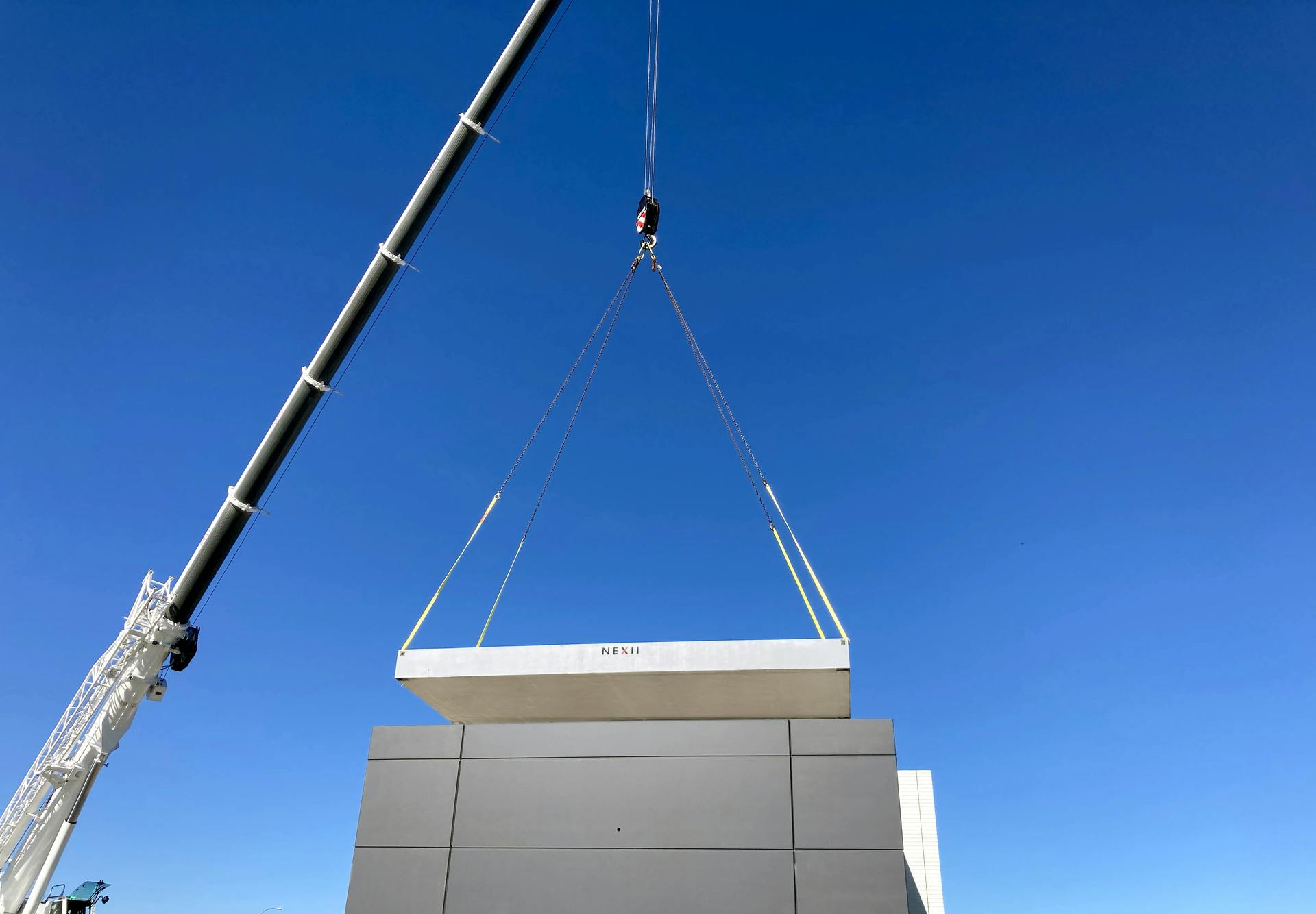
The construction industry is exploring advanced materials and techniques to improve the energy efficiency and performance of building envelopes, particularly focusing on next-generation precast insulated wall panels. A key initiative involves Oak Ridge National Laboratory (ORNL) and the Precast/Prestressed Concrete Institute (PCI) in a multipronged research project funded by the U.S. Department of Energy. This research aims to develop innovative precast concrete sandwich wall panels that are lighter, more energy-efficient, and cost-neutral compared to traditional designs. The collaboration also involves industry partners and aims to create new design and construction methods that benefit designers, contractors, and building owners.
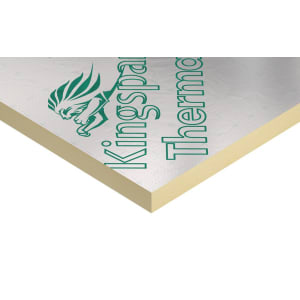
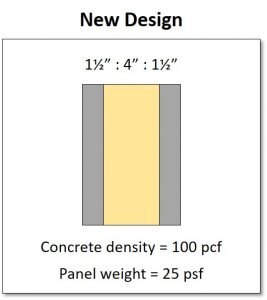
One significant aspect of the research is the development of a highly insulative, ultra-lightweight concrete (ULWC) core for the sandwich panels. This ULWC aims to achieve an R-value of R-4 to R-6 per inch, significantly improving the thermal performance of the panels. The material's composition includes a blend of cement, fly ash, water, air, and various admixtures, with the goal of creating a material with a density ranging from 240 to 640 kg/m³ (15 to 40 pcf). The project also investigates the use of different types of insulation, such as extruded polystyrene (XPS), polyisocyanurate (polyiso), and mineral wool, to further enhance the thermal resistance of the panels. Early prototypes have demonstrated promising results, with some panels achieving an R-value of R-23 with just 100 mm (4 inches) of insulation, nearing the target of R-30 for a 200 mm (8-inch) panel thickness.
The research also encompasses the mechanical properties of these advanced panels, particularly focusing on their structural integrity and durability. The team is exploring various connection methods, including polymer-based connectors and carbon fiber grid systems, to enhance the shear transfer and overall stability of the sandwich panels. The aim is to create panels that can withstand typical loads and environmental conditions while maintaining their thermal performance. The project also addresses the challenge of achieving high-performance concrete (HPC) with rapid strength development, using nanotechnology—specifically colloidal nano-silica—to accelerate the curing process. This would enable precast concrete fabricators to increase production efficiency, potentially allowing for two casting cycles every 24 hours.
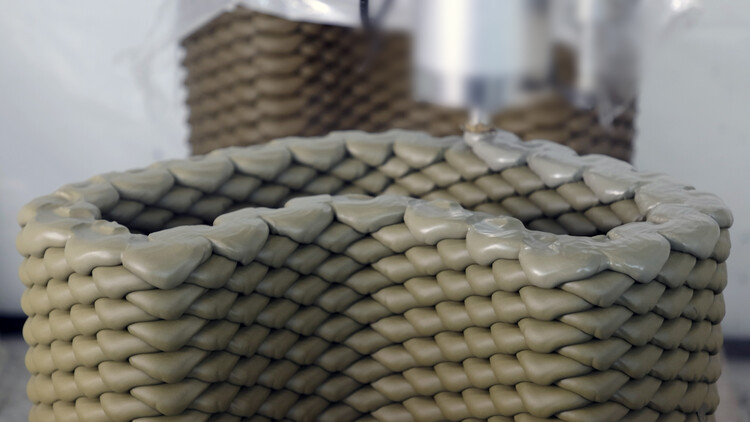
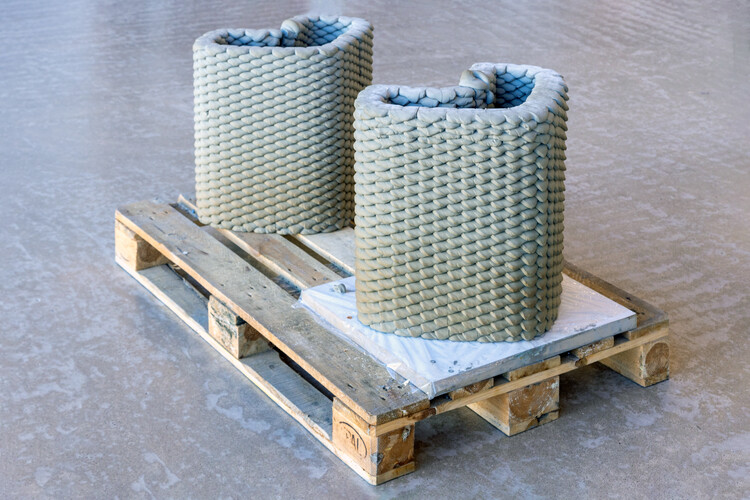
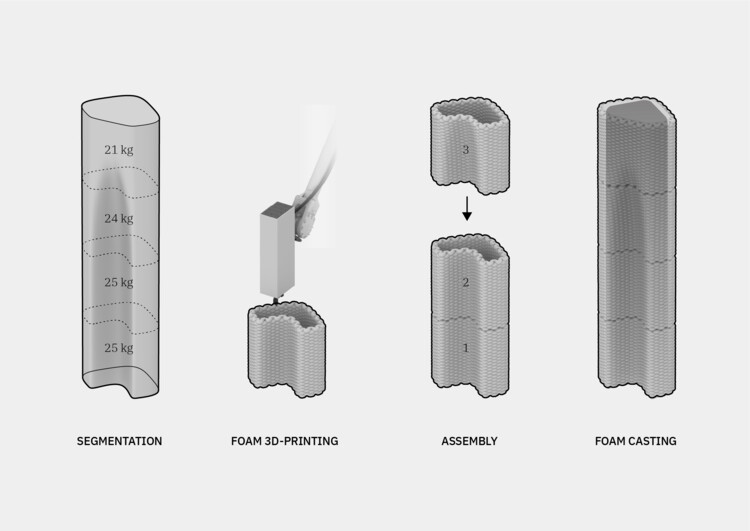
In addition to material development, the project explores innovative manufacturing techniques such as 3D printing for molds. This technology is being investigated as a means to reduce production time for complex panel designs and improve business opportunities for precasters. The overall goal is to prevent stagnation in the market share of precast concrete by introducing methods, materials, and resources that result in energy-efficient and high-performance structures. The research seeks to offer a cost-neutral solution, making these advanced building components accessible and attractive to the broader construction industry. The new insulated sandwich wall panels are expected to be lighter, less costly, and easier to erect, thereby benefiting all stakeholders in the construction process.
#PrecastConcrete #InsulatedWallPanels #EnergyEfficiency #ConstructionMaterials #HighPerformanceConcrete #Nanotechnology #3DPrinting #ThermalPerformance #BuildingEnvelope #PrecastConcrete #InsulatedWallPanels #EnergyEfficiency #ConstructionMaterials #HighPerformanceConcrete #Nanotechnology #3DPrinting #ThermalPerformance #BuildingEnvelope
0 commenti in totale
 Nessun commento ancora
Potresti anche gradire

Facade Systems
Wall Panels

9 basement insulation ideas


How to Install Dense-Packed Cellulose Insulation in Walls

Home insulation materials

3D Printing Lightweight, Insulated Walls Using Cement-Free Mineral Foam


Rapi Wall And Lasting Long, Check Out 5 Tips For Choosing Wall Panels For Modern Housing

Build a "Perfect Wall" on a Budget for Affordable High-Performance
The Versatility of Drywall in Architecture: Pros and Cons

Concrete Benefits of Building a Concrete Home


MaxiWall / MaxiFloor: New AAC building products

Sustainable Concrete Panel Construction | Spotlight on Nexii and Vero Building Systems
Prefabricated wall panel system facilitates Passive House certification
An Easy Way To Build a Well-Insulated House
What to Consider When Choosing Insulation
Glass-Mat Sheathing for Residential Construction

How to insulate a cold wall from the inside, and why the type of wall you have matters
After Researching Over 20 Options for Exterior Walls Insulation, There is One Clear Winner
Roof and ceiling systems with versatile application

Lego-like product saving energy in construction