1/4
Glass-Mat Sheathing for Residential Construction
Glass-mat sheathing, a product long utilized in commercial construction, is increasingly finding its place in residential building due to its advanced properties that address several contemporary construction challenges. This innovative material offers non-combustible, moisture-resistant, and mold-resistant characteristics, making it a compelling alternative to traditional sheathing options. The transition of glass-mat sheathing into residential applications is significant, especially considering the product's established history and the familiar use of gypsum-based panels, like Sheetrock® Brand, in homes since post-World War II.
USG Securock® Brand Glass-Mat Sheathing, specifically, is highlighted as a vapor-open, non-combustible, and structural sheathing that effectively mitigates various residential construction issues. For instance, in densely populated areas with zero-lot-lines, its fire-resistant gypsum core provides a crucial safety benefit. Furthermore, in regions susceptible to urban or rural wildfires, glass-mat sheathing offers an important layer of protection. This versatility also extends to architectural design, providing builders and architects with flexible options for exterior cladding.
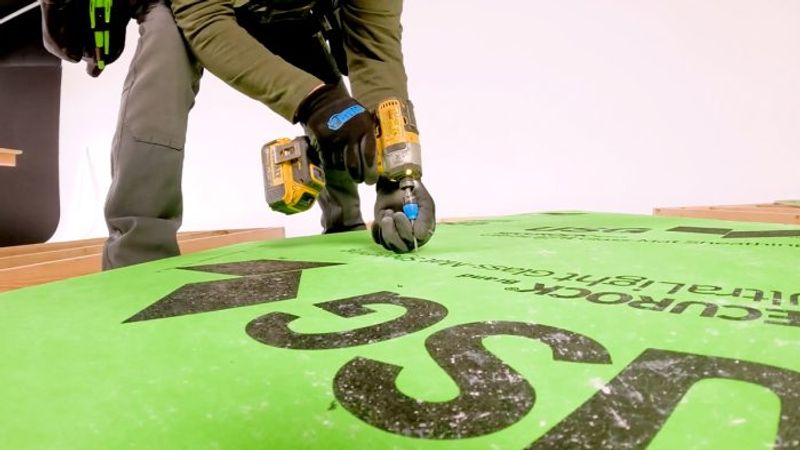
Beyond its safety features, the sheathing's cost-effectiveness, ready availability, and ease of installation contribute to its growing popularity. Installers can work with glass-mat sheathing using common tools like a utility knife, scoring and snapping it much like drywall. Fastening is accomplished with exterior-grade screws or hot-dip galvanized roofing nails, simplifying the construction process. The material's vapor-open nature, coupled with its inherent moisture and mold resistance, leads to improved indoor air quality and contributes to the overall durability and comfort of a home.
The article also delves into the integration of glass-mat sheathing within modern wall assemblies, particularly in the context of continuous exterior insulation, which is becoming a standard practice due to increasing energy requirements. An example wall assembly is described, featuring a Sheetrock® Brand panel, fiberglass cavity insulation, glass-mat sheathing, a self-adhered WRB, continuous exterior mineral wool insulation, a rain screen, and lap siding. This configuration demonstrates how glass-mat sheathing enhances fire resistance and, when paired with a properly detailed vented rain screen, provides diverse design possibilities for walls with continuous exterior insulation.
For further simplification, products like Securock® ExoAir®430 panels offer a factory-applied air and water control layer, streamlining the installation process while maintaining the benefits of glass-mat sheathing. Regardless of whether standard glass-mat panels or ExoAir® panels are used, the installation remains straightforward, requiring no specialized equipment and allowing for easy maneuverability and cutting of panels. The application of glass-mat sheathing is also suitable for a variety of exterior finishes, including stone and stucco veneer systems. Its moisture and mold resistance make it a reliable choice for these applications, drawing parallels to its proven performance in commercial settings that have stood for decades. In essence, Securock® Brand Glass-Mat Sheathing emerges as a resilient, durable, and high-performing option for residential construction, offering enhanced resistance to air and water infiltration, mold growth, and flame spread, all while being cost-effective and easy to install.
#GlassMatSheathing #ResidentialConstruction #BuildingMaterials #FireResistance #MoistureResistance #MoldResistance #ContinuousInsulation #BuildingEnvelope #ConstructionTechniques #GlassMatSheathing #ResidentialConstruction #BuildingMaterials #FireResistance #MoistureResistance #MoldResistance #ContinuousInsulation #BuildingEnvelope #ConstructionTechniques
0 comment in total
 No comments yet
You may also like
AGI Case Study: 500 Walnut

Structural Glass Sandwich Panels
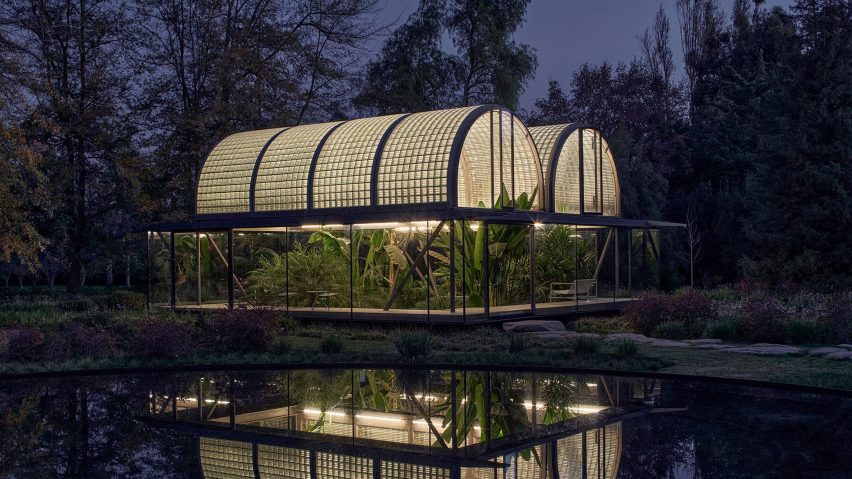
Eight buildings bejewelled with glass bricks and blocks

Glass Bricks: Top 5 Glass Blocks on the Market
Africa Congo 5mm/6mm brown reflective glass tinted glass 2440*3660mm for window


Building Materials - Building Supplies

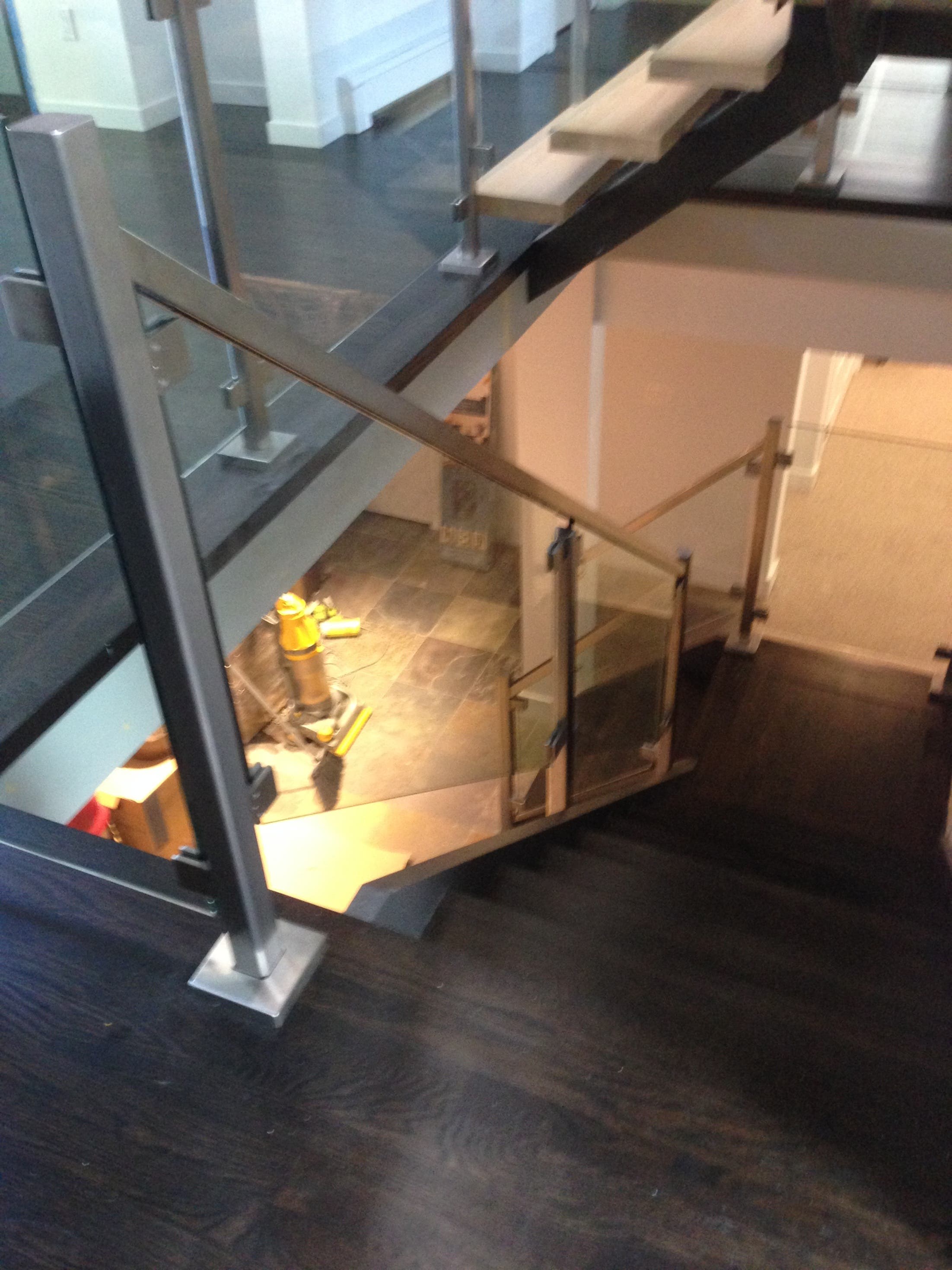
Glass Railings Transform Stairs from Glum to Glam
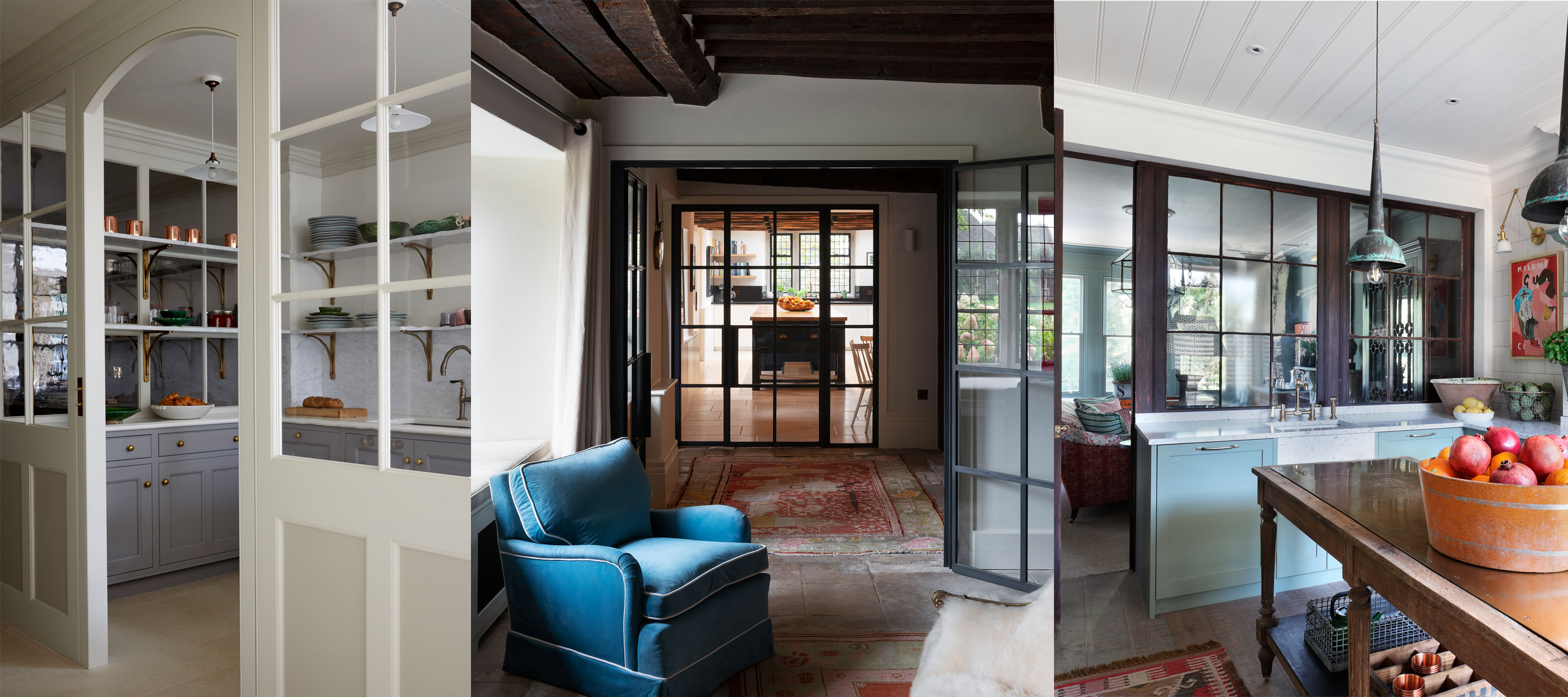
Glass partition walls – how to replace internal walls and create a timeless design feature

Learn How to Install Rainscreen Siding Like a Pro
Color play: How to use hues and neutrals in architectural design
Insulated Sliding Doors - Sky-Frame Classic from Sky-Frame


glass art and design Archives
Rosie on the House: Choosing the right glass is important for your project

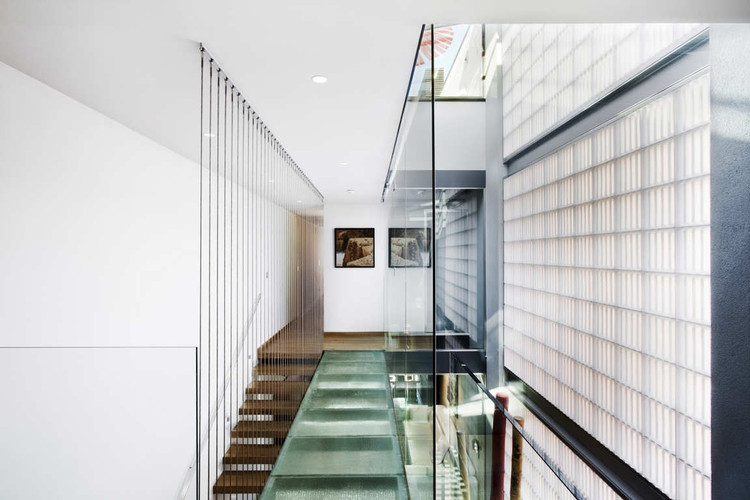
Glamorous Glass Bricks Are Booming – Again
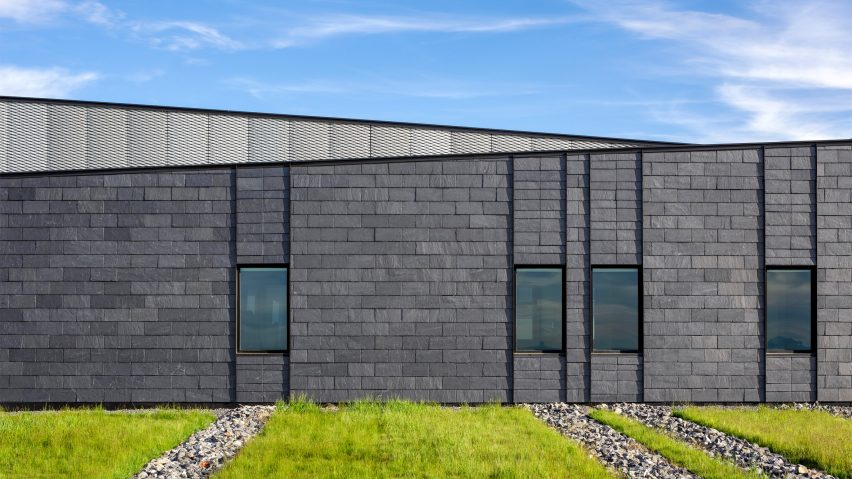
Cupa Pizarras creates cladding system that "utilises the beauty of natural slate"
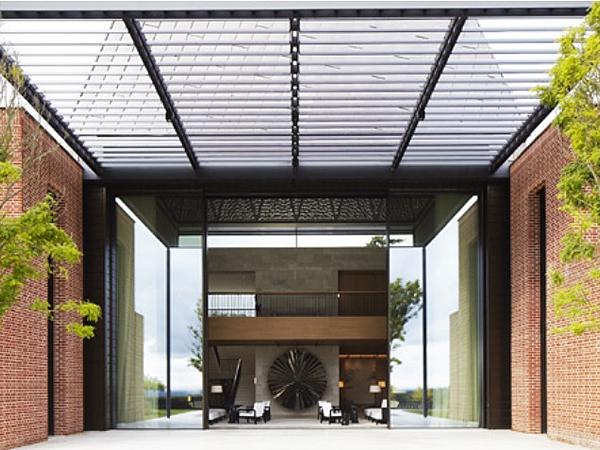
“The tallest, heaviest Sliding Glass Door of all”: A Case Study

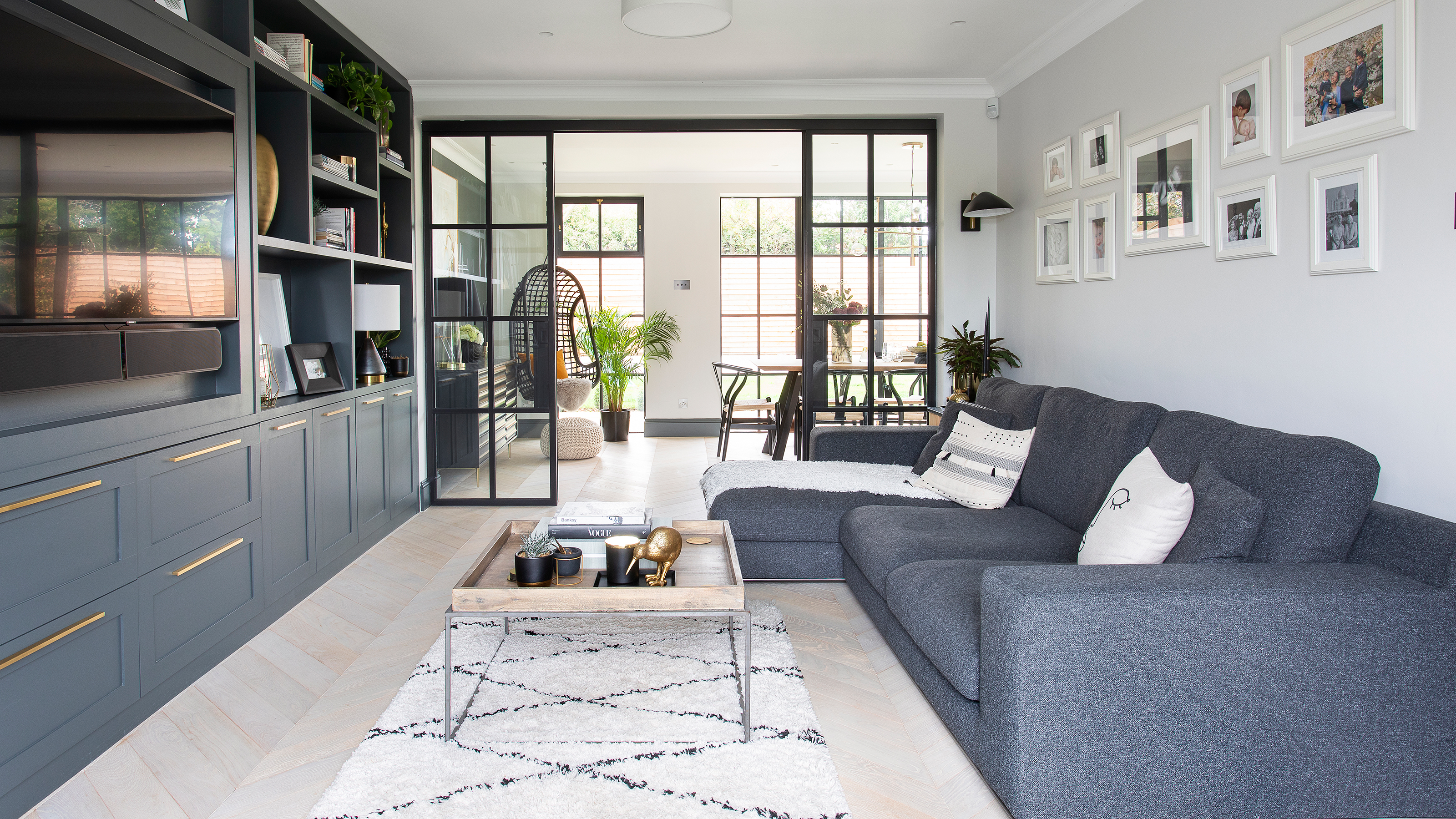
Glass wall design ideas - all you need to know about glass partition walls
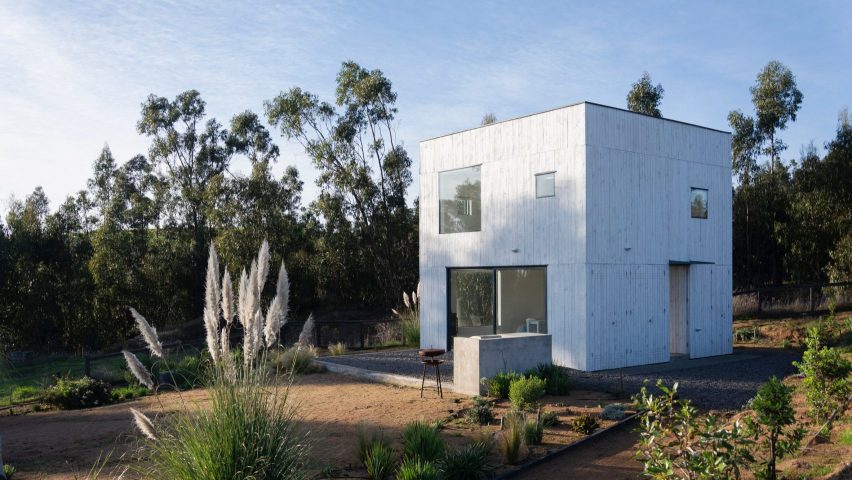
Distinctive house cladding from Dezeen's Pinterest
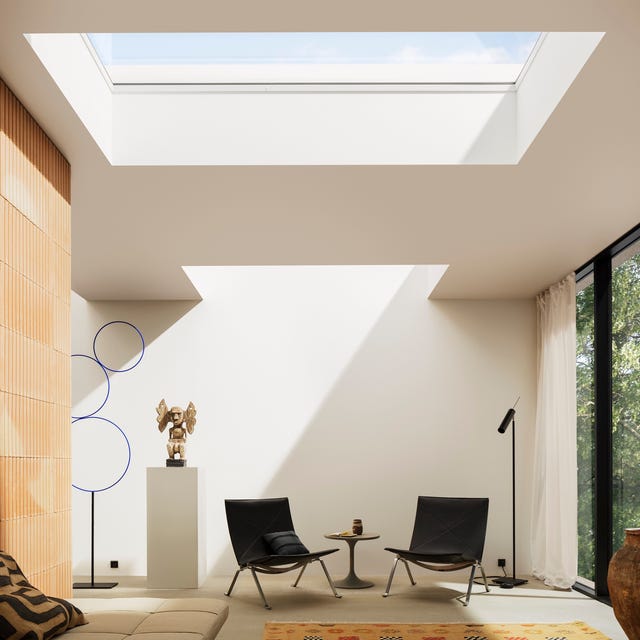
Windows and Frames: The Silent Revolution Changing the Way We See Light and Landscapes

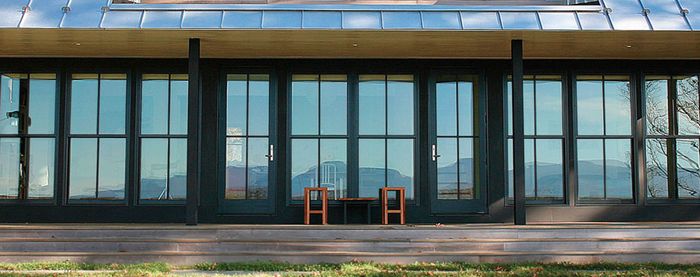
Glass in Wet Spaces