Glass in Wet Spaces
The International Residential Code (IRC) establishes guidelines for glazing in specific areas, termed “hazardous locations,” to mitigate the risk of injury from falls. These regulations focus on locations where the probability of a slip or fall is elevated and where glass, if broken, could cause harm. The code is designed to address probable hazards identified through scientific data, statistics, and anticipated human behaviors, rather than every conceivable scenario. While codes exist to prevent falls on stairs and elevated walking surfaces, the emphasis for level floors shifts from fall prevention to minimizing injury if a fall occurs, particularly concerning contact with glass.
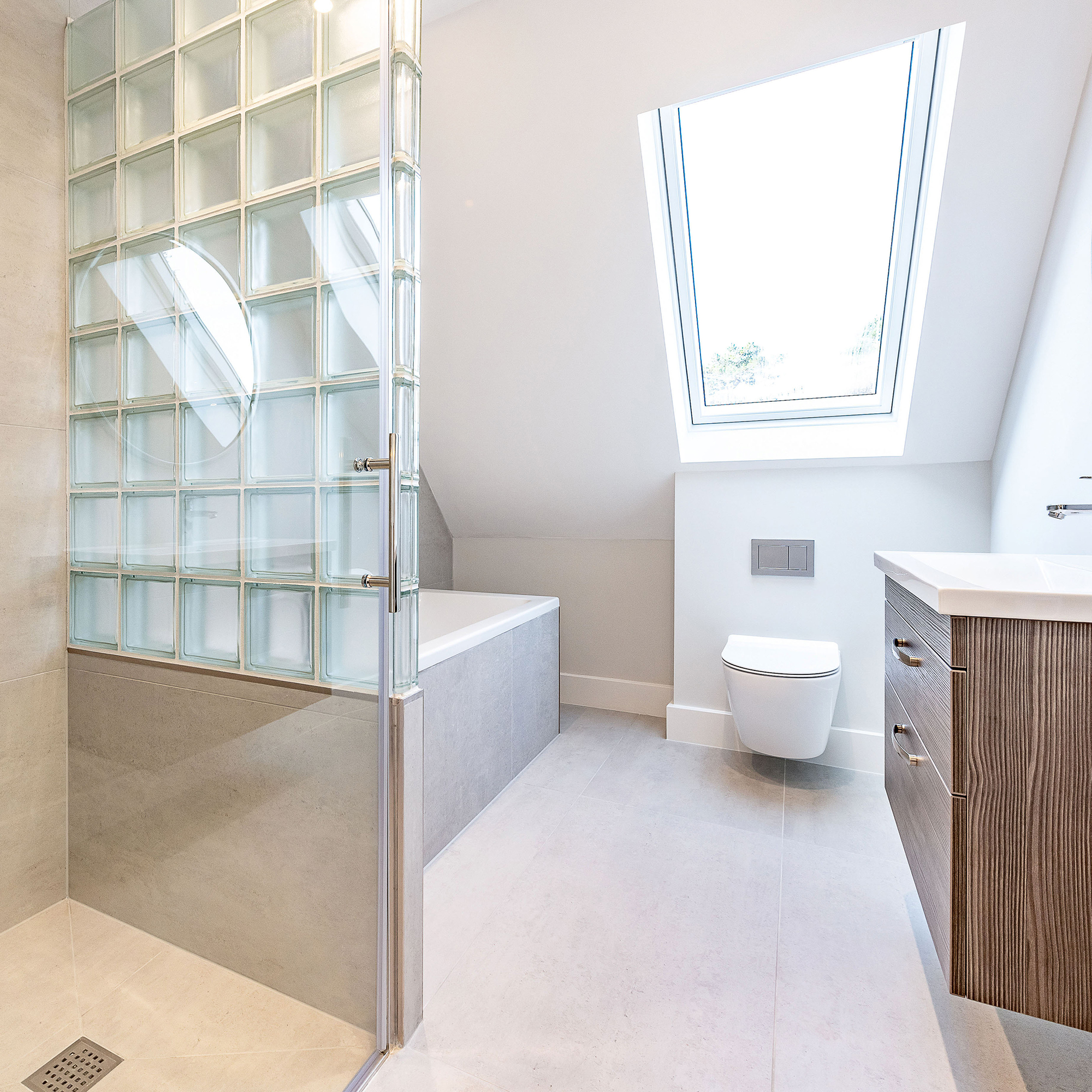
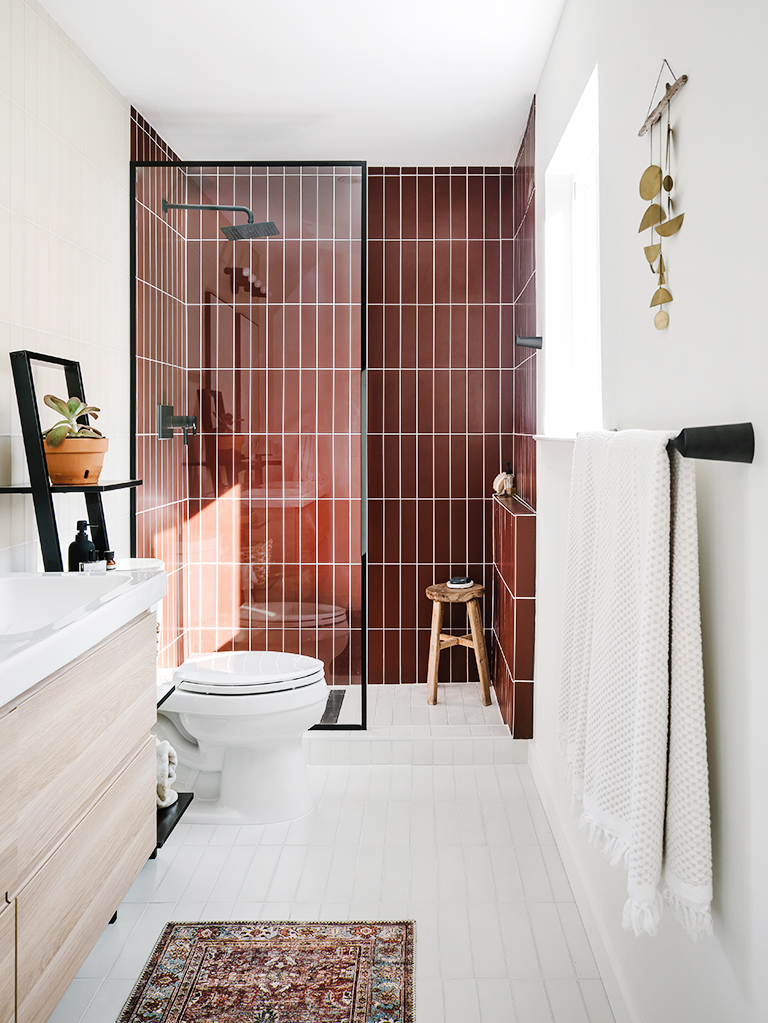
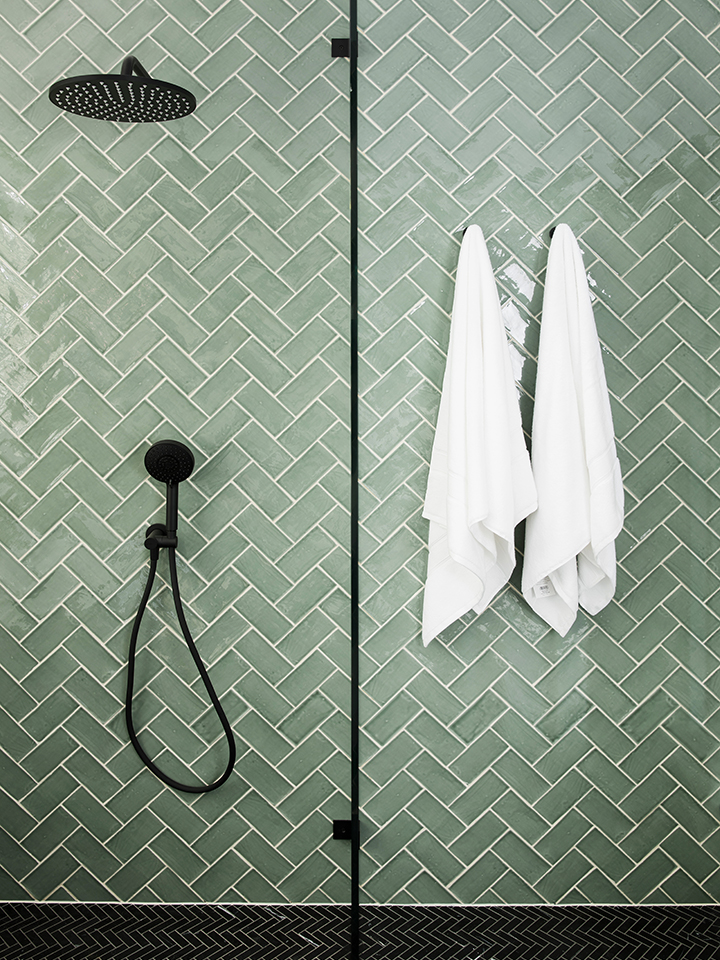
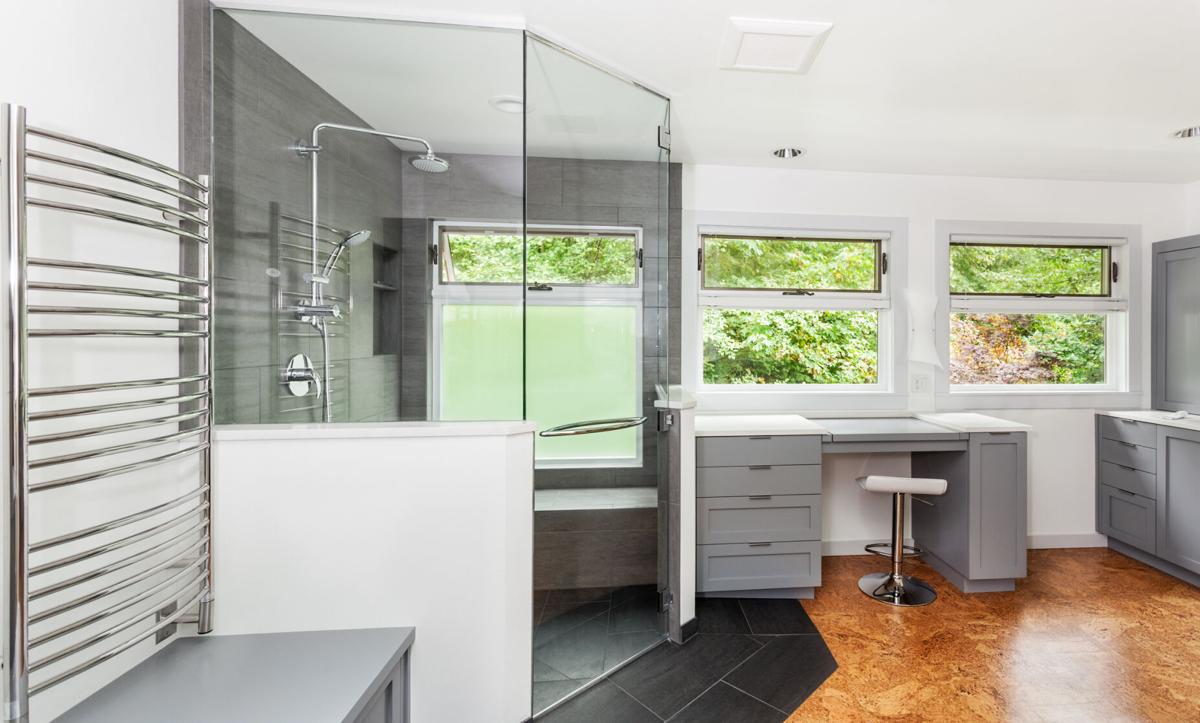
Section R308.4.5 of the IRC specifically identifies areas with wet surfaces and nearby glazing as hazardous locations. These include features such as hot tubs, spas, whirlpools, saunas, steam rooms, bathtubs, showers, and swimming pools. The code mandates safety glazing for glass situated less than 60 inches above the walking or standing surface and within 60 inches horizontally from the edge of these wet features. The term “edge” refers to the lowest exposed part of the glass. This 60-inch horizontal measurement accounts for water that might drip and make the surrounding floor slippery as occupants exit these wet areas.
Historically, the wording in Section 308.4.5 regarding glass “facing” wet features led to inconsistent interpretations. Some readings suggested that glass parallel to, but not directly facing, a tub might not be covered, potentially leaving occupants unprotected. To clarify this, a proposal for the 2021 IRC was approved in 2019, replacing “facing” with “adjacent to.” This revision aims to broaden the scope of protection to include all glass in close proximity to wet areas, ensuring the original intent of the code is universally applied, even when interpreting earlier editions.
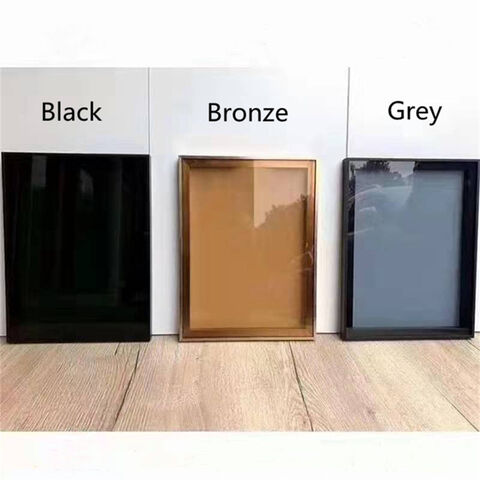
Beyond windows, mirrors also fall under glazing regulations. However, mirrors that are continuously backed, meaning securely attached to a wall, are typically exempt from hazardous location requirements. Glass-block masonry units, if installed according to code, also receive an exception. When glazing is determined to be in a hazardous location, the IRC requires it to be safety-glazed, but it does not specifically mandate tempered glass. Safety glazing must comply with either CPSC 16 CFR 1201 Category II or ANSI Z97.1 Class A test standards. These standards require the glass to either remain intact under significant impact or break into small, less harmful pieces. Tempered glass meets this by shattering into small, blunt fragments. Alternatively, certain film products can also meet these standards by preventing standard glass from fragmenting dangerously upon breakage.
Proper identification of safety glazing is crucial for compliance. Tempered glass typically has an etched manufacturer designation. For film products, verification can be more complex, often requiring a certificate or other documentation approved by the building official. Installers and designers using film products should communicate with local building authorities in advance to ensure acceptance. A thorough review of IRC Section R308 is recommended for a comprehensive understanding of all glazing requirements, as homes contain more hazardous locations than commonly perceived.
#BuildingCode #SafetyGlazing #WetSpaces #IRCStandards #HomeSafety #TemperedGlass #ConstructionRegulations #BathroomDesign #BuildingCode #SafetyGlazing #WetSpaces #IRCStandards #HomeSafety #TemperedGlass #ConstructionRegulations #BathroomDesign
0 comment in total
 No comments yet
You may also like
Waterproof Your Windows with Liquid Flashing


Misshapen Glass Vases by Studio E.O Appear to Melt Atop Angular Stone Platforms

Glass wall design ideas - all you need to know about glass partition walls

Glass Bricks: Top 5 Glass Blocks on the Market

glass art and design Archives

Preventing Glass Collisions
6 Glass Block Bathroom Ideas That Bring Retro-Charm Through This Emerging Design Trend
Customizable Bathroom Fittings With Re-Purposed and Crystal Glass Materials

Africa Congo 5mm/6mm brown reflective glass tinted glass 2440*3660mm for window

The Best Way To Clean Frosted Glass

“The tallest, heaviest Sliding Glass Door of all”: A Case Study

Glass partition walls – how to replace internal walls and create a timeless design feature

Rosie on the House: Choosing the right glass is important for your project

Eight buildings bejewelled with glass bricks and blocks
The Ins and Outs of Working with Liquid Flashing


These Glassware Pieces Are Mind-Blowing

Glass Vases That Look Like They're Growing Ice Crystals


10 Glass Blowing (& Glass Art) Workshops to try in Singapore
We’re Taking a Shine to These Glass Tile Bathrooms
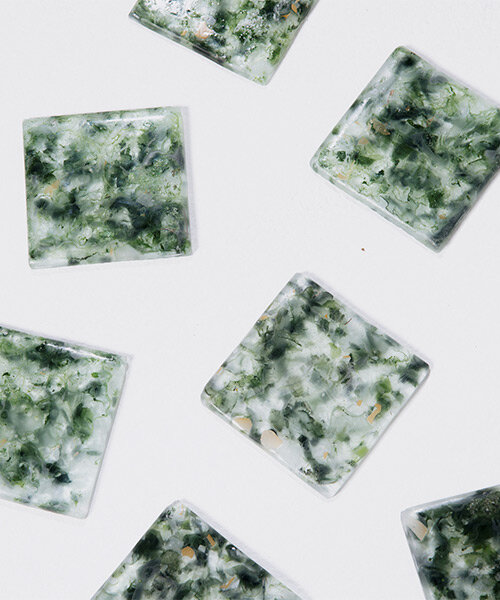
snøhetta makes tiles out of electronic waste glass in 'common sands – forite'