Glass Bricks: Top 5 Glass Blocks on the Market
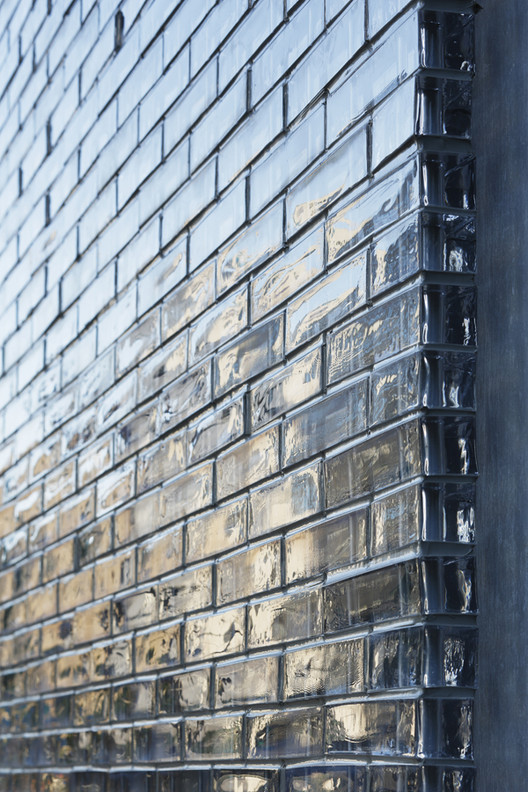
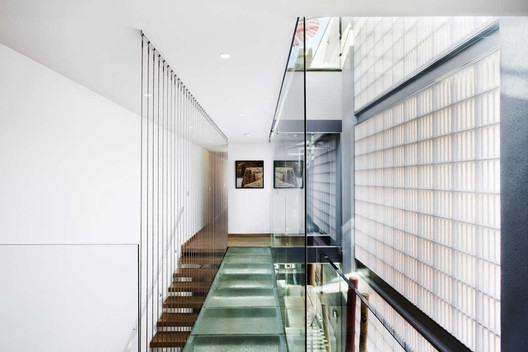
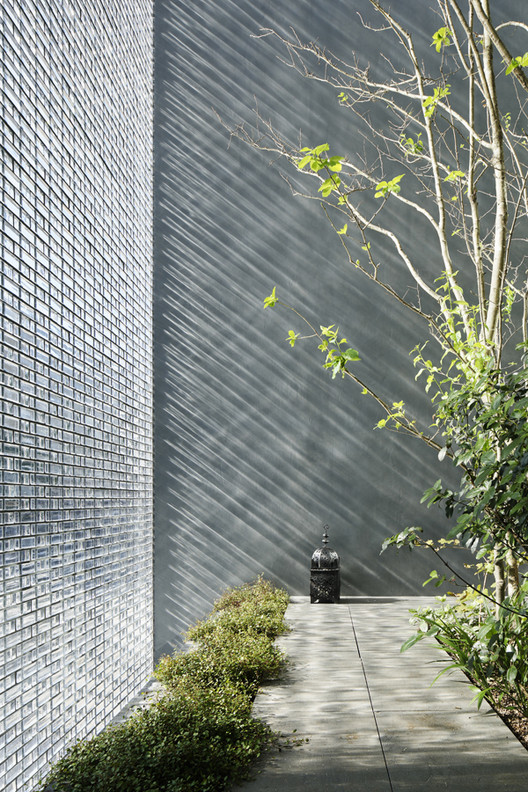
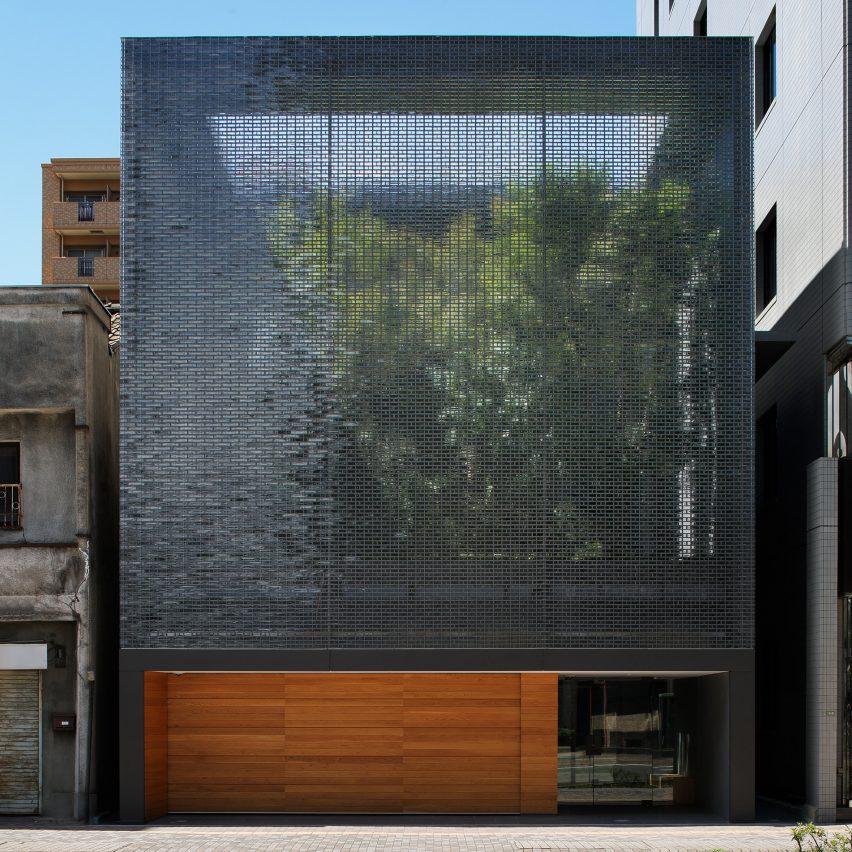
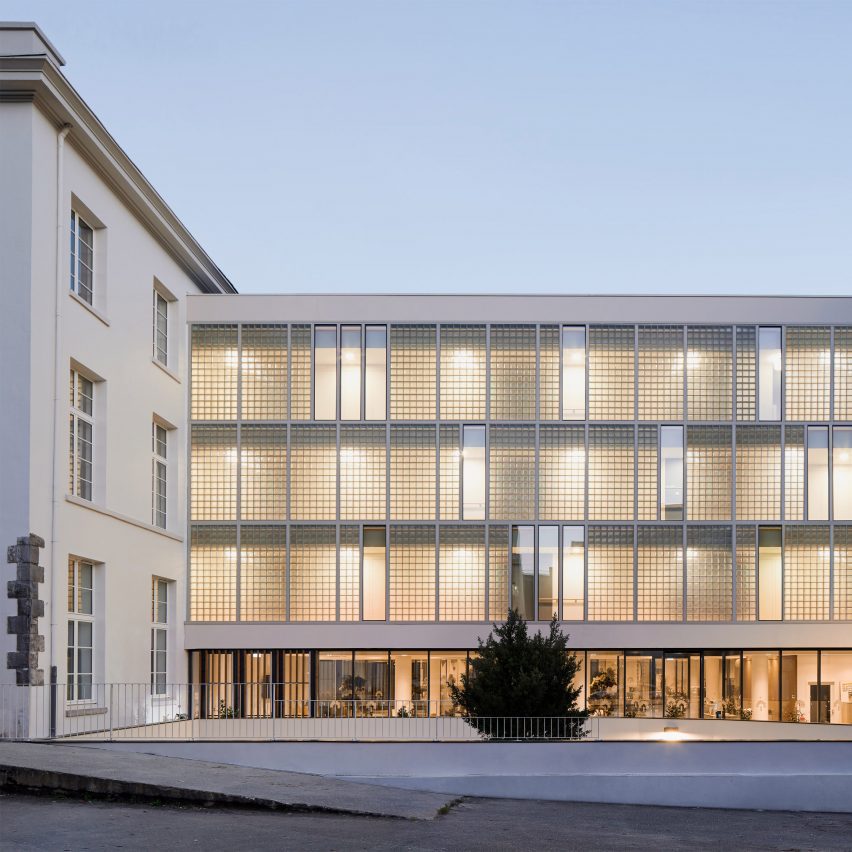
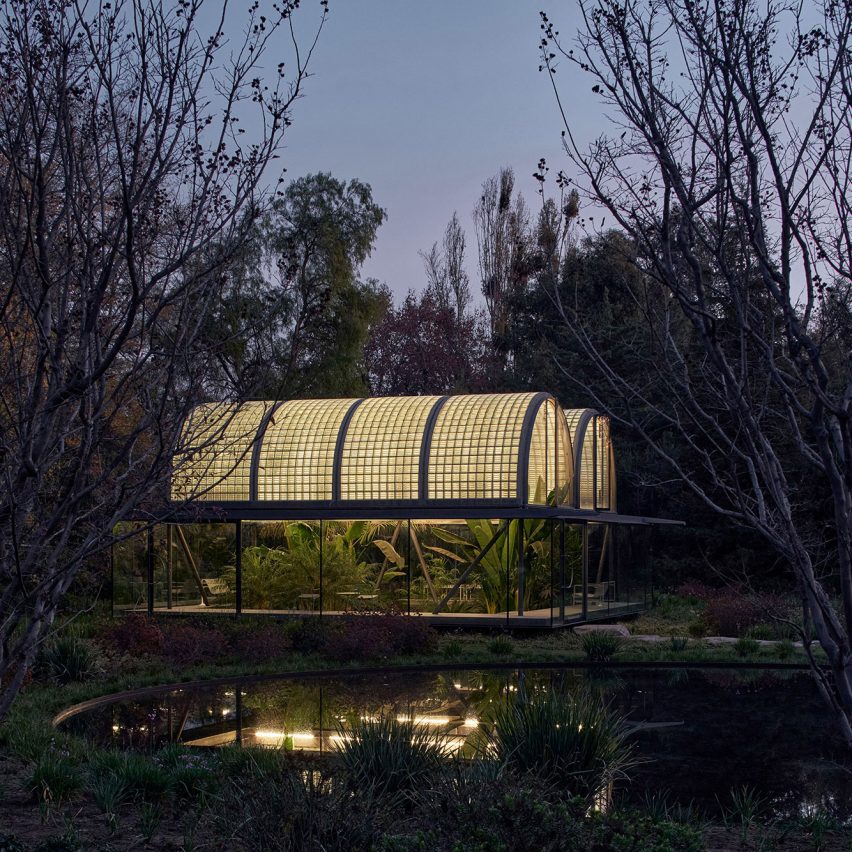
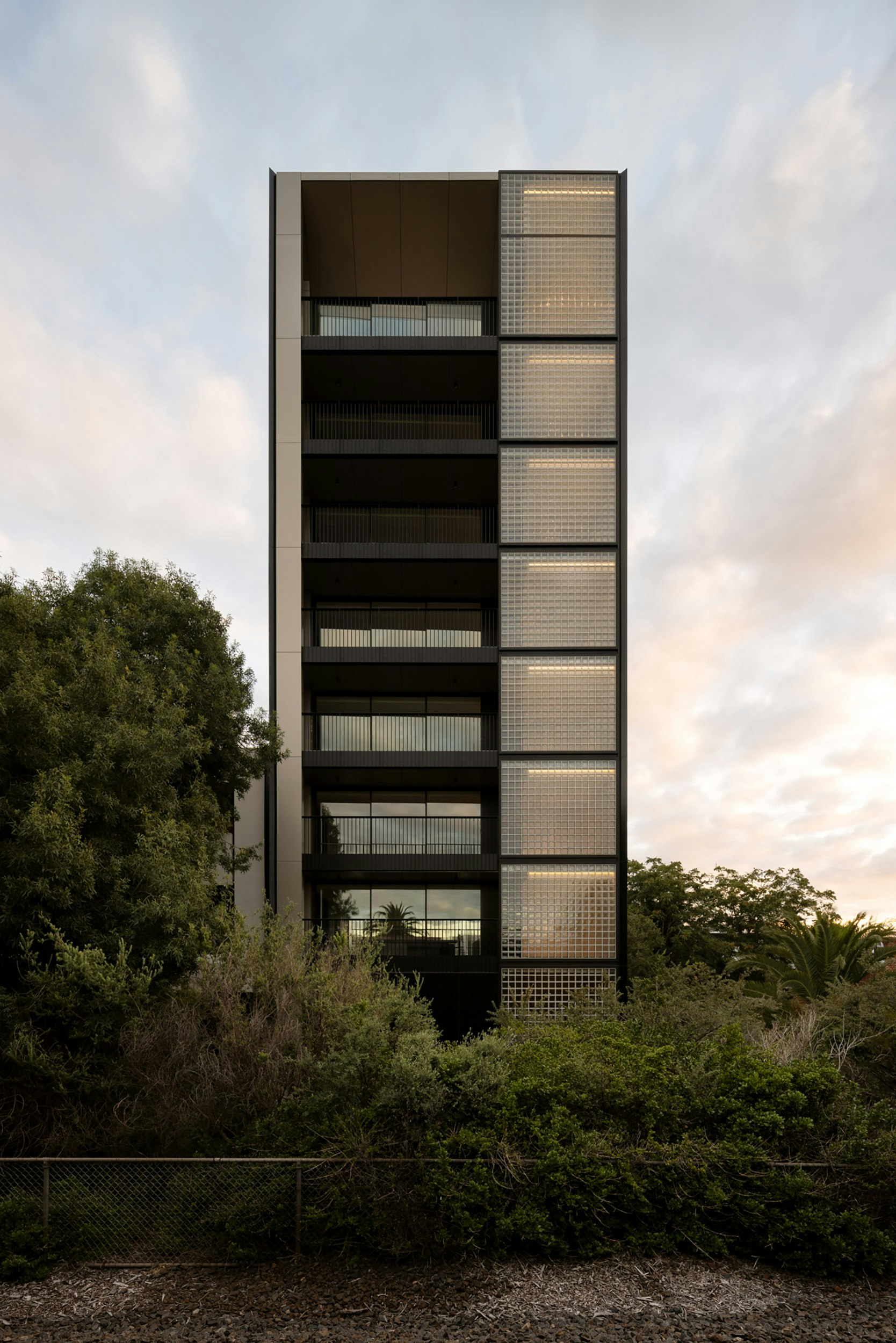
Glass blocks, also known as glass bricks, have long been a versatile material in architecture and design, offering a unique blend of functionality and aesthetic appeal. Their primary benefit lies in their ability to transmit light while maintaining privacy and providing structural integrity. This makes them suitable for a wide range of applications, from creating luminous interior partitions to constructing striking exterior facades. The material's inherent properties, such as insulation against sound and temperature, further enhance its utility in contemporary building projects. Glass blocks can be incorporated into various design styles, from industrial to minimalist, offering flexibility for designers and architects.
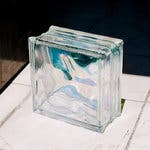
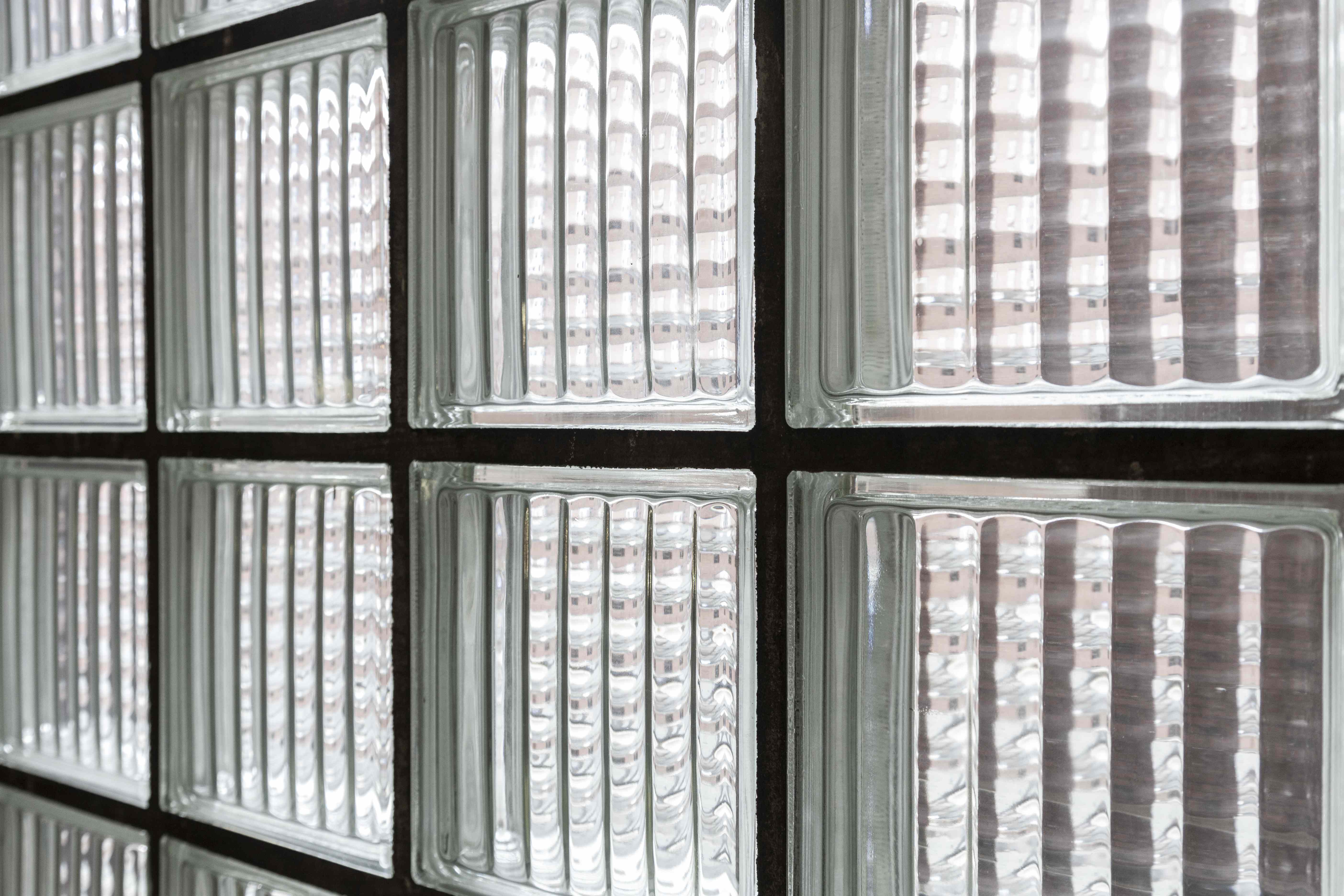
Several manufacturers offer distinct types of glass blocks, each with specific characteristics that cater to different design requirements. Among these, Pittsburgh Corning's DECORA® pattern is noted for its classic wavy undulations, which soften the passage of light and obscure direct vision, making it ideal for bathrooms or spaces where diffused light is desired. Its light transmission of 80% ensures brightness without sacrificing privacy. Another offering from Pittsburgh Corning is the VISTABRIK®, a solid glass block designed for high-security applications where resistance to forced entry, fire, and sound is paramount. With dimensions of 150mm x 150mm x 100mm, it provides robust protection while still allowing some light to penetrate, though its primary function is security.
Seves Glassblock, a European manufacturer, offers the Clearview glass block, which is distinguished by its pure clarity and high light transmission of 85%. This block is particularly suited for creating bright, airy spaces where maximum natural light is a priority. It is often used in modern residential and commercial buildings to enhance daylighting and create an open feel. The Clearview block is versatile enough for both internal and external applications, providing a clean, unembellished look.
Mulia Glass, based in Indonesia, provides the 'Oceanic' pattern, characterized by its textured surface that creates a wave-like distortion of light. This pattern offers a unique aesthetic and a degree of privacy, with a light transmission rate of 70-80%. It is an excellent choice for decorative features in interiors or for creating visually interesting external walls. Mulia Glass also produces the 'Midorika' pattern, which offers a greener tint, reminiscent of traditional Japanese architecture, and a lower light transmission of 60%. This block is ideal for creating a specific mood or theme, often used in spas or tranquil spaces.
Overall, the market for glass blocks presents a diverse array of options, each tailored to specific design needs and performance criteria. From high-security solid blocks to light-diffusing wavy patterns and crystal-clear options, these products enable architects and designers to manipulate light, privacy, and aesthetics in innovative ways. The selection of a particular glass block depends on the desired level of light transmission, privacy, security, and the overall aesthetic vision for the space, demonstrating the enduring relevance of glass blocks in contemporary architecture.
#GlassBlocks #GlassBricks #ArchitecturalMaterials #BuildingDesign #InteriorDesign #LightTransmission #PrivacySolutions #BuildingSecurity #GlassBlocks #GlassBricks #ArchitecturalMaterials #BuildingDesign #InteriorDesign #LightTransmission #PrivacySolutions #BuildingSecurity
0 comment in total
 No comments yet
You may also like
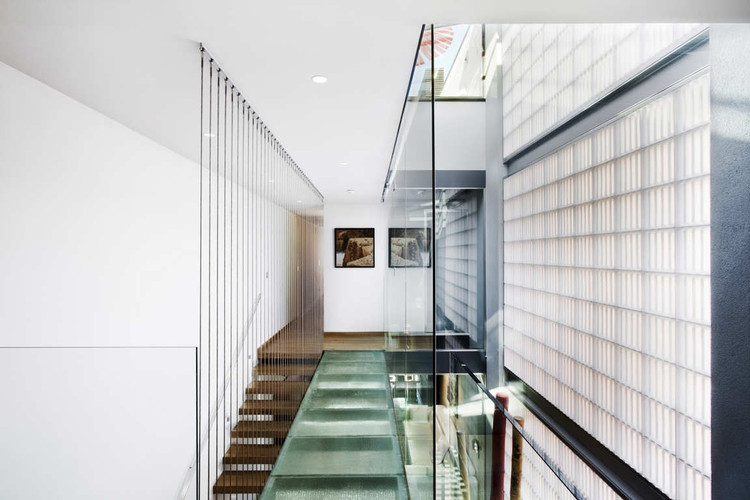
Glamorous Glass Bricks Are Booming – Again

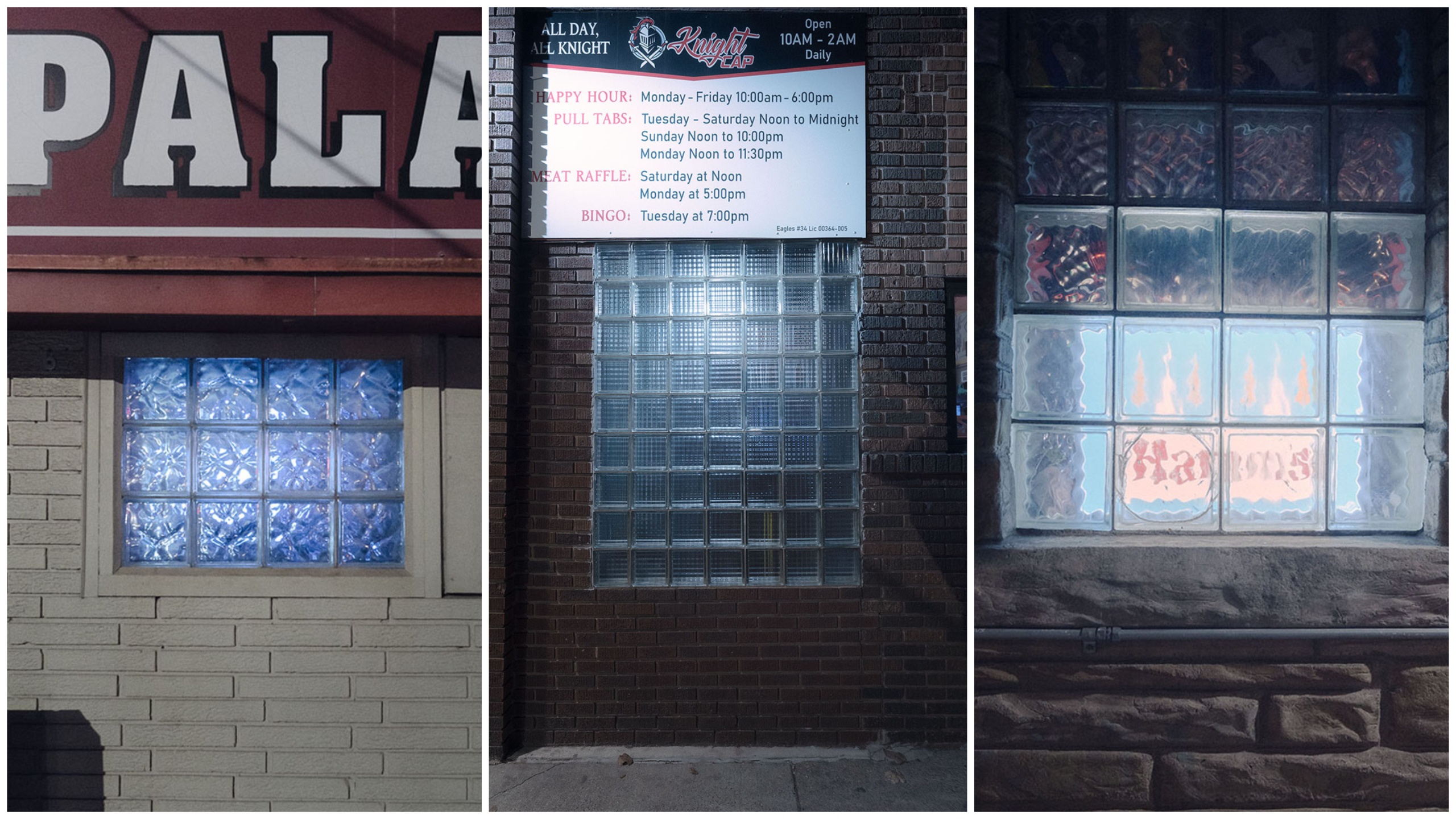
(Glass) Block List: 10 Minneapolis Dives Ranked By Their Glass Block Windows

15 most beautiful glass houses around the world


Glass bricks: Love or loathe?
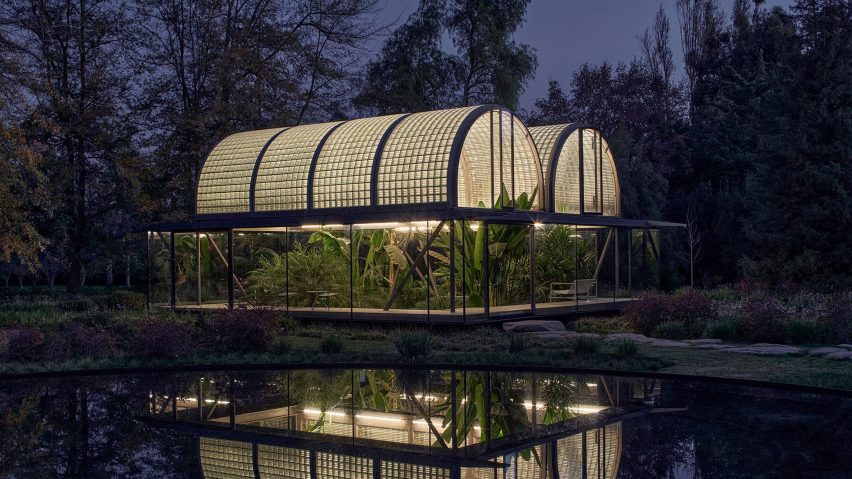
Eight buildings bejewelled with glass bricks and blocks
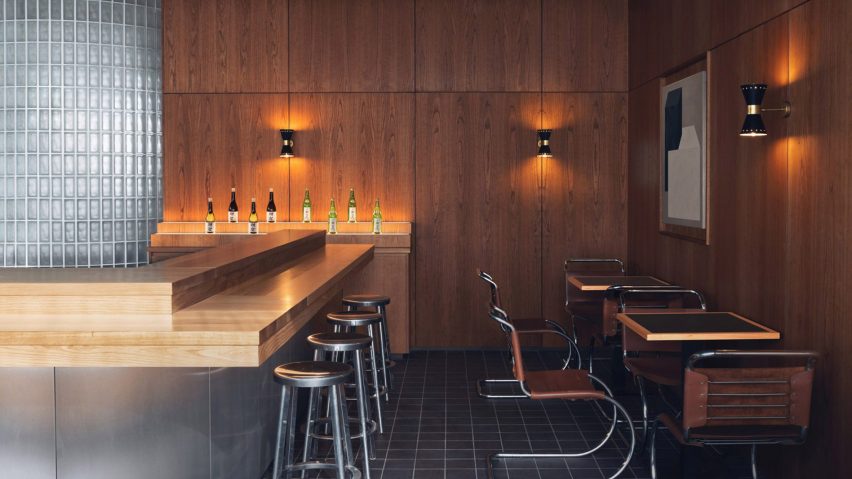
Ten interiors that use glass-block walls to play with light and shadow
Letter of Recommendation: Glass Bricks (Published 2016)

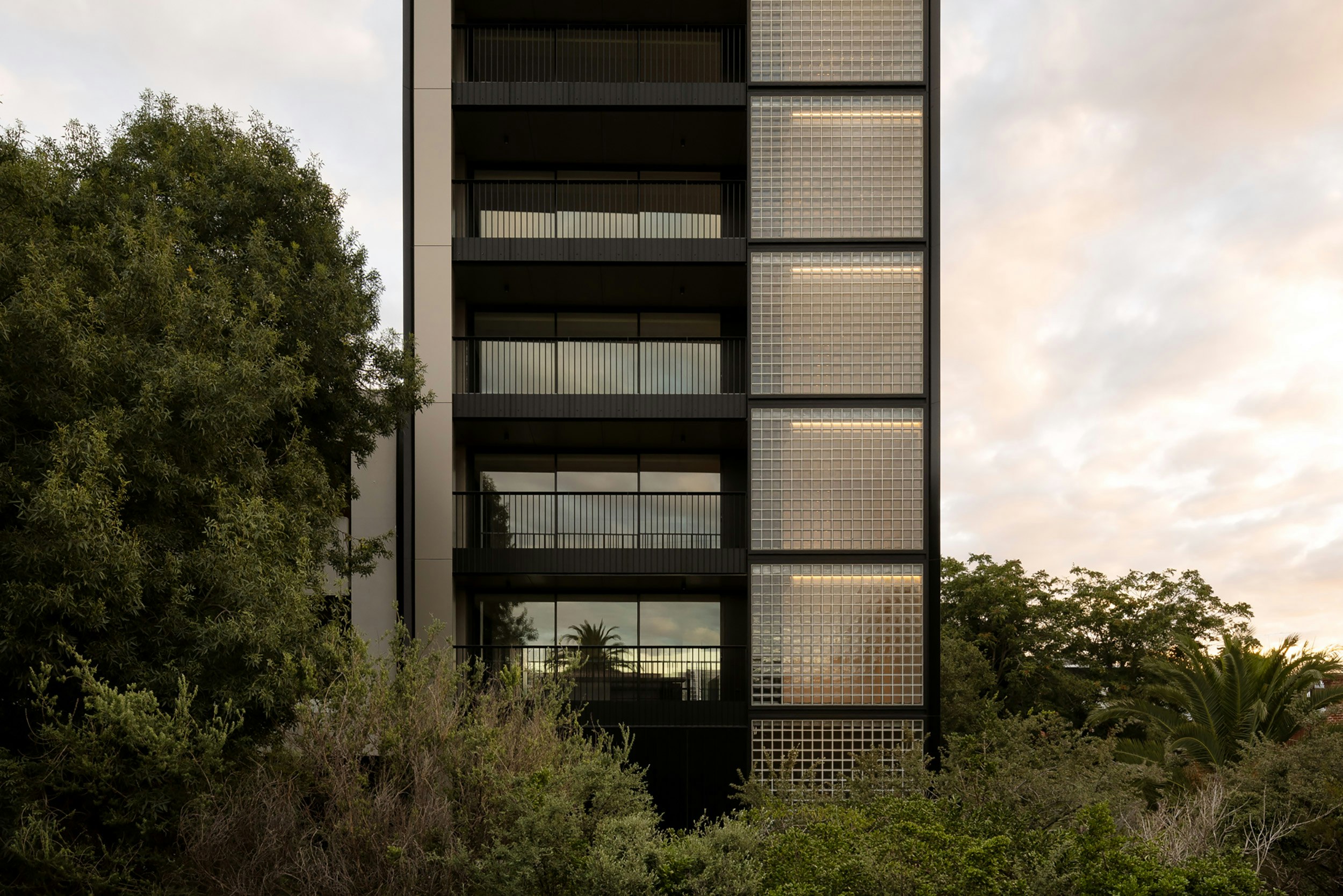
Retro Glass Bricks Stack to the Sky at This Australian Apartment Building

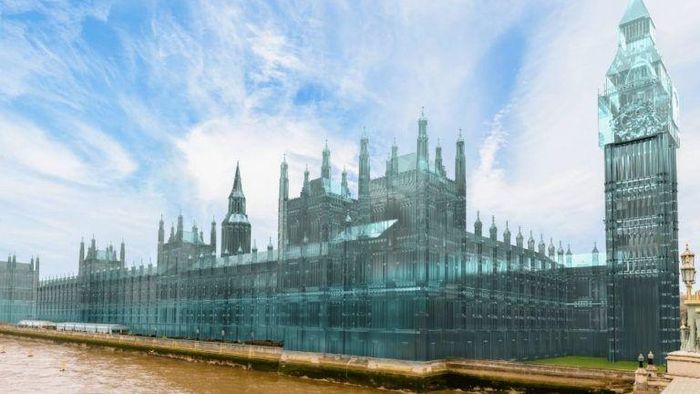
Five UK landmarks if they were made out of glass
Glass Blocks Are the Vintage Trend We're Loving in 2025—Here's How to Use Them

Africa Congo 5mm/6mm brown reflective glass tinted glass 2440*3660mm for window

The Best Paint for Glass

Glass Blocks Are the Vintage Trend We're Loving in 2025—Here's How to Use Them

glass art and design Archives
The Best Glass Drill Bits for Crafting and DIY Projects
Colorful Glassware is Trending — Here are 5 Ways to Display Your Collection to Give it Pride of Place in Your Home

Glass Is Red-Hot: Here Are 6 New Collections to Know

Glass Vases - Our Pick of the Best

Structural Glass Sandwich Panels

Glass Block Is Back: How We're Embracing This Retro Feature in a Fresh, Modern Way