1/14
The Best Paint for Glass
Painting on glass offers a wide array of creative possibilities, enabling individuals to craft beautiful home decorations or personalized gifts. The initial investment for this craft is minimal, requiring only quality acrylic paint brushes and a glass object. This guide delves into various types of glass paints, their forms, features, and applications to help users select the most suitable product for their projects.
Water-based acrylic enamels are a common choice for DIY and craft use, offering good scratch resistance and often becoming more durable when cured in a household oven. These are non-toxic, though not food-safe, and are suitable for various glass items from jars to light bulbs. Solvent-based glass paints provide superior durability but are toxic, flammable, and release strong fumes, making them more suitable for professional use and not recommended for children. Tempera paints are ideal for temporary applications like window displays, as they adhere well but are easily washable. Chalk paint offers durability and versatility, applicable to multiple surfaces including glass, ceramic, metal, wood, and canvas, often without requiring prior preparation.
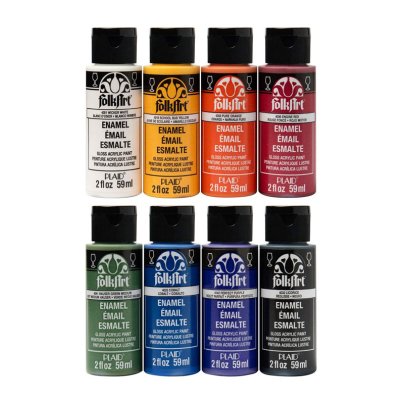
Glass paints come in various forms and sizes, including 2-ounce bottles, smaller tubes, 11-ounce spray cans, and paint pens. Bottles, typically containing acrylic enamels, are often sold individually or in economical sets and are sufficient for multiple small projects. Tubes offer smaller quantities, similar to artist oil paints. Spray paints are excellent for covering large areas and come in finishes that can mimic sea glass or metallic textures. Paint pens provide precise control with various nib widths, making them user-friendly for intricate designs.
Key features to consider include pigment strength, transparency, and compatibility with mixing to create diverse color palettes. While most water-based acrylic paints are non-toxic, areas that come into contact with food or mouth, such as glass rims, should be avoided. Acrylic enamel paints generally offer limited weather resistance unless varnished or sealed. Available finishes include gloss, frosted, shimmer, and metallic effects.
Glass paints can be permanent or temporary. Tempera paints are temporary and easy to clean, making them suitable for displays that change frequently. Standard acrylics are semi-permanent but can be made permanent with a sealer. Acrylic enamels and solvent-based products are designed for permanent applications, offering significant durability, especially after curing.
Glass curing is a crucial step for enhancing durability. After air-drying for 24 to 72 hours, acrylic enamels can be made even tougher by applying a spray-on or brush-on sealer, allowing 24 hours for curing. Alternatively, oven baking at 300 degrees Fahrenheit for 30 minutes, followed by natural cooling, can significantly increase durability, making the items dishwasher and microwave safe after 72 hours. Specific instructions for oven curing vary by manufacturer and product, with some paints, particularly sprays, being unsuitable for high temperatures.
The article reviews several top glass paint products, categorizing them based on their best use cases, such as overall best, best value, best for windows, tiles, light bulbs, ornaments, jars, paint pens, and spray paints. Each recommendation includes pros, cons, product specifications, and details on type, form, and permanence, assisting users in making an informed choice for their specific glass painting needs.
#GlassPainting #DIYCrafts #AcrylicEnamel #HomeDecor #ArtSupplies #GlassCuring #PaintTypes #CraftProjects #GlassPainting #DIYCrafts #AcrylicEnamel #HomeDecor #ArtSupplies #GlassCuring #PaintTypes #CraftProjects
0 comment in total
 No comments yet
You may also like
How to choose the best exterior paint for doors and windows

Colorful Glassware is Trending — Here are 5 Ways to Display Your Collection to Give it Pride of Place in Your Home
The 15 Best Paint Brands

Design tips to use glass in interior spaces and decoration | Hindustan Times

Glass Vases - Our Pick of the Best

I Found 6 Homes Where Colored Glass Brings so Much Joy — And Now Basic Windows Seem Boring
Even Water Is More Fun to Drink With Our Favorite Colorful Glassware Sets

This Inspired Line Made Me a Colored Glass Convert


glass art and design Archives

Color play: How to use hues and neutrals in architectural design
The Best Interior Paints, According to Expert Testing

Paint finishes – a guide for every room

Choose The Best Paint Then The Color | Interior Paint Reviews
The Best Interior Paint | Reviews by Wirecutter
Stained glass is having a renaissance in interiors – here's how to use it well
Paint finishes explained – an expert guide to choosing the perfect type of paint for your projects
Africa Congo 5mm/6mm brown reflective glass tinted glass 2440*3660mm for window

The Best Painting Tools

5 Best Ceiling Paints

5mm 6mm 8mm 10mm 12mm Customized design Figure Glass Tempered Pattern Decorative Glass