1/4
Experts say this flooring option can improve air quality – and chances are you already have it in your home
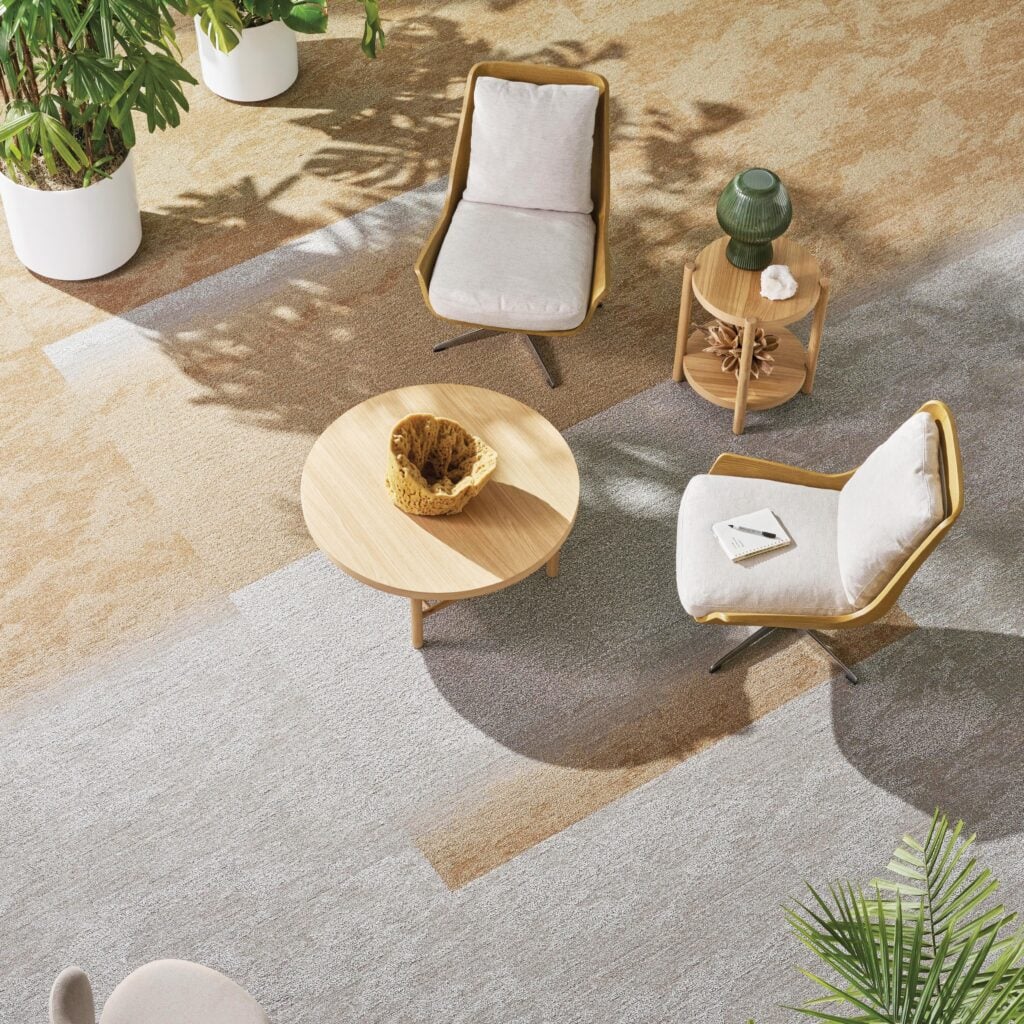
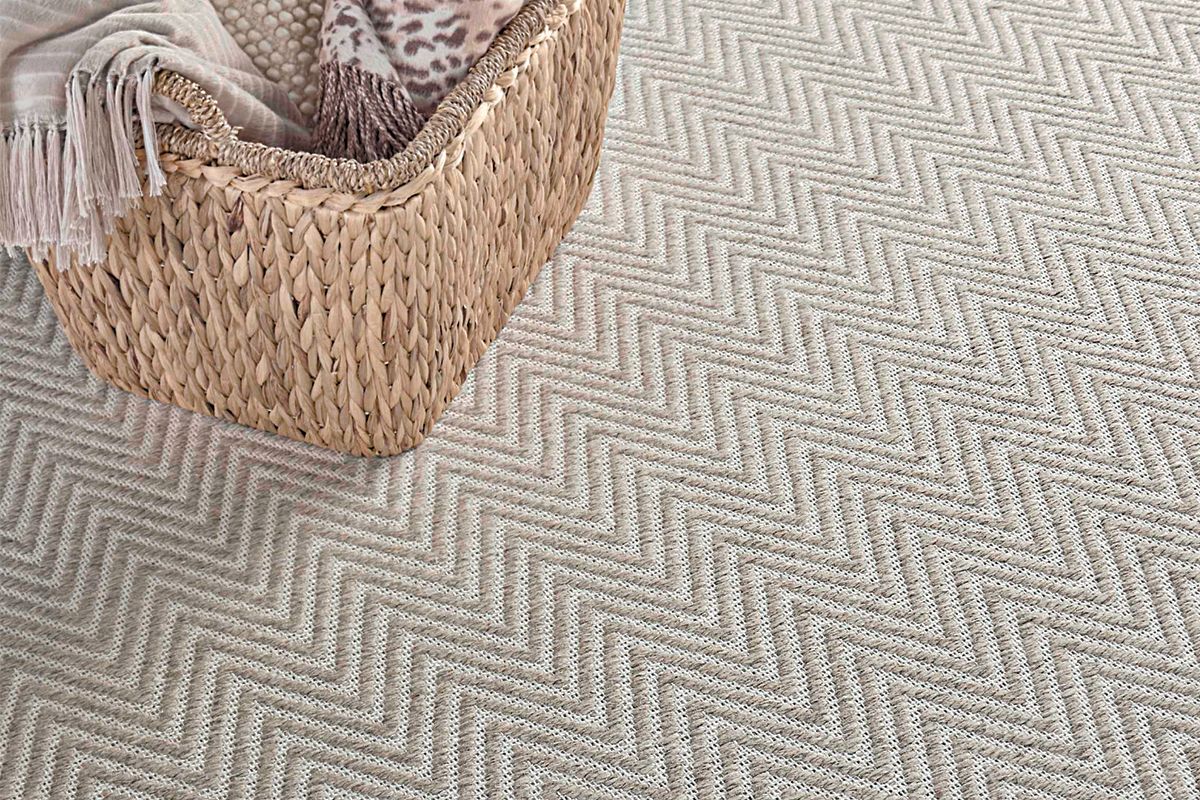
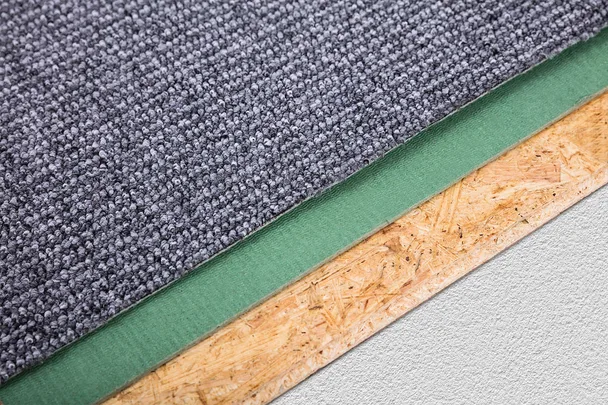
The perception of carpet in home decor has fluctuated over time, often being seen as less sophisticated than hard flooring options like hardwood or tiles. However, carpet is experiencing a resurgence in popularity in 2025, bringing with it a surprising range of health benefits, particularly concerning indoor air quality.
Studies have demonstrated that carpet can significantly enhance air quality within a home by effectively trapping dust, allergens, and other airborne particles. Unlike hard floors, where these particles can easily become airborne with movement, carpet fibers hold onto them, making them readily removable through vacuuming. This is especially beneficial for mitigating the impact of invisible toxins such as volatile organic compounds (VOCs).
VOCs are chemicals emitted from various household items, including furniture made from materials like MDF, paints, and cleaning products. While pervasive, inhaling these chemicals can lead to irritation of the eyes, nose, and throat. Research indicates that carpet contributes far less to indoor pollution than many other interior finishes and materials. For instance, carpet emits a significantly smaller fraction of VOC gases compared to paint, with studies suggesting it releases 1/200th of the VOCs emitted by paint.
Beyond its low VOC emissions, carpet also acts as a barrier against other common pollutants like dust mites and pollen. It's a common misconception that hard flooring is more hygienic; in reality, dust and germs often accumulate on hard surfaces, making them a worse choice for allergy sufferers as these particles can easily spread. Carpet's wool fibers, for example, trap these particles, preventing them from becoming airborne until they are vacuumed away.
Furthermore, the environment within carpet fibers is generally unfavorable for dust mites. Dust mites require specific temperature and humidity levels (between 18 and 25°C and 60–70% humidity) to thrive. The typically lower humidity levels within carpet prevent them from flourishing, and the carpet's three-dimensional structure acts like a sponge, holding mites and allergens until they are removed through vacuuming.
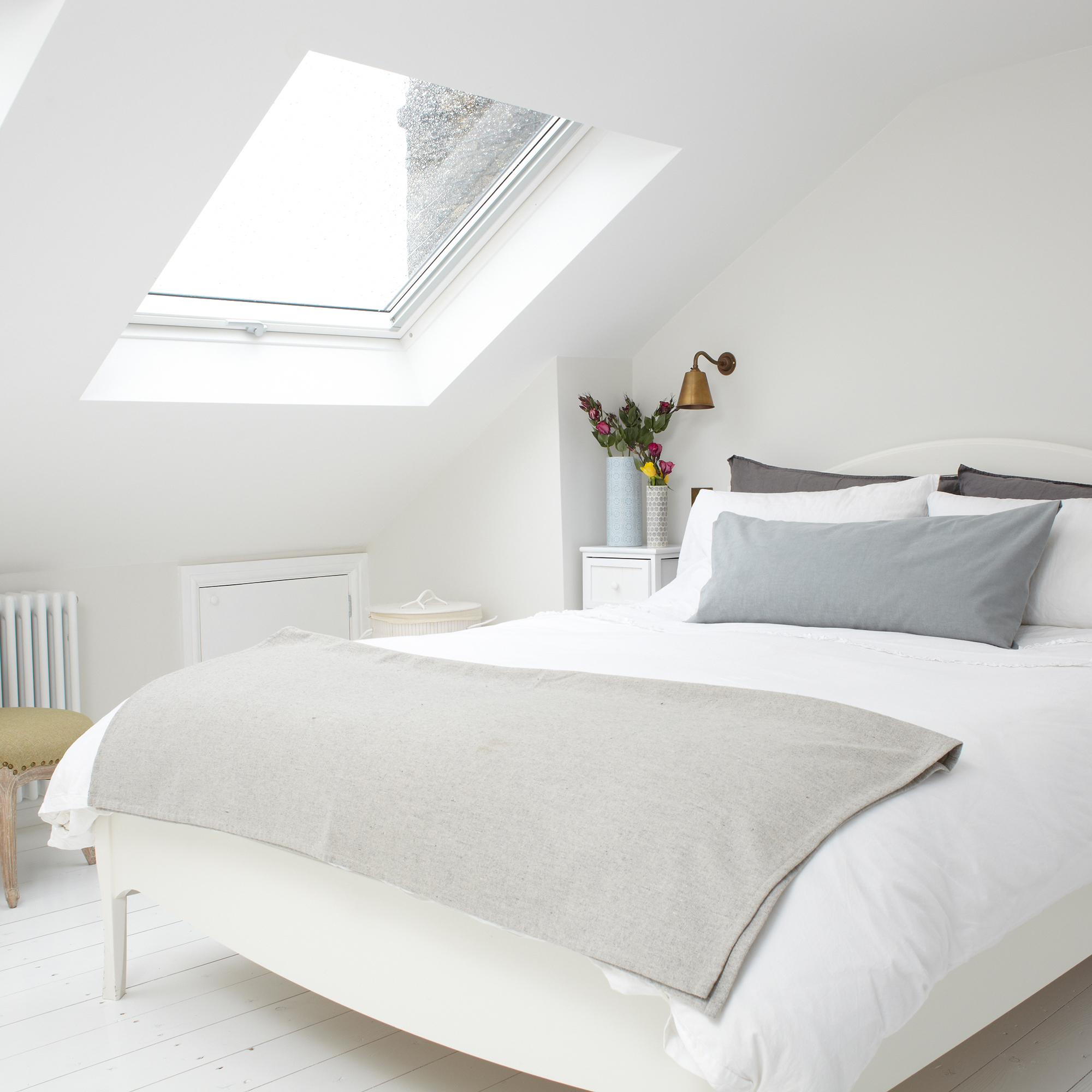
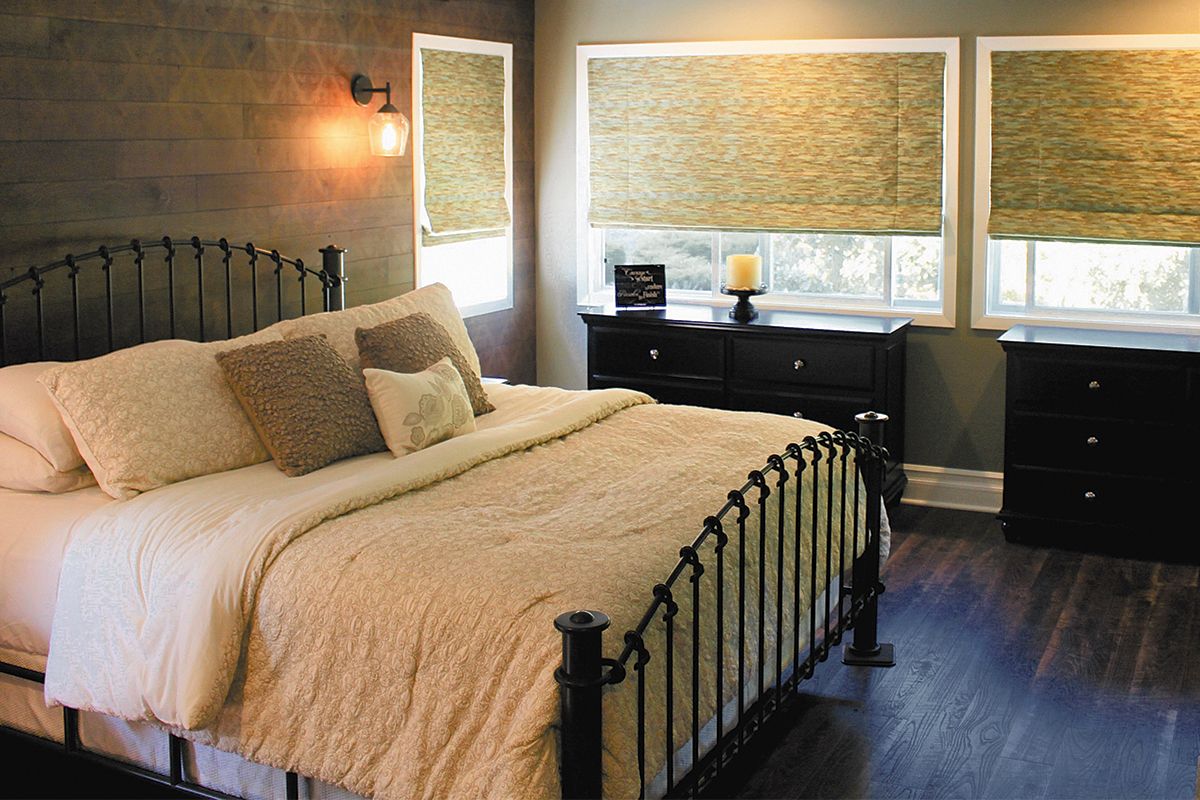
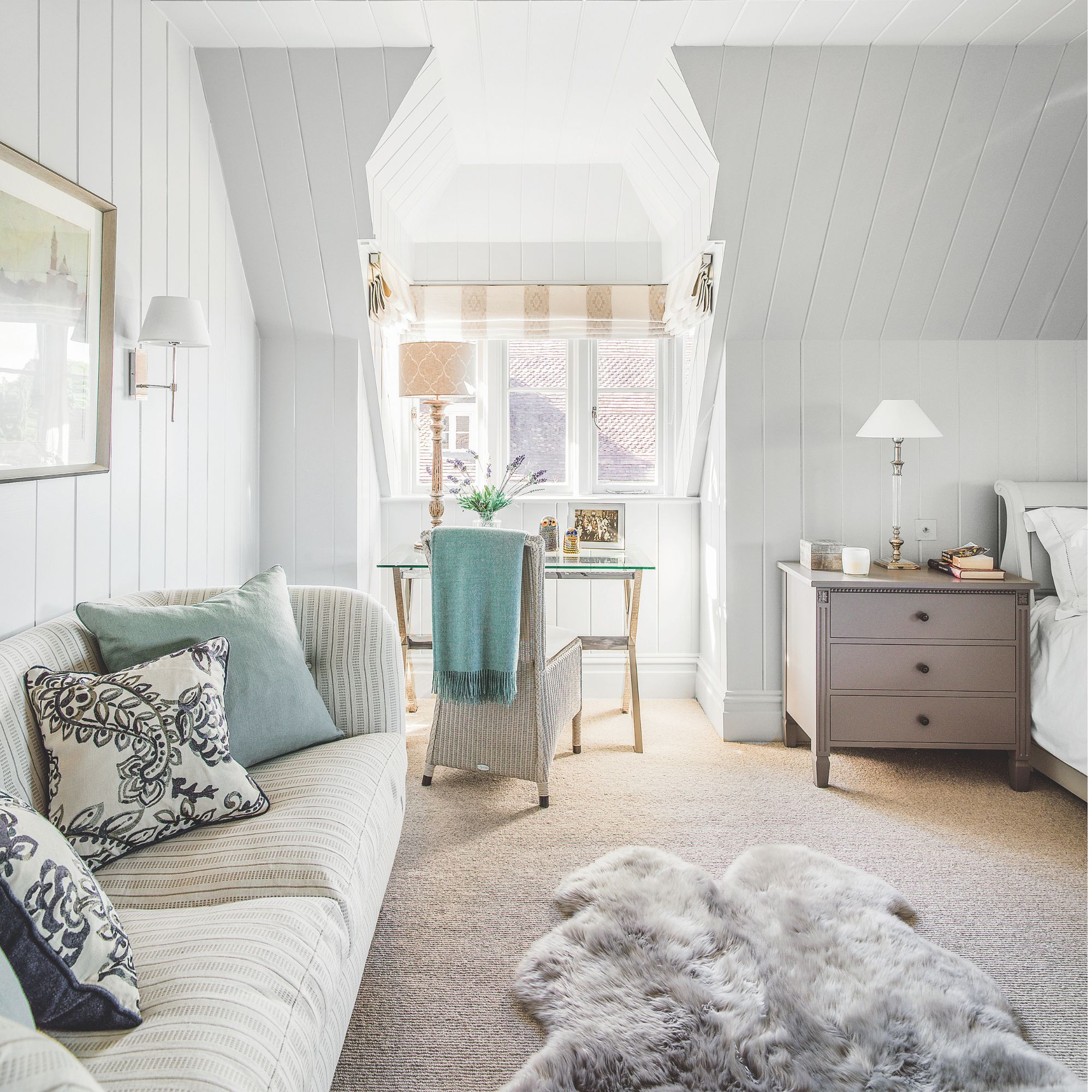
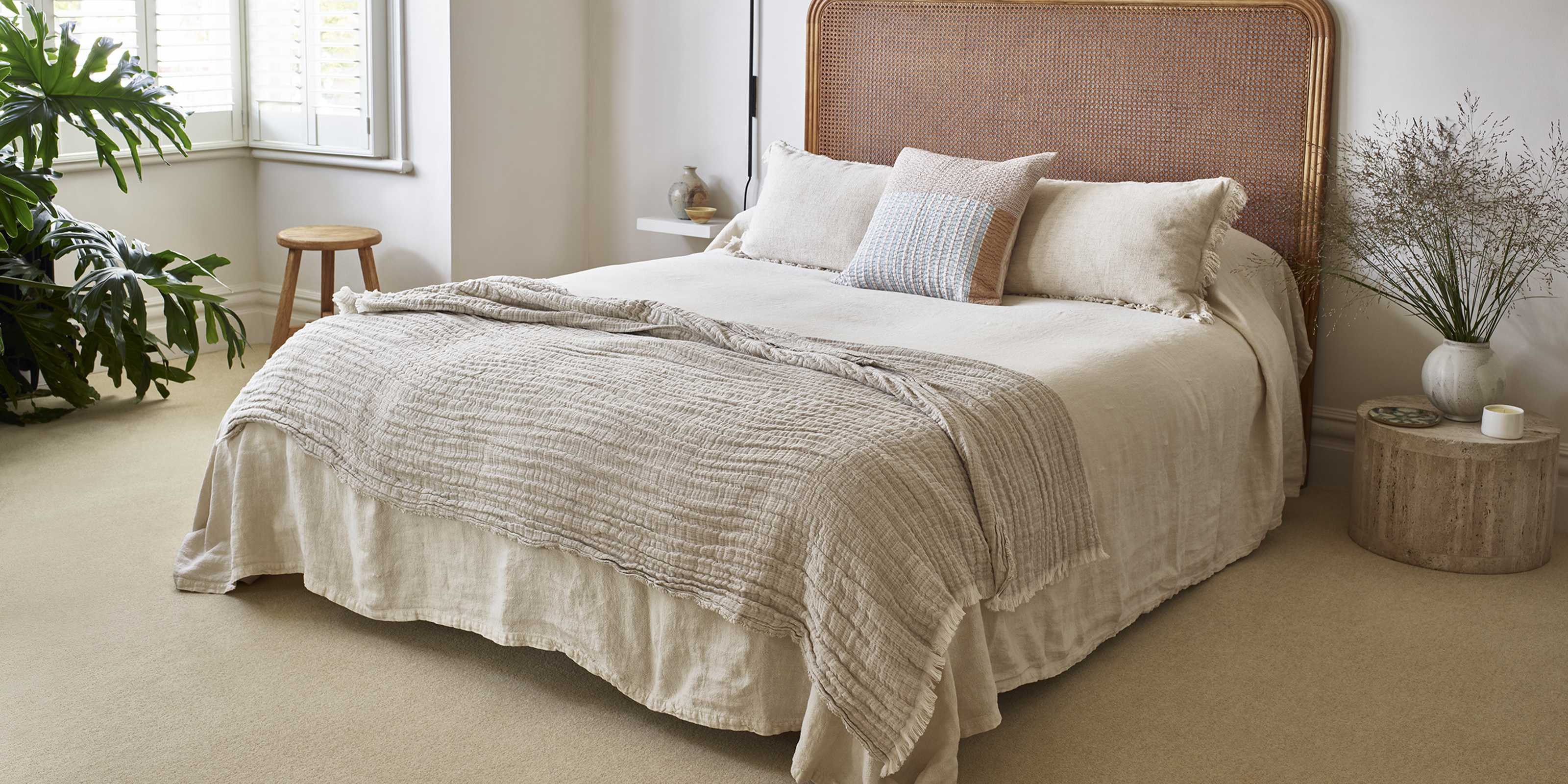
When considering where to install carpet, it is versatile enough for most rooms. However, placing carpet in bedrooms is particularly recommended. Bedroom carpets not only create a relaxing ambiance but also leverage their air-purifying properties to potentially improve sleep quality. Bedrooms are often primary breeding grounds for dust mites due to higher humidity in bedding. Installing carpet and regularly vacuuming can significantly reduce these risks.
For optimal air quality benefits, wool carpets or low-pile options are highly effective. These types of carpets naturally resist dust mites and allergens and are particularly adept at absorbing airborne toxins like VOCs and excess moisture, contributing to a healthier home environment. Incorporating carpet into your home in 2025 offers both aesthetic and significant health advantages.
#CarpetBenefits #AirQuality #HomeFlooring #IndoorEnvironment #VOCReduction #AllergenControl #BedroomDesign #WoolCarpet #HealthyHome #CarpetBenefits #AirQuality #HomeFlooring #IndoorEnvironment #VOCReduction #AllergenControl #BedroomDesign #WoolCarpet #HealthyHome
0 commenti in totale
 Nessun commento ancora
Potresti anche gradire
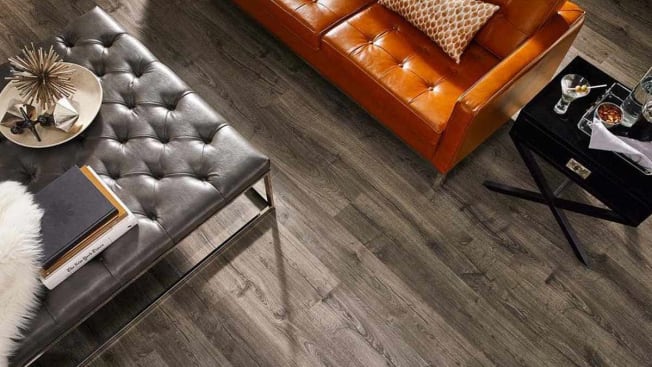
Best Flooring of 2025
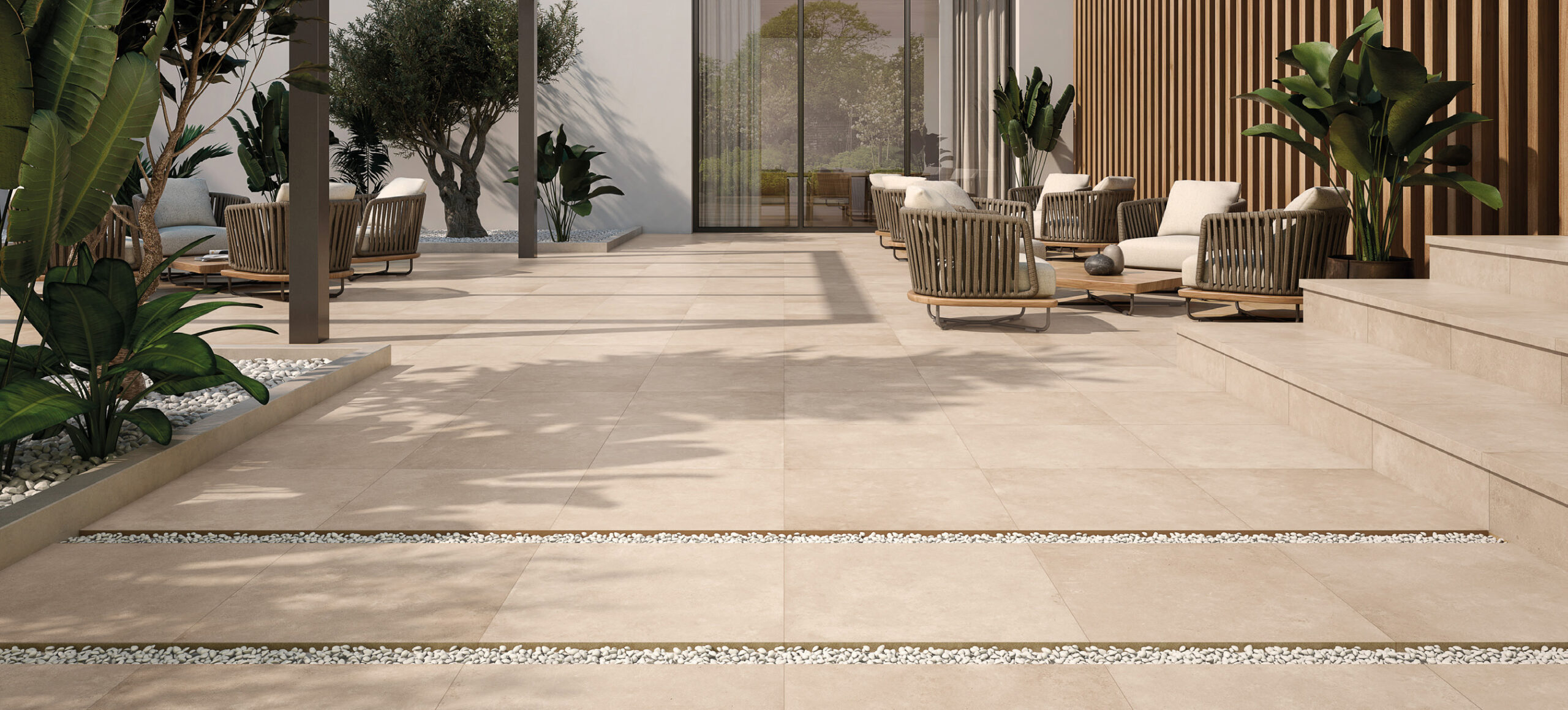
10 Flooring Products that Look Good and Work Hard

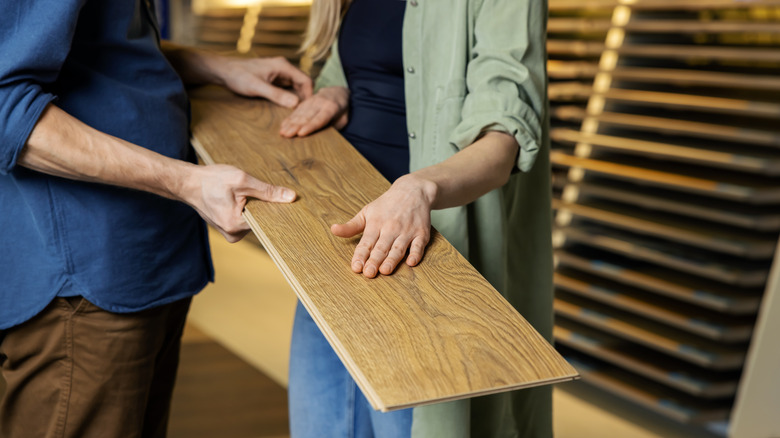
These 4 Flooring Trends Are Set To Dominate In 2026, According To A Design Expert
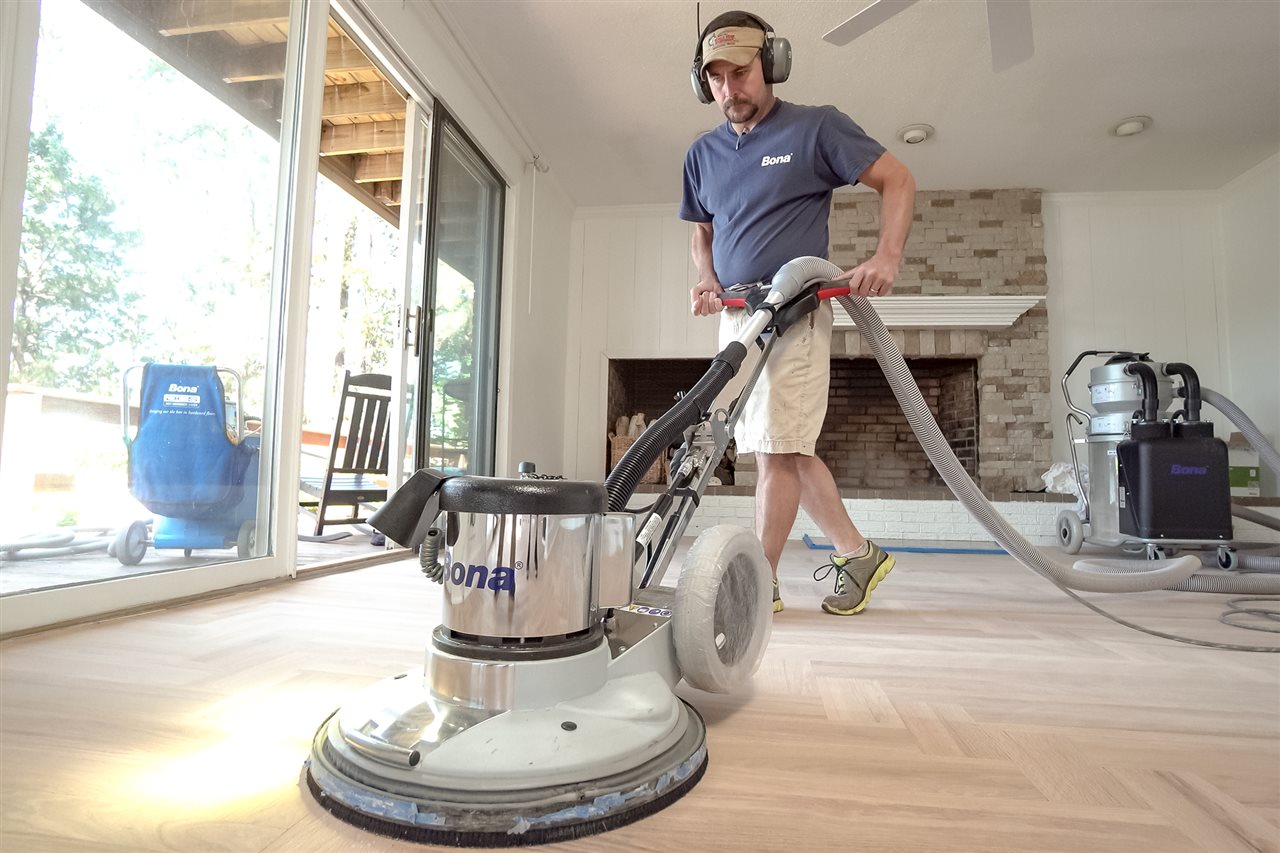
User | custercountychief.com - What’s the best hardwood floor finish in 2026?
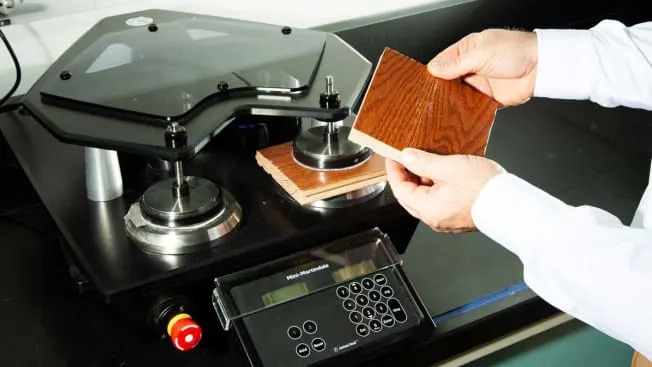
Best Flooring From Consumer Reports' Tests
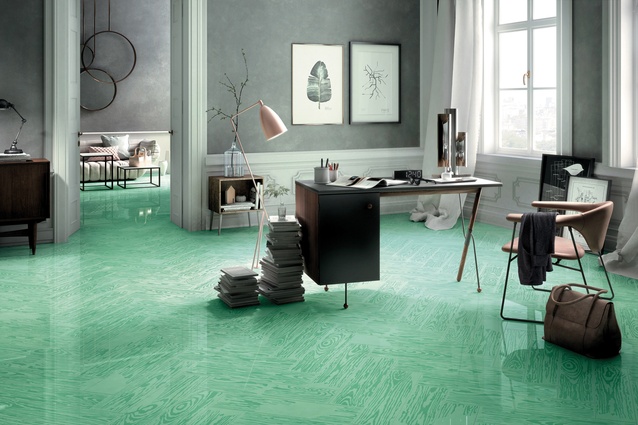
Walk on by: flooring focus
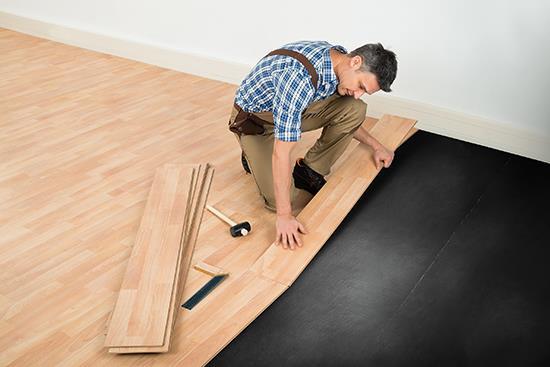
Floor Prep and Underlayments: Critical flooring performance attributes reside below the surface - Jan 2021

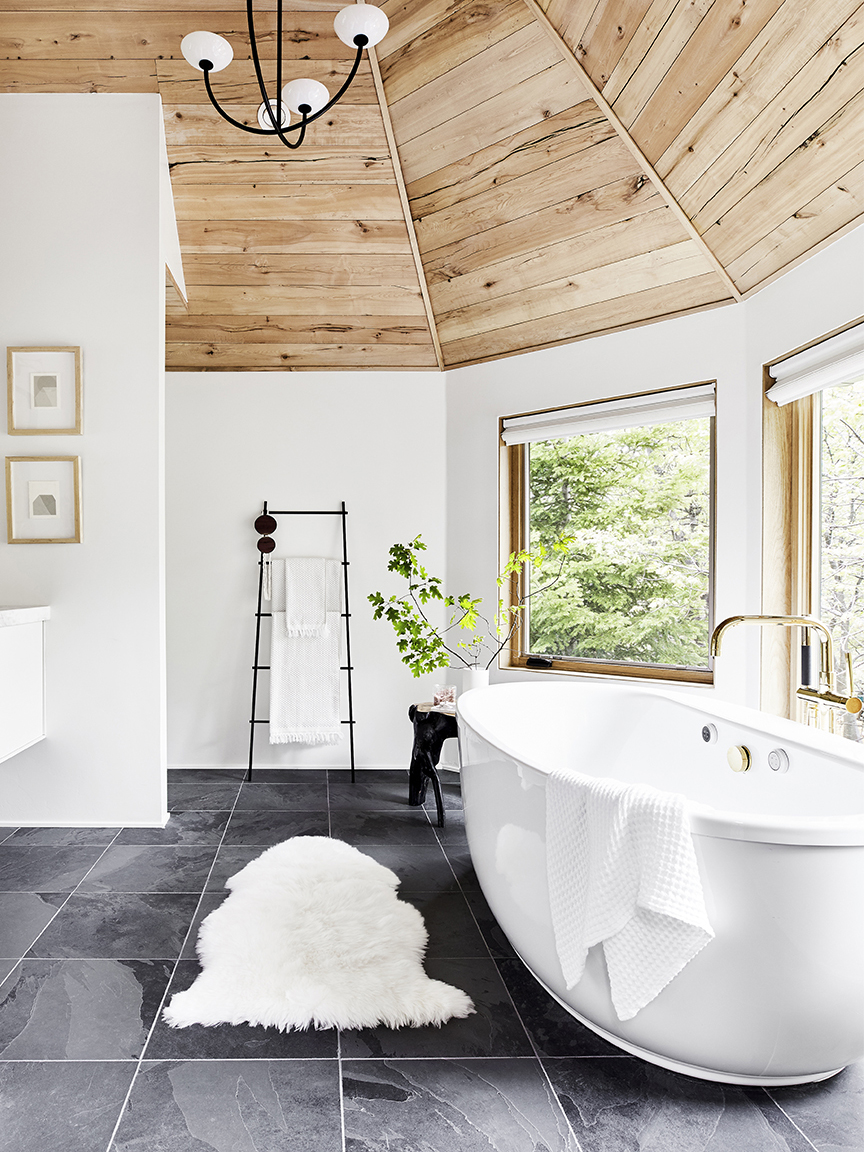
Updating Your Flooring Has Great ROI—This Option Will Outlast Carpet by Almost 100 Years

How to improve air quality at home - it’s the big health issue nobody’s talking about
7 Floor Materials Contractors Never Use (and You Shouldn't Either)

Senso designs "world's first seamless flooring" with plant-based resins
Eco-friendly flooring – everything you need to know about sustainable floors
The beginners guide to hard and soft flooring options

Add comfort and beauty to your home with new floors

5 flooring choices that will make it harder to sell your home
Set the Stage With These Flooring Options

Flooring Materials That Just Aren't Worth The Price, According To Our Experts

Newsletter #50: 🏡 Place as medicine: How our homes can create health or disease
Future of Flooring: Home Pros Talk Through the Latest and Greatest Flooring Trends

This is the Absolute Best Flooring for Increasing Home Value