1/2
User | custercountychief.com - What’s the best hardwood floor finish in 2026?
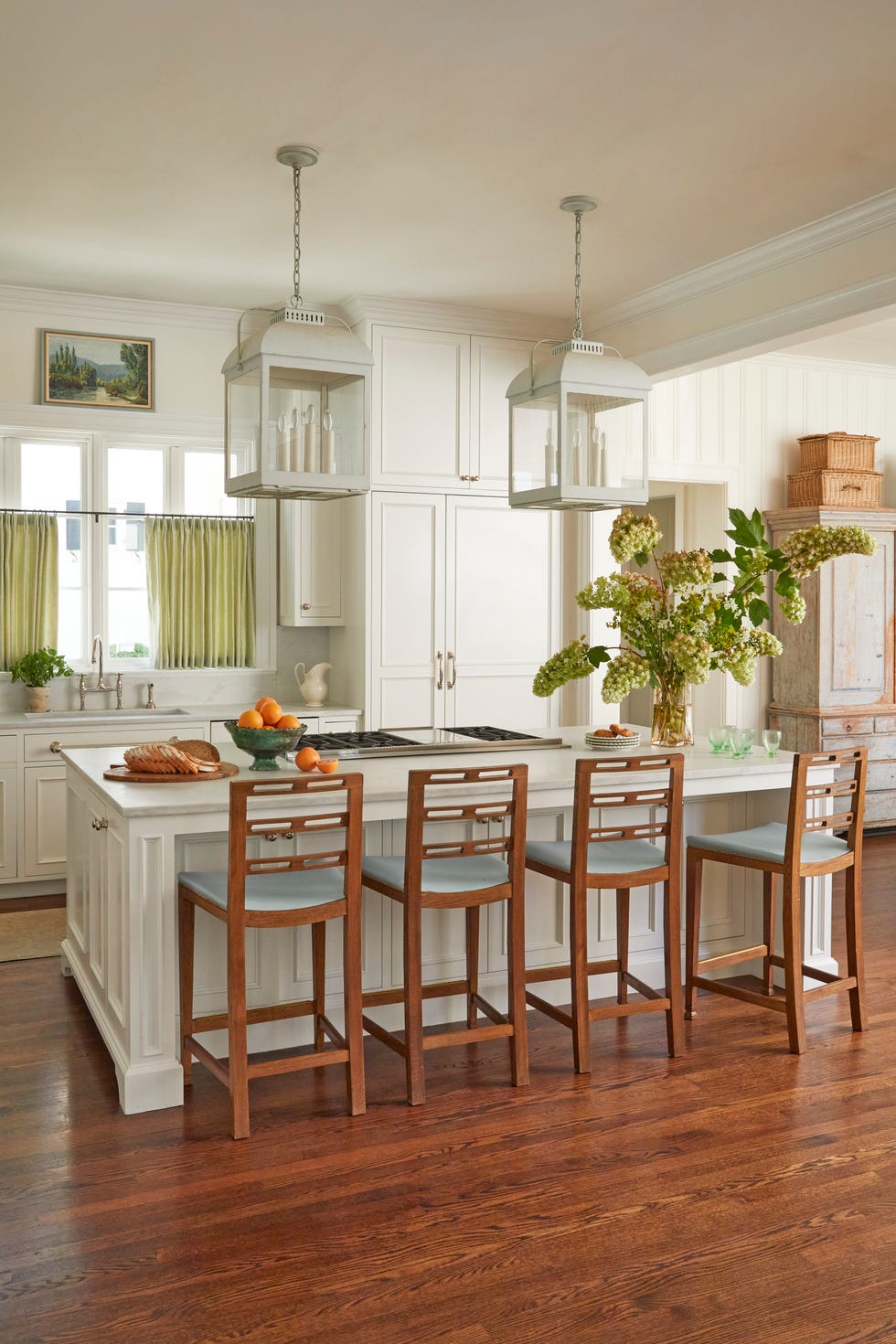
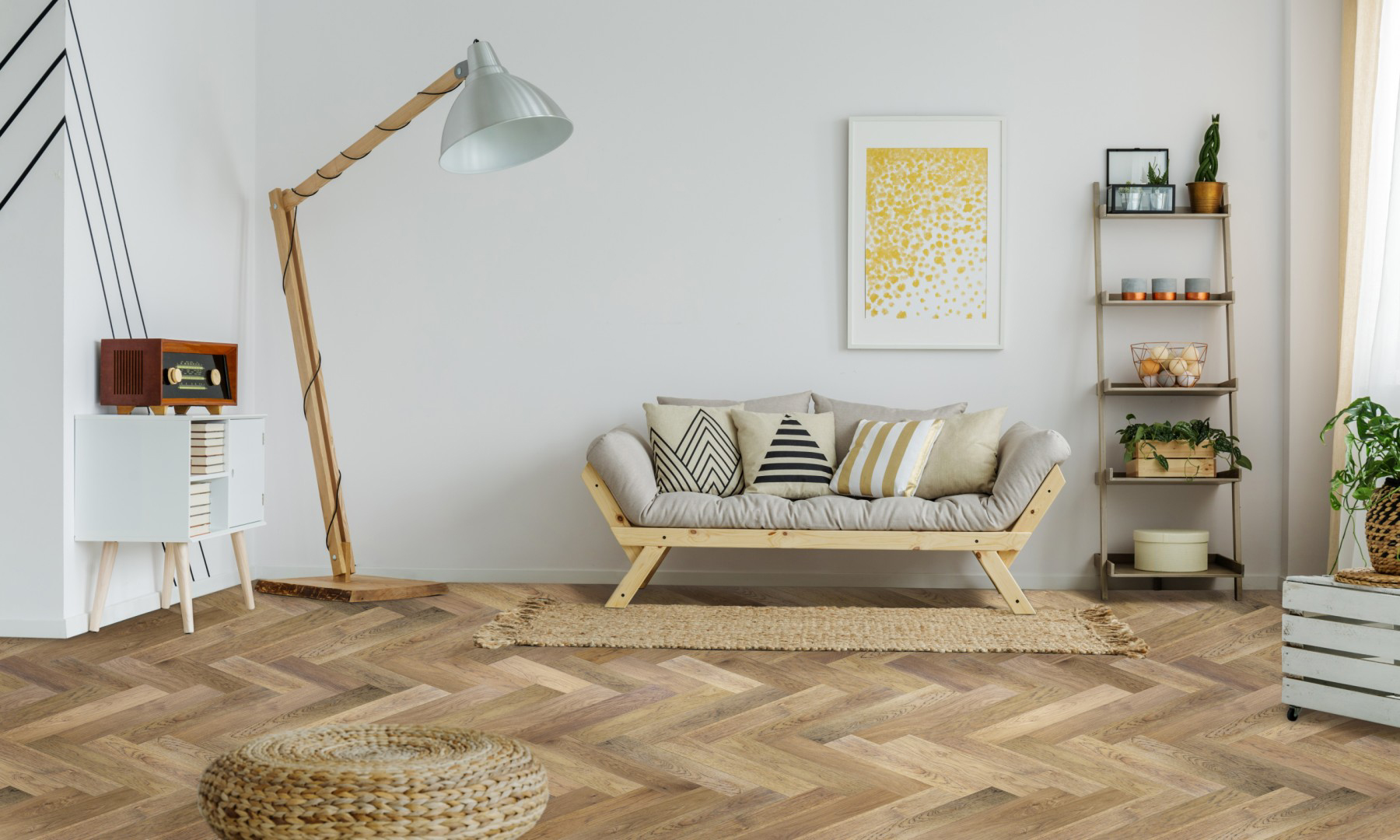
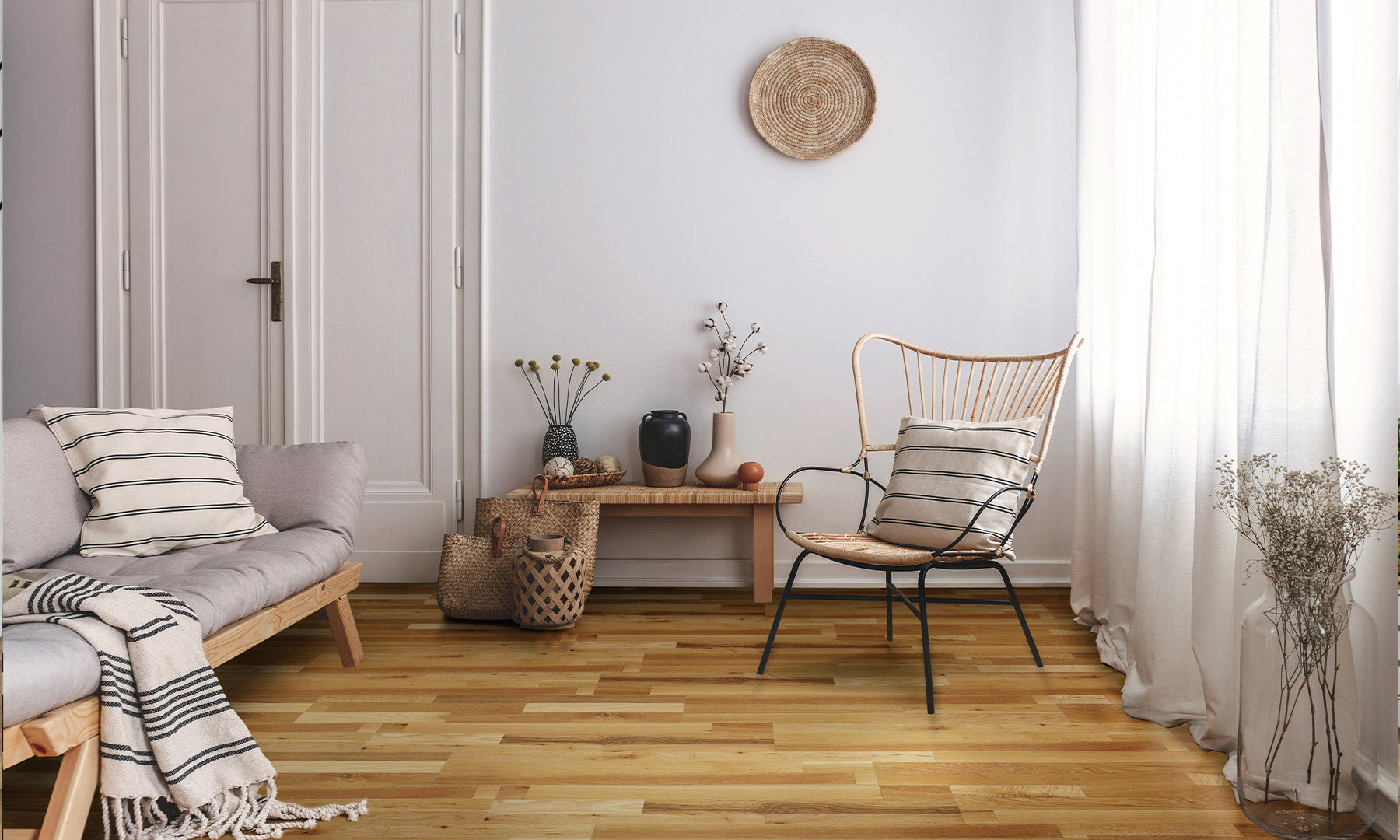
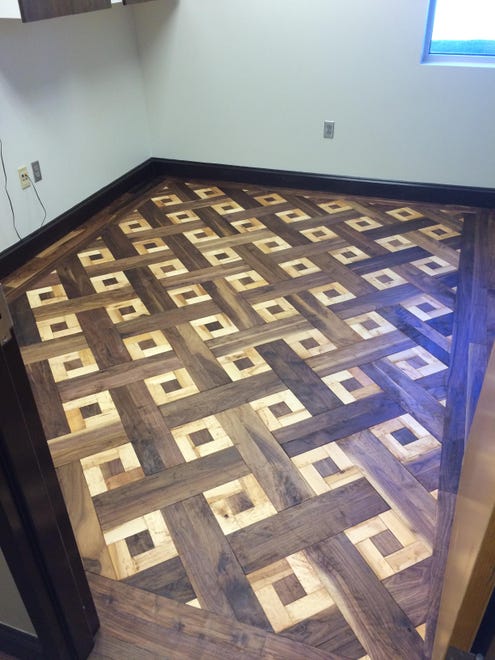
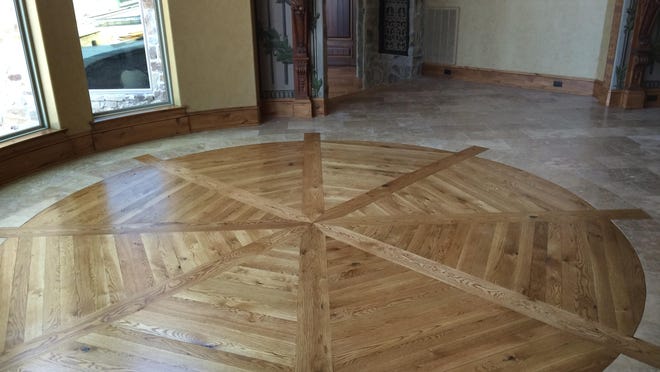
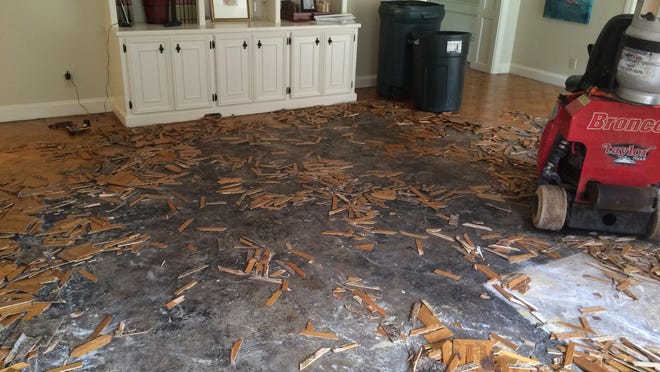
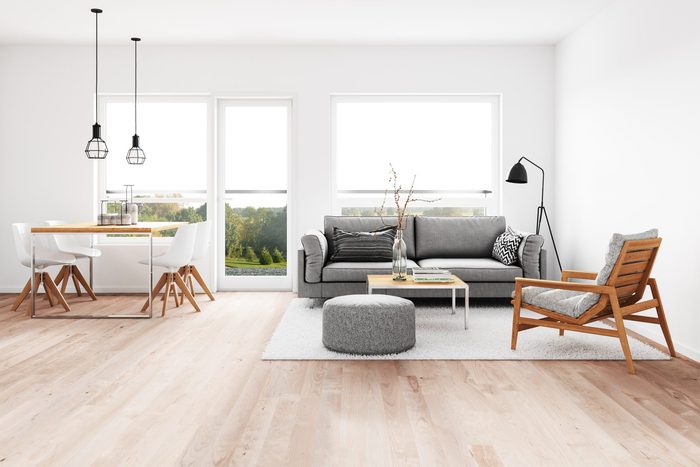
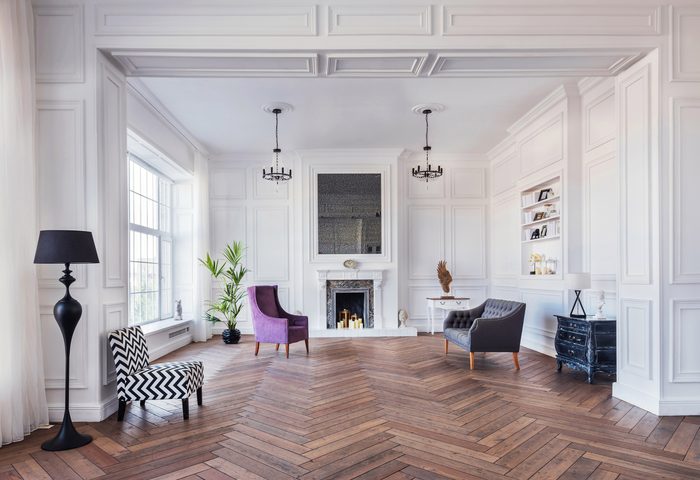
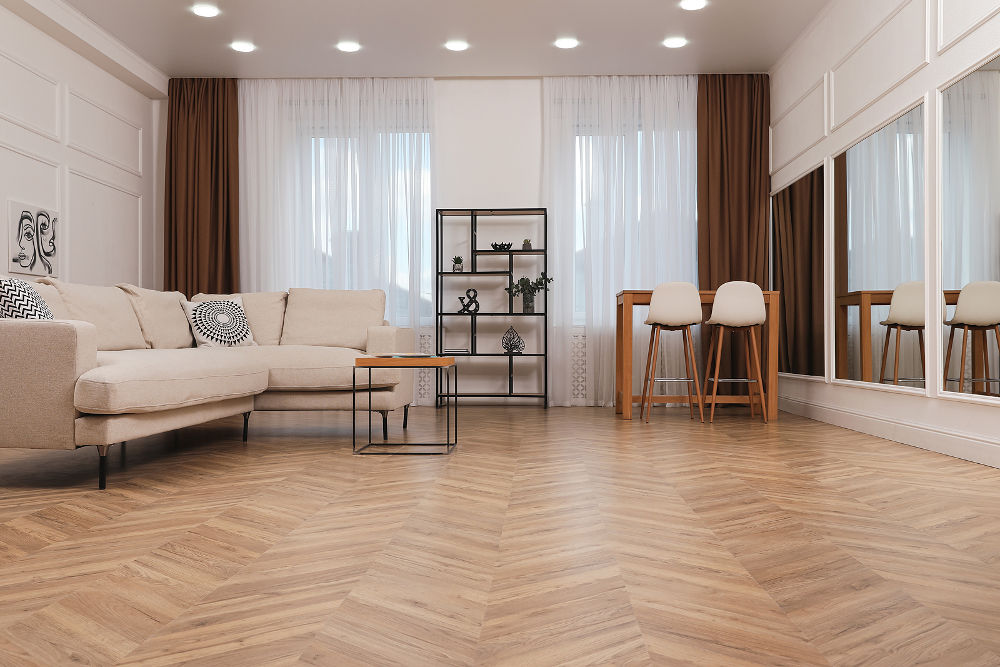
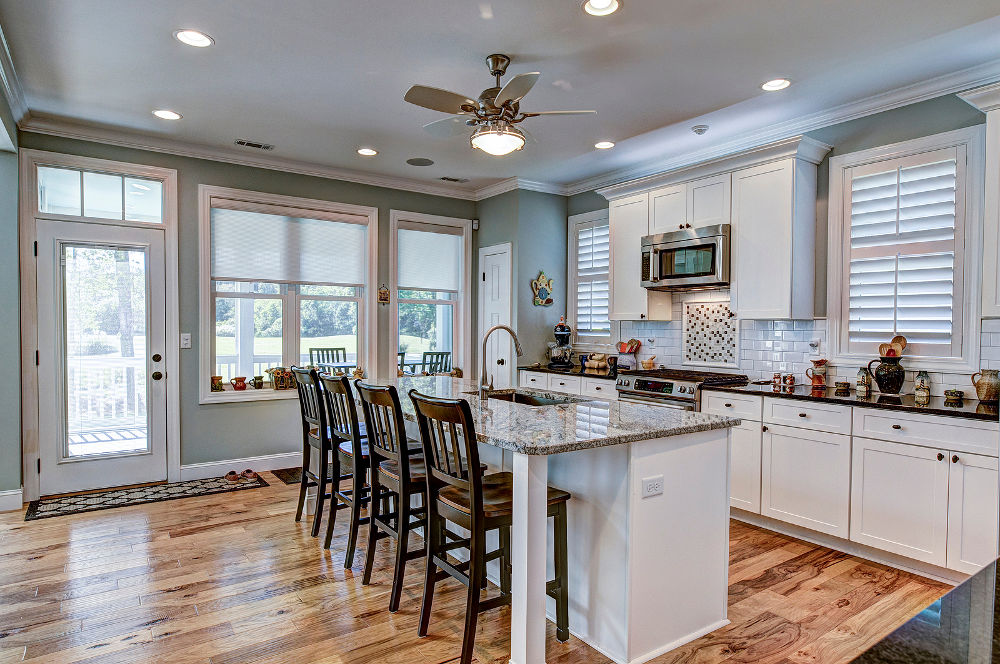
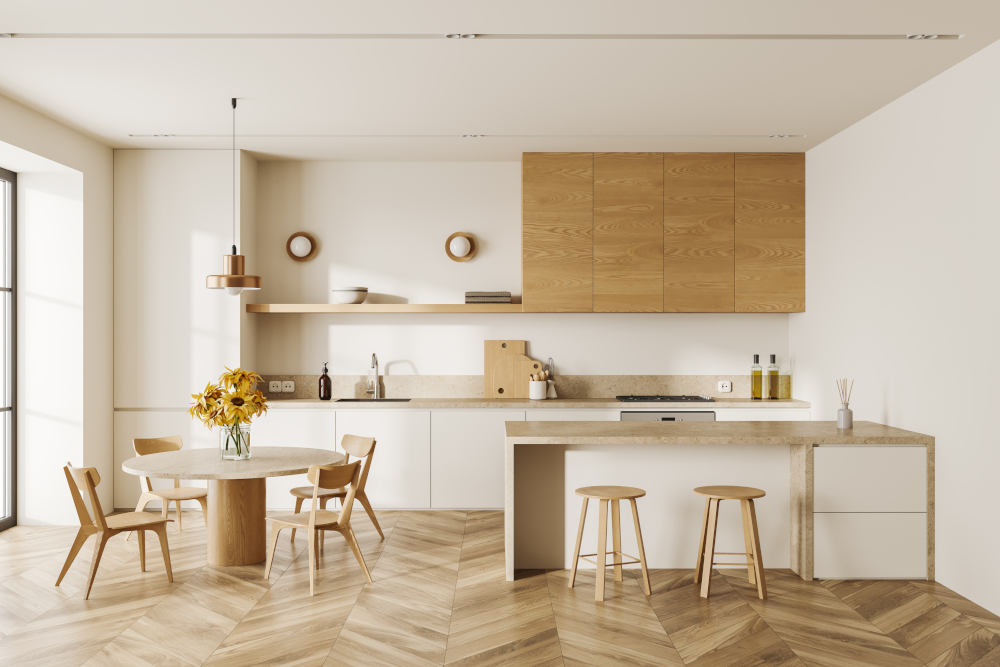
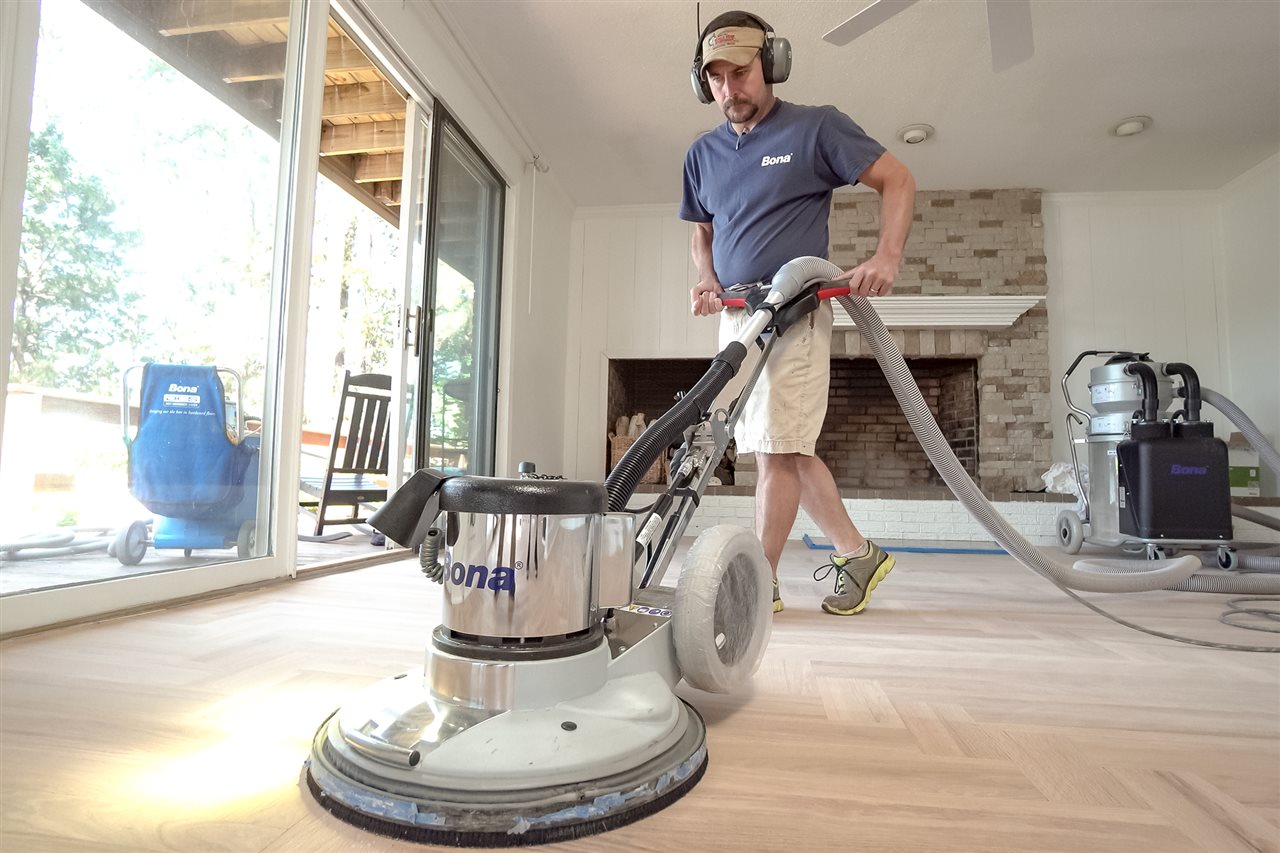
Hardwood flooring remains a highly sought-after feature in homes, with over 61% of American homeowners prioritizing it during home design or purchase decisions, according to the 2026 Bona Floorcast report. This preference stems from hardwood's aesthetic appeal, natural warmth, extensive design options, durability, and timeless quality. With appropriate care, hardwood floors can last for many years. When updates are needed, three-quarters of homeowners prefer to refinish their existing wood floors rather than replace them, recognizing refinishing as a more environmentally responsible approach to maintaining beauty and extending longevity.
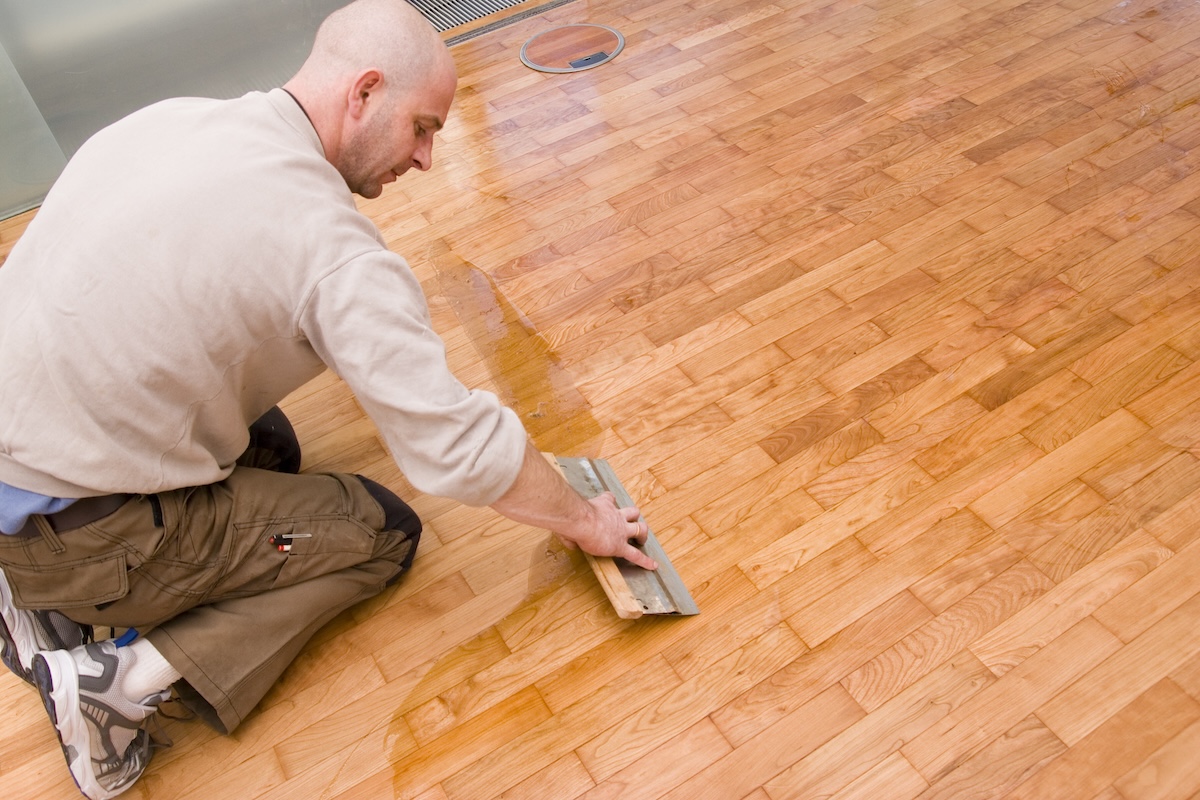
The choice of a hardwood floor finishing system is as critical as the flooring itself, as finishes and sealers significantly impact durability, integrity, and indoor air quality. Researching available options helps homeowners select the best system for their specific needs. Flooring experts, such as Matt Casey, Director of Professional Marketing & Bona Certified Craftsman Program at Bona, advocate for waterborne finishes. These systems utilize water as a carrier for resin particles, distinguishing them from oil or chemical-based alternatives. Waterborne finishes are characterized by their durability, sustainability, and low volatile organic compound (VOC) emissions, making them a superior choice for indoor air quality. They are safe for occupants, pets, plants, and food to remain in the home during the finishing process.
In contrast, other finishing systems like acid-cured (Swedish finish) and moisture-cured options contain toxic ingredients such as formaldehyde, and oil-modified finishes are known for high VOC levels. VOCs are human-made chemicals found in many household products that off-gas during use. While all hardwood finishing systems emit some VOCs, waterborne options typically have the lowest levels, usually 150 or less, compared to 275 to over 700 for acid-cured and oil-modified finishes. For optimal indoor air quality, homeowners should look for finishing systems with UL GREENGUARD Certification, especially the GREENGUARD Gold certification, which applies stricter criteria for sensitive individuals like children and the elderly. An example is Bona Traffic HD, a high-durability waterborne finish with GREENGUARD Gold certification.
Modern advancements have significantly improved the durability of waterborne finishing systems, with high-quality options lasting over a decade, depending on usage and maintenance. Unlike oil-based polyurethanes that tend to amber over time, waterborne finishes maintain a more natural wood color. Another benefit of waterborne finishes is their faster drying time compared to oil-based polyurethanes. For instance, Bona Traffic HD allows for sock-traffic within two to three hours and achieves full cure in three days, enabling a quicker return to normal household activities. These benefits—durability, aesthetic retention, and faster drying—make waterborne finishing systems a smart investment for a healthier home environment.
Post-refinishing, proper maintenance is crucial for preserving the floor's appearance and extending its lifespan. This involves using a microfiber mop for moisture control, which is more effective than traditional string mops, and a pH-neutral, residue-free cleaner specifically formulated for the type of wood flooring. Adhering to these maintenance guidelines helps protect the finish and ensures newly refinished floors remain beautiful for an extended period. Additional information on waterborne flooring systems is available through resources like Bona.com.
#HardwoodFlooring #WaterborneFinishes #IndoorAirQuality #HomeRenovation #SustainableLiving #VOCs #GREENGUARDCertification #FloorMaintenance #HardwoodFlooring #WaterborneFinishes #IndoorAirQuality #HomeRenovation #SustainableLiving #VOCs #GREENGUARDCertification #FloorMaintenance
0 comment in total
 No comments yet
You may also like
Best Flooring of 2025
Designers Are Convinced These 4 Flooring Trends Will Rule 2026

Bold Flooring Is Making a Massive Comeback in 2024

The Beautiful Flooring Trend That's Replacing Tile-Look Vinyl In 2026

The Best Sanders for Hardwood Floors of 2026

These 4 Flooring Trends Are Set To Dominate In 2026, According To A Design Expert
5 Flooring Trends You're About to See Everywhere in 2026, According to Designers

The Top 10 Flooring Trends for 2022

8 Flooring Trends for 2026 — The Designs, Materials, and Layouts Designers Are Predicting to Be the 'Next Big Thing'

This One Flooring Trend Is Set To Rule Homes In 2026 (For A Good Reason)
Here Are 2025's 8 Best Floor Stain Colors To Choose From
9 of the finest luxury flooring trends to expect in 2024

Goodbye To Basic Hardwood – This 2026 Flooring Trend Will Be In Everyone's Kitchen
The Best Furniture Paint of 2026

6 Wooden Floor Styles to Add Warmth to Your Living Room In 2023
Wood Flooring – Our Pick of the Best
Guide to Hardwood Floor Finishes

The Best Deck Stains of 2026
Beauty of hardwood flooring
Experts Reveal the 3 Flooring Trends Homeowners Want Most in 2026