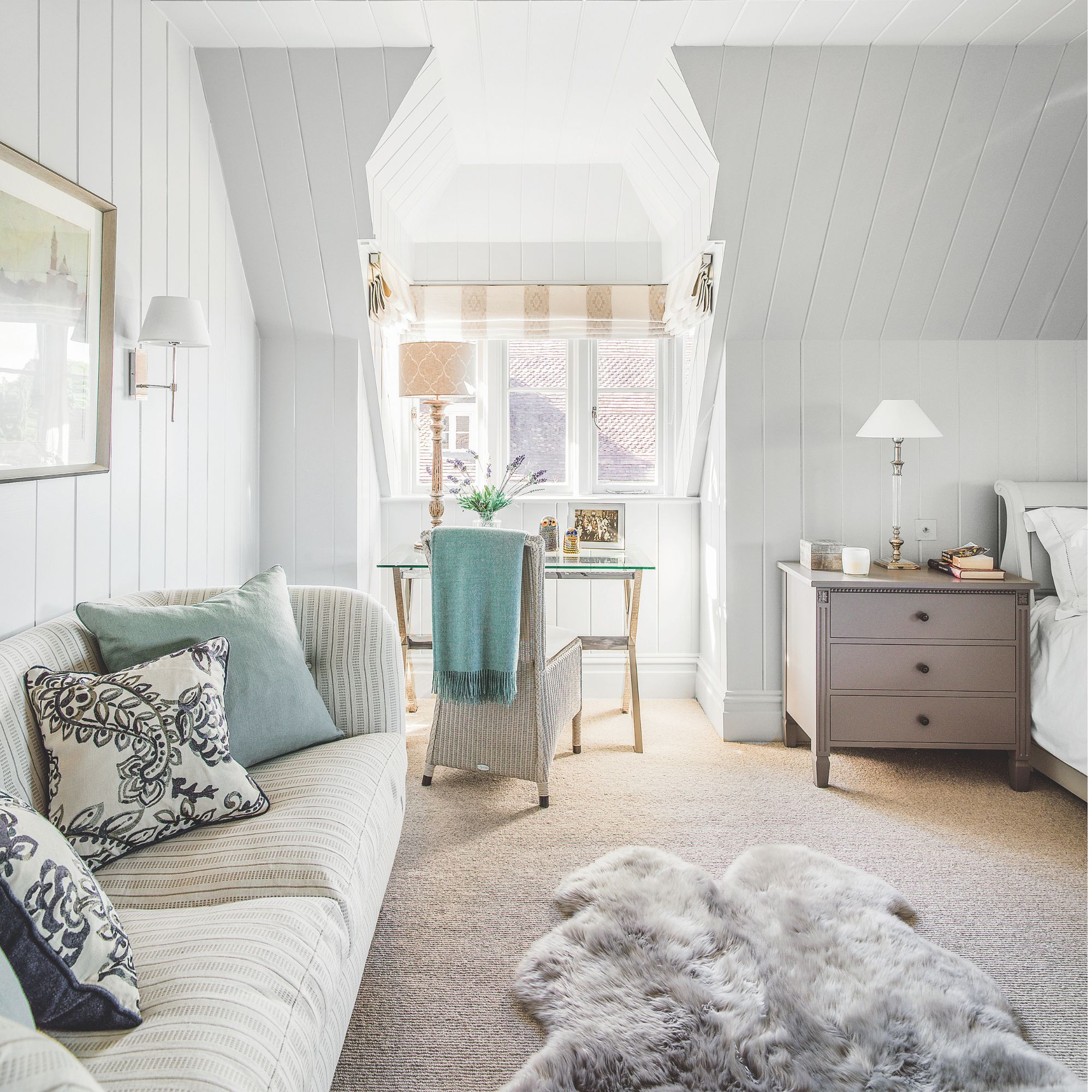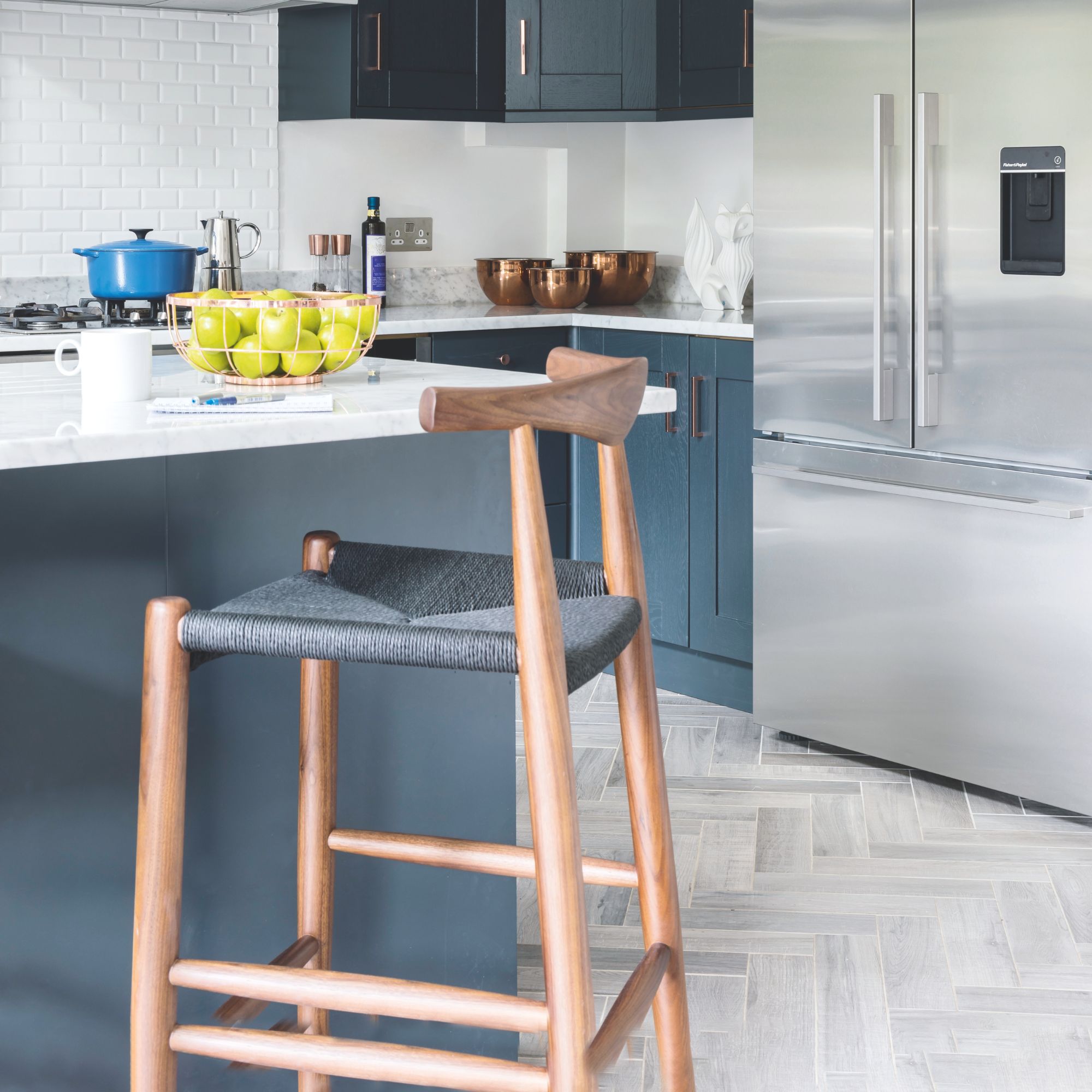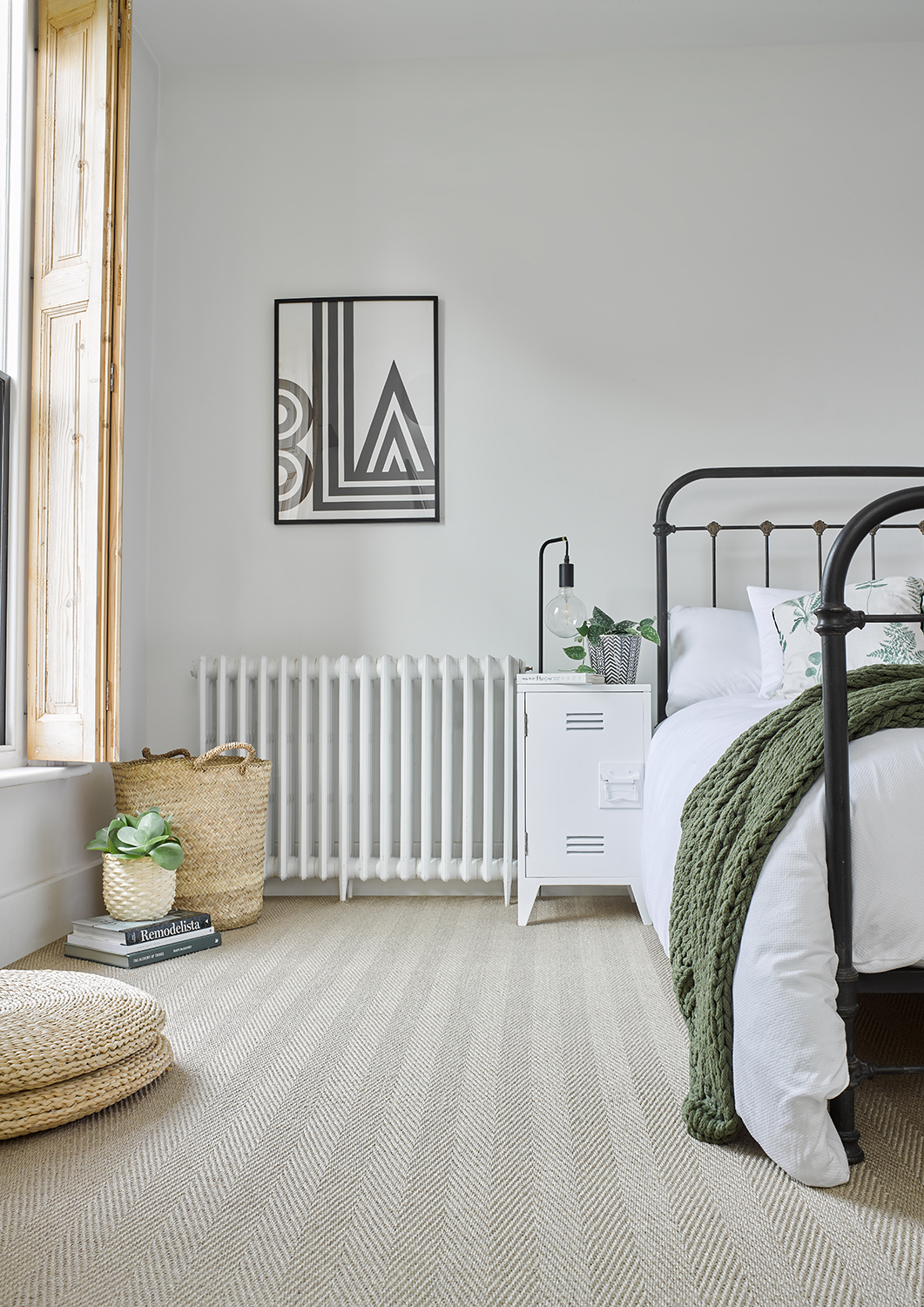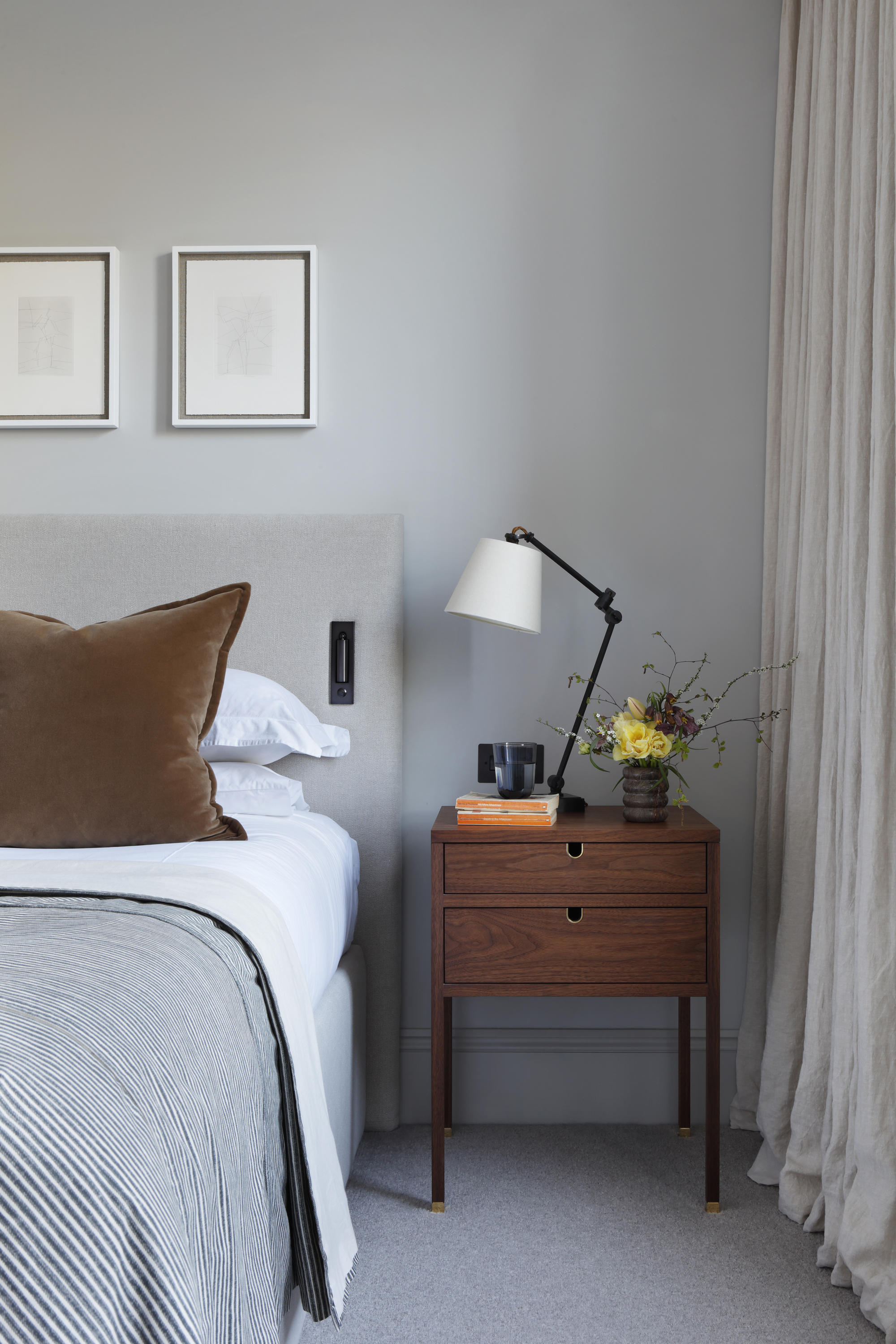
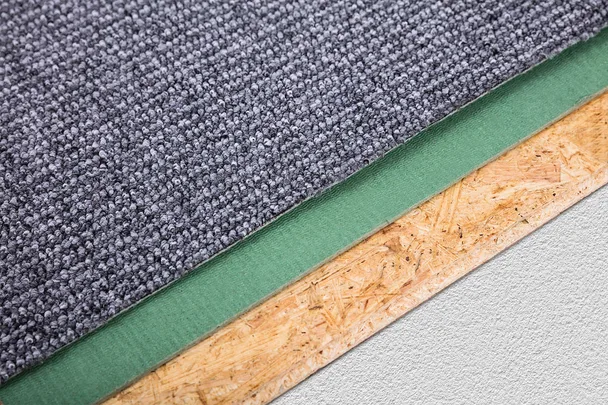
The beginners guide to hard and soft flooring options
Choosing between hard and soft flooring is a crucial decision when designing a home's interior, especially for households with children or pets. This guide offers insights into both options, focusing on trends, benefits, and maintenance, drawing on expertise from Anthony Carter, National Product Manager at Carpet Court, and Samantha Shaw, Brand Communications Manager at Choices Flooring.
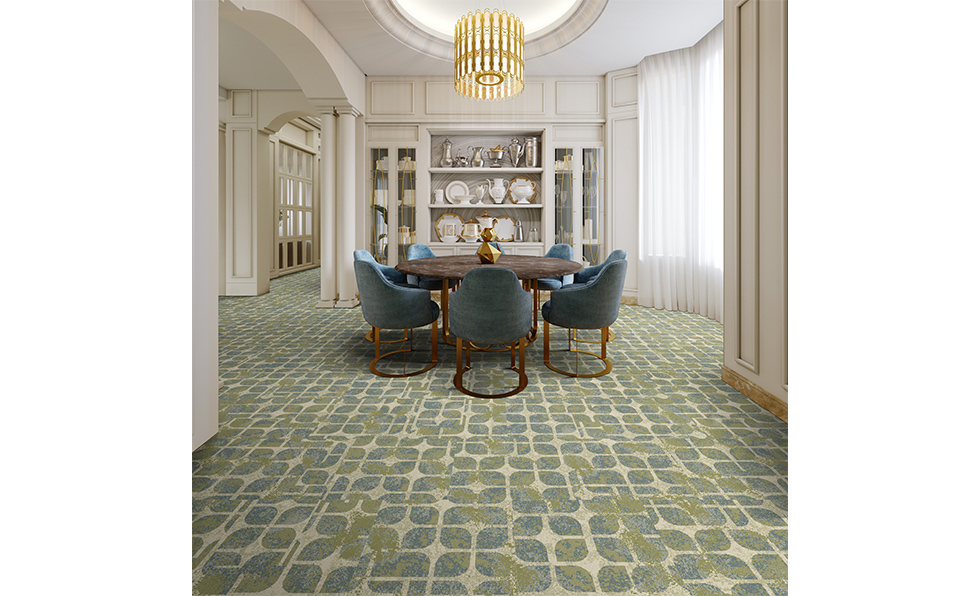
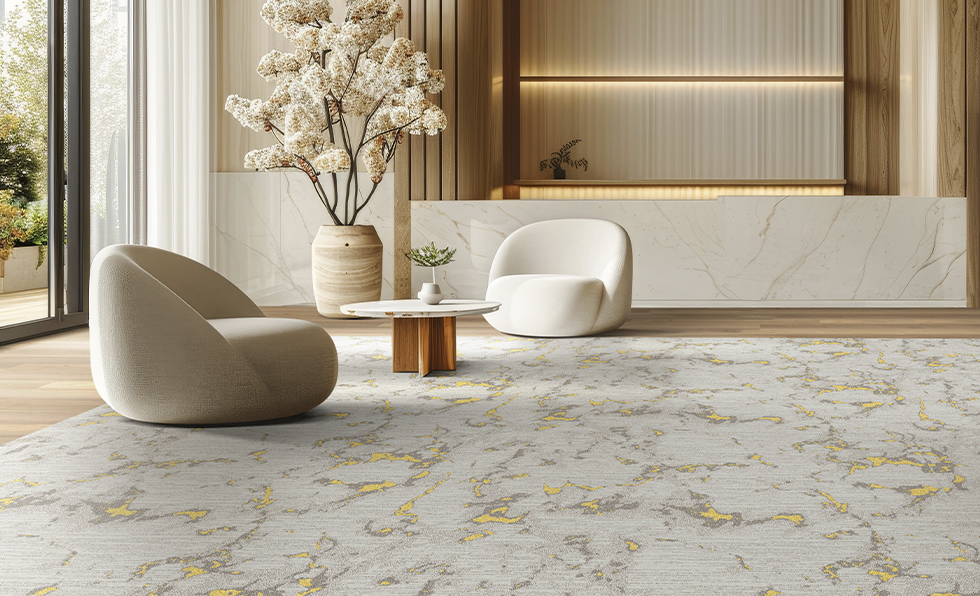
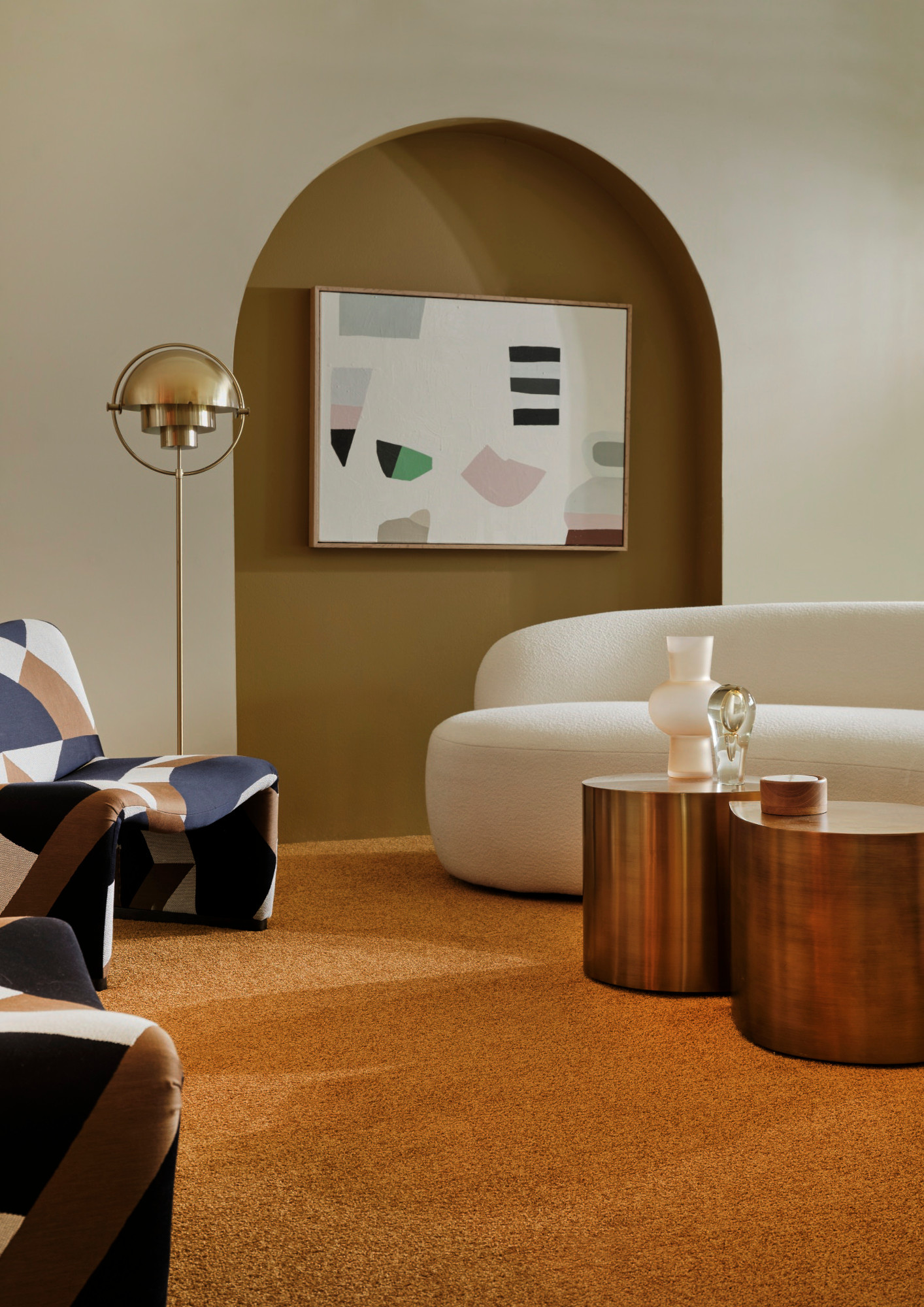
For soft flooring, current trends highlight a return to color and texture. While neutral tones remain a safe choice, vibrant colors like blush pinks and rich indigos, alongside natural timbers, earthy greens, and organic surfaces, are gaining popularity. Texture is also a significant trend, with wool carpets featuring dual tonality and chunky loop piles adding visual interest and comfort, particularly in minimalist settings. Technological advancements have led to synthetic fibers that offer superior resistance to spills and fading, increased durability, and allergy-friendly properties, making them suitable for family and pet-friendly homes. There is also a rising demand for eco-friendly options, such as Triexta carpets made from renewably sourced corn sugar, which have a lower environmental footprint.
Maintaining soft flooring involves regular vacuuming, ideally weekly and more often in high-traffic areas, to prevent dirt and grit from embedding in the pile. Using a quality vacuum cleaner with microfilter systems is recommended for removing fine particles and allergens. Professional cleaning every 12 to 18 months is also advised. Prompt action on spills and stains is crucial; they should be scraped or blotted immediately, working from the outside in to prevent spreading. Cold water is recommended for initial treatment, avoiding harsh household cleaning products or rubbing, which can damage fibers. Placing mats at entrances helps trap dirt and moisture, further preserving the carpet's condition.
The benefits of soft flooring include enhanced comfort and luxury, improved safety by cushioning falls (beneficial for homes with young children), and diverse styling options through endless colors, patterns, and piles. Contrary to common belief, properly maintained carpet can be more hygienic for allergy sufferers by trapping dust particles, preventing their circulation. Carpets also provide insulation, acting as a sound barrier and helping to maintain warmer room temperatures.
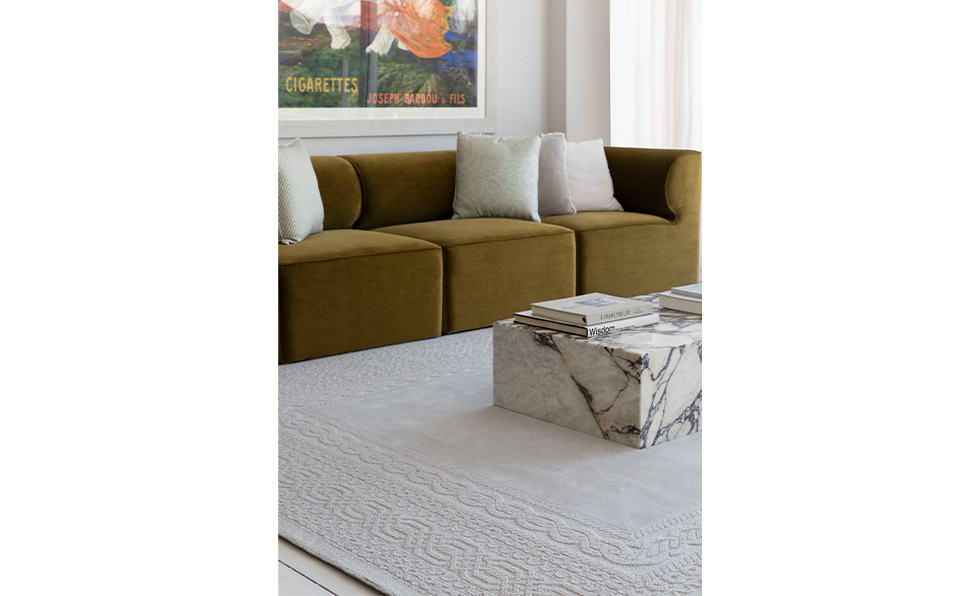
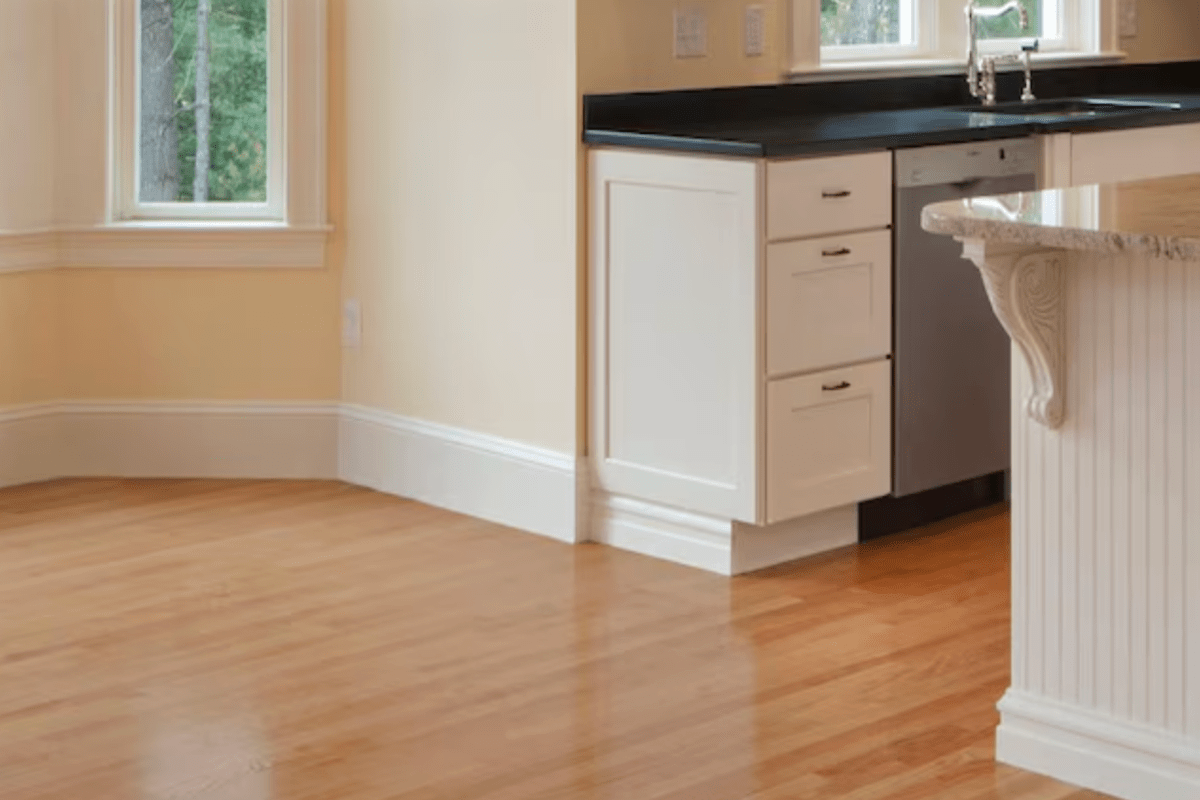
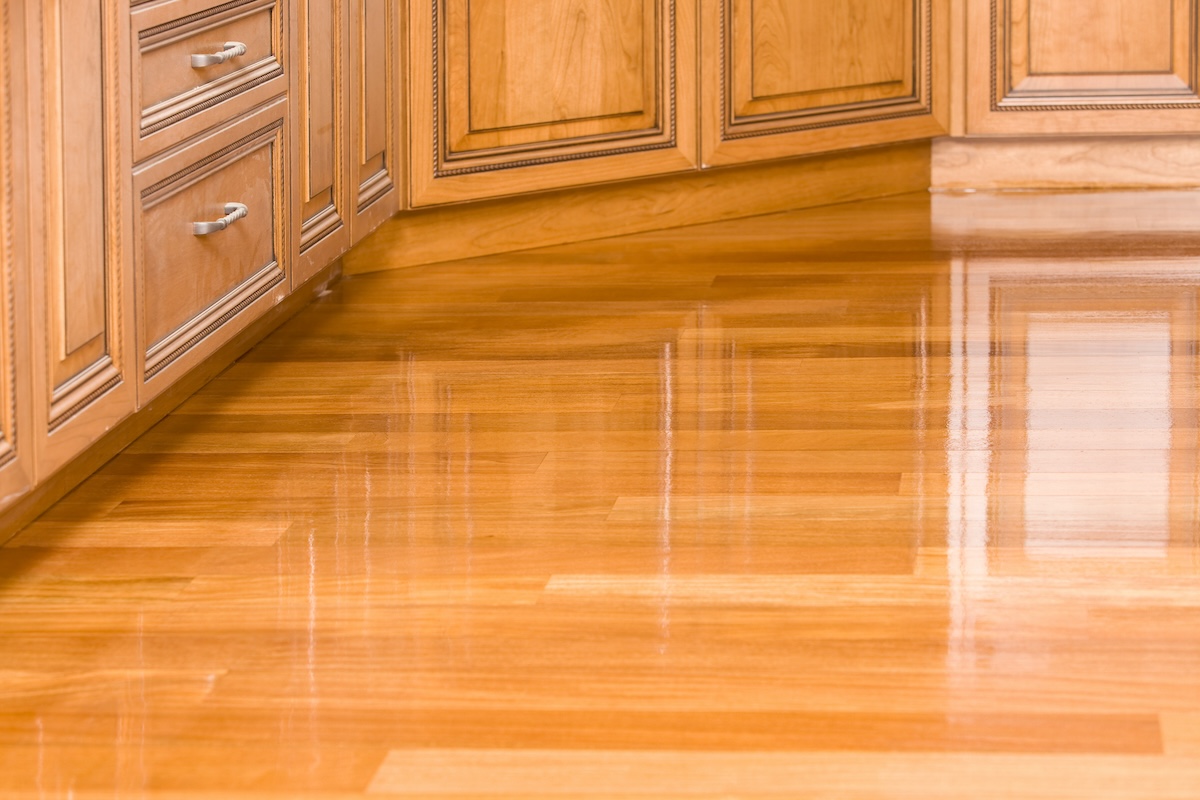
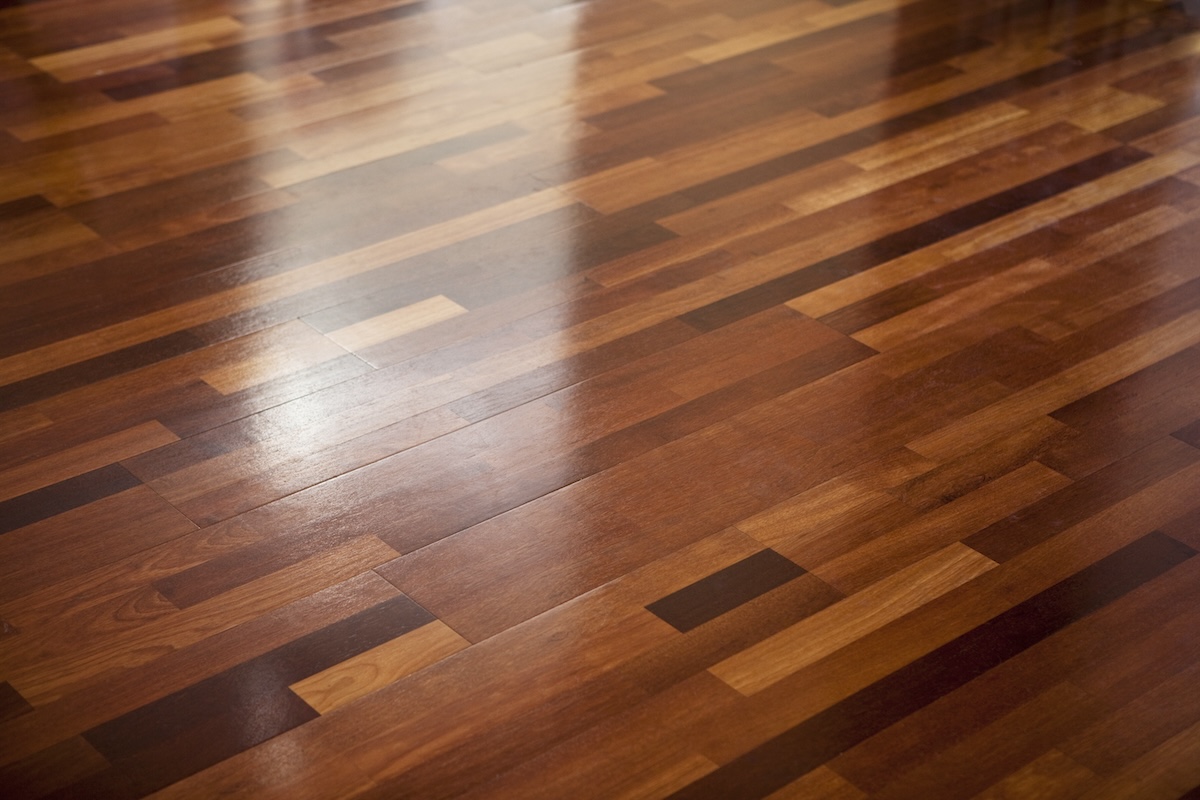
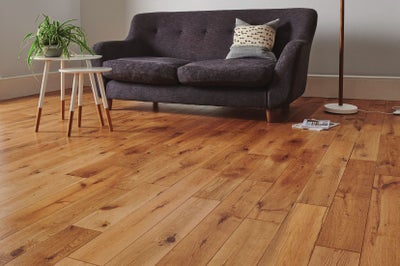
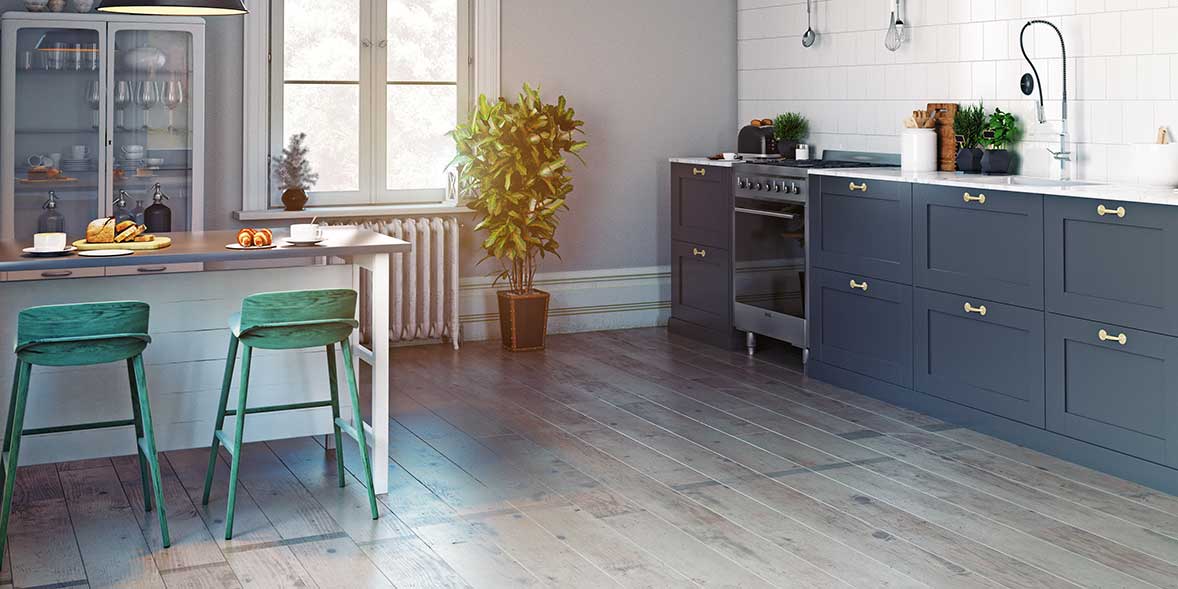
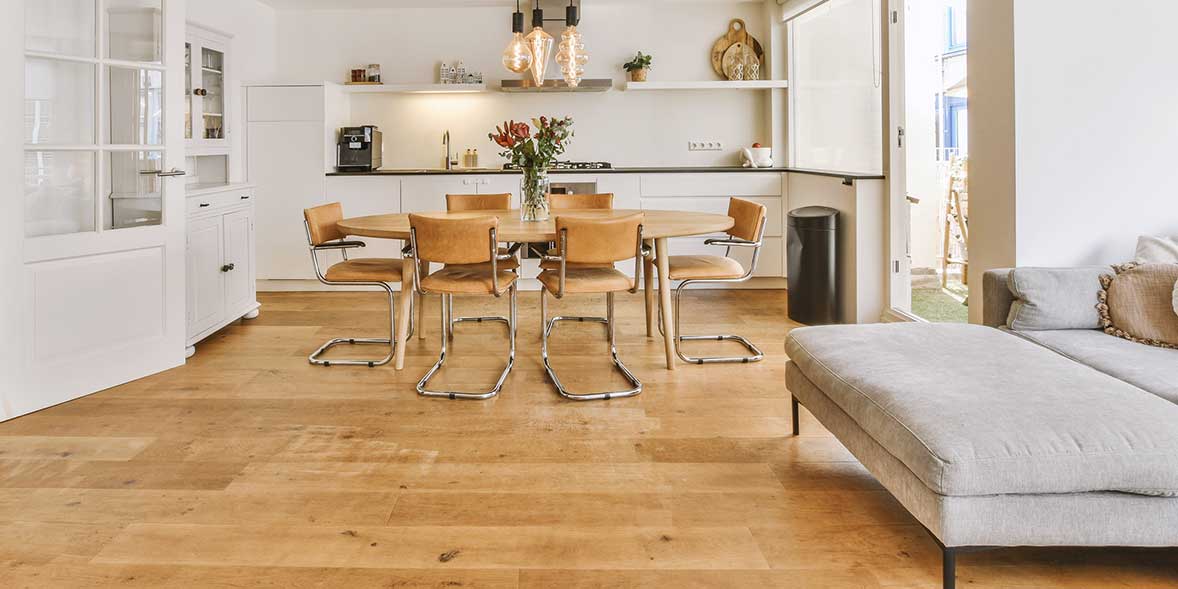
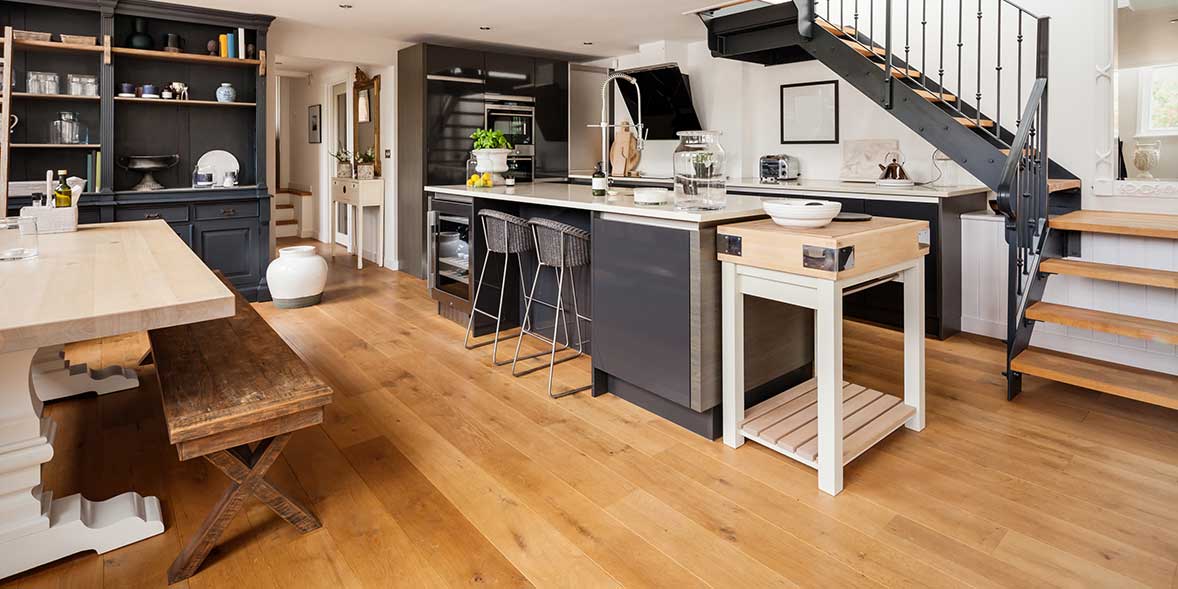
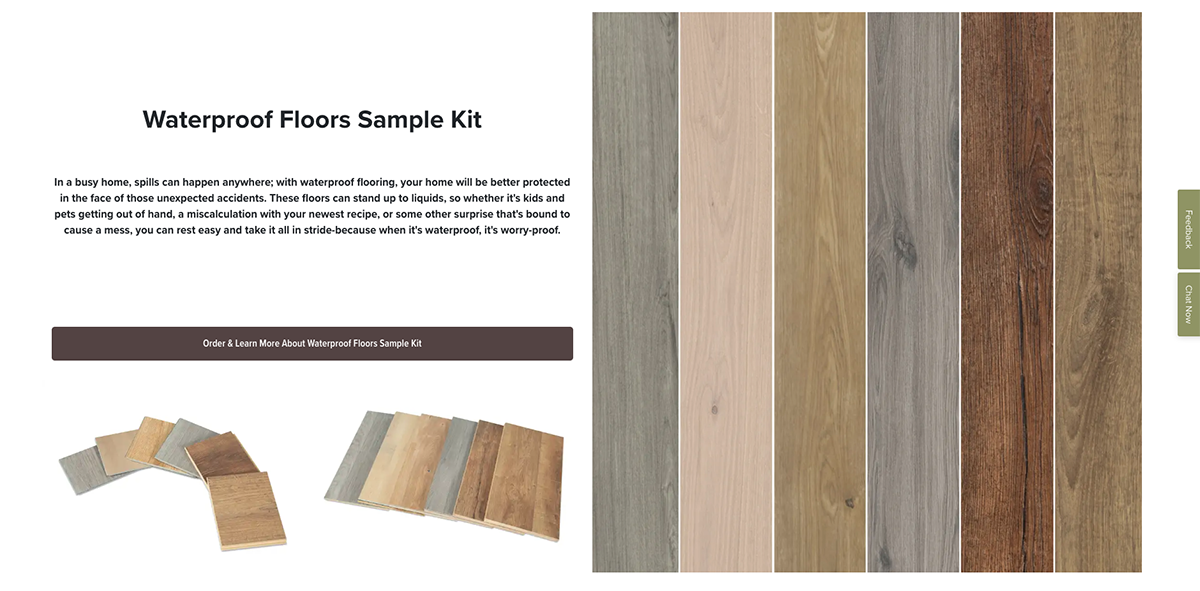
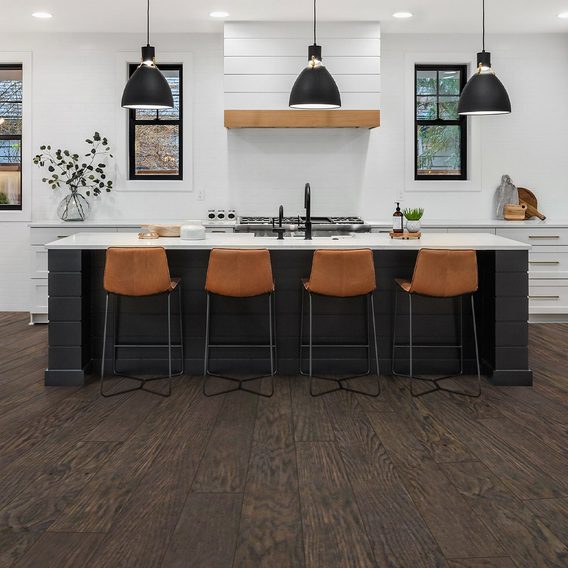
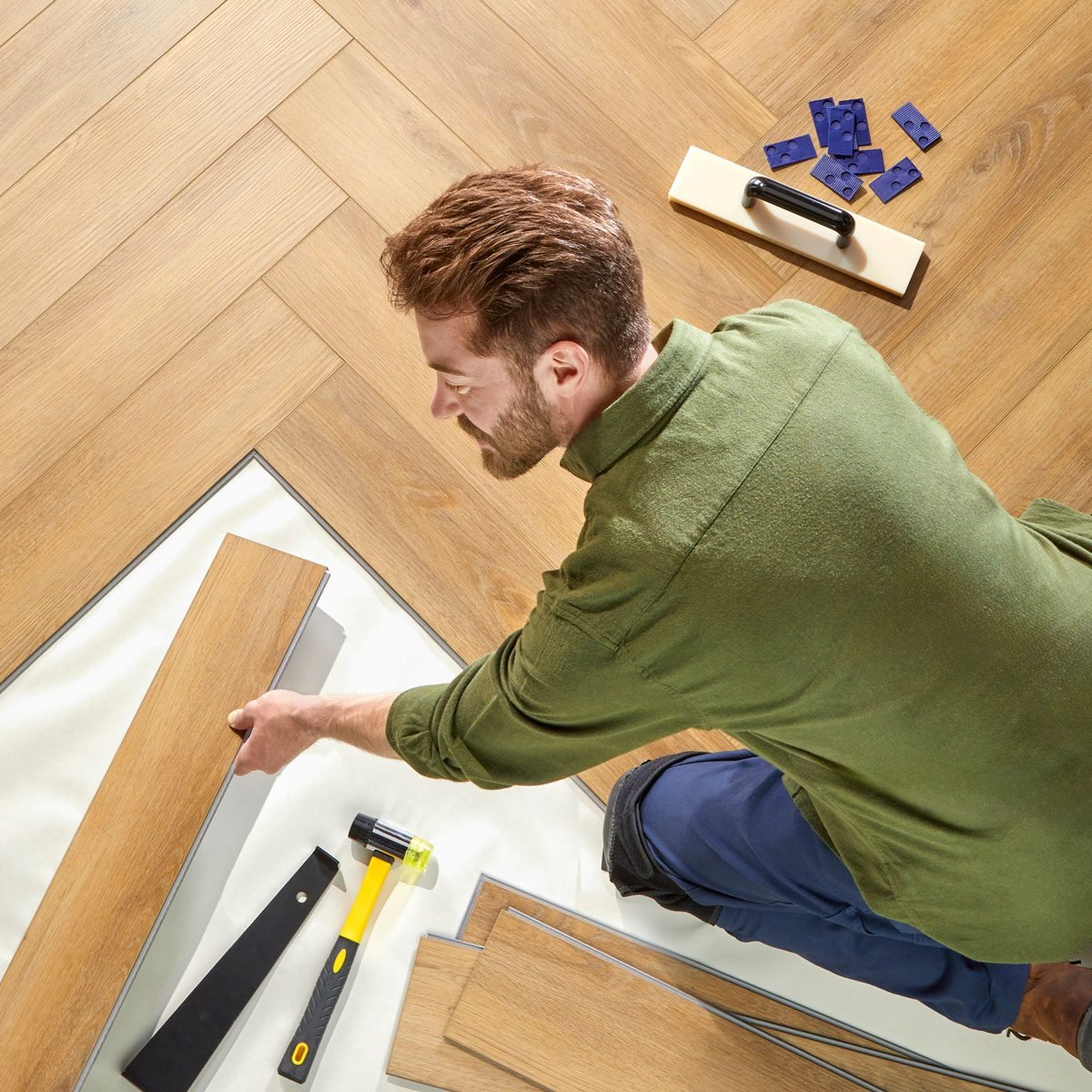
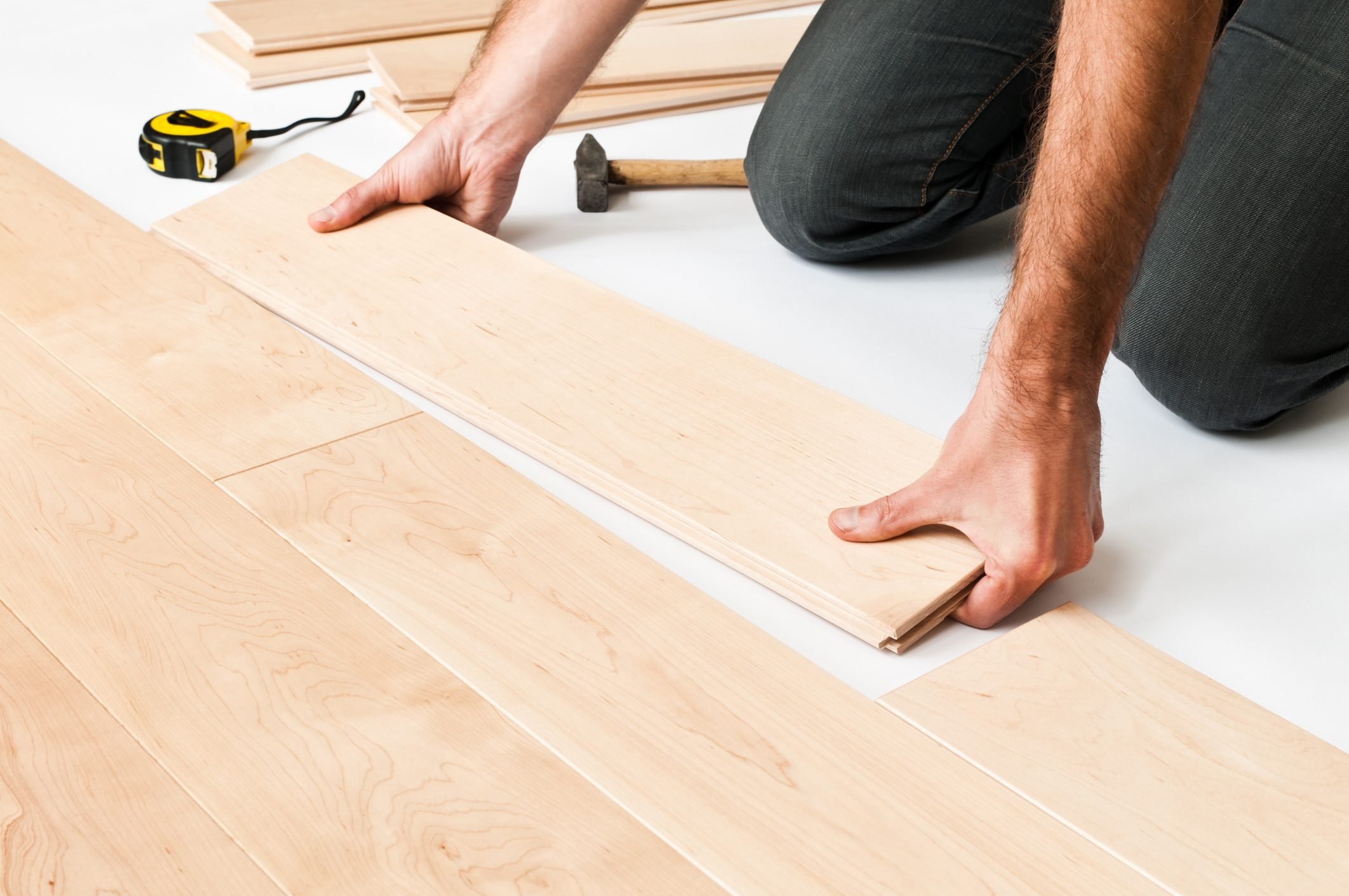
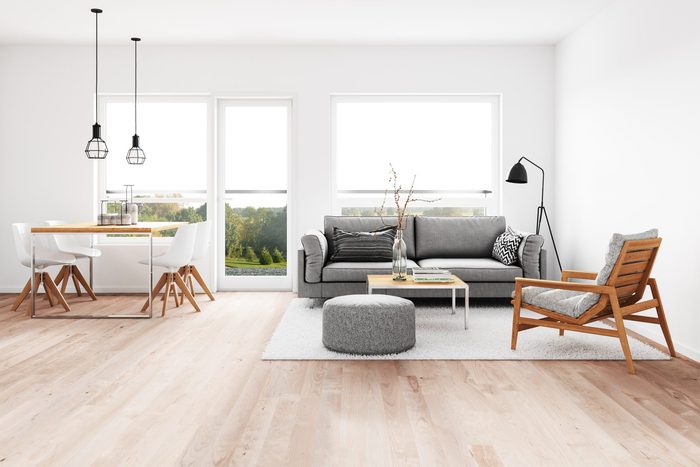
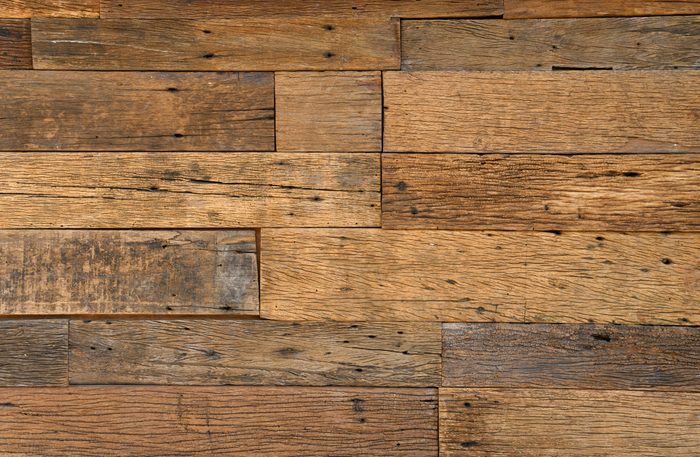
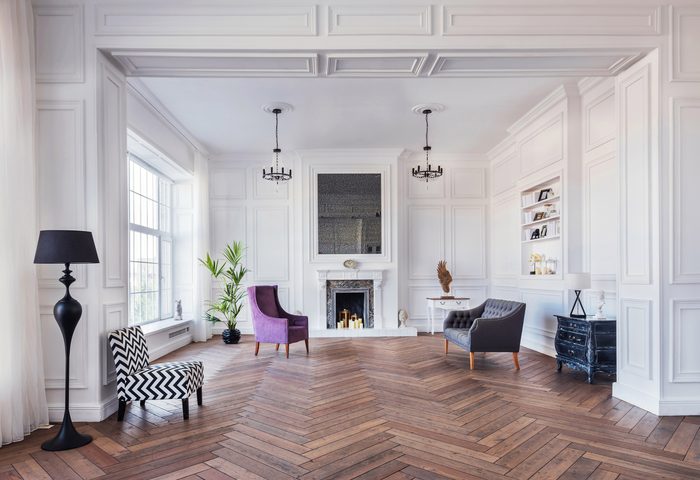
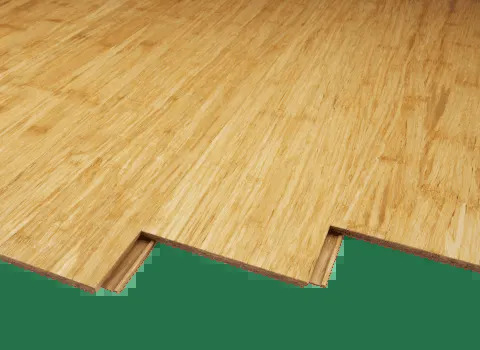
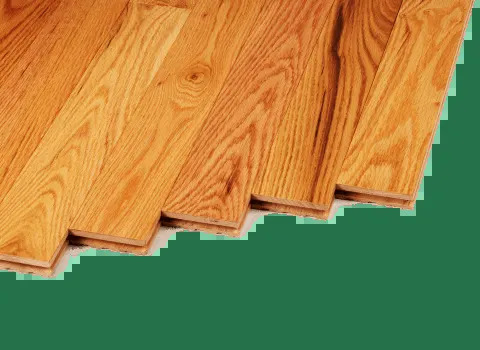
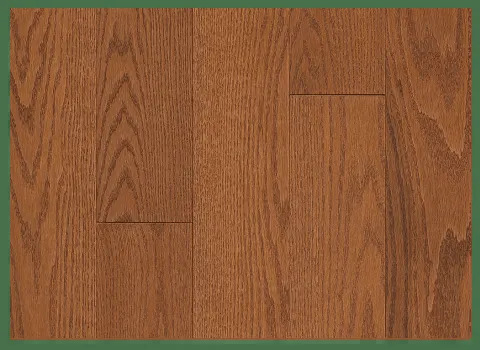
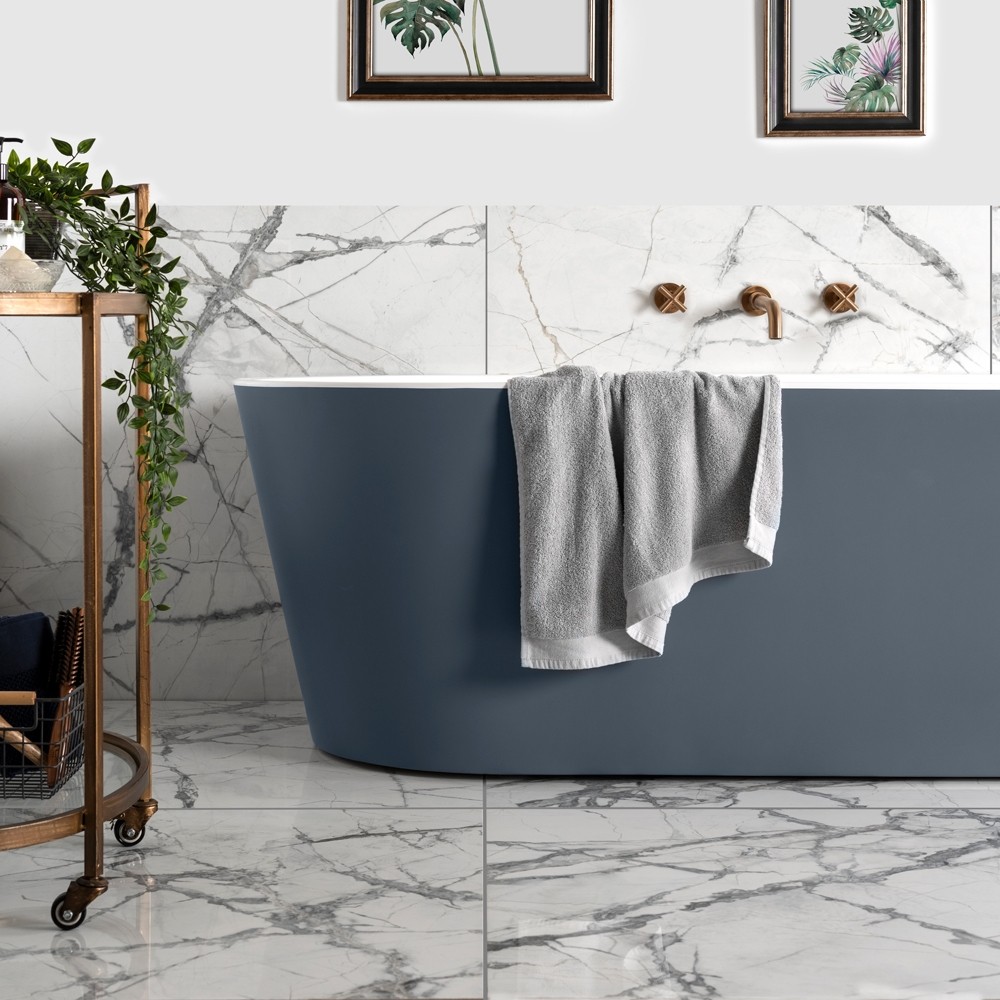
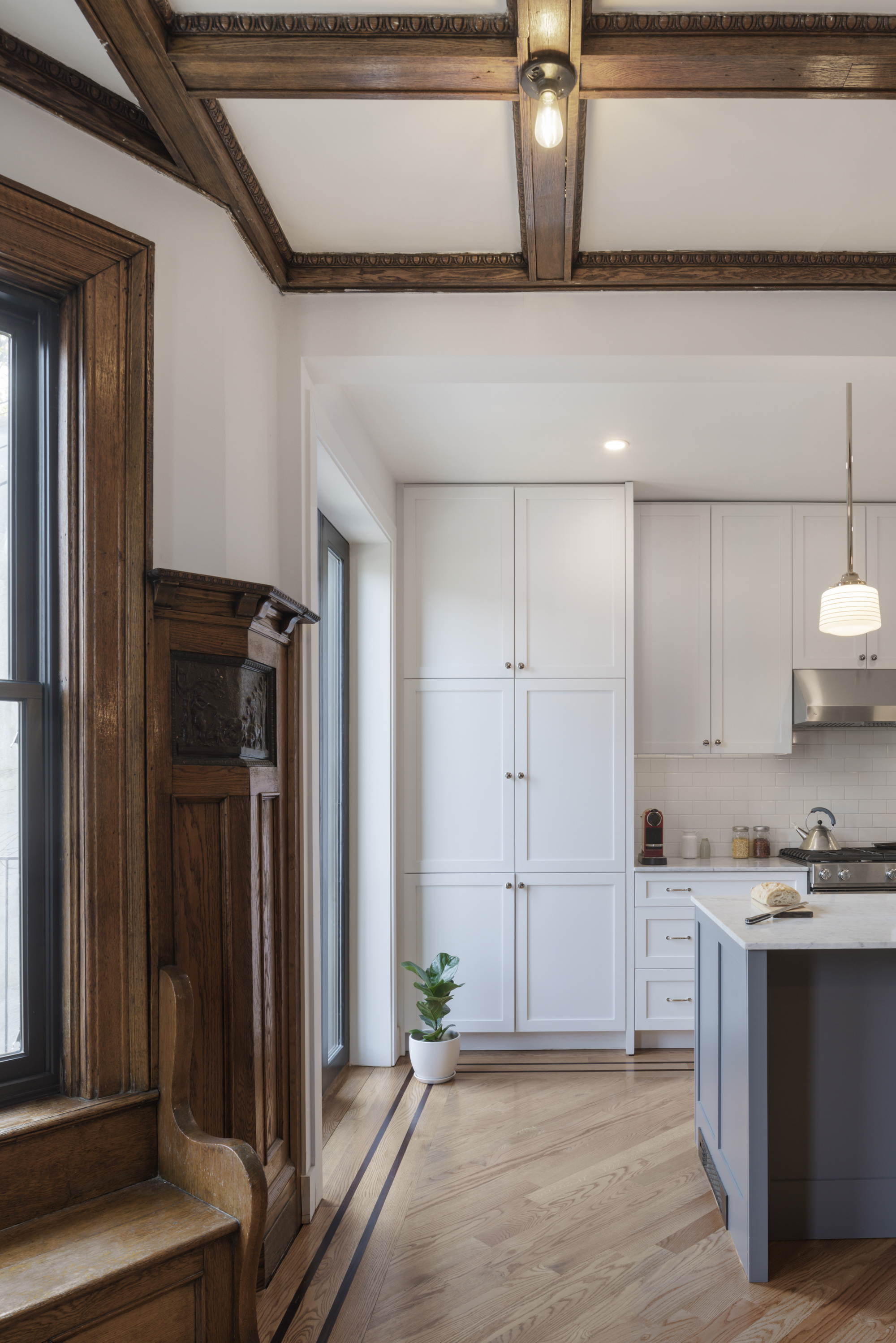
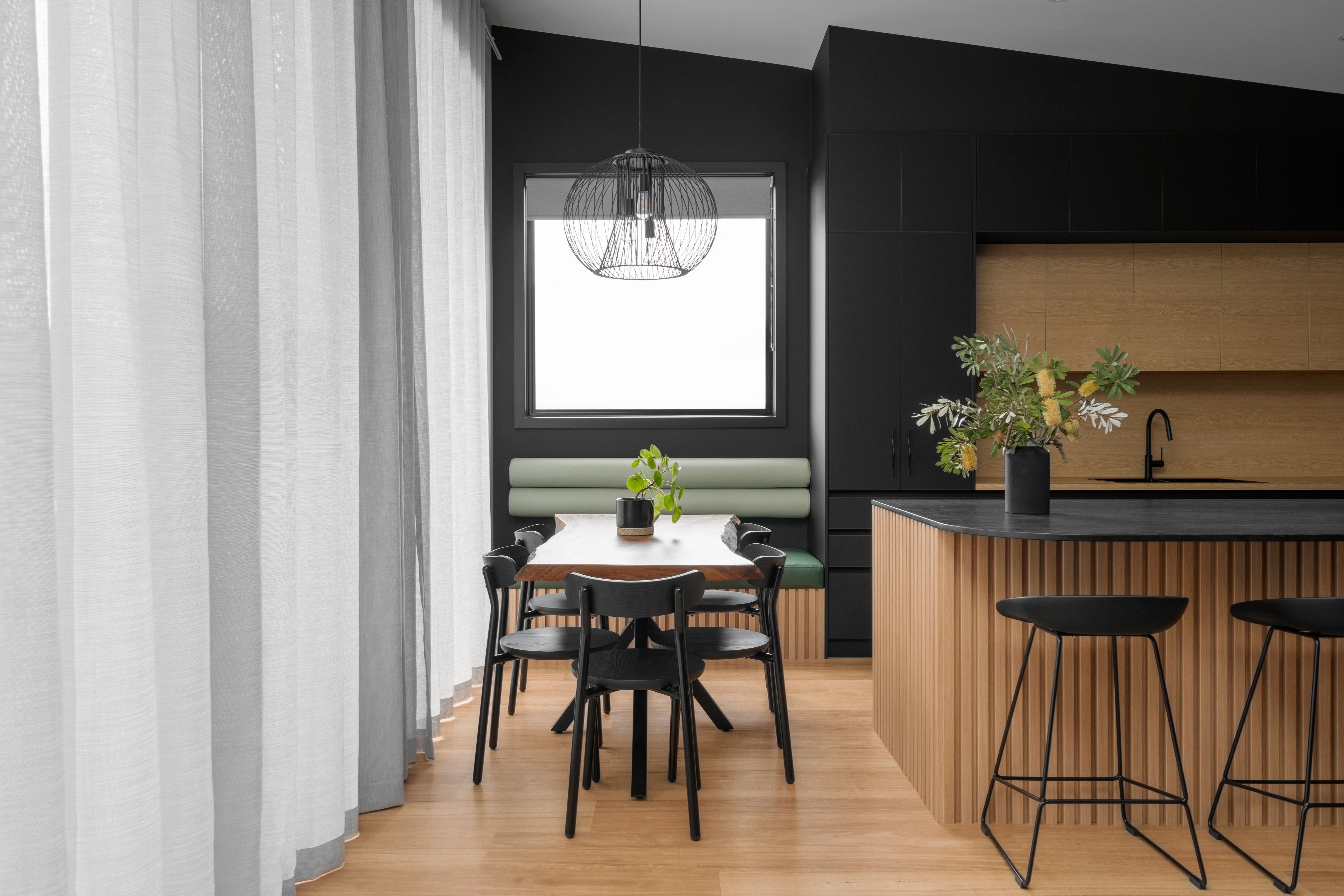
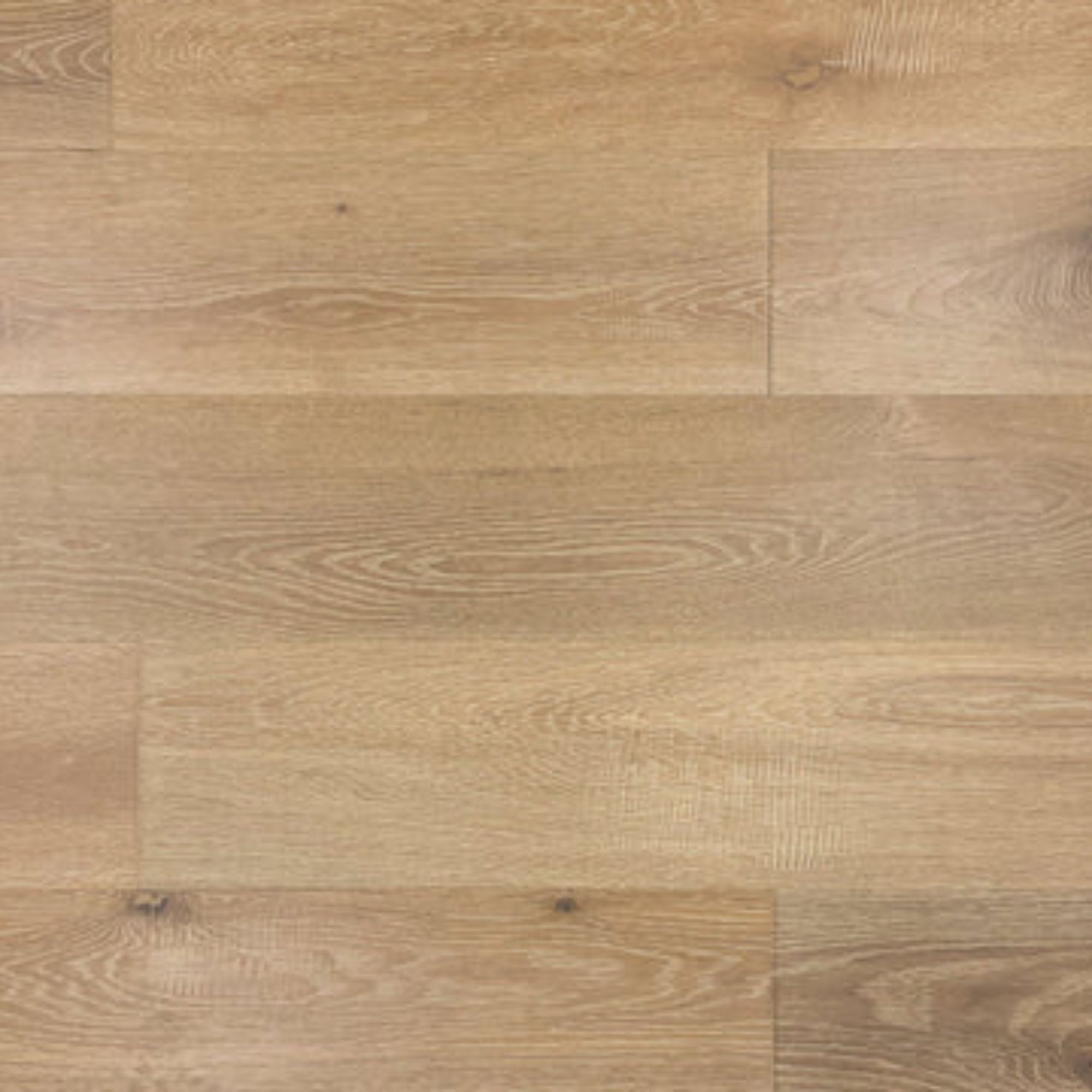
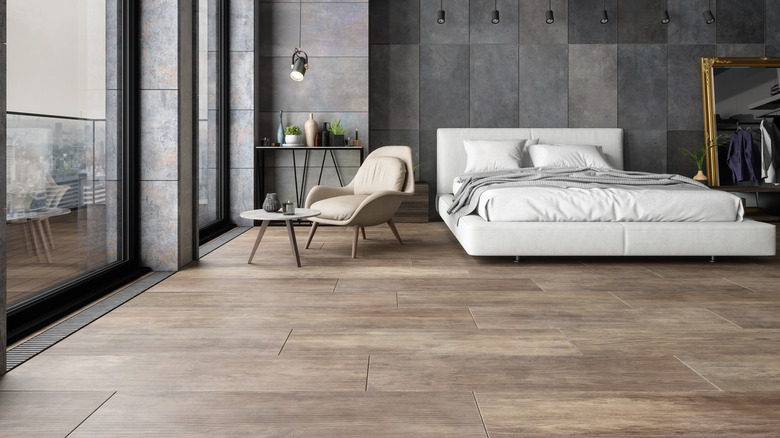
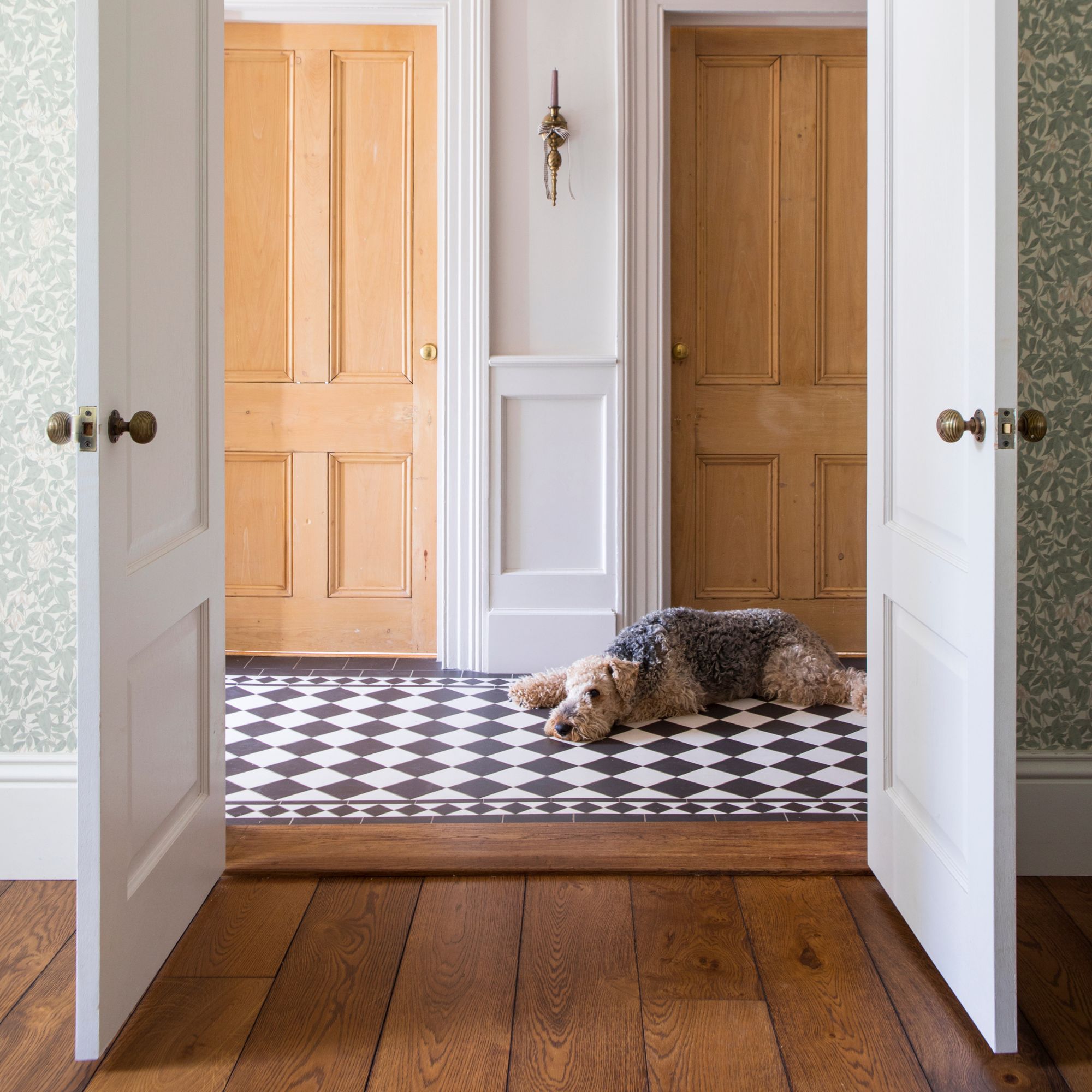
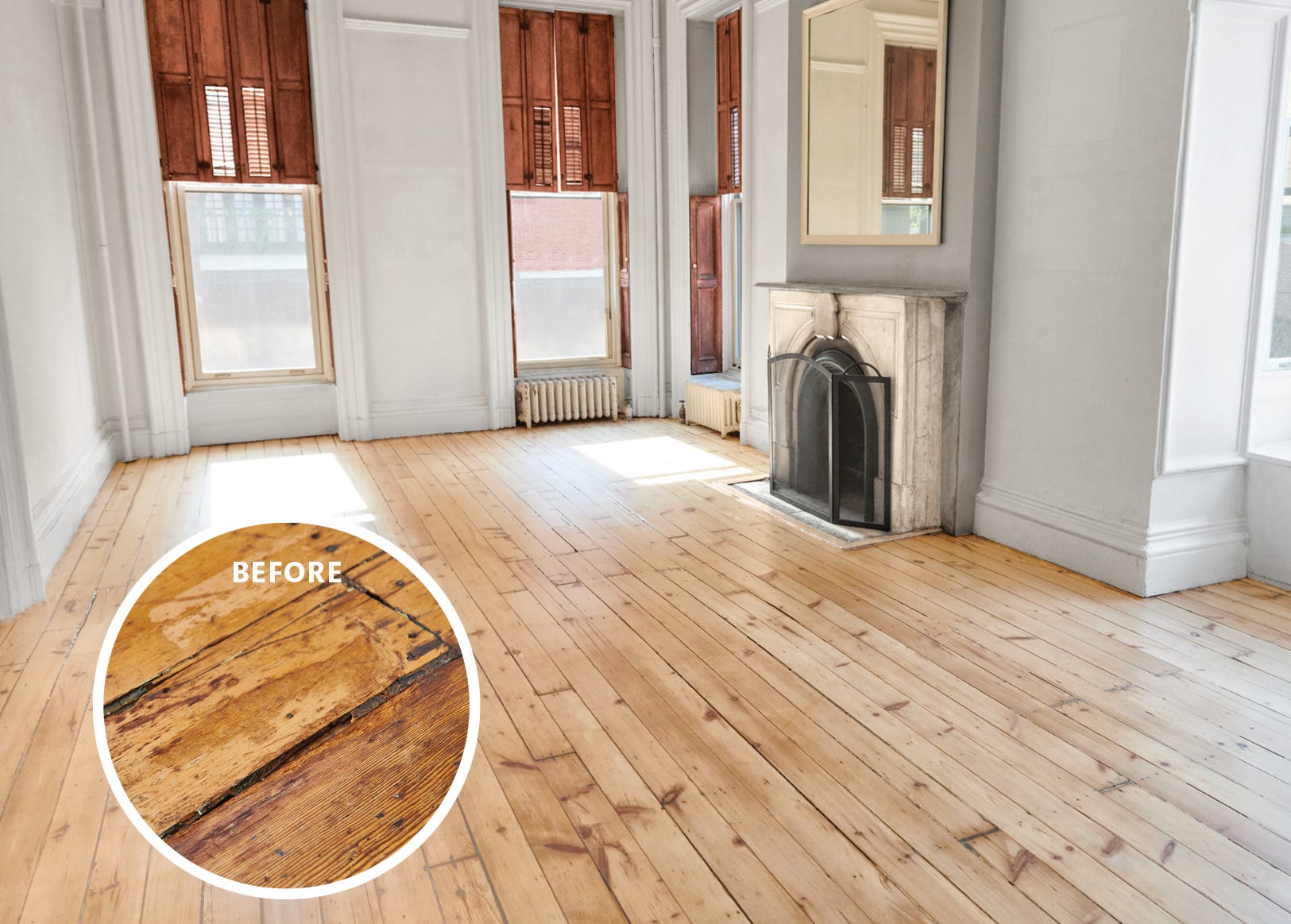
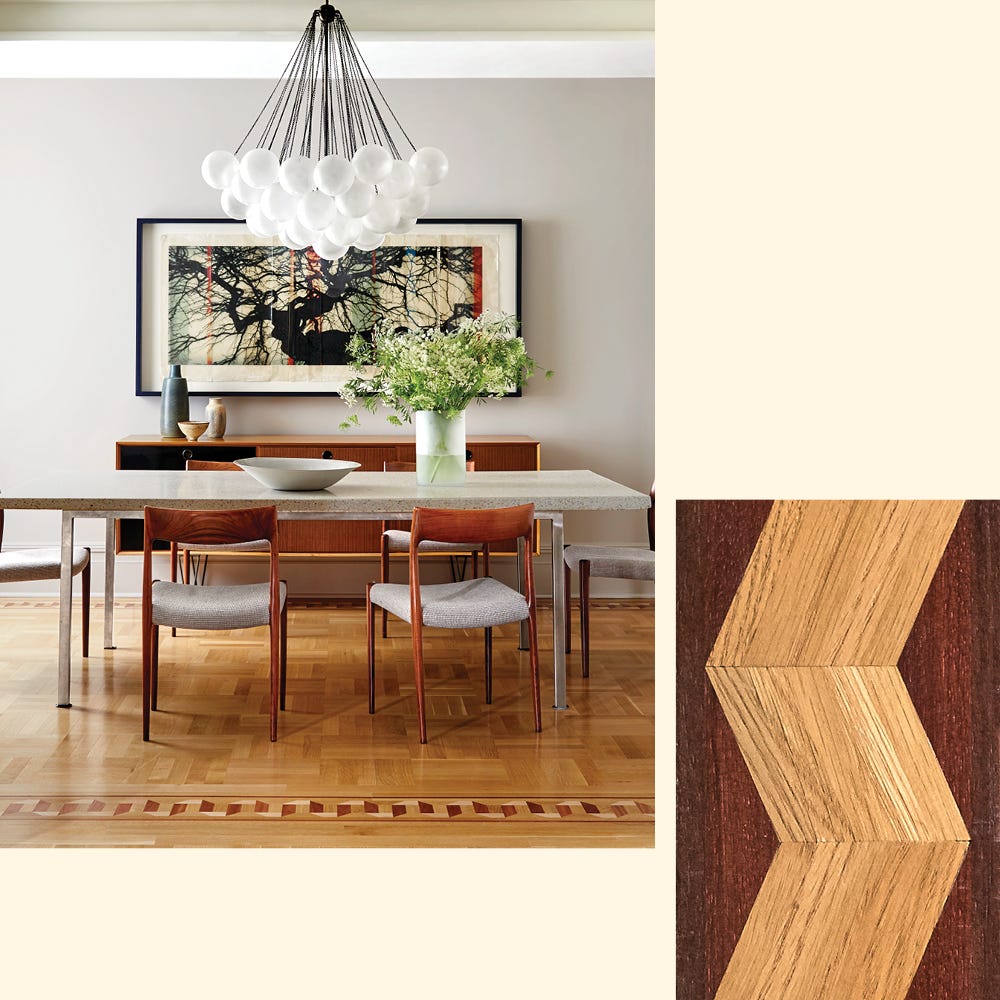
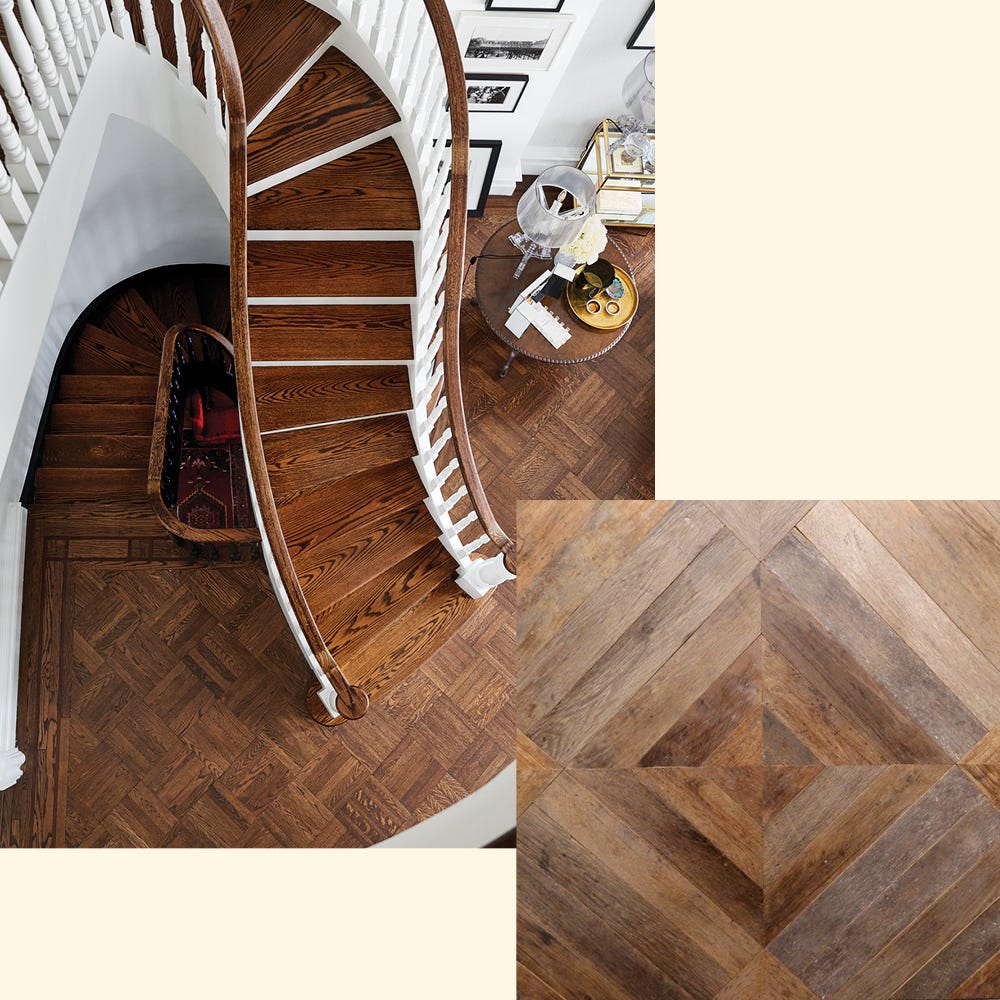
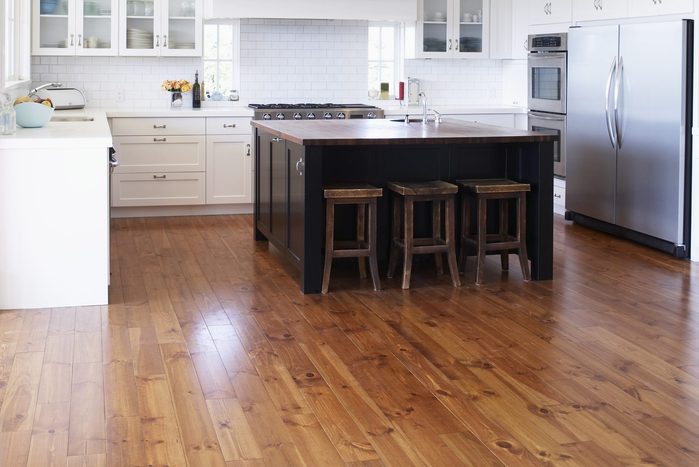
In hard flooring, popular trends emphasize robust and stylish options with water resistance. The Abode Collection, featuring timber designs, is noted for its resistance to scuffs, scratches, and stains, and its 100% waterproof nature. Layering rugs on hard floors is a popular way to introduce color, pattern, and texture. Timber flooring, including engineered oak with its natural grains and the classic chevron pattern, remains a timeless choice. To maintain hard flooring, regular sweeping and vacuuming are essential to remove dirt that could cause scratches. For timber, laminate, and vinyl floors, abrasive cleaners, steel wool, scouring powder, and steam mops should be avoided. The benefits of hard flooring include durability, ease of cleaning, hard-wearing properties, low maintenance, allergy-friendliness, and a high-quality aesthetic.
#Flooring #HomeDecor #InteriorDesign #SoftFlooring #HardFlooring #CarpetTrends #HomeRenovation #FlooringMaintenance #EcoFriendlyFlooring #Flooring #HomeDecor #InteriorDesign #SoftFlooring #HardFlooring #CarpetTrends #HomeRenovation #FlooringMaintenance #EcoFriendlyFlooring
0 comment in total
 No comments yet
You may also like
Set the Stage With These Flooring Options

LL Flooring Boasts Hundreds of Flooring Choices—But Is It a Good Option for Homeowners?
Best Flooring From Consumer Reports' Tests
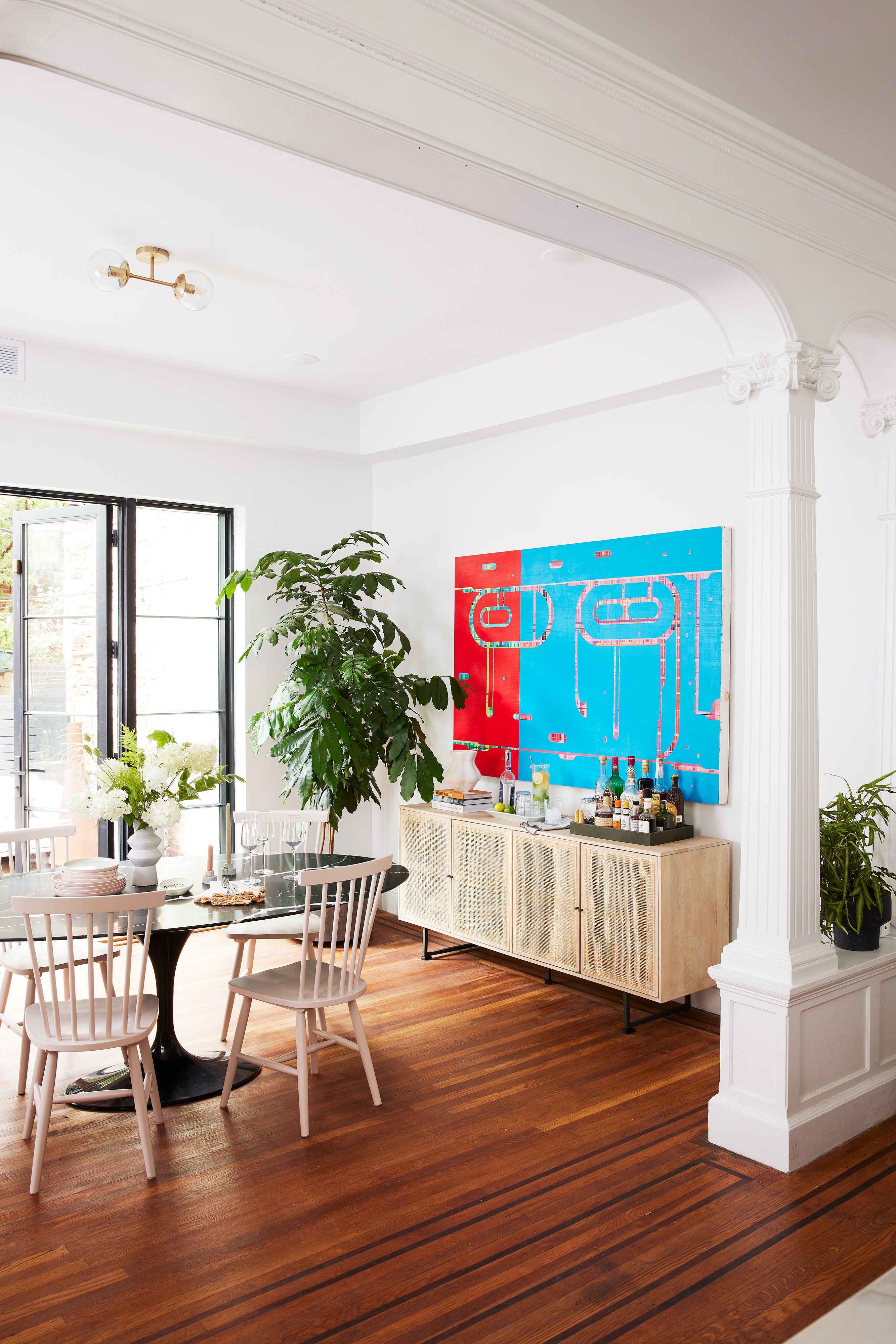
Different Types of Wood Flooring and What to Consider Before Installing

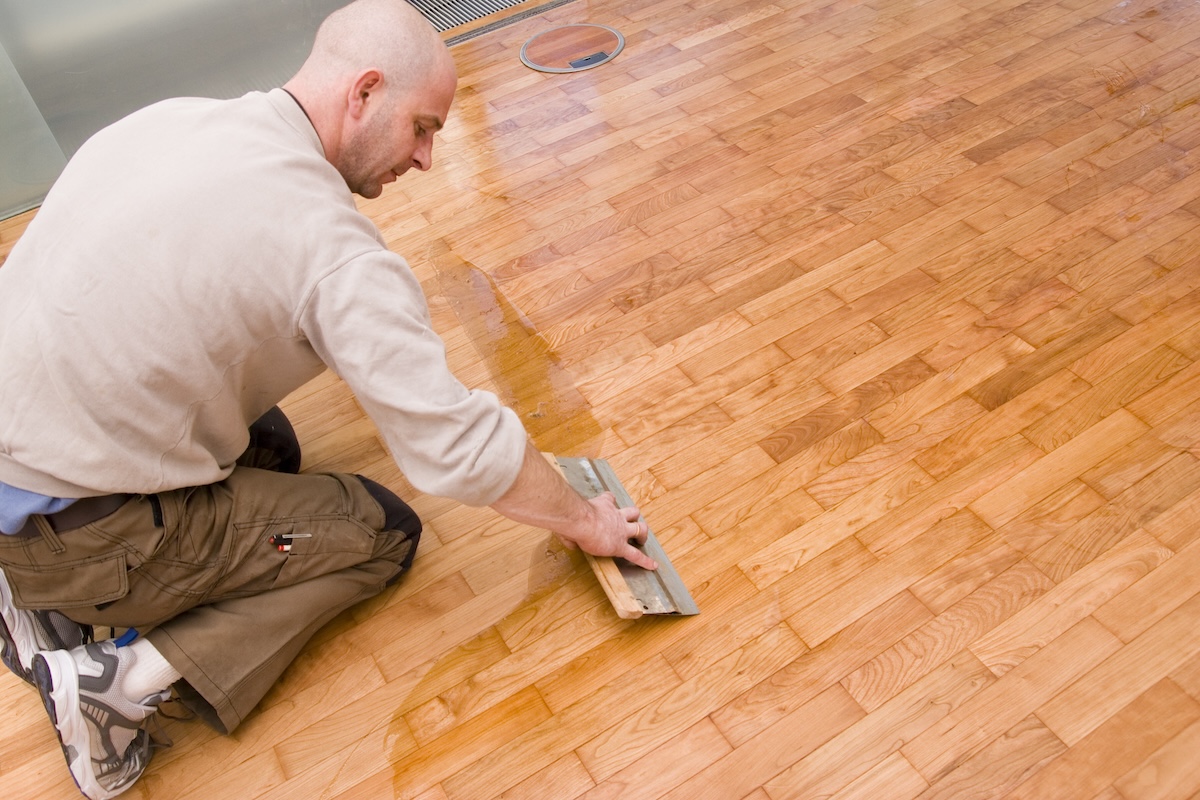
Guide to Hardwood Floor Finishes


All Flooring | Wood, Vinyl & Laminate Flooring

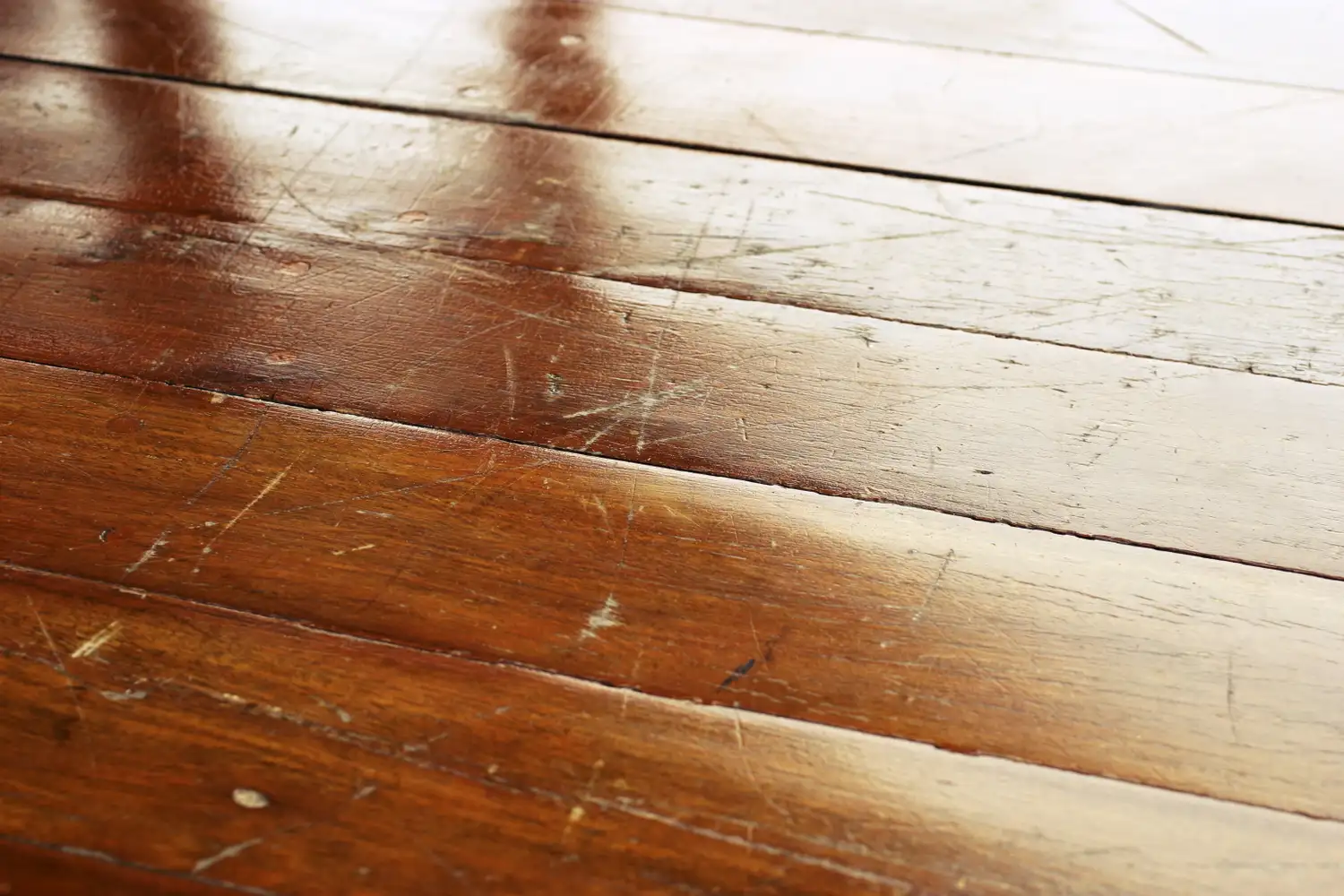
7 Flooring Choices That Always Show Dirt and Scuffs—No Matter How Often You Clean

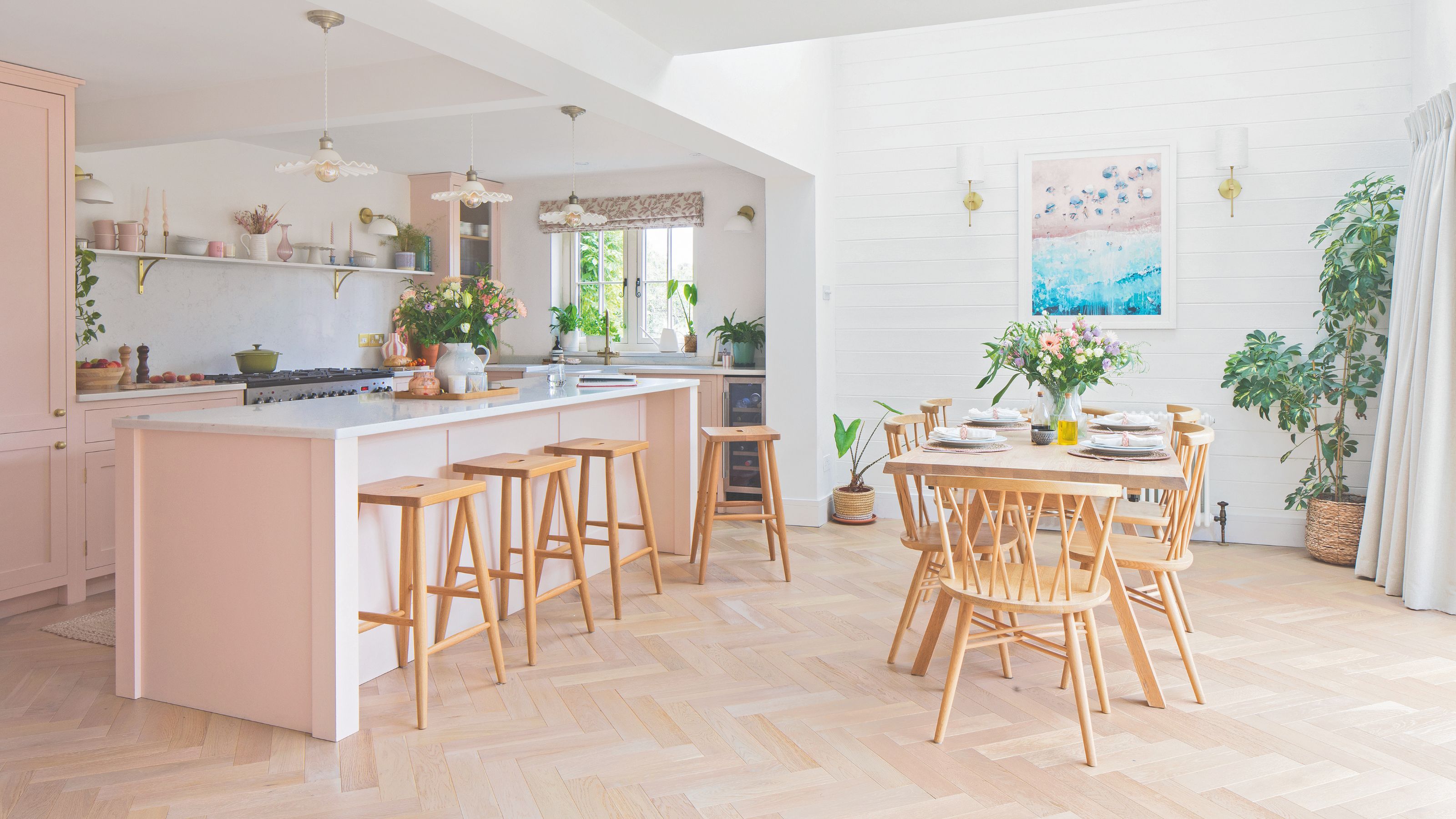
5 flooring choices that will make it harder to sell your home
Flooring

Your Guide to Wood Flooring

How to choose bathroom flooring - everything you need to know, according to experts

Carpet types – everything you need to know about how to choose this cozy flooring

New options in flooring

Home Flooring Installation and Repair

9 Durable Kitchen Flooring Finishes That Interior Designers Swear Will Look Good for Longer
Here's Everything You Need to Know About Wood Flooring
Types of wood flooring
The Top 10 Flooring Trends for 2022
Flooring Materials That Just Aren't Worth The Price, According To Our Experts
At Home: Hardwood flooring -- Options abound