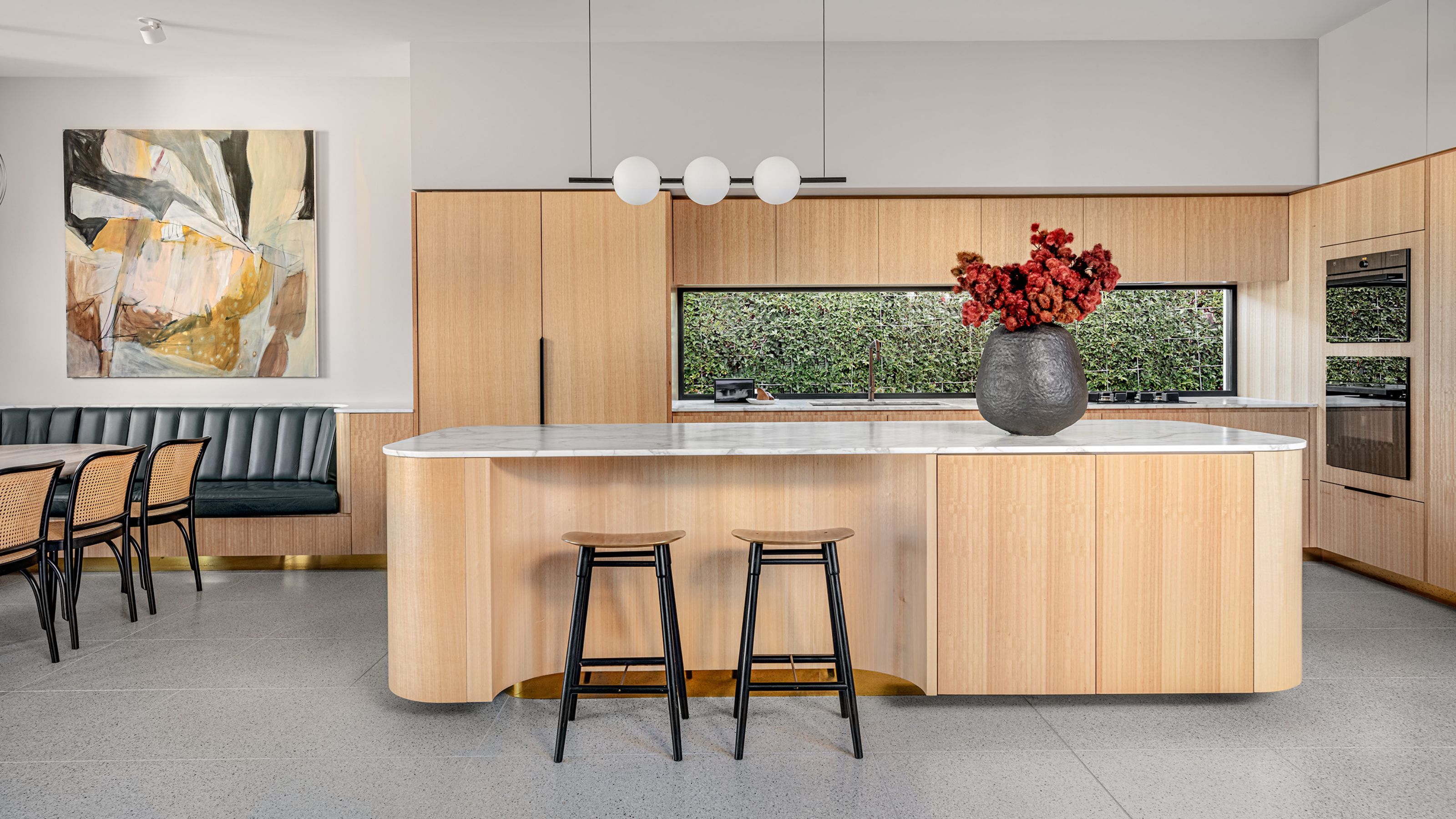
1/6
5 Kitchen Window Mistakes to Avoid, According to an Architect — Some May Seriously Surprise You
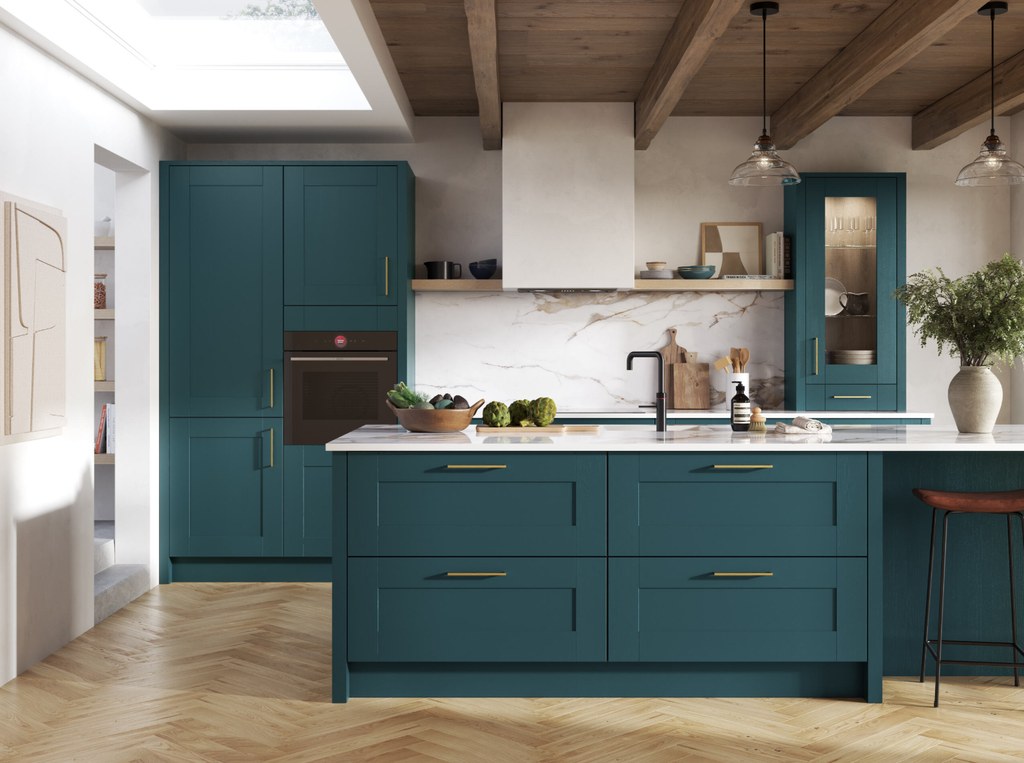
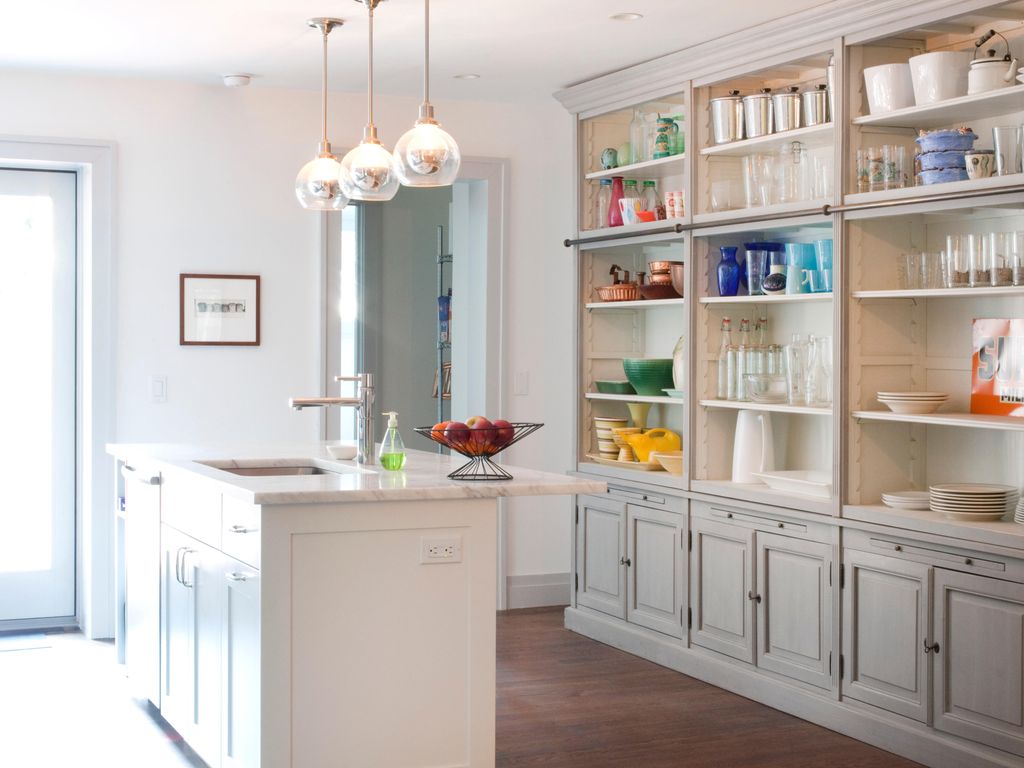
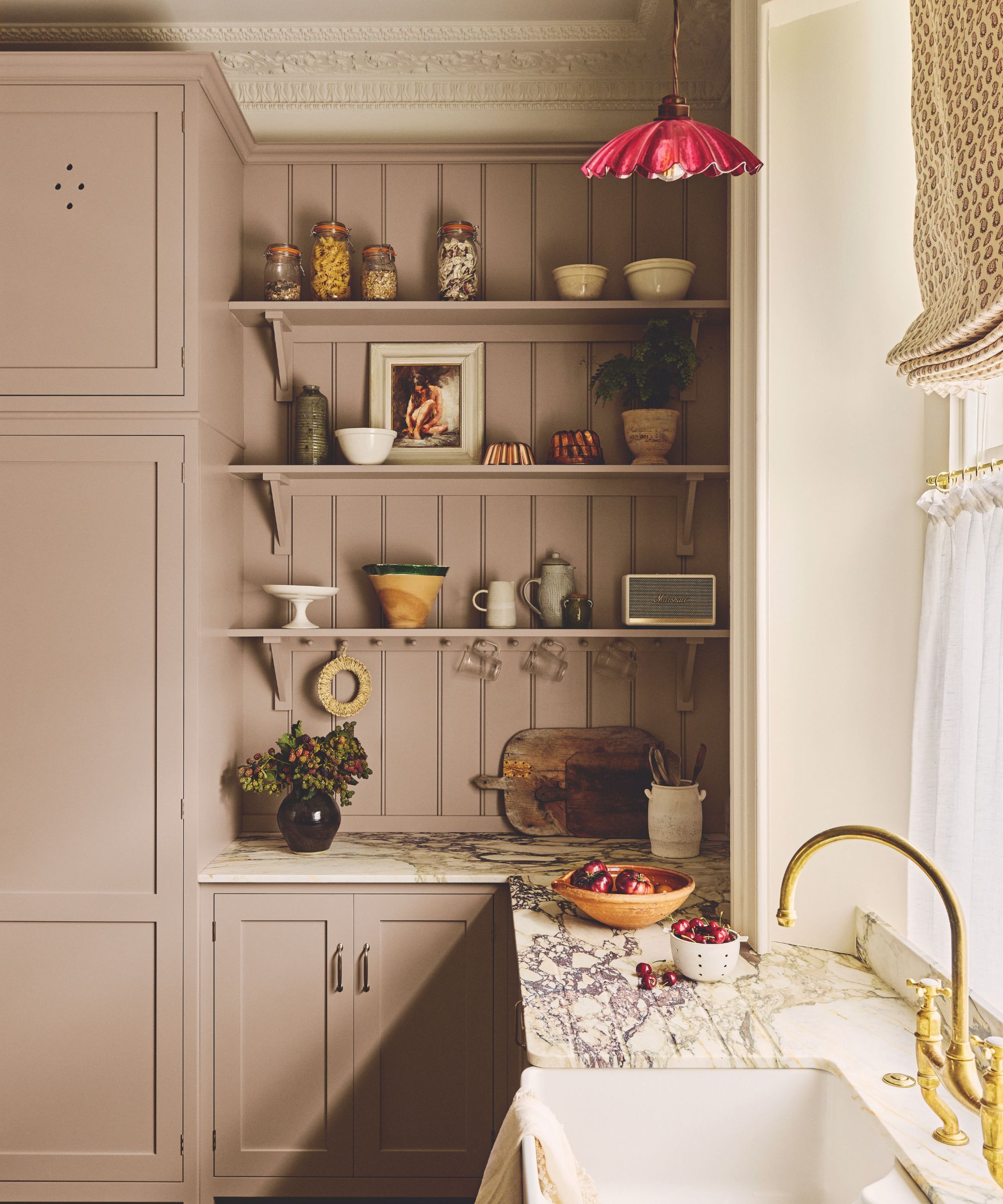
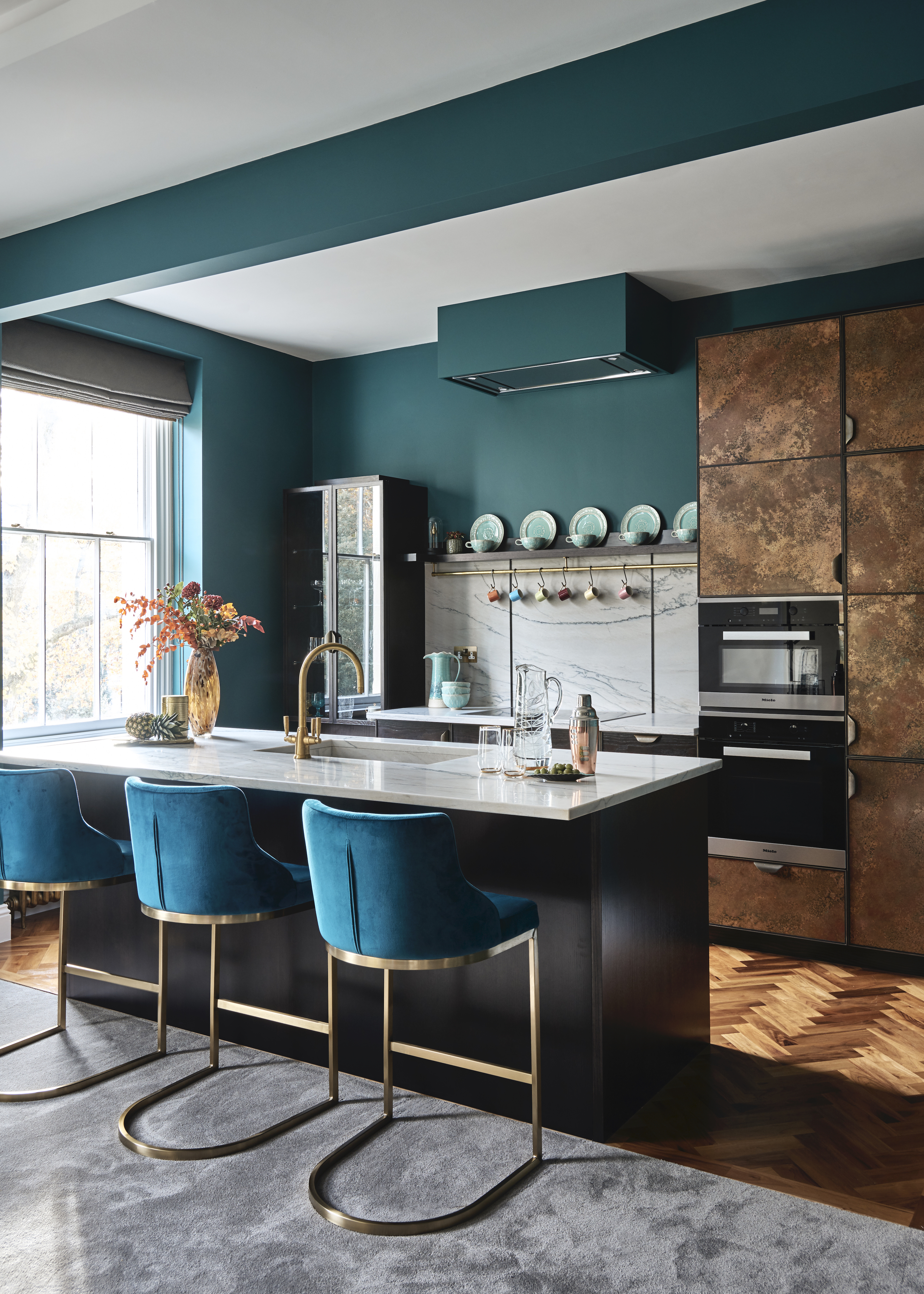
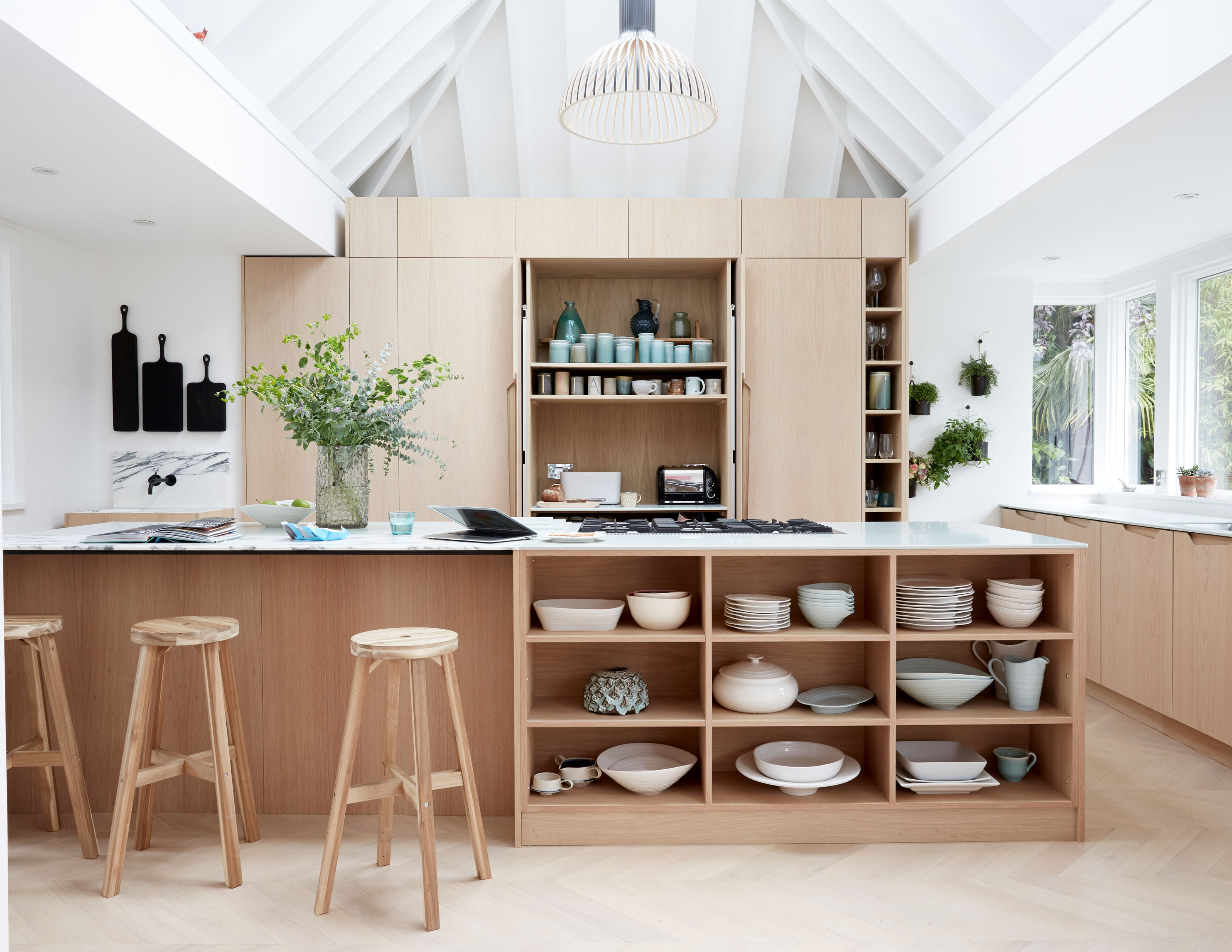
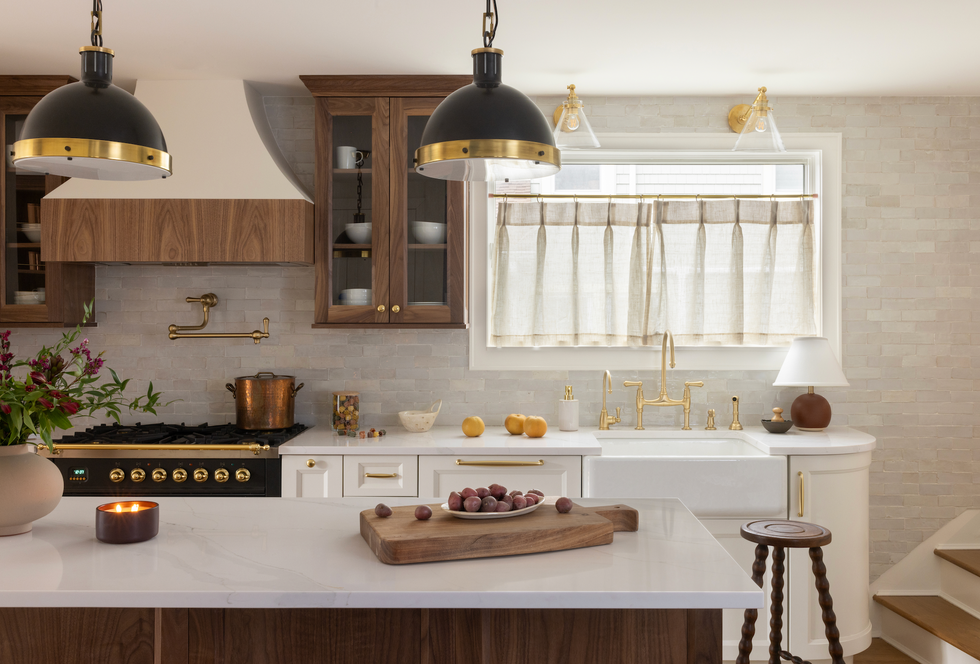
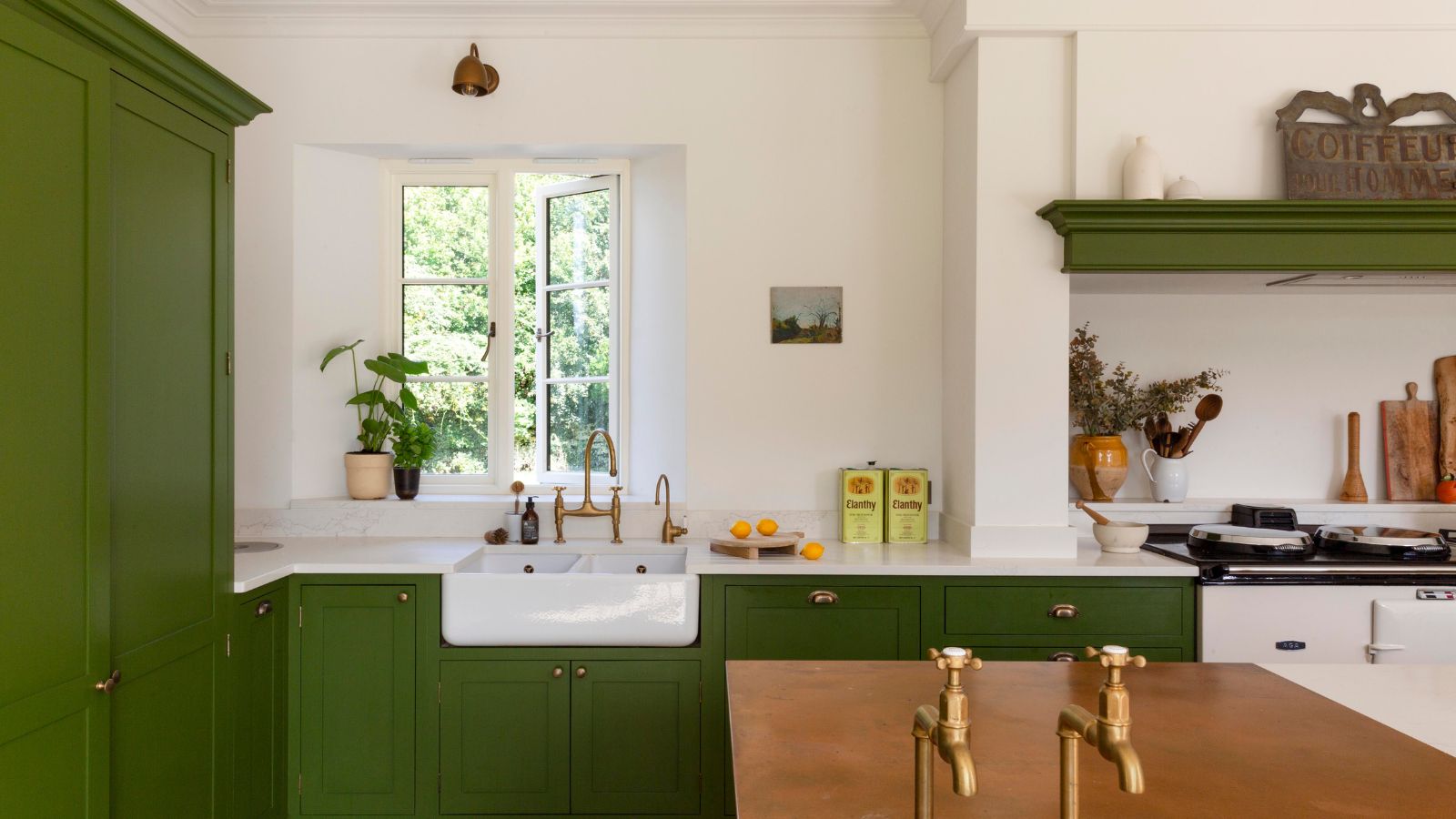
This article, drawing on the expertise of Australian architect Georgina Wilson, identifies five common and costly mistakes homeowners often make when designing or renovating kitchen windows. These errors can impact hygiene, functionality, and overall aesthetic. The first mistake discussed is the use of fabric window treatments in key kitchen functional zones, such as near the sink or cooktop. Fabric tends to absorb water splashes, oil sprays, and cooking smells, making it unhygienic and difficult to clean. Instead, Georgina suggests opting for external Venetian blinds or louvered shutters for heat control, internal timber shutters for privacy, or textured glass for both privacy and an aesthetic appeal. Another recommendation is to improve the outdoor view with greenery or to enhance the window itself with colored glazed highlights, timber paneling, or stylish brass hardware, eliminating the need to cover it.
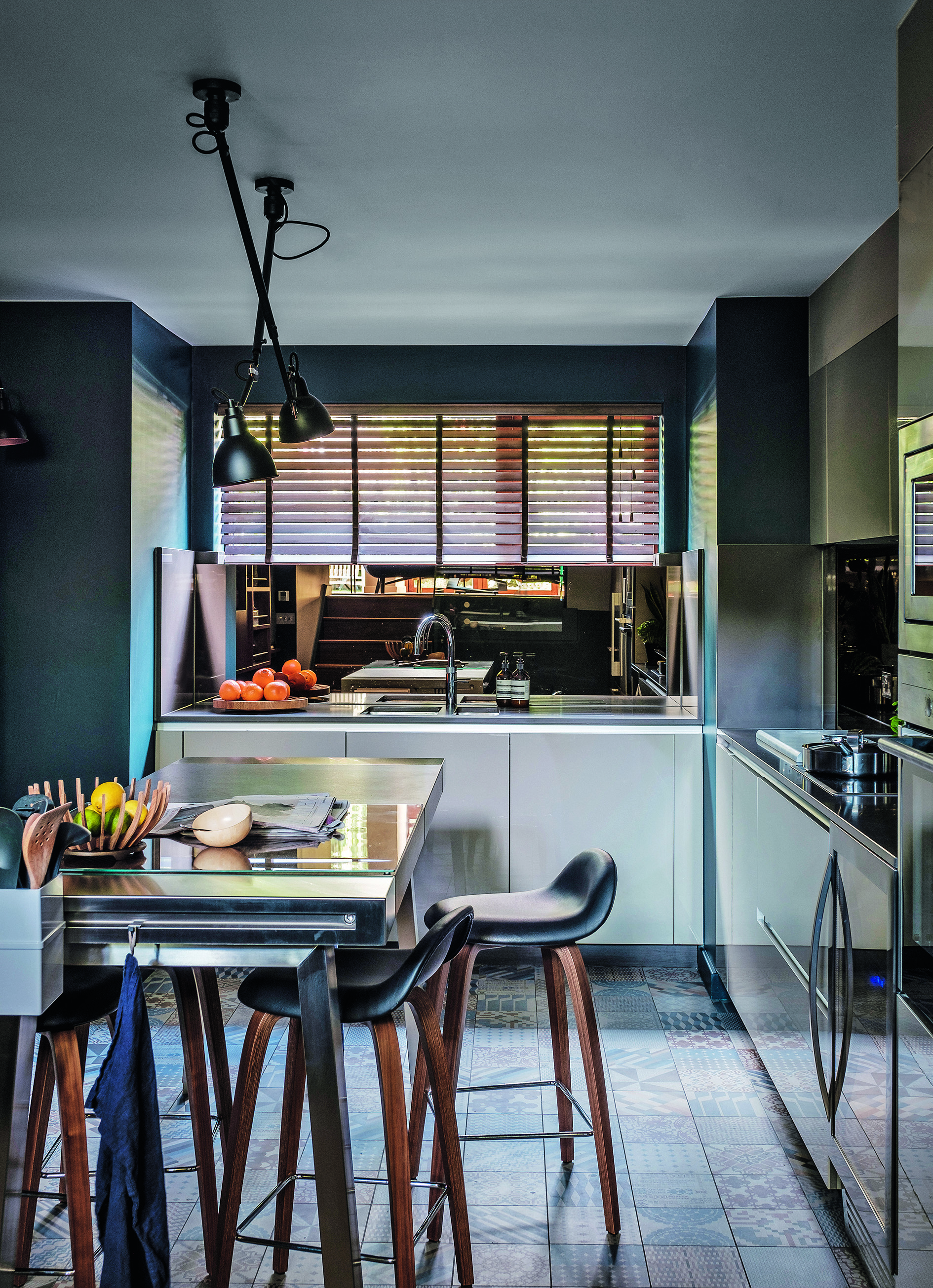
The second major mistake highlighted is the installation of servery windows, also known as serving hatches or kitchen pass-through windows. While seemingly convenient, these often lead to a reduction in valuable counter space and can block primary access to outdoor areas, creating inefficient layouts. Georgina, who reviews numerous architectural plans monthly, rarely finds servery windows to be a good design solution unless the kitchen is exceptionally large and surrounded by open space, allowing for uncompromised outdoor access. She advises careful consideration before incorporating them into a design.
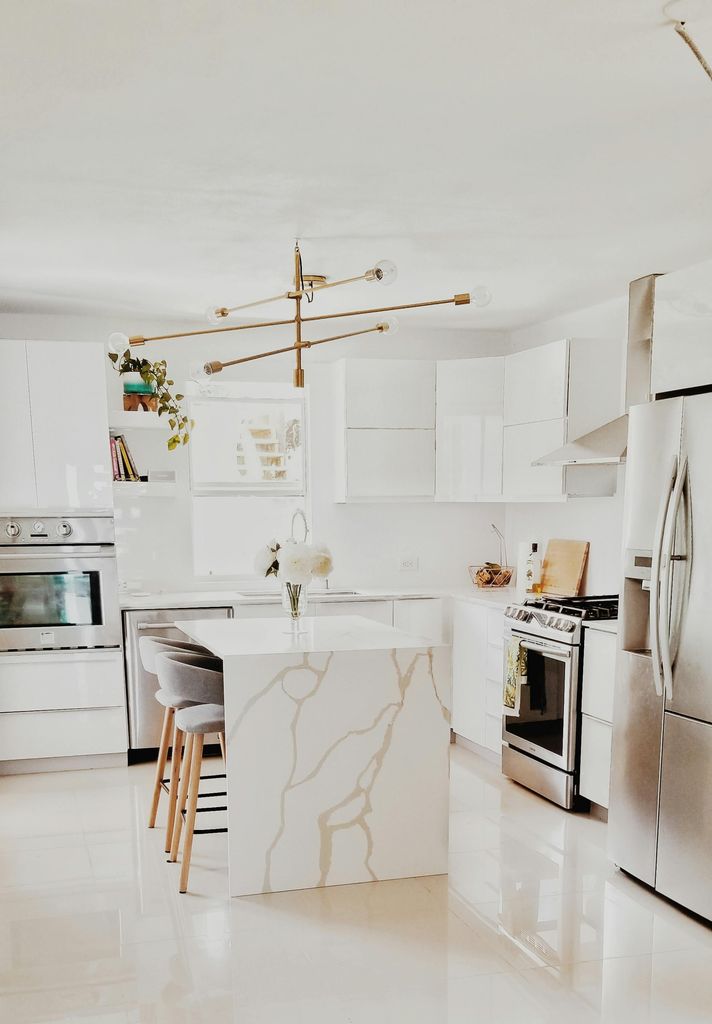
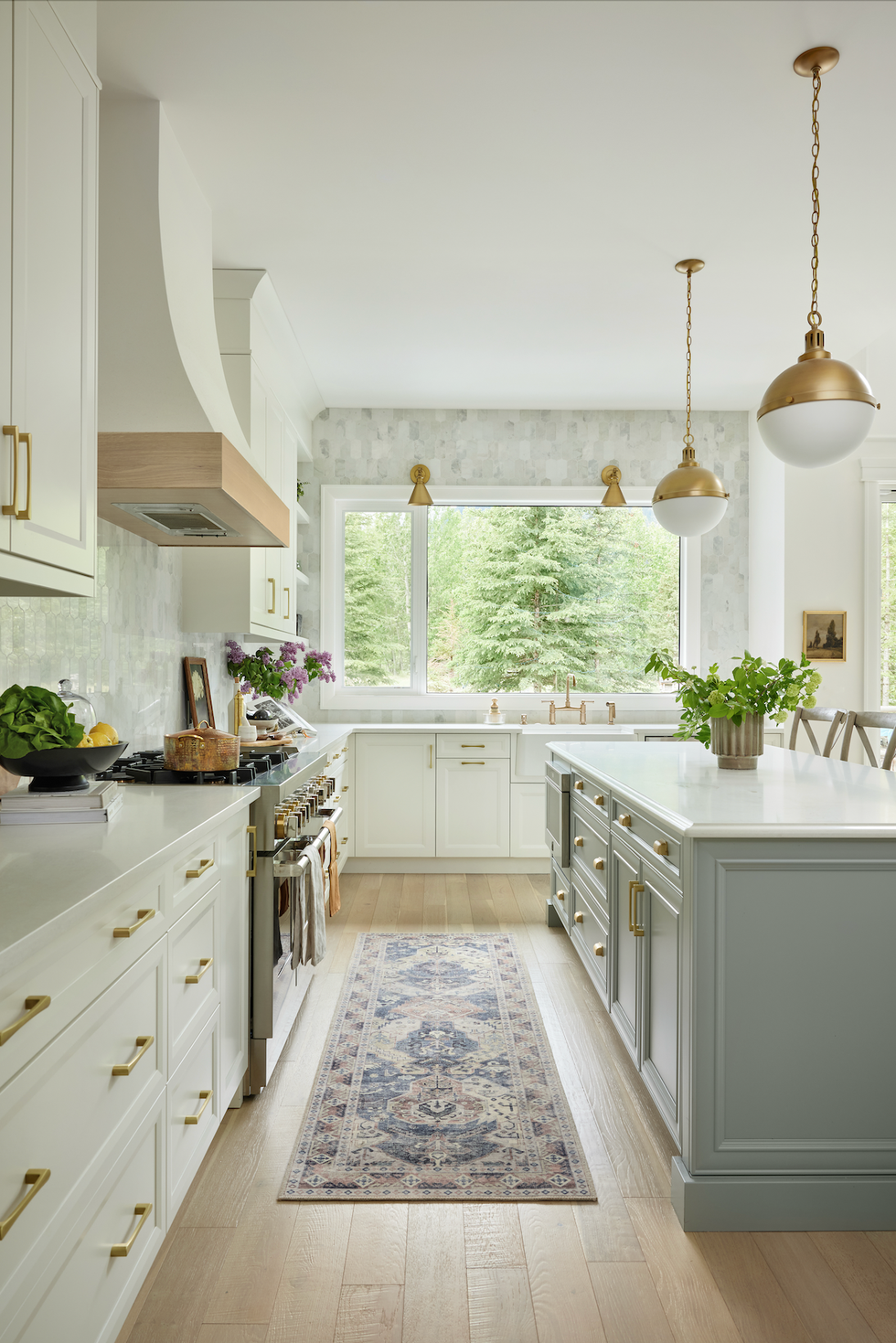
The third error involves positioning a window directly behind the cooktop. This placement leads to persistent issues with oil stains and splatters on the glass, making cleaning a constant chore. The article suggests that the ideal placement for a kitchen window is to the side of the kitchen, at a 90-degree angle to the kitchen island, with the main 'work zone' situated behind the island. This orientation helps manage splashes and simplifies cleaning, though acknowledges that not all homes offer this flexibility.
Fourth, the article addresses the choice of window style, specifically criticizing awning windows for their limited airflow, which can lead to inadequate kitchen ventilation. While awning windows offer protection from the elements, they are not ideal for providing ample fresh air. For better ventilation and a classic aesthetic, Georgina recommends large double-hung windows, noting their effectiveness in circulating air and their potential for visual appeal with features like colored glazing panels.
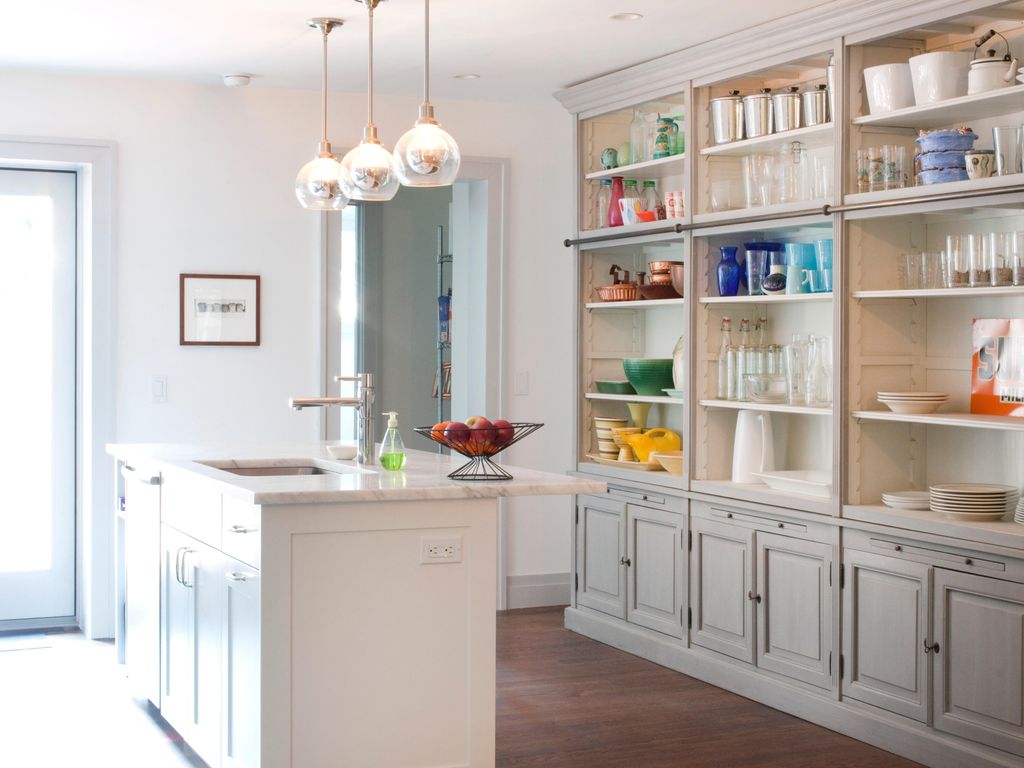
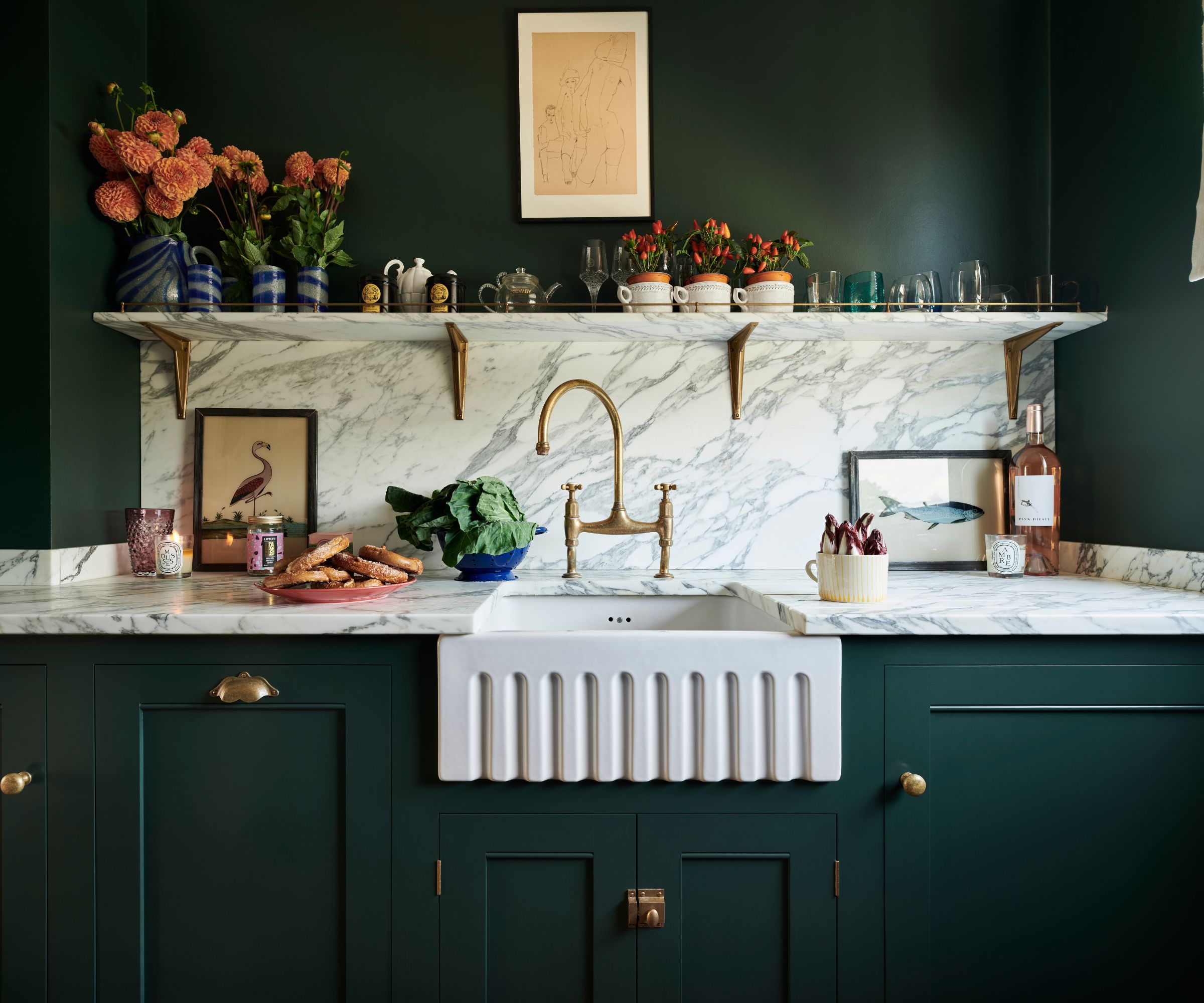
Finally, the tradition of placing a window directly above the kitchen sink is questioned. This layout, often seen in mid-20th-century homes, offered a view of the backyard. However, with modern, larger, and often open-plan kitchens, the necessity of a sink-level window diminishes. The article suggests that for contemporary homes, especially freestanding ones, larger doors connecting to the garden are often a more practical and impactful way to link indoor and outdoor spaces, providing better flow and function than a small window above the sink. For smaller homes or those with limited outdoor connections, prioritizing a door for indoor-outdoor transition is still more beneficial than a sink-specific window. The article concludes by emphasizing three key considerations for kitchen windows: ease of cleaning, adequate ventilation, and evaluating if a door would be a more functional alternative to a window for outdoor connection.
#KitchenDesign #WindowPlacement #KitchenRenovation #ArchitecturalAdvice #InteriorDesignMistakes #KitchenFunctionality #HomeImprovement #KitchenWindows #DesignTips #KitchenDesign #WindowPlacement #KitchenRenovation #ArchitecturalAdvice #InteriorDesignMistakes #KitchenFunctionality #HomeImprovement #KitchenWindows #DesignTips
0 commenti in totale
 Nessun commento ancora
Potresti anche gradire
8 shockingly common kitchen design mistakes according to a pro

5 kitchen hardware mistakes interior designers say homeowners always make, and how to fix them

Experts reveal the kitchen worktop mistakes to avoid - ignore at your peril

Local Announcement: What Are the Top Mistakes to Avoid During Kitchen Remodeling?

8 shockingly common kitchen design mistakes according to a pro

6 mistakes to avoid when designing an open-plan kitchen – revealed by an expert
7 Window Treatment Mistakes You Might Be Making

5 Kitchen Renovation Moves That Make Designers CRINGE

5 kitchen countertop mistakes designers warn to avoid
5 Mistakes That Are Making Your Entryway Look Bad, According to a Designer

Every Mistake I Made While Designing My Kitchen Lighting Scheme — The 5 Errors I Strongly Advise Against
10 Interior Design Mistakes Experts Avoid In Their Own Homes

6 Window Treatment Mistakes Designers Are Tired of Seeing
10 Small Kitchen Layout Mistakes Designers Will Always Urge You to Avoid for a Better Working Space
5 entryway mistakes we all make – and how designers suggest we avoid them
5 small living room mistakes – designers share the worst decorating disasters that we need to stop doing right now
8 small kitchen design mistakes to avoid, according to an interior designer

The 5 kitchen storage mistakes interior designers always avoid

11 WORST Kitchen Design Mistakes You're Probably Making

5 Outdated Kitchen Rules You Should Definitely Ignore, According to Designers