What to Know About Maple Hardwood Flooring Before You Buy
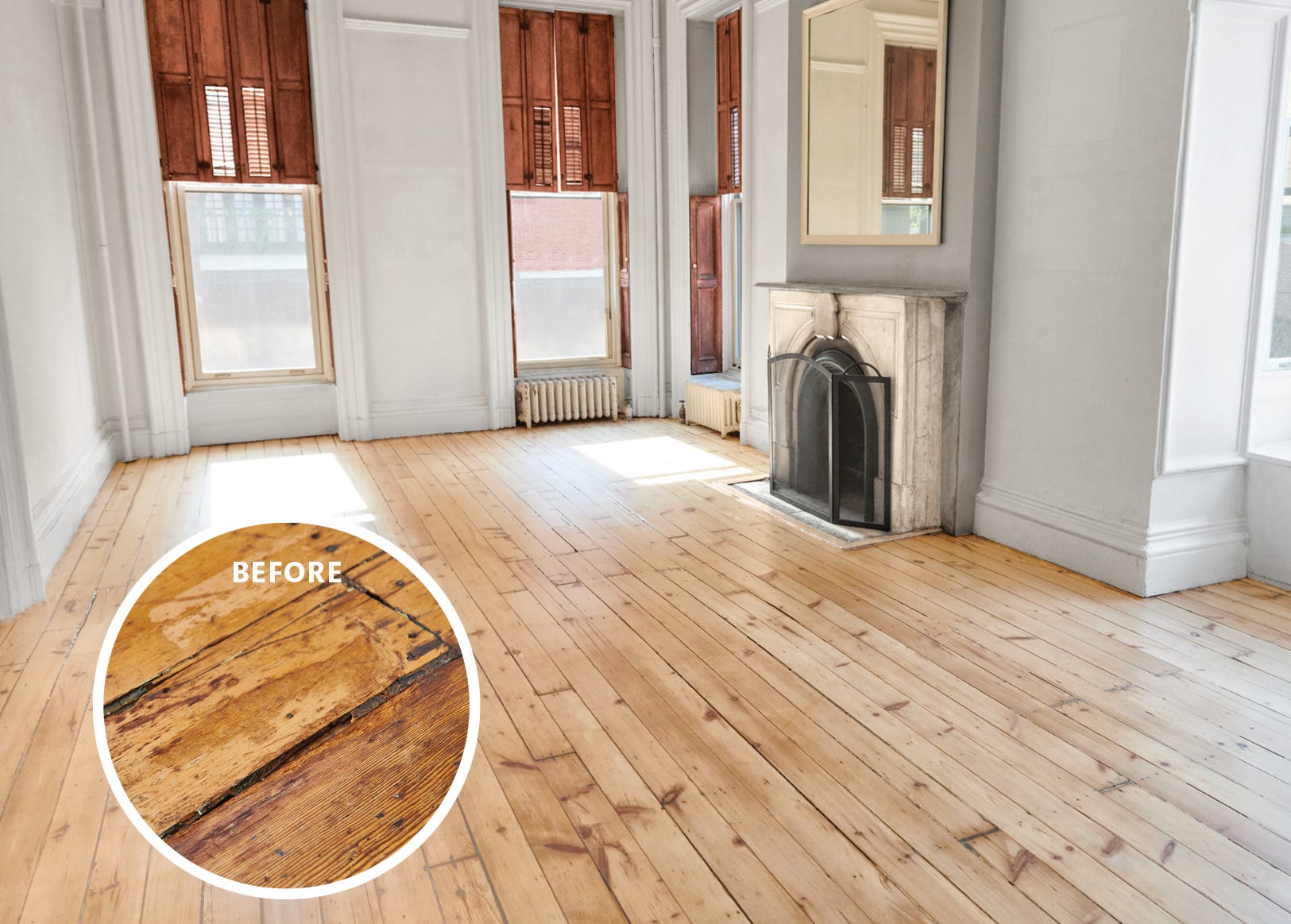
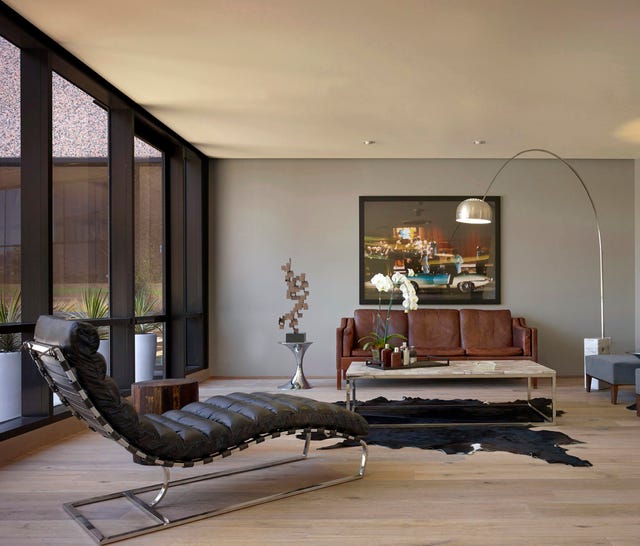
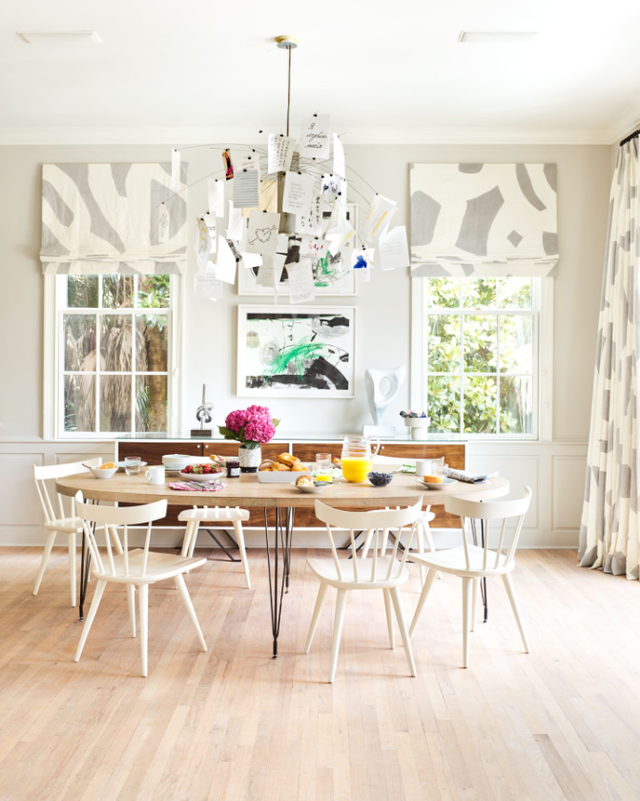
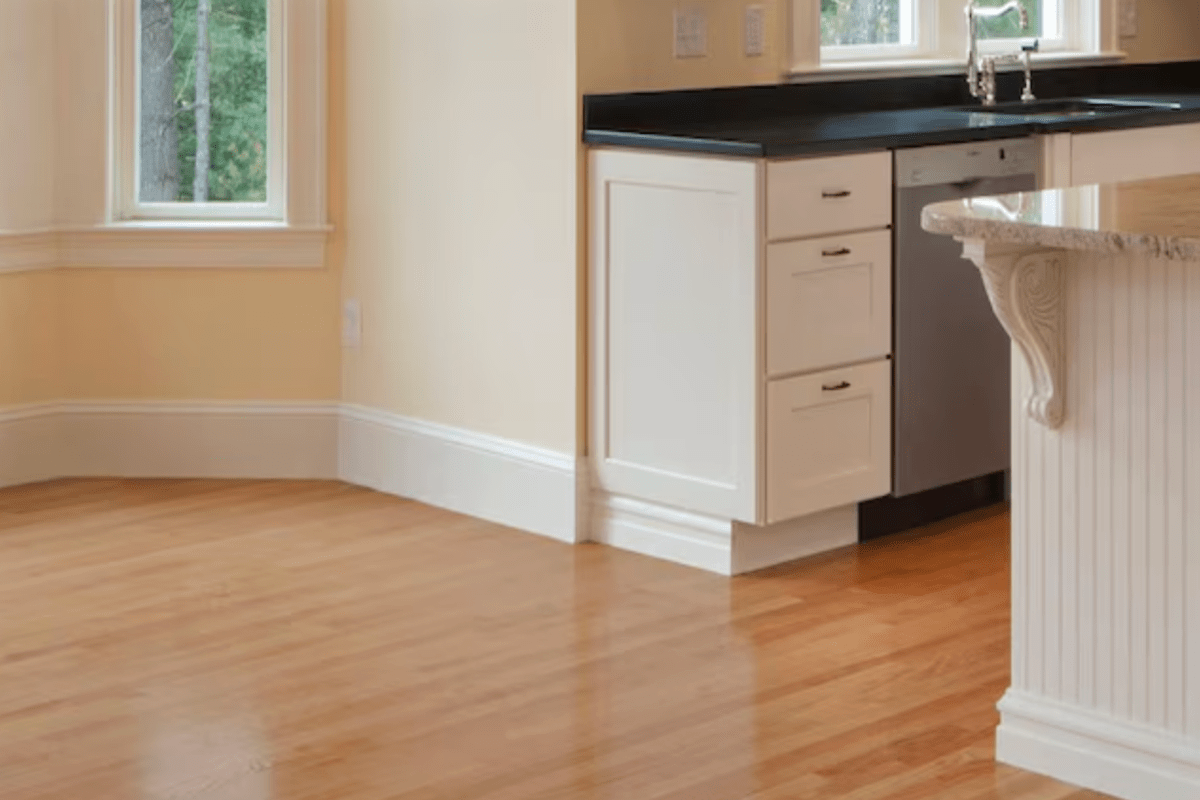
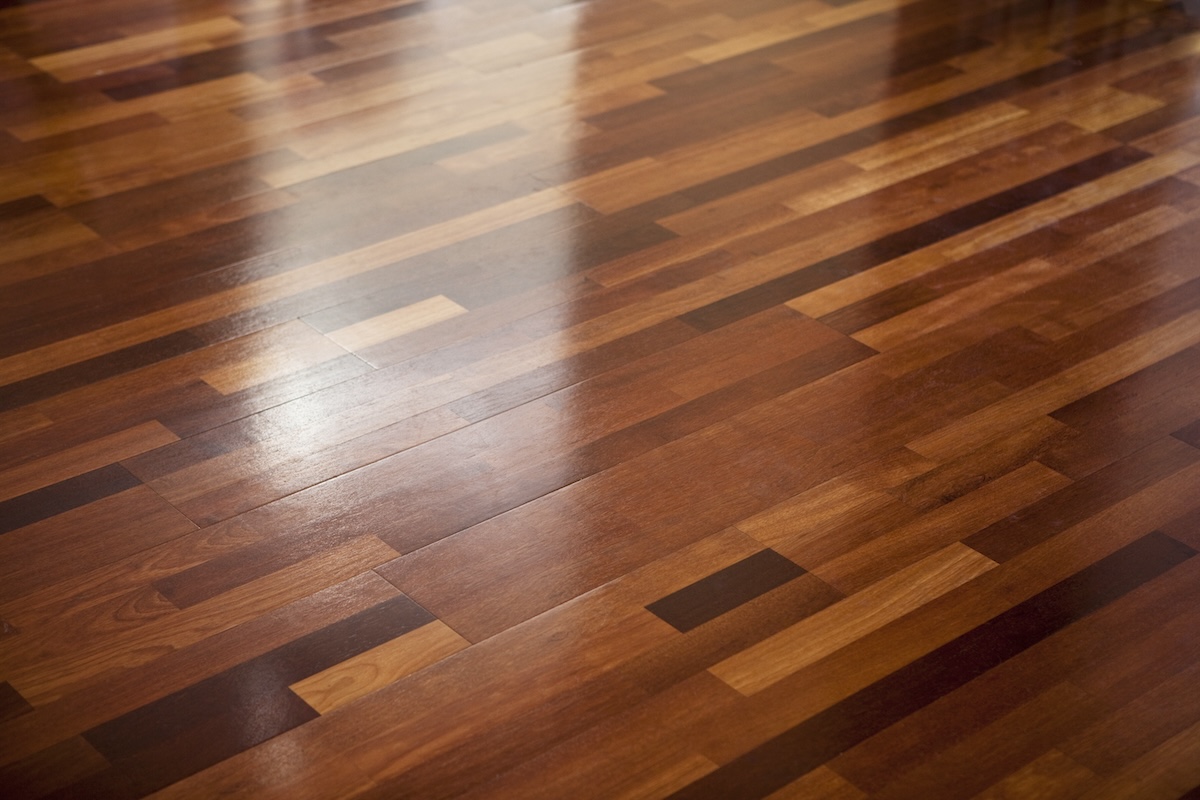
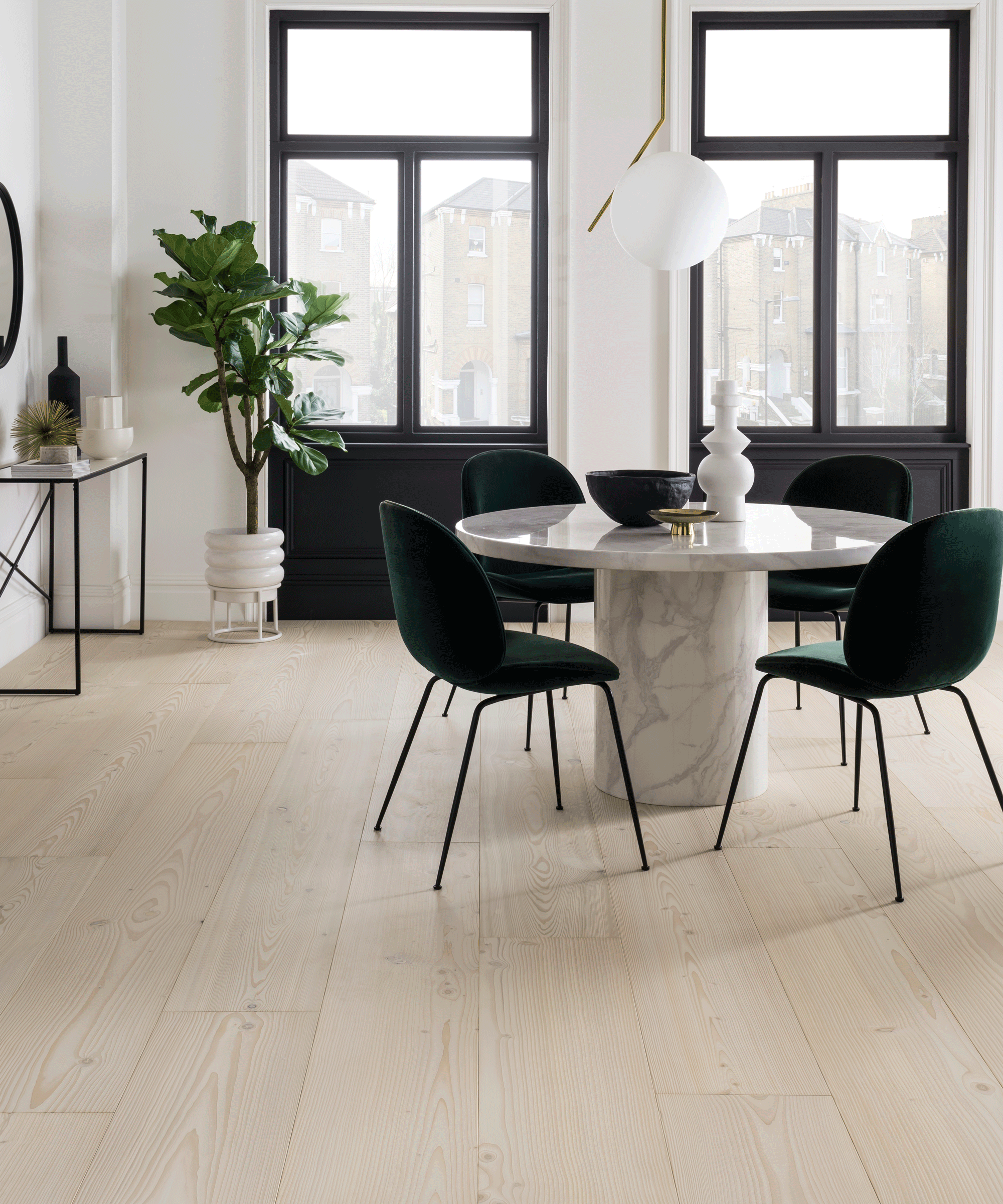
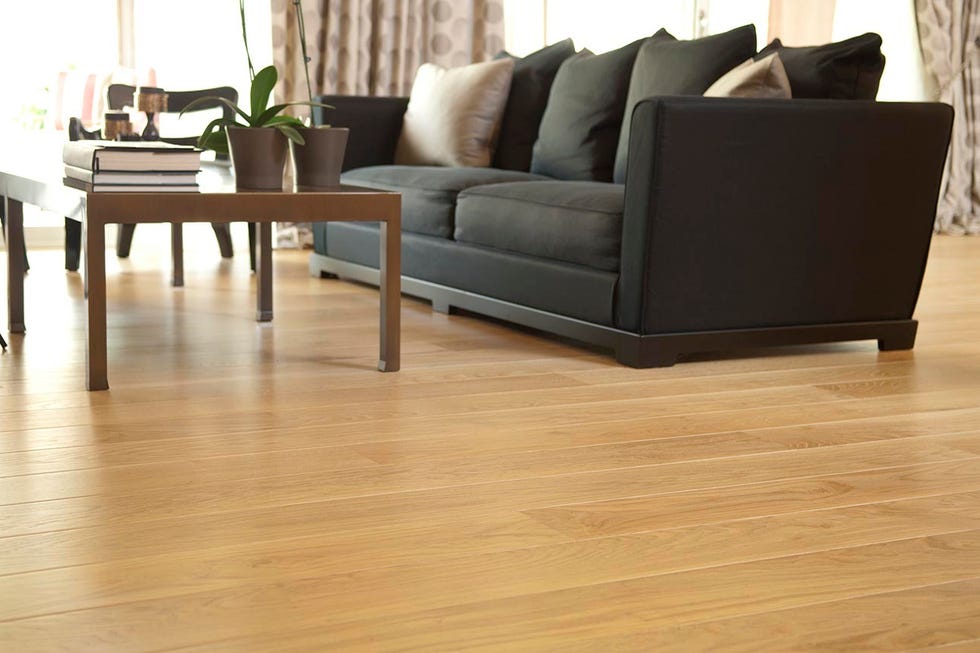
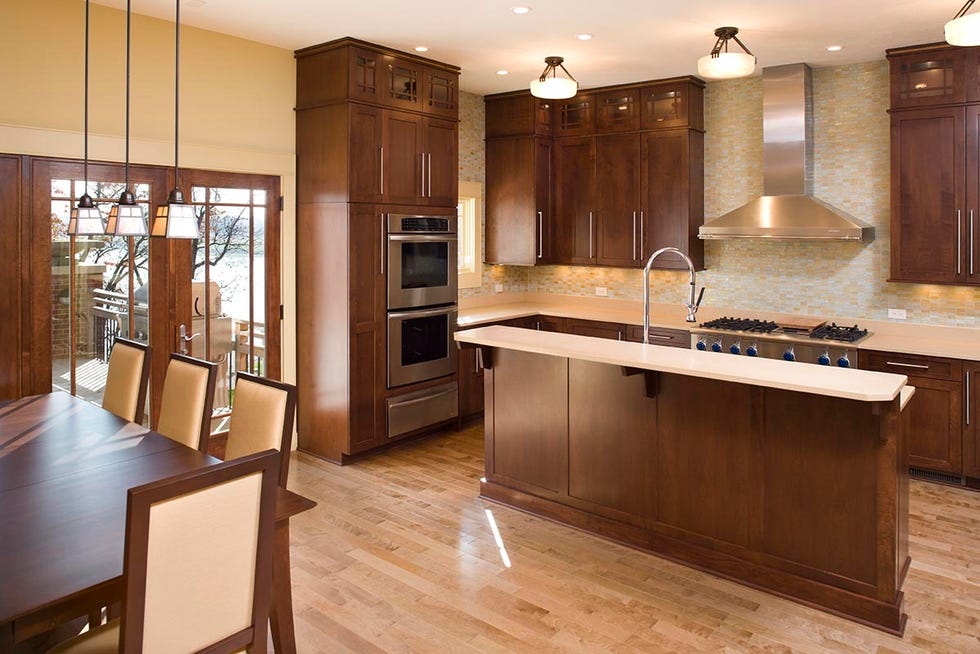
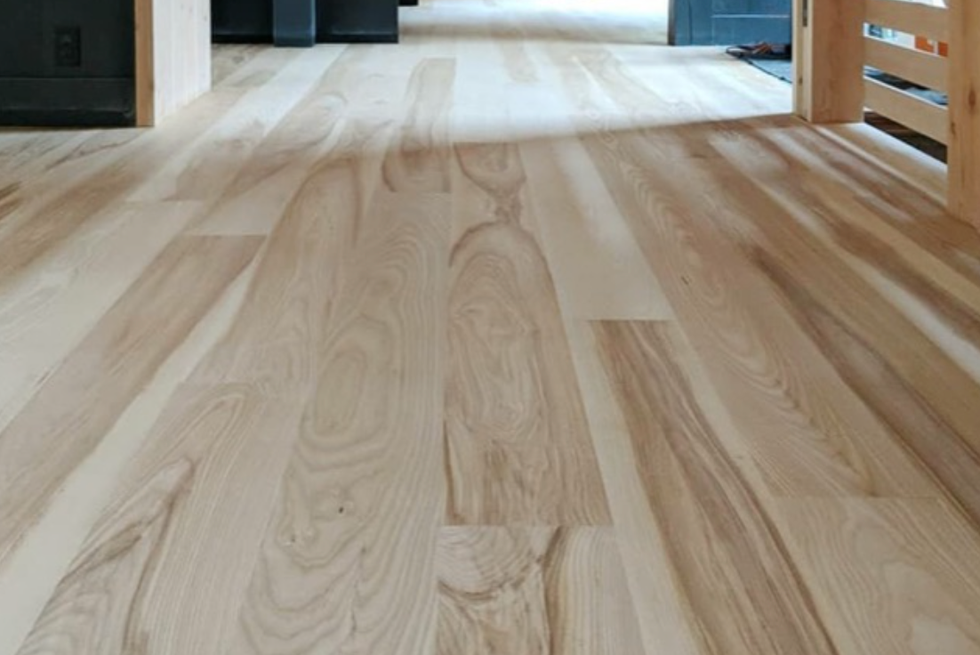
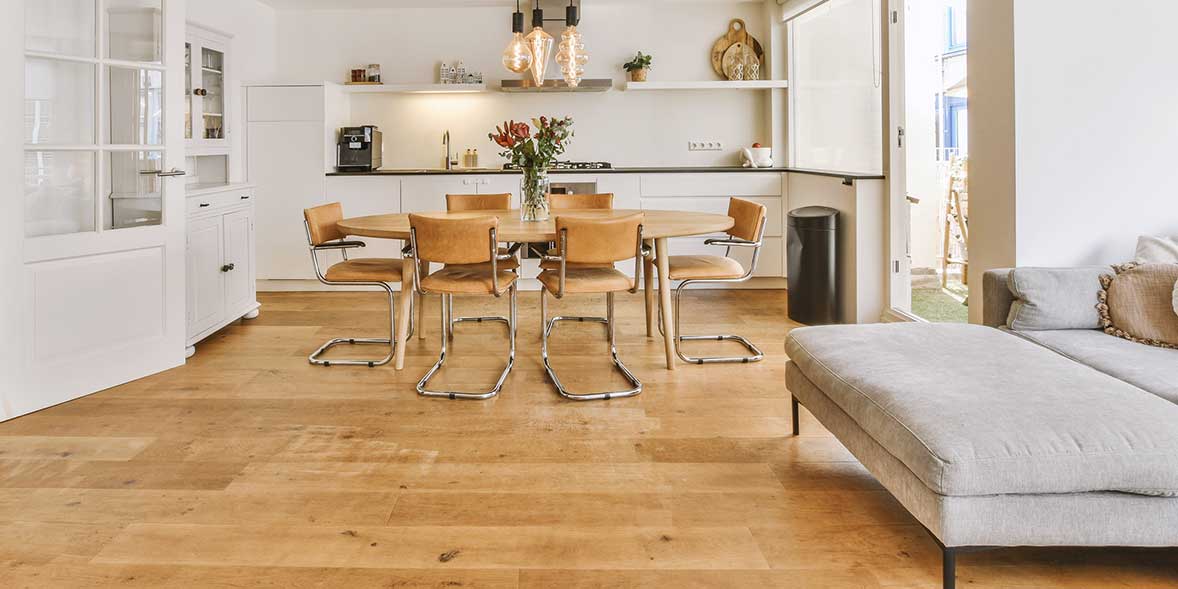
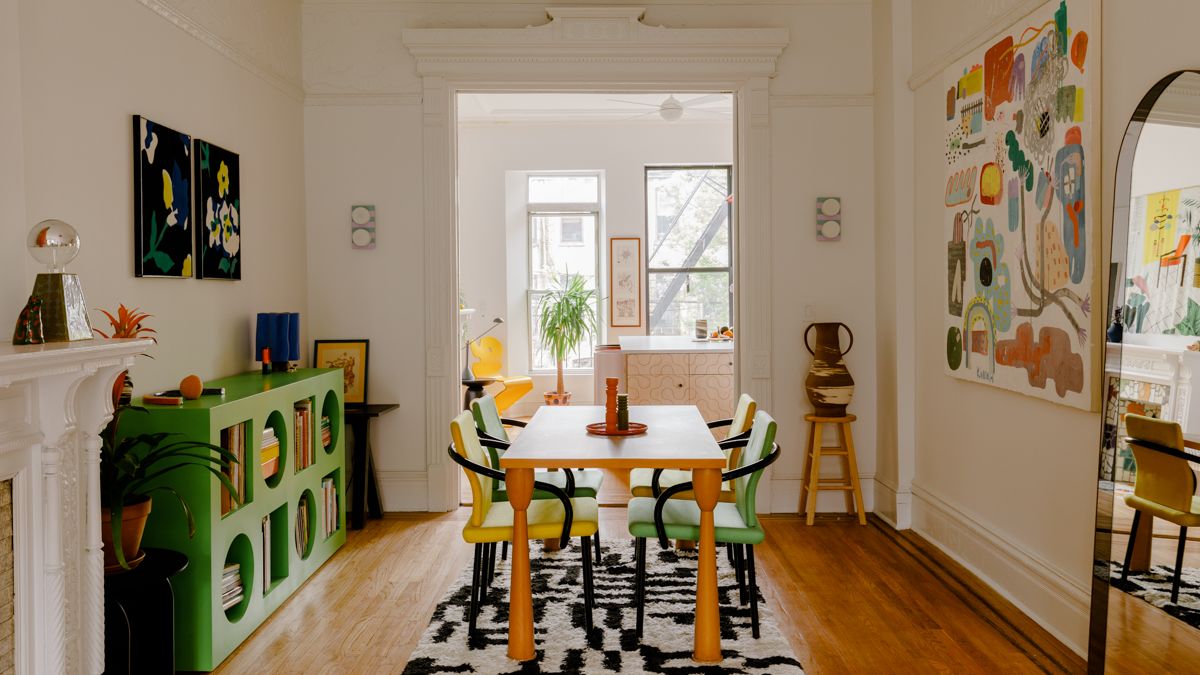
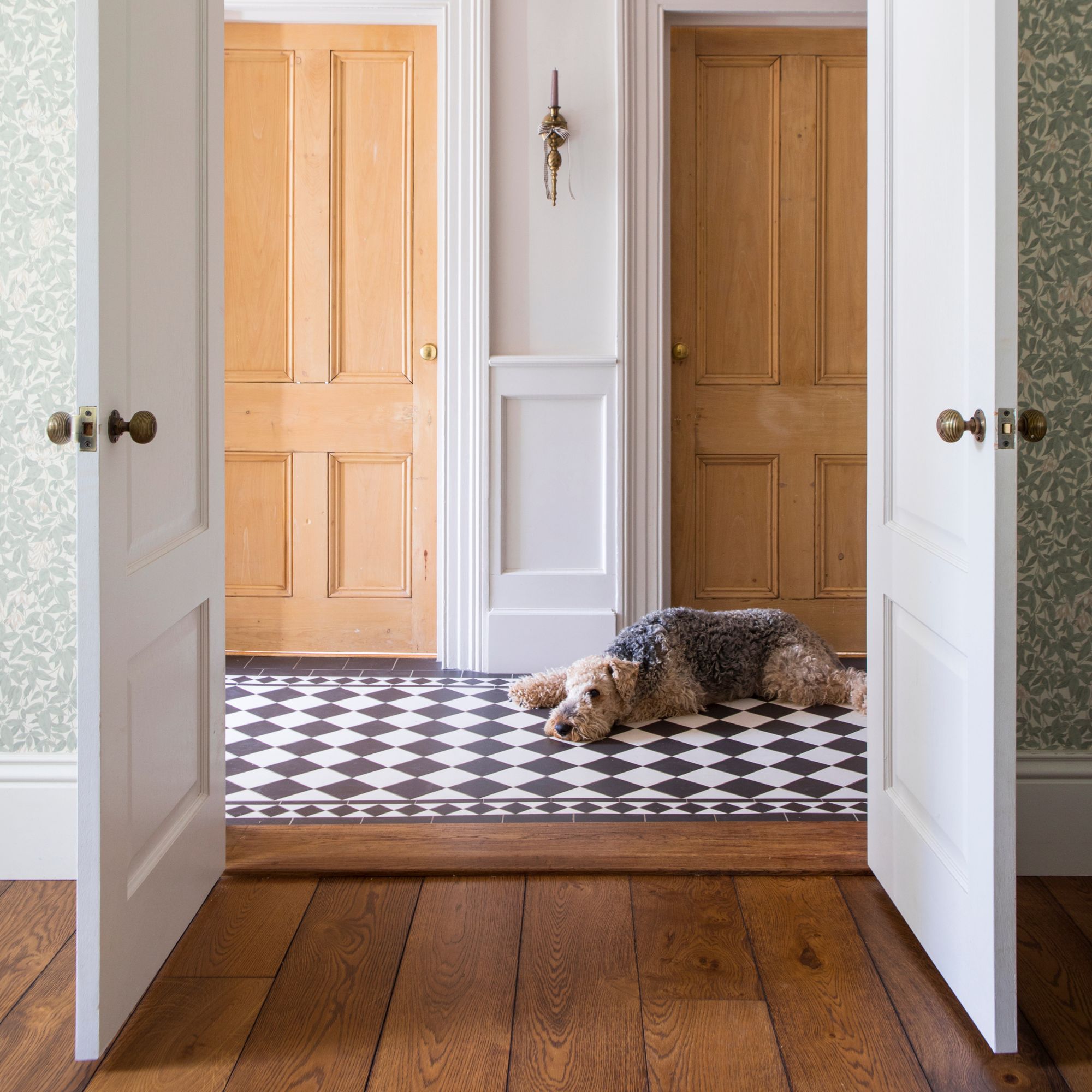
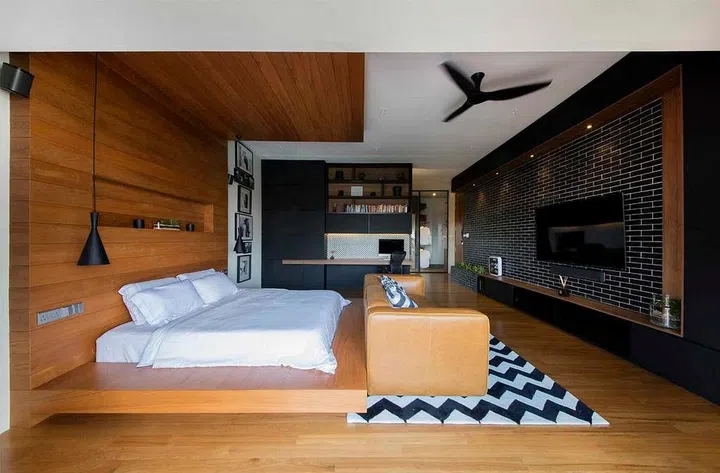
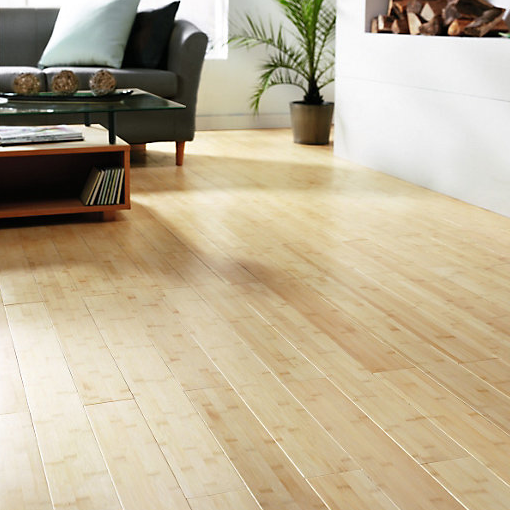
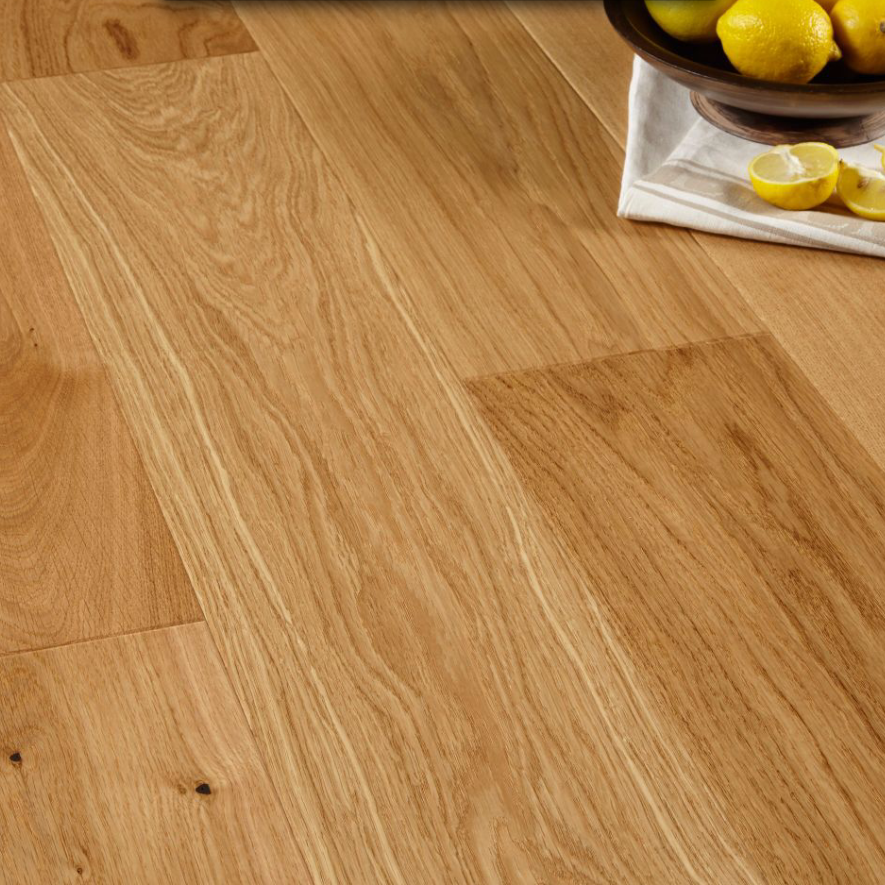
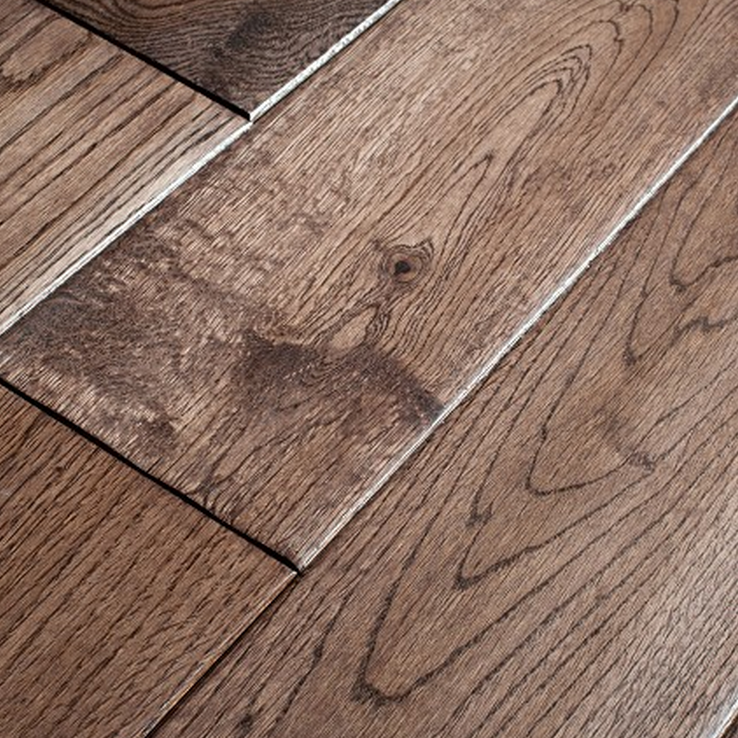
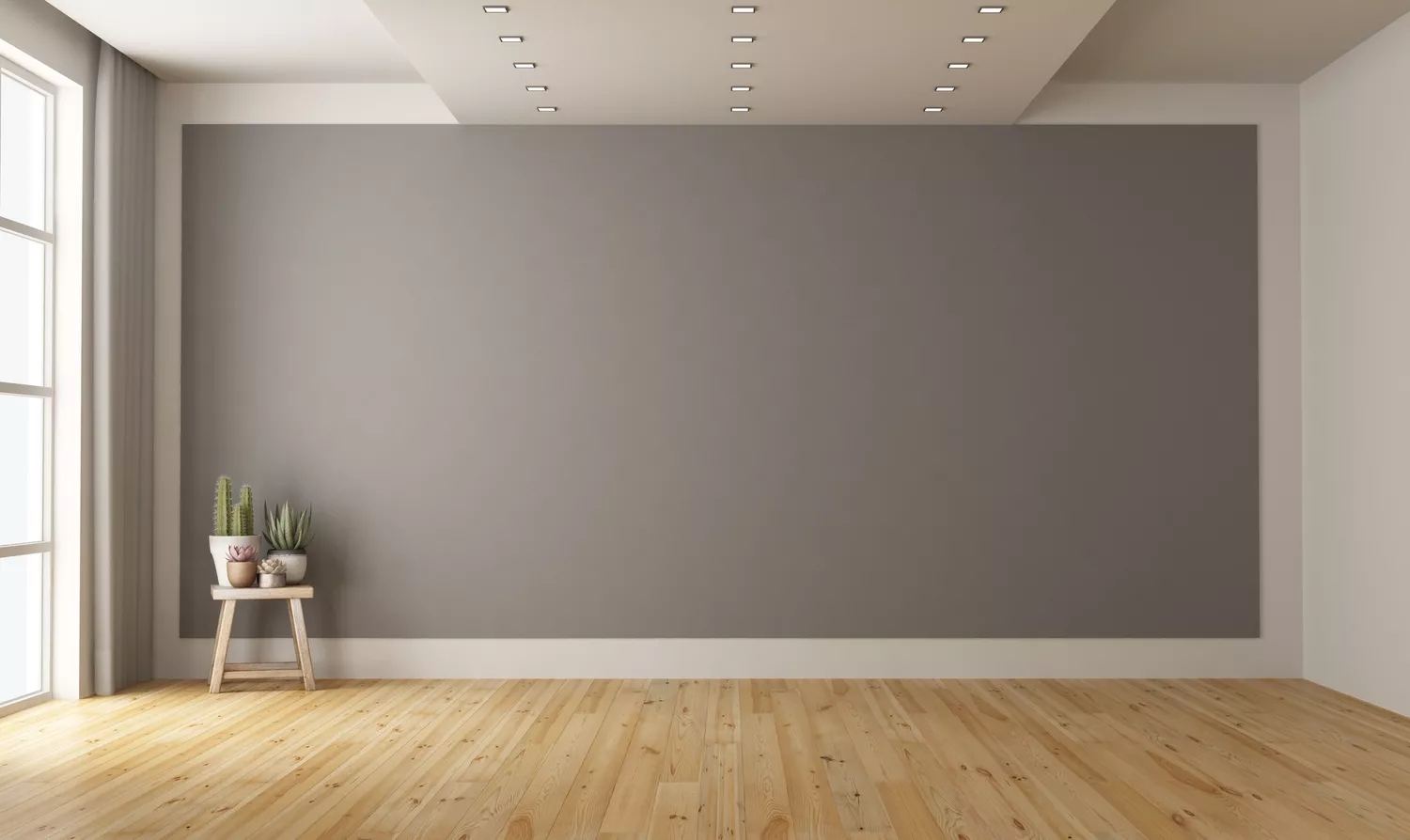
Maple hardwood flooring is a popular choice for homes due to its light color, hardness, and fine grain pattern, making it suitable for modern or contemporary styles. It is available as solid or engineered wood, sourced from fast-growing maple trees in the northern United States and Canada, thus considered sustainable and eco-friendly. Its distinctive creamy white color, which can sometimes darken to light brown, features a subtle, almost unnoticeable grain, unlike the sharp contrasts found in oak.
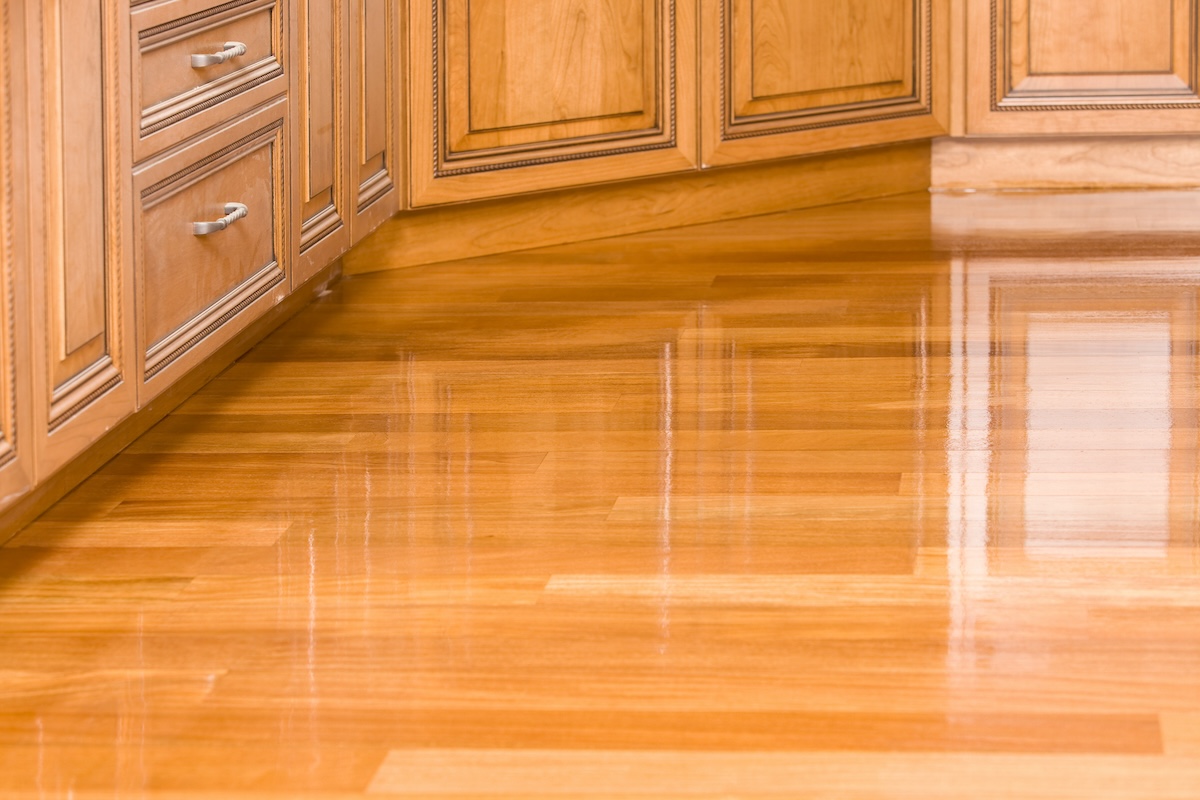
Key advantages of maple flooring include its exceptional hardness and density, making it a durable option for long-term use. It is also moderately priced compared to other hardwood options. However, maple presents certain challenges. It does not accept stain well, often leading to uneven coloring if stained on-site, and is usually recommended to be left natural with a clear coat. Scratches are more conspicuous on maple due to its light color, and the wood is highly susceptible to humidity changes, which can cause shrinking, warping, cupping, or splitting if not properly acclimated and maintained.
Installation of maple hardwood flooring requires careful acclimation, typically 48 to 72 hours, with the wood unboxed and stacked to allow for adequate airflow. Professional sanding is often recommended due to maple's hardness and close grain, requiring the sander to be on its lowest setting to avoid imperfections. Reclaimed maple flooring from old gyms or bowling alleys can be a good option for those seeking unique materials.
In terms of cost, natural solid or engineered maple strip flooring ranges from $5 to $8 per square foot, while factory-stained maple can cost $8 to $12 per square foot. When compared to other wood types, maple is harder than white oak and ash. White oak, while softer, has a more pronounced grain and stains well, making scratches less noticeable. Ash flooring, similar in appearance to maple with its light color and clear grain, is strong but not as hard or dense as maple, and it's less commonly available. Ash's grain can be accentuated with stain, offering a good alternative if a more visible grain is desired.
Maintenance for maple flooring involves using runners and area rugs to protect against scratches. Due to its light color, dirt and debris are easily visible, necessitating frequent cleaning with dry methods like a soft broom or dry mop, as wet mopping is not recommended. Maintaining consistent indoor humidity levels with humidifiers or dehumidifiers is crucial to prevent damage caused by sharp temperature and humidity fluctuations. The Spruce provides detailed guidance on various home improvement topics, including flooring, to ensure informed decisions for homeowners.
#MapleFlooring #HardwoodFlooring #HomeImprovement #FlooringInstallation #SustainableWood #HomeDecor #WoodMaintenance #InteriorDesign #MapleFlooring #HardwoodFlooring #HomeImprovement #FlooringInstallation #SustainableWood #HomeDecor #WoodMaintenance #InteriorDesign
कुल 0 टिप्पणियाँ
 कोई टिप्पणी नहीं
आपको यह भी पसंद आ सकता है
Here's Everything You Need to Know About Wood Flooring
How to plan the perfect wood flooring - what you need to know about wood versus wood-style
How Hardwood Flooring is Made at Advantage Lumber

How Much Does Hardwood Timber Flooring Cost in 2023?

What You Should Know Before Painting Hardwood Floors

A Home Improvement Expert Reveal the Best Hardwood Flooring


Your Guide to Wood Flooring

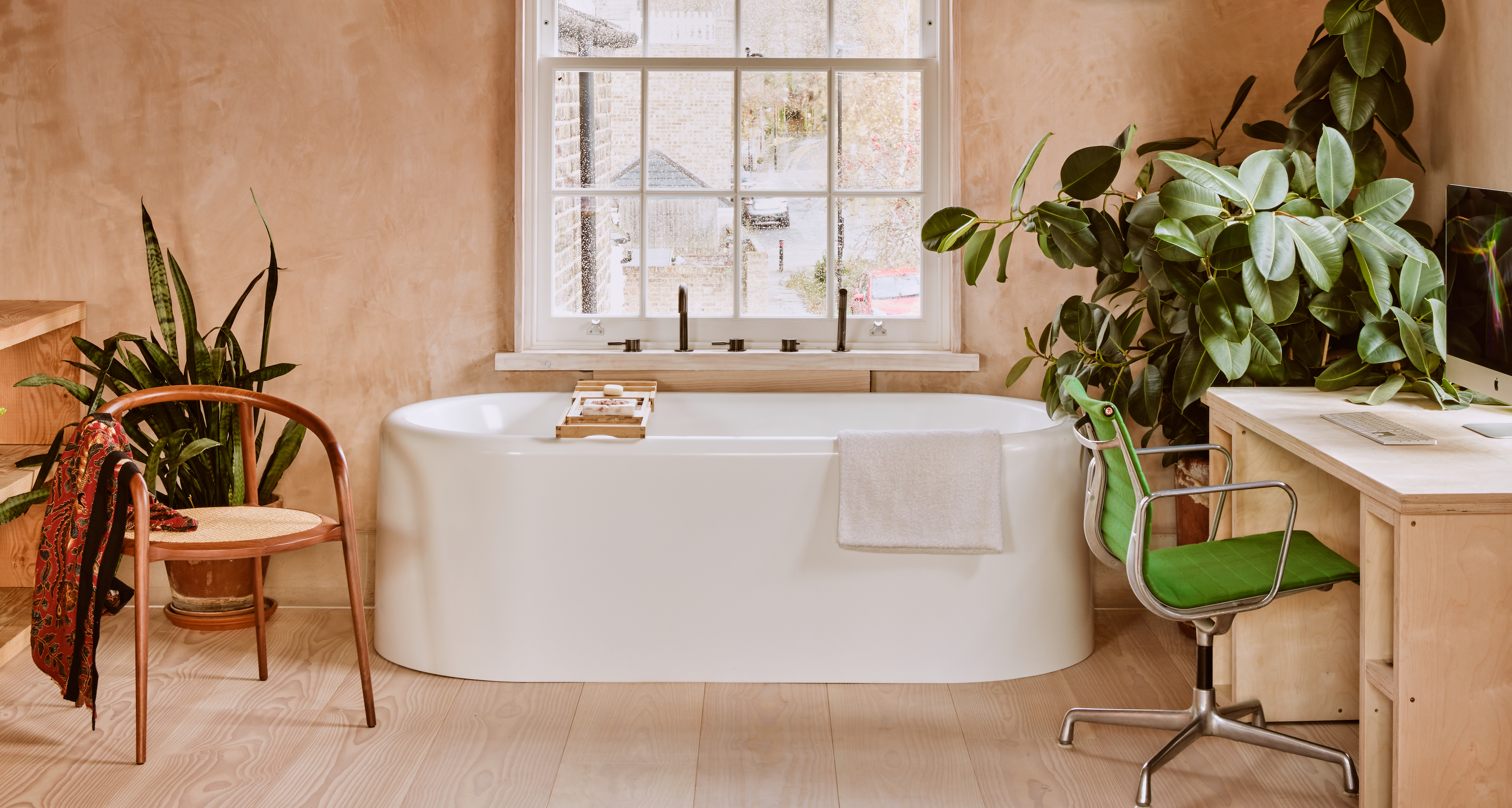
Don't use hardwood flooring in a bathroom without reading this expert advice for long-lasting boards

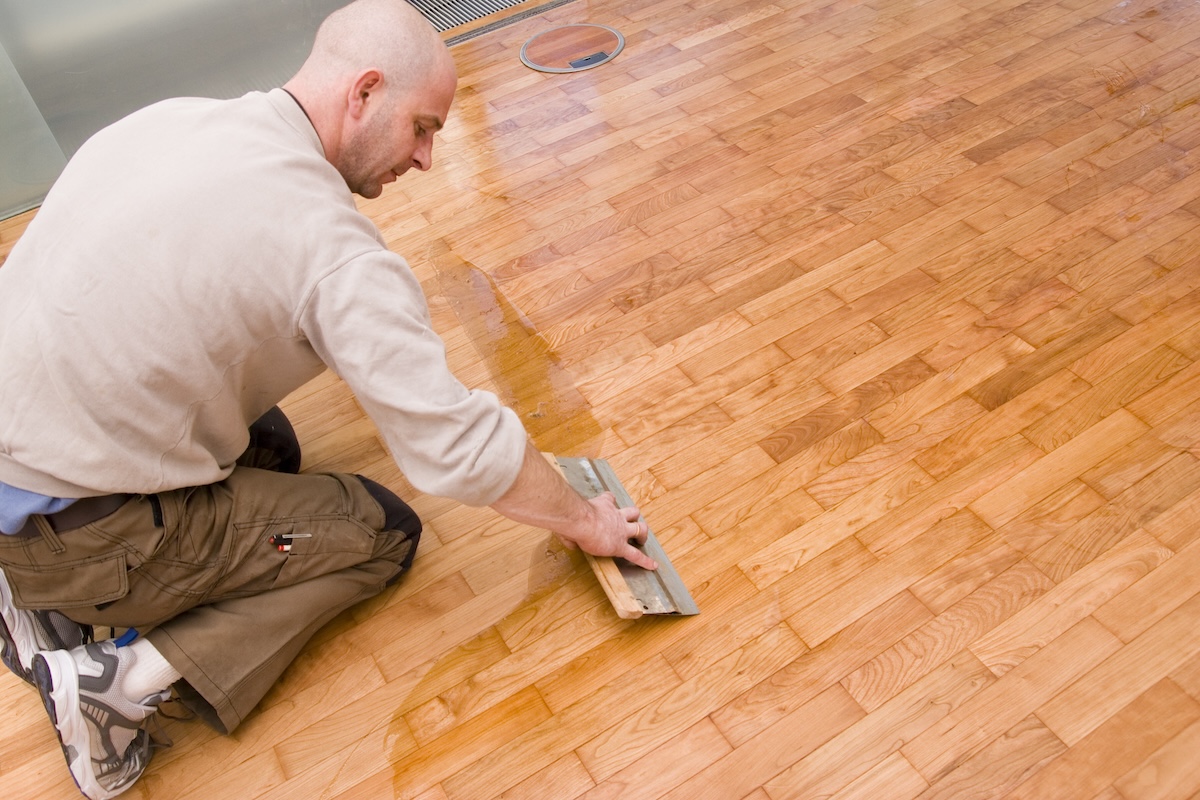
Guide to Hardwood Floor Finishes

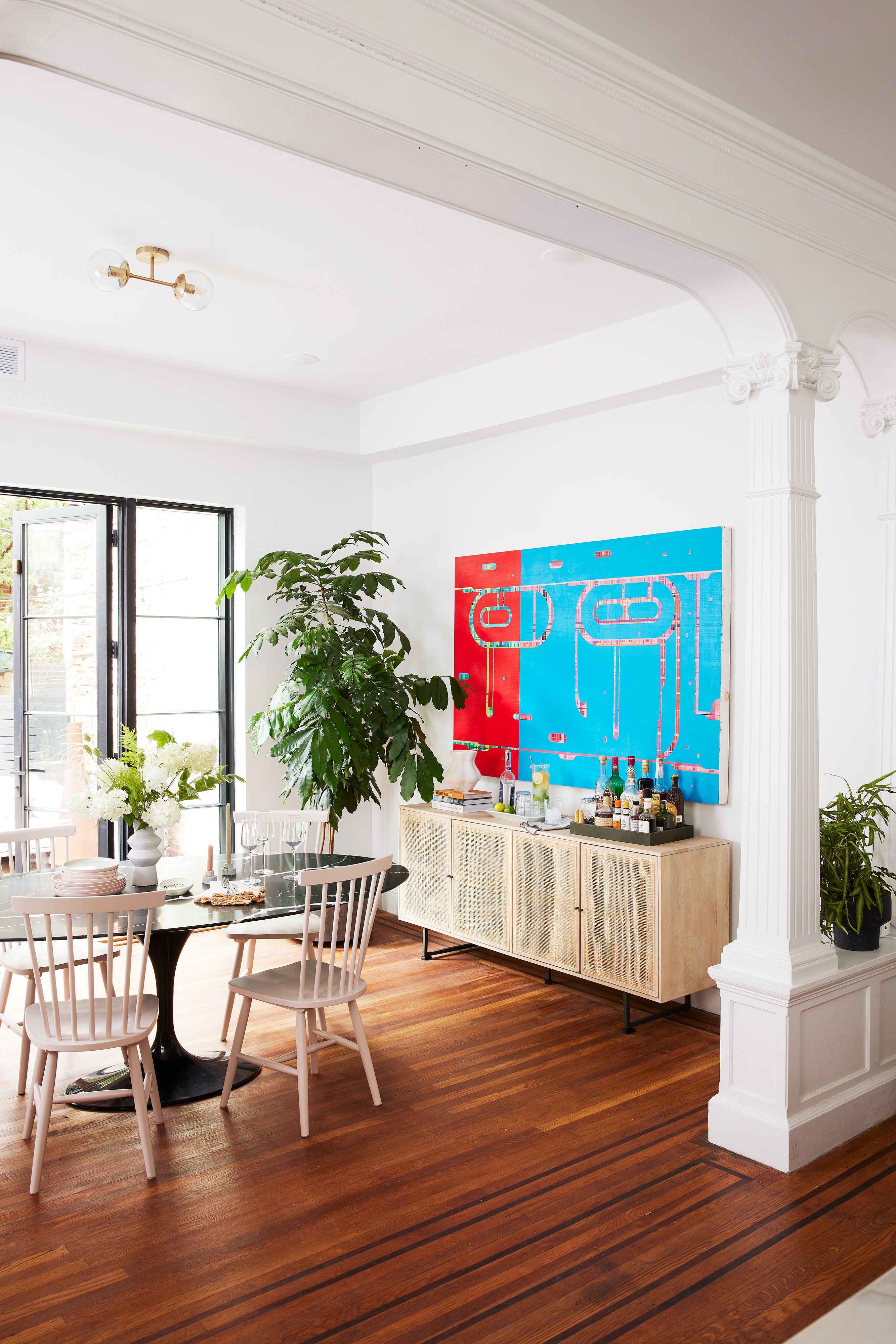
Different Types of Wood Flooring and What to Consider Before Installing

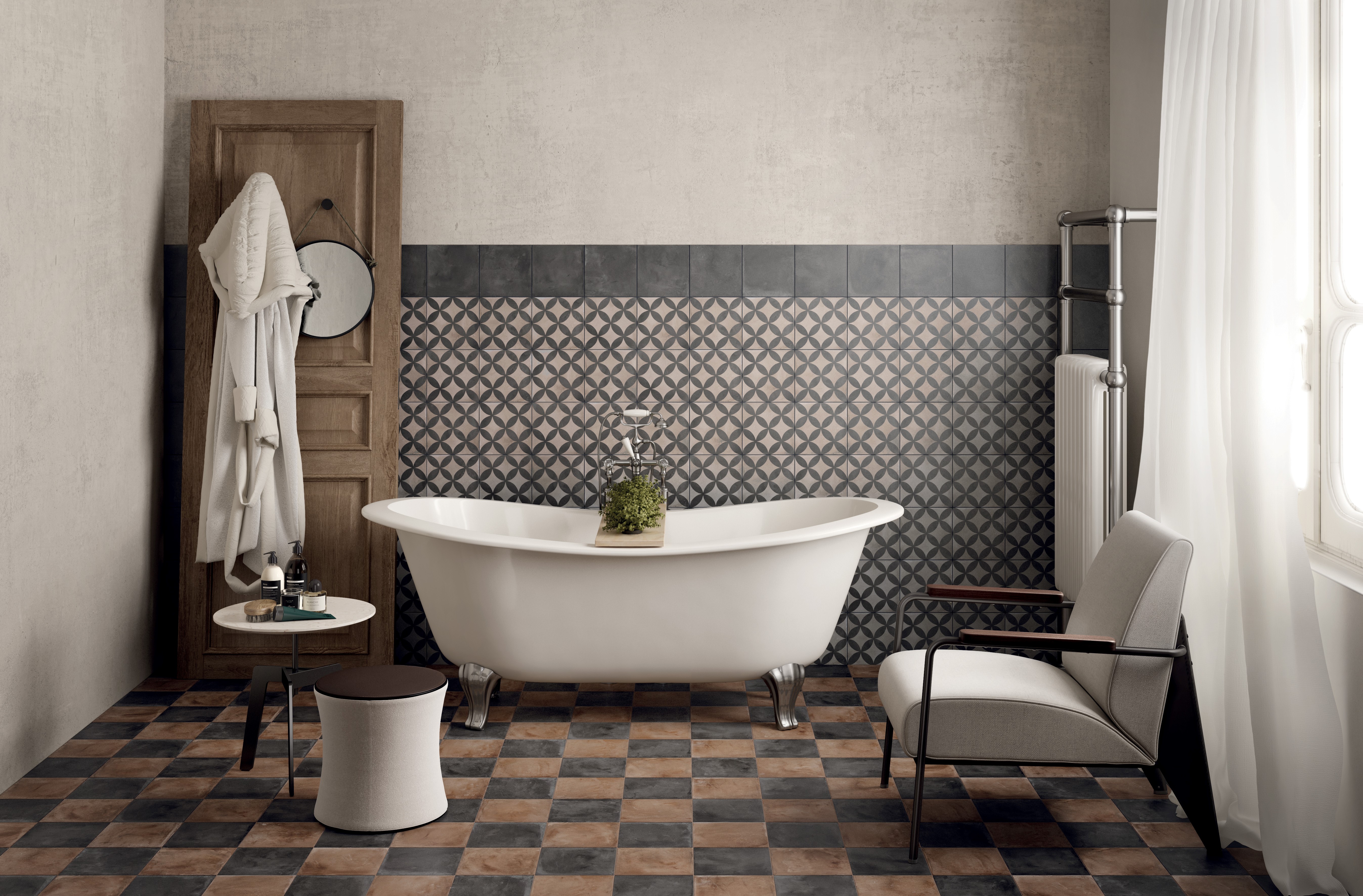
How to choose bathroom flooring - everything you need to know, according to experts
11 Reasons Hardwood Flooring Might Not Be Right for Your Home


What you need to know when choosing timber flooring
Beauty of hardwood flooring
5 flooring choices that will make it harder to sell your home
Wood Flooring – Our Pick of the Best
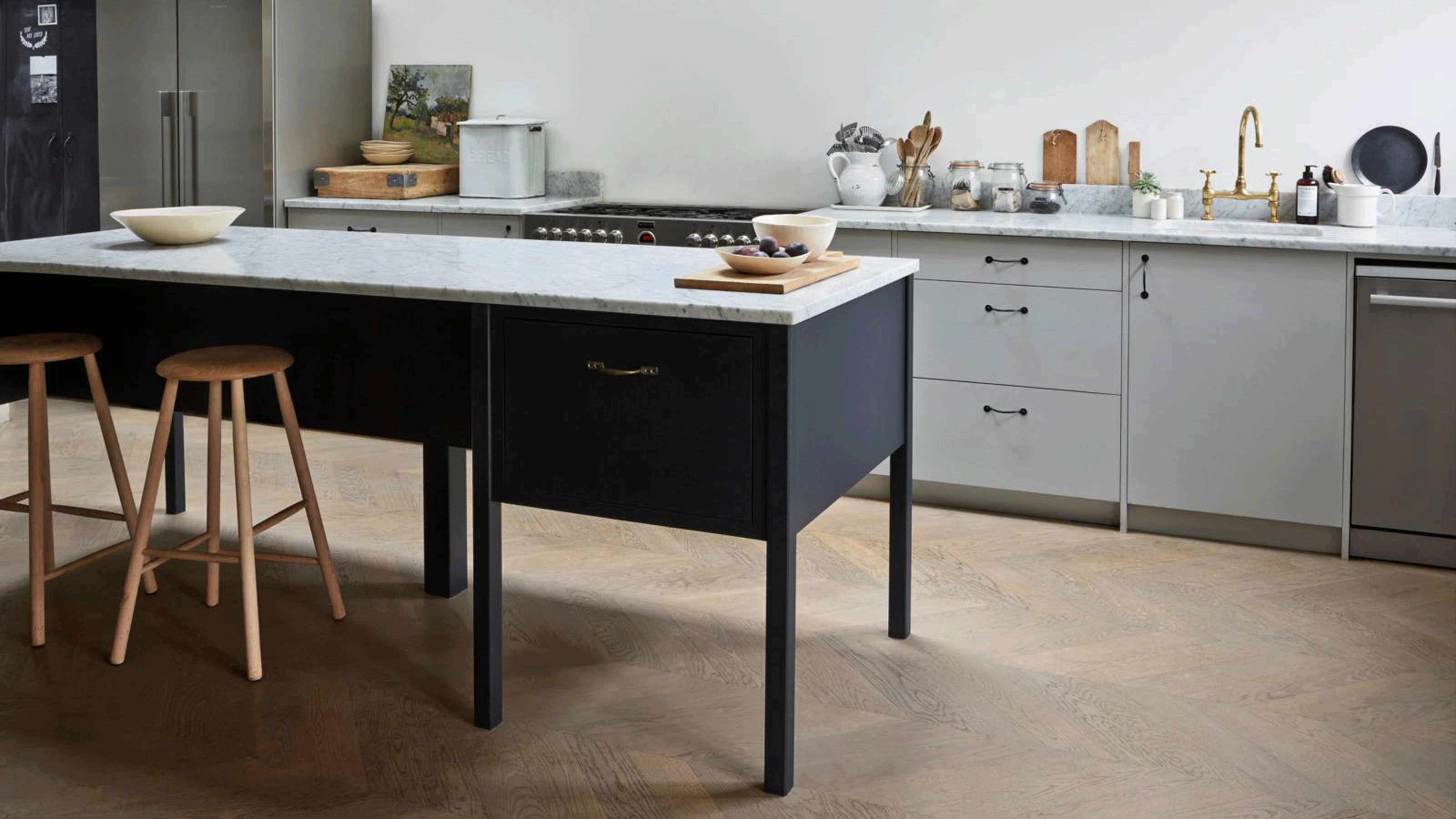
Engineered wood flooring – everything you need to know about choosing the right floor
Types of wood flooring
Q&A on wood flooring: How much it costs and more
6 Mistakes You Should Avoid When Choosing Hardwood Floors, According to Home Reno Pros