6 Home Décor Mistakes Interior Designers Notice Right Away—and How to Fix Them
Interior designers quickly identify common décor mistakes that can make a room feel unstylish or uncomfortable. These issues, while often simple to correct, are frequently overlooked by homeowners. This article highlights six such mistakes and provides practical solutions to enhance a home's aesthetic appeal.
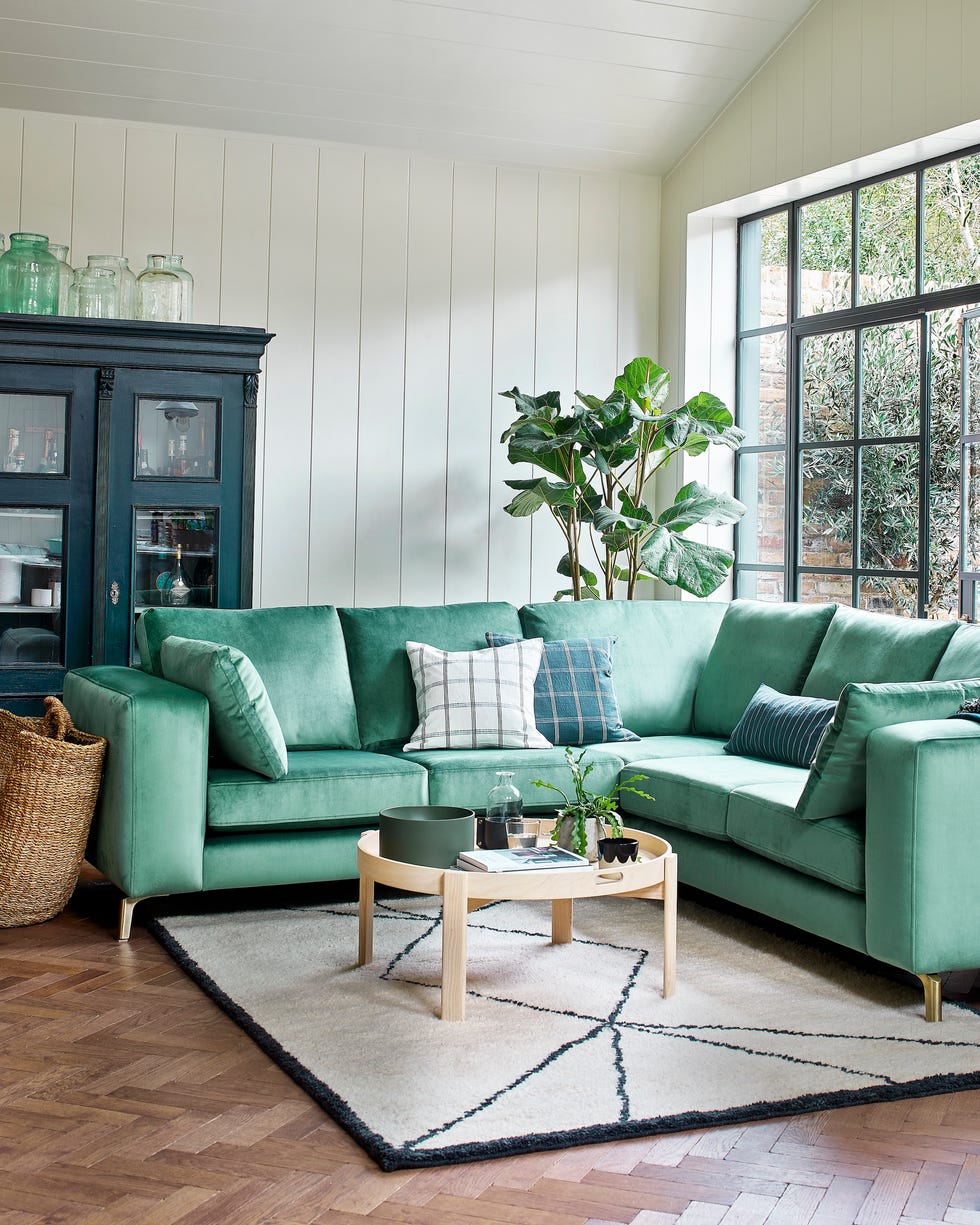
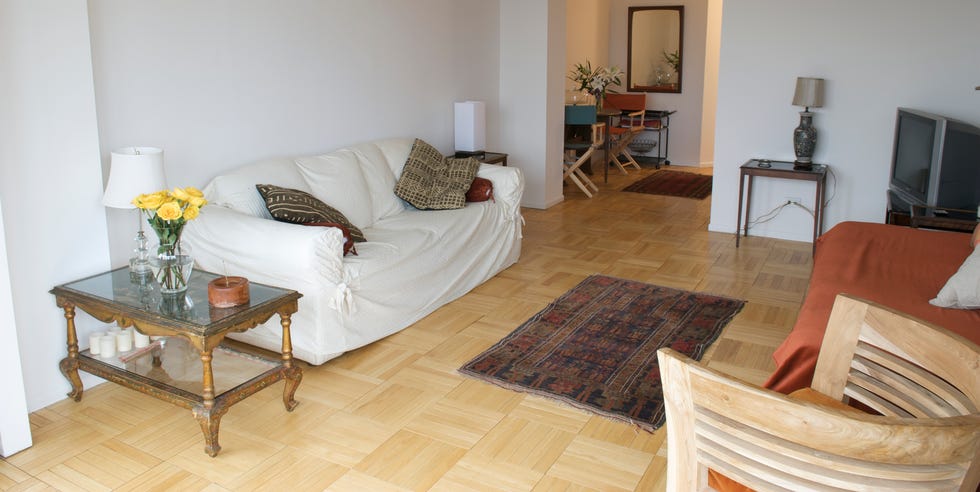
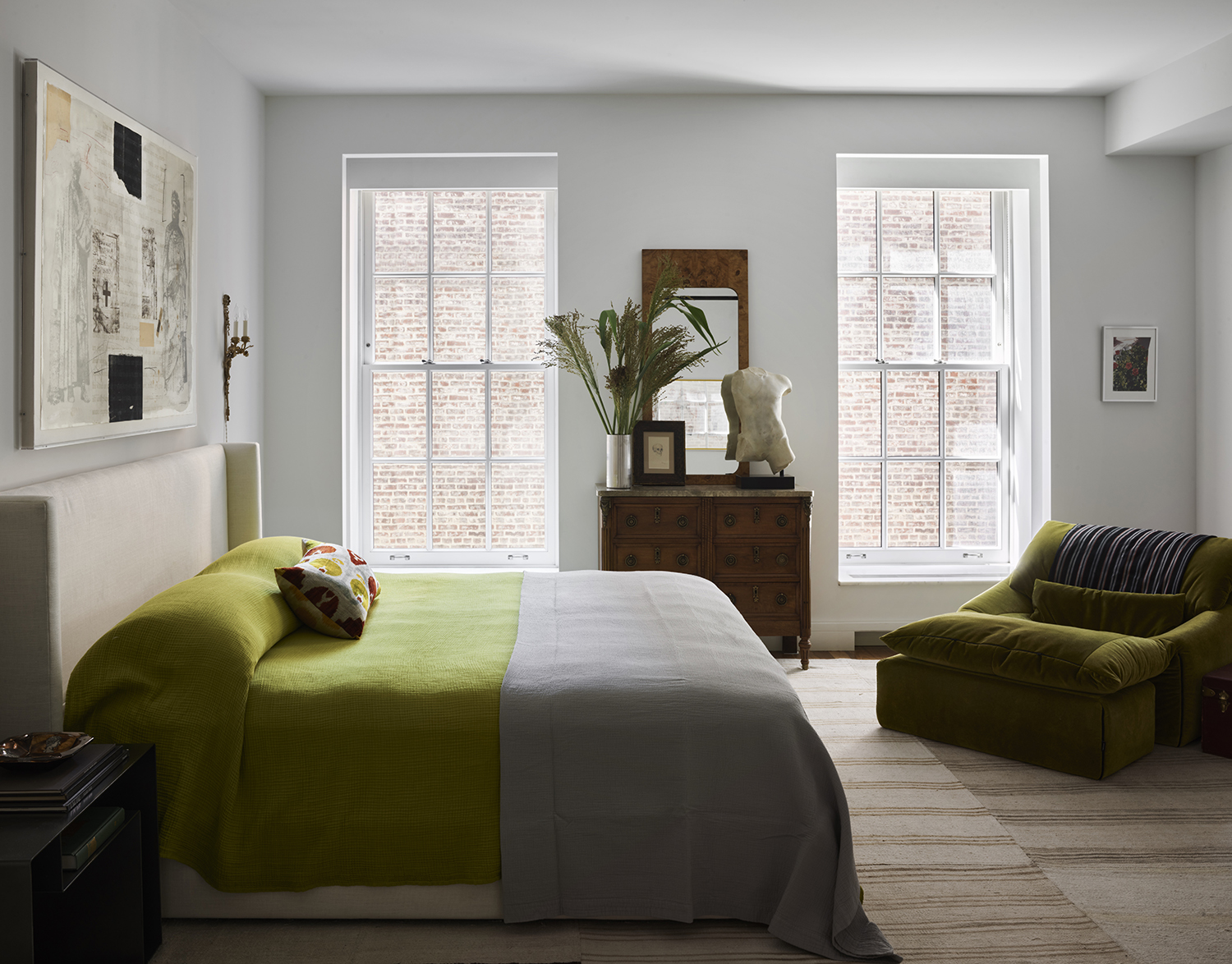
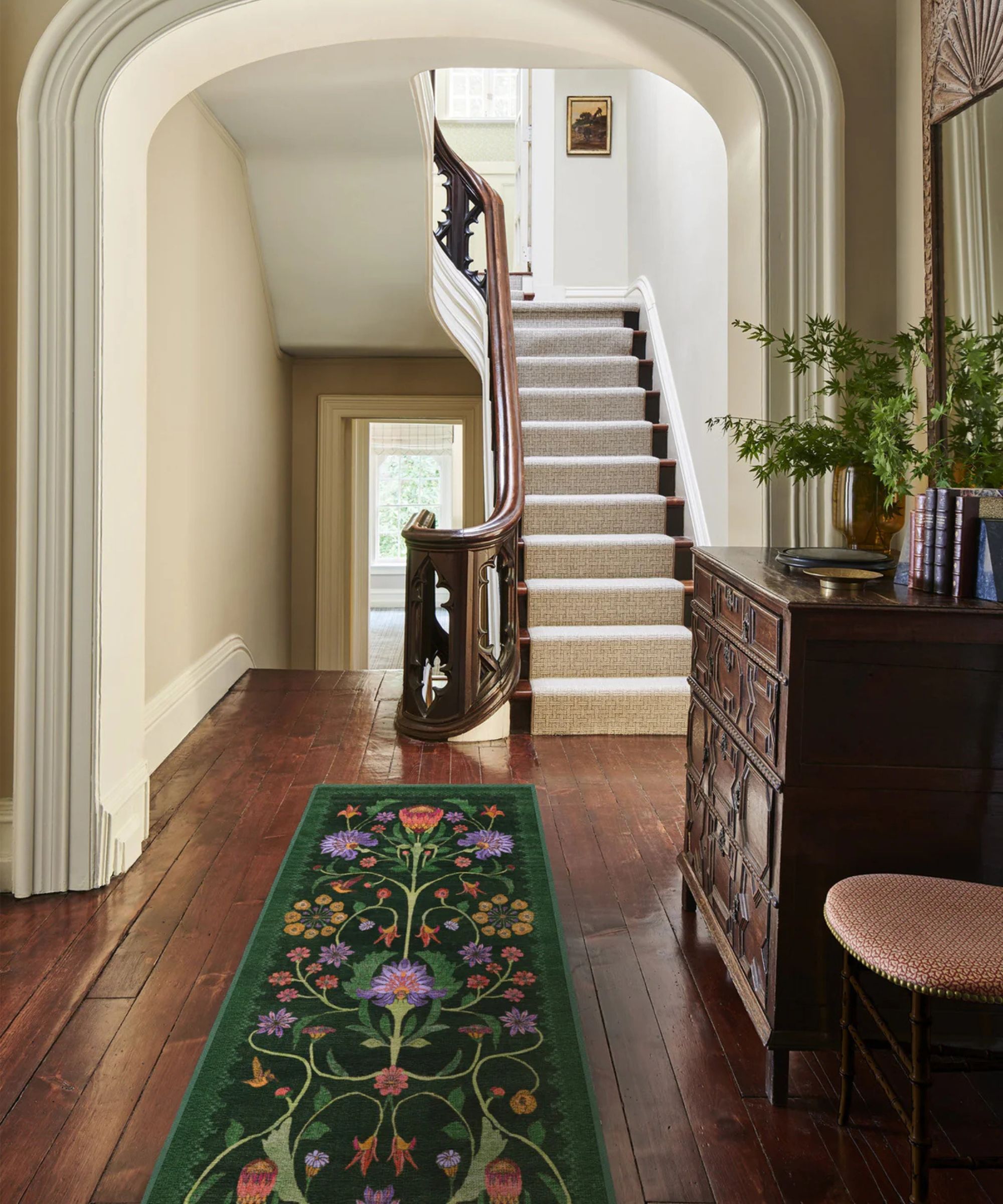
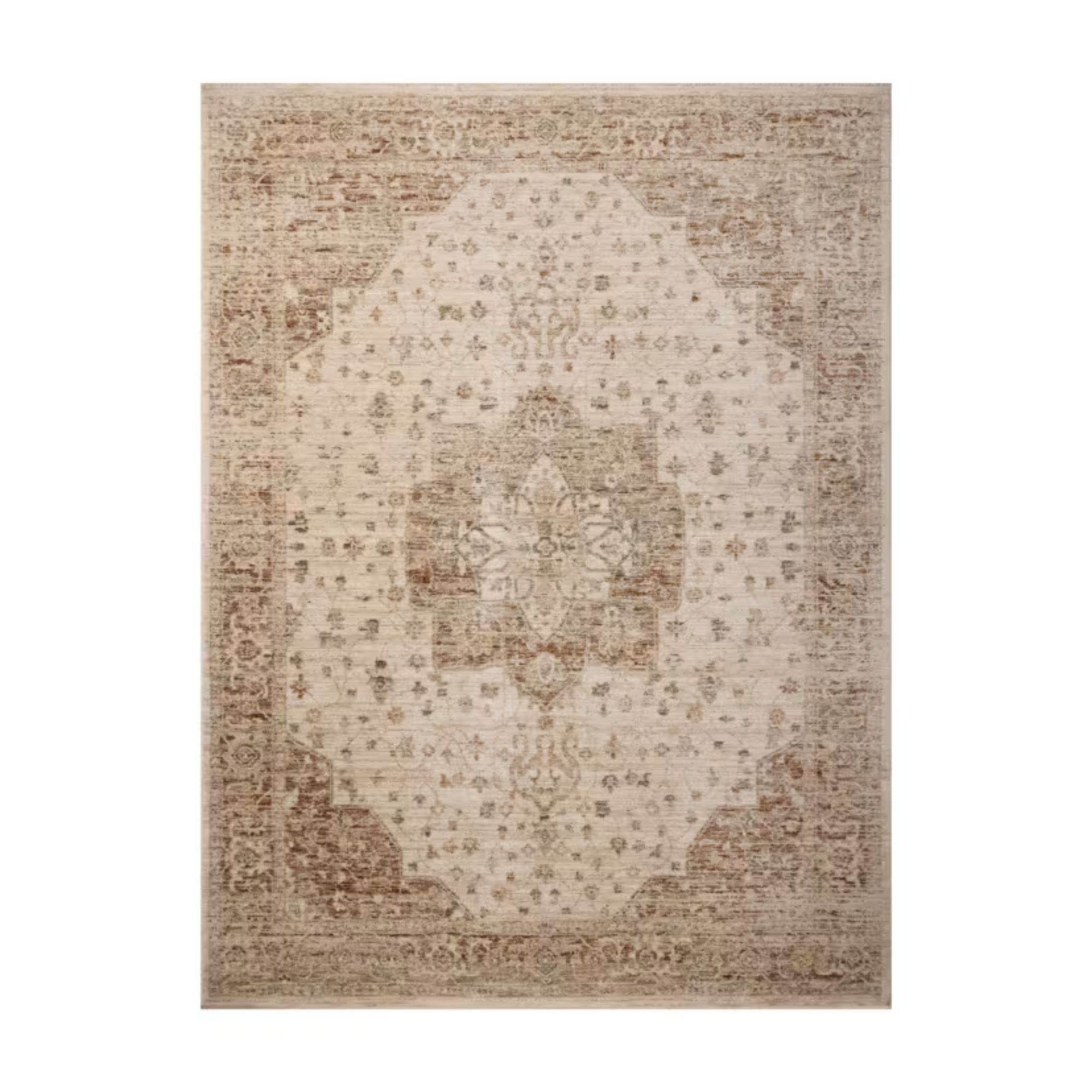
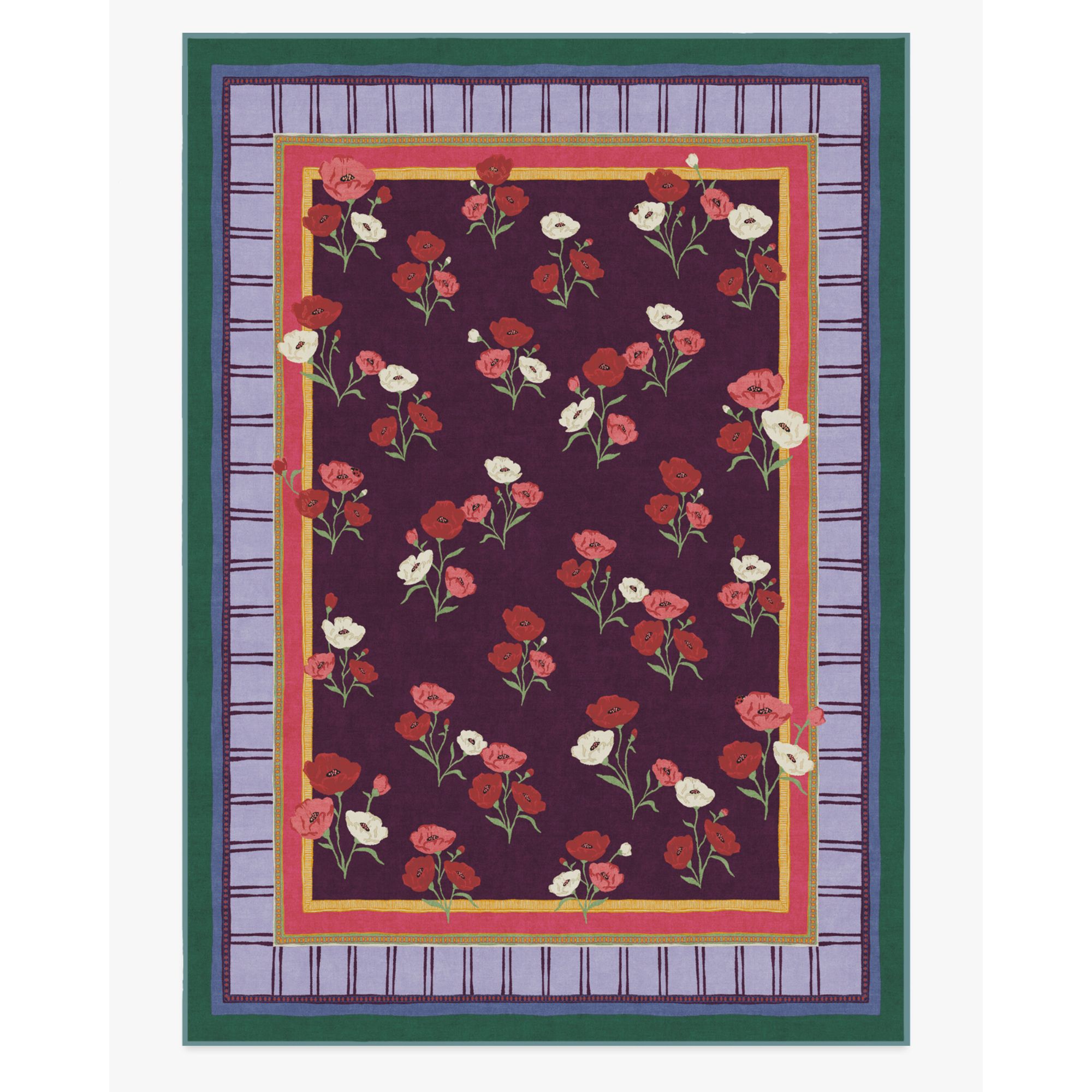
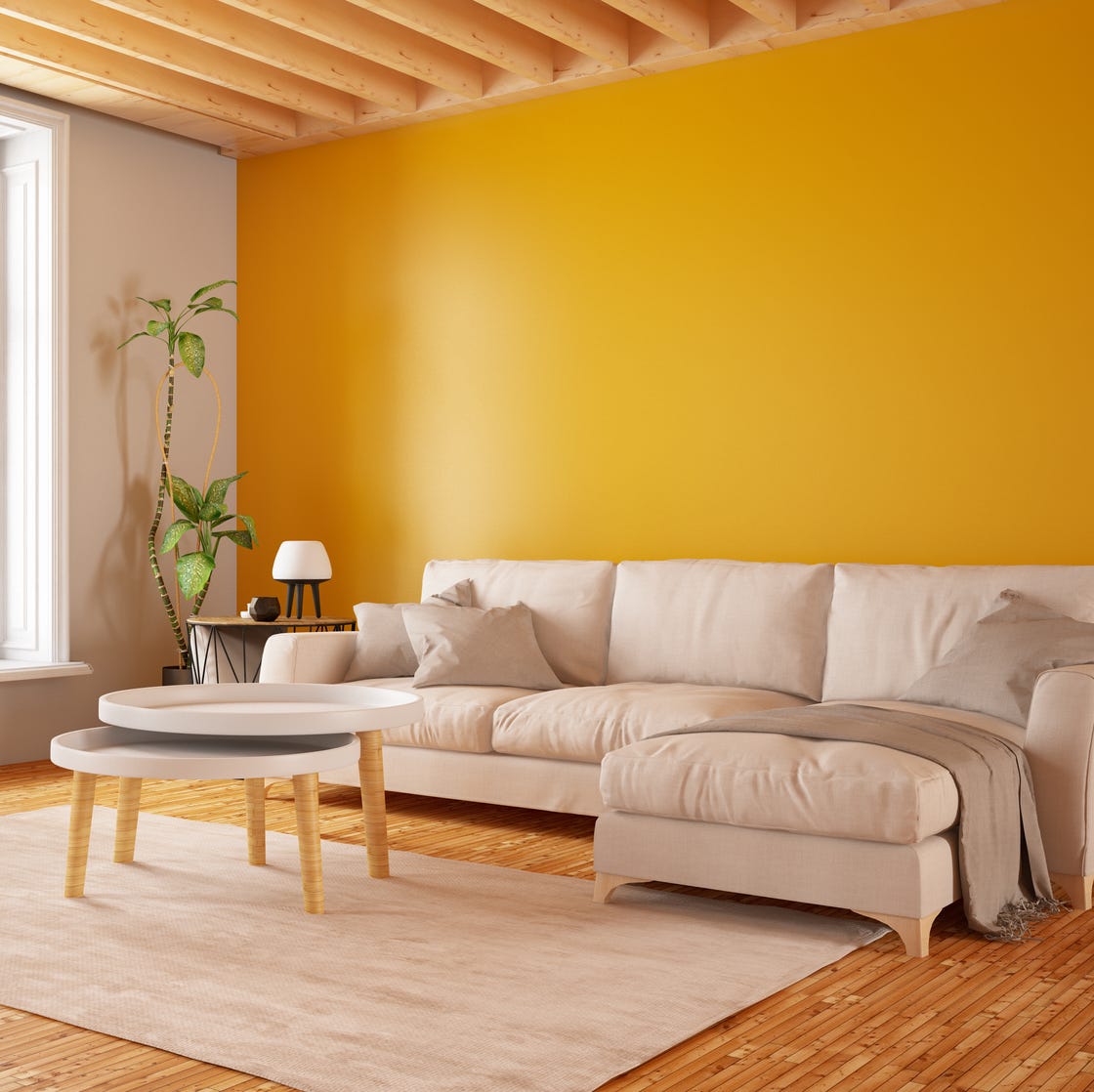
One significant error is using the wrong size rug. A rug that is either too small or too large can disrupt the room's balance, making furniture appear to float or overwhelming the space. An undersized rug can make a room feel unfinished, while an oversized one can make other elements seem disproportionate. The recommended fix is to ensure that in living rooms, at least the front legs of furniture rest on the rug, and in dining areas, all four chair legs remain on the rug even when pulled out, creating a cohesive and intentional look.
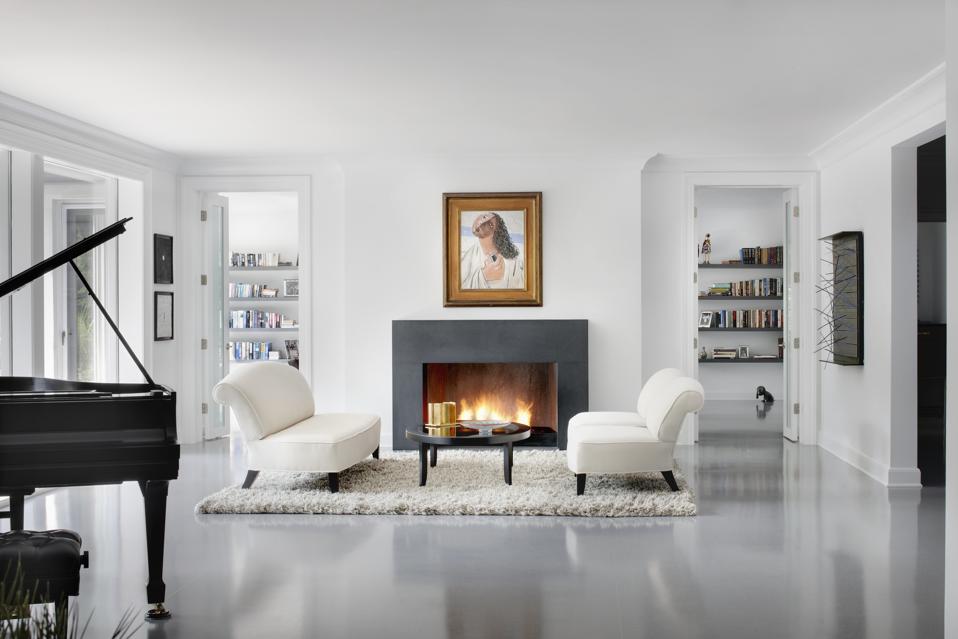
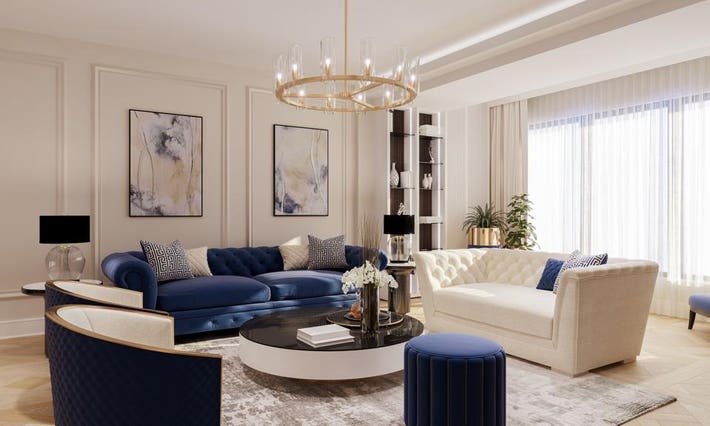
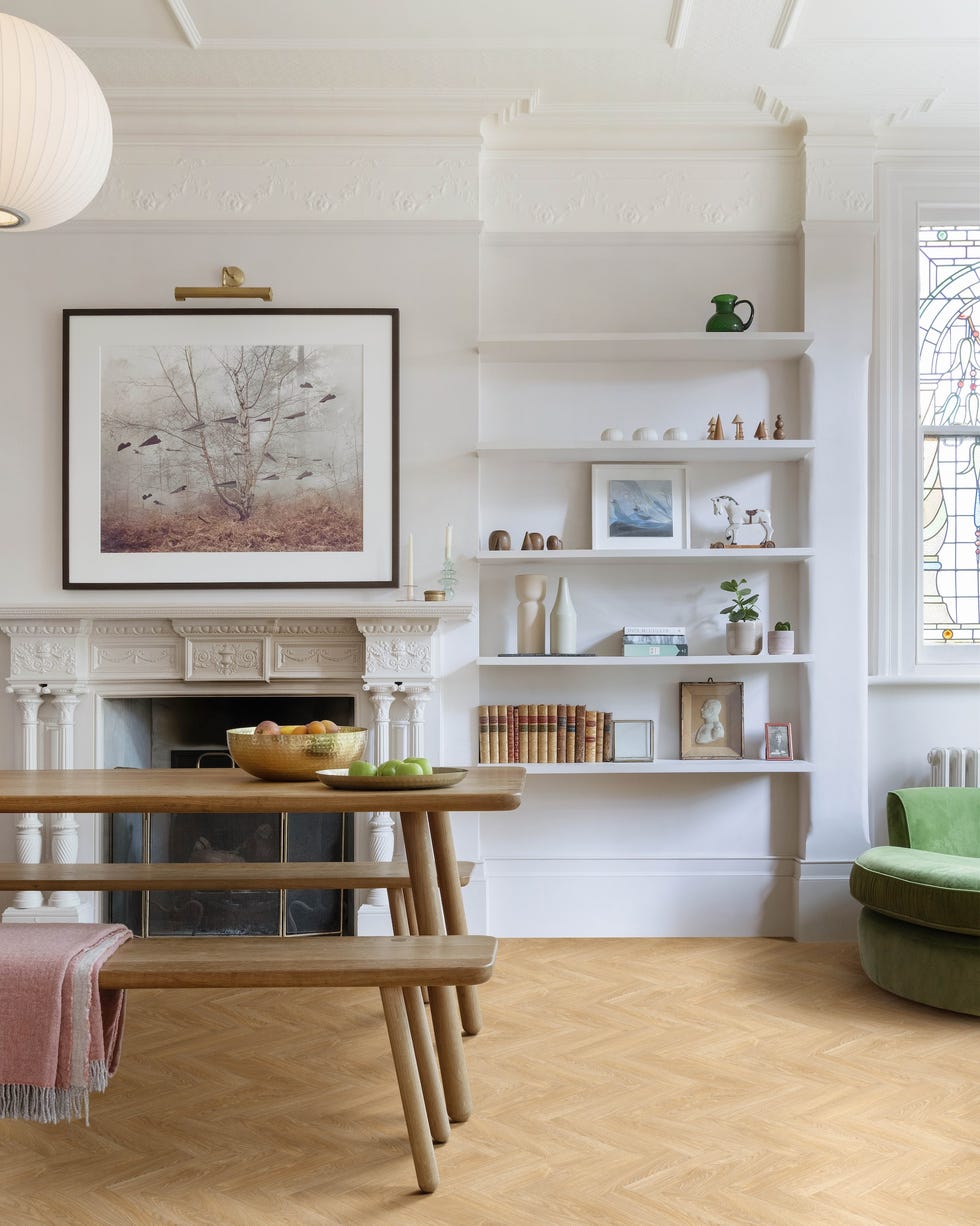
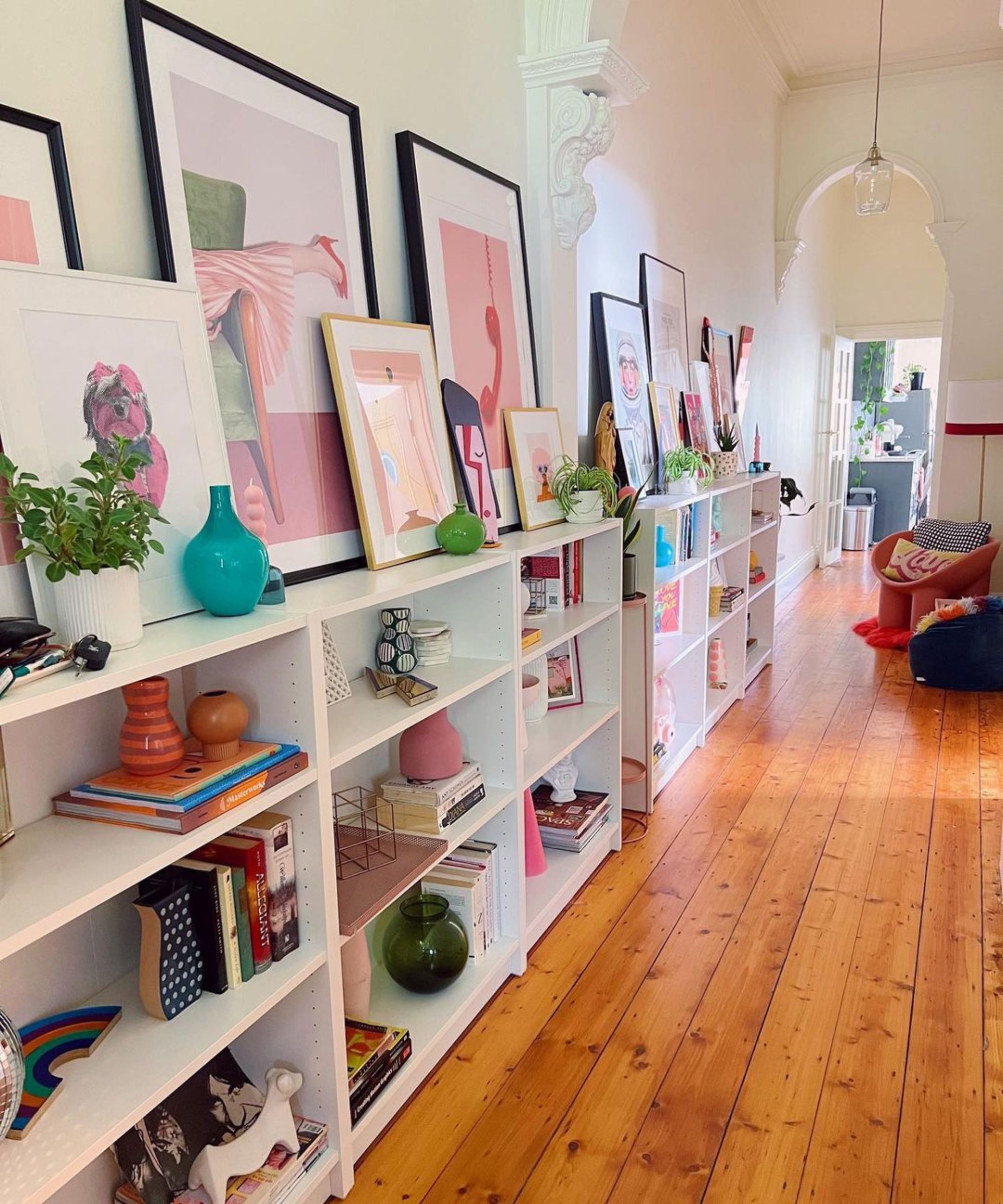
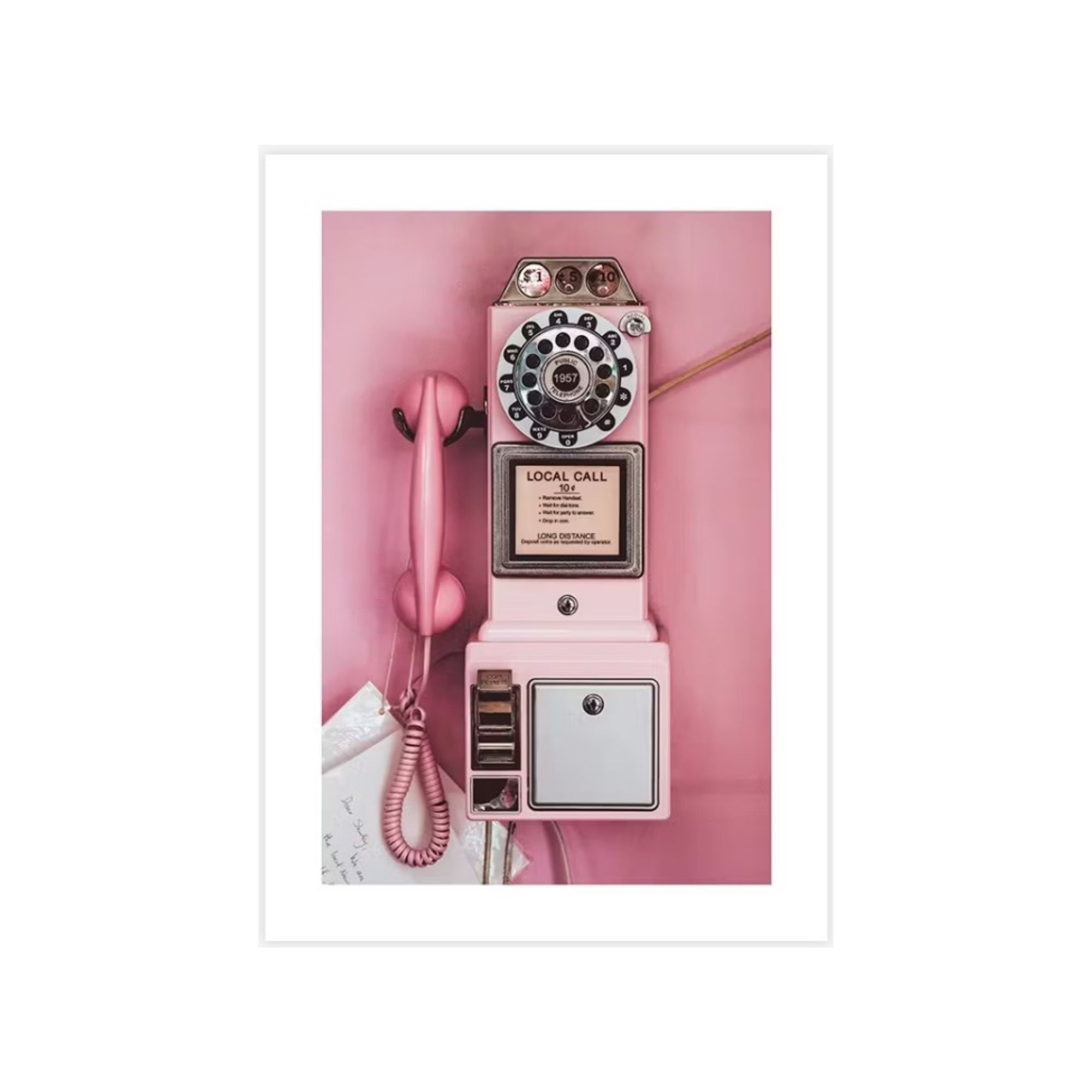
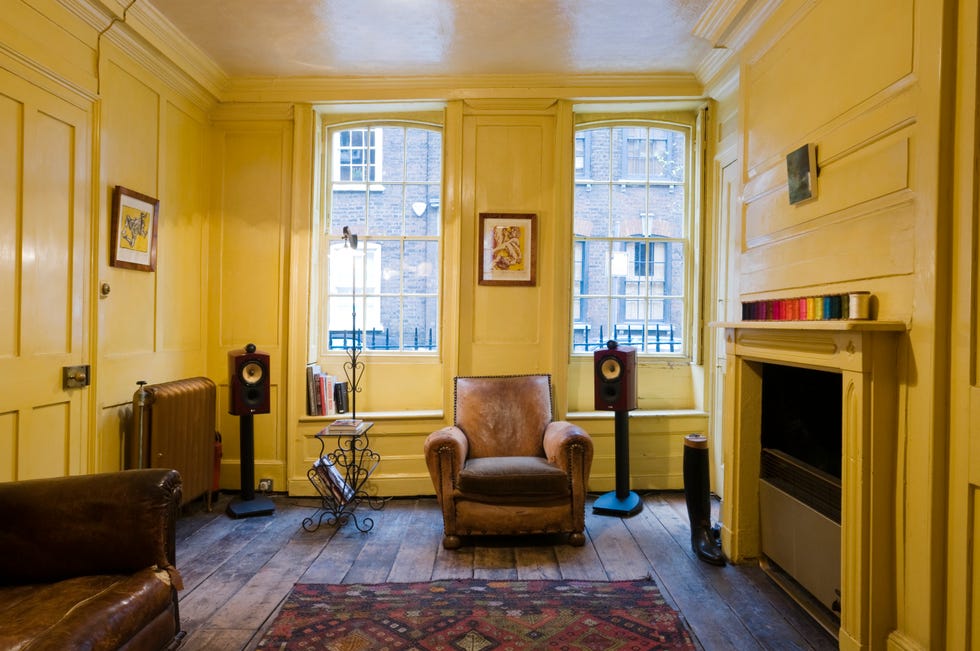
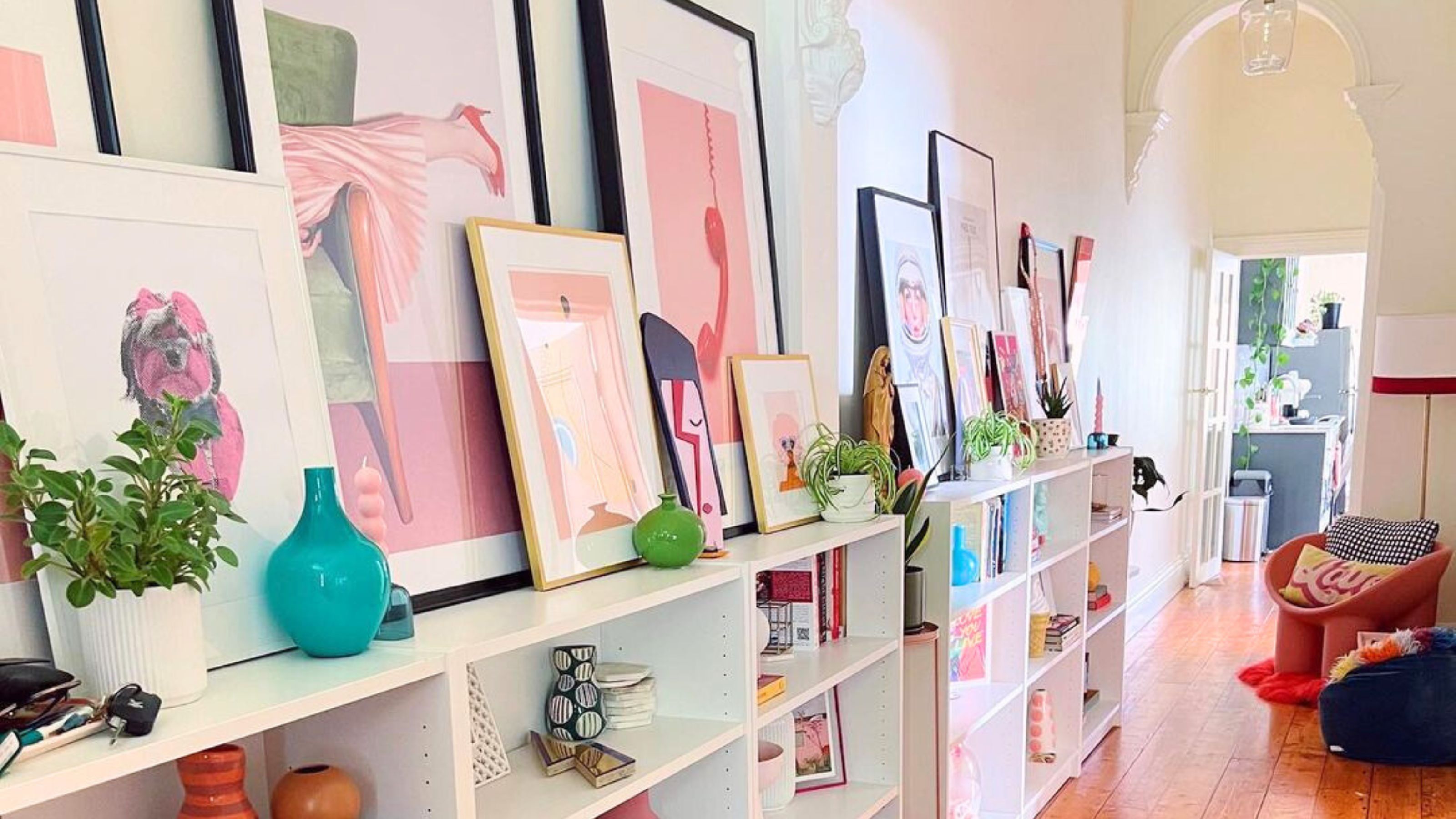
Another common mistake involves improperly hung artwork. Crooked, undersized, or excessively high artwork can throw off the entire visual composition of a room. Designers suggest that artwork should relate to the furniture below it. A good rule of thumb is to choose art pieces that span approximately two-thirds the width of the furniture they are placed above. The bottom edge of the artwork should be hung 6 to 8 inches above the top of the furniture to create a visual link. Additionally, artwork should be centered at eye level, generally between 57 to 60 inches from the floor, and adjusted for optimal visual impact.
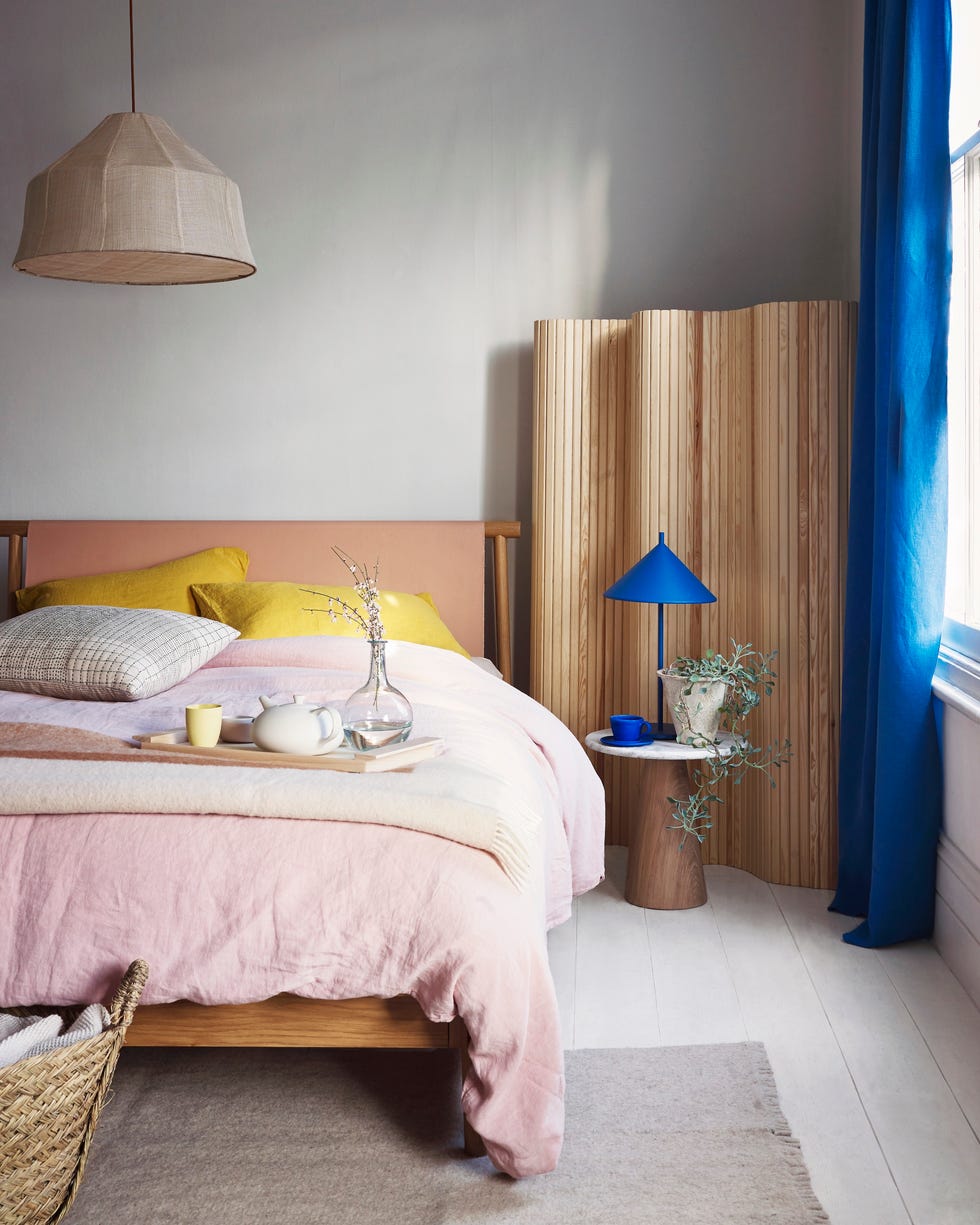
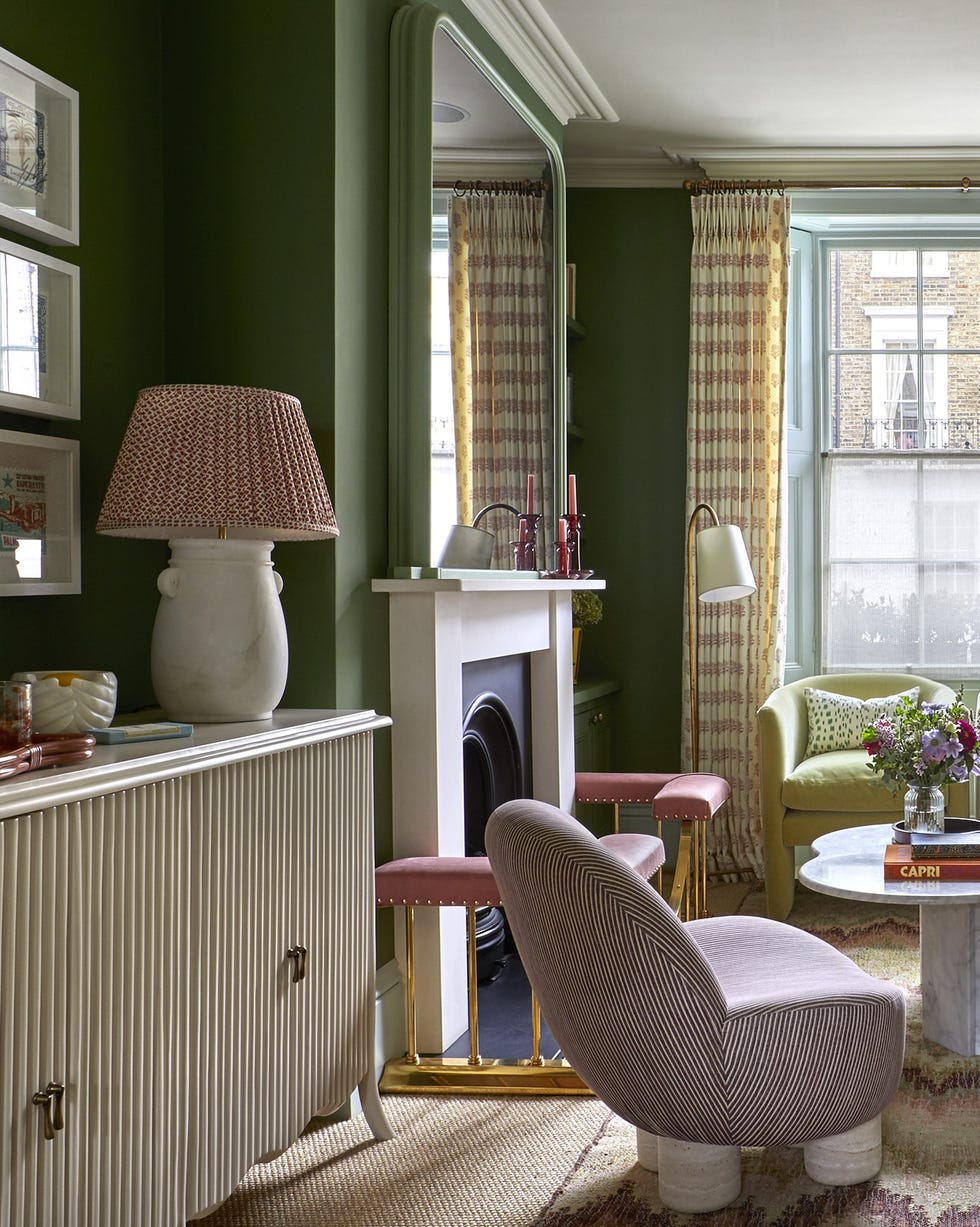
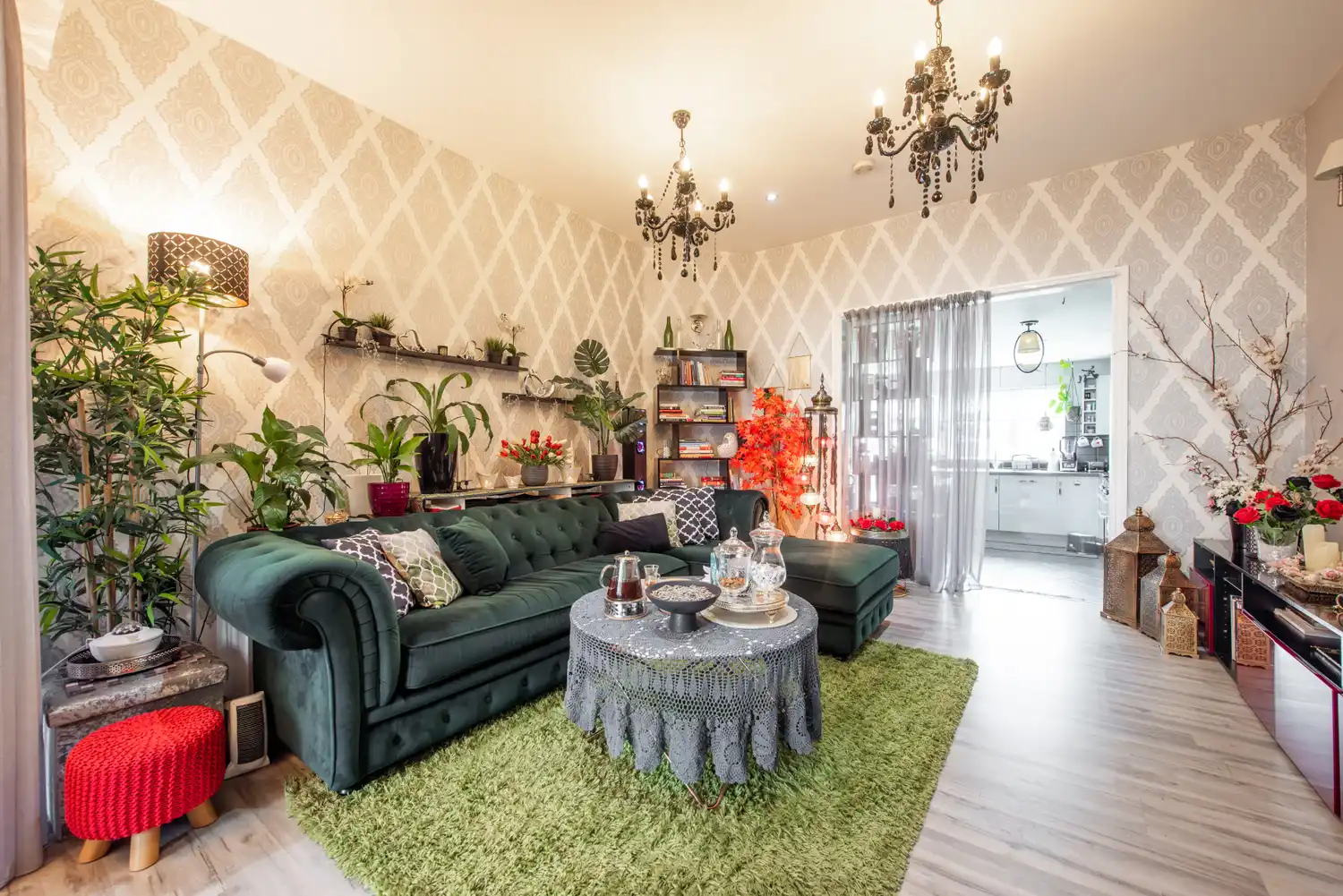
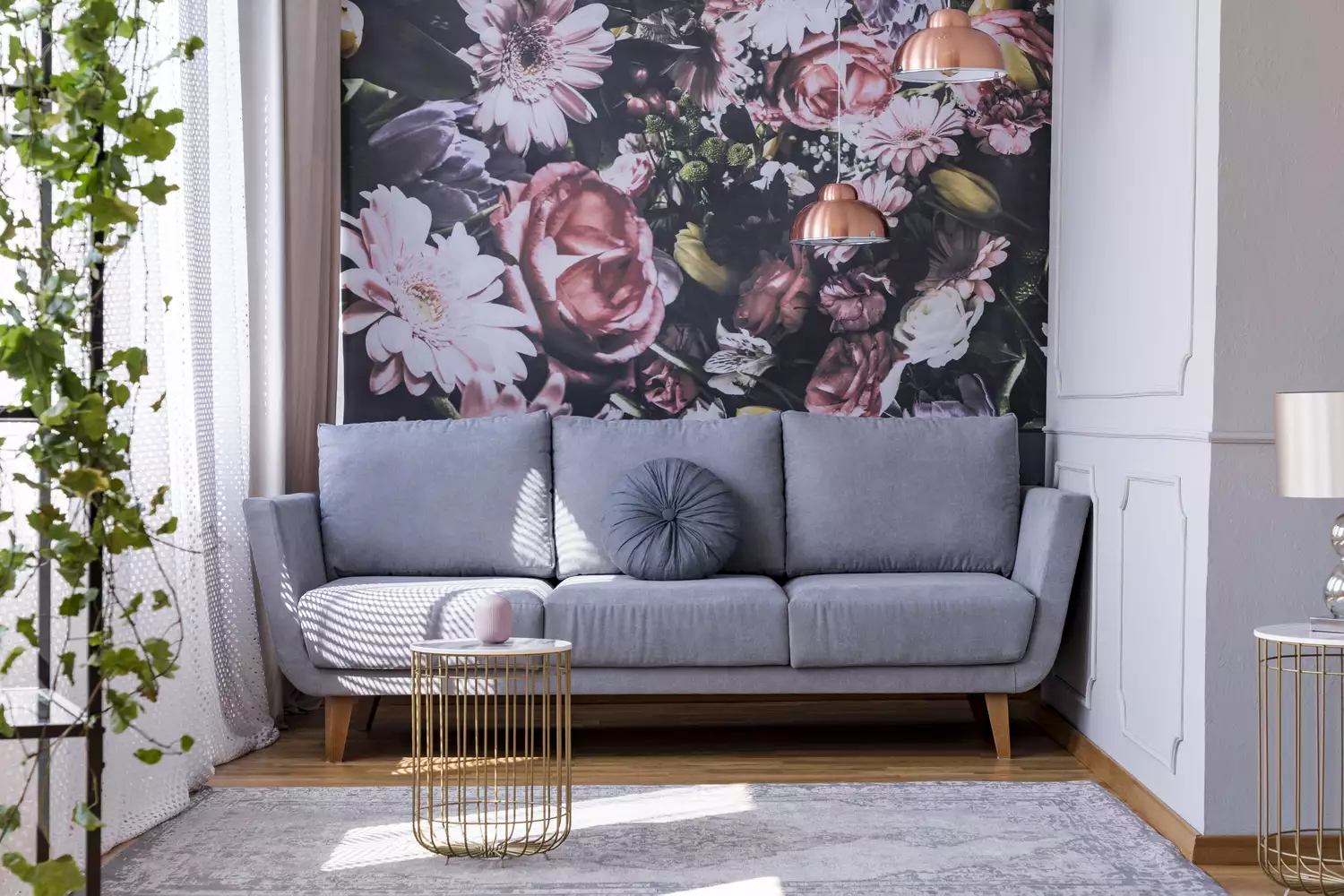
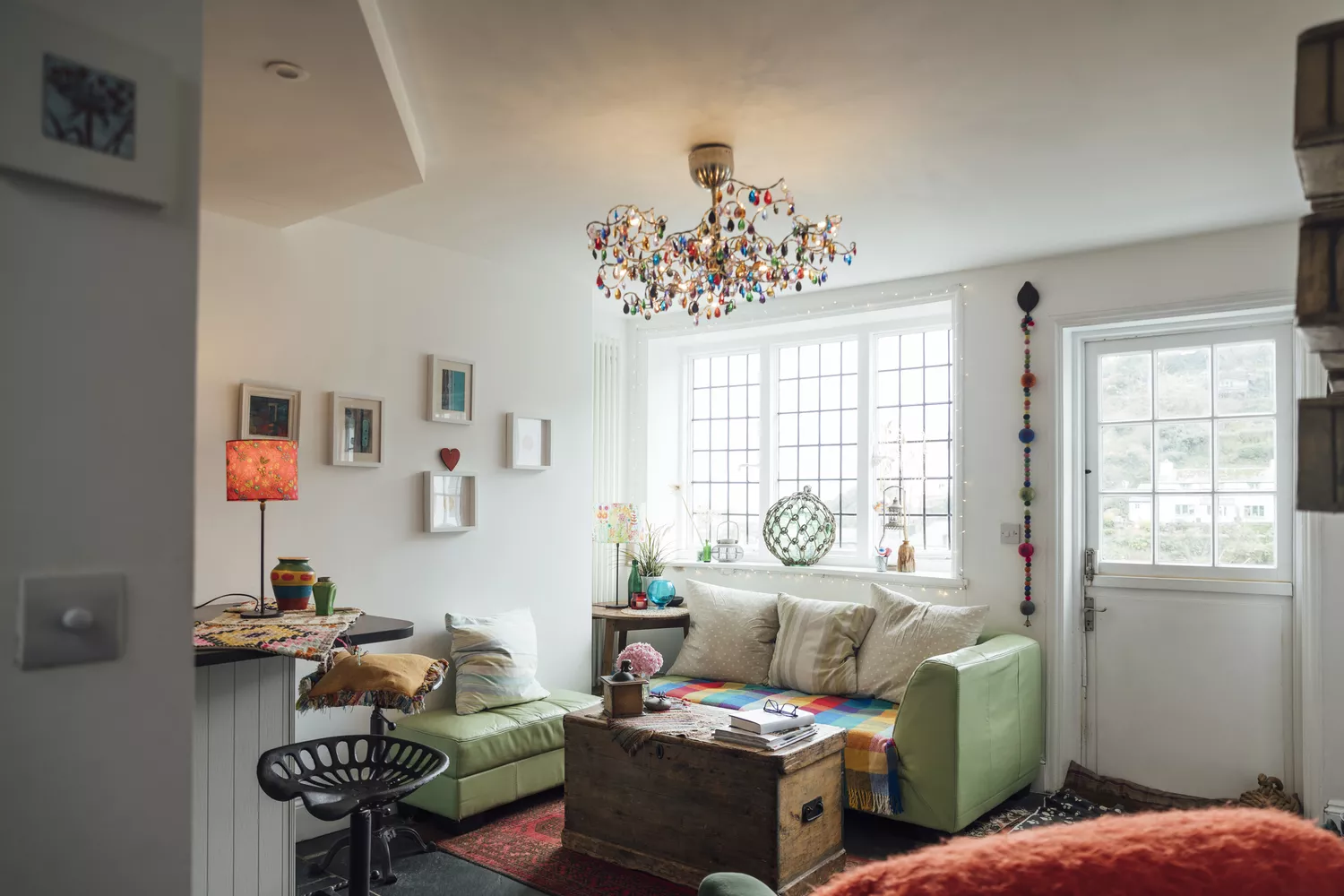
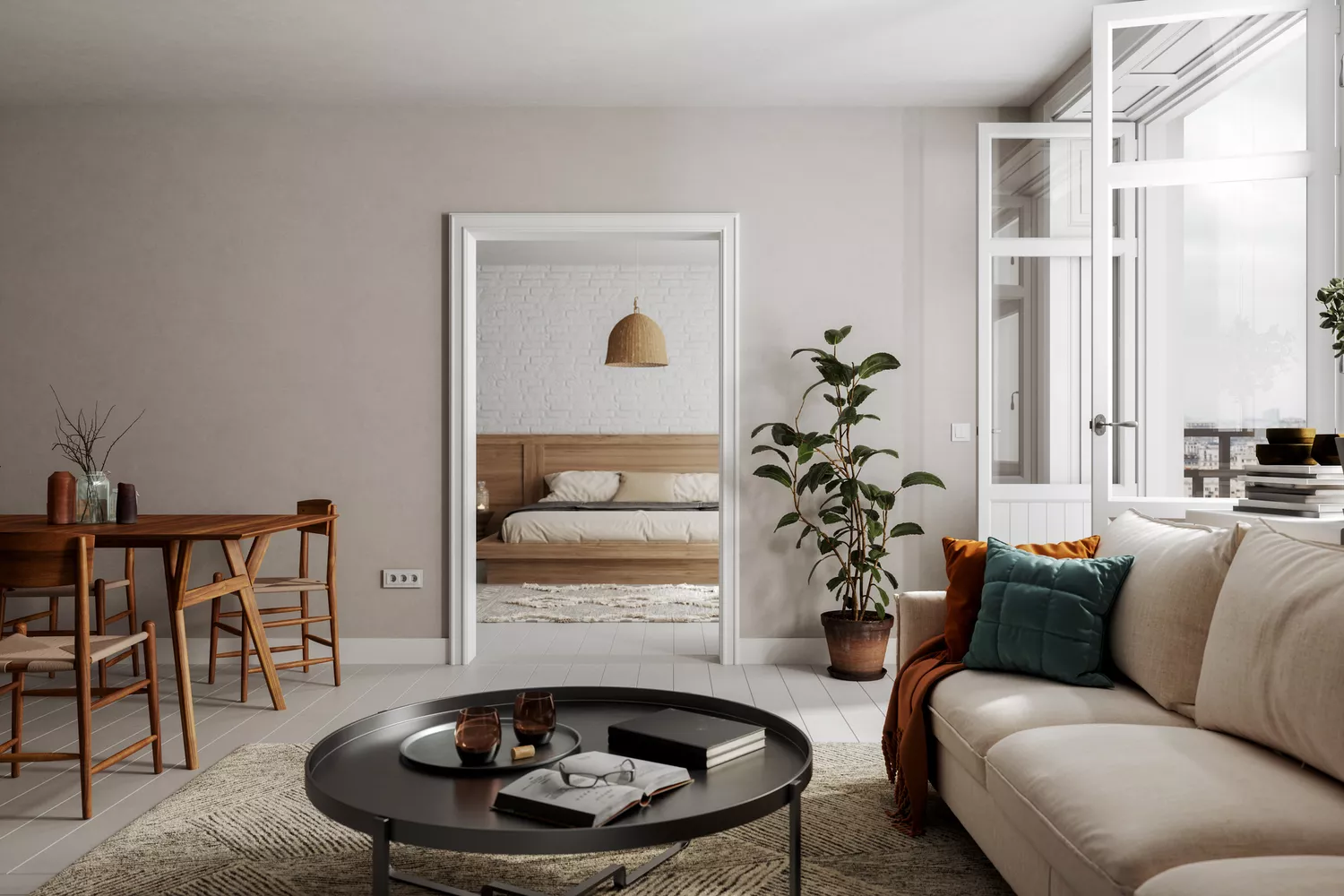
Matching furniture sets, while convenient, can lead to a flat, dated, and uninspired aesthetic. Relying solely on symmetrical sets removes personality and depth from a room. To counteract this, designers advise mixing different styles, finishes, and materials. Incorporating varied textures and shapes, such as velvet alongside worn wood or sculptural pieces with streamlined ones, adds layers and visual interest, making a room feel more lived-in and collected rather than perfectly matched.
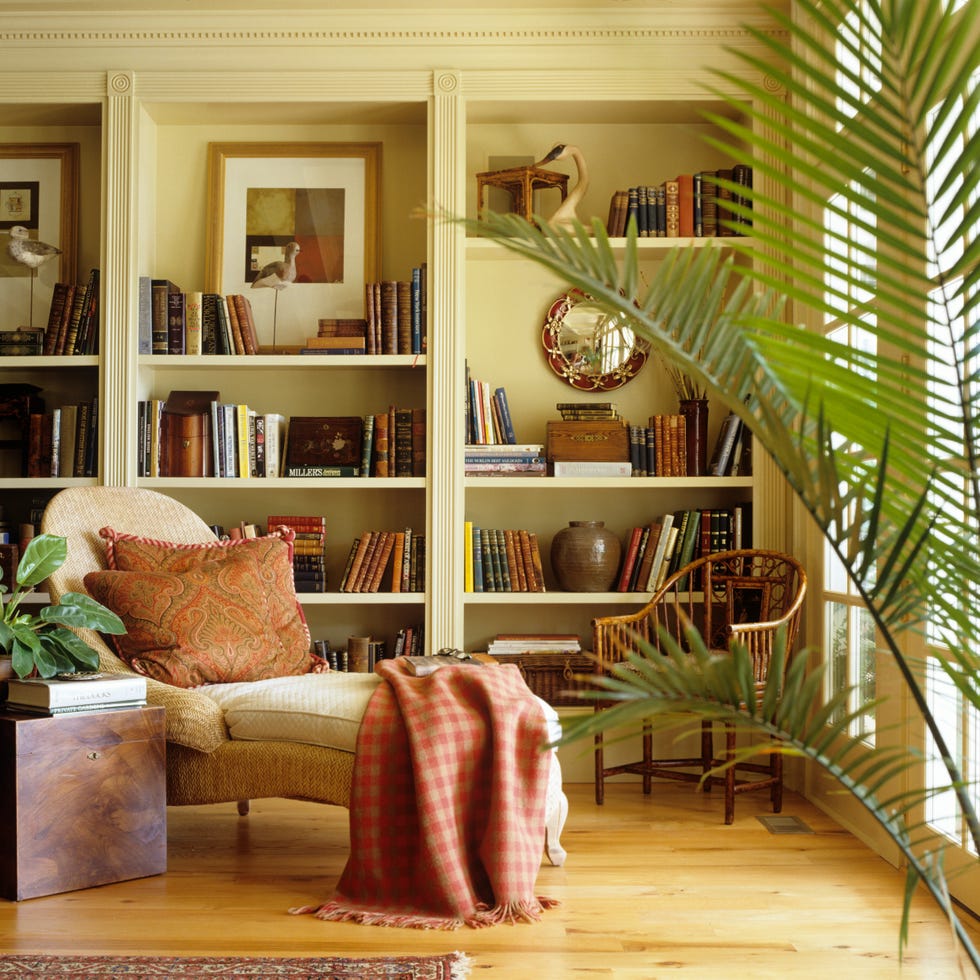
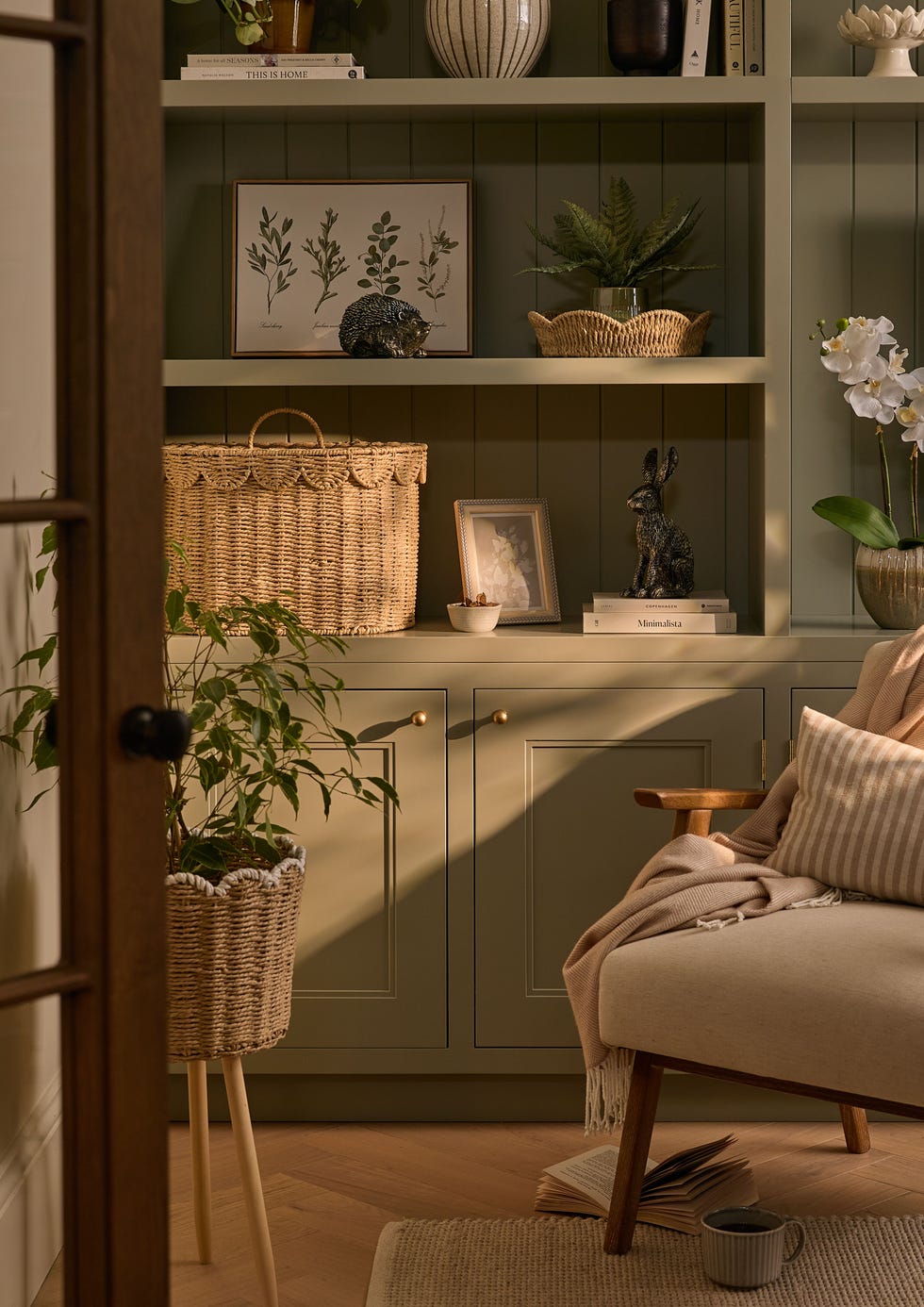
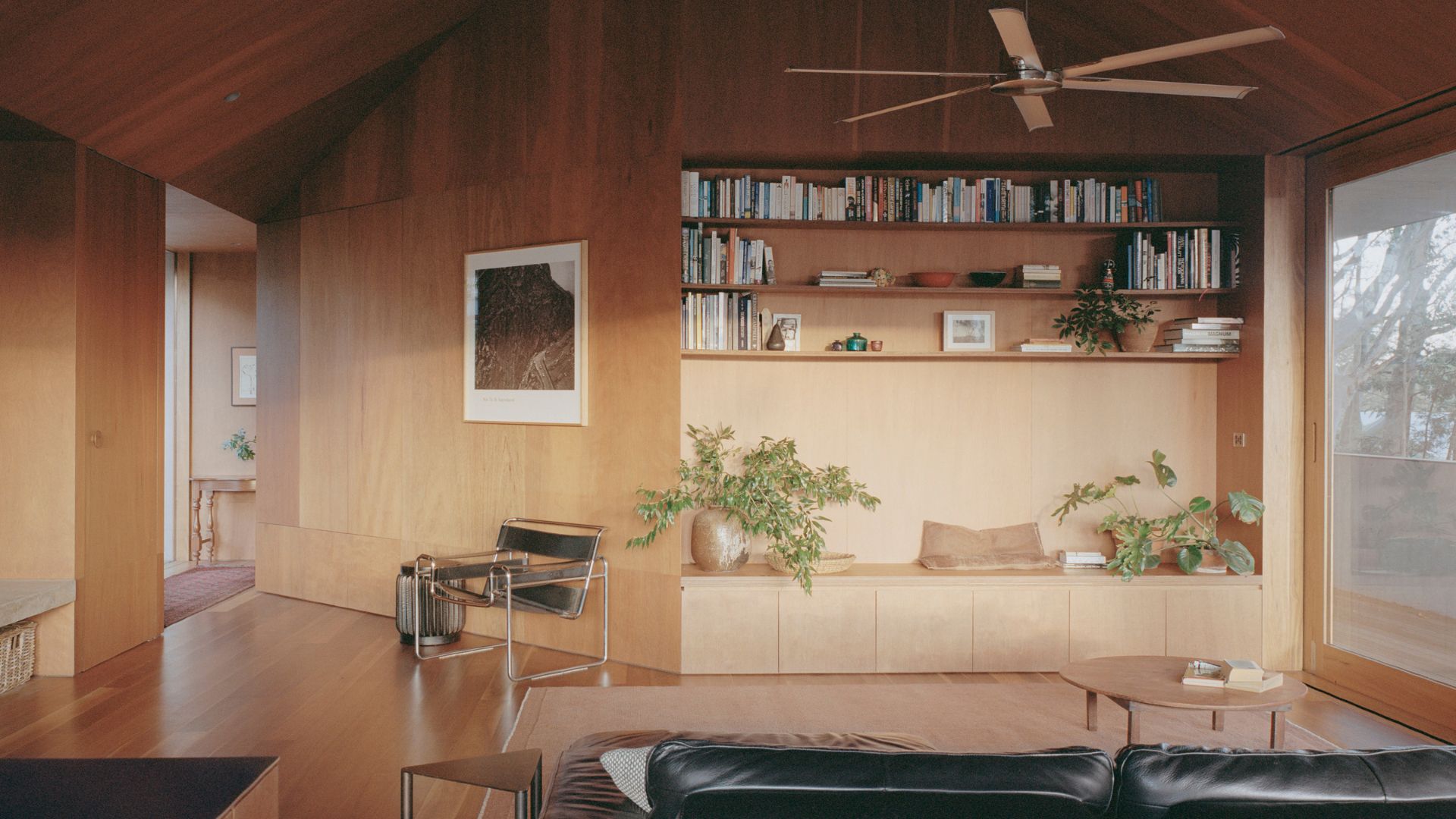
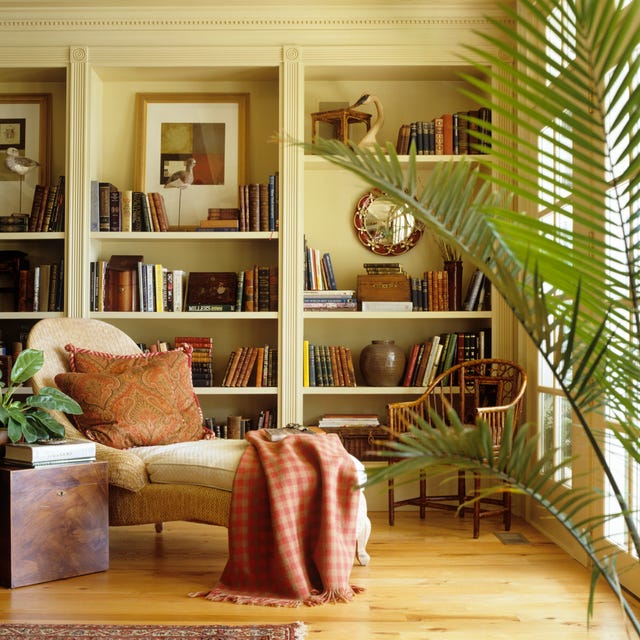
An abundance of small objects often results in visual clutter rather than intimate personalization. Over-accessorized surfaces like coffee tables, shelves, or counters can make a room feel chaotic and detract from key design elements. The solution is to edit and elevate. Group similar items, vary their heights for visual interest, and leave ample negative space. Utilizing the rule of odds by arranging objects in groups of three or five, and incorporating a few well-chosen larger pieces, can bring clarity and calm to a space, making it feel bolder and more intentional.
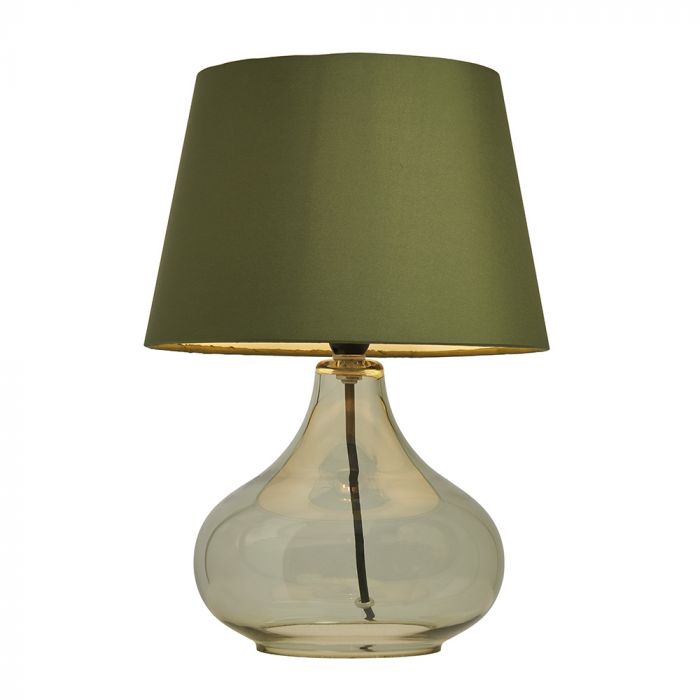
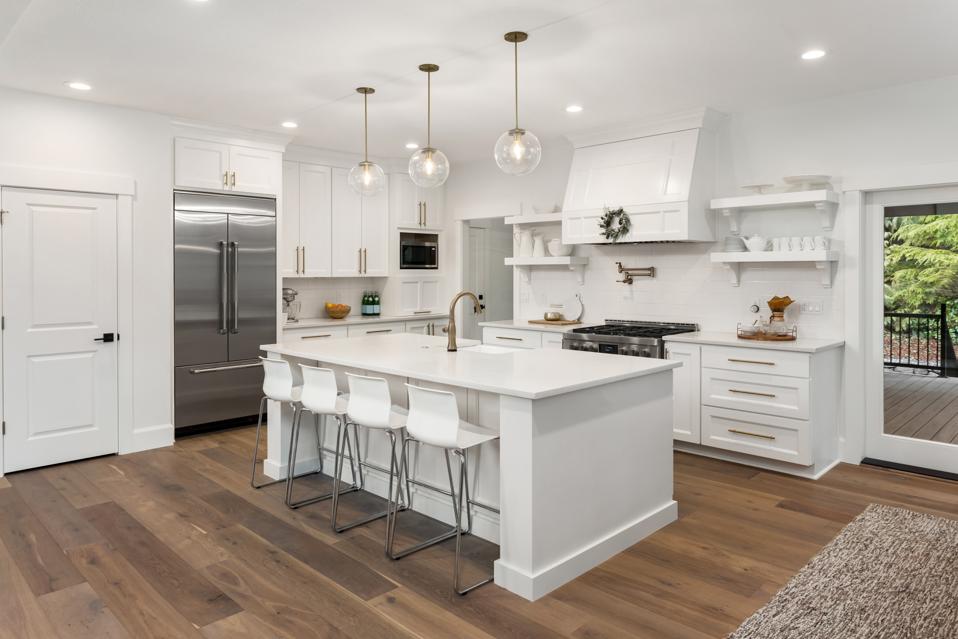
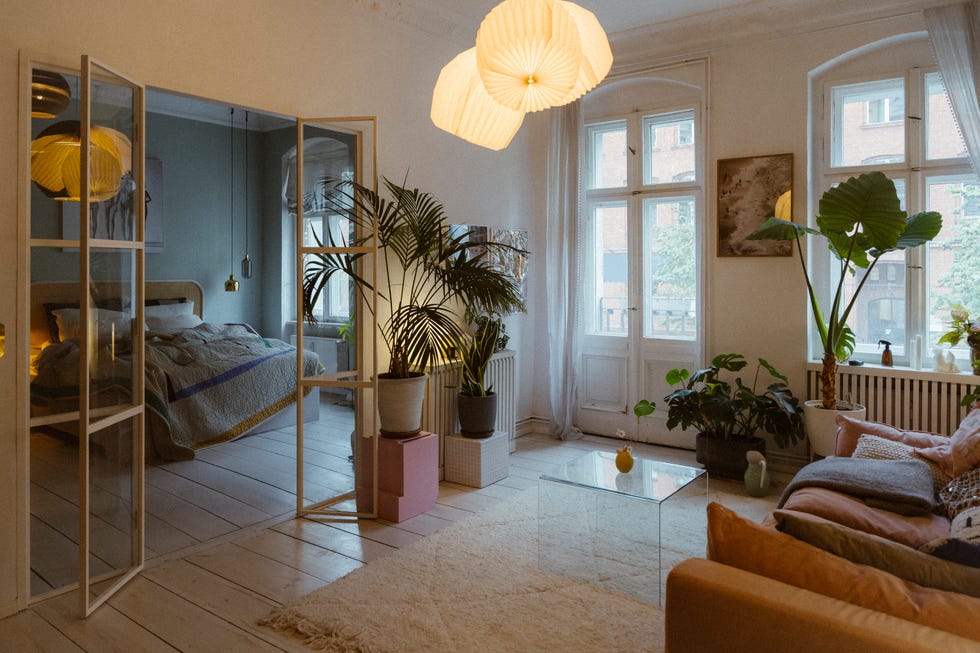
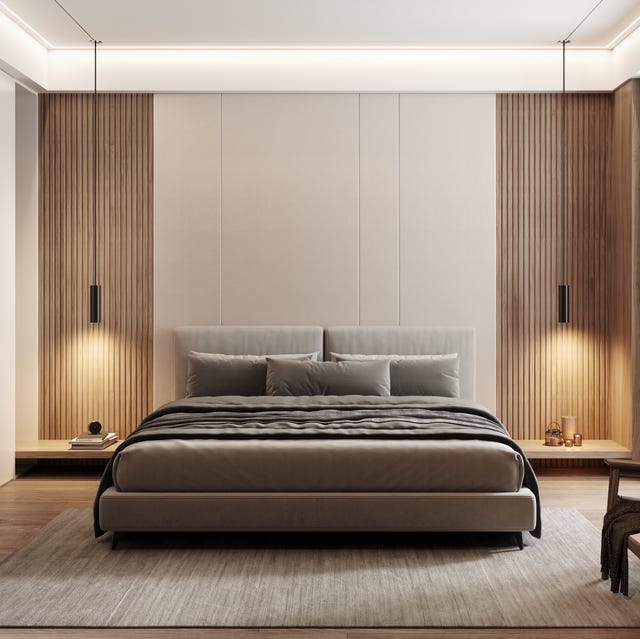
Unthoughtful overhead lighting, particularly when it's the sole source of illumination, can make a room feel cold and unwelcoming, akin to a hospital environment. The lack of layered lighting prevents a space from achieving warmth and depth. The recommended fix is to incorporate various lighting sources, including table lamps, floor lamps, and sconces, to create a layered effect that adds depth and inviting warmth. Additionally, swapping harsh, bluish light bulbs for soft white ones can significantly improve the ambiance.
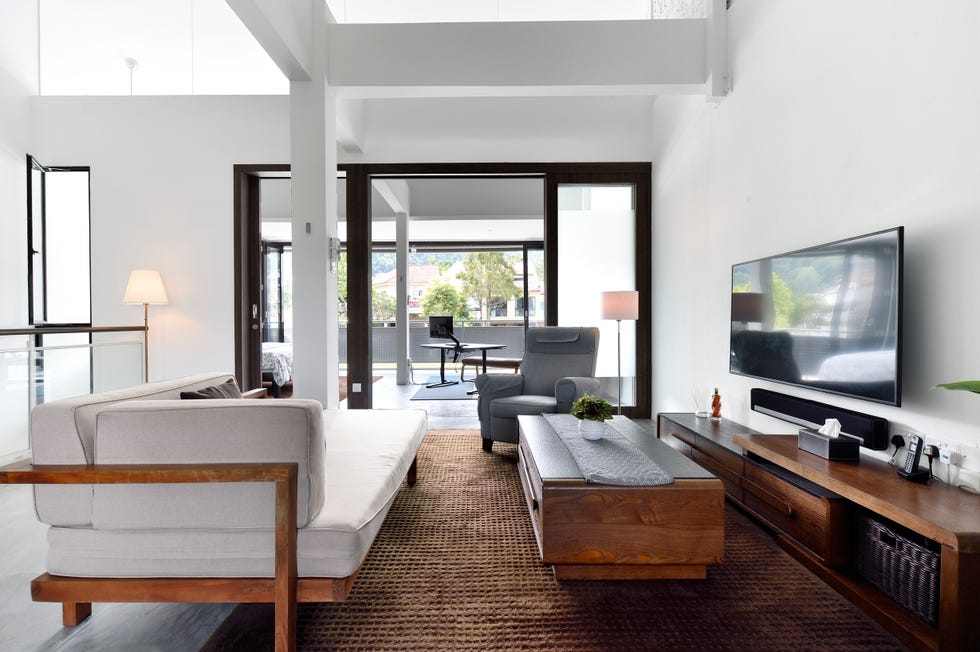
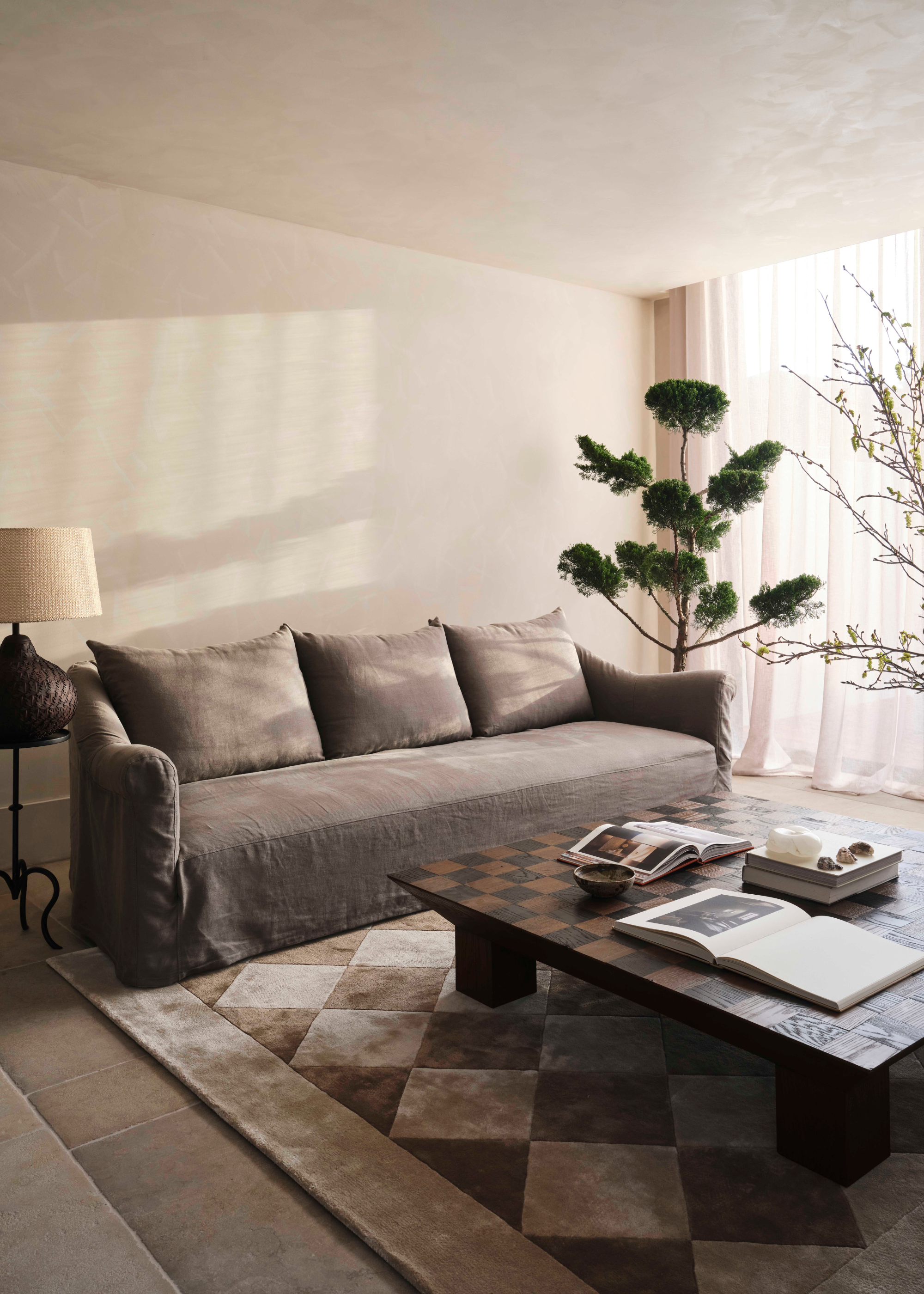
Finally, awkward coffee tables that are disproportionate to the surrounding furniture are a frequent oversight. A coffee table that is too small can appear out of place, while one that is too bulky can dominate the room. The ideal coffee table should measure approximately two-thirds the length of the sofa and align in height with the seat cushions. This proportion ensures balance, accessibility, and a refined appearance, allowing the coffee table to serve as an effortless anchor for the living room rather than an afterthought.
#InteriorDesign #HomeDecor #DecorMistakes #DesignTips #FurniturePlacement #LightingDesign #ArtPlacement #RugSelection #InteriorDesign #HomeDecor #DecorMistakes #DesignTips #FurniturePlacement #LightingDesign #ArtPlacement #RugSelection
कुल 0 टिप्पणियाँ
 कोई टिप्पणी नहीं
आपको यह भी पसंद आ सकता है
6 mistakes design experts instantly notice in your home – and how to fix them

The 10 biggest bedroom furniture mistakes that interior designers always notice – and how to fix them

5 kitchen hardware mistakes interior designers say homeowners always make, and how to fix them

Common design mistakes you're making in every room of your house
7 Design Mistakes Interior Designers Always Notice

5 interior design regrets experts are always called in to fix

6 Wallpaper Mistakes Designers Immediately Notice in Any Home

6 Feng Shui Houseplant Decorating Mistakes Practitioners Want to Warn You Against

10 Mistakes Designers IMMEDIATELY Notice When They Walk Into Your Home
11 Decor Mistakes That Always Make Your Home Look Tacky, According to Designers
Don't make these 5 entryway decor mistakes

7 Paint Mistakes That Make Designers Instantly Cringe When They Walk Into Someone's Home

7 Decorating Mistakes That Always Make Interior Designers Cringe
The 10 Biggest Interior Design No Nos According to Decorators

6 things to never put in an entryway, according to interior designers
8 common design mistakes that make your home look dated — and how to avoid them
10 Interior Design Mistakes Experts Avoid In Their Own Homes
From the Wrong Rug Size to Too-Short Curtains, Interior Designers Share Their Biggest Pet Peeves
Designers Share 4 Common "Mistakes" You're Making in Your Living Room—and How to Correct Them
7 Entryway Mistakes Designers Instantly Notice When They Walk Into Your Home