How Tariffs Will Impact Your Next Home Improvement Project
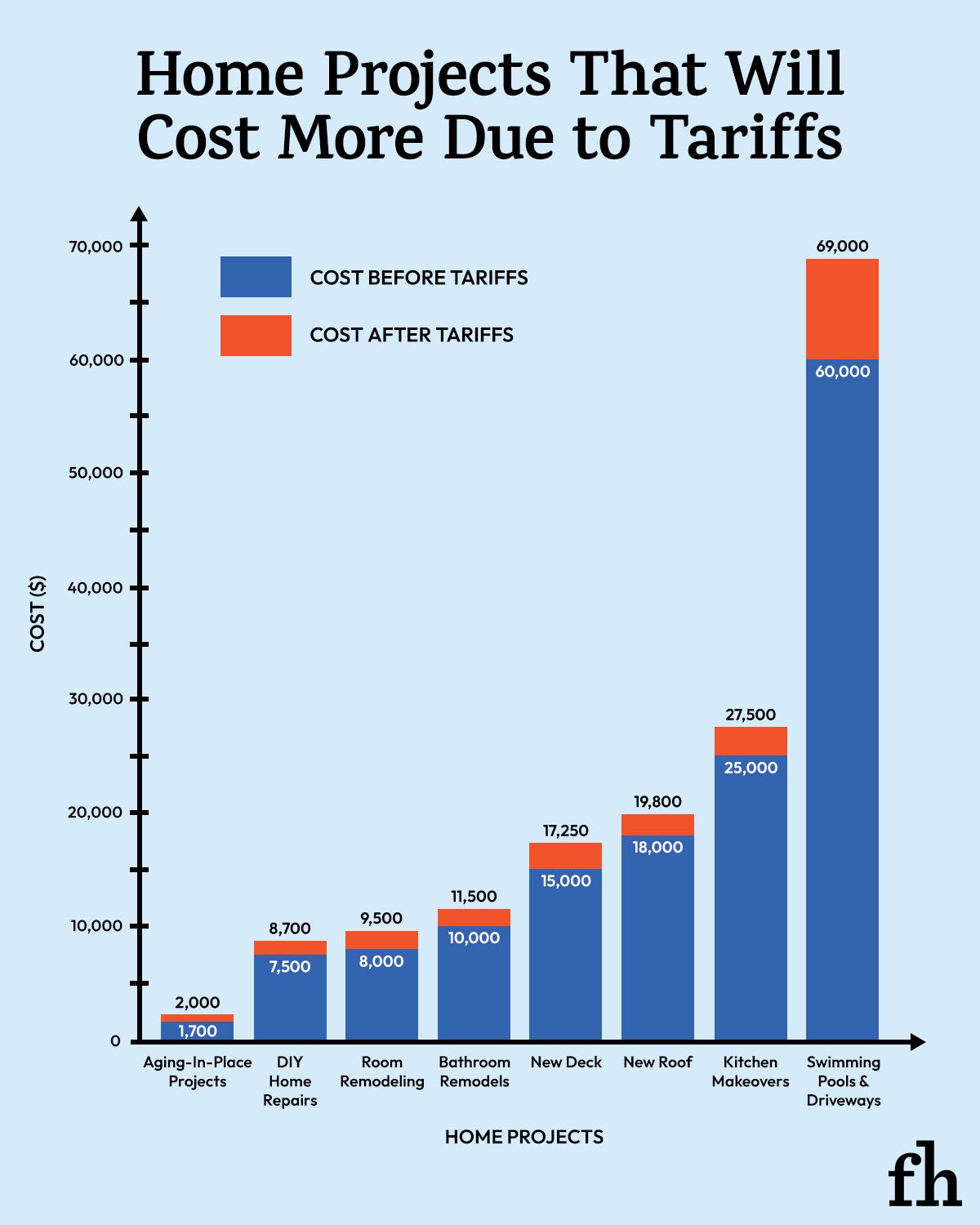
The increasing tariffs on imported goods, especially those from China, are poised to significantly impact the home improvement sector, affecting the costs and availability of various products. Industry experts and businesses are observing a shift in market dynamics, characterized by rising prices, reduced consumer confidence, and potential supply chain disruptions. This article delves into the concerns and reactions from different stakeholders within the home improvement industry.
Historically, manufacturers provided a 60 to 90-day notice for price adjustments. However, this lead time has shortened considerably since the pandemic, making it difficult for designers and contractors to guarantee pricing for more than a week. The National Remodeling Foundation's president and strategic consultant, Steven Kleber, notes that while tariffs are expected, the swift global reaction and imposition of retaliatory tariffs, combined with fluctuating market conditions, are creating an unstable environment. This uncertainty is exacerbated by declining retirement accounts and increased recession warnings, contributing to a significant drop in consumer confidence.
Bank of America’s Global Research reported a 33% decrease in planned appliance purchases from March, reaching a three-year low. Similarly, the National Association of Home Builders’ Remodeling Market Index showed a five-point drop in remodeler sentiment for the first quarter, even before the tariff announcements. Home expert Kate Wood from NerdWallet concurs that broader economic concerns are making homeowners hesitant to invest in large-scale renovations.
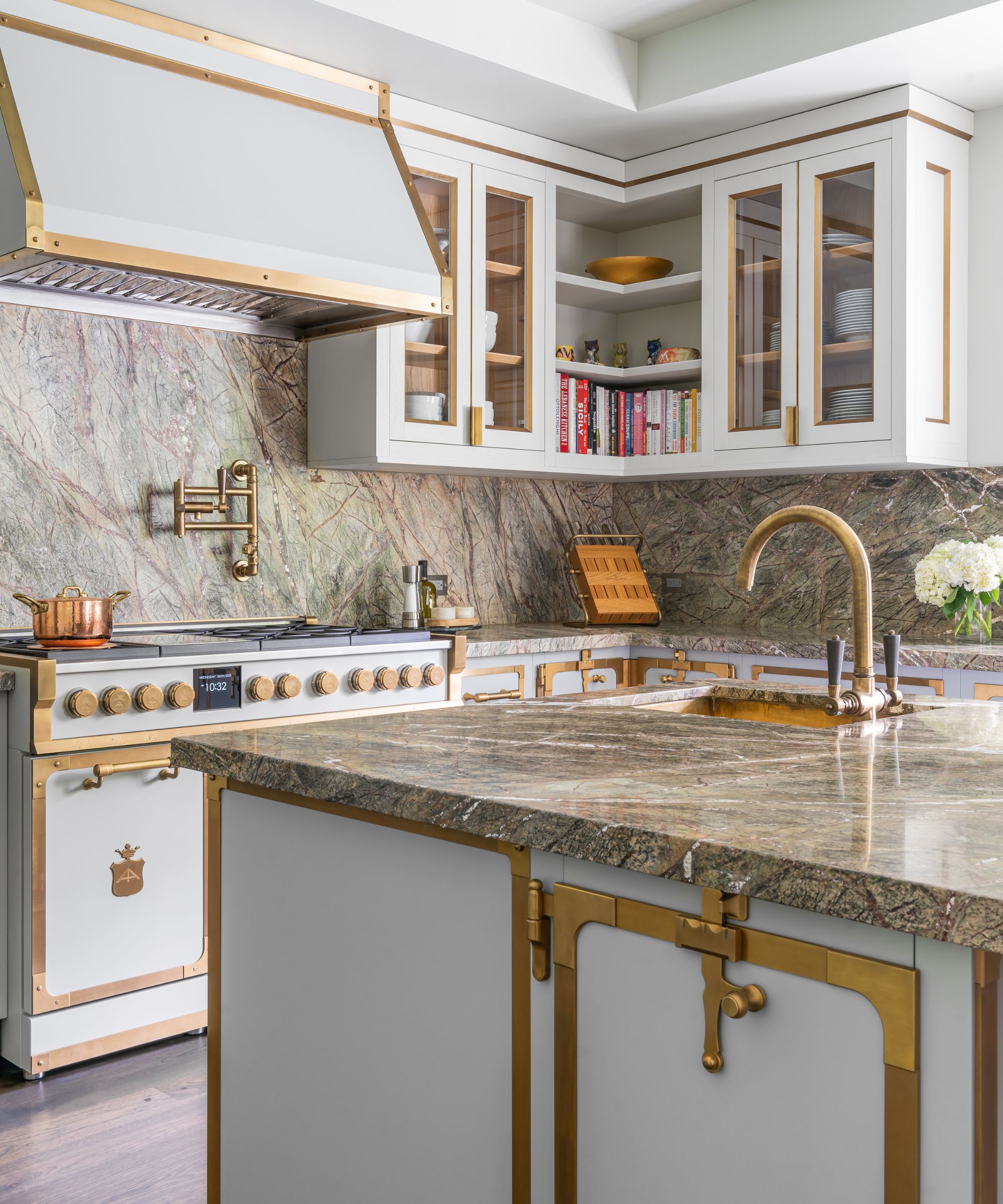
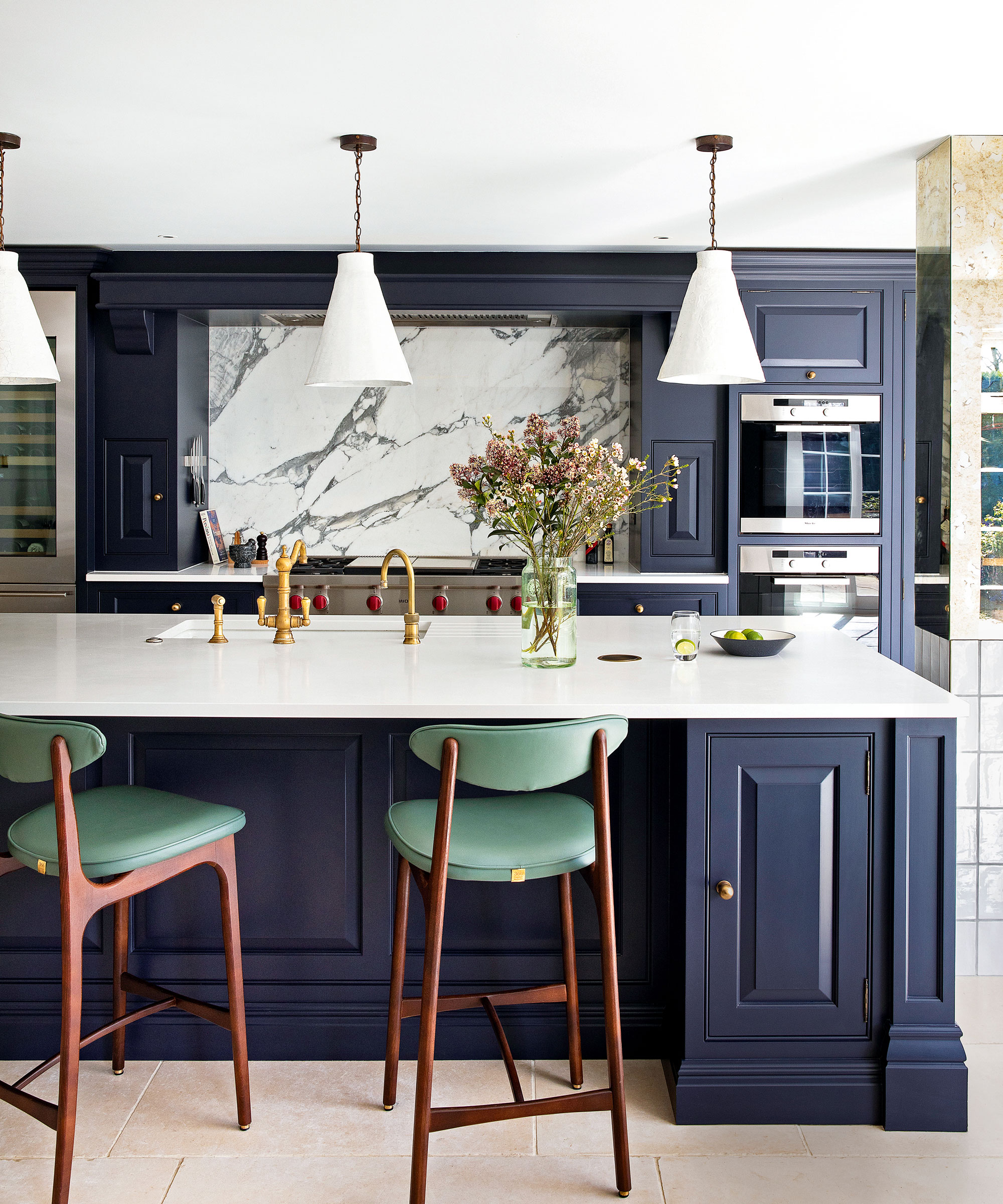
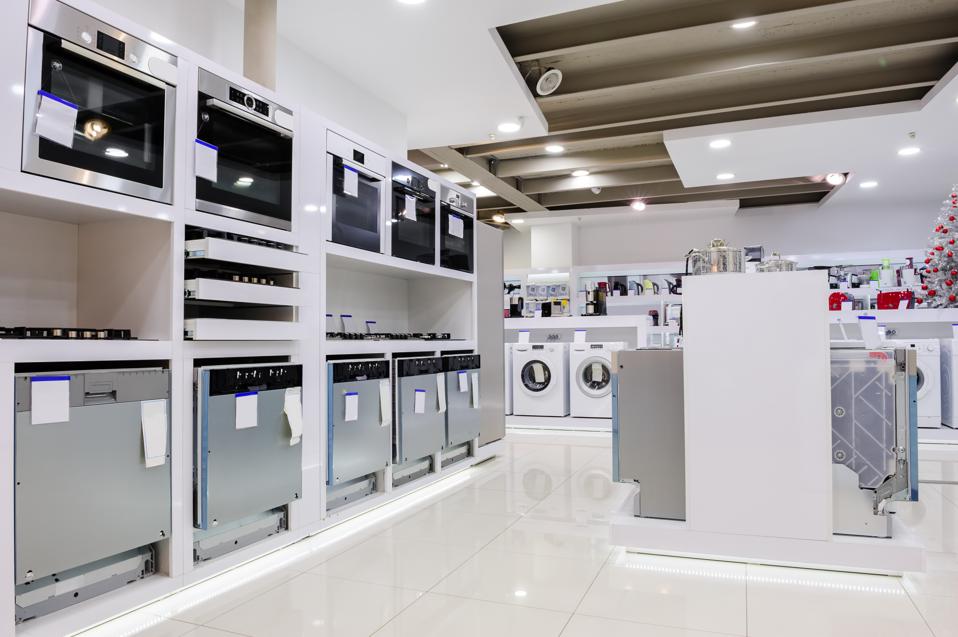
Matthew Saunders, Senior Vice President of Building Products Research at John Burns Research & Consulting, indicates that homeowners are opting for smaller, more strategic updates due to budget constraints. He predicts that kitchen and bath categories, including appliances, hardware, and plumbing fixtures, will experience the highest tariff-related cost increases due to their reliance on imports from China. A Houzz platform survey for Q2 2025 supports these predictions, with businesses anticipating tariff impacts on appliances (65%), cabinetry (58%), lighting fixtures (58%), indoor furniture (58%), and outdoor furniture (48%). Construction businesses are particularly worried about cabinetry (66%), appliances (60%), and plumbing fixtures (58%).
Retailers are already feeling the effects. Steve Sheinkopf, CEO of Yale Appliance, expects major price hikes in ranges, laundry units, sinks, and grills by late 2025, as many components are sourced or assembled in countries like China, Vietnam, South Korea, and Mexico. Ferguson, a prominent home products retailer, confirms that manufacturers are frequently issuing price increase notifications. Caroline Danielson, Director of Showrooms at Ferguson Home, emphasizes the need for flexibility and adaptation to manage projects smoothly amidst these changes.
Professionals advise clients to make purchases promptly. Designer Julie Westerfield recommends ordering materials as soon as planning stages are complete, even if installation is months away. Jonathan Rowland, a cabinet consultant, echoes this sentiment, cautioning against guaranteeing prices for more than a week. Producers are also responding to the situation. Jean-Michel Lebeau, CEO of BainUltra, a luxury bathtub manufacturer, primarily sources materials from North America, mitigating some direct tariff impacts. However, he acknowledges that retaliatory tariffs could lead to broader price increases across raw materials, potentially causing stagflation or inflation. Allison Eden, who creates custom tile mosaics, notes that while her domestic glass tile projects are unaffected, the 10% of her stone materials imported from Asia have already seen significant price increases, including a 125% hike on a recent order. Her ability to offer a glass tile alternative saved a potential lost sale, highlighting the importance of flexibility and alternative solutions in the current market.
In conclusion, the home improvement industry is facing a period of significant uncertainty and rising costs due to tariffs. Consumers and professionals alike must remain adaptable, explore alternative materials and brands, and consider the long-term value and health implications of their choices in this evolving economic landscape.
#Tariffs #HomeImprovement #Appliances #RealEstate #ConstructionIndustry #EconomicImpact #ConsumerConfidence #SupplyChain #MaterialCosts #Tariffs #HomeImprovement #Appliances #RealEstate #ConstructionIndustry #EconomicImpact #ConsumerConfidence #SupplyChain #MaterialCosts
0 commentaire au total
 Aucun commentaire pour le moment
Vous aimerez aussi
Home Renovation Projects That Are (Mostly) Tariff-Proof

Loft conversion costs 2022 and how to budget for the perfect design

Loft conversions: The ultimate guide
Antique and Vintage Furniture Lovers, Here’s What Trump's Tariffs Mean for You


5 "Tariff-Proof" Home Renovations That Experts Recommend in 2025


5 things to know before cladding your home's exterior

Home Design Projects Face Challenges As De Minimis Exemption Ends

11 Design Features That Make a Home Sell for More, According to a Real Estate Expert

5 Most Profitable Home Improvements to Make Before Selling Your Home

12 Home Projects That Will Cost More Due to Tariffs


Home Remodeling Projects That Pay Back The Most In Happiness

5 renovation projects that will add value to your home in 2024

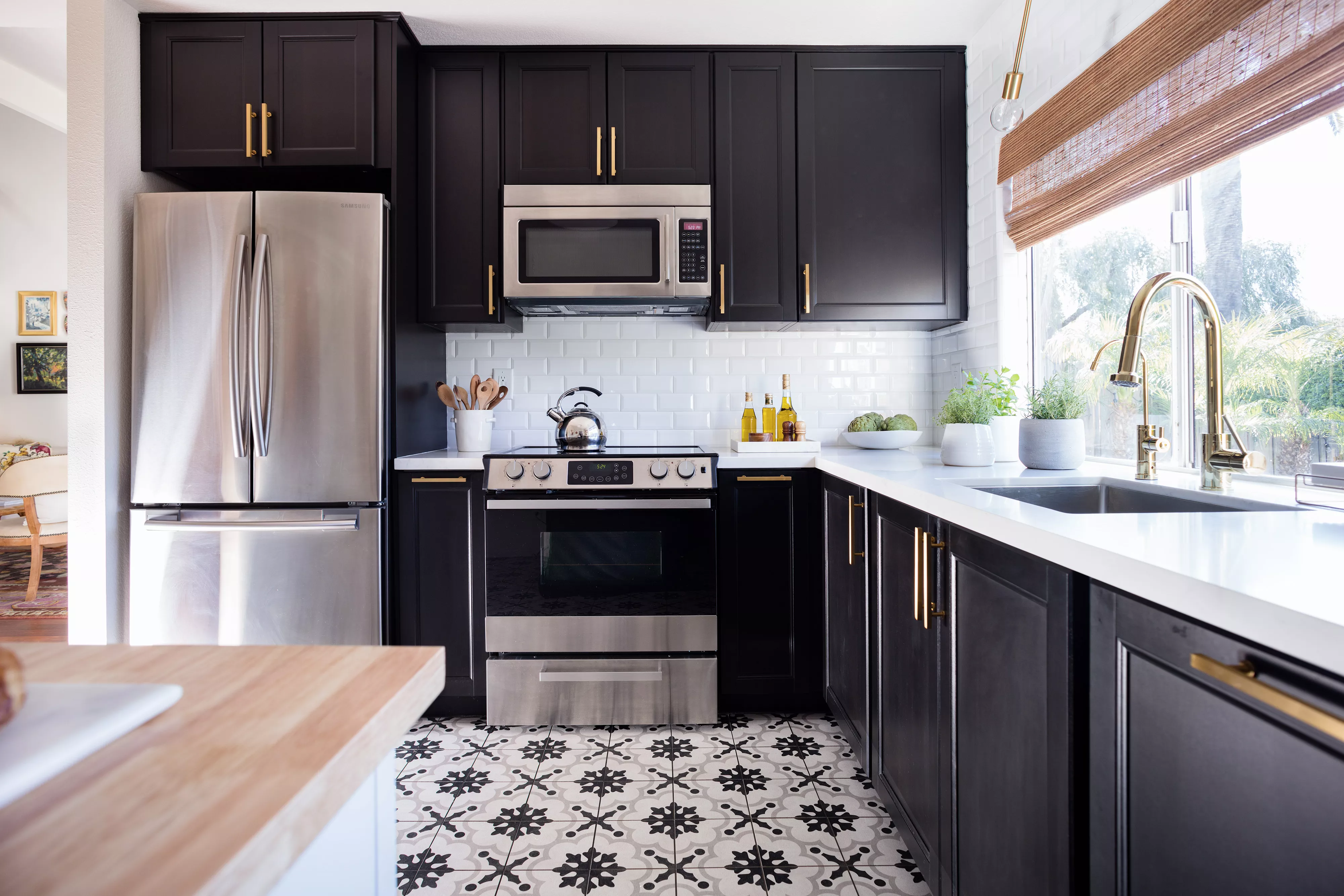
These Are the Home Products That Could Be Impacted by Tariffs—Plus How to Save


Remodeling

You should try to avoid these 10 common home remodeling mistakes, urge experts
Your Neighborhood Textile Stores: Where To Go Now That JOANN Is Gone


18 Home Improvement Projects You Can Tackle with Your Tax Refund

Did Covid Ruin Home Renovations?
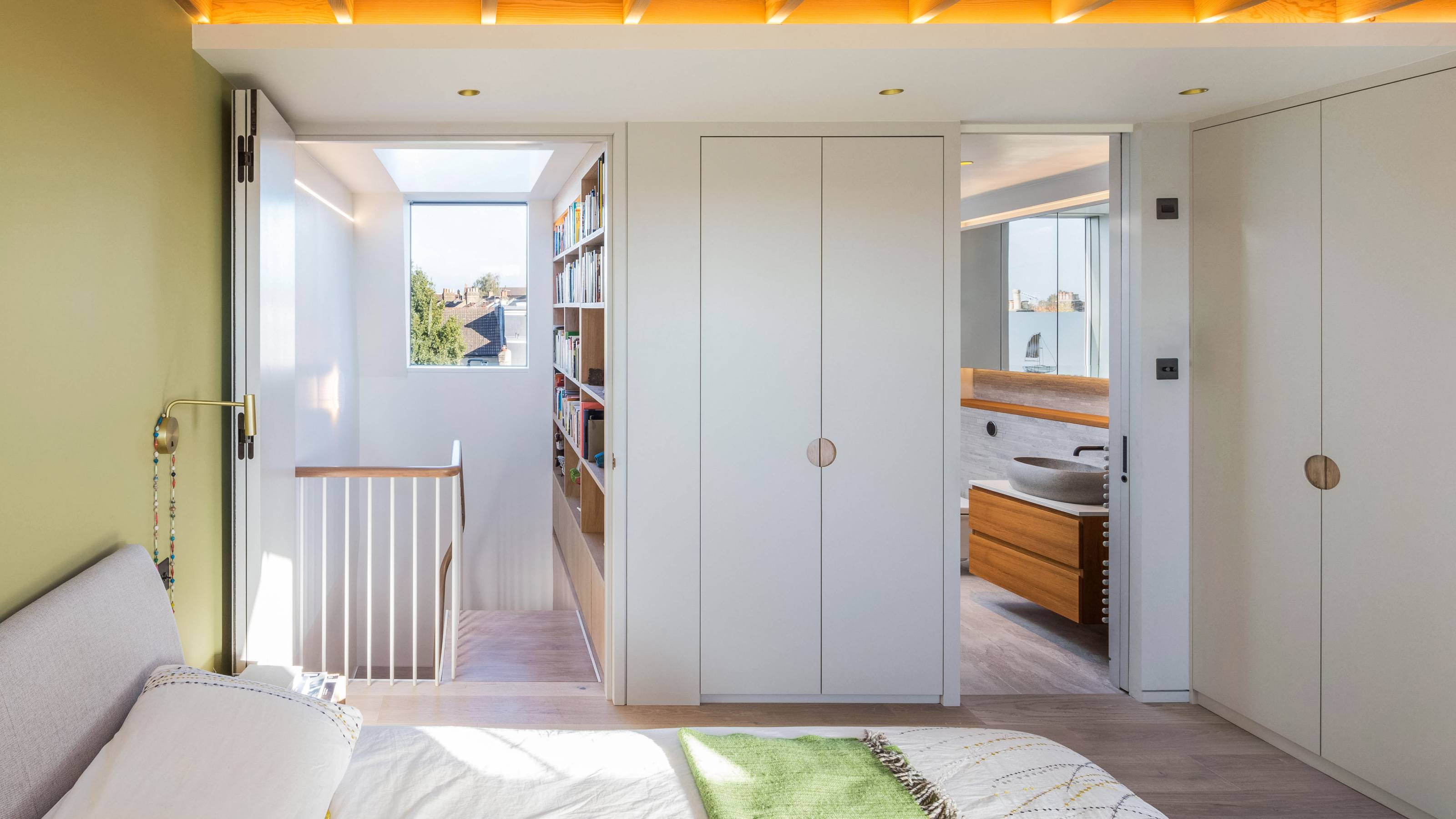
How Much Does a Loft Conversion Cost on Average in 2025? Architects Share Their Latest Loft Projects' Budgets

Seven Popular Home Renovations That Will Increase Your Property Taxes