These Are the Home Products That Could Be Impacted by Tariffs—Plus How to Save
The implementation of new tariffs is poised to significantly impact the cost of various home products and building materials, compelling both industry experts and homeowners to reconsider renovation strategies. A survey indicates that nearly half of American consumers plan to reduce their spending, with 40% open to switching to more affordable brands and 50% considering secondhand or local alternatives to mitigate rising costs. Tariffs, essentially taxes on imported goods, are typically passed on to the consumer, leading to higher prices. Historically, tariffs have had substantial effects on home construction materials and furnishings. For instance, in 2024, approximately $14 billion worth of goods used in new housing construction were imported into the U.S., according to the National Association of Home Builders (NAHB). Tariffs on these materials are expected to drive up prices, similar to how increased material costs and supply chain disruptions affected construction during the pandemic.
The current tariffs primarily target products from China and Vietnam, major sources of goods for the U.S., but also extend to countries like Canada and Mexico. The NAHB estimates that recent tariff actions could add an average of $9,200 to the cost of a typical new home. Home-building materials, such as Canadian soft lumber and gypsum products from Mexico, are specifically mentioned. Experts project tariff-induced cost increases ranging from 10-25%, depending on the specific material or product.
A broad array of home products and materials will be affected. This includes home appliances and smart technology, particularly items relying on imported chips or electronic components like refrigerators, ovens, dishwashers, washers, dryers, and smart home devices (thermostats, doorbells, security systems). Construction materials are also heavily impacted, with anticipated price hikes on quartz and granite countertops, engineered hardwood flooring, luxury vinyl tile, cabinets and cabinet doors, plumbing fixtures, lighting fixtures, and construction materials containing steel and aluminum. These products are frequently manufactured in the tariff-affected countries.
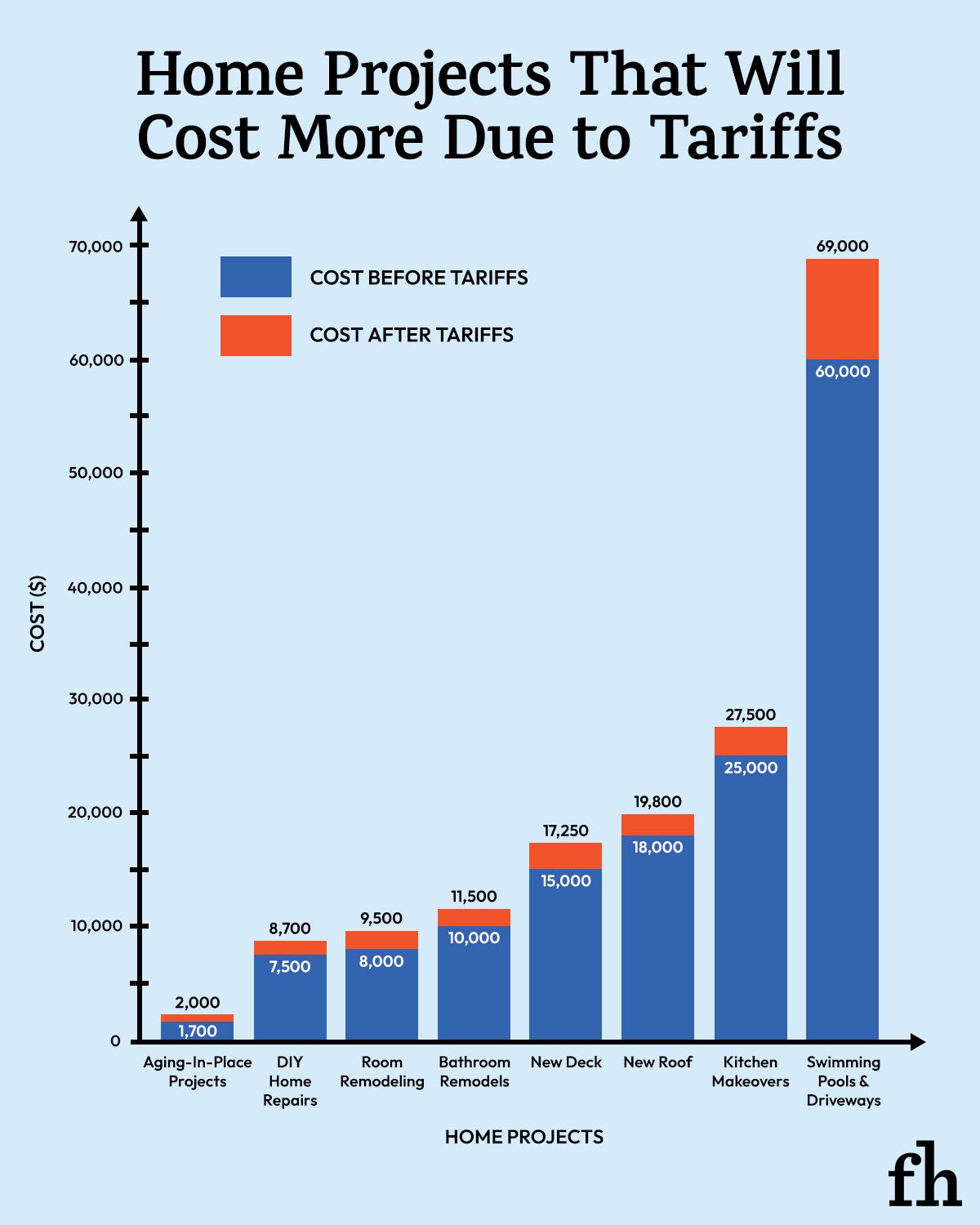
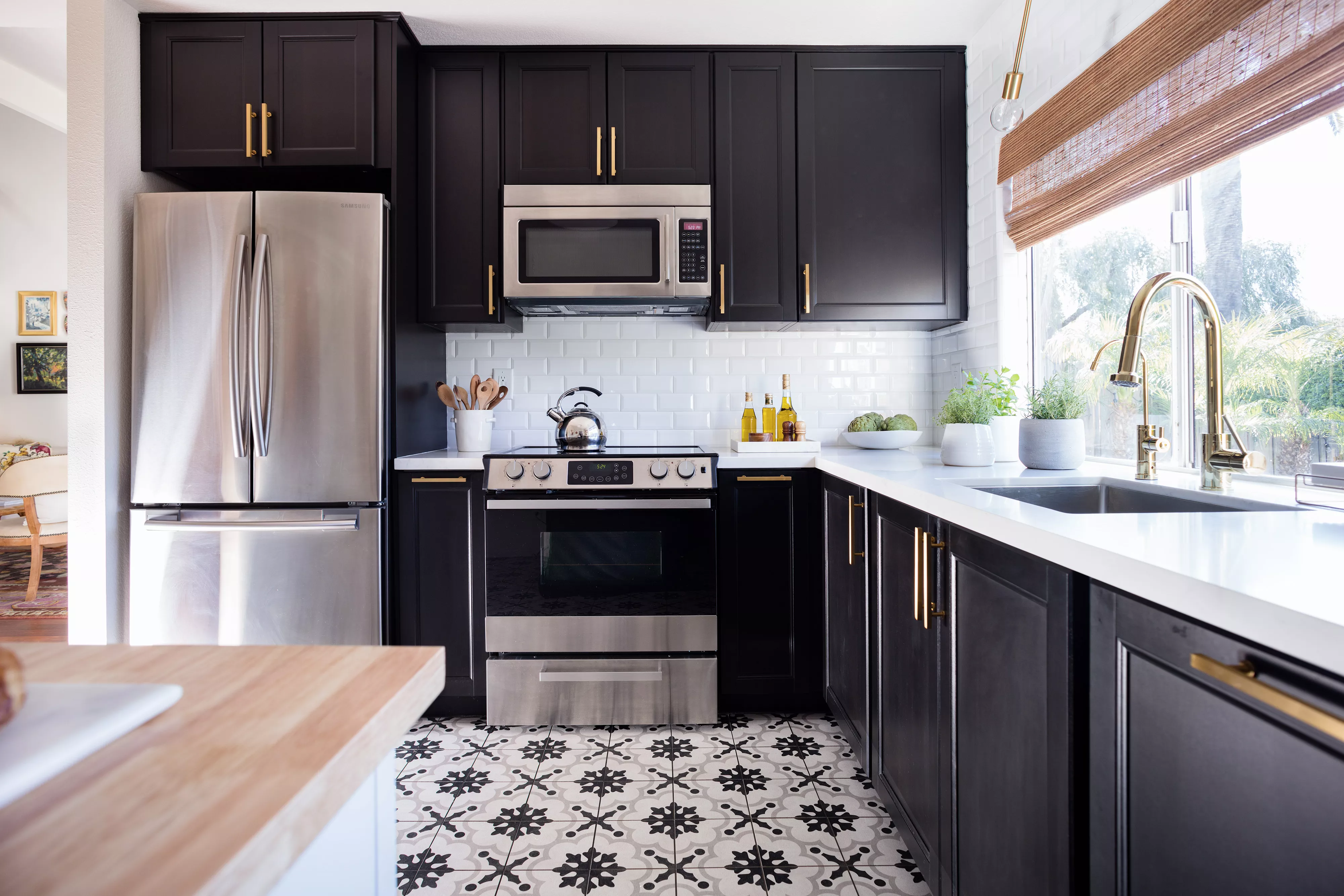
The projected cost increases for these product categories, ranging from 5% to over 25%, are expected to significantly raise the price of remodeling projects. For example, a kitchen remodel could see an increase of $2,000 to $5,000 or more due to the higher costs of appliances, countertops, and flooring. Previous tariffs, such as those on Chinese cabinetry and quartz in 2018 and 2019, led to shortages and unexpected price surges, causing project delays and renegotiations. New home builds will also be impacted, with framing materials like lumber and steel being major expenditures. Imported lumber from Canada faces a 14.54% tariff, potentially increasing by an additional 25%, while steel imports from various countries incur at least a 25% tariff. Other technologically integrated home components and materials like tile and flooring from Europe could also see at least a 10% price increase.
To mitigate these rising costs, several strategies are recommended. Consumers can look for tax credits and rebates, consider domestic alternatives, or shop during sales. For appliances, buying refurbished or gently used items can provide a cheaper, tariff-unaffected option. For remodeling, sourcing materials locally, prioritizing essential updates, and refurbishing existing items instead of replacing them are viable solutions. DIY projects can also save on labor costs. A significant number of consumers, 21% for home appliances and furniture and 20% for new homes, plan to delay major purchases until prices stabilize. For remodeling projects specifically, planning ahead and securing quotes early, being adaptable to potential delays, and prioritizing high-impact cosmetic upgrades or high-ROI projects like cabinet refacing are advised. Exploring domestic alternatives from suppliers or contractors can also help avoid tariffs.
#TariffsImpact #HomeRenovationCosts #BuildingMaterials #HomeAppliances #SmartHomeTech #CostSavingTips #EconomicImpact #ConsumerSpending #DIYHomeProjects #TariffsImpact #HomeRenovationCosts #BuildingMaterials #HomeAppliances #SmartHomeTech #CostSavingTips #EconomicImpact #ConsumerSpending #DIYHomeProjects
0 comment in total
 No comments yet
You may also like

5 "Tariff-Proof" Home Renovations That Experts Recommend in 2025


Antique and Vintage Furniture Lovers, Here’s What Trump's Tariffs Mean for You

Home Renovation Projects That Are (Mostly) Tariff-Proof


Home Design Projects Face Challenges As De Minimis Exemption Ends

Your Neighborhood Textile Stores: Where To Go Now That JOANN Is Gone

13 Kitchen Items That Are Wasting Your Money—And What To Buy Instead
12 Home Projects That Will Cost More Due to Tariffs

Ceramic Tile Report: Tariffs put renewed focus on domestic supply – April 2025

How Tariffs Will Impact Your Next Home Improvement Project

Summer Backyard Ideas With Added Tax Benefits for 2025