1/10
To Get to Know Portugal, Explore Its Azulejo Tilework
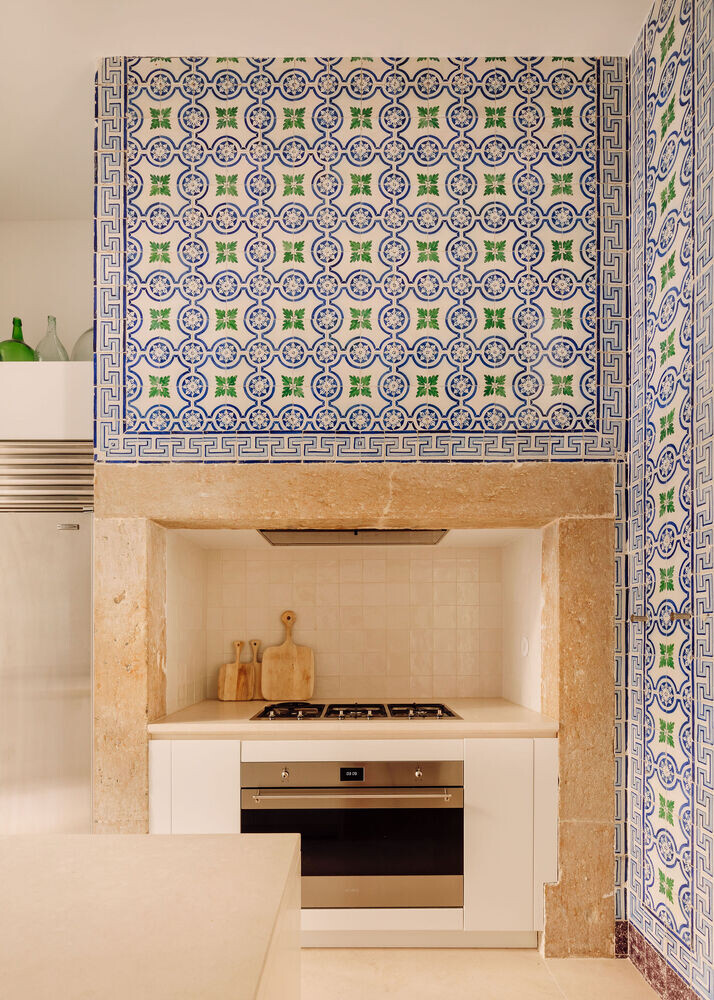
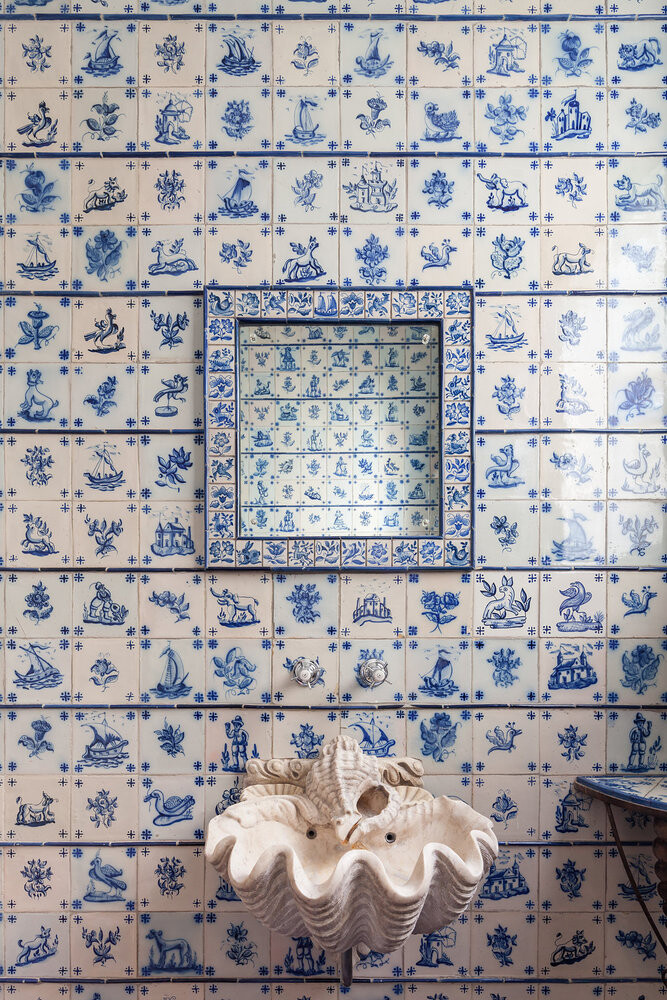
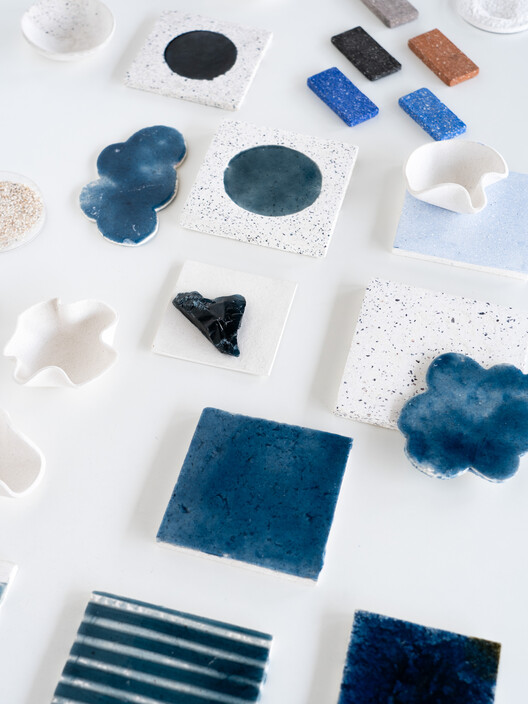
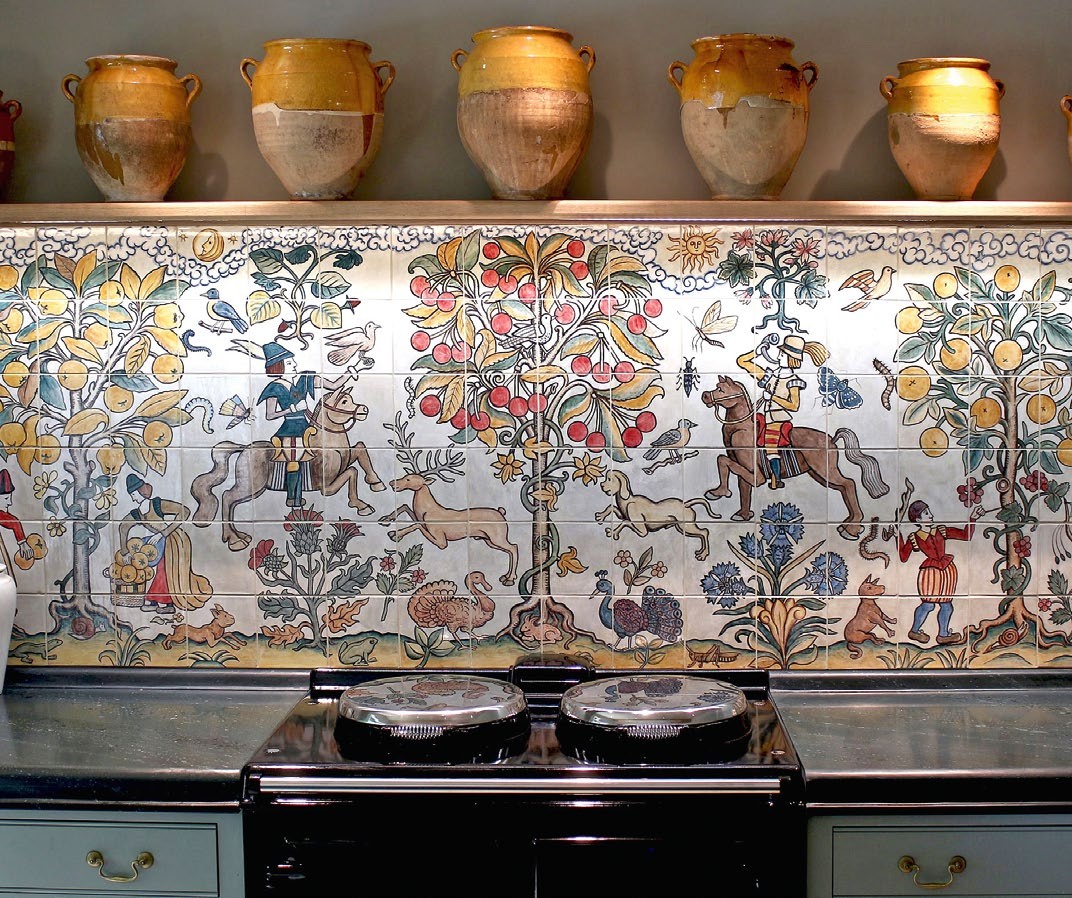
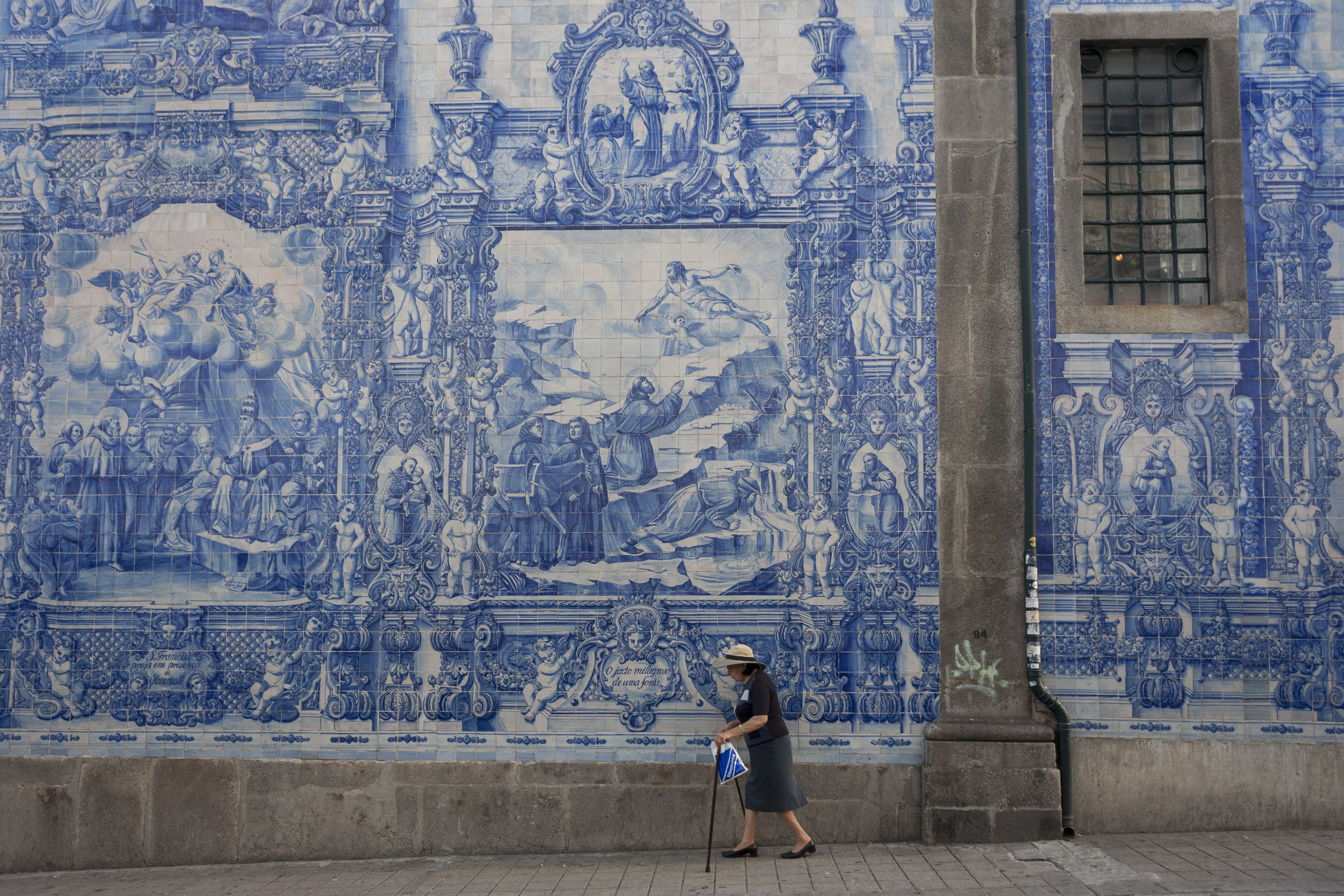
The art of azulejo, glazed ceramic tilework, is deeply embedded in Portugal's cultural identity, with its origins tracing back to the 13th century following the Moorish invasion. Initially featuring Islamic motifs like knotwork, the art form gained widespread popularity in the 16th century when Portuguese leaders began commissioning these mosaics, leading to localized production. This shift marked the emergence of a "scenography" in azulejo, incorporating dynamic patterns of flowers, dolphins, and cherubs by the 17th century. The National Azulejo Museum in Lisbon, housed in a former convent, showcases this evolution through chronological exhibits, including a notable 75-foot panorama of Lisbon from before the 1755 earthquake, widely attributed to Spanish artist Gabriel del Barco.
Azulejos are created through a meticulous process involving baking tiles, applying glaze colors (primarily blue, but also yellow and green) with potent ink diluted with water, and then refiring them at extremely high temperatures exceeding 1,000 degrees Fahrenheit. This glazing makes the tiles remarkably resilient against weather elements and enhances their true colors. Unlike tilework in other countries, Portuguese azulejos are integral to the architecture and context of their setting. The mosaics are not merely decorative; their designs and narratives are specifically created for the places they adorn, conveying deep meaning and historical context.
Notable examples of azulejo work can be found throughout Portugal. Porto, for instance, serves as an open-air museum for these tiles, with the São Bento Railway Station featuring over 20,000 tiles depicting key moments in Portuguese history by Jorge Colaço. The Church of St. Ildefonso in Porto also boasts 11,000 blue-and-white tiles. Religious sites like the Chapel of the Souls in Porto use azulejos to bring biblical stories and figures to life, reinforcing their significance to worshippers. The Fronteira Palace near Lisbon is another stunning example, with its Battle Room containing intricate scenes from the 17th-century Portuguese Restoration War.
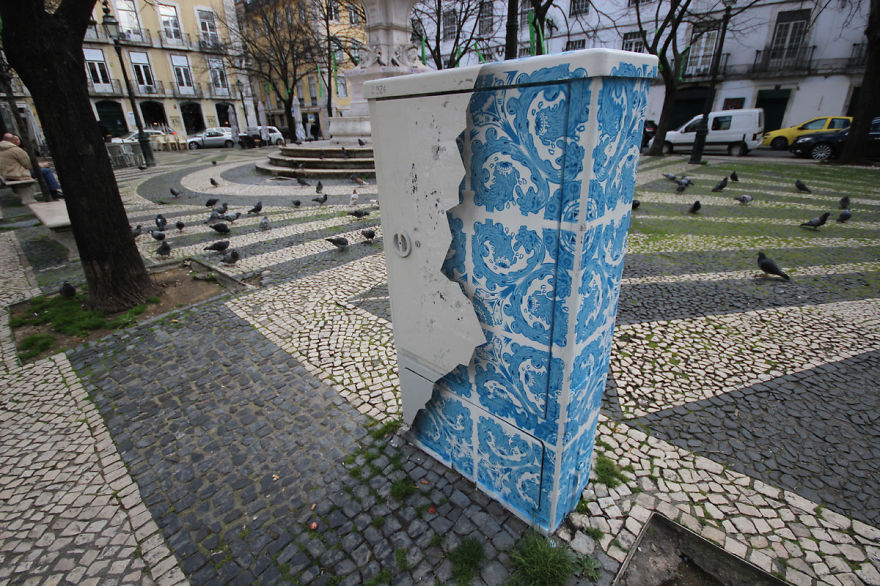
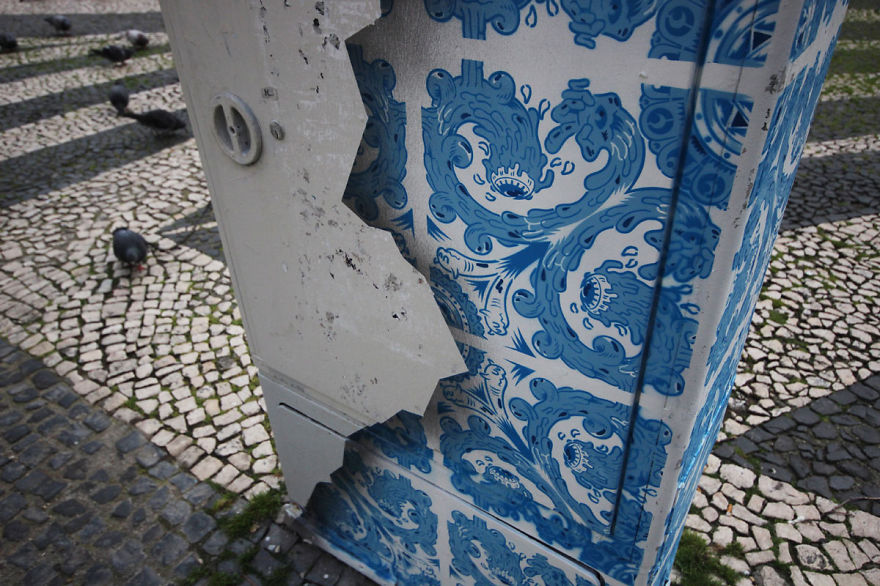
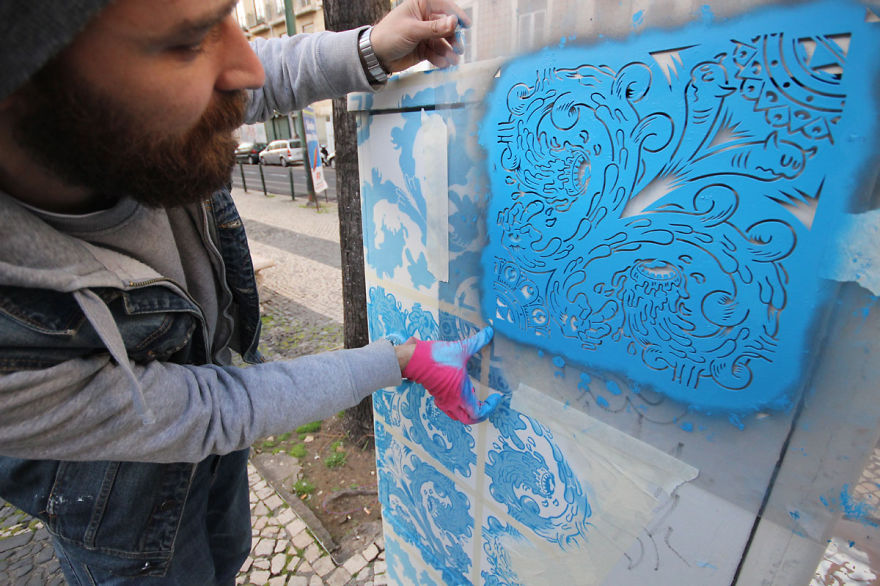
The use of azulejos continued to evolve, adapting to new cultural concepts and societal needs. Following Lisbon's devastating earthquake, azulejos were used on building facades as an economical and efficient way to rebuild the city, transforming its landscape into a theatrical setting and providing a sense of hope. In the 20th century, contemporary artists like Maria Keil integrated azulejos into public spaces such as Lisbon's Metro stations, creating vibrant installations. Even today, artists like Diogo Machado (Add Fuel) and community art projects are reinventing the azulejo aesthetic, utilizing digital techniques and collaborative efforts.
To experience this unique Portuguese art form, visitors can explore specific sites such as the Monastery of São Vicente de Fora, which houses the largest collection of 18th-century azulejos depicting Jean de La Fontaine's fables; the National Palace of Sintra, adorned with heraldic and hunting scenes; and the Sé Velha (Old Cathedral in Coimbra), featuring 16th-century geometric motifs. The National Azulejo Museum offers a comprehensive historical overview and workshops. Additionally, artists like Caroline Vidal in Lisbon provide hands-on workshops, allowing participants to learn the techniques and appreciate the skill involved in painting these iconic tiles, thereby immersing themselves in a fundamental aspect of Portuguese culture.
#PortugueseCulture #AzulejoTilework #CeramicArt #ArchitecturalDecor #CulturalHeritage #Lisbon #Porto #ArtHistory #PublicArt #PortugueseCulture #AzulejoTilework #CeramicArt #ArchitecturalDecor #CulturalHeritage #Lisbon #Porto #ArtHistory #PublicArt
Hay 0 comentarios en total
 Aún no hay comentarios
También te puede gustar
Portuguese Tiles: Brief History and Contemporary Applications

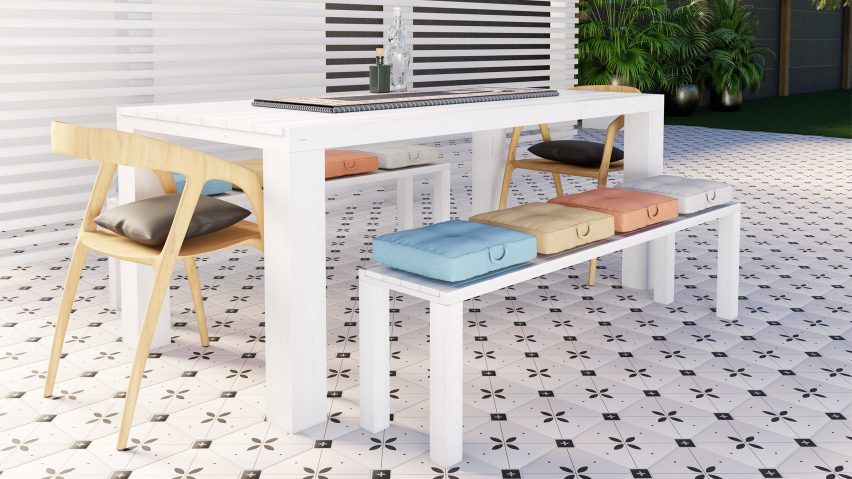
Tender tiles by Cevica
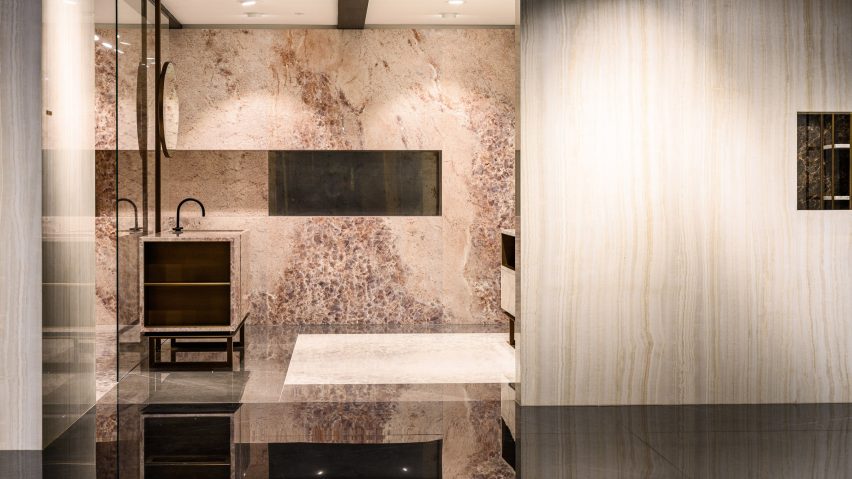
FMG releases collection of tiles that can be applied to any interior surface
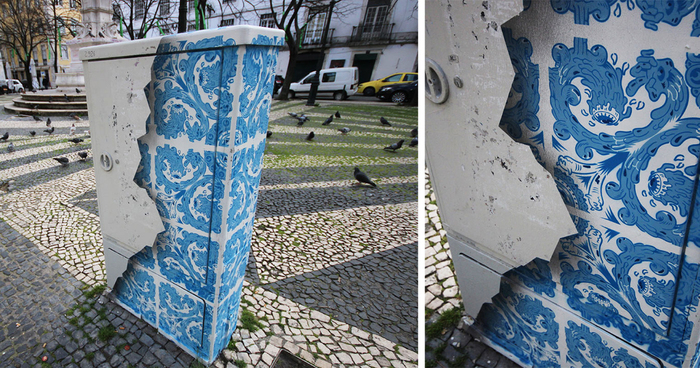
I Create Ceramic Tile Illusions On Electrical Boxes And Buildings To Remind People Of Portuguese History
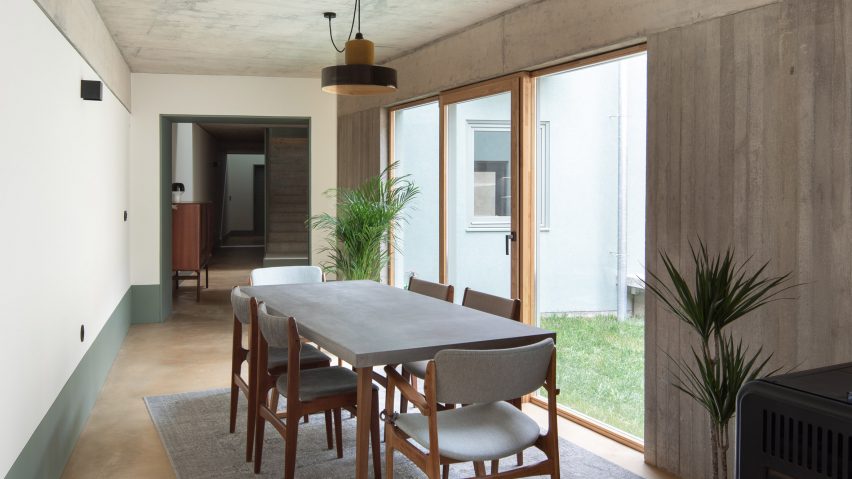
DepA Architects clads traditional Portuguese house in sage-green tiles
All fired up - 5 Jun 2025 - Period Living Magazine

Reimagining Lisbon’s Azulejos: Regenerative Biomaterial Tiles from the Tagus River

Inside Italy's secret mosaic school

Exposed-concrete stair pulls light and views into Porto home by Tsou Arquitectos
Rugs as Woven Memory: How Origin and Materiality Shape Interiors
This Design Duo’s Lisbon Apartment Is A Study In Ceramics

Boost Mineral surface and wall tiles by Atlas Concorde
Journey Through Northern Italy With Artistic Tile

Tiles Gone Wild: Fresh Looks for an Ancient Material