The 2000s Paint Trend We Hope Never Comes Back—And Designers Agree
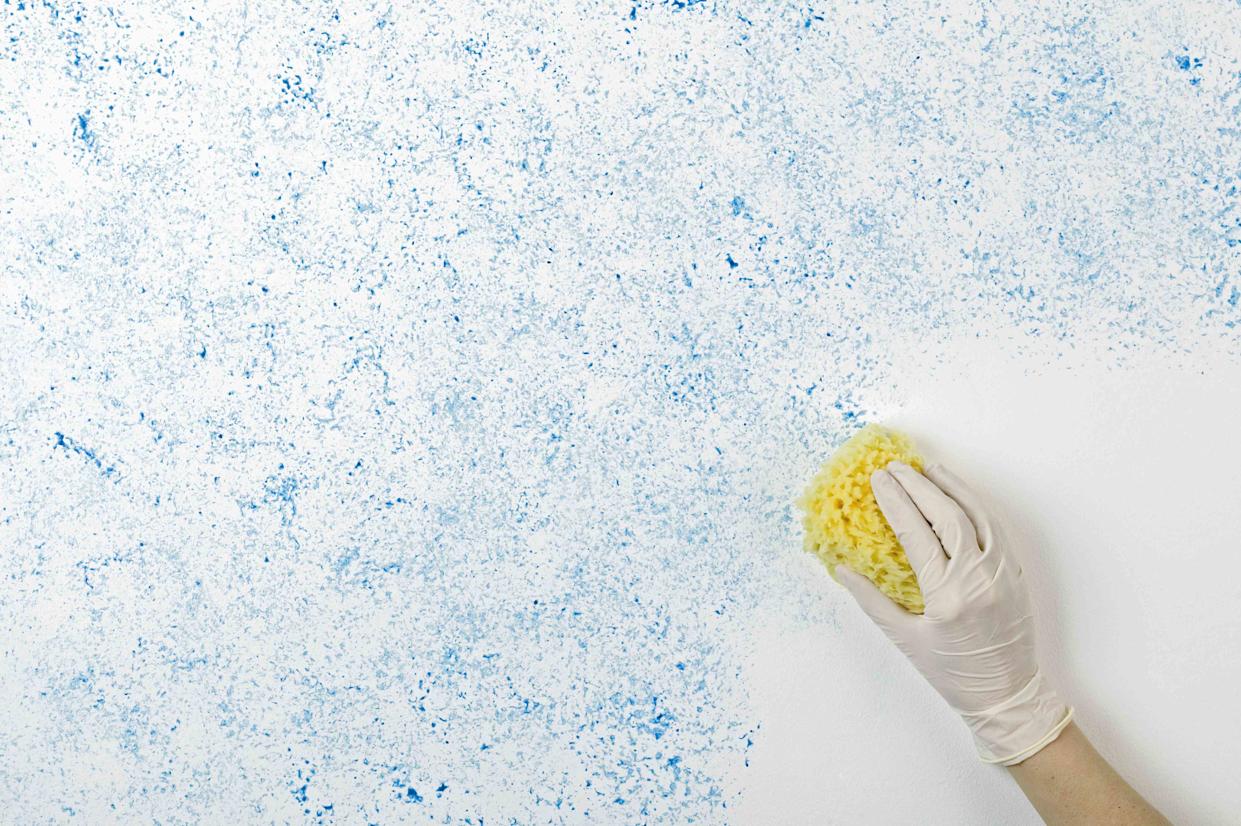
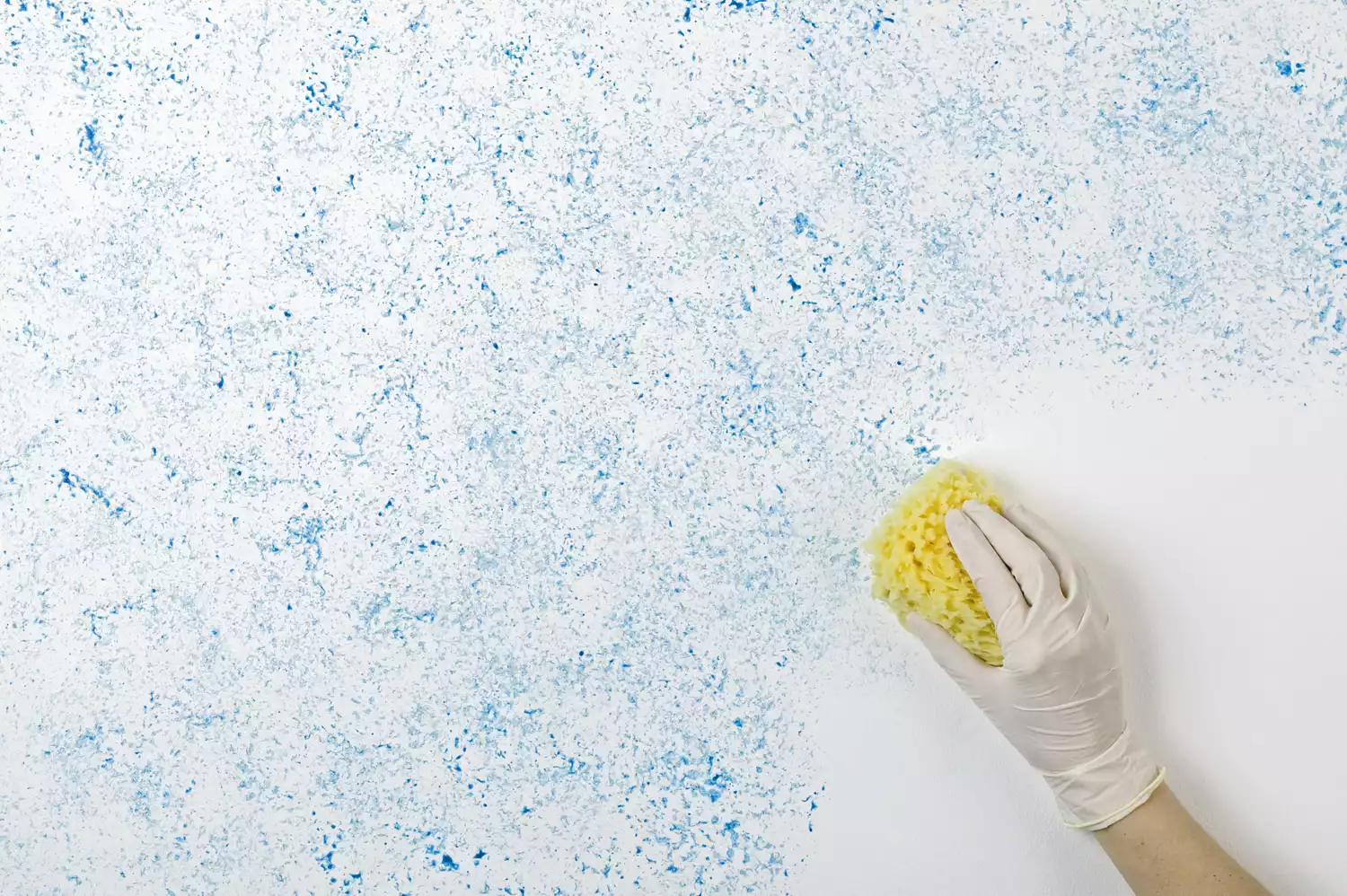
The article discusses the resurgence of 2000s design trends, specifically focusing on a paint technique that interior designers hope will not make a comeback: sponge painting. This technique, characterized by dabbing a textured sponge with a second color over a base coat, was popular in the early 2000s due to its perceived ease of application. However, according to Cathleen Gruver, Lead Interior Designer at Gruver Cooley in Northern Virginia, this technique, especially when combined with the jewel tones and metallic accents popular at the time, is problematic.
Gruver argues that sponge painting creates a chaotic and unpolished look, rather than adding depth and texture. The technique demands too much visual attention, making it difficult to select complementary decor. Other elements in the room are more likely to compete with the sponge-painted walls, further contributing to a busy aesthetic. This can be particularly disruptive in spaces intended for relaxation, such as living rooms or bedrooms, where a calm environment is desired. Furthermore, sponge painting limits future design flexibility, as it locks a room into a specific and often loud color scheme that is challenging to adapt. Incorporating patterns becomes significantly harder when walls already feature a busy sponge-painted design, although subtle patterns like thin stripes might still be manageable.
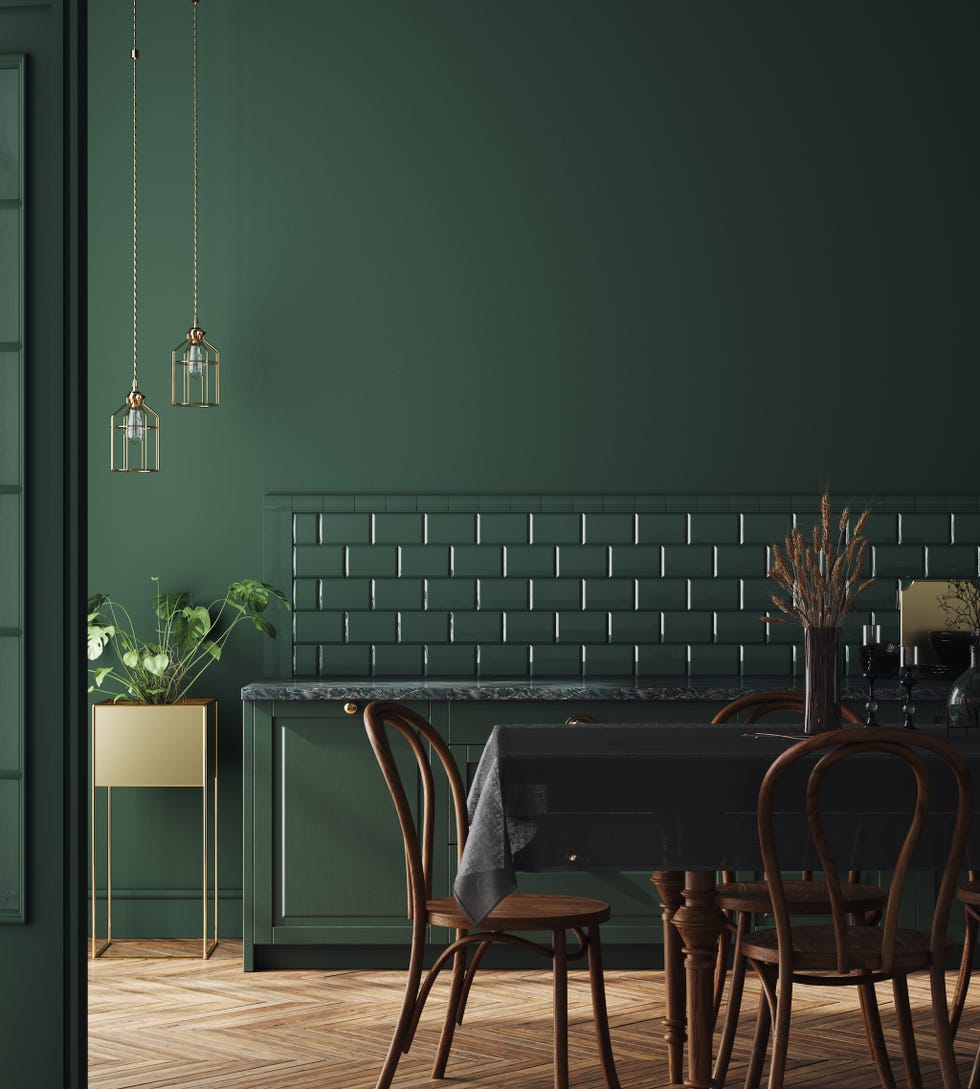
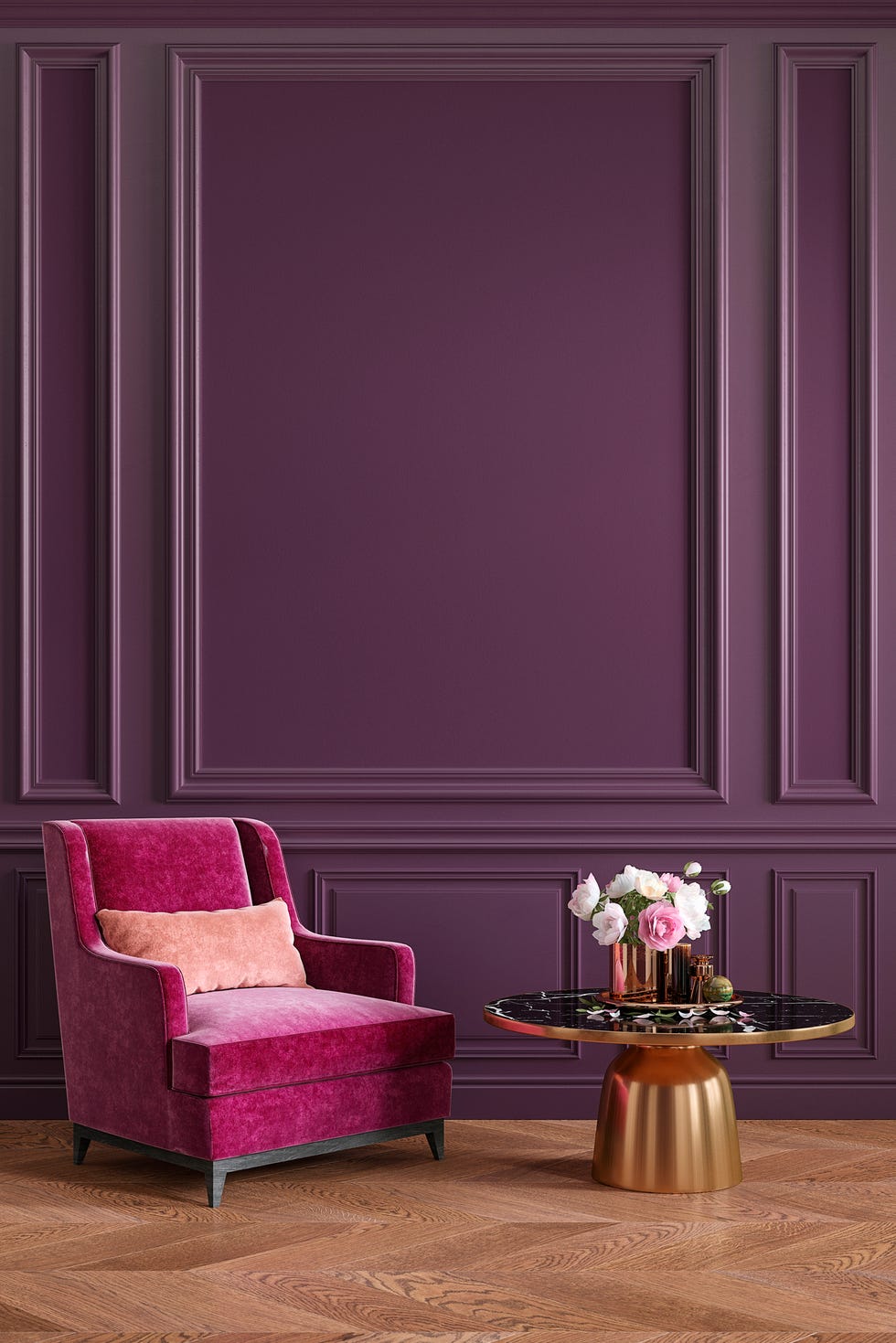
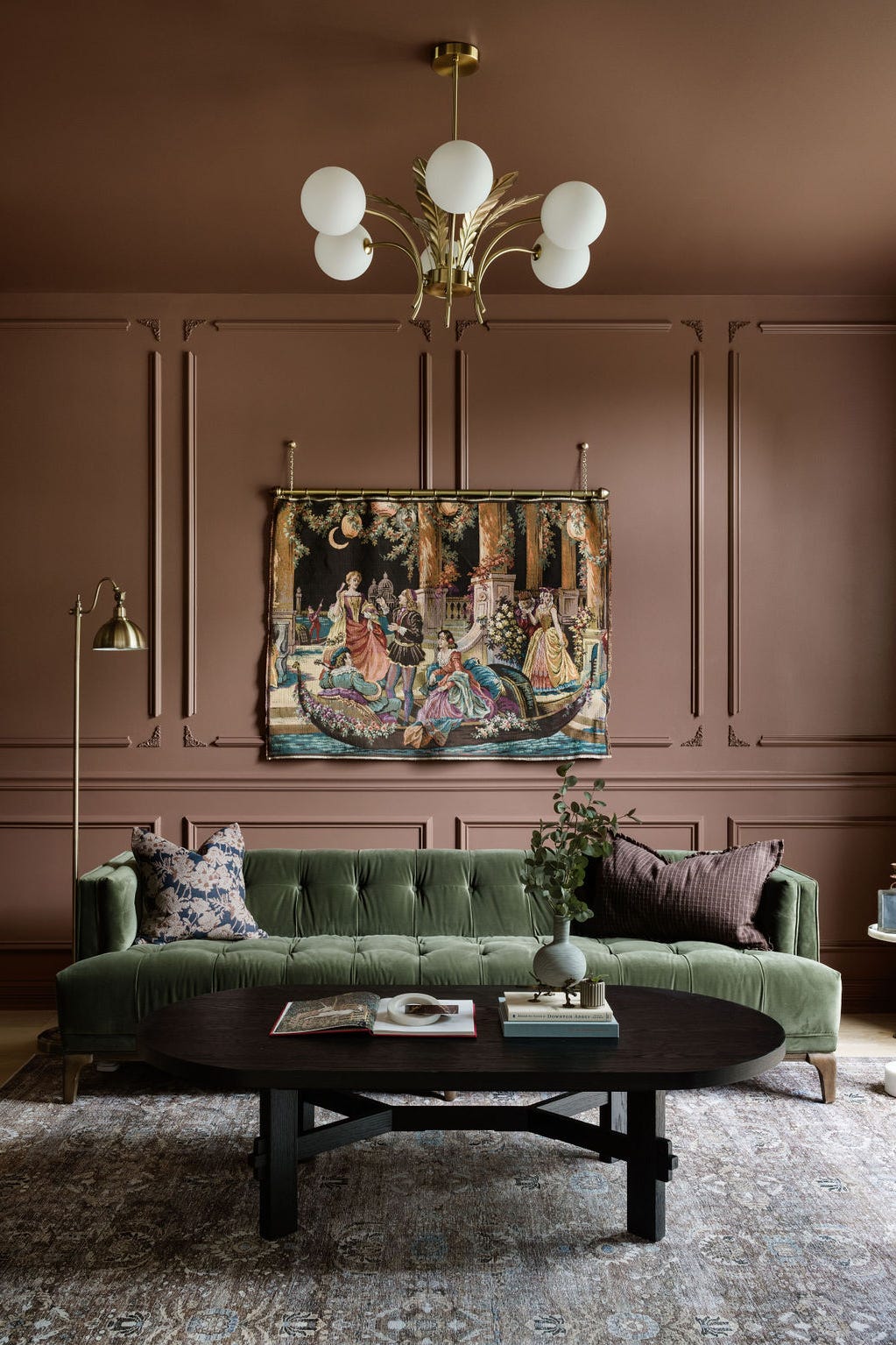
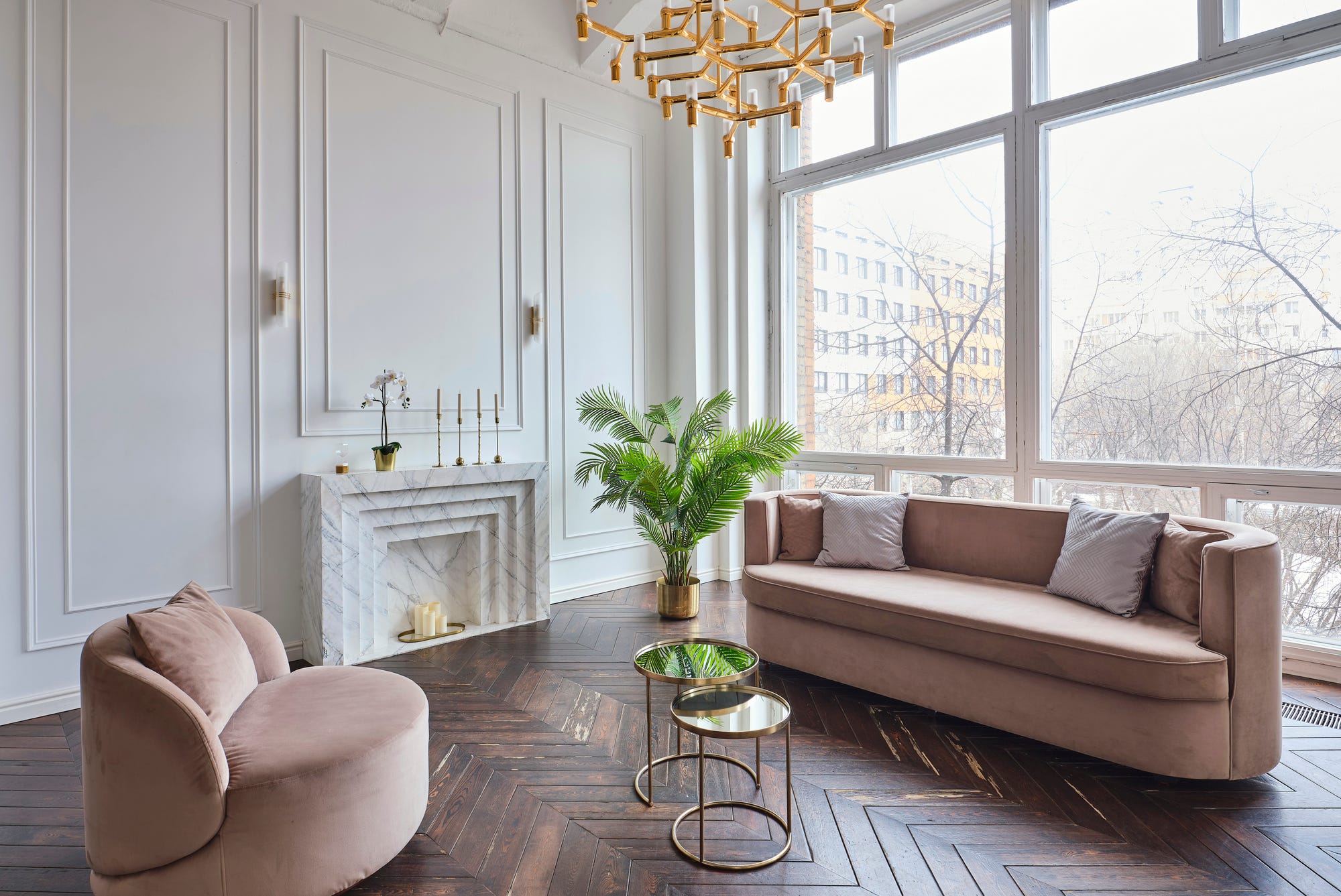
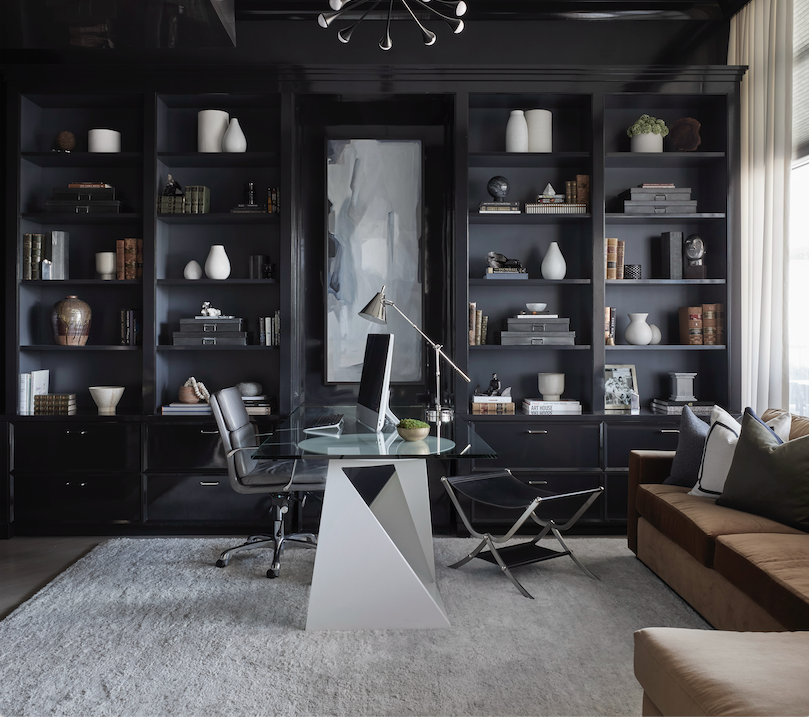
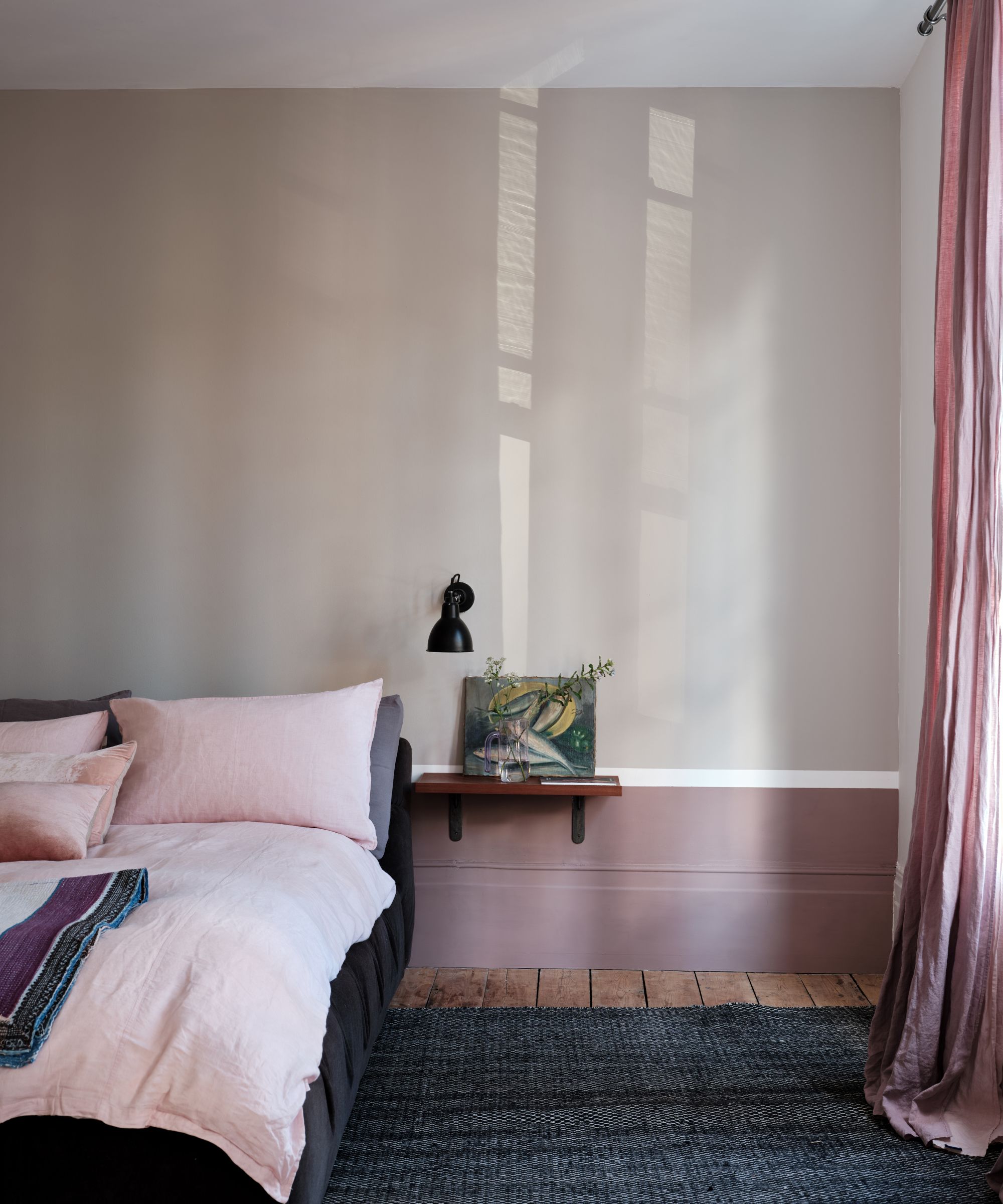
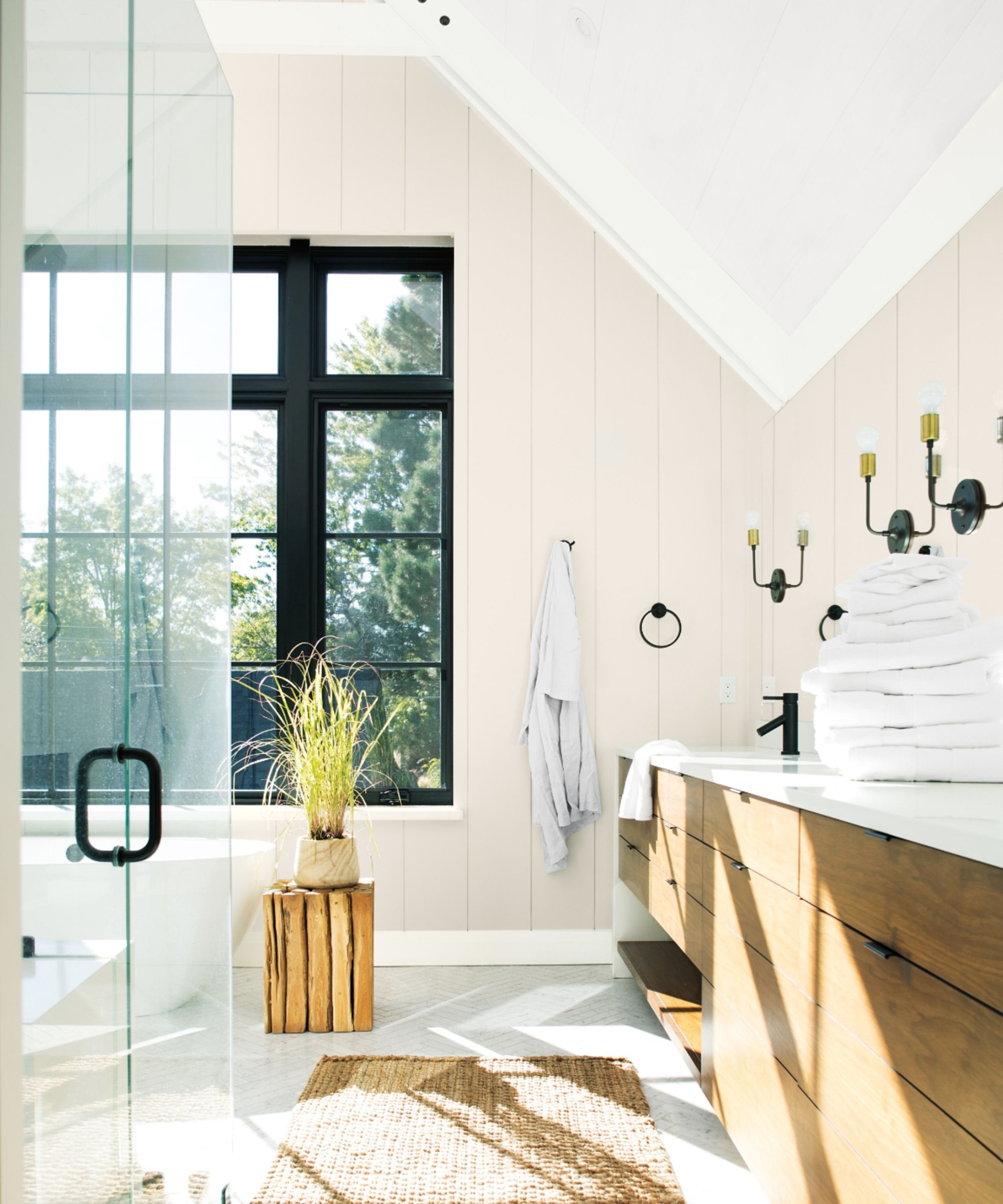
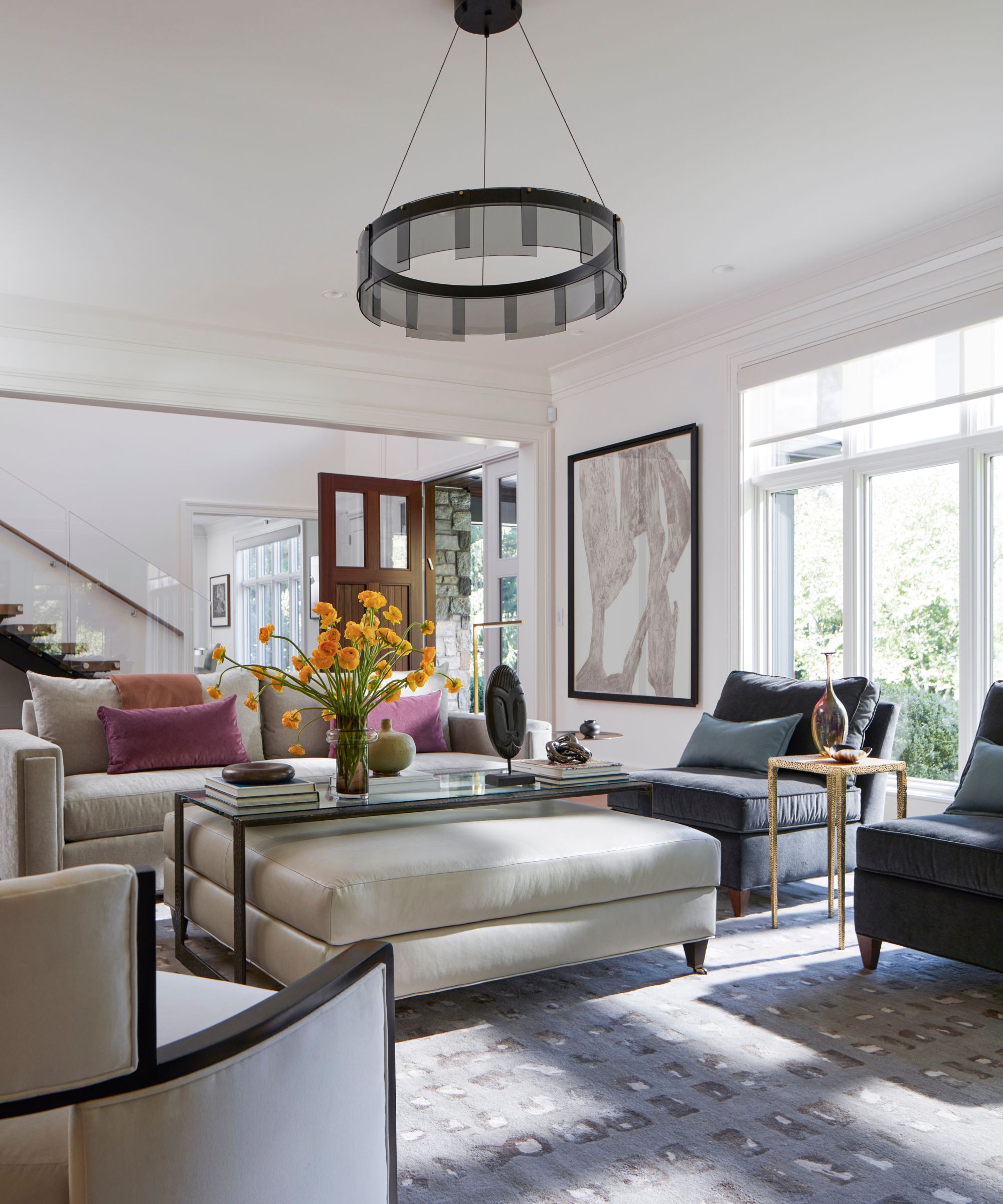
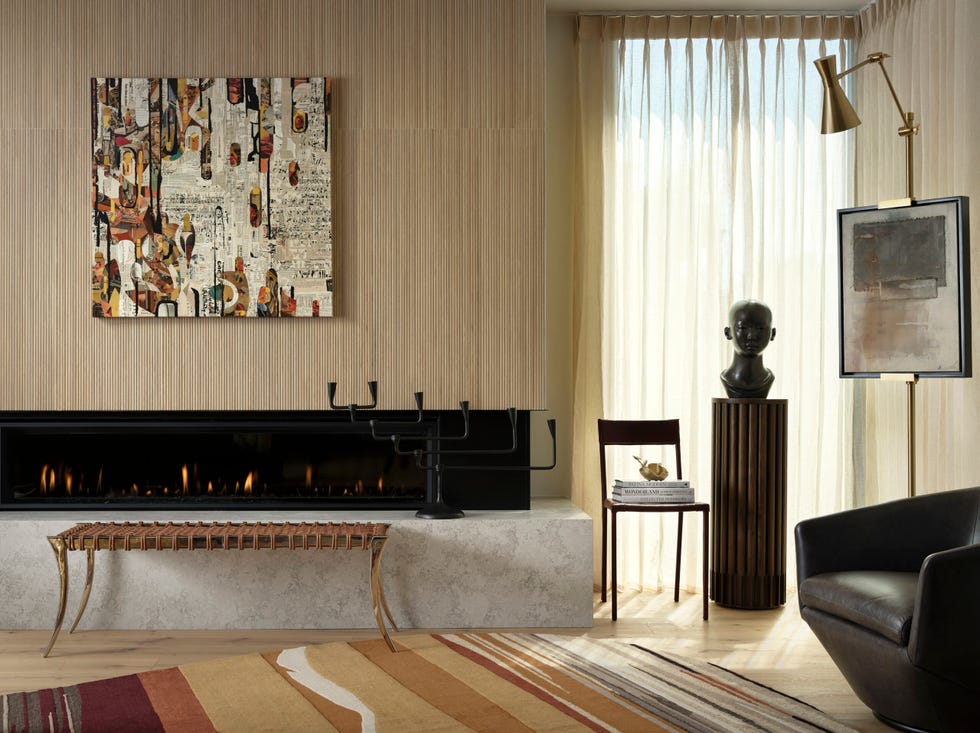
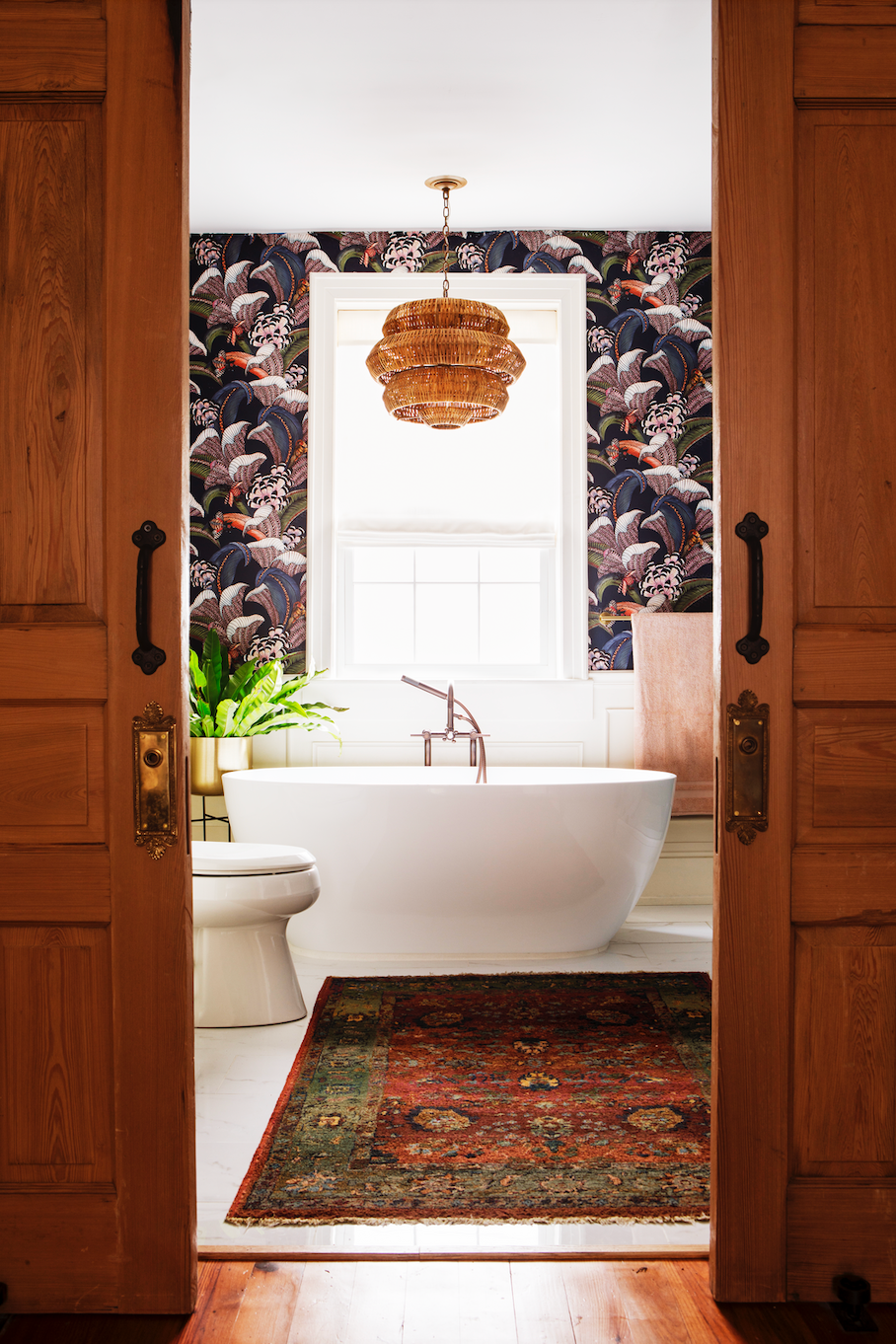
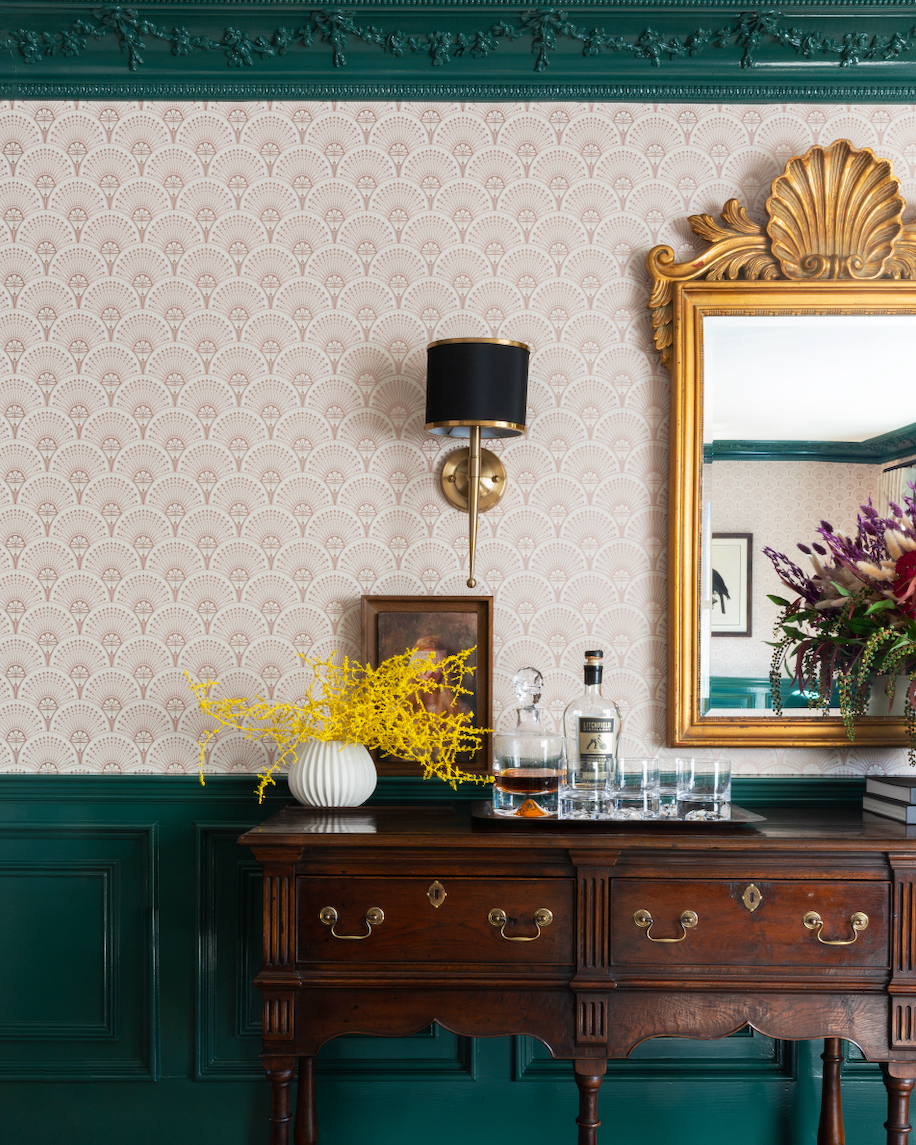
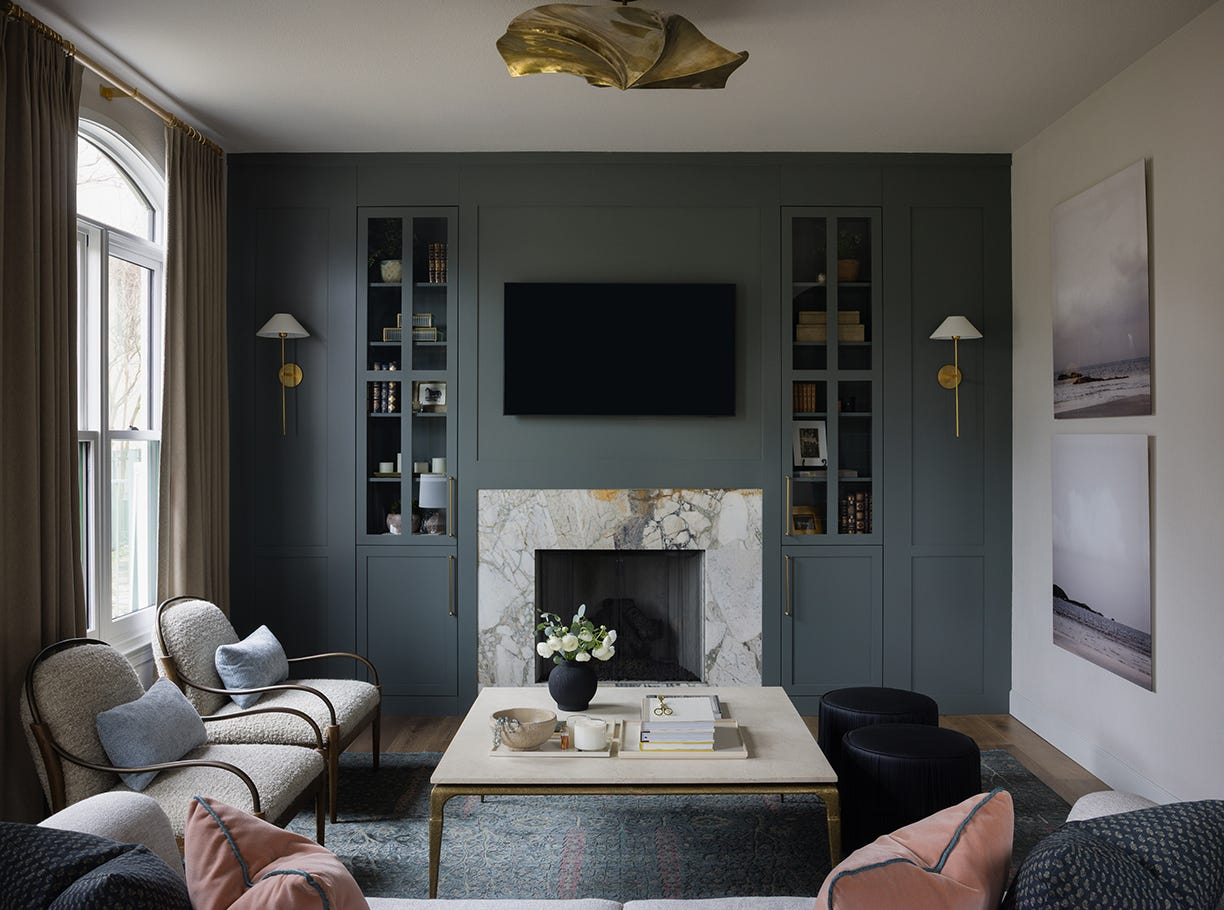
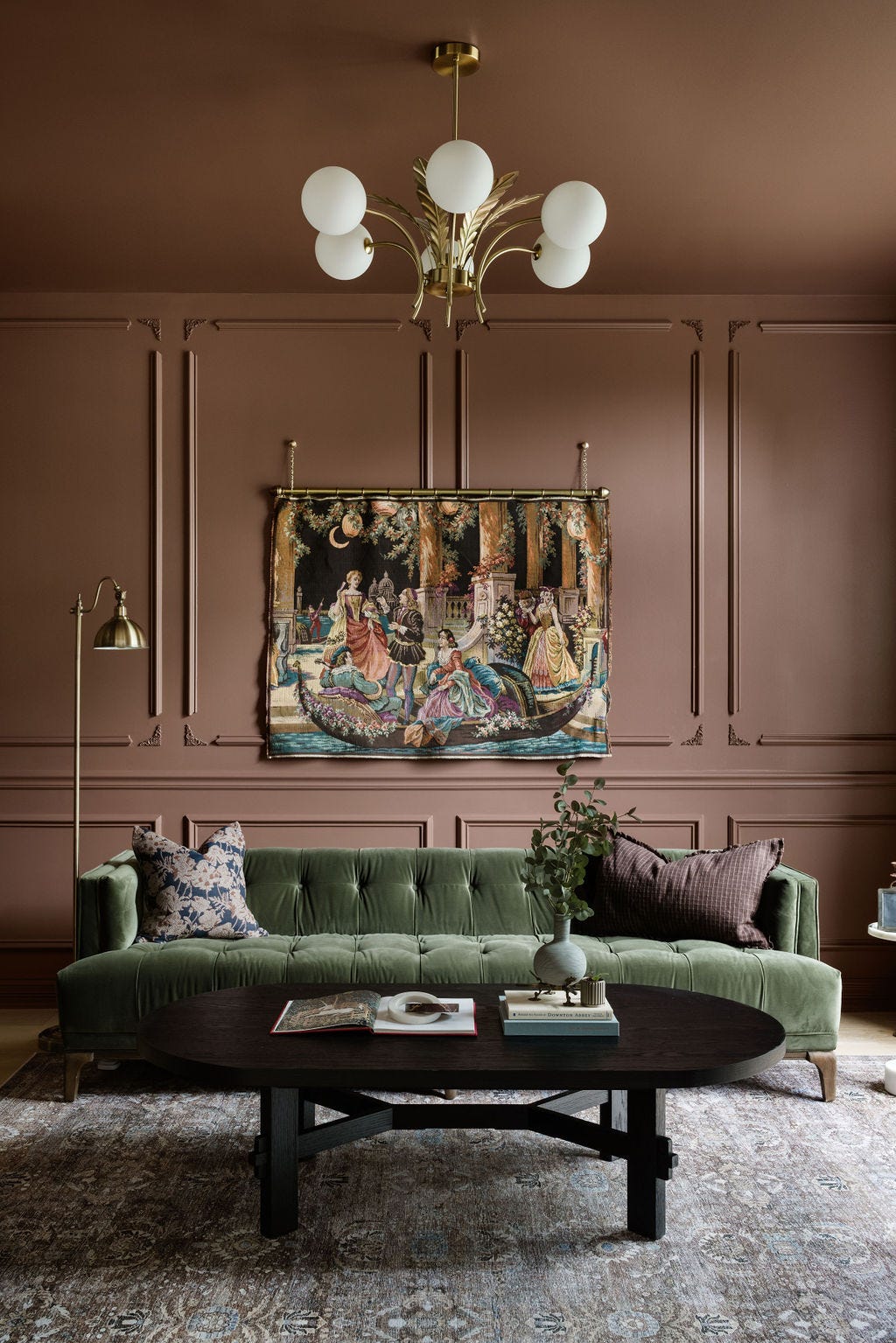
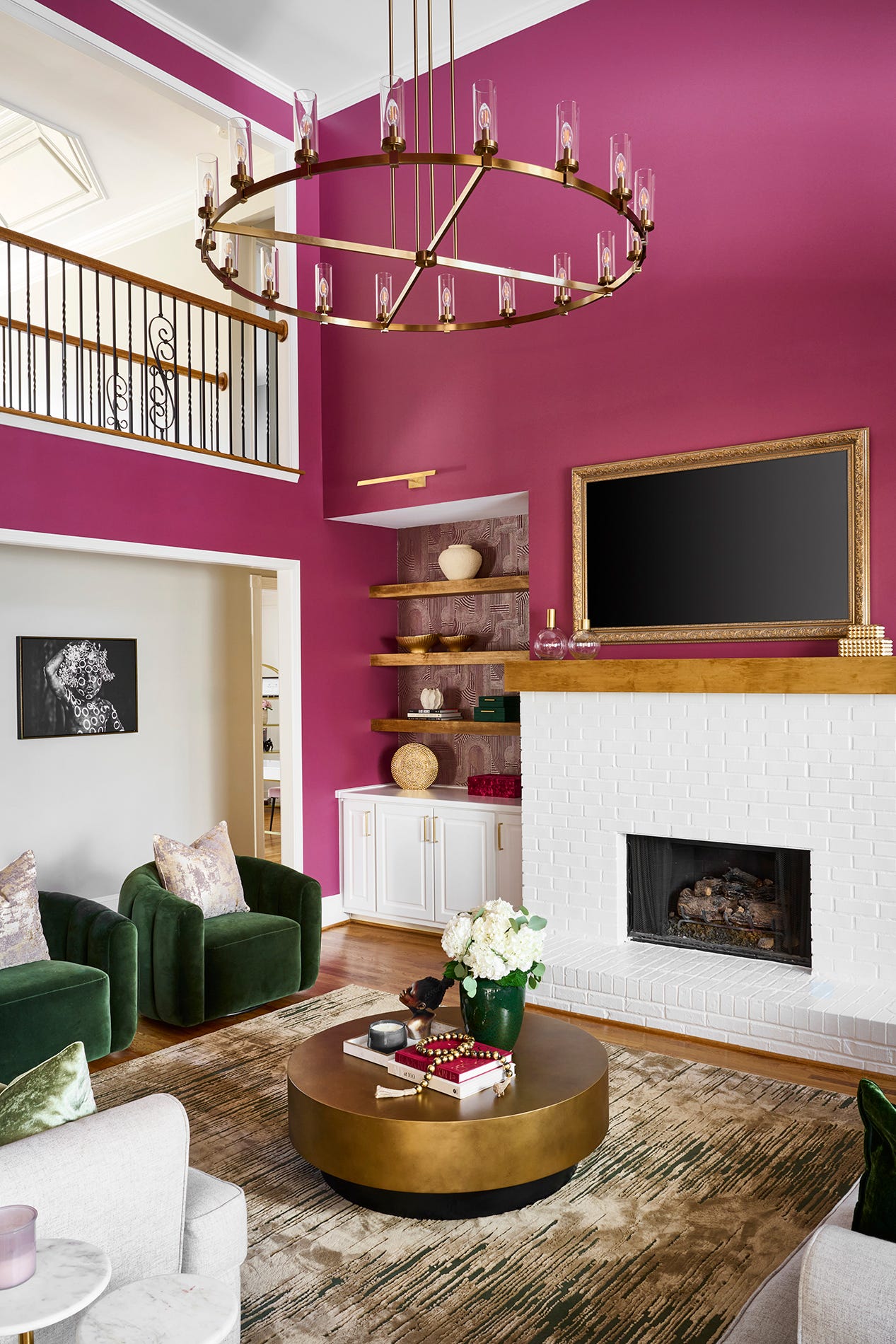
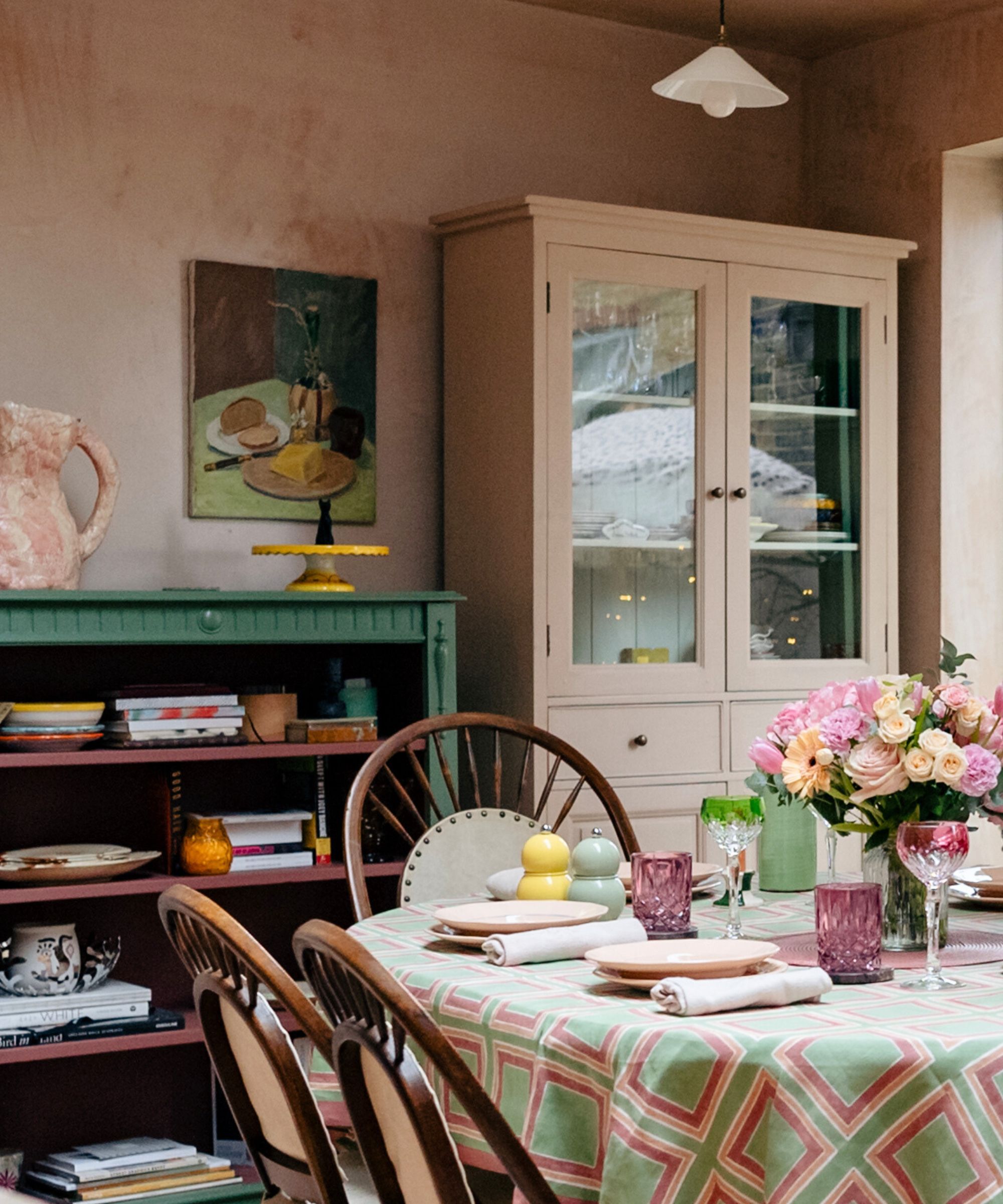
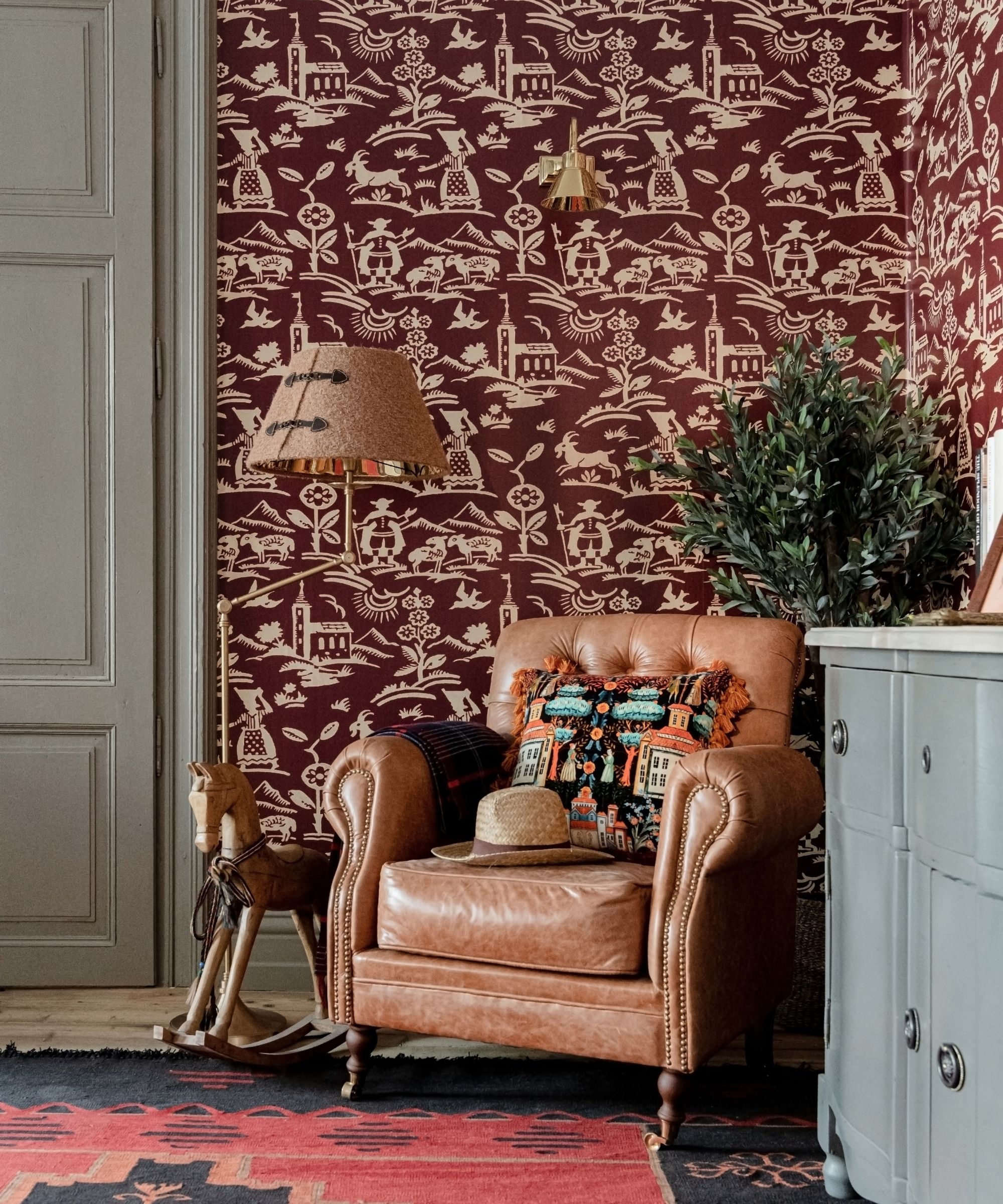
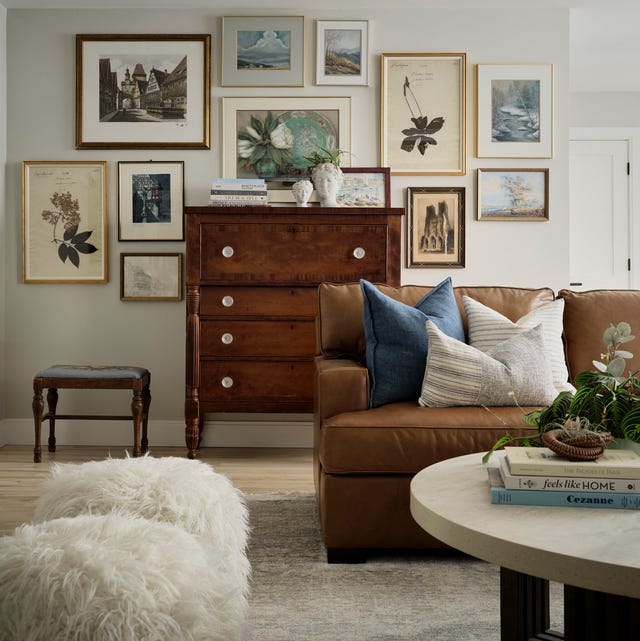
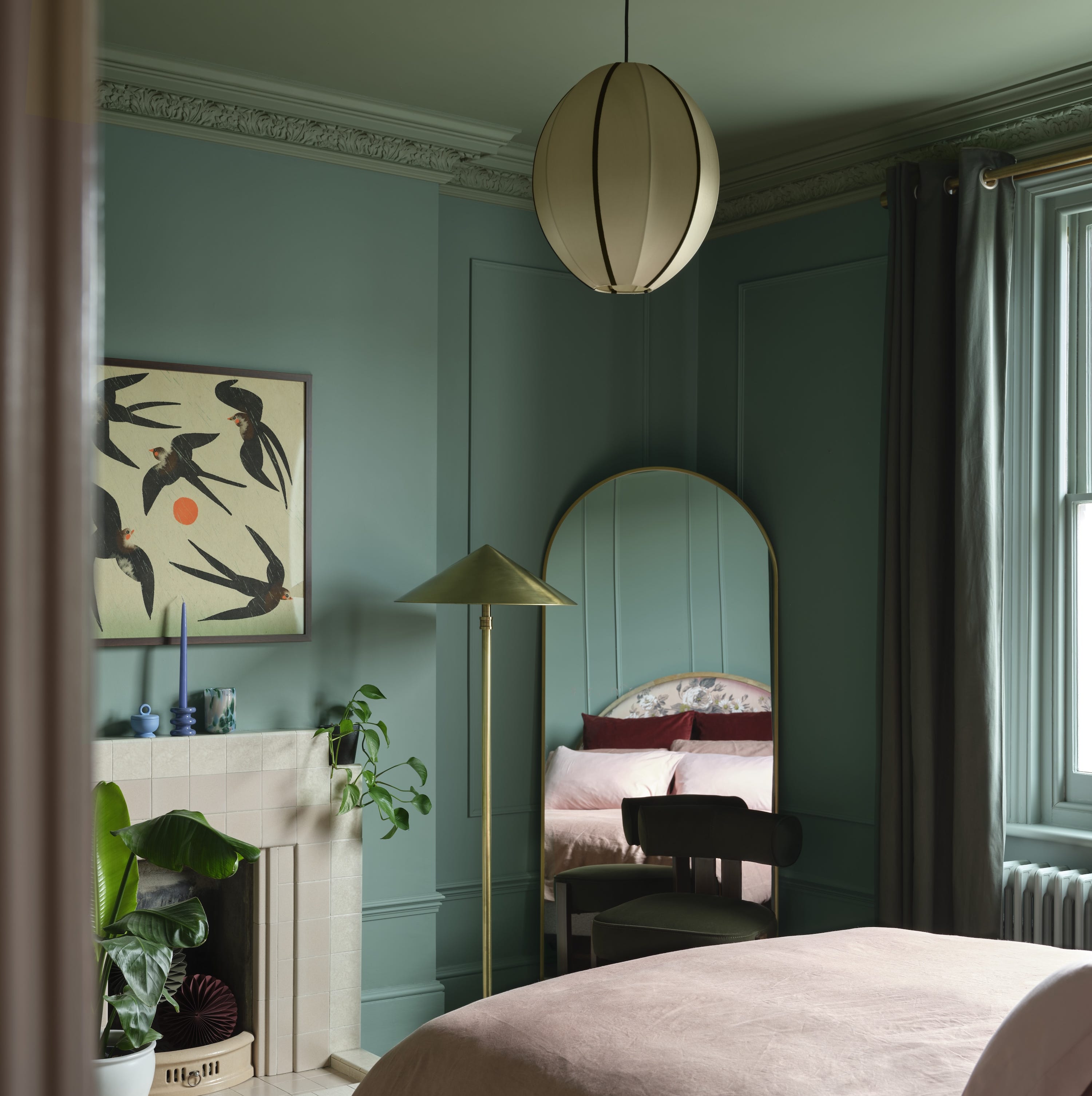
Instead of sponge painting, Gruver advocates for using real materials to add dimension to walls. She suggests options such as plaster finishes, beadboard, or various wallcoverings, each offering a distinct personality and level of permanence. Among these alternatives, picture frame molding is highlighted as a timeless, traditional accent that has recently seen a comeback. This option is versatile, accommodating various budgets and expertise levels. For DIY enthusiasts, easy installation kits are available that minimize cutting and measuring, with even renter-friendly versions existing. For those willing to invest more, custom molding and professional installation are options. If a mix of colors is desired, color-blocking or subtle contrast trim are recommended as more refined alternatives. Gruver emphasizes that wall paint should contribute to a fresh and clean aesthetic, rather than resembling a failed craft project. The overarching advice is to view walls as a backdrop, ensuring they enhance the overall intentional design and feel of a home.
#InteriorDesign #PaintTrends #HomeDecor #SpongePainting #WallDecor #DesignTips #HomeRenovation #WallMolding #HomeStyling #InteriorDesign #PaintTrends #HomeDecor #SpongePainting #WallDecor #DesignTips #HomeRenovation #WallMolding #HomeStyling
Hay 0 comentarios en total
 Aún no hay comentarios
También te puede gustar
Designers Say These Vintage Paint Colors Are Back

The #1 Paint Color Trend of 2025, According to Designers
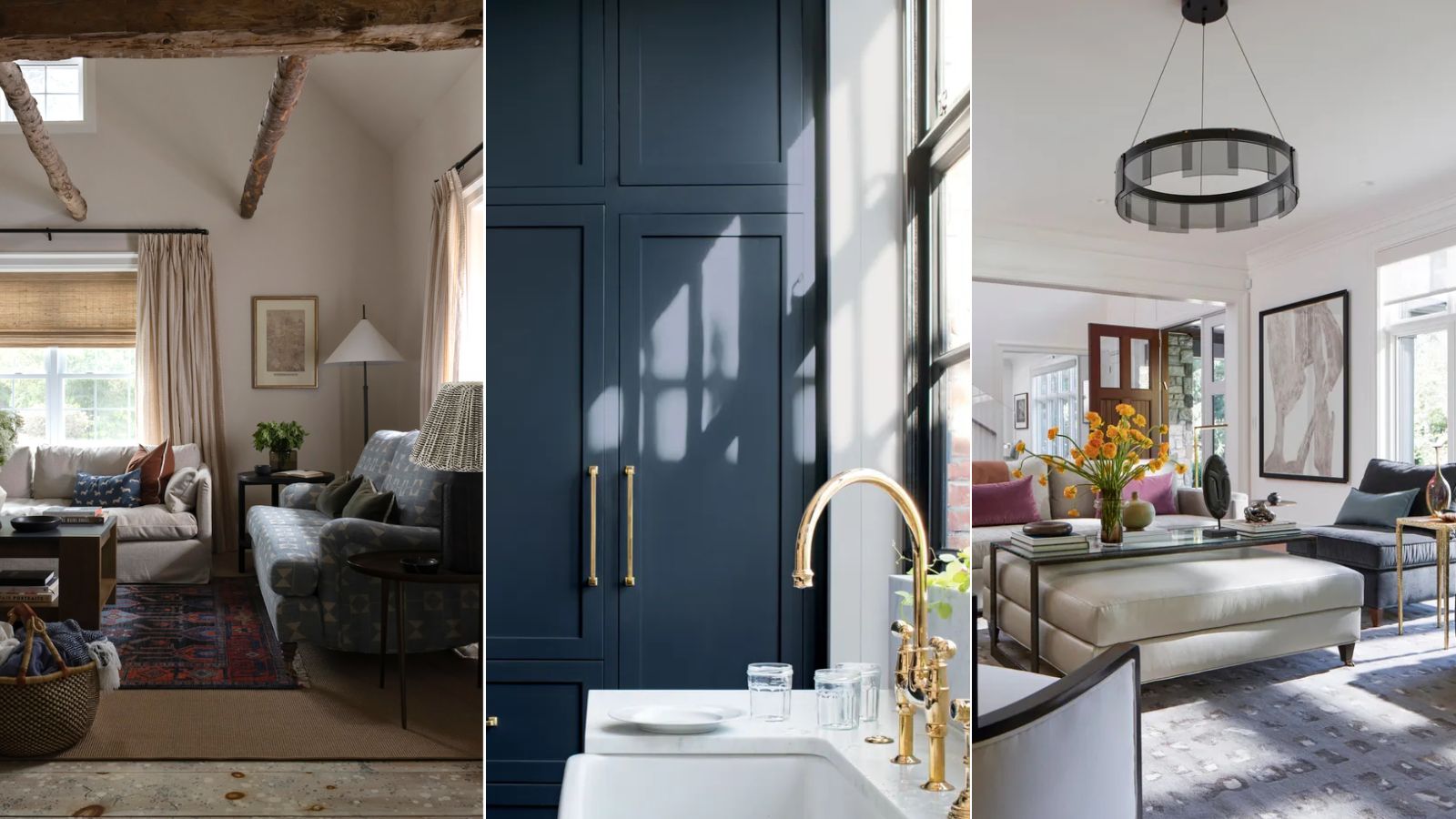
The most timeless paint colors according to designers

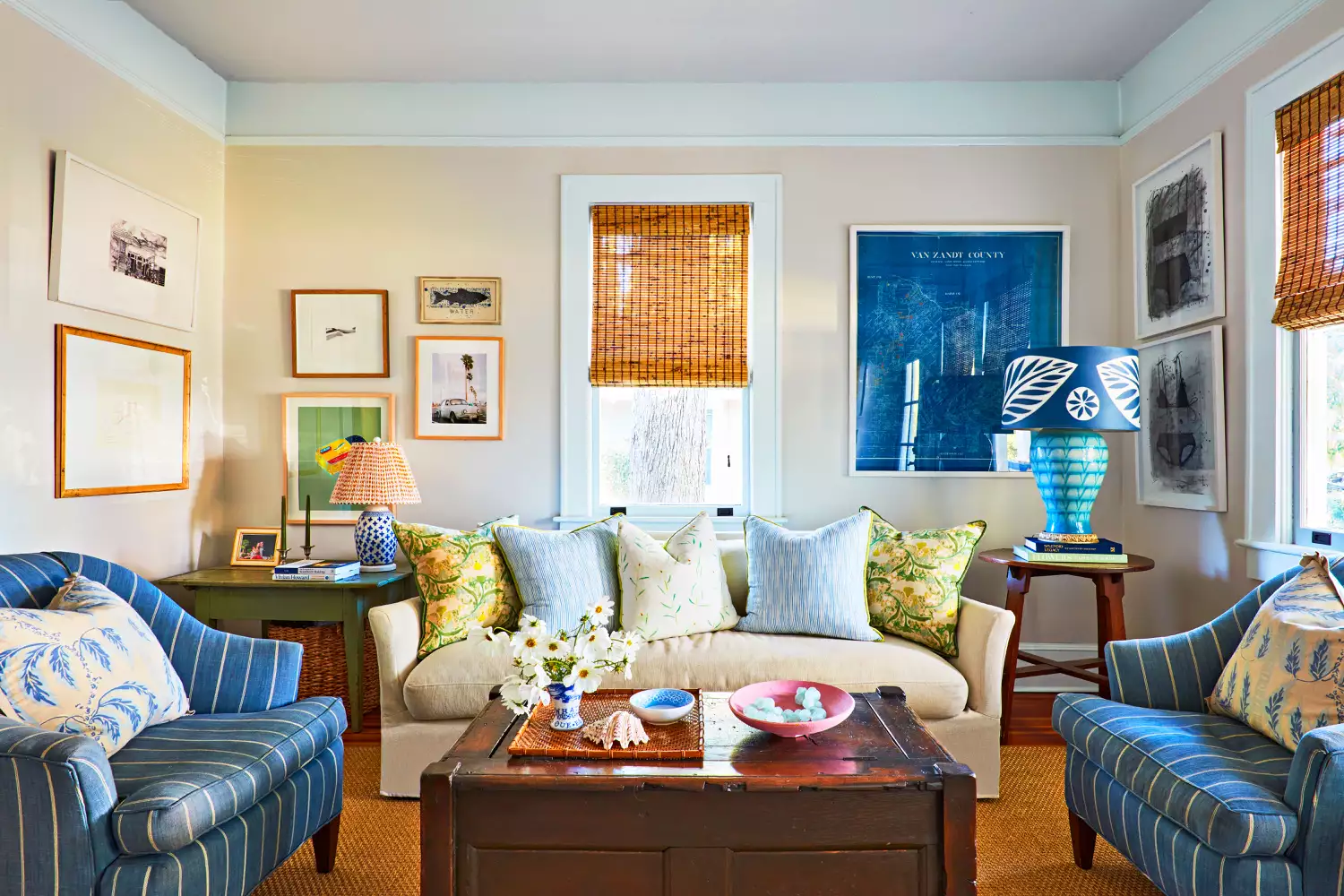
5 Paint Color Trends We Hope Don't Come Back This Year
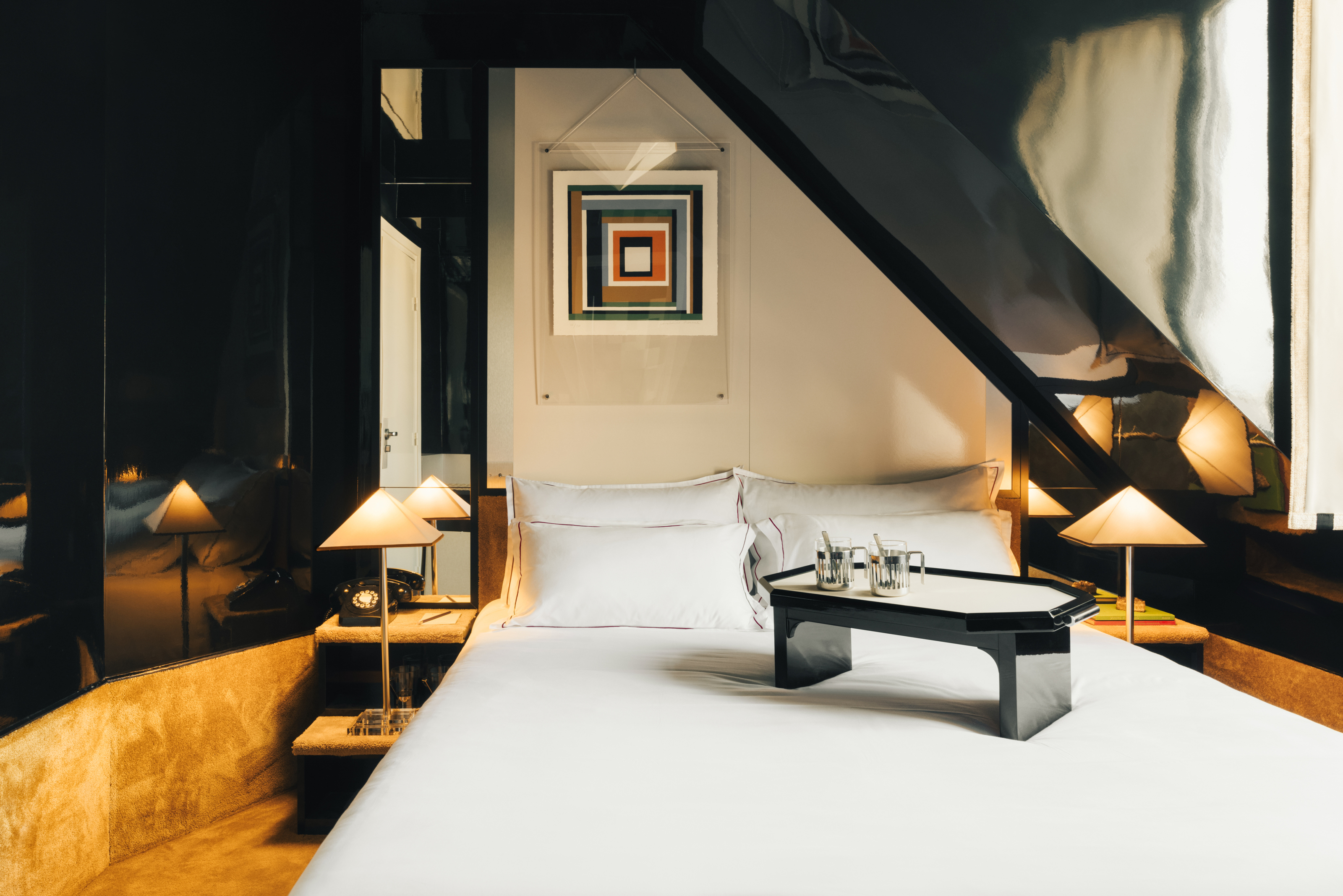
This Outdated Paint Trend is now Predicted to Return — Designers Love its "Fun, Eye-Catching Glamor"

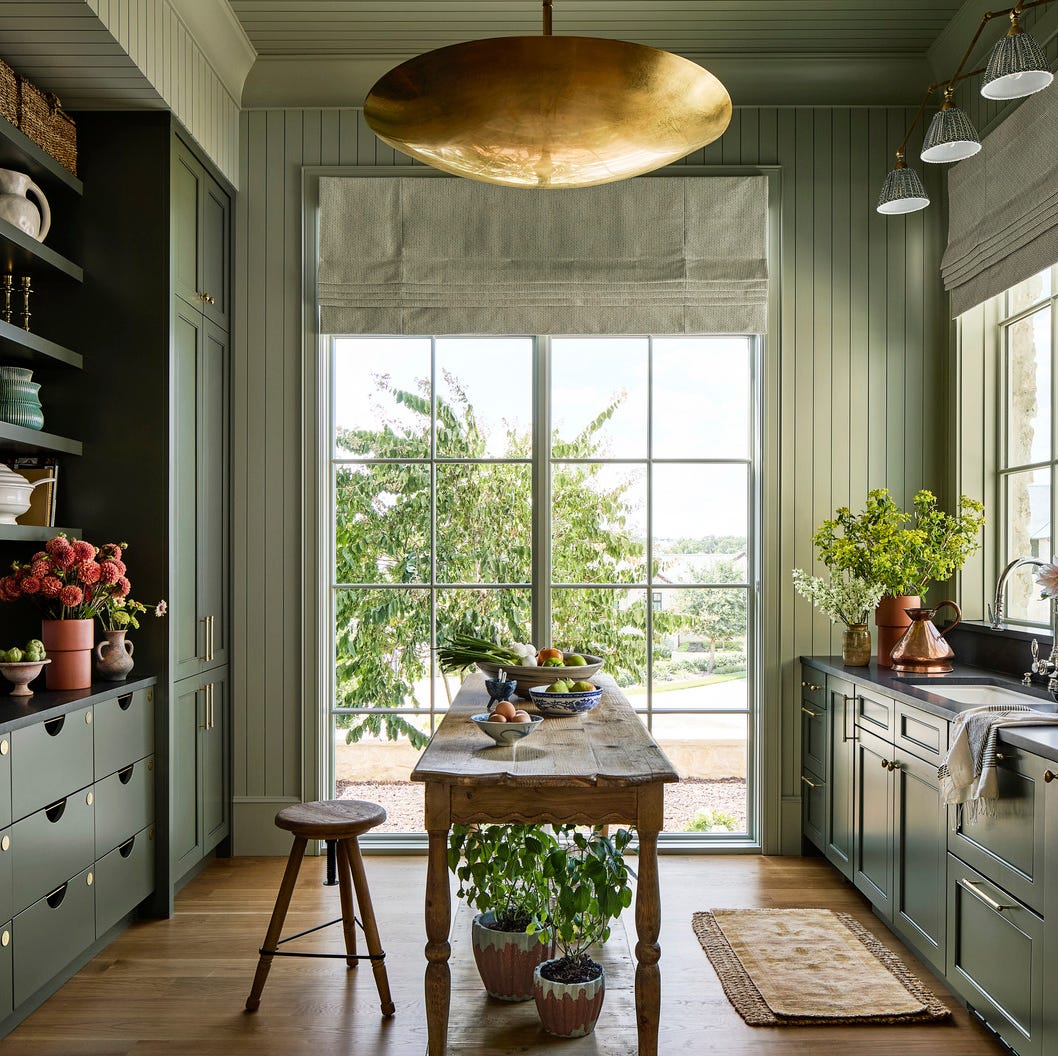
5 Timeless Paint Colors That Will NEVER Go Out of Style, According to Designers

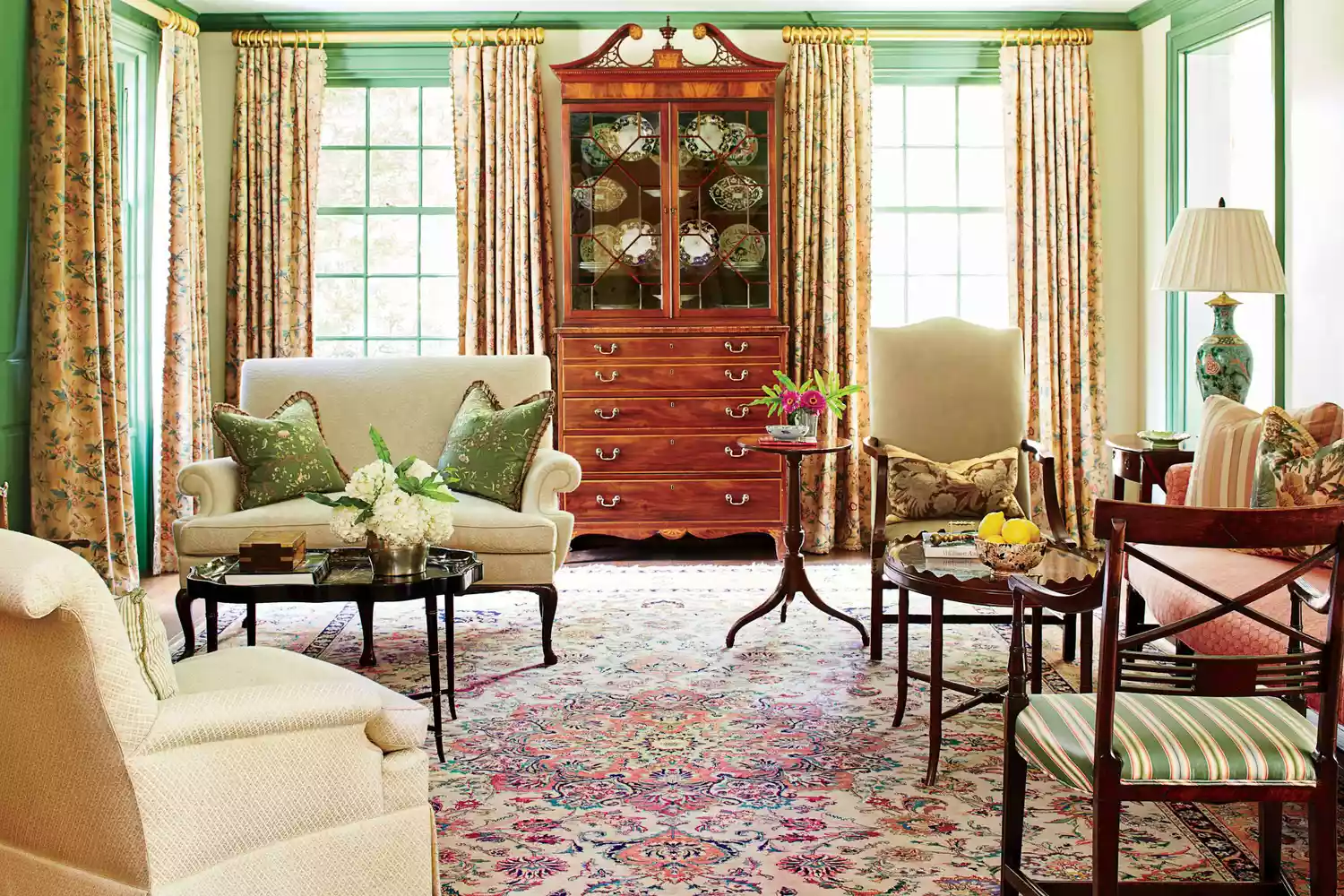
The Decorating Trend We Hope Never Comes Back
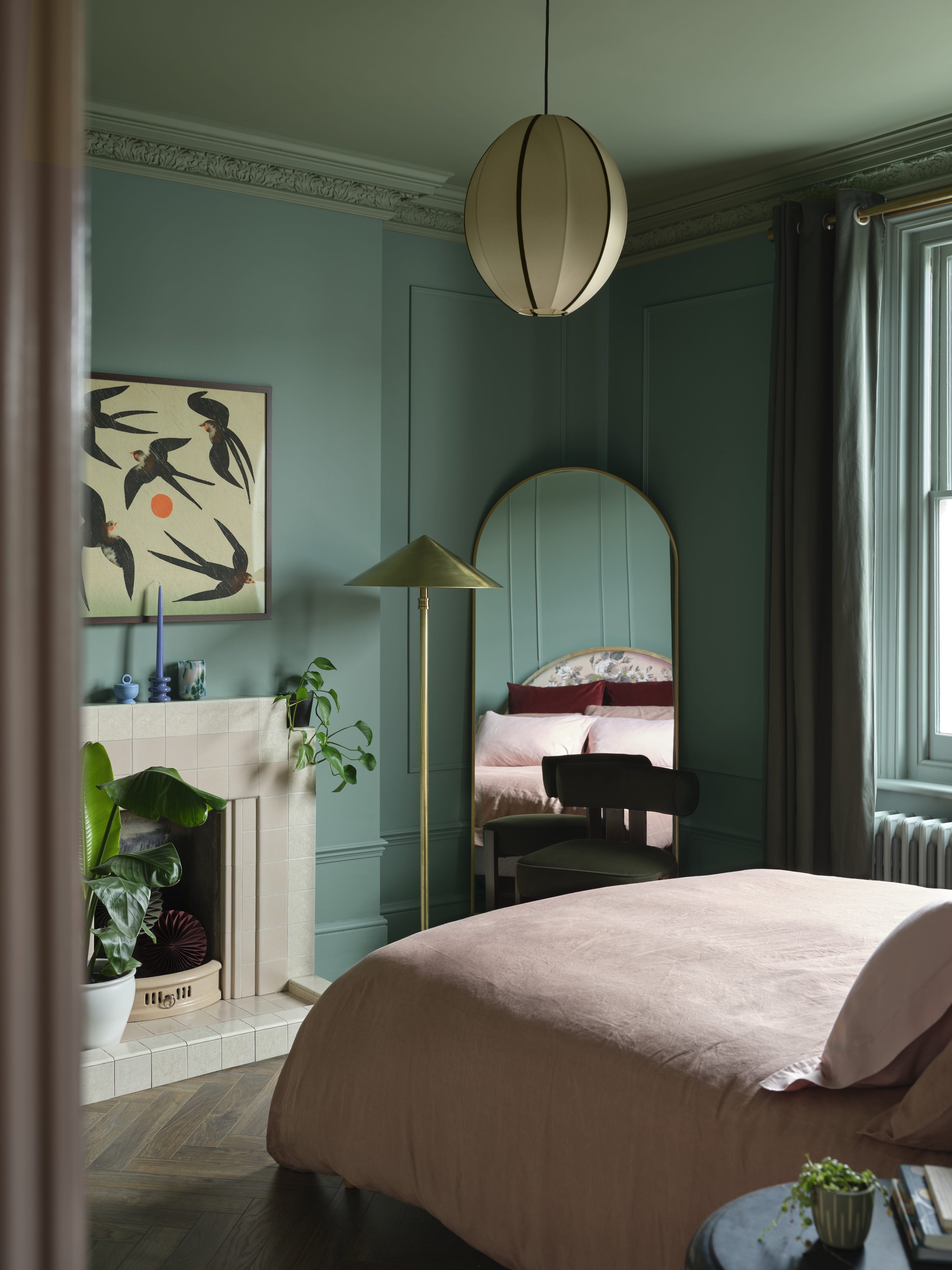
Interiors experts predict this will be the biggest paint trend of 2026

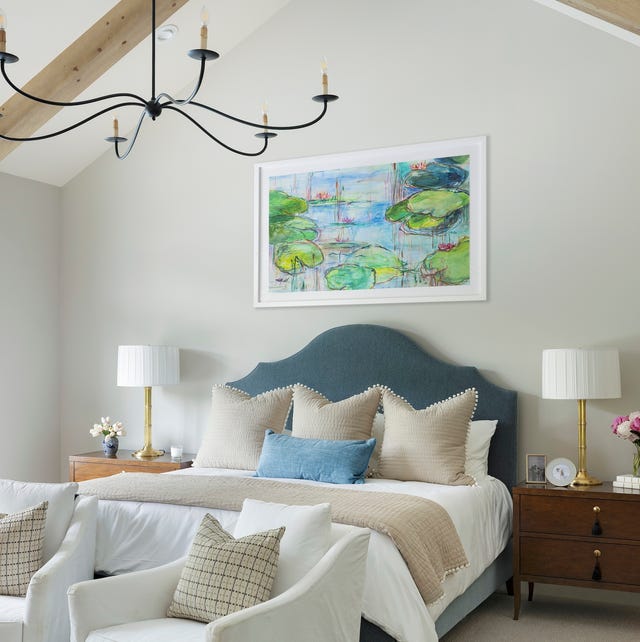
These 20 Paint Colors Will Never Go Out of Style, According to Designers
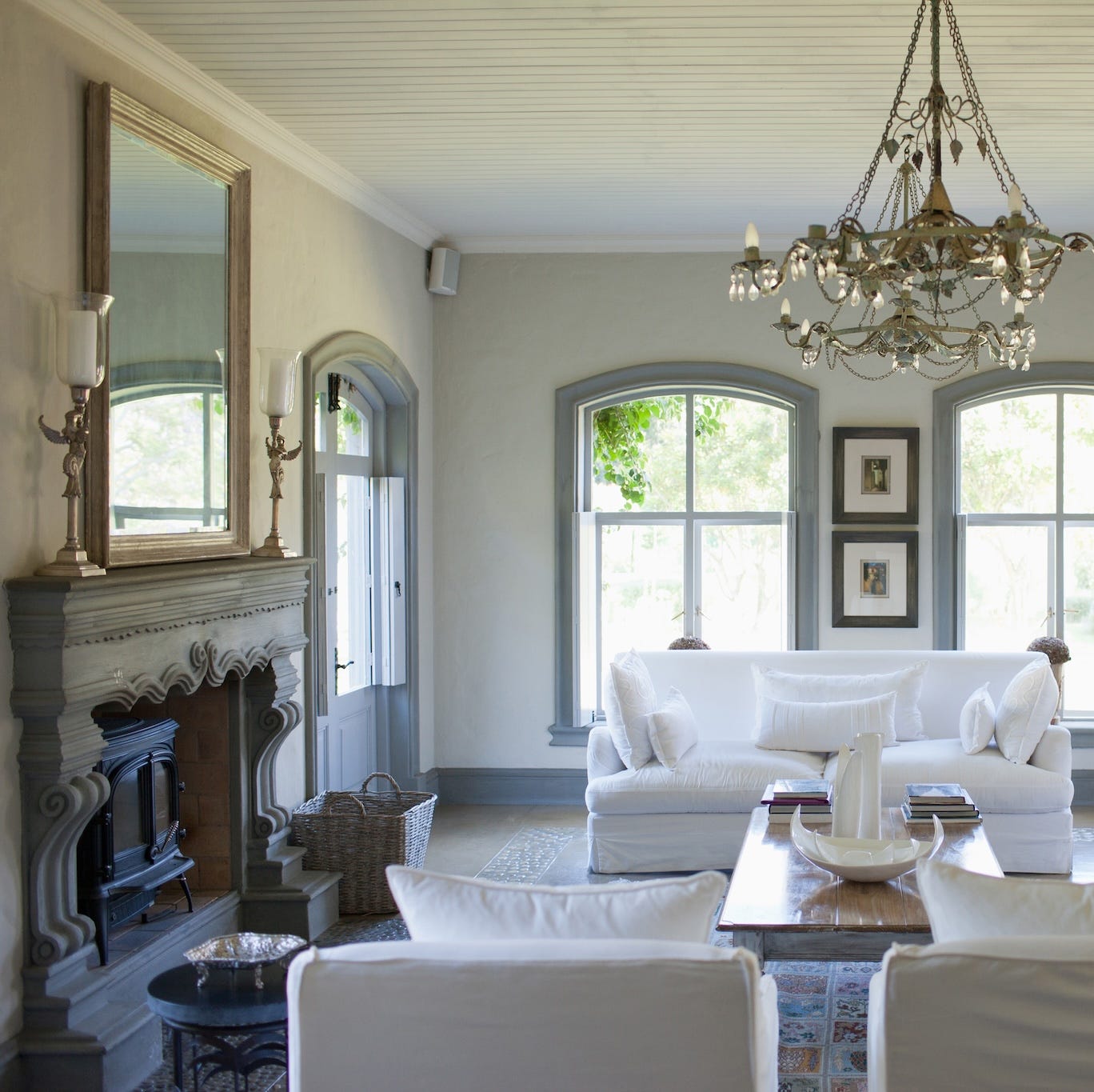
Designers Have Spoken: This Vintage Trend Is Never Coming Back
The #1 Retro Design Trend Designers Say is Making a Comeback

The 5 outdated paint colors of 2024 designers loathe — and what they're loving instead

Designers Hope This Early 2000s Paint Trend Never Comes Back
Designers Predict This Will Be The Biggest Paint Trend Of 2026
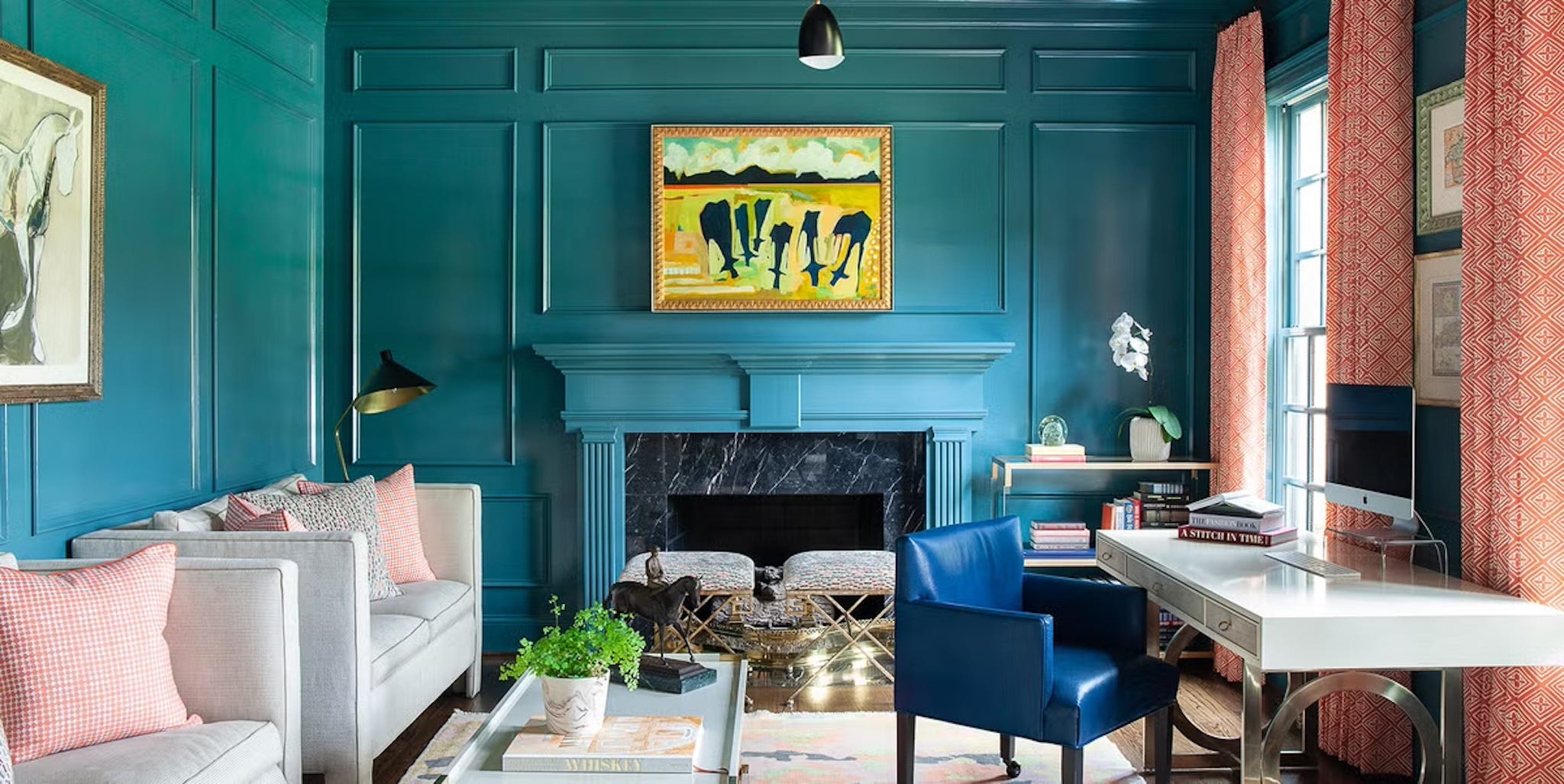
Design Pros Have Spoken: Here Are the Only Paint Color Trends That Matter in 2022
Surprise: 1990s Design Trends Are Coming Back
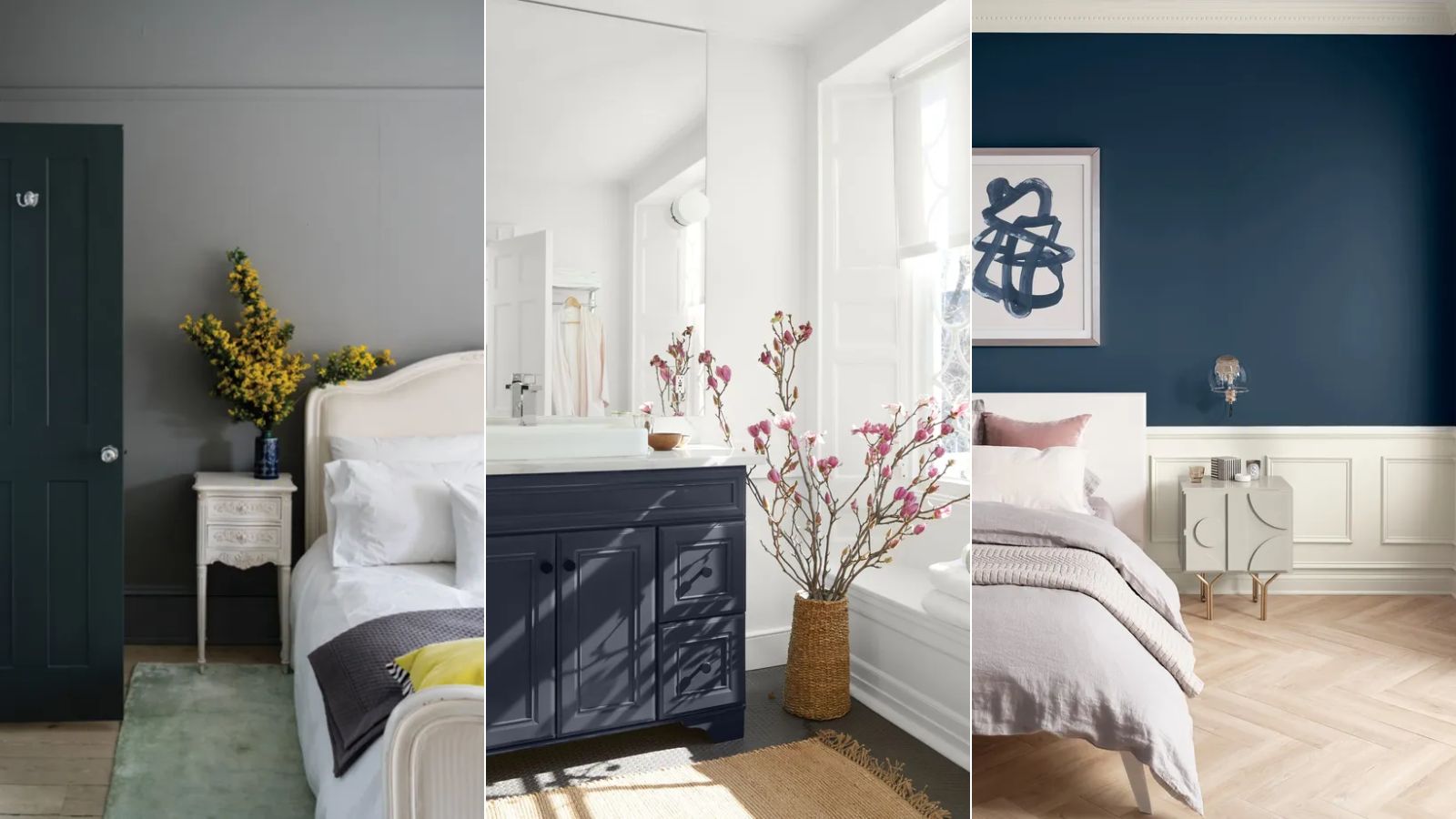
Paint colors going out of style in 2025
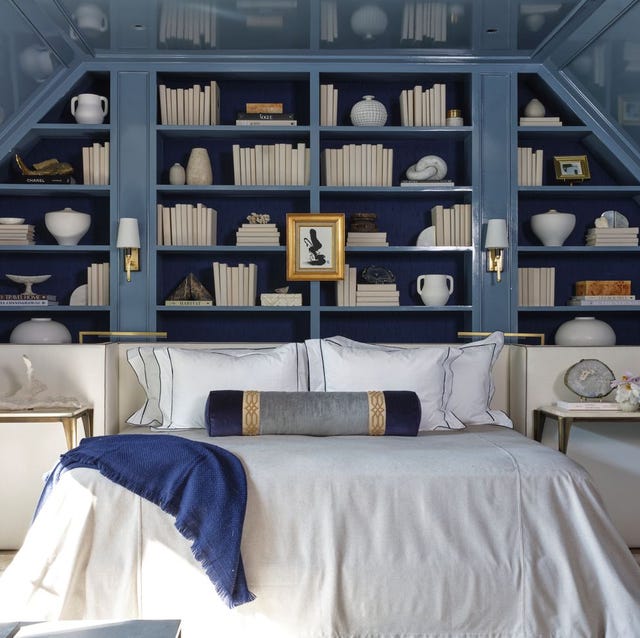
The Color Drenching Paint Trend Isn't Going Anywhere
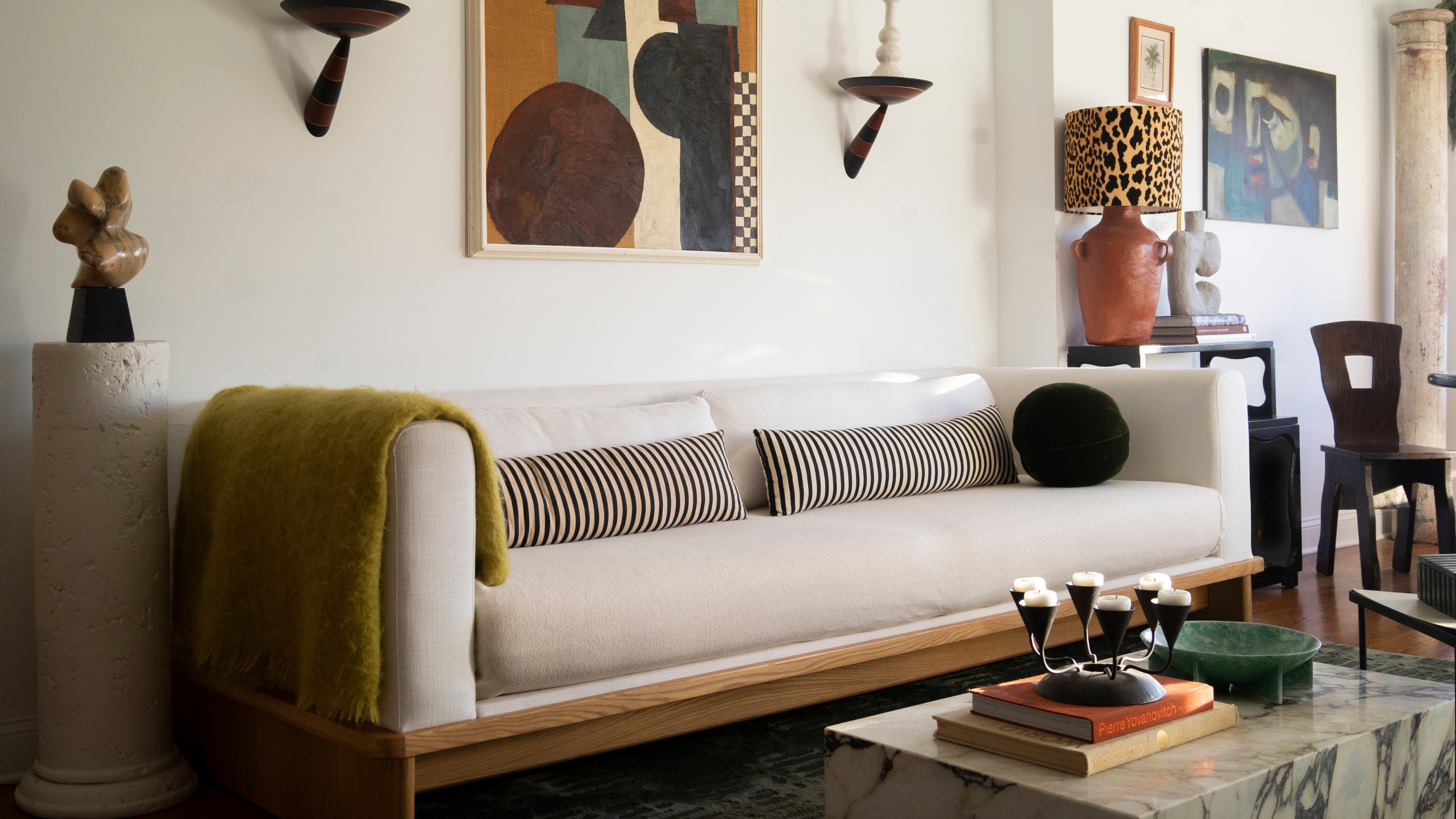
Designers' Reveal the Biggest Pattern Trends for 2025, and It's Shaping Up to Be a Bold Return to the Classics
Every Designer I Talked to Said This Popular Paint Color Is on Its Way Out