1/16
Kitchen Organization With The Home Edit
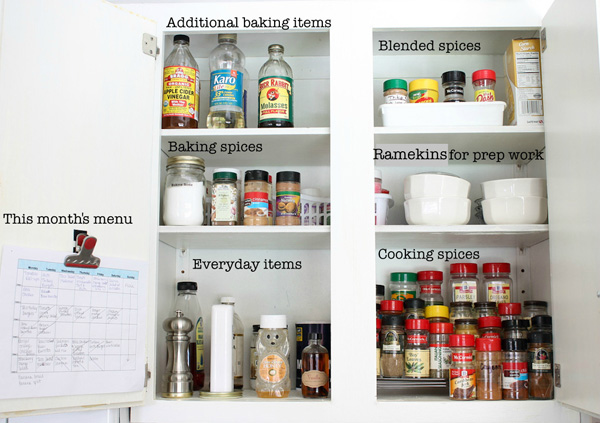
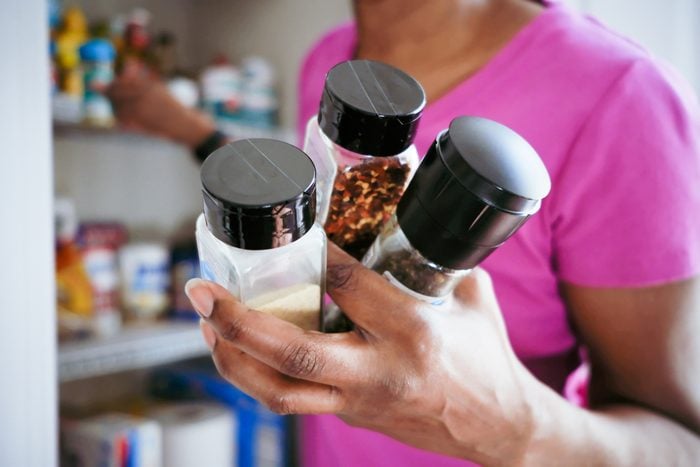
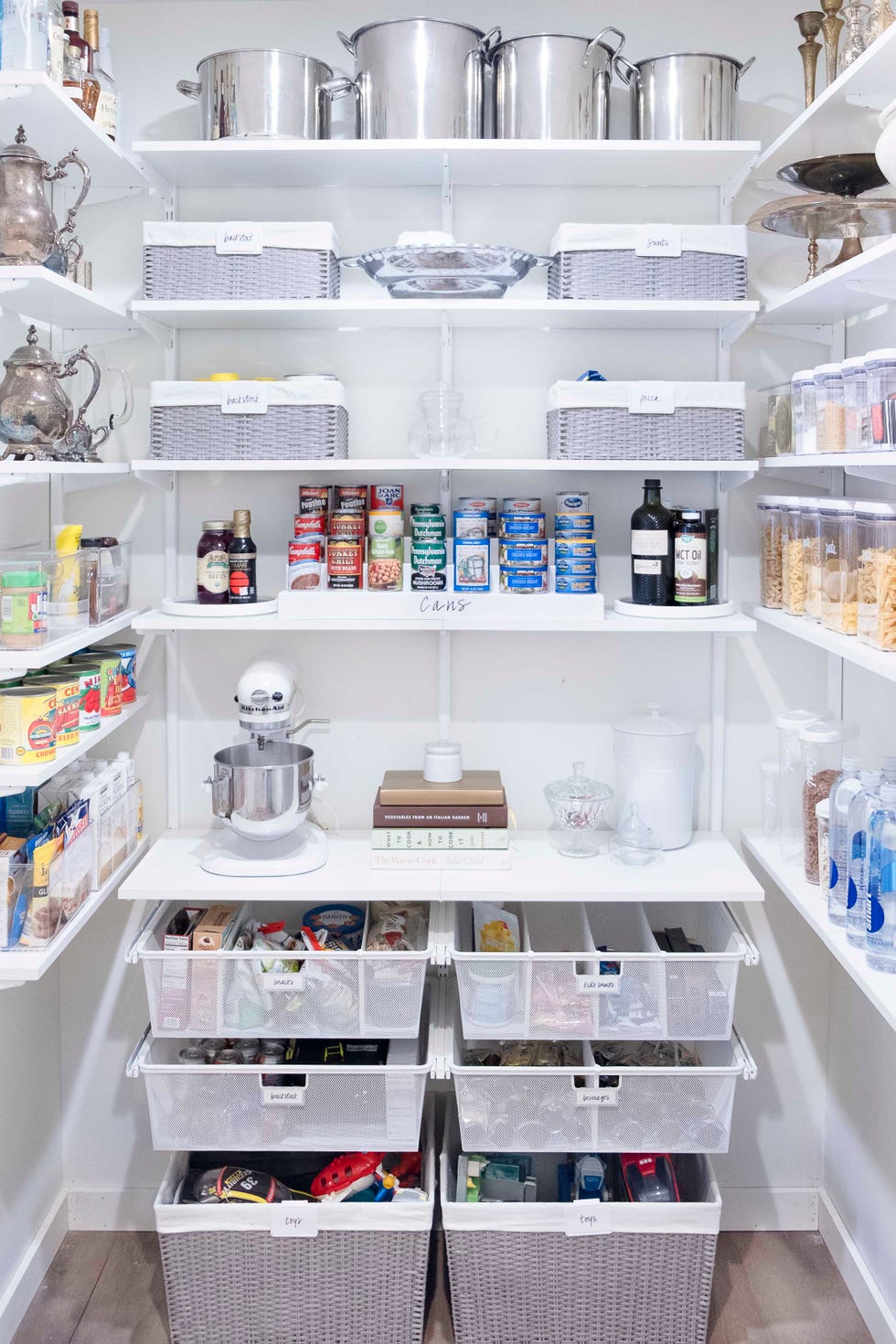
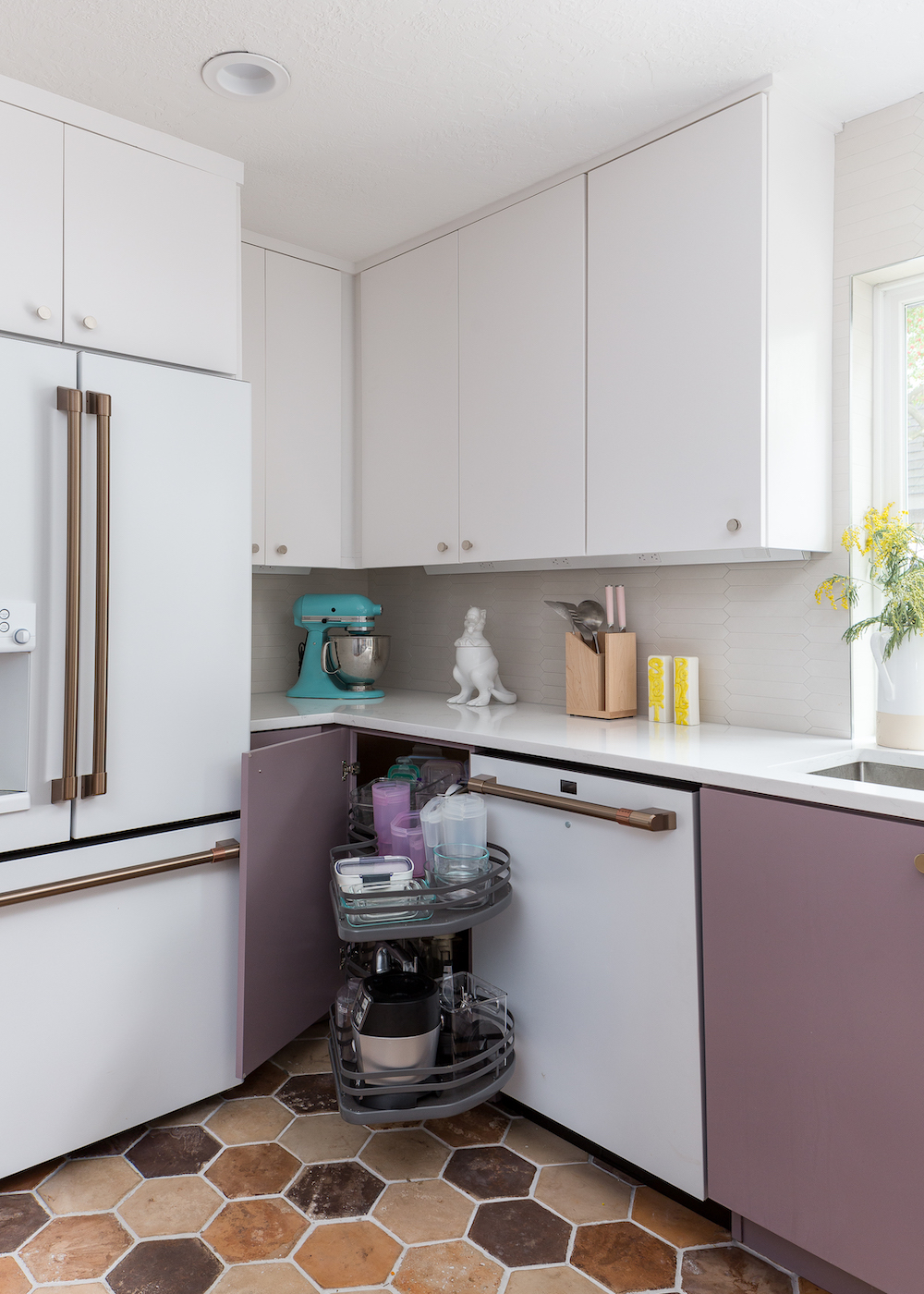
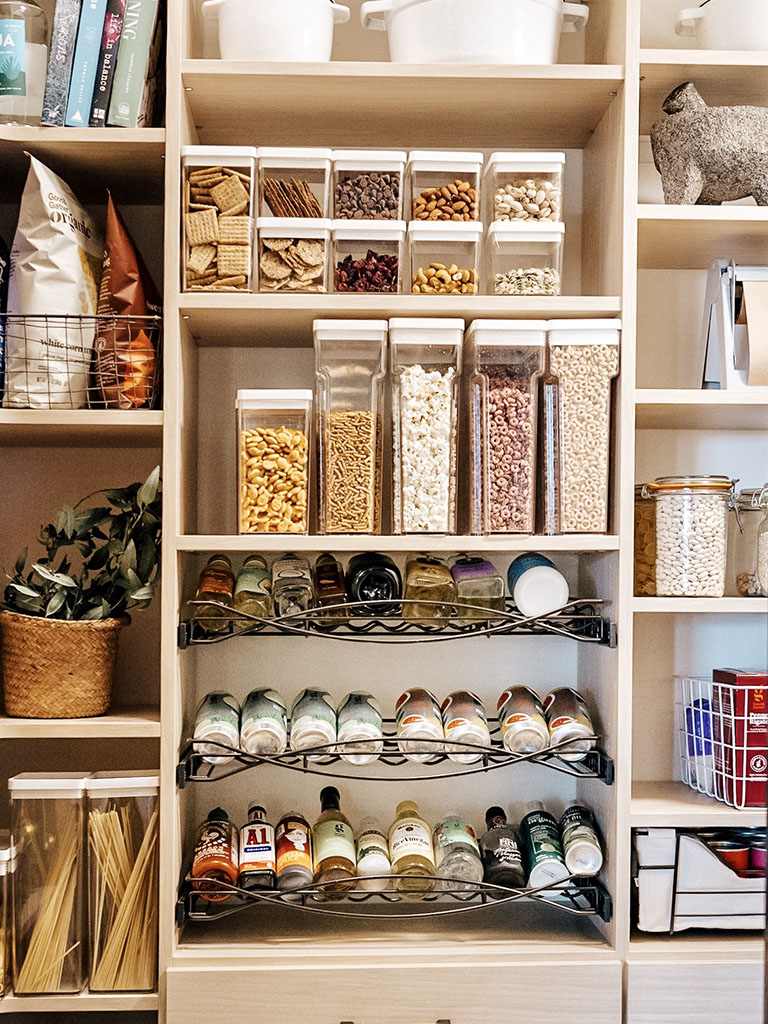
This article discusses kitchen organization, drawing insights from the expertise of The Home Edit, whose philosophy merges traditional organizing with interior design and styling. The primary goal is to establish functional systems that can be maintained over time while simultaneously enhancing the visual appeal of the space. The process commences with an essential editing phase, which involves removing all items from a designated area, such as a pantry, and placing them on a floor or table to assess the full scope of what needs organizing. During this stage, decisions are made regarding which items to retain, discard, or repurpose. Emphasizing the critical nature of purging, the article advises against merely shuffling clutter, as this undermines effective organization. Following the editing process, remaining items are categorized into broad groups, such as flatware or wine glasses, to facilitate the development of a functional storage system.
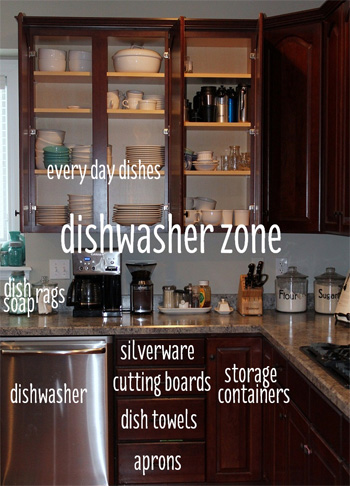
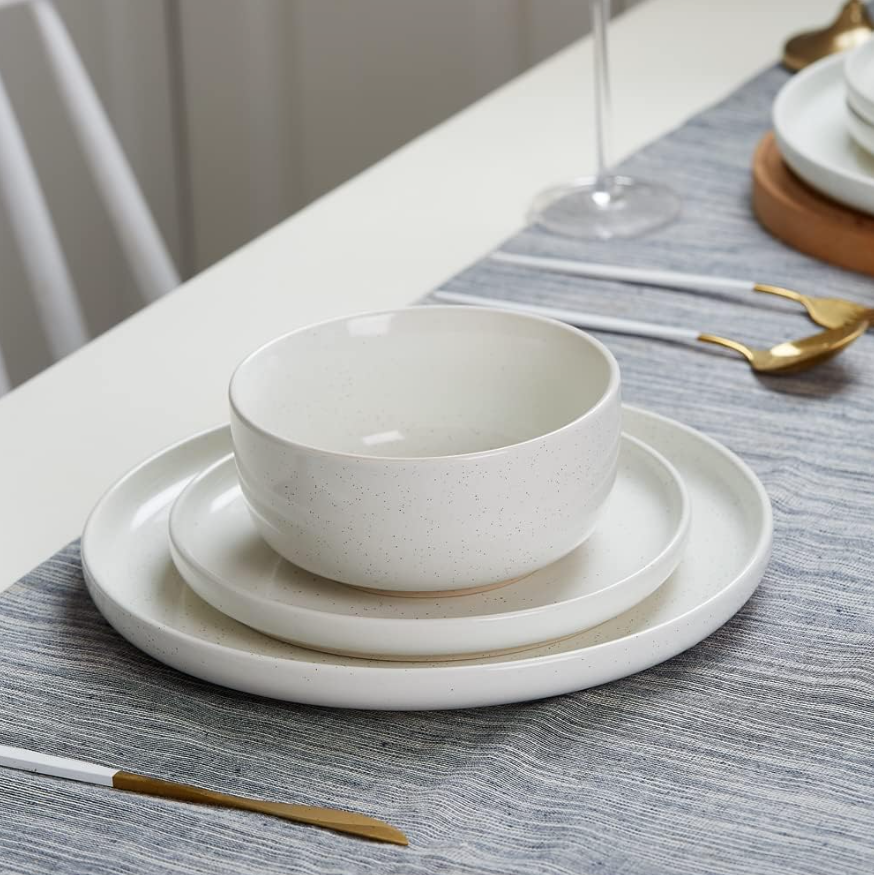
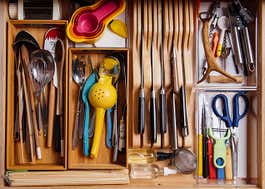
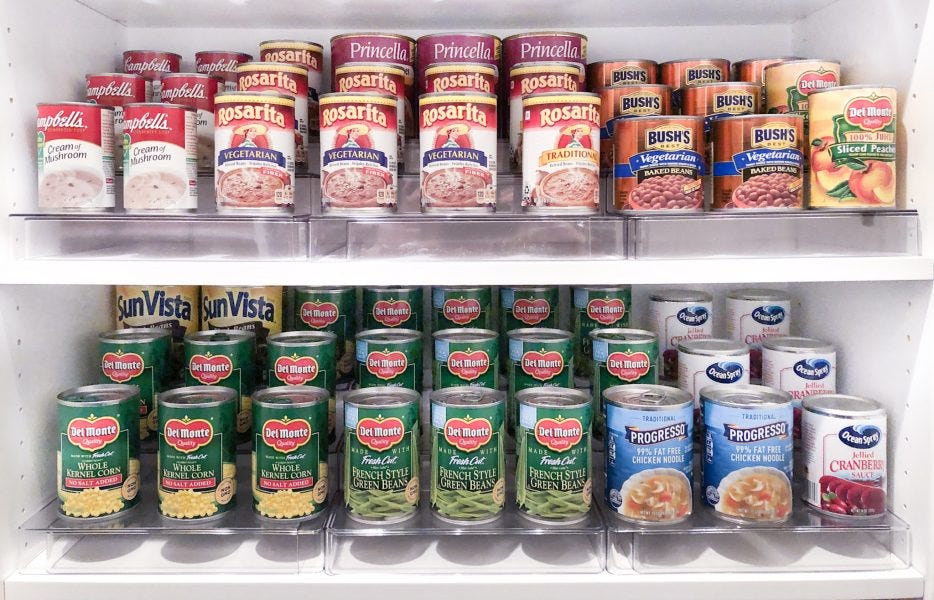
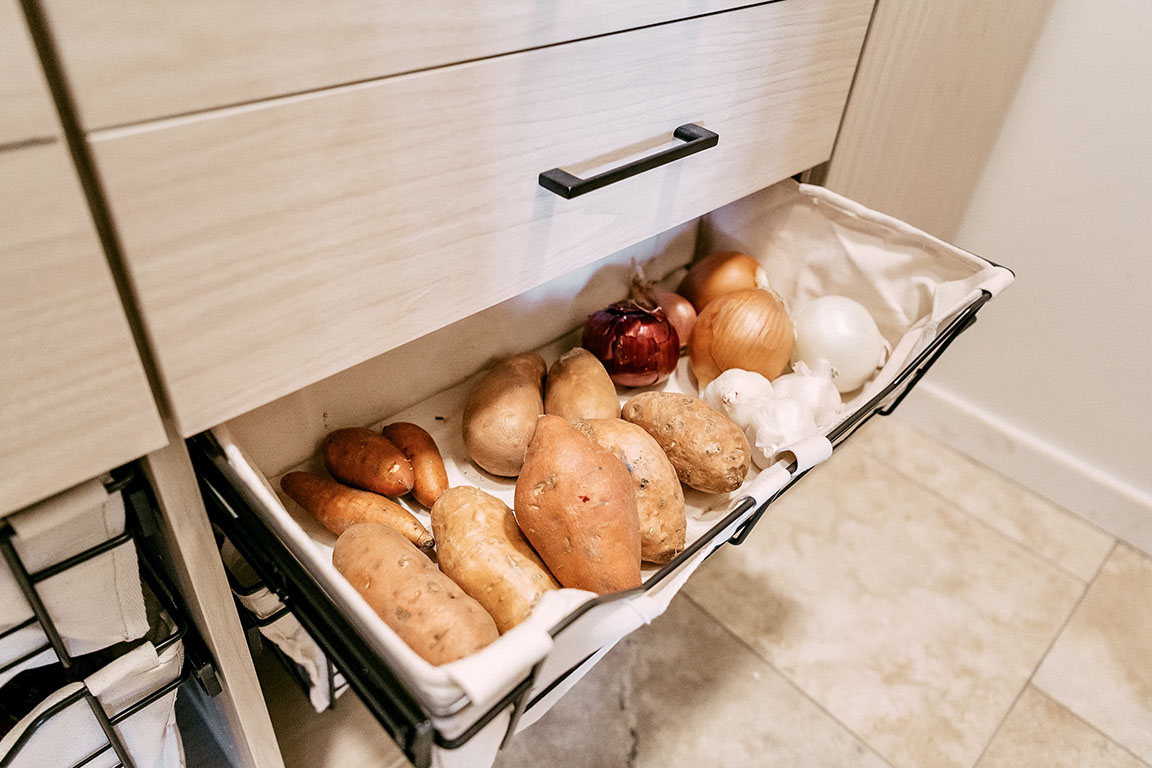
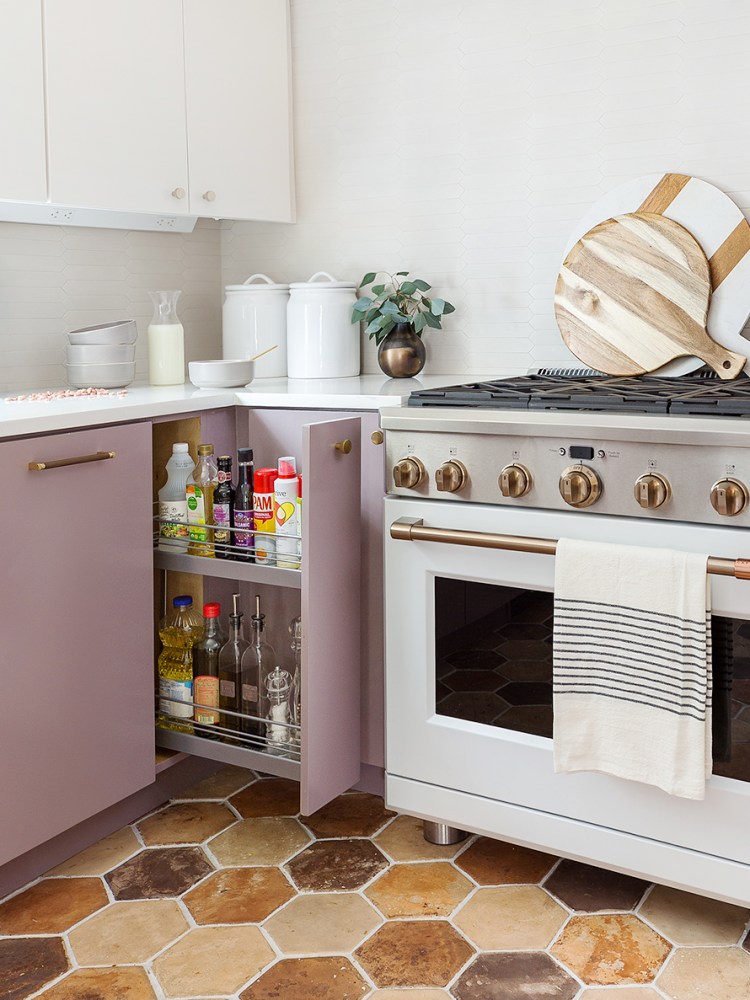
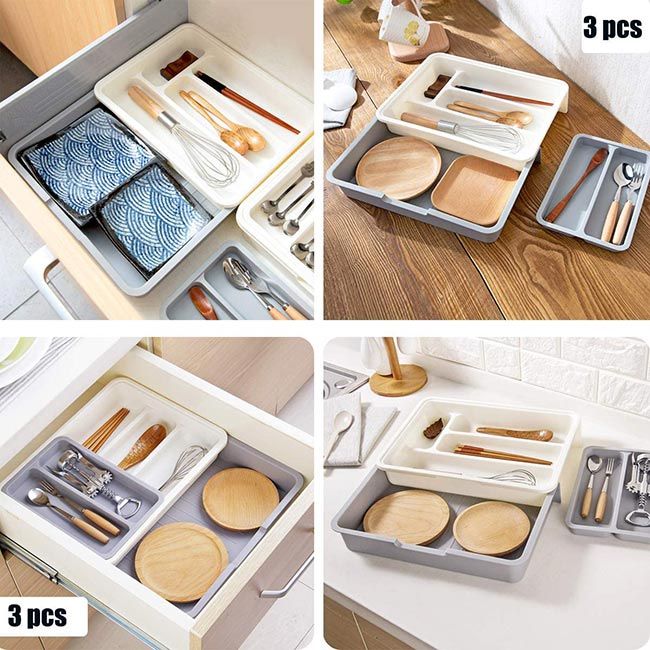
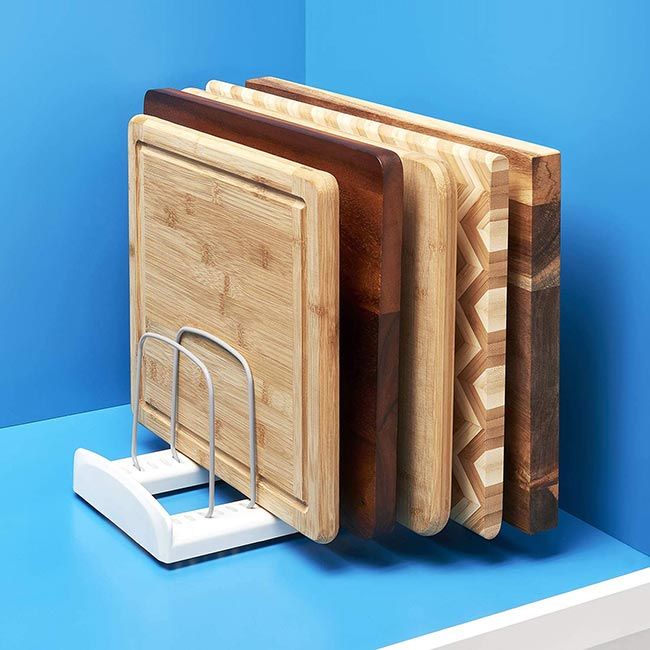
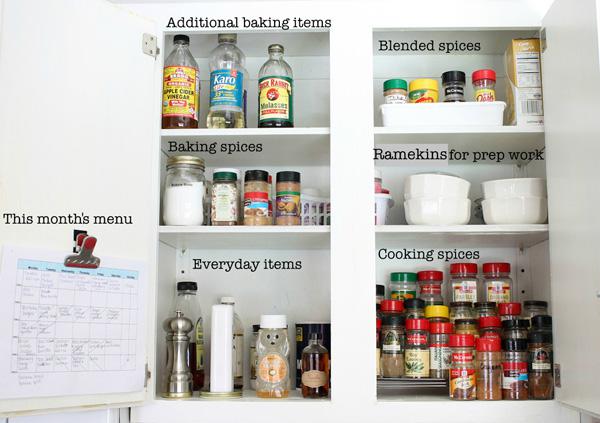
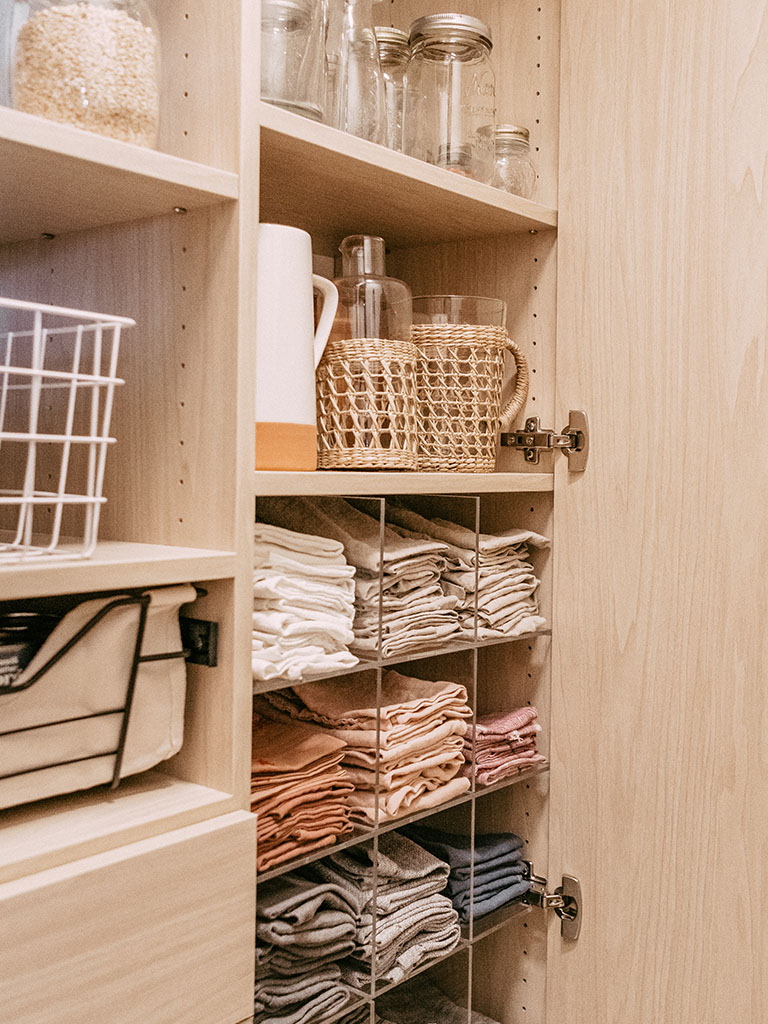
Containers are identified as a pivotal element in creating an efficient organizational system. The rationale is that uncontained items tend to revert to disarray. The article suggests using divided drawer inserts for cutlery and most kitchen tools, and recommends stacking everyday dishes neatly in easily accessible locations. A key principle highlighted is to organize items based on frequency of use; frequently used items should be readily visible and accessible, contrasting with less-used items, which might be stored higher up. The article also addresses the optimal use of space, particularly when considering whether to keep items that are rarely used, like an old juicer or espresso machine. The advice is to be honest about an item's utility and to consider donating or repurposing unused appliances to free up valuable space.
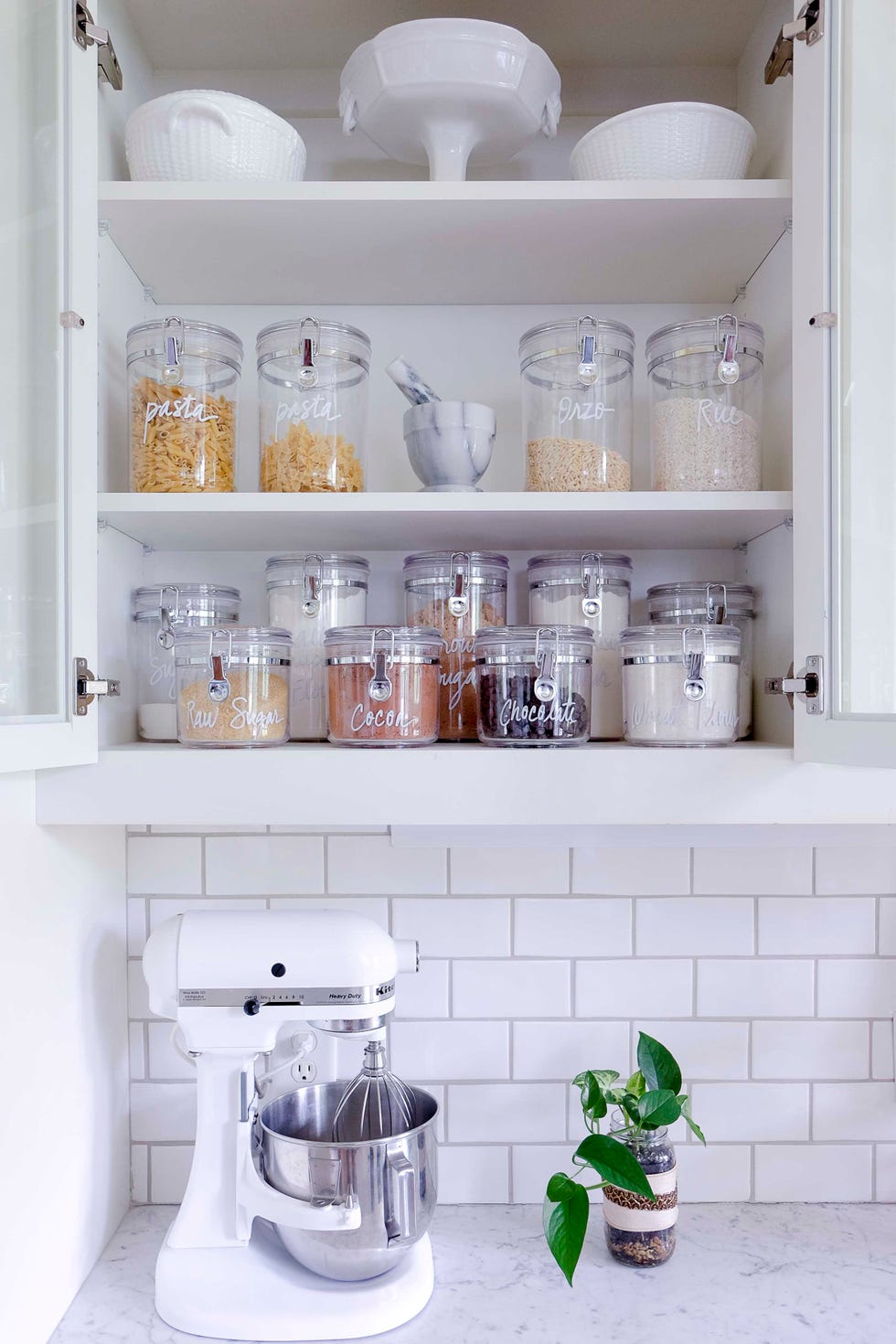
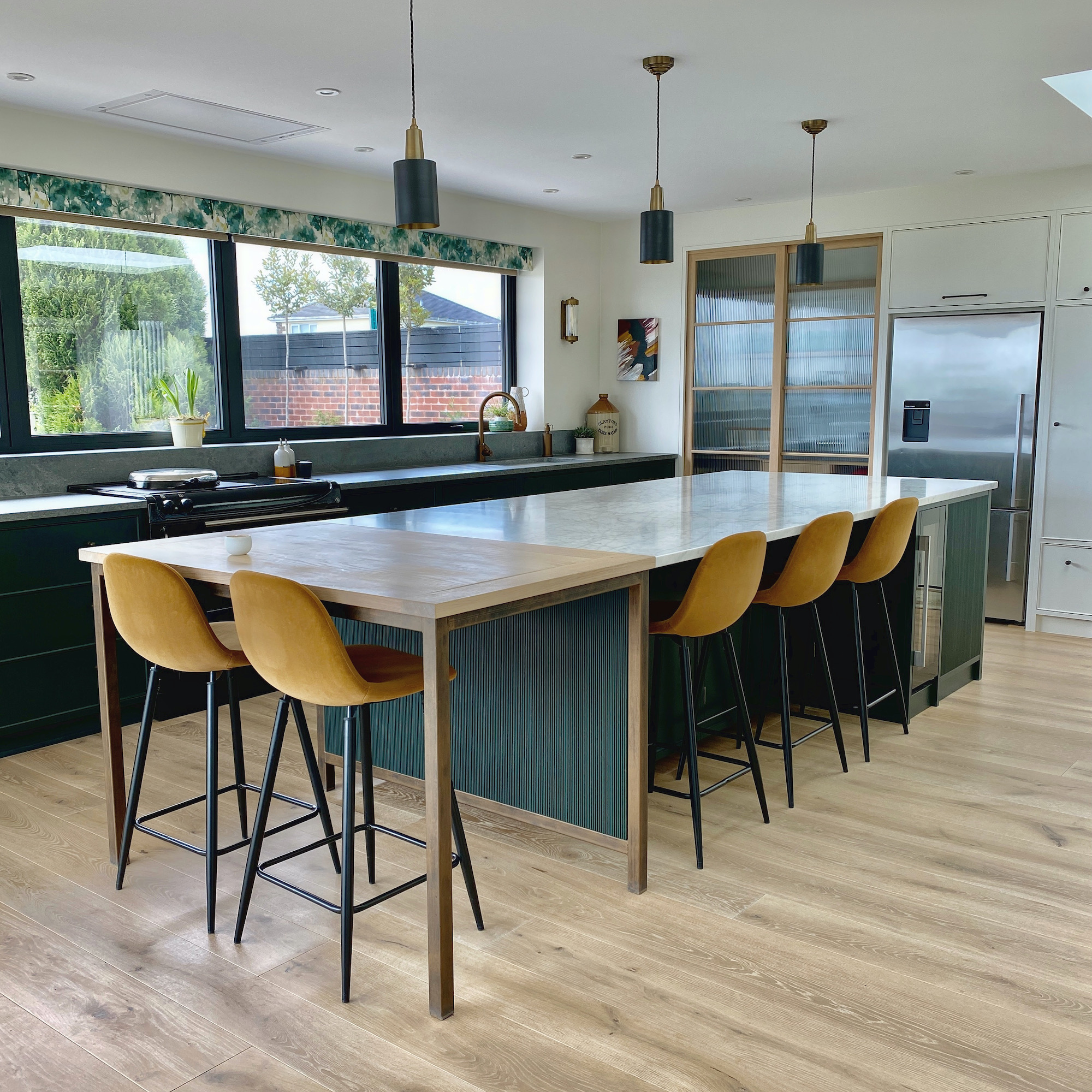
Addressing the common issue of 'junk drawers,' the article strongly discourages their existence, labeling them a 'slippery slope' that can lead to wider clutter. Instead, it advocates for the use of drawer inserts to give every item a designated place, thereby making the space functional and categorized, even for miscellaneous items. Regarding counter space, the article stresses the importance of not overcrowding. It suggests maintaining ample clear space for food preparation and creating 'stations' for frequently used items. Examples include using a divided turntable for olive oils and vinegars or repurposing a decorative tray for glass canisters holding coffee grounds. This approach ensures ease of access while contributing to a visually appealing kitchen.
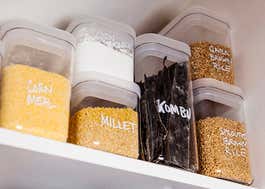
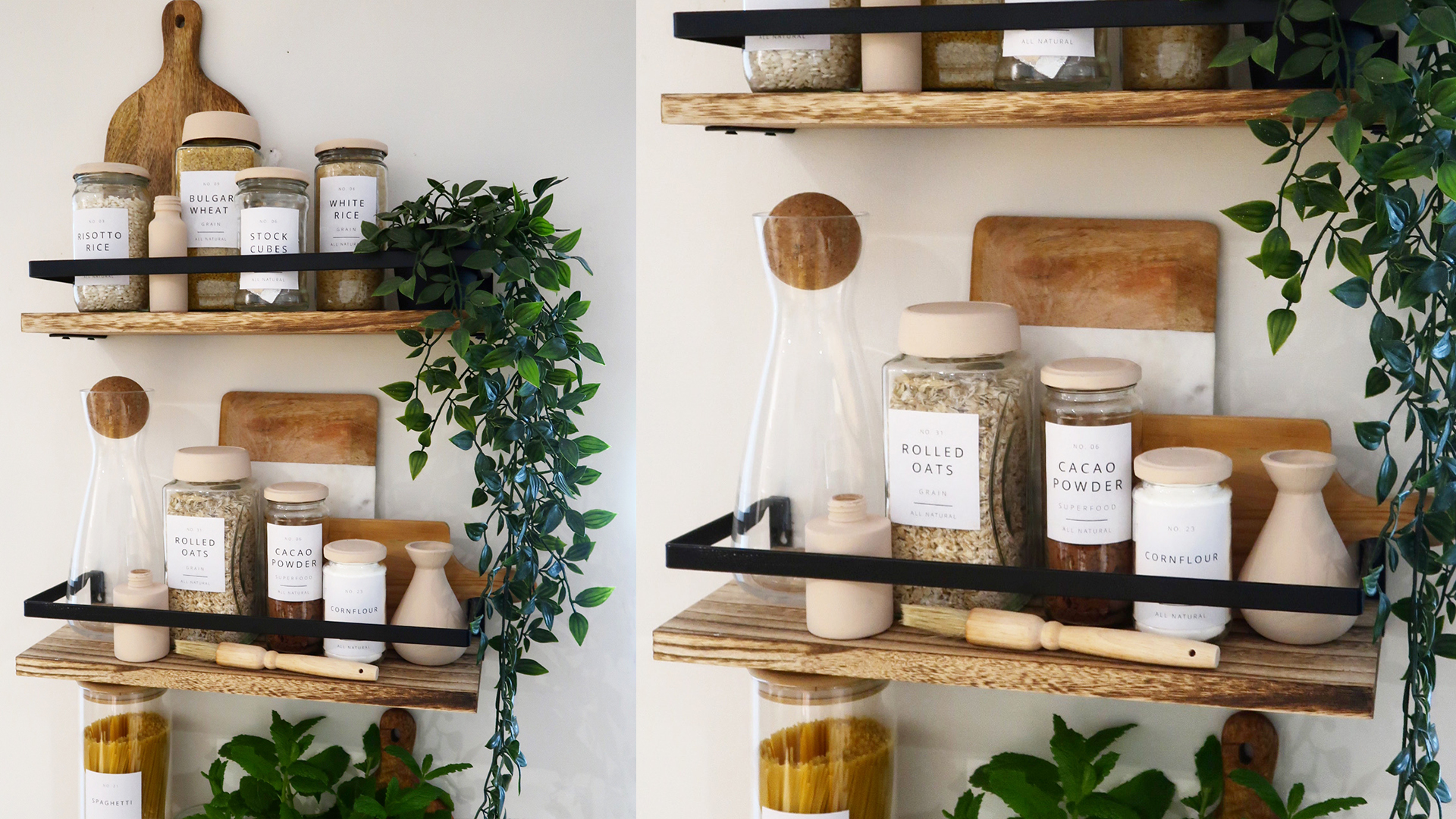
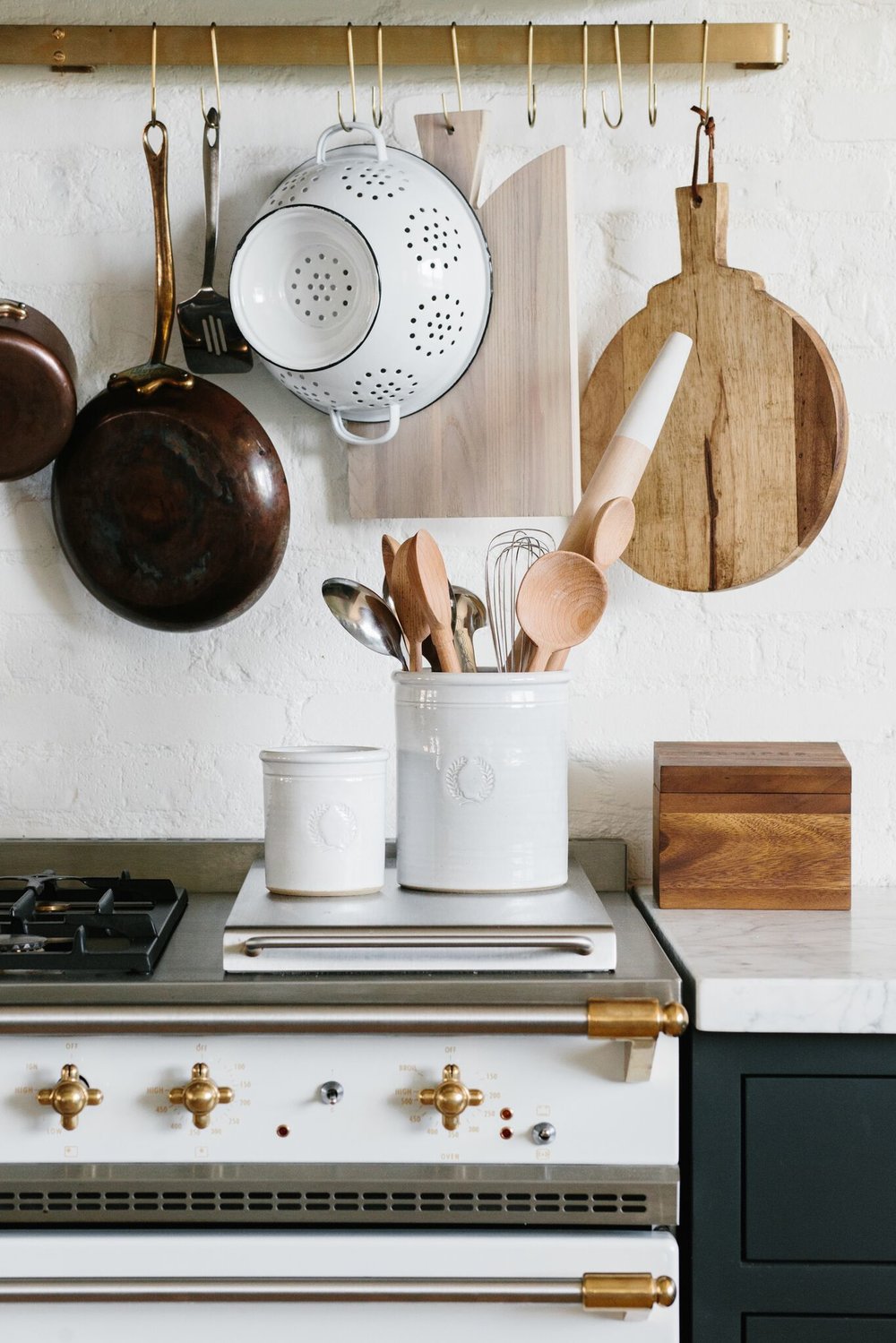
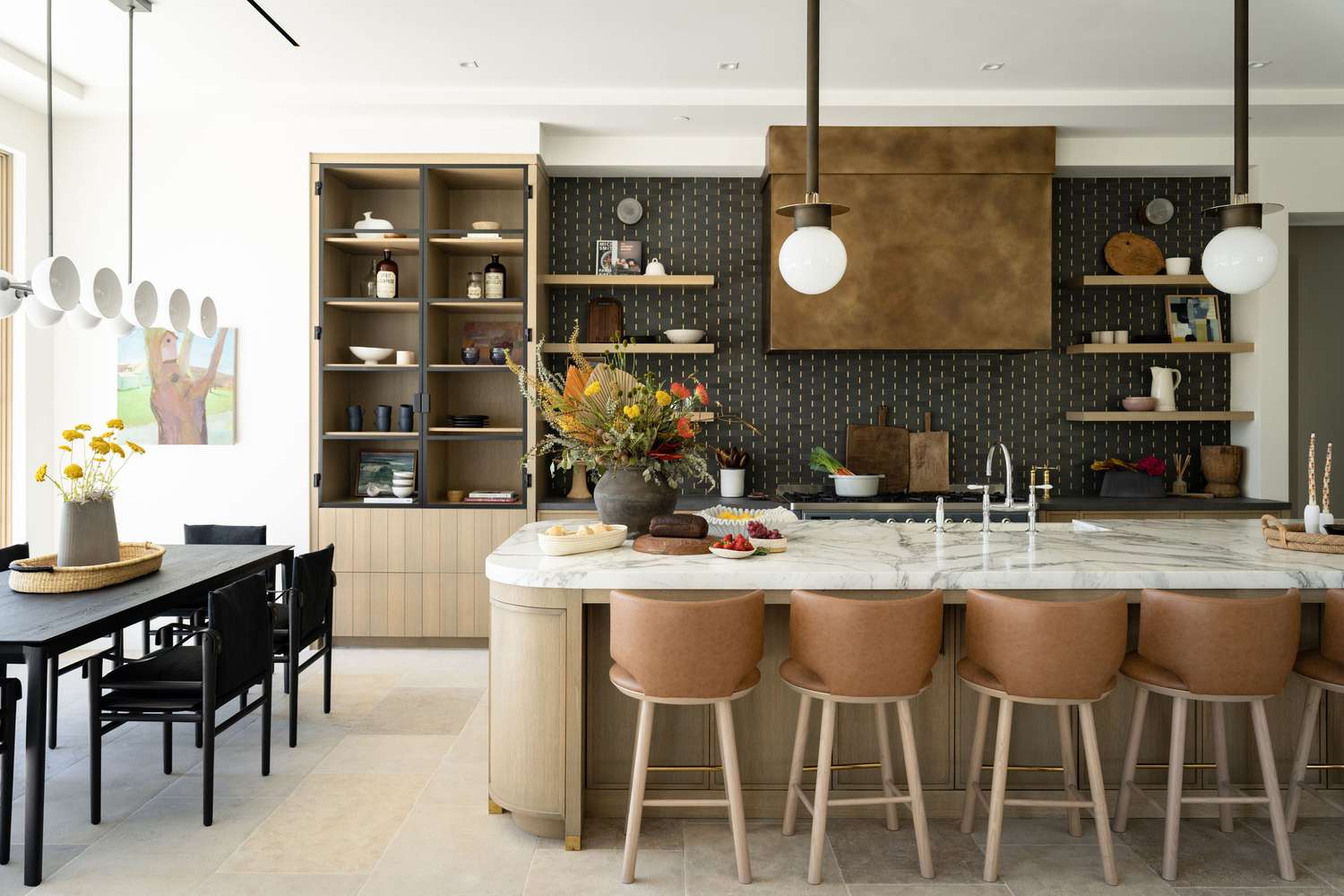
For open shelving, the recommendation is similar to counter space: avoid overcrowding. The article suggests integrating everyday items with decorative pieces, aiming for a consistent color scheme to enhance visual harmony. Examples include displaying stacks of ceramic plates, tall drinking glasses, an electric mixer, labeled canisters, and favorite cookbooks. Finally, the importance of labeling is underscored. Labels serve as clear instructions for locating items and maintaining the organizational system. Color-coordinating, such as arranging items by ROYGBIV (red, orange, yellow, green, blue, indigo, violet), is presented as an intuitive labeling method, especially beneficial for children, allowing them to easily identify and retrieve items from specific color-coded sections.
#KitchenOrganization #HomeEdit #InteriorStyling #Decluttering #FunctionalDesign #StorageSolutions #SpaceUtilization #LabelingSystems #VisualAppeal #KitchenOrganization #HomeEdit #InteriorStyling #Decluttering #FunctionalDesign #StorageSolutions #SpaceUtilization #LabelingSystems #VisualAppeal
Hay 0 comentarios en total
 Aún no hay comentarios
También te puede gustar
Know your way around the kitchen

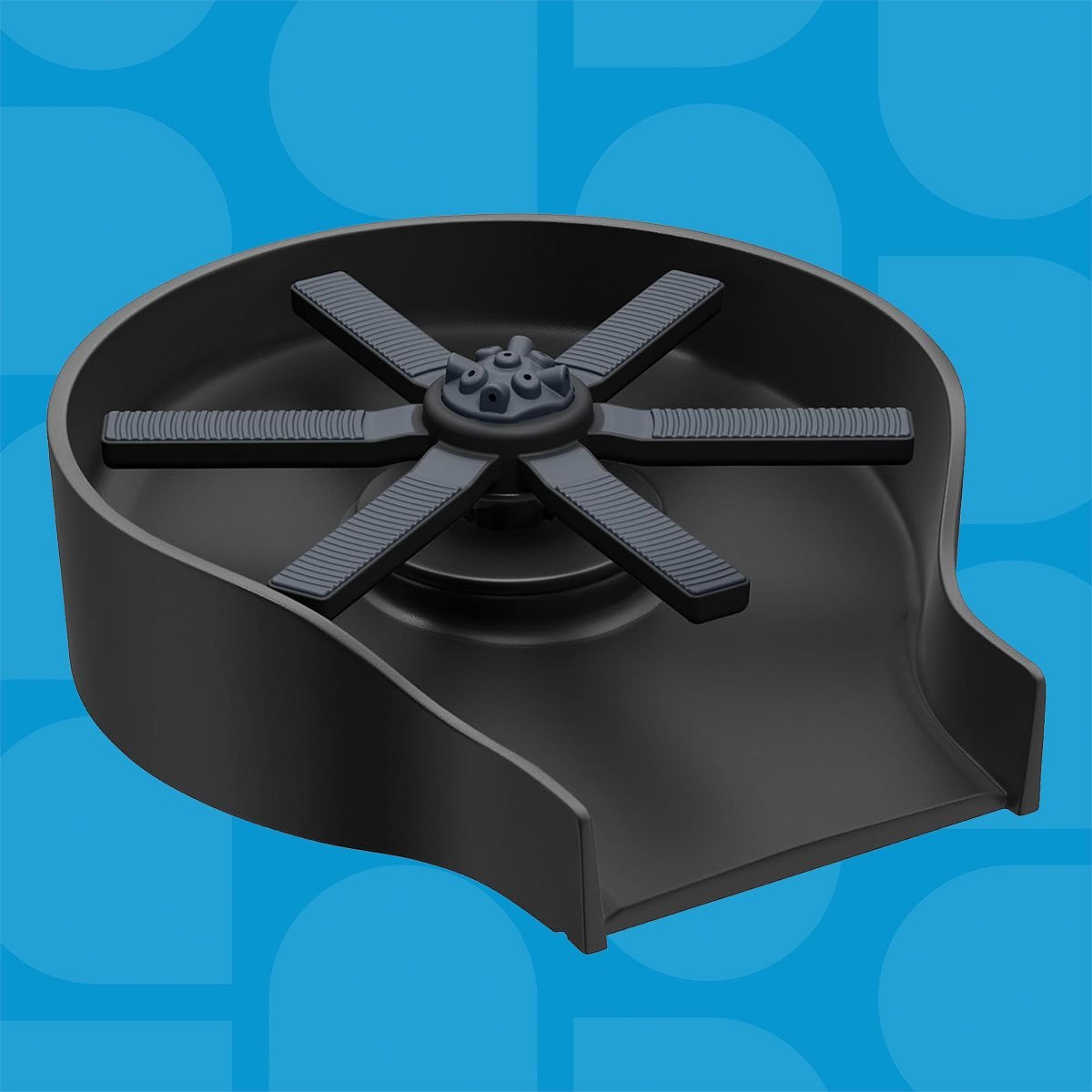
9 Tools to Organize Your Kitchen Like a Pro | Reviews by Wirecutter
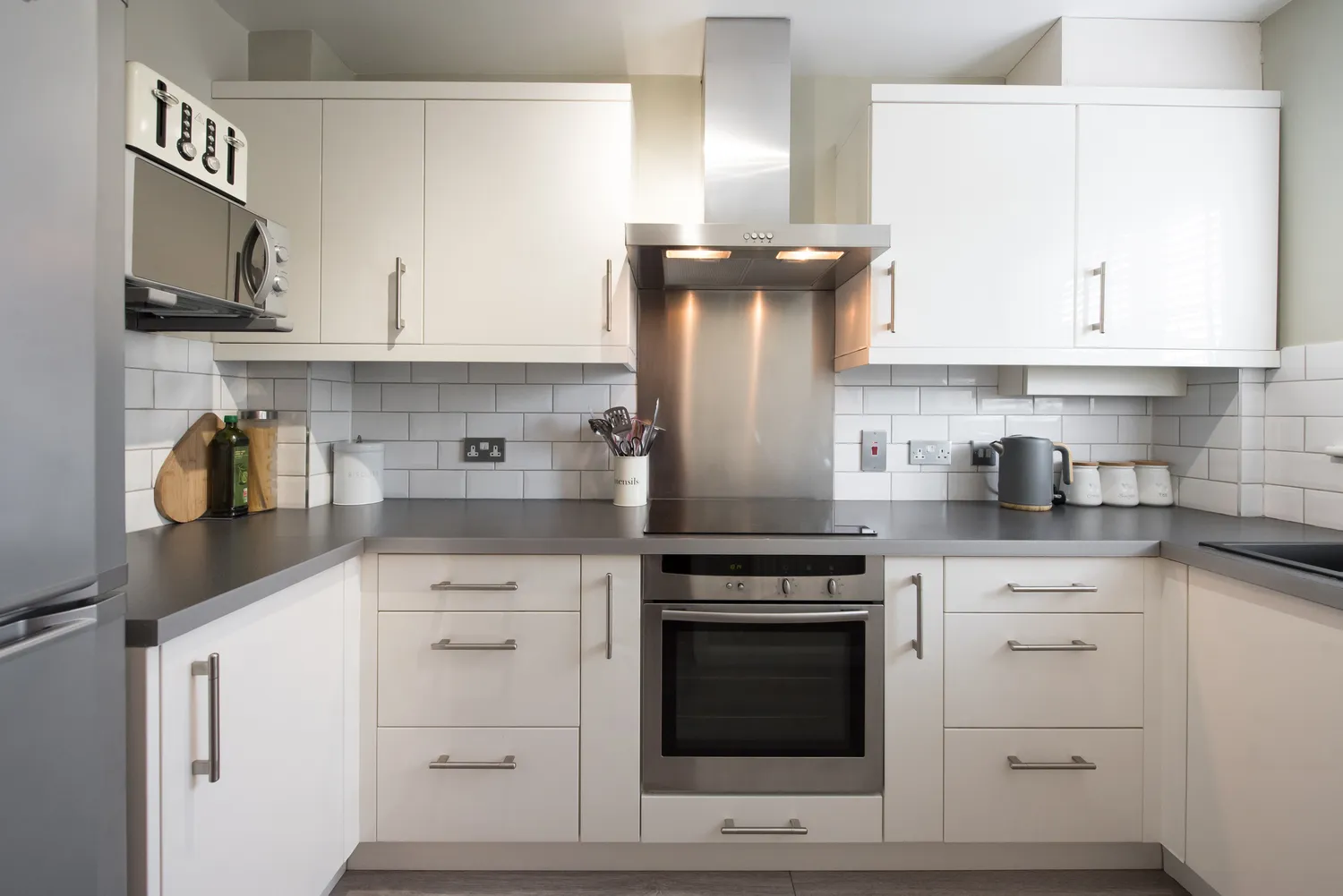
Kitchen Ideas, Designs and Repair

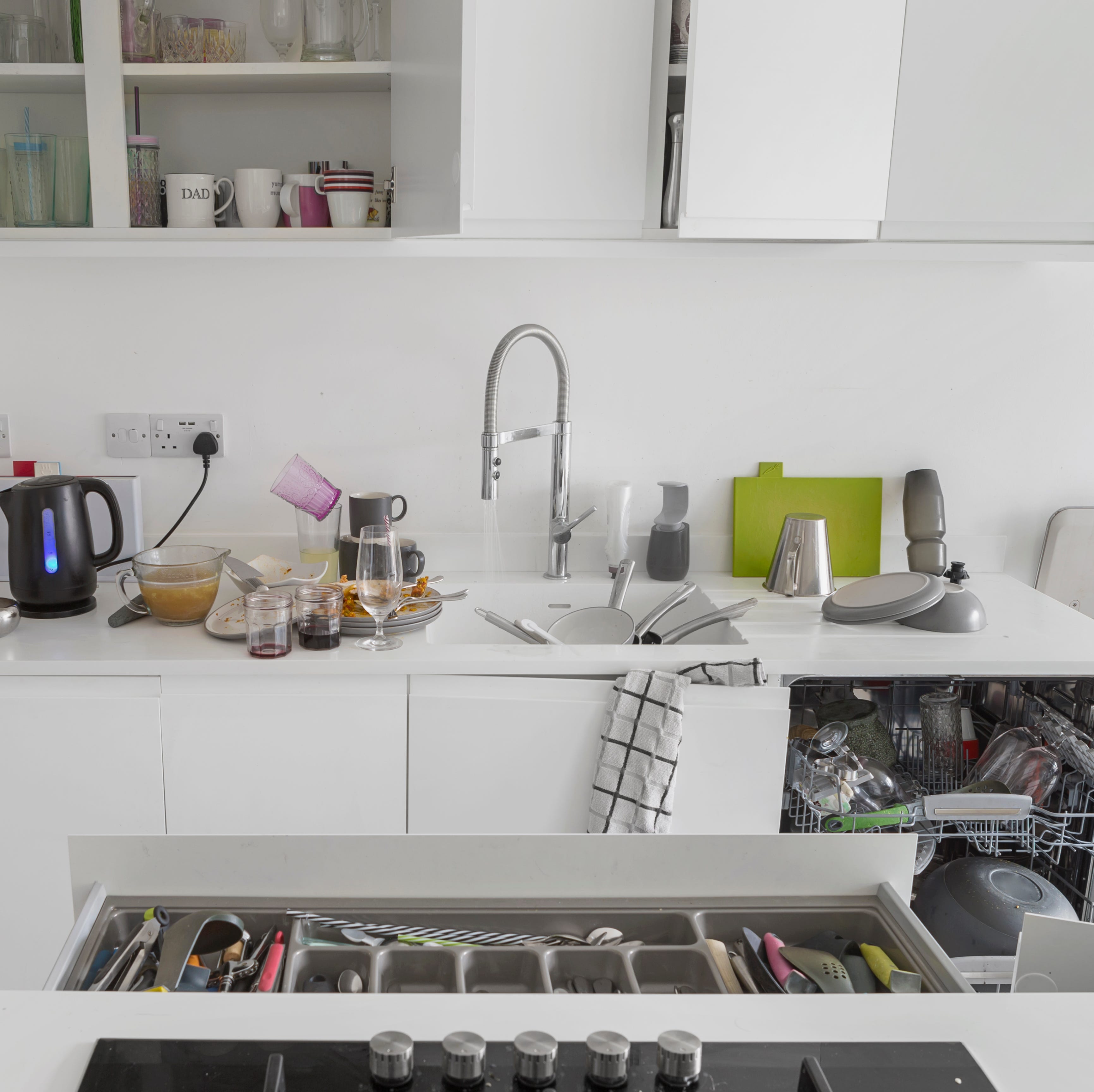
We Asked Designers What Makes a Kitchen Look Cramped and We Wish We Knew This Sooner

12 Things That People Over 30 Should NEVER Have In Their Kitchen

8 appliance placement rules for harmony in the kitchen, according to experts

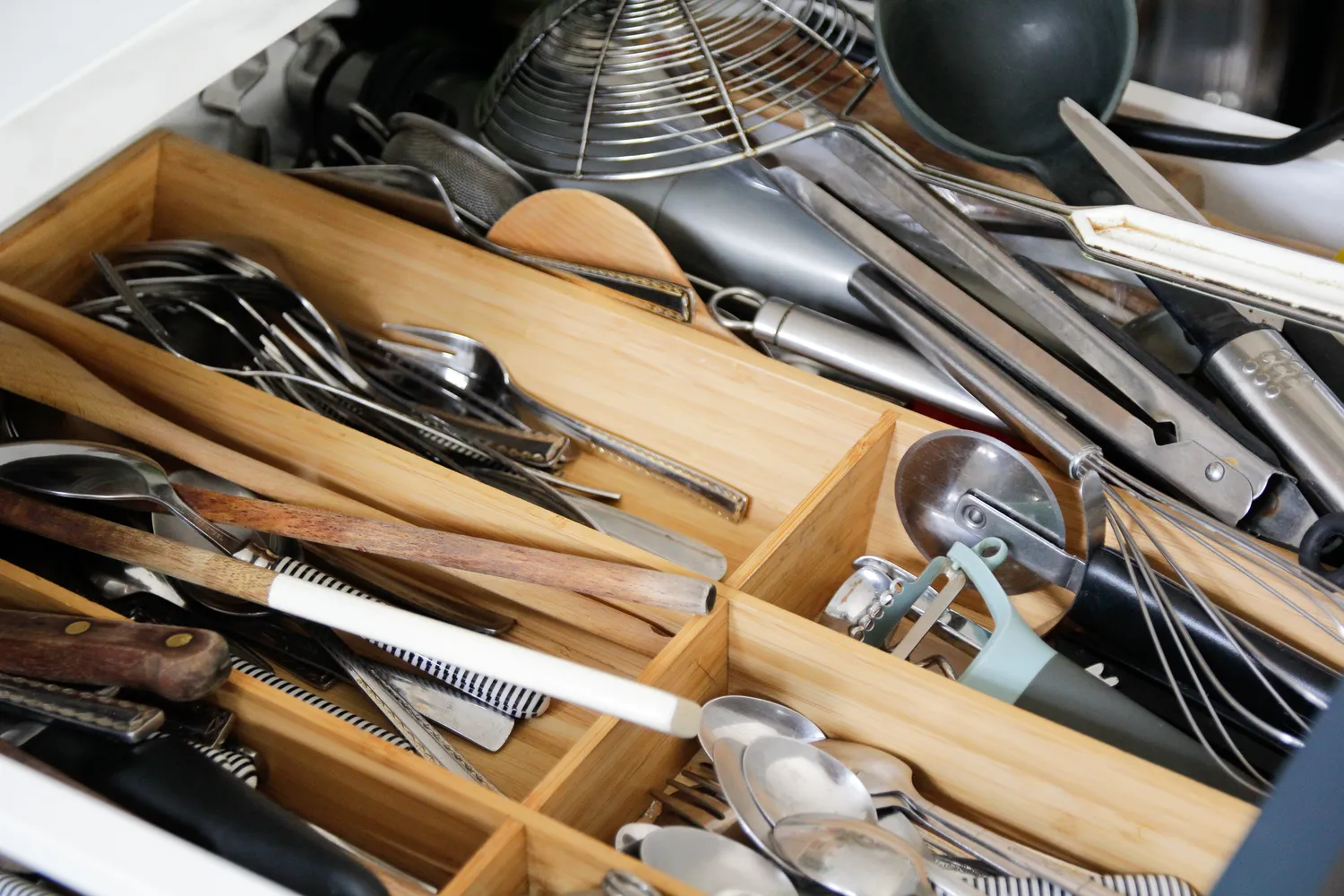
I Deep Cleaned My Sister's Kitchen for the First Time in Ages and I Threw Out These 9 Things Immediately
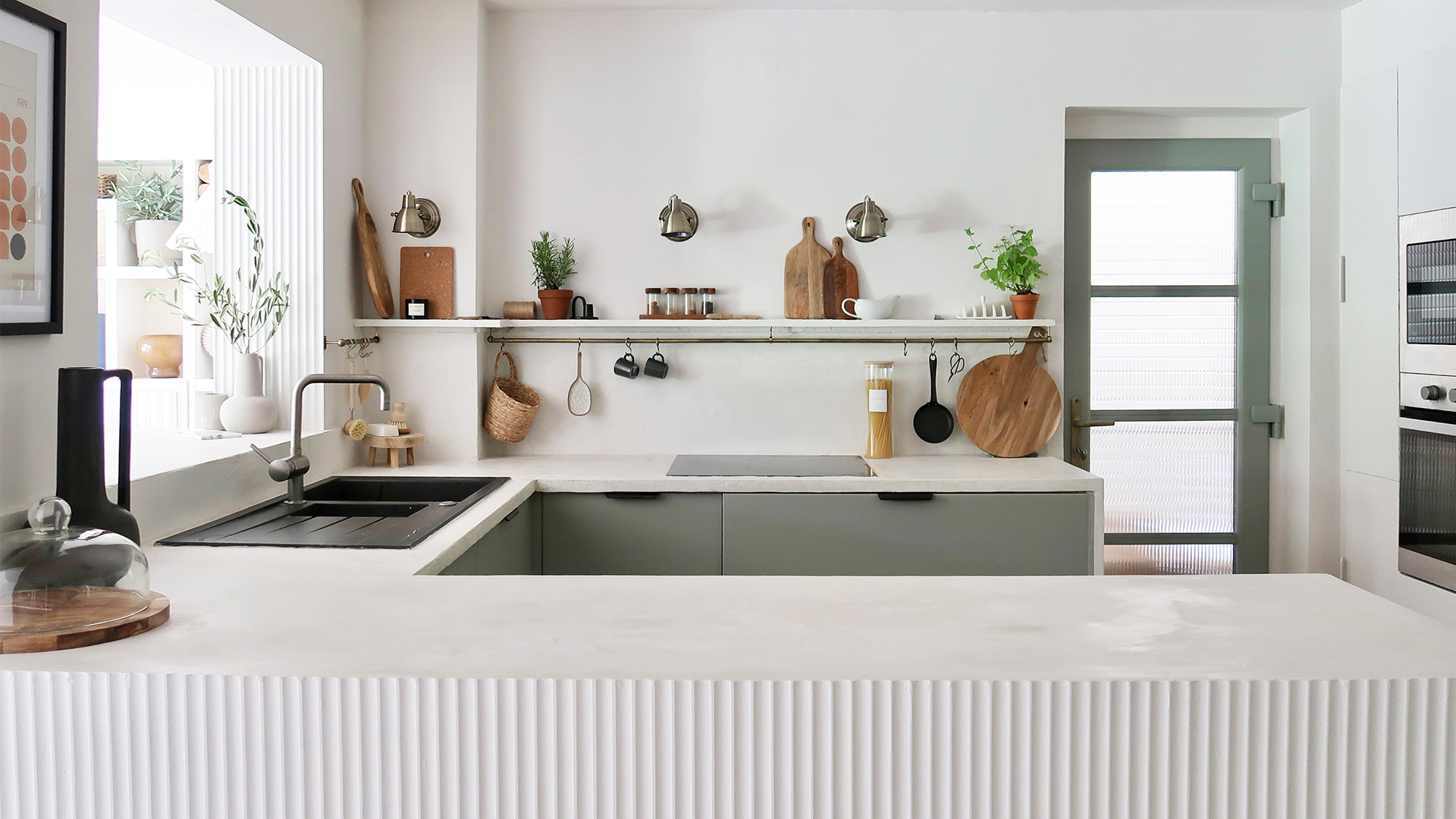
I'm an interior expert, and I can't believe how these 9 Amazon basics have transformed my kitchen

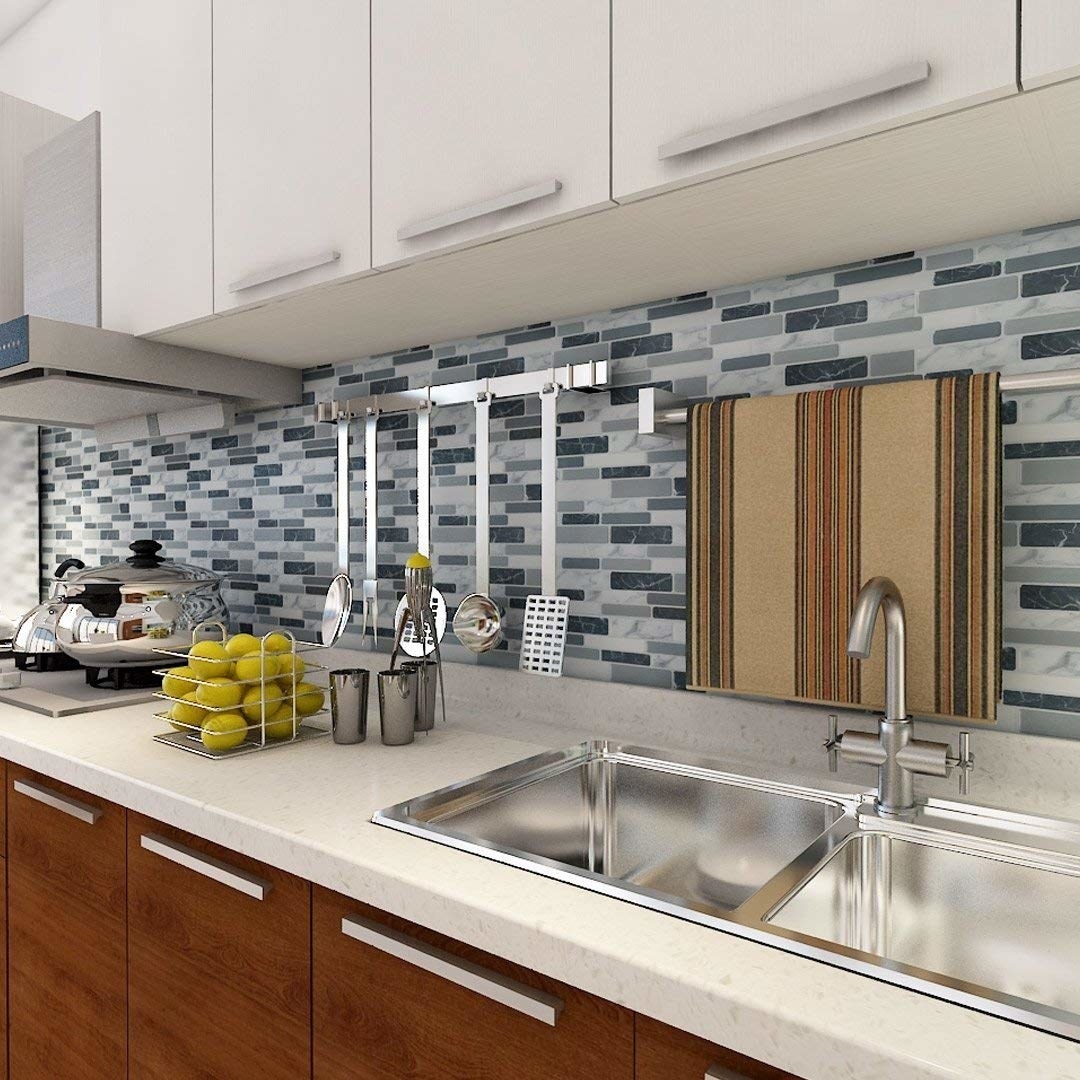
27 Small Ways To Make Your Kitchen Look Like An “After” Shot On HGTV

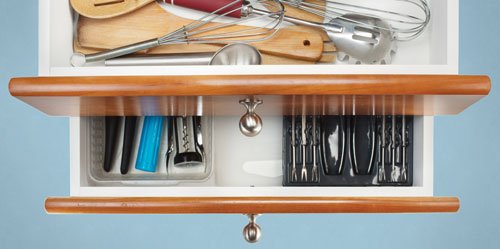
An Orderly Kitchen Makes an Organized Life
33 Ways To Make Your Kitchen The Coolest Room In The House
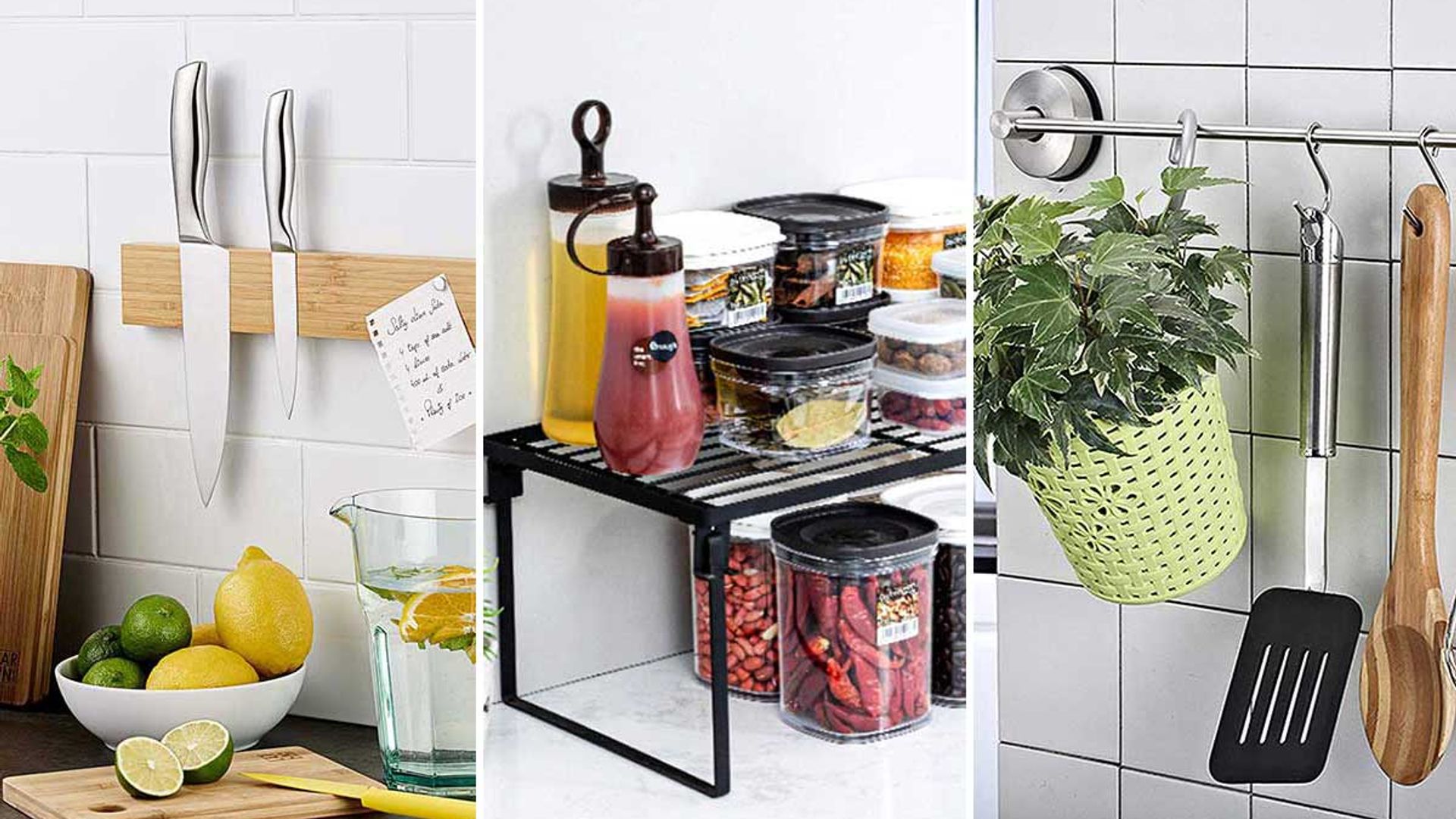
10 genius kitchen storage and organisation ideas that will make life easier

7 Common Kitchen Features That Actually Give Designers the "Ick"
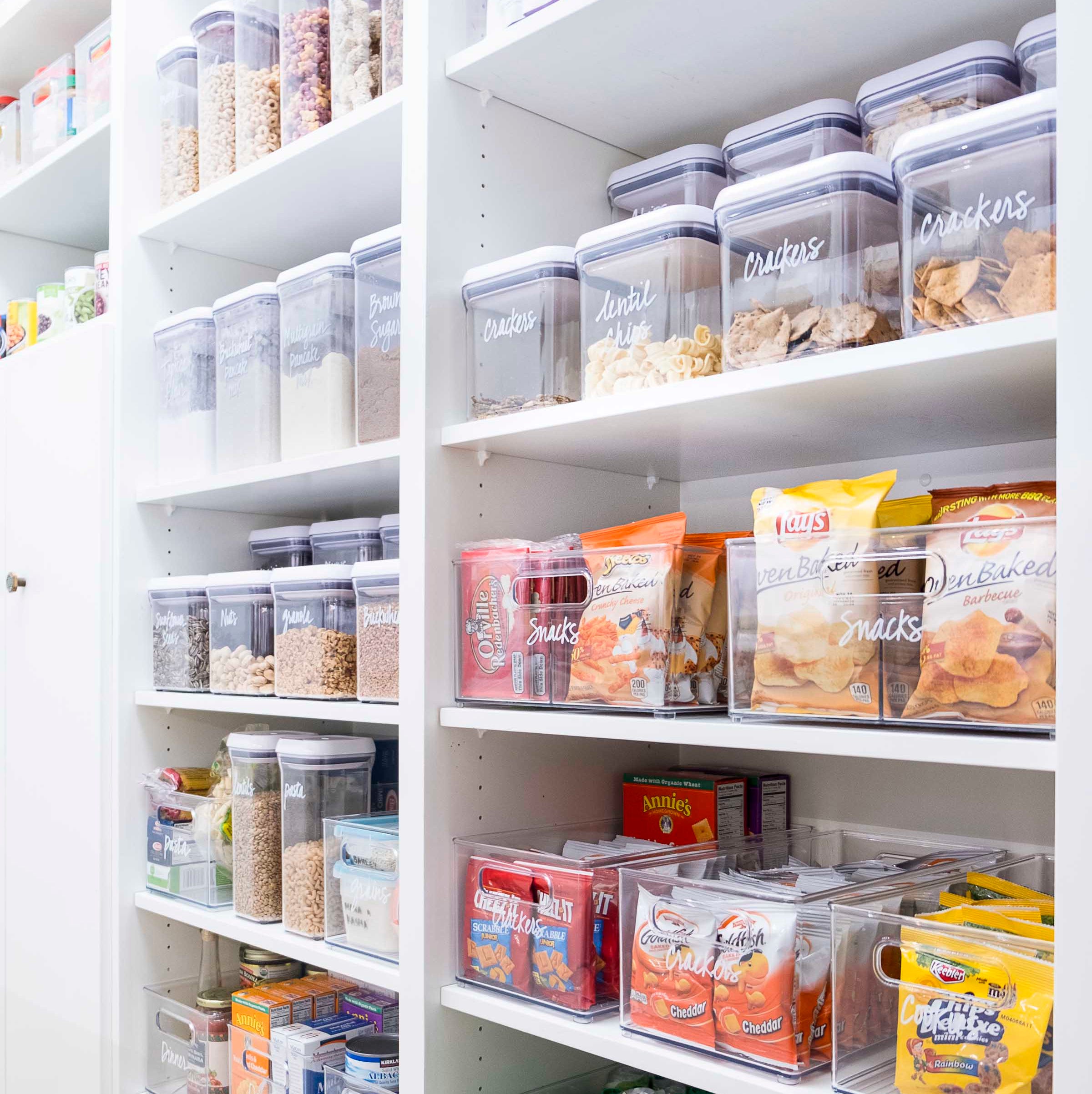
This Is the Home Edit’s Guide to Organizing Your Kitchen in 2020
This Pro Organizer Had the Best Solution for Her Tricky Corner Cabinets
I’ve renovated four kitchens and these are the eight key lessons I've learnt along the way
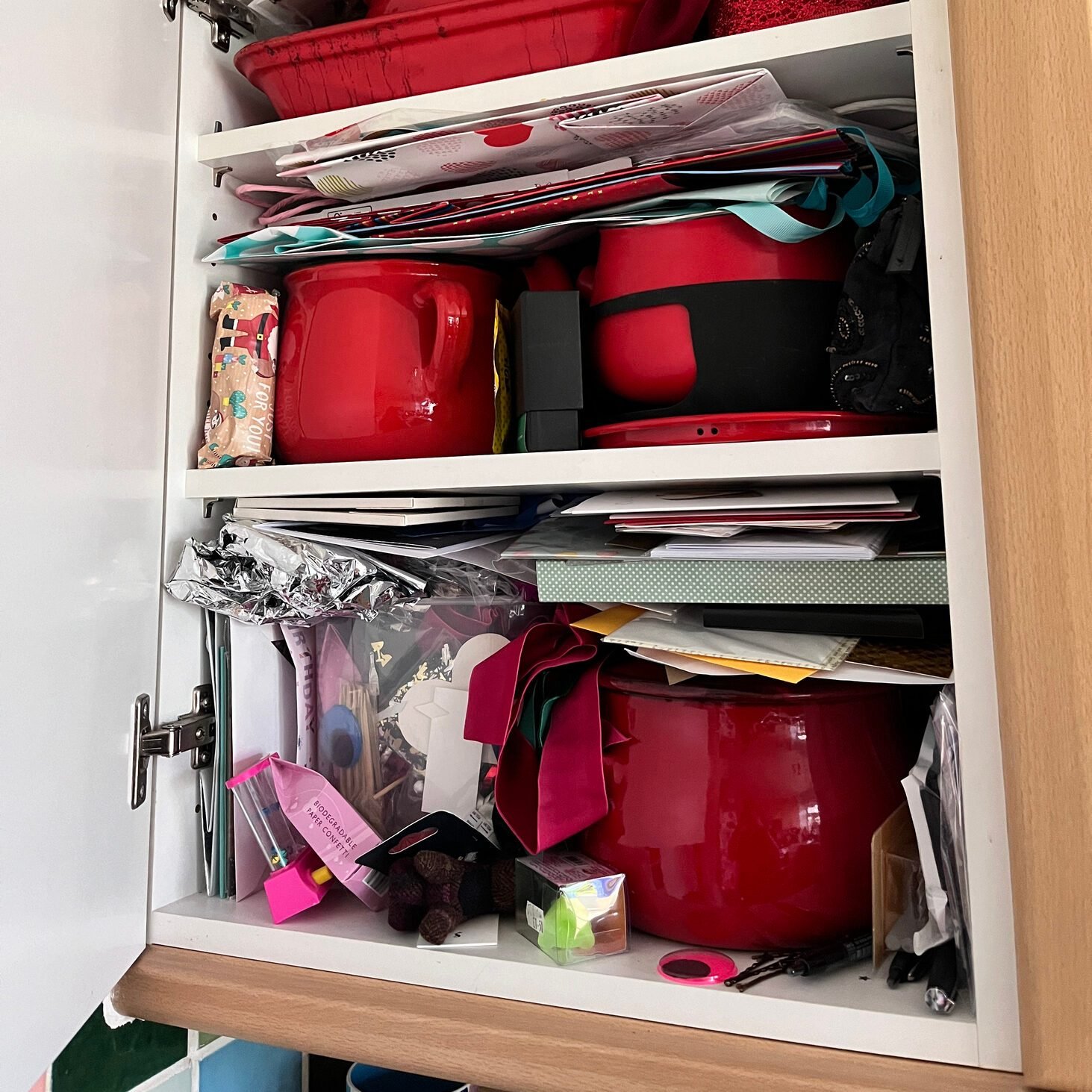
15 Items in Your Kitchen That Professional Organizers Would Throw Out

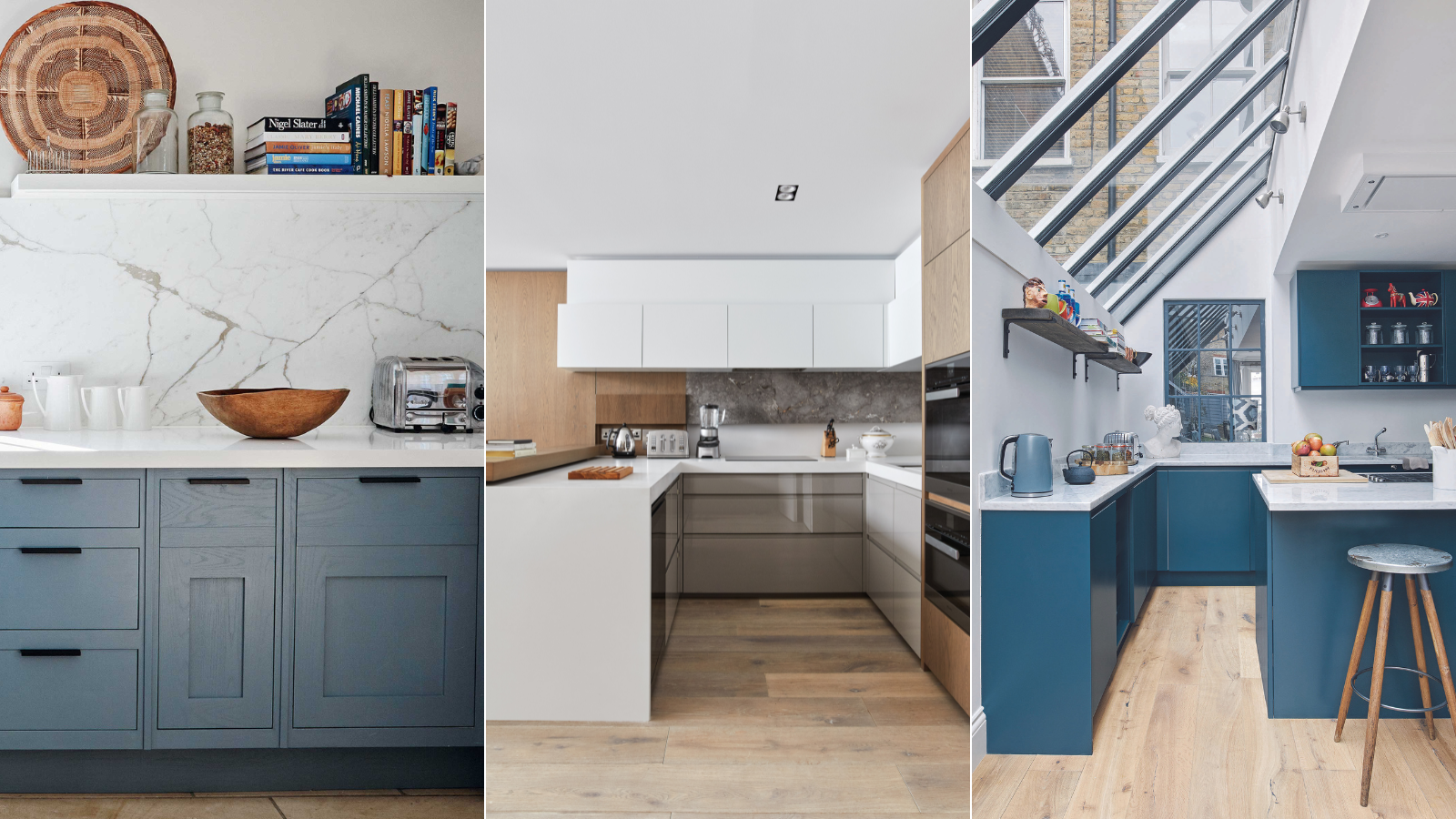
How to organize a U-shaped kitchen – 6 steps to streamlined perfection

9 Unexpected Kitchen Storage and Organization Ideas You Didn’t Try Last Spring
We Asked Designers If Kitchen Islands Are Still Worth It, and Their Answer Surprised Us