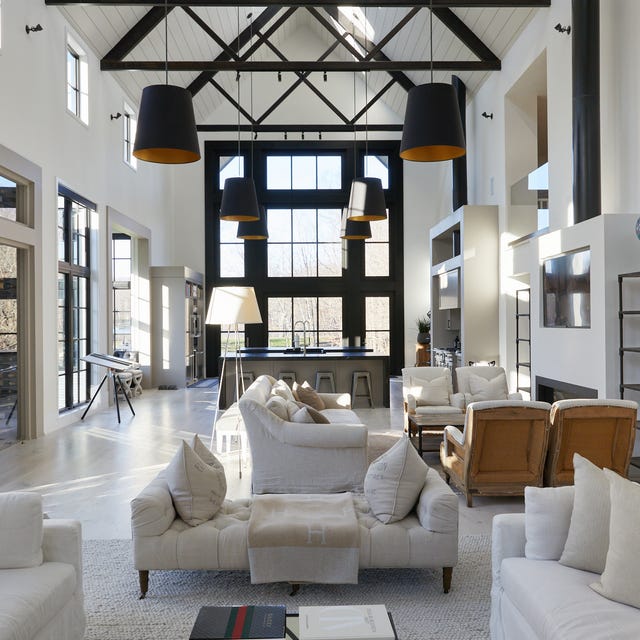
1/5
Is It Time to Shut the Door on Open-Concept Living?
The article discusses the ongoing debate among interior designers regarding the relevance and desirability of open-concept living spaces. It highlights perspectives from various designers, primarily focusing on arguments for and against this popular home layout.
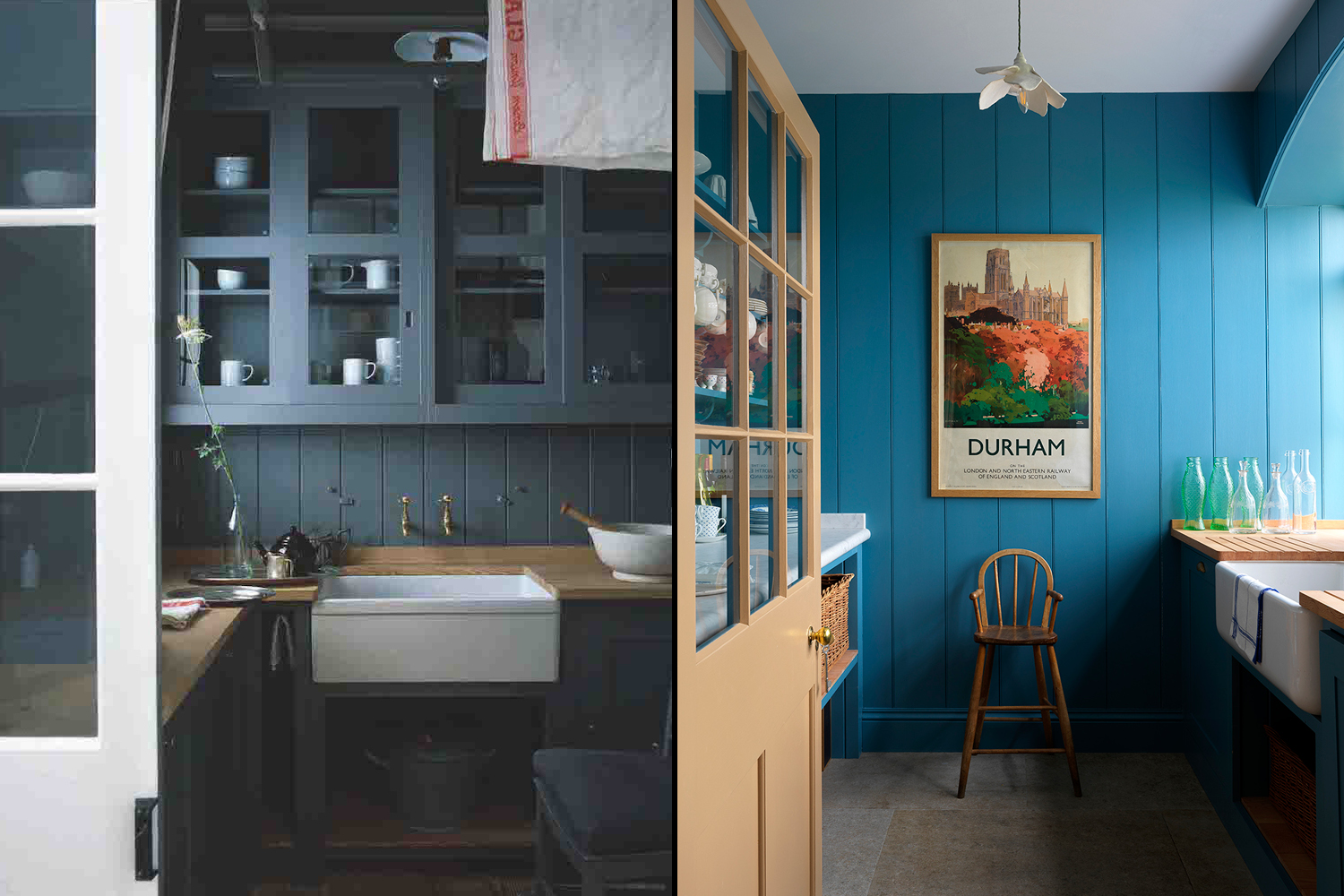
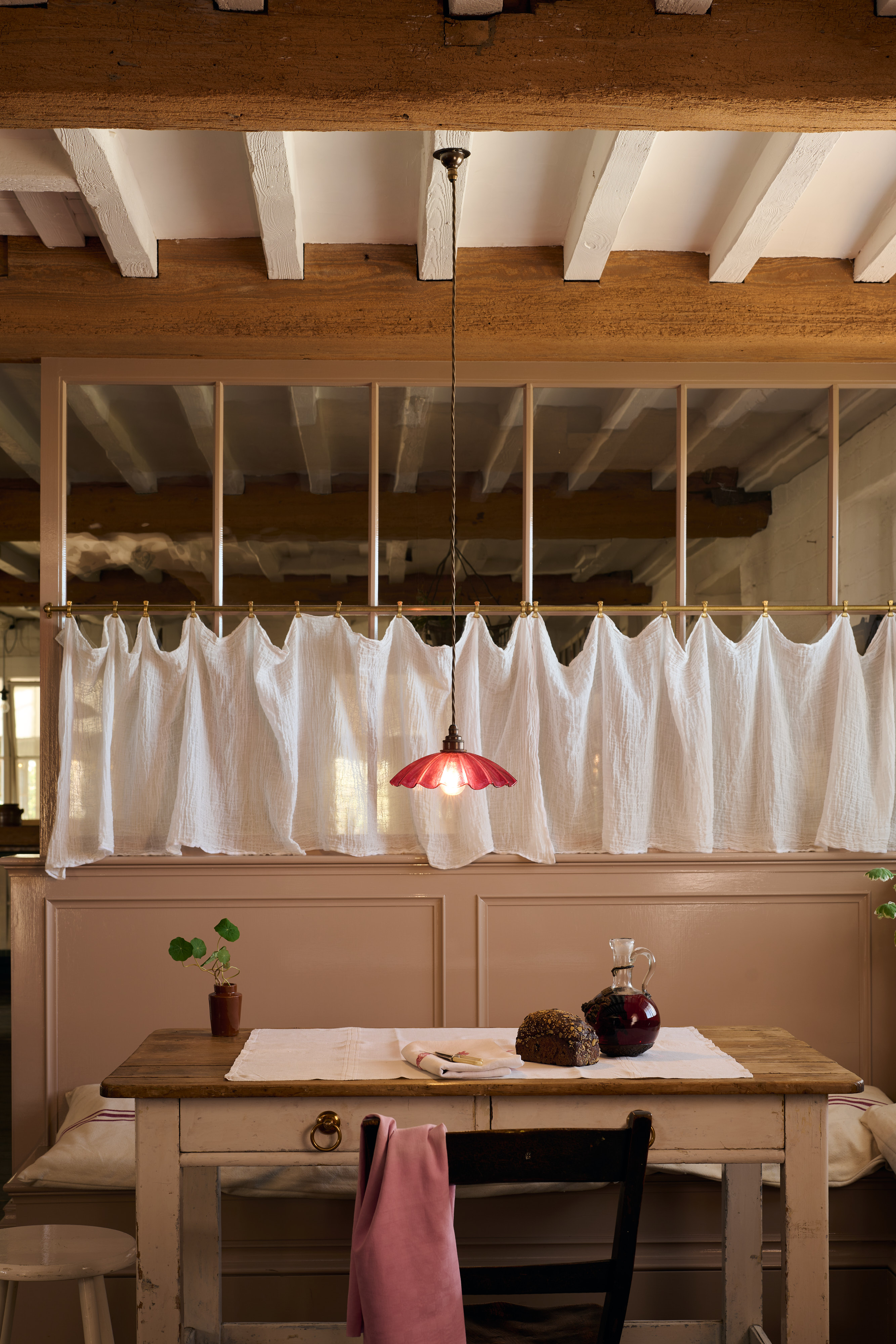
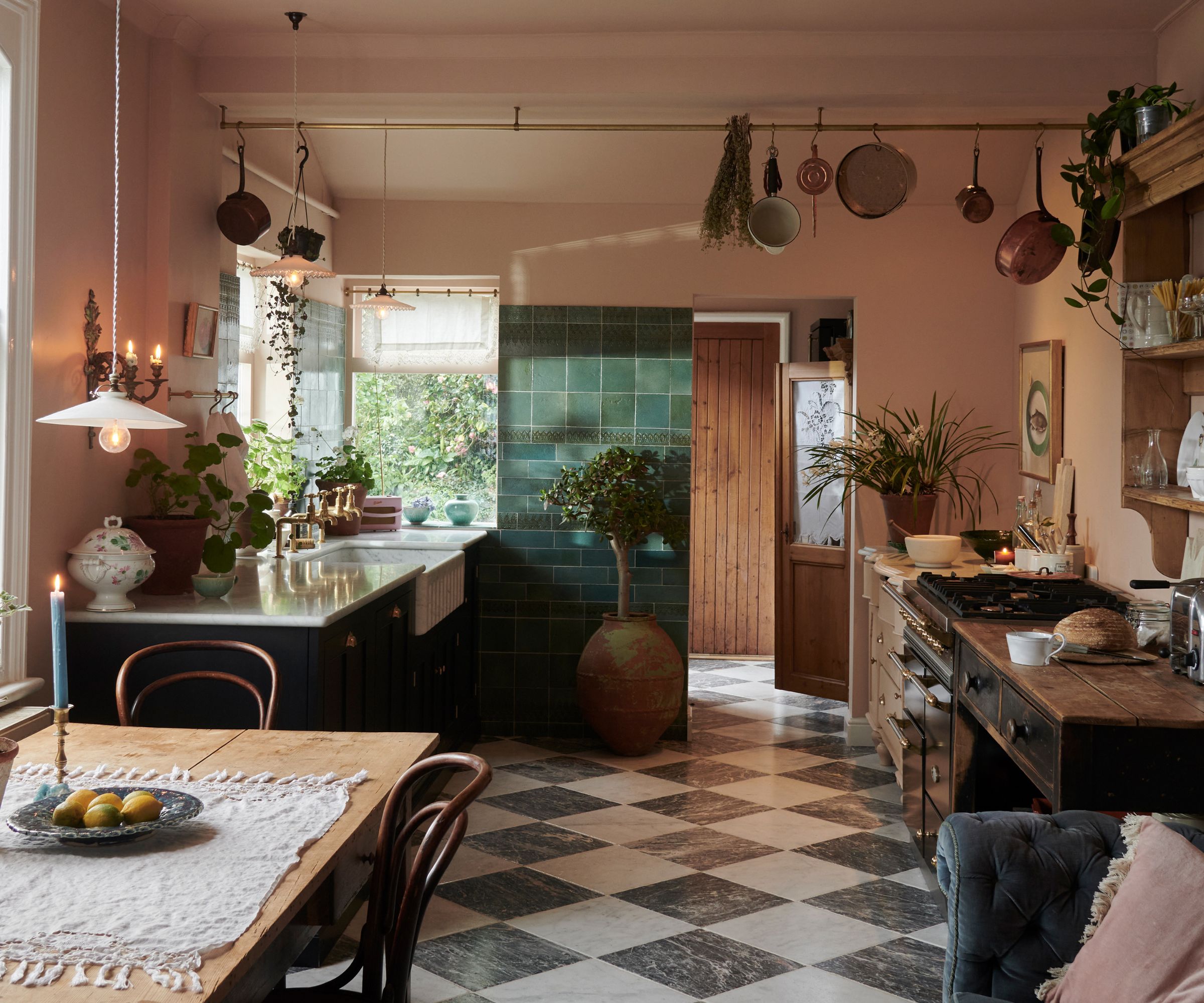
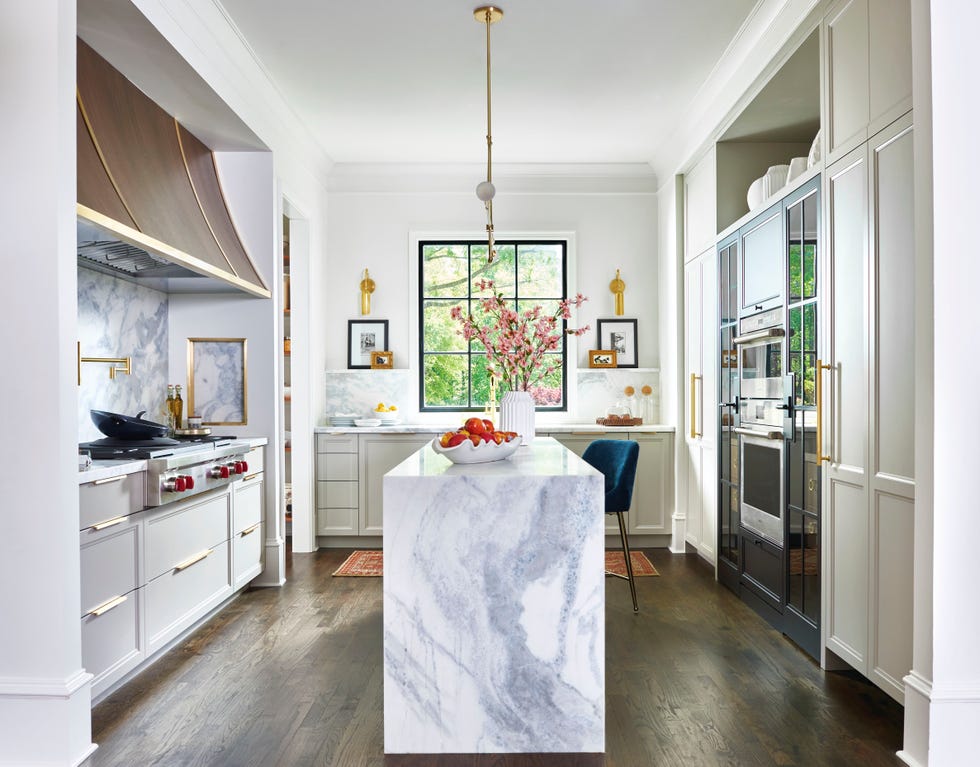
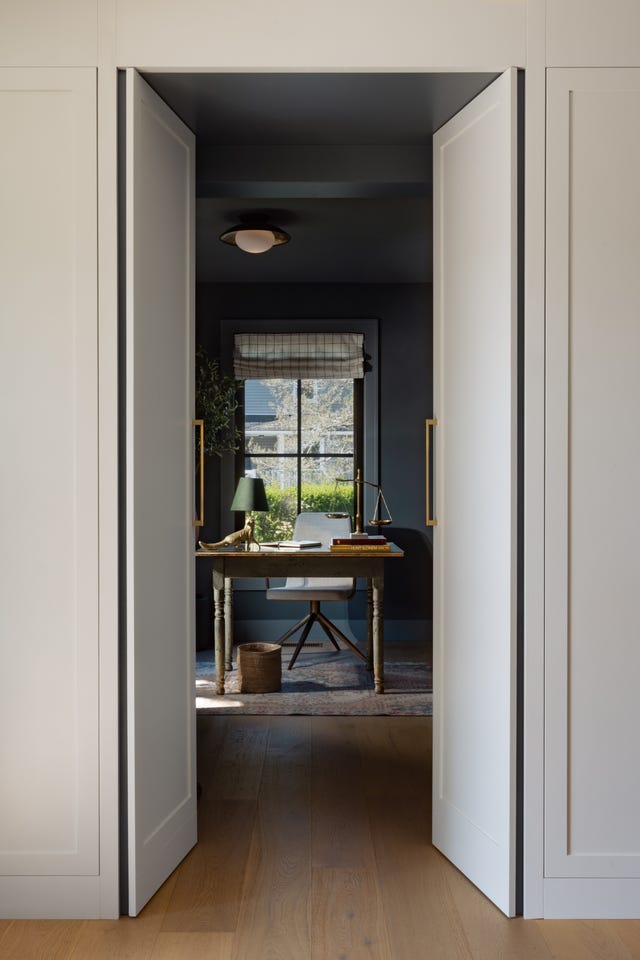
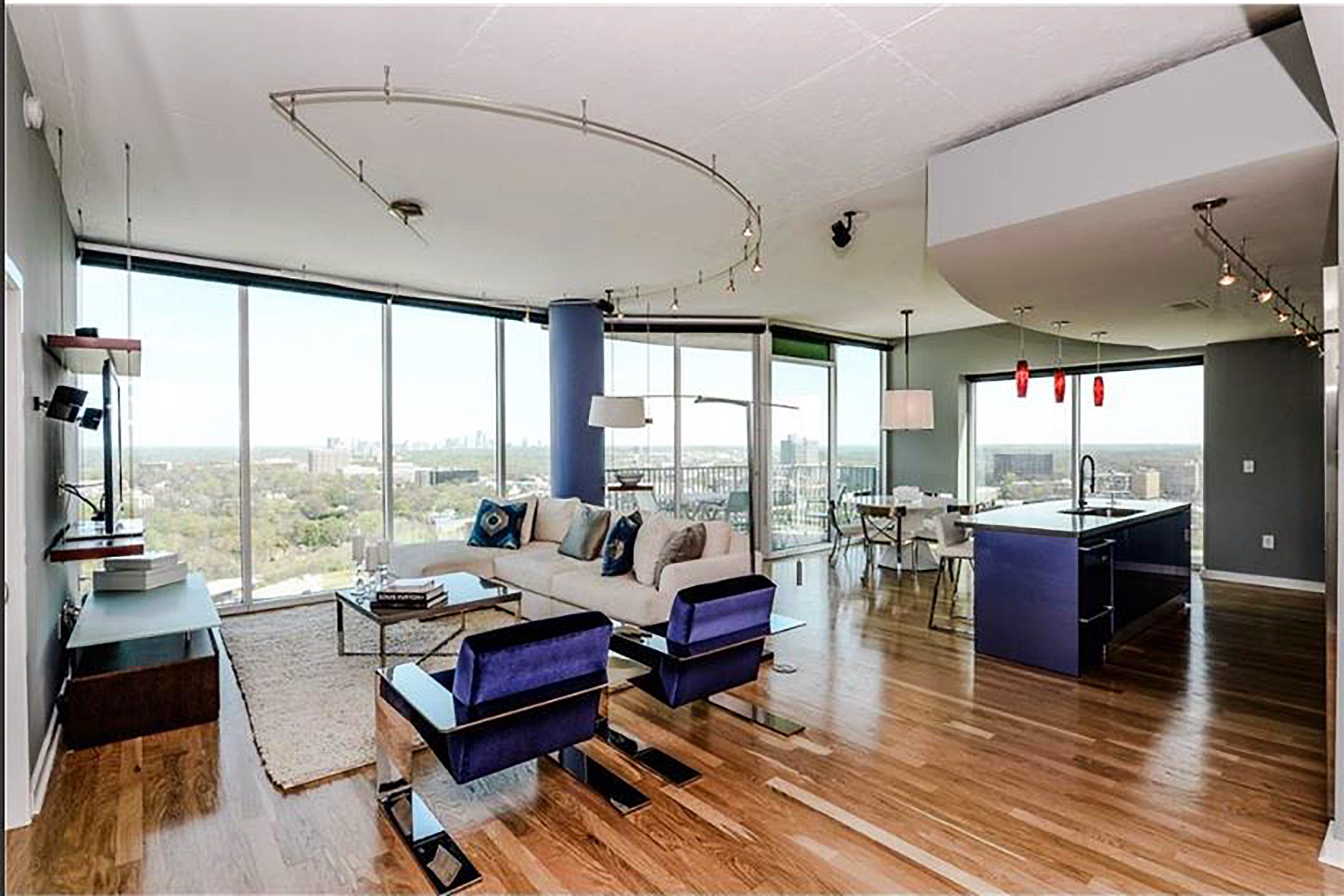
The conversation begins with feedback from "Next Wave" designers featured in House Beautiful. Brad Ramsey, a Nashville-based designer, expresses his fatigue with the trend of homes having one large open room serving multiple functions (living, dining, kitchen, breakfast nook). He argues that this design often diminishes a home's character and intimacy, preferring more segmented spaces that allow for varied experiences. Jerel Lake, an Atlanta-based designer, echoes this sentiment, favoring the compartmentalized nature of older homes and disliking the idea of performing kitchen tasks in the same area as dining. Both designers acknowledge the desire for togetherness but emphasize the loss of character and intimacy when open-concept designs are executed poorly.
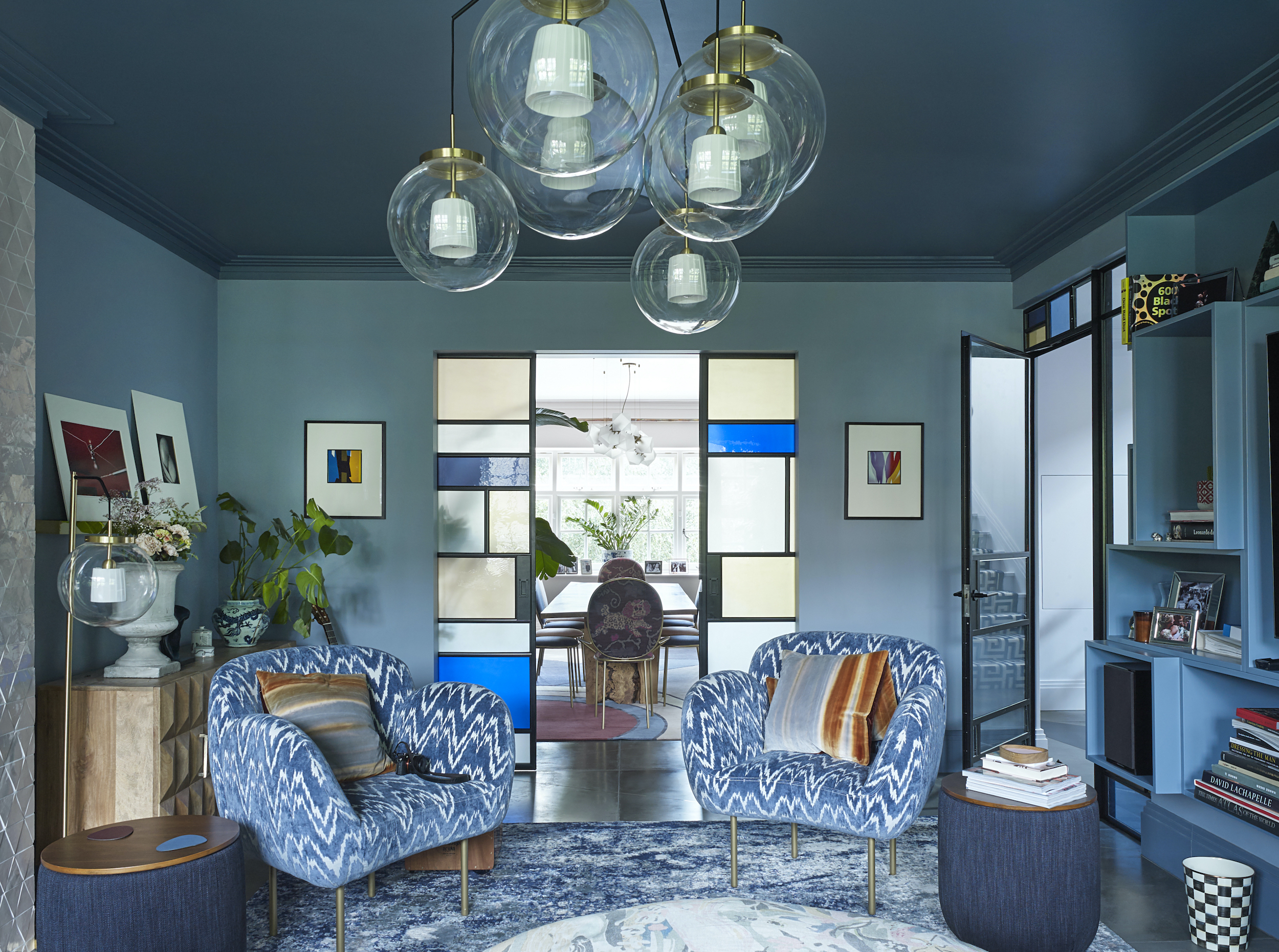
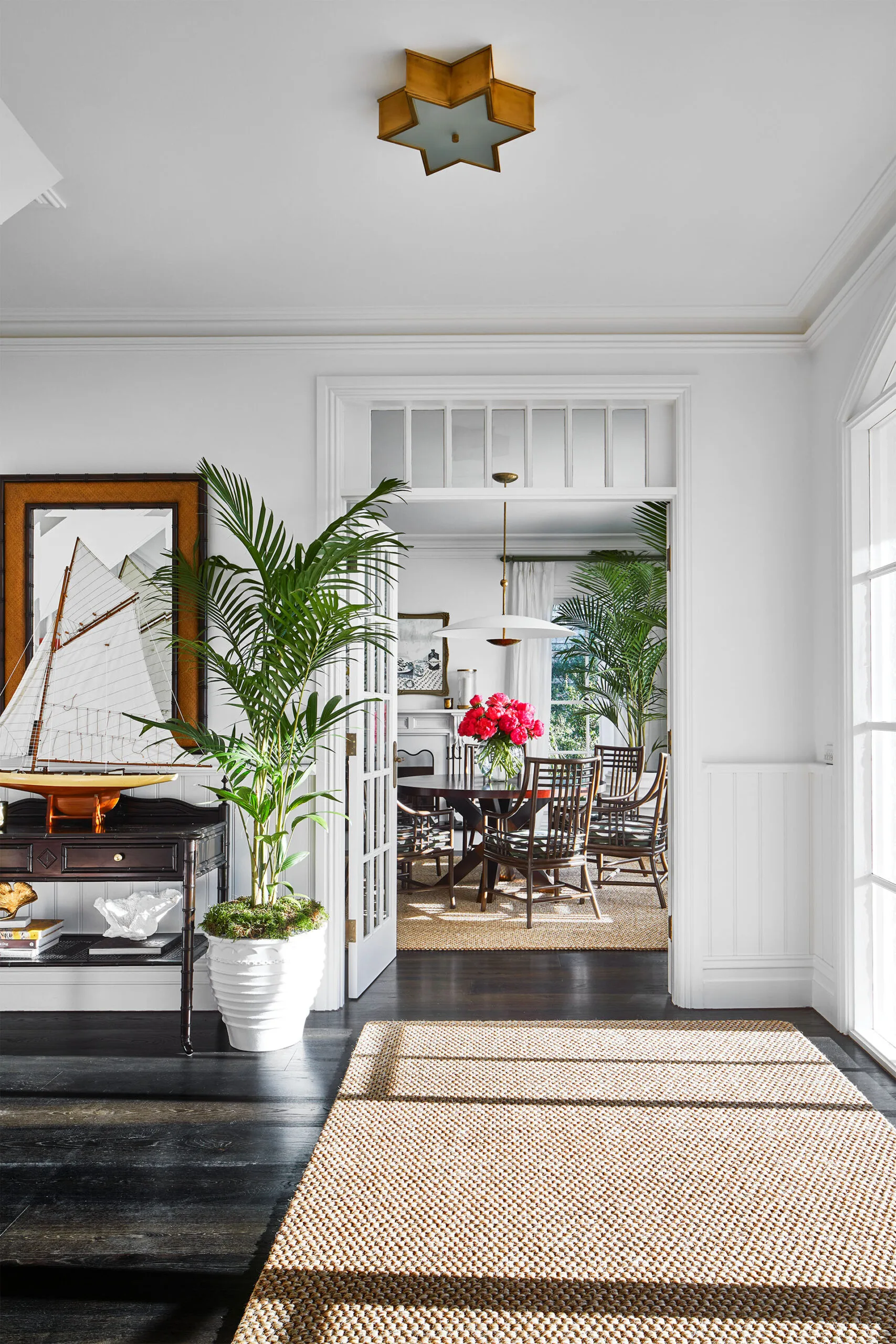
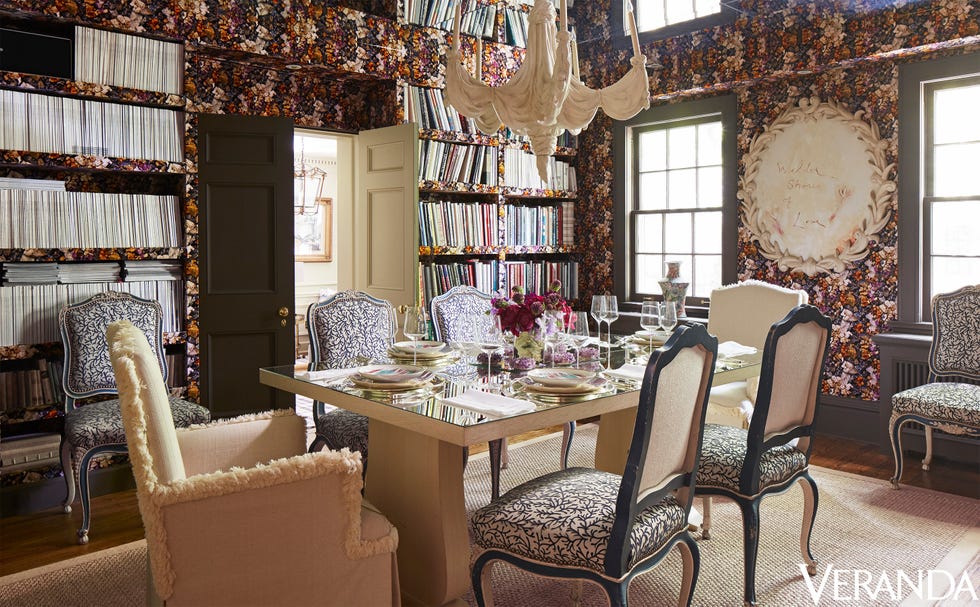
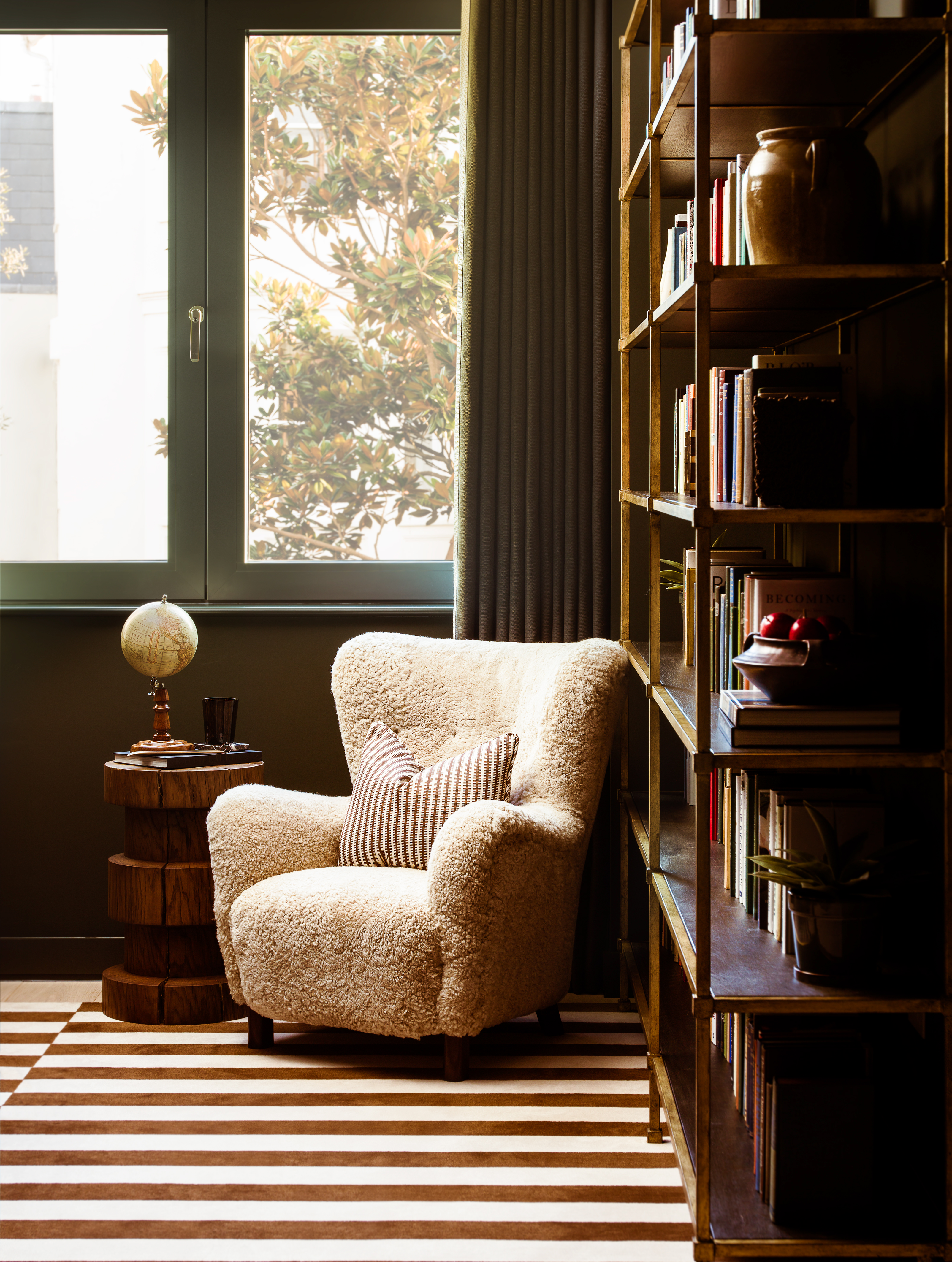
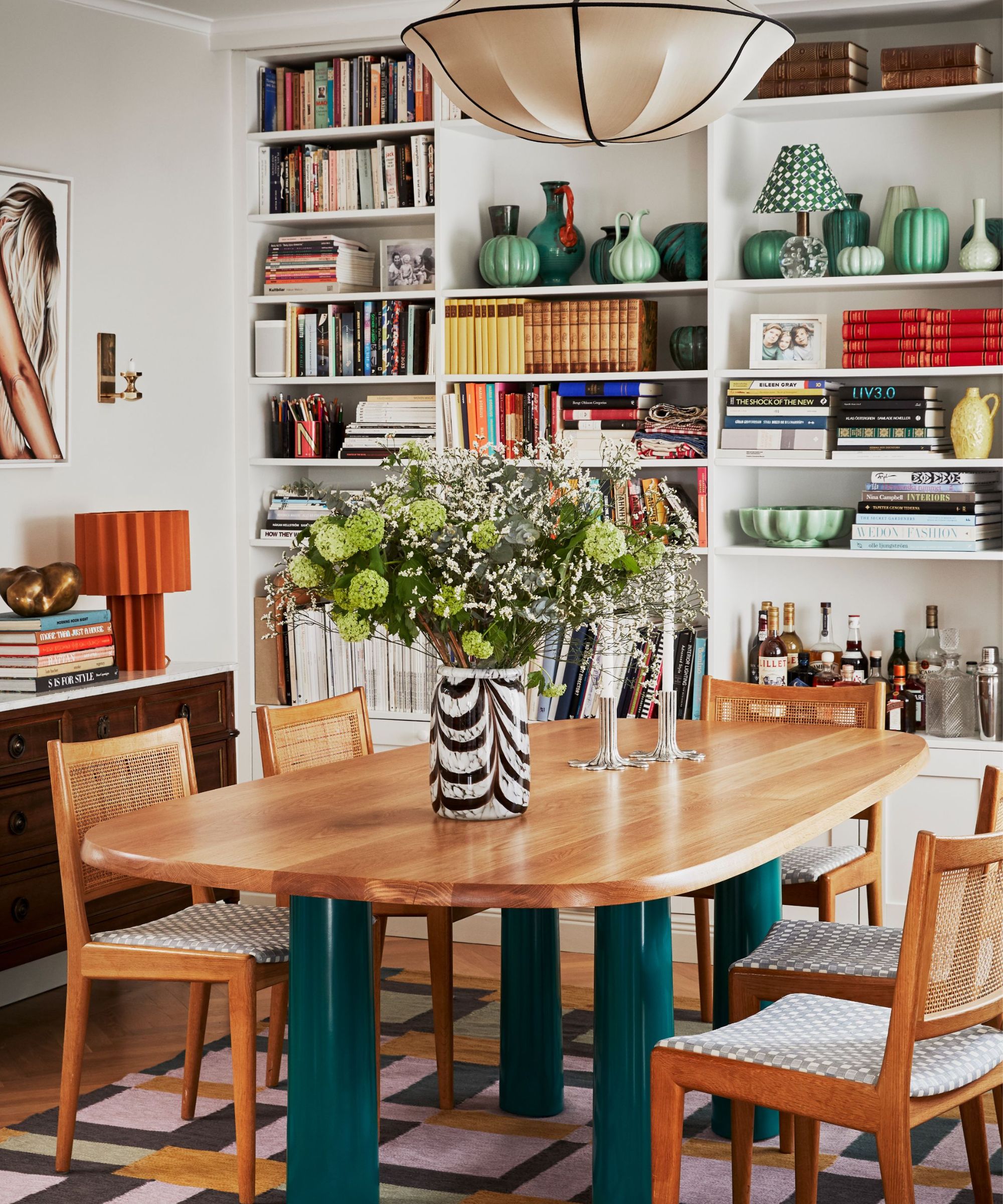
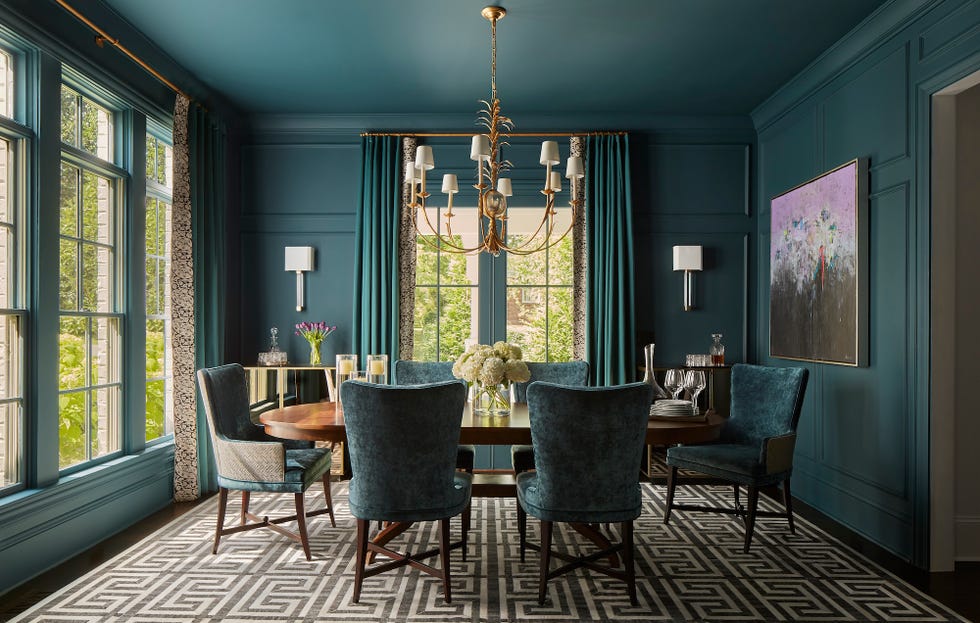
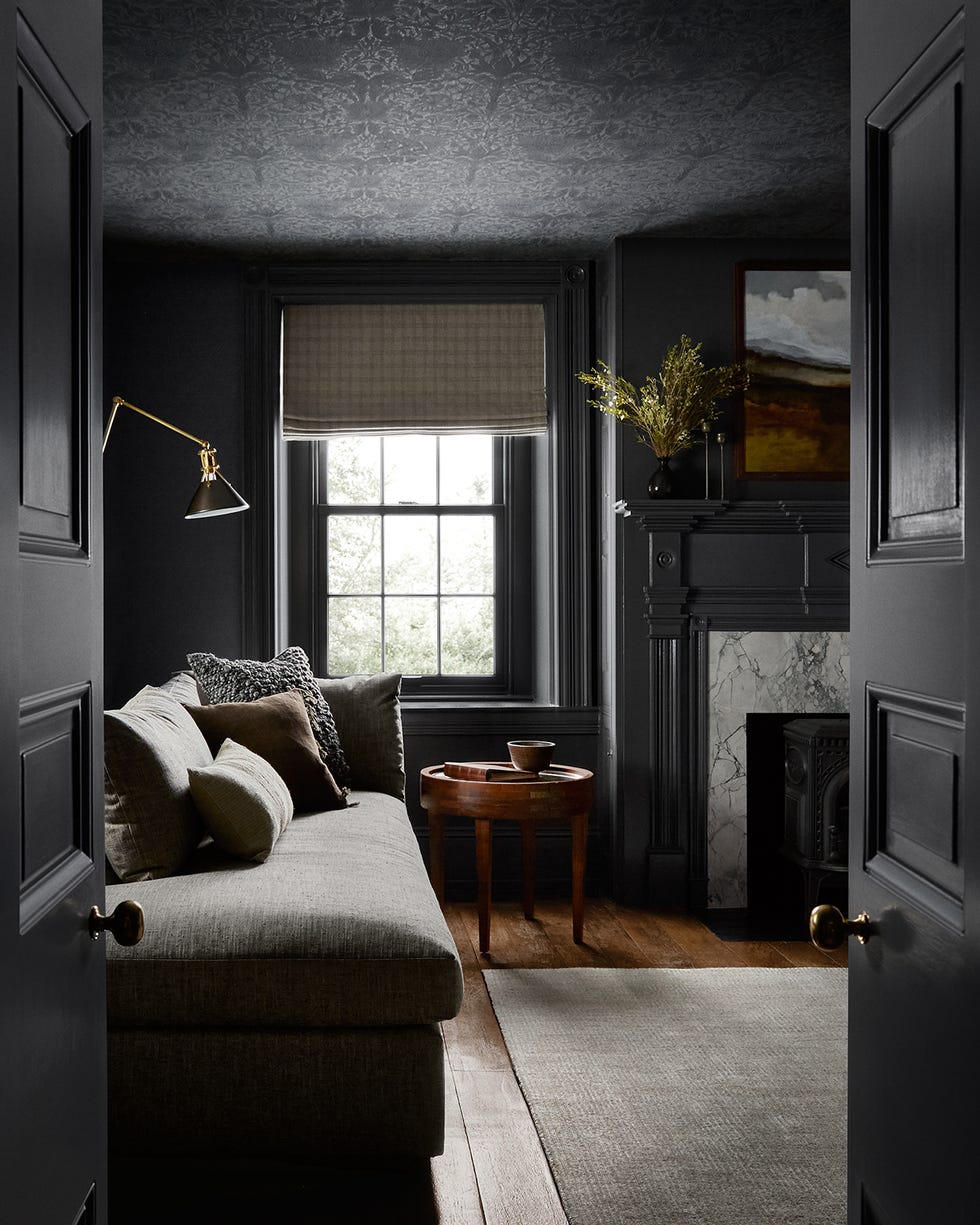
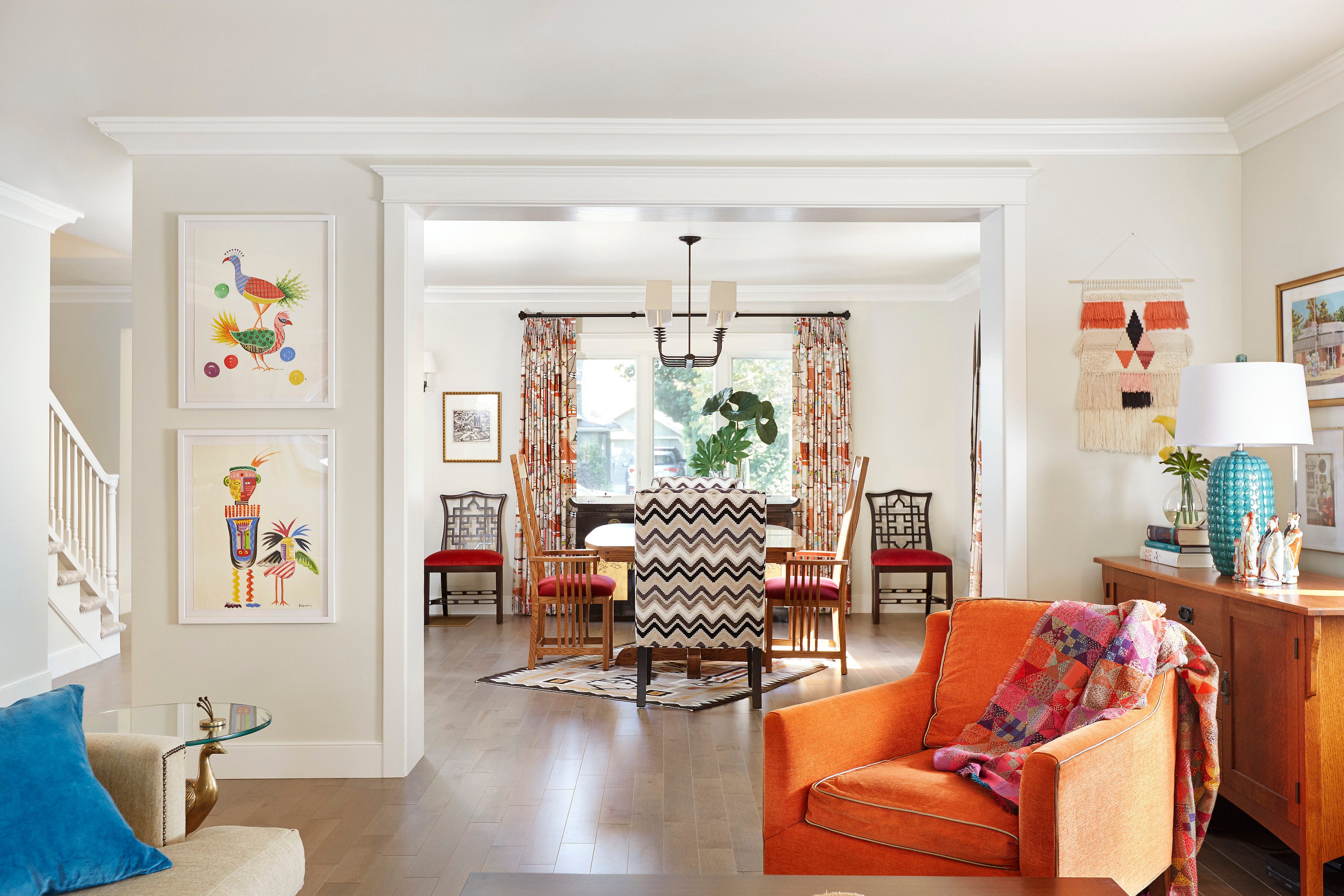
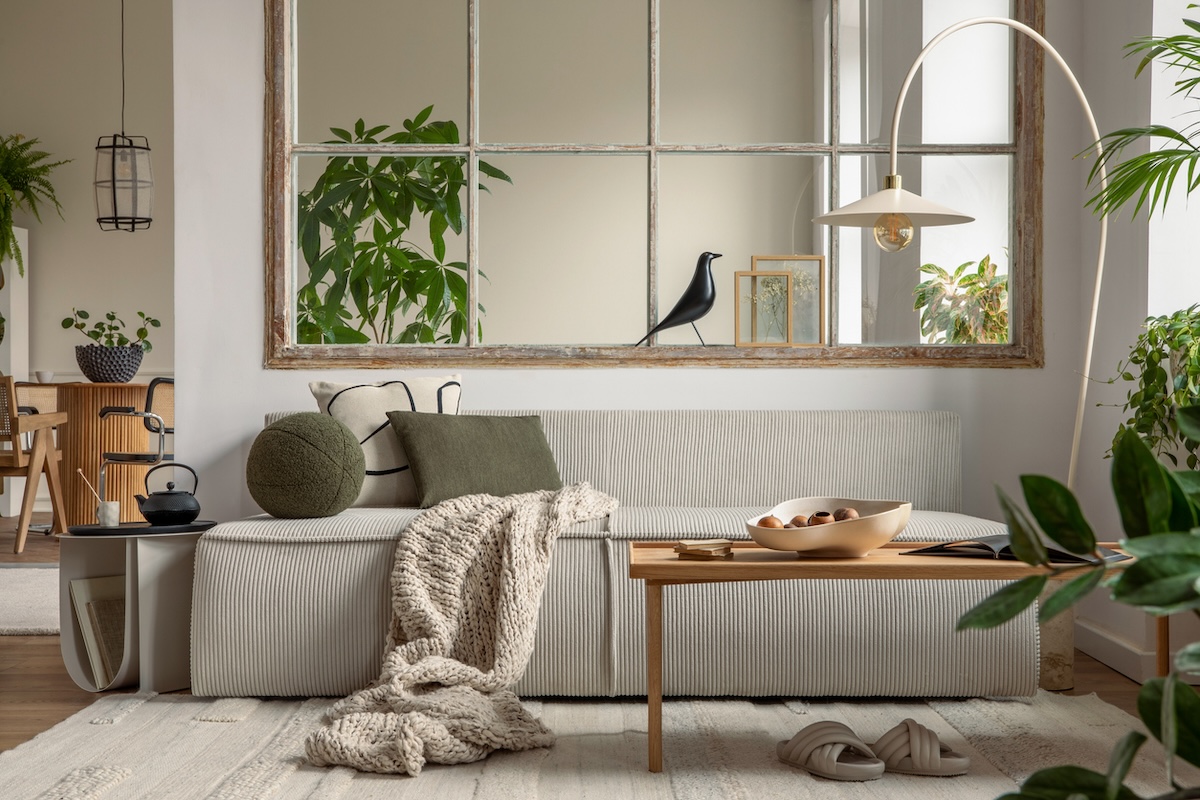
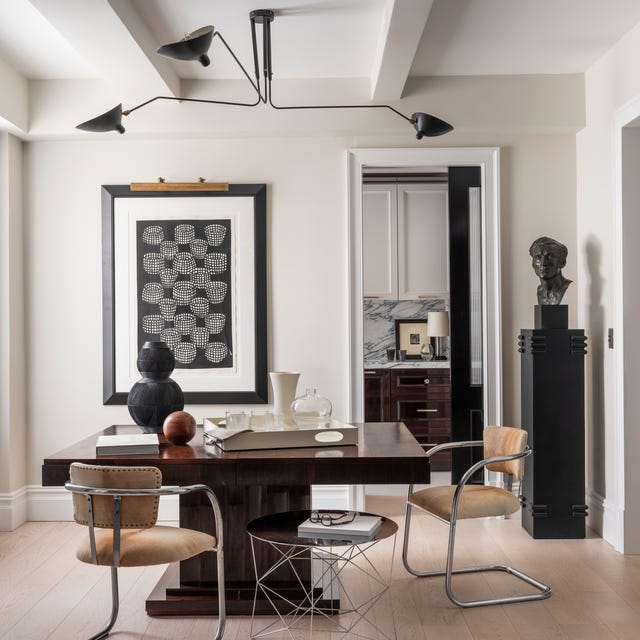
Ramsey elaborates on his preference for closed-concept spaces, comparing them to a wardrobe where different outfits suit different moods and occasions. He suggests that distinct rooms provide opportunities for diverse design expressions—a cozy family room, a sophisticated sitting room, or a vibrant powder room. This segmentation allows for experimentation with color, texture, and pattern in each room without needing to ensure seamless coordination with adjacent spaces. Lake supports this view, noting that closed concepts enable the creation of independent vignettes, allowing for varied aesthetics, such as a moody, rich wood veneer kitchen contrasted with a light and fresh living room palette. He also posits that closed-concept living promotes more focused engagement among family and friends by minimizing distractions.
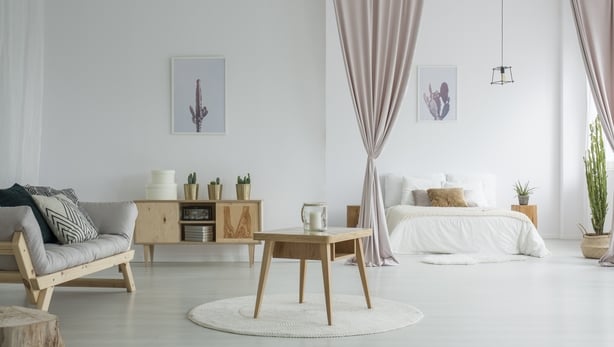
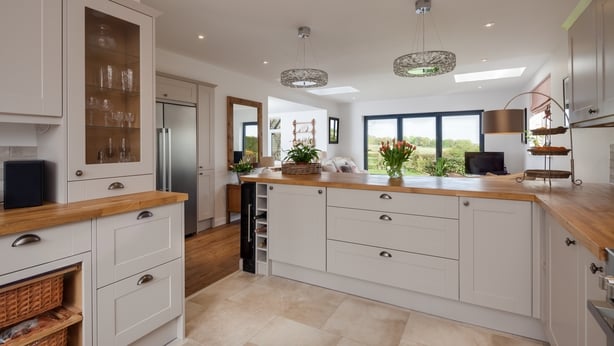
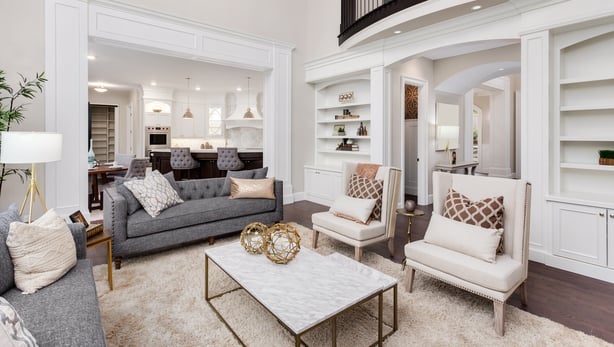
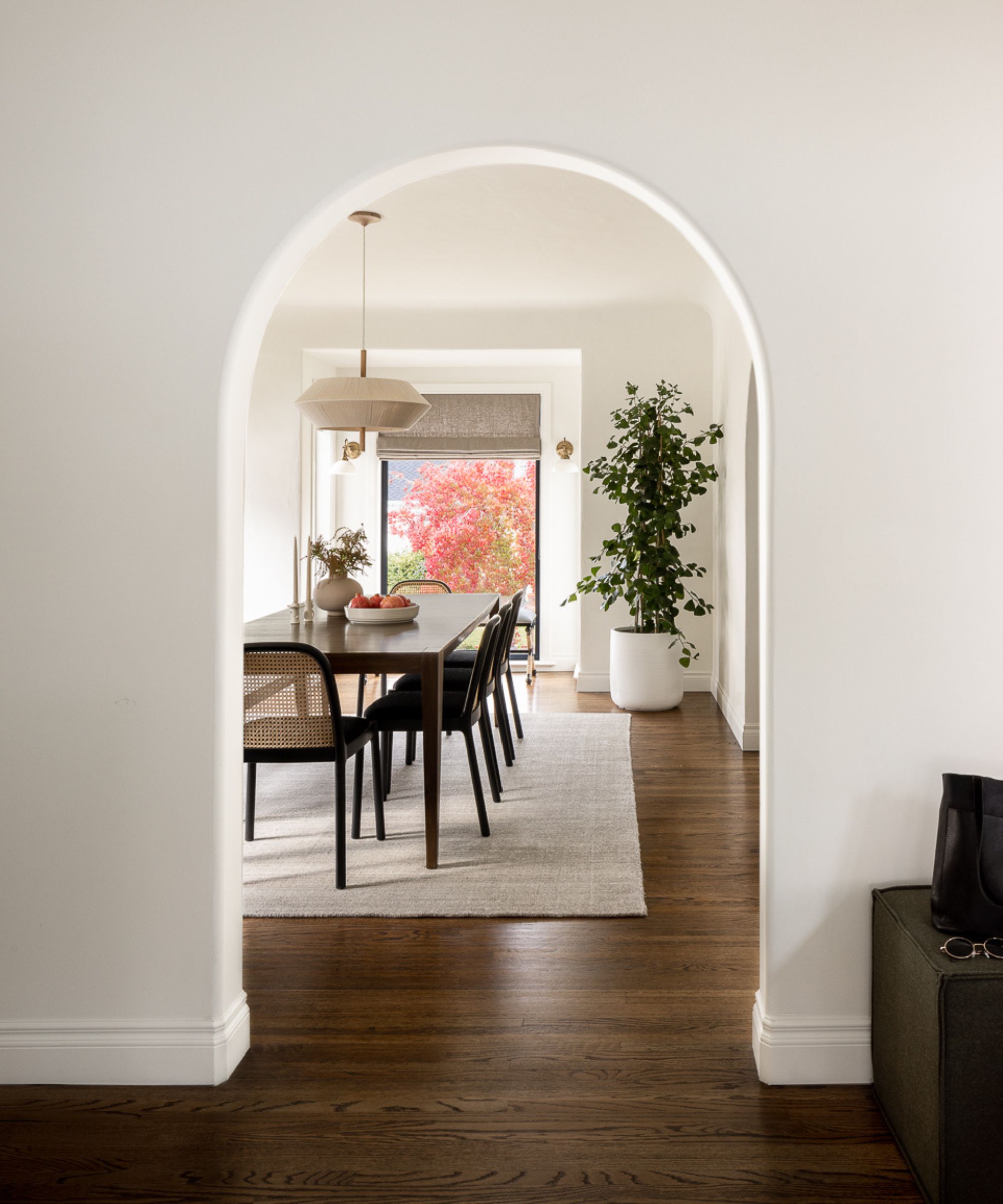
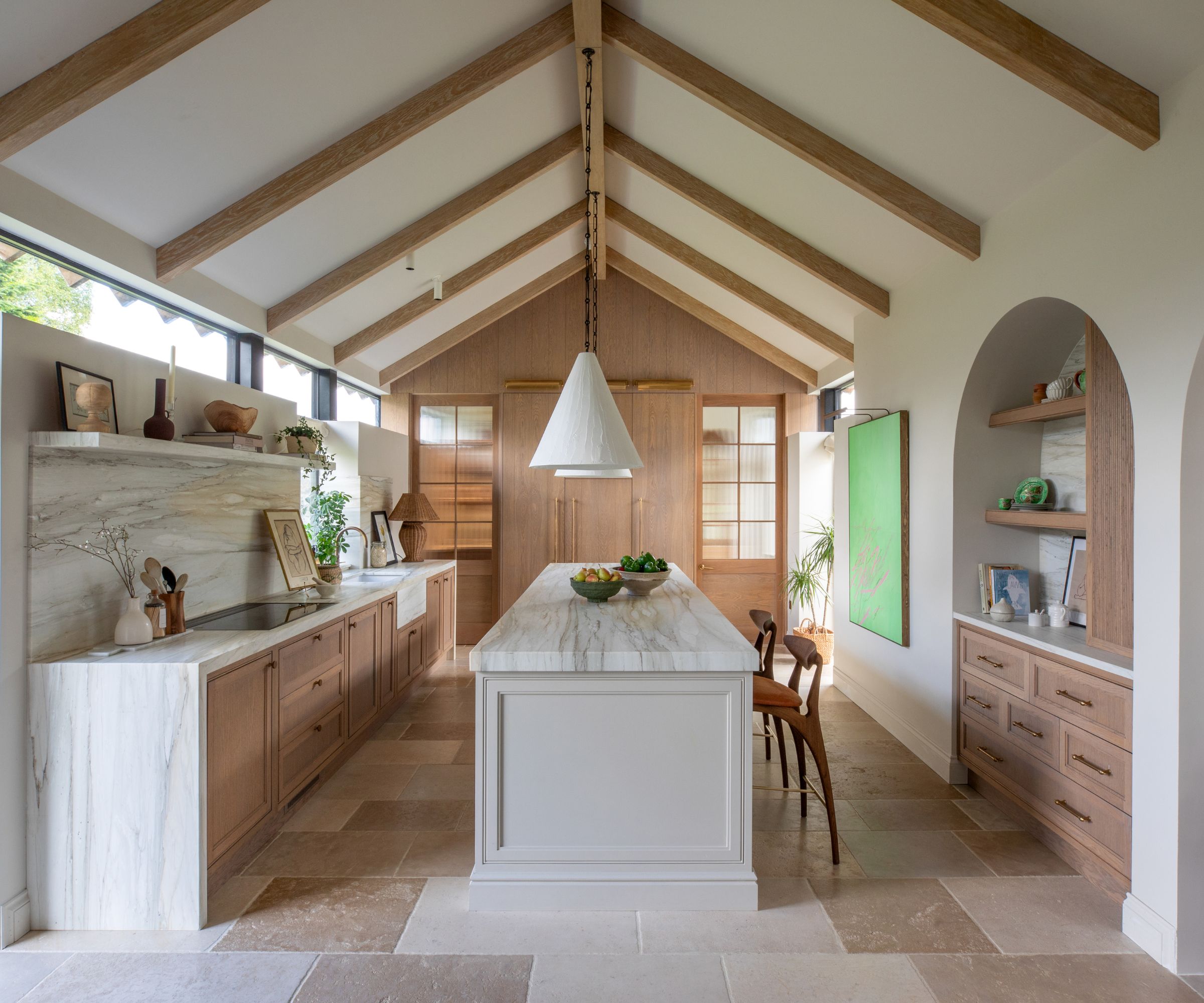
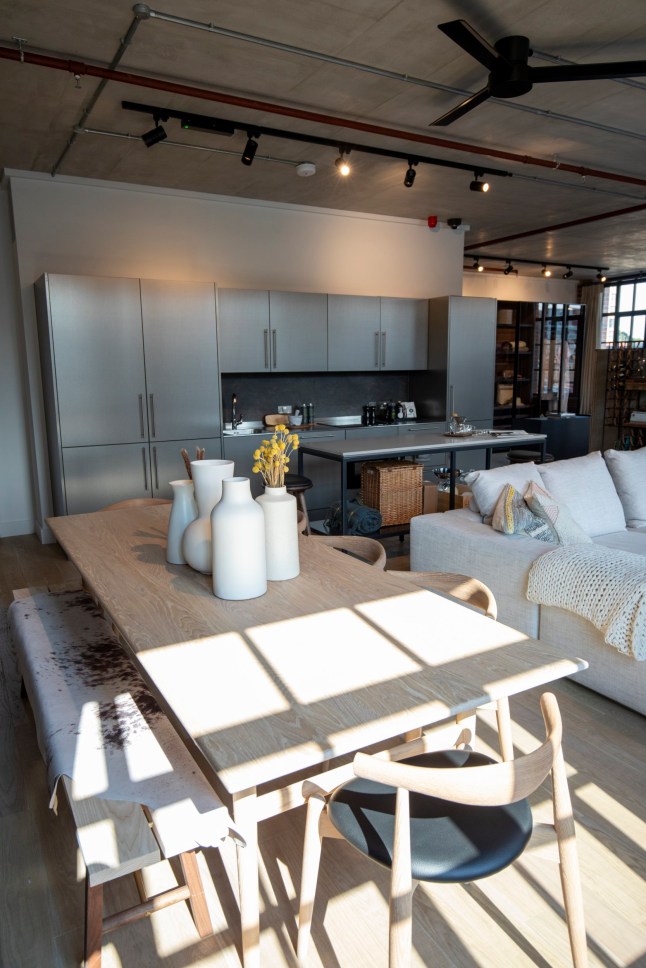
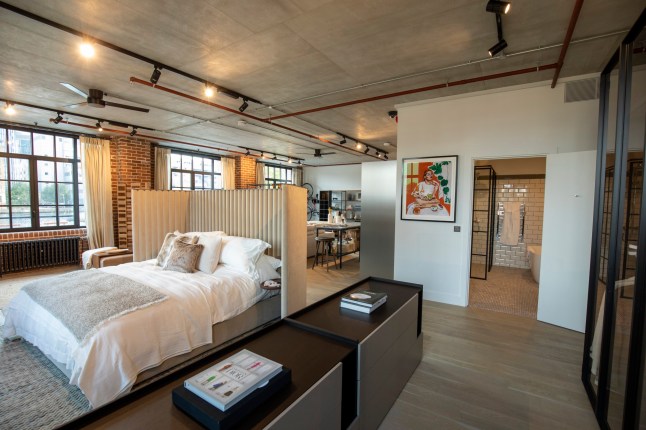
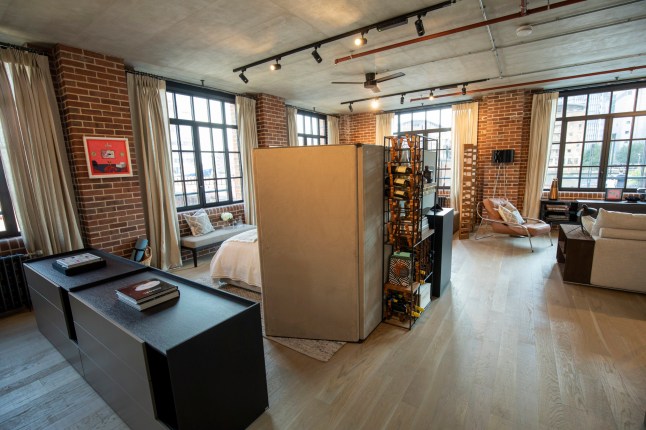
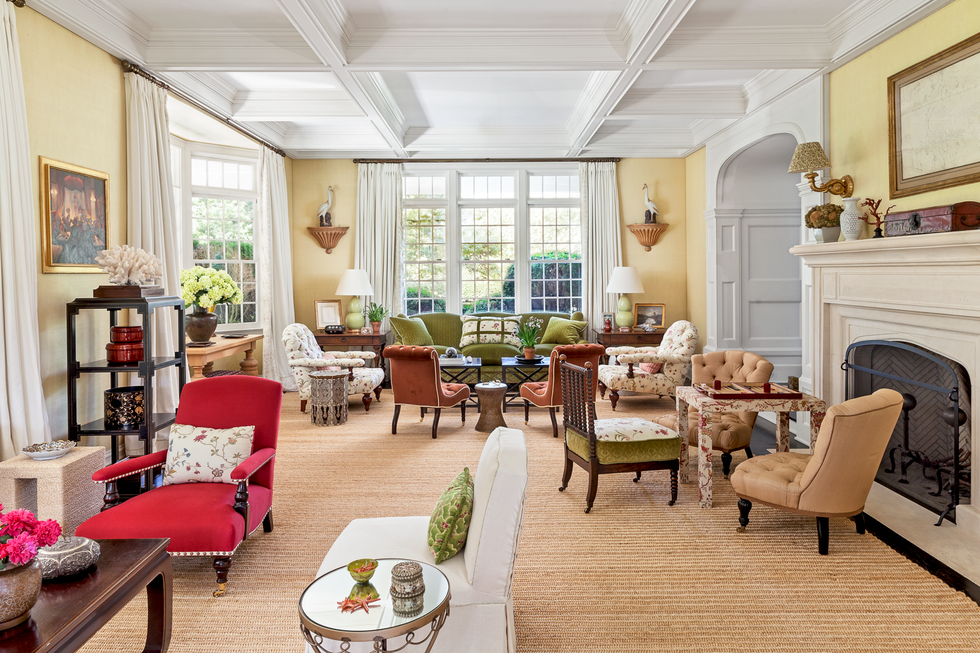
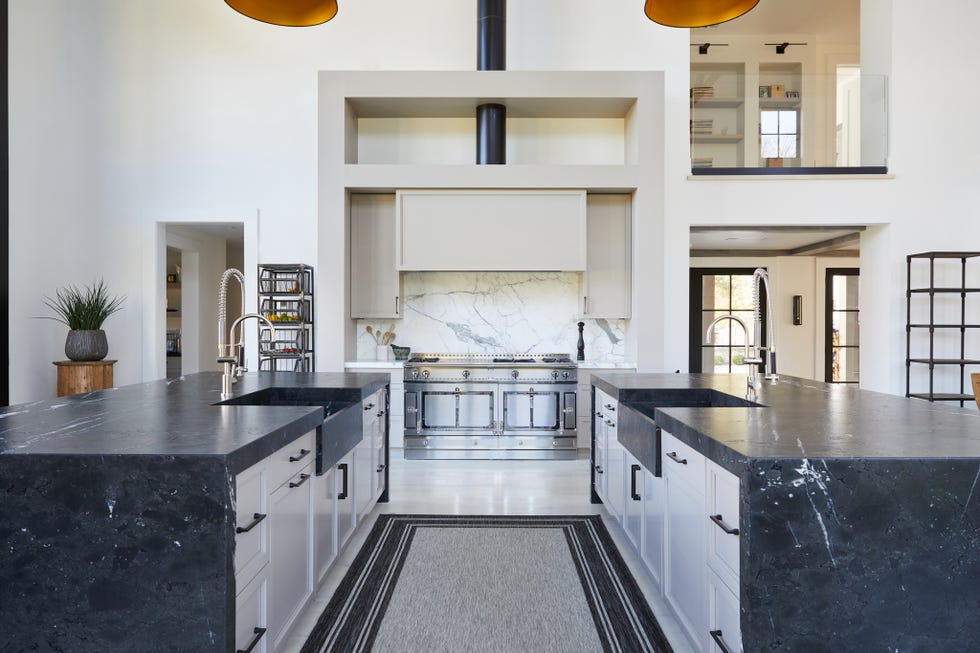
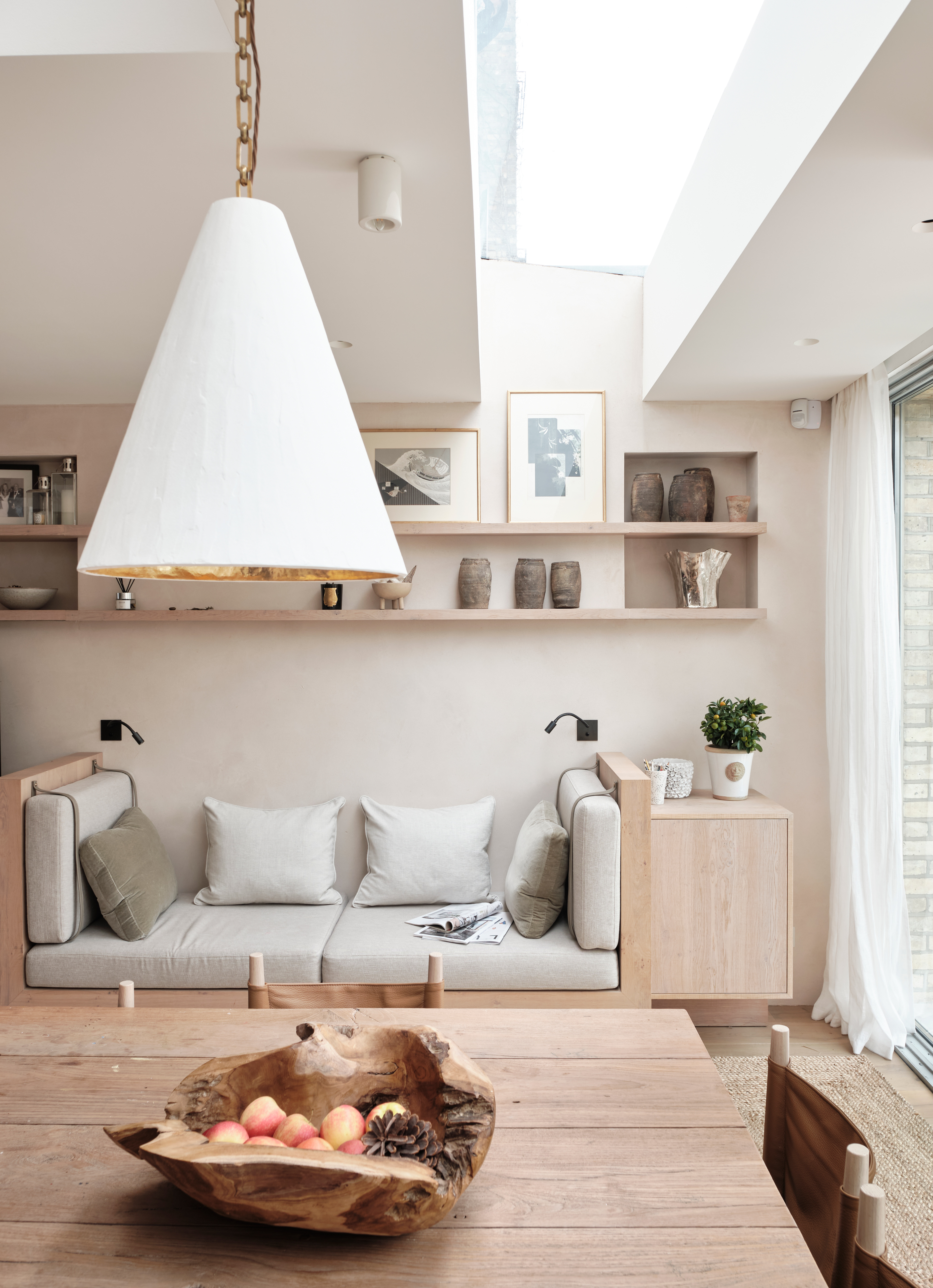
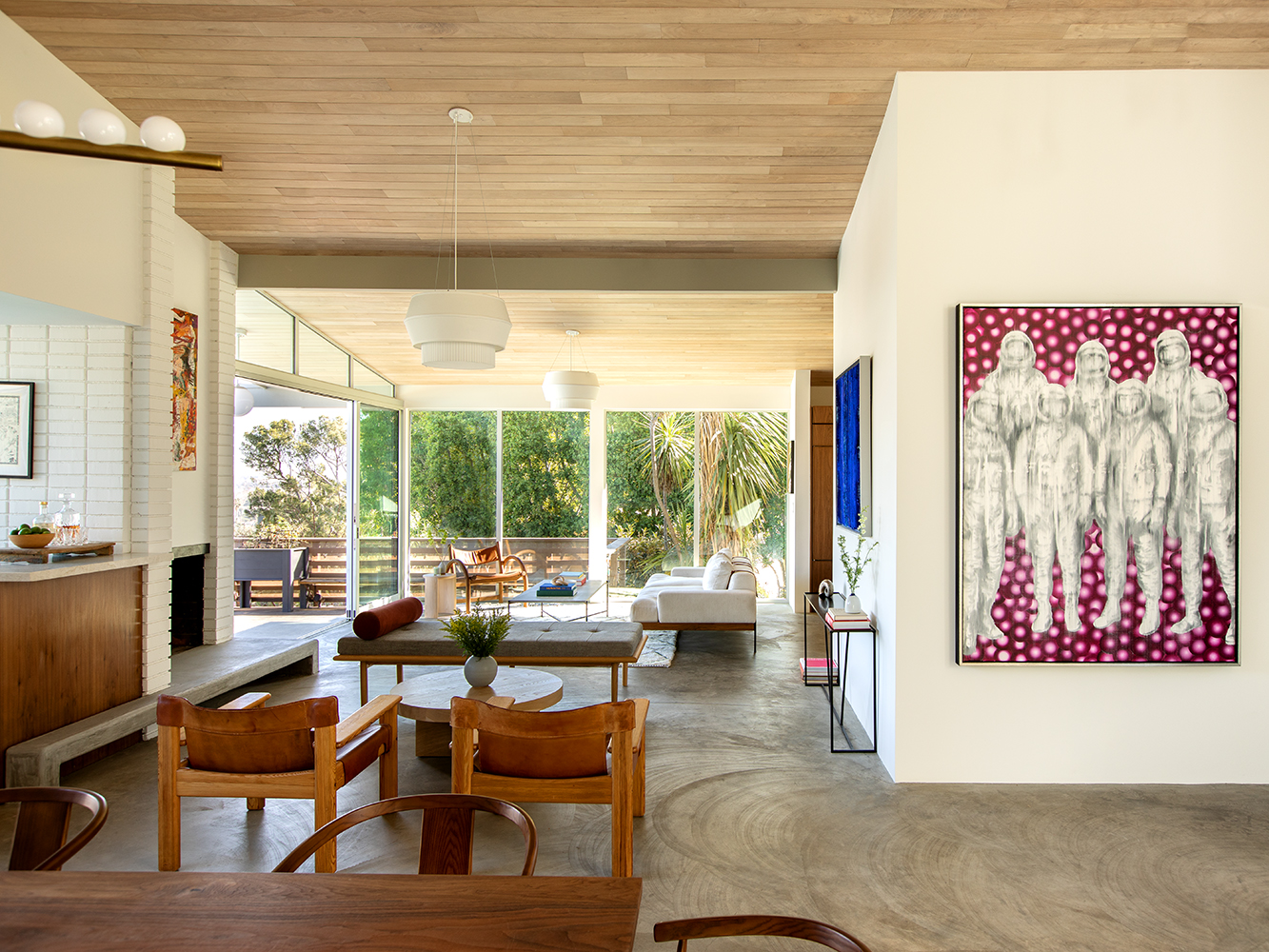
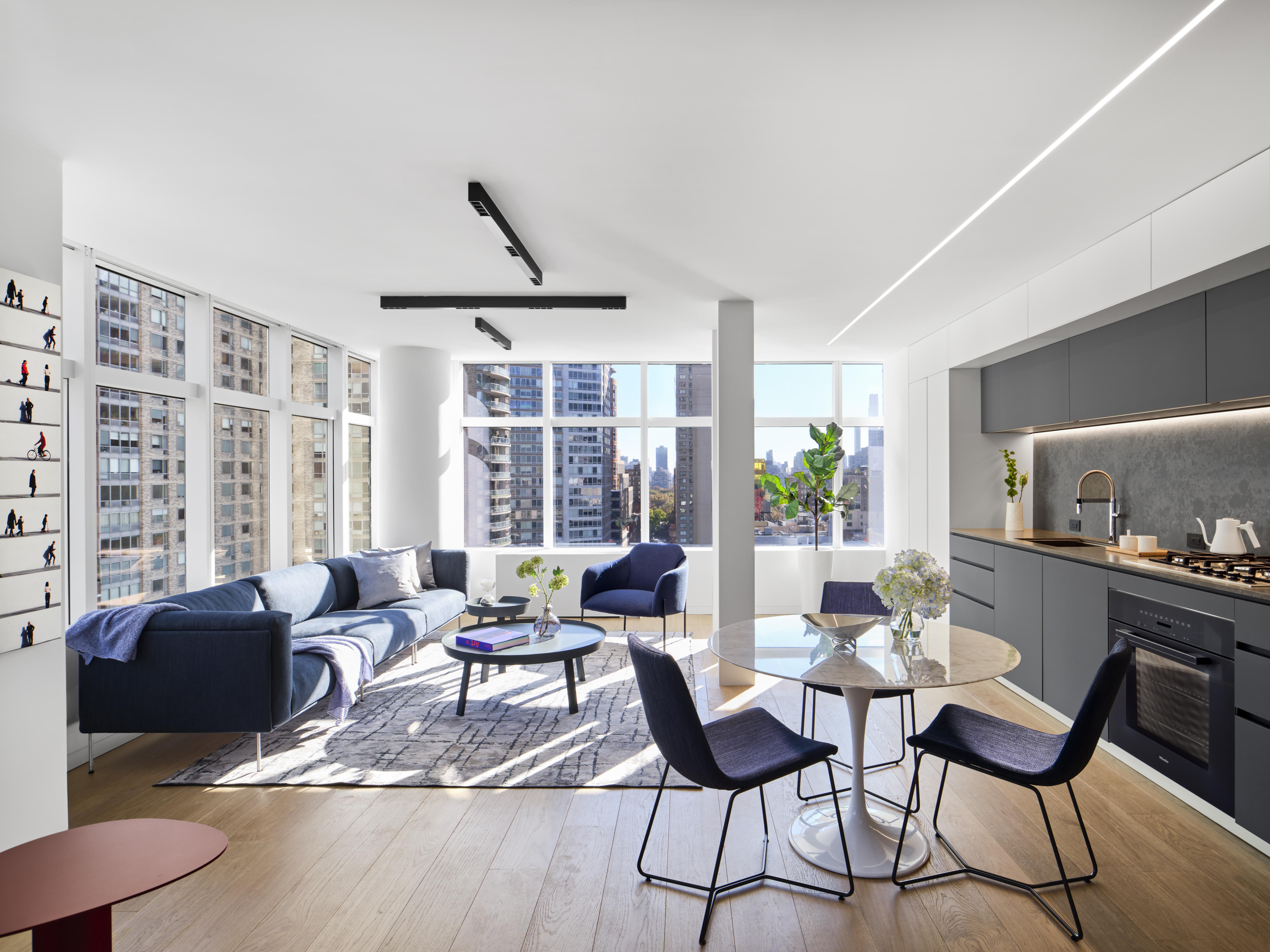
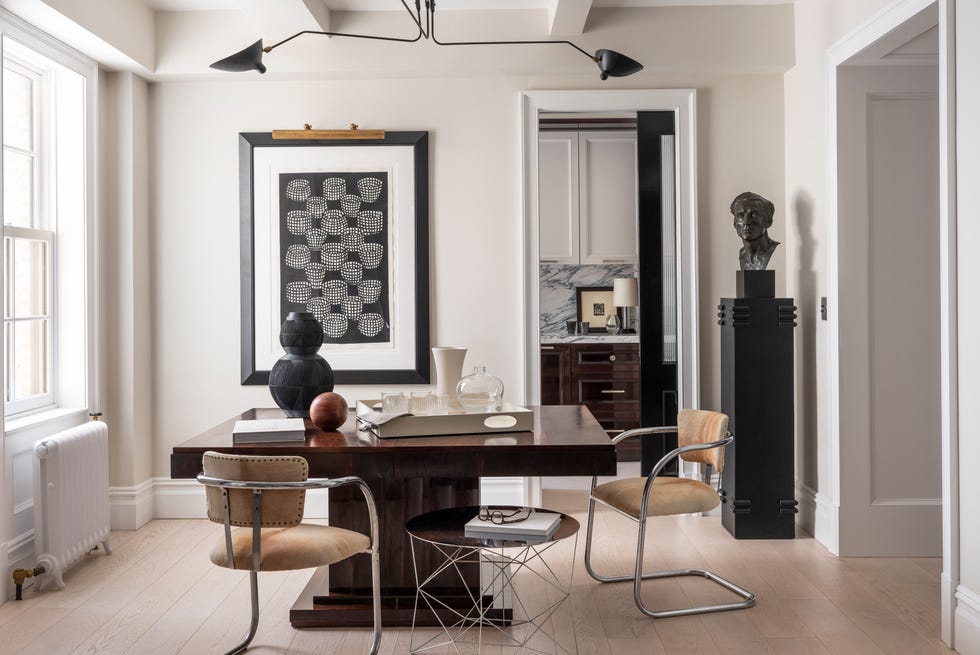
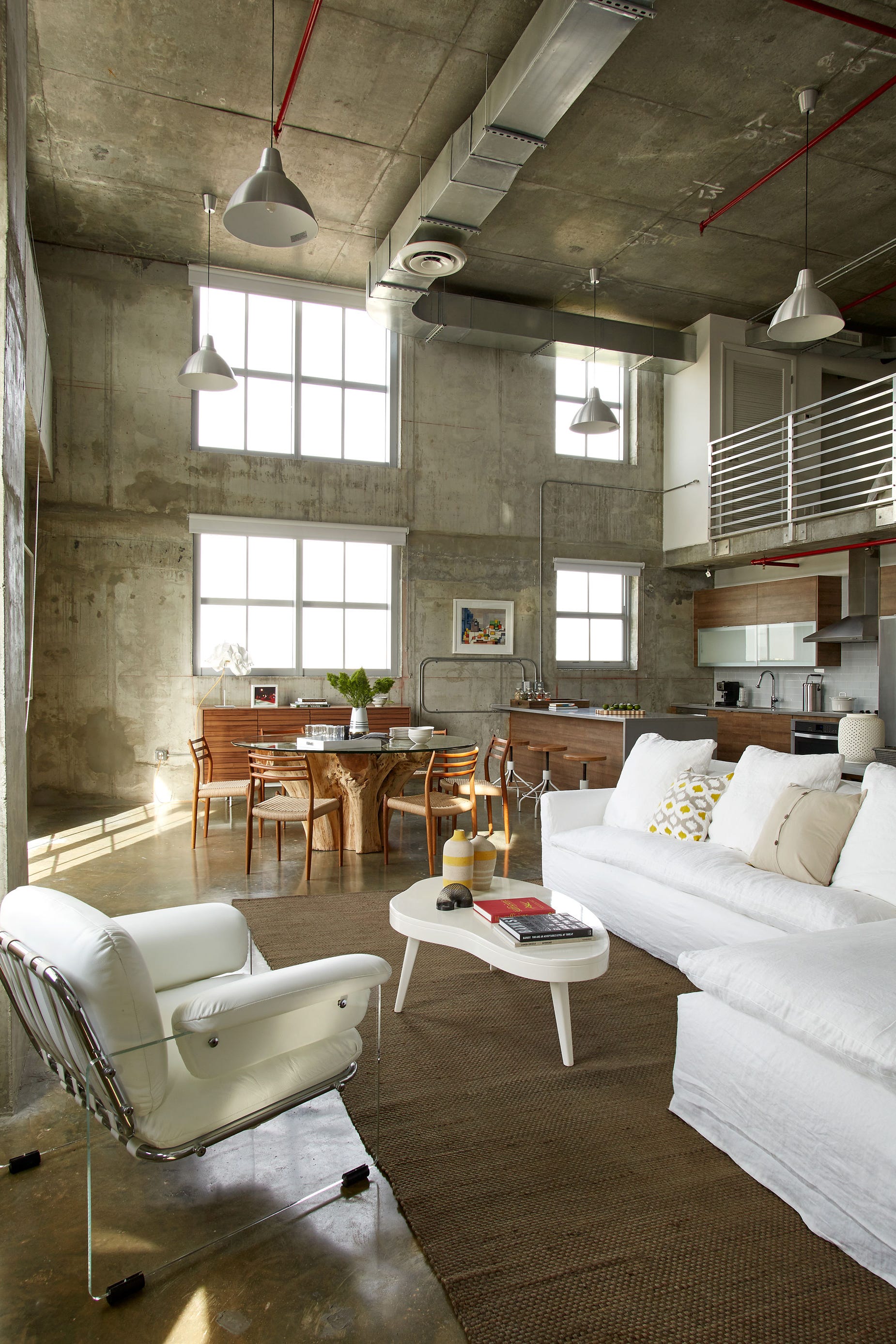
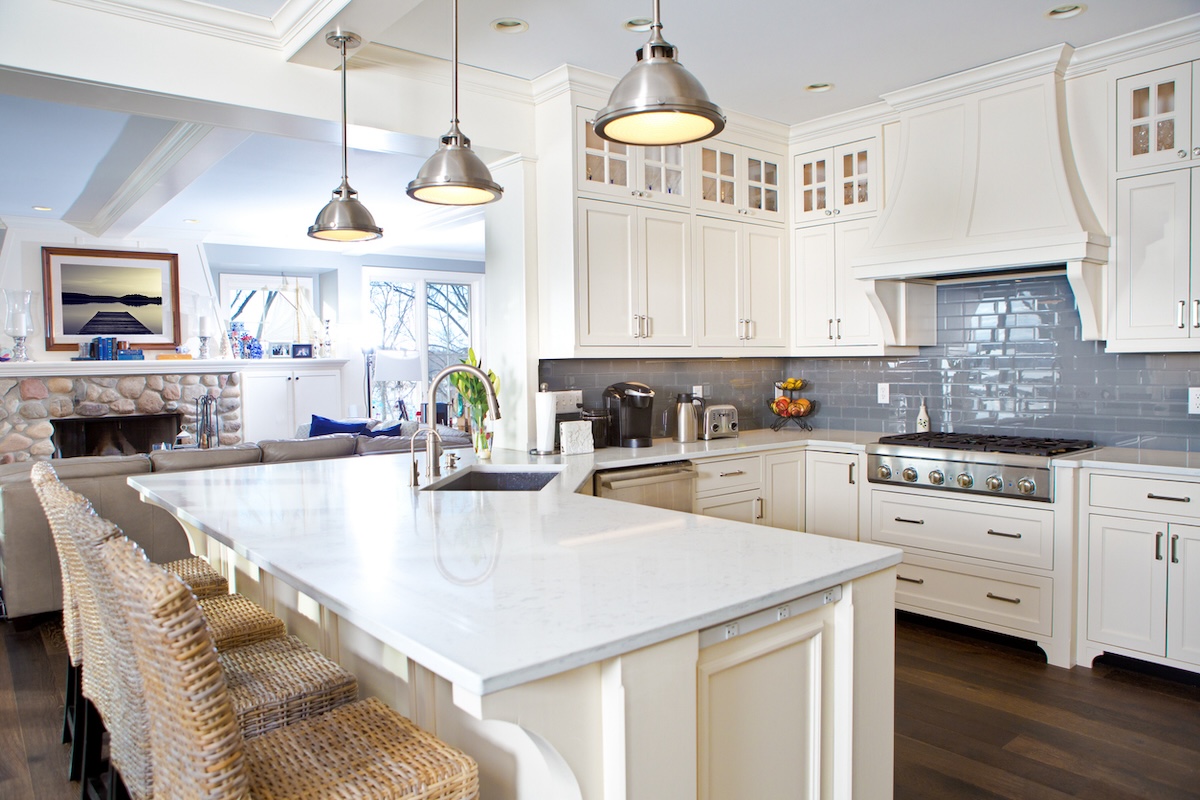
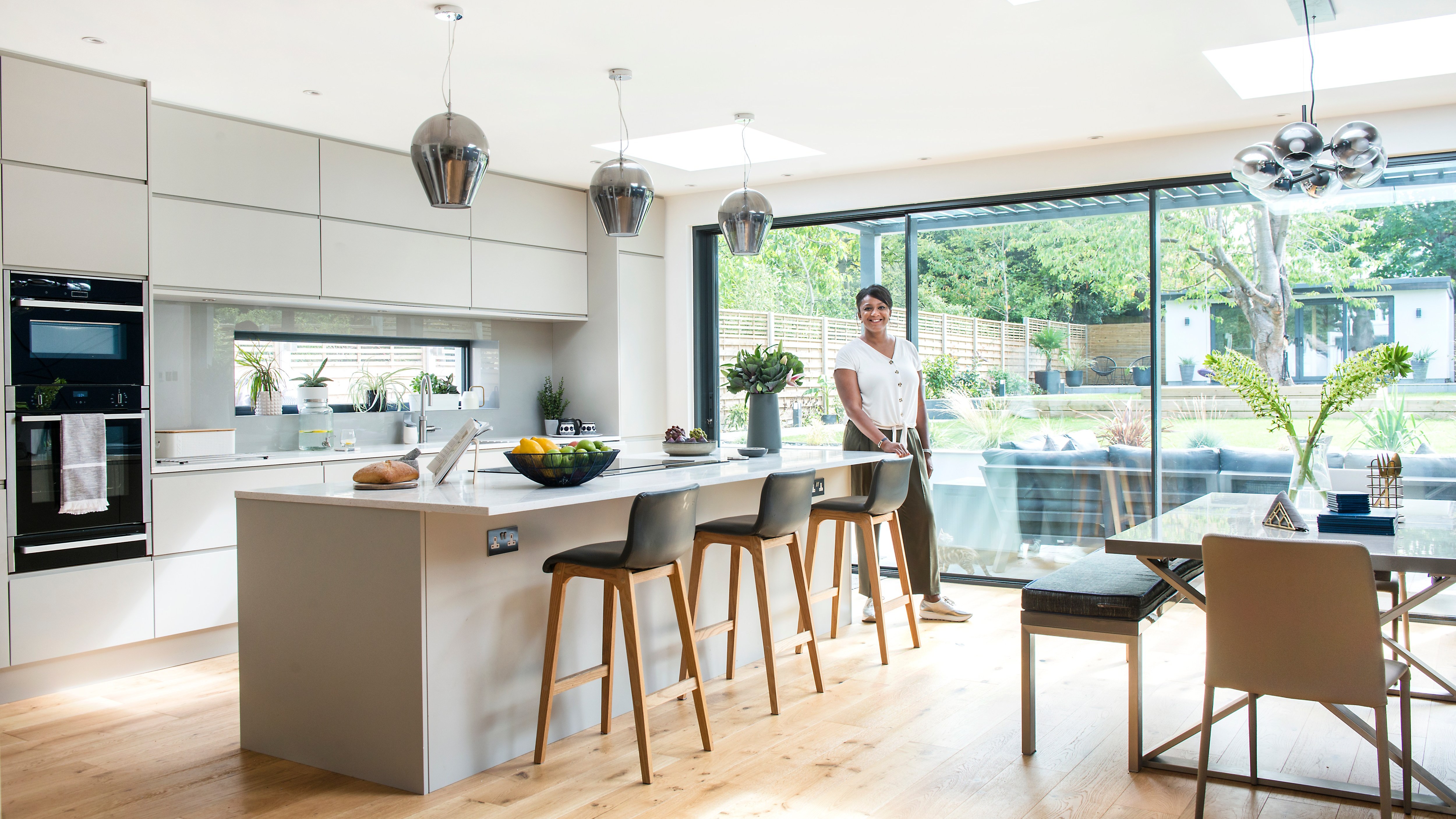
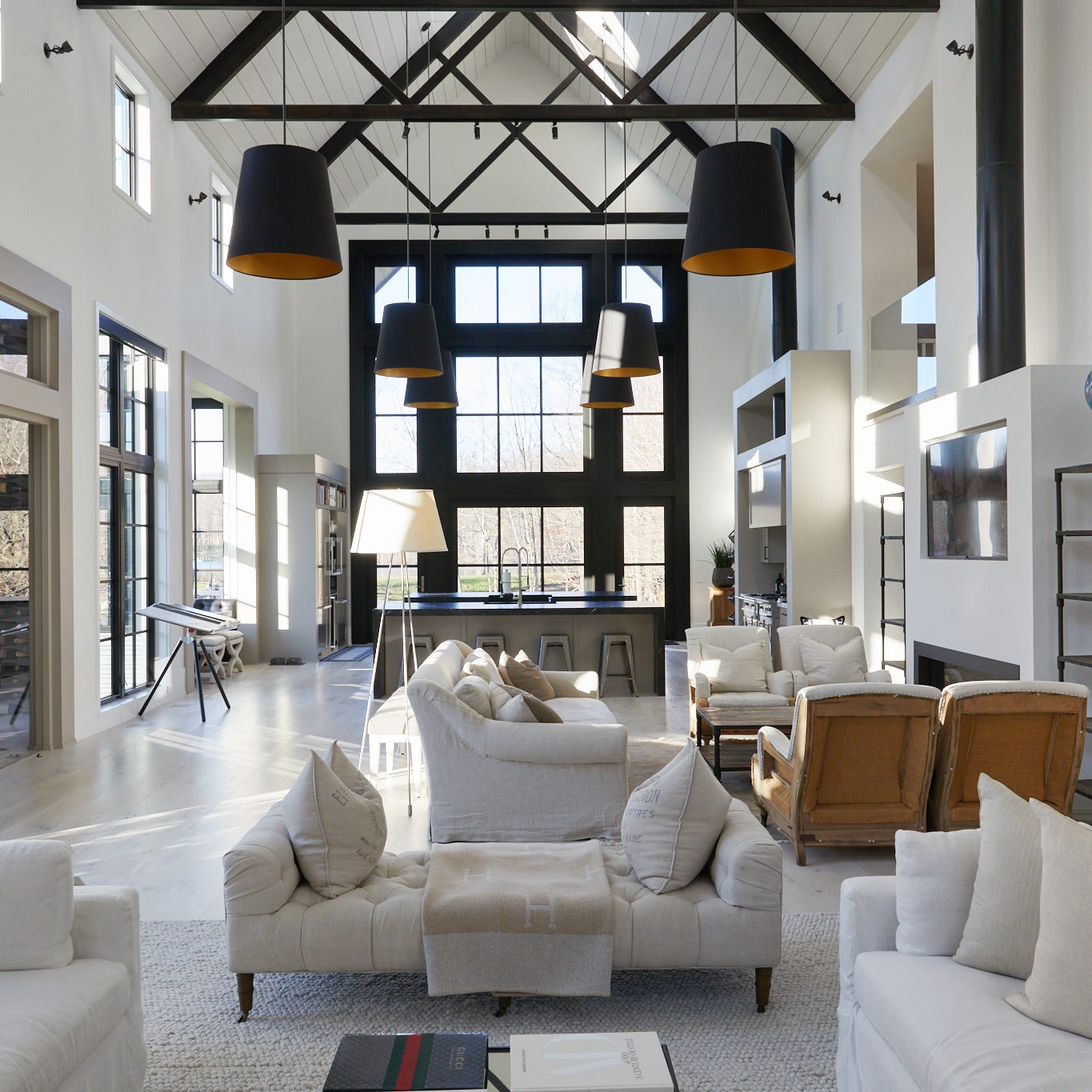
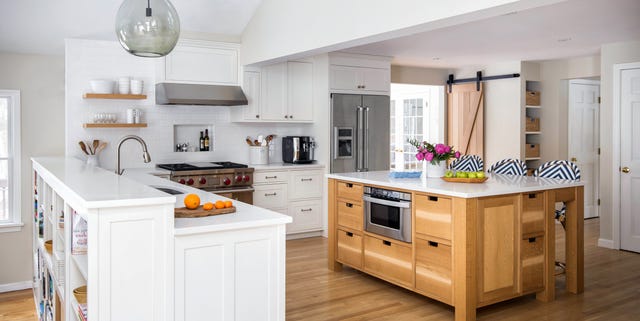
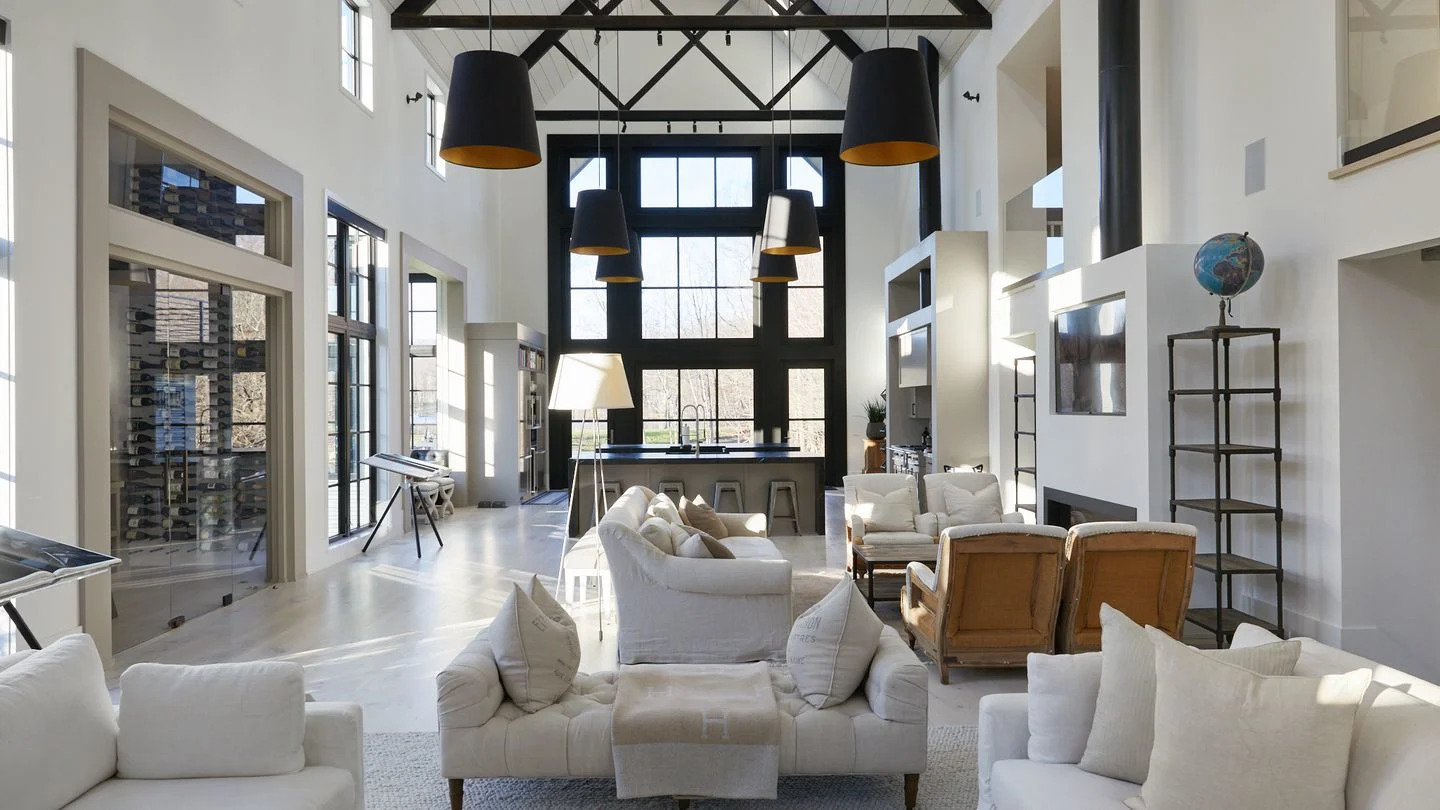
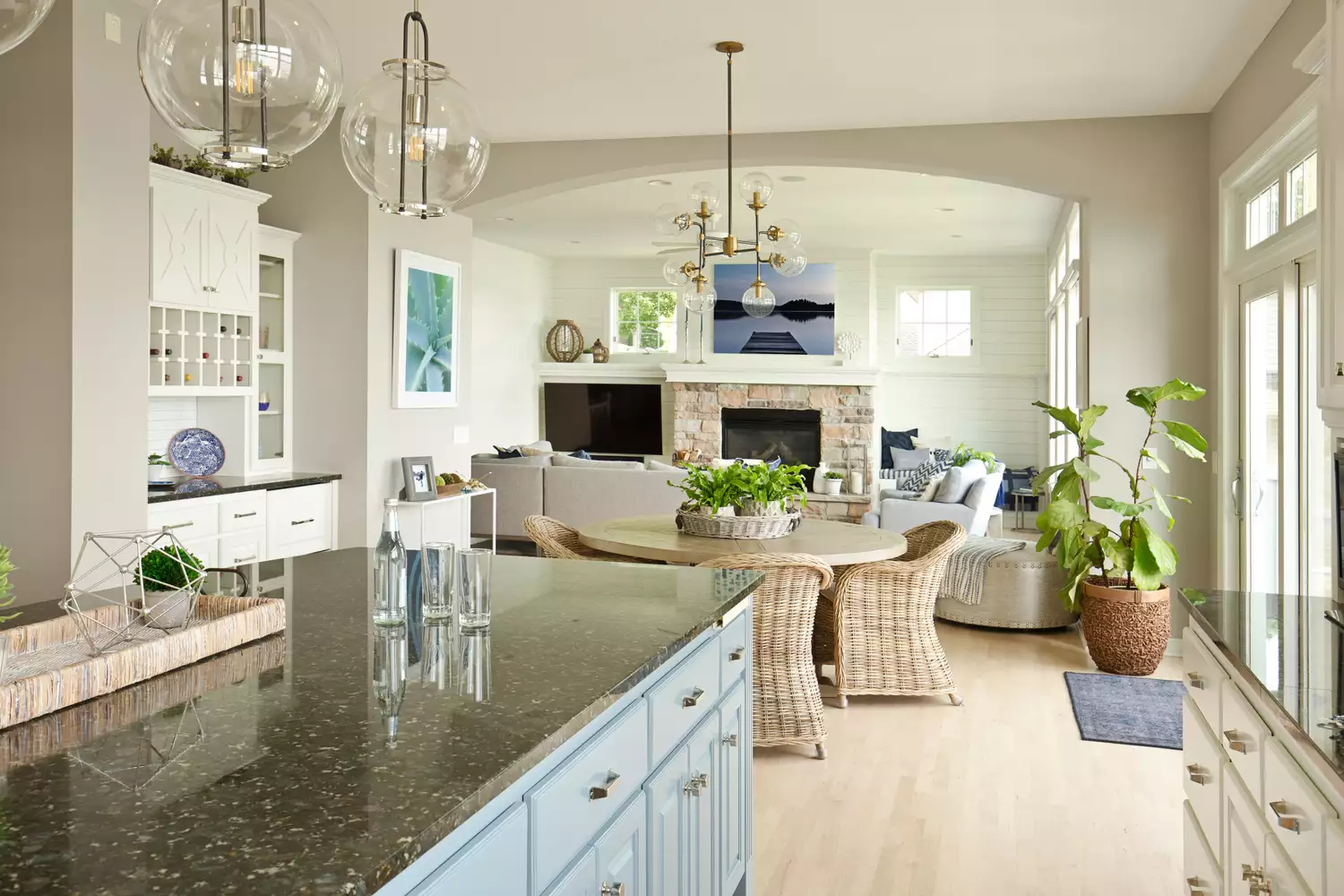
Conversely, other designers advocate for open-concept layouts, at least in certain contexts. Amber Lewis, a Los Angeles-based designer, believes open-concept spaces are ideal for entertaining, preventing guests from feeling cramped. Vince Falotico, managing partner of Brooks & Falotico in New Canaan, Connecticut, supports open concepts when they align with a client's lifestyle and are well-executed. He points out their benefits in maximizing natural light and offering seamless views, especially in properties with scenic surroundings. Shea McGee from Salt Lake City maintains a neutral stance, noting that many clients with families or a penchant for entertaining gravitate towards open floorplans due to the convenience of multitasking—such as watching children, cooking, and interacting with guests simultaneously.
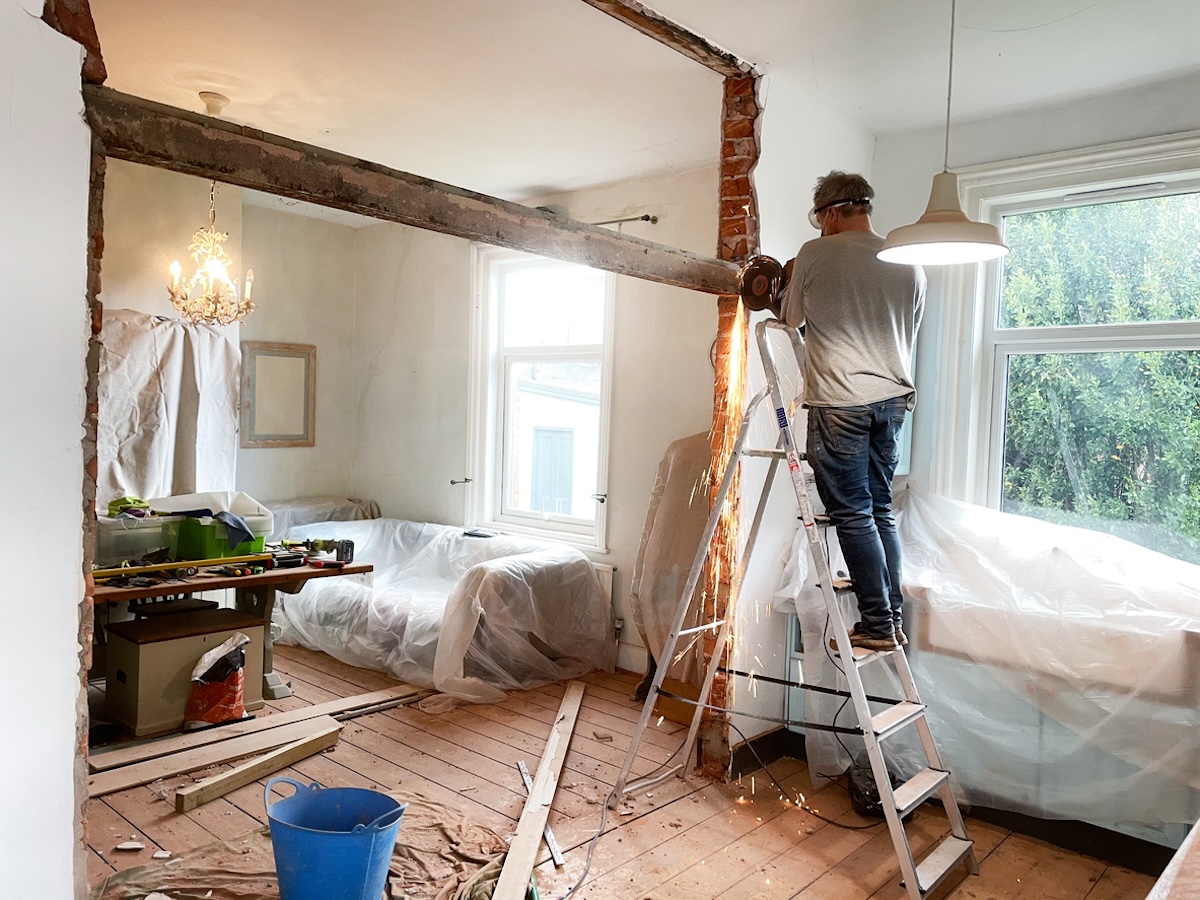
The article concludes that the decision between open and closed-concept layouts ultimately depends on the homeowner's lifestyle and preferences. Factors like having children, entertaining habits (casual vs. formal), and the desire for distinct functional zones should influence the choice. The piece also raises the question of timelessness, observing that closed-concept designs have a long historical precedence, while open concepts are a relatively newer trend. For those seeking a classic aesthetic, designating separate rooms for the kitchen, living room, and dining area remains a reliable and enduring design choice.
#OpenConceptLiving #InteriorDesign #HomeLayout #DesignTrends #ClosedConceptLiving #BradRamsey #JerelLake #AmberLewis #SheaMcGee #OpenConceptLiving #InteriorDesign #HomeLayout #DesignTrends #ClosedConceptLiving #BradRamsey #JerelLake #AmberLewis #SheaMcGee
Hay 0 comentarios en total
 Aún no hay comentarios
También te puede gustar
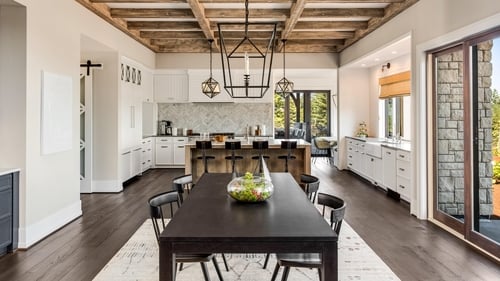
Open plan living: The new normal or passing trend?

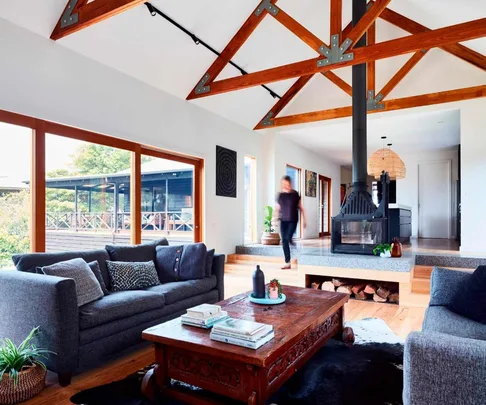
Is open-plan living dead? Here's what the design experts say

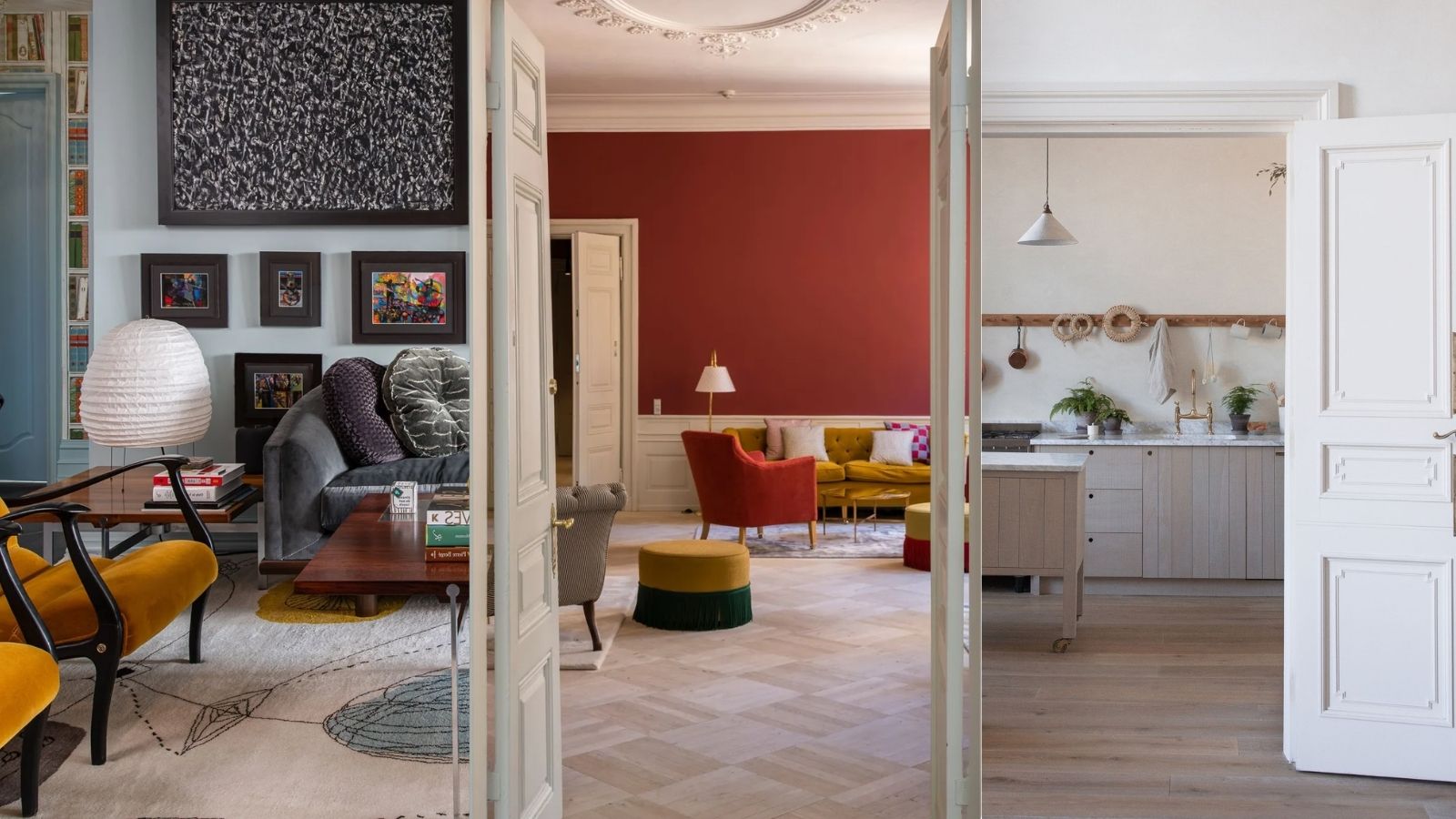
Are closed layouts back on trend? Designers weigh in on why we are over open plan

Forget the Open Concept: It's Time to Bring Back Rooms

Open plan living is over. Here’s why we all want walls again
Will The Pandemic Be The Death Of The Open Floor Plan?

The End of Open-Plan Everything


Sarah Beeny urges people to ditch open-plan living amid need for 'space' away from husband
Is open plan going out of style? Experts weigh on whether this once-loved layout is starting to date

Is This the End of the Open-Plan Layout?

This Controversial Home Layout Has DIVIDED the Design World
The Challenges and Opportunities of Open-Concept Floor Plans

Is It Time to Shut the Door on Open-Concept Living?

We need more flexible housing for 21st-century lives

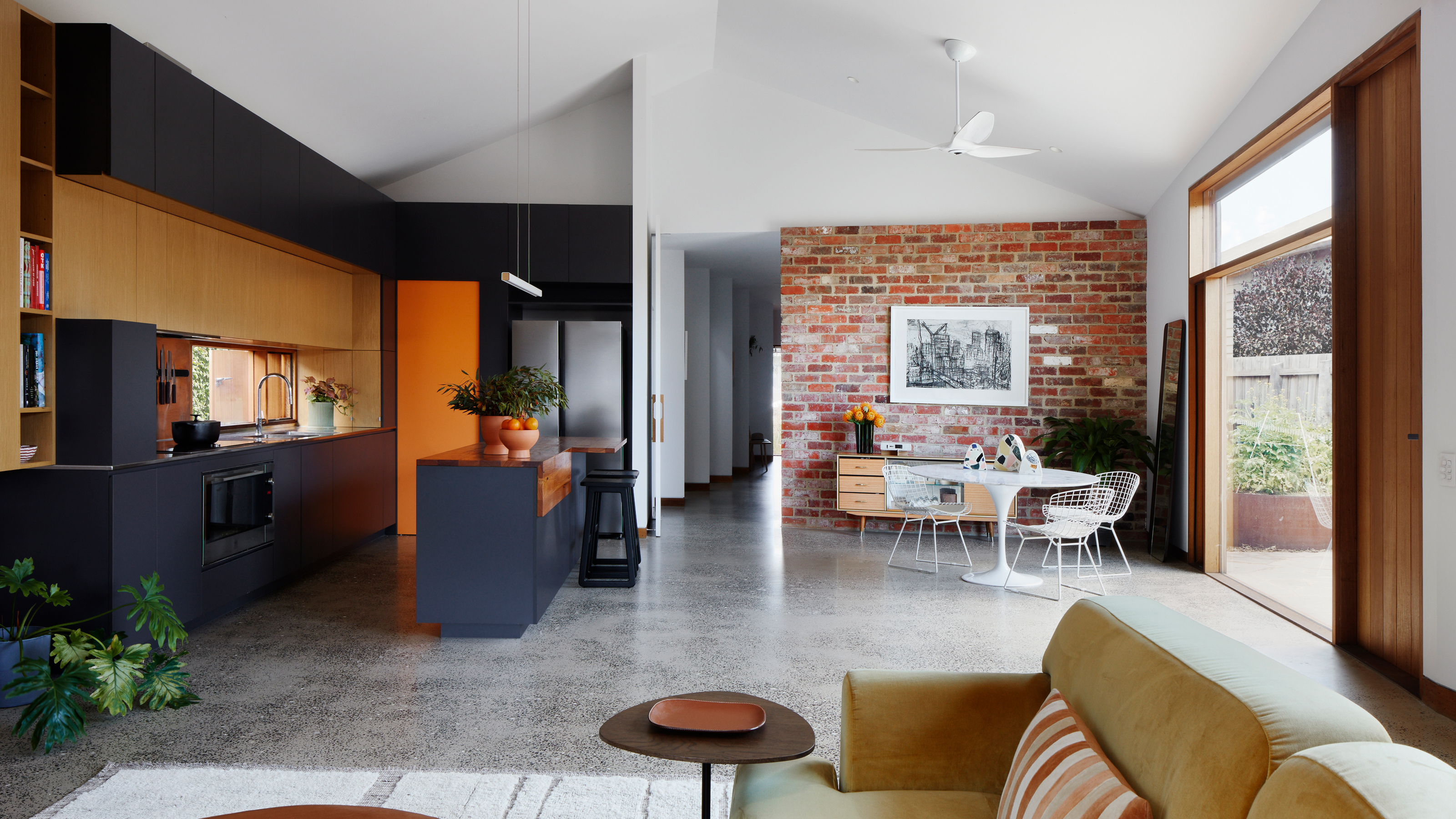
Are Open Concept Floor Plans Still in Style? Here's Why Designers are Opting Against This Once-Loved Layout

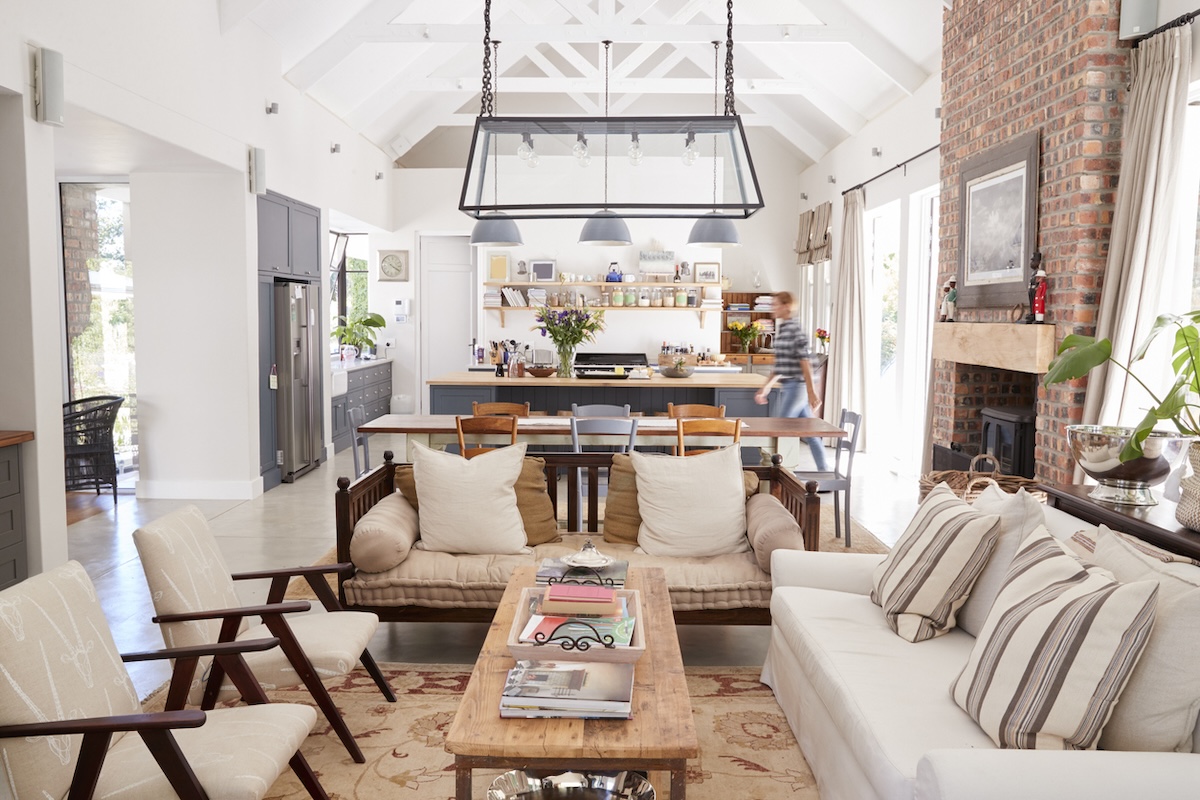
The One Wall Most People Want to Rip Out: Ideas for Open and Semi-Open Floor Plans

Say goodbye walls, open-plan living is the trend that's here to stay

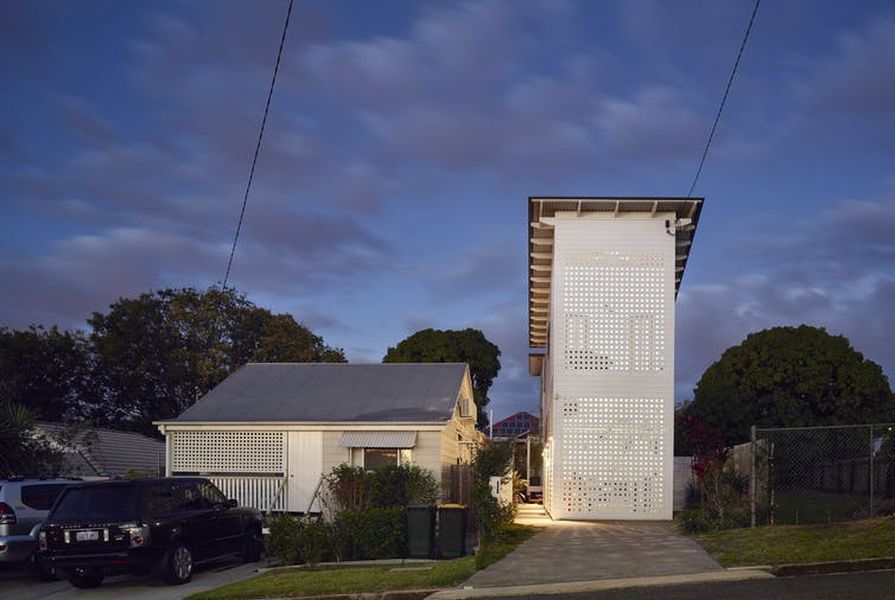
We need more flexible housing for 21st-century lives
Designers Agree: Open Concept Is Out, Tradition Is In

Are Open Concept Floor Plans Going Out of Style? We Asked Designers and They All Agreed