1/7
5 Ways Designers Use Scale to Make Rooms Feel Right
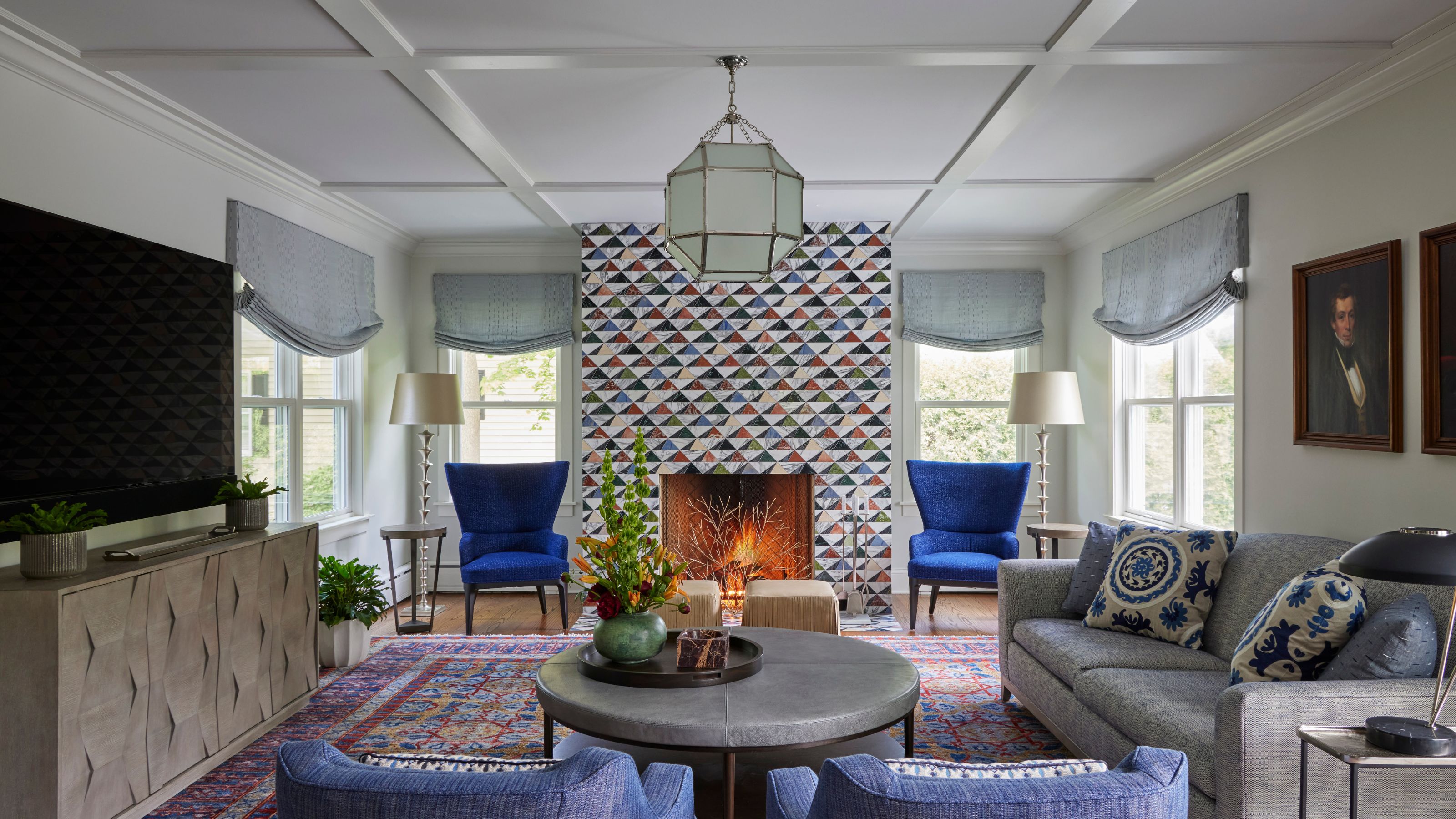
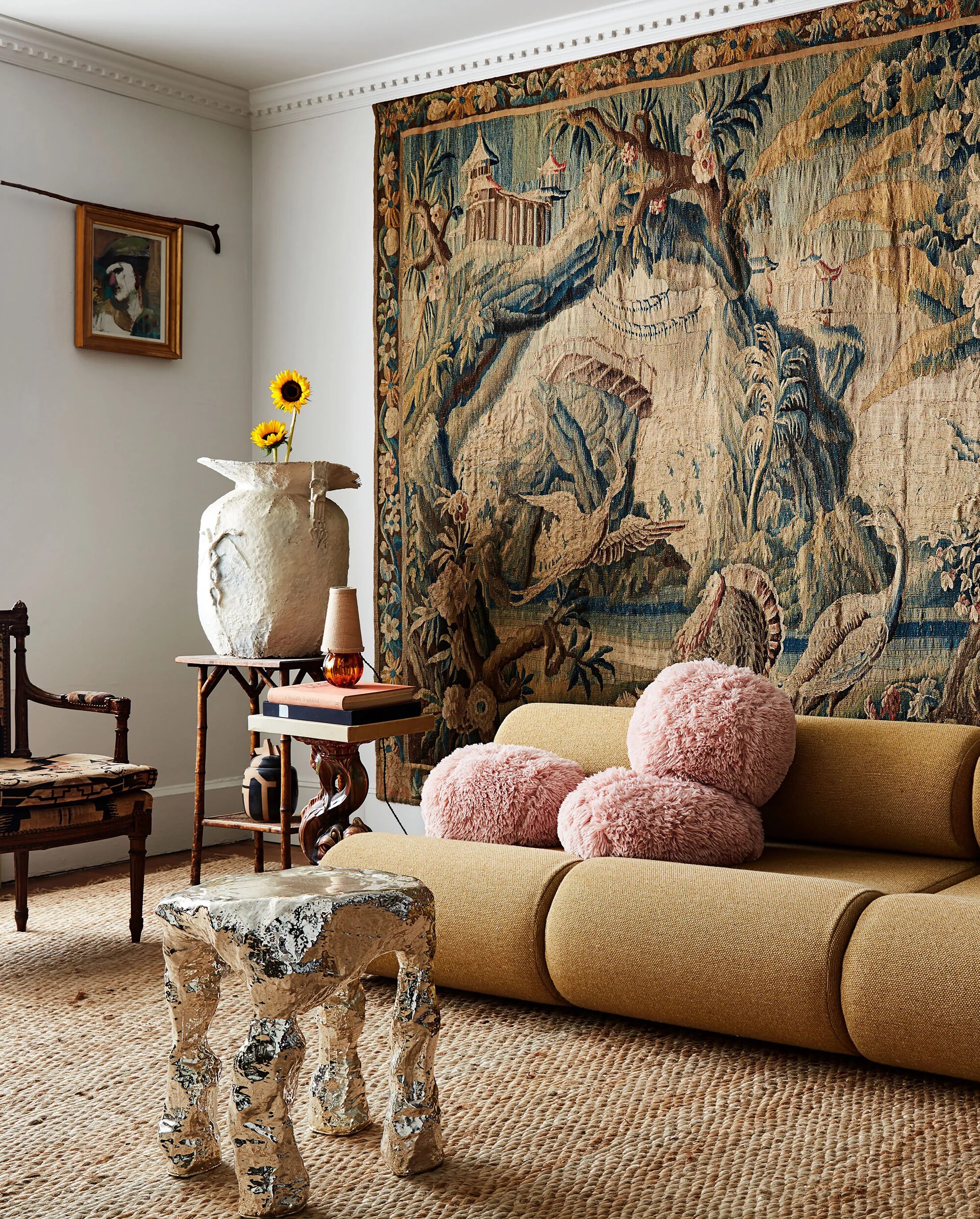
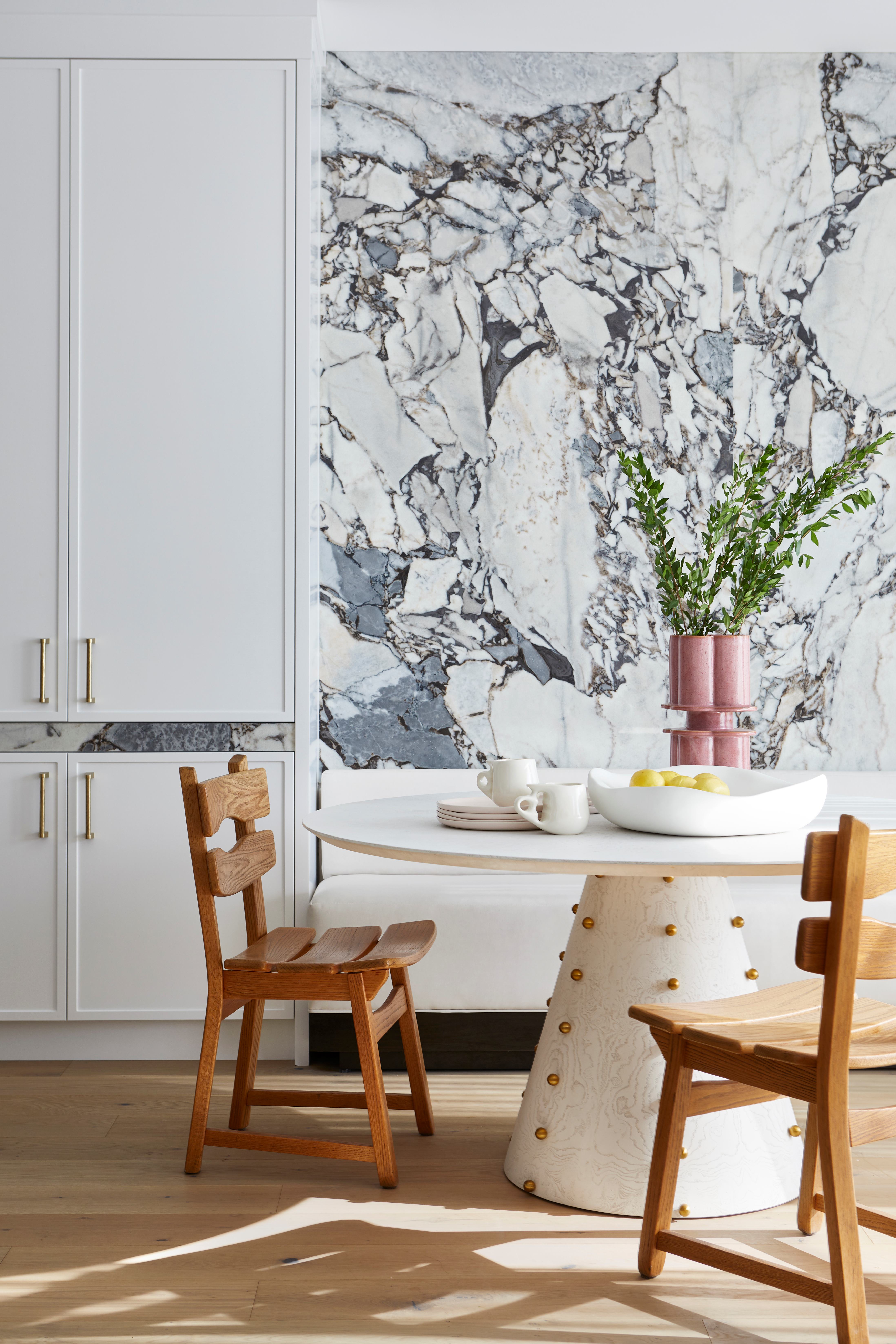
The article discusses the crucial interior design principle of scale, highlighting how it impacts the overall feel and functionality of a room more significantly than individual style choices. Scale is defined as the relationship between furniture and the room, as well as with the human body, differentiating it from mere size or proportion. While proportion might concern how a chair relates to a table, scale addresses how both relate to the entire space, including ceiling height and circulation paths. When scale is effectively implemented, a space feels balanced, comfortable, and intentional; conversely, an incorrect scale can lead to a sense of awkwardness or discomfort, even in a room filled with aesthetically pleasing items.
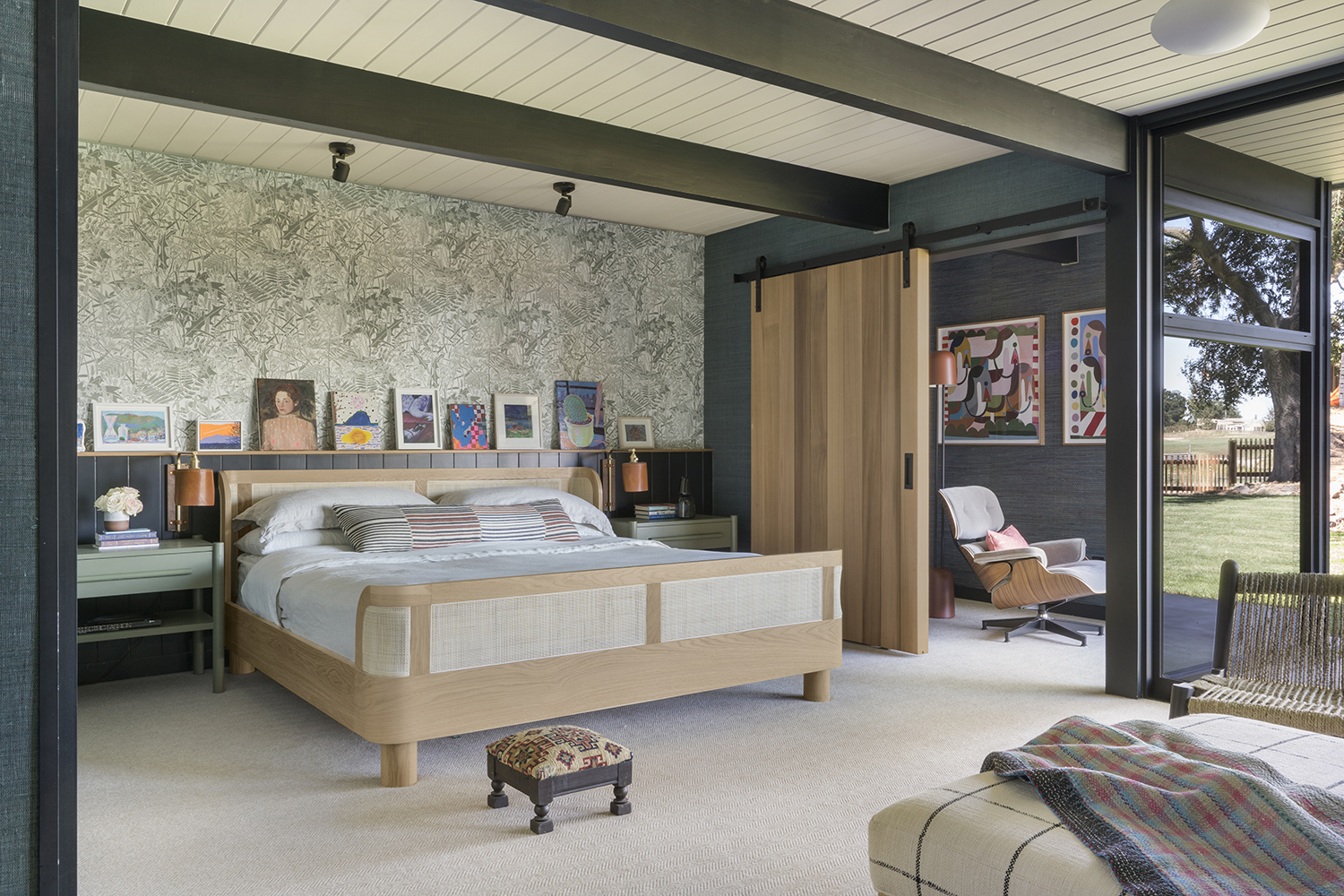
Several designers emphasize that issues with scale are often intuitively felt rather than explicitly identified. For instance, a coffee table appearing too small for a large sofa is a common indicator of a scale problem. Frank Lloyd Wright's architectural work, particularly the Robie House, is cited as an exemplary demonstration of mastering scale, where a large building conveys warmth and comfort indoors through varying ceiling heights, strong horizontal lines, and built-in furniture that create human-scaled spaces within a monumental structure. This approach ensures a sense of spaciousness and comfort, connecting the architectural design to everyday human experience.
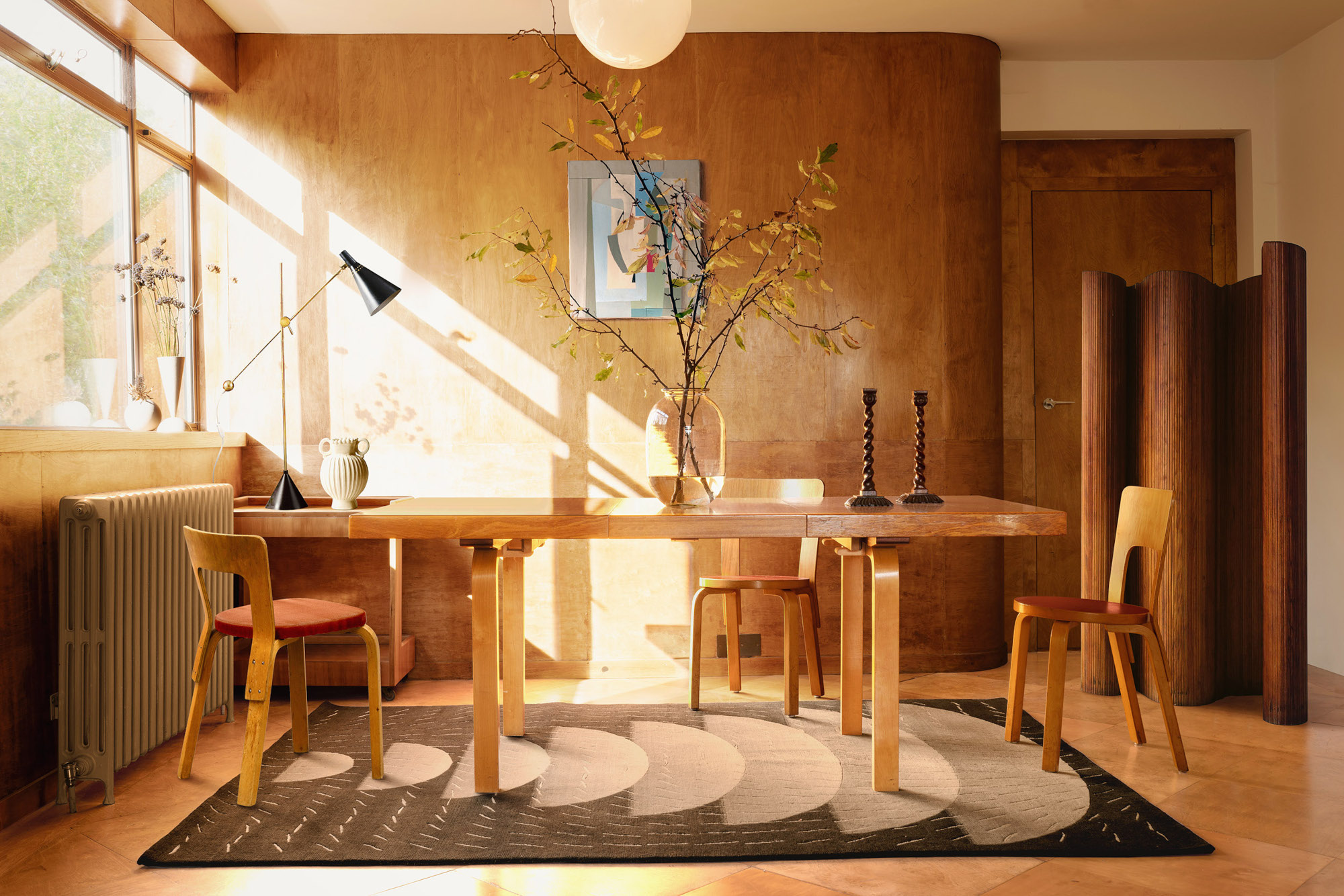
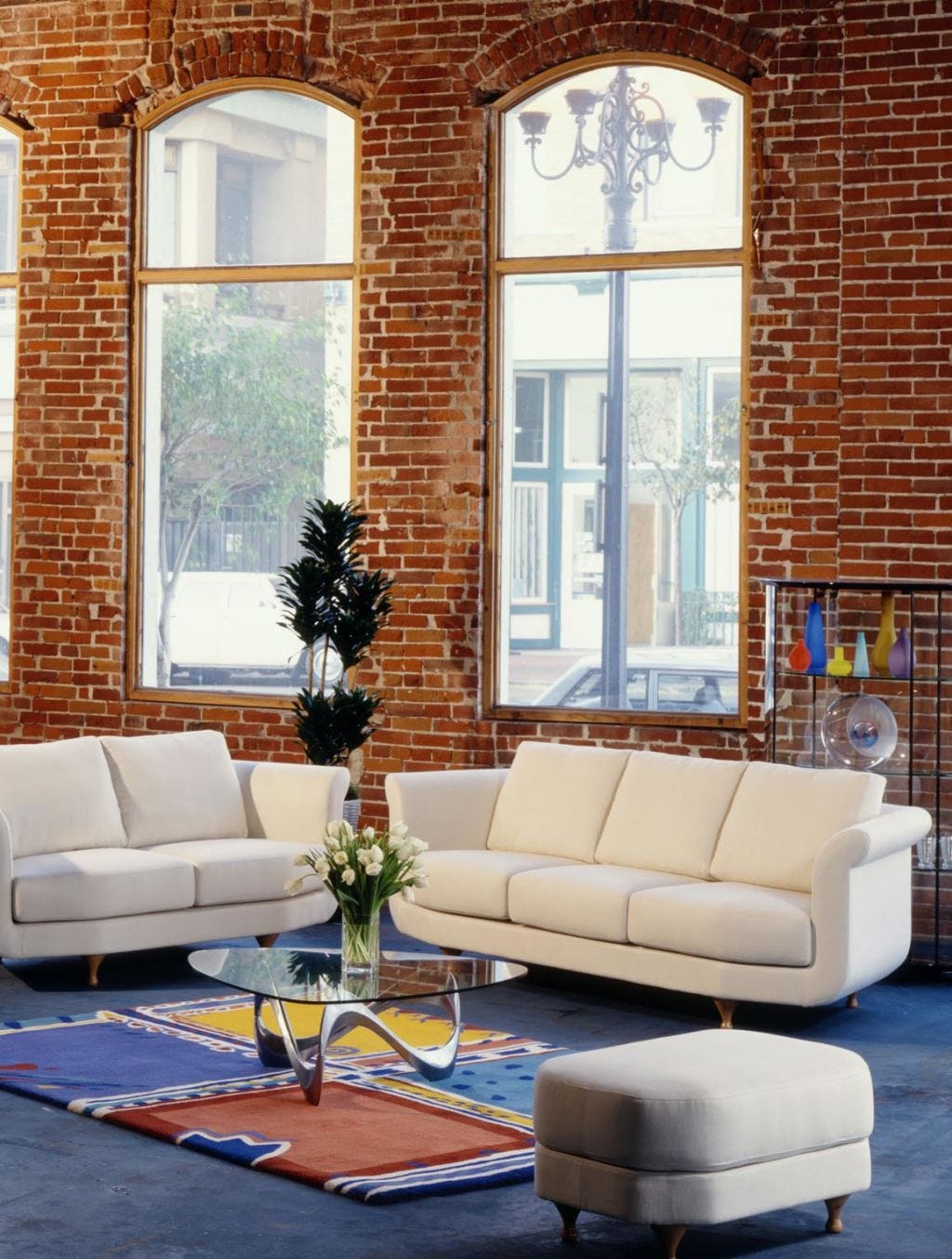
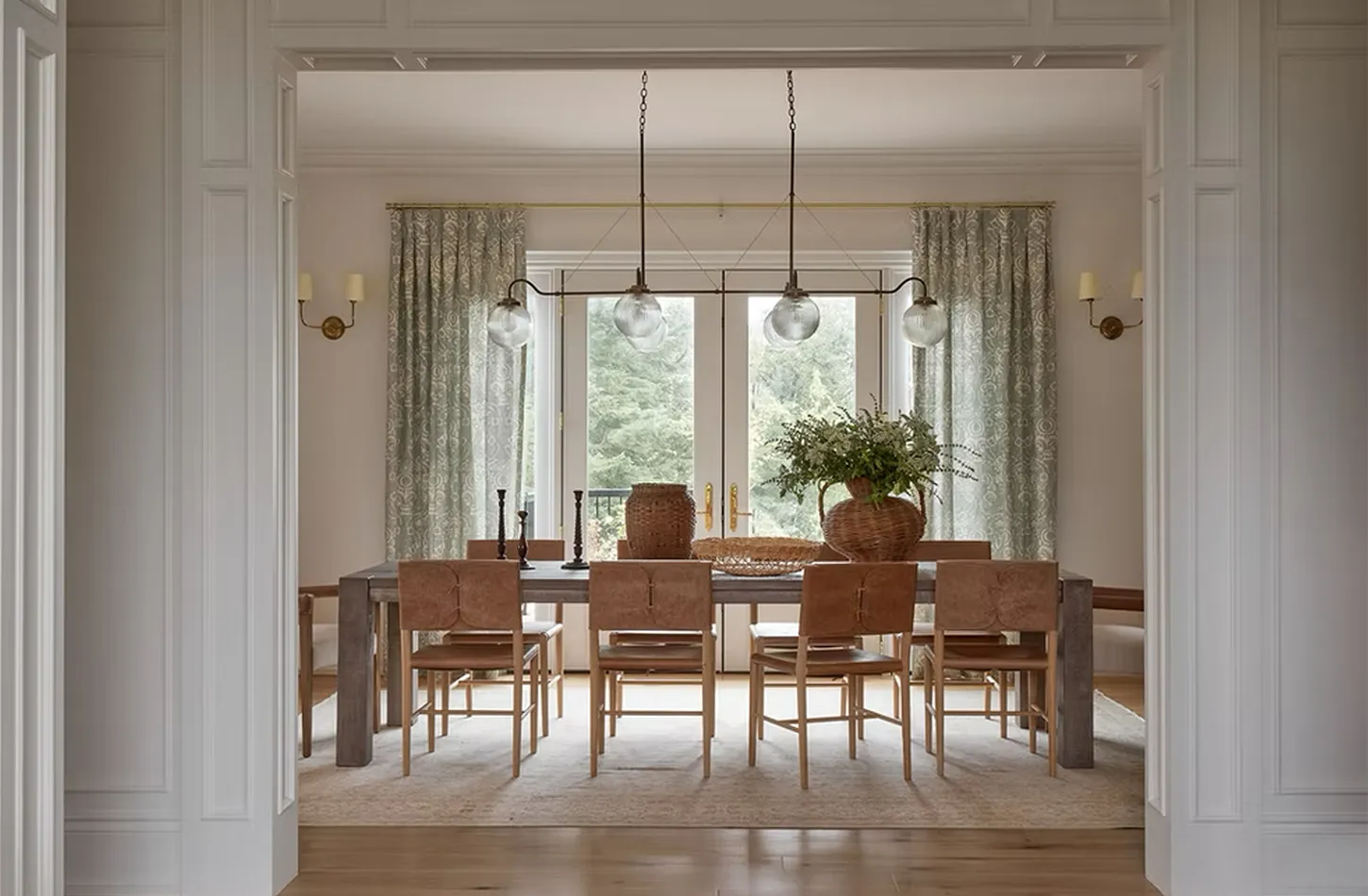
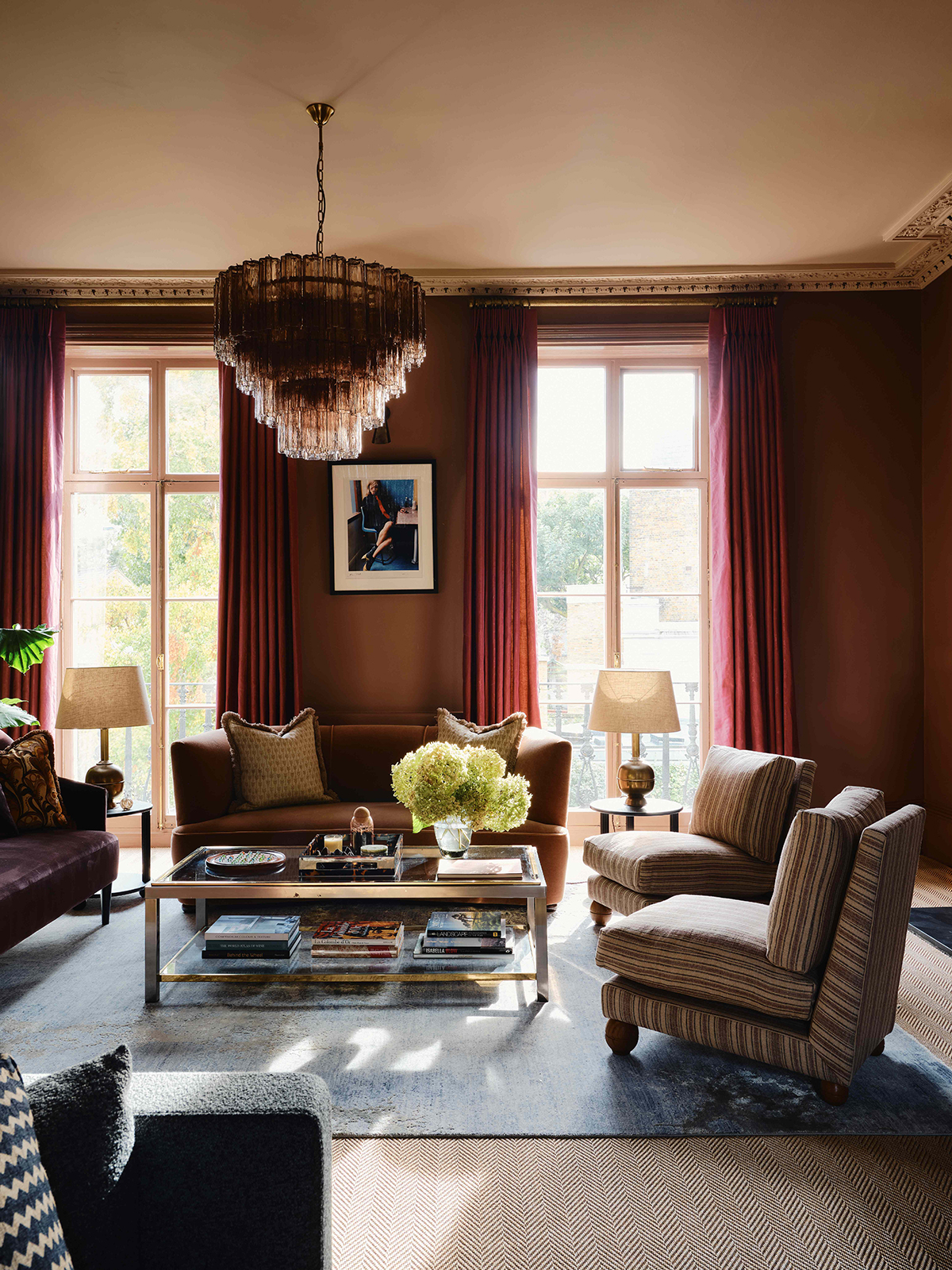
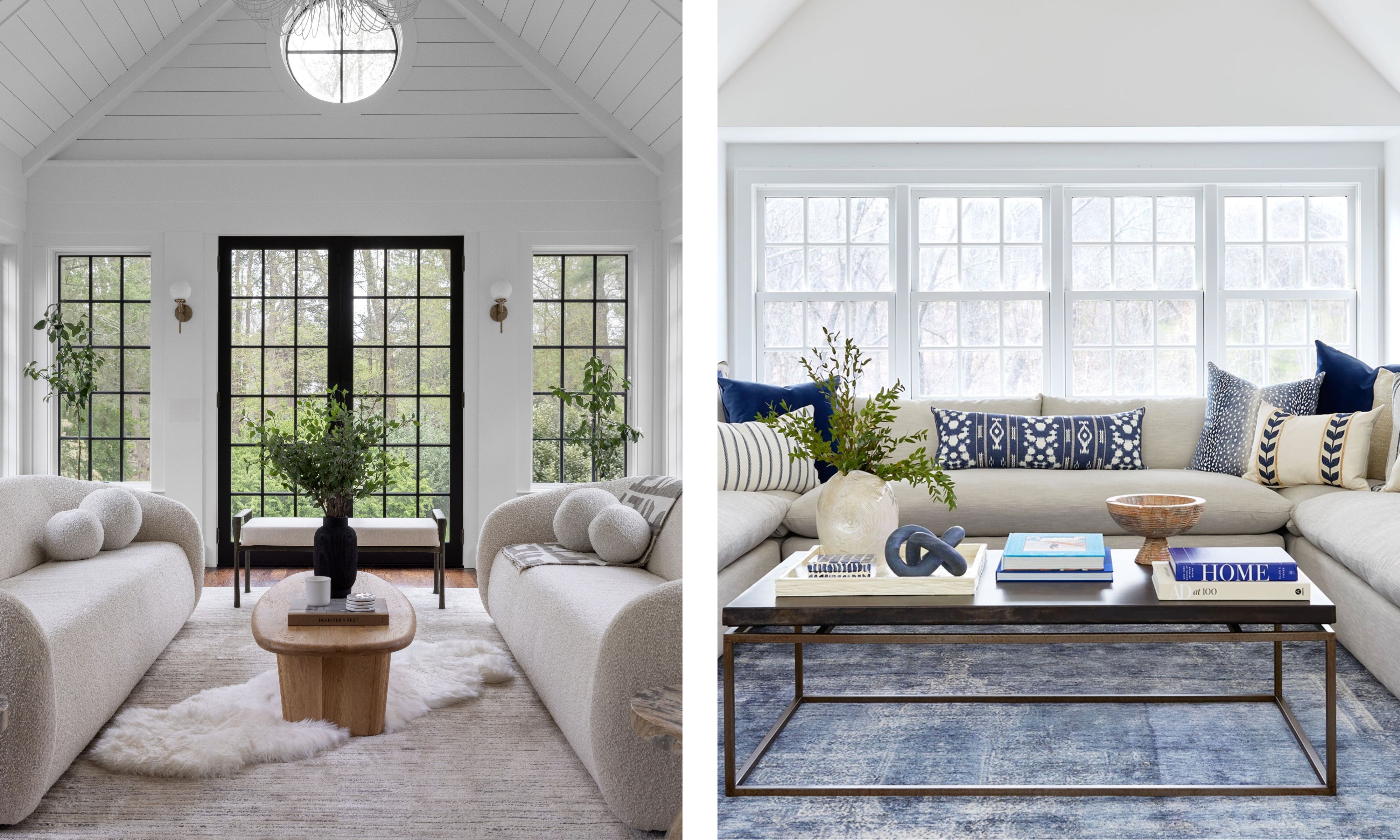
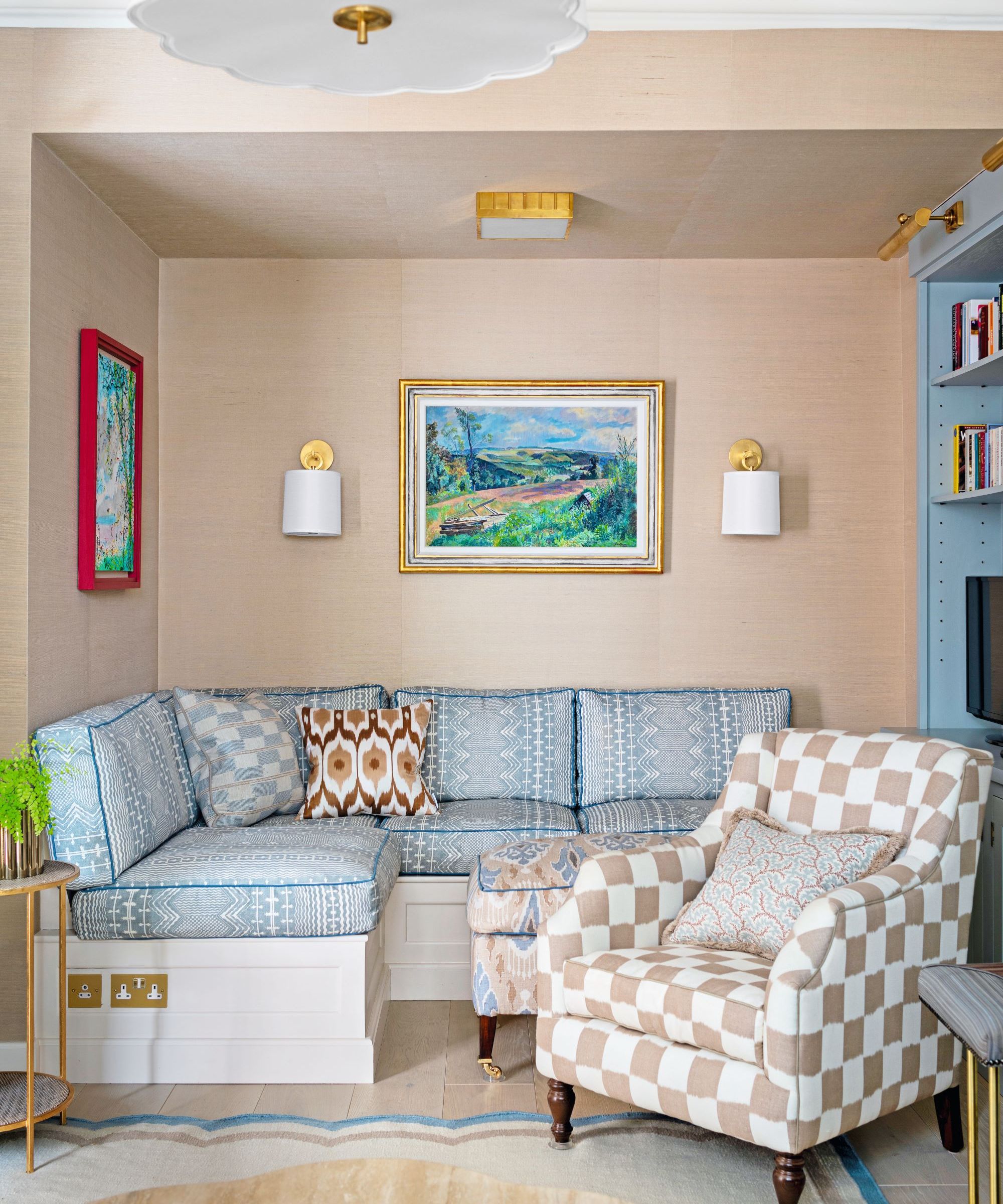
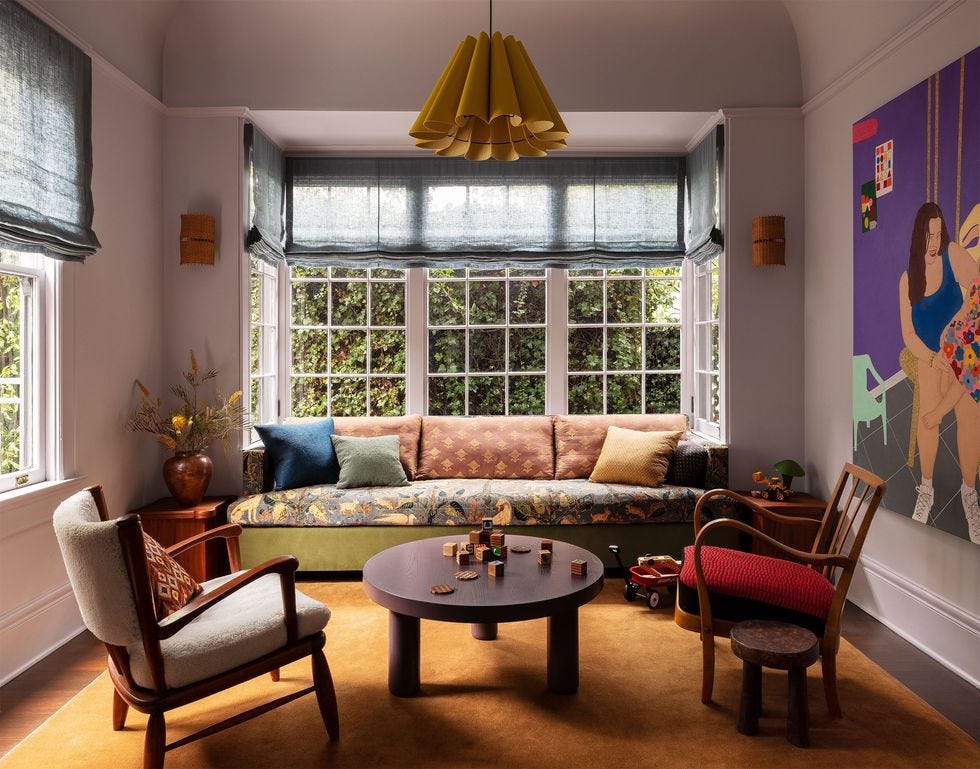
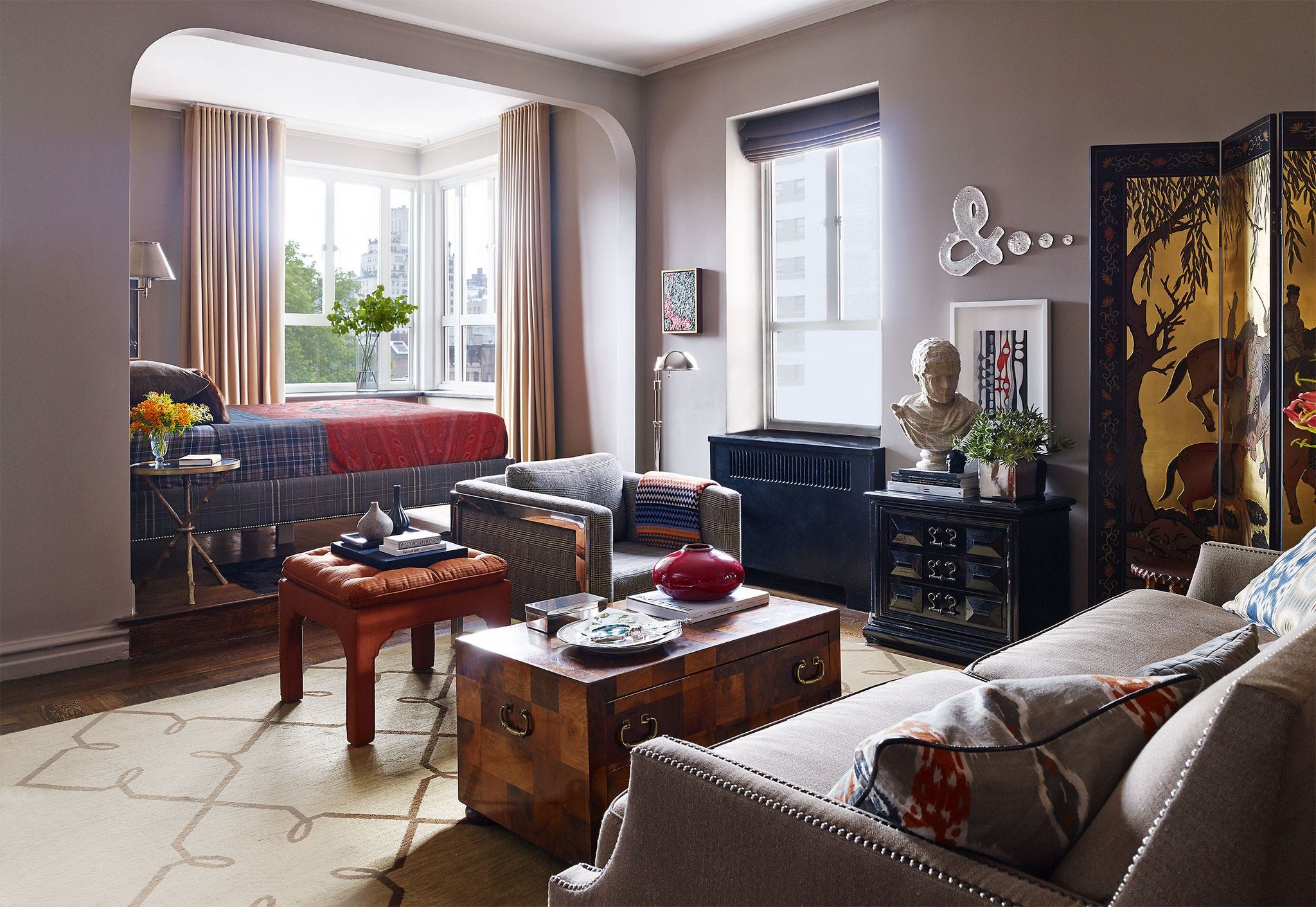
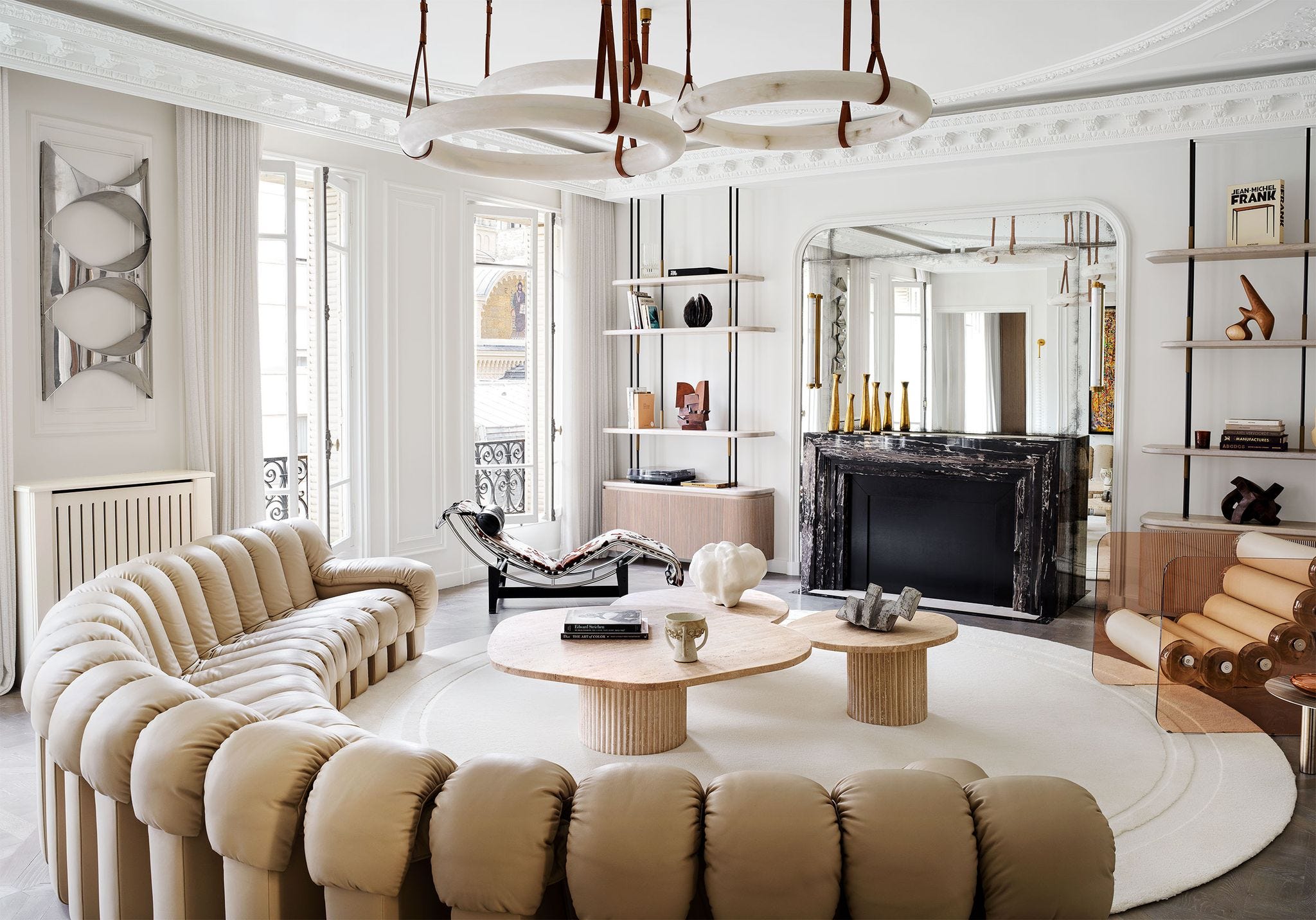
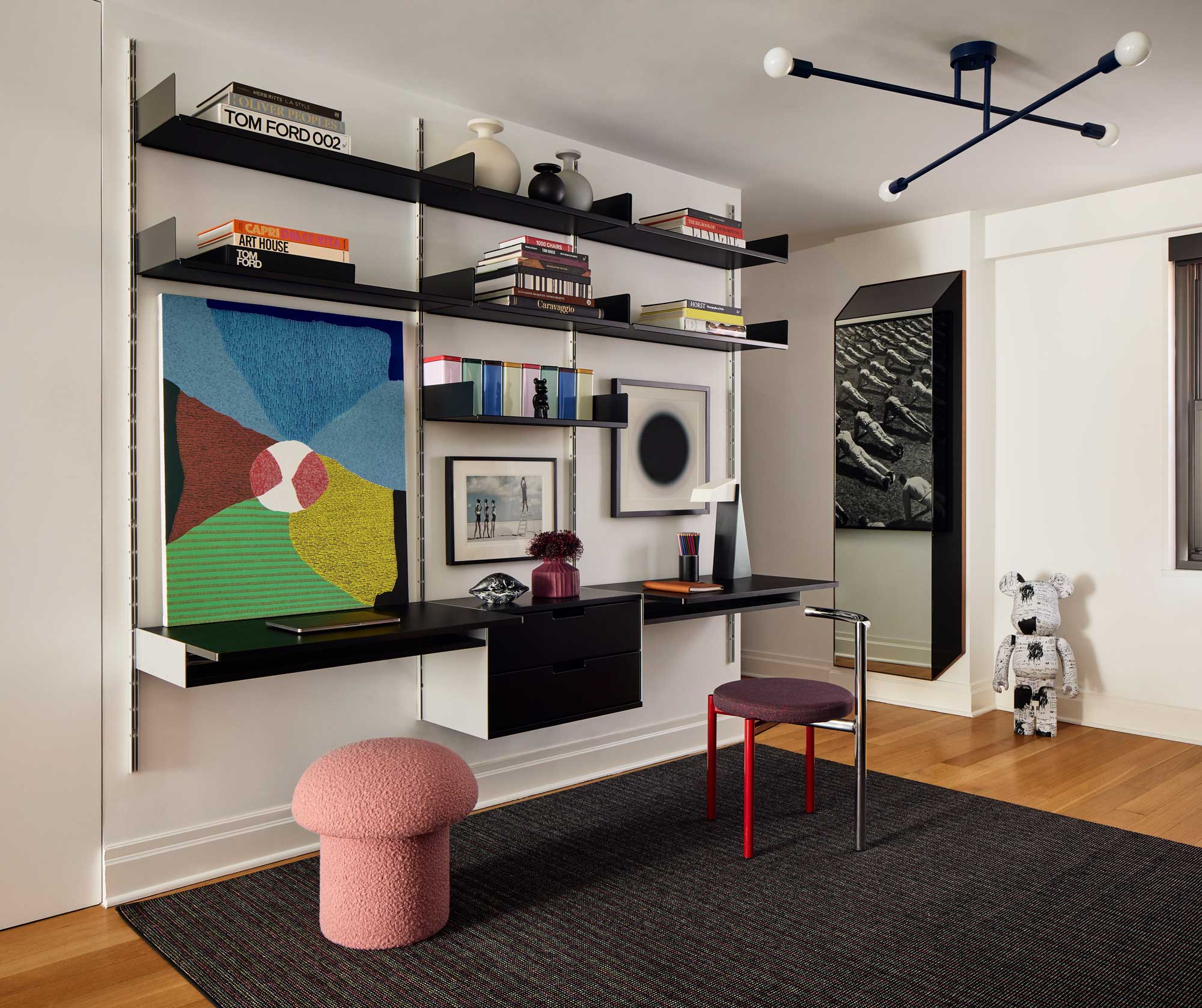
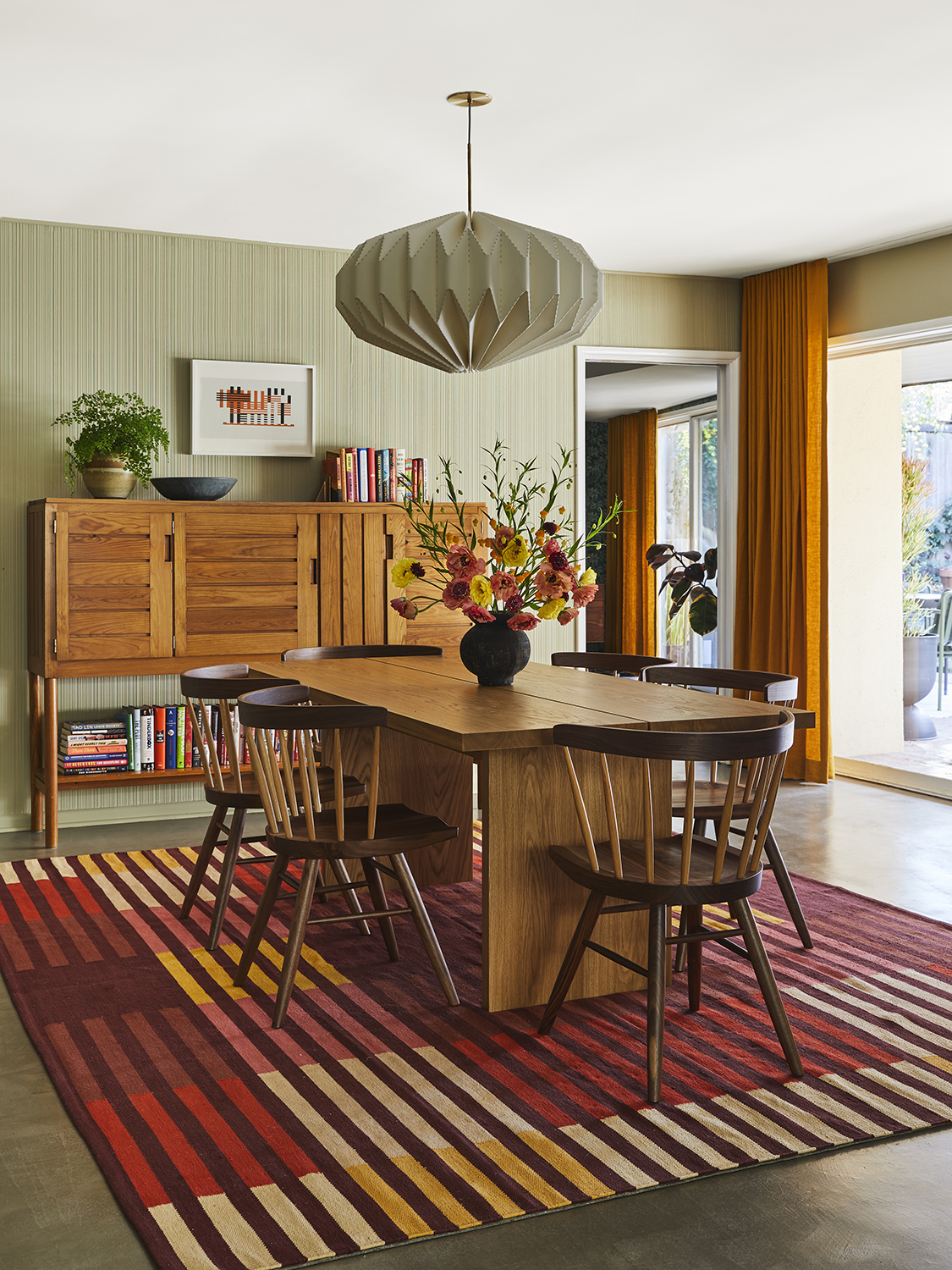
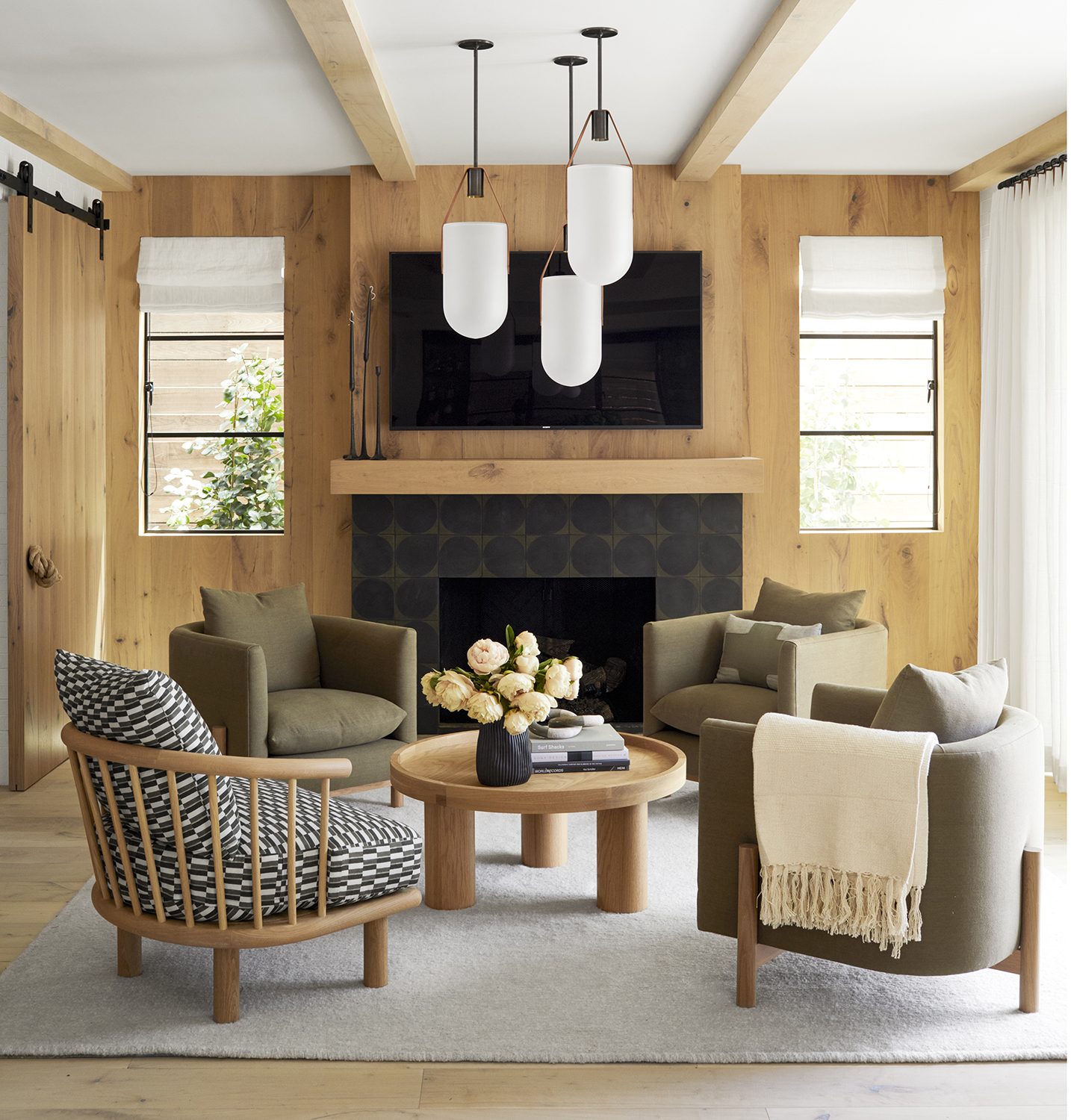
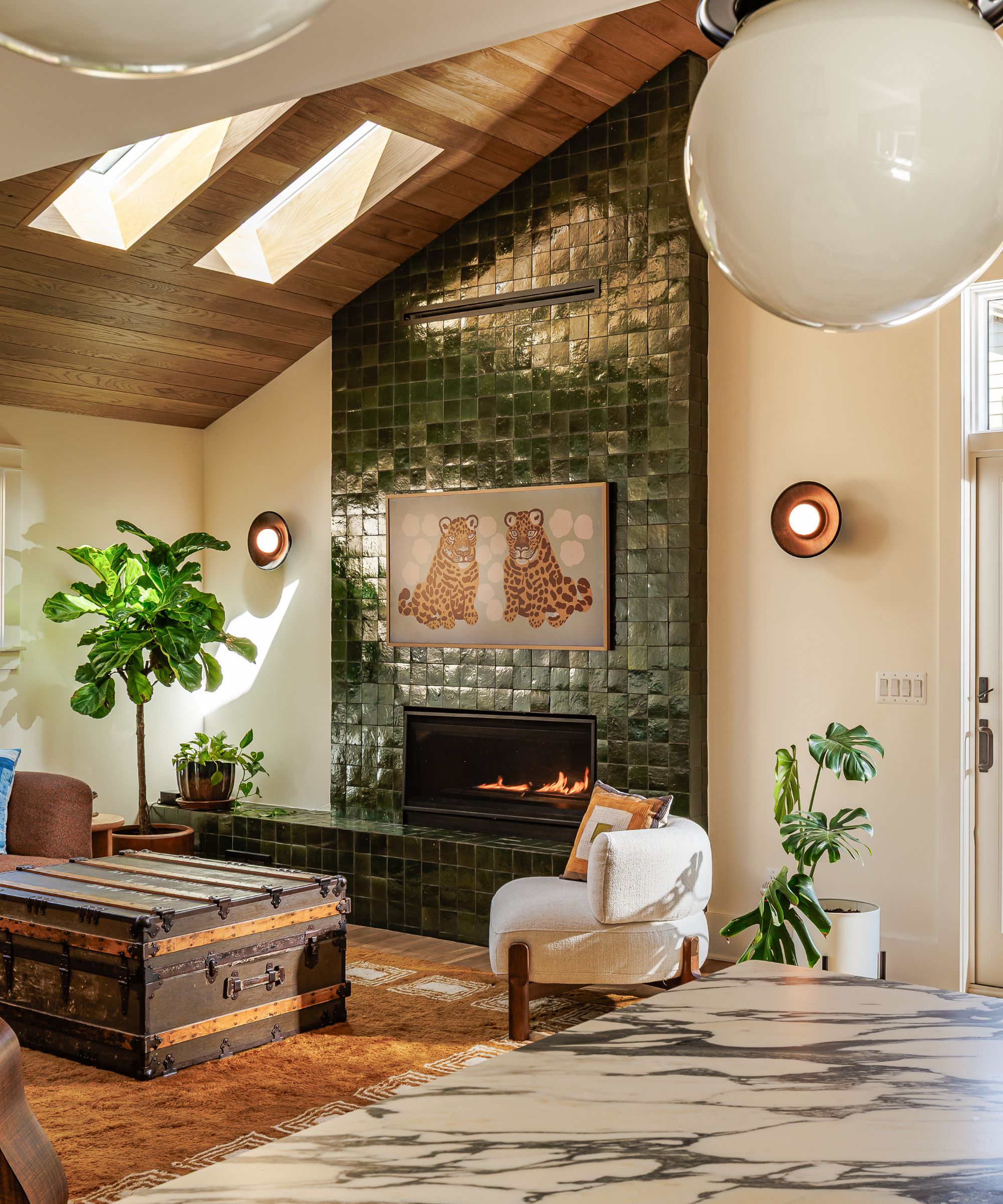
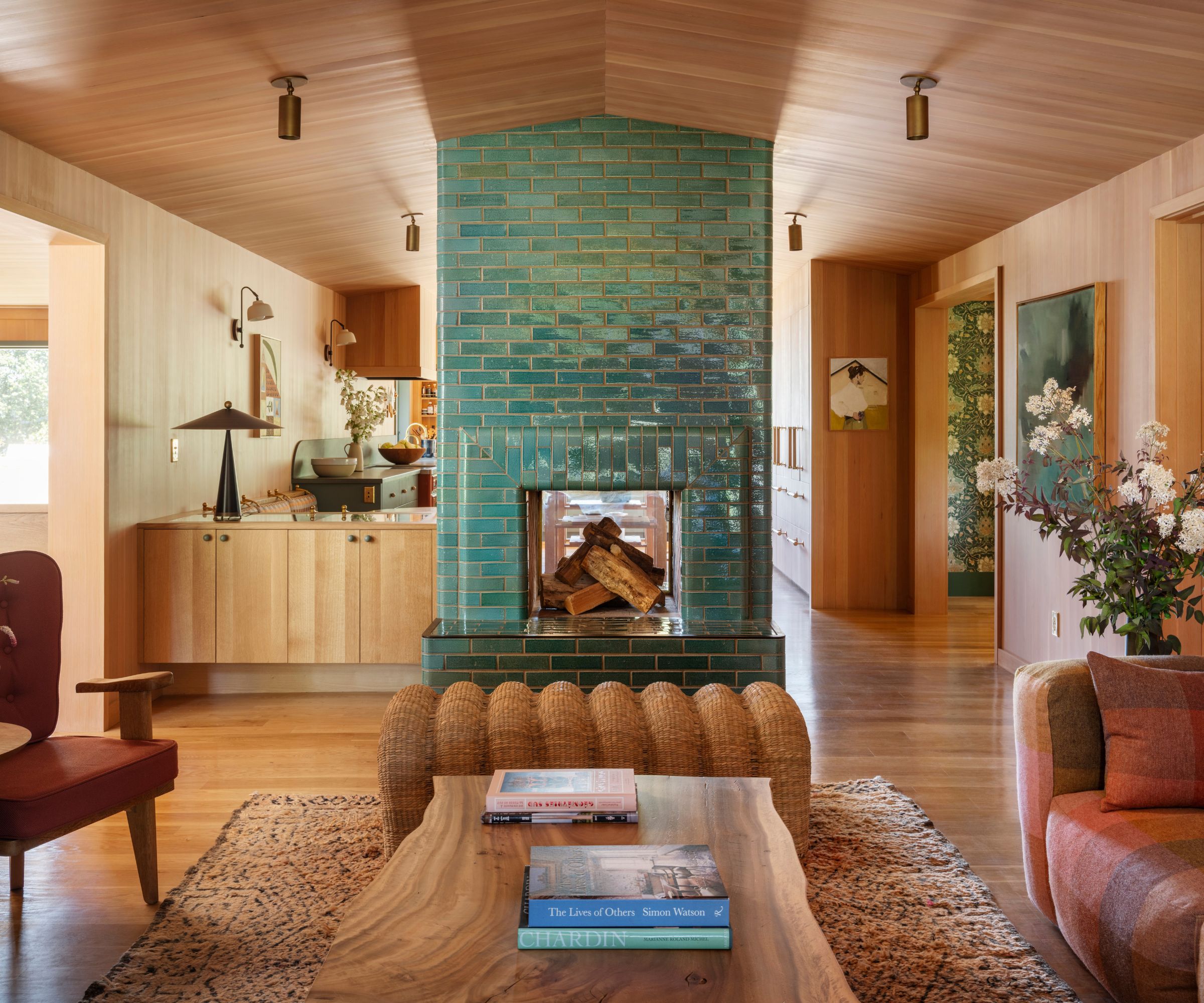
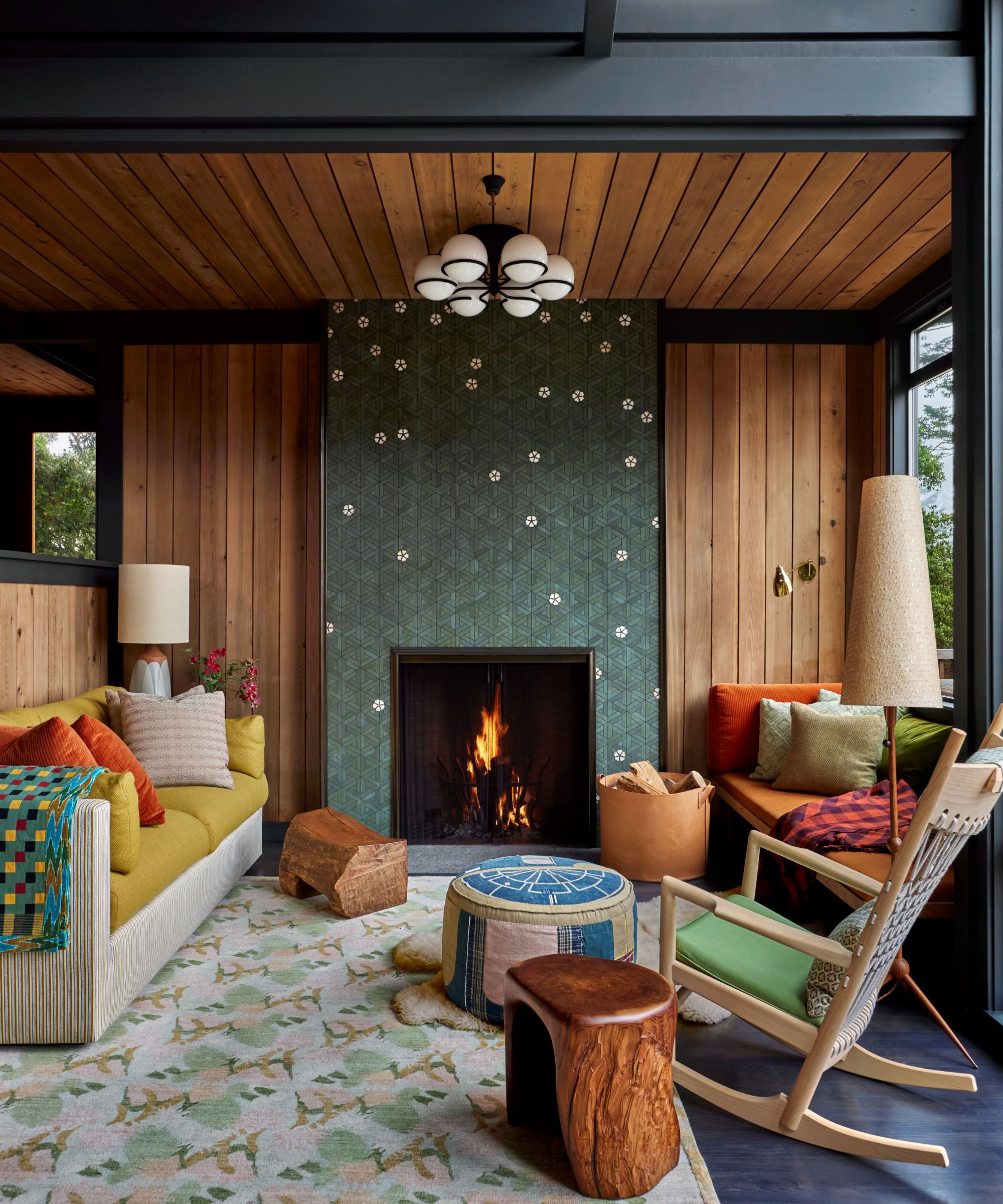
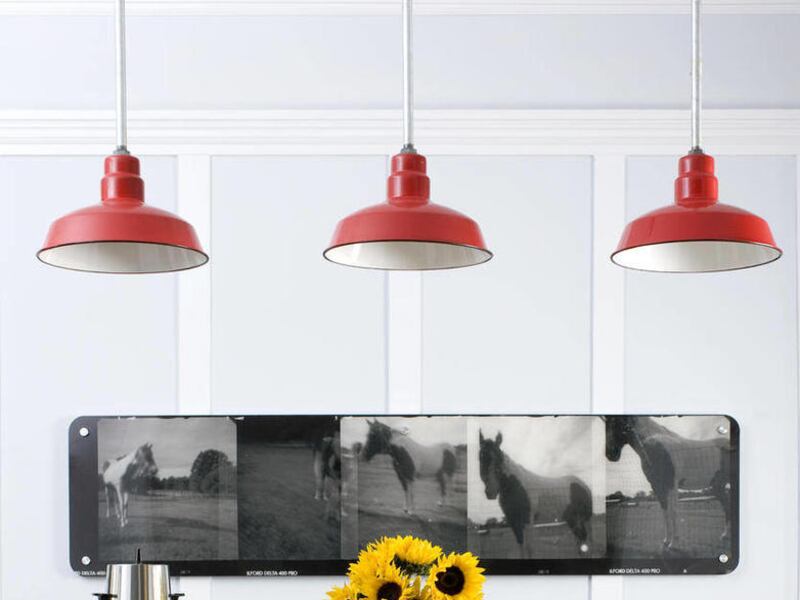
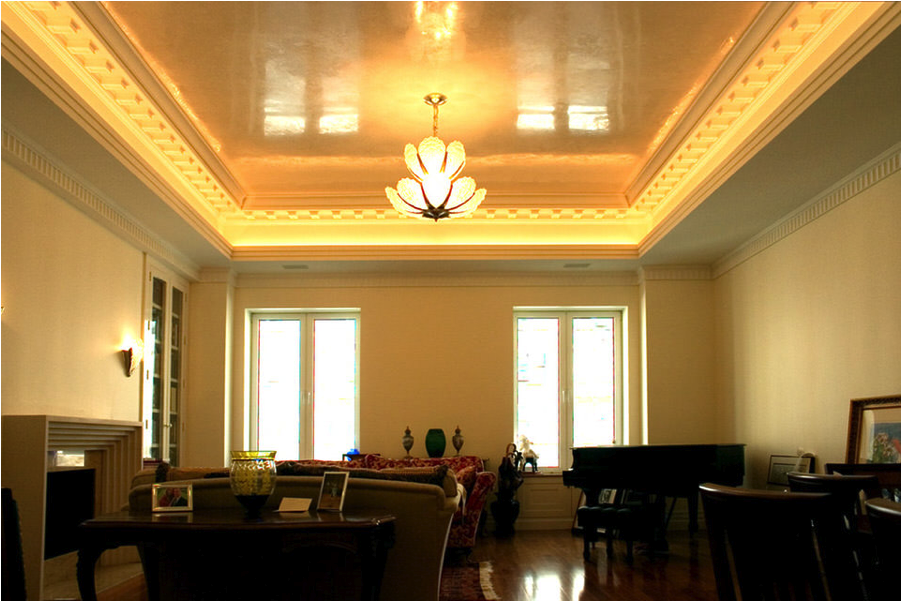
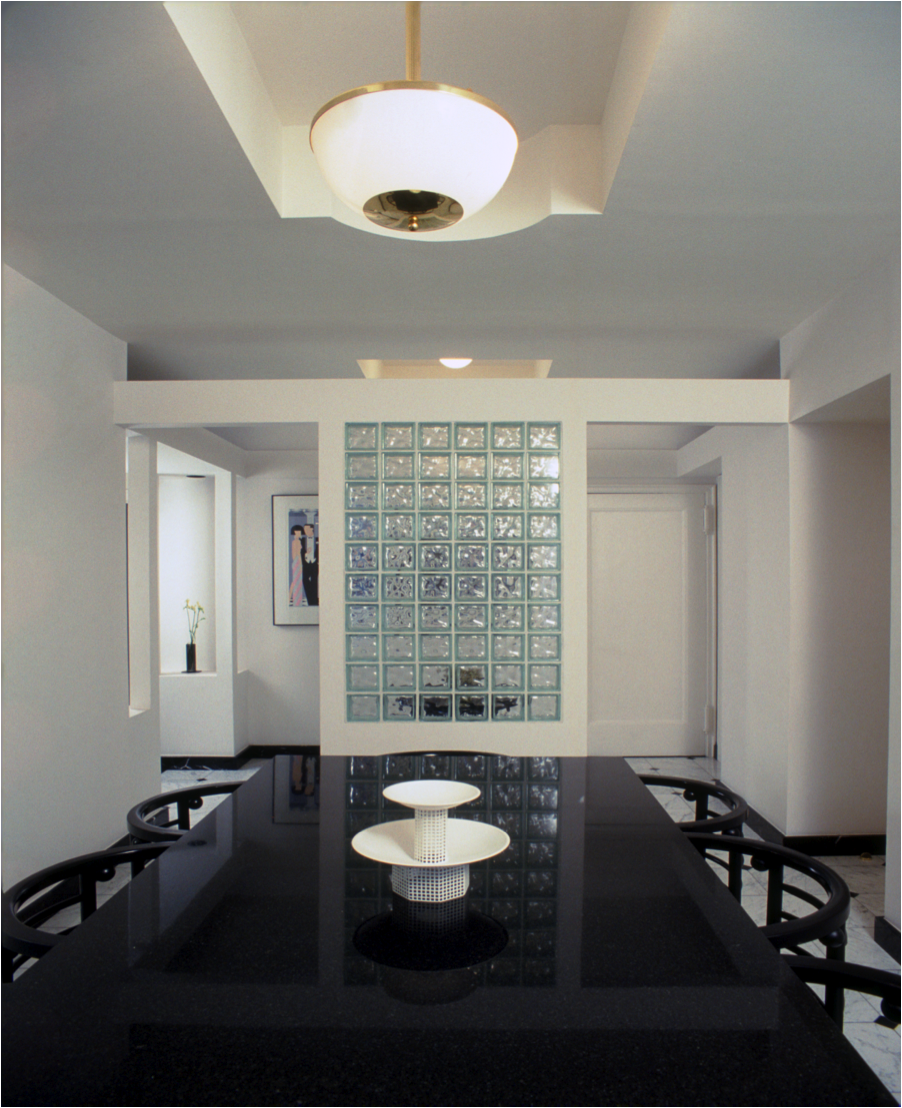
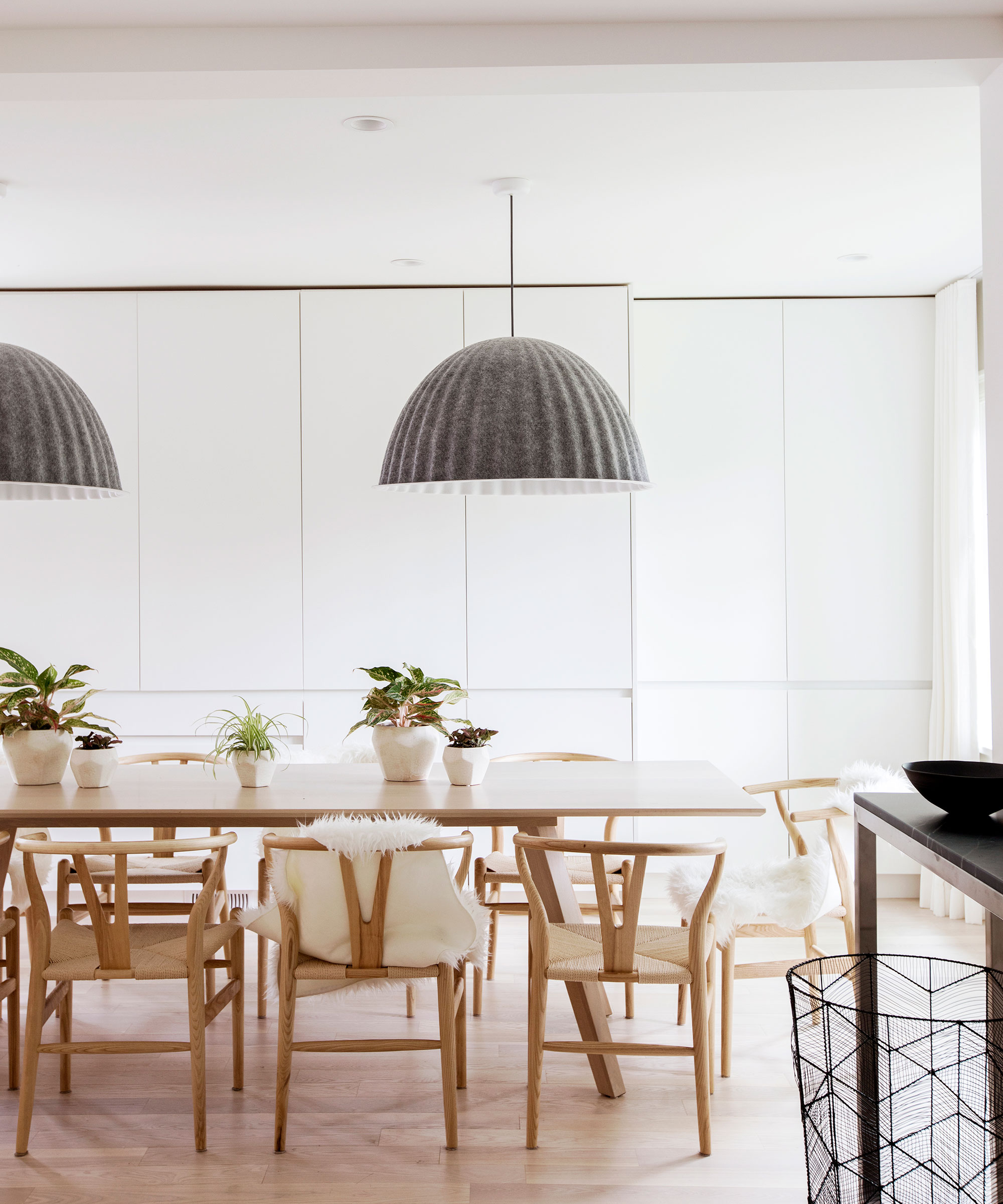
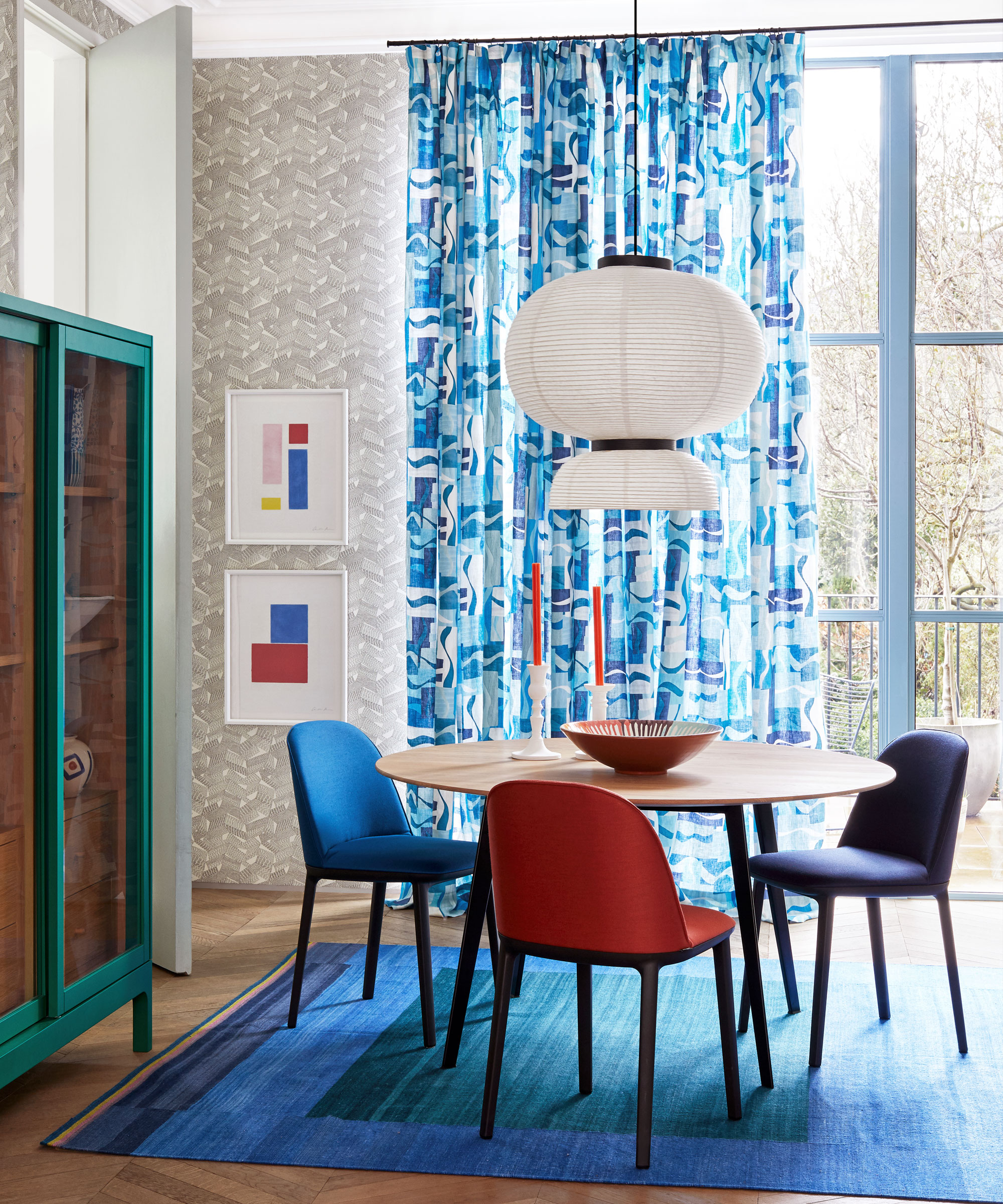
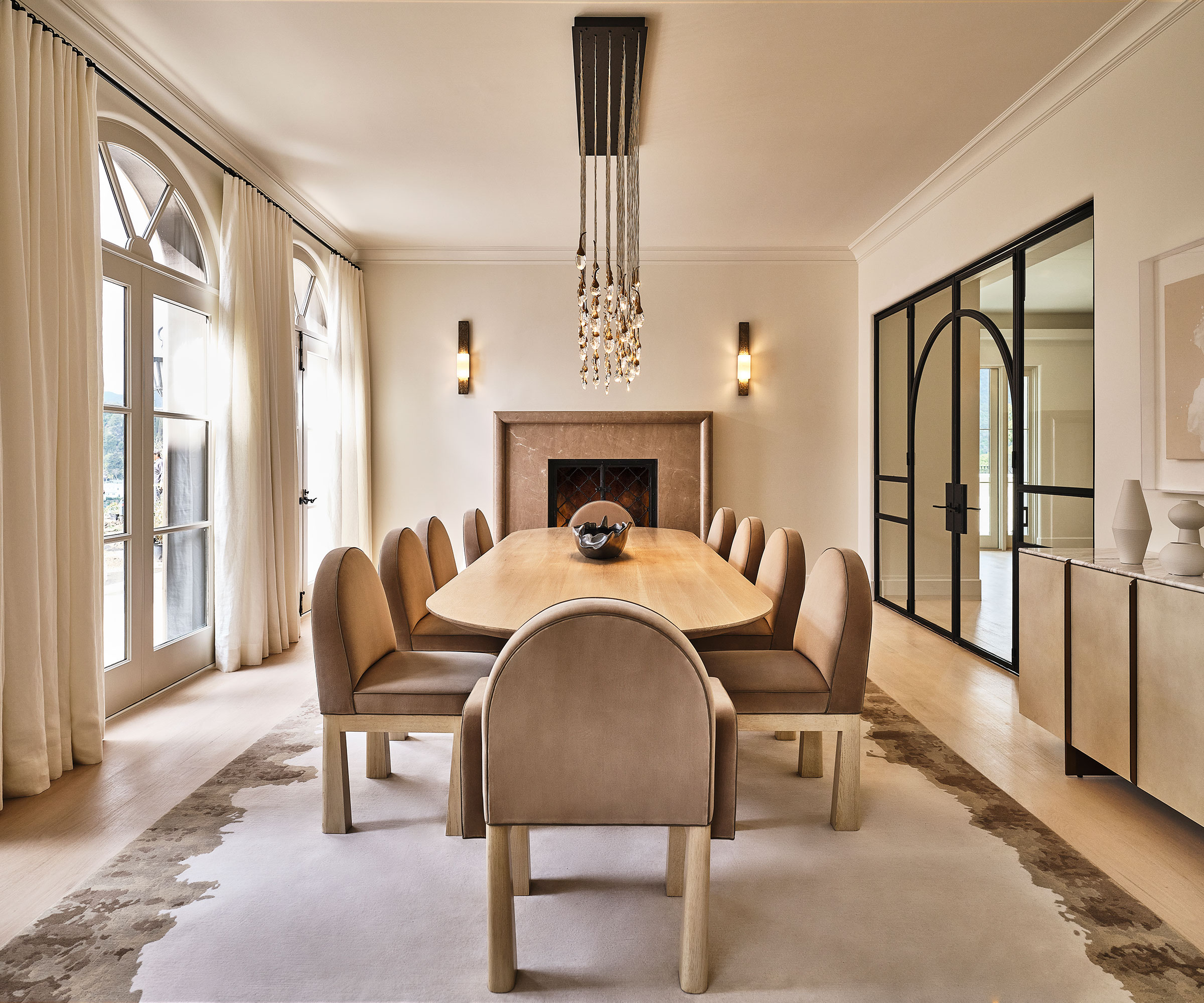
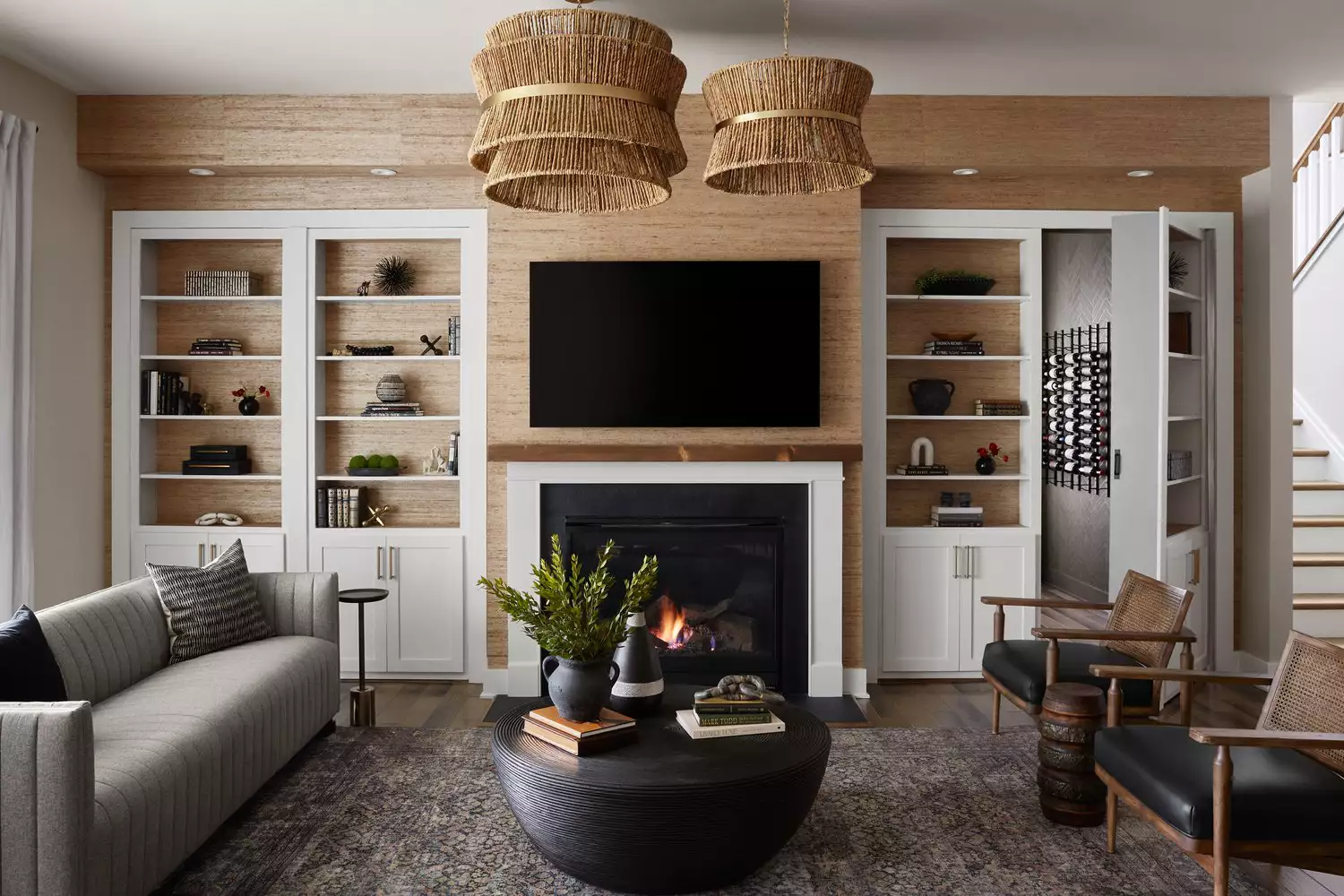
The article outlines five practical ways designers apply the principle of scale to create harmonious interiors. First, room-anchoring rugs are crucial. Many people tend to choose rugs that are too small, which can make furniture appear to hover awkwardly. Designers recommend sizing up, ensuring that at least the front legs of all main furniture pieces rest on the rug, making the rug feel fully integrated into the space. Second, experimental lighting offers a significant opportunity to play with scale. While challenging for homeowners, oversized pendants or asymmetrically placed small lights can dramatically enhance a room's balance. Designers advise mocking up light fixture sizes with cardboard to visualize their impact before installation.
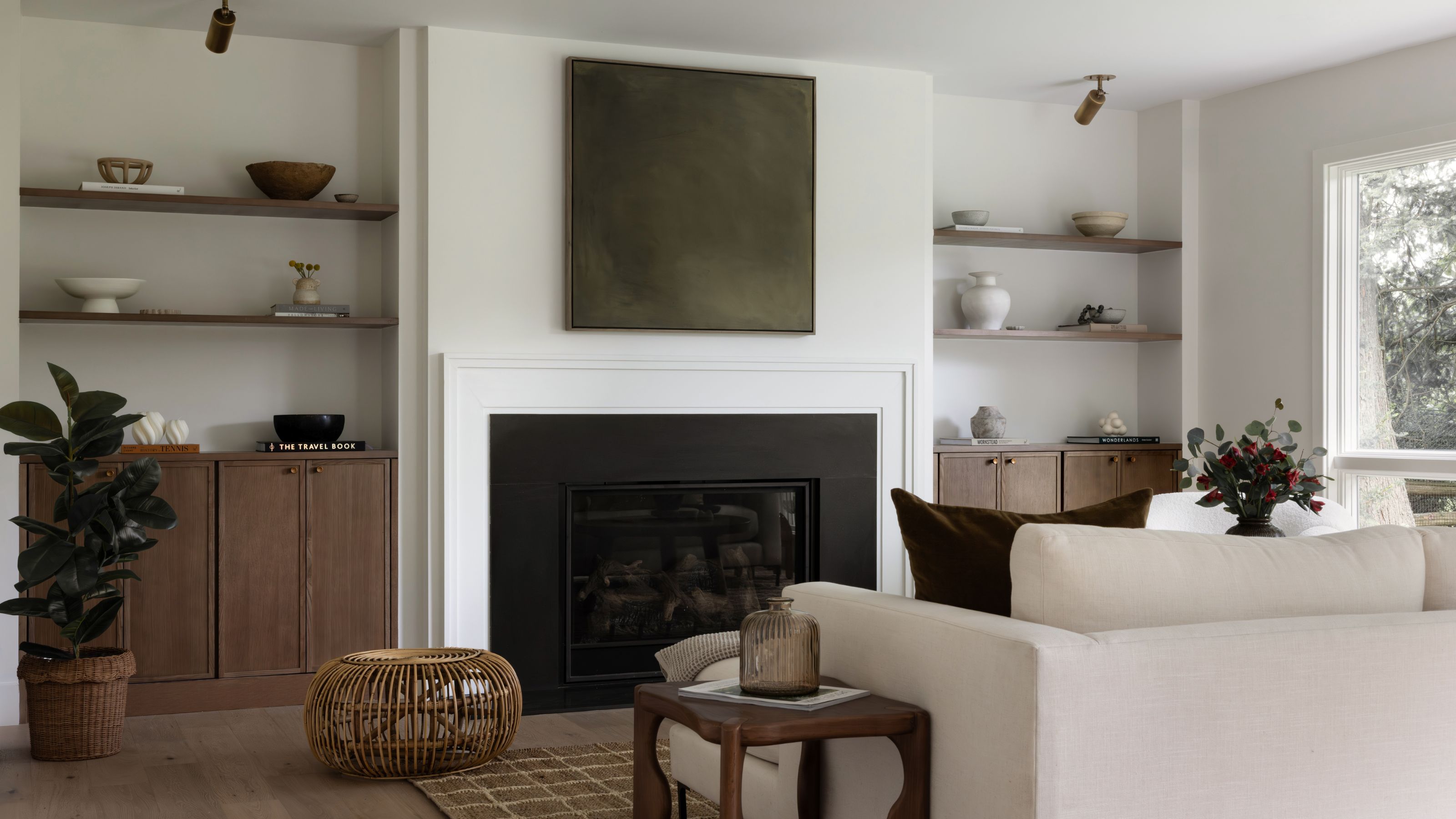
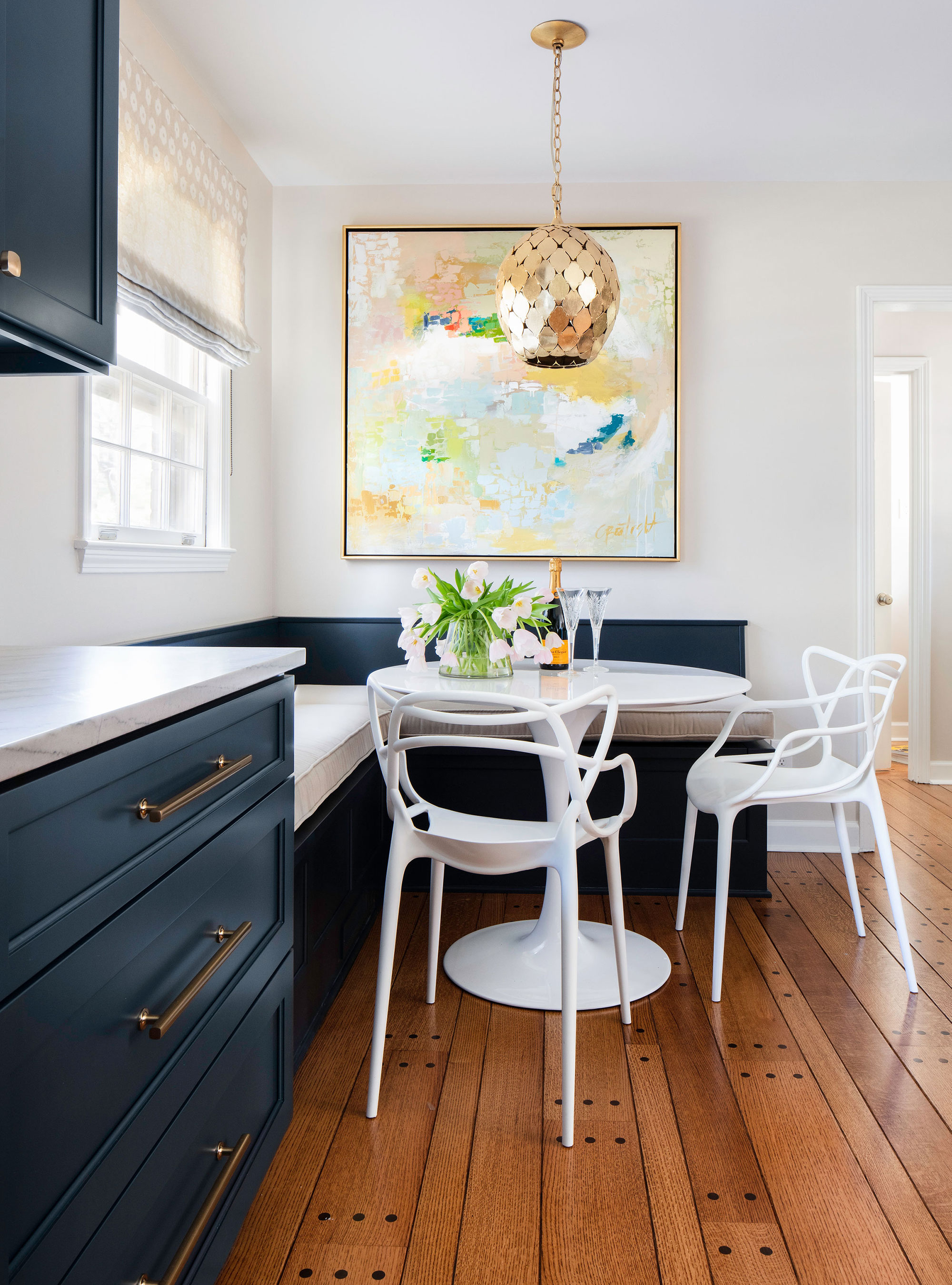
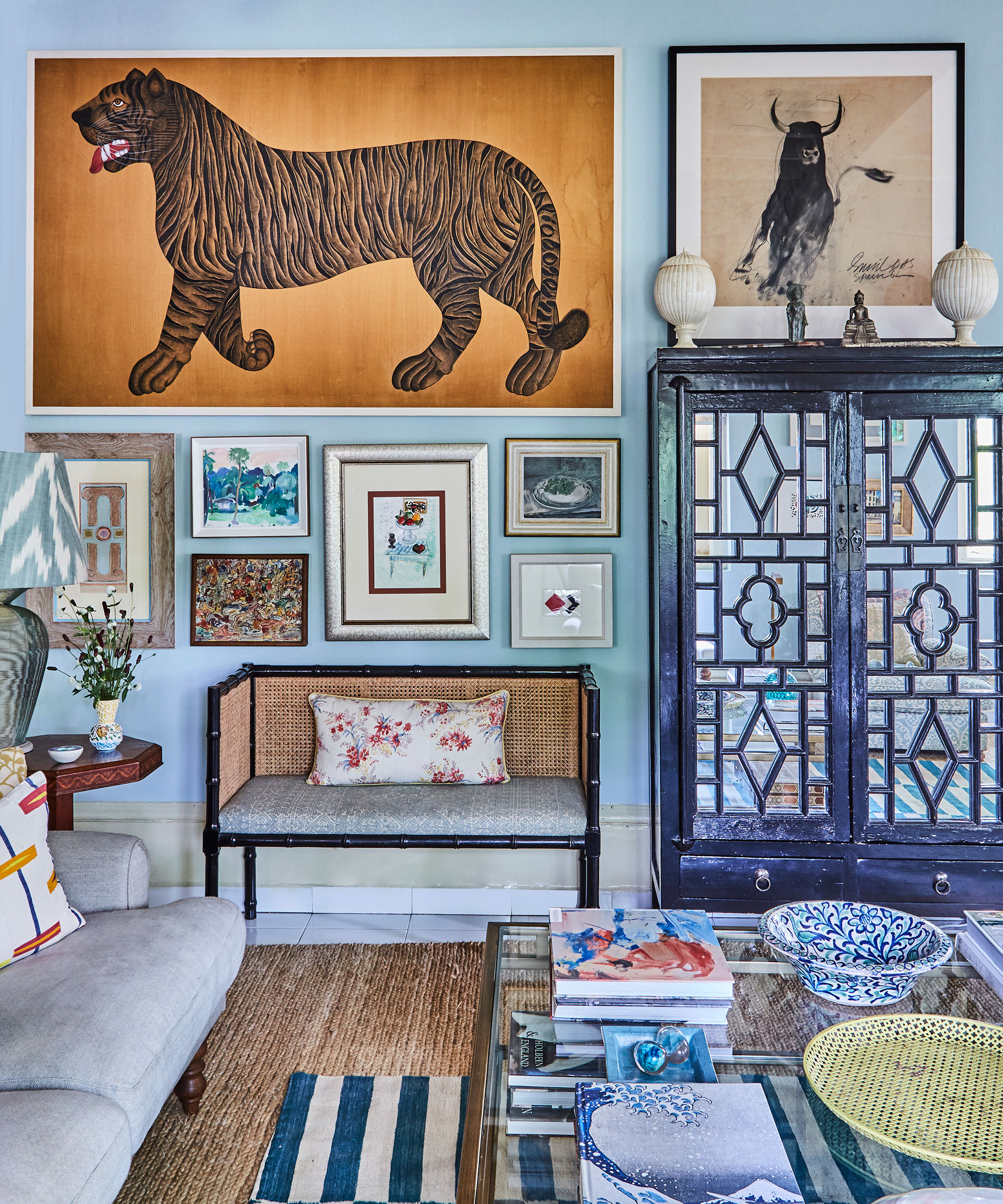
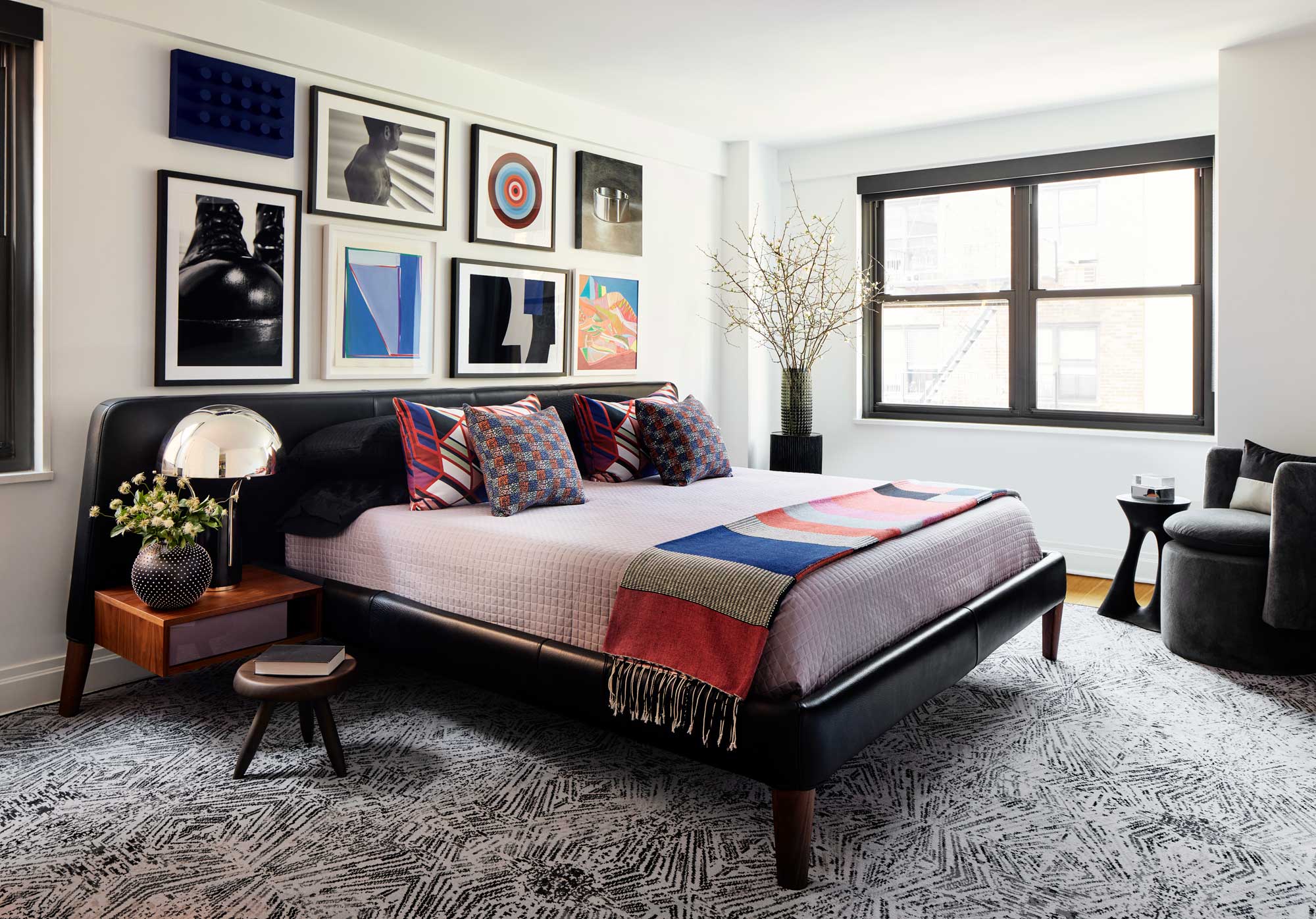
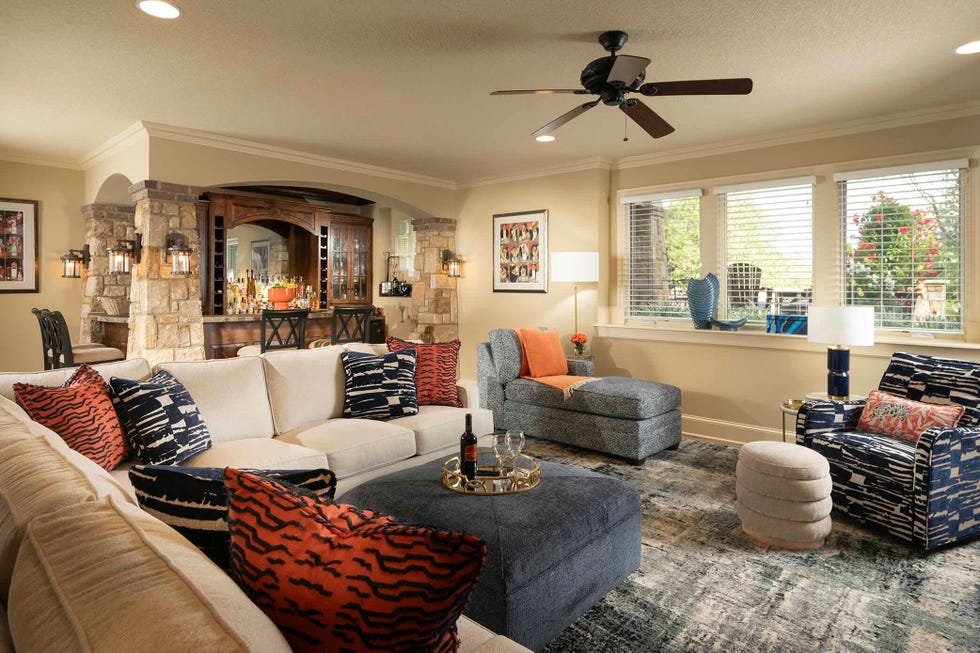
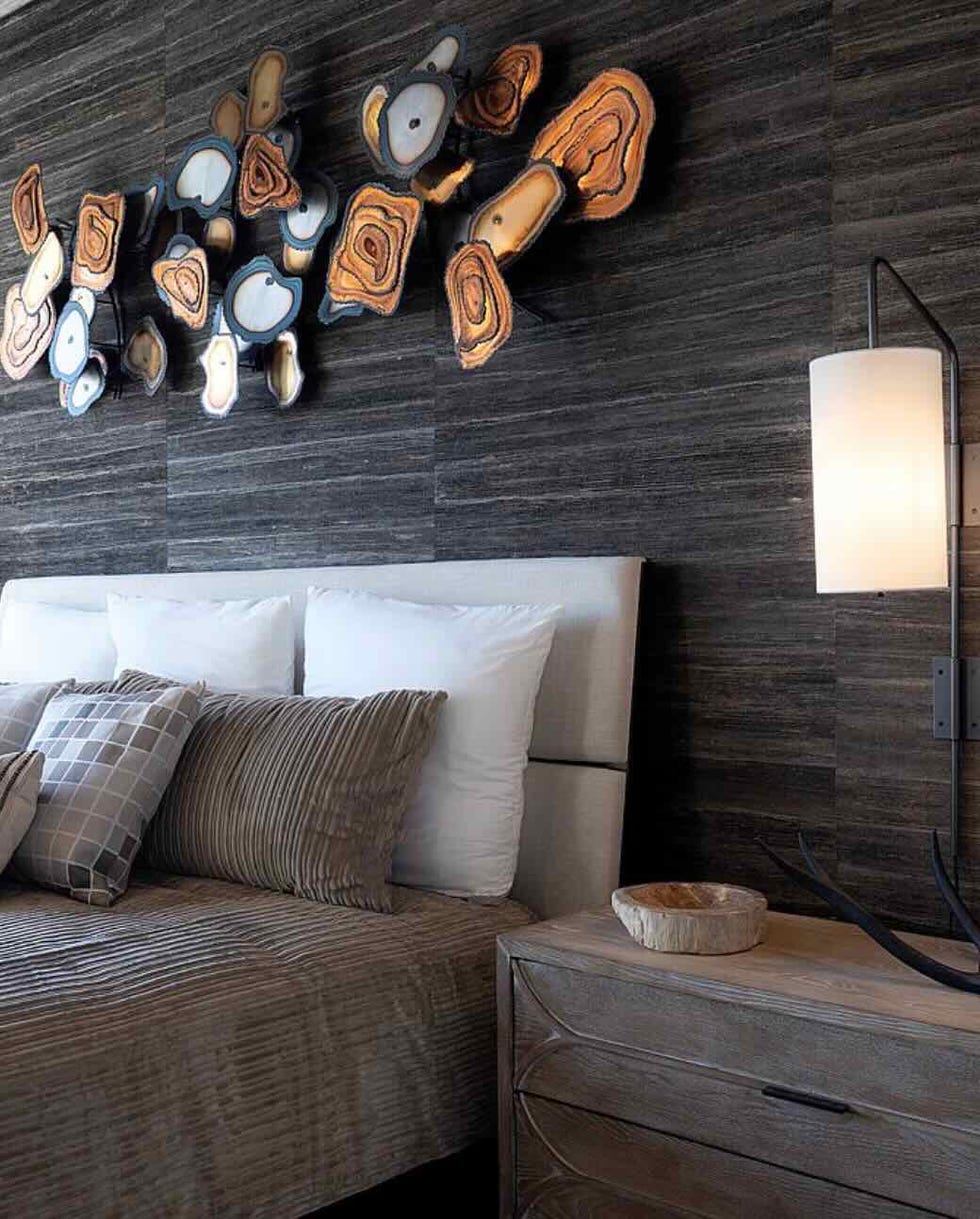
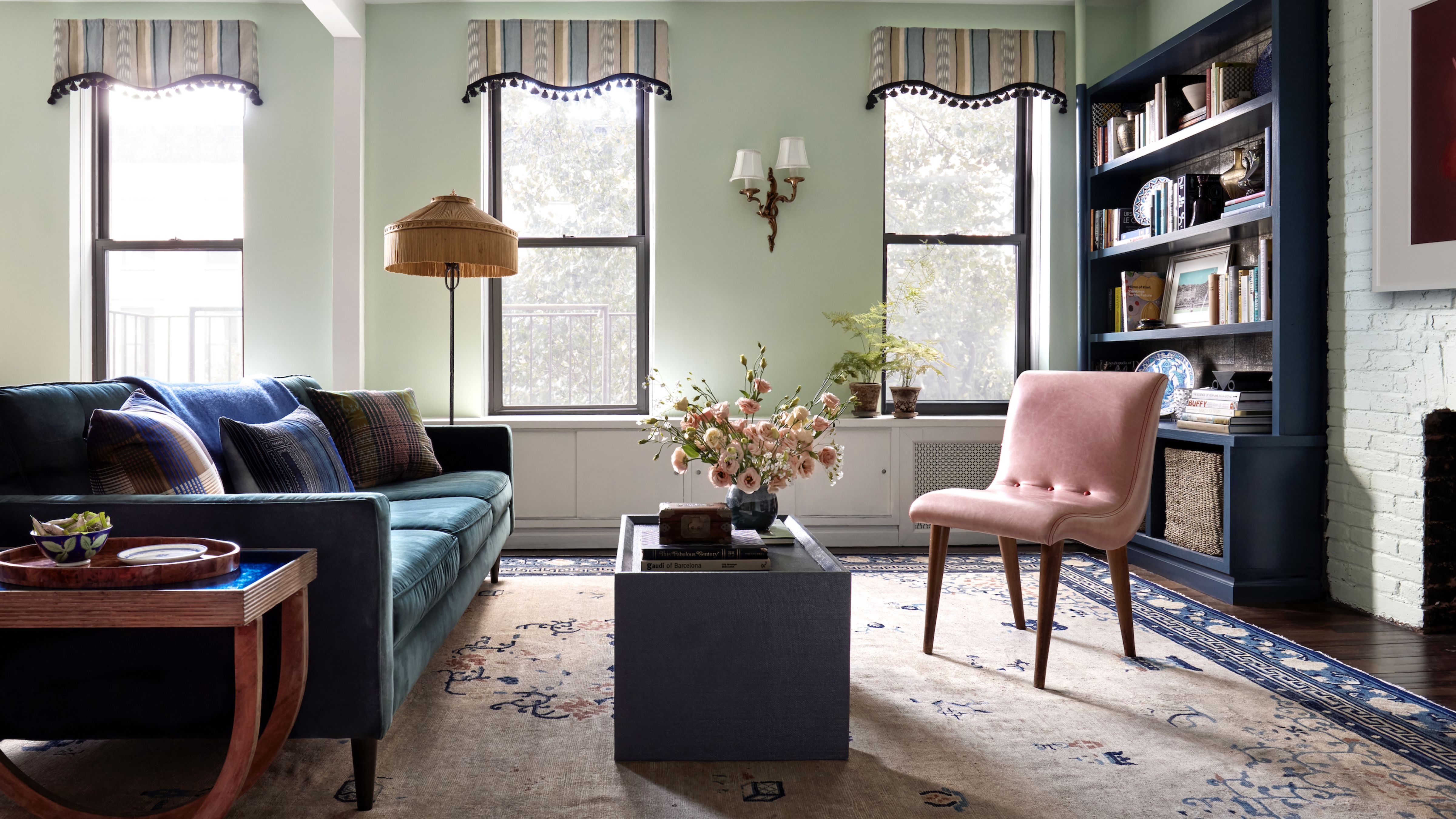
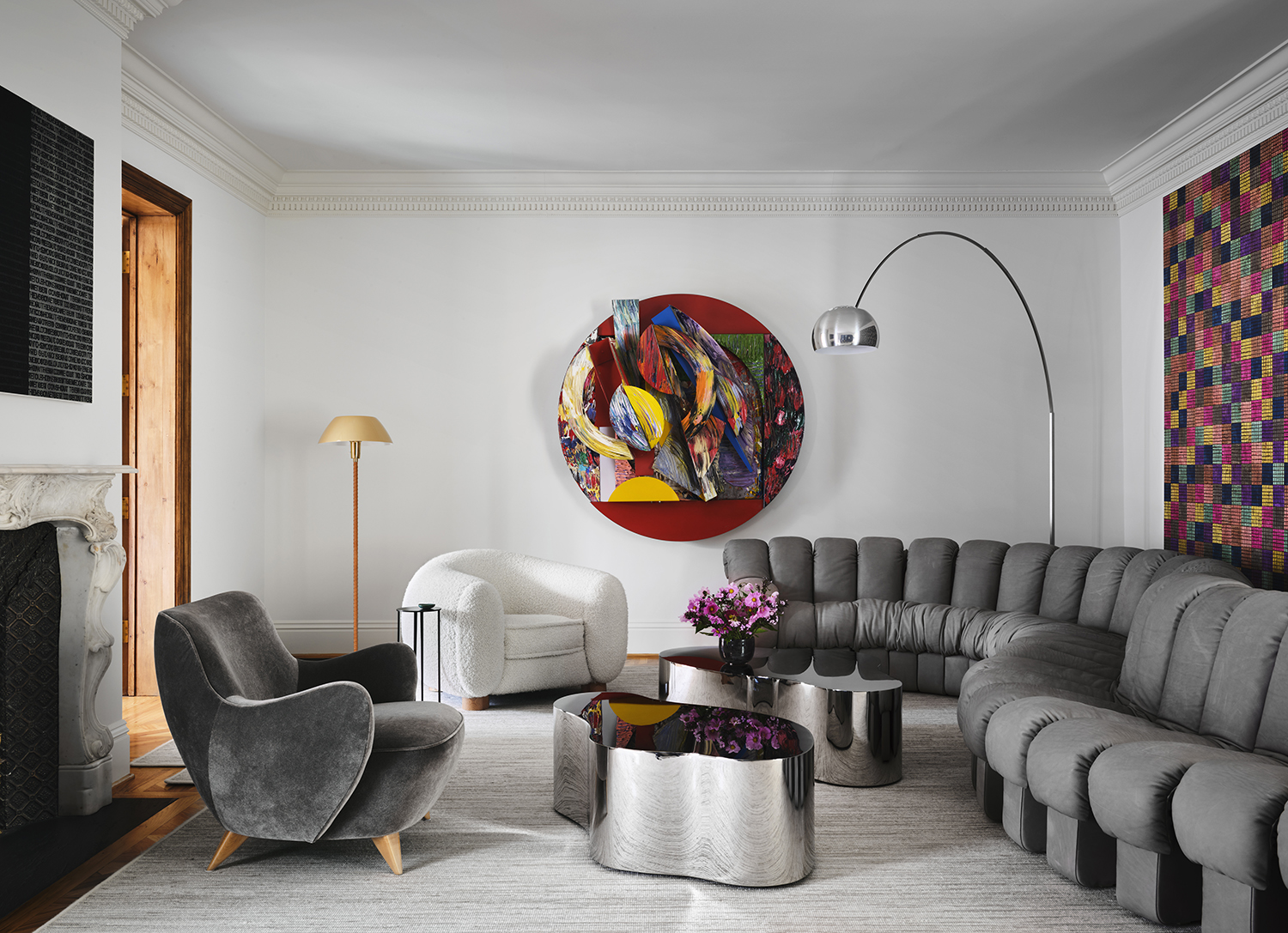
Third, art placement and sizing are vital. Galleries often use art to draw the eye upwards and reinforce architectural features. The article suggests that when in doubt, opting for slightly larger art pieces generally contributes more to a room's harmony than smaller ones. A large-scale painting or photograph can make a confident statement above a sofa, contrasting with smaller pieces that might feel out of place. Fourth, substantial furniture, particularly in terms of depth, is highlighted as a key factor. Choosing deeper furniture, especially sofas, can make a living room feel more grounded and comfortable, rather than merely decorative. Designers suggest a standard sofa length of 84-96 inches for a typical living room.
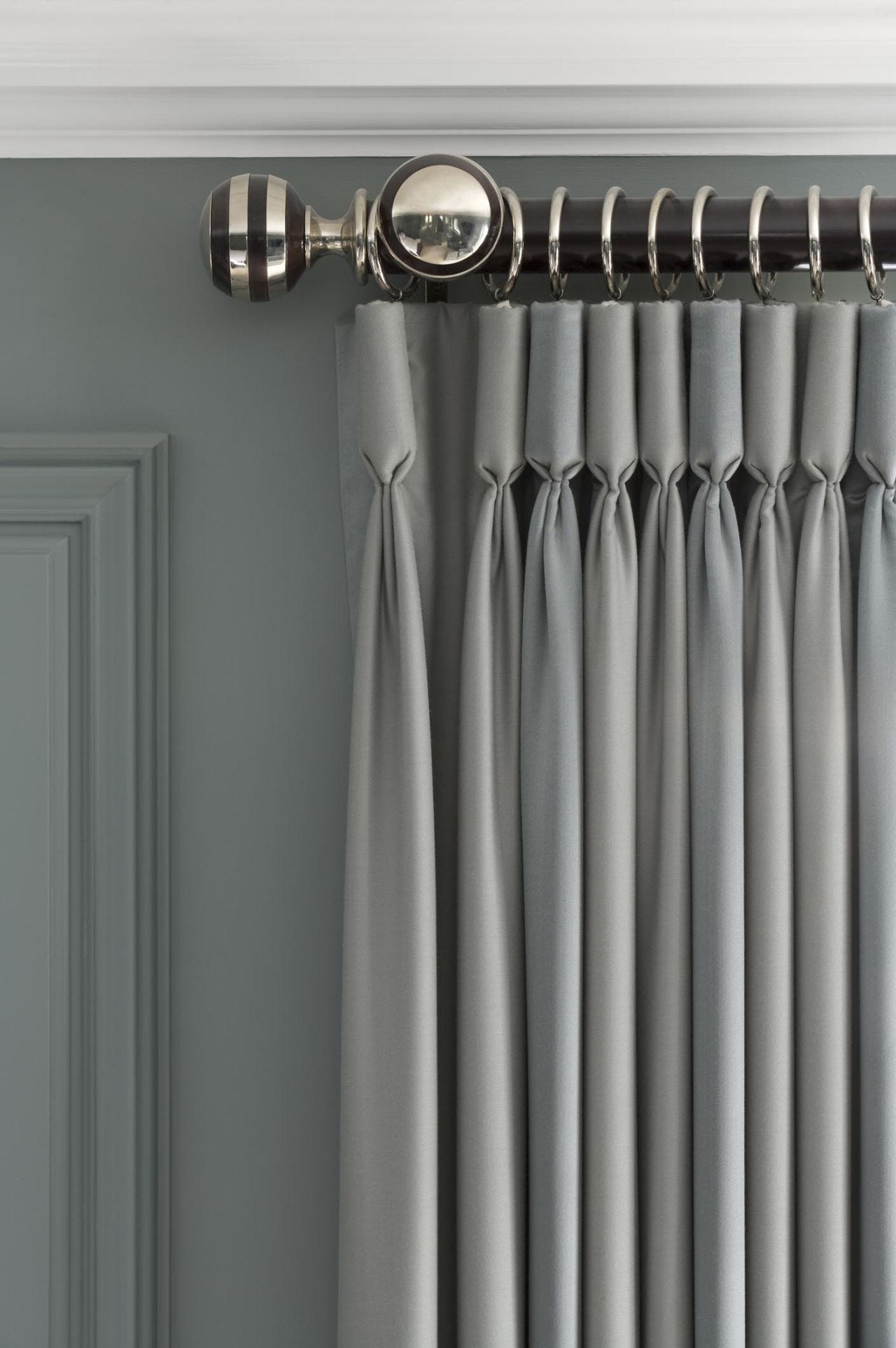
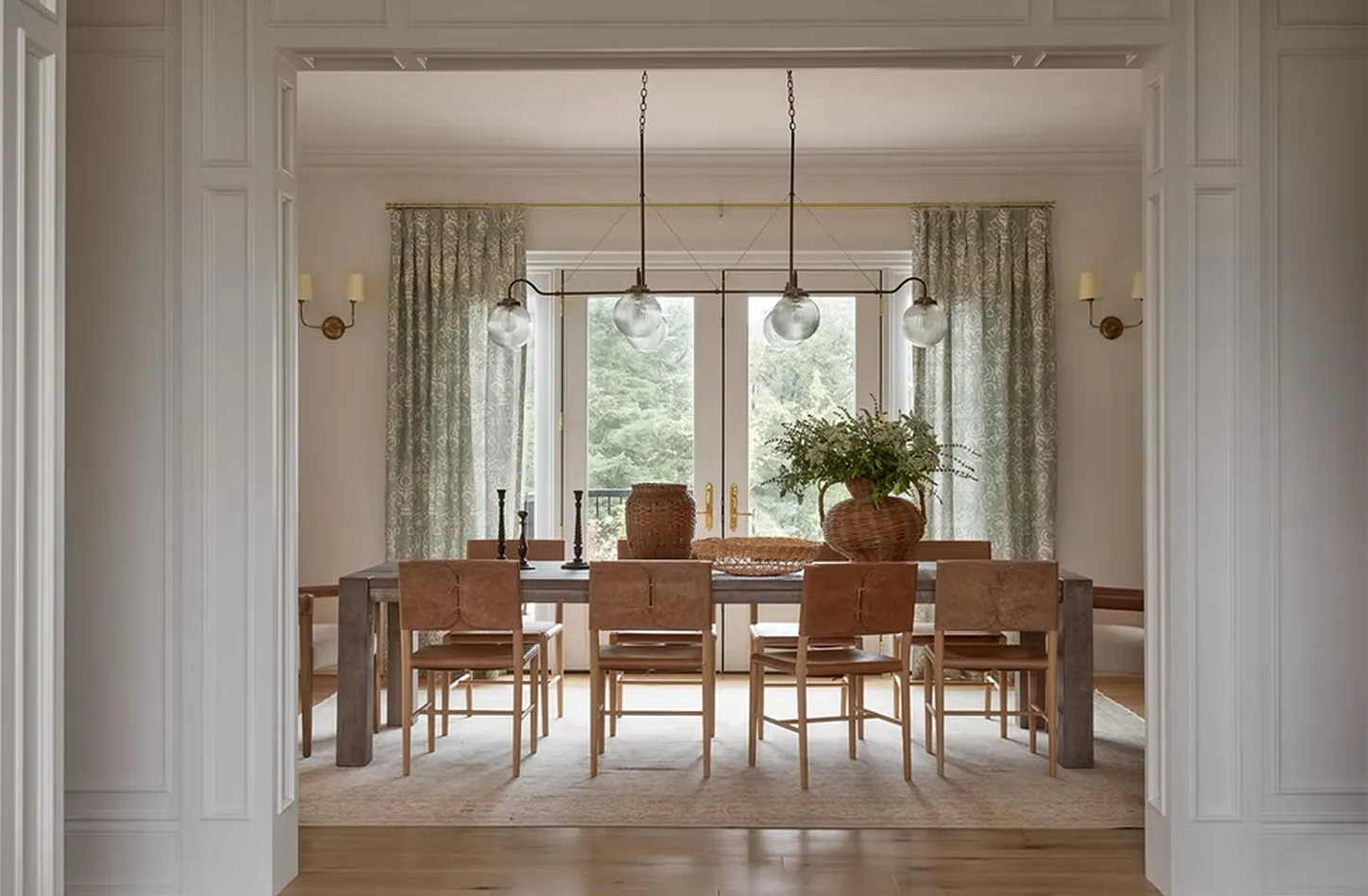
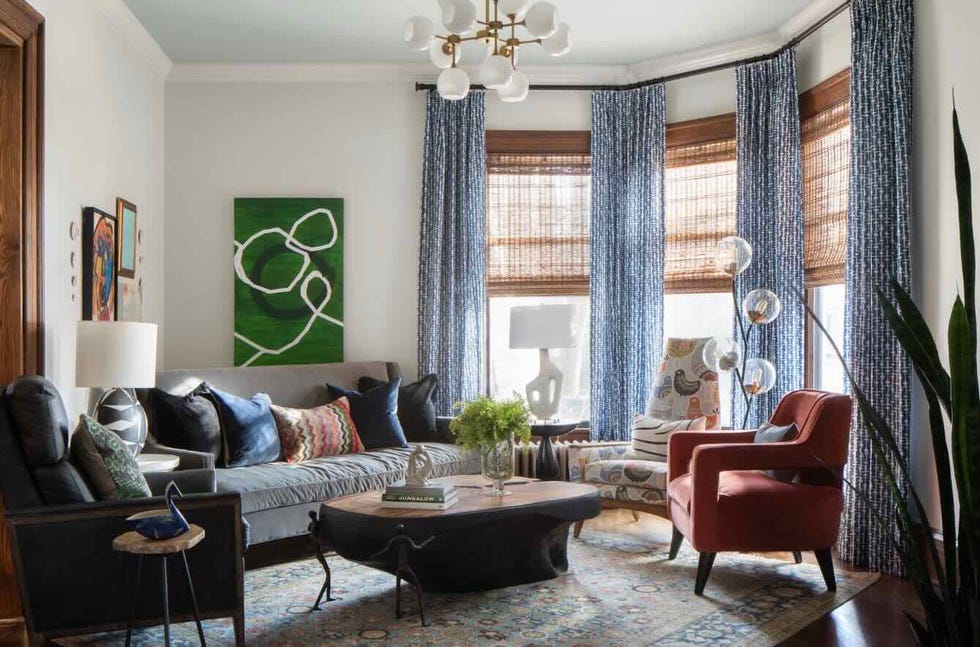
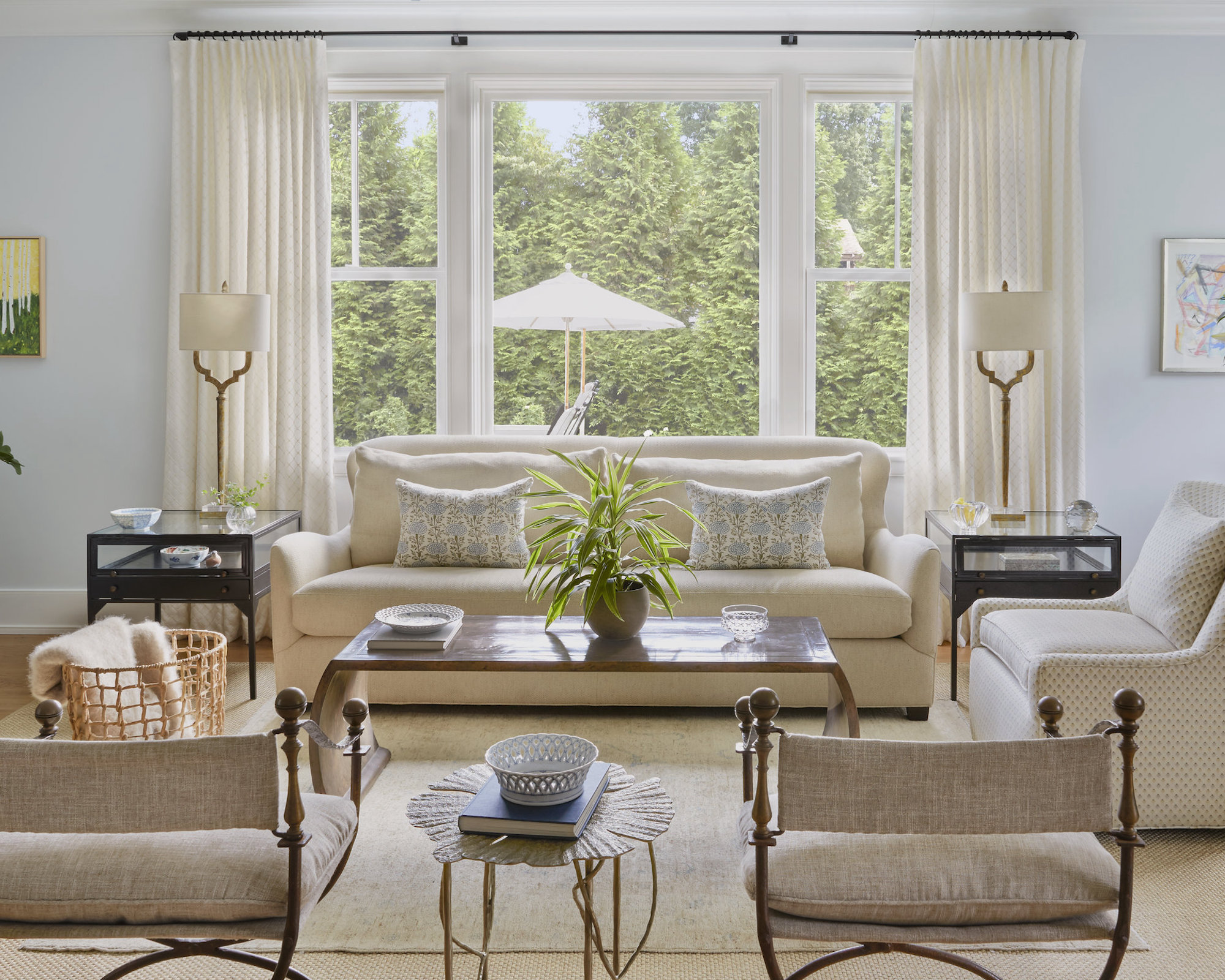
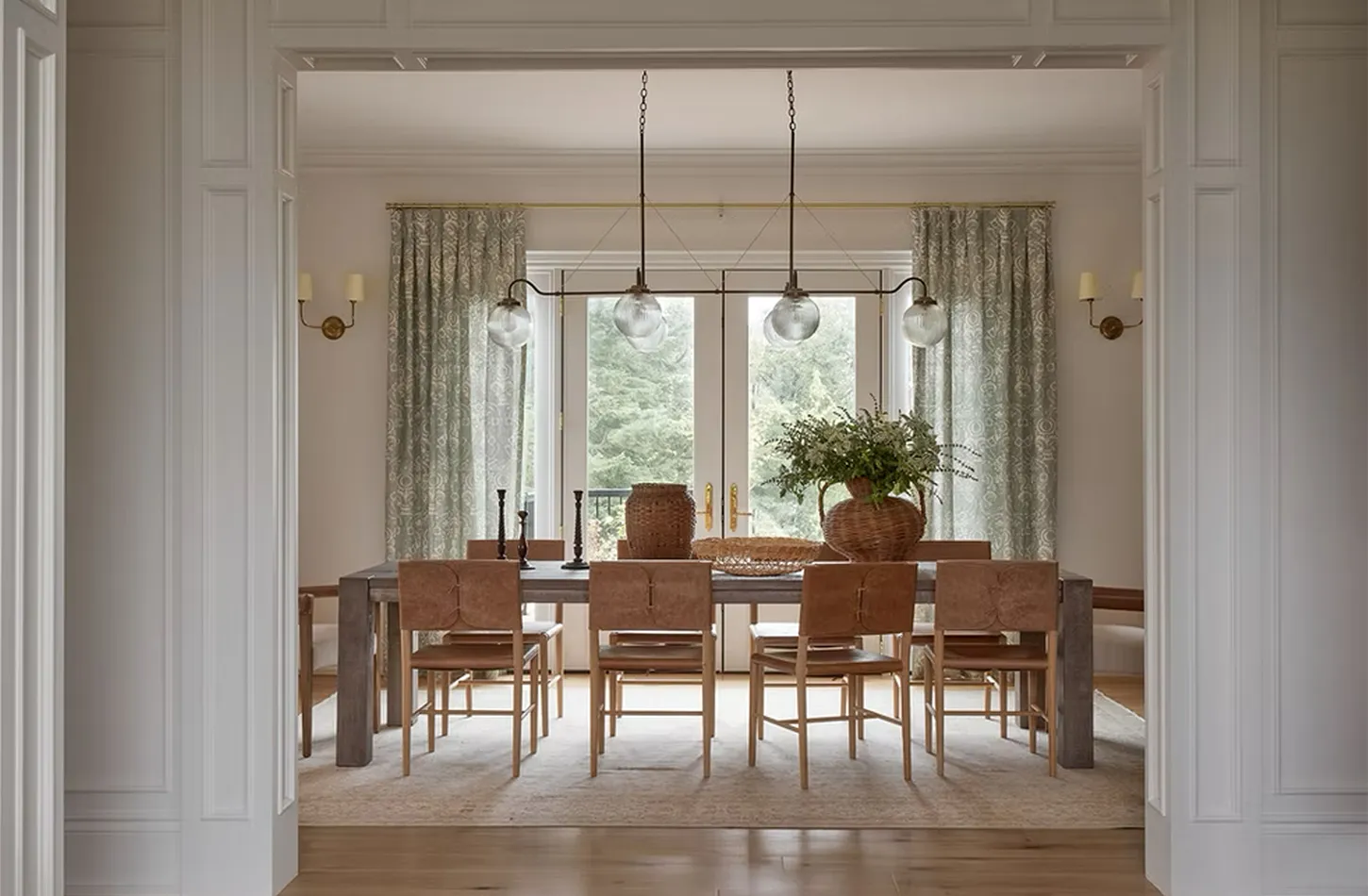
Finally, hanging curtains tall is a simple yet effective way to manipulate scale. Extending curtain rods several inches above window frames and allowing fabric to reach the floor or even encompass an entire wall emphasizes room height, creating a sense of drama and intention rather than a confined or domineering feel. Ultimately, mastering scale involves responding to the inherent structure of a space, often by opting for larger elements, smarter placement, fewer pieces, and allowing certain elements to lead the design. This approach can transform an uncomfortable room into a balanced and inviting environment without necessarily requiring a complete overhaul.
#InteriorDesign #ScaleInDesign #HomeDecor #FurniturePlacement #LightingDesign #RoomHarmony #Rugs #ArtPlacement #CurtainStyling #InteriorDesign #ScaleInDesign #HomeDecor #FurniturePlacement #LightingDesign #RoomHarmony #Rugs #ArtPlacement #CurtainStyling
Hay 0 comentarios en total
 Aún no hay comentarios
También te puede gustar
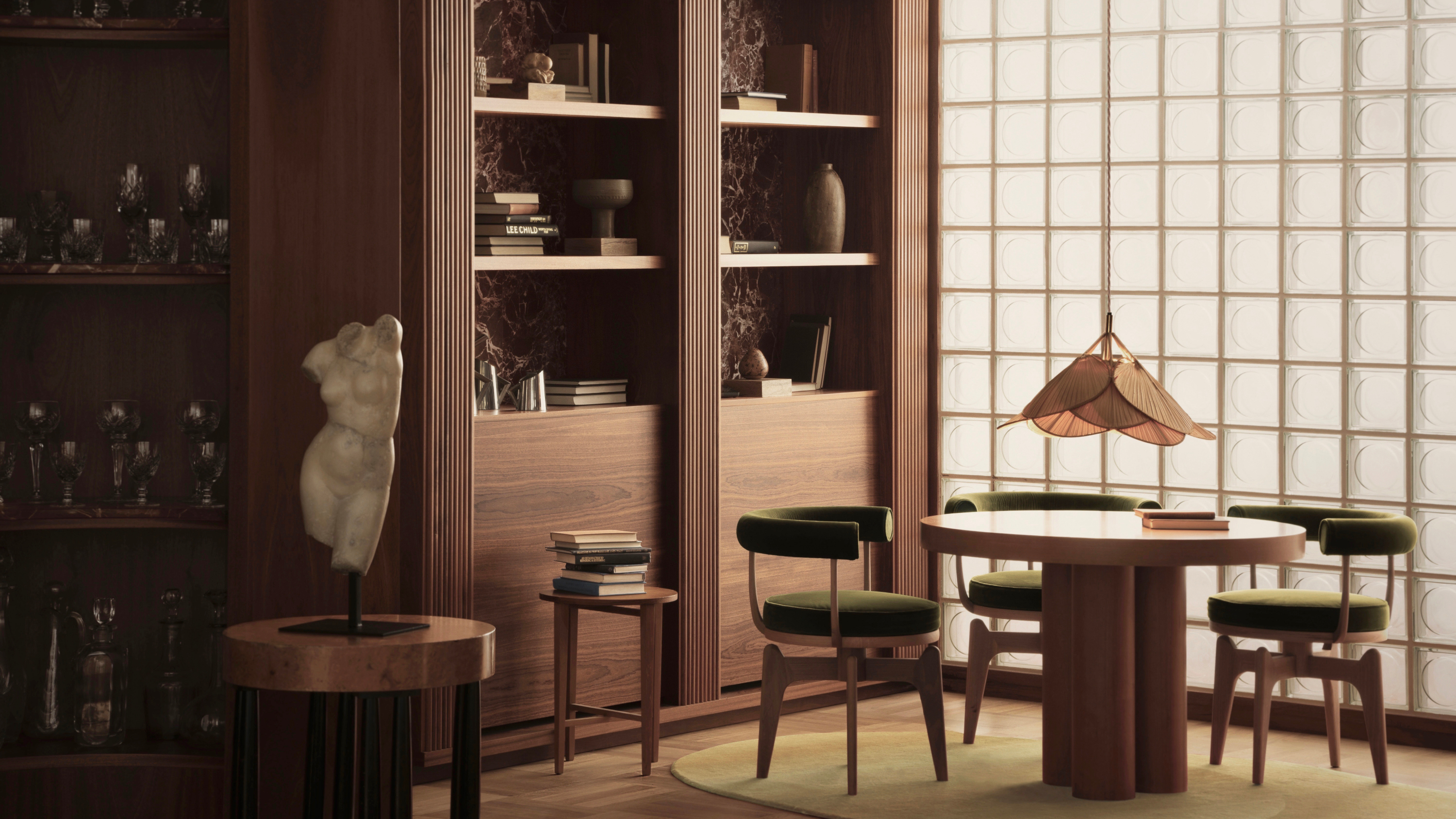
Designers Have a New Clever Shortcut To Make Rooms Look More Rich — 5 Spaces That Nail the Look

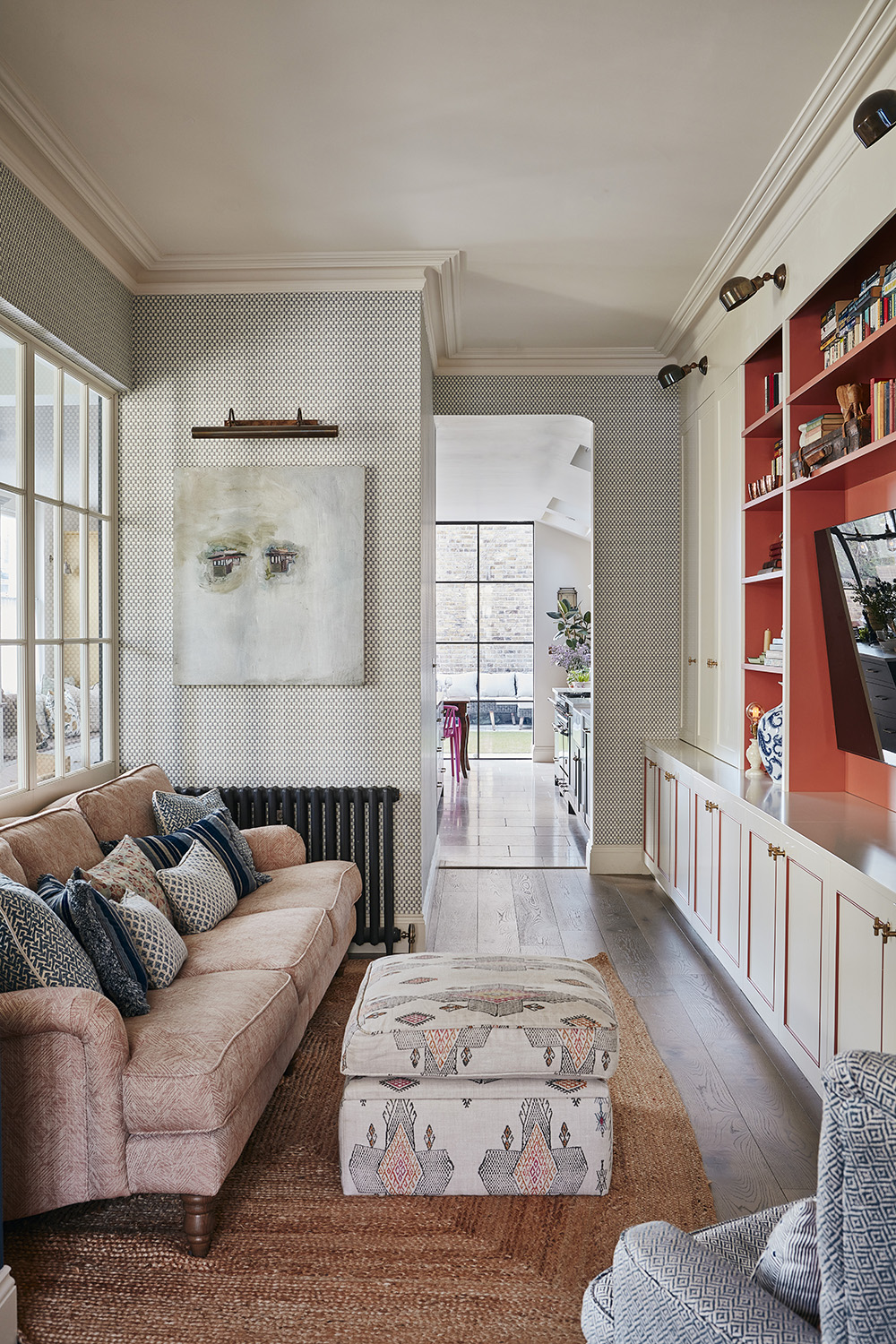
How to make small spaces look bigger
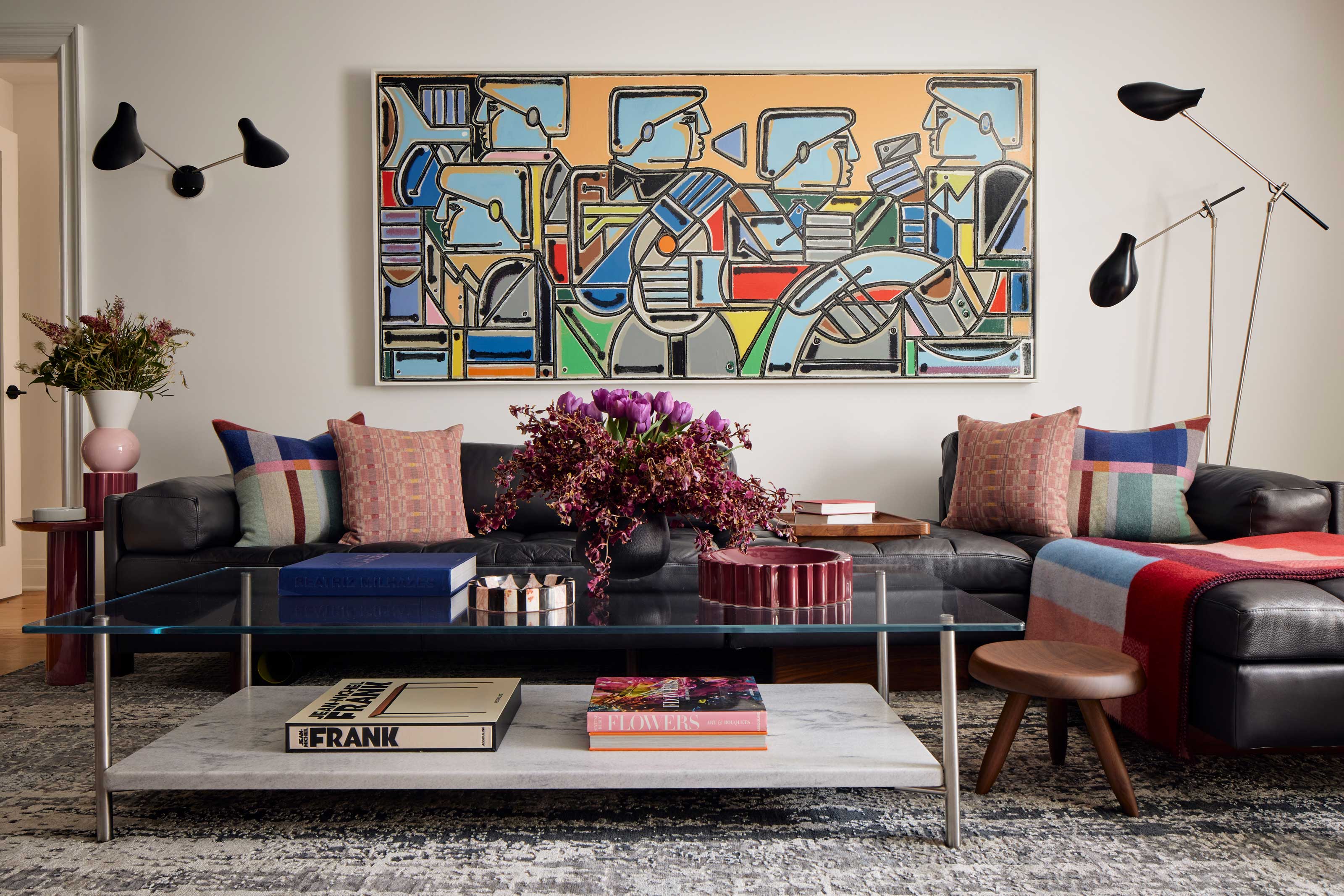
This interior designer's golden rule for making small rooms feel bigger set the tone for decorating his own apartment
Ask a Designer: Vertical lines add lots to a room

11 Pro Tricks to Make It Look Like You Have High Ceilings
The Library: The Key Principles That Define a Well-Designed Home – And Why They Work
7 Things Designers Immediately Notice When They Enter A Room
The Ceiling: The Forgotten Plane
6 Underrated Designer Secrets That Instantly Make Any Room Look Better
The One Design Feature You're Overlooking That Will Instantly Elevate Any Room
Rhythm in interior design - 11 ways to use this clever technique for rooms that look professionally done
An Expert Guide to Using Positive Space in Interior Design
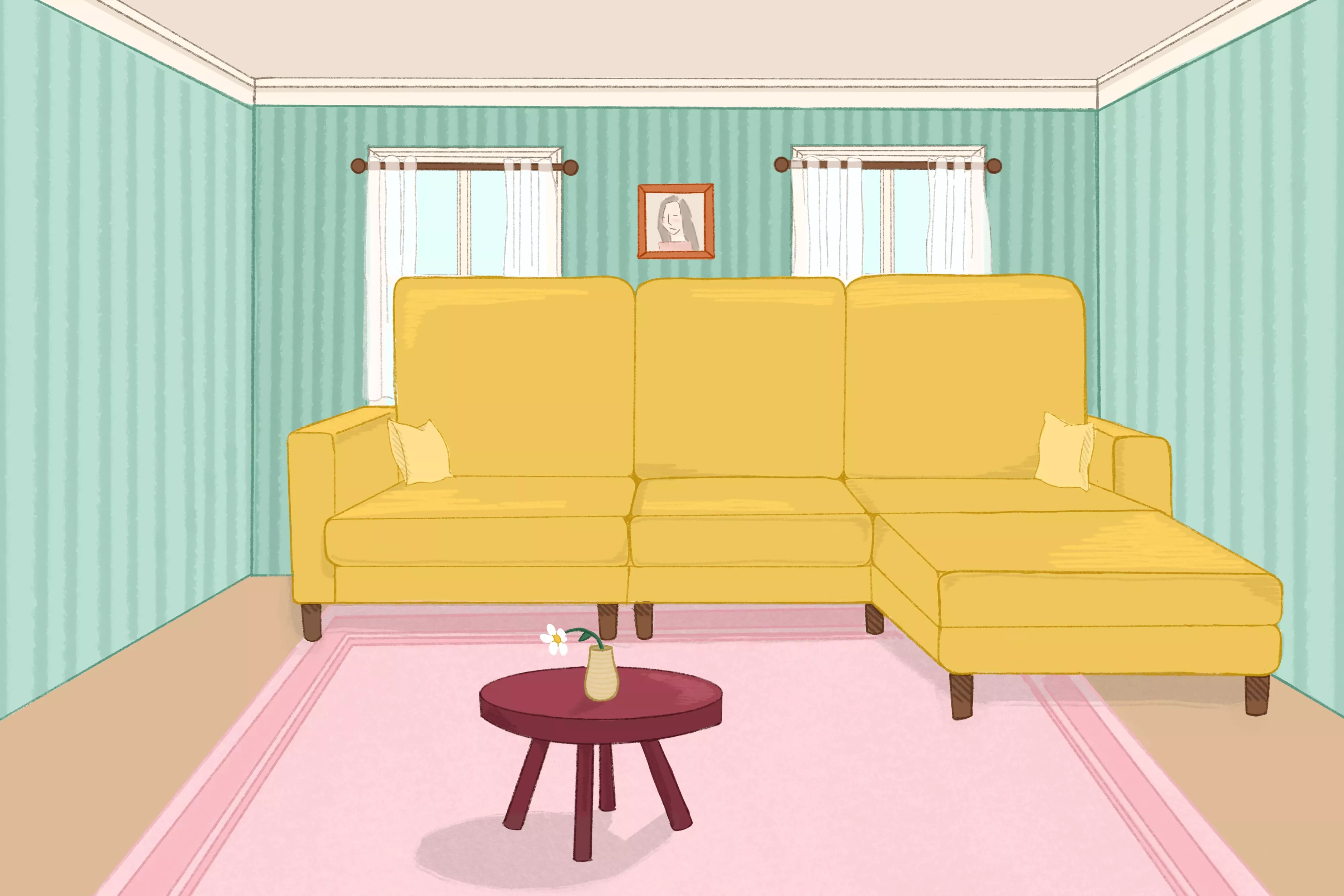
Why Your Room Feels 'Off'—6 Designer Rules for Perfecting Furniture Scale and Proportion
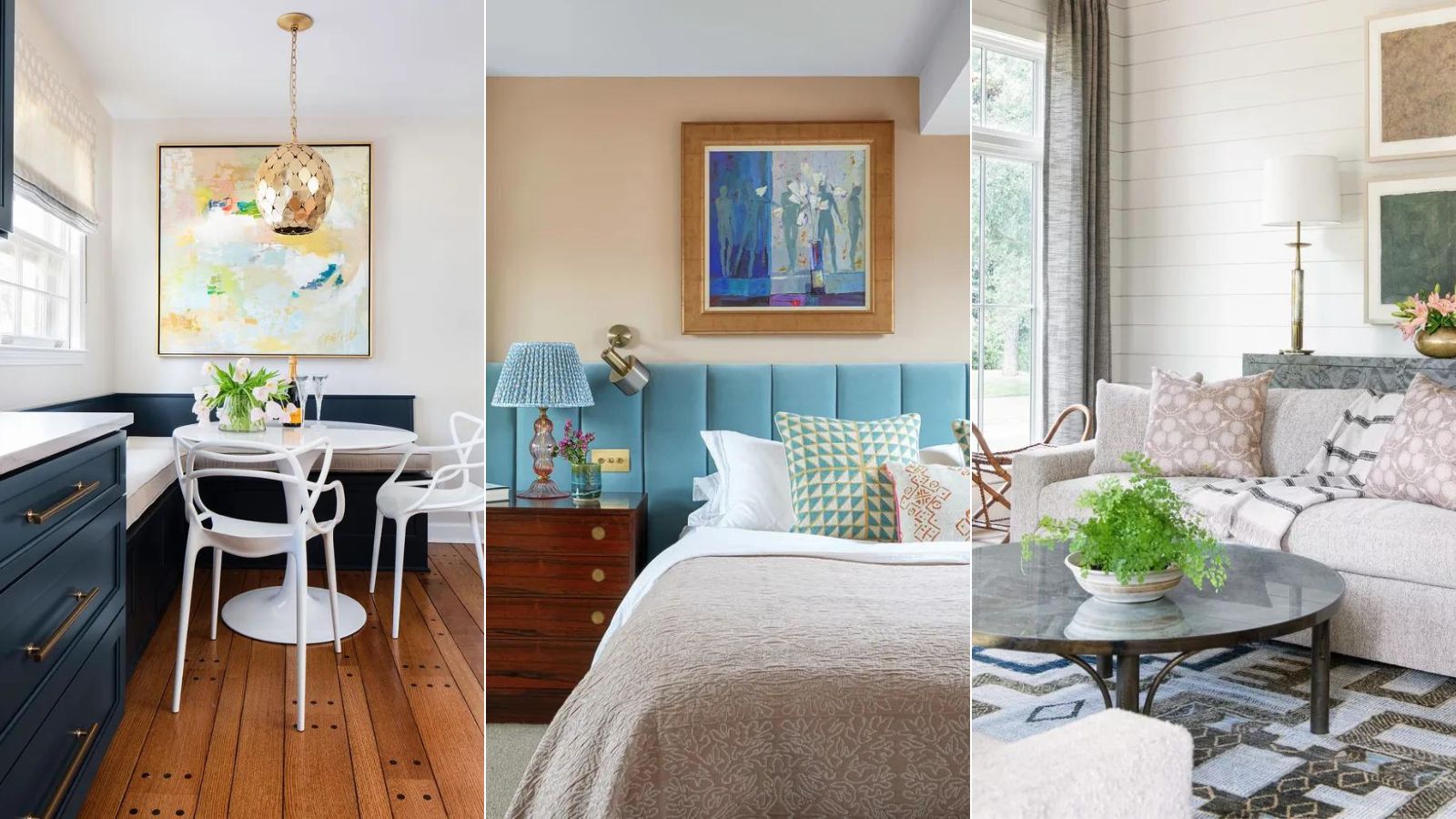
10 things designers do to make rooms look bigger – strategies for success from the experts
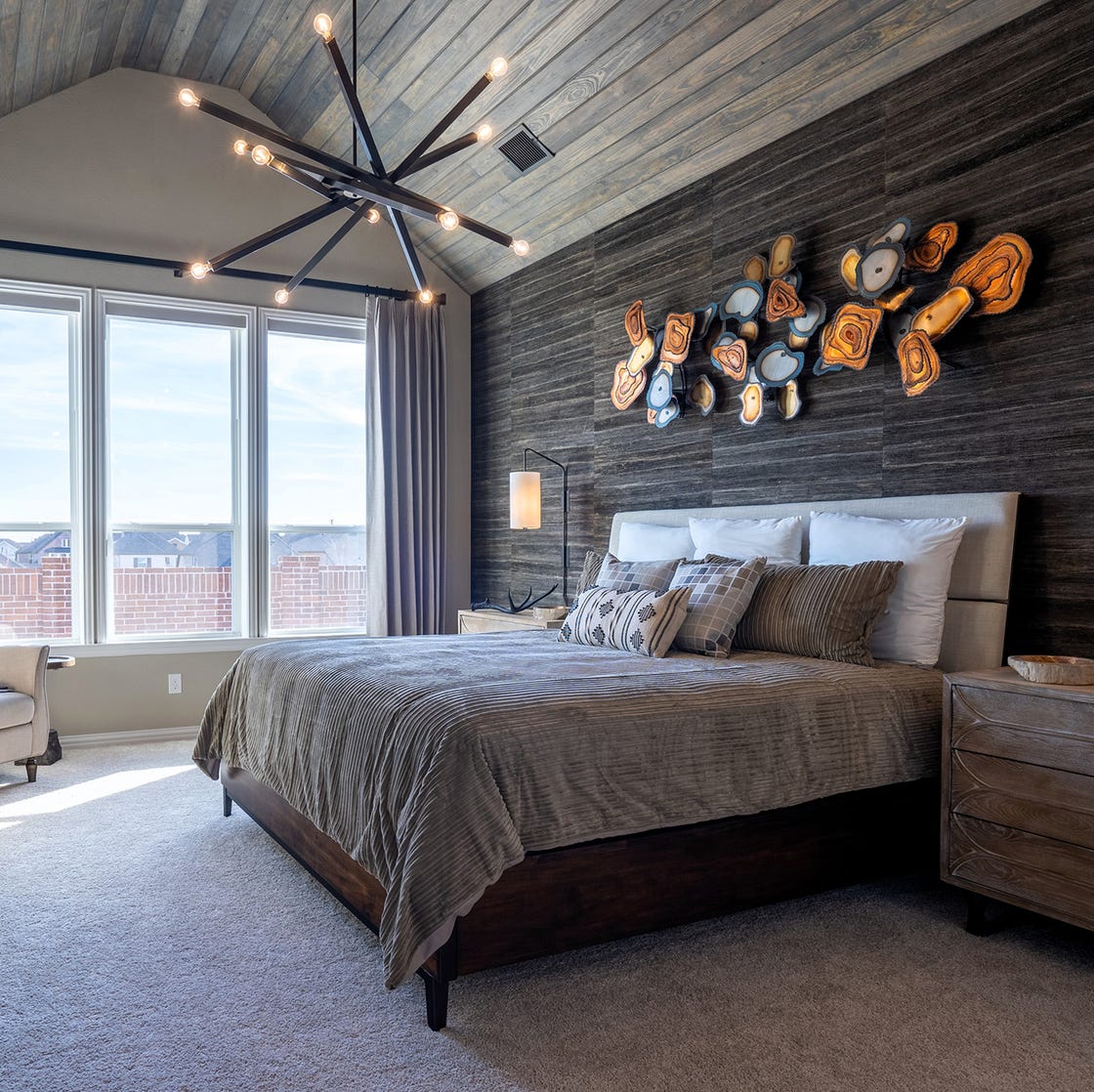
The Coziness Factor: Designers Share How They Create an Inviting Home

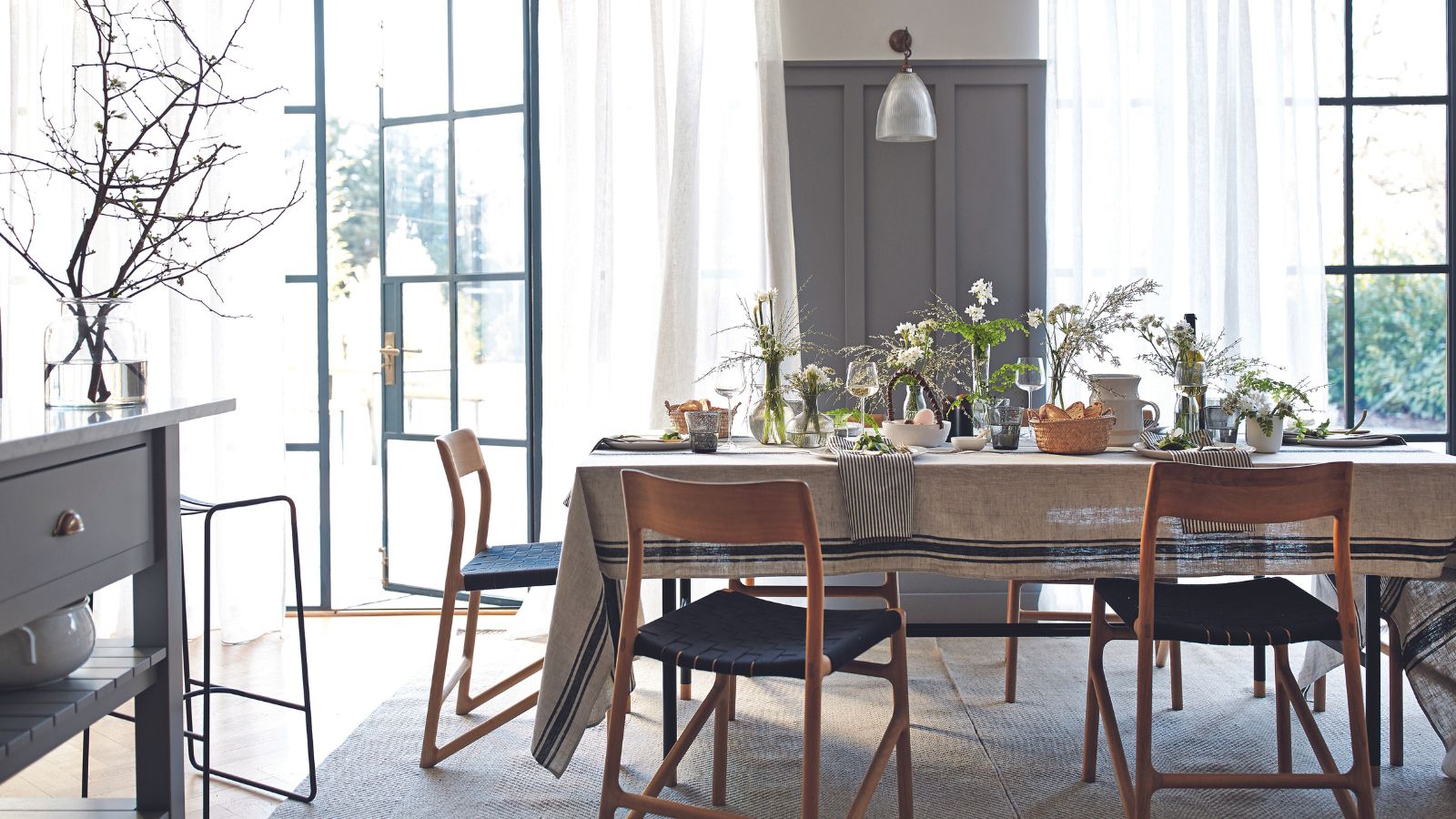
6 tricks designers use to instantly elevate a dining room
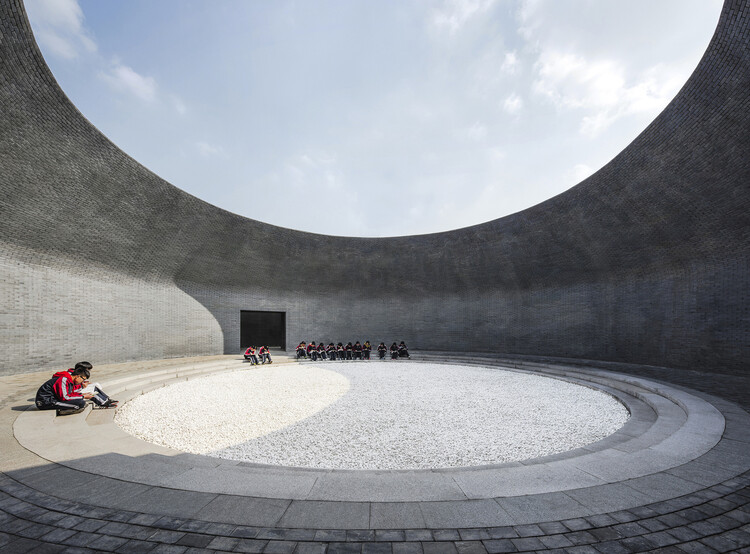
The Power of Scale: How Proportions Shape Human Experience

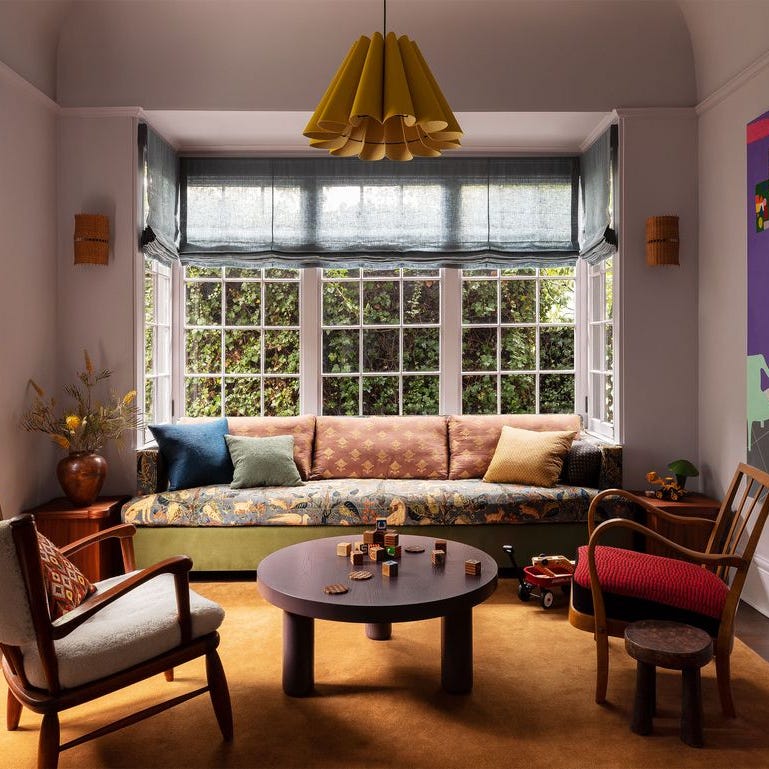
These Are the Decor Ideas Designers Can’t Get Enough Of (and We’re Obsessed With!)
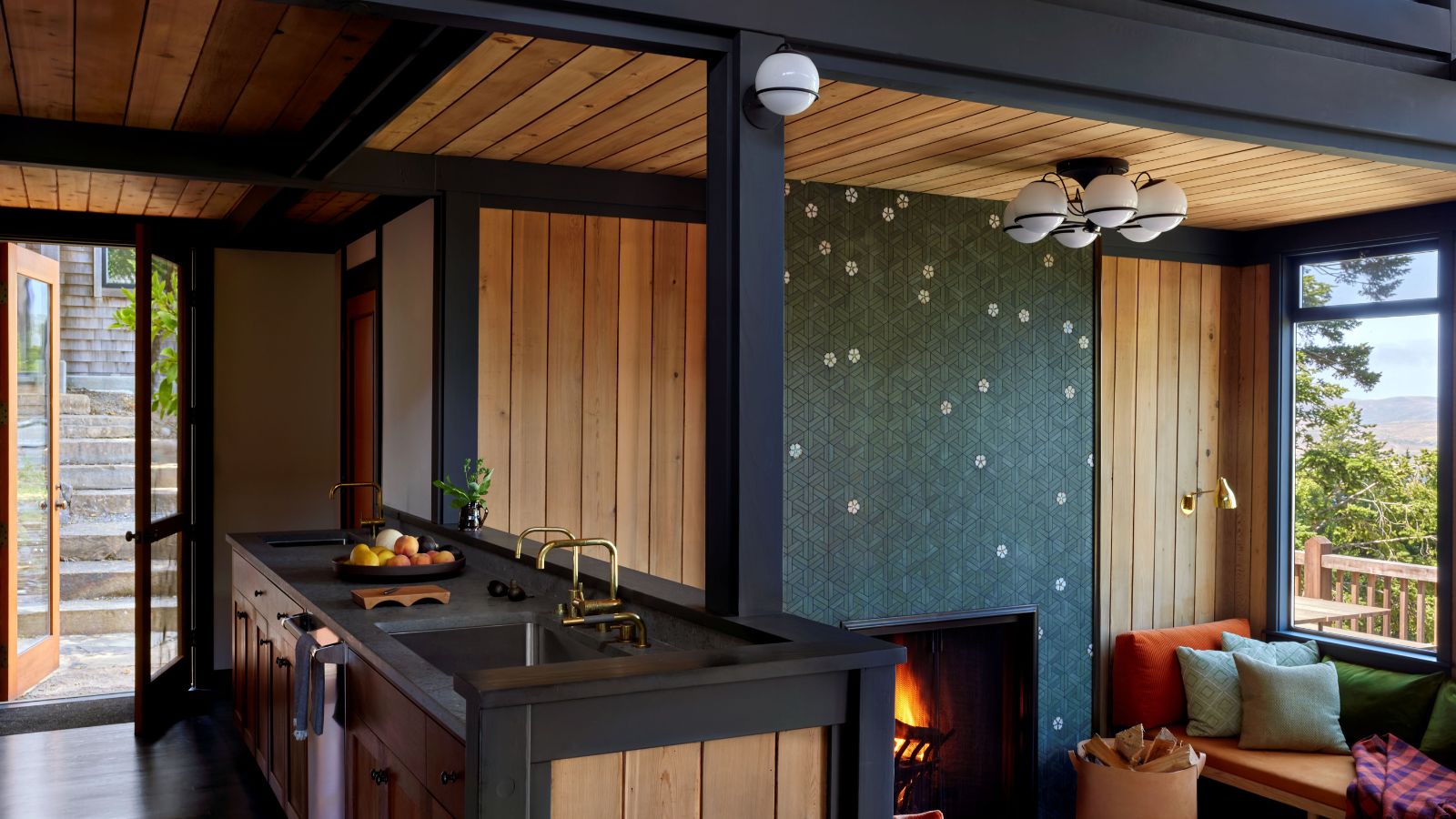
Designers definitely approve of this statement trend that elevates a cozy room
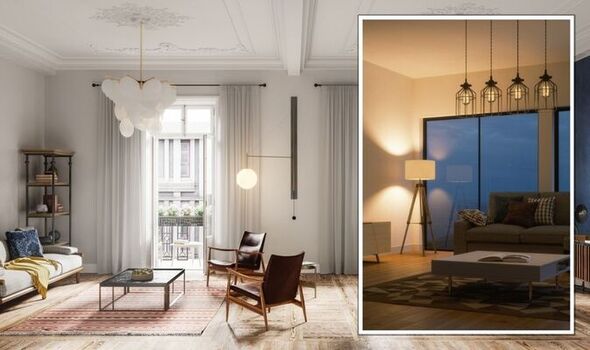
‘Clever design tricks’ can create the illusion of space in homes - ‘feels much larger’