The One Rule You Should Always Follow When Decorating With Brass Decor
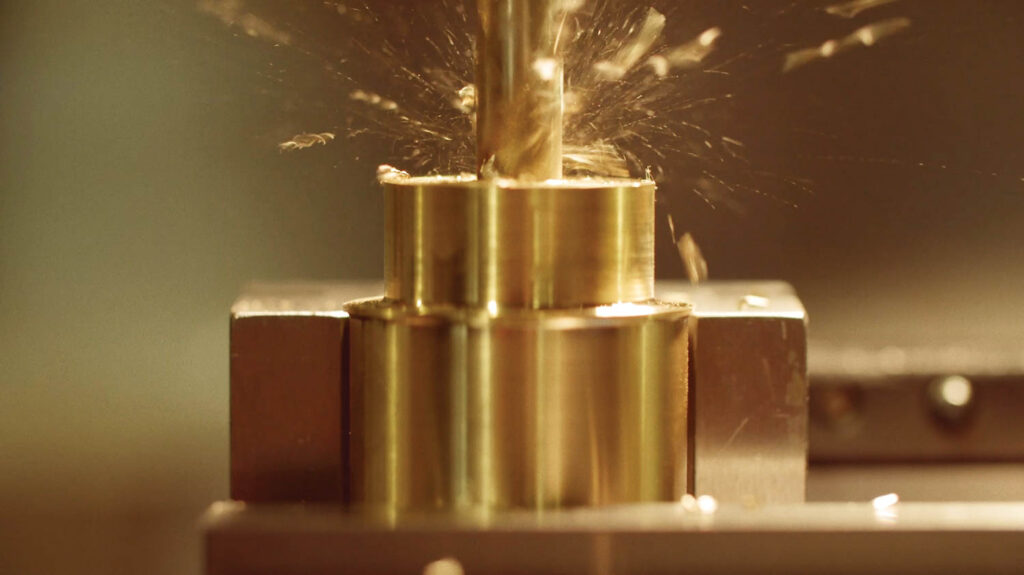
Brass decor, while not a new concept, is experiencing a significant resurgence in interior design, moving beyond being a mere trend to become a staple. Experts like Michelle Boudreau of Michelle Boudreau Design and Kellie Sirna of Studio 11 Design note that warmer metallic tones are gaining prominence over cooler options like steel and chrome, making brass a highly sought-after material. Sirna suggests that brass introduces a touch of glamor, contributes to a warmer ambiance, and harmonizes well with the natural, earthy tones currently popular in design. Daniella Villamil of Daniella Villamil Interiors adds that brass is incredibly versatile, fitting seamlessly into various interior styles, from French Provincial to contemporary homes. This widespread appeal has made brass decor accessible across different price points, as observed by Amy Pigliacampo of Amy Pigliacampo Interiors.
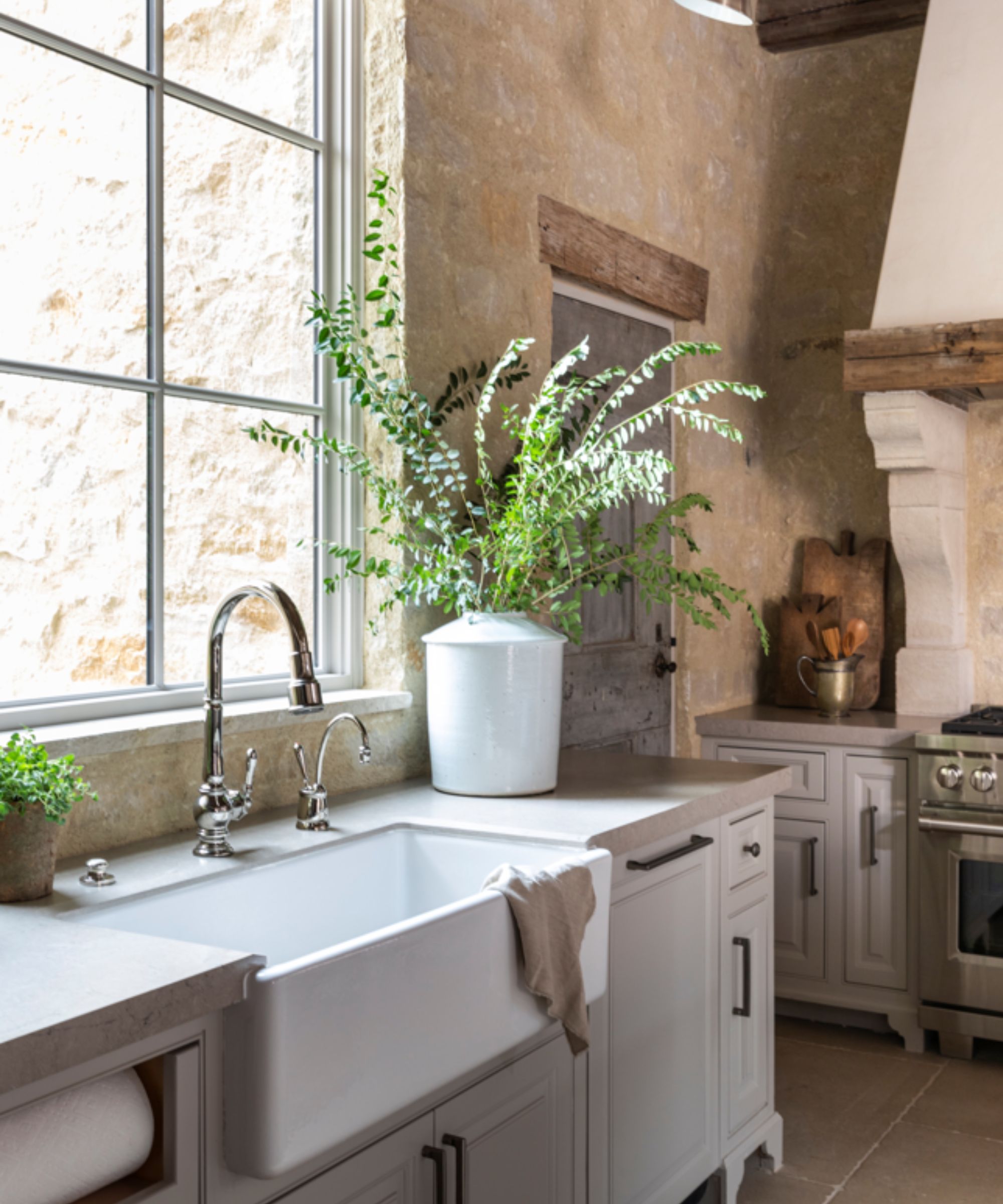
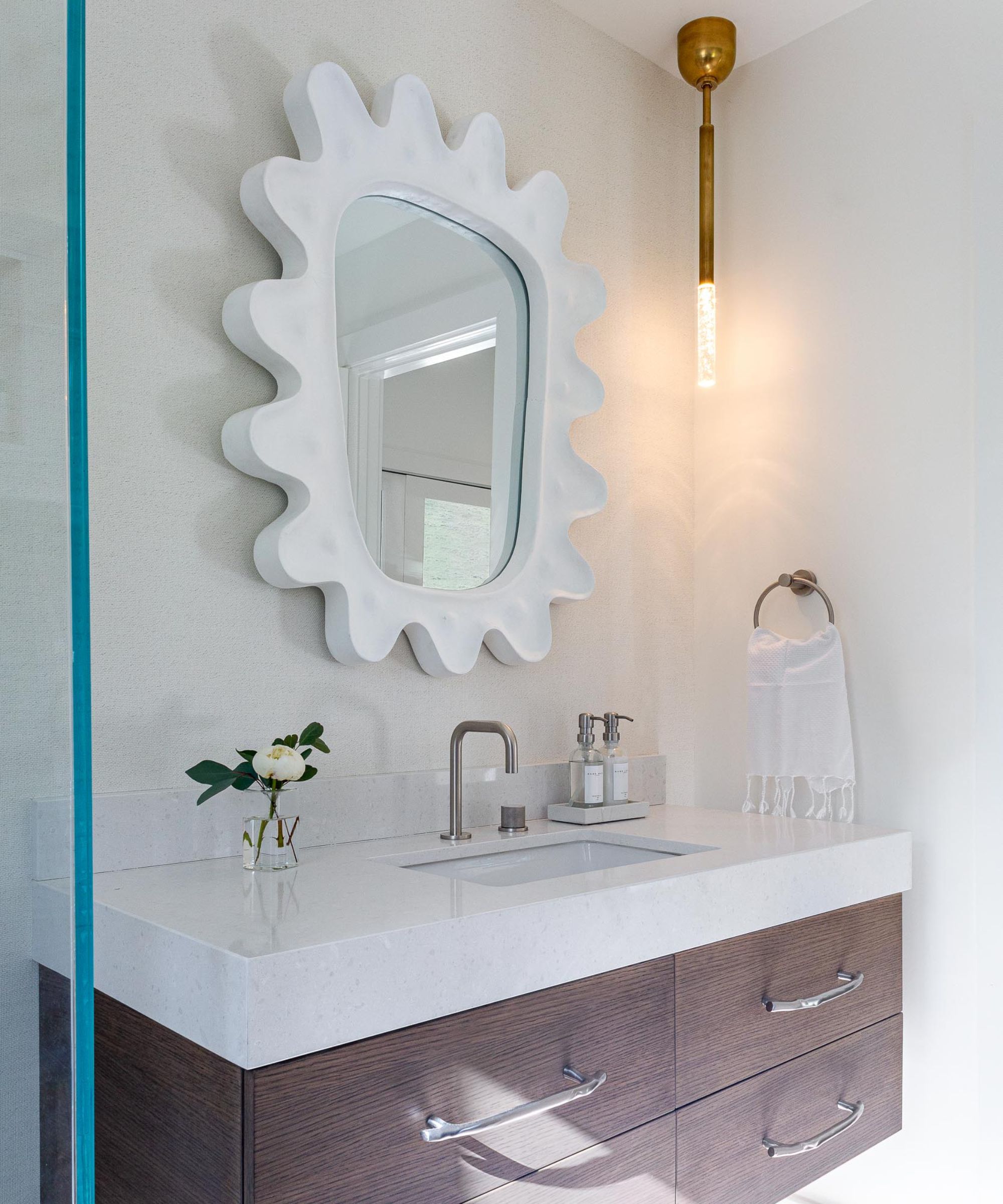
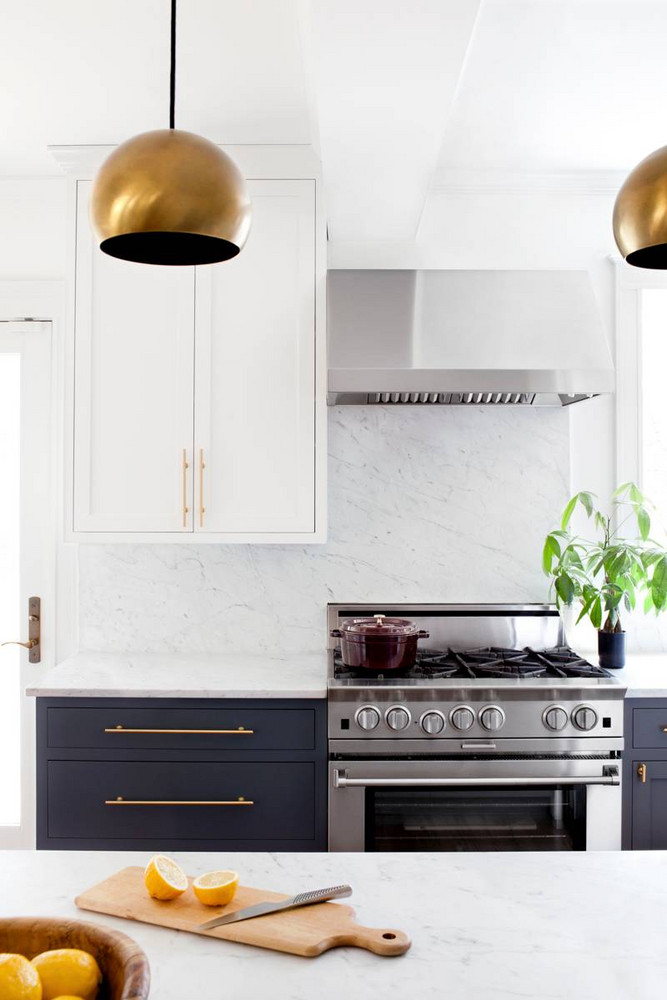
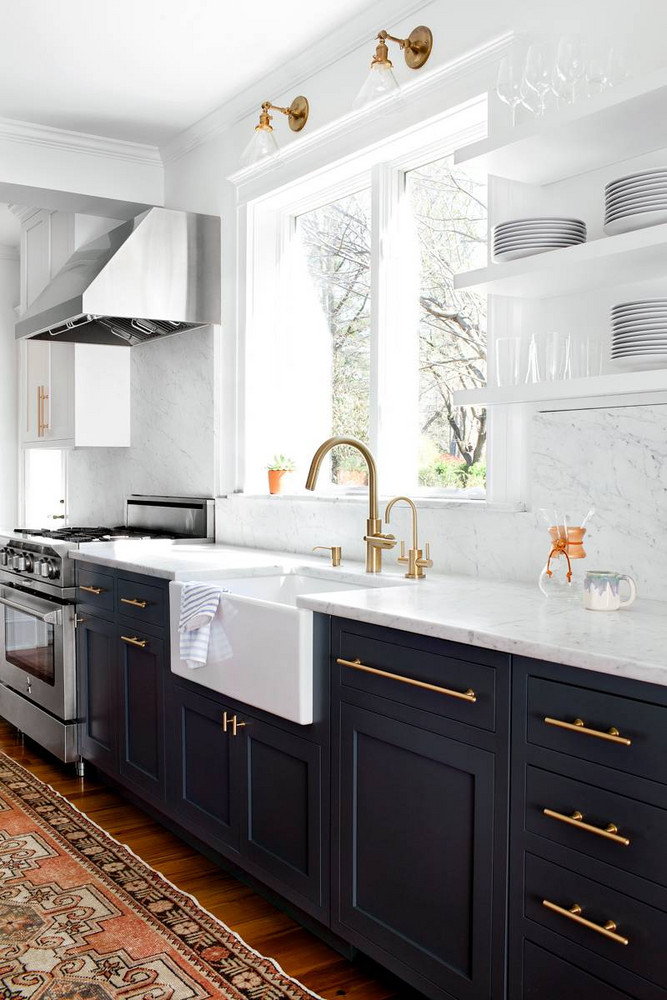
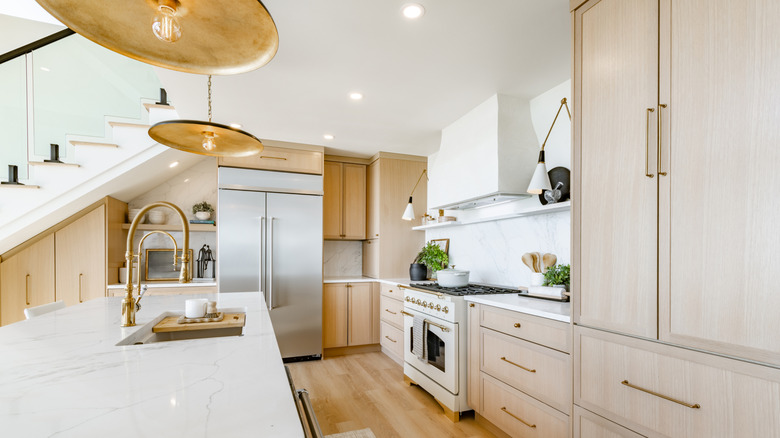
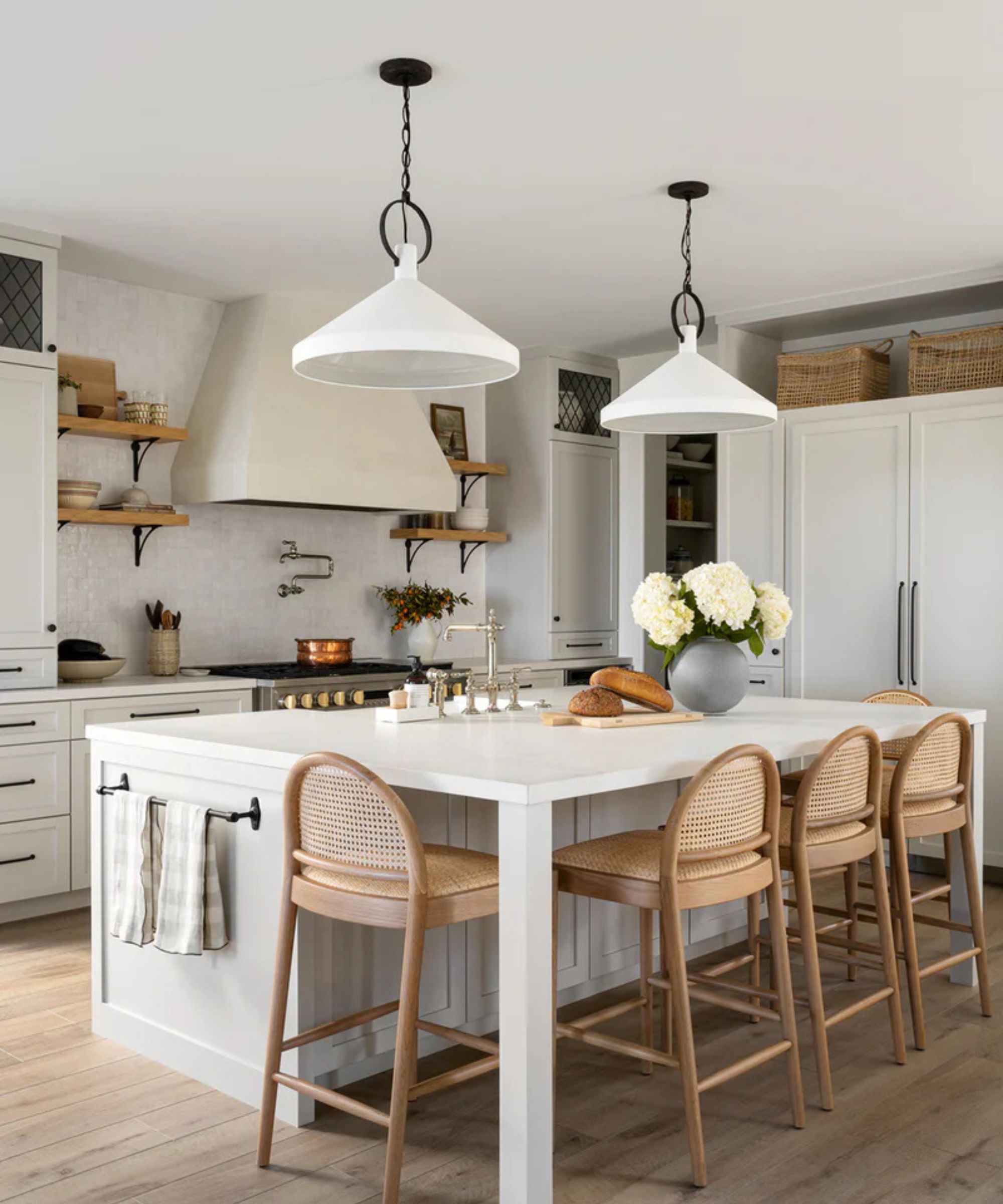
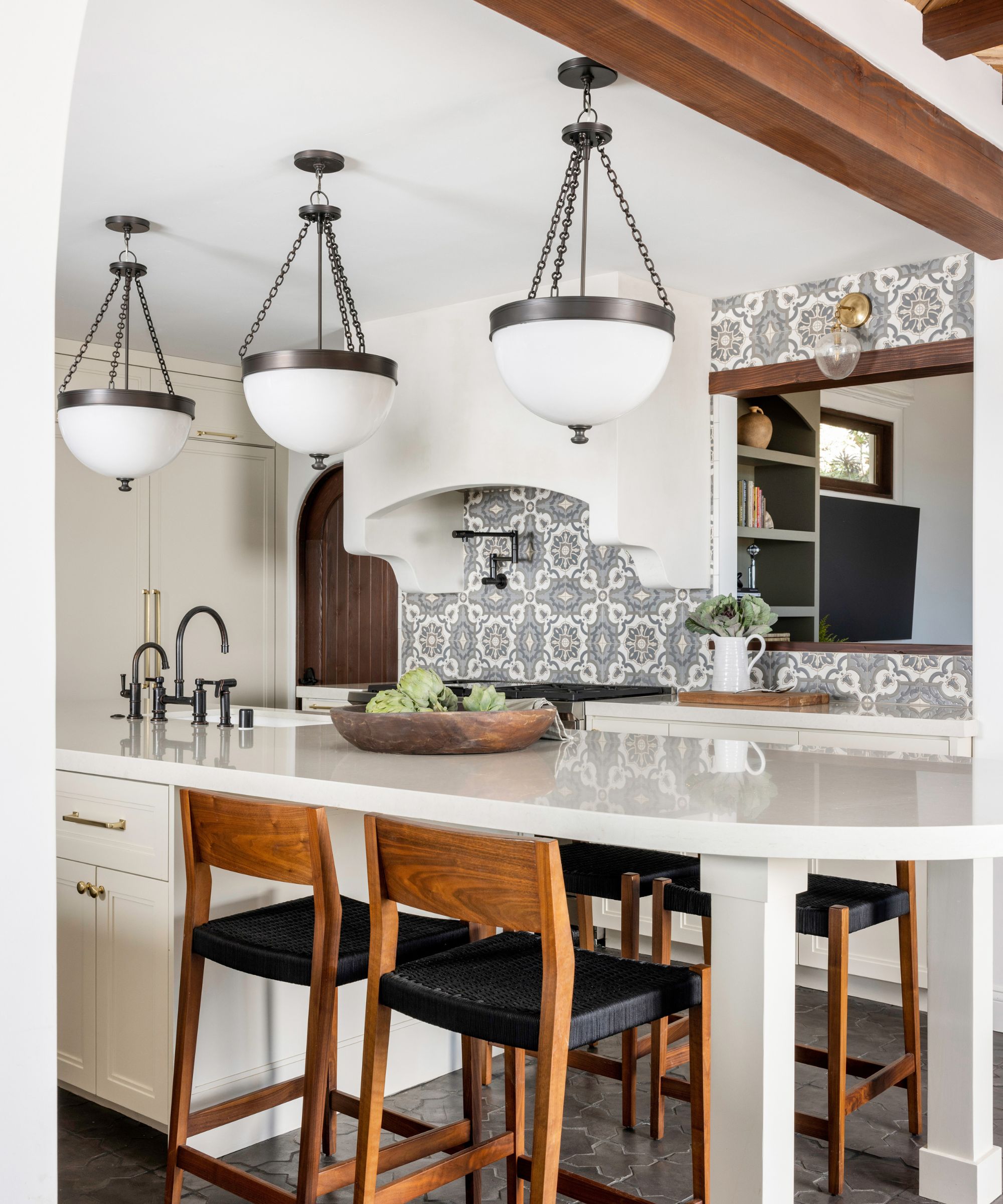
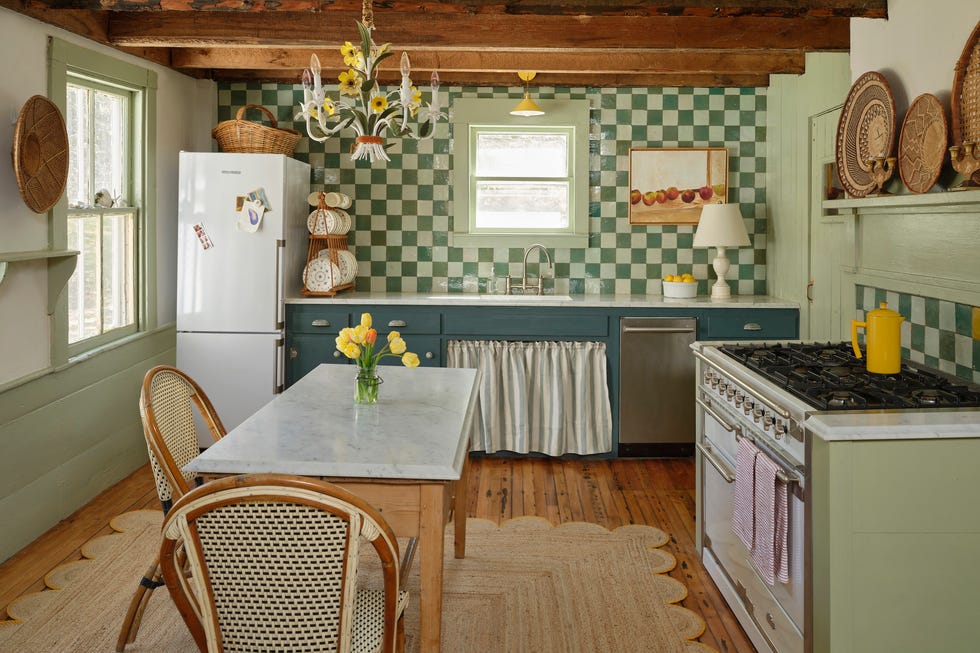
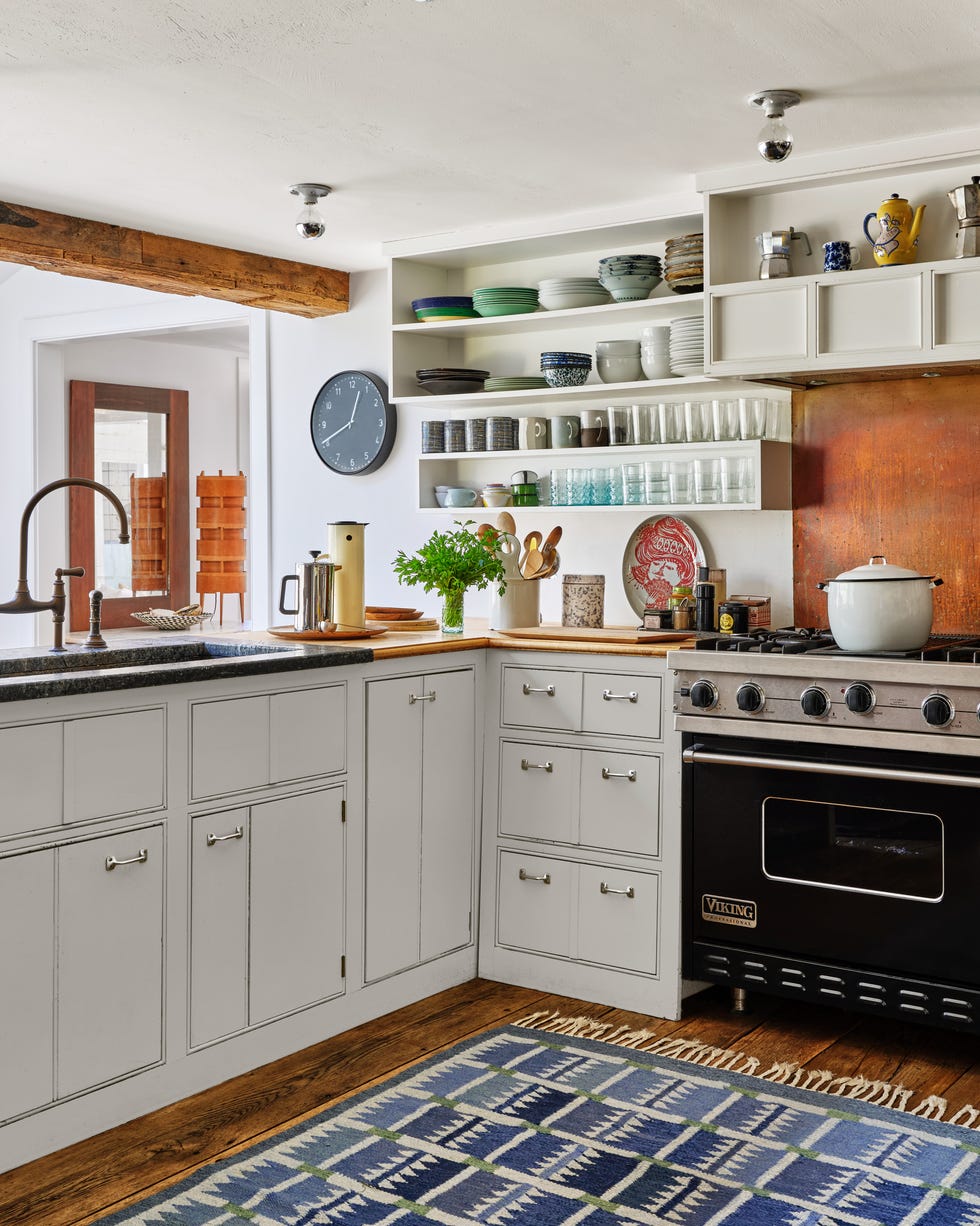
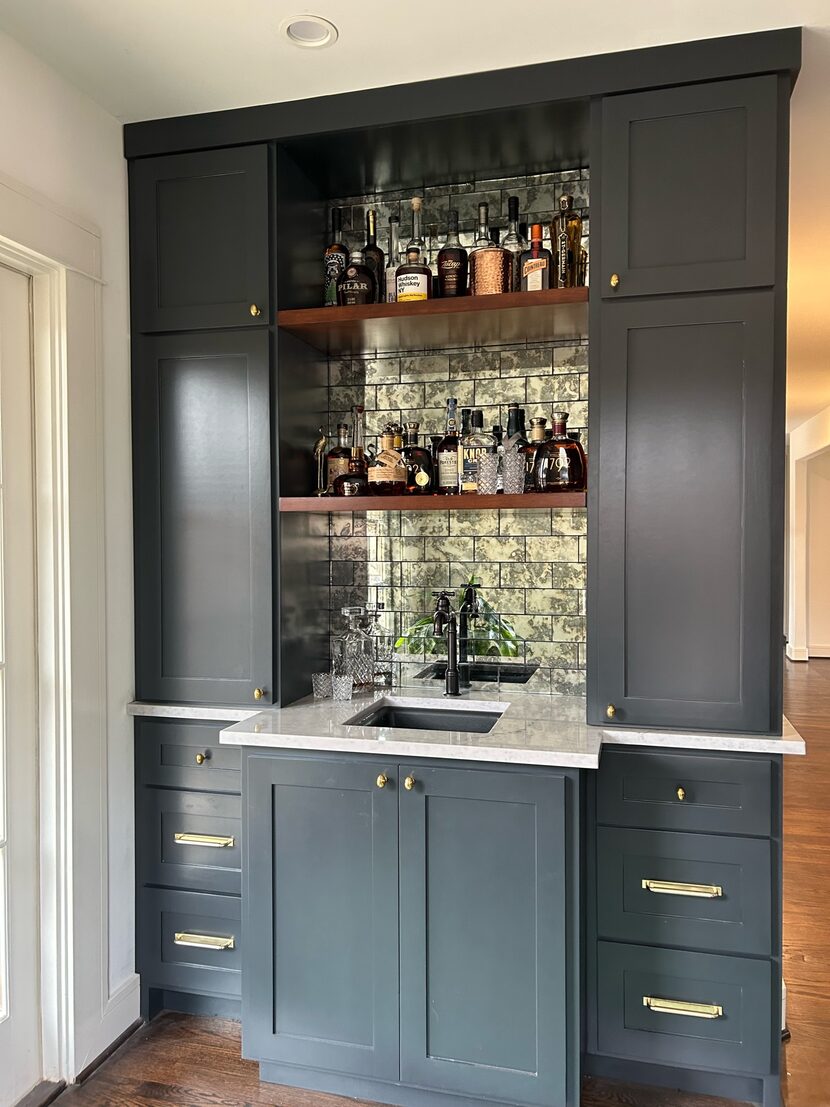
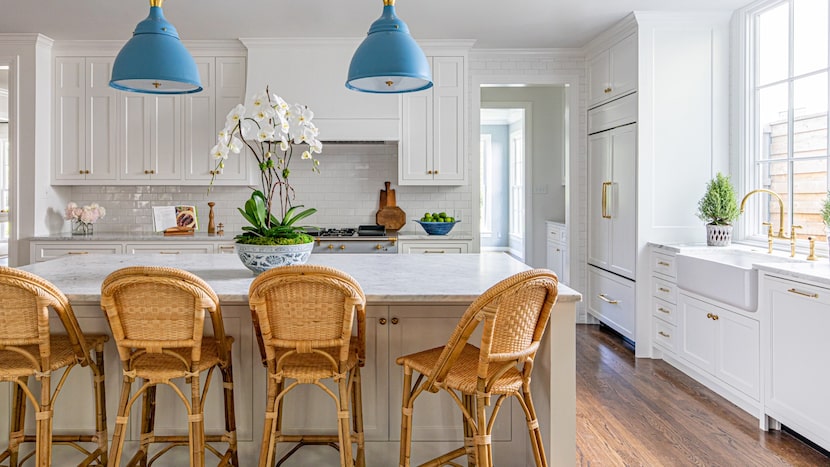
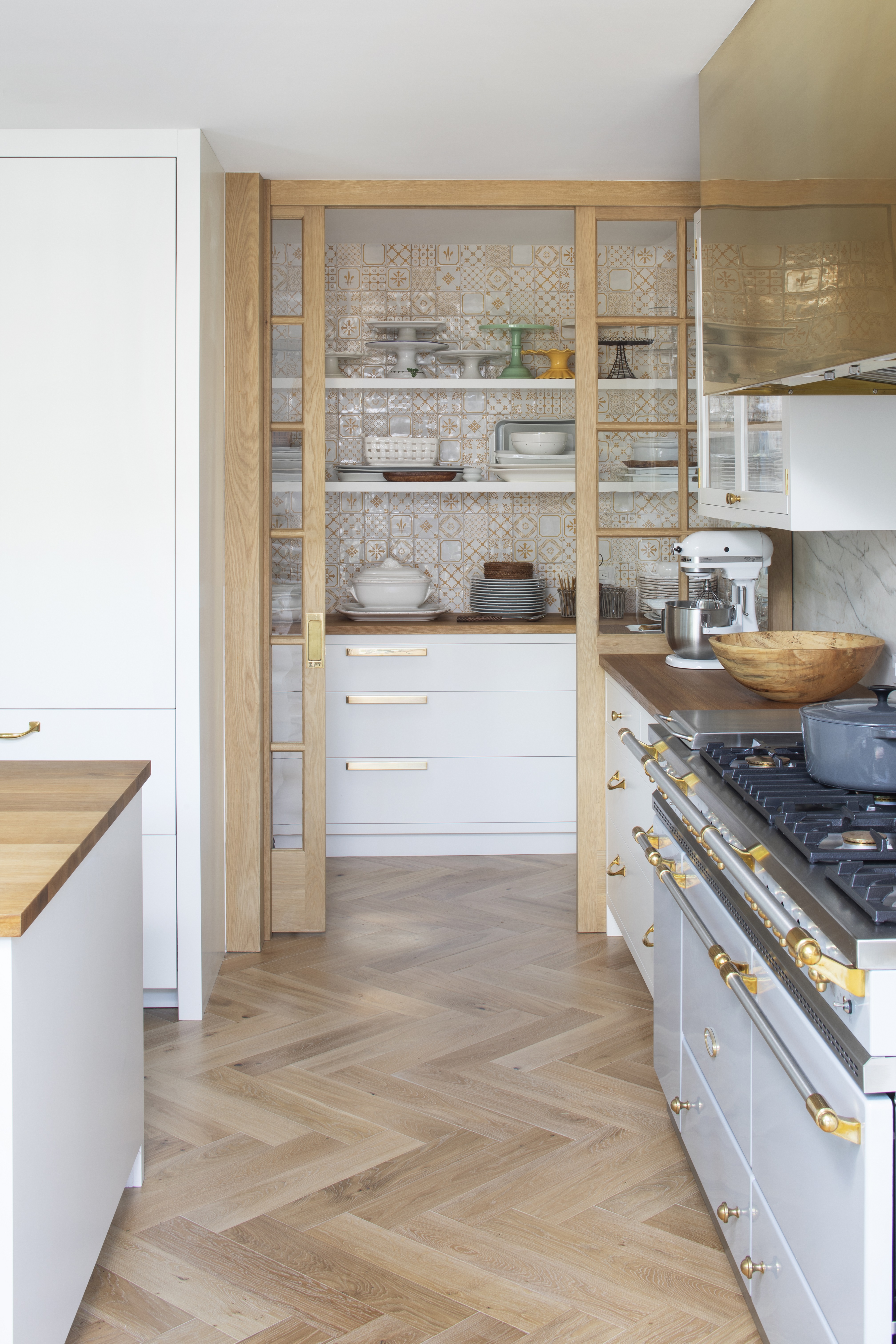
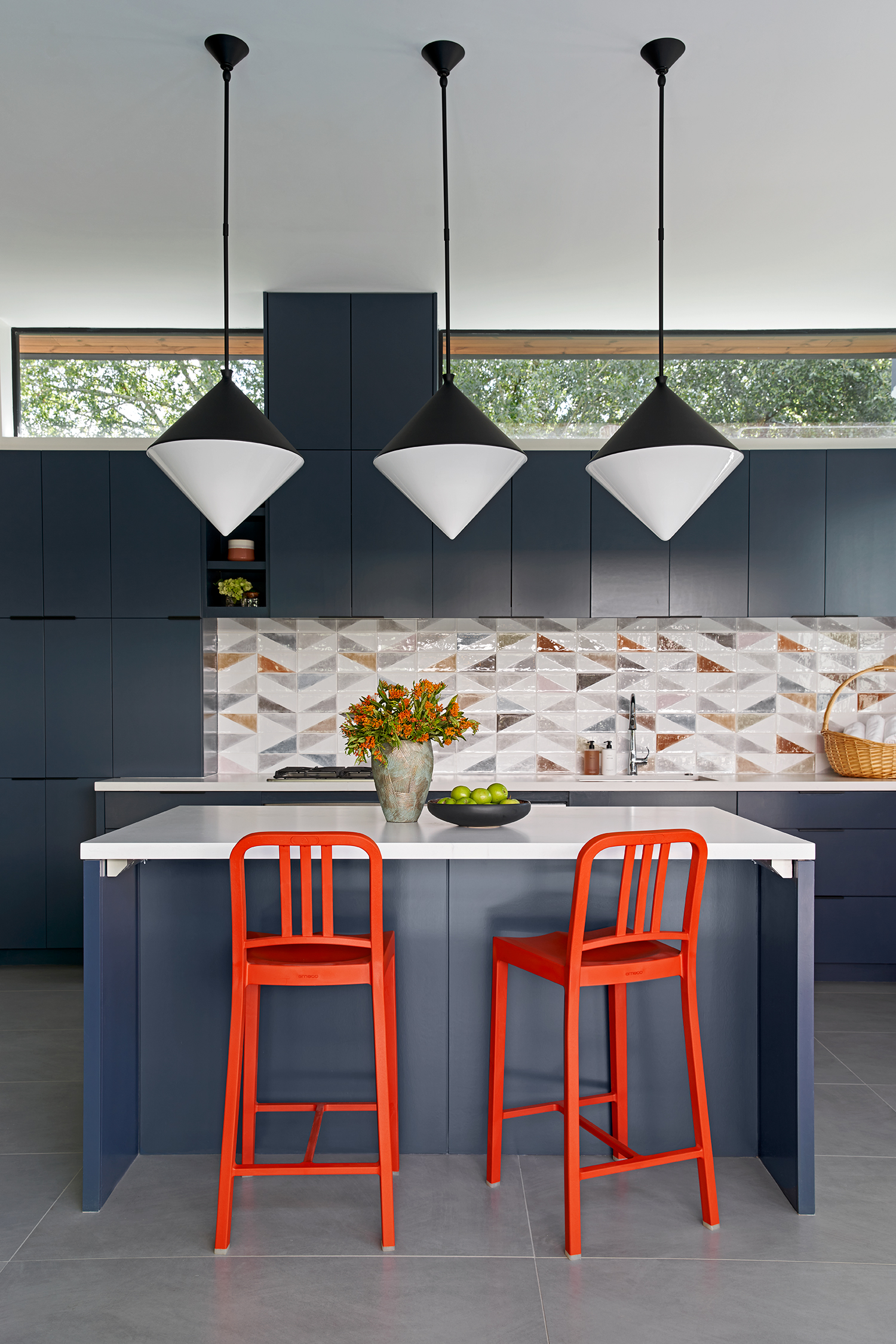
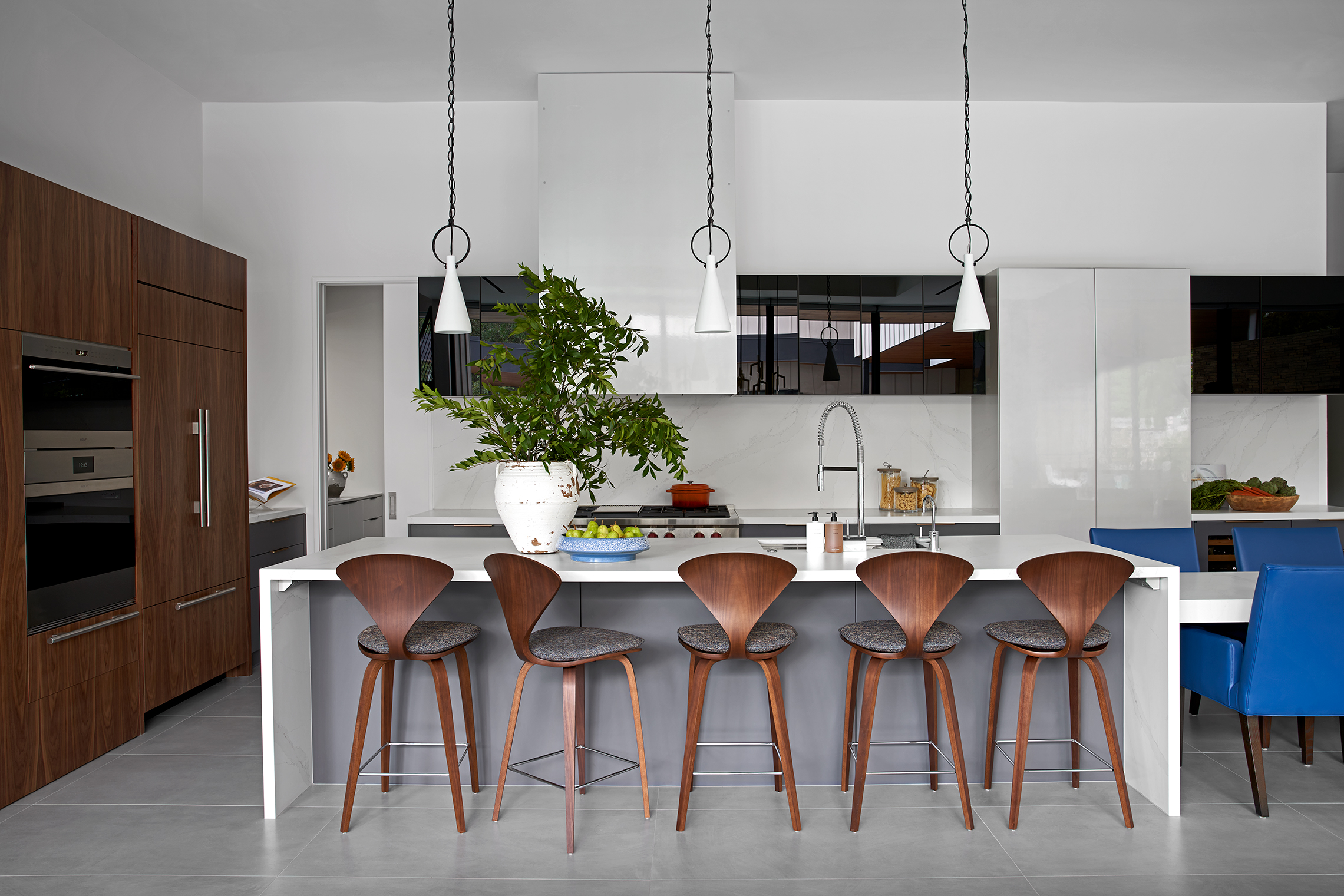
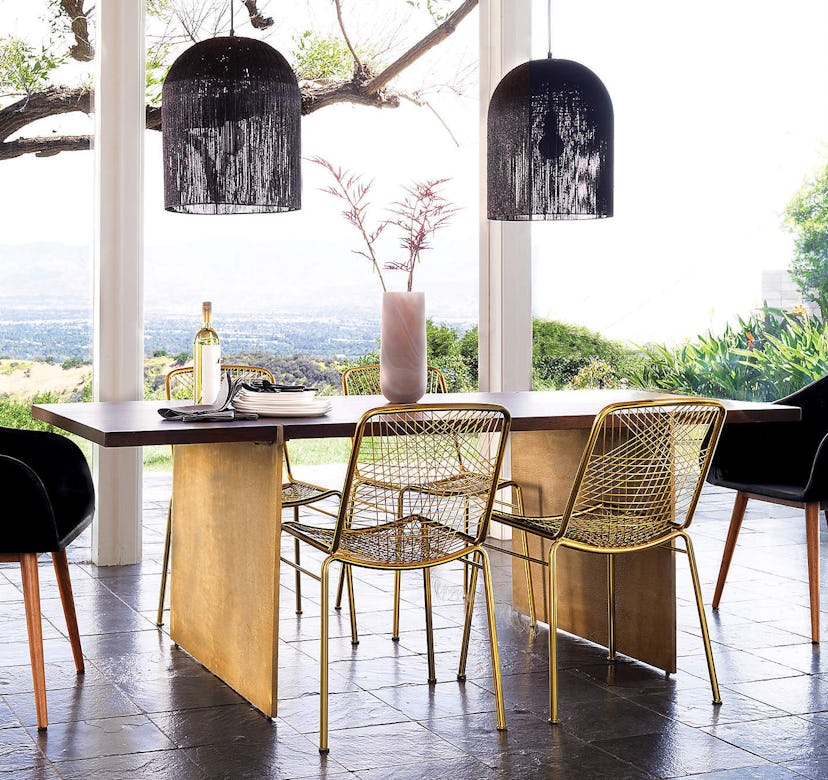
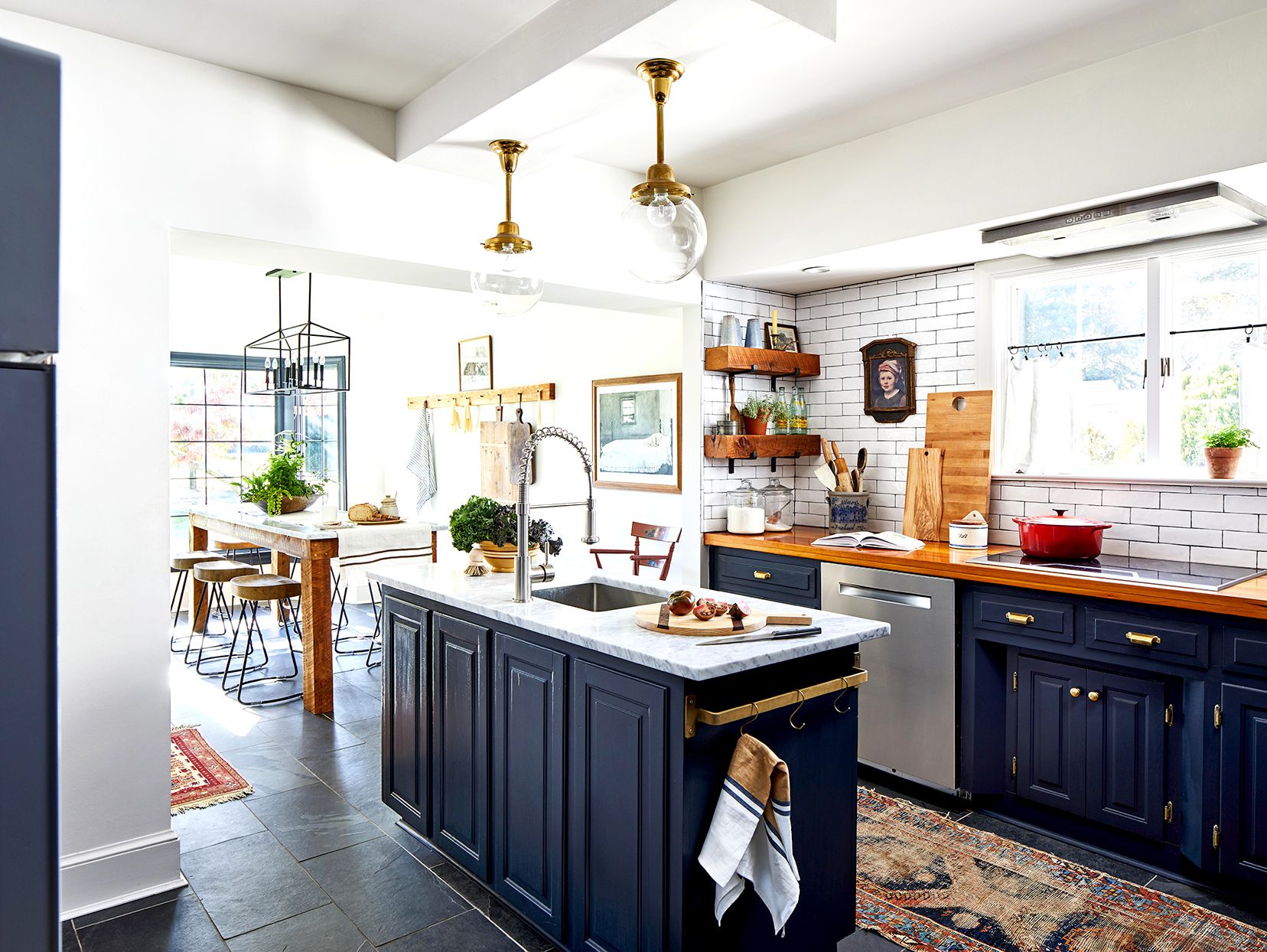
Despite its popularity, incorporating brass into a home requires careful consideration. A key piece of advice from designers is to treat brass decor like jewelry. Sirna emphasizes that there are no strict rules against mixing metals, drawing parallels to mixing gold and silver in fashion. She notes that while it might feel natural to combine stainless steel appliances with brass cabinet hardware in a kitchen, a bathroom might benefit from a more consistent metallic scheme. The general consensus among designers is that metals in a room should be viewed as accent pieces, much like jewelry. Villamil supports this, stating that mixing metals creates visual tension, which keeps an interior engaging and current. For those still hesitant about metal mixing, Elisa Baran of Elisa Baran, LLC advises pairing aged metals, such as a gunmetal finish with aged brass, but cautions against mixing polished with polished, or polished chrome with aged brass, as these combinations can be jarring. Villamil suggests mixing cool and warm metals to achieve a desirable contrast.
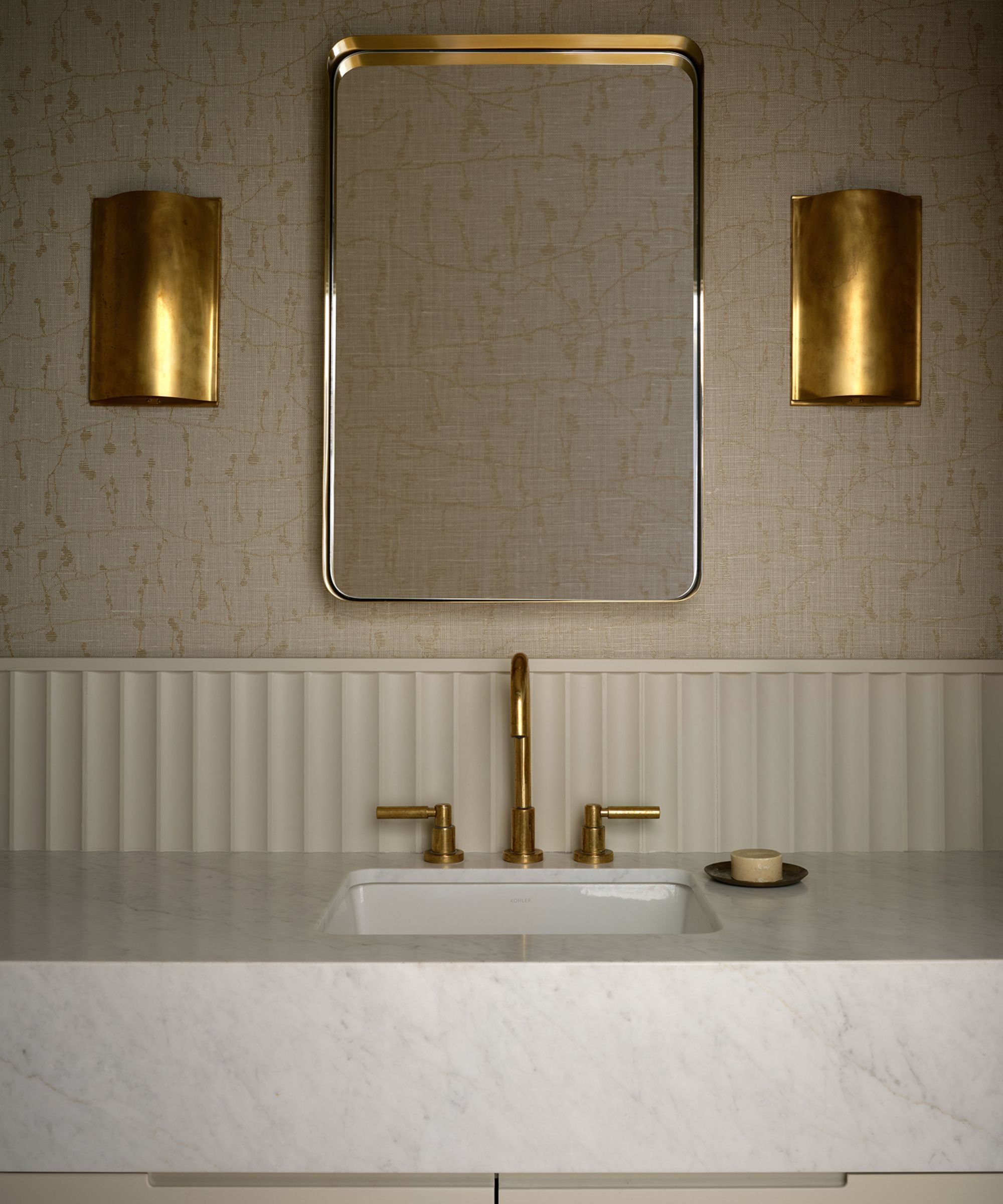
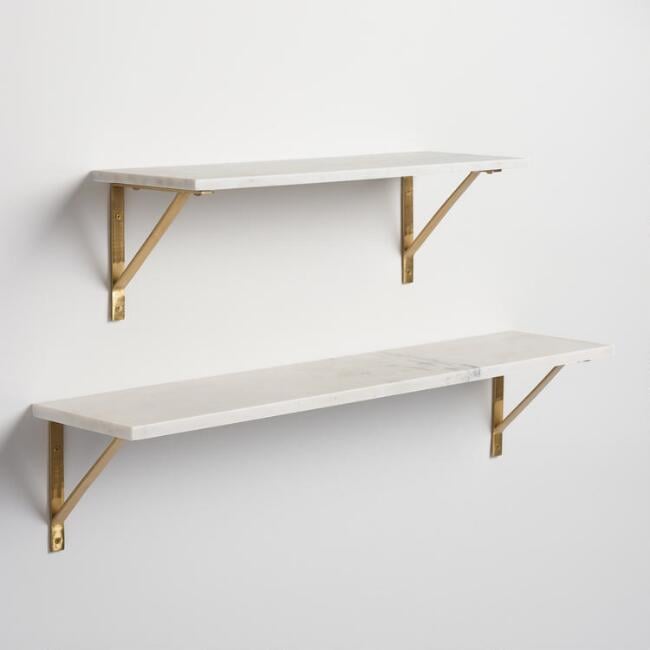
Another crucial guideline is to practice restraint. Designers unanimously agree that too much brass can overwhelm a space. Boudreau warns that excessive use of any single material or finish can be unappealing. She emphasizes that brass should be used sparingly and thoughtfully as a subtle touch or small detail to maintain its magical glow without becoming overpowering. Pigliacampo recommends limiting brass to 10 percent or less of any room's decor to prevent it from feeling dated or overdone.
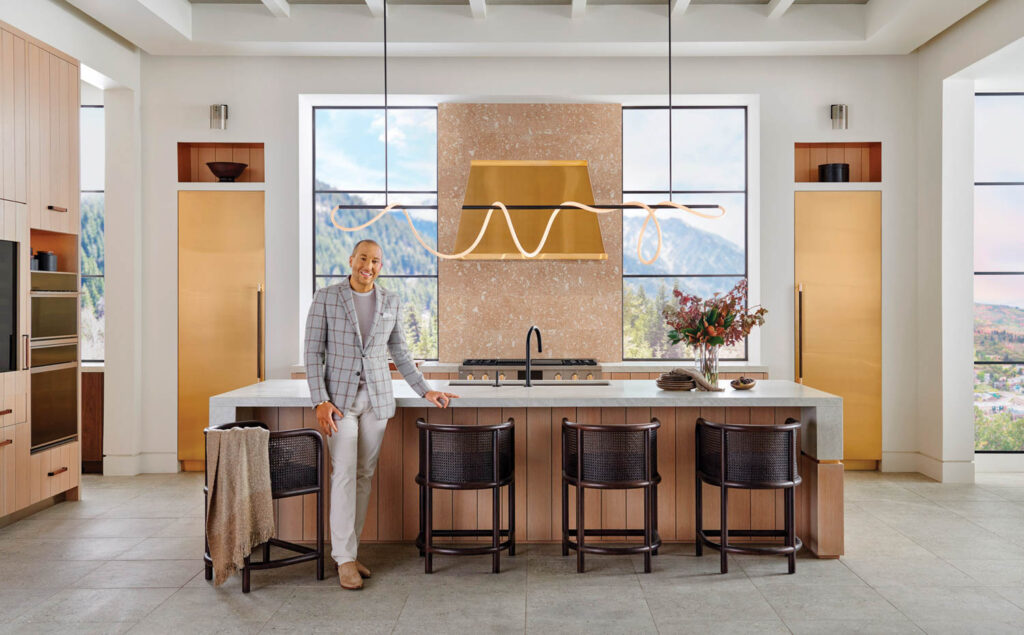
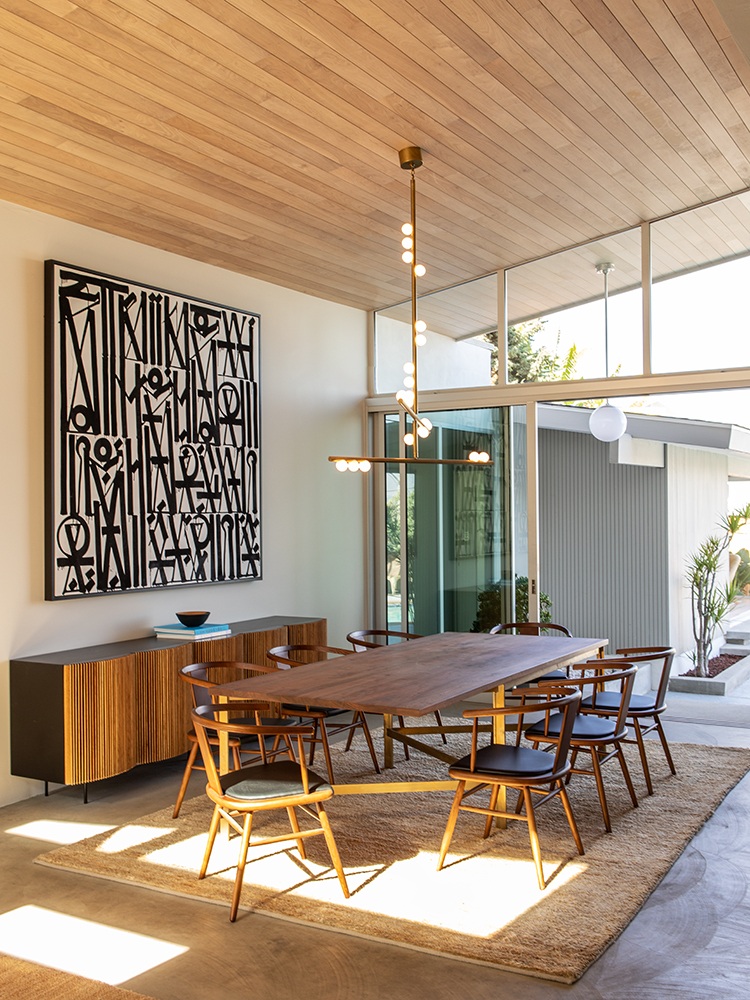
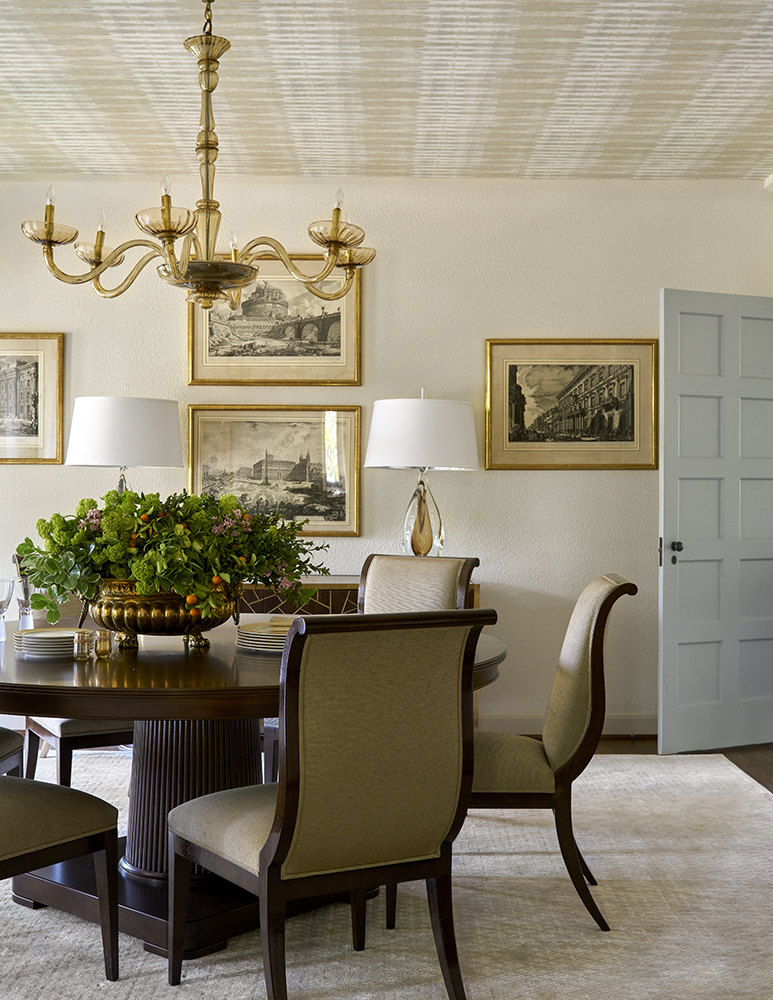
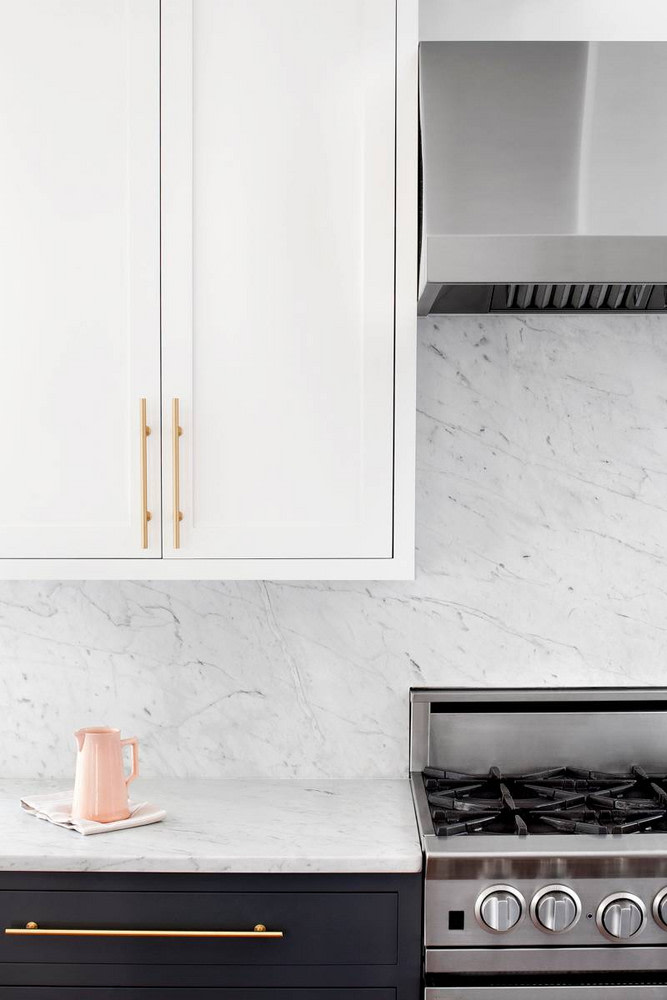
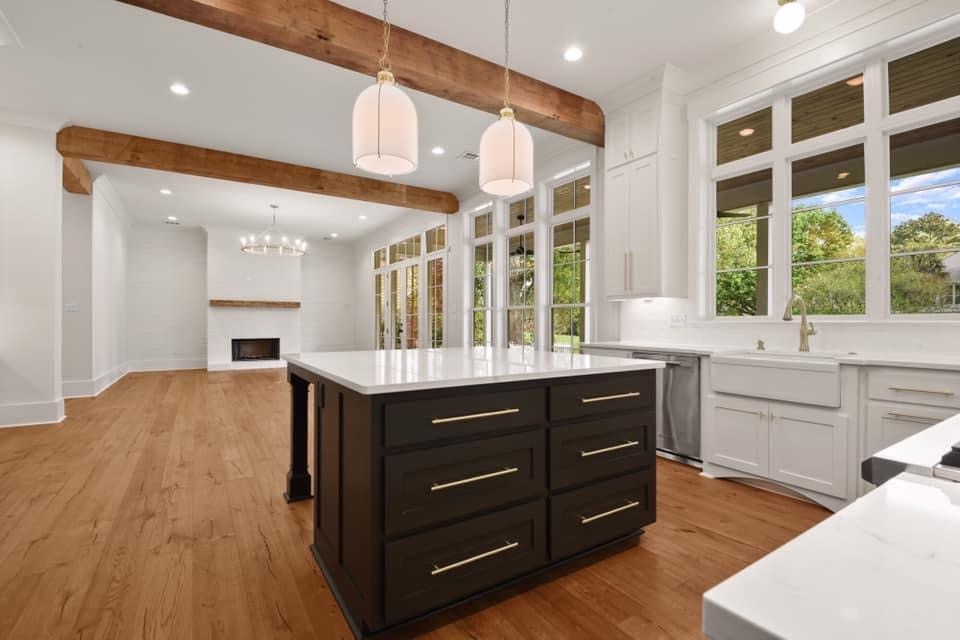
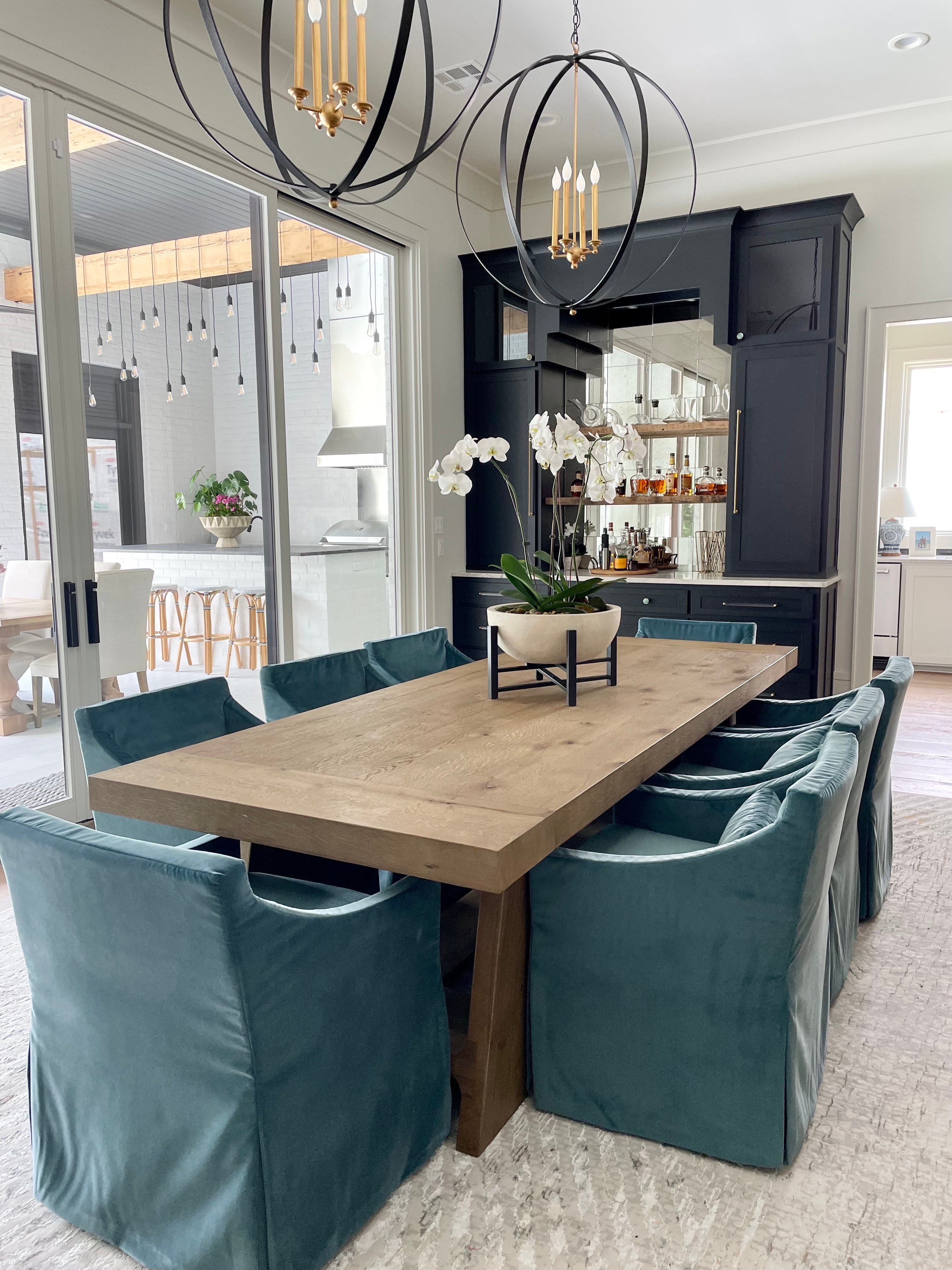
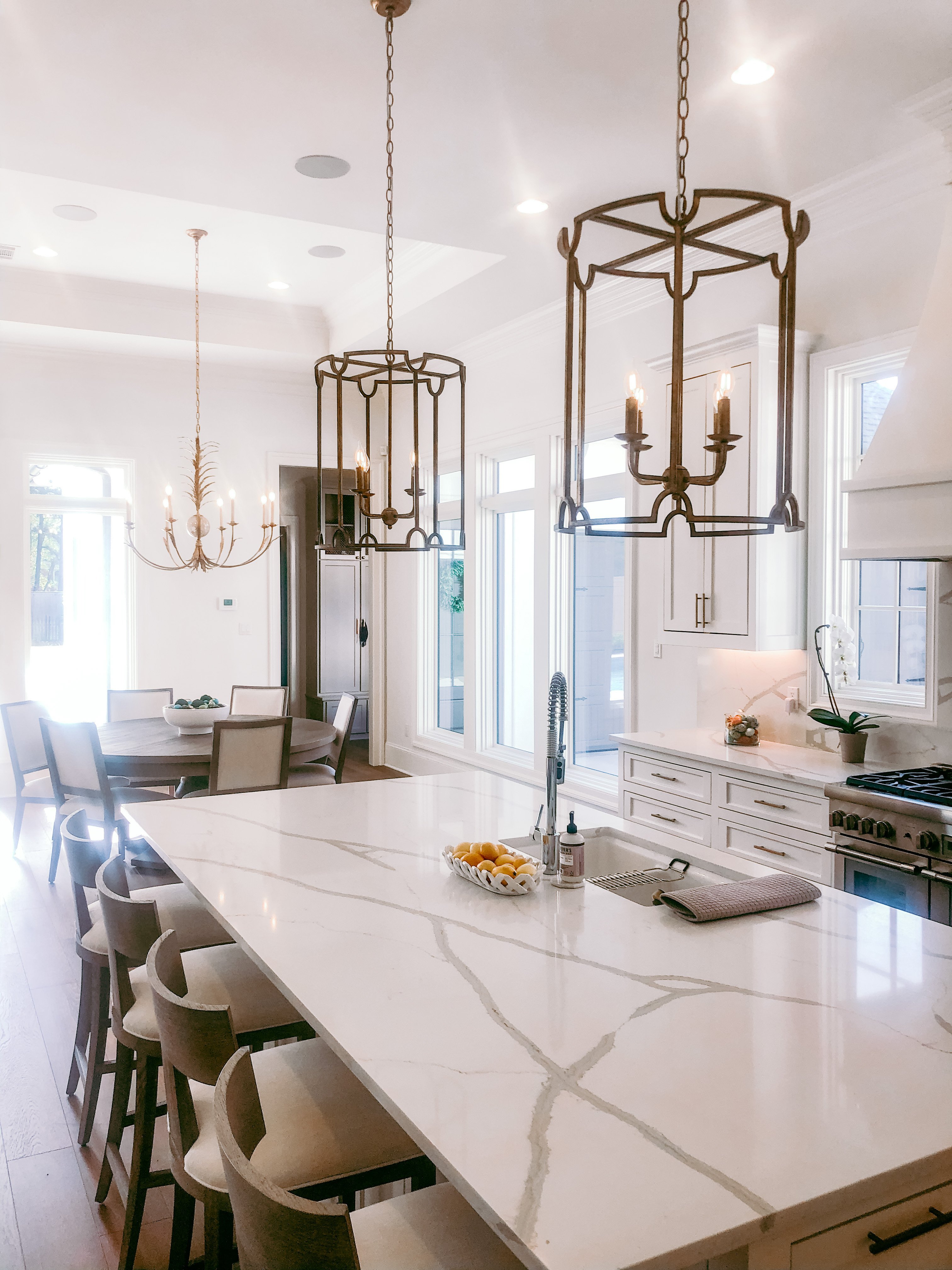
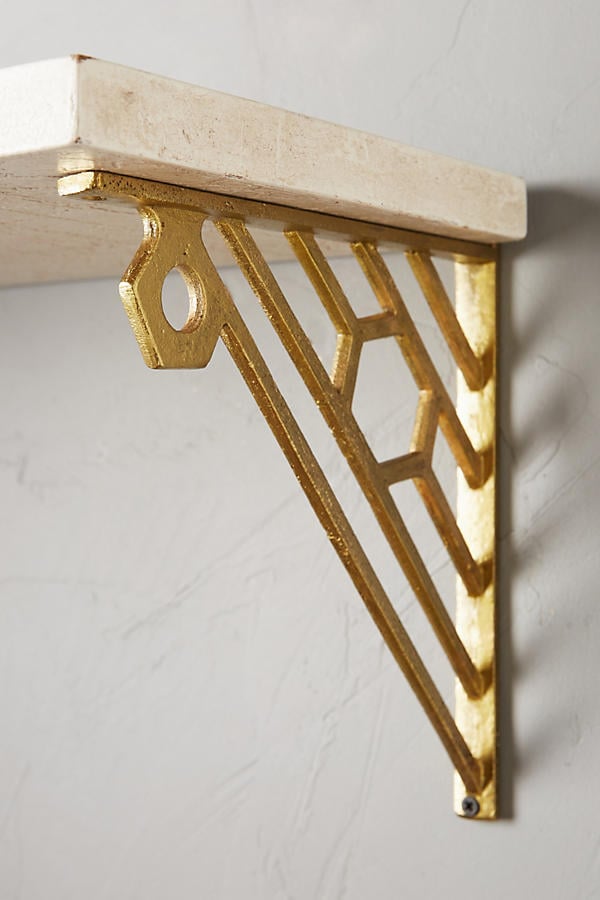
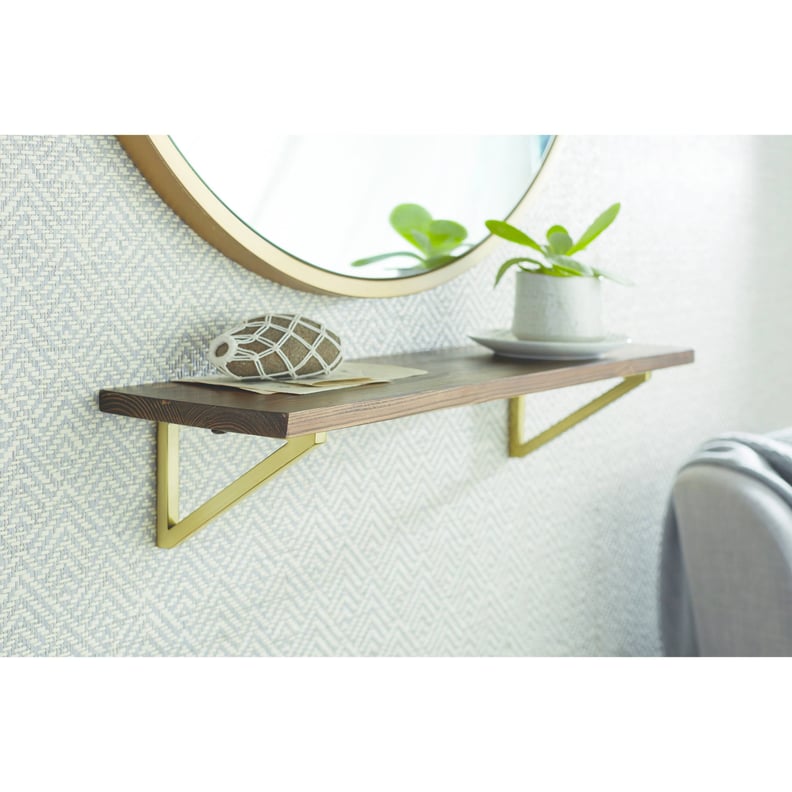
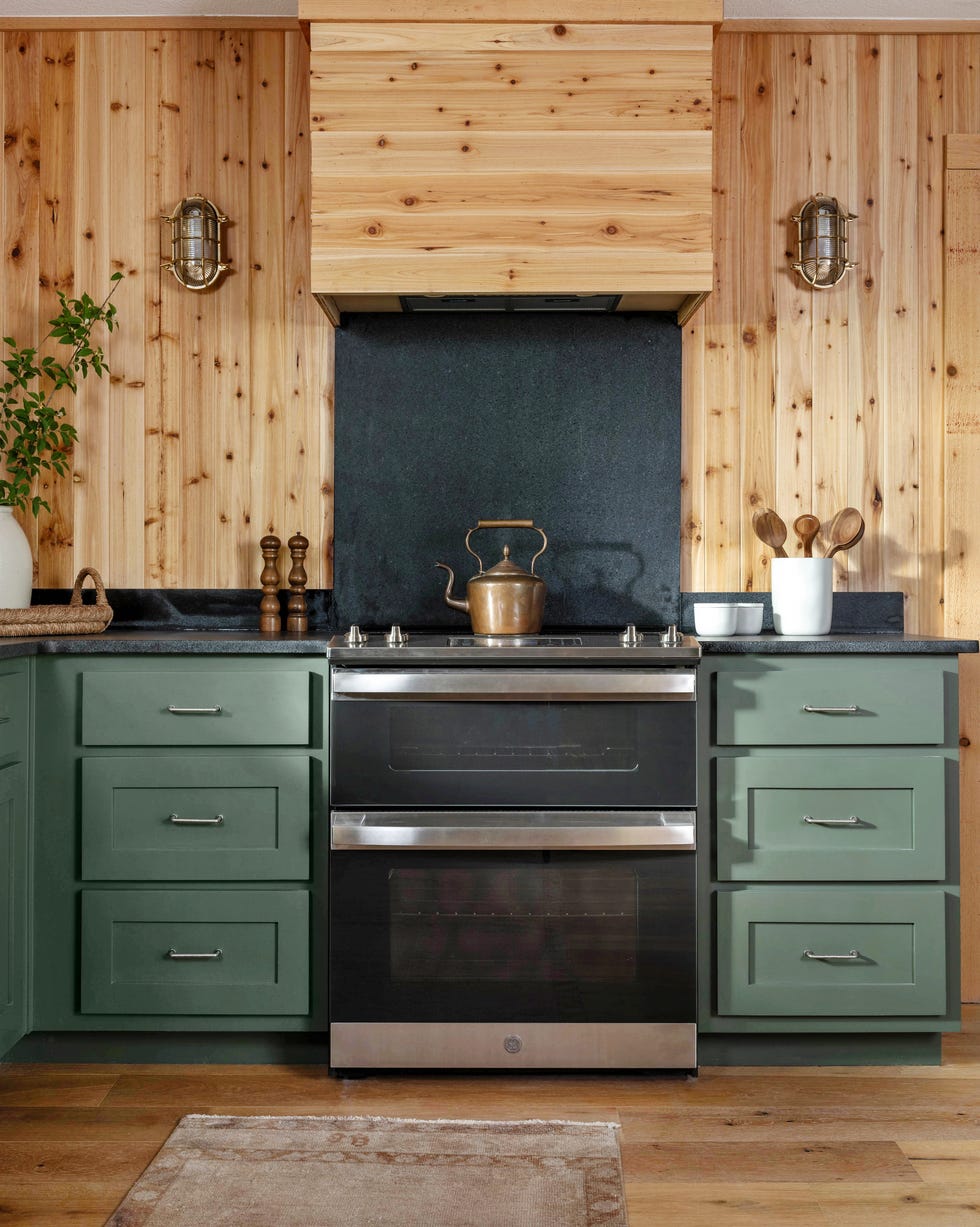
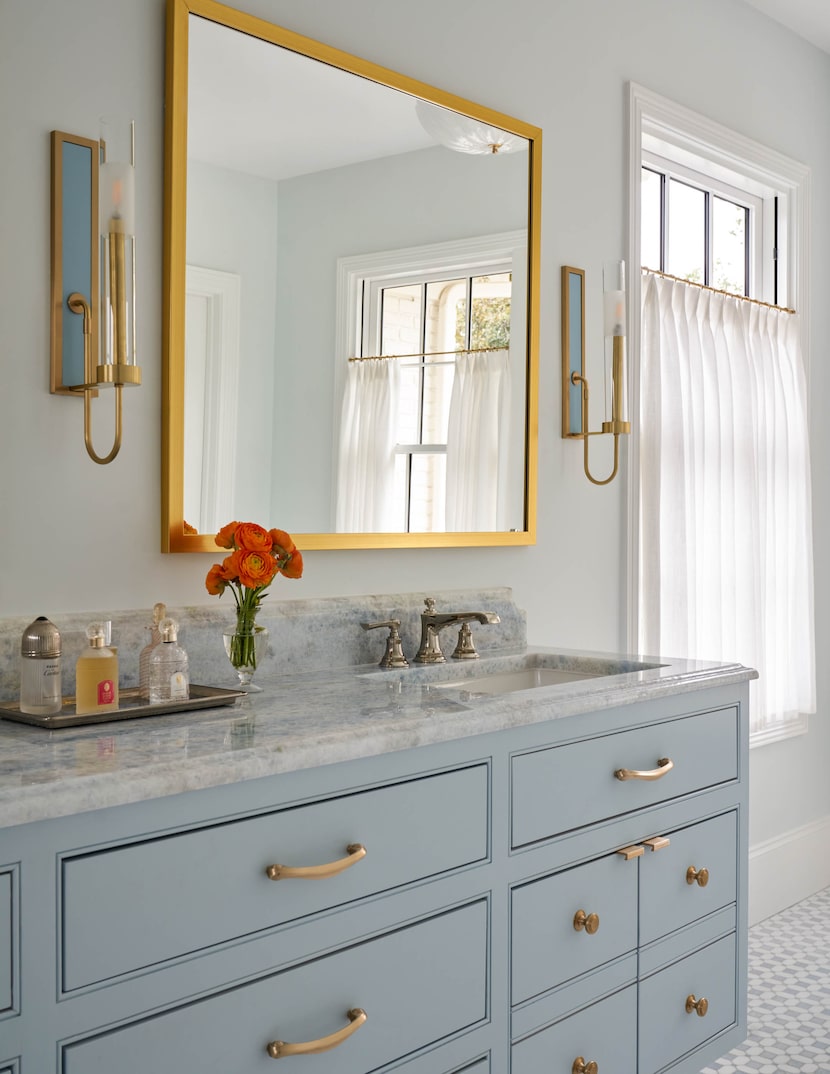
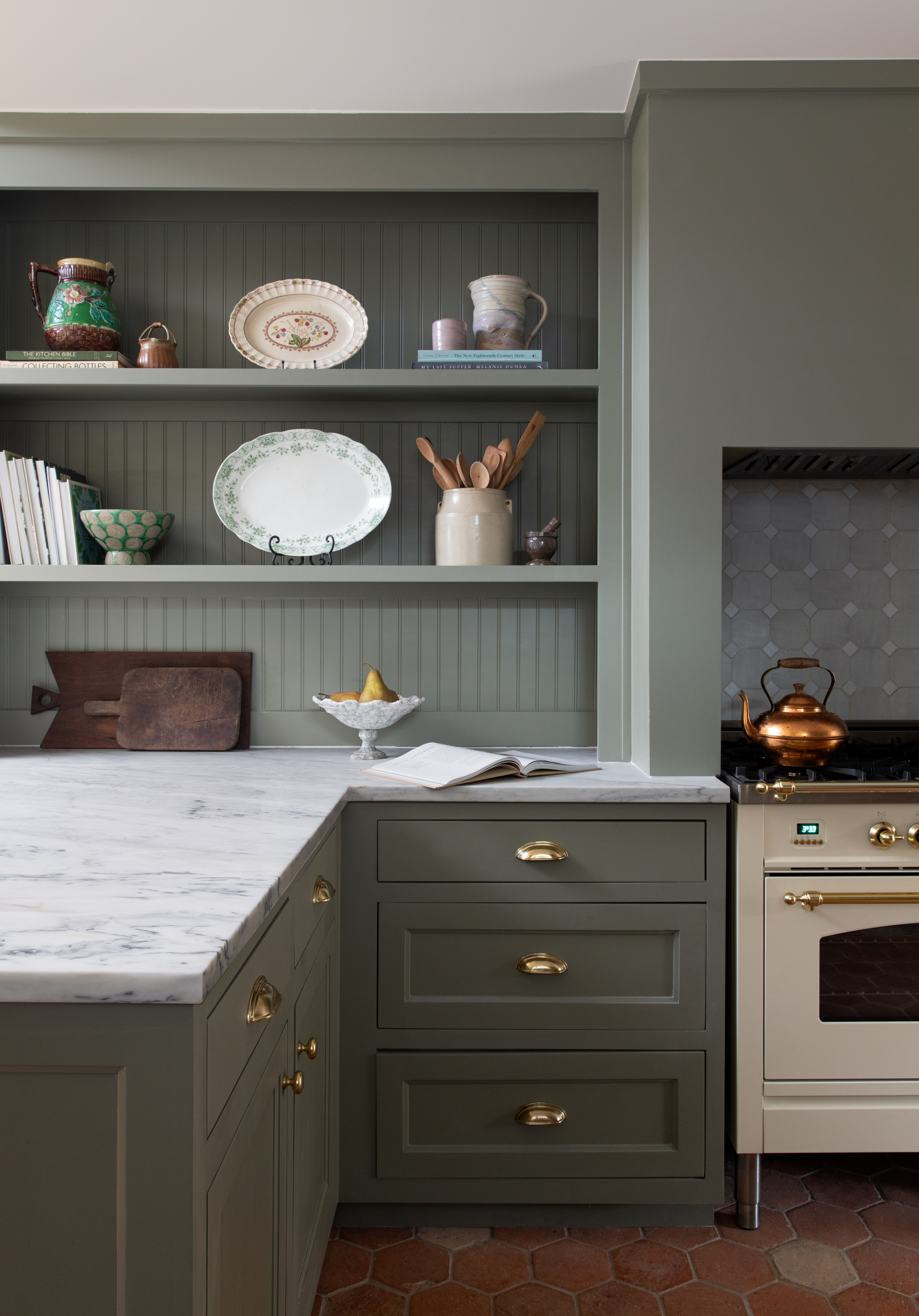
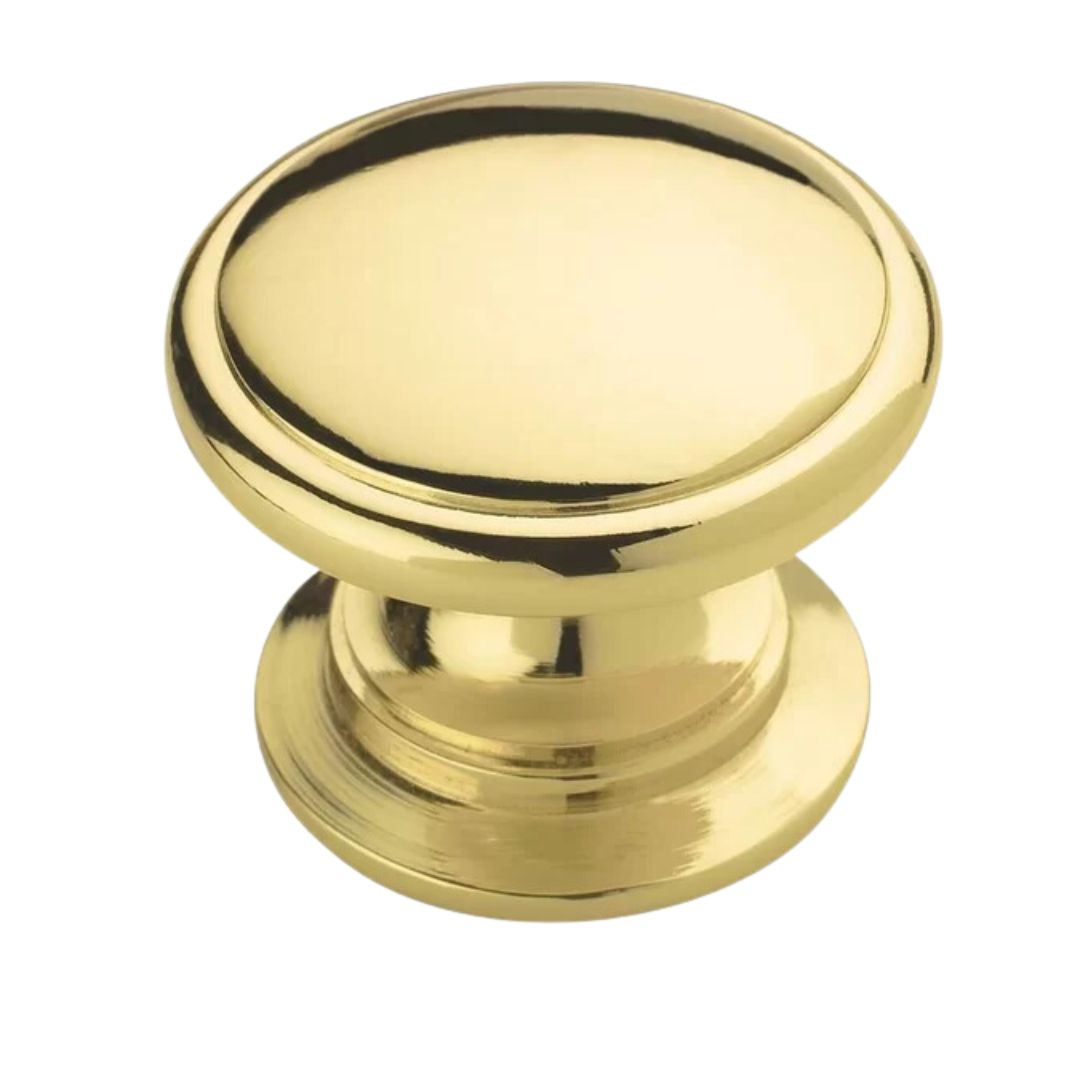
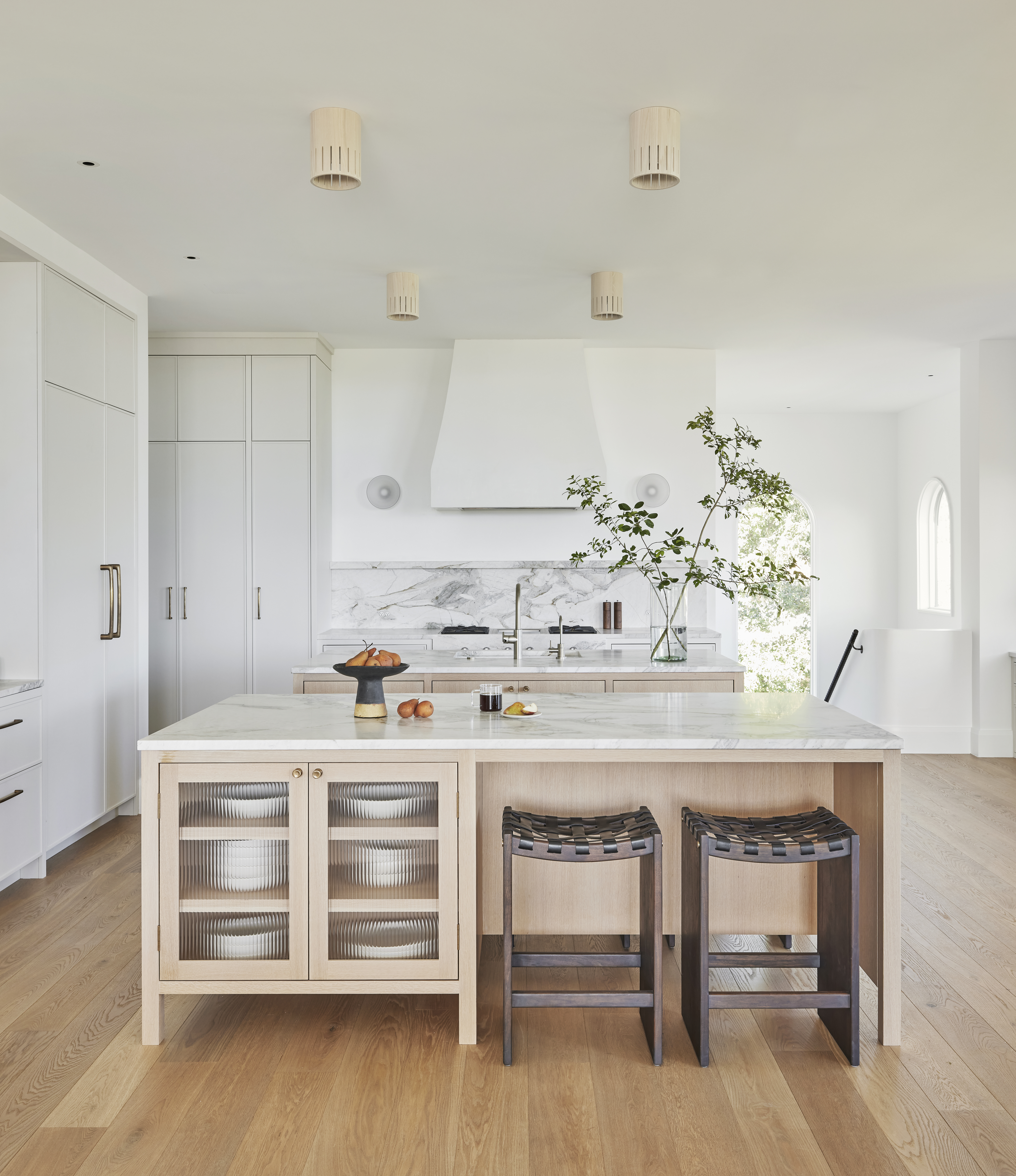
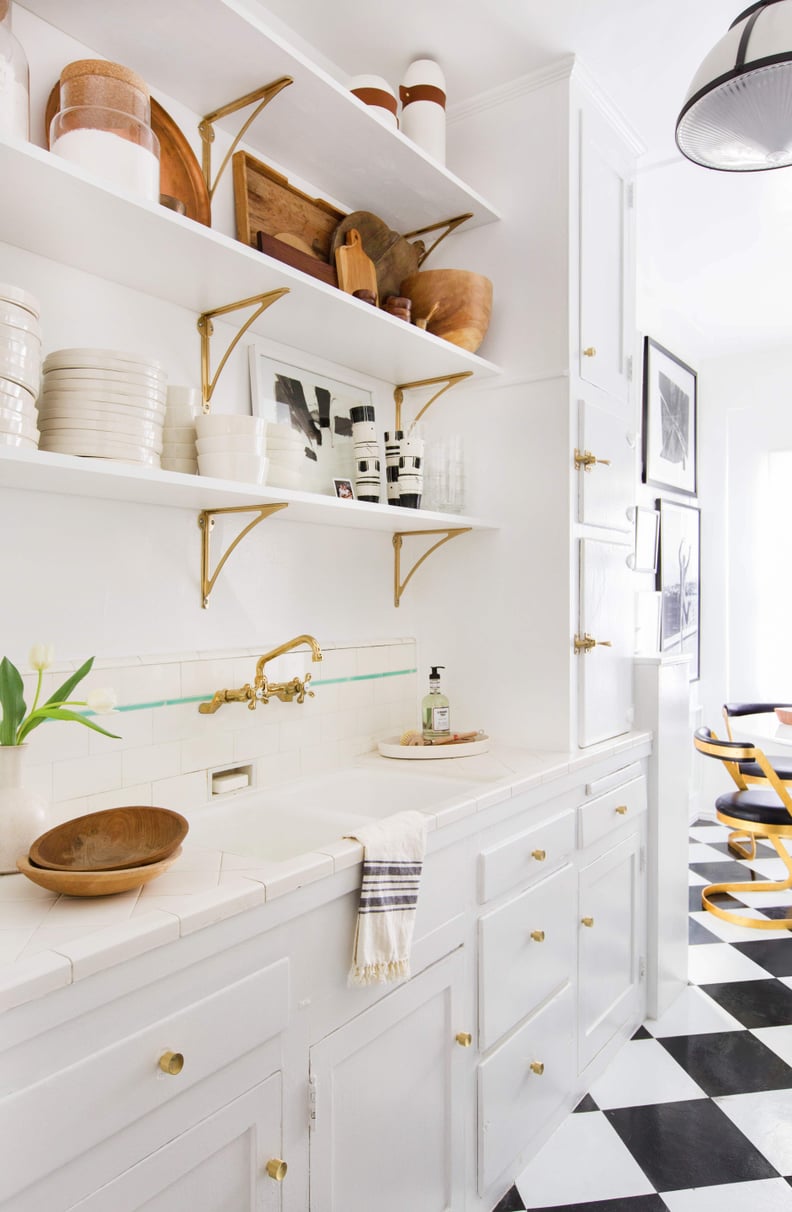
Designers offer various effective ways to use brass as an accent. Boudreau suggests incorporating brass through lighting fixtures, as the reflection of light on brass creates a beautiful golden glow. She also recommends threading brass details throughout the home with cabinet hardware and plumbing fixtures, ensuring an elegant touch without overdoing it. Pigliacampo highlights that vintage brass items, such as vases, trays, or flatware, can elevate everyday pieces. Lastly, the choice of brass finish should align with the desired aesthetic. Pigliacampo explains that brushed brass can soften modern designs, while unlacquered hardware and plumbing can instantly add character to new constructions. Baran notes that aged and antique brass finishes provide a lived-in look without the need for natural aging, offering immediate charm and depth to a space.
#BrassDecor #InteriorDesign #HomeDecor #MetallicAccents #DecoratingTips #DesignTrends #MixingMetals #AccentDecor #BrassDecor #InteriorDesign #HomeDecor #MetallicAccents #DecoratingTips #DesignTrends #MixingMetals #AccentDecor
0 comment in total
 No comments yet
You may also like
3 simple rules to follow when mixing metals in your interiors, according to a designer

Four Trends in Interior Design: Antiques, Brass, Color, Wallpaper
These rules of thumb make hanging light fixtures easy
Light switch alternatives: Why it's time to ditch plastic
The Number-One Rule of Decorating a Space With Exposed Brick

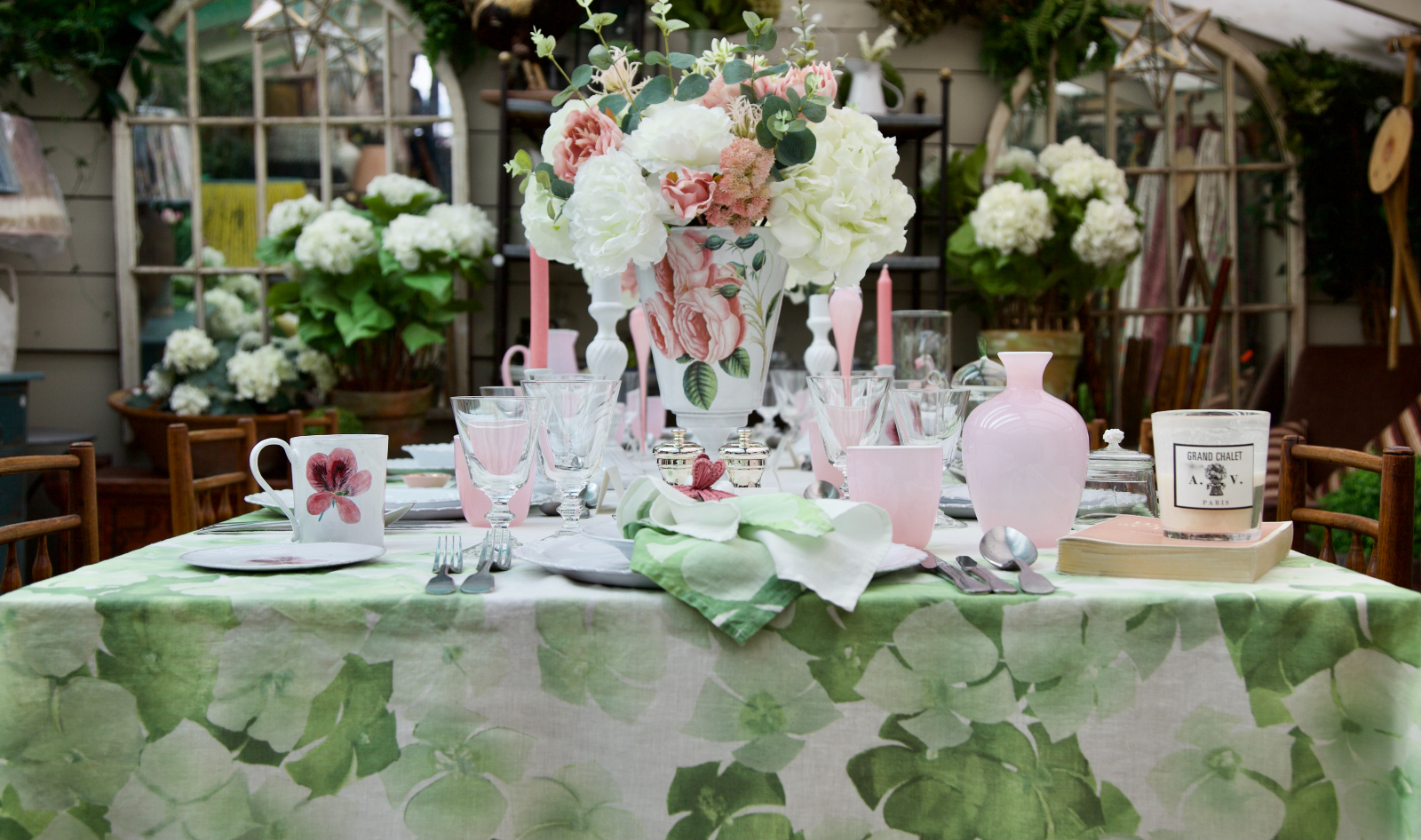
What are the rules for a table centerpiece? 5 tips experts always follow

Give Your Kitchen An Upgrade With The Trend You'll See Everywhere In 2026
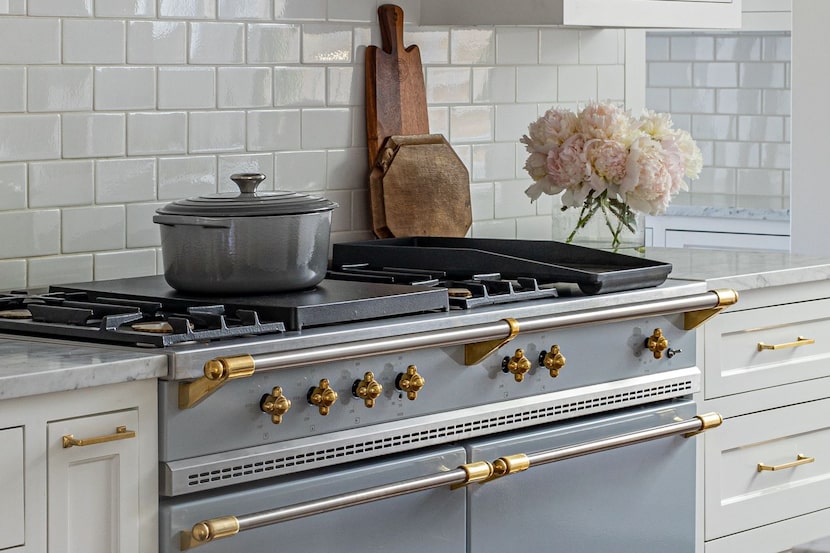
Experts say to follow these 7 rules when mixing metals in your home

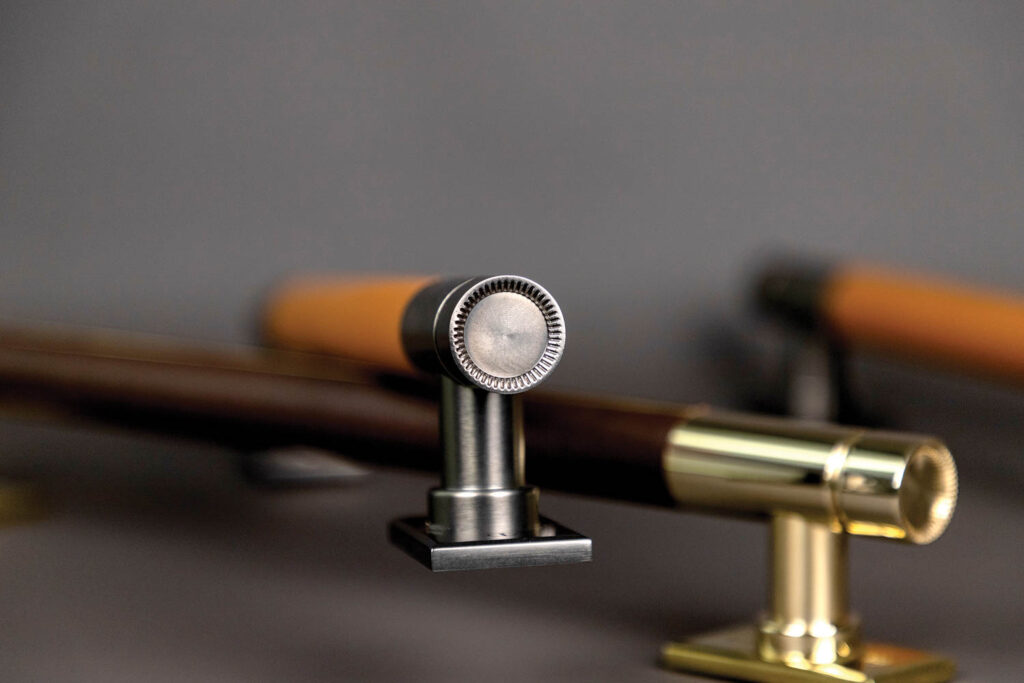
Discover Eye-catching Kitchen Hardware Inspired by Fine Jewelry

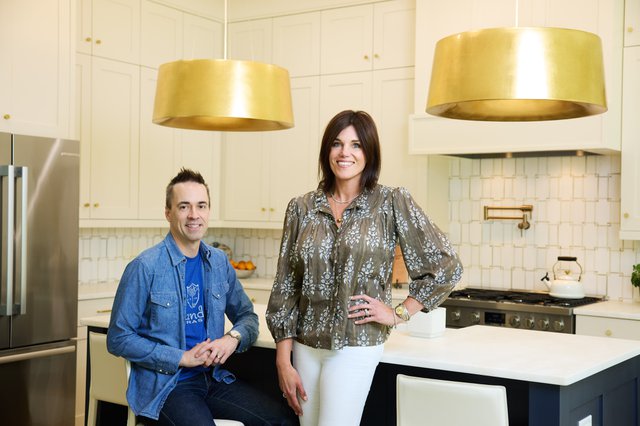
Brandino Brass: It’s Like Jewelry For Your Home
Is iron the new brass in kitchen hardware and fixtures?
What Color Kitchen Hardware is in Style For 2024? 'This Pick is Going to be Truly Timeless,' Say Experts

Our 10 Favorite Brass Decor Ideas to Try in Your Home


David Bromstad-Inspired Paint Rules To Follow When Updating Your Home

9 Ways to Get Trendy Gold Bracket Shelves on a Budget
'Get This Element Right, and Add The Perfect Finish to Your Kitchen,' Say Designers
Should You Always Frame Art? These Are the Golden Rules Gallery Curators and Interior Designers Swear By
Is Brass in the Kitchen a Passing Trend? One Designer Weighs In
Is It Time To Rethink Your Kitchen Hardware?
How to Mix Metals in Your Home: 5 Tips to Decorate With Metals Flawlessly