1/2
Light switch alternatives: Why it's time to ditch plastic
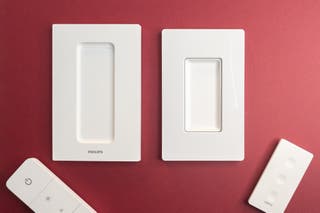
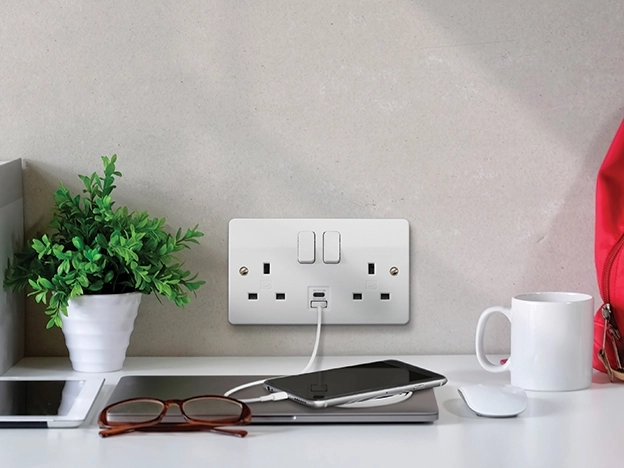
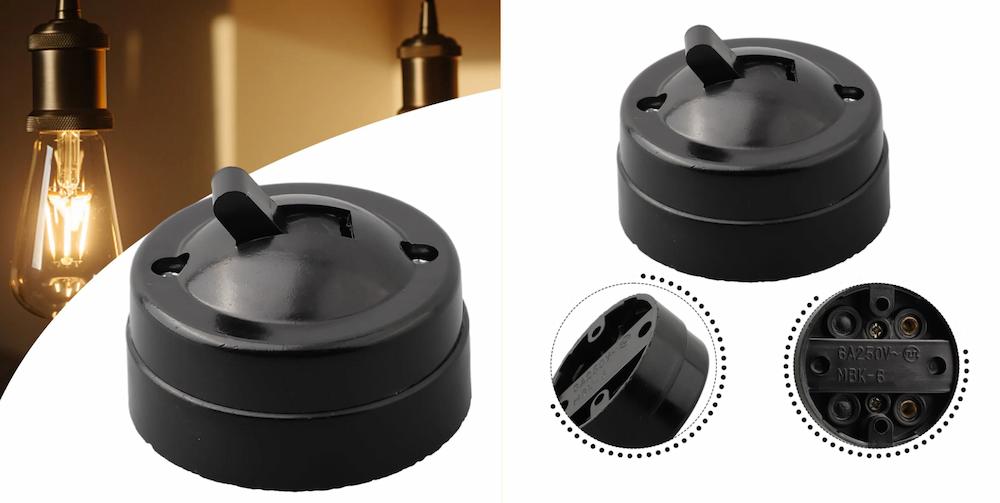
The ubiquitous white plastic rocker switch, a common feature in modern homes due to its low cost and functional design, is increasingly being challenged by a variety of aesthetically pleasing and sustainable alternatives. While the plastic switch, an evolution of John Henry Holmes's 1884 'quick-break technology' and William J. Newton's brass toggle switch, serves its purpose, its visual impact can be a detractor in well-designed spaces.
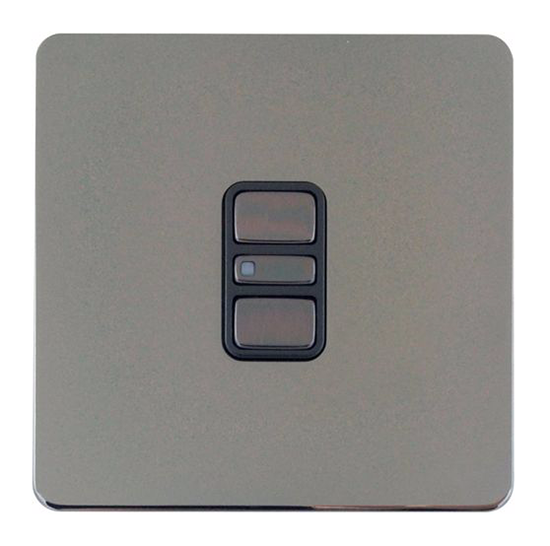
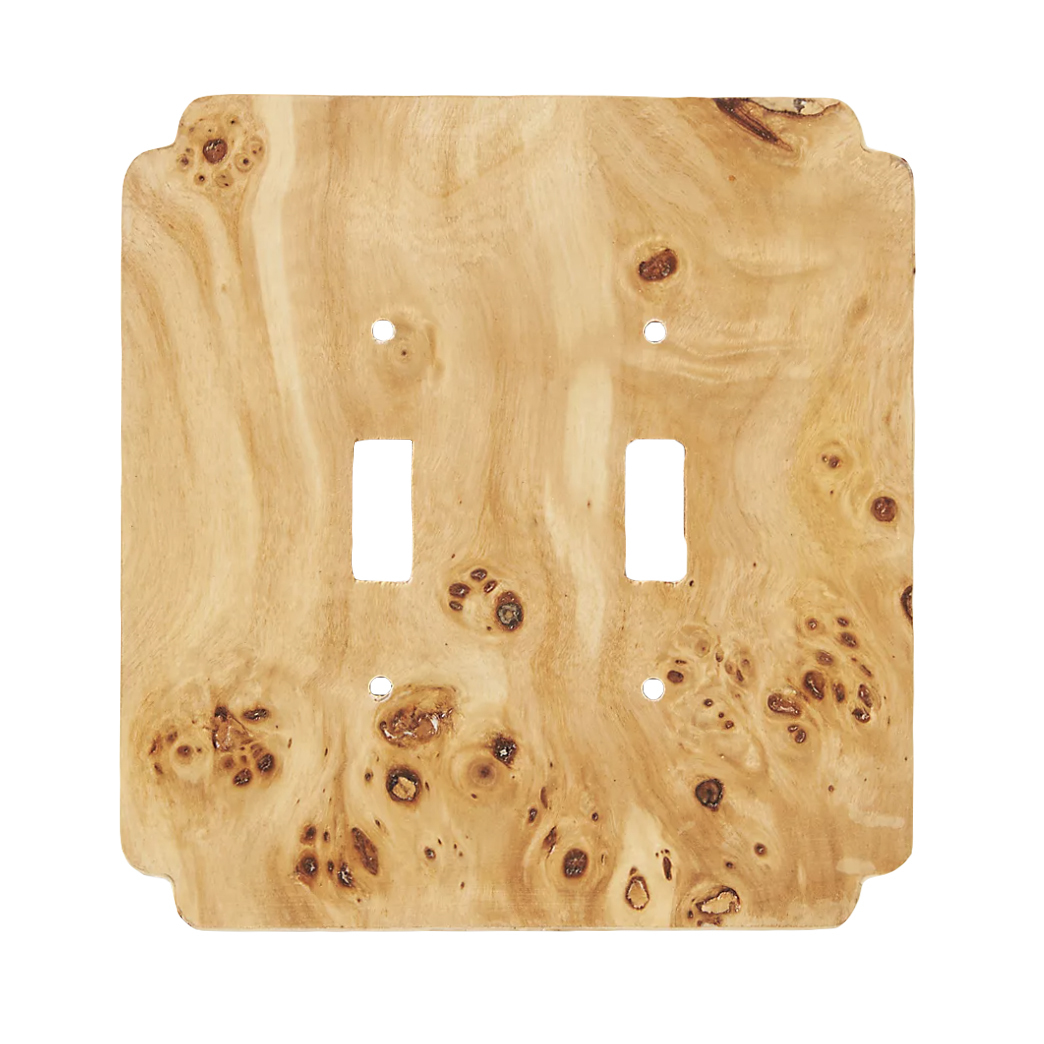
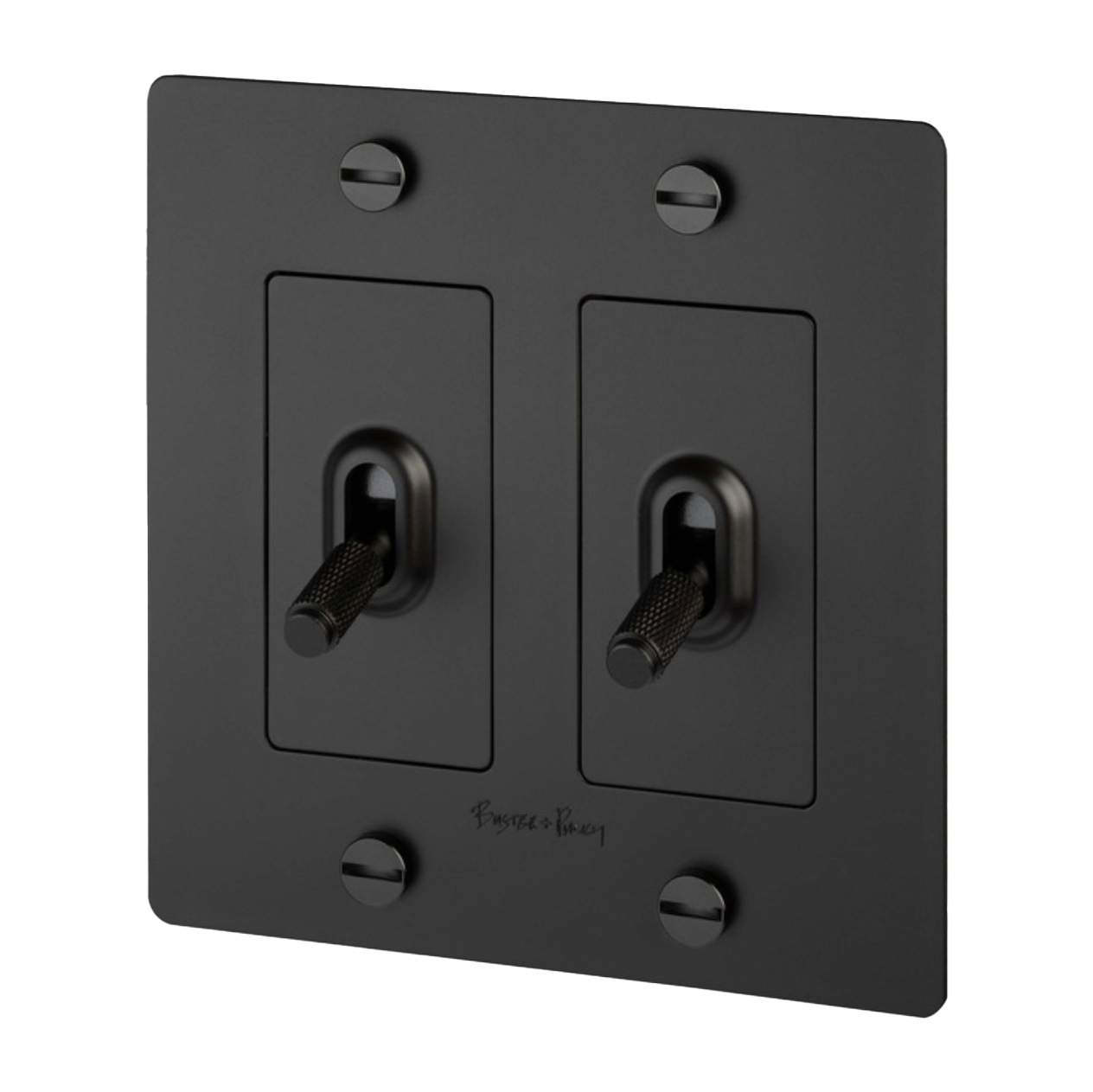
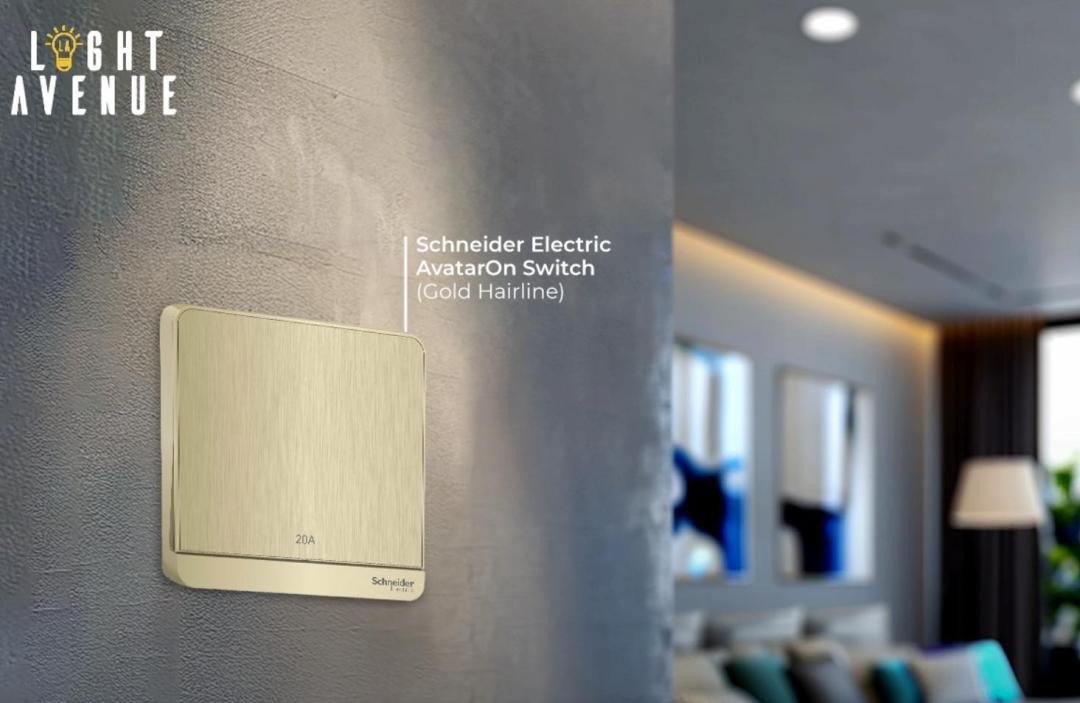
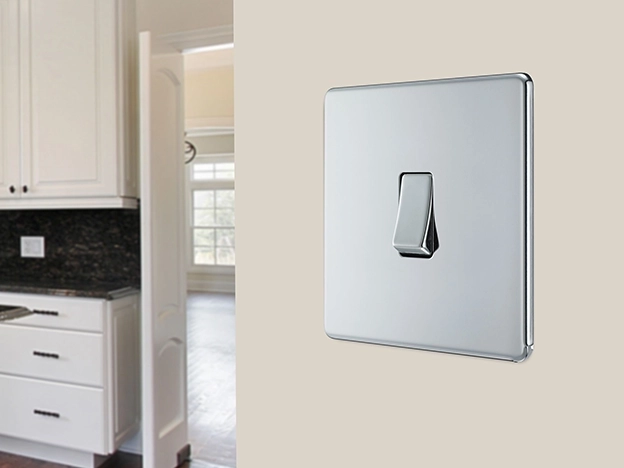
Interior designers and homeowners are moving away from purely utilitarian light switches, seeking options that complement their interior aesthetics. Serena Herbert, founder of Forbes & Lomax, recognized this need over 30 years ago, introducing an 'invisible light switch' featuring a transparent Perspex plate that allows the wall's design to show through, with only the metal switch visible. These higher-end switches, while starting at a significantly higher price point than plastic alternatives, are seen as a transformative detail that can subtly enhance a room's overall appeal. Herbert notes that older switches often incorporated more decorative elements, such as the cast brass friar's head switches she remembers from her school days, suggesting a historical precedent for more thoughtful switch design. Forbes & Lomax now offers a range of rotary dimmers and momentary switches in toggle, rocker, or button forms, with the philosophy that switches should blend seamlessly into their surroundings.
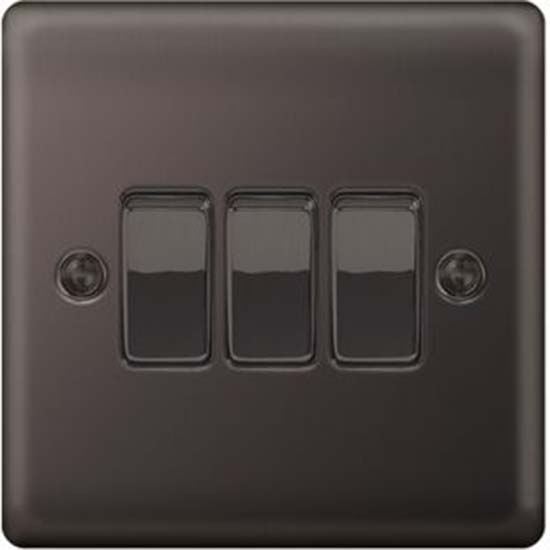
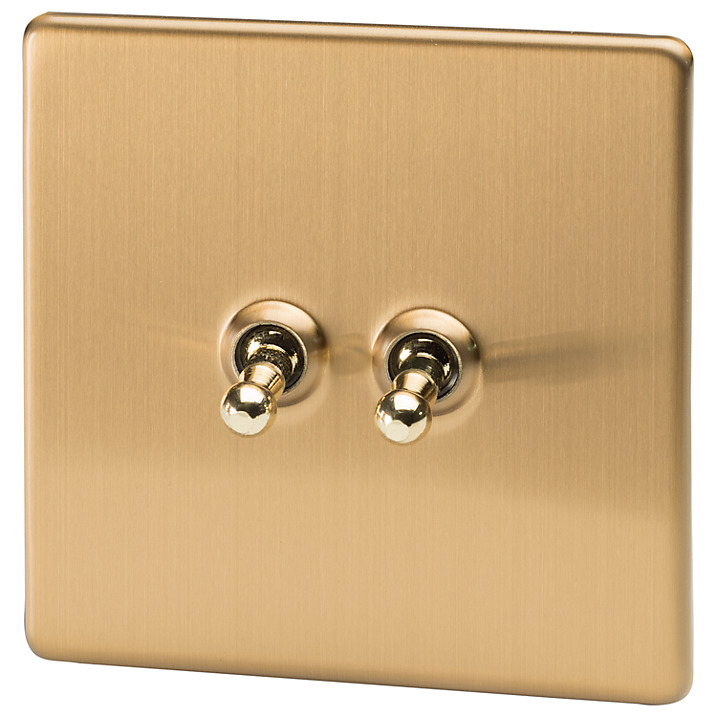
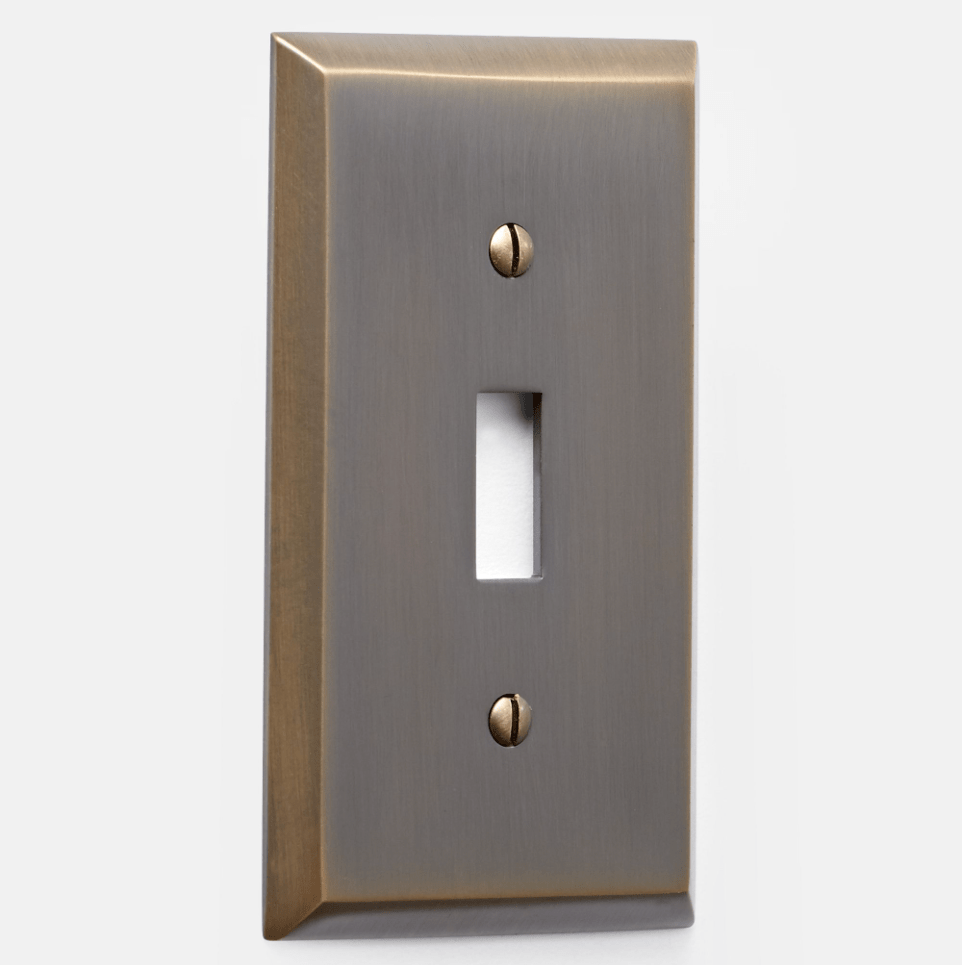
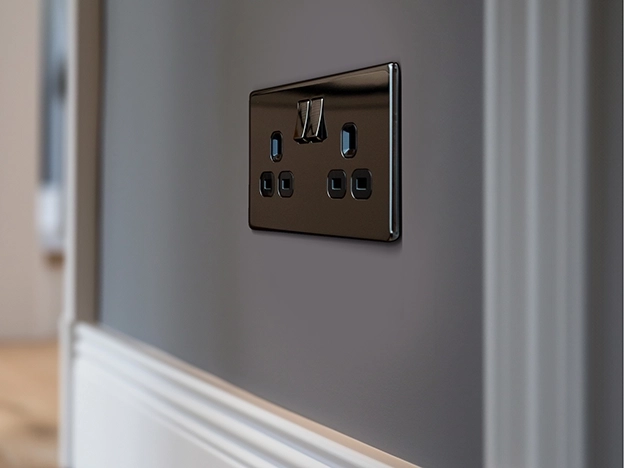
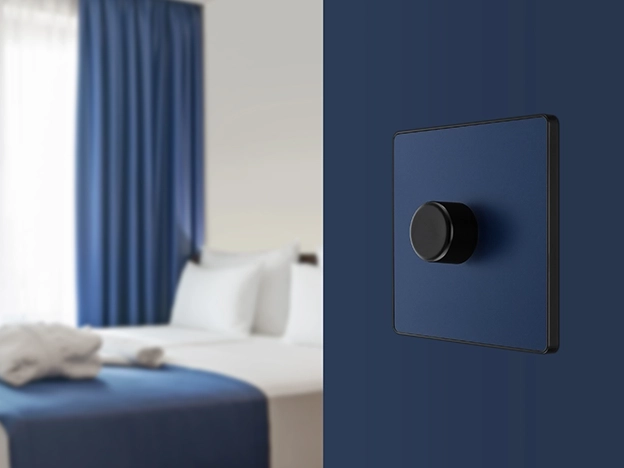
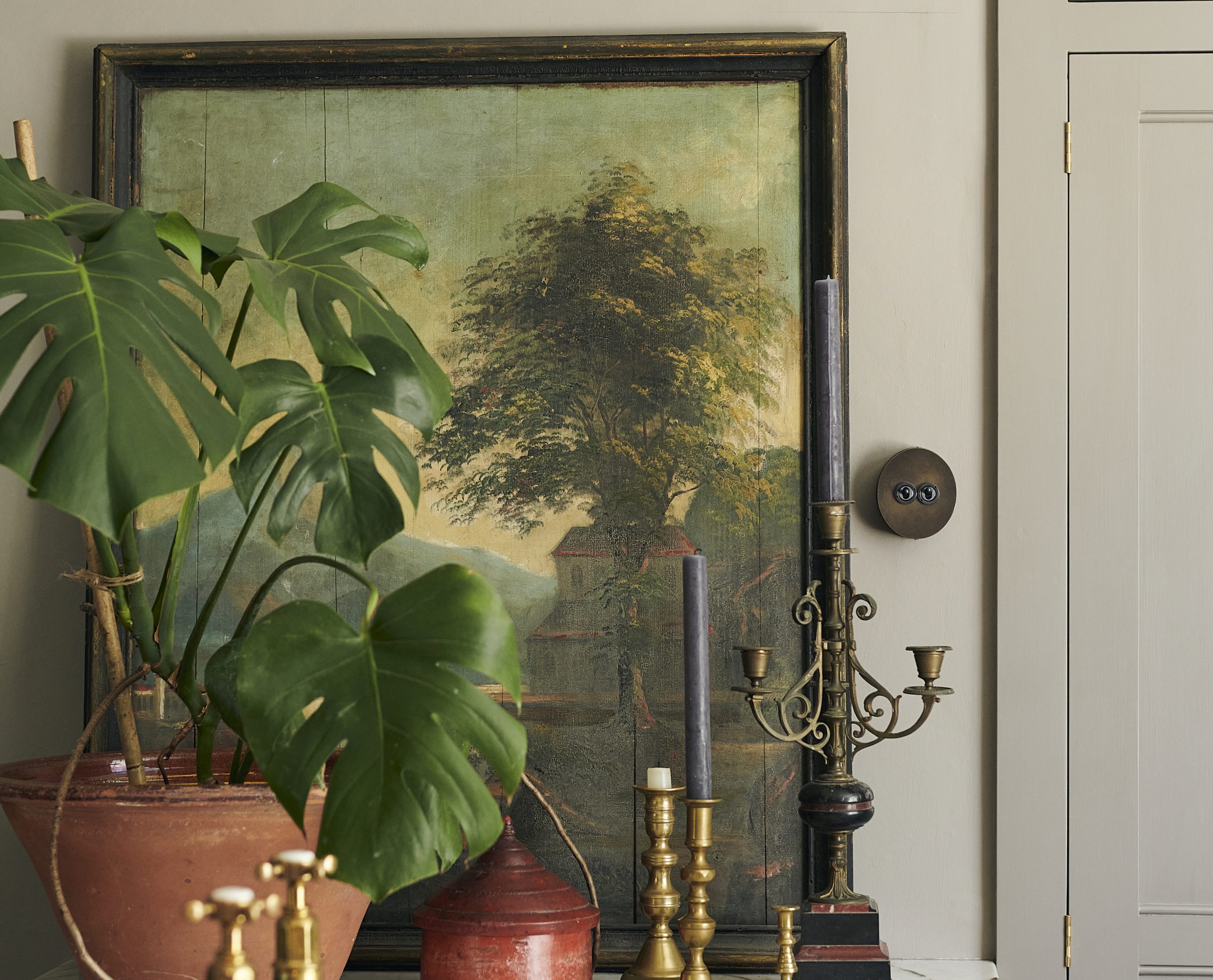
Interior decorator Irene Gunter holds a strong stance against white plastic switches, reserving them only for highly functional, out-of-sight areas like garages. She frequently turns to brands like Forbes & Lomax and Focus SB for more sophisticated solutions. Gunter observes that antique brass and bronze finishes remain popular, though careful consideration of the wall color is essential to avoid them appearing as dark, intrusive spots. The ideal, according to Gunter, is for switches to be so subtle that they are barely noticed. This often involves powder-coating switches and sockets to match the wall color, budget permitting. She also points out a cultural difference, noting that European countries, particularly Belgium, have a more developed market for diverse and well-designed light switches than the UK.
The demand for more sustainable materials is another driving factor in the shift away from plastic switches. Giles Redman, founder of Wiltshire-based Corston Architectural Detail, highlights that his company's switches and sockets are crafted from solid brass, a natural and recyclable material. He emphasizes the importance of the tactile elements of a home, advocating for switches that are not only functional but also a 'joy to use.' This growing market for alternative light switches reflects a broader trend in interior design towards meticulous attention to detail, material quality, and environmental consciousness, moving beyond mere functionality to integrate every element into a cohesive and refined living space.
#InteriorDesign #HomeDecor #LightSwitches #SustainableMaterials #ArchitecturalDetails #HomeImprovement #BrassFixtures #DesignTrends #InteriorDesign #HomeDecor #LightSwitches #SustainableMaterials #ArchitecturalDetails #HomeImprovement #BrassFixtures #DesignTrends
0 comment in total
 No comments yet
You may also like
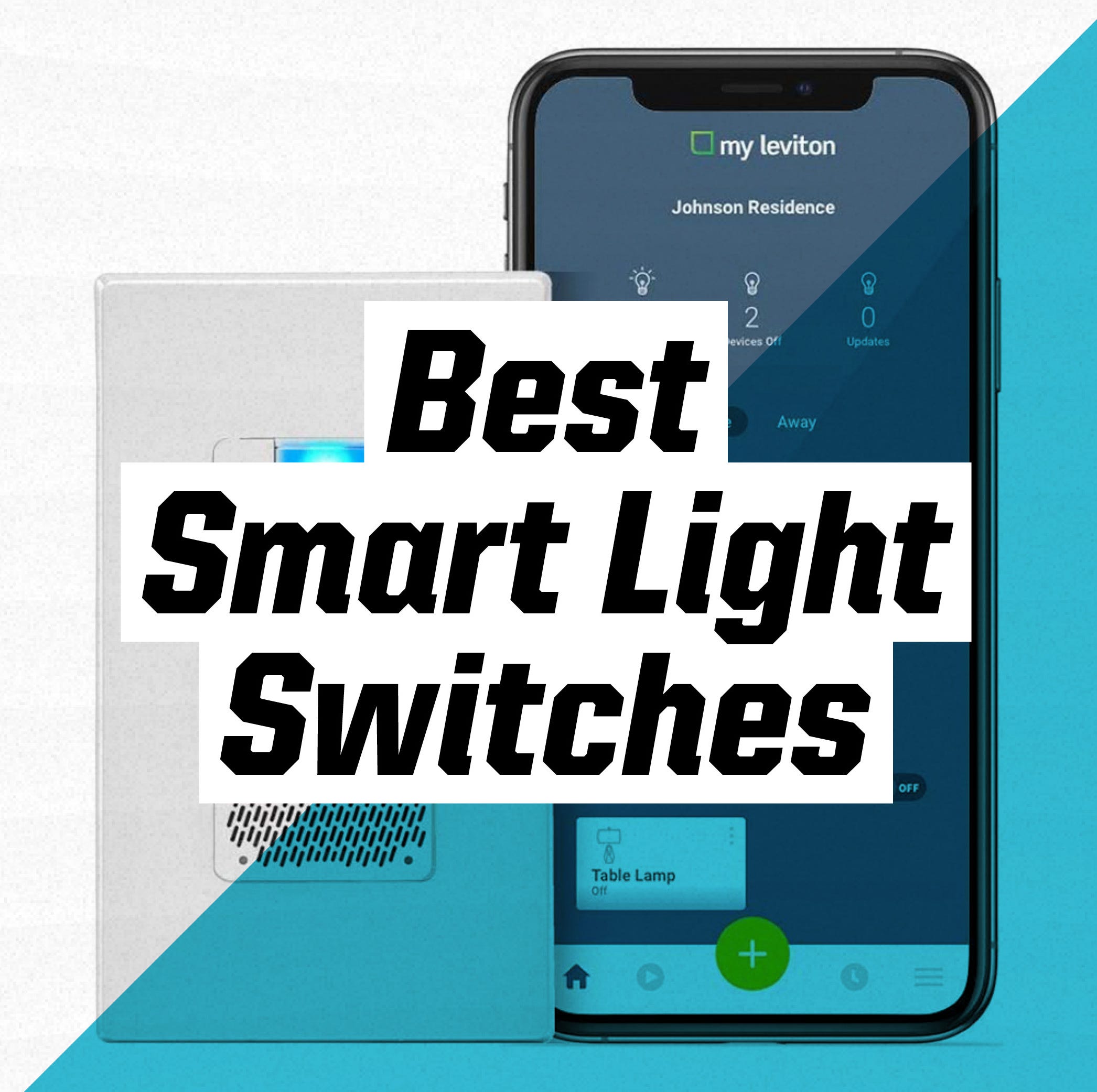
Upgrade Your Lighting With These Smart Light Switches

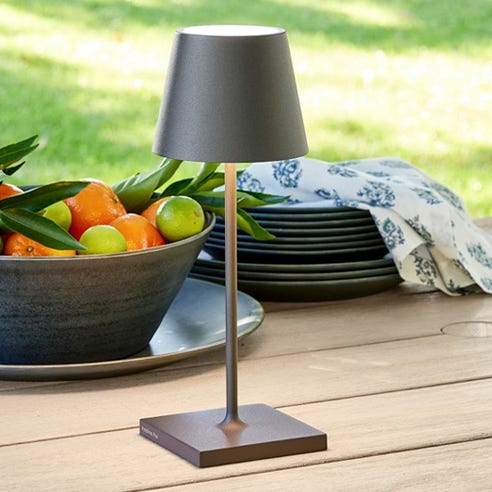
Say Goodbye to Overhead Lighting and Hello to the Best Cordless Lamps

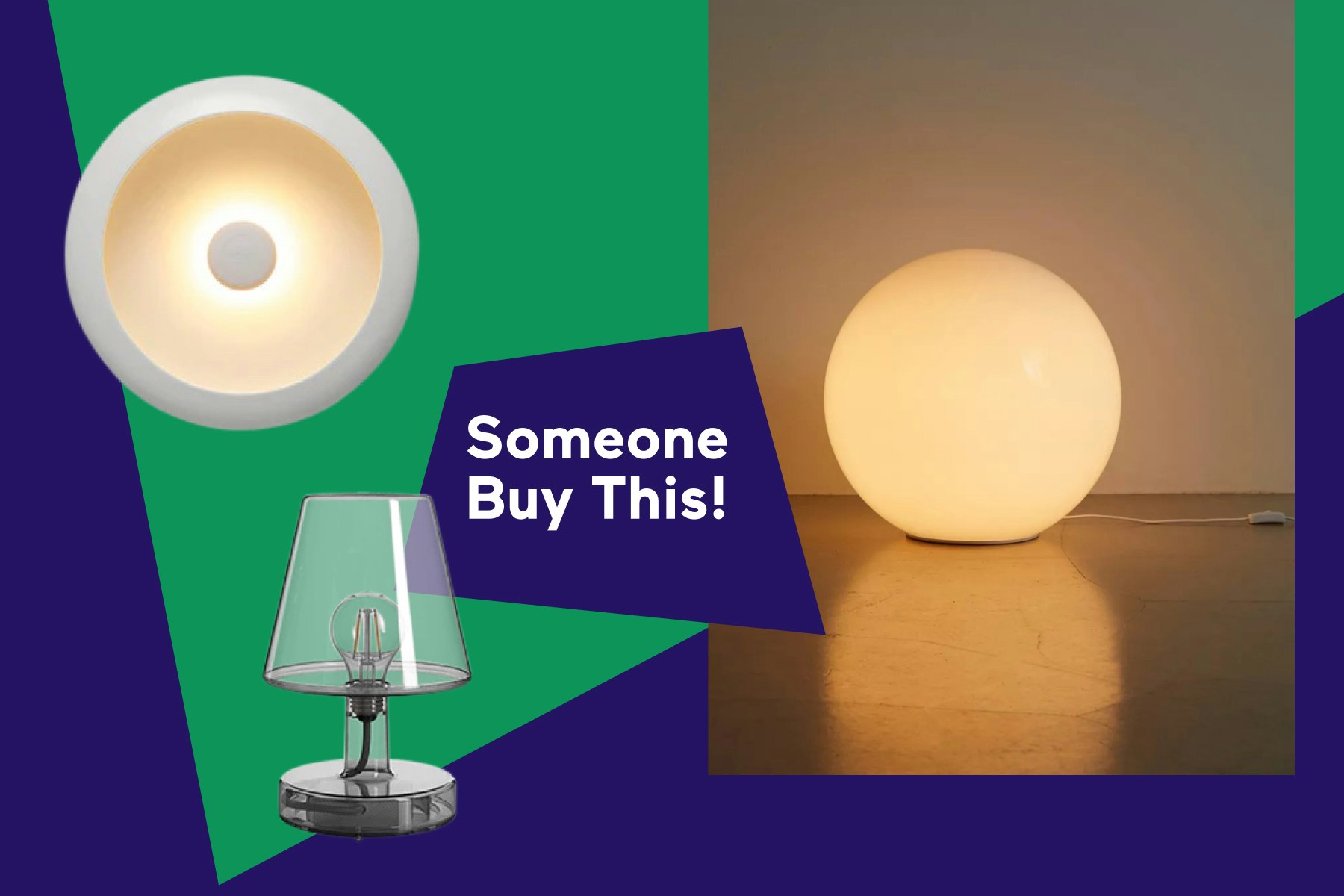
Banish the “Big Light” Completely With Some Snazzy Lamps

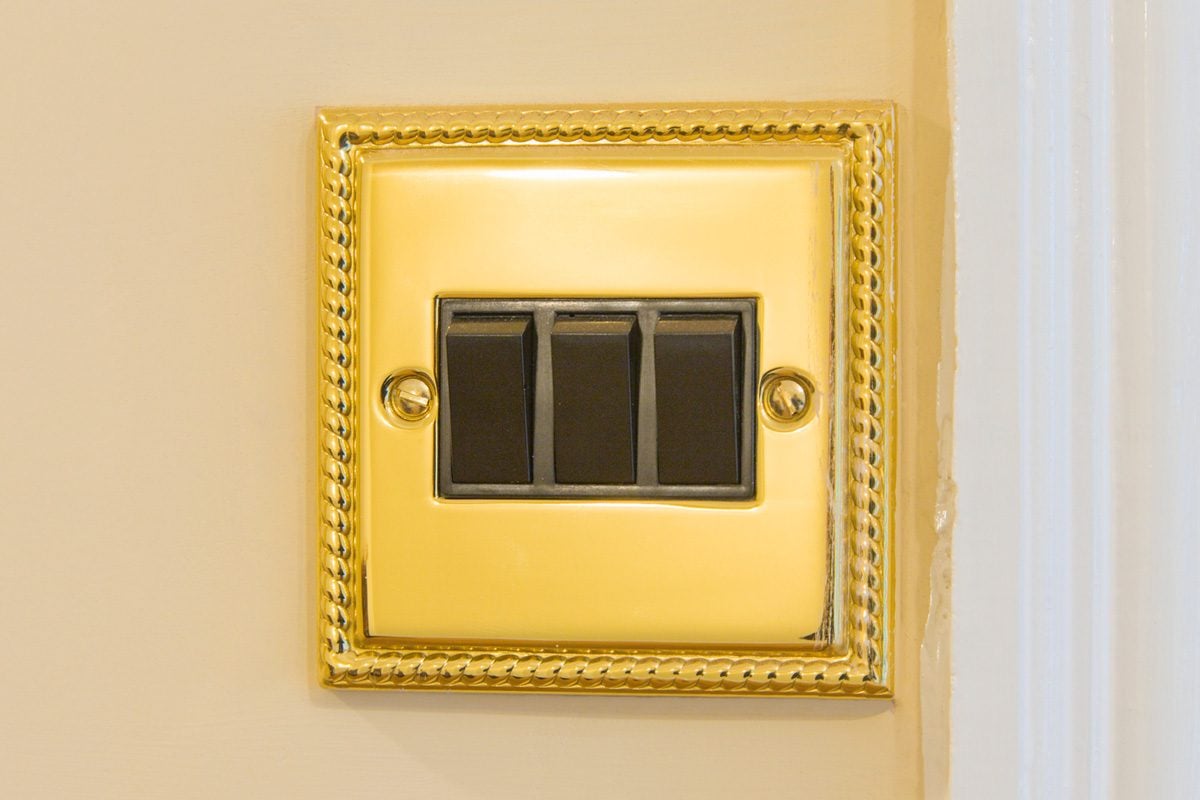
How To Upgrade Light Switch Covers

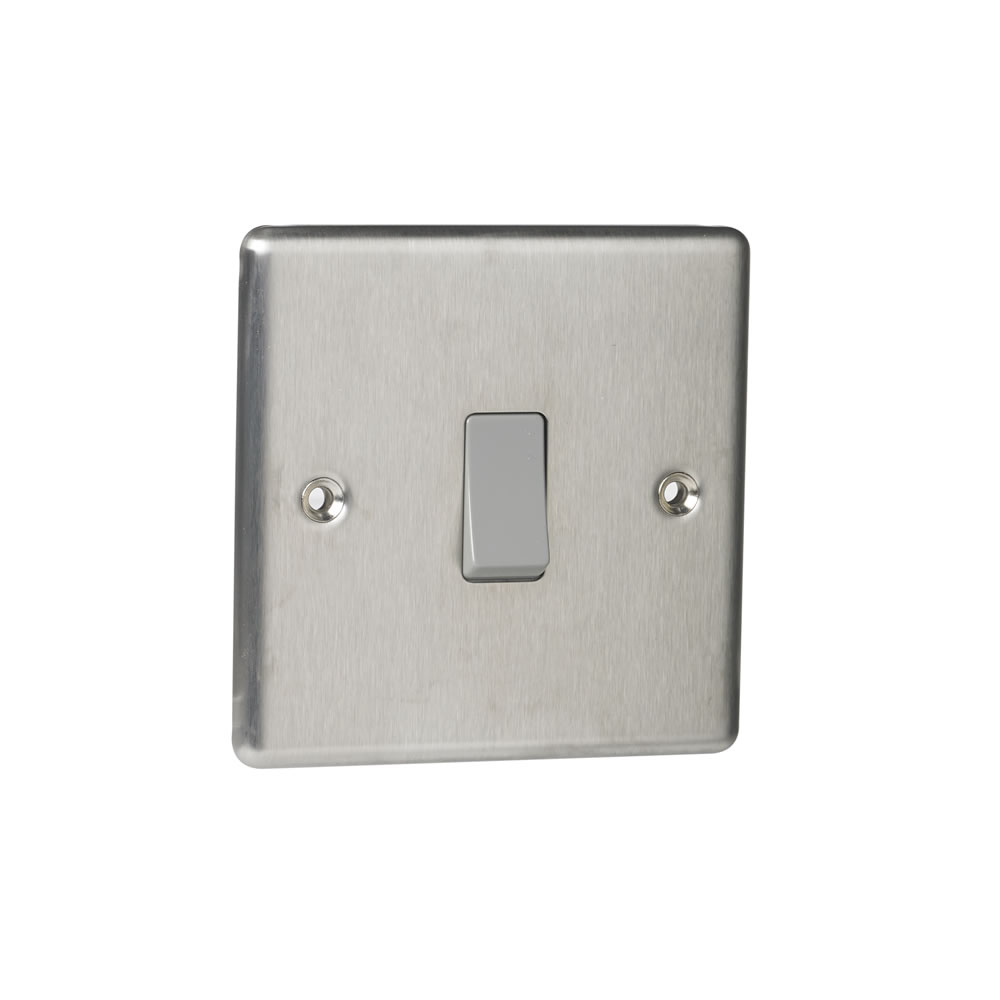
Light Switches - Our Pick of the Best

Matter-Compatible Lighting from SwitchBot | Products
How 'plug-and-play' technology is making it easier for owners and renters to replace their lighting

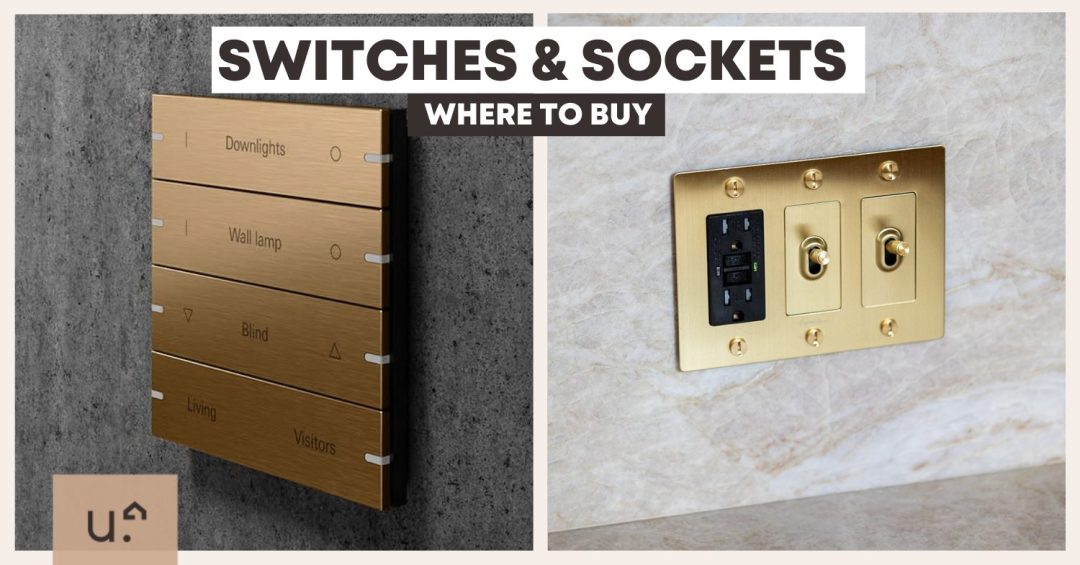
9 Budget-Friendly Places To Buy Light Switches & Sockets In Singapore
Skip The LED Light Strips & Try These Alternatives To Brighten Your Home Instead

You Don’t Have to Ditch the Switch When You Switch to Smart Lights

This Multitasking Lighting Fixture Dampens Sound Using Recycled Plastic Bottles

A 3D-Printed Lamp Achieves Translucency with Bio-Based Plastic

Our Favorite Smart Switches Add Convenient Hands-Free Controls to Any Light

The 5-Minute Rental Upgrade You’re Probably Overlooking

5 alternatives to plastic storage bins professional organizers recommend if you want a more eco-friendly home

SwitchBot Bot review: Convert your dumb light switches into smart ones the easy way


Matter-Compatible Lighting from SwitchBot
Switches & Sockets | Electrical indoor Lighting

Designers are ditching overhead lighting in the bathroom – and using this flattering source to illuminate spaces instead

Pulling the plug on dated light fixtures is a great home update. Here's how to choose new ones