1/8
Is Brass in the Kitchen a Passing Trend? One Designer Weighs In
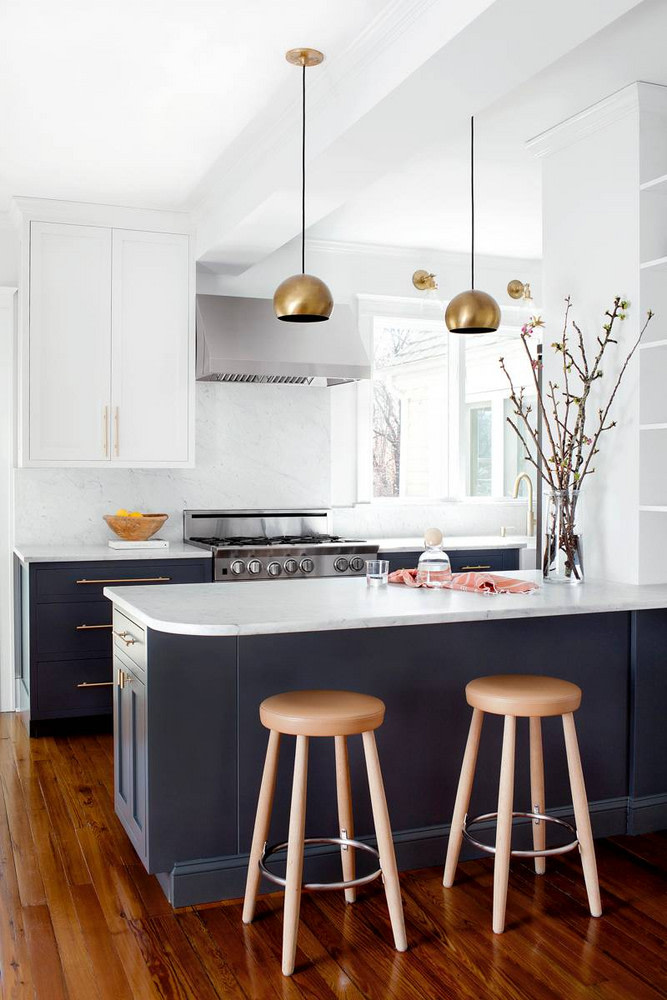
This article highlights the renovation of a century-old kitchen in Baltimore's Roland Park neighborhood, undertaken by interior designer Elizabeth Lawson and architect Ed Hord. The original kitchen was described as extremely dated, featuring old white appliances, laminate cabinets, and linoleum counters and flooring, in addition to being dark and narrow. The renovation aimed to modernize the space and enhance its functionality and aesthetic appeal.
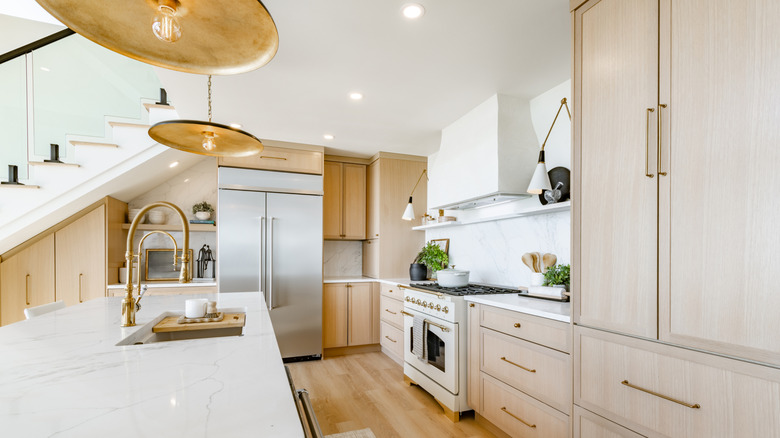
The project began by expanding the kitchen into the adjacent dining room to create a more open galley layout, incorporating a peninsula and bar area. During this process, antique heart-of-pine floors were discovered beneath the linoleum, which were subsequently repaired and refinished with a clear coat to restore their natural beauty and integrate them into the new design.
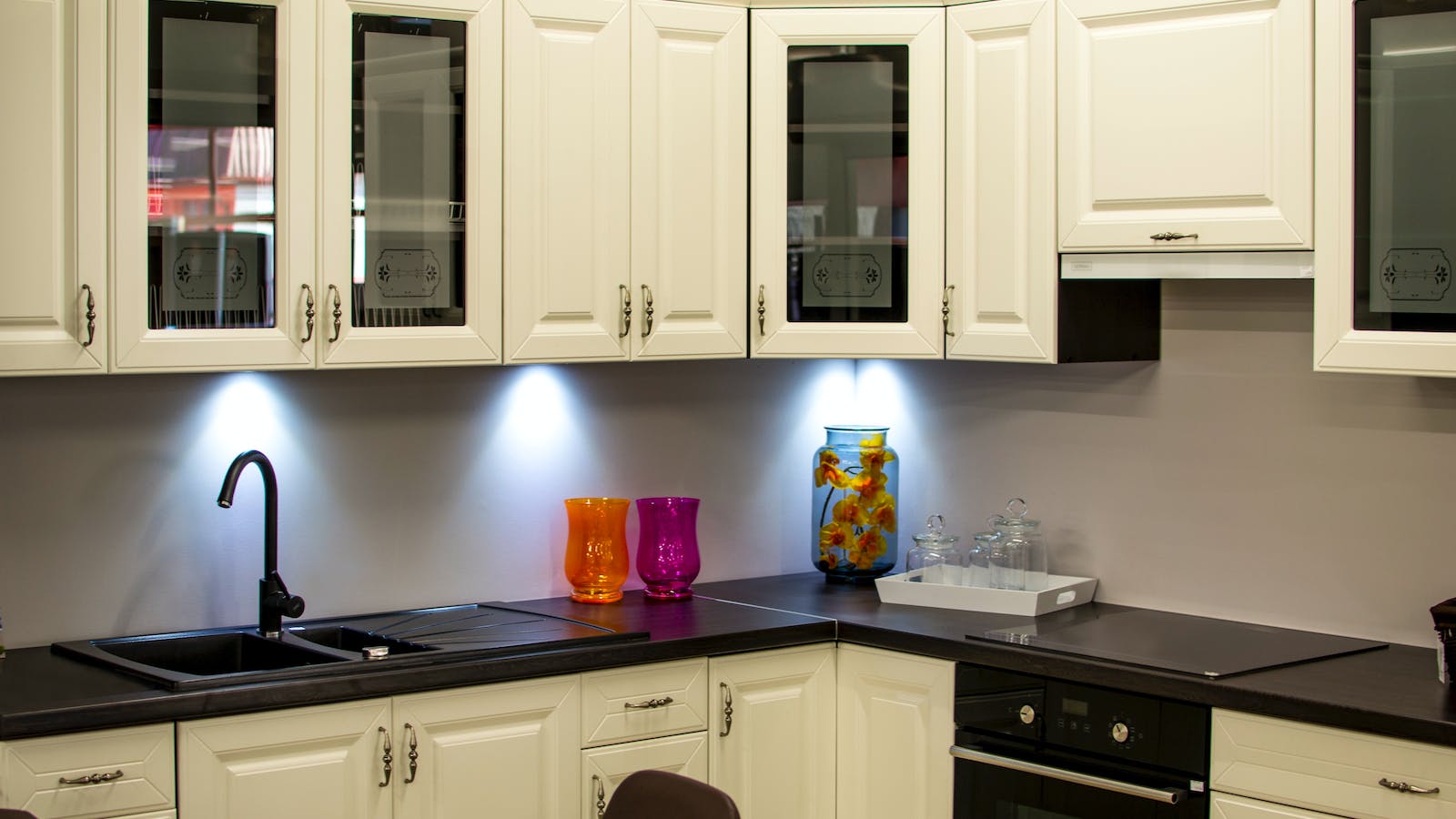
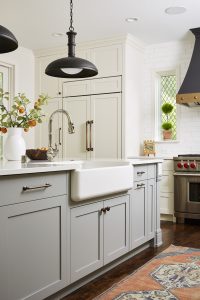
A key design decision involved the cabinetry. While the homeowners initially considered navy cabinets, Lawson opted for a deep charcoal hue for the lower cabinets. This choice was made to avoid pigeonholing the design into a specific style, such as country or nautical, which she felt navy might evoke. The charcoal color was selected for its sophisticated appeal, almost resembling a deep indigo, which provided a strong visual anchor for the space. The upper cabinets, in contrast, were painted a bright white, matching the new walls and trim. This approach ensured the upper cabinetry blended seamlessly into the background, allowing the darker lower cabinets to stand out and maintaining an airy, bright atmosphere in the kitchen.
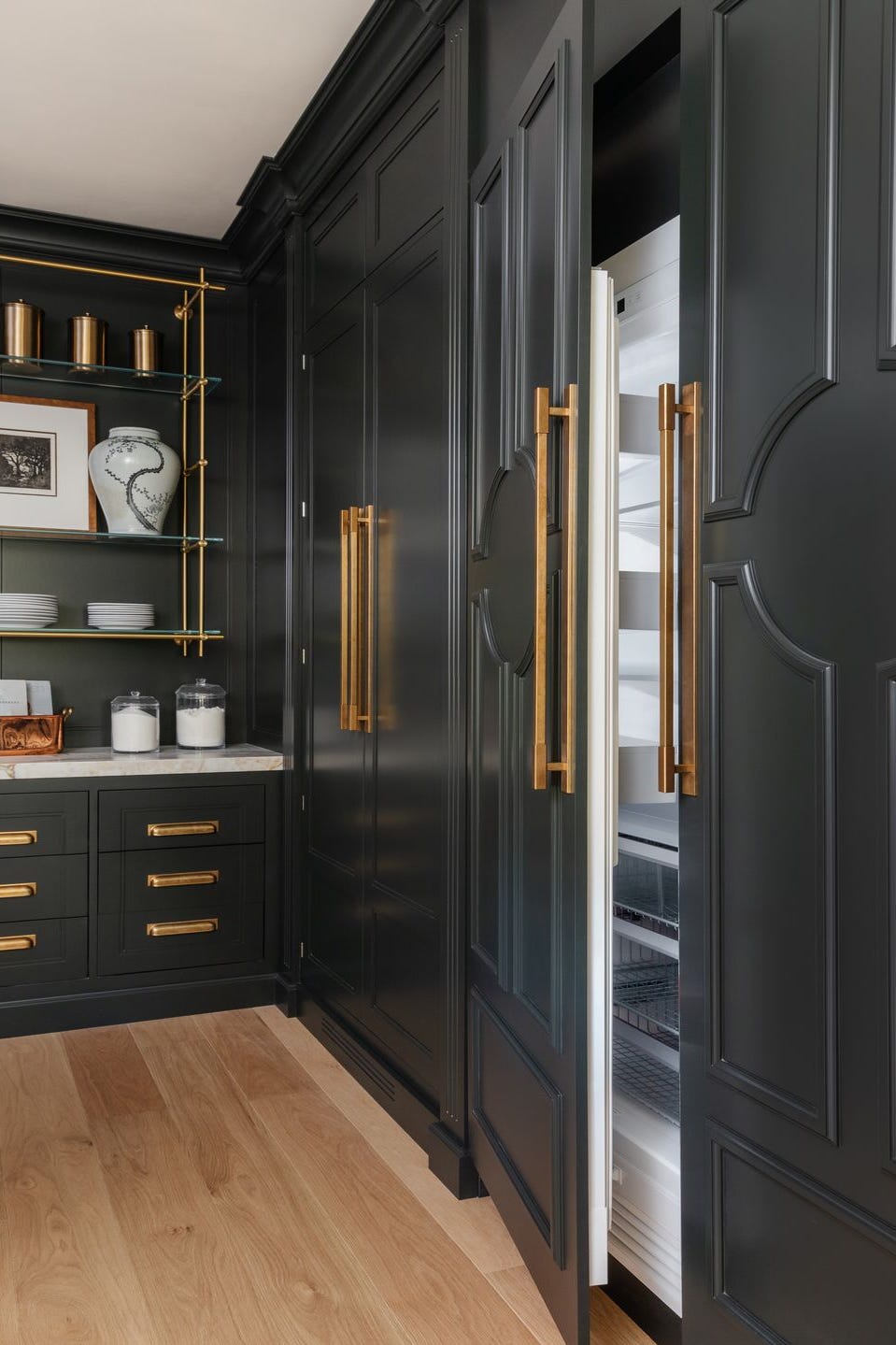
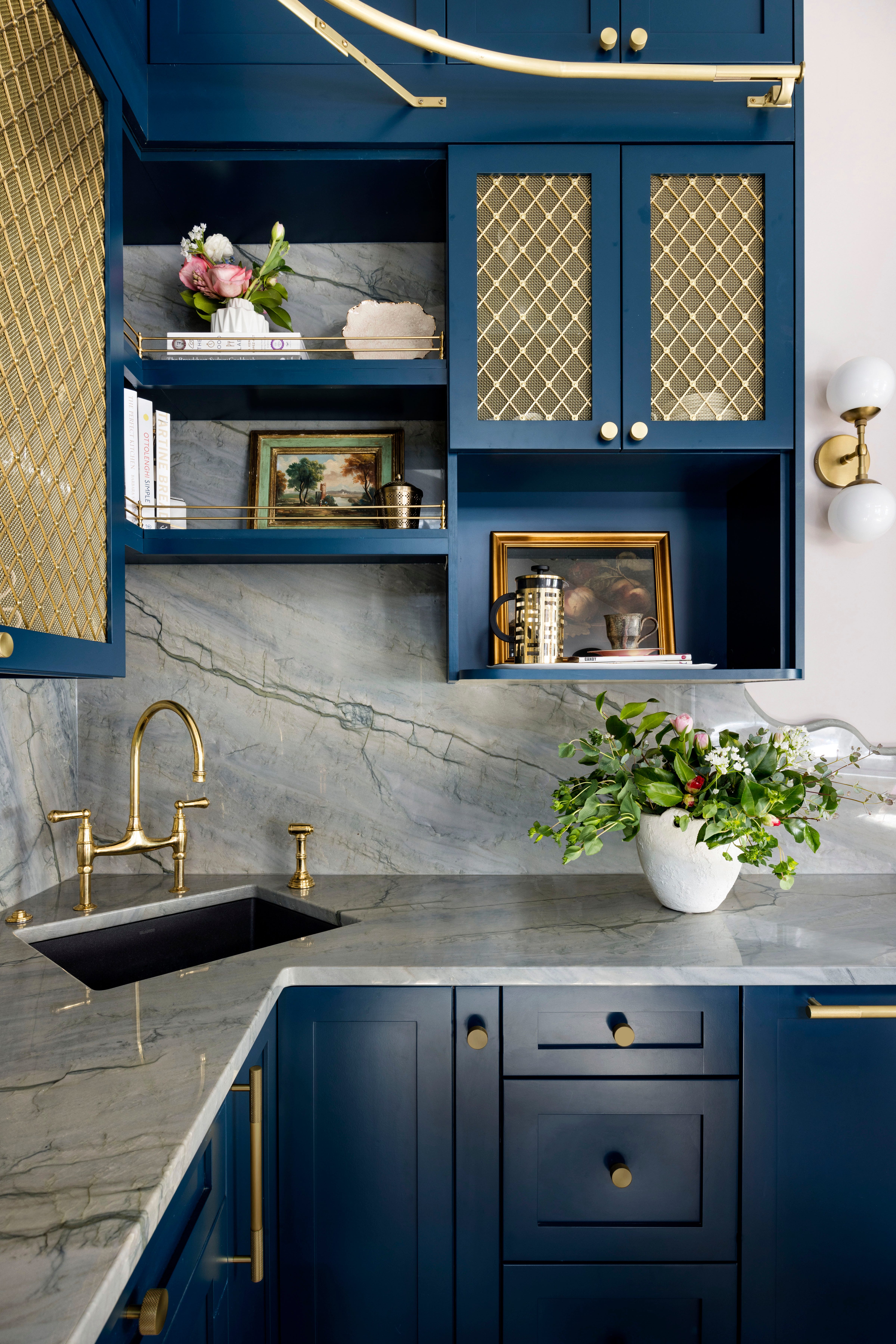
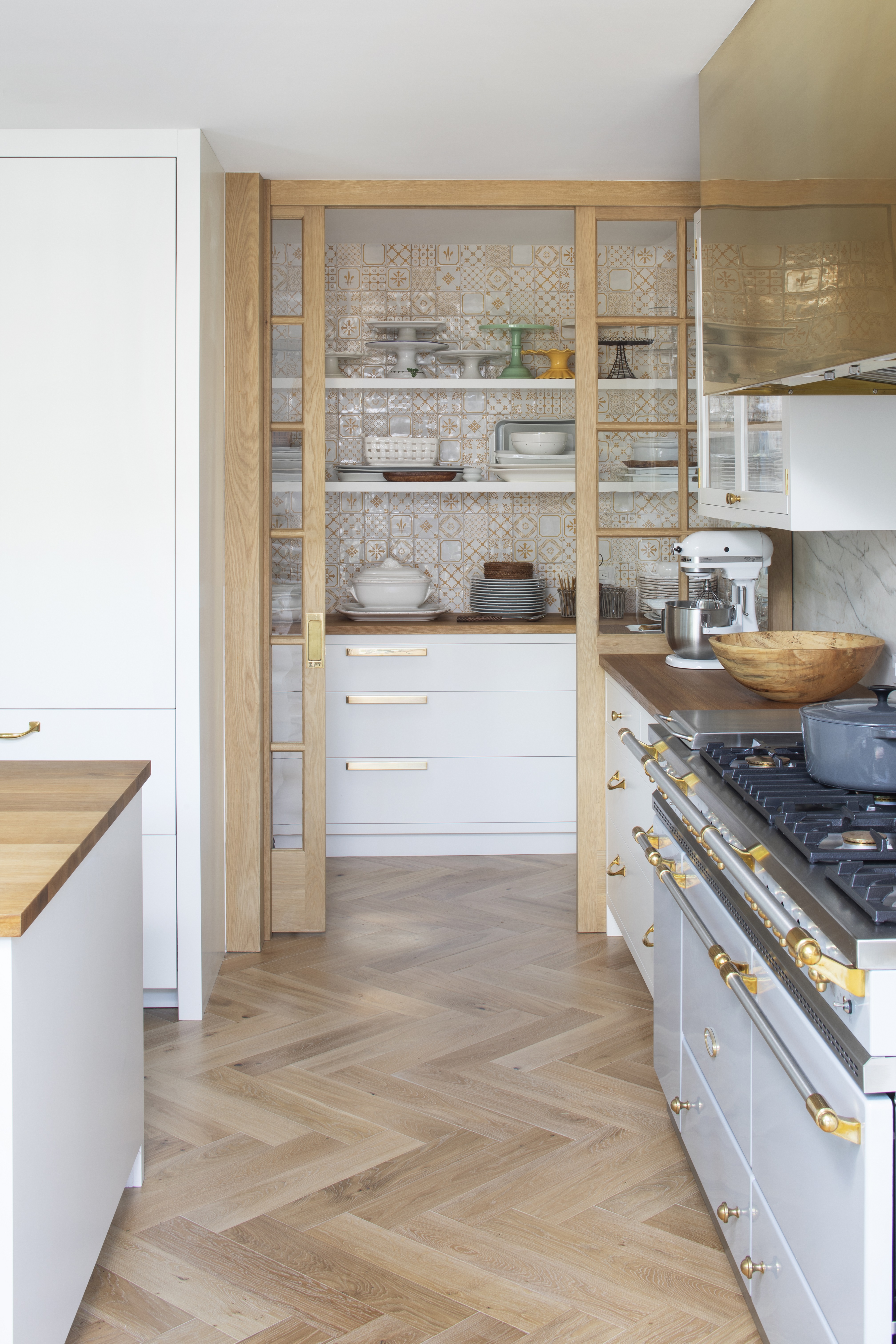
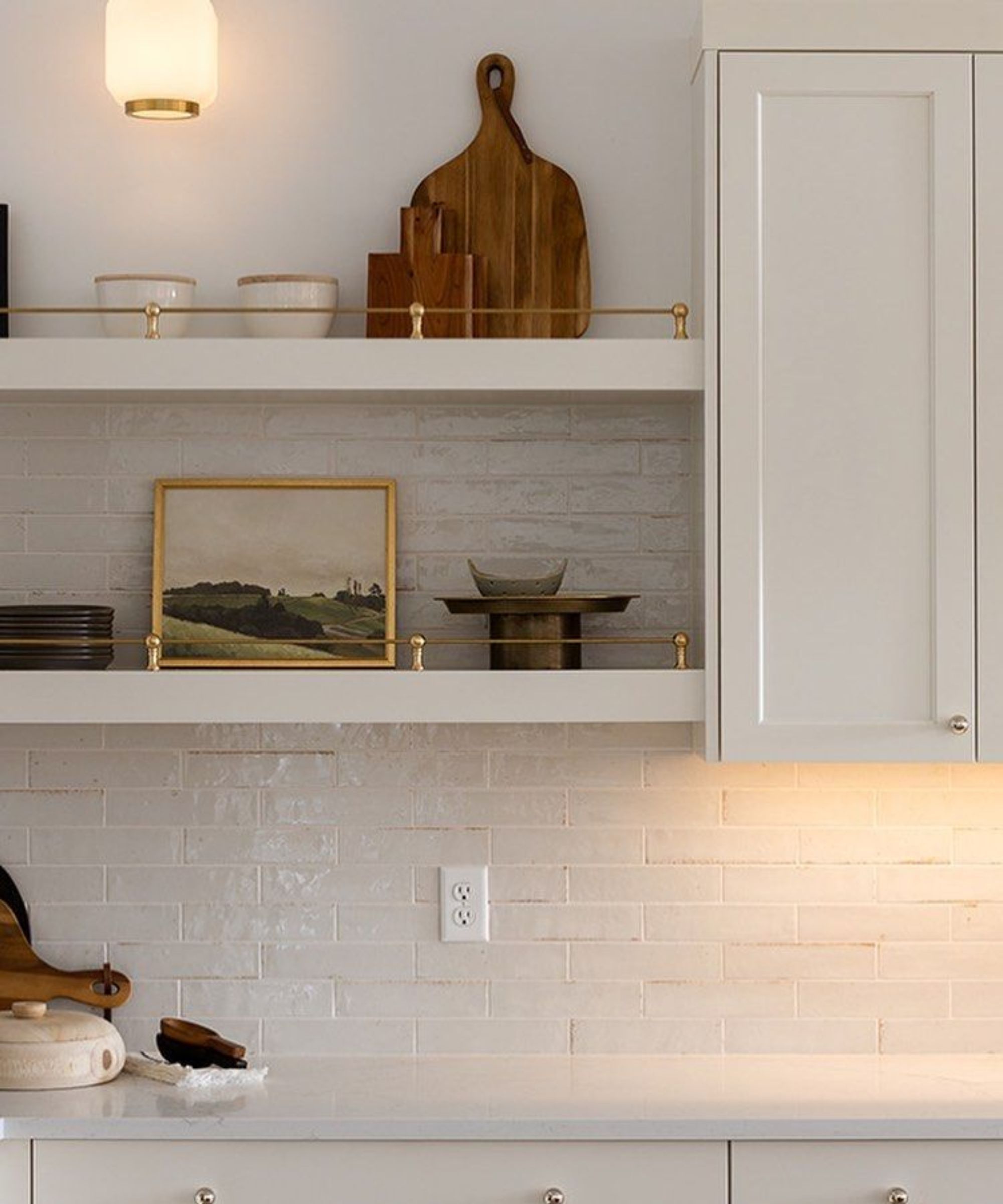
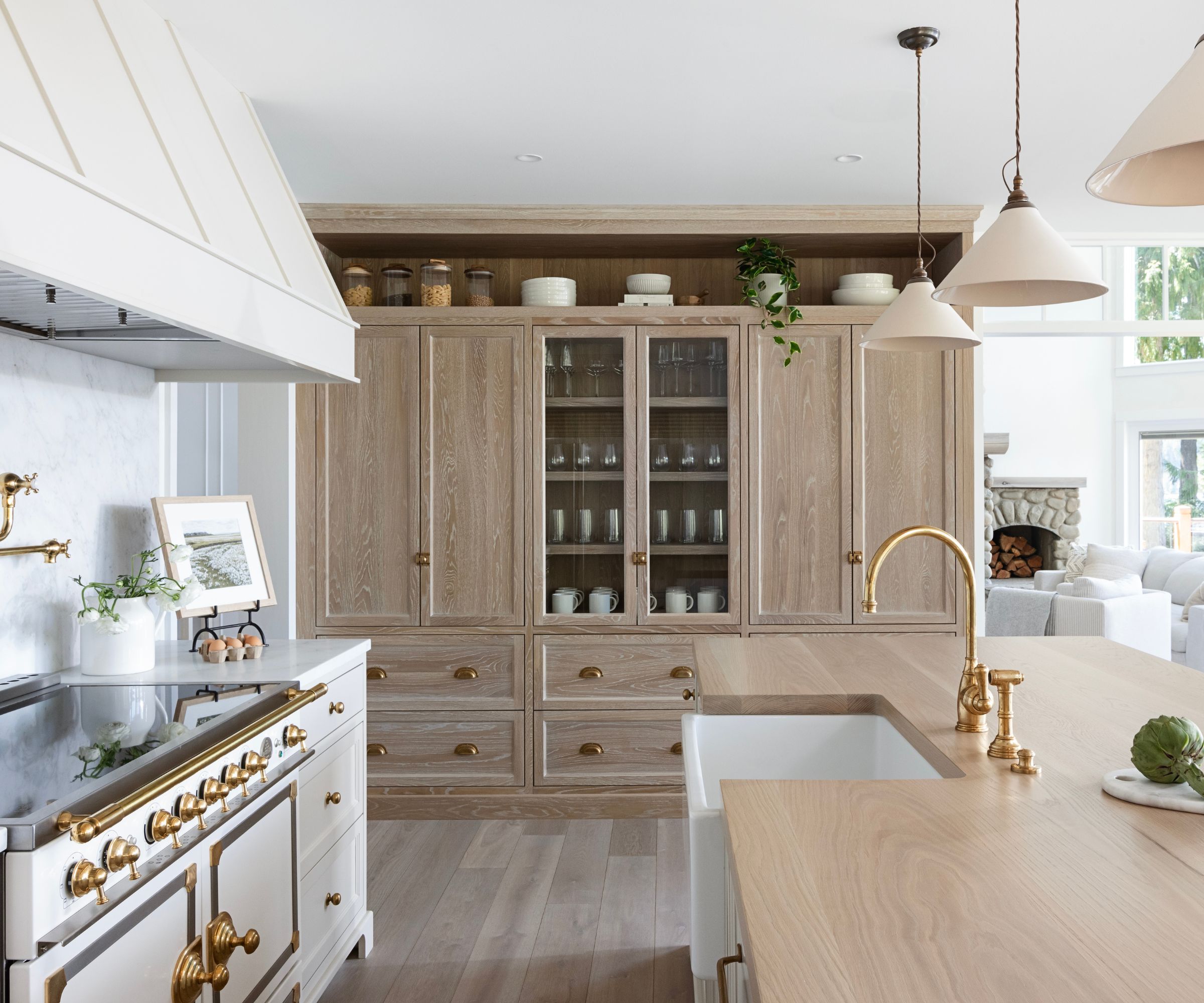
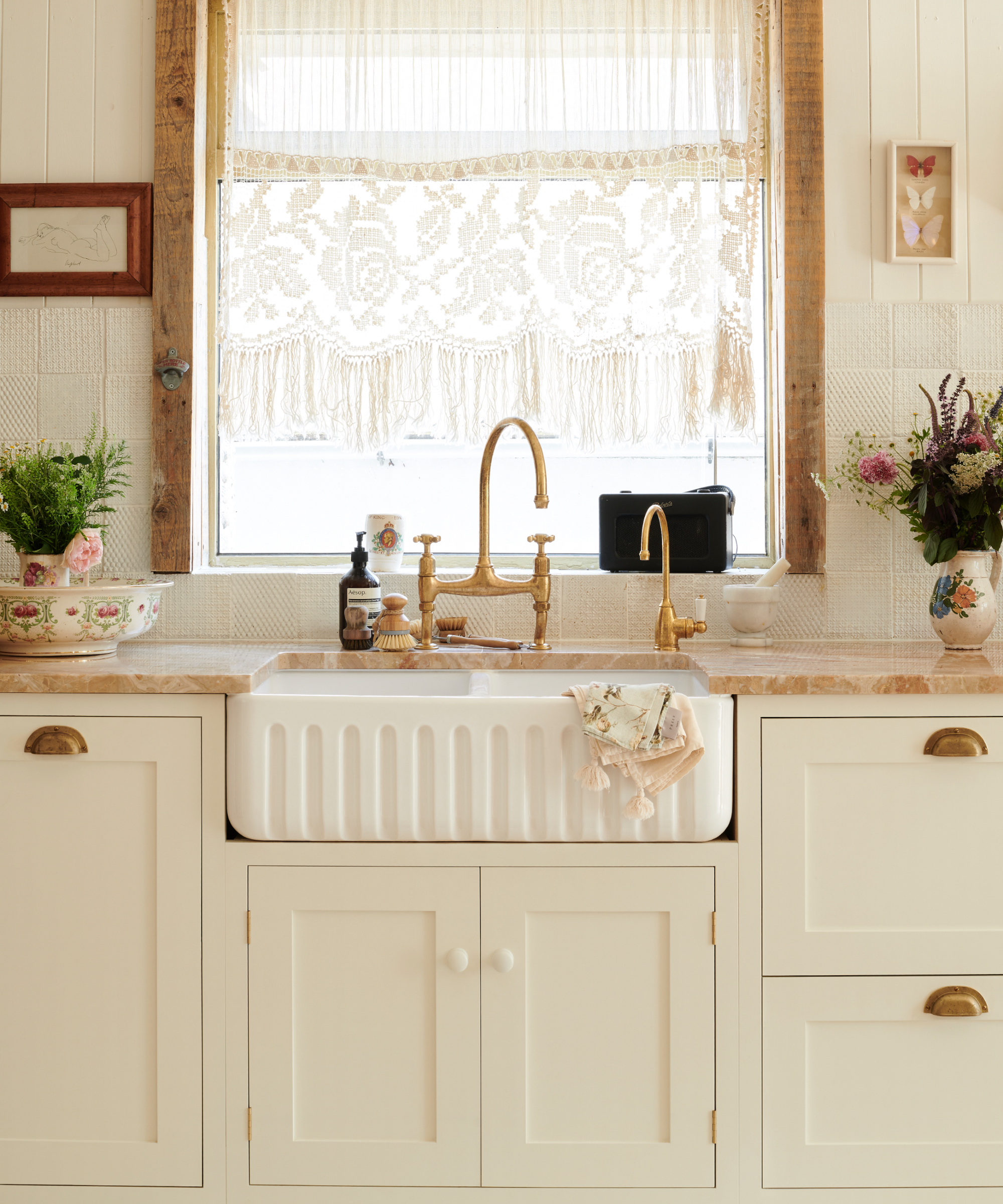
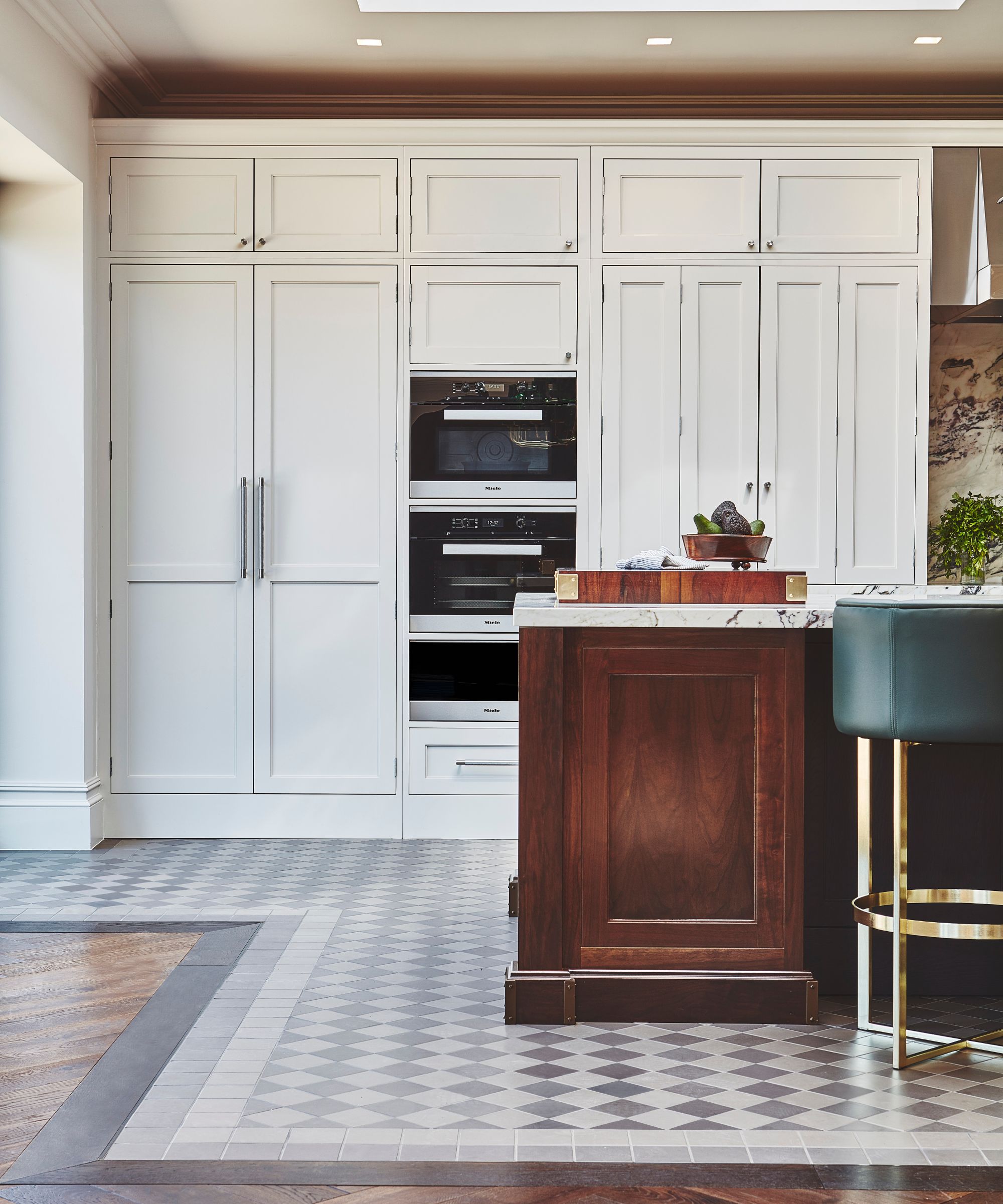
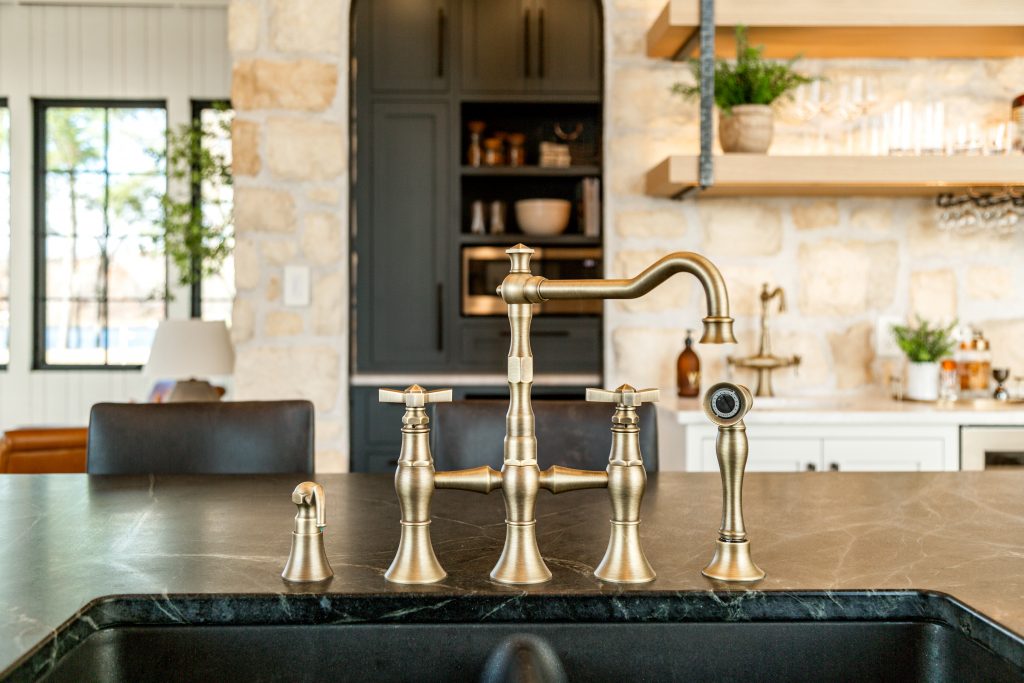
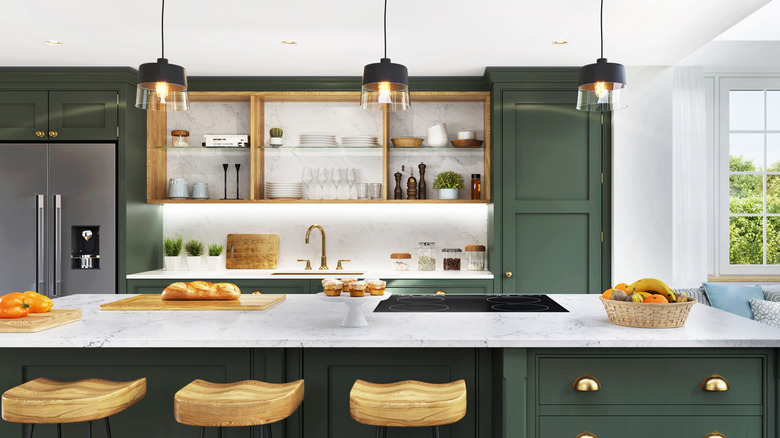
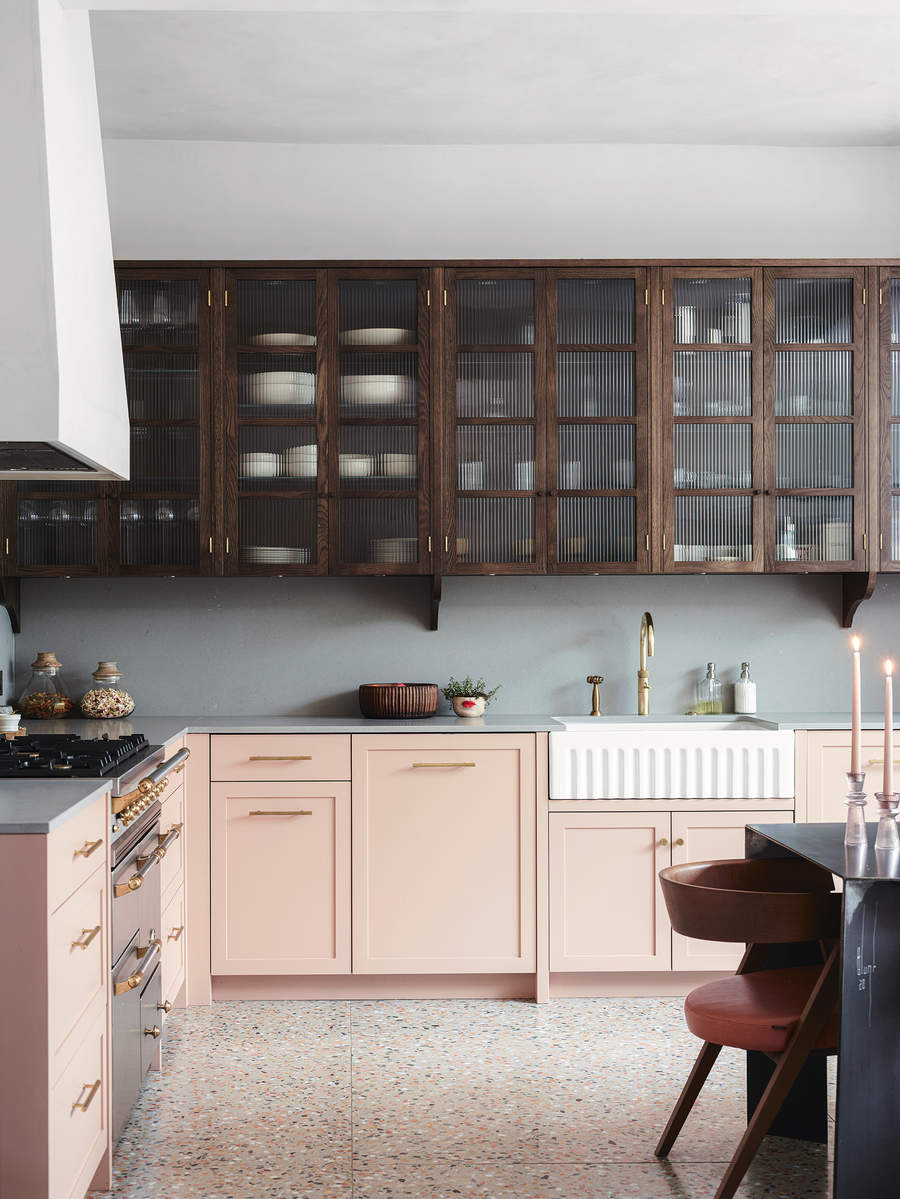
For the countertops and backsplash, the team chose lightly veined Carrara marble, contributing to the kitchen's elegant and timeless look. A significant point of discussion involved the use of brass for hardware and light fixtures. The clients expressed concern that brass might be a fleeting trend. However, Lawson persuaded them that brass would introduce warmth into the kitchen and create a striking contrast against the bright whites and deep grays of the cabinetry and marble. She emphasized that the selected brass had a soft, sophisticated finish, distinguishing it from the shinier, more dated brass common in the 1980s.
The designer also focused on ensuring that the updated kitchen complemented the historic character of the home and its neighborhood. Selections were made not only based on the kitchen's overall design but also with consideration for the house's historical context, opting for timeless elements. The incorporation of brass and wood elements was deliberate, chosen to introduce an appropriate amount of warmth and maintain a classic aesthetic that would endure beyond current trends. The renovation successfully transformed a dark, outdated kitchen into a bright, open, and timeless space that harmonizes with its historic setting.
#KitchenRenovation #InteriorDesign #HomeImprovement #BrassHardware #DesignTrends #HistoricHomes #BaltimoreDesign #MarbleCountertops #KitchenRenovation #InteriorDesign #HomeImprovement #BrassHardware #DesignTrends #HistoricHomes #BaltimoreDesign #MarbleCountertops
0 comment in total
 No comments yet
You may also like
10 Gorgeous Pulls to Revitalize Your Kitchen Cabinets

2025 Kitchen Cabinet Trends: Transform Your Space with These Top Styles
4 Design Pros Predict What Comes After the Matte Black Hardware Craze

Designers Say in 2025, You Should Not Have This in Your Kitchen or Bathroom

What Color Kitchen Hardware is in Style For 2024? 'This Pick is Going to be Truly Timeless,' Say Experts

These are the 9 Kitchen Hardware Trends Designers Say You Need to Know About for a Chic Scheme in 2026

The Kitchen Hardware Trend on Its Way Out in 2025 (and the ’90s Finish That’s Taking Its Place!)

A Designer and Trend Forecaster Shares Her Style Predictions for Kitchens in 2025 — They're Easy Updates to Copy
Is It Time To Rethink Your Kitchen Hardware?

Give Your Kitchen An Upgrade With The Trend You'll See Everywhere In 2026
2022 Ideas to Steal: Hardware

This nostalgic kitchen trend is back and here to stay, according to experts
Interior designers share 6 kitchen trends that'll be huge next year and 4 that will be out
10 kitchen hardware trends to know about if you’re updating your scheme in 2025
13 Outdated Kitchen Trends You Can Leave In The Past
Designers are leaving these outdated kitchen trends in 2022 – some of their choices might shock you
Is iron the new brass in kitchen hardware and fixtures?
What's the most timeless kitchen hardware? These are the designs that transcend trends, say interior designers
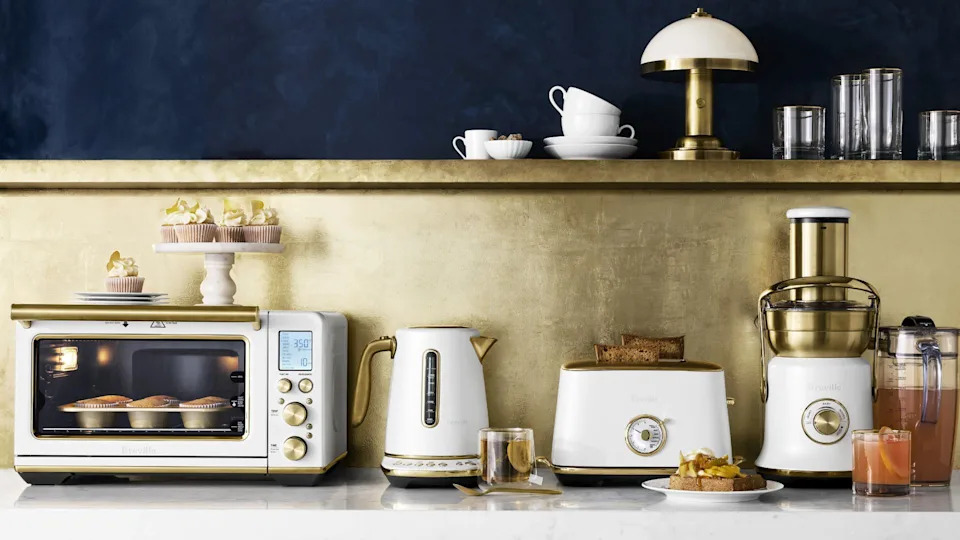
I just discovered Breville's brass accents range, and I'm utterly obsessed
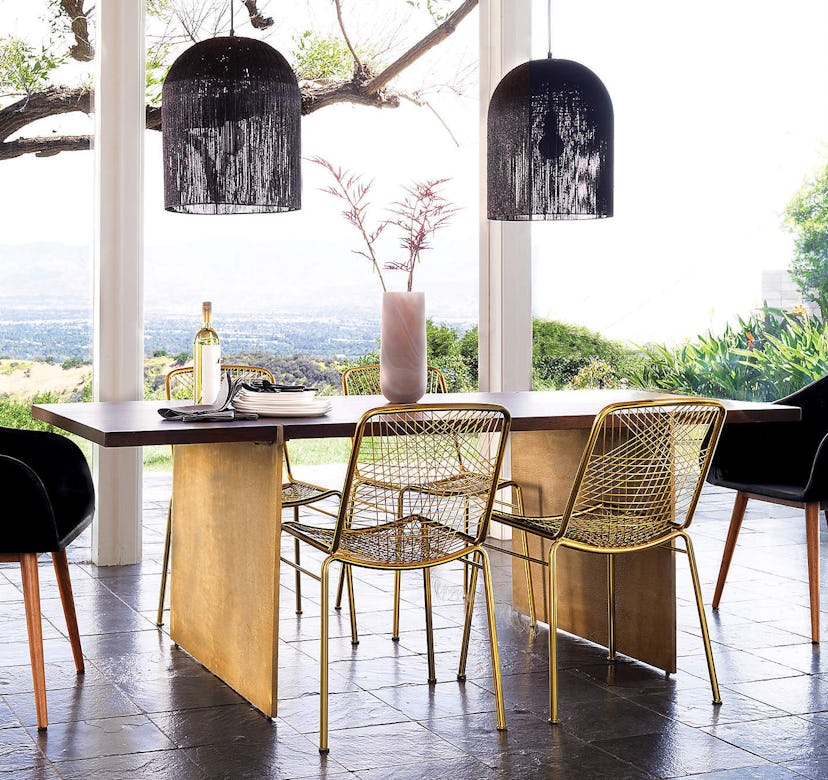
The One Rule You Should Always Follow When Decorating With Brass Decor