How to Mix Metals in Your Home: 5 Tips to Decorate With Metals Flawlessly
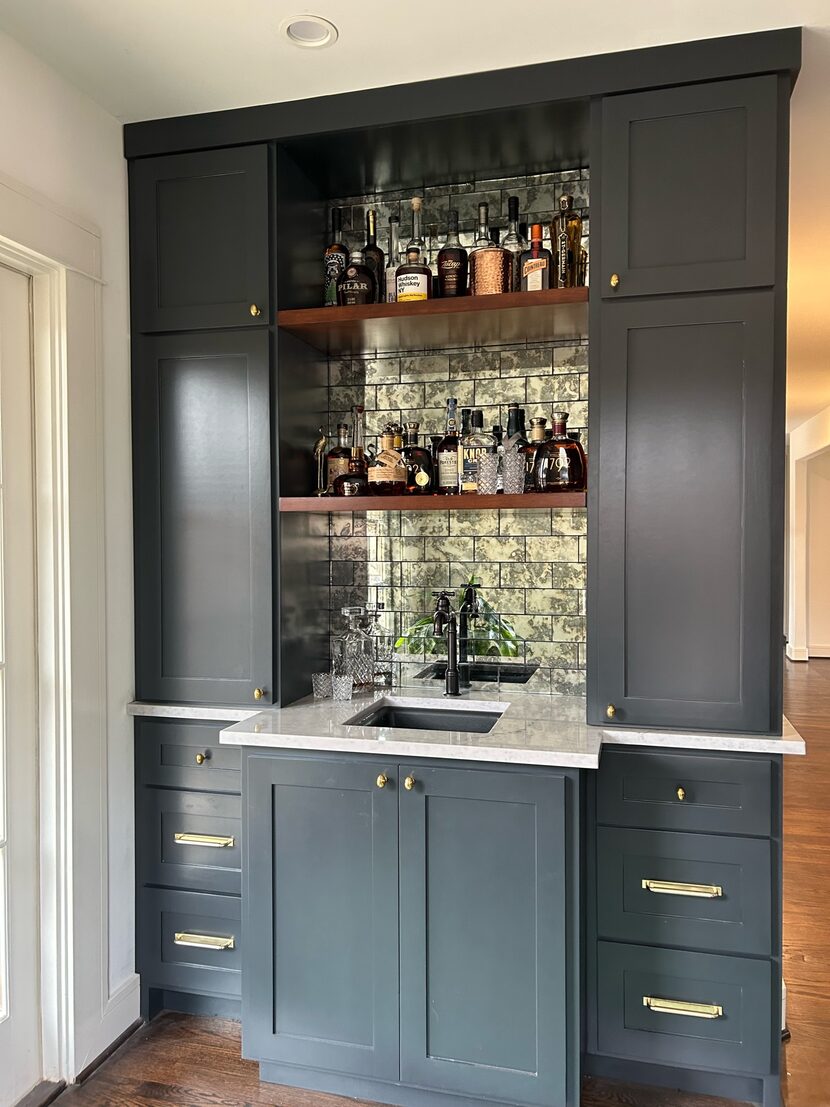
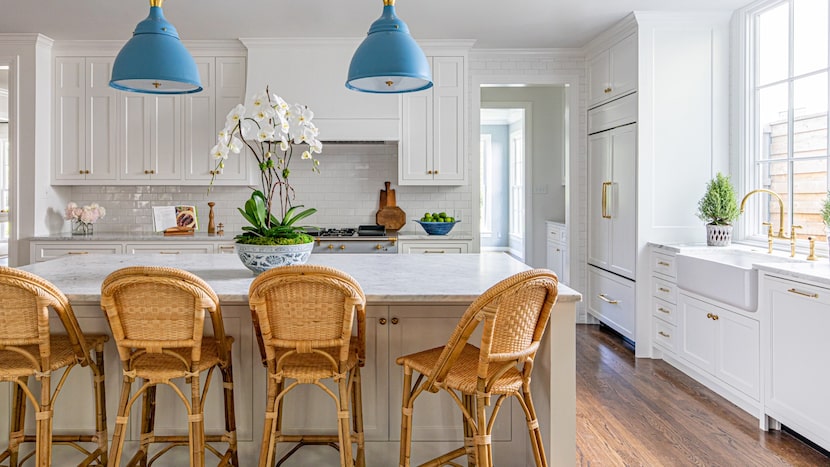
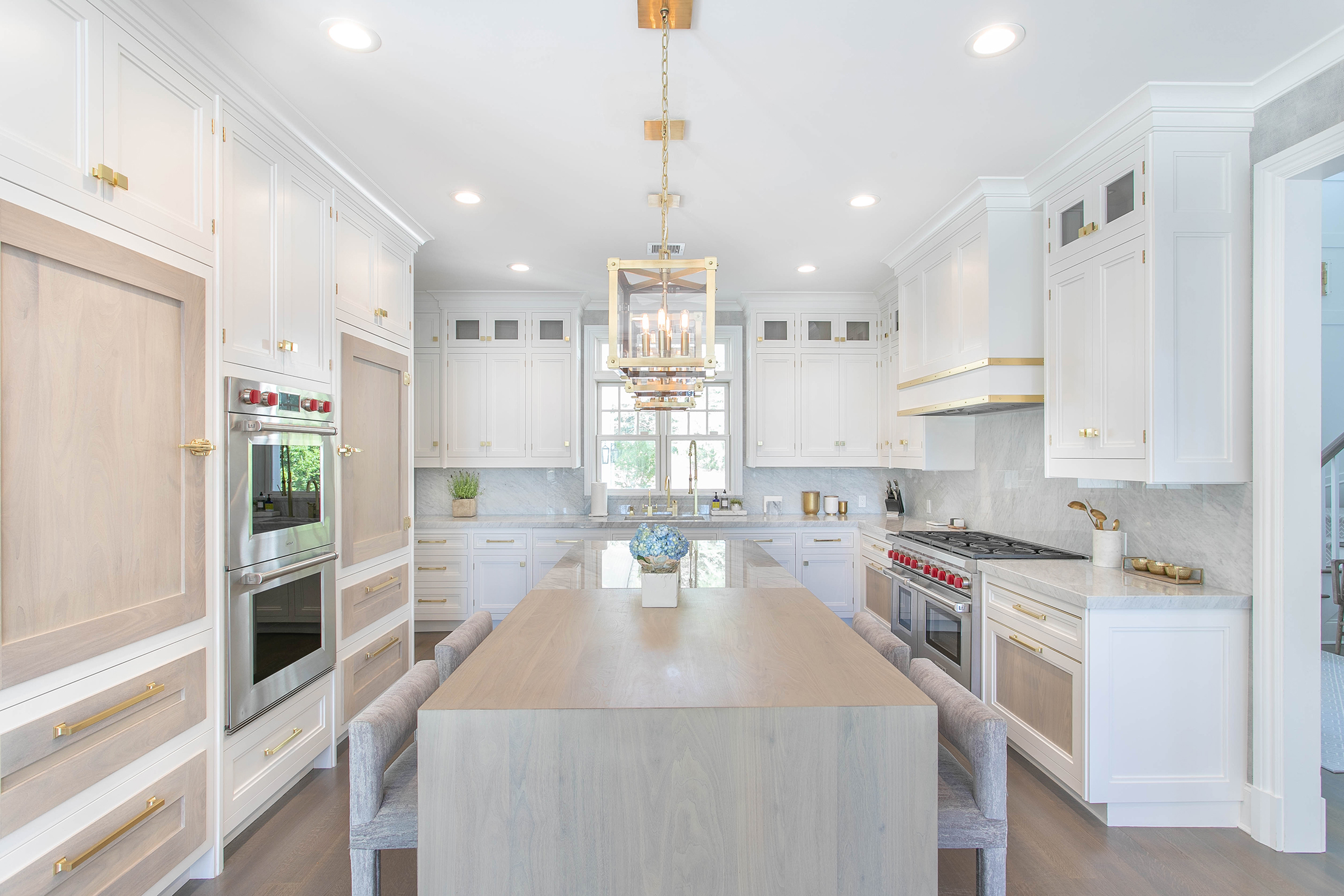
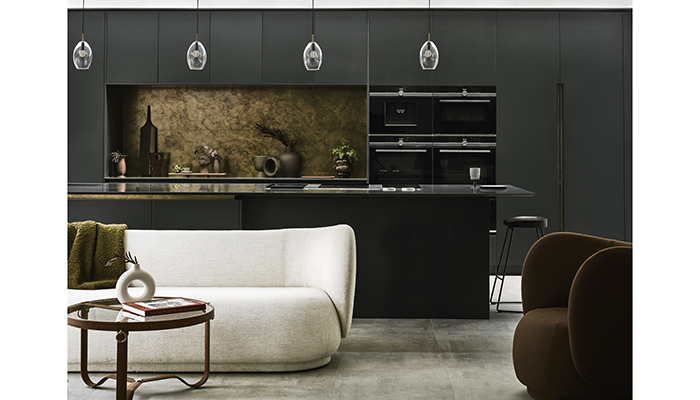
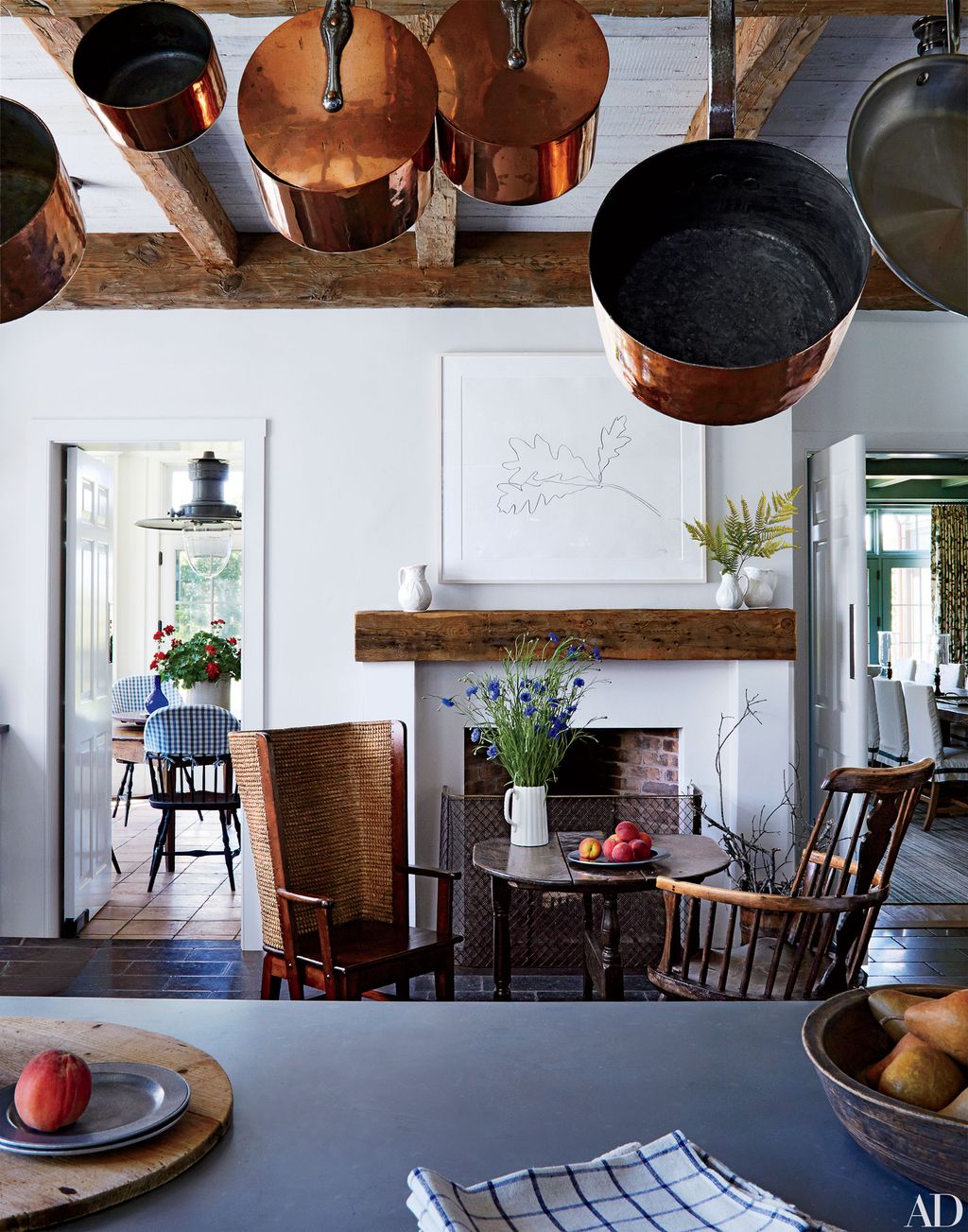
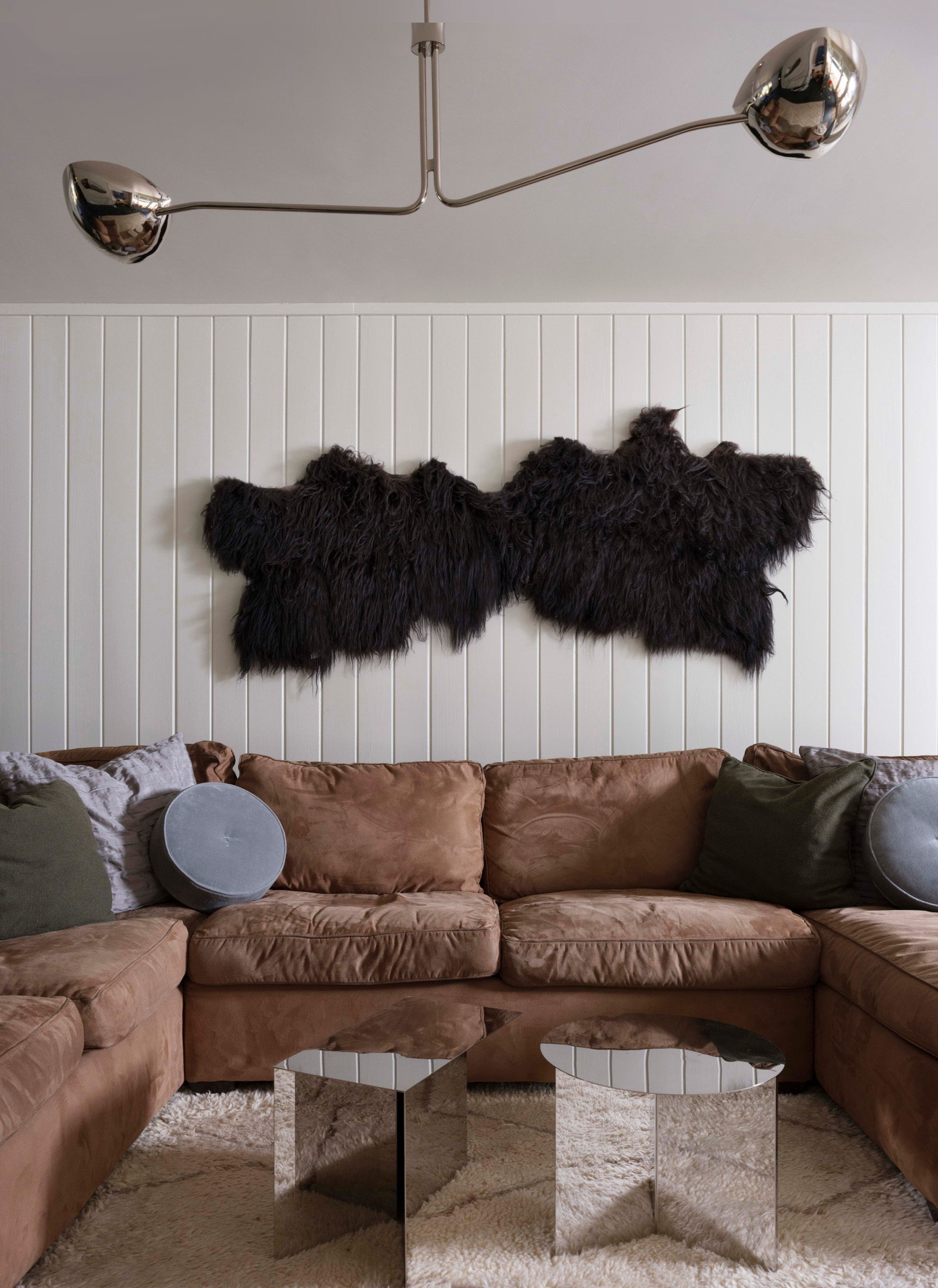
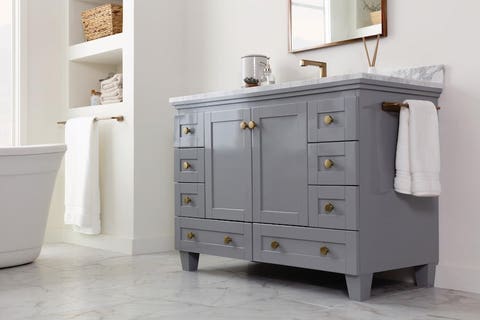
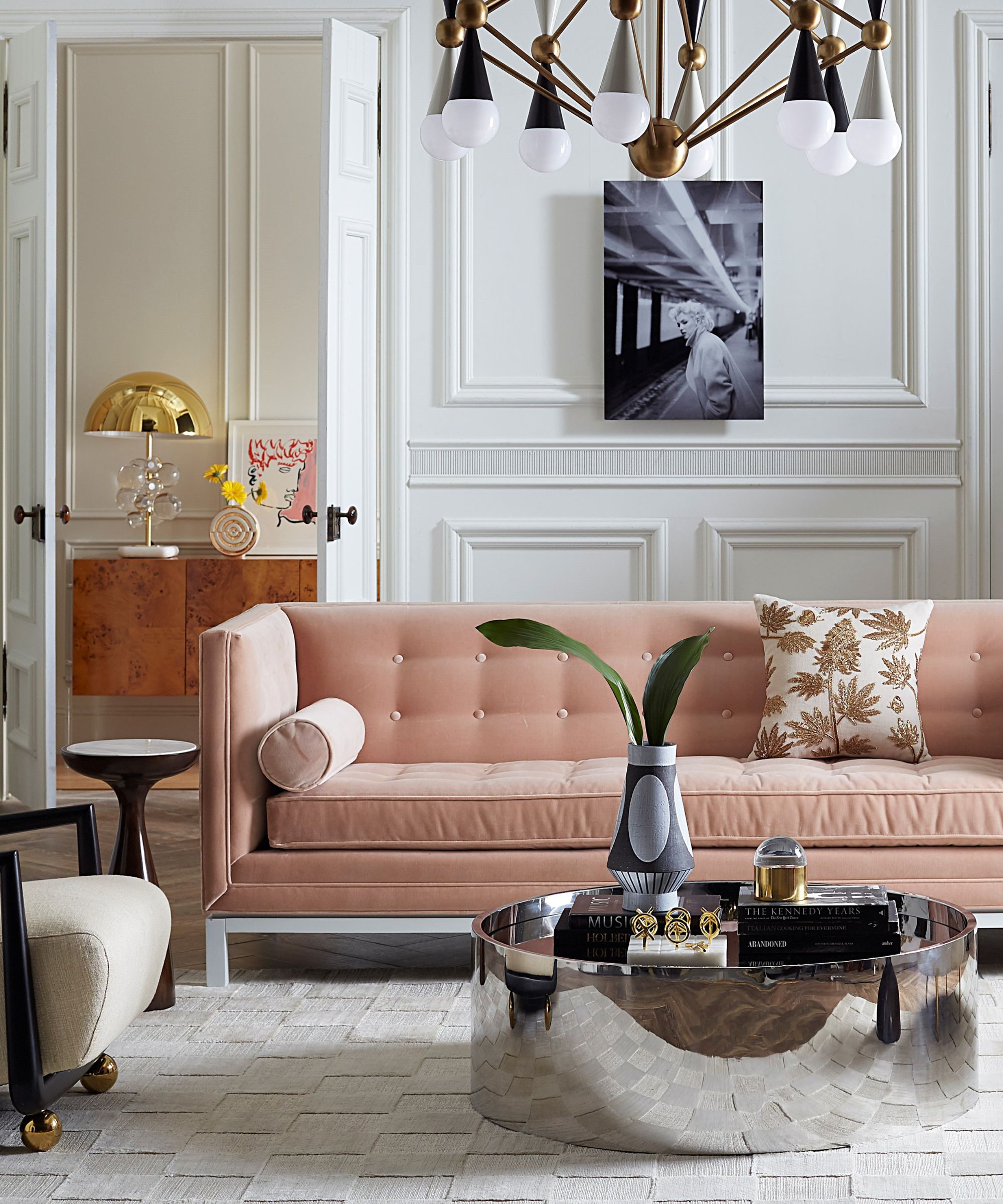
This article explores effective strategies for mixing metals in home decor, a popular trend that enhances a room's depth and character. The core principle for successful metal mixing is establishing a hierarchy of finishes, where one primary metal dominates, occupying approximately 60 to 75 percent of the metal elements in a space. This prevents a chaotic or unfocused appearance, allowing accent metals to complement rather than compete with the main finish. For instance, satin or polished nickel is ideal for traditional settings, while matte black suits contemporary styles.
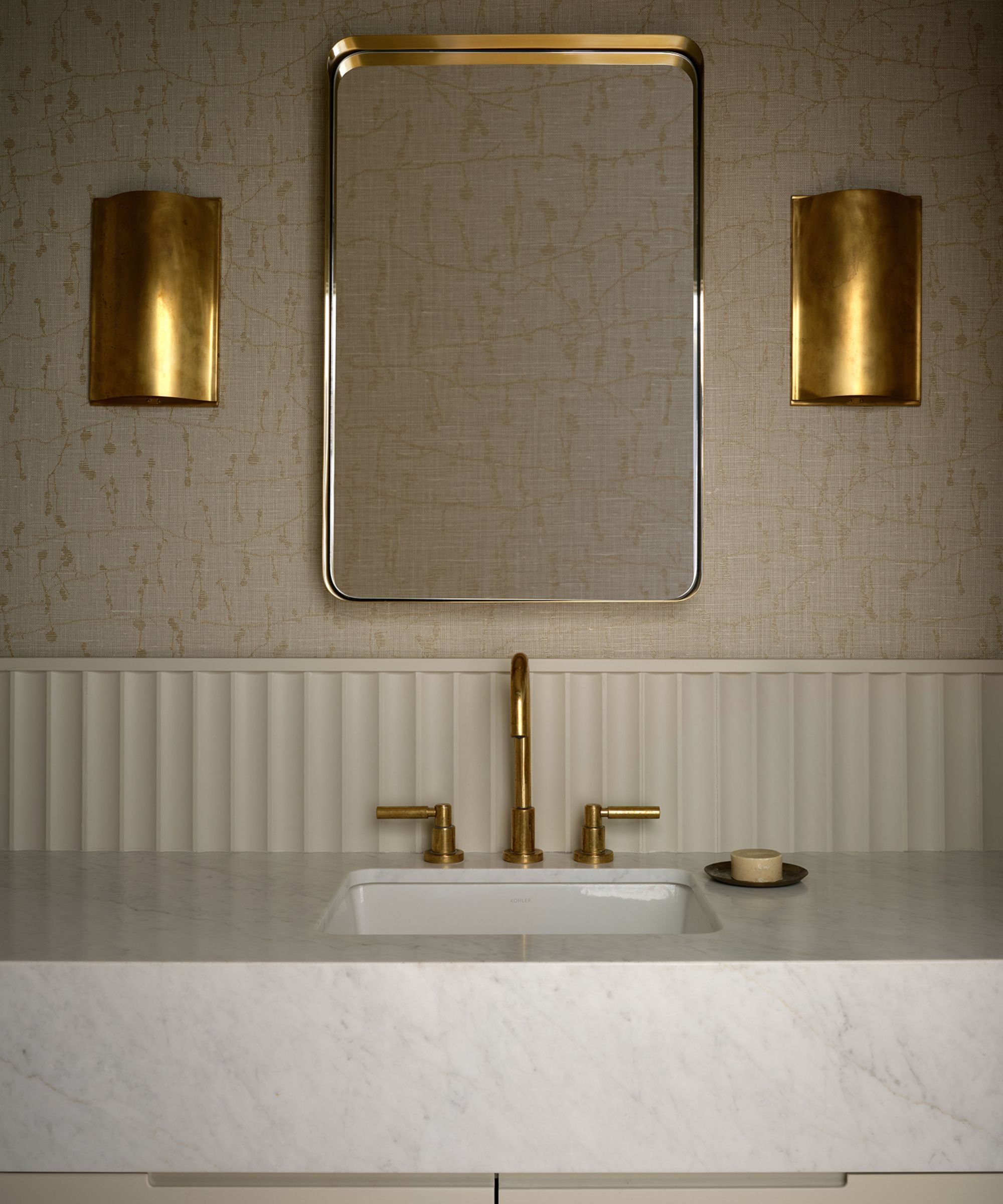
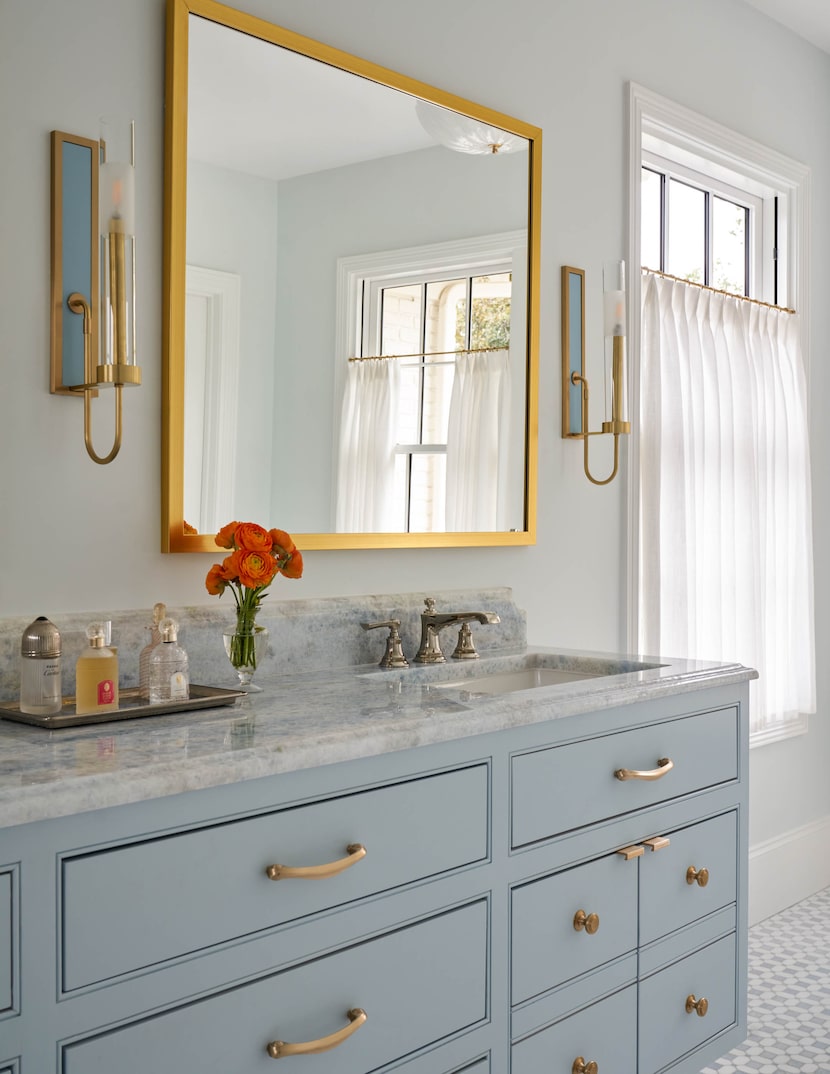
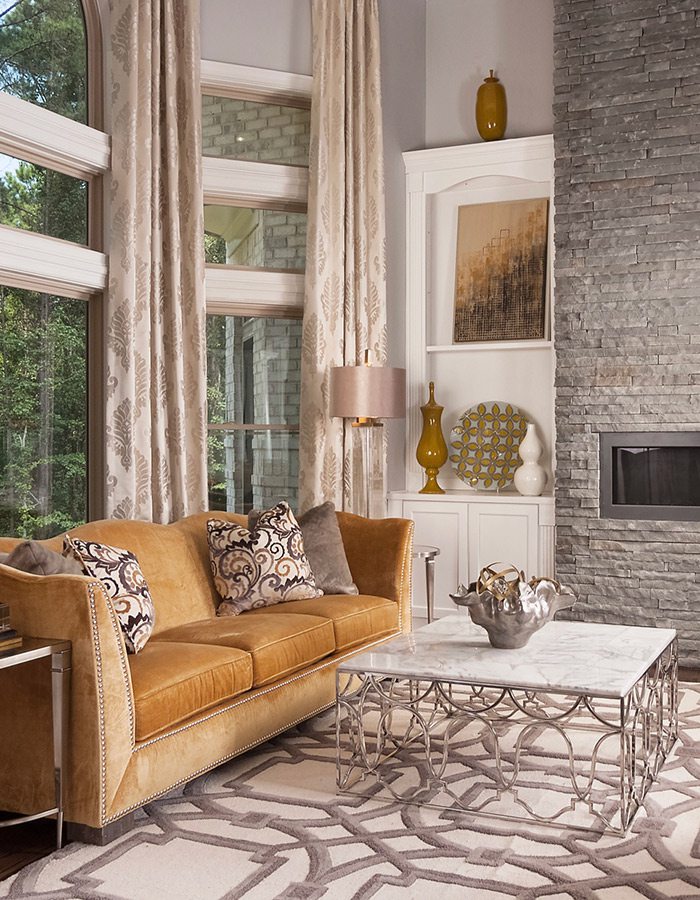
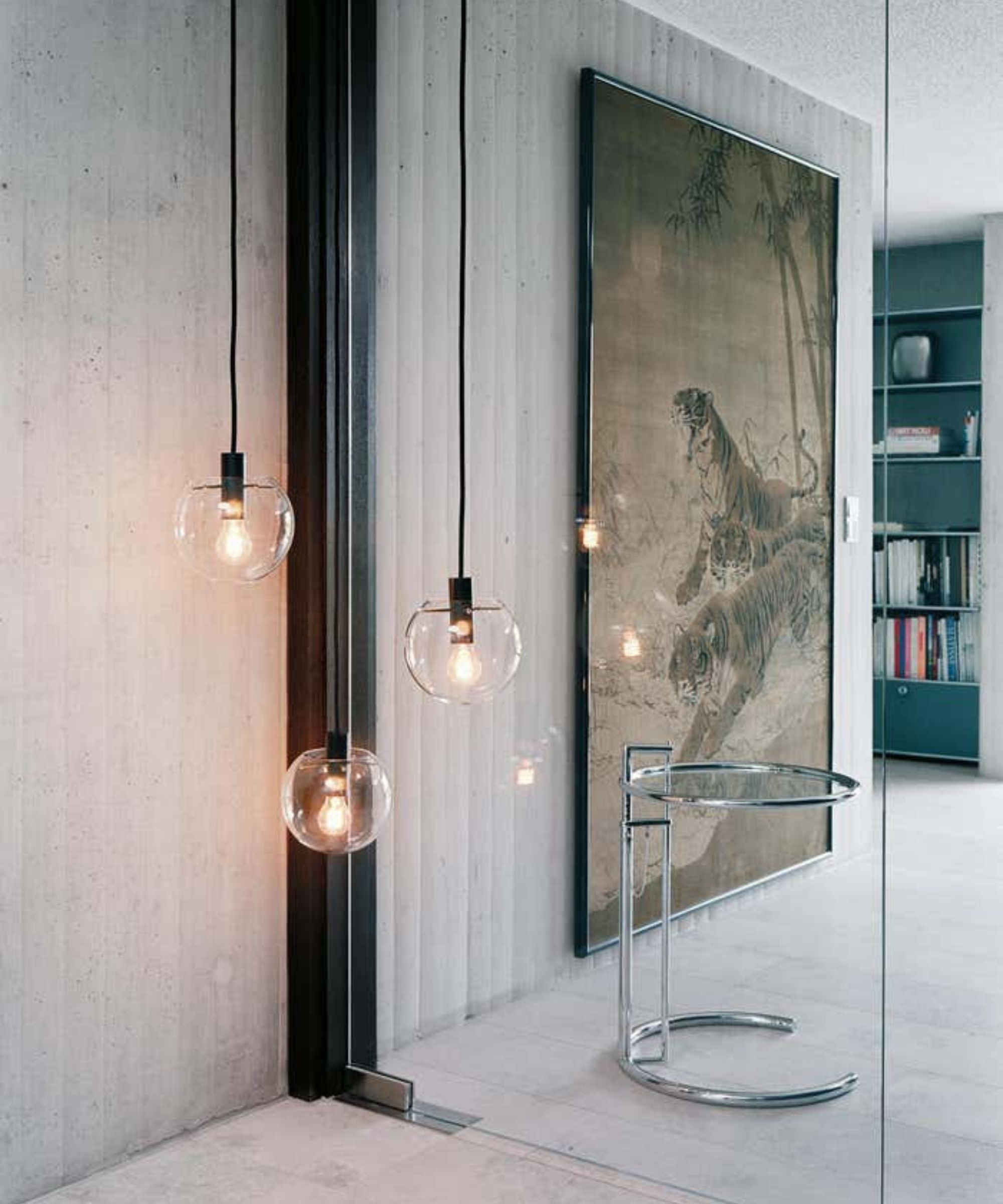
The selection of accent metals should consider their undertones. Warm-toned metals such as brass, copper, gold, and nickel can be combined, as can cool-toned metals like stainless steel and chrome. Matte black is a versatile, neutral option. While mixing warm and cool metals is possible, it requires careful consideration to avoid clashing. A bridging finish, such as brushed stainless steel, can harmonize contrasting metals like polished stainless steel and aged copper.
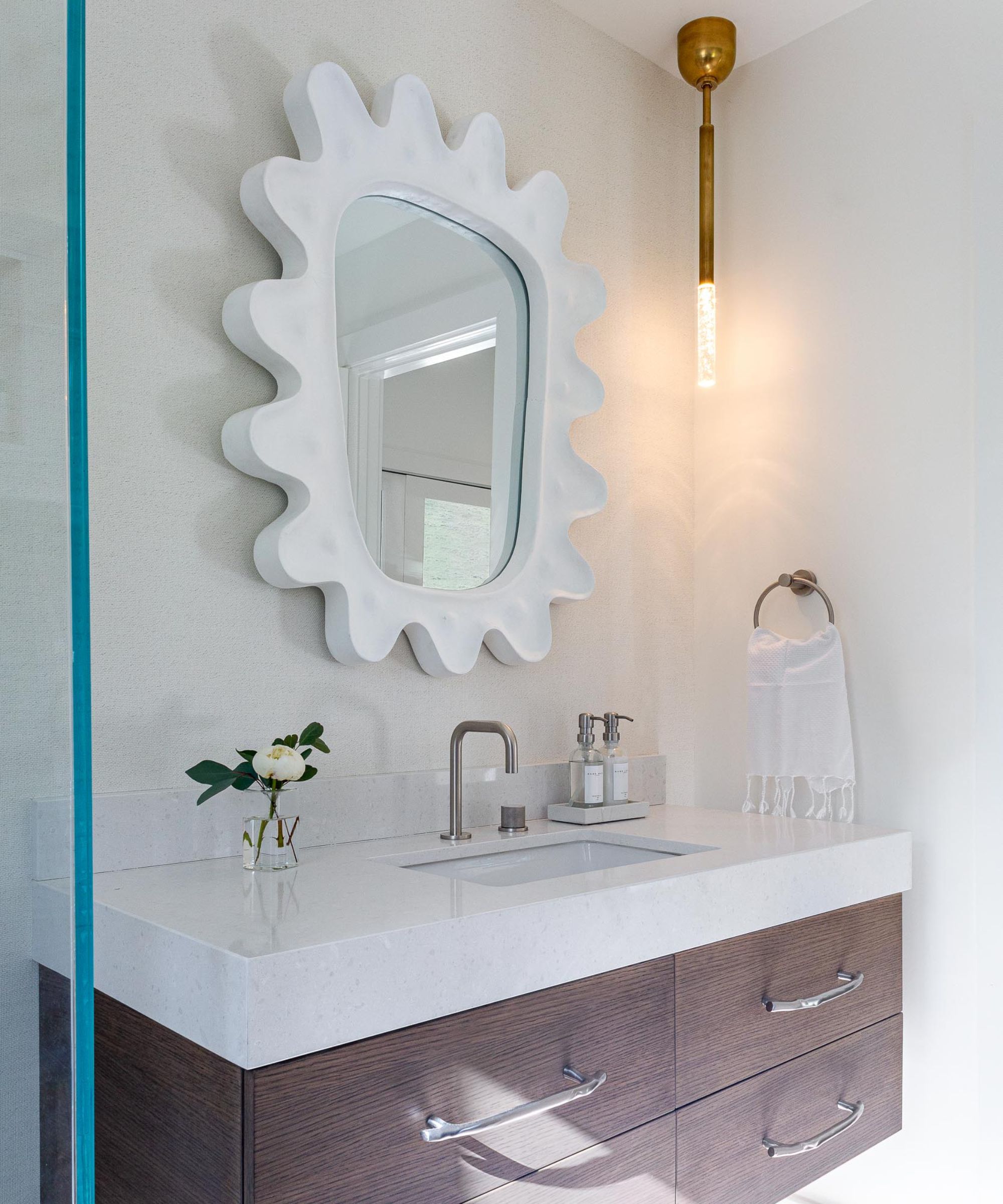
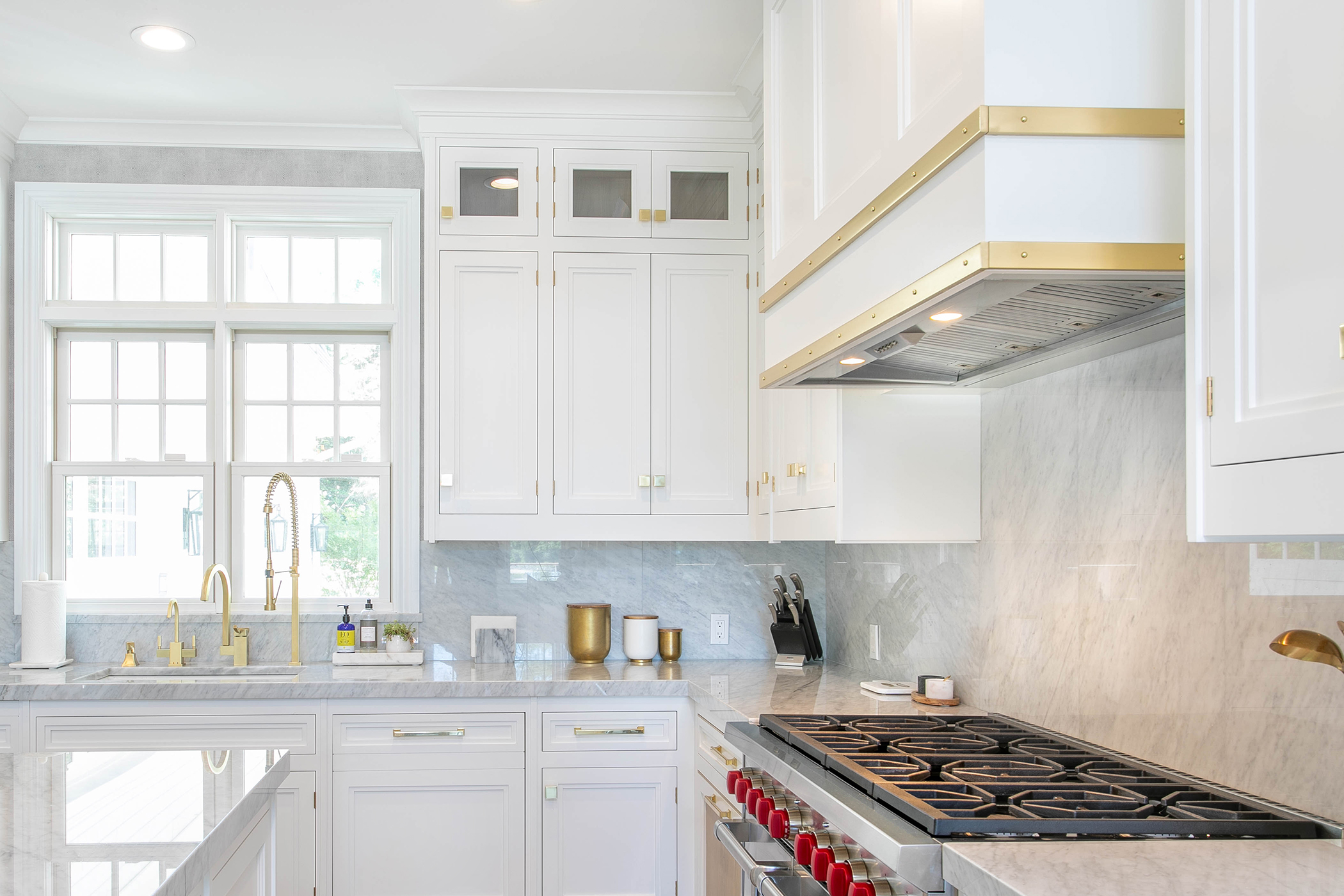
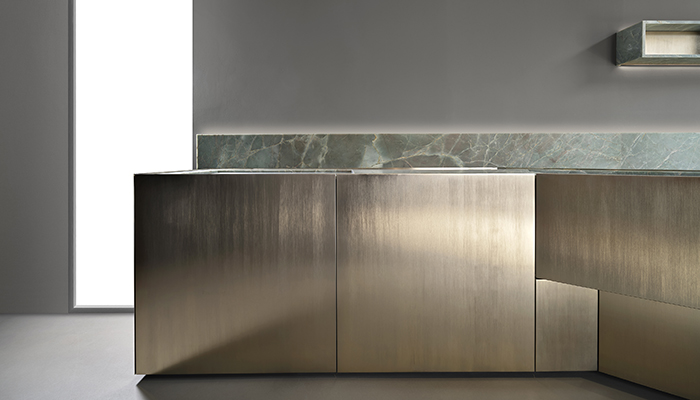
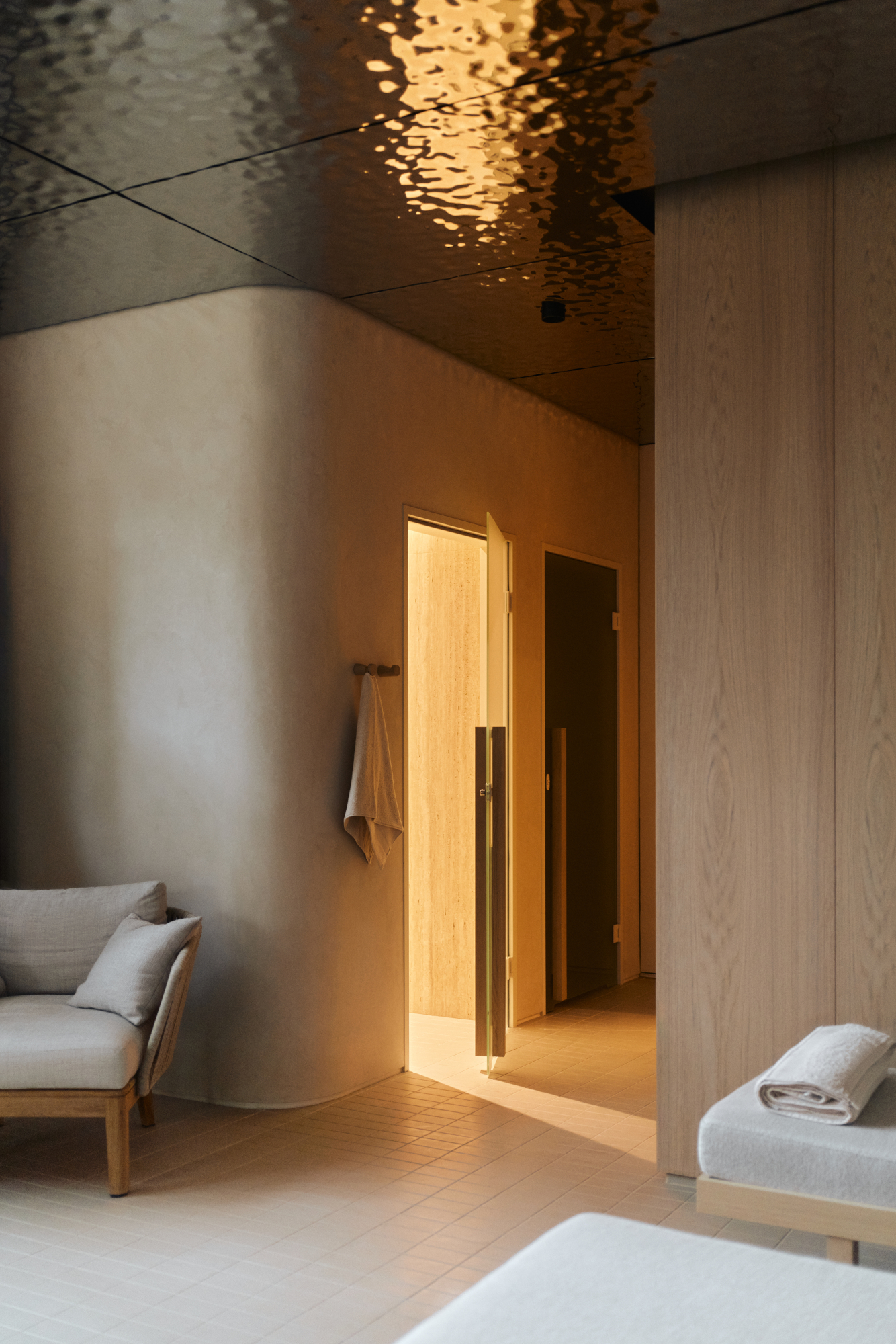
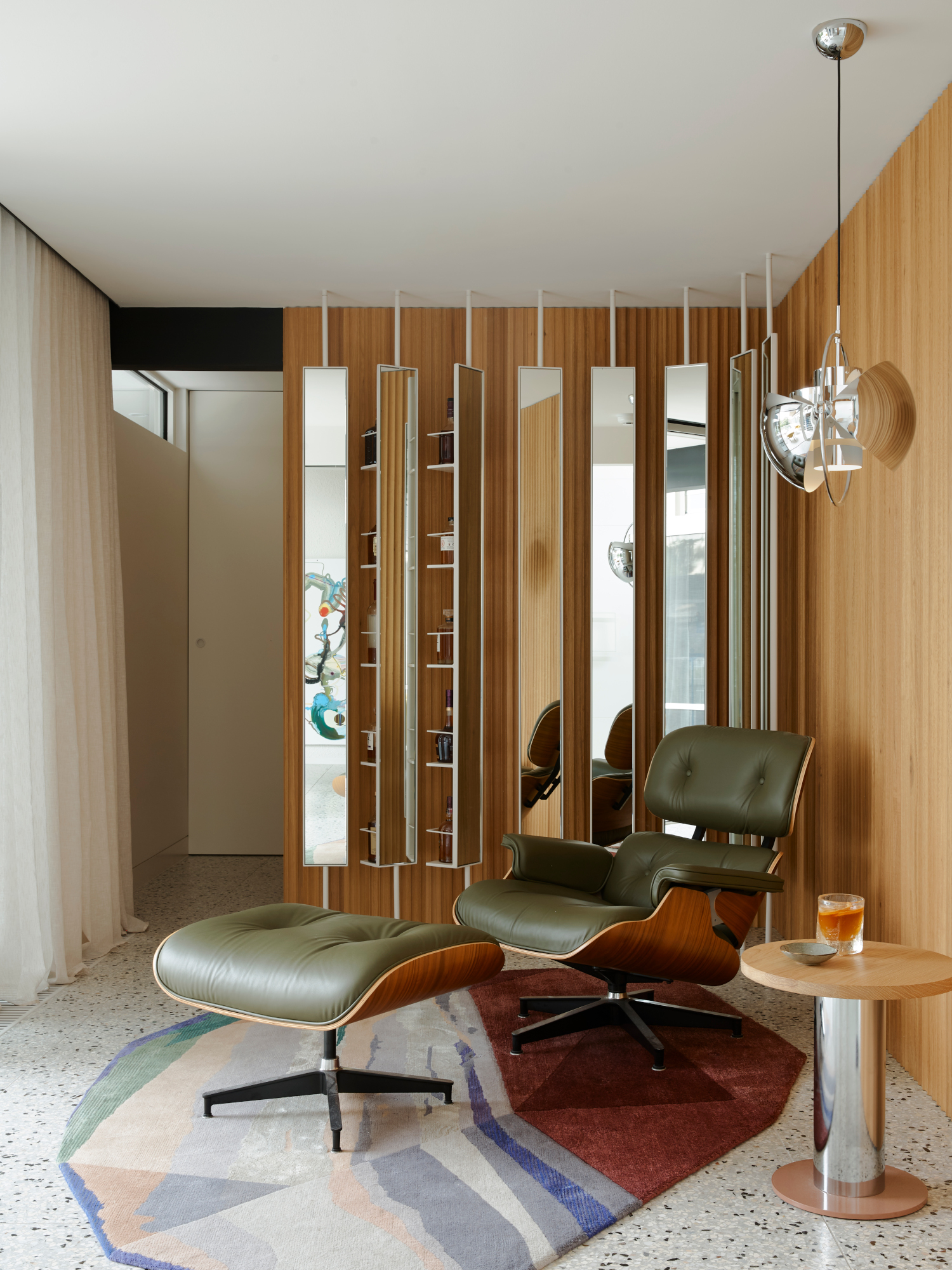
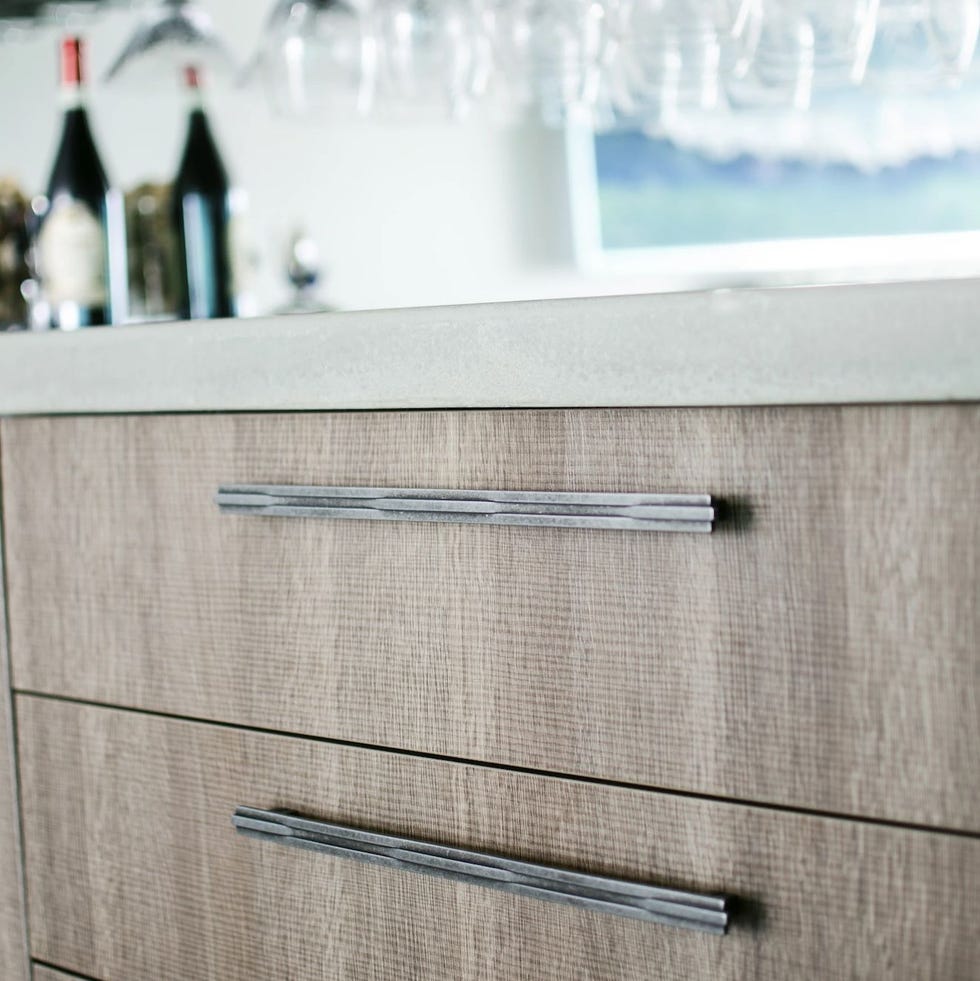
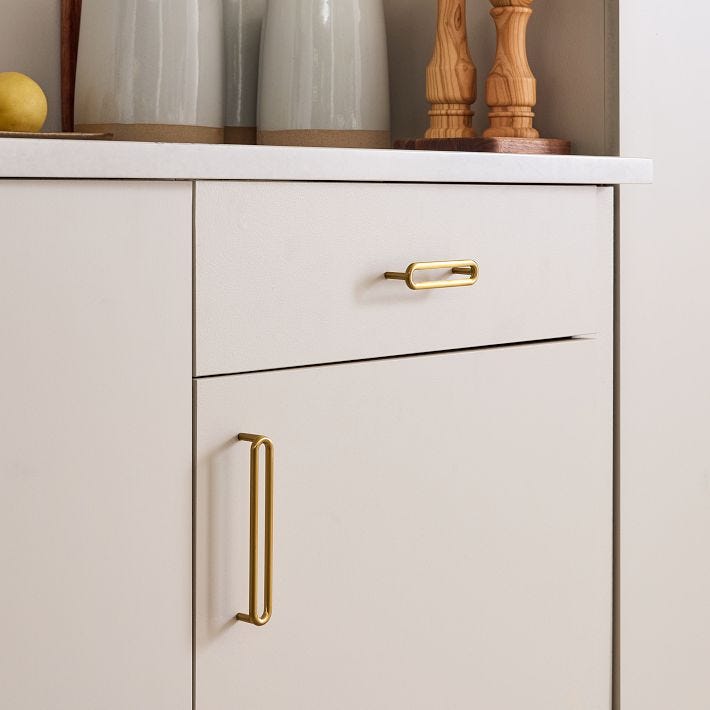
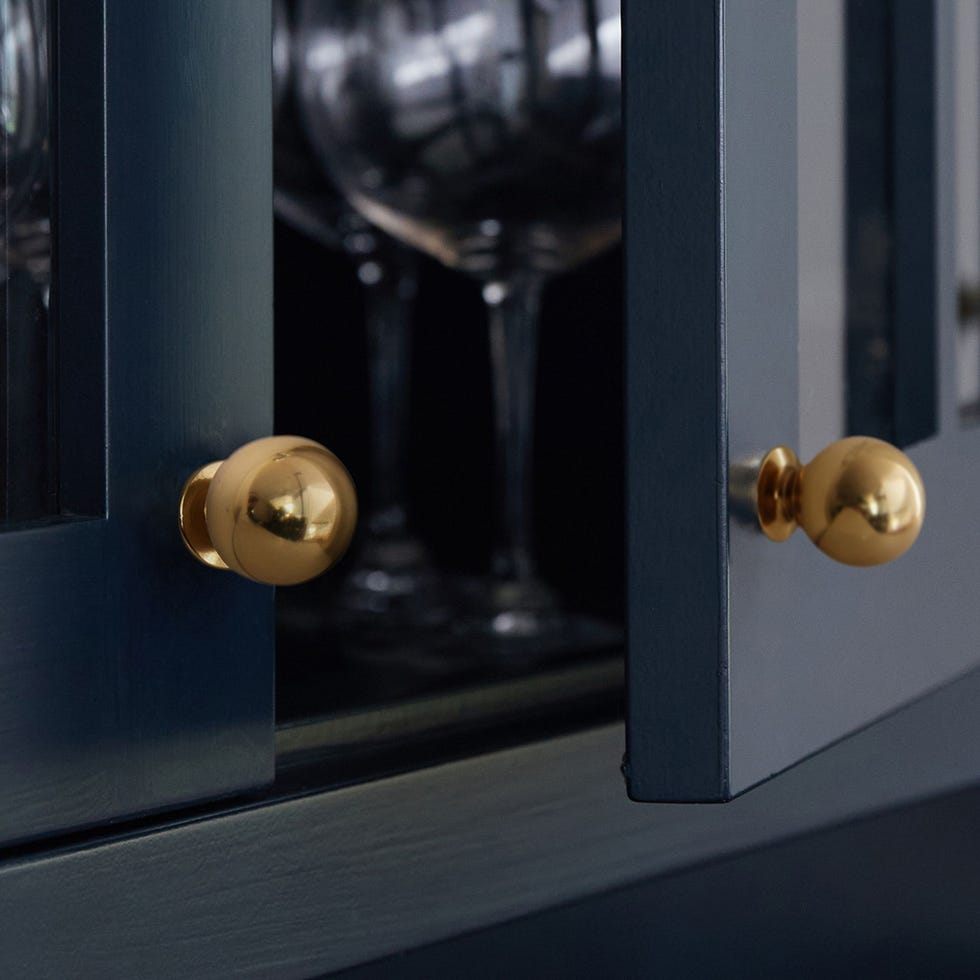
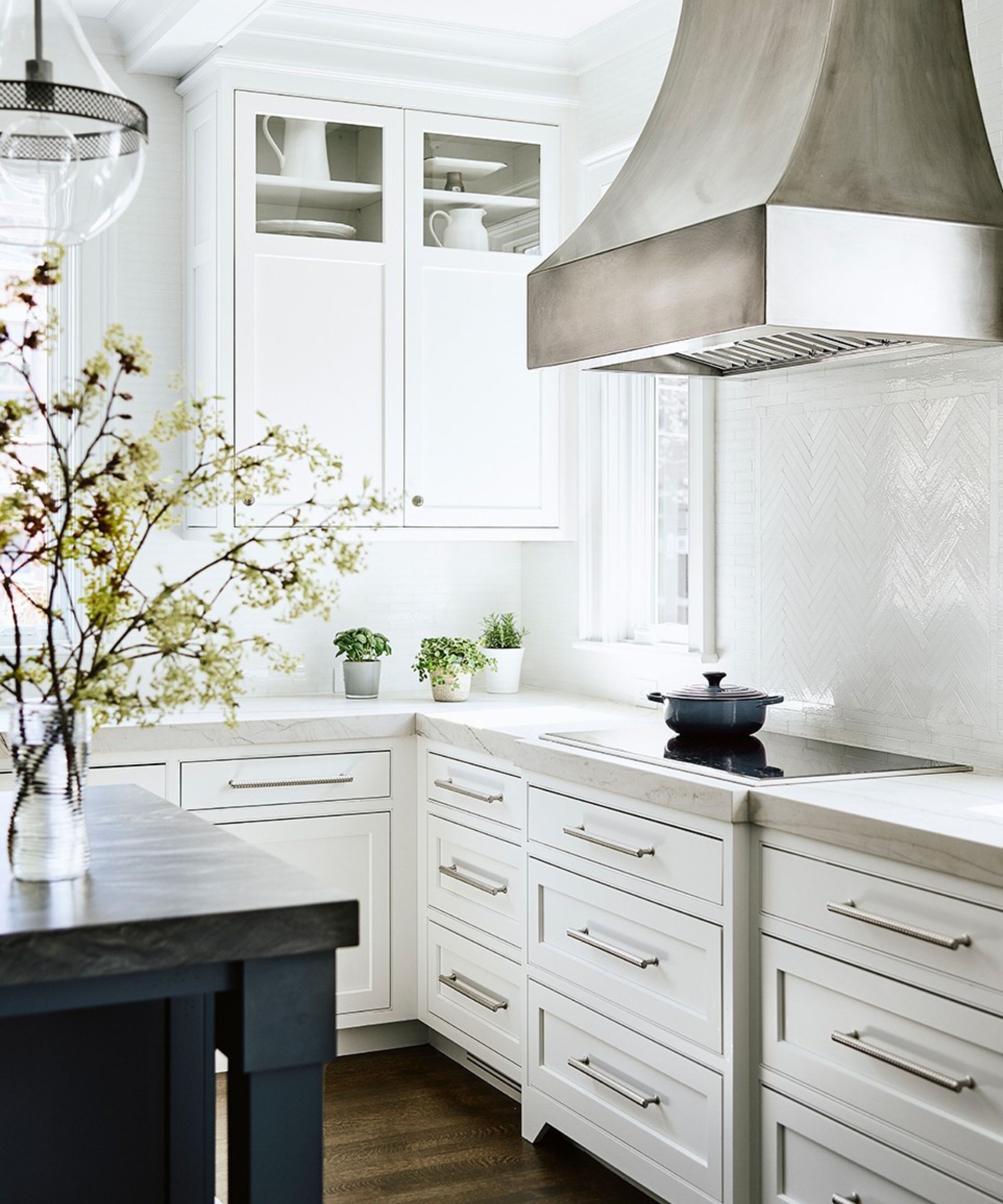
Beyond metal type, varying the finish—antiqued, matte, satin, brushed, or polished—adds visual interest. Contrasting soft finishes with shiny ones creates distinction and depth. For example, pairing polished nickel with satin brass can be more appealing than combining two polished finishes, which might result in an overtly glamorous look not always desired. The article advises that softer, more muted finishes are generally easier to blend than highly polished ones. It also notes that polished brass can appear dated if not used carefully, suggesting aged, brushed, or satin brass as more versatile alternatives. Nickel is often preferred over chrome for silver-tone finishes due to its warmer undertone, which harmonizes better with brass.
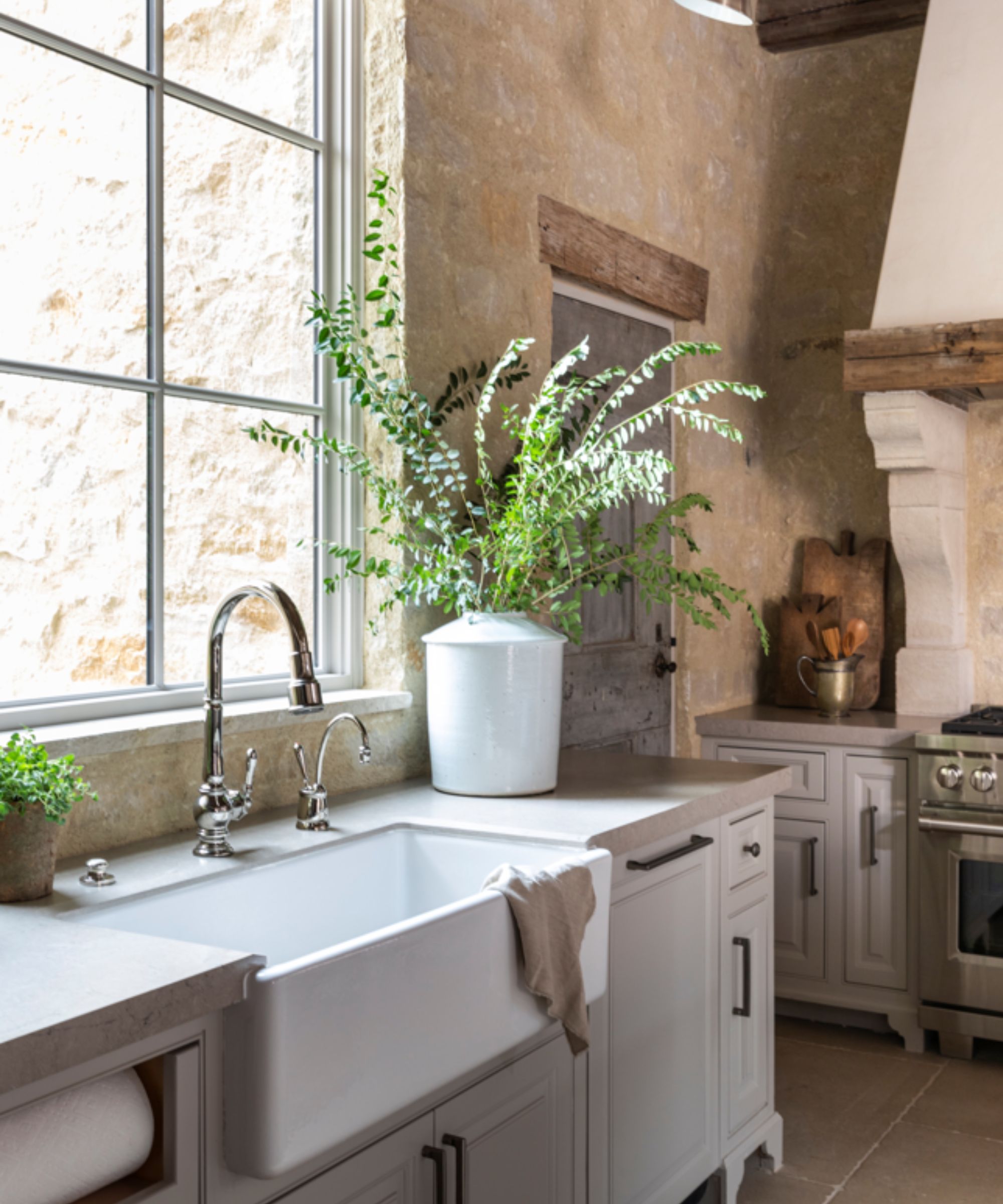
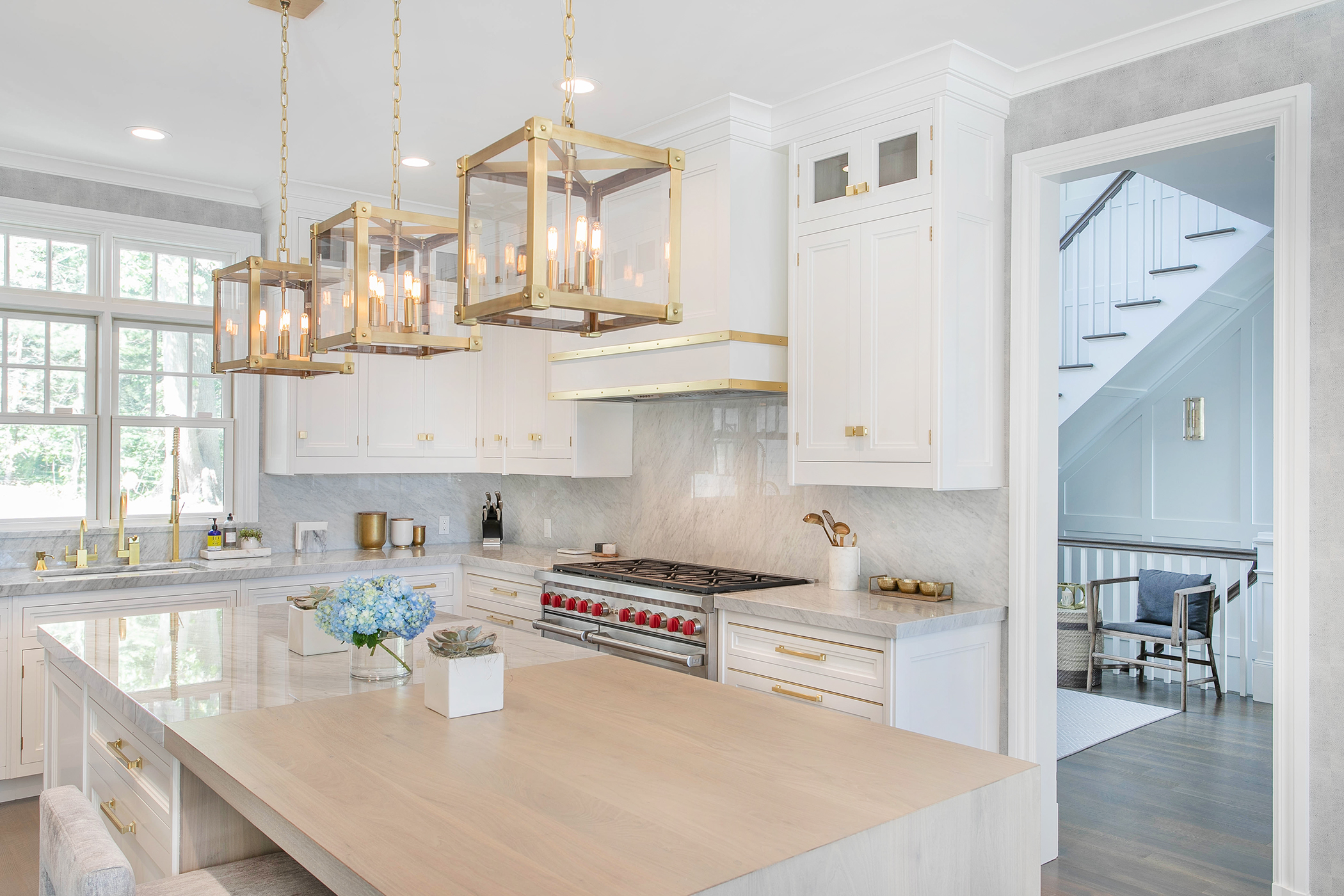
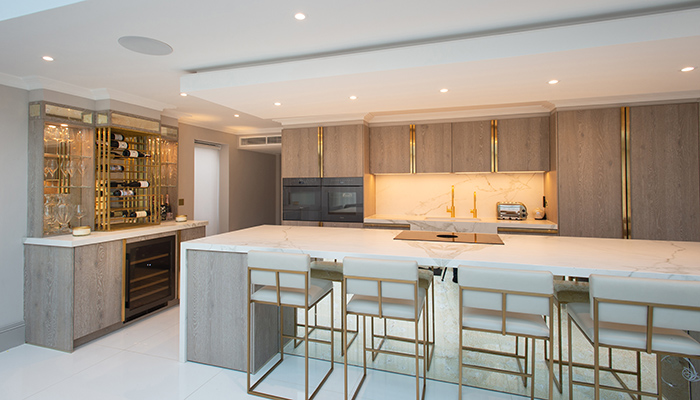
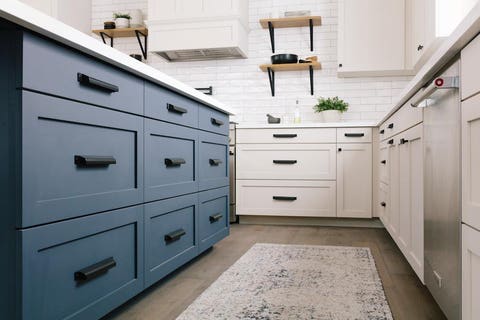

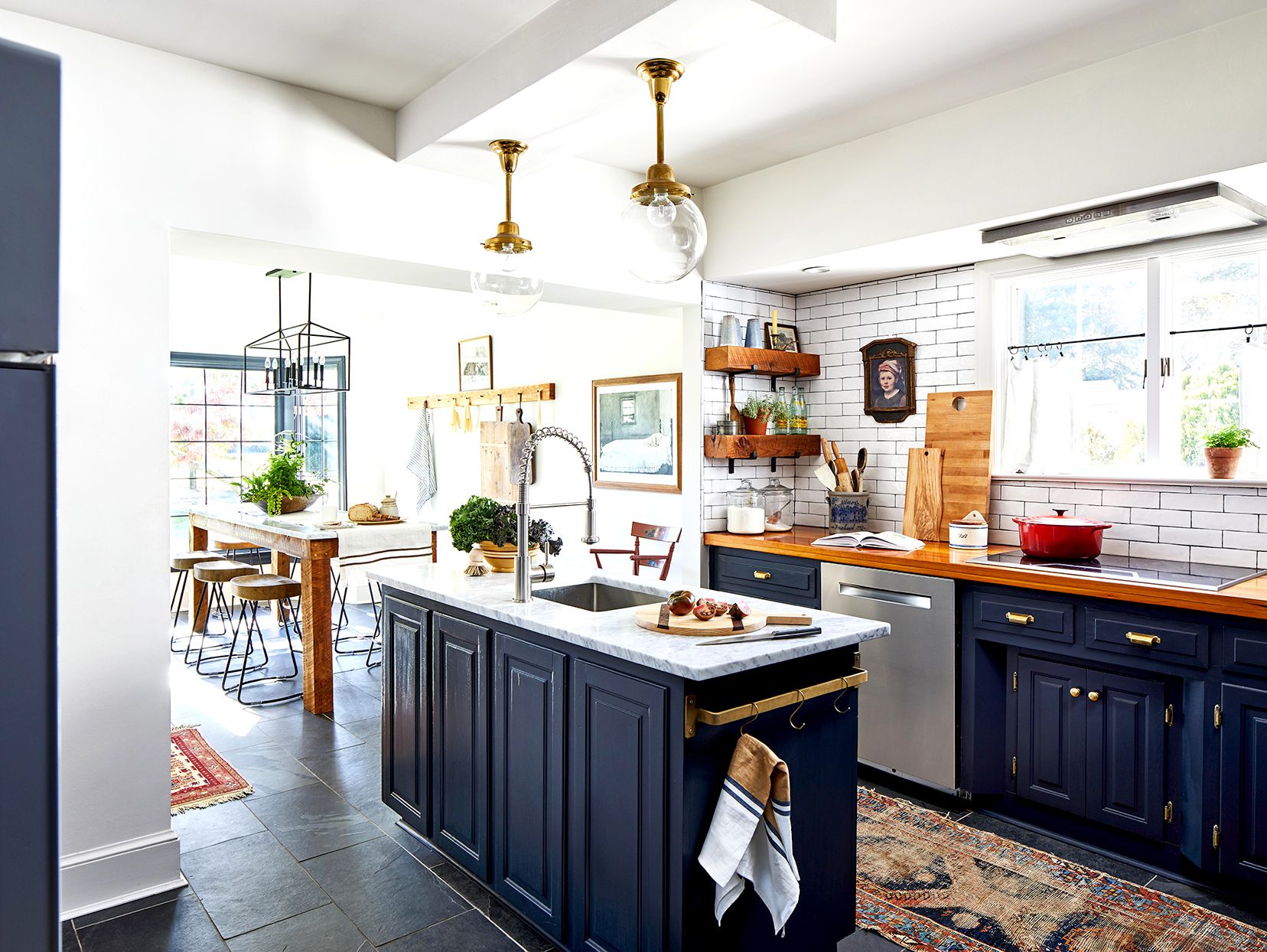
Once the metal hierarchy is established, consistent distribution throughout the room is crucial. In a kitchen, this might involve using the primary finish for cabinet hardware and an accent metal for the faucet. Incorporating mixed-metal light fixtures or furniture can further unify the design. Ultimately, personal preference plays a significant role; the article encourages homeowners to select metals that align with their taste and complement existing decor, emphasizing that a successful mix is one that is personally appealing.
#MixingMetals #HomeDecor #InteriorDesign #DecoratingTips #MetalFinishes #DesignHierarchy #AccentMetals #BrassDecor #NickelFinishes #MixingMetals #HomeDecor #InteriorDesign #DecoratingTips #MetalFinishes #DesignHierarchy #AccentMetals #BrassDecor #NickelFinishes
0 comment in total
 No comments yet
You may also like
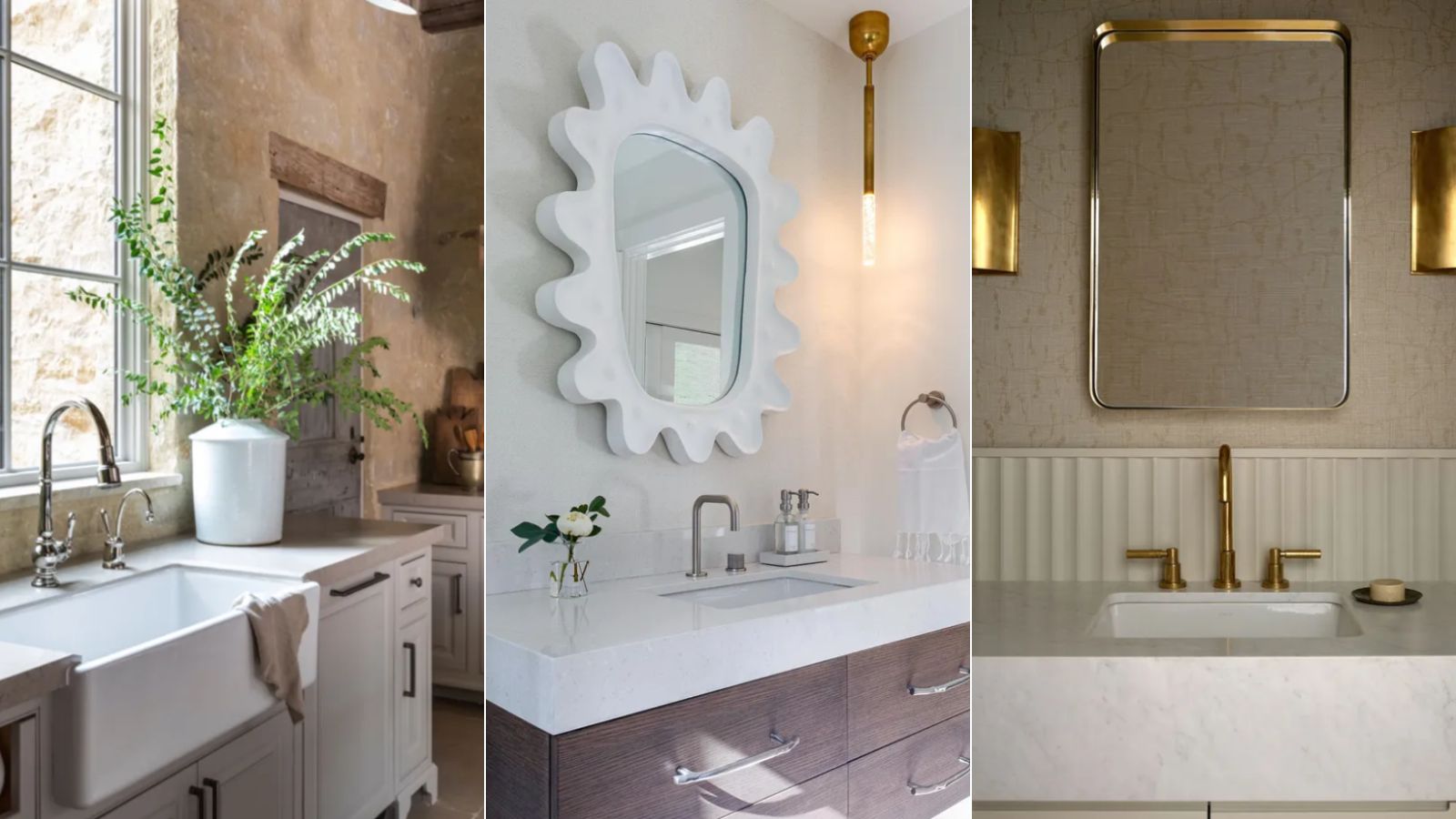
3 simple rules to follow when mixing metals in your interiors, according to a designer

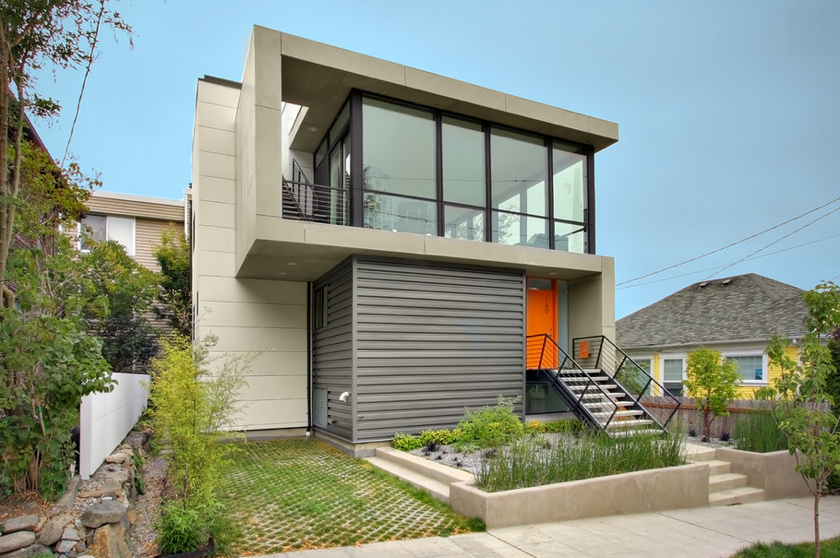
12 Metal-Clad Contemporary Homes

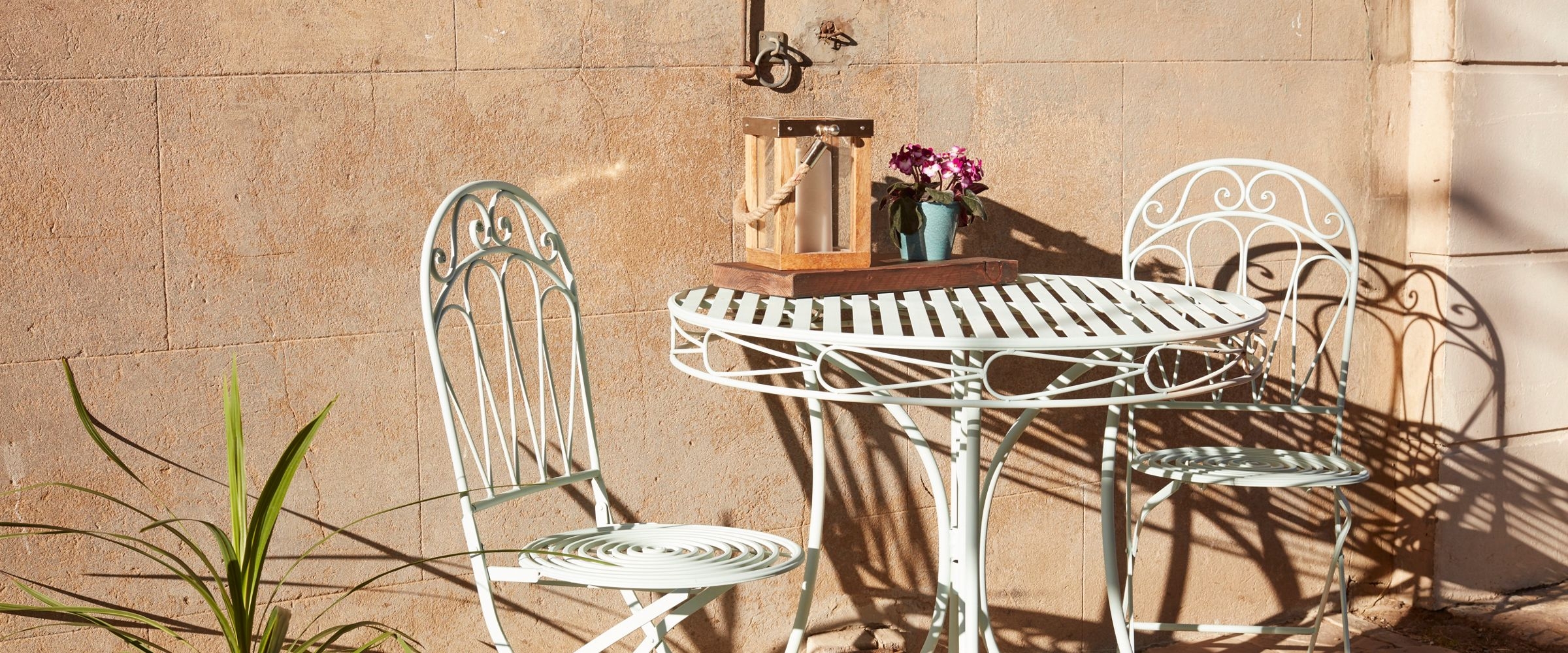
Metal furniture makeover

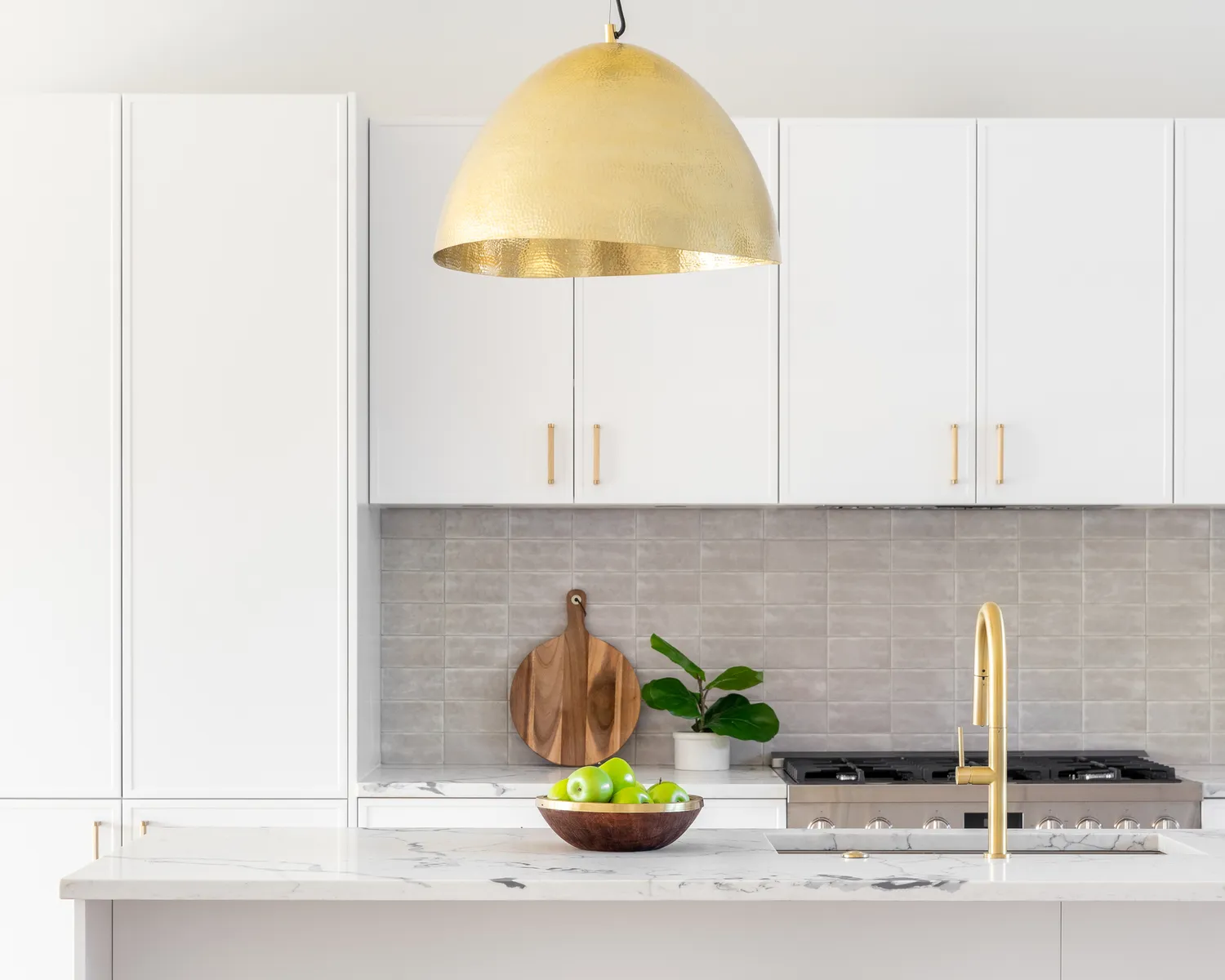
Still Doing This in Your Kitchen? A Designer Says It’s the Fastest Way to Date Your Home

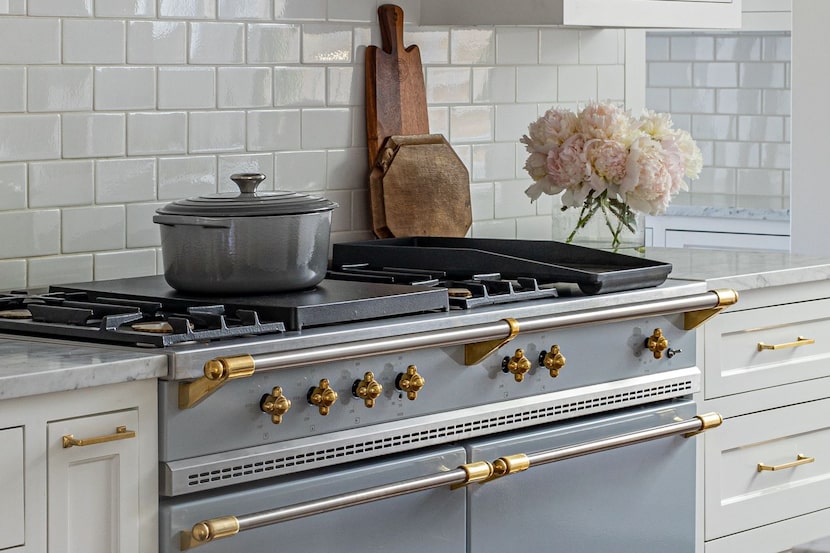
Experts say to follow these 7 rules when mixing metals in your home

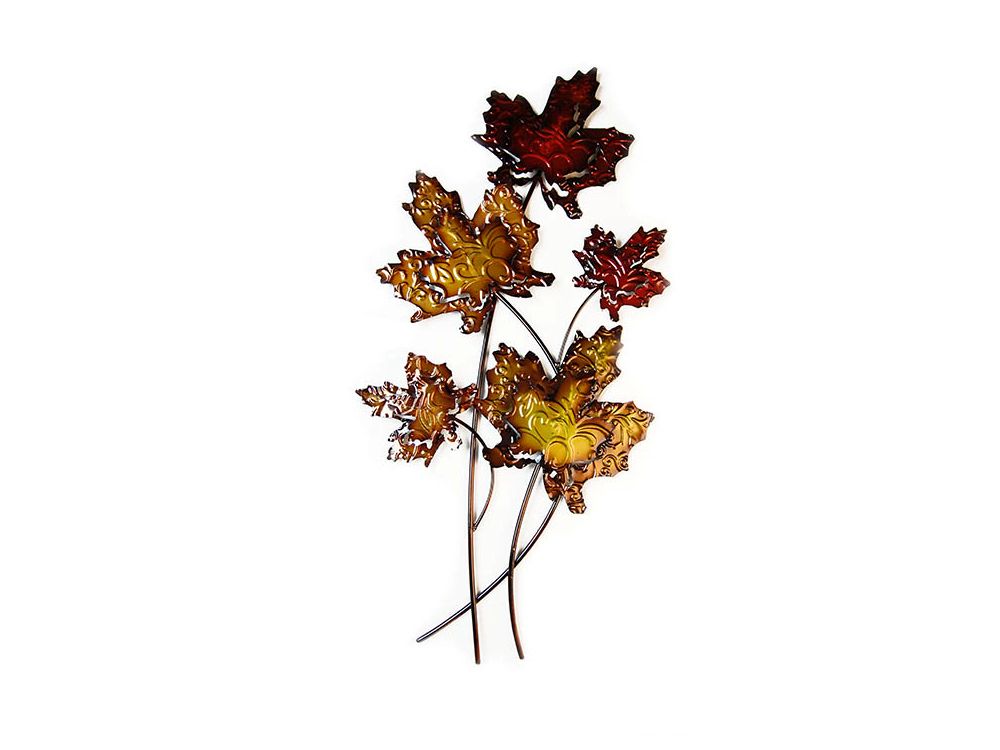
Metal Wall Art - Our Pick of the Best

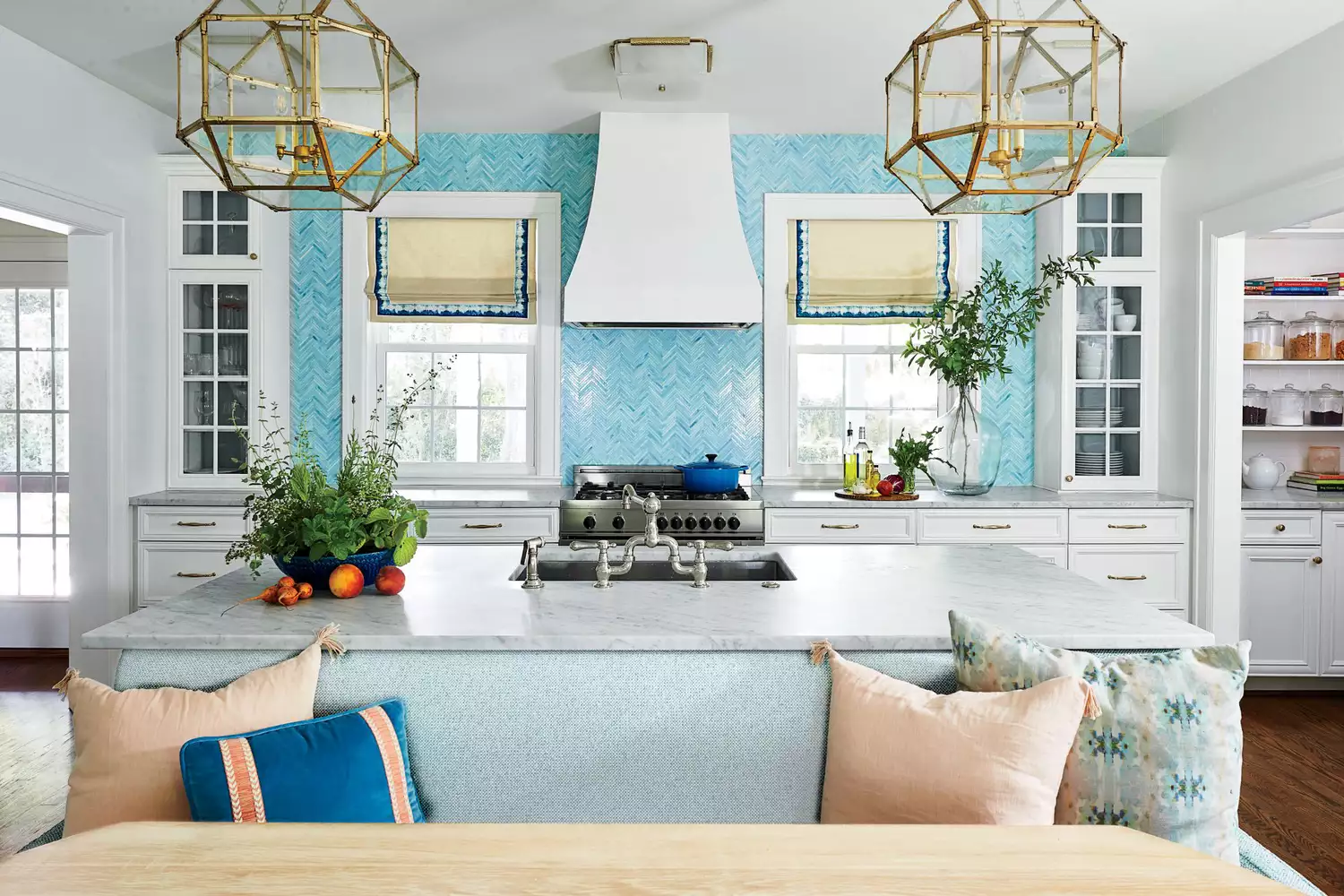
The One Mistake To Avoid When Mixing Metals In Your Home
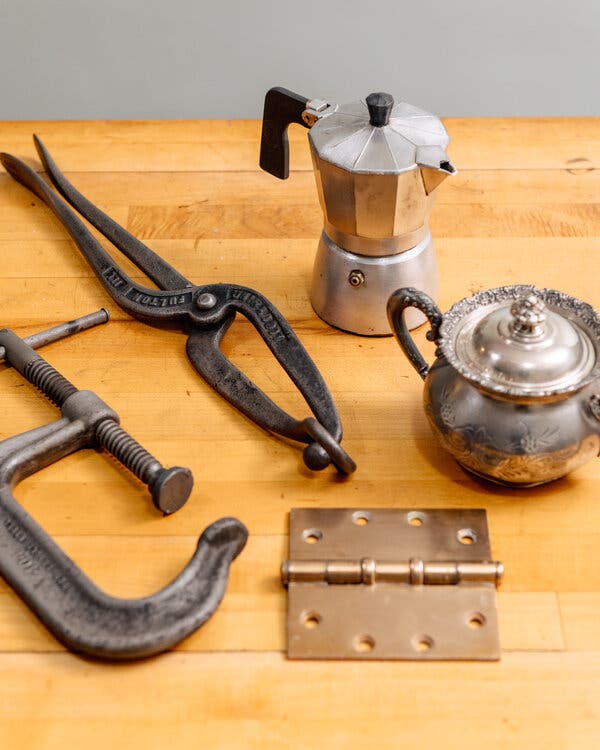
Time to Shine: Let’s Restore All Your Rusty Metal

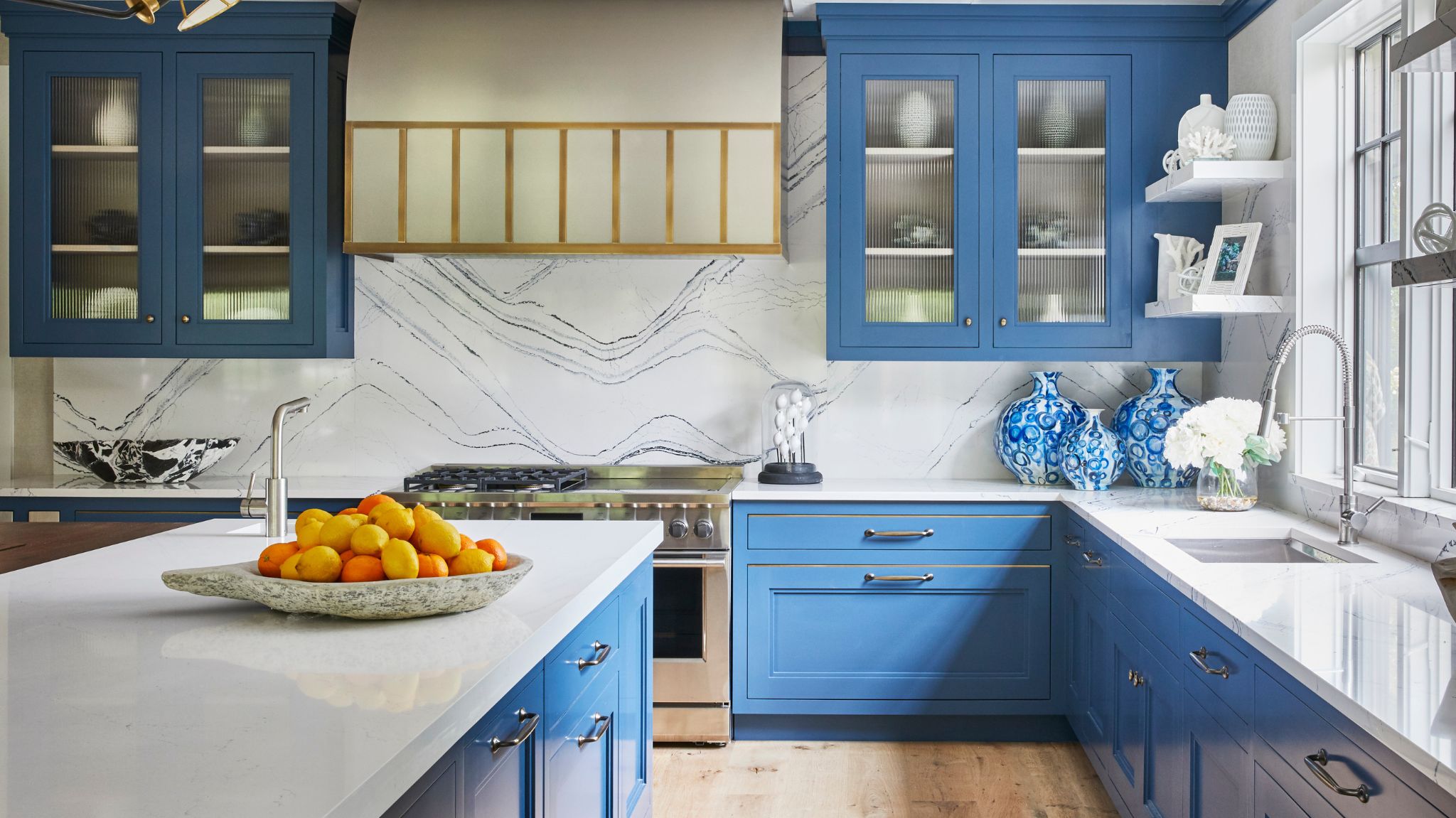
Once considered a design crime, mixed metals are now the look of the moment

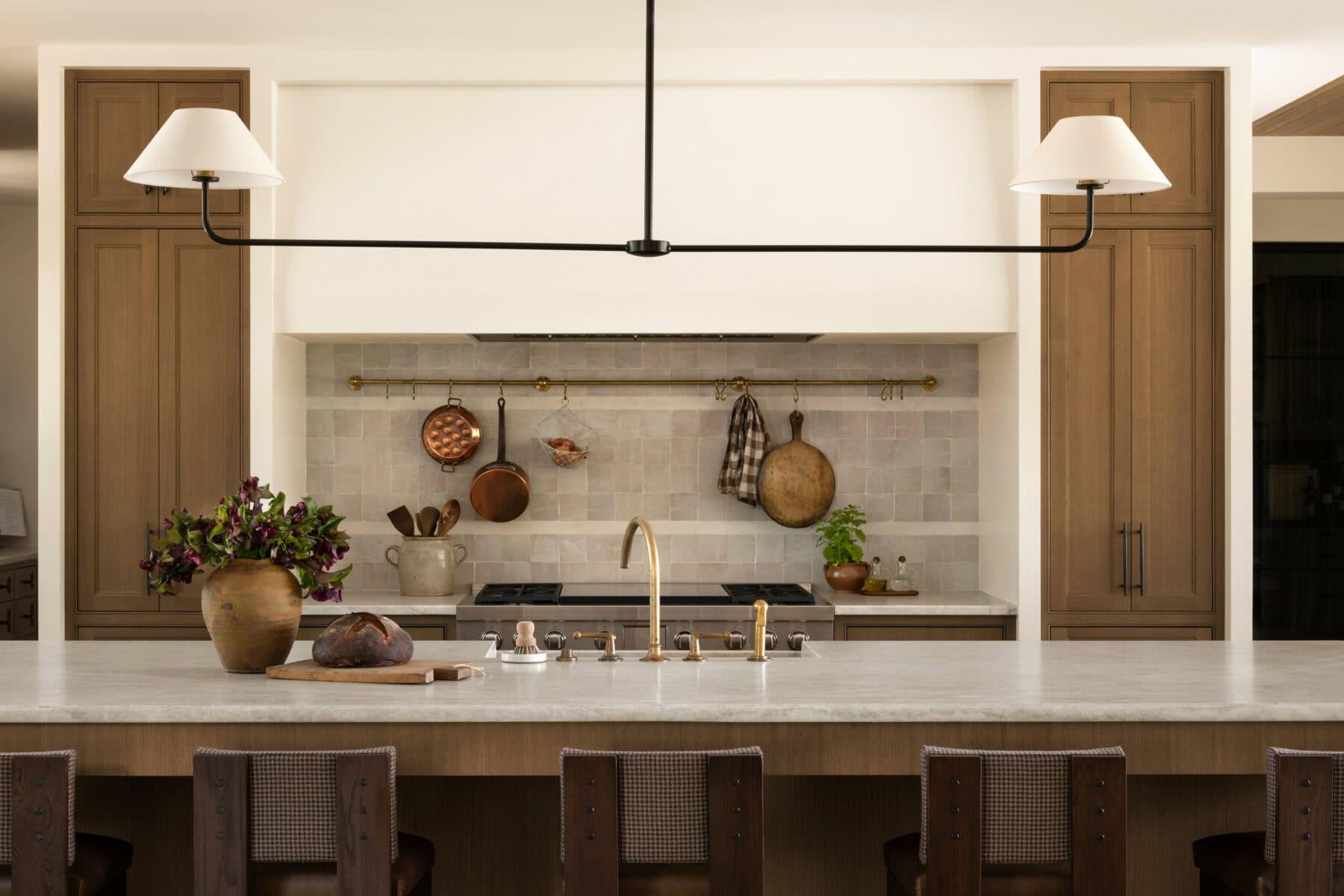
How To Mix Metal Finishes
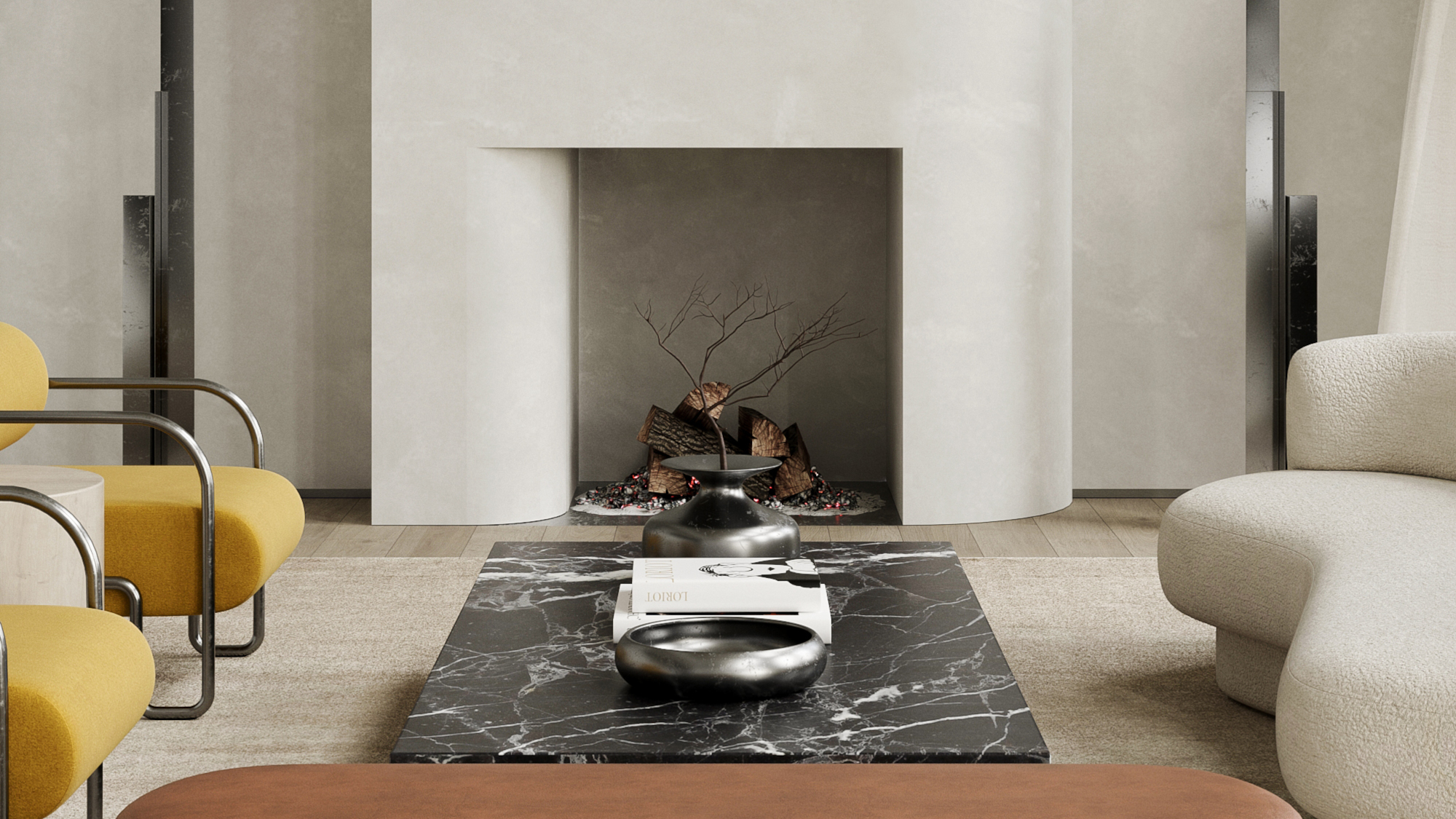
Gold who? Cool metals are a trend for 2024 – this is how designers are using them
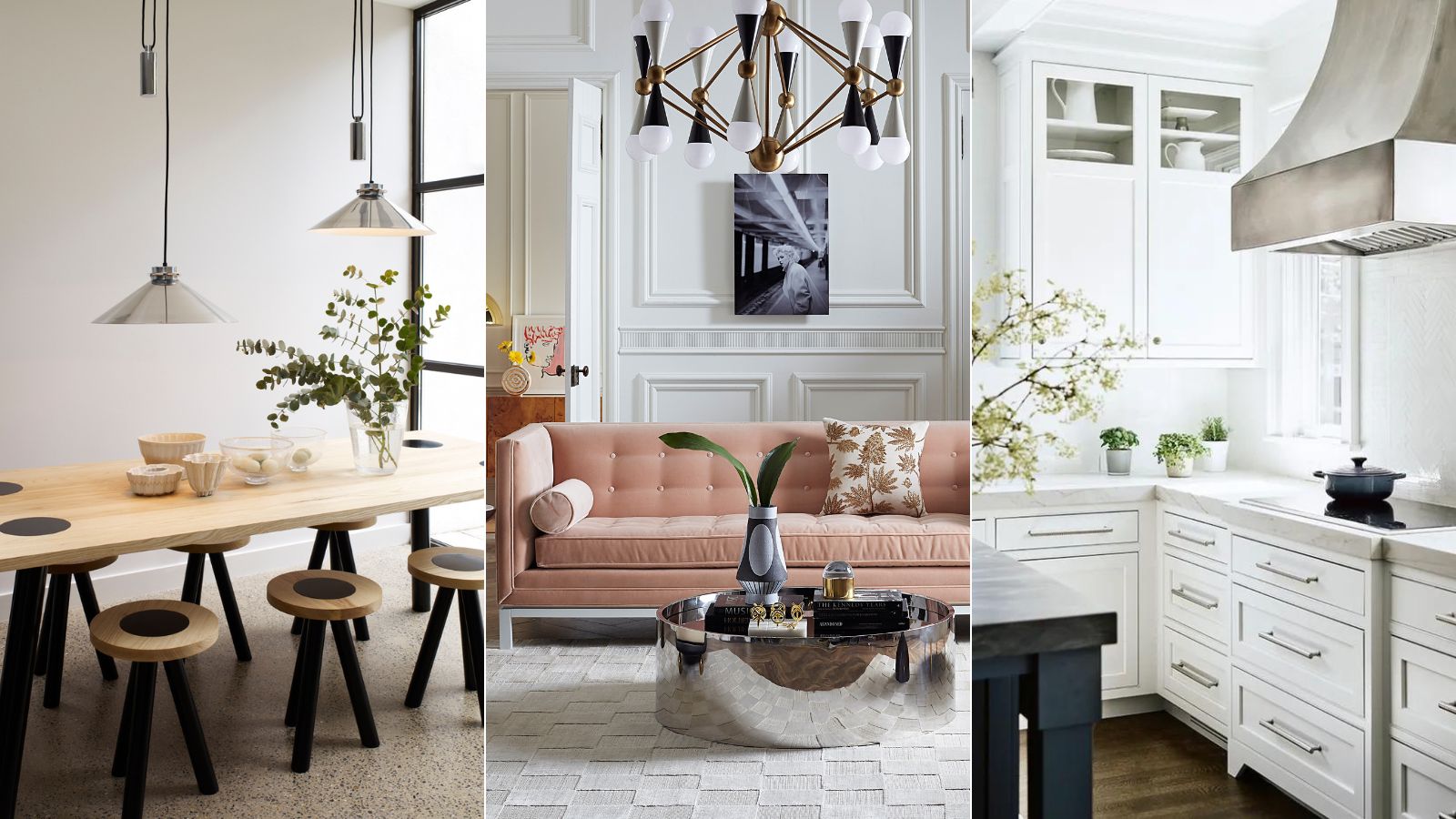
Bye bye brass, is 2024 the year of the cool metals? Interior designers tell us why chrome is back
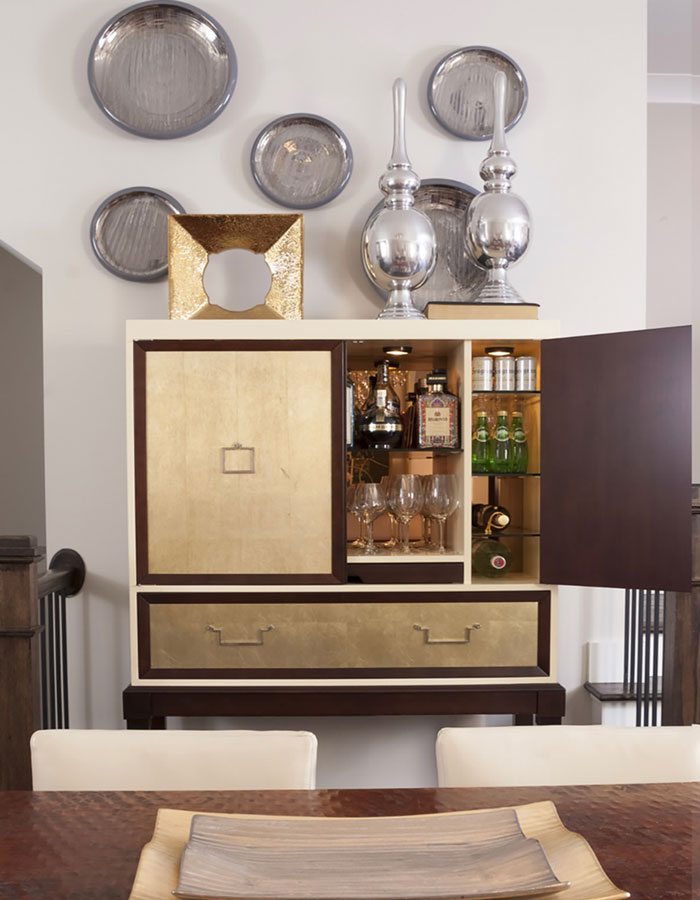
A Guide to Mixing Metals in Your Home Decor
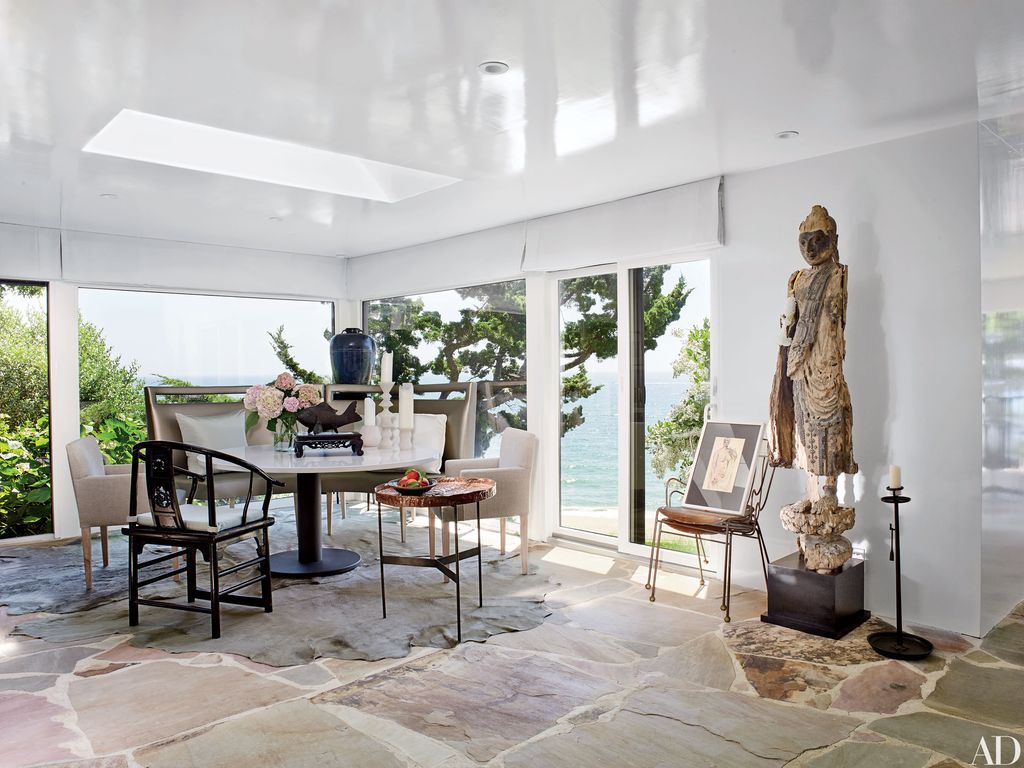
How to Style a Space with Copper Home Decor

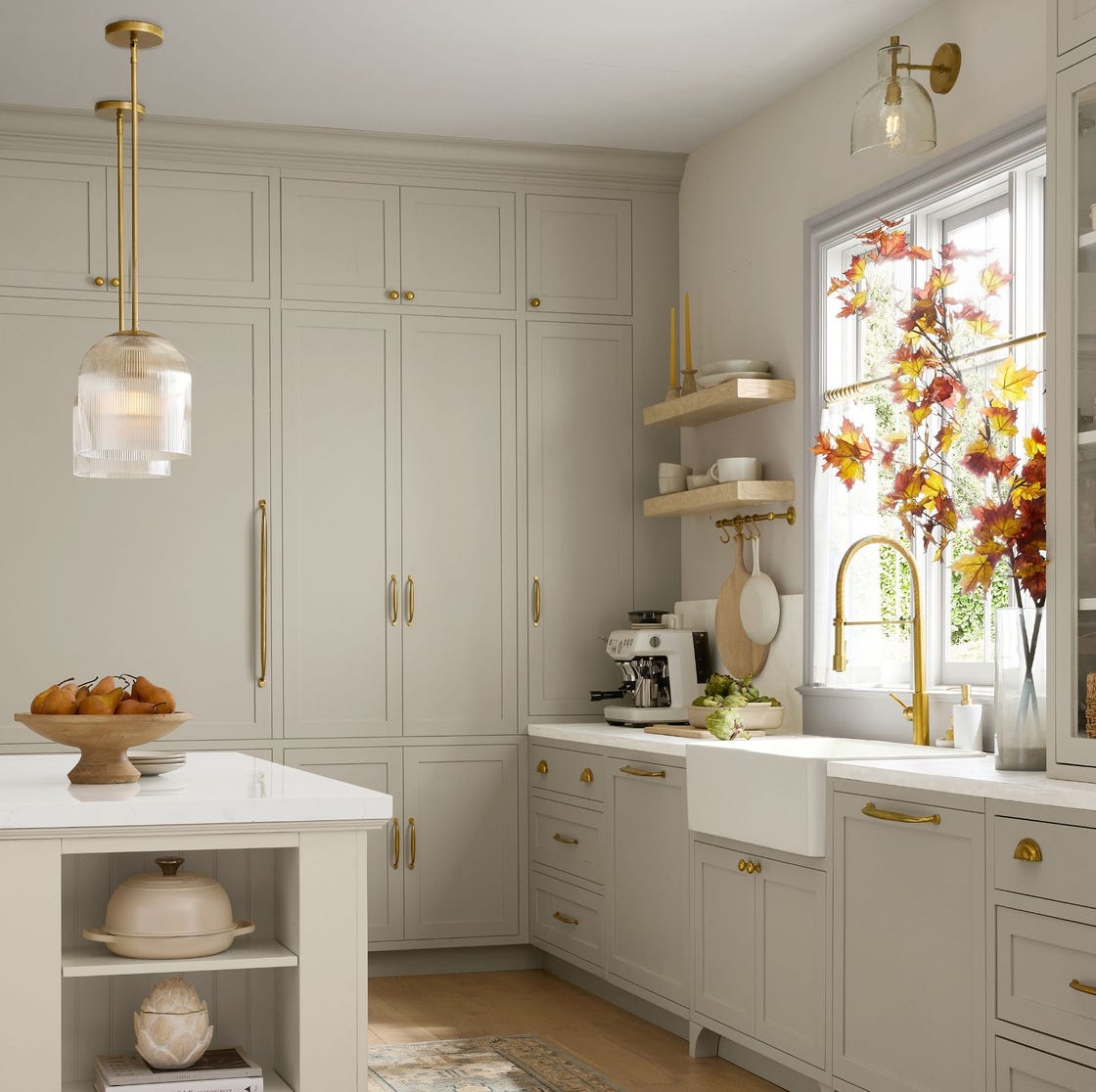
A Renowned Designer Reveals How to Buy Gorgeous Kitchen Hardware

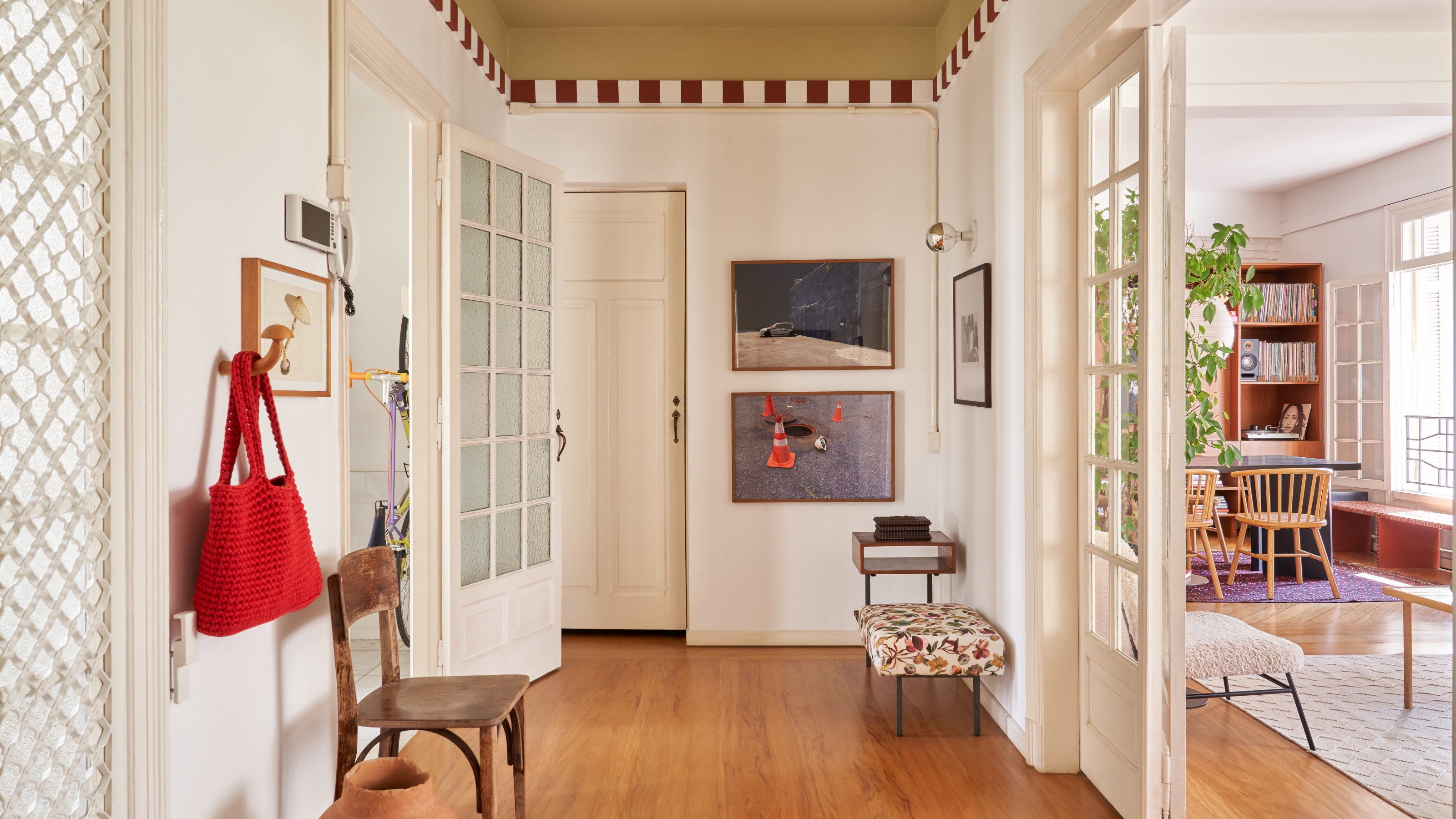
Here's How to Coordinate Paint Colors Throughout Your Home, so That It Looks Cohesive, Curated, but Still Creative
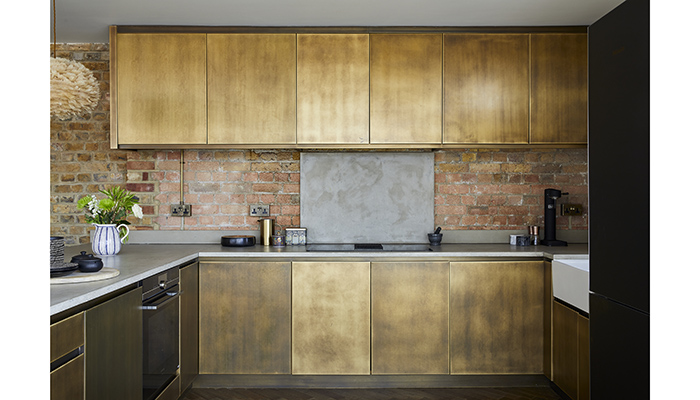
10 incredible kitchen designs that embrace metallic elements
We Tested the Best Spray Paints for Metal and This Was The Winner

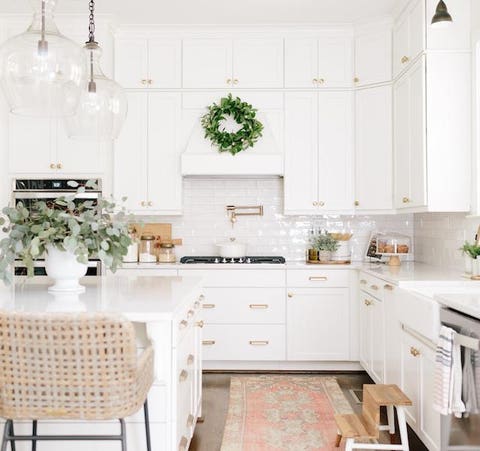
How Changing One Thing Can Change Everything In Kitchens And Bathrooms

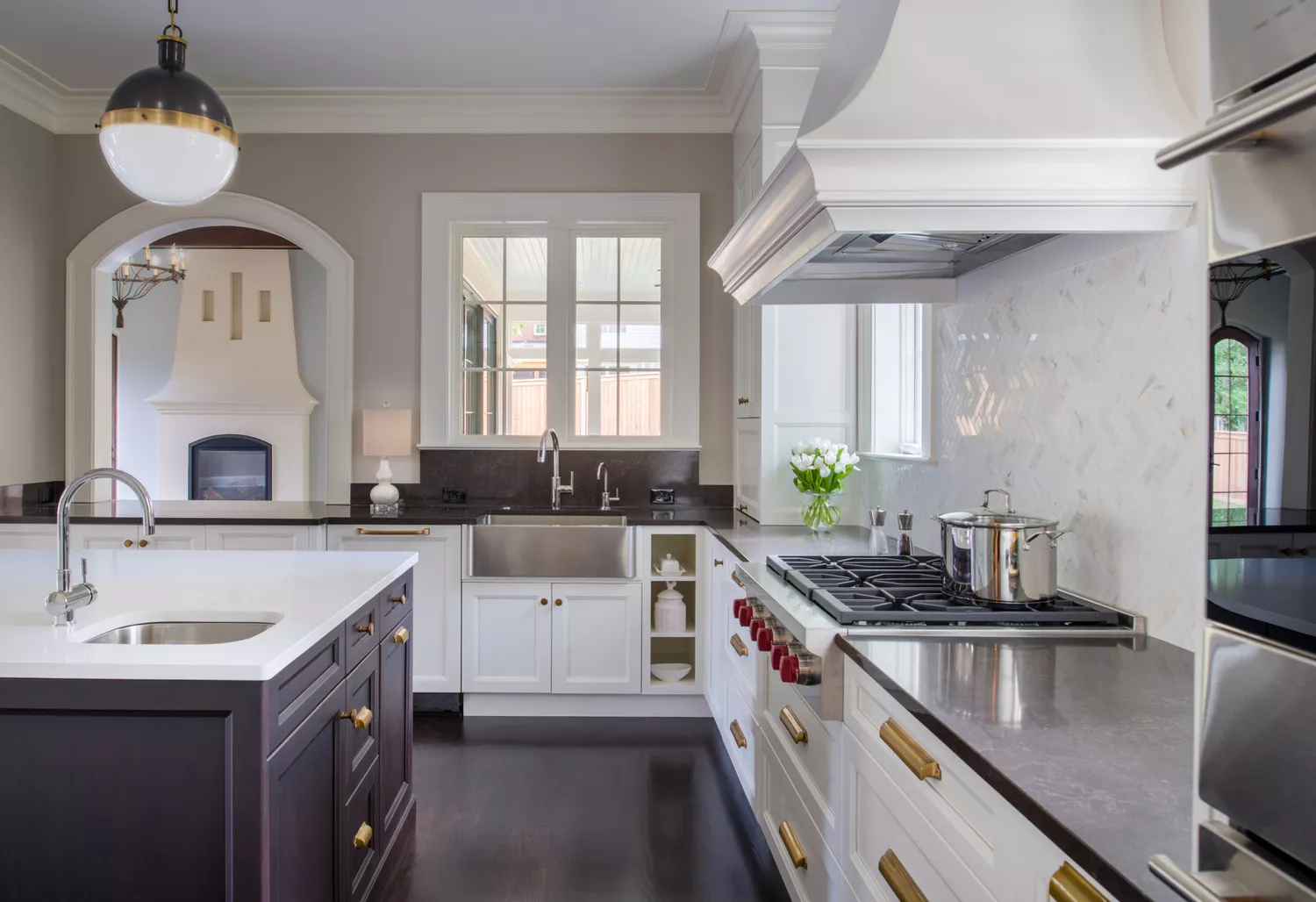
It’s Official: Mixed Metals Are the "It" Trend of 2025 Kitchens, Designers Say