If You Hate Your Floors, Why Don't You Paint Them?
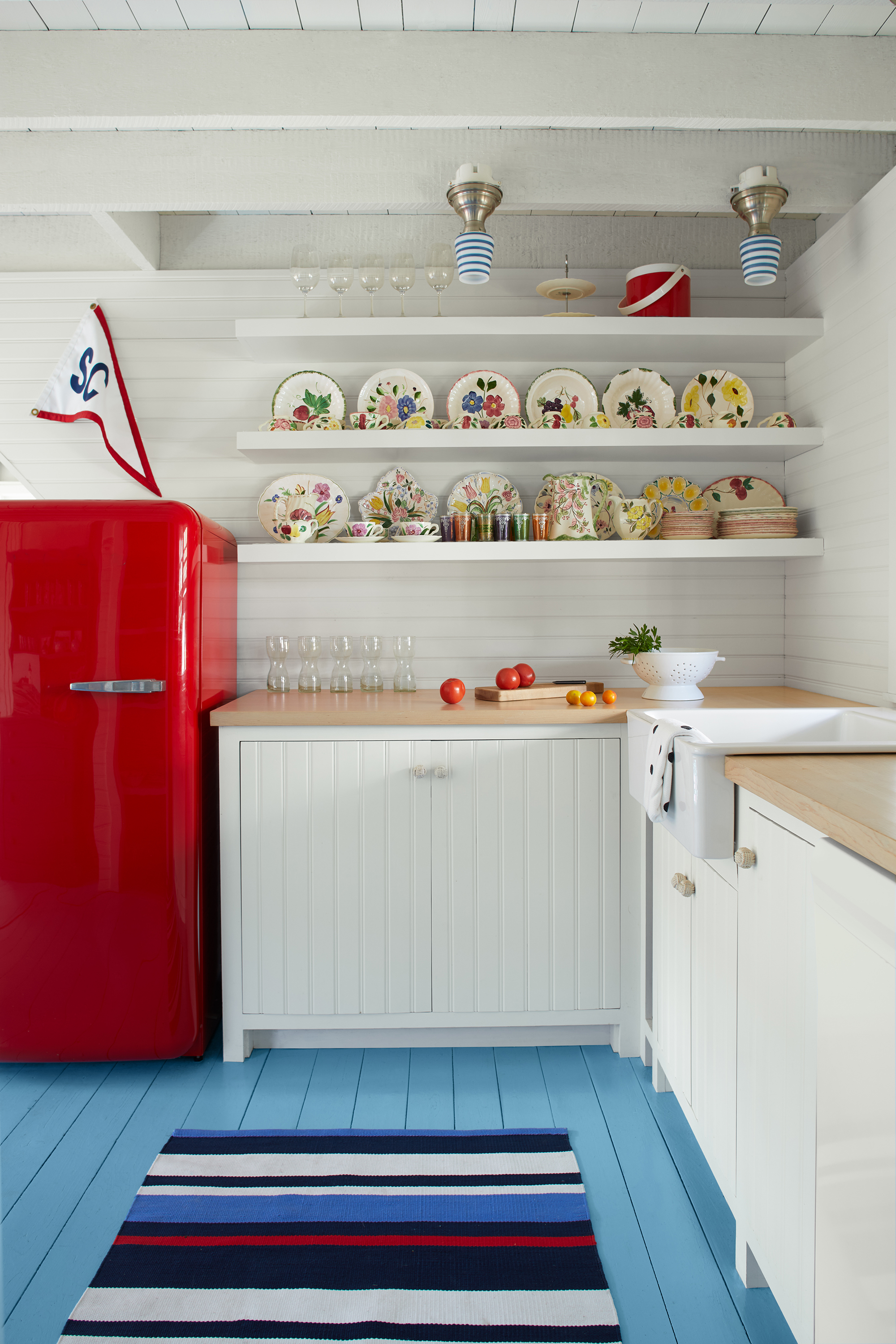
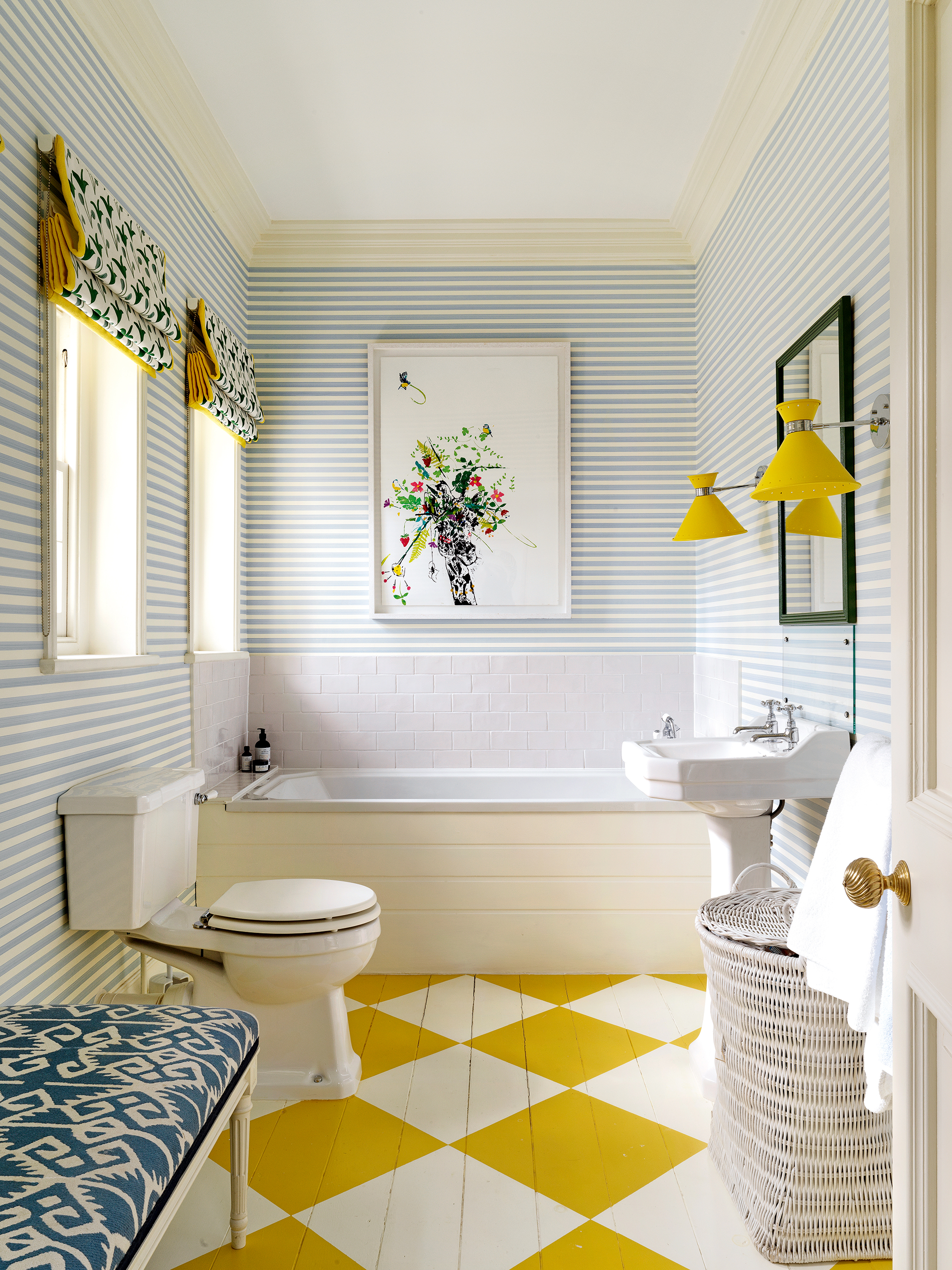
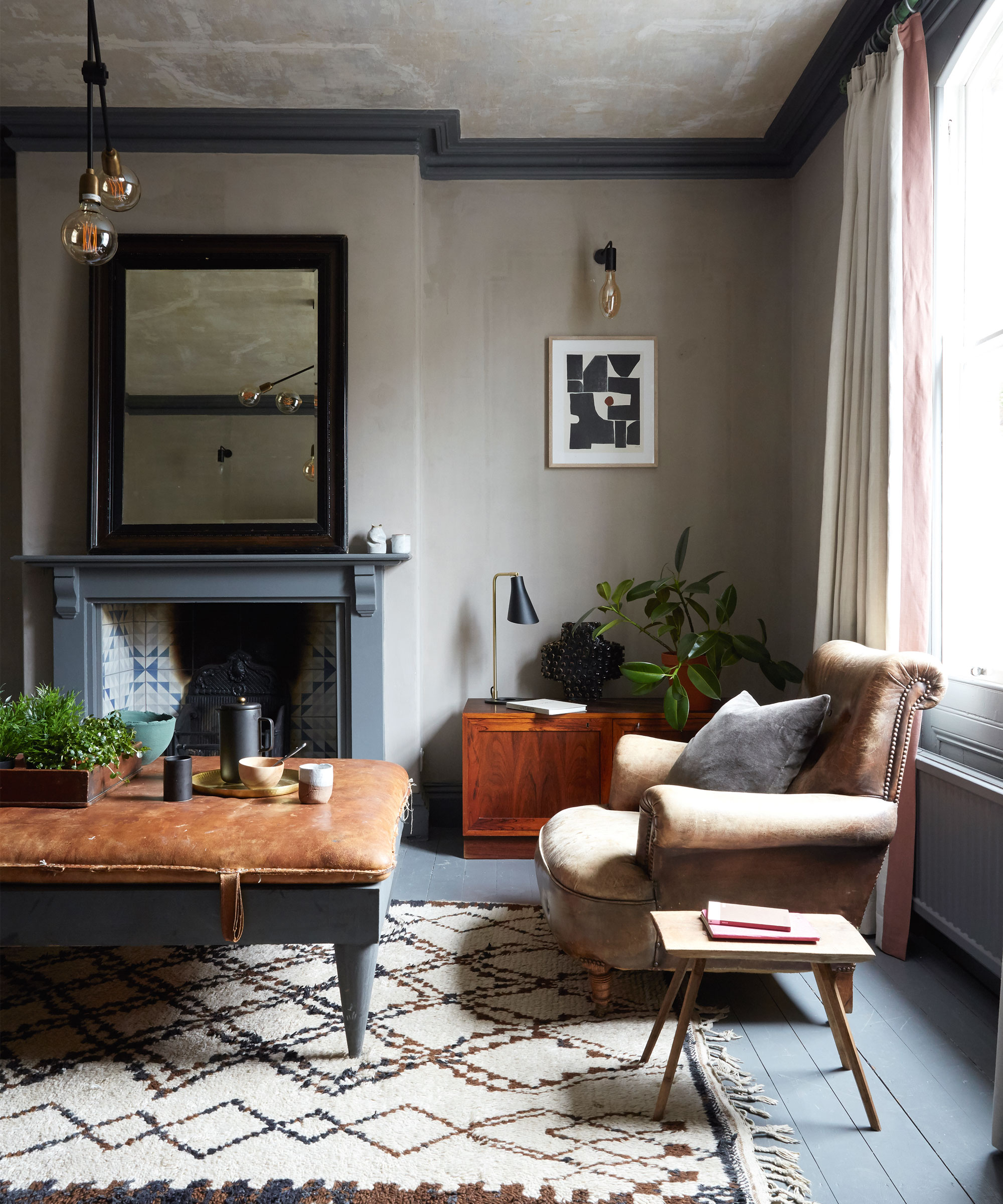
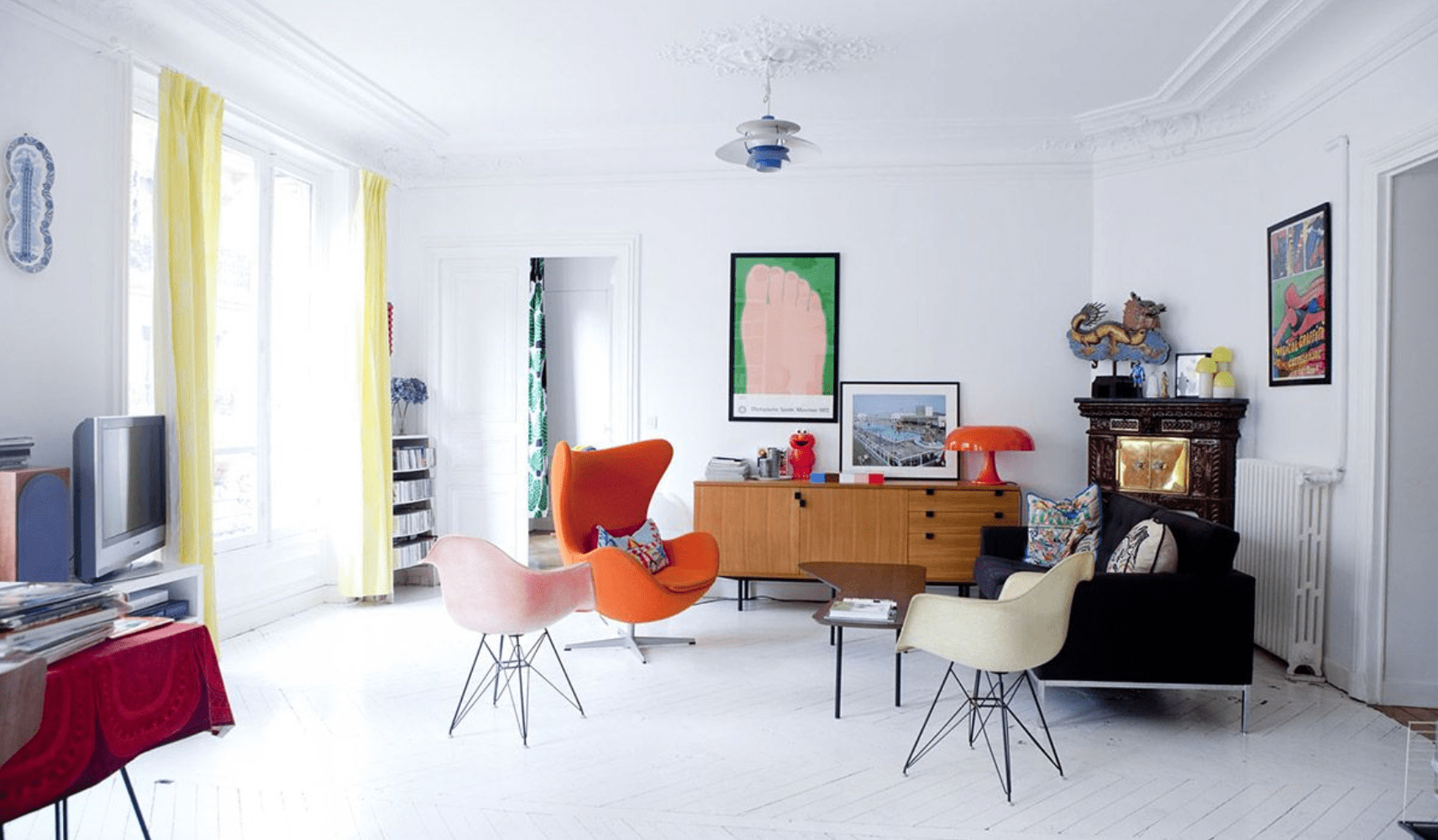
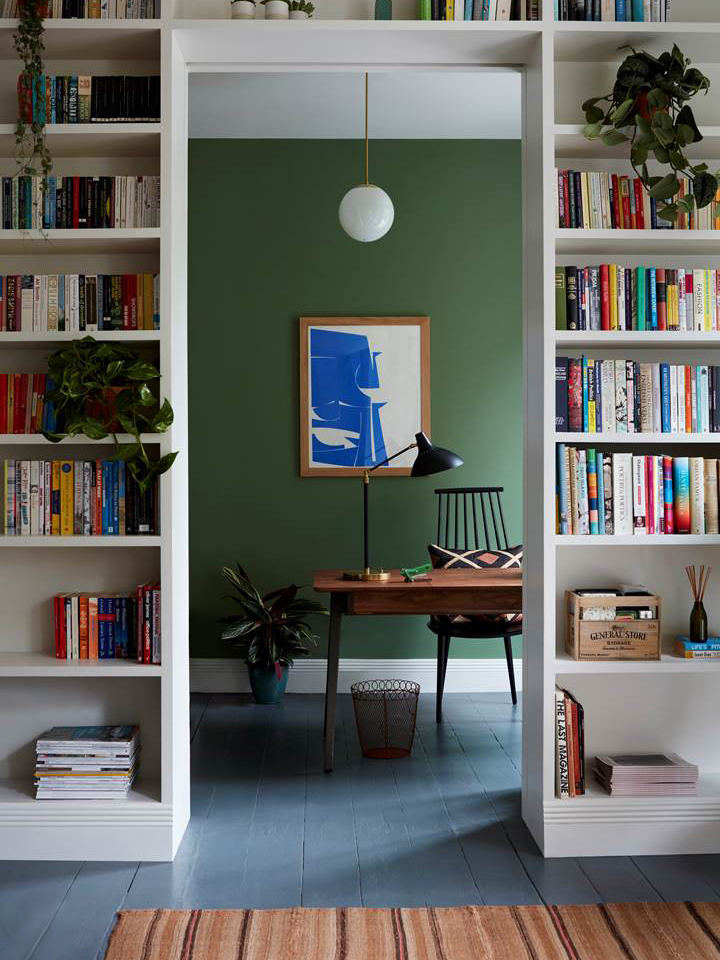
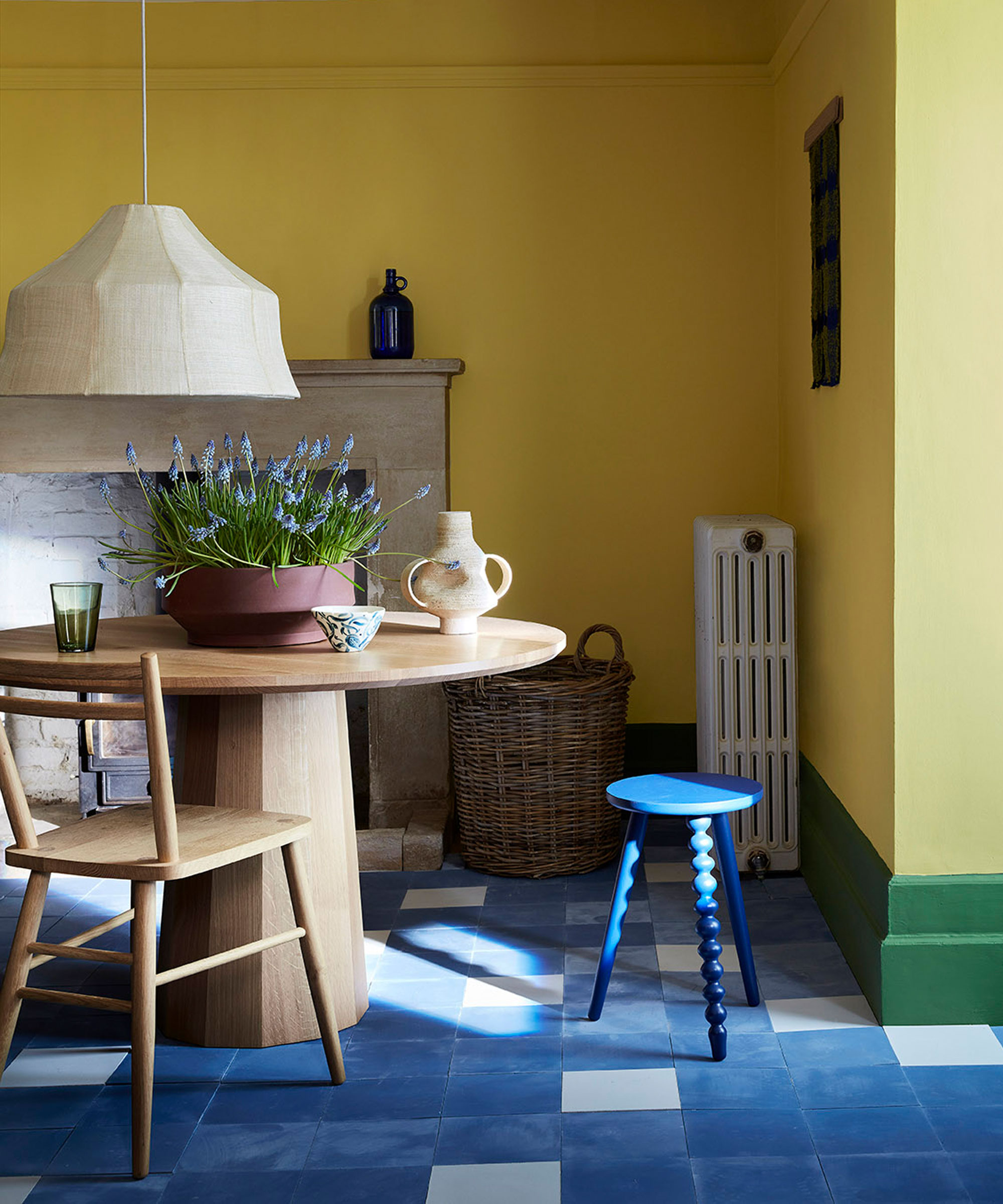
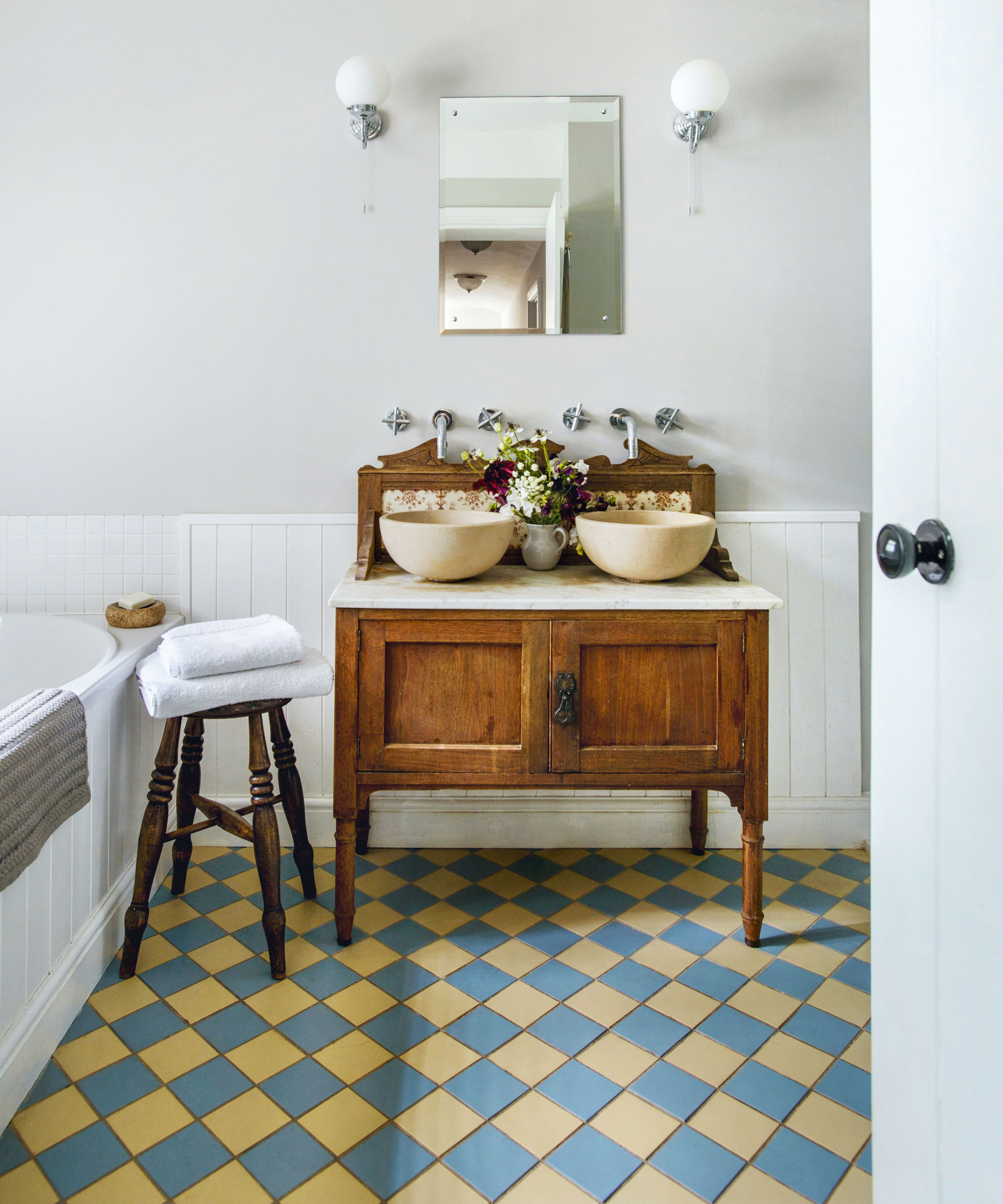
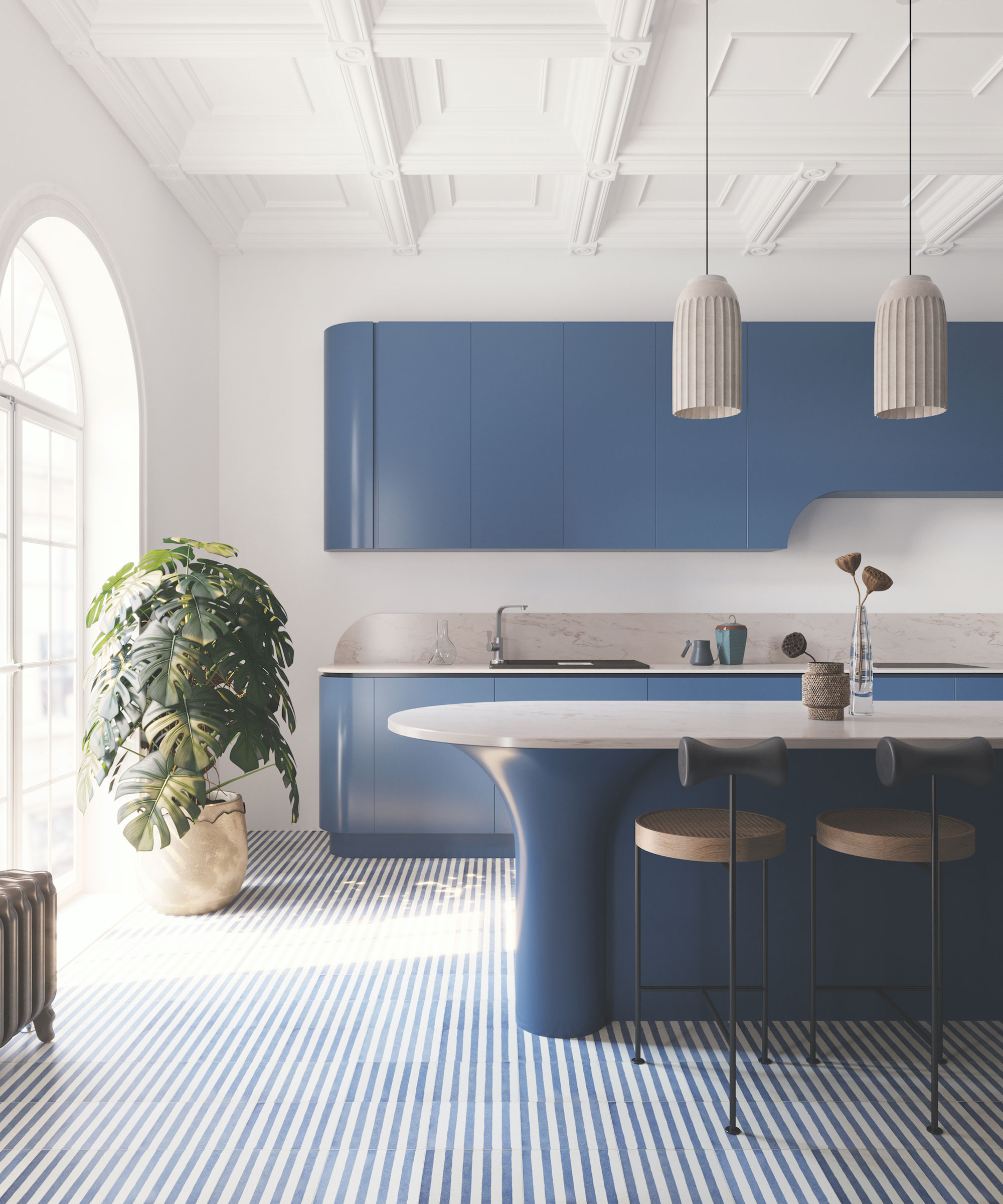
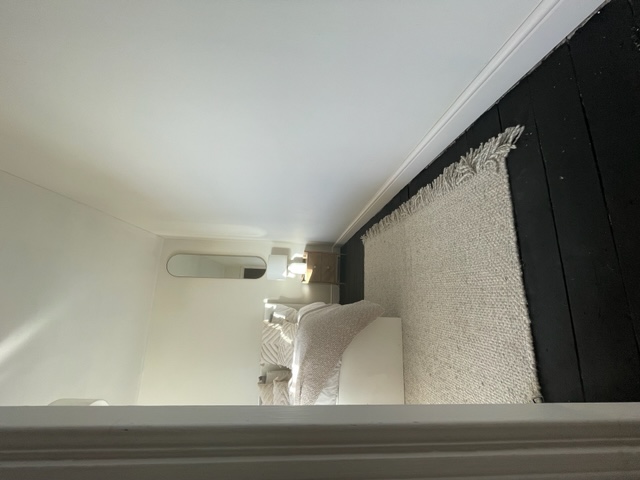
The article explores the concept of painted floors as a transformative and cost-effective solution for updating interior spaces. It addresses common homeowner grievances with existing flooring, such as outdated wood stains, wear and tear from pets or children, or undesirable tile choices. While acknowledging that painted floors can be a divisive design decision, the piece highlights their growing popularity, particularly on social media platforms, and notes their historical precedent in American homes from the 17th to 19th centuries.
Melanie Raver of Rave Interior Design is quoted as a proponent of painted floors, emphasizing their ability to quickly and inexpensively refresh a space. Deborah Lynn McDonald of B Style Vintage also advocates for painted floors, viewing them as a neutral backdrop that allows other furniture and decor elements to stand out. The article delves into practical advice for painting wooden floors, stressing the necessity of thorough preparation, including sanding and meticulous cleaning, akin to traditional refinishing. McDonald advises using durable paints, such as cabinet paint with added hardener, and a shellac primer. She also cautions against using a topcoat if future touch-ups are desired, as it can hinder color matching. Maintenance, particularly in high-moisture areas like bathrooms, is discussed, with McDonald acknowledging that high-traffic entryways might not be ideal for painted floors without the addition of large area rugs. The article also addresses common objections to painting wood, drawing parallels to painting vintage furniture, and highlights that historical homes often reveal layers of paint on original floors.
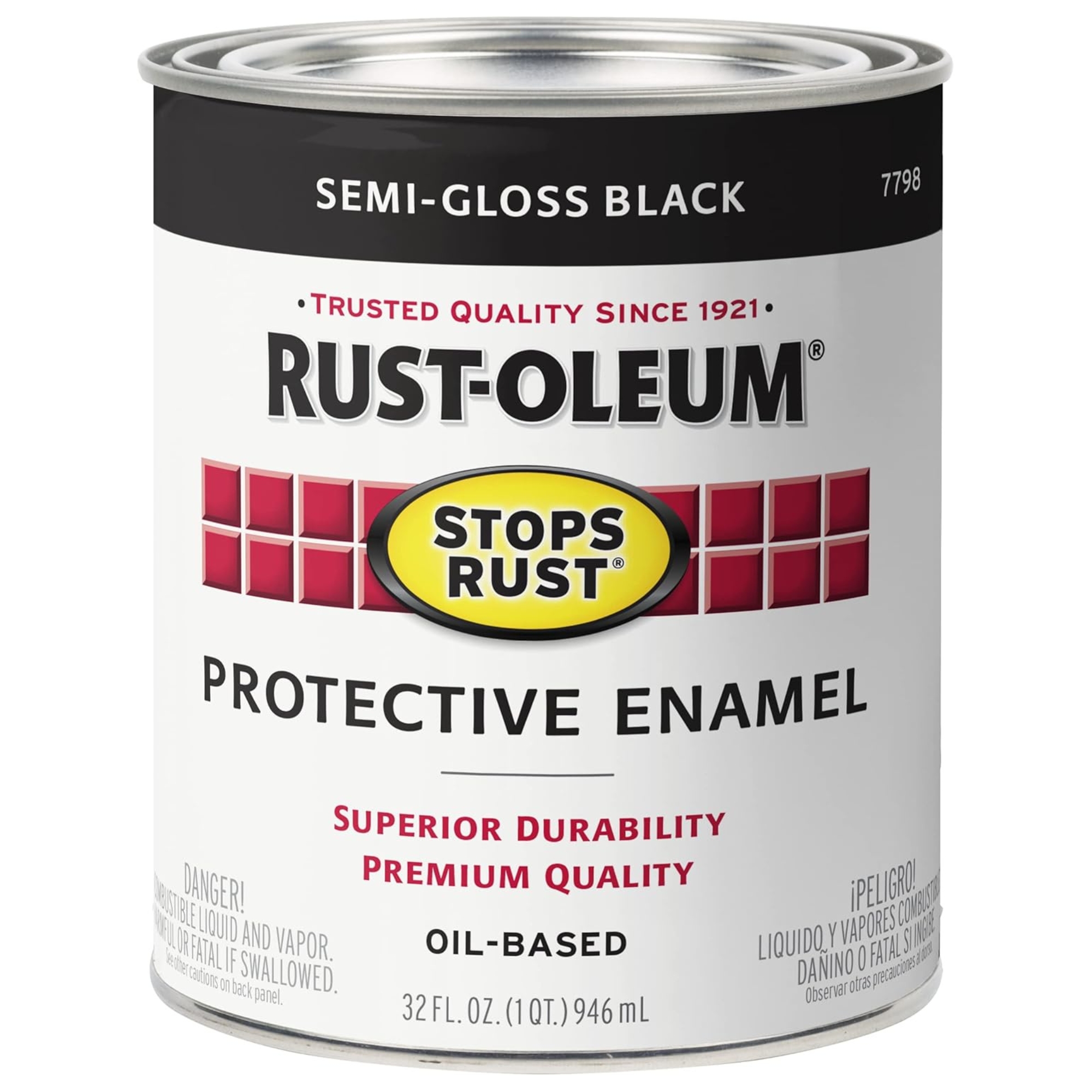
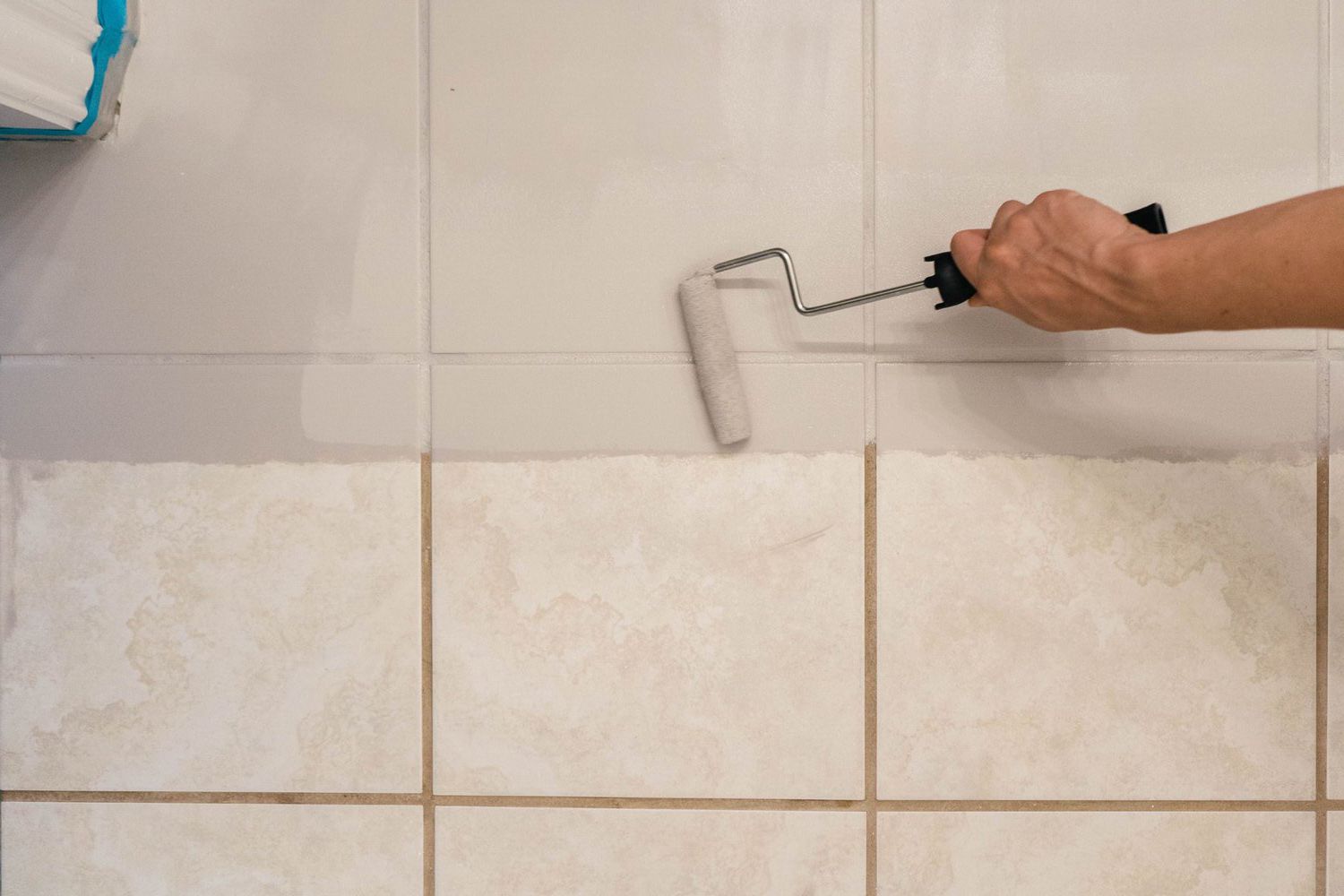
Beyond wood, the article examines the feasibility of painting tile, a more controversial subject. Raver shares her positive experience painting her daughters' bathroom floor and, subsequently, her home's downstairs travertine tile using a two-part Rust-oleum Home floor paint system. She emphasizes the importance of using both parts of the system and, in retrospect, suggests a matte finish for larger areas outside of bathrooms or utility spaces, due to the challenges of rolling semi-gloss over extensive surfaces. Concrete and linoleum are also mentioned as suitable surfaces for painting. A key warning for tile painting is the irreversibility; unlike wood, tile cannot be easily sanded down.
For those hesitant about fully committing to painted floors, the article offers several alternatives. These include refinishing wood floors with a different stain, such as McDonald's plan to use a two-step bleaching product to tone down red undertones in her historic floors. Renters or those seeking less permanent solutions are introduced to vinyl stickers for floors, exemplified by Amanda Poe's use of tile stickers in her bathroom. Floorcloths are presented as another alternative, offering the functionality of linoleum or vinyl with diverse patterns. Finally, the article encourages incorporating patterns for a more maximalist aesthetic, detailing Raver's use of stencils on her bathroom floor and referencing other projects like stenciled geometric flowers in a bookstore and classic checkerboard designs. The overarching message from McDonald is that painting floors is a manageable DIY project, with the worst-case scenario being a repaint or re-sanding, making it more approachable than many perceive.
#PaintedFloors #HomeRenovation #DIYProjects #InteriorDesign #FloorPaint #HomeImprovement #BudgetFriendlyDesign #FlooringOptions #DesignTips #PaintedFloors #HomeRenovation #DIYProjects #InteriorDesign #FloorPaint #HomeImprovement #BudgetFriendlyDesign #FlooringOptions #DesignTips
0 Kommentare insgesamt
 Noch keine Kommentare
Das könnte Ihnen auch gefallen
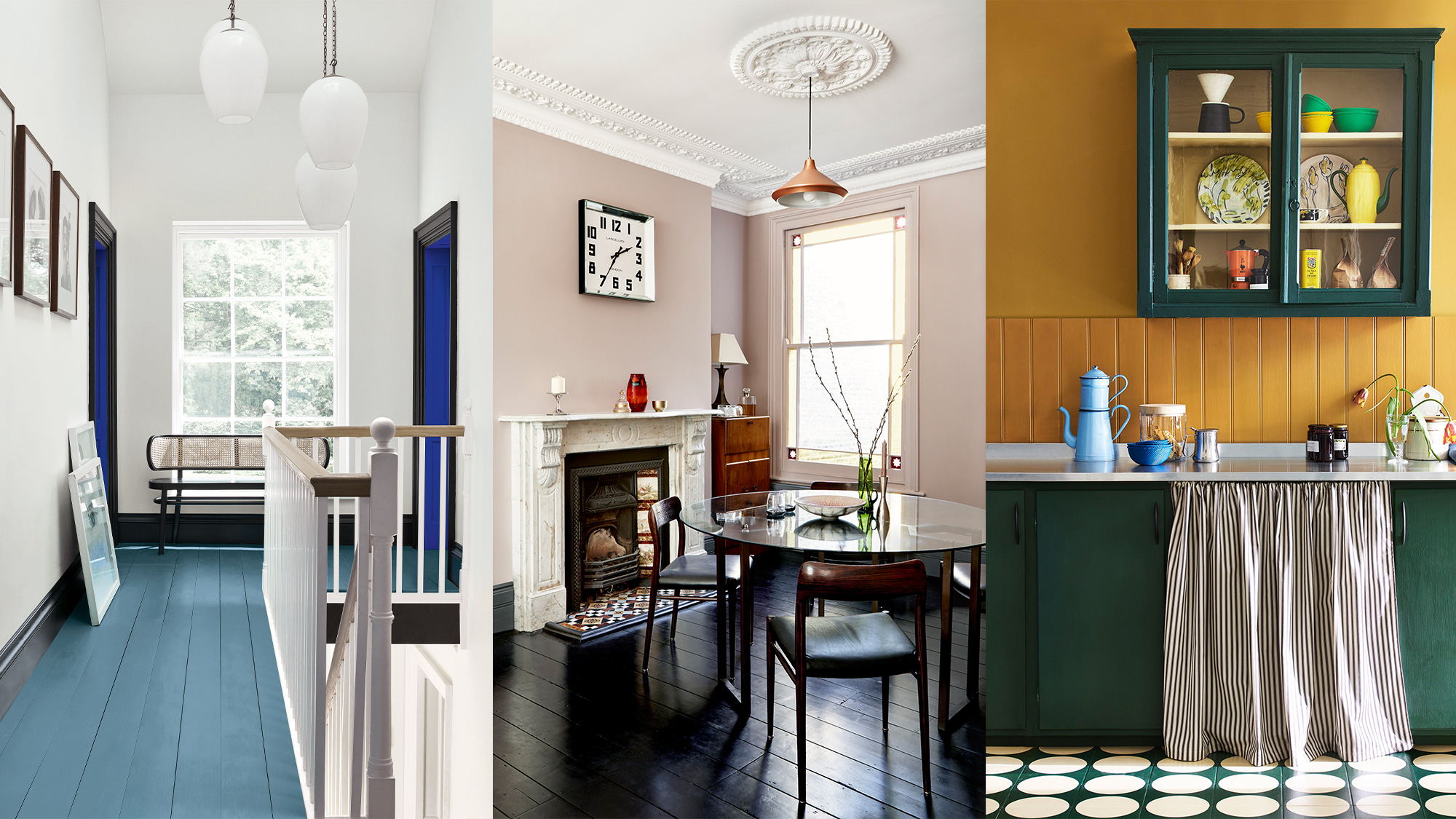
Painted floor ideas – 10 ways to bring personality to your space

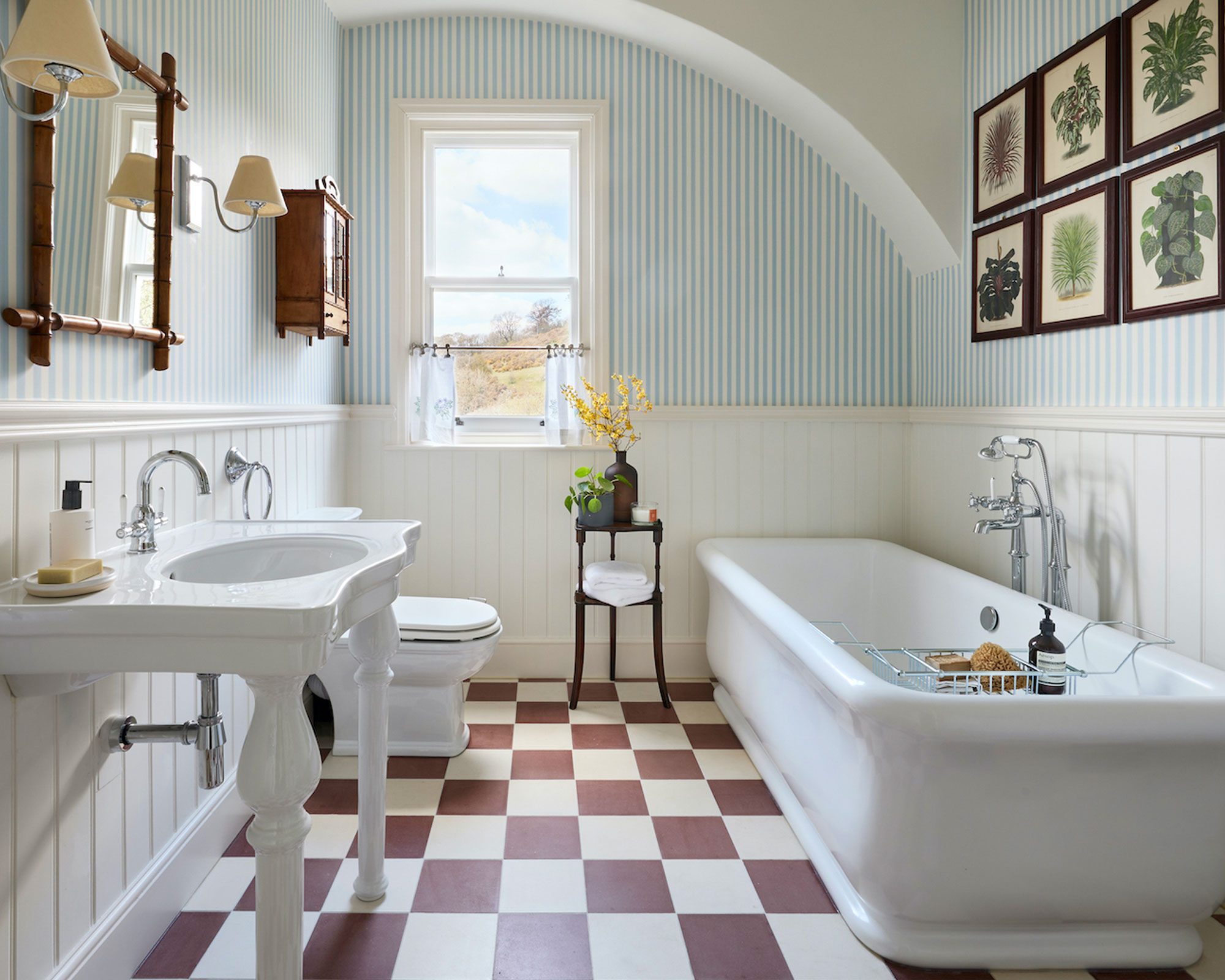
Can you paint a tile floor? Expert advice for a durable, long lasting finish
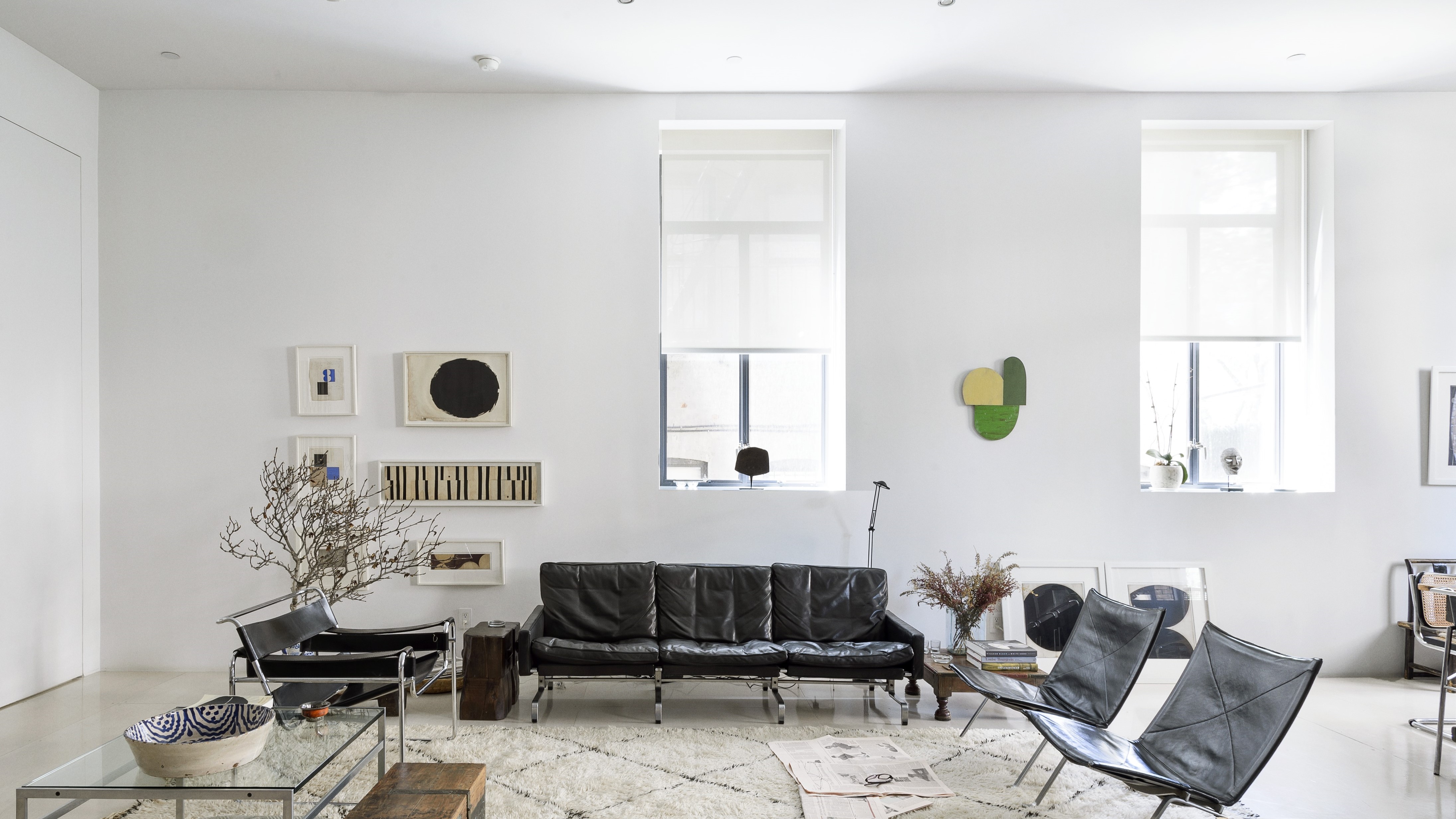
6 painting mistakes that are making your walls look 'dirtier' – and what you should be doing instead

Can You Paint A Tile Floor? An Expert Weighs In
Hate your new home's walls? You need a holding paint colour
You should never paint your hallway this colour, according to colour psychologists
Thinking About Painting Tile Floors? Here's Why Experts Warn Against It

9 Reasons Why It’s Time to Paint Your Kitchen

How to paint wood floors – get a lasting shine in 5 easy steps
You Should Consider Painting Old Wood Floors (Hear Me Out)

Forget What Color You Paint the Walls, It's the Flooring That Does the 'Quiet' Work in Making Your Room Feel Bigger — Here's How
4 Times Designers Say You Definitely Shouldn't Paint Your Walls and Ceiling in the Same Color
Why I’m Not Painting My Walls

Painting Your Garage Floor? Reach for the 5 Best Garage Floor Paints

Yes, You Should Absolutely Paint Your Ceiling
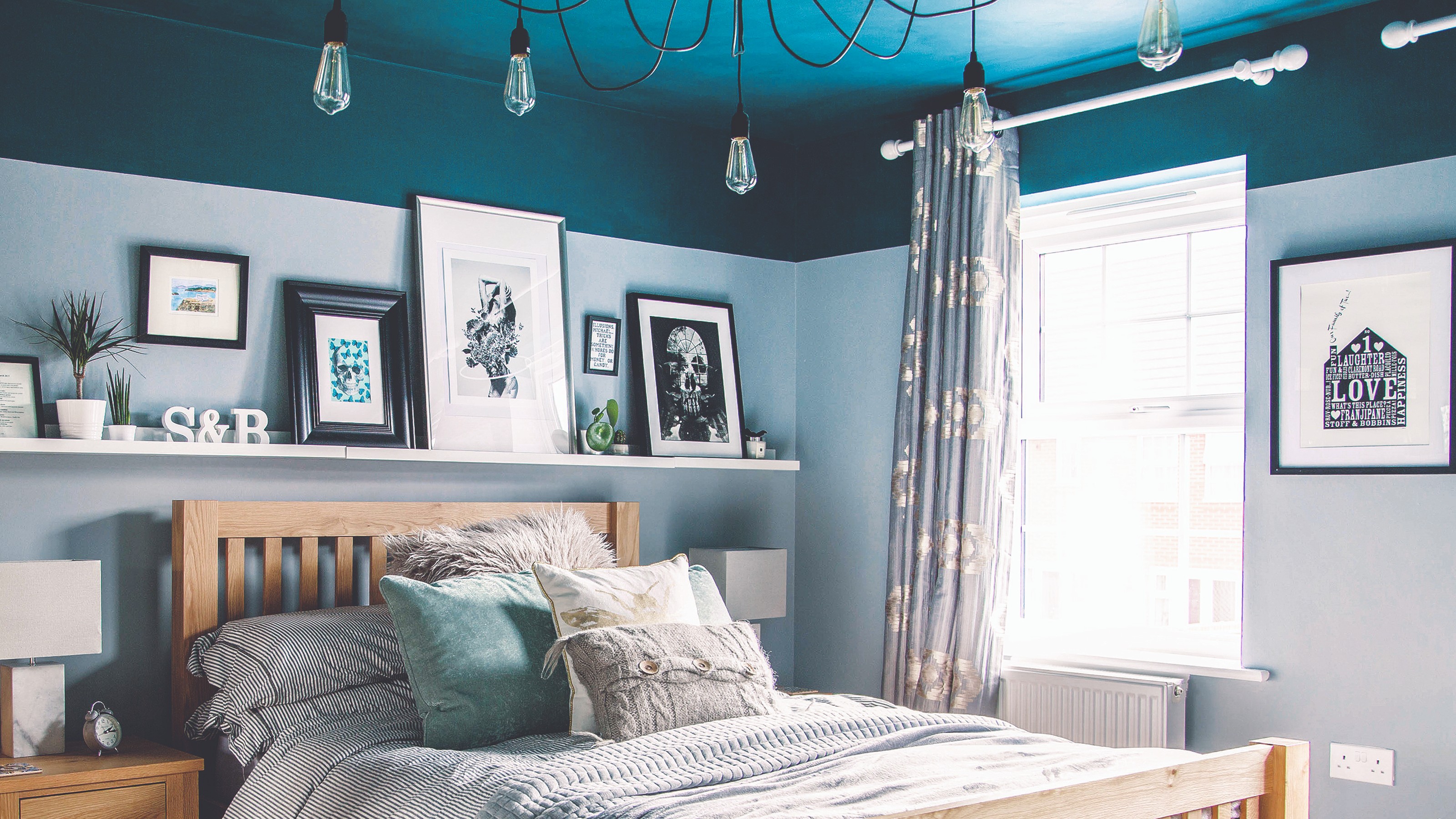
Should you paint your ceiling a different colour to the walls? Experts explain why everyone should consider it
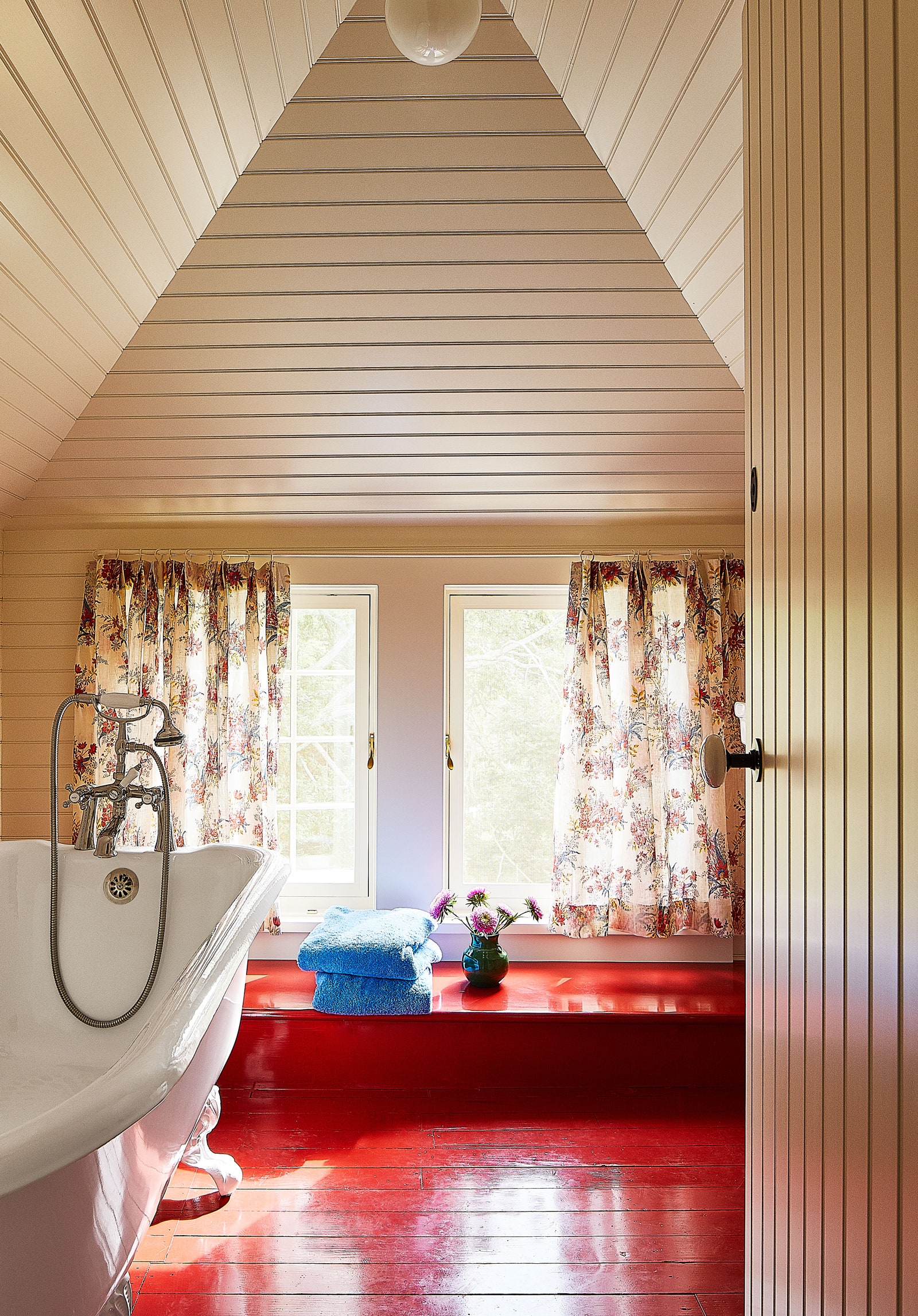
6 Painted Floor Ideas That’ll Make Your Walls a Little Jealous
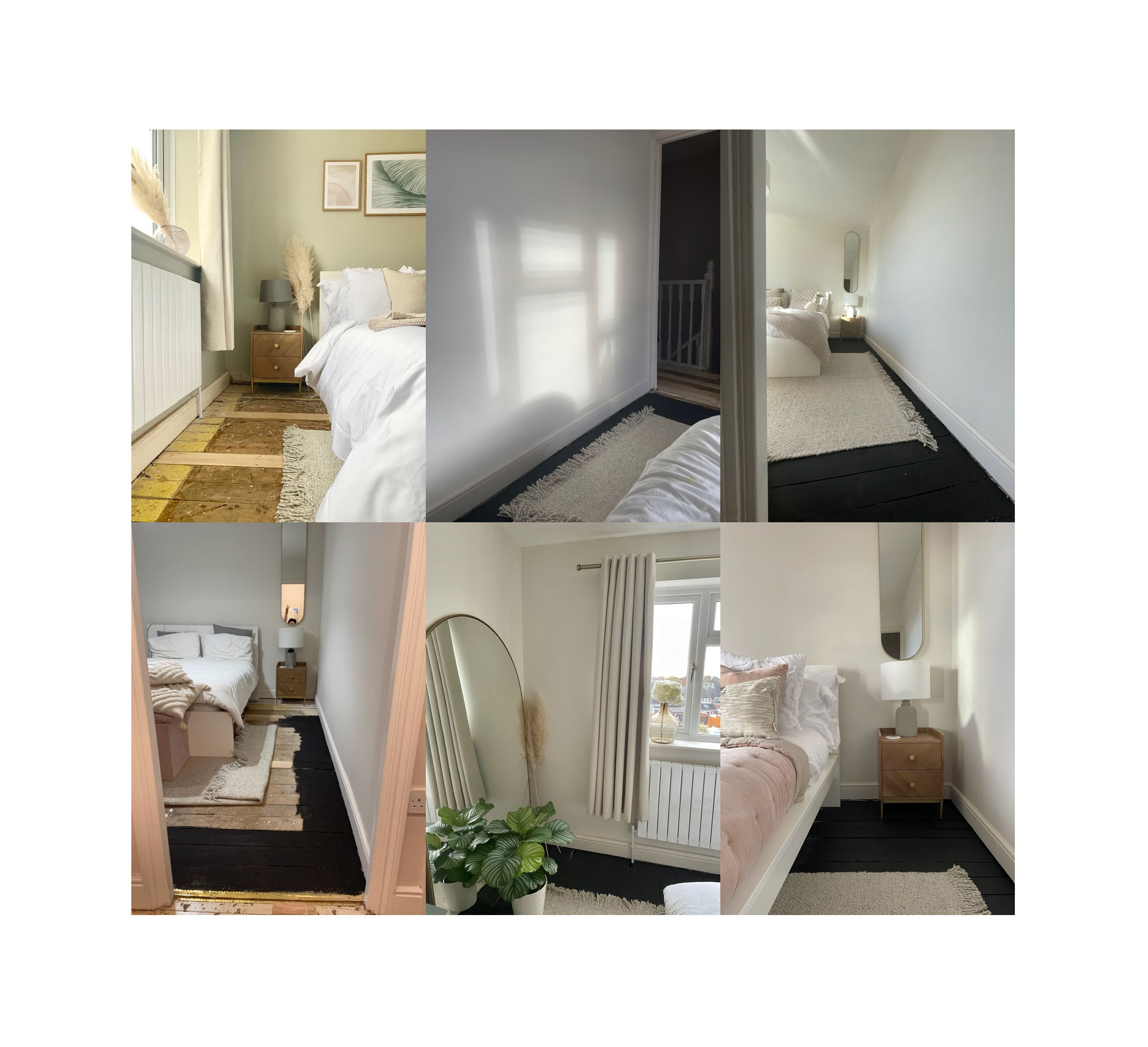
3 steps to cover ugly wood floors mid-home reno


To Paint or Not to Paint the Original Woodwork? It Depends Who You Ask
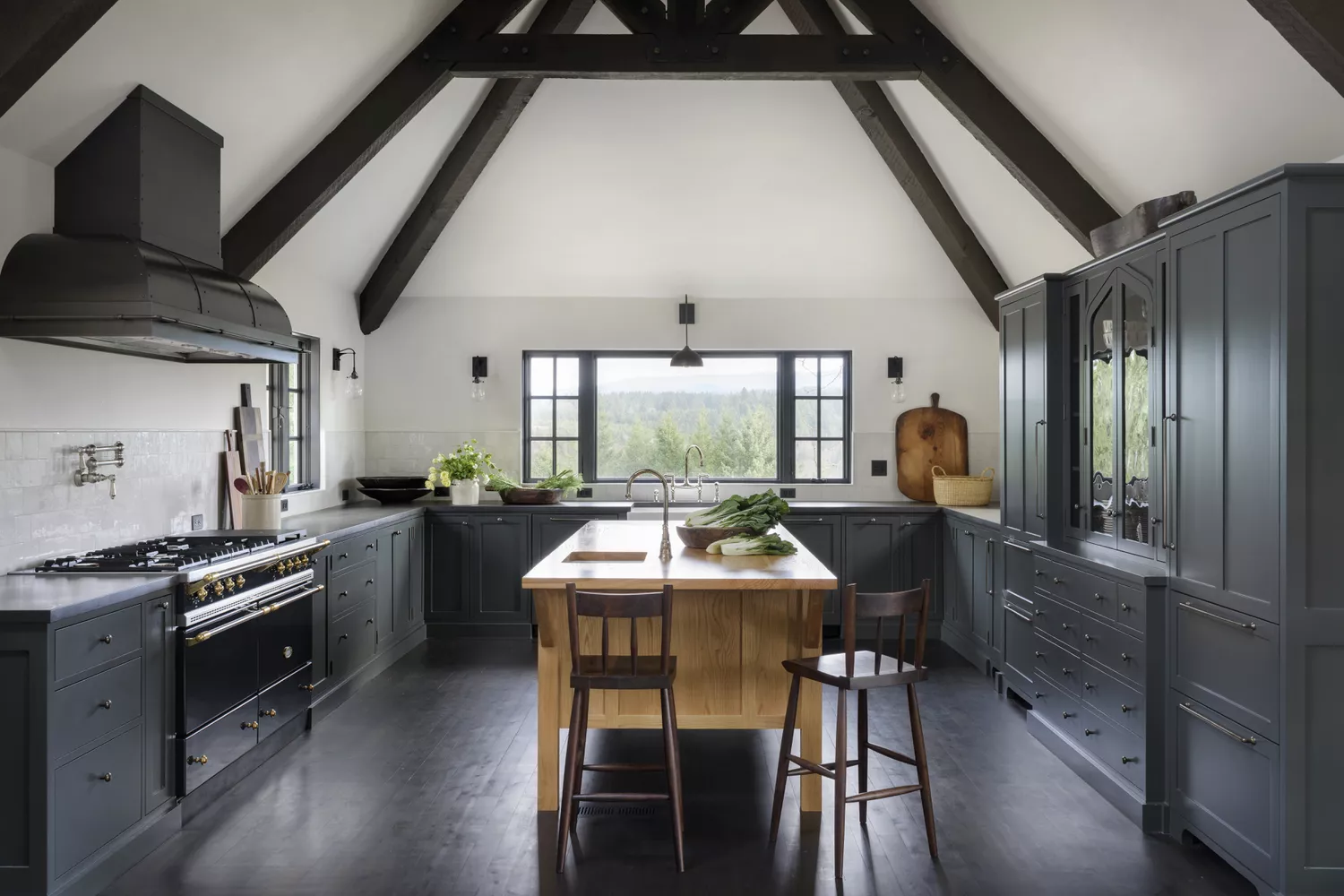
12 Inspiring Rooms That Will Convince You to Paint Your Wood Floors