1/6
How to care for your chimney this winter and reduce chance of chimney fires
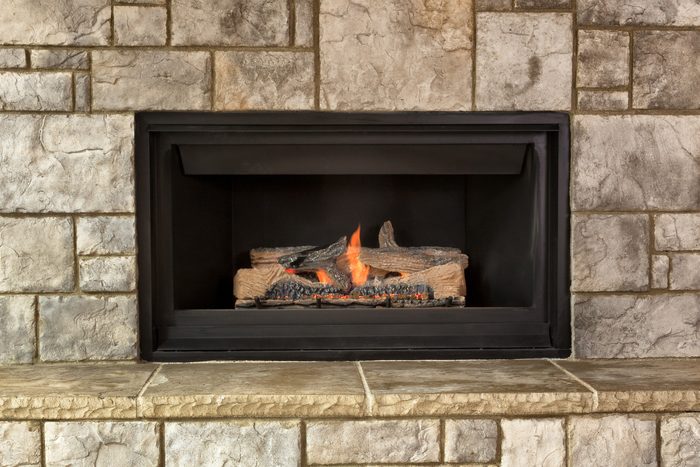
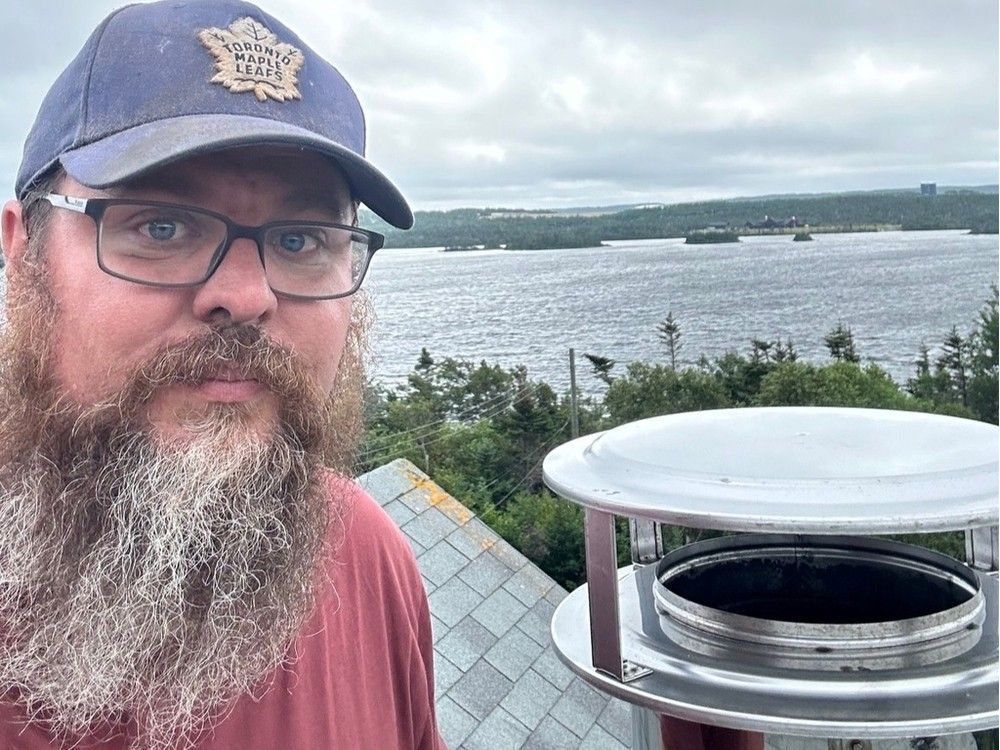
Regular chimney maintenance is crucial, especially during winter, to prevent chimney fires and ensure the safe operation of wood-burning appliances. The National Fire Code of Canada recommends annual cleaning, with more frequent cleaning advised for those who use their fireplace often. Jamie Payne, a WETT-certified chimney sweep with over 25 years of experience, emphasizes that the primary reason for regular cleaning is to prevent the accumulation and ignition of creosote. Creosote, formed from un-burned solid particles and oils in smoke, is highly flammable and can ignite from a small spark or ember, leading to chimney fires that can reach over 2,000 degrees Fahrenheit and spread to the rest of the house.
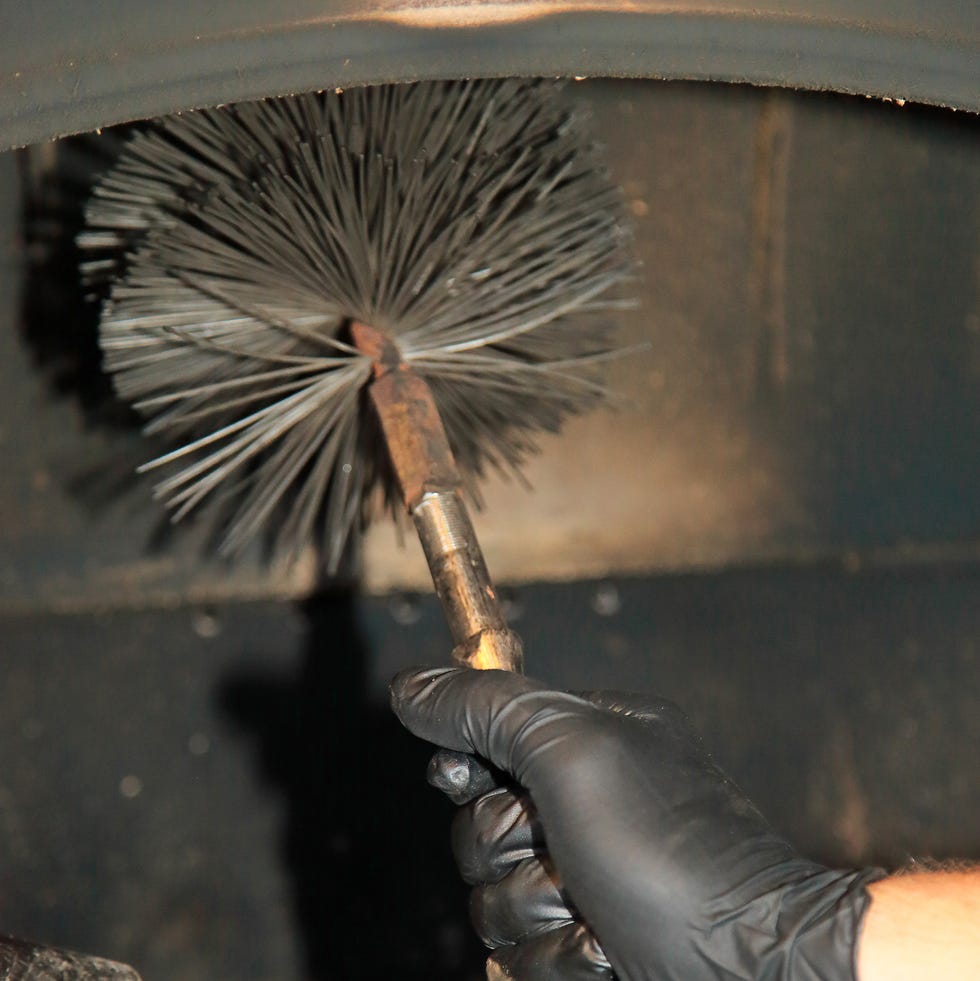
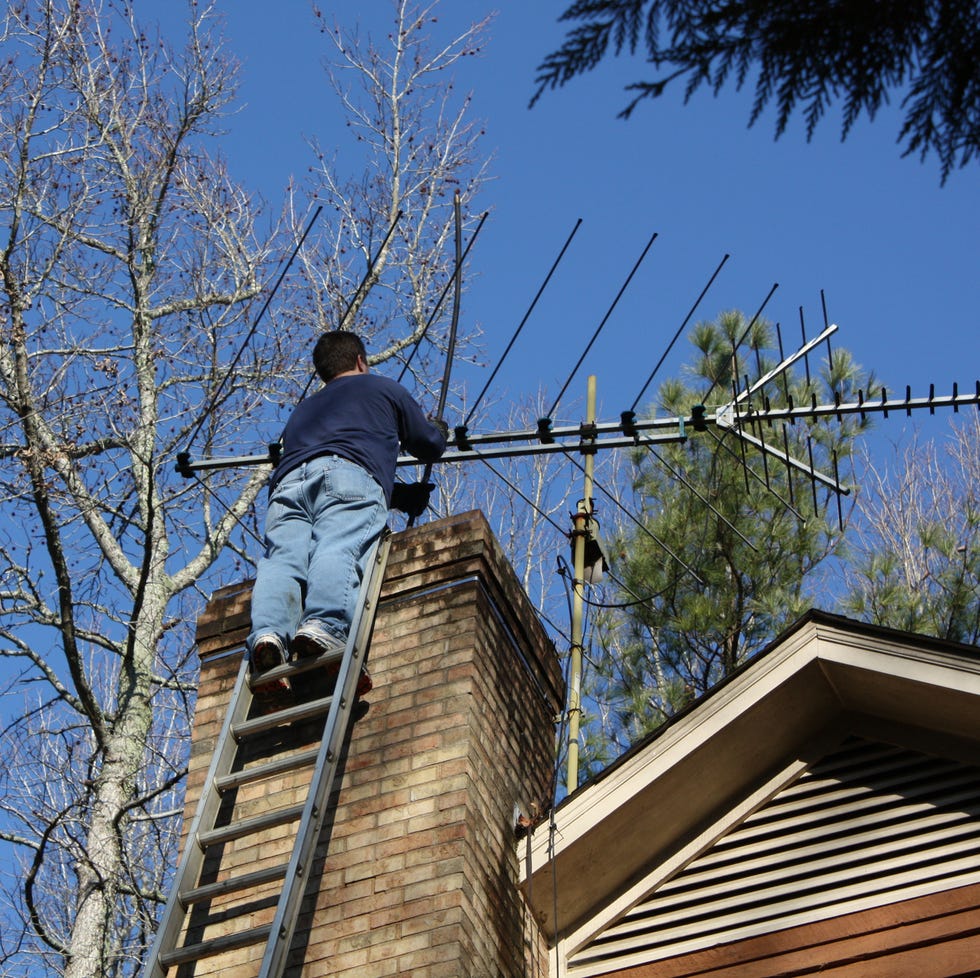
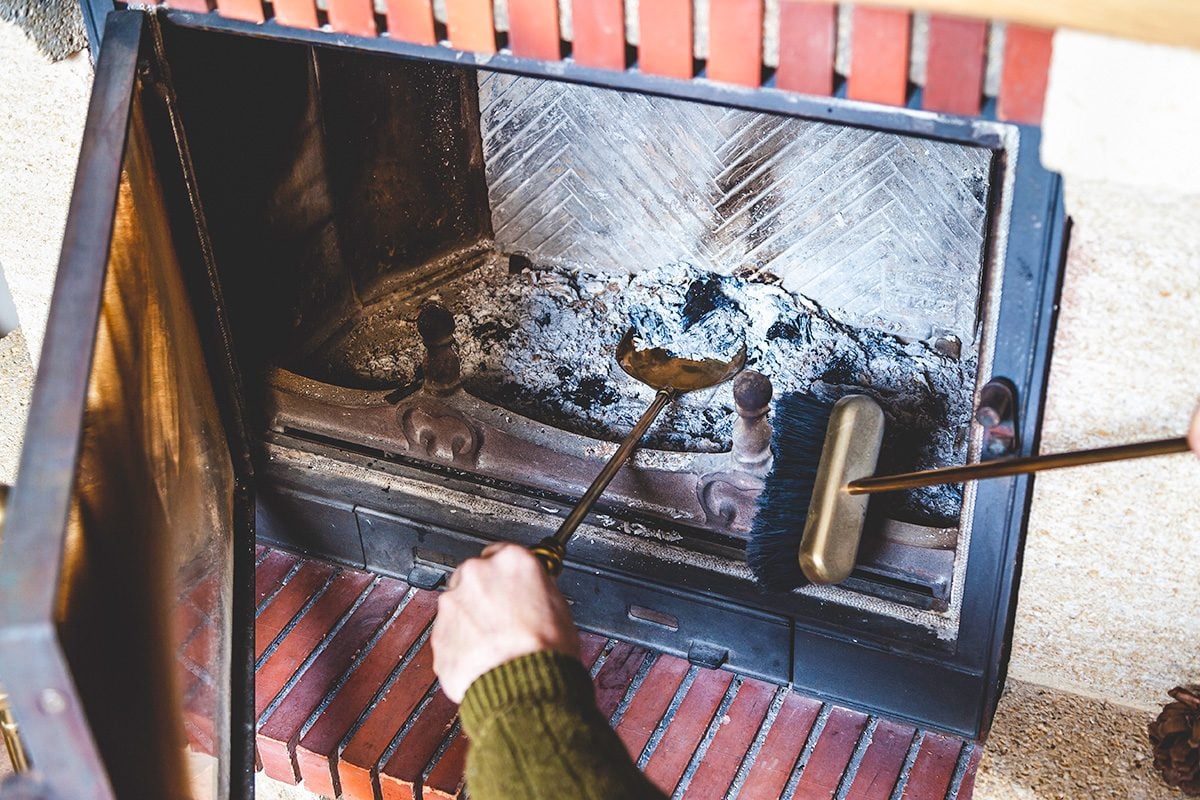
There are two main methods for cleaning a chimney: top-down from the roof or bottom-up from inside the house. The top-down method is generally cleaner but requires working on the roof, which can be dangerous for inexperienced individuals or on steep roofs. The bottom-up method, while messier, avoids roof access. When cleaning from the bottom-up, it is essential to measure the flue liner's diameter to select a brush that is slightly larger than the flue. The brush should be connected to several rods to reach the entire chimney length. Before cleaning, the area around the fireplace should be protected with a tarp, and the andirons and grate should be removed. Opening a window or exterior door helps balance air pressure, preventing a larger mess. A flashlight or mirror can be used to inspect the smoke chamber and flue for creosote buildup. Any accumulation of one-eighth of an inch or more, or shiny creosote, indicates the need for cleaning.
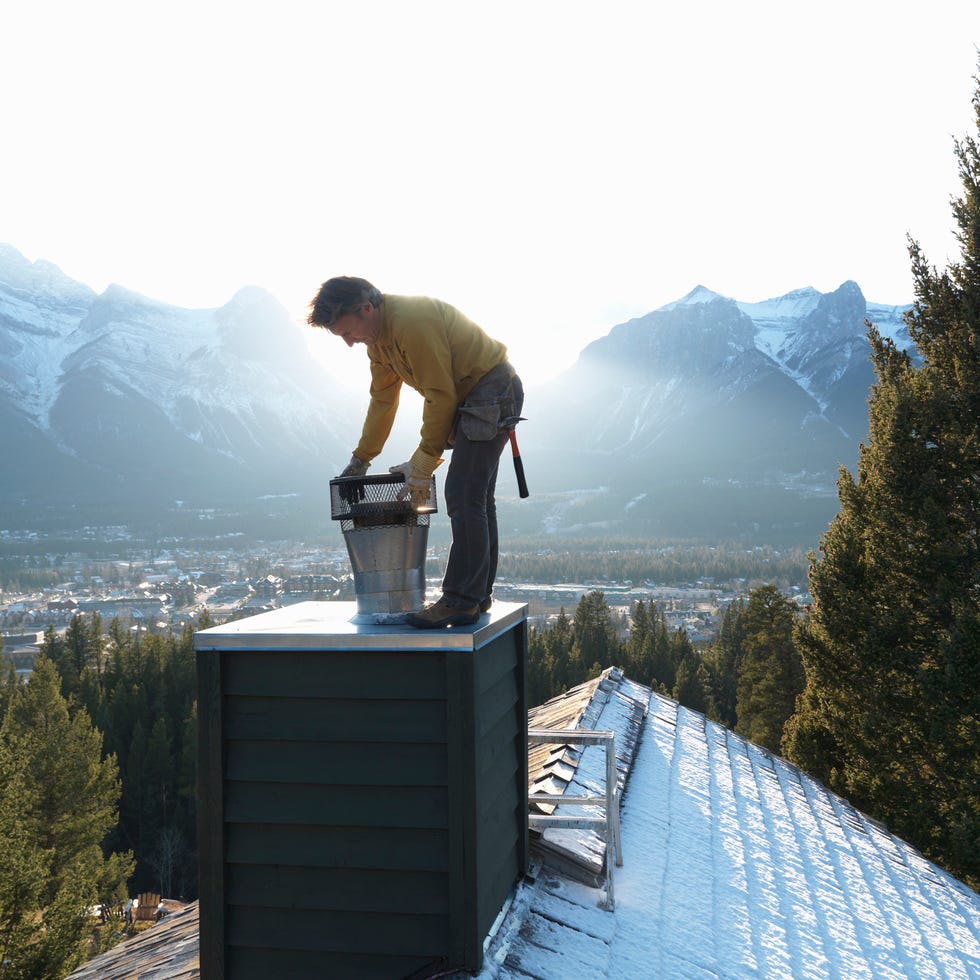
For top-down cleaning, the fireplace opening must be sealed with heavy-duty plastic sheeting and duct tape to contain soot. Any chimney caps or fittings on the roof should be removed before inserting the brush and rods. The brush should be moved up and down to thoroughly scrub the flue, adding rods as needed. After cleaning, the flue should be inspected with a light to ensure all debris is removed. Dust and debris should be allowed to settle before carefully cleaning the smoke shelf and disposing of all accumulated materials according to local regulations.
Beyond routine cleaning, several other chimney maintenance tasks are vital for safety and longevity. These include repairing or replacing chimney linings (made of clay, ceramic, or metal) which prevent fires and corrosion; maintaining the cap and crown to protect against elements and animal intrusion; repairing mortar to prevent water damage to masonry; and ensuring the proper function of the damper and flue for smoke ventilation and preventing outside elements from entering the home. Brick, block, and stone rebuilding and repair are also crucial for the chimney's structural integrity.
Certain cautionary signs indicate the need for professional chimney inspection and cleaning. These include visible soot or creosote buildup, smoke entering the home, unpleasant odors from the fireplace, or difficulty starting or maintaining a fire due to poor draft. If homeowners are uncomfortable performing the cleaning themselves, or if significant creosote accumulation or damage is observed, it is highly recommended to hire a WETT-certified professional chimney sweep, as chimney cleaning can be an advanced project for the average homeowner.
#ChimneyMaintenance #ChimneyFirePrevention #WoodBurningAppliances #CreosoteRemoval #HomeSafety #WETTcertified #WinterPreparation #DIYHomeMaintenance #ProfessionalCleaning #ChimneyMaintenance #ChimneyFirePrevention #WoodBurningAppliances #CreosoteRemoval #HomeSafety #WETTcertified #WinterPreparation #DIYHomeMaintenance #ProfessionalCleaning
0 Kommentare insgesamt
 Noch keine Kommentare
Das könnte Ihnen auch gefallen

6 Ways to Get More Heat From Your Fireplace and Stop Wasting It

Fireplace Ideas and Installation

How to Winterize Your House And Save Yourself Thousands in Repairs Later
Mantel magic: 7 tips to make your hearth into a wintry respite

You Need to Clean Your Chimney Yearly. Here's How.

It's Time to Prepare Your Home for Winter With These 10 Quick, Easy Ways
Keep the Fire Roasting All Winter Long with These 7 Fireplace Tools

Add flair to your fireplace this season with tips from interior designers

How to draught-proof a chimney — 3 DIY solutions recommended by the experts
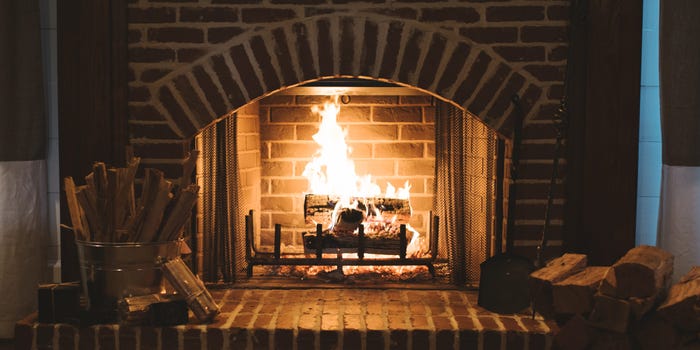
How to safely start a fire in a fireplace that lights easily every time

When to drip faucets – avoid frozen and burst pipes with these expert-approved precautions
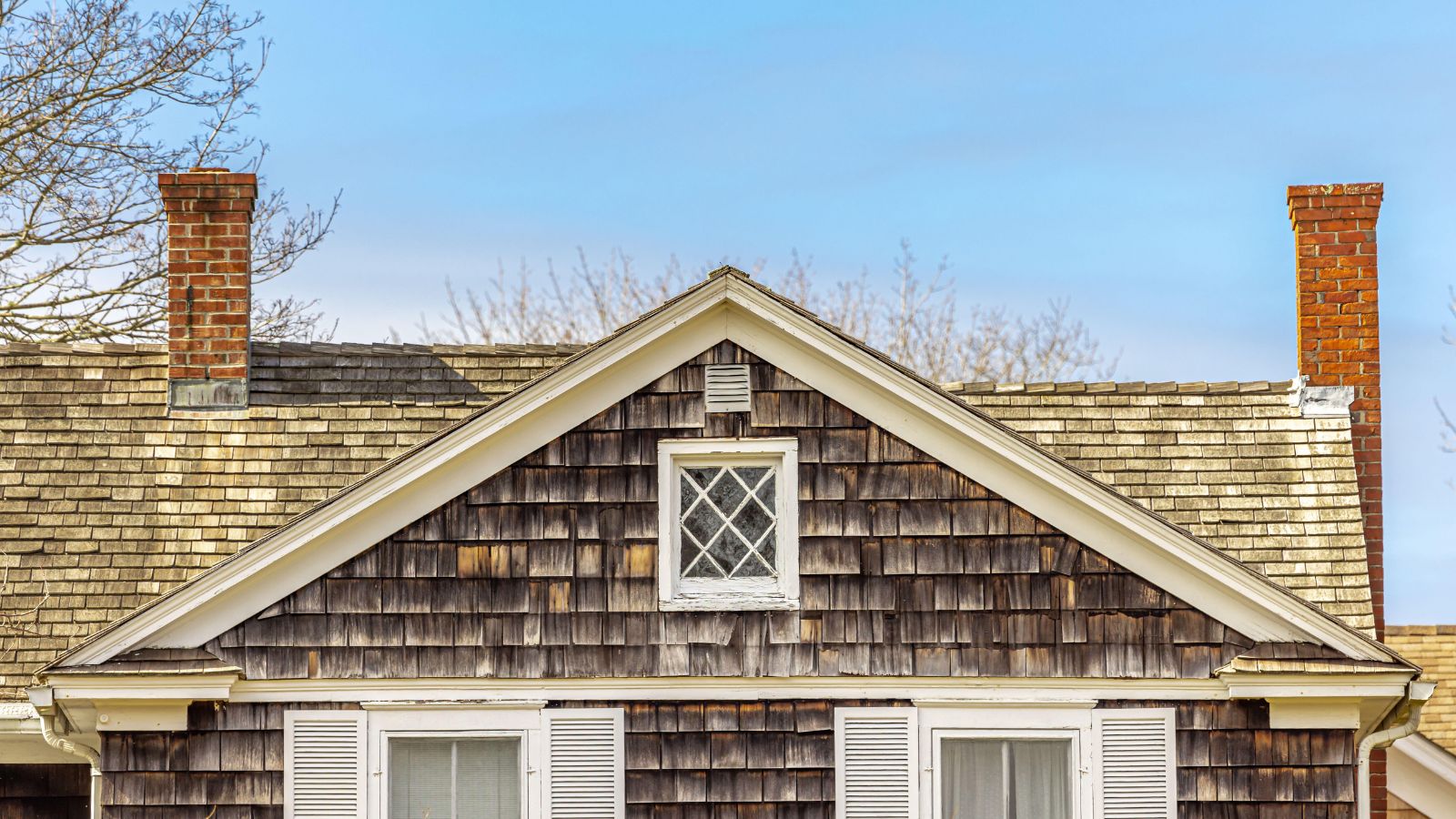
Should you leave an attic open during a freeze? HVAC technicians weigh in
Home Clinic; METHODS OF KEEPING THE FIREPLACE FROM SMOKING (Published 1981)
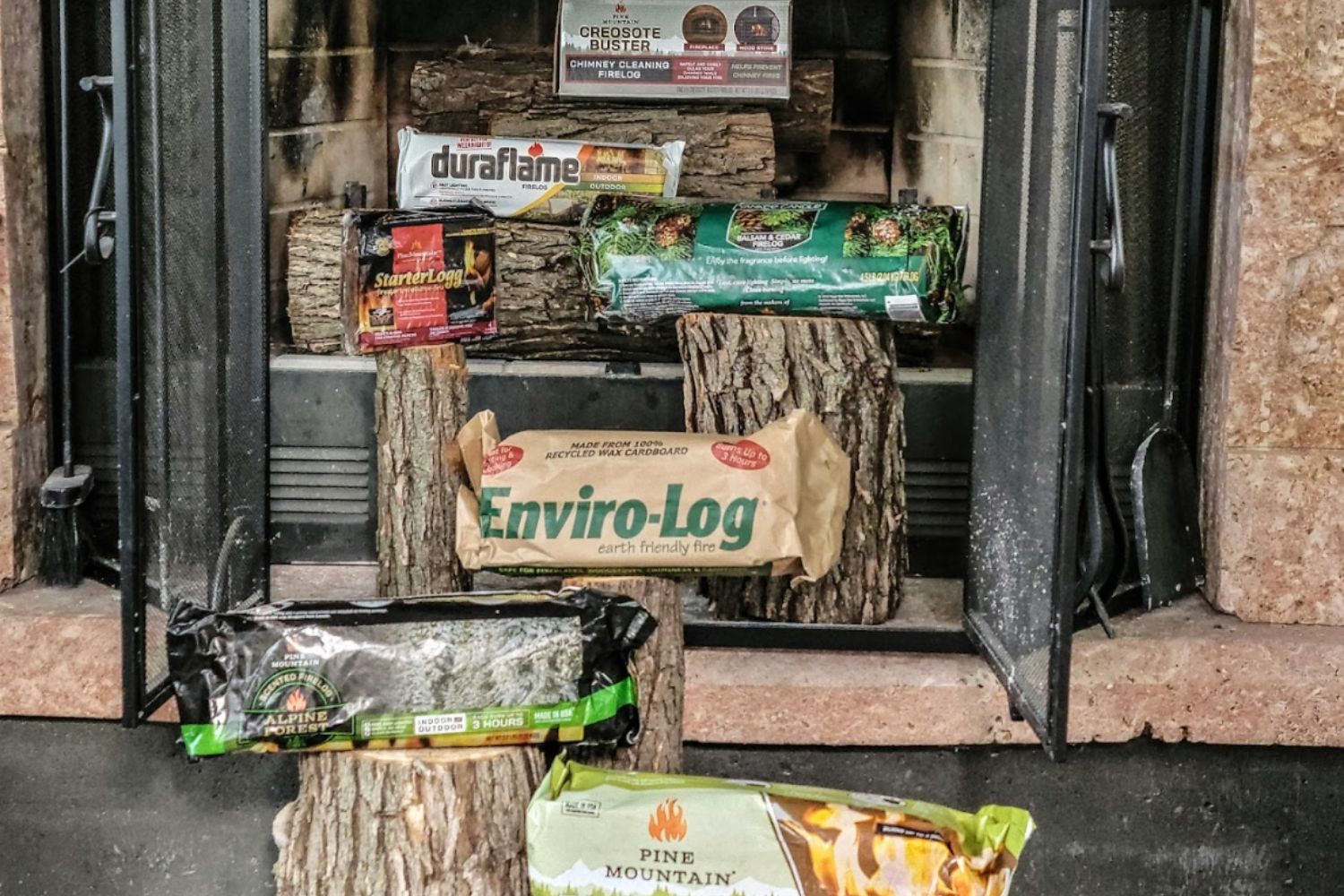
The Best Fire Logs for Long-Lasting Ambience, Tested

How to protect your Christmas tree from underfloor heating

Log storage ideas – stylish ways to display your winter fire wood indoors
Ways To Increase the Heat From Your Wood-Burning Fireplace
7 fireplace ideas for the home this winter

How Can I Make My Curtains Warmer? 7 Expert Solutions That Are Stylish, Too

Top 10 Winter Energy Saving Tips