8 Sustainable Home Improvements You Can Make In 2025
The increasing focus on environmental sustainability has made eco-friendly home improvements a top priority for many homeowners, especially younger generations. These improvements not only reduce environmental impact but can also lead to significant energy savings and enhance personal well-being. This article outlines eight key sustainable home improvements that can be implemented to make a home more eco-friendly.
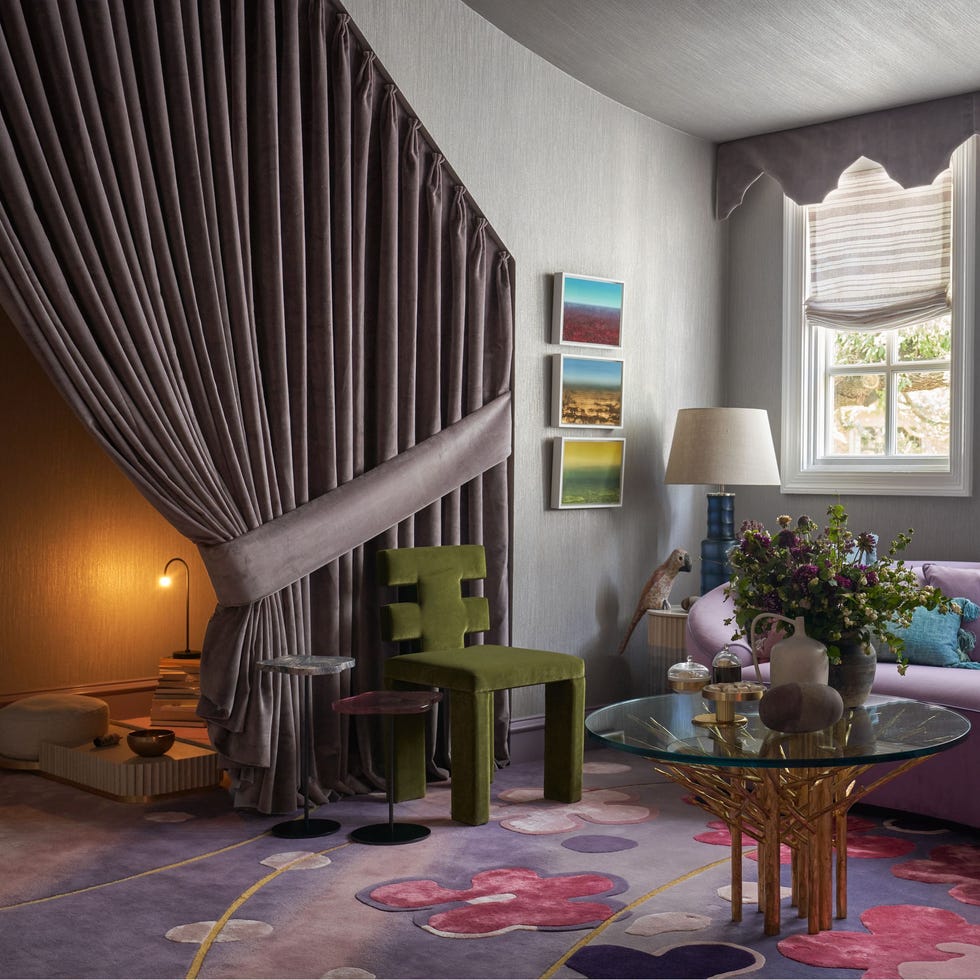
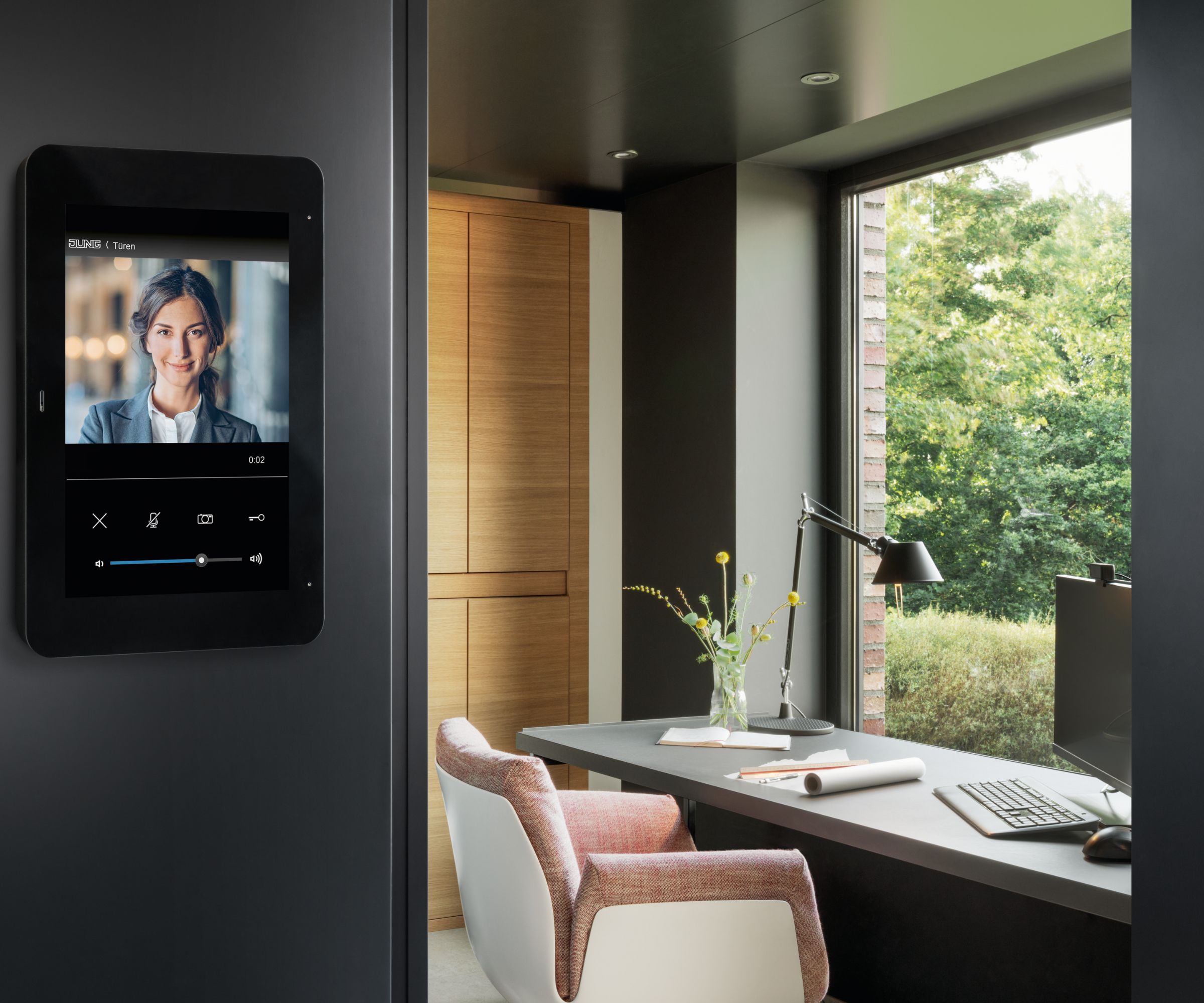
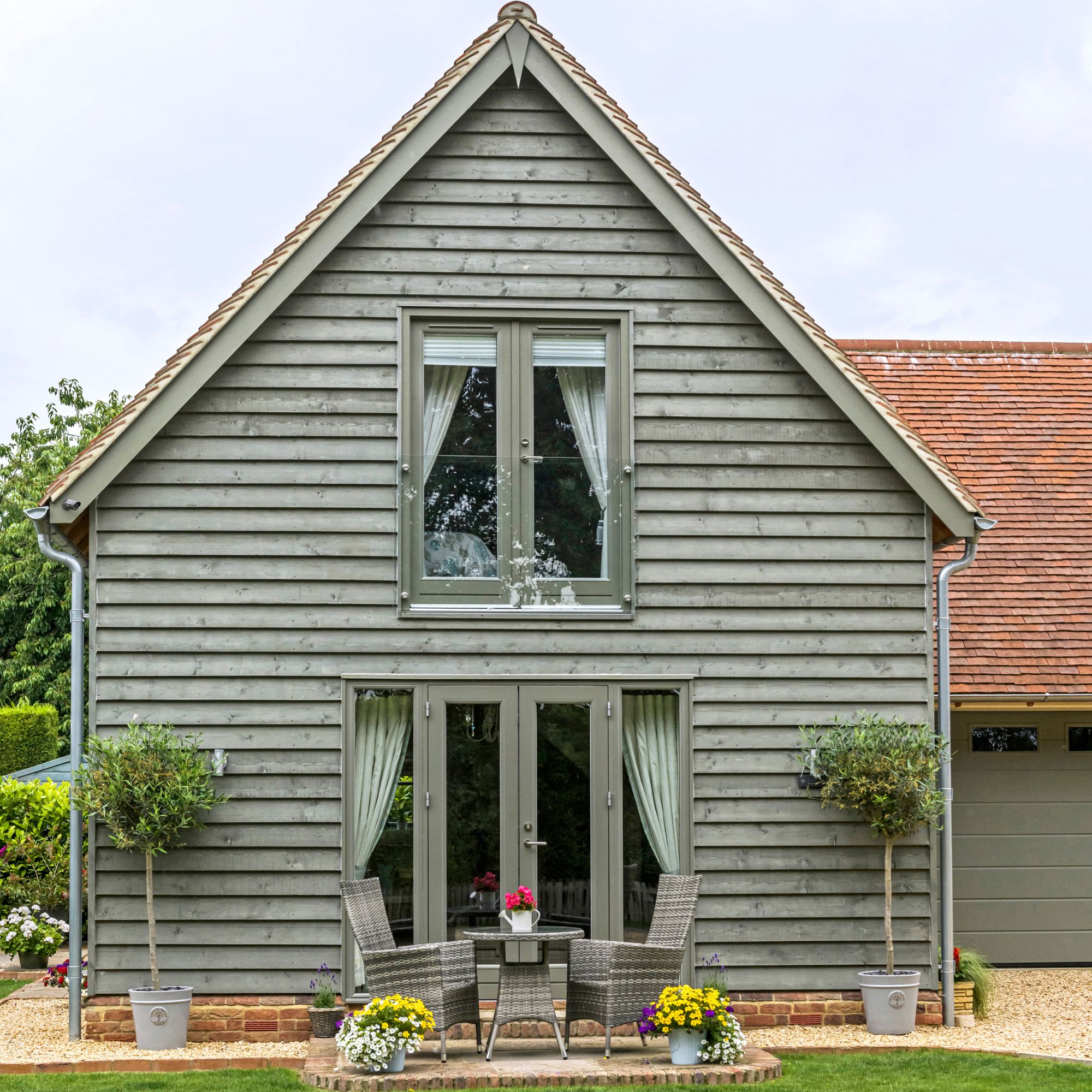
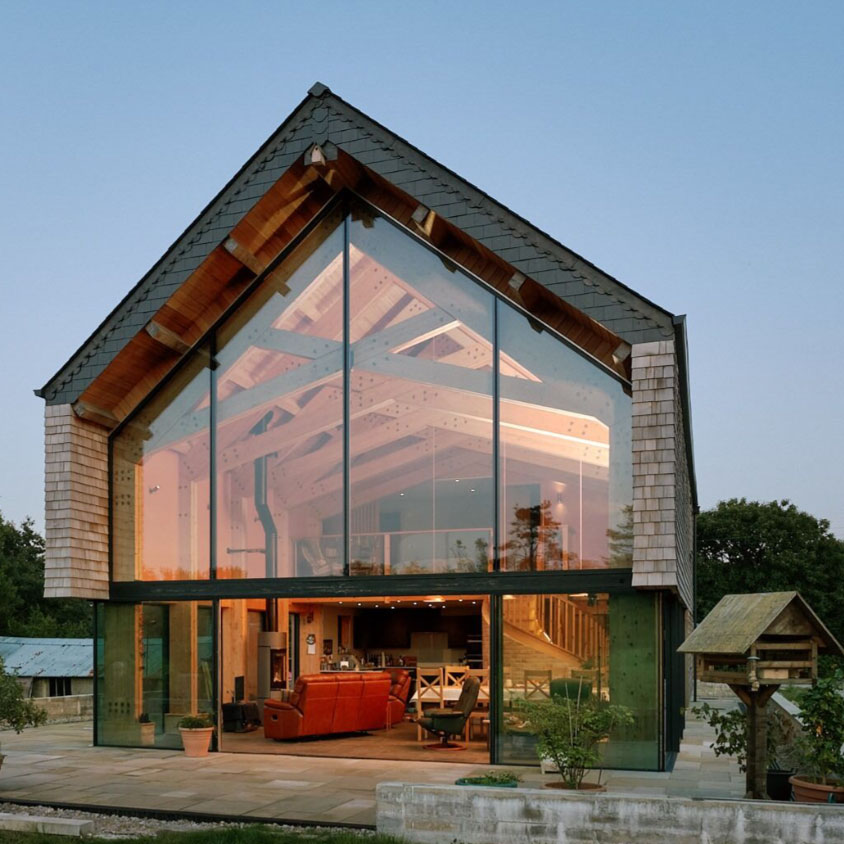
One of the simplest yet most impactful changes is upgrading to energy-efficient lighting. LED lights, for example, consume up to 90% less energy than traditional bulbs, leading to substantial annual savings. Strategic use of natural light through window placement and coverings can also reduce the need for artificial lighting and help regulate indoor temperatures, particularly in varying climates. Light-colored curtains, for instance, reflect sunlight to keep homes cool in summer, while south-facing windows can provide passive solar heating in winter.
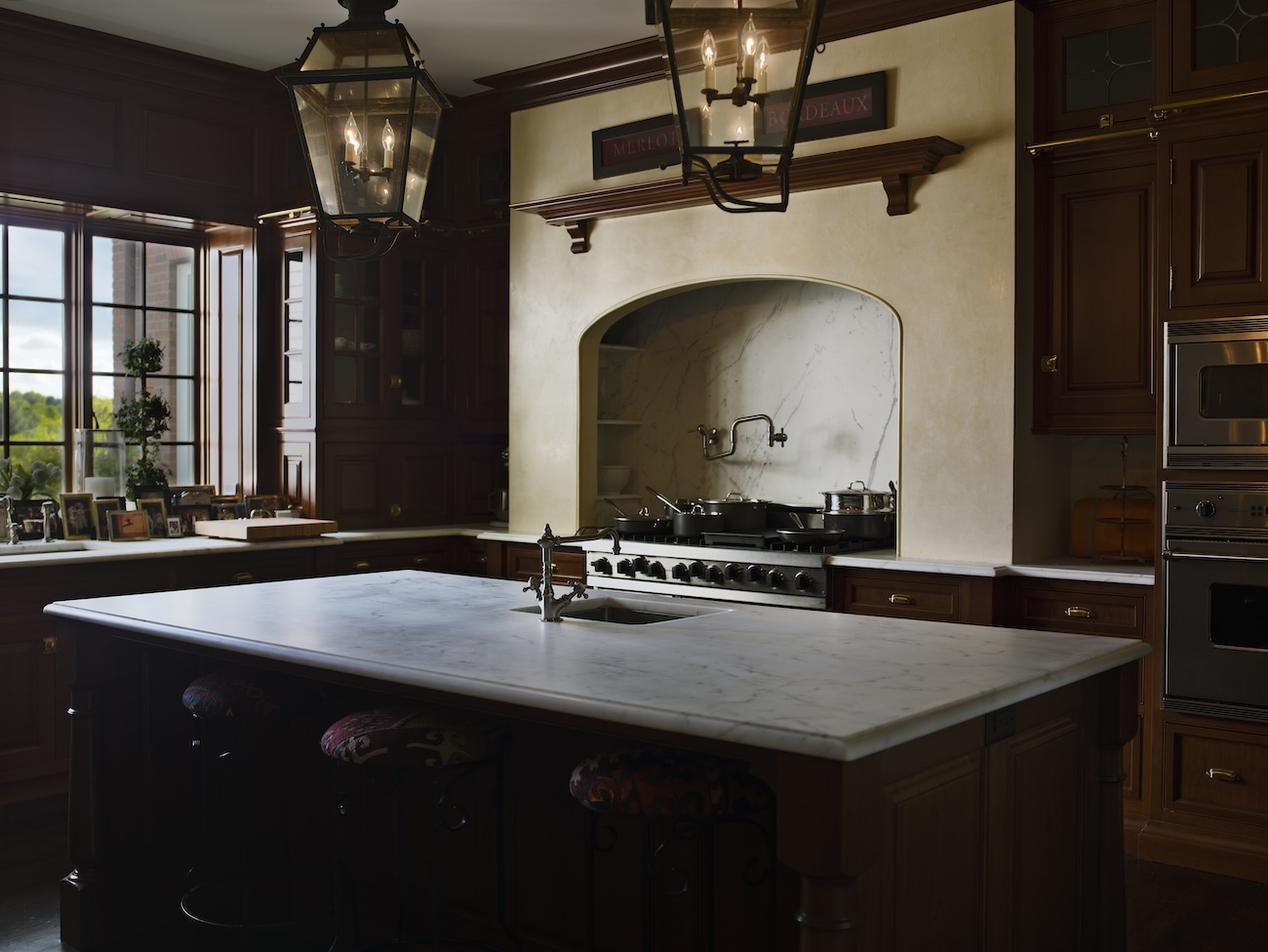
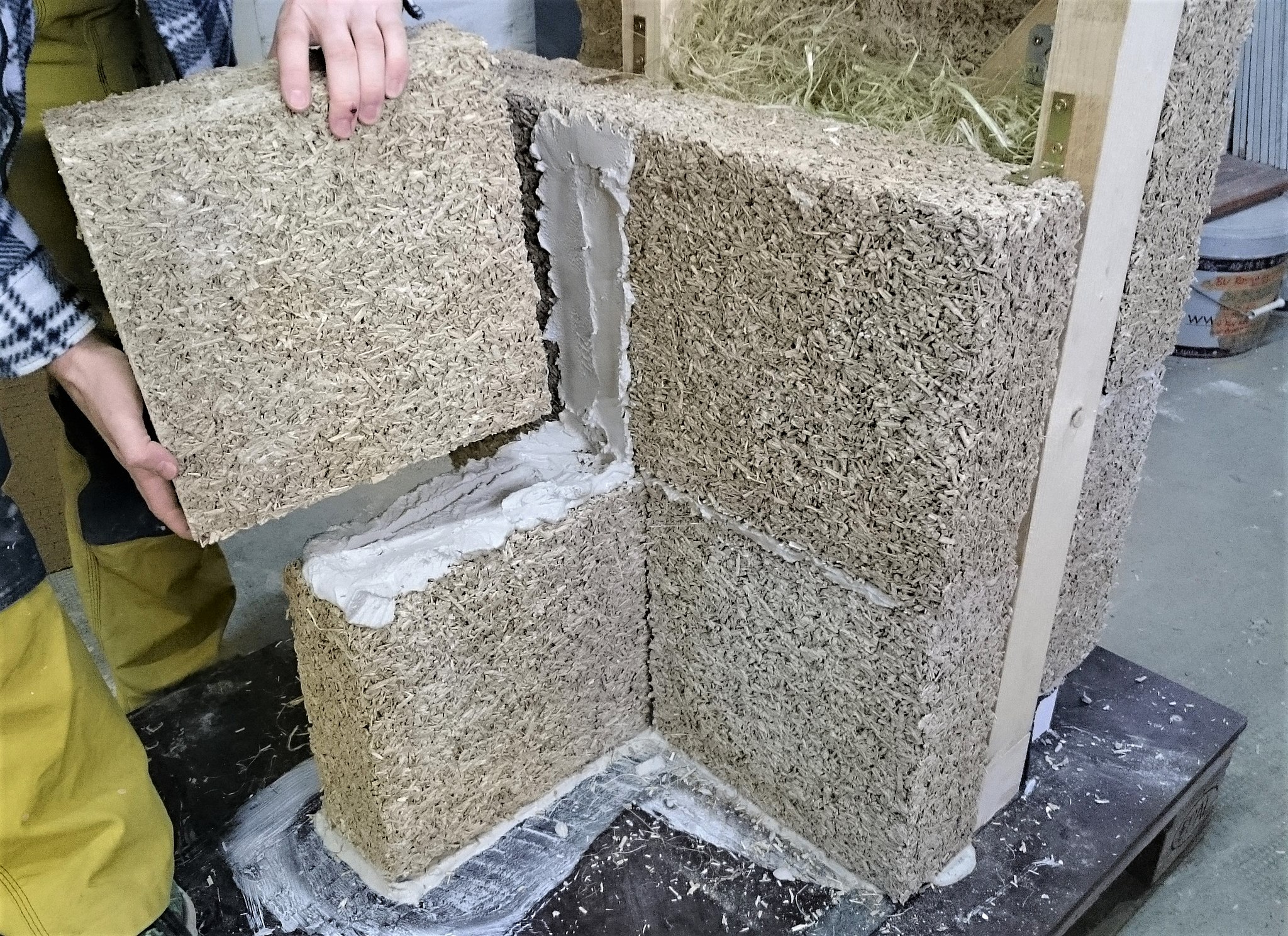
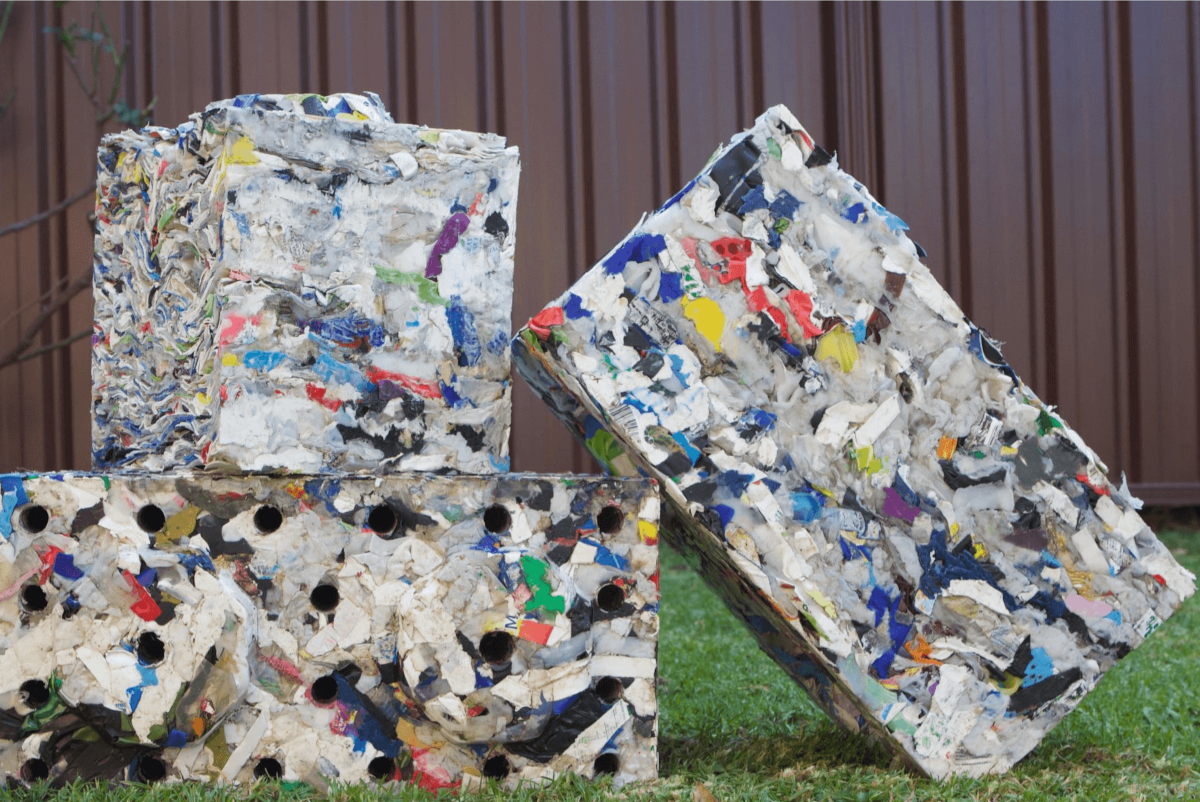
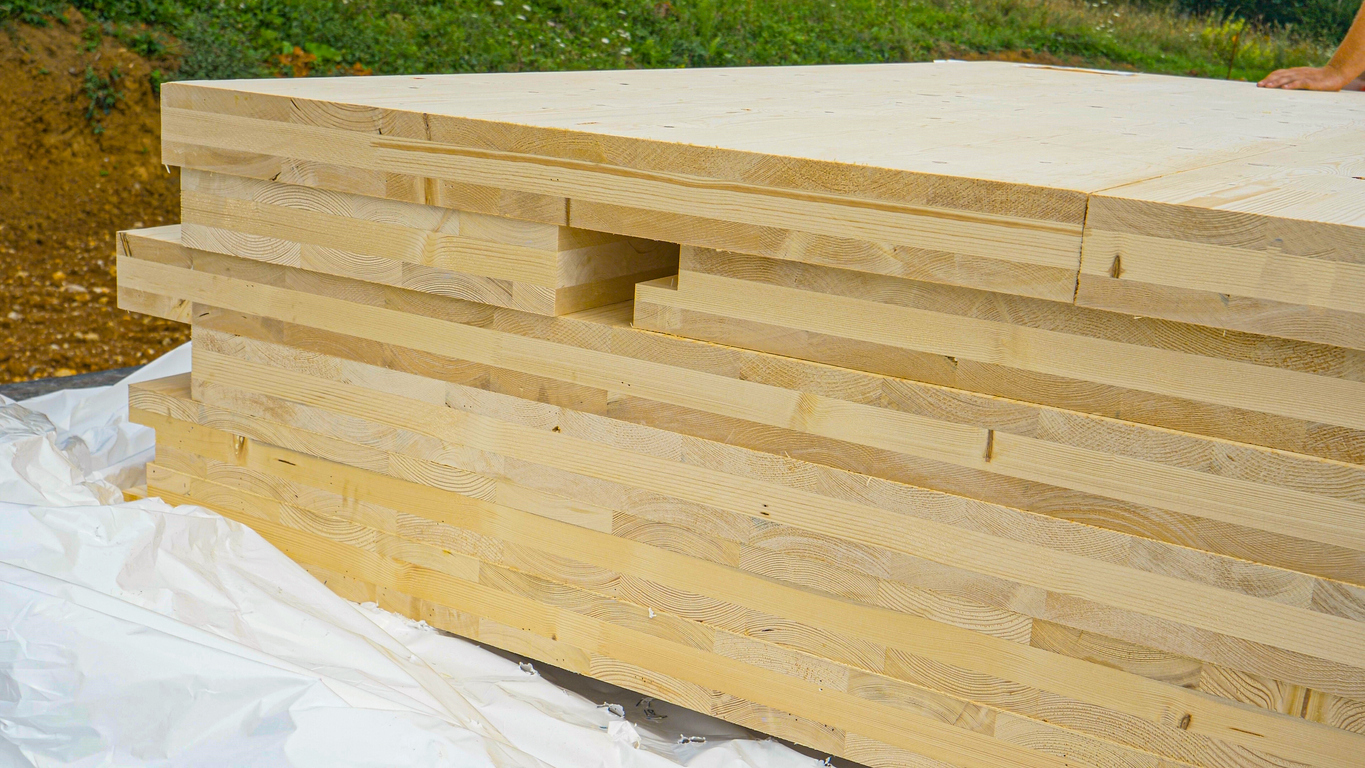
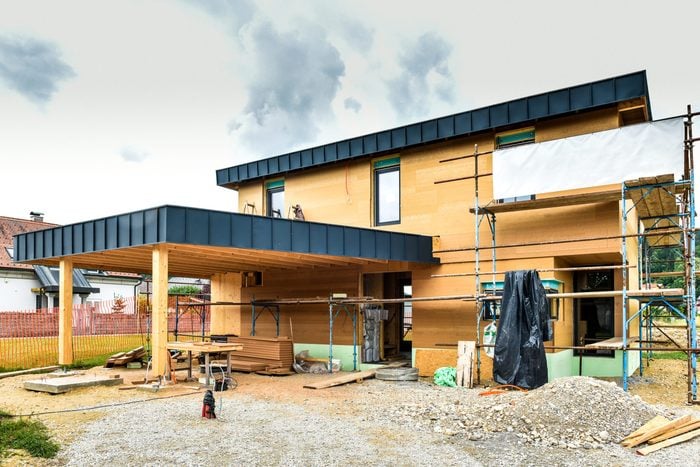
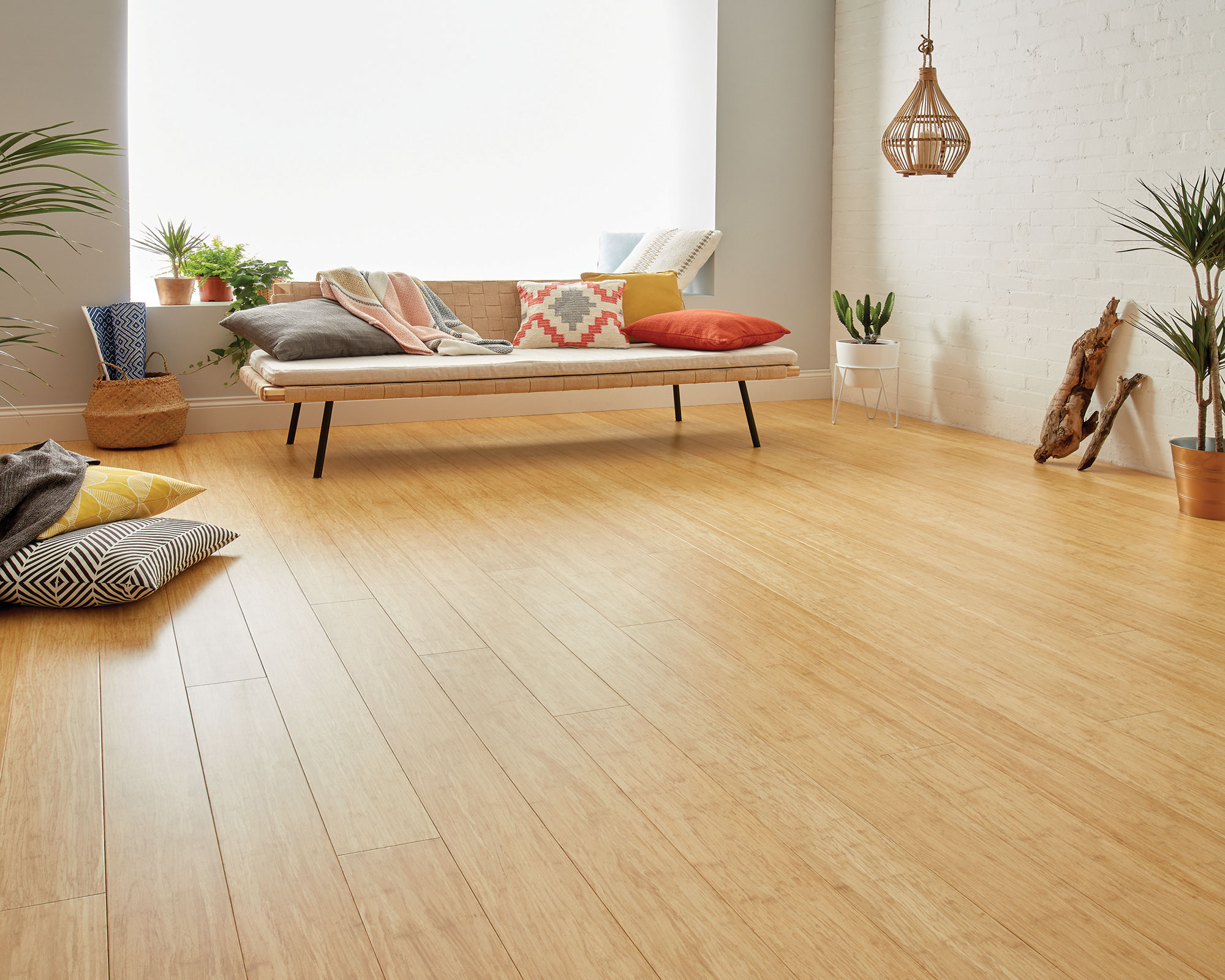
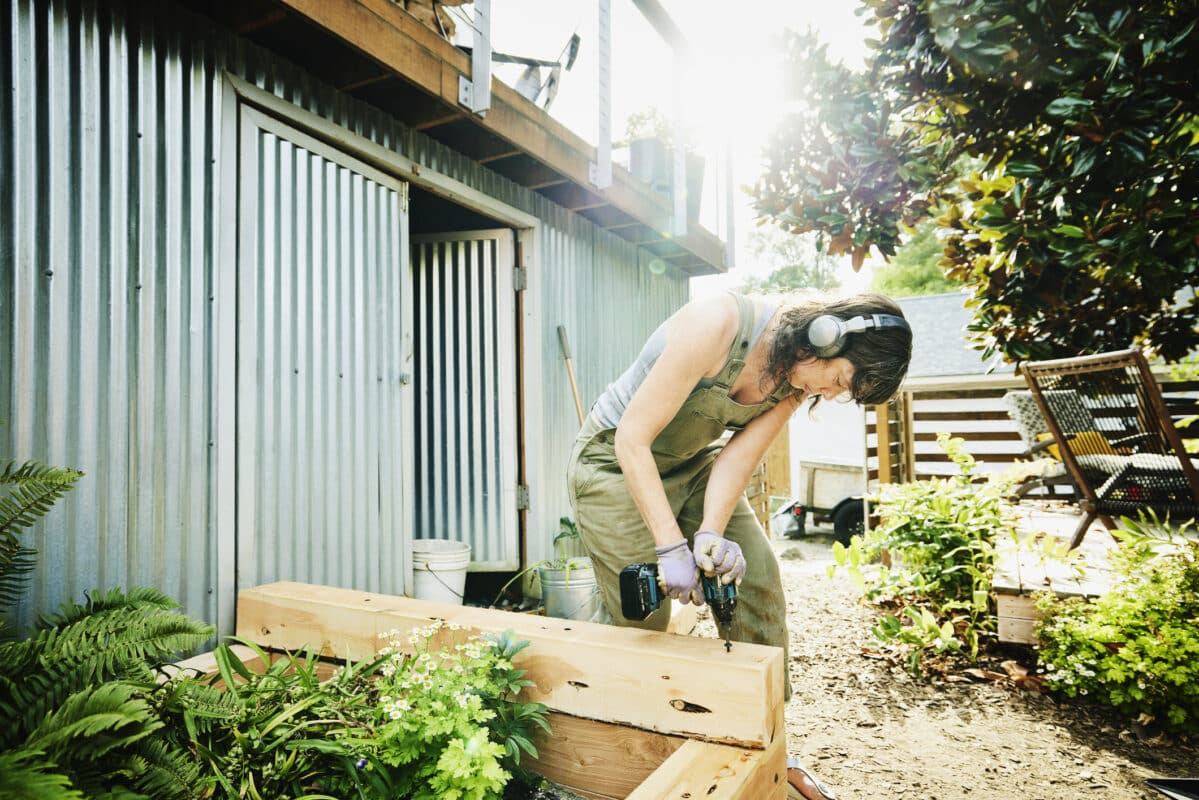
Another significant area for sustainability in home improvement involves using recycled, repurposed, or reclaimed materials. New construction and renovation projects typically generate considerable waste. Opting for materials like reclaimed wood, beams, flooring, or copper helps divert waste from landfills and can also be cost-effective. Resources such as Habitat for Humanity’s ReStore, Planet Reuse, Craigslist, Facebook Marketplace, and Freecycle facilitate access to these materials.
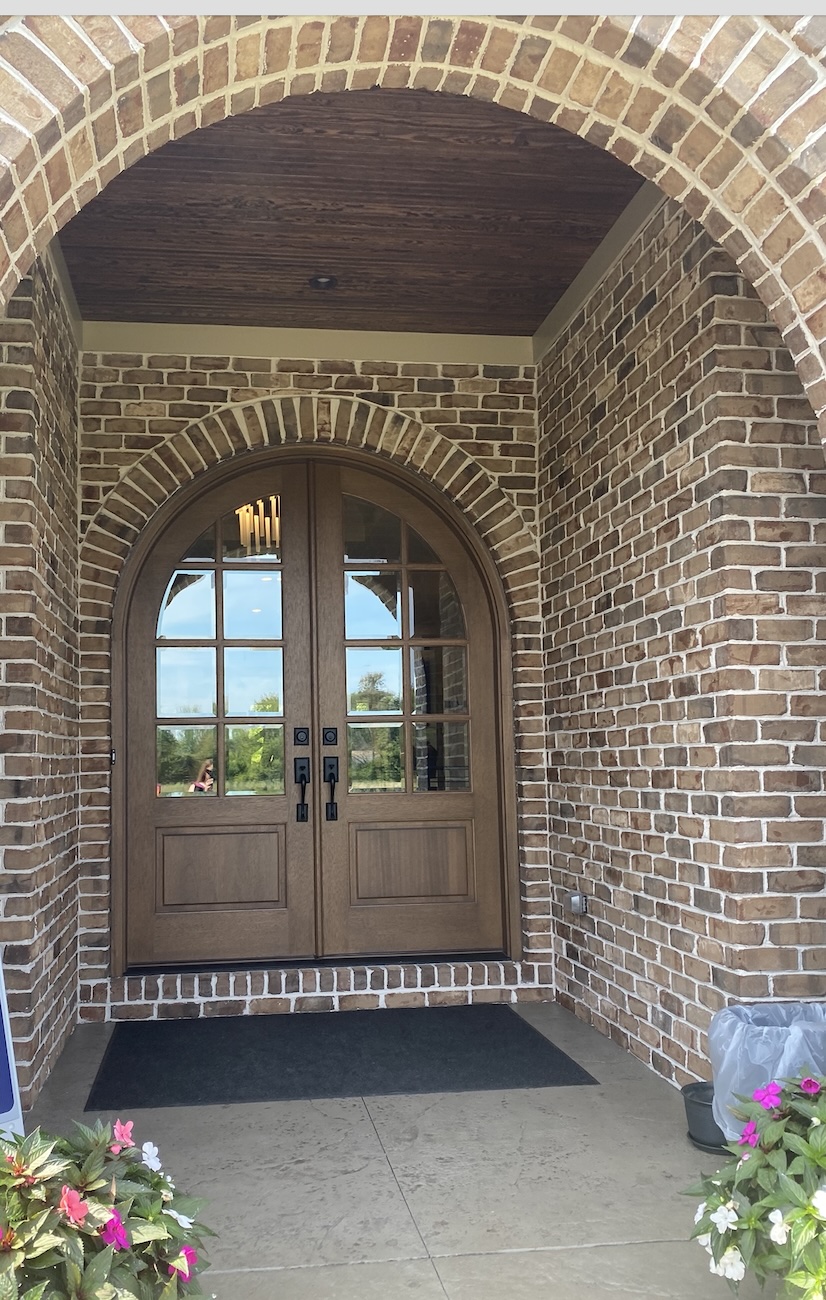
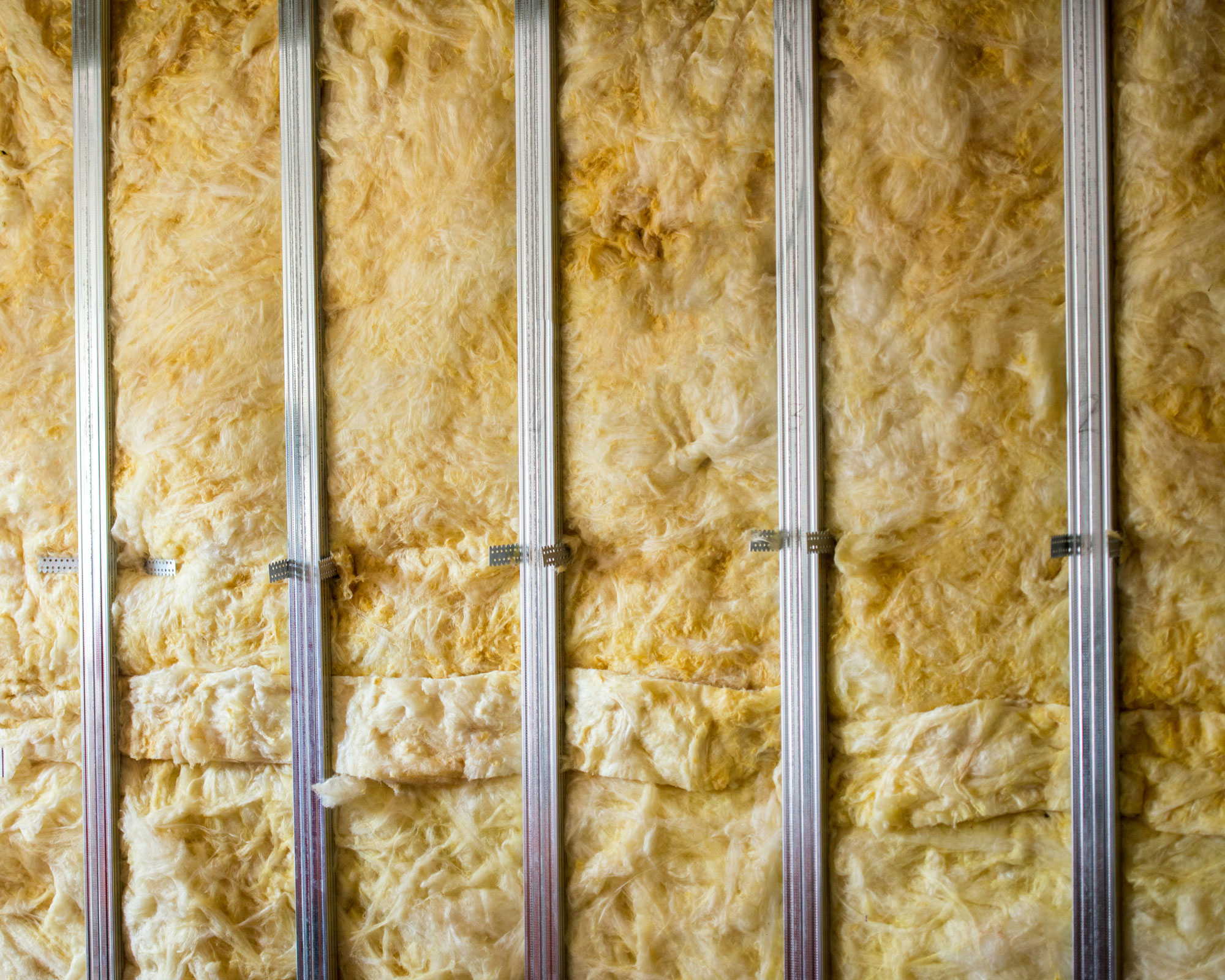
Improving a home's thermal envelope is crucial for energy efficiency. The U.S. Department of Energy estimates that approximately 30% of home energy is lost through windows, and drafty doors contribute to heat loss. Installing energy-efficient windows or sealing existing windows and doors with weather stripping, caulk, or door snakes can significantly reduce heating and cooling costs. A simple candle test can help identify areas of air leakage.
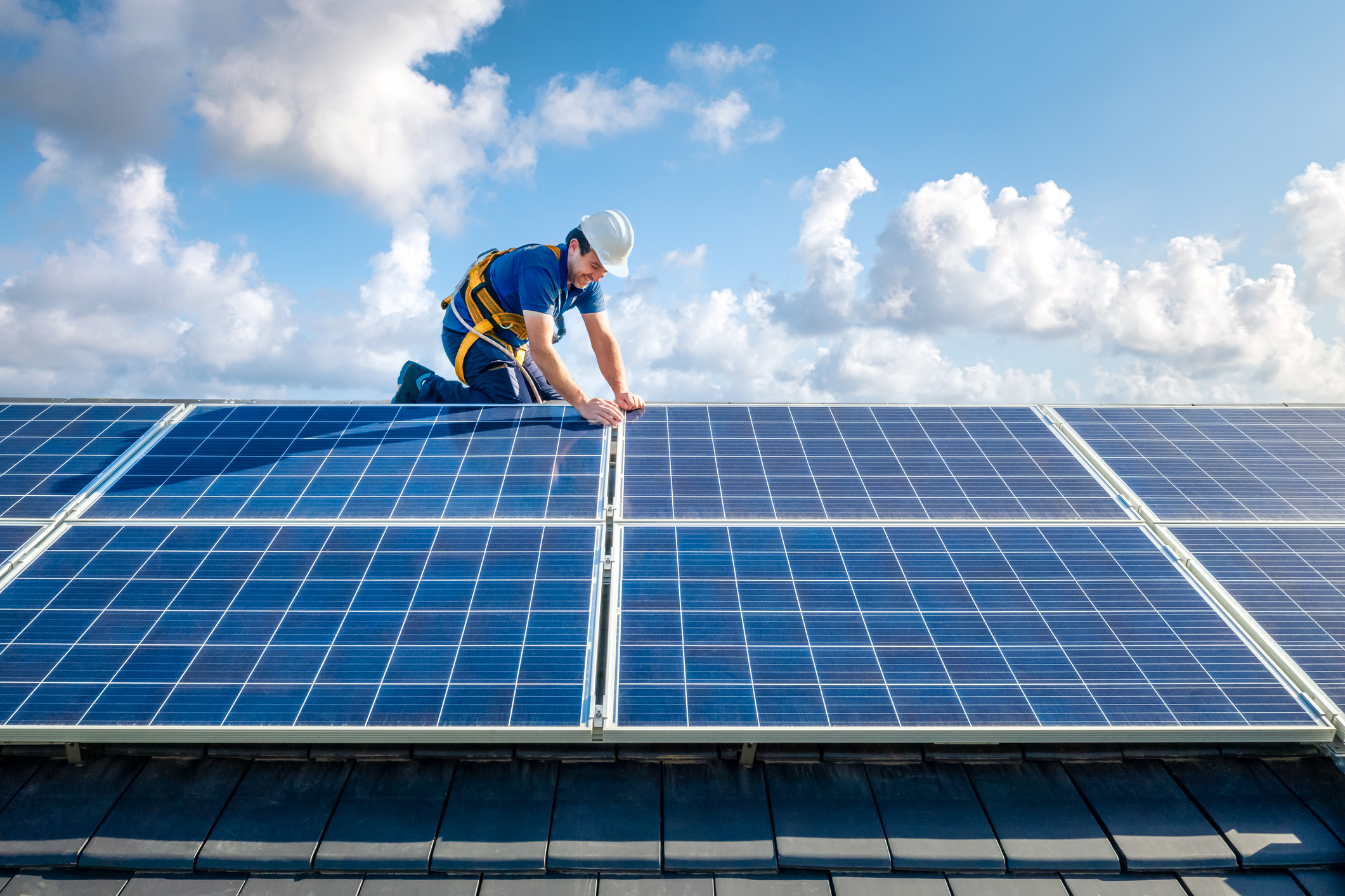
Integrating solar energy solutions is another powerful way to enhance sustainability. While full solar panel installations can be a substantial investment, their cost has decreased significantly over the past decade. More accessible options include solar attic fans, which keep attics cool without consuming grid electricity, and solar water heaters, capable of reducing residential water heating energy use by around 20%. Outdoor solar lights, including string lights, floodlights, and pathway lights, offer convenient and energy-independent illumination for exterior spaces.
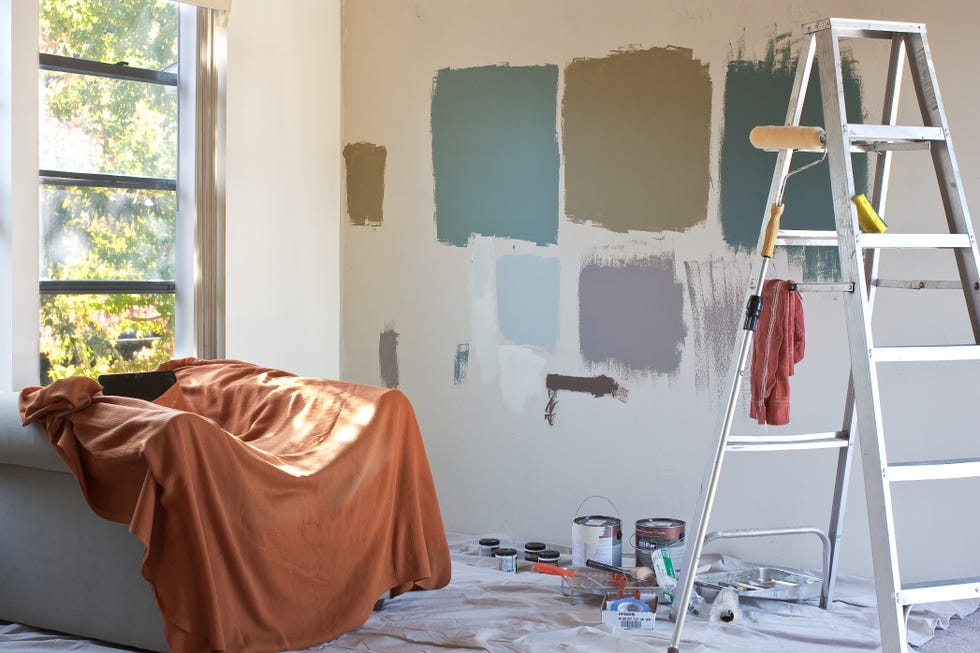
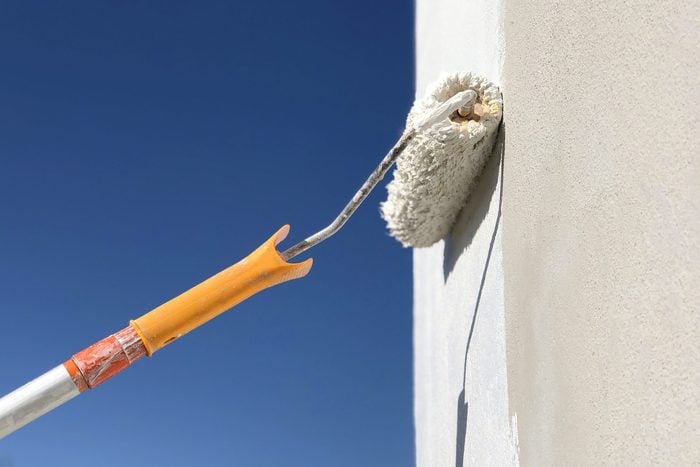
For interior renovations, choosing eco-friendly paint is important. Volatile organic compounds (VOCs) found in many conventional paints can release harmful gases, impacting both human health and the environment. Selecting paints that are low in or free of VOCs mitigates these risks.
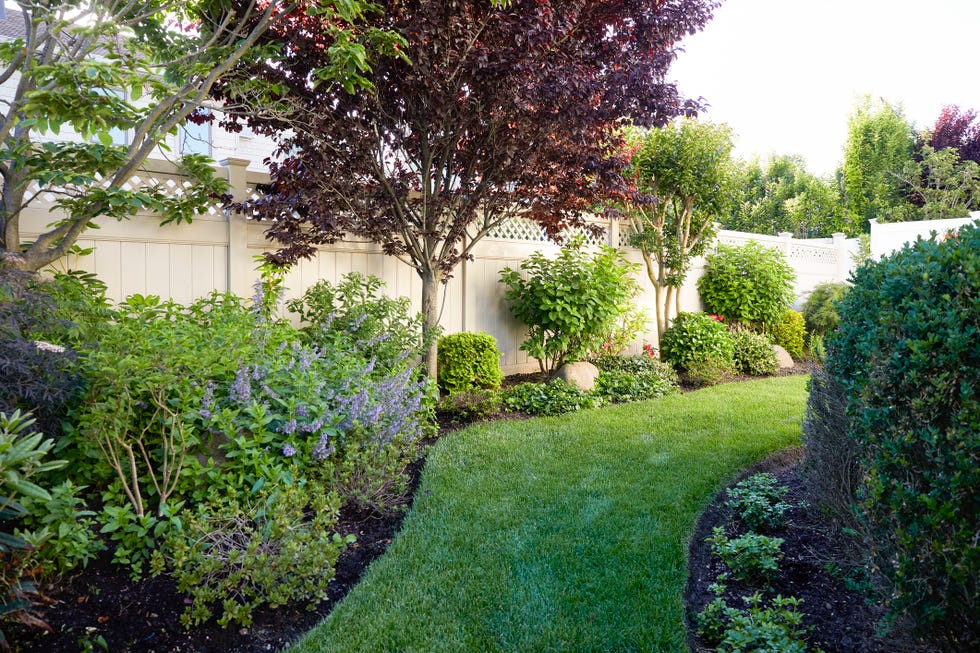
Beyond structural and material changes, adopting sustainable practices like starting a compost bin can dramatically reduce household waste. Food scraps and yard waste constitute over 30% of what is discarded, and composting transforms this organic material into nutrient-rich soil amendment, contributing to healthier soil and combating climate change. Similarly, planting a garden offers multiple benefits, including air purification, improved soil health, support for pollinators, increased home value through enhanced curb appeal, and personal health benefits such as stress reduction.
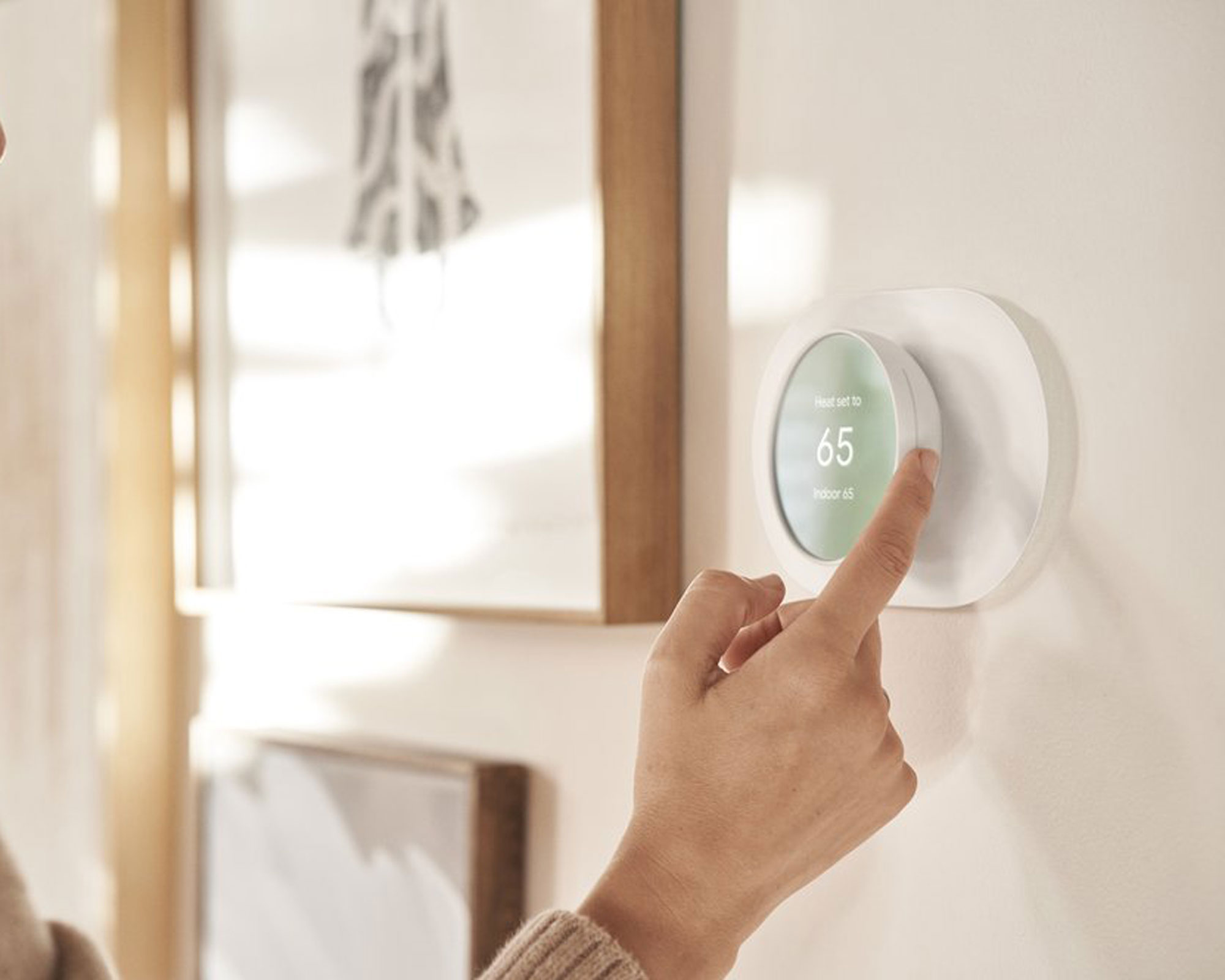
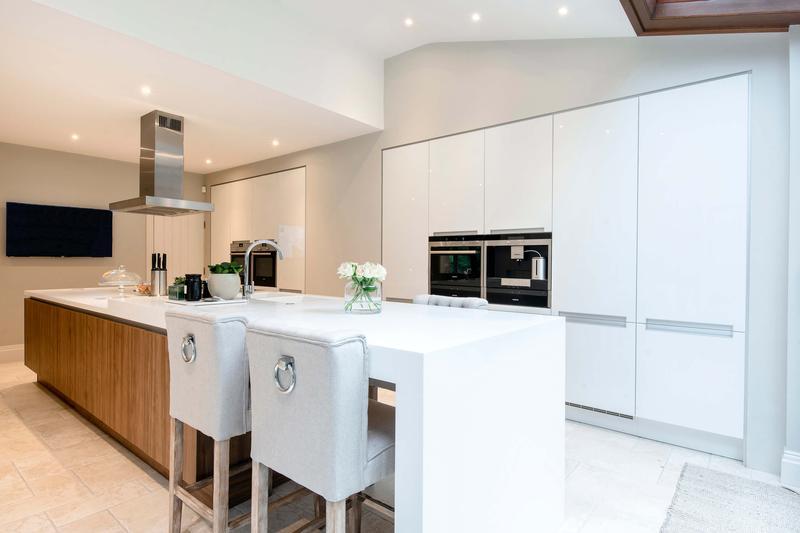
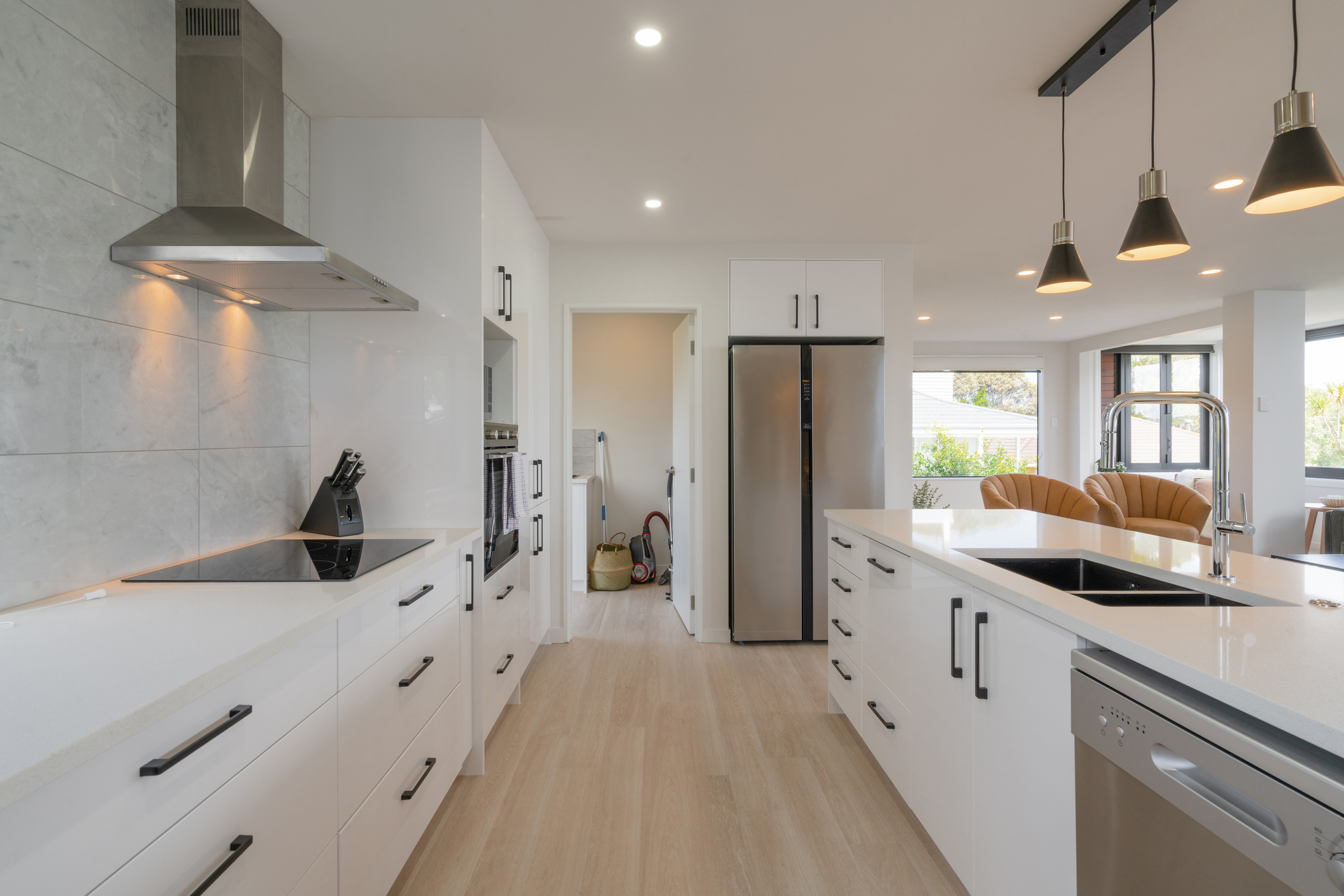
Finally, investing in energy-efficient appliances is a practical upgrade. When replacing items such as refrigerators, washing machines, dryers, heating/cooling systems, smart thermostats, televisions, water heaters, or ceiling fans, opting for Energy Star certified models can lead to quick returns on investment through reduced energy bills. For those unsure where to begin, many solar energy companies offer energy efficiency audits to identify the most impactful improvements for a home's energy system.
#SustainableHome #EcoFriendlyImprovements #EnergyEfficiency #SolarEnergy #RecycledMaterials #Composting #HomeGardening #GreenLiving #RenewableEnergy #SustainableHome #EcoFriendlyImprovements #EnergyEfficiency #SolarEnergy #RecycledMaterials #Composting #HomeGardening #GreenLiving #RenewableEnergy
0 Kommentare insgesamt
 Noch keine Kommentare
Das könnte Ihnen auch gefallen

The 8 Renovation Trends Designers Say Will Shape Homes in 2025 and Beyond


Top 10 Examples of Most Sustainable Architecture in 2025

If you don't yet know the home renovation trends for 2025, your project might just be missing out
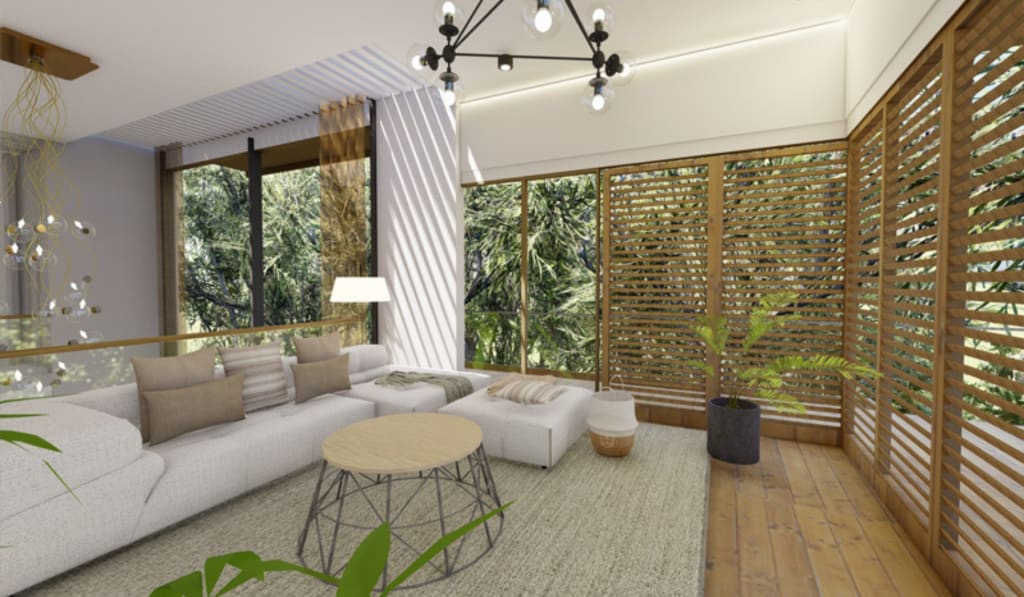
Top Home Design Trends in 2025 for Modern Living

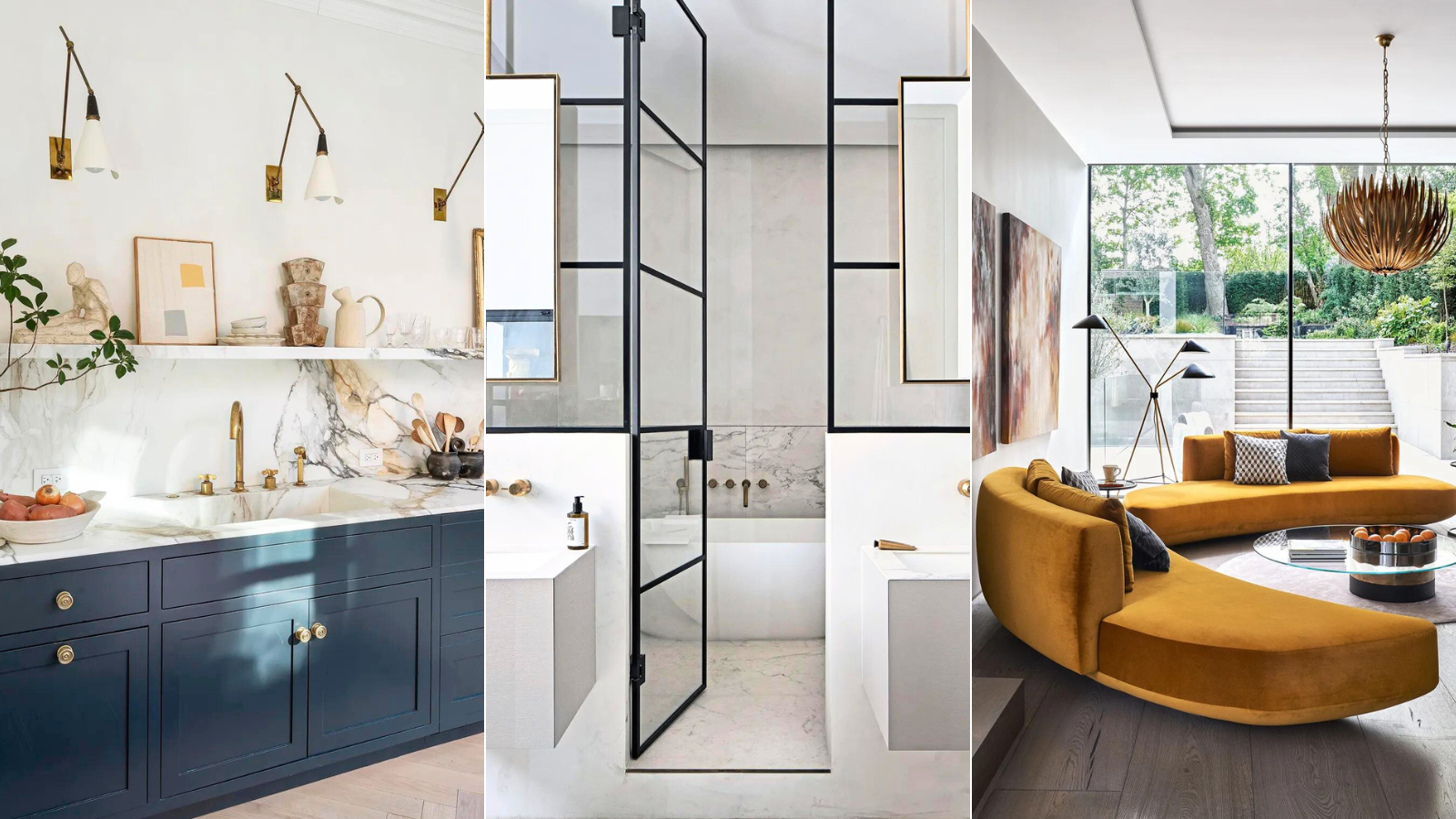
5 renovation projects that will add value to your home in 2024

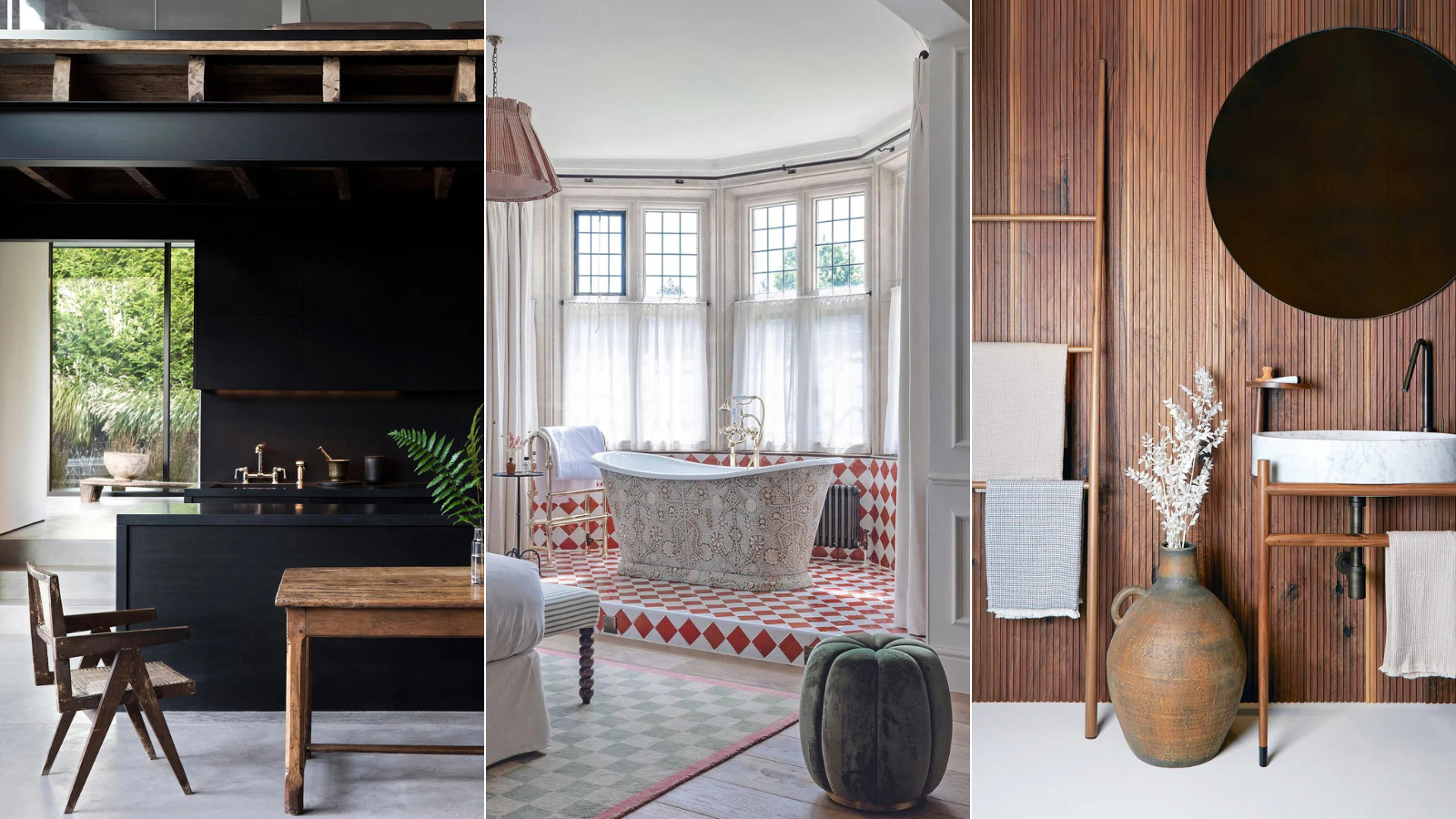
These 2024 home remodel trends are here to stay – here's how to try them

8 Home Renovation Trends We're Leaving Behind In 2024
Sustainable home improvements – 8 ways to make your home more energy efficient


How to Revamp Your Home in 2025

Renovating for the Future: Trends That Will Shape Your Home in 2025

These Are the Home Design Trends You Need to Know About in 2025
10 ways to make your home more sustainable
8 Sustainable Home Improvements You Can Make In 2026

10 Hottest Home Design Trends to Watch for 2025

5 "Tariff-Proof" Home Renovations That Experts Recommend in 2025


Experts Predict These 5 Home Improvements Will Have the Highest ROI in 2025

Renovating? The home design trends you’ll see everywhere in 2025


10 Innovative Materials Poised to Make Home Building More Sustainable

These 10 Sustainable Home Technologies Will Change the Way We Live

6 Sustainable Home Decor Trends You're Going to See Everywhere in 2025, Designers Say