1/9
6 things to never clean with rubbing alcohol around your home, and what to use instead
Rubbing alcohol, a common household item often found in medicine cabinets, is lauded for its versatility as a disinfectant, stain remover, and general cleaner. It effectively tackles various cleaning tasks, from sanitizing stainless steel surfaces to lifting stubborn ink stains. However, its strong chemical properties make it unsuitable for cleaning certain materials and surfaces within the home. Using rubbing alcohol on these specific items can lead to irreversible damage, including discoloration, cracking, or erosion, diminishing their appearance and structural integrity.
One material that should never come into contact with rubbing alcohol is leather. Whether it's a sofa, jacket, or any other leather item, rubbing alcohol can strip away its color and cause the material to crack over time, leading to irreparable damage. Instead, specialized leather cleaners, designed to nourish and protect the material, should be used for effective and safe cleaning. These cleaners are formulated to refresh leather without compromising its natural properties.
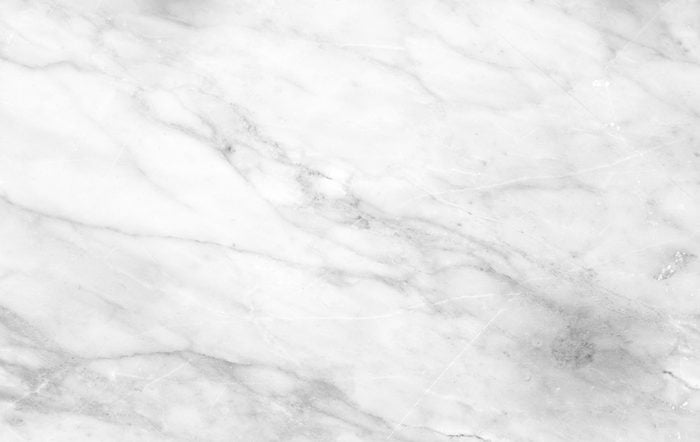
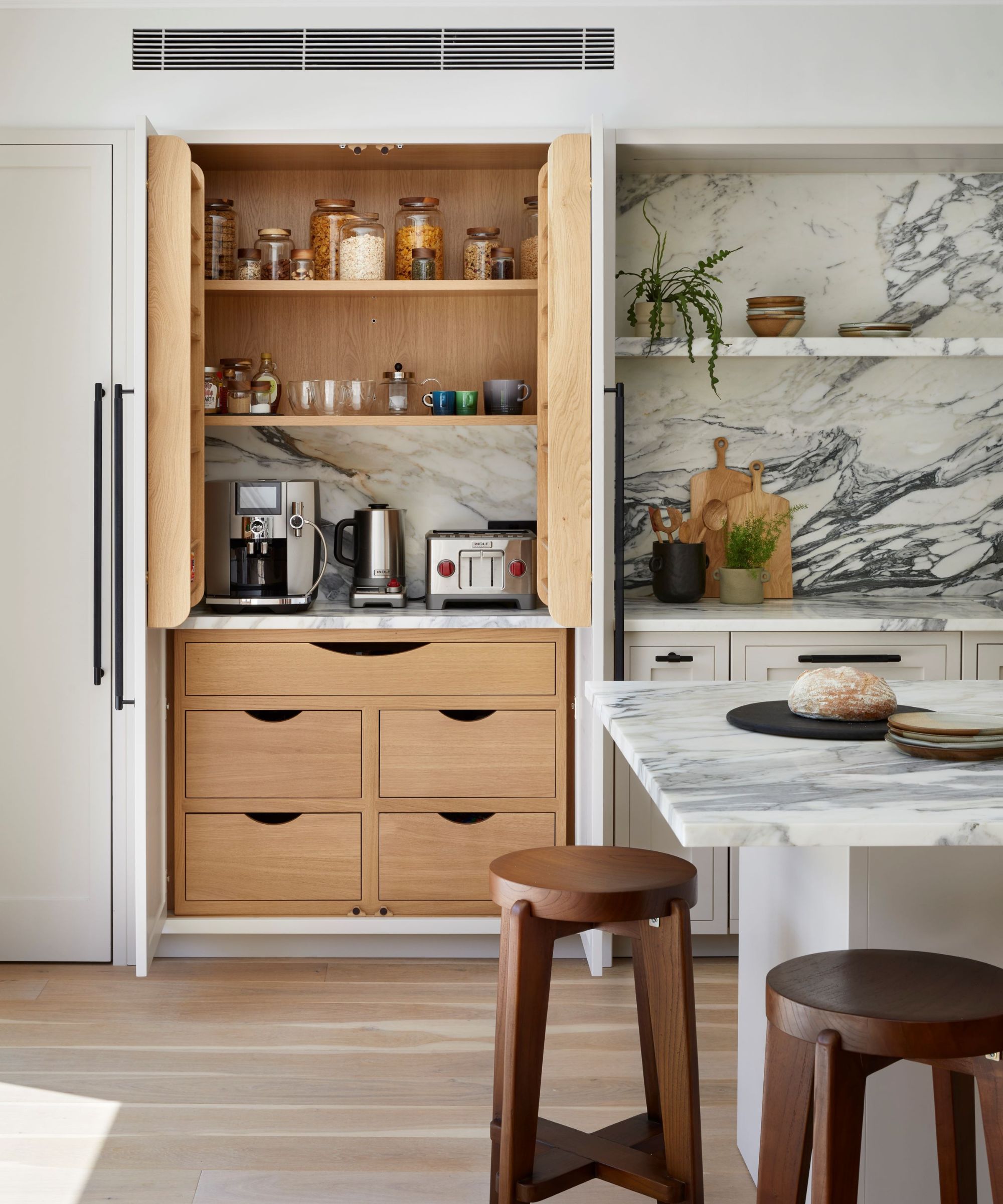
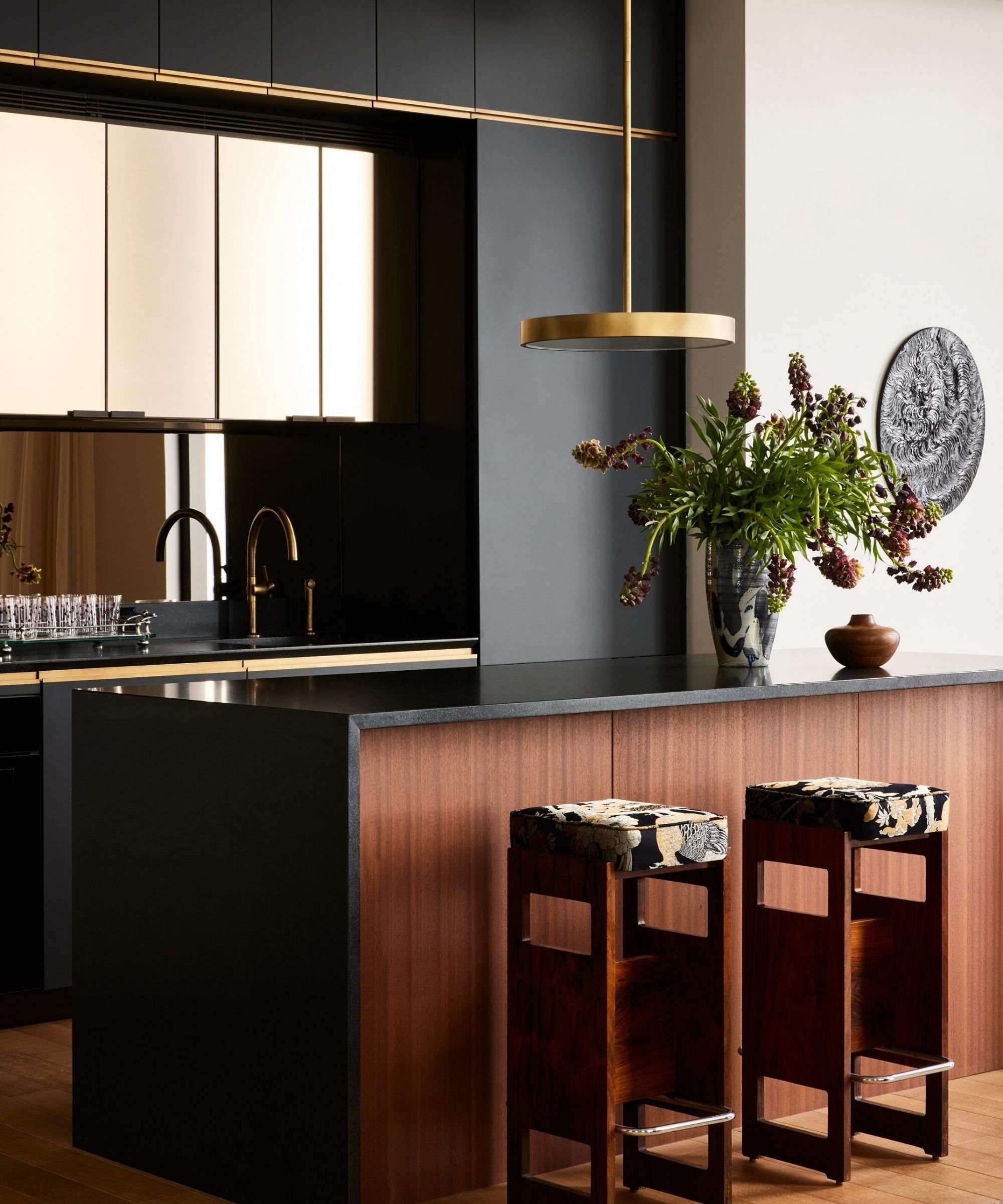
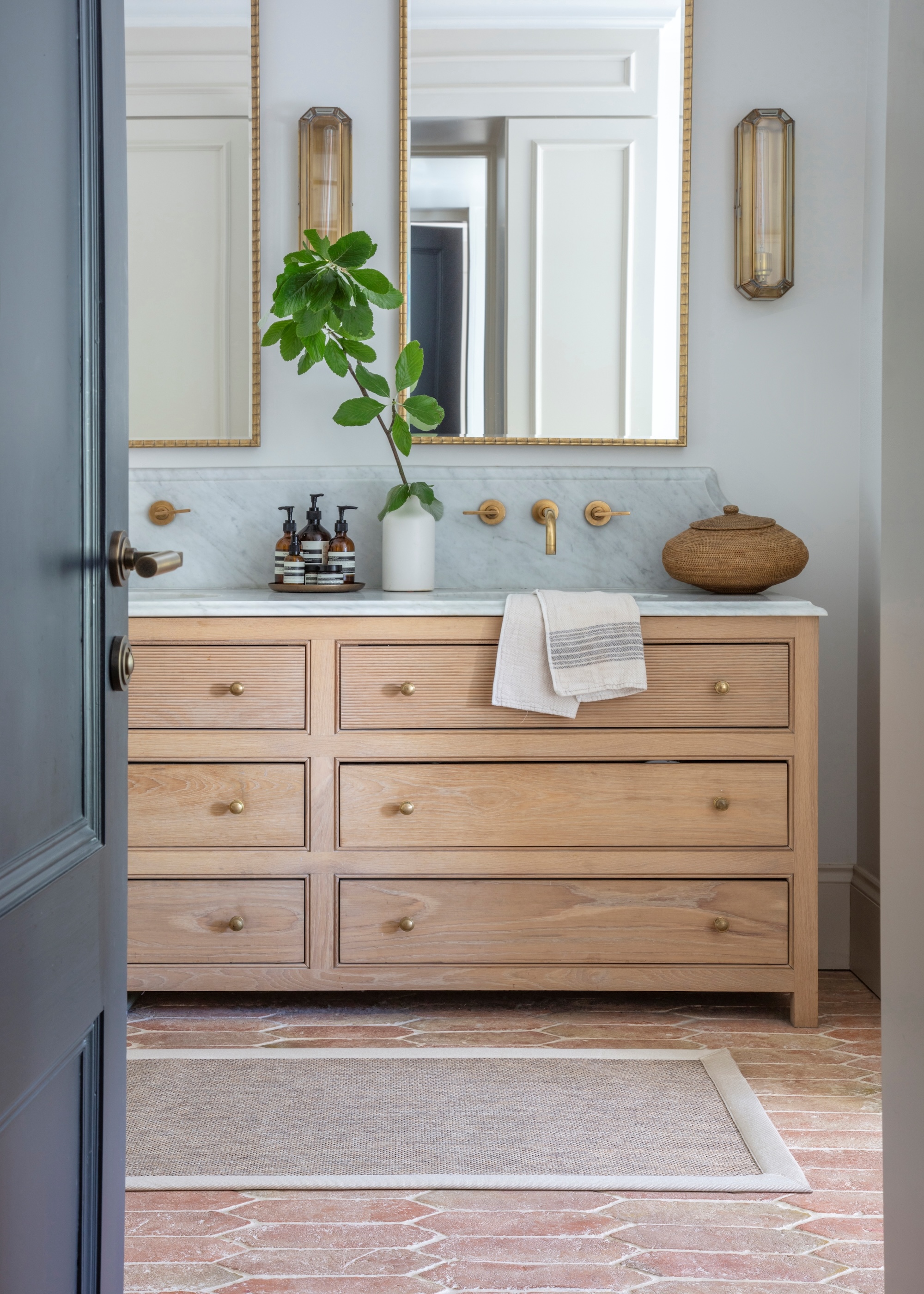
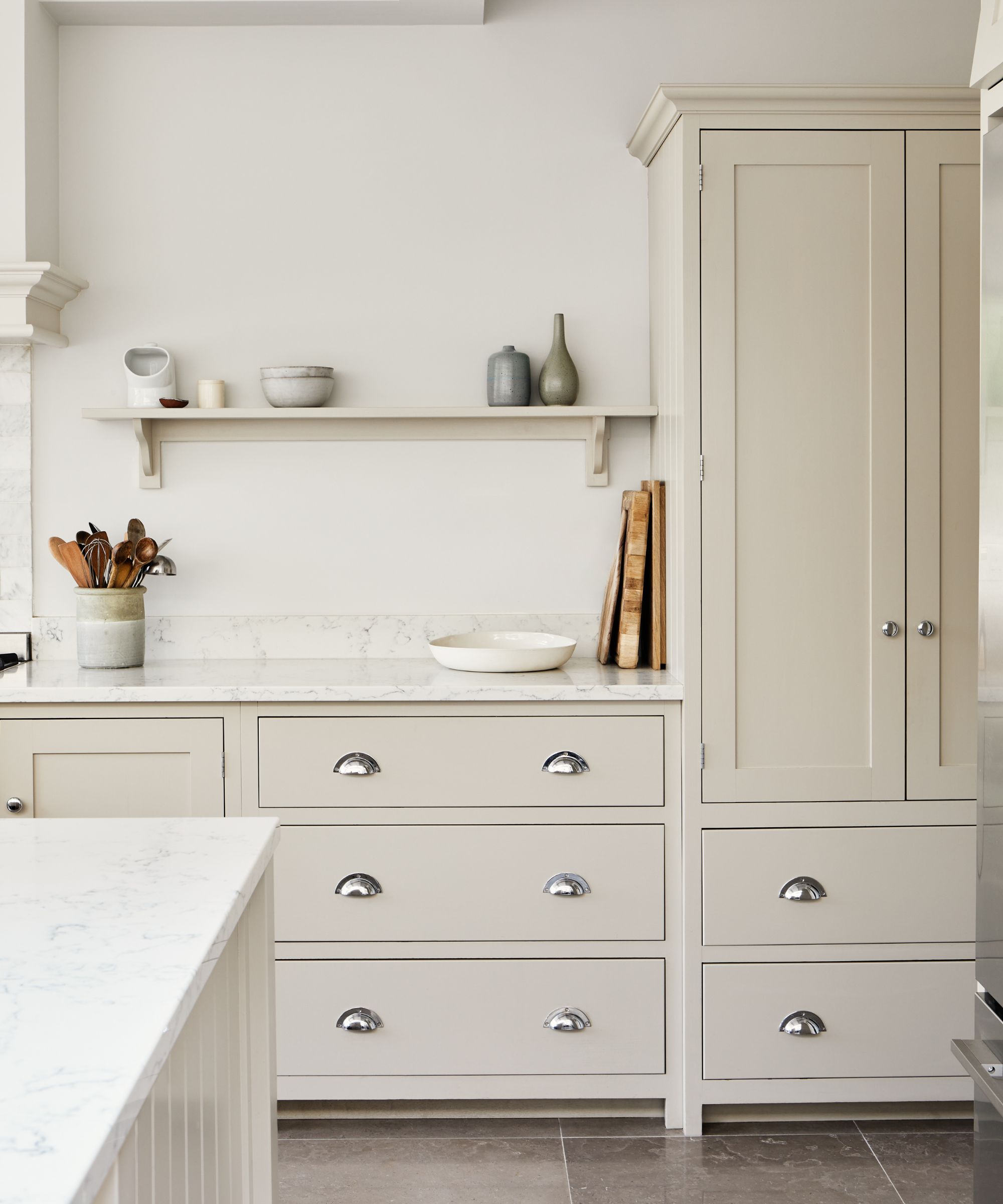
Natural stone surfaces like granite, marble, and quartz, commonly used for countertops in kitchens and bathrooms, are also highly susceptible to damage from rubbing alcohol. These porous materials have protective sealers that can be eroded by the harsh chemicals in rubbing alcohol, leading to discoloration, visible stains, scratches, and a diminished protective layer. For these surfaces, specific cleaners formulated for natural stone are recommended to maintain their pristine condition and protective seal.
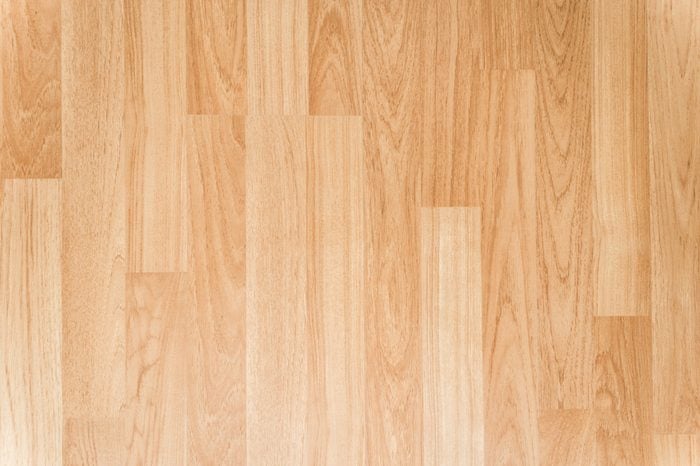
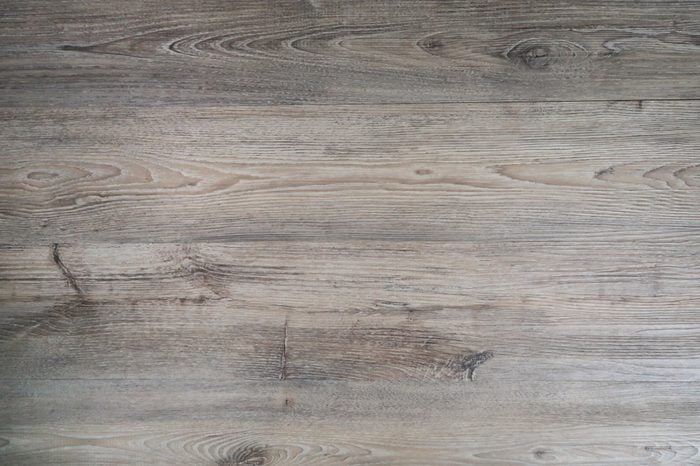
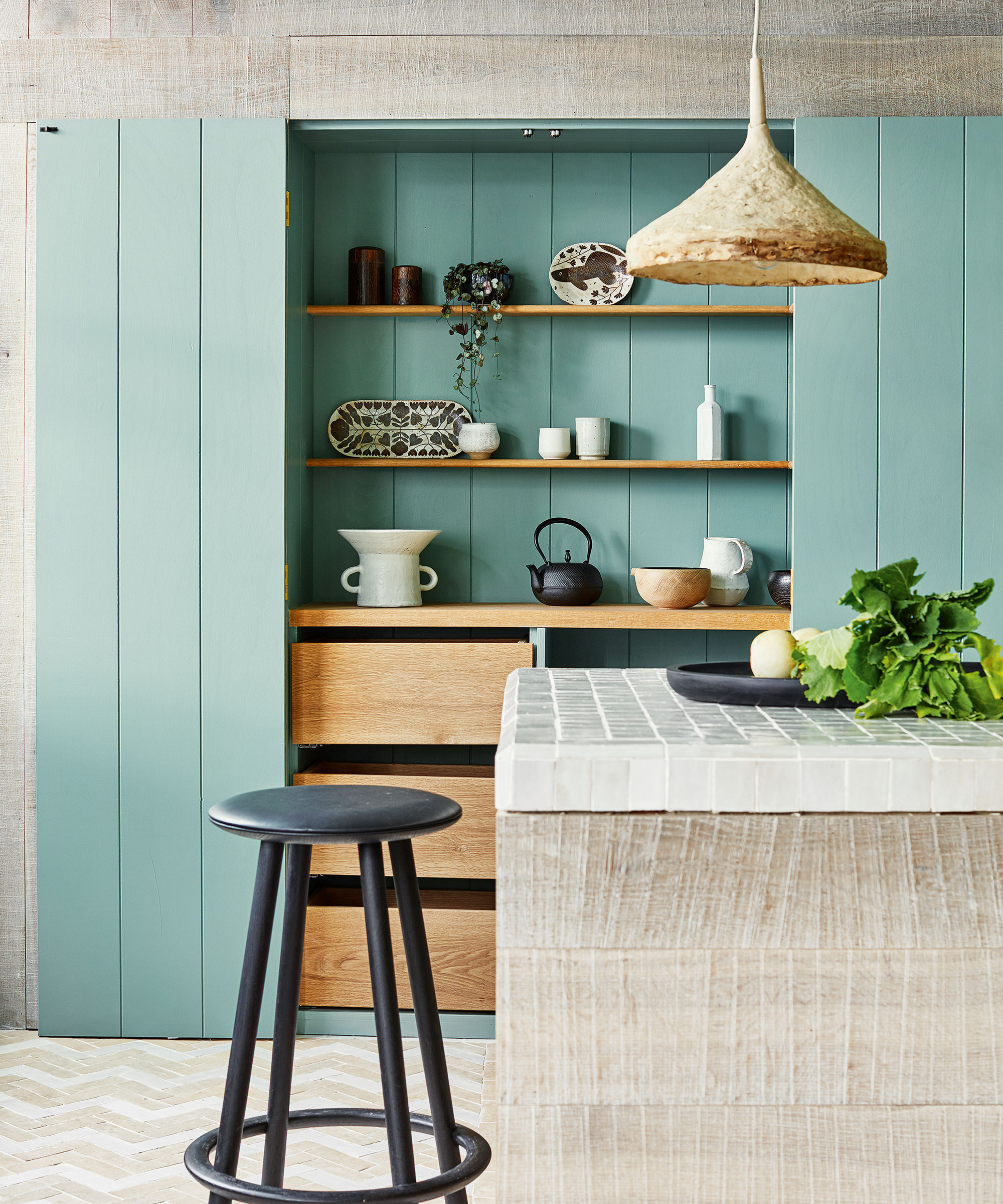
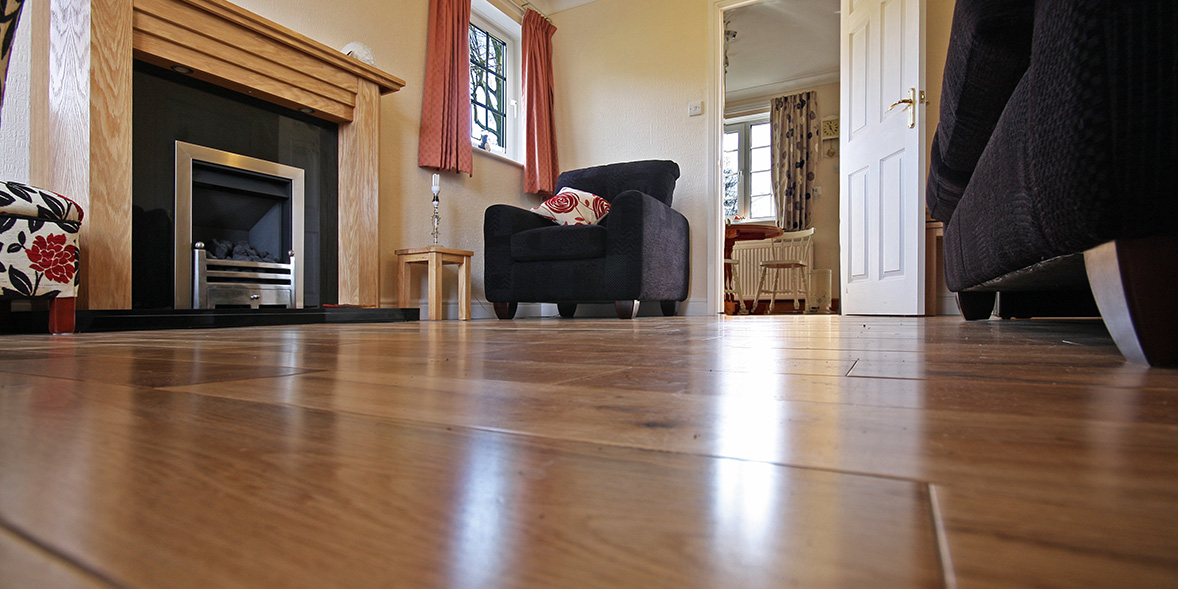
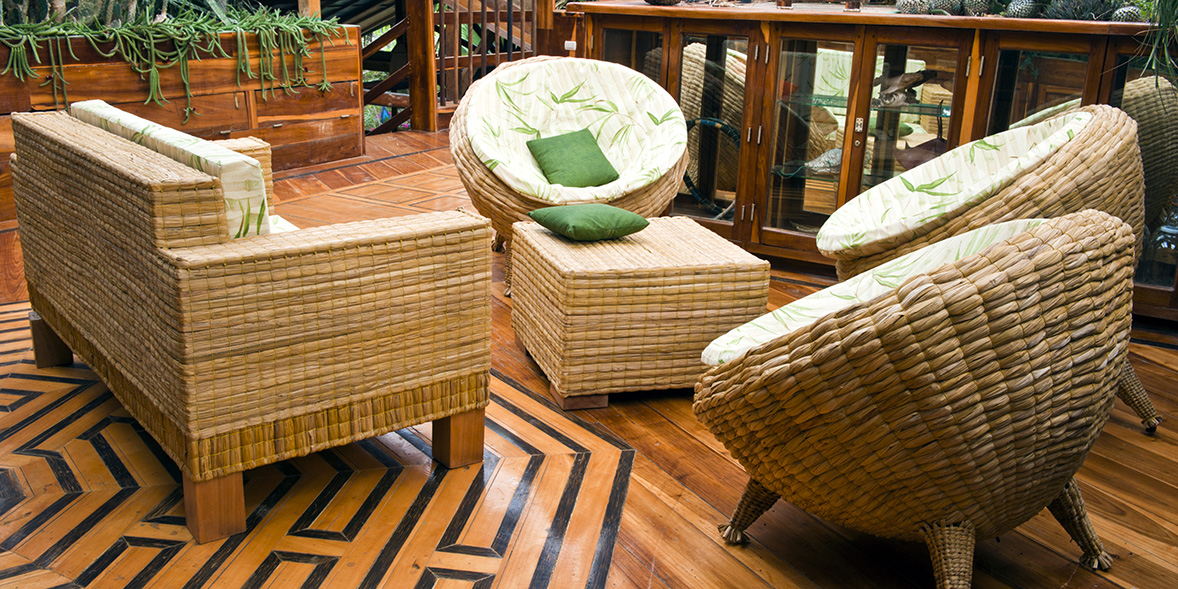
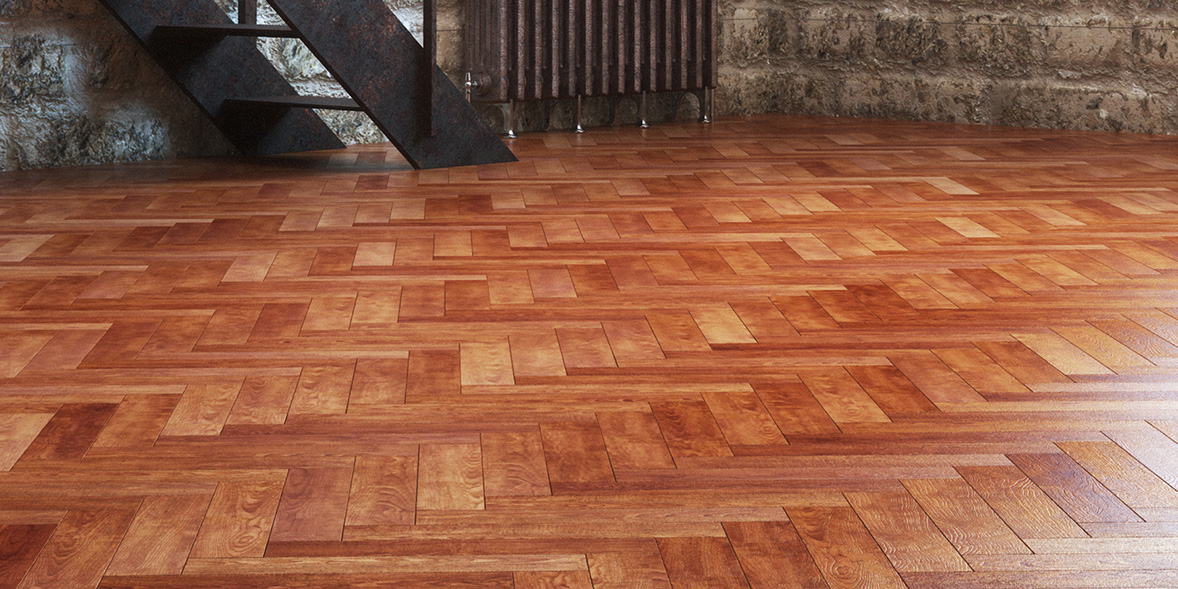
Wood, another porous material, can suffer similar adverse effects from rubbing alcohol. The alcohol can strip away protective coatings and finishes, causing discoloration and drying out the wood, which can ultimately lead to cracking. The safest and most effective method for cleaning wood surfaces is a simple solution of mild soap and water, followed by buffing to prevent water stains and maintain the wood's natural luster.
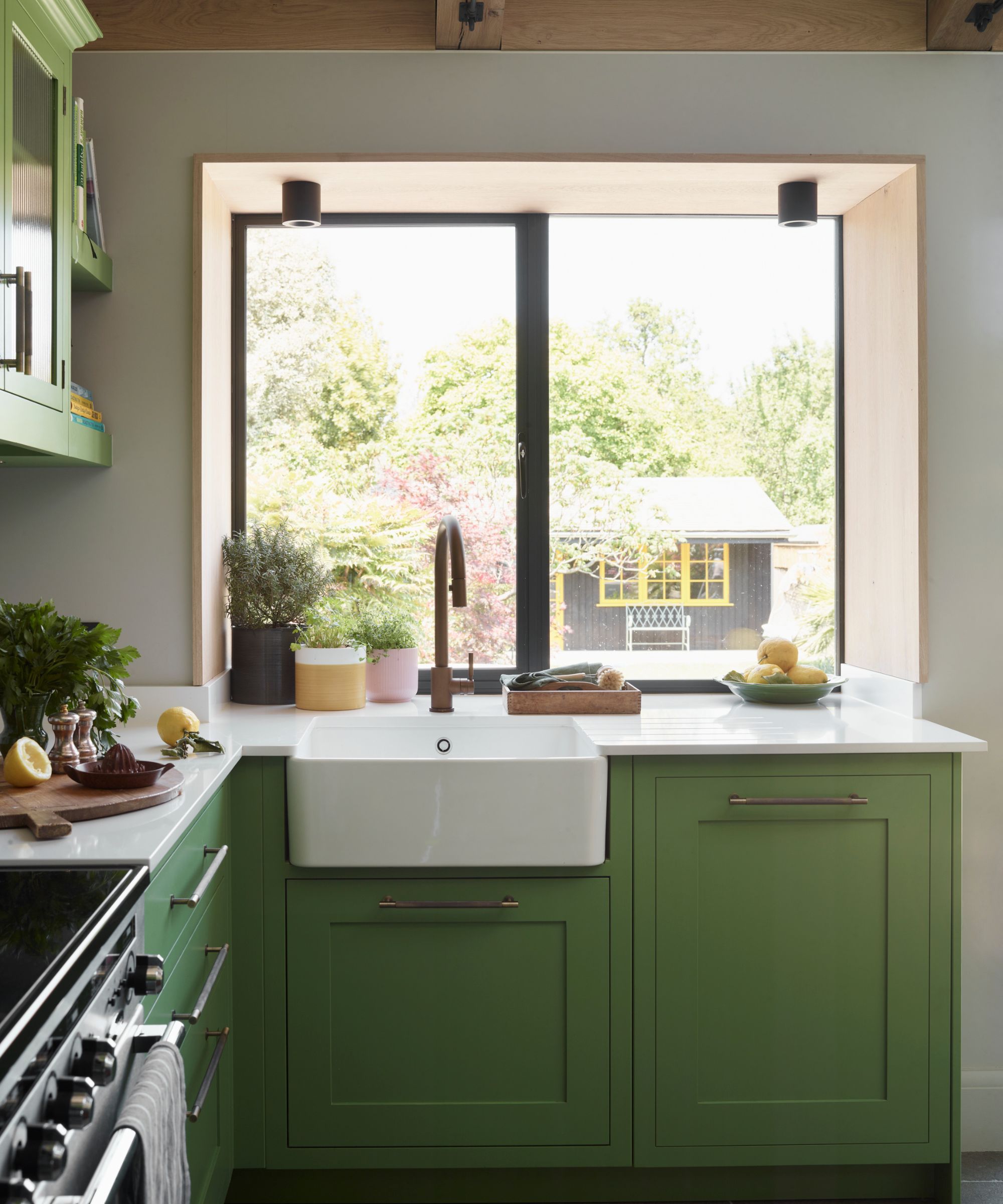
Painted surfaces are also vulnerable to rubbing alcohol. Given that rubbing alcohol can be used as a natural paint remover, applying it to painted walls or furniture will inevitably strip away the paint and potentially damage the underlying surface. To clean painted areas without causing harm, a gentle approach using mild soapy water and a soft sponge is advised, ensuring the paint remains intact and undamaged.
Delicate fabrics and upholstery, including materials like silk and wool, are another category to keep away from rubbing alcohol. Exposure to large quantities of rubbing alcohol can cause discoloration and damage to the fibers. For these items, hand washing with appropriate detergents or professional dry cleaning is recommended for clothing. For upholstery, specialized sprays designed for fabric care should be used to clean and refresh without causing damage.
Finally, acrylic and plastic items can react negatively to rubbing alcohol, often resulting in fogging, hazing, or cracking. A mild soap and water solution is a safer alternative for cleaning these materials. There are also specialized plastic and acrylic cleaners available that effectively remove dirt, fingerprints, and grime while repelling dust, keeping these surfaces clear and well-maintained.
Despite these limitations, rubbing alcohol remains a powerful disinfectant for many other surfaces around the home, such as toilets, where it can be used to sanitize and refresh. When using rubbing alcohol for cleaning, especially in confined spaces, proper ventilation is crucial. It is also important to avoid direct skin contact, as it can cause dryness and irritation. By understanding which materials to avoid, homeowners can leverage the benefits of rubbing alcohol while protecting their belongings and maintaining a clean environment.
#RubbingAlcohol #CleaningTips #HomeCare #SurfaceProtection #MaterialDamage #HouseholdCleaning #CleaningExperts #InteriorMaintenance #RubbingAlcohol #CleaningTips #HomeCare #SurfaceProtection #MaterialDamage #HouseholdCleaning #CleaningExperts #InteriorMaintenance
0 Kommentare insgesamt
 Noch keine Kommentare
Das könnte Ihnen auch gefallen
8 Things You Should Never Clean with a Swiffer

6 Things You Should Never Keep on Your Kitchen Counter

6 things minimalists never have in a kitchen – and what to use instead
6 Things You Should Never Use to Clean Wood Floors (Unless You Want to Ruin Them)

8 items to never clean with bleach – according to cleaning professionals
6 Vacuum cleaner mistakes to avoid – and why they aren’t cleaning your home
6 Things You Should Never Clean With All-Purpose Cleaner

8 Things You Should NEVER Keep On Your Kitchen Counter
13 Things You Should Never Clean with Windex
6 Things You Should Never Clean With All-Purpose Cleaner
6 Things You Should Never Put in a Guest Bathroom

5 surfaces you shouldn't use a steam cleaner on
11 Things You Should Never Clean with Rubbing Alcohol

5 things you should never clean with baking soda – according to professionals
9 Things Professional Declutterers Won’t Keep In Their Bathroom

7 things people with nice-smelling basements never do
8 Things You Should Never Wash Down The Sink
8 essential oil cleaning mistakes
6 things you should never forget to clean in a hallway
12 Unexpected Things You Can Clean With Vodka, From Cutting Boards to Sneakers