1/4
Why is Samsung Making TVs Thicker?
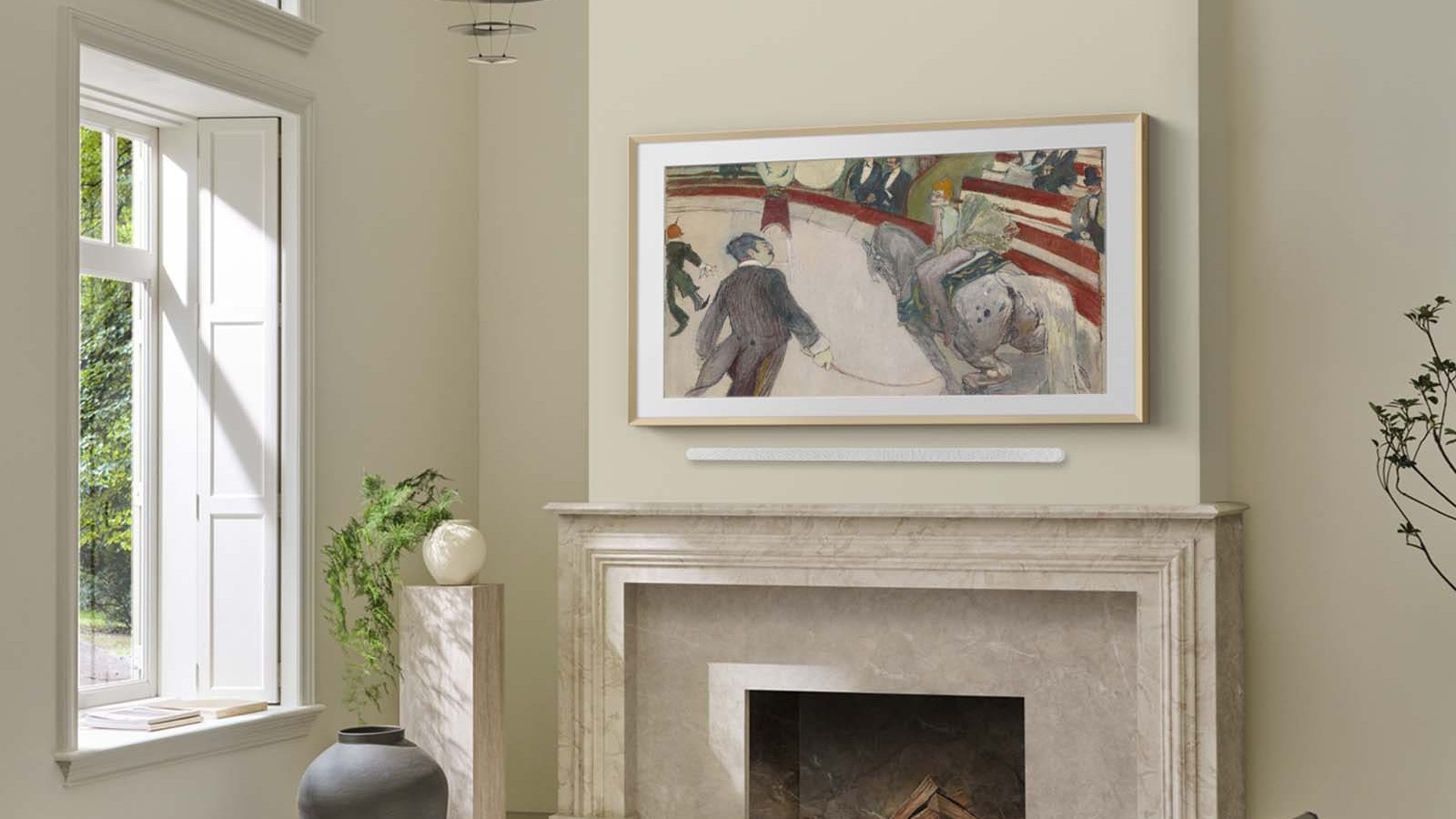
The article discusses the design philosophy behind Samsung's new Serif TV, designed by the Bouroullec brothers, which intentionally departs from the trend of ultra-thin televisions. The author, an industrial designer, reflects on a past lesson about the "dematerialization of objects" and how technology would lead to smaller or virtually disappearing objects, especially in the context of televisions. Historically, televisions were large, bulky furniture pieces that dominated living spaces. The advent of flatscreen technology was celebrated for freeing up space by allowing TVs to be wall-mounted, thus making the "image" the primary focus and reducing the TV's physical presence.
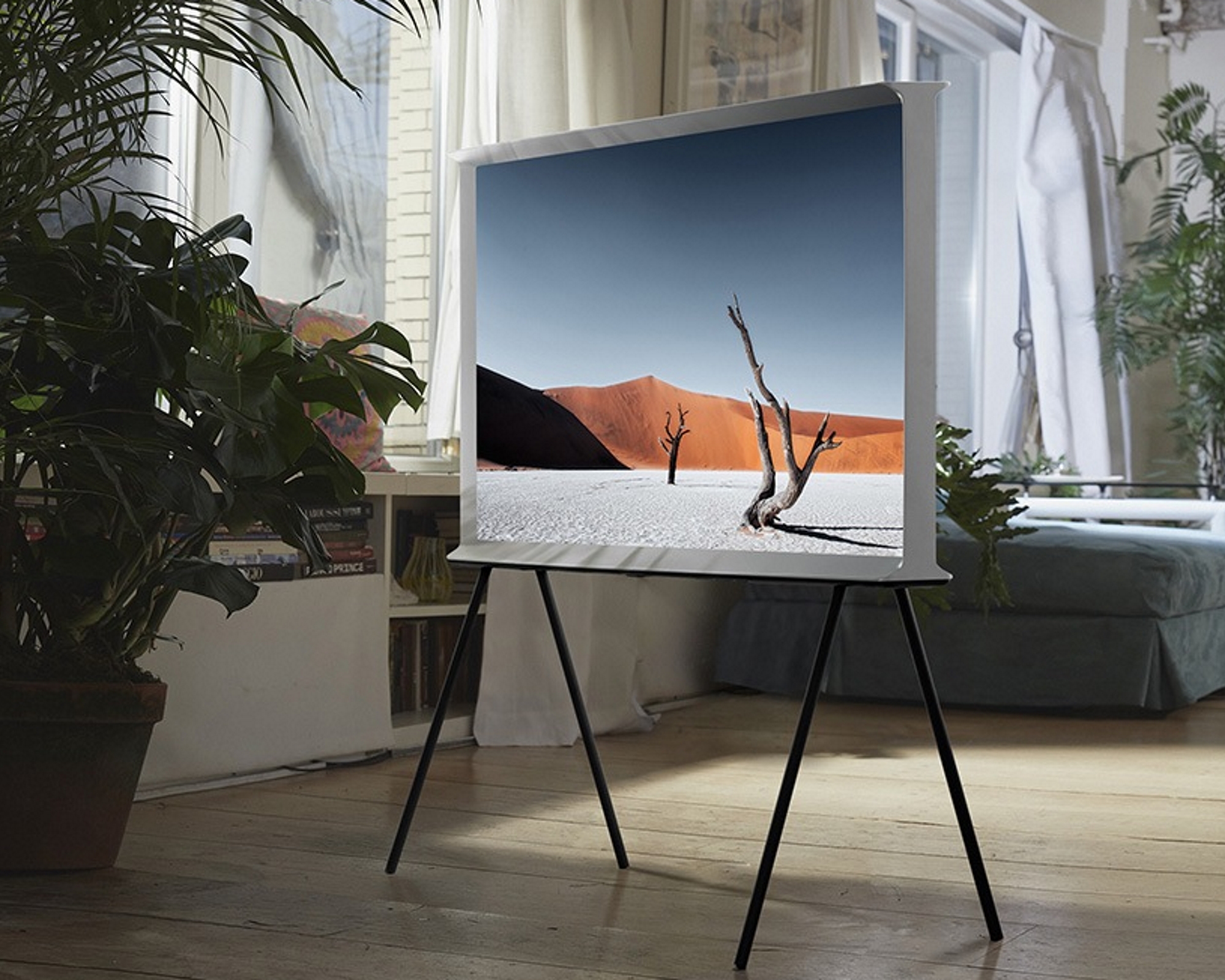
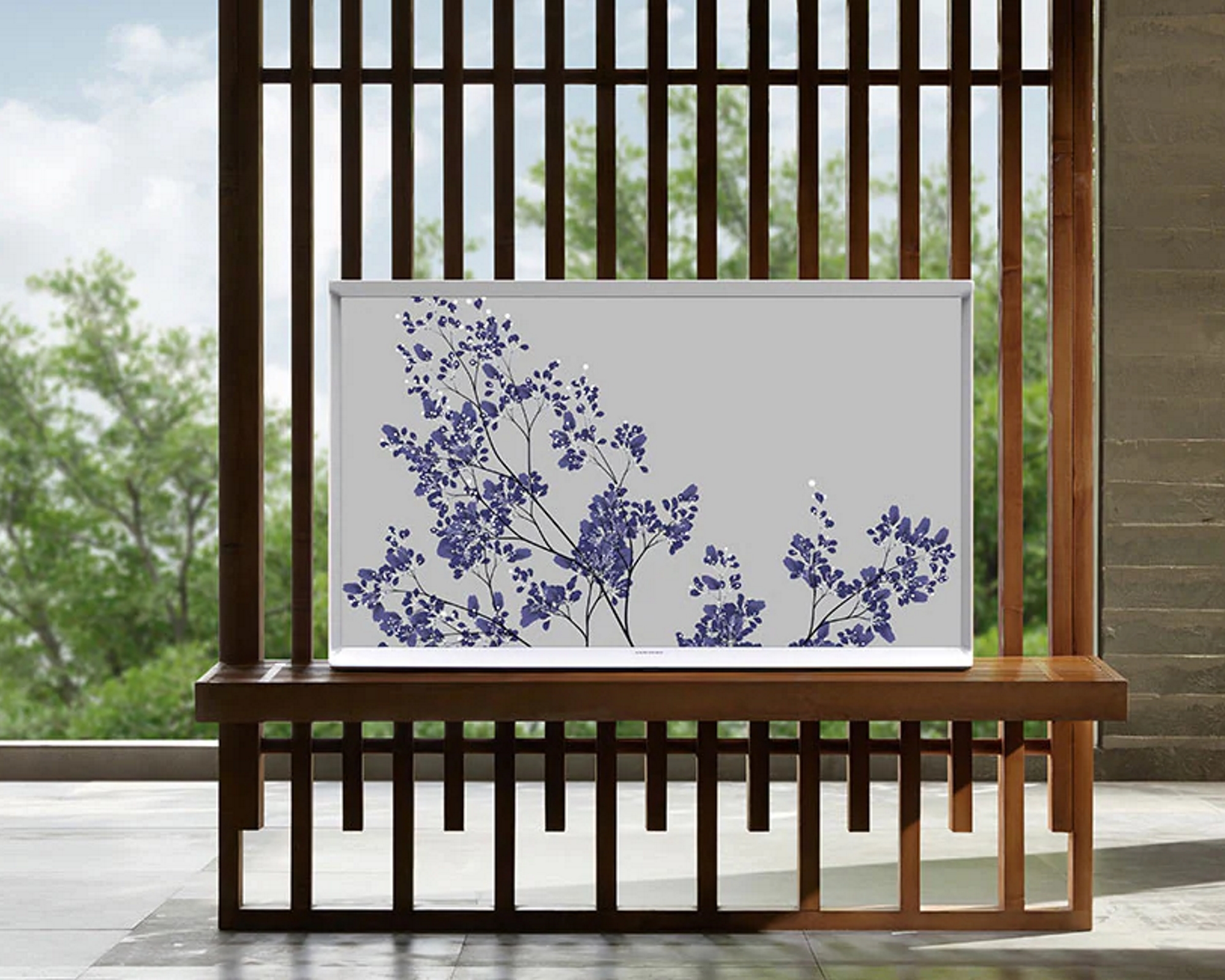
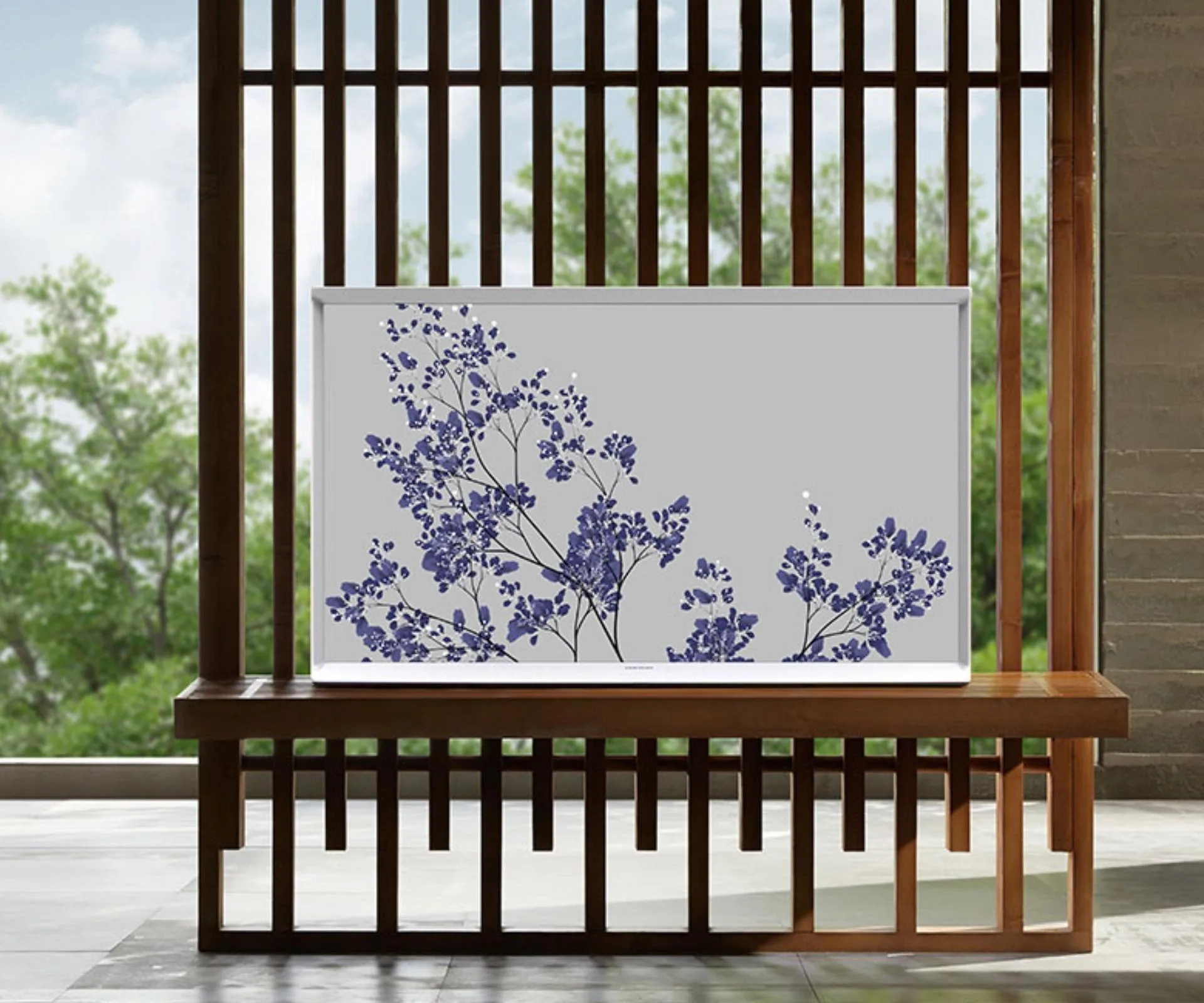
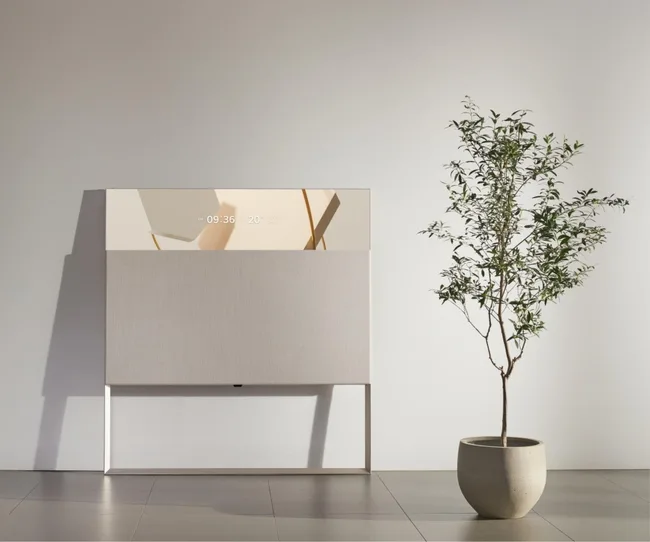
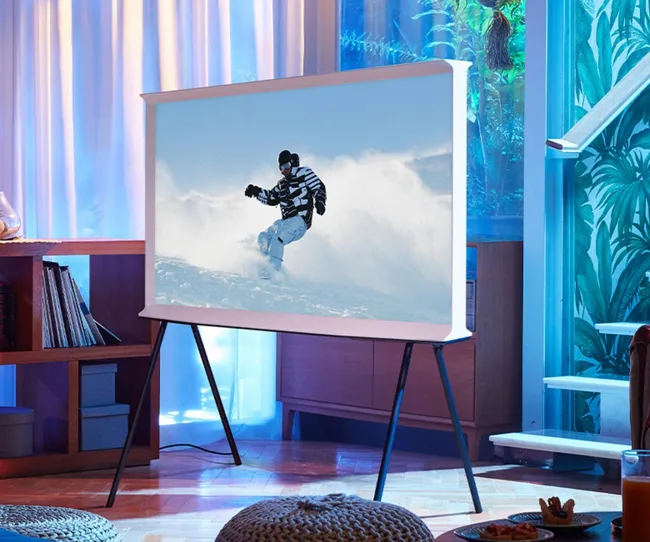
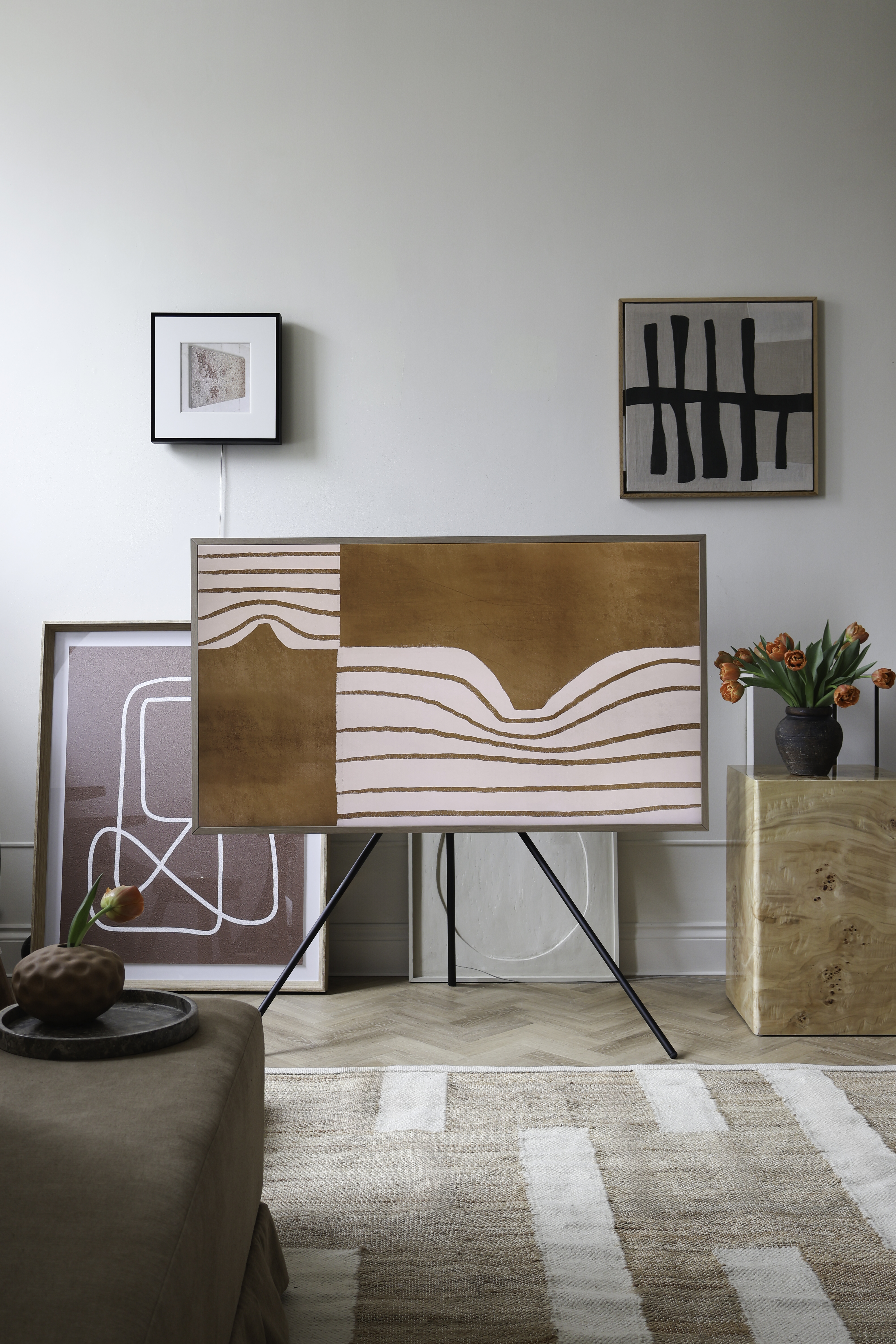
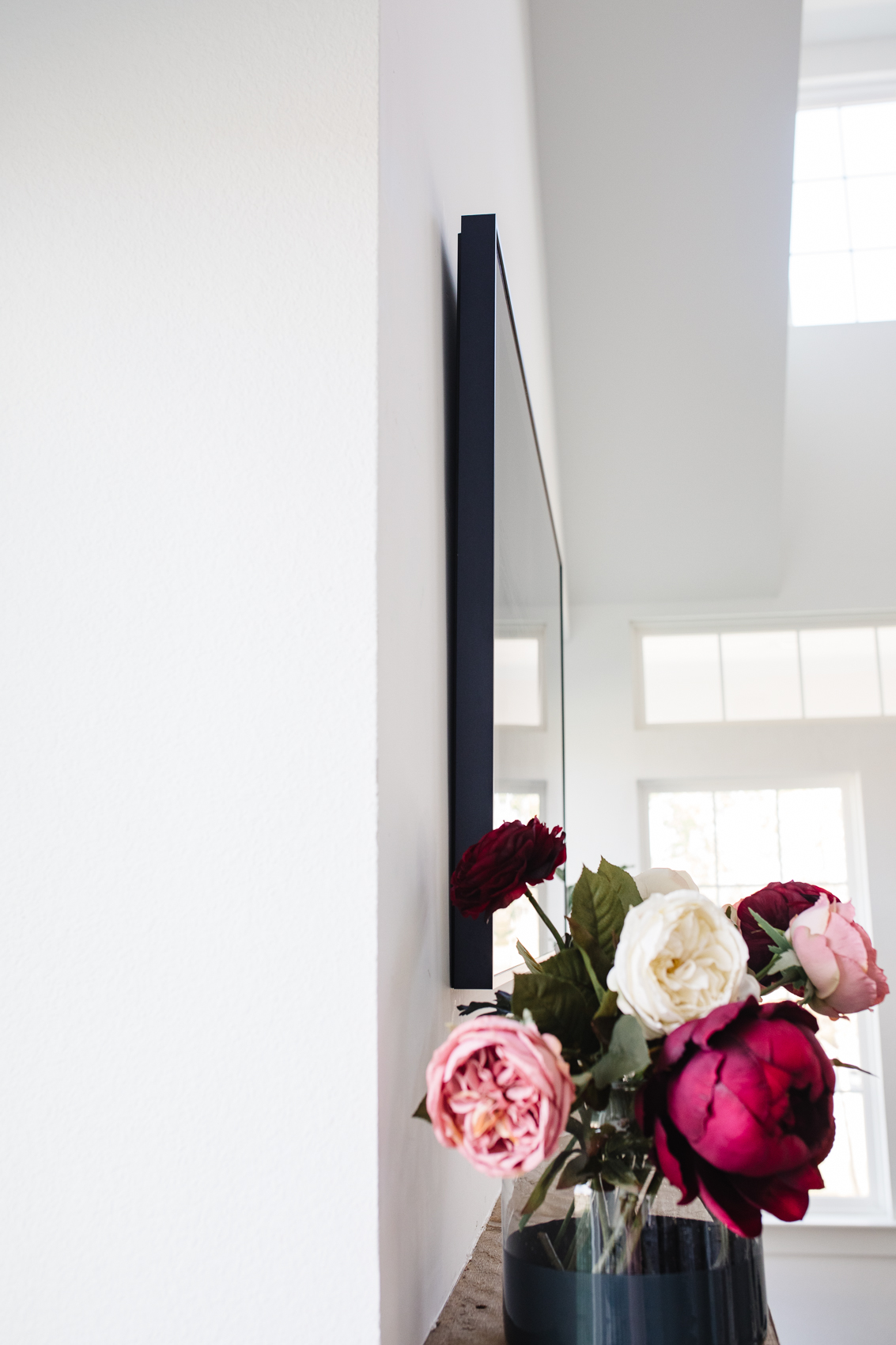
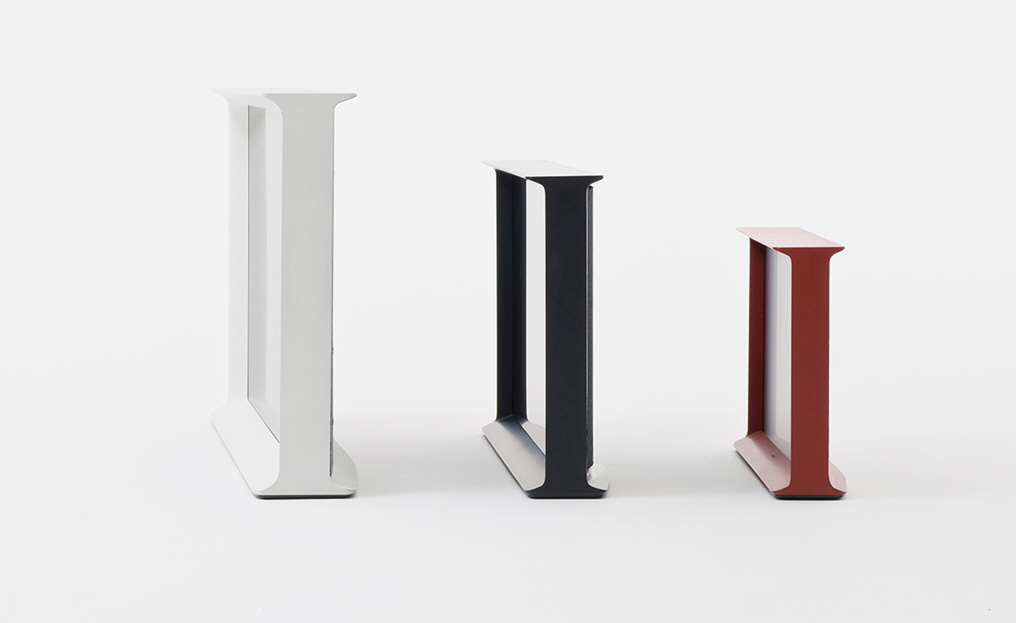
However, the Serif TV represents a reversal of this trend. Its design is described as "chunky," resembling a capital letter "I" in profile, with a broadened top surface that functions as a small shelf. The designers intended for it to be viewed as an "object" that can be manipulated and positioned freely, even on the floor using optional legs. This design choice explicitly moves away from the pursuit of ultra-thin screens, aiming to give the television a distinct physical presence in a room.
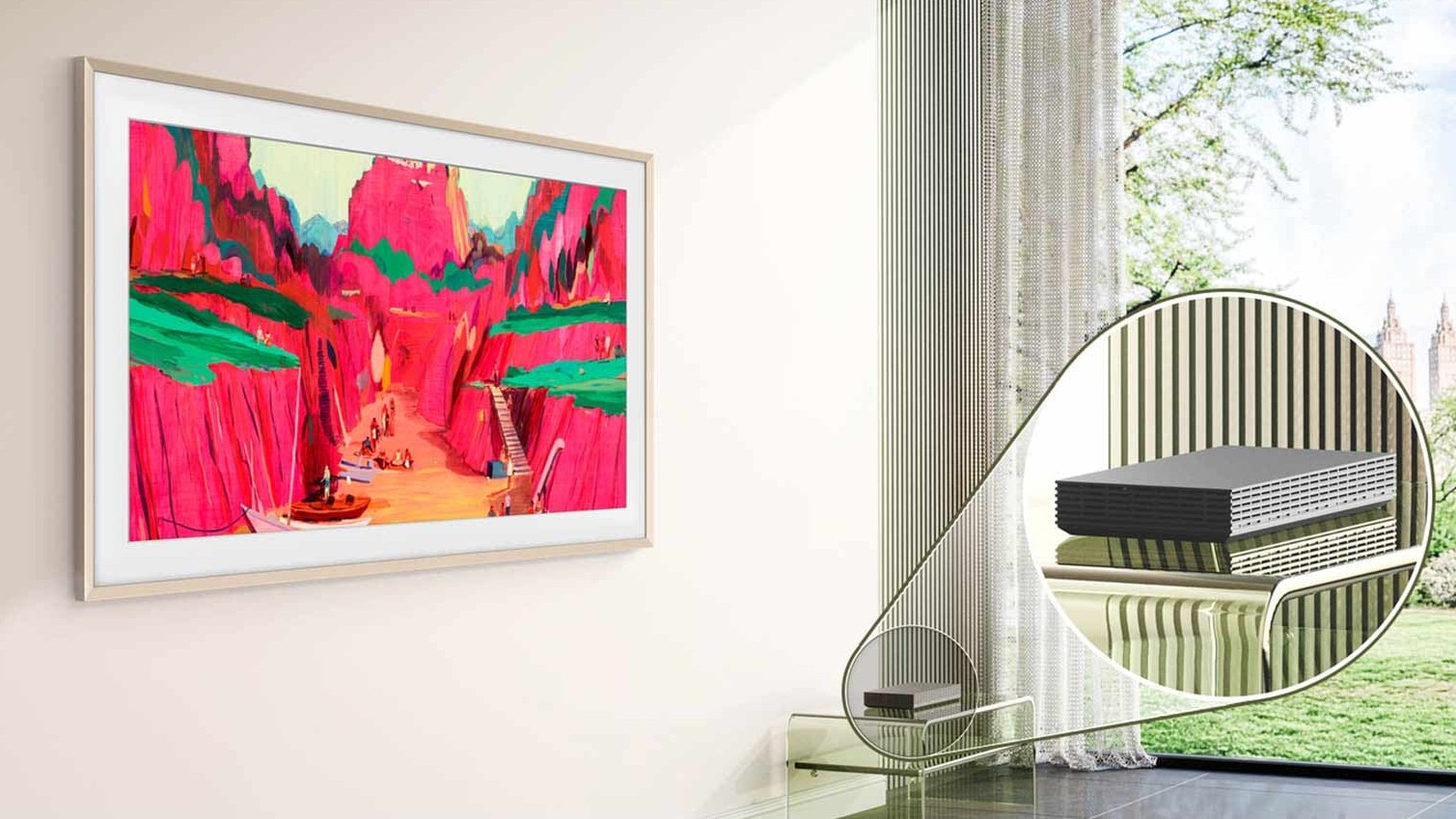
The author raises several critical questions about the practical utility of this design: whether consumers genuinely desire to stack items on their TVs, physically move them around, or have visible cables. The provided images show the Serif TV with optional legs, highlighting the potential for dangling cables due to a lack of integrated cable management. While some design publications have praised the Serif TV as a "masterpiece," the author expresses skepticism, viewing the imposition of typography onto a television's design as "design for the sake of design."
The comment section reveals a variety of opinions. Some commenters acknowledge the designers' attempt to "beautify" the television as an object when it's not in use, recognizing that a TV is often an unsightly black rectangle in a room's focal point. Others disagree, finding the design aesthetically unpleasing or questioning its necessity. One commenter suggests that modern thin TVs are already visually appealing and proposes that future televisions should integrate into the environment, perhaps mimicking wallpaper or paint, a concept that another commenter criticizes for increased energy consumption.
Other perspectives include the idea that the design caters to interior designers seeking a TV that complements furniture, or that it offers a refreshing alternative to the ubiquity of shiny black plastic and faux brushed metal in TV aesthetics. The issue of sound quality, often compromised in thin TVs, is also brought up, with one commenter suggesting that the Serif TV's thickness could have been utilized for better sound, rather than purely aesthetic bulk. The debate extends to the TV's role as a mere information vehicle versus a sculptural object, and whether its unique form will find market success or be seen as a mere "decoration" rather than functional design.
Ultimately, the article and its subsequent discussion explore the tension between technological dematerialization, aesthetic expression, functional design, and consumer preferences in the evolving landscape of television design, questioning whether thicker, object-like TVs like the Serif represent a desirable or practical direction for the industry.
#TVDesign #IndustrialDesign #ConsumerElectronics #SamsungSerifTV #BouroullecBrothers #HomeInterior #DesignPhilosophy #ProductAesthetics #TechnologicalTrends #TVDesign #IndustrialDesign #ConsumerElectronics #SamsungSerifTV #BouroullecBrothers #HomeInterior #DesignPhilosophy #ProductAesthetics #TechnologicalTrends
0 comment in total
 No comments yet
You may also like
Samsung Frame vs Serif: which lifestyle TV should you choose?

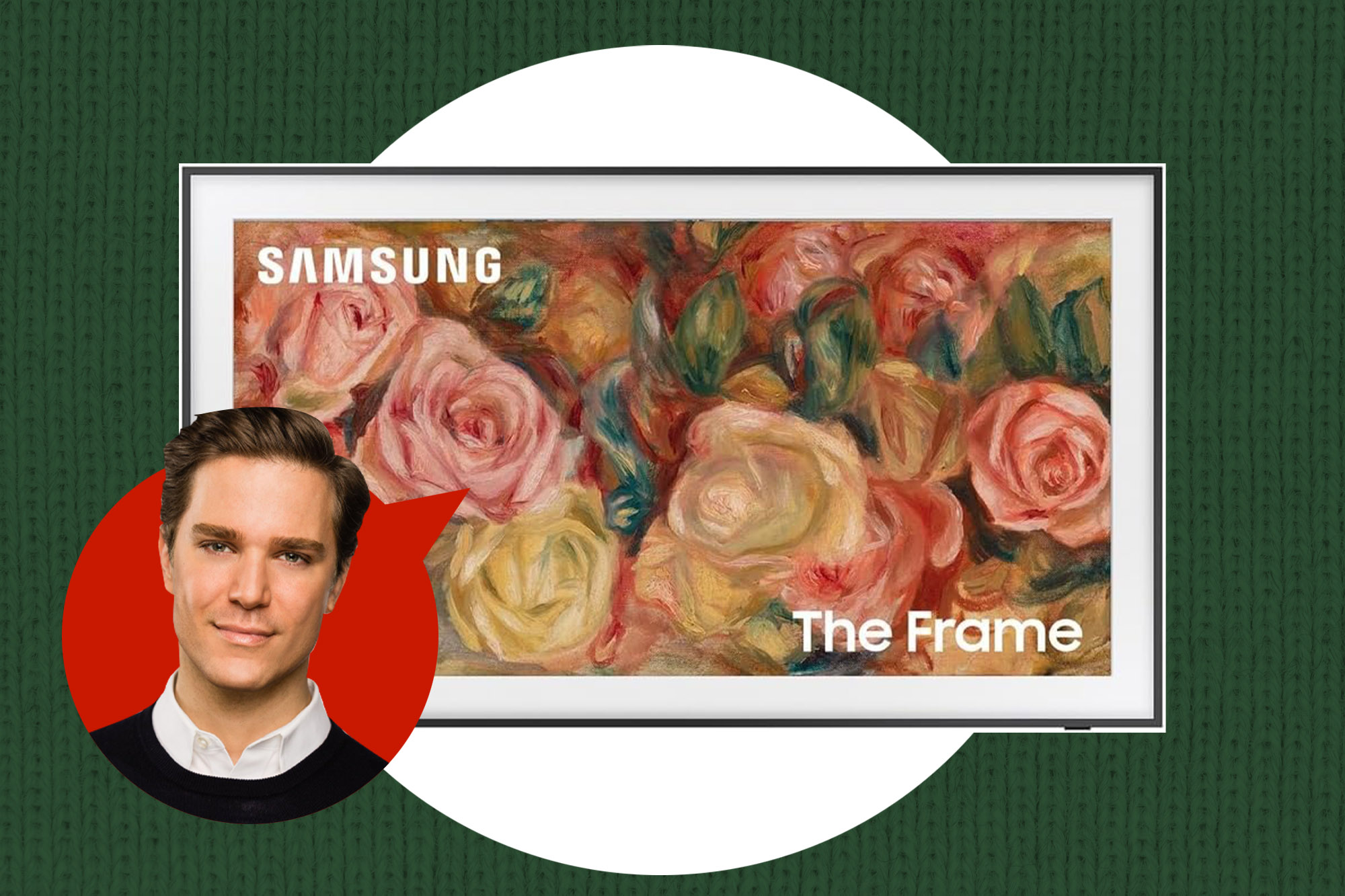
My honest Samsung Frame TV review: A masterpiece or just another flat screen?
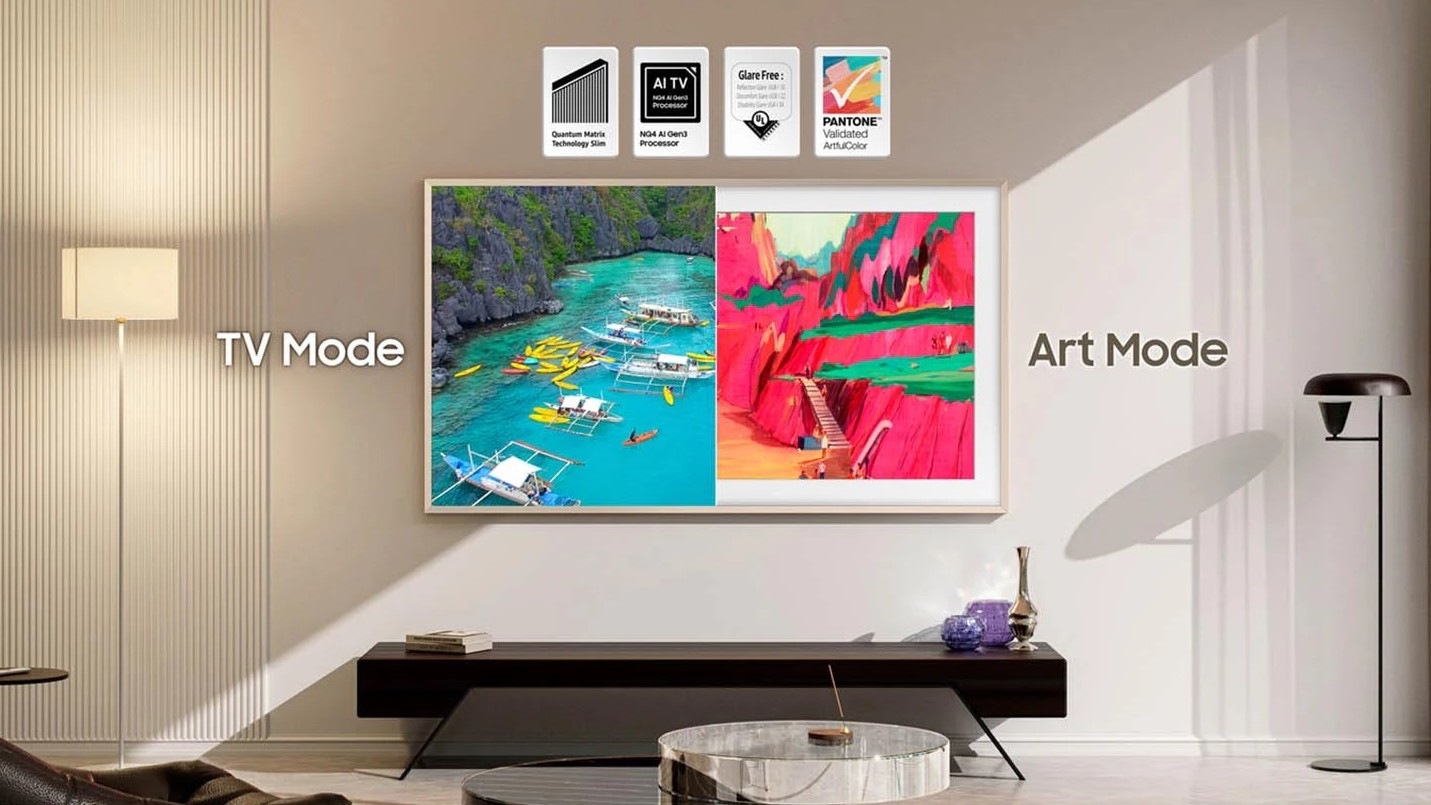
Samsung Just Launched The Frame Pro TV — But What's Different From The Frame, and Is It Worth Upgrading?
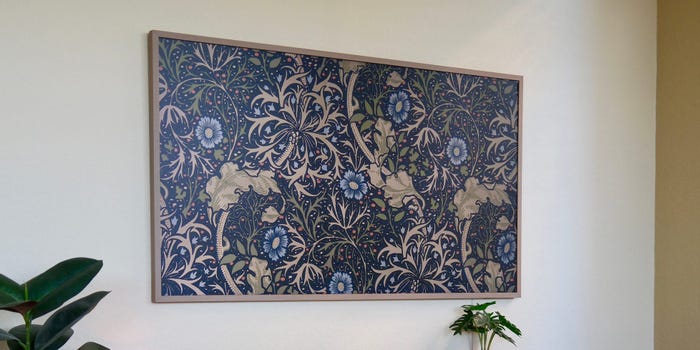
The best art frame TVs of 2025: How do Samsung, Hisense, and TCL models compare?
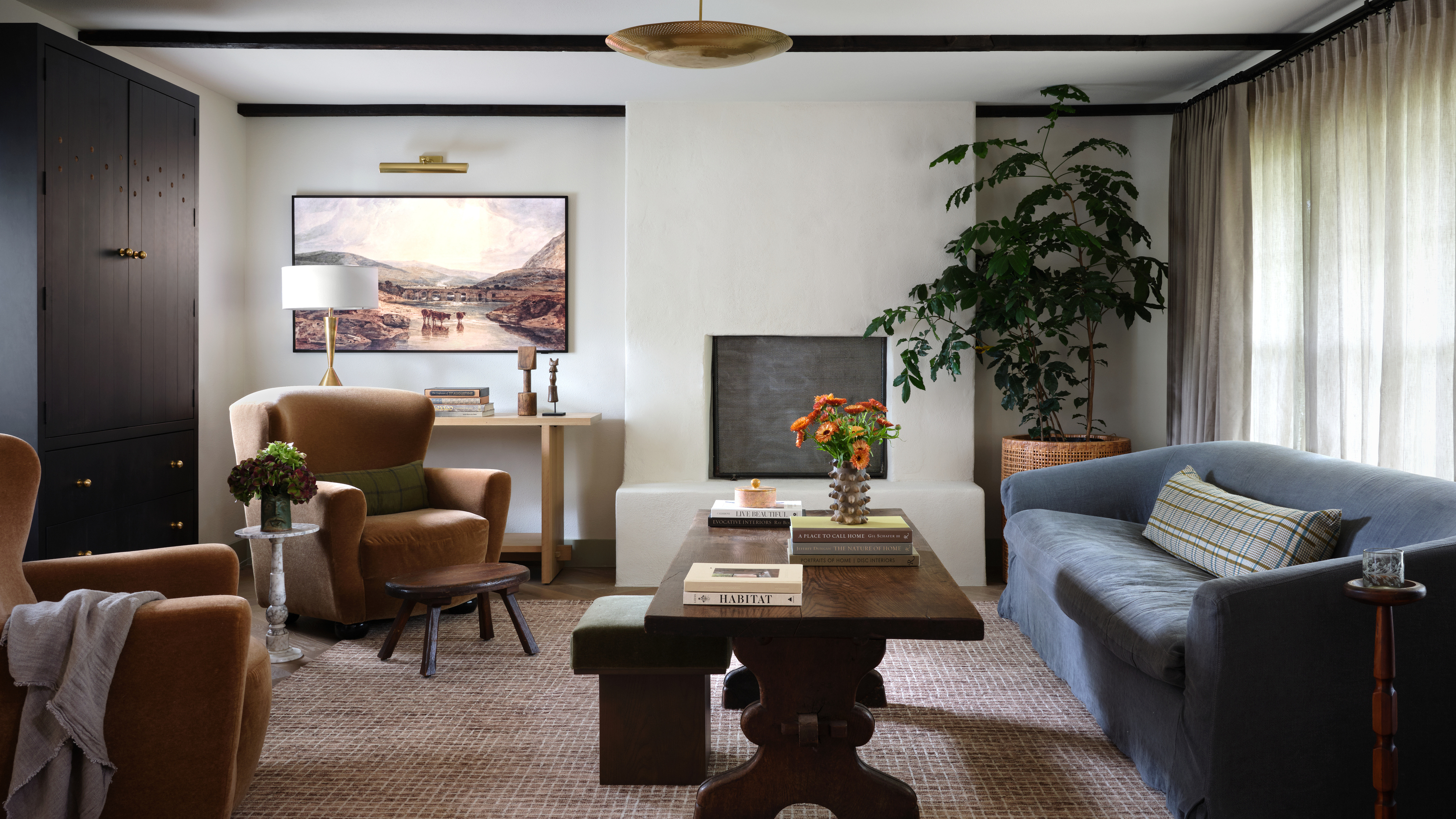
What Are the Best Samsung Frame Alternatives? Here's Why You Should Consider Other “Art TVs”, too, Before You Buy
Alternatives to Samsung’s The Frame TV Have Finally Arrived

Why I Fell in Love with My Samsung Frame TV on a Stand
Samsung Bespoke Kitchen Colorfully Expands Palette Range

Samsung vs Hisense — Which of These TV Brands Wins for Style, Quality, and Value in 2025?

The Frame Is a Delightful TV That Transforms Into Artwork | Reviews by Wirecutter
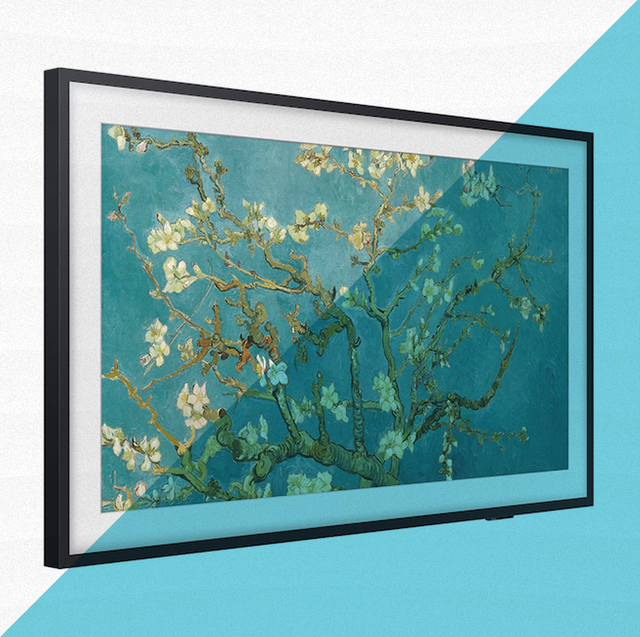
The Samsung Frame Blends Into Your Living Room More Than Any Other TV. But It's Not Your Only Option.
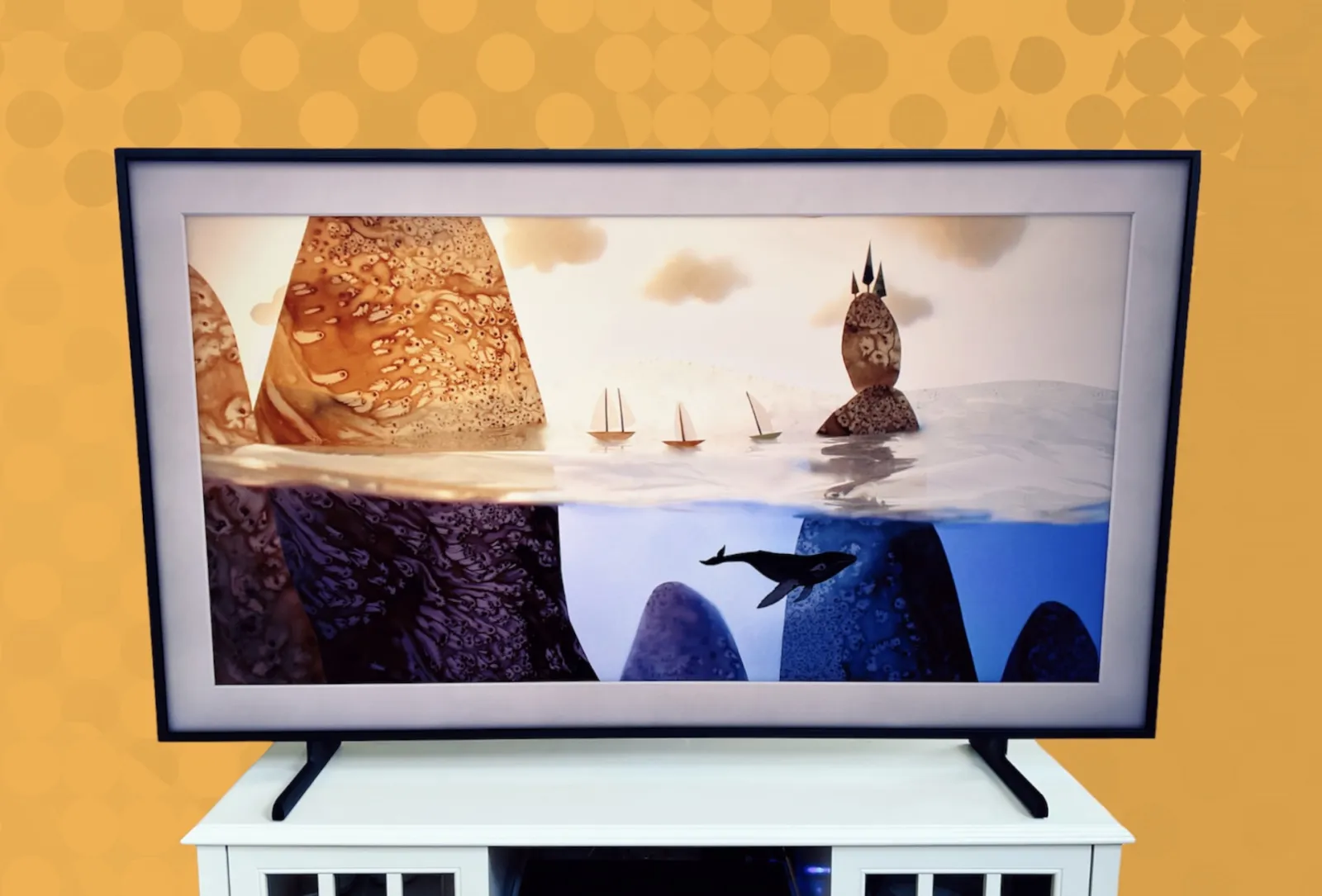
Samsung’s Frame TV (2022) Review: It Finally Looks Like Wall Art

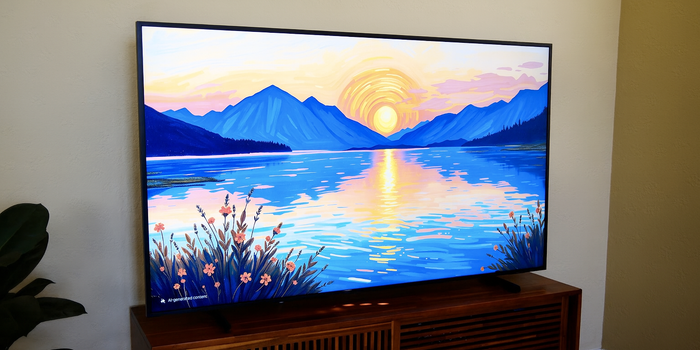
Samsung released an upgraded version of its popular Frame TV, and we put it to the test. Here's what sets it apart.
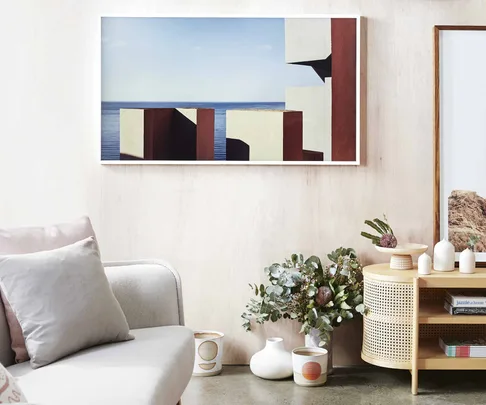
8 stylish TVs worthy of a place in your home

Samsung Frame TV Review & Mounting Guide

We put the best art frame TVs from Samsung, Hisense, and TCL to the test — here's how they compare
The TV as we know it is finally changing — and these designs are leading the charge

We put the best art frame TVs from Samsung, Hisense, and TCL to the test — here's how they stack up
The best lifestyle TVs to buy in Australia
The Best Frame TVs of 2026: How Do Samsung, Hisense, and TCL Compare?