1/4
Samsung Just Launched The Frame Pro TV — But What's Different From The Frame, and Is It Worth Upgrading?
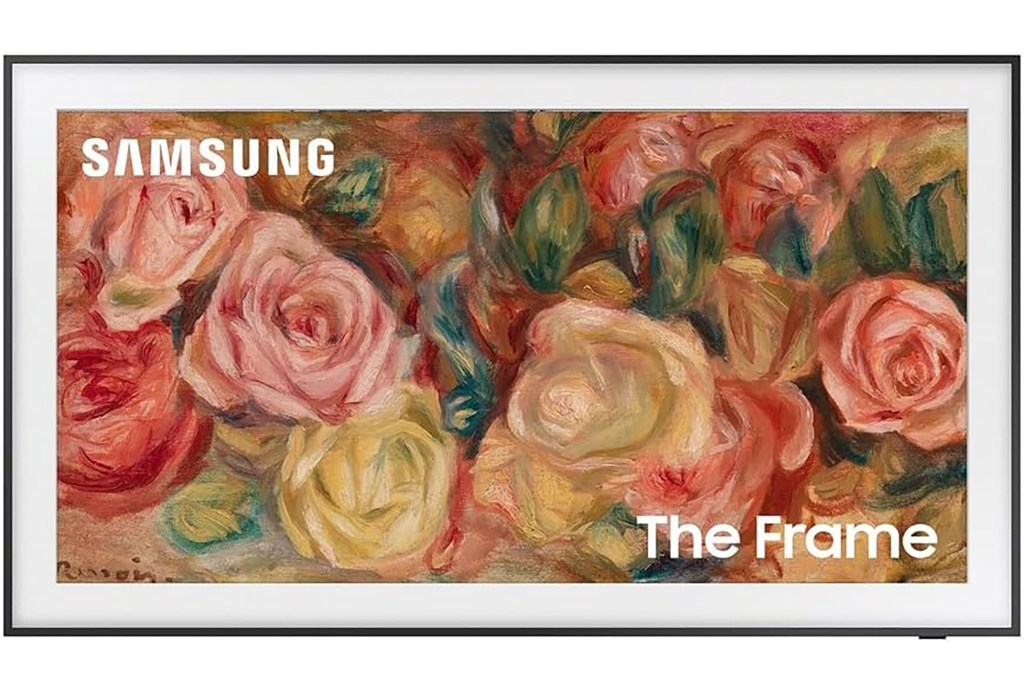
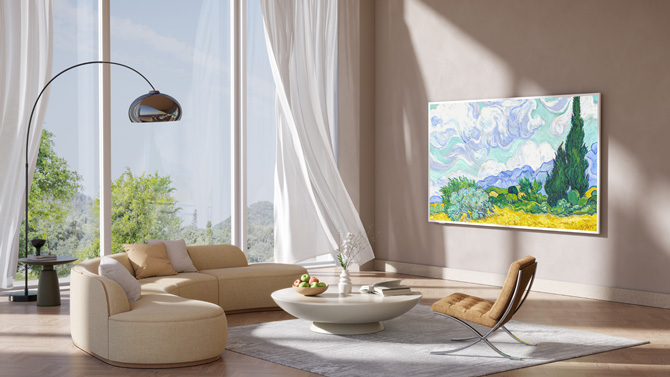
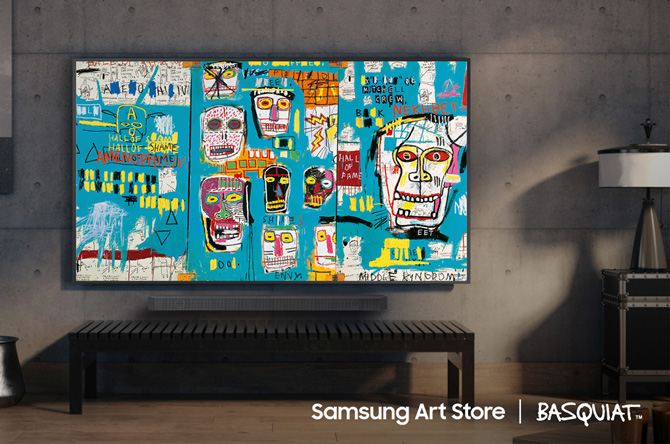
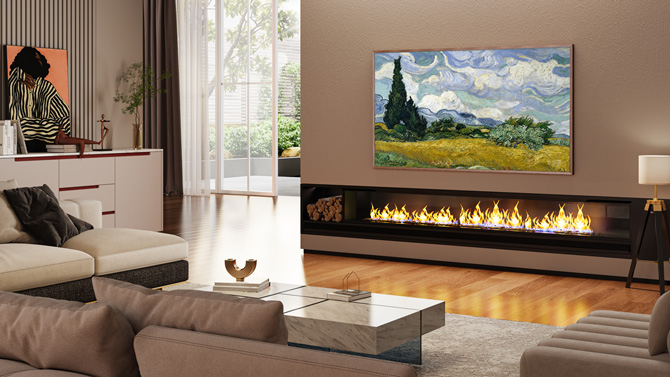
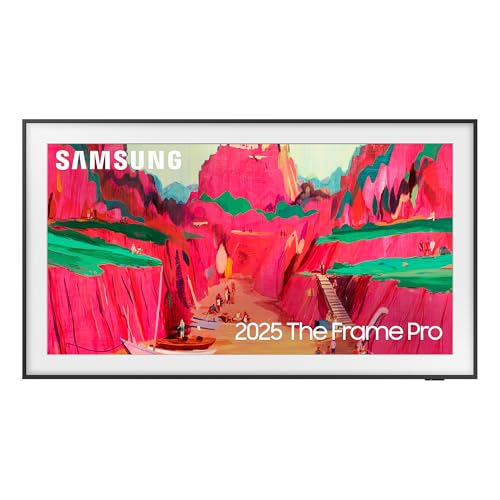
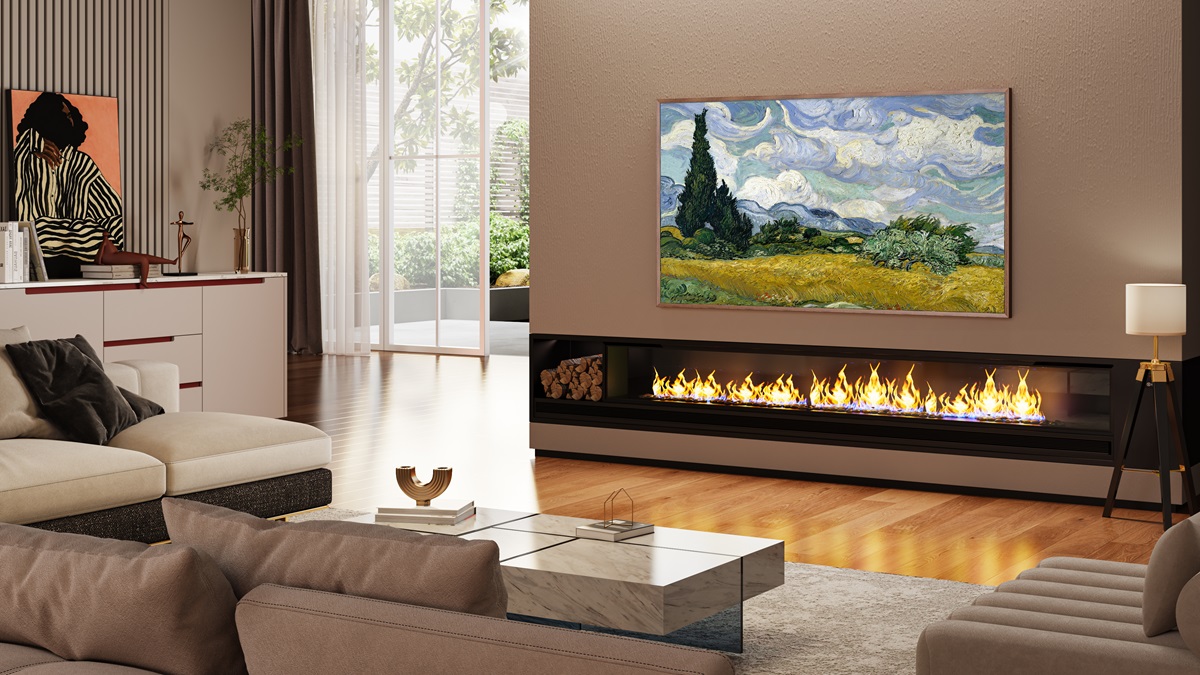
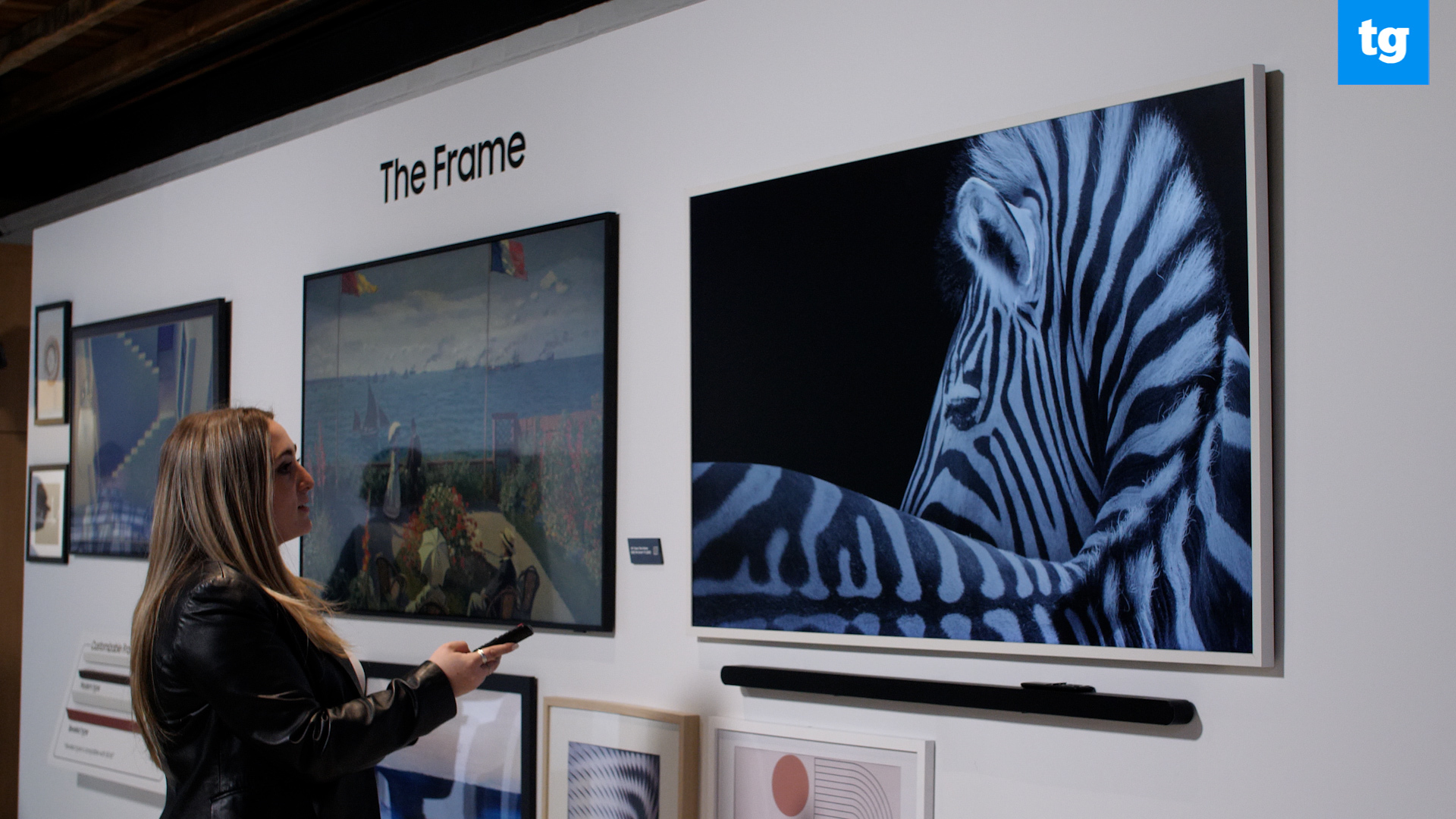
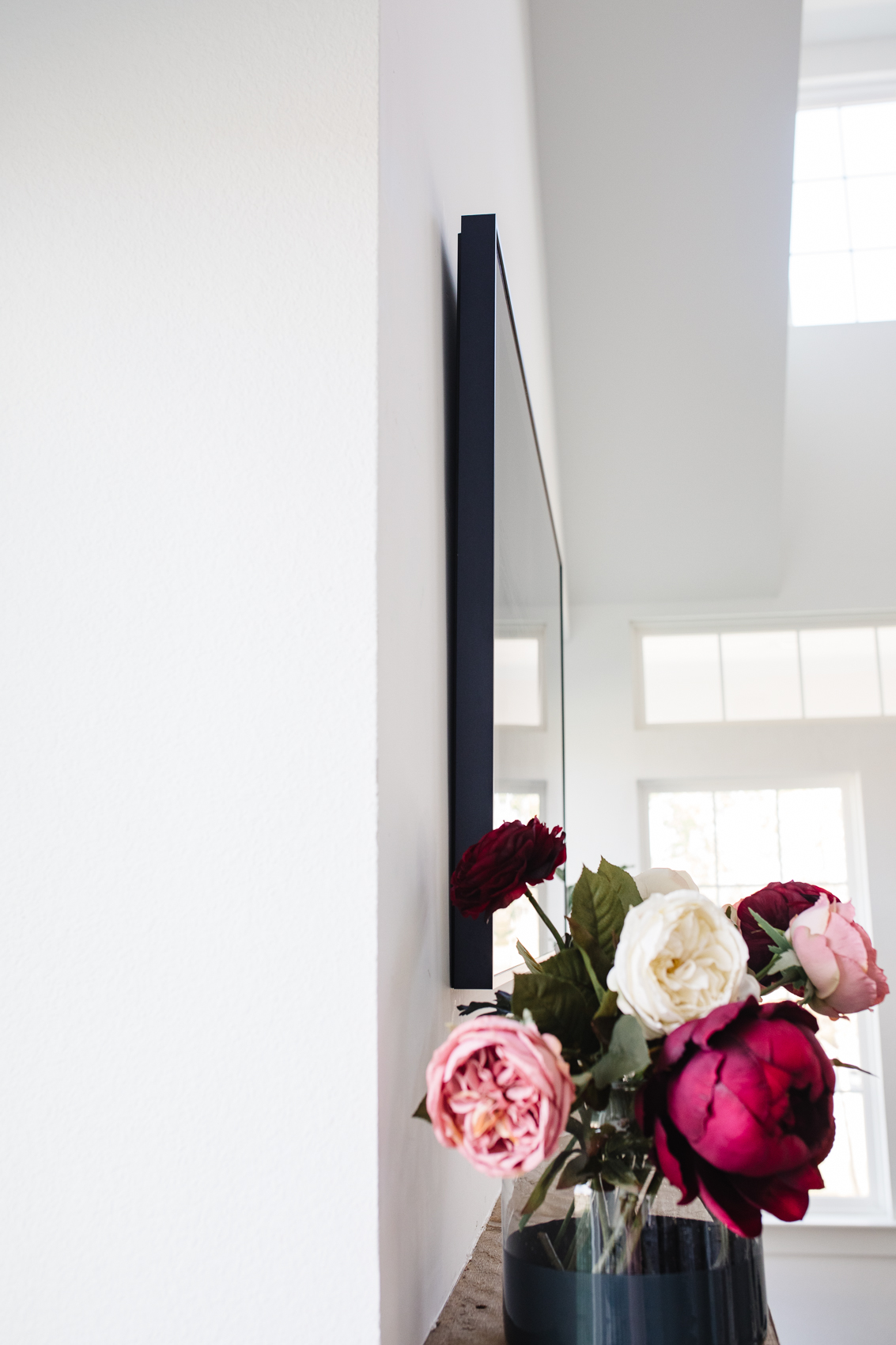
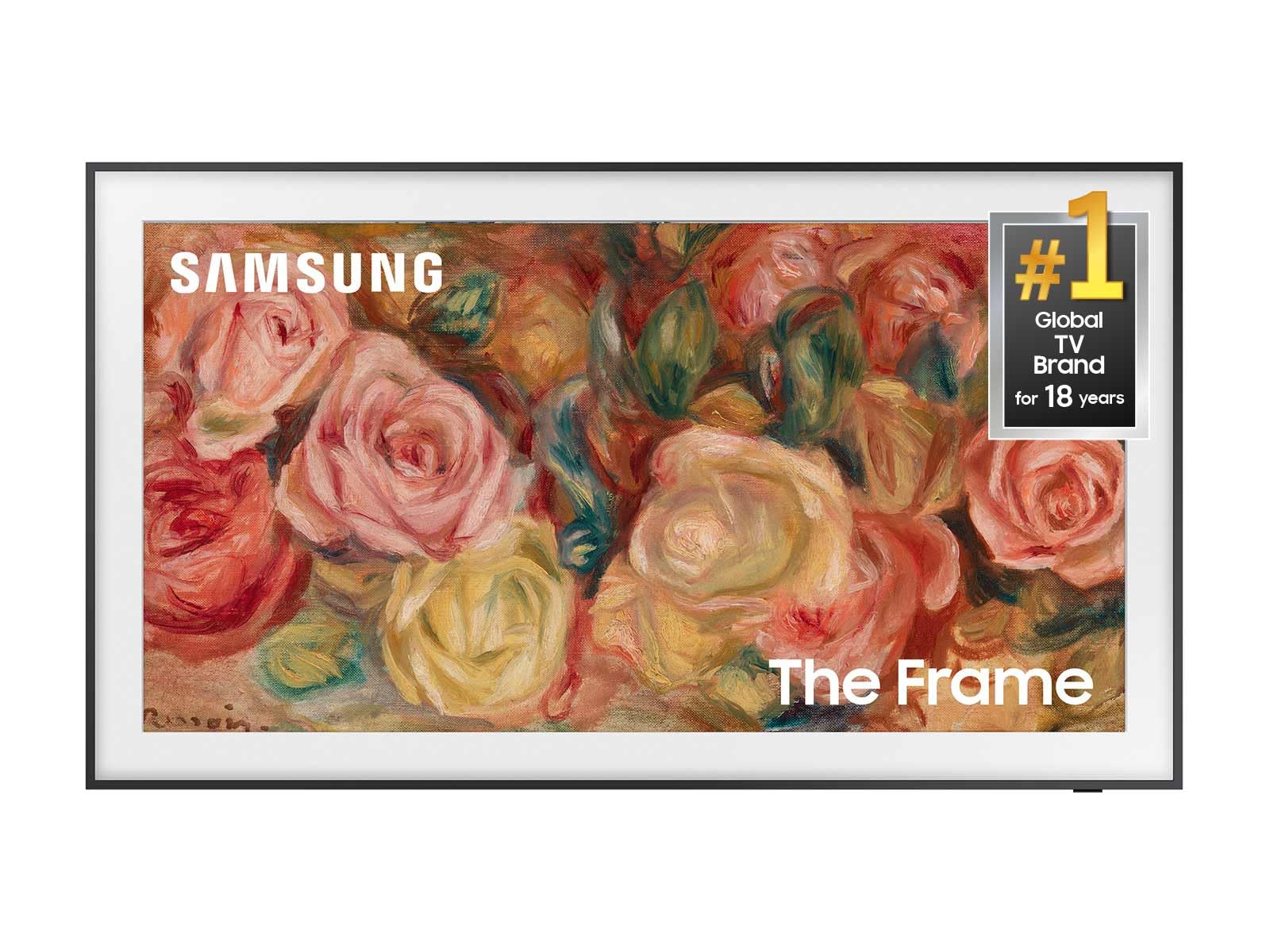
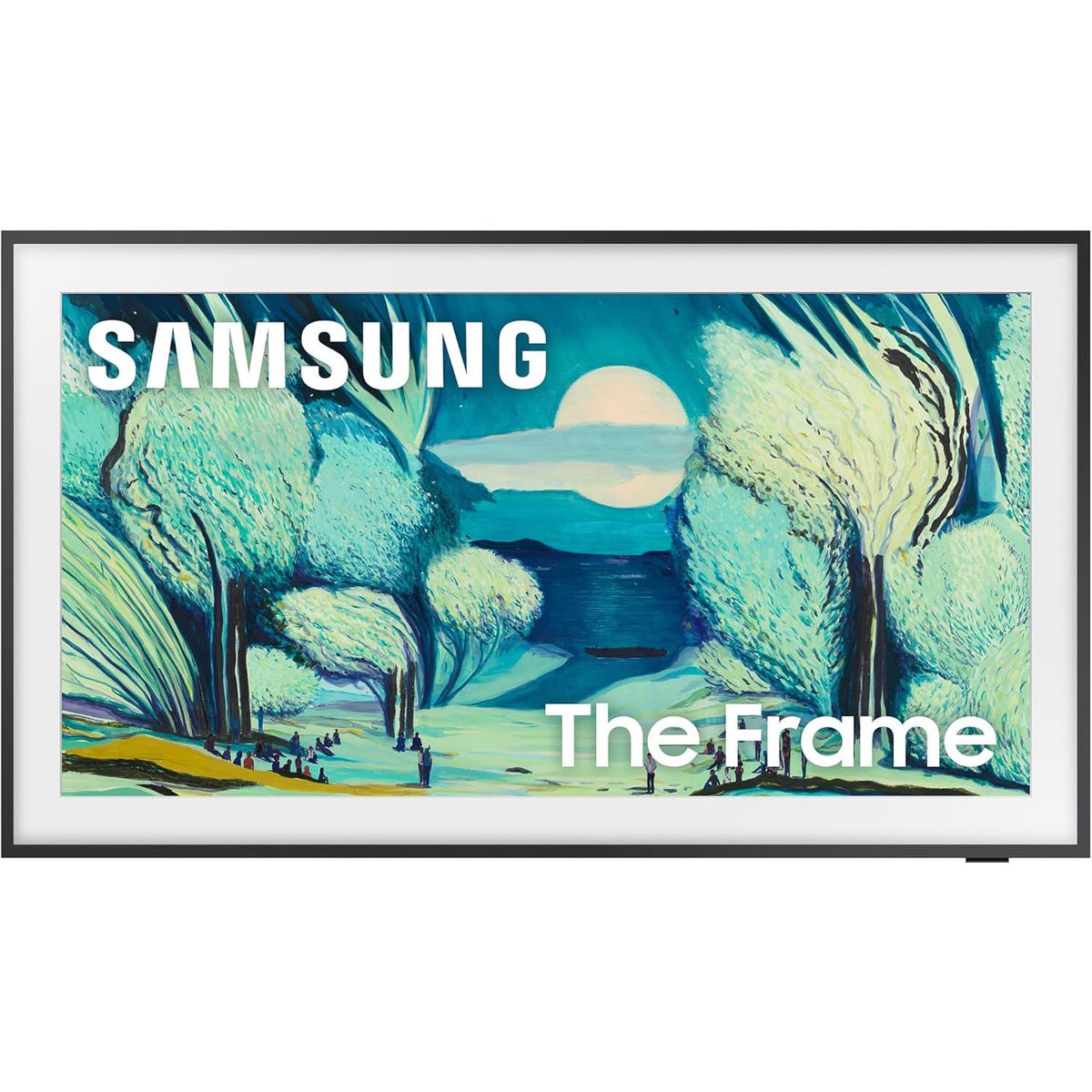
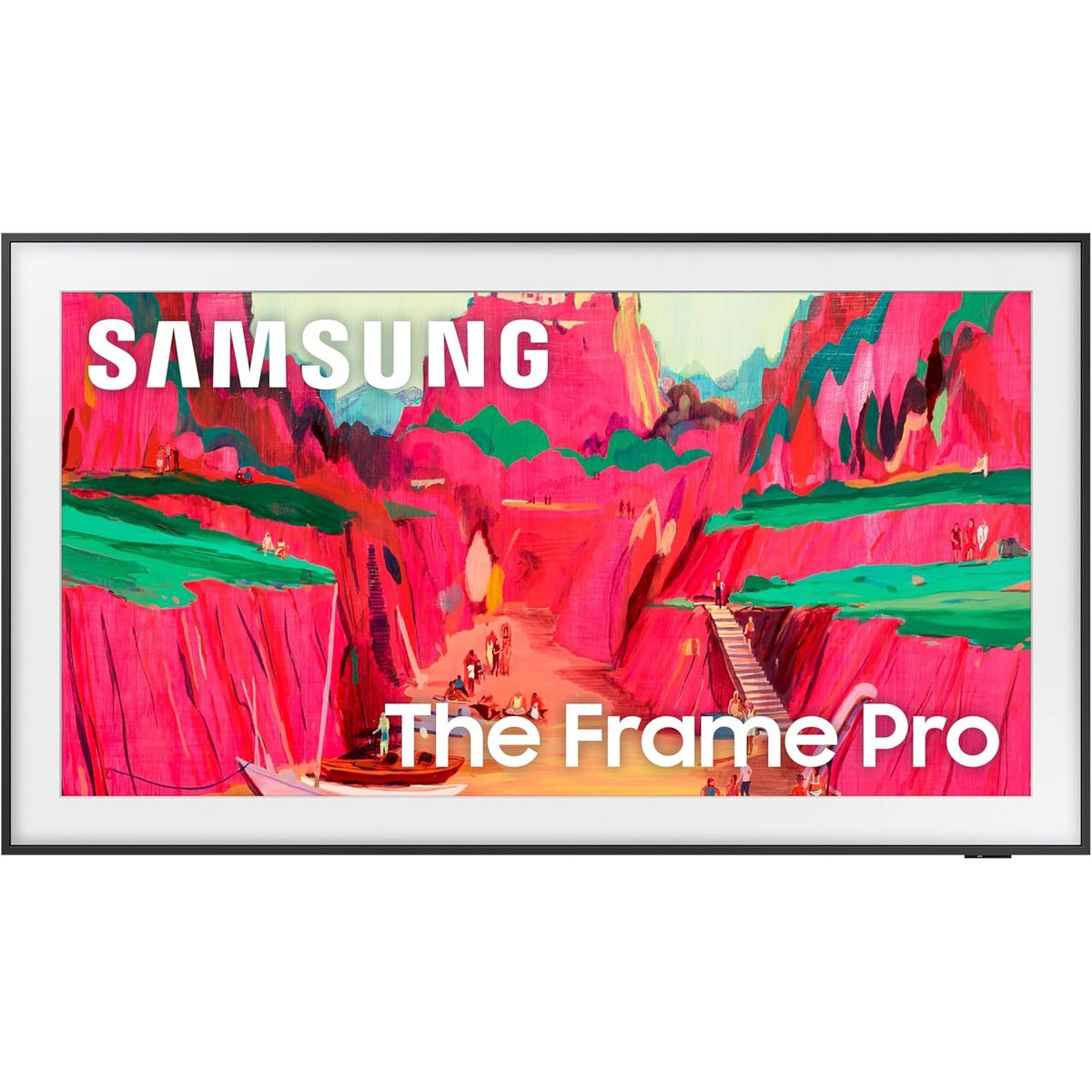
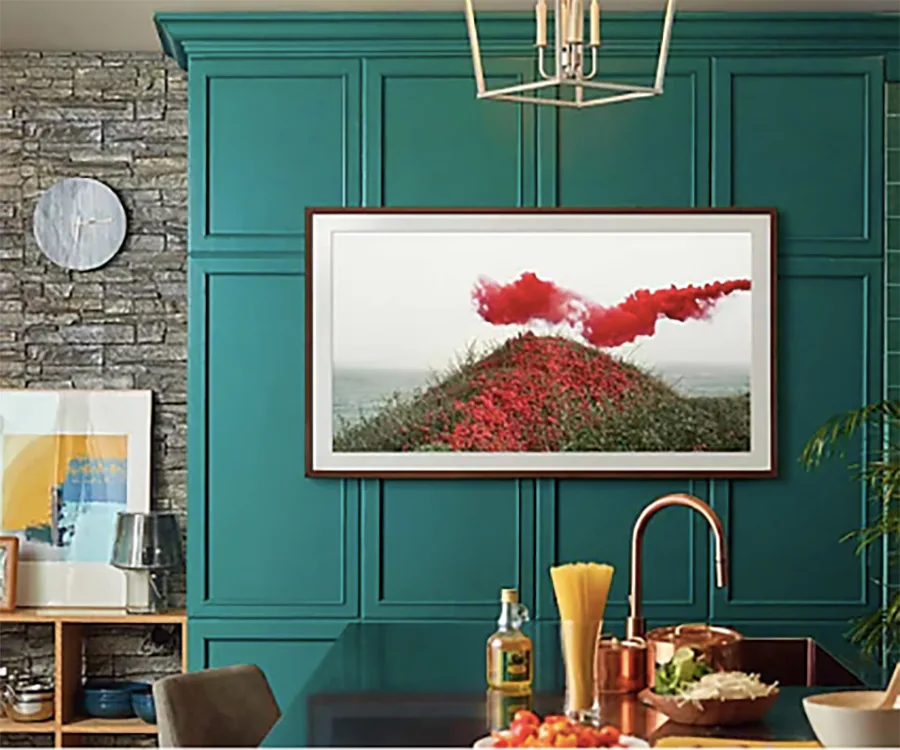
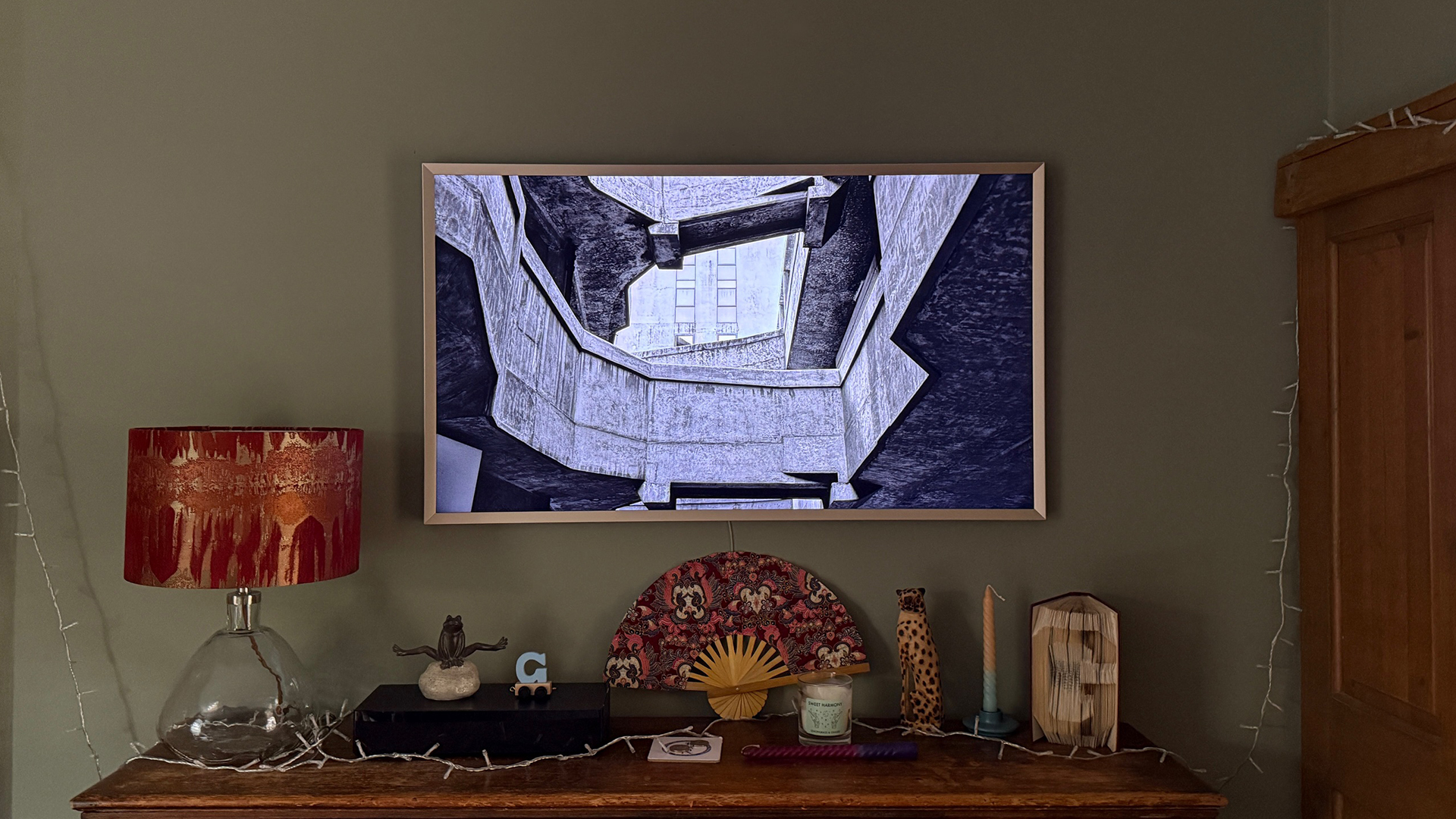
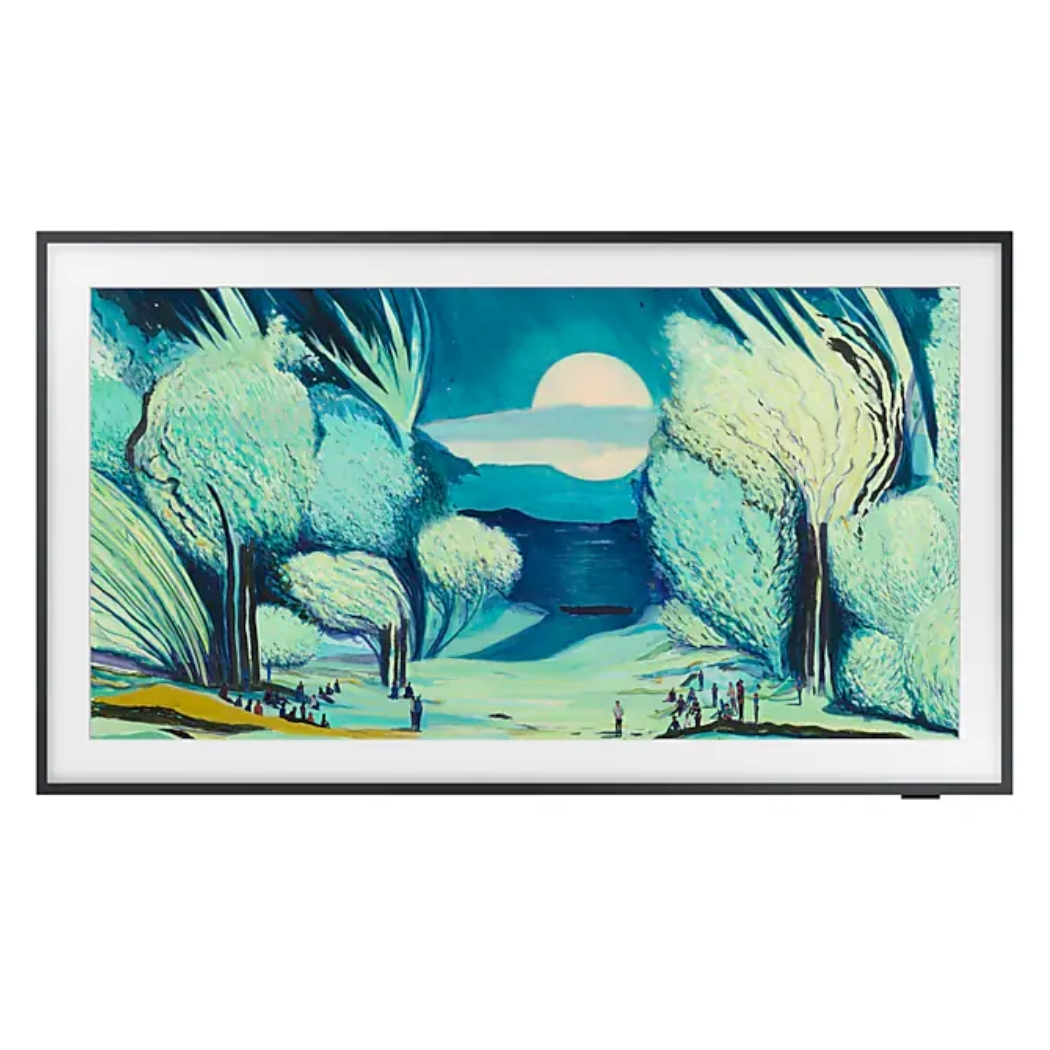
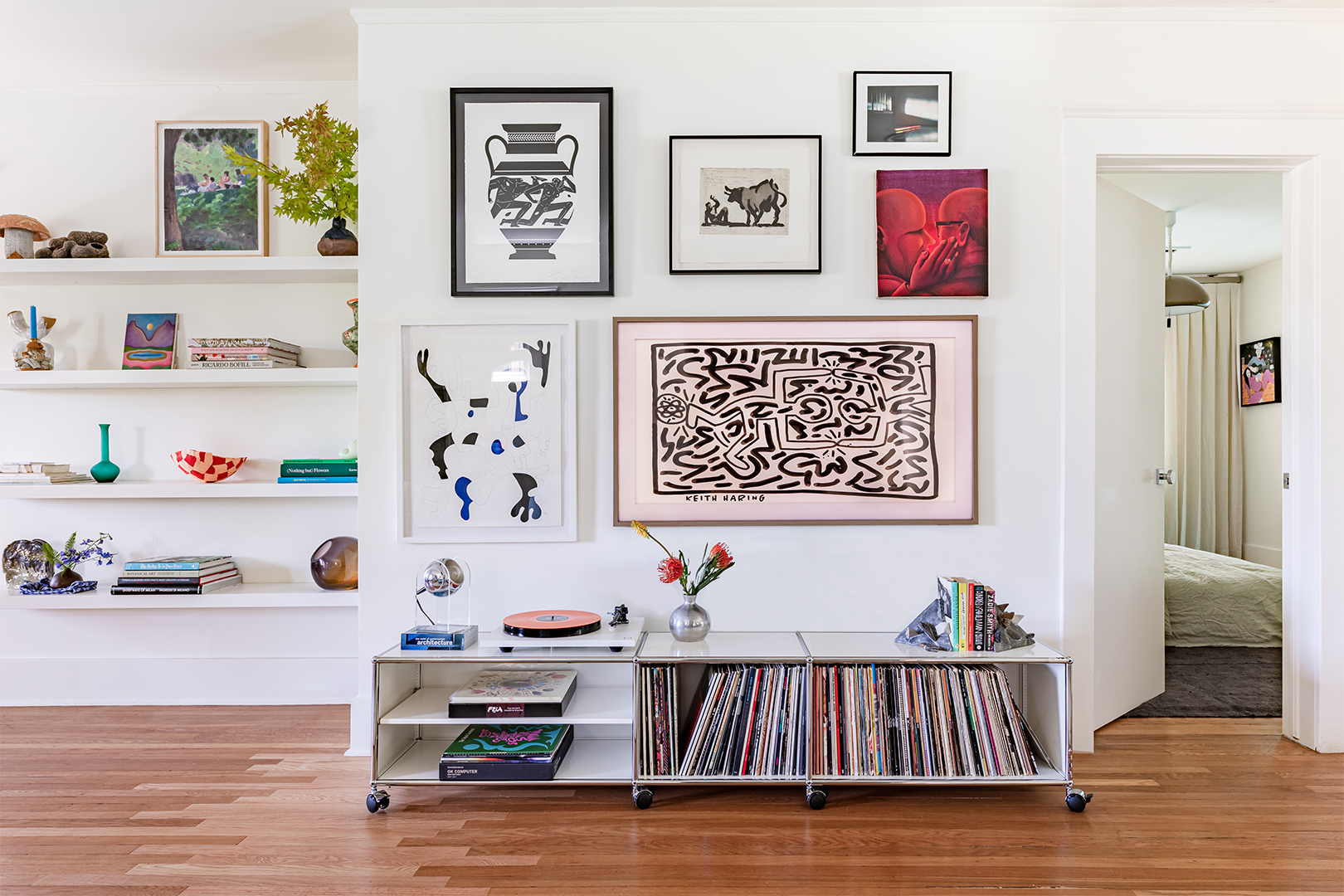
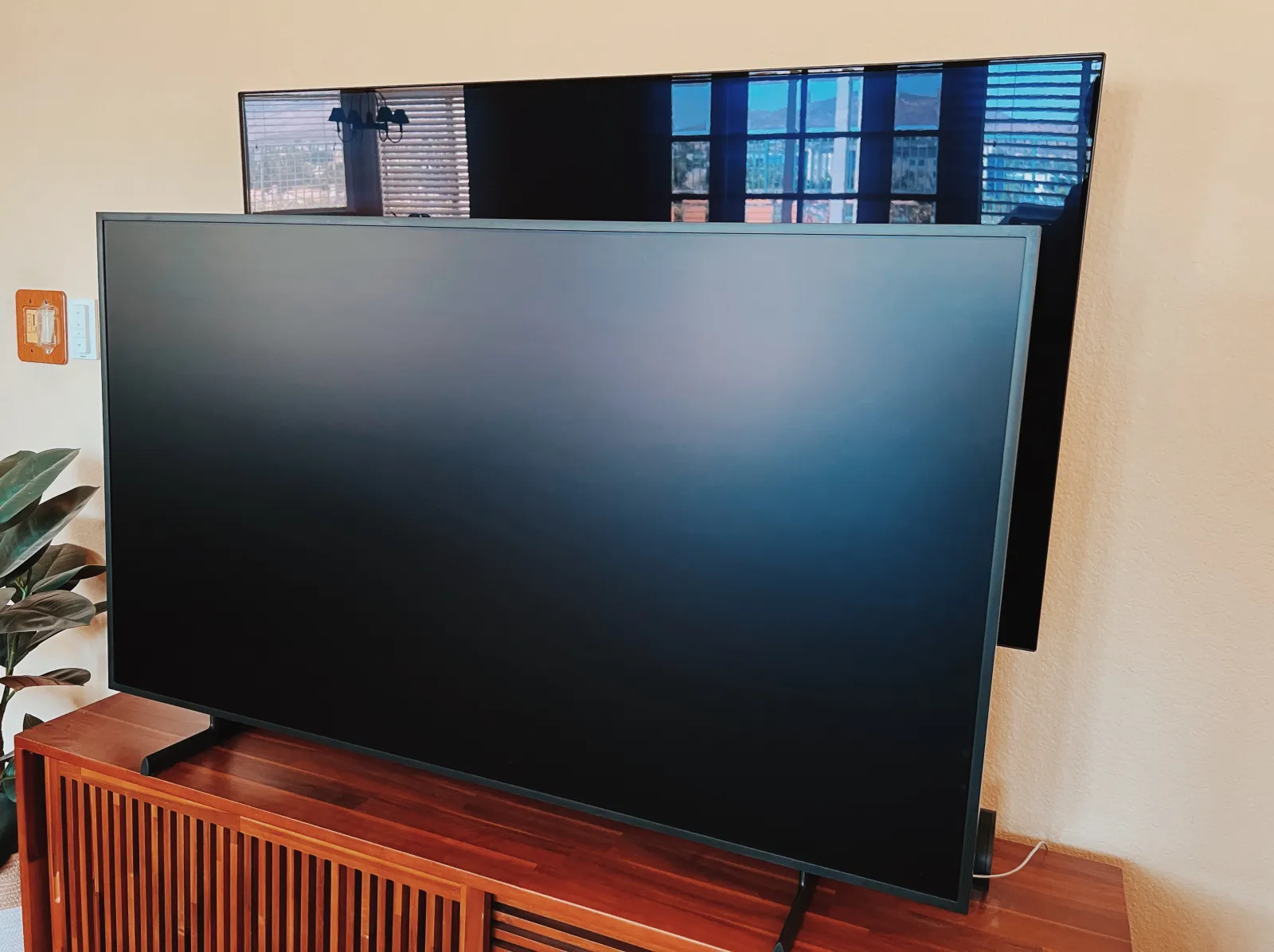
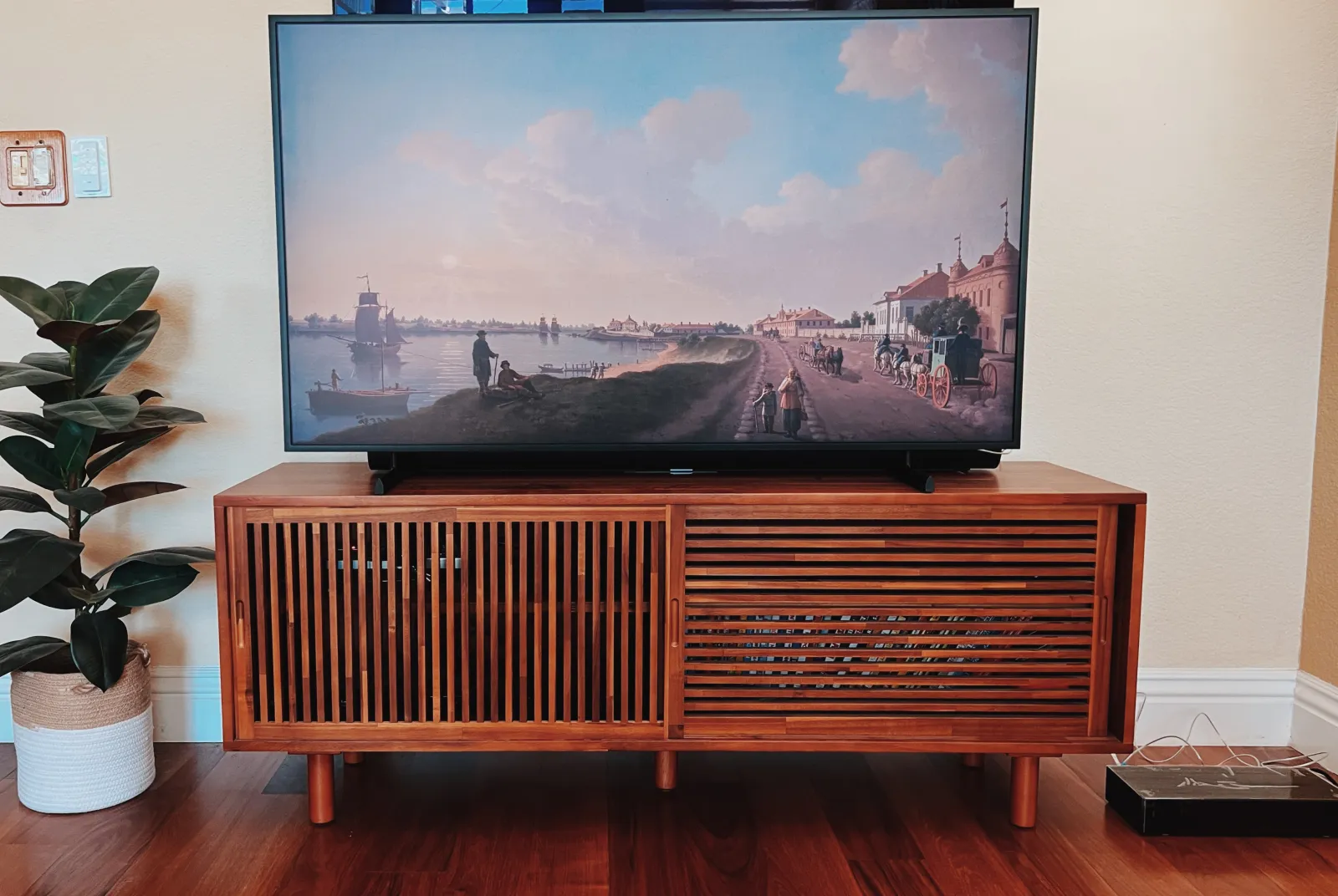
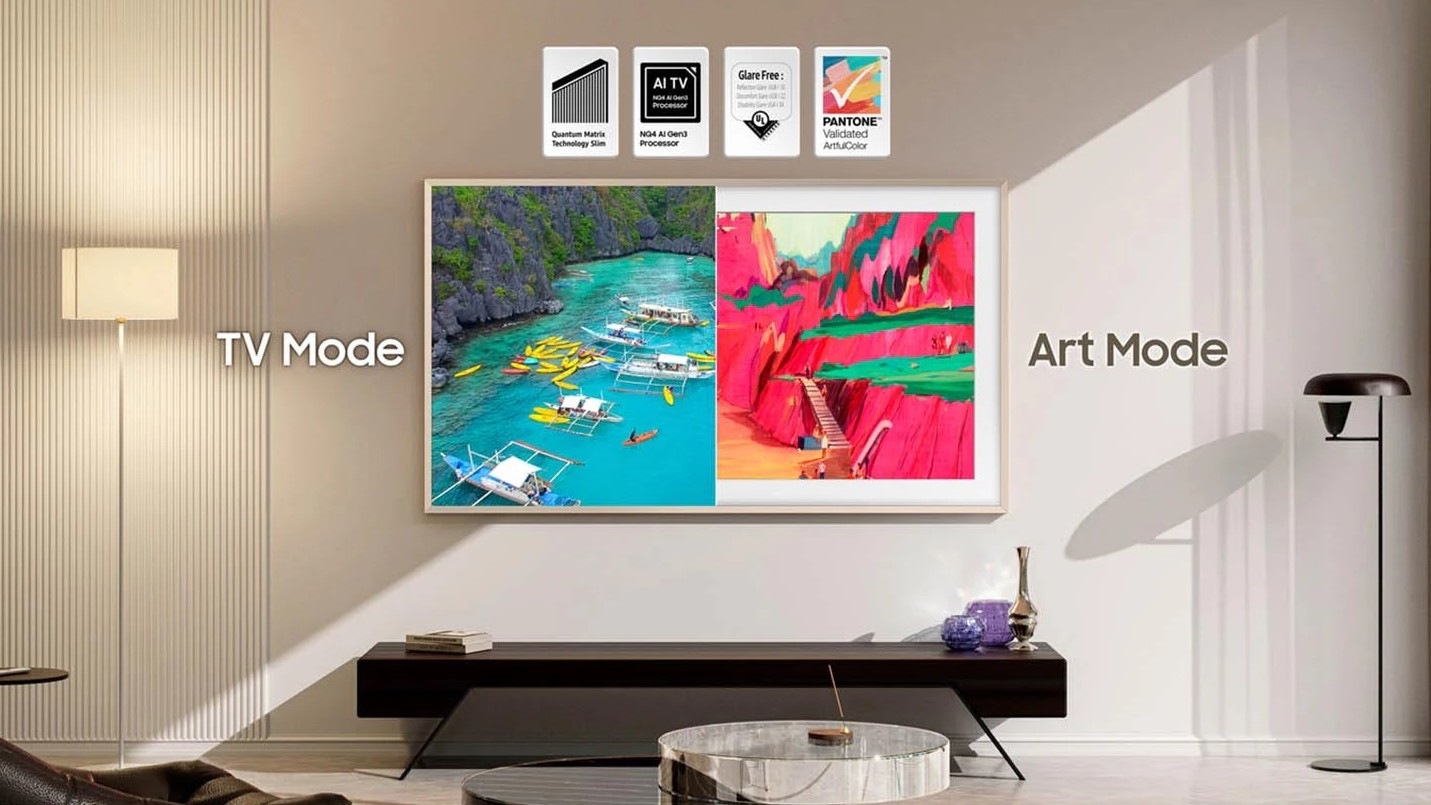
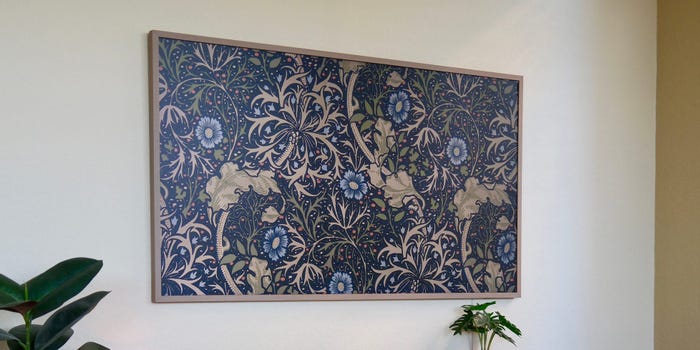
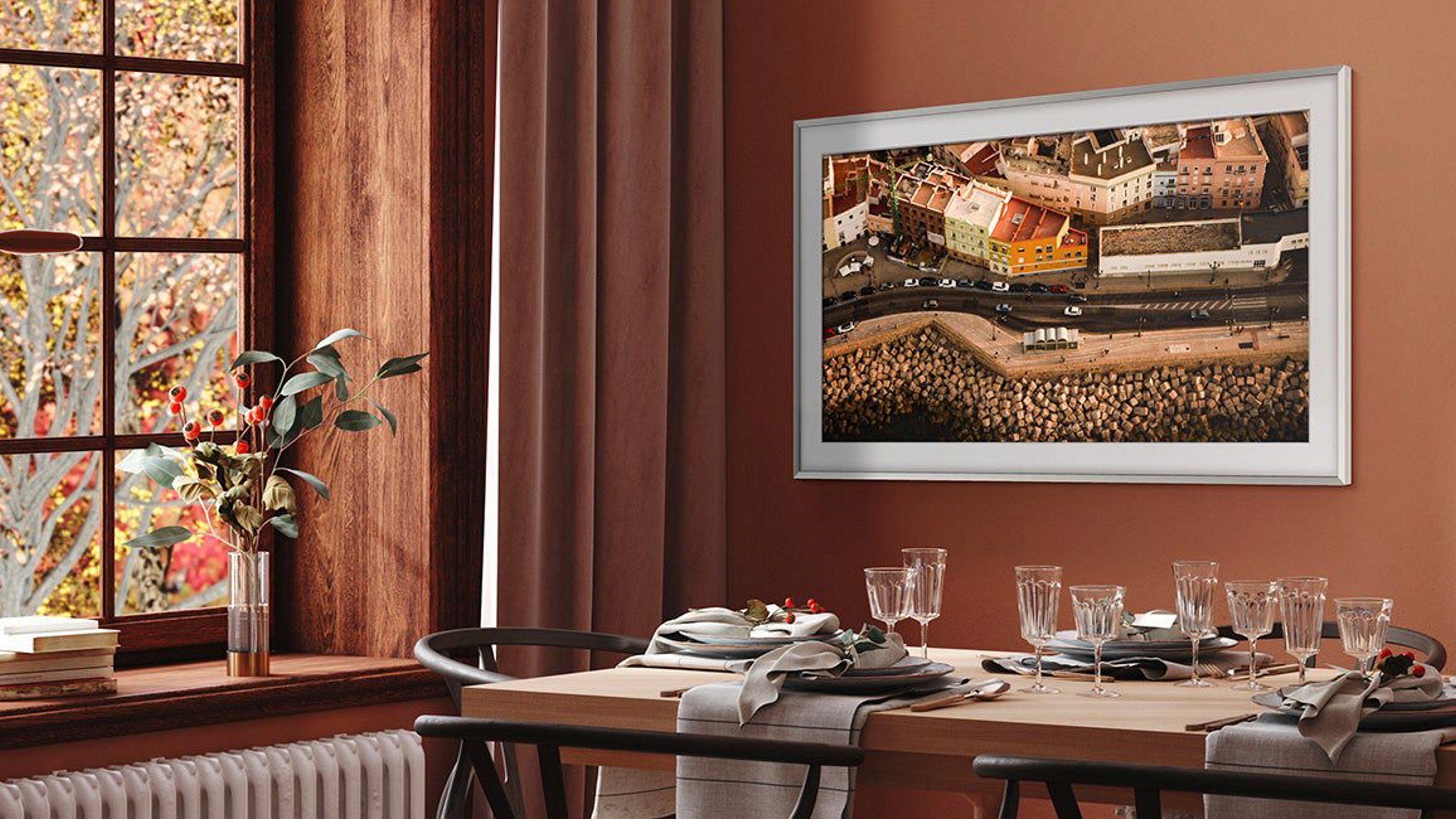
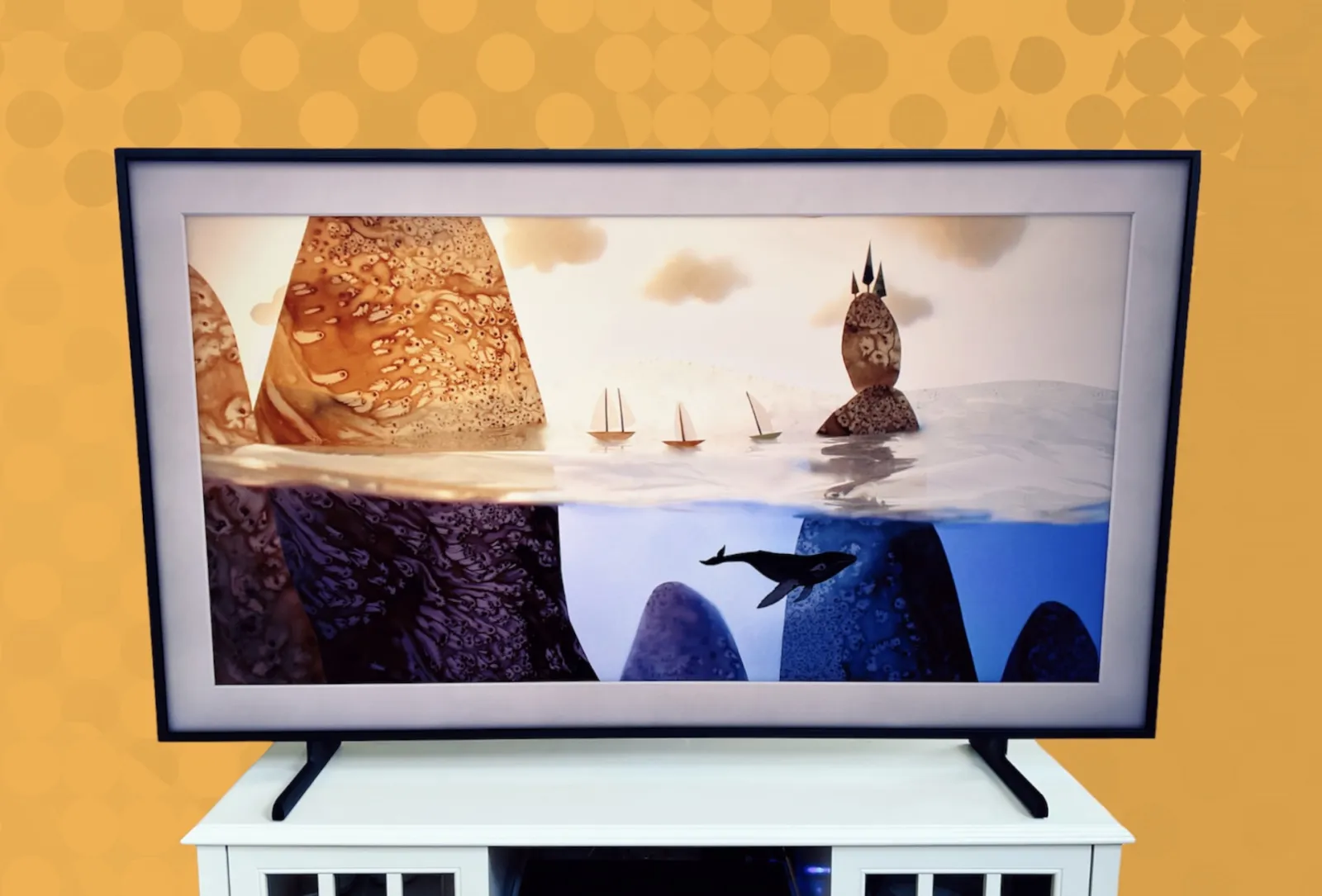
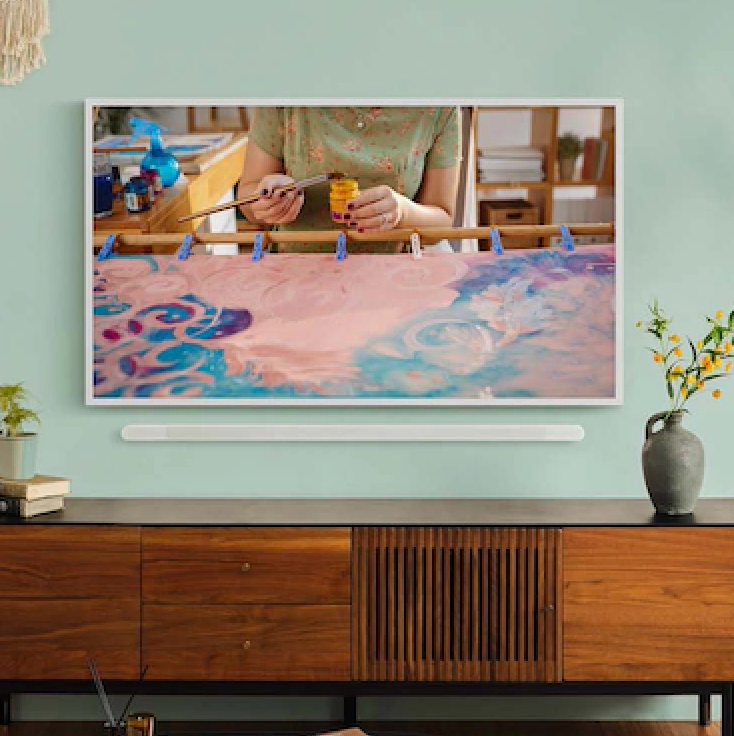
Samsung has introduced a new television, The Frame Pro TV, which aims to reconcile the desire for large screen immersion with aesthetic home design, addressing the historical challenge posed by the original Frame TV. While the initial Frame TV, launched in 2017, was lauded for its ability to mimic a framed painting when not in use, featuring a matte panel and art display capabilities, it often compromised on picture quality for videophiles. The Frame Pro, new for 2025, seeks to bridge this gap by offering significantly improved image quality and a less intrusive design, albeit at a higher price point.
The pricing and sizing differentiate the two models. The Frame Pro is primarily available in larger sizes, offering 65-inch, 75-inch, and 85-inch options, while the standard Frame TV caters to smaller dimensions, including 43-inch, 50-inch, and 55-inch. For the 65-inch model, where both versions are available, the Frame Pro costs £2,099, a £200 premium over the regular Frame's £1,899 price. This pricing strategy suggests Samsung positions the Pro model as a premium upgrade for those seeking enhanced features.
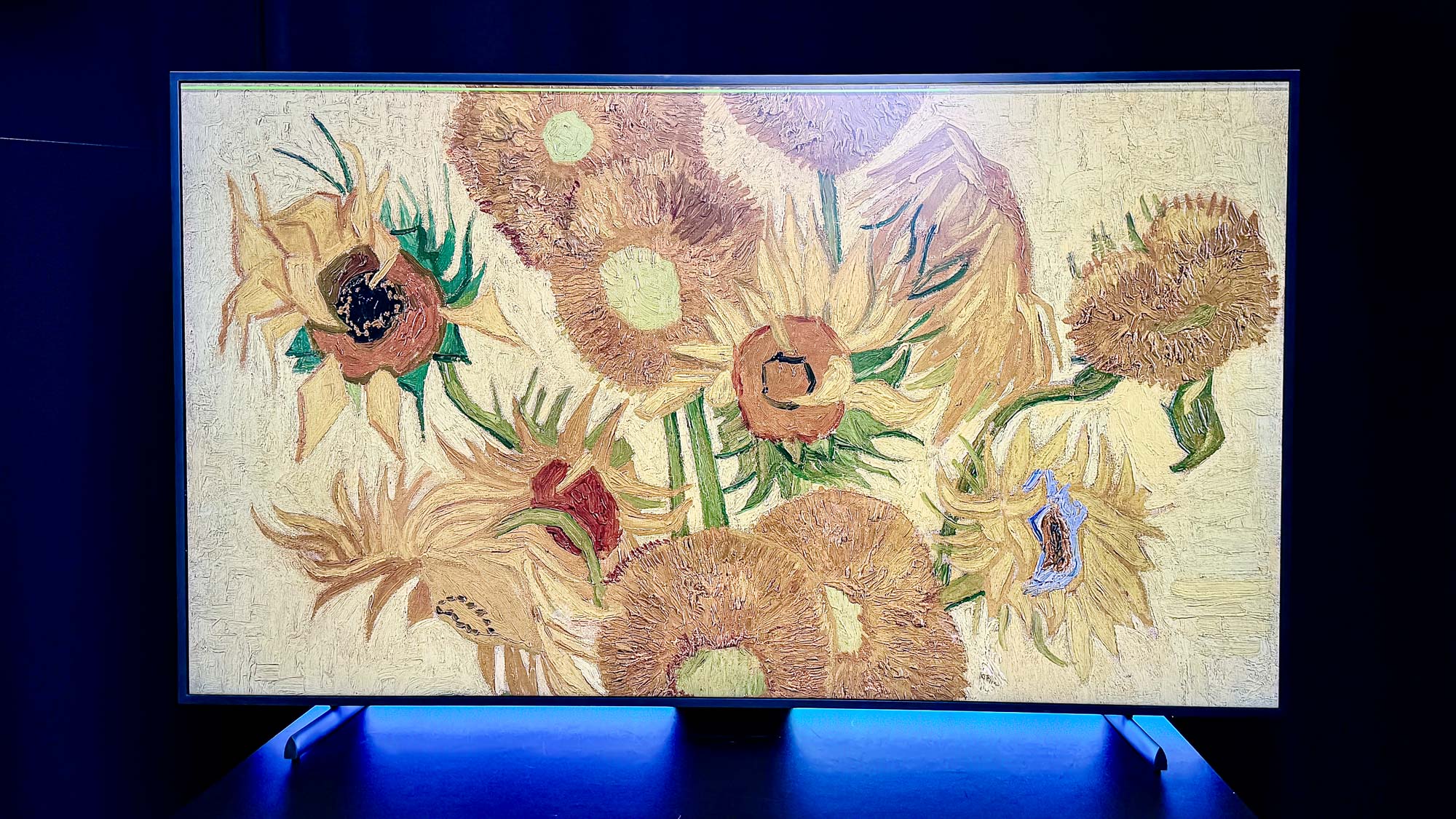
Two main advancements justify the Frame Pro's higher cost and distinguish it from the standard model. The first is the upgrade in screen technology. The original Frame TVs utilized QLED technology, but the Frame Pro integrates Samsung's Neo QLED panel. Neo QLED employs Mini-LED technology, an alternative to OLED, which delivers superior brightness and enhanced contrast. This improvement is achieved through thousands of LED backlights that can illuminate specific parts of the screen, resulting in better uniformity and a more dynamic picture. However, it's noted that the Mini LEDs in the Frame Pro are positioned at the bottom of the display, firing upwards, which may slightly impact brightness control compared to full-array backlighting.
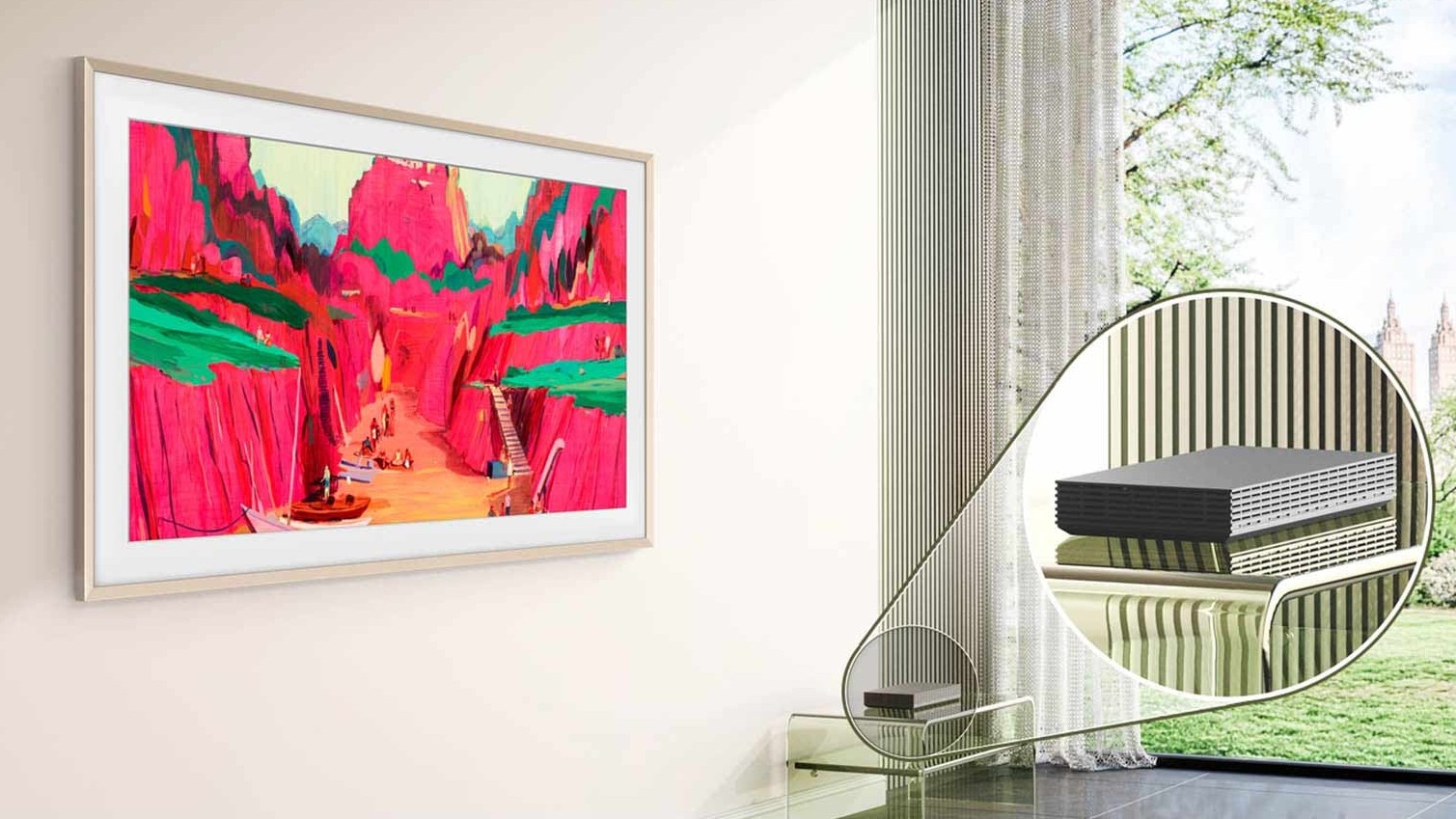
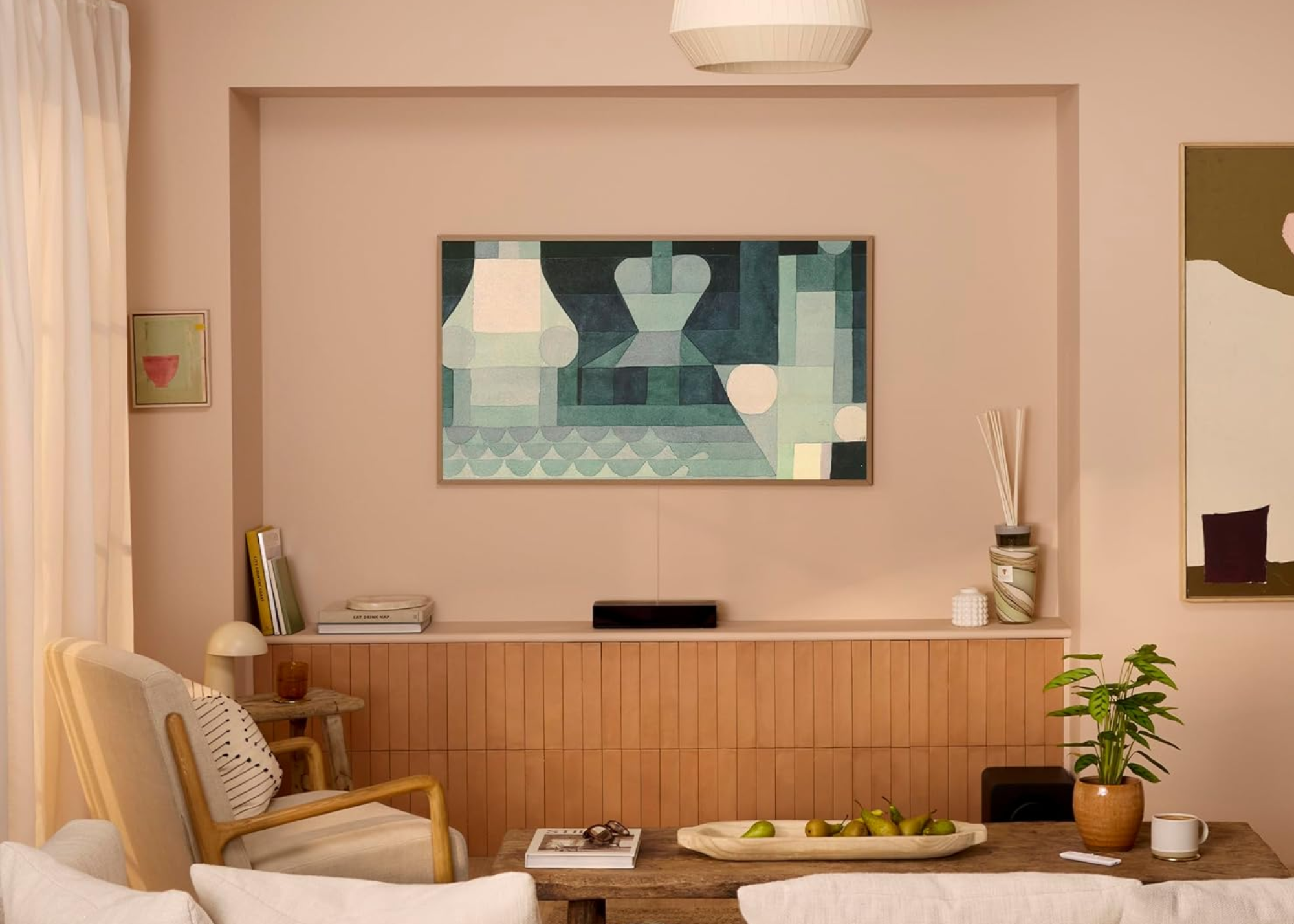
The second significant difference lies in the One Connect Box, a feature designed to minimize cable clutter. Historically, the One Connect Box consolidated all HDMI and USB connections into an external unit, allowing a single cable to connect to the TV. For the Frame Pro, this box has been upgraded to a wireless version, capable of operating up to ten meters away from the TV, even with obstructions. This wireless capability further enhances the TV's aesthetic integration into a living space, particularly if power leads can be concealed. However, this wireless data transfer introduces a slight input lag, approximately 20 milliseconds at 4K 60Hz, which might be a consideration for avid gamers. Samsung states that at 4K 120Hz, the input lag is sub-10 milliseconds, but this claim has not yet been independently verified.
Aside from these key distinctions, both the Frame Pro and the standard Frame TVs share certain features, including an upgraded 144Hz refresh rate for the regular Frame and the integration of Samsung's Vision AI platform, powered by the NQ4 AI Gen3 processor. While the Frame Pro offers an enhanced visual experience and improved aesthetics, it remains a premium product where design is a significant factor in its cost. While other televisions, including Samsung's own OLED sets, may offer superior picture quality, the Frame Pro is presented as the optimal choice for individuals who prioritize a blend of advanced image technology and sophisticated, art-integrated design for their home entertainment.
#SamsungFramePro #SmartTV #NeoQLED #HomeTheater #InteriorDesignTech #WirelessTechnology #ArtTV #HomeDecor #TechUpgrade #SamsungFramePro #SmartTV #NeoQLED #HomeTheater #InteriorDesignTech #WirelessTechnology #ArtTV #HomeDecor #TechUpgrade
0 comment in total
 No comments yet
You may also like

My honest Samsung Frame TV review: A masterpiece or just another flat screen?

The TV as we know it is finally changing — and these designs are leading the charge

The best lifestyle TVs to buy in Australia

The best art frame TVs of 2025: How do Samsung, Hisense, and TCL models compare?
Samsung Frame vs Serif: which lifestyle TV should you choose?

Samsung Frame TV Review & Mounting Guide

The Best Frame TVs of 2026: How Do Samsung, Hisense, and TCL Compare?
Samsung’s Frame TV (2022) Review: It Finally Looks Like Wall Art


Alternatives to Samsung’s The Frame TV Have Finally Arrived

This Is the Best Deal We've EVER Seen on the Frame TV During Prime Day—It's Almost 50% Off

The best frame TVs: fantastic TVs that show off your favourite art
We put the best art frame TVs from Samsung, Hisense, and TCL to the test — here's how they compare
Samsung released an upgraded version of its popular Frame TV, and we put it to the test. Here's what sets it apart.
We put the best art frame TVs from Samsung, Hisense, and TCL to the test — here's how they stack up
Samsung vs Hisense — Which of These TV Brands Wins for Style, Quality, and Value in 2025?

The Frame Is a Delightful TV That Transforms Into Artwork | Reviews by Wirecutter

What Are the Best Samsung Frame Alternatives? Here's Why You Should Consider Other “Art TVs”, too, Before You Buy
The Samsung Frame Blends Into Your Living Room More Than Any Other TV. But It's Not Your Only Option.

Where to Buy the Best Samsung Frame TV Art Online


Why I Fell in Love with My Samsung Frame TV on a Stand