1/6
Samsung vs Hisense — Which of These TV Brands Wins for Style, Quality, and Value in 2025?
This article provides a comprehensive comparison between Samsung and Hisense televisions, two prominent brands in the TV market, to help consumers determine which offers better style, quality, and value in 2025. The comparison acknowledges the historical context of market competition, noting Hisense's current strategy of undercutting established brands like Samsung, similar to how Samsung once challenged Sony. This creates a favorable environment for consumers to find good deals, especially with Hisense expanding into the premium market segment.
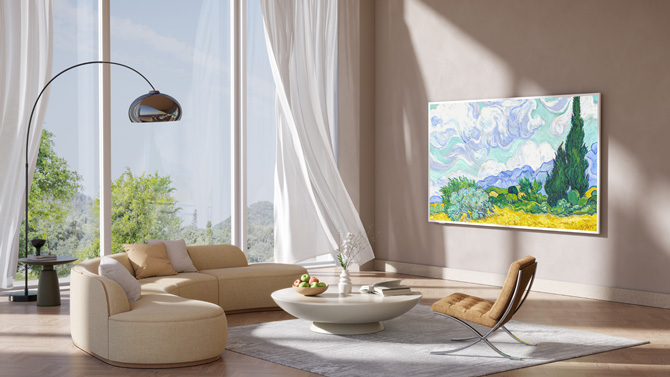
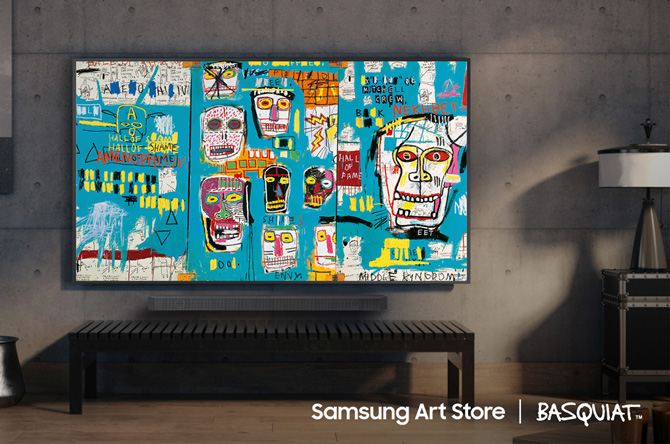
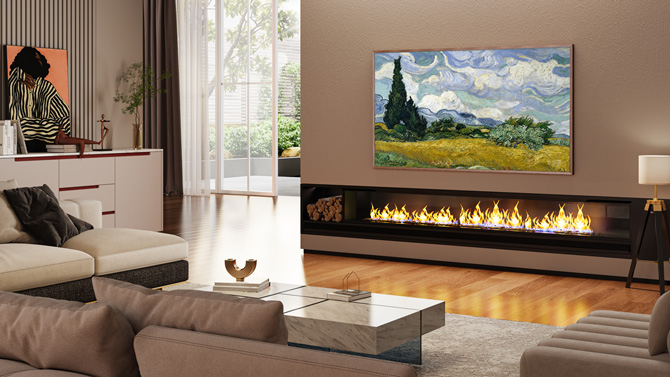
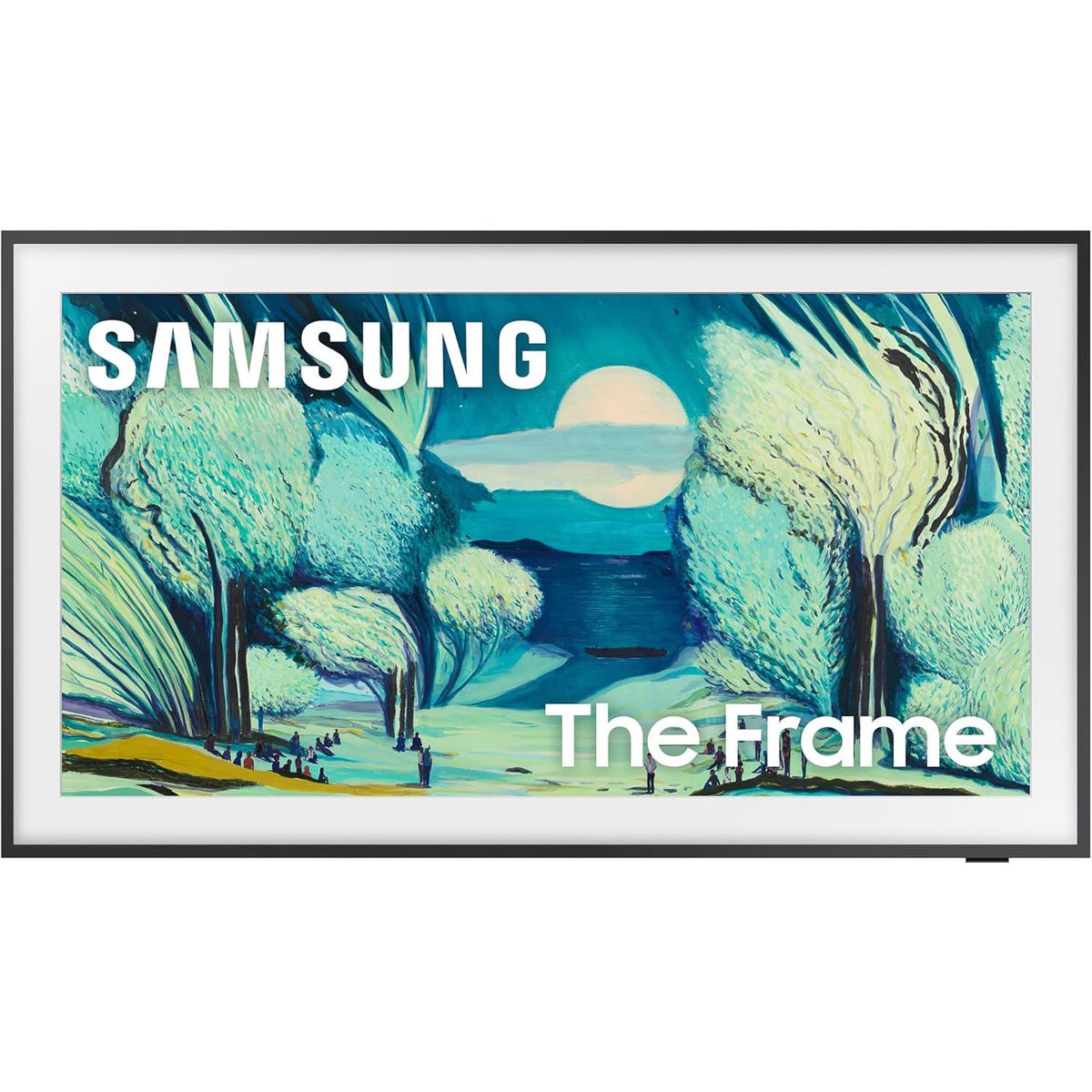
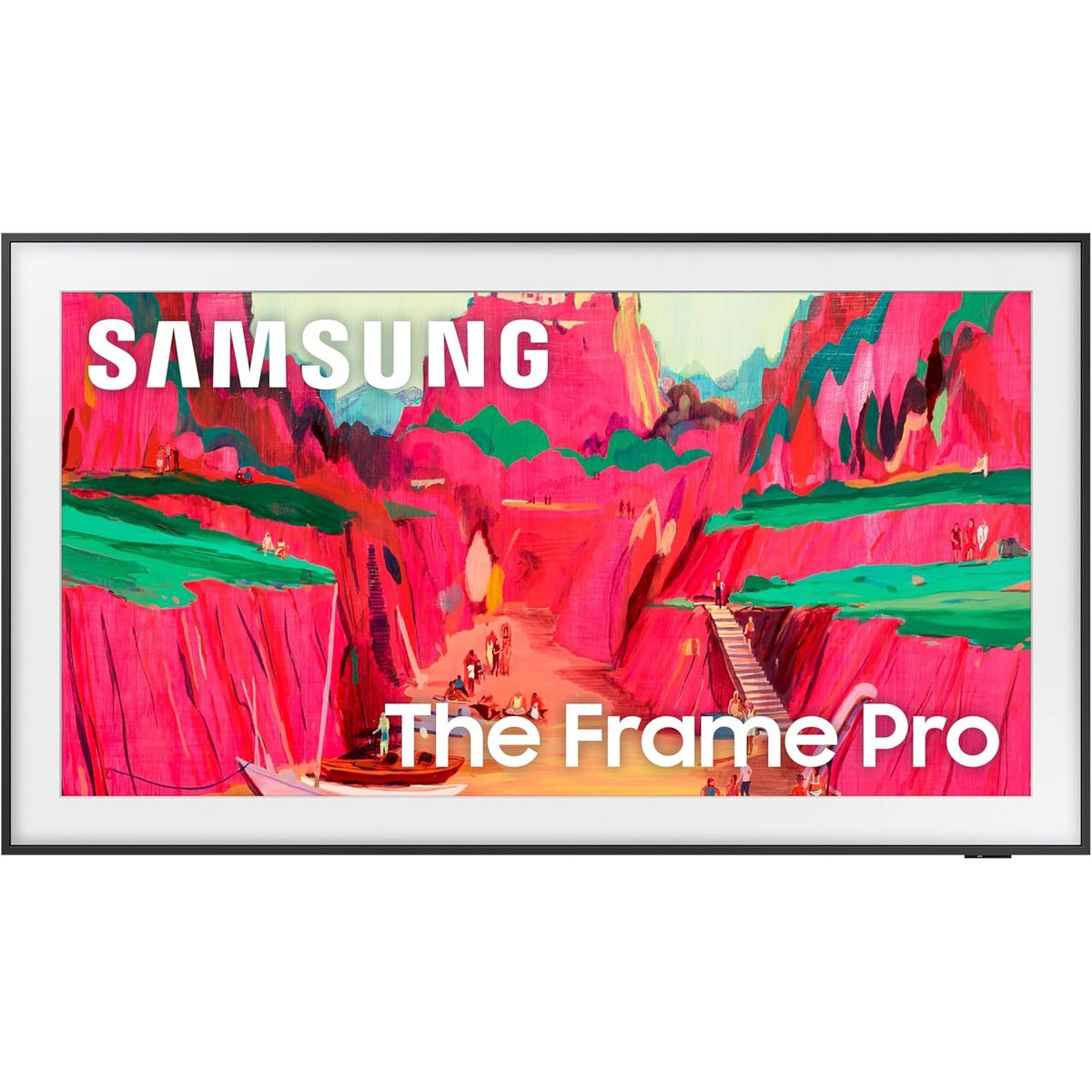
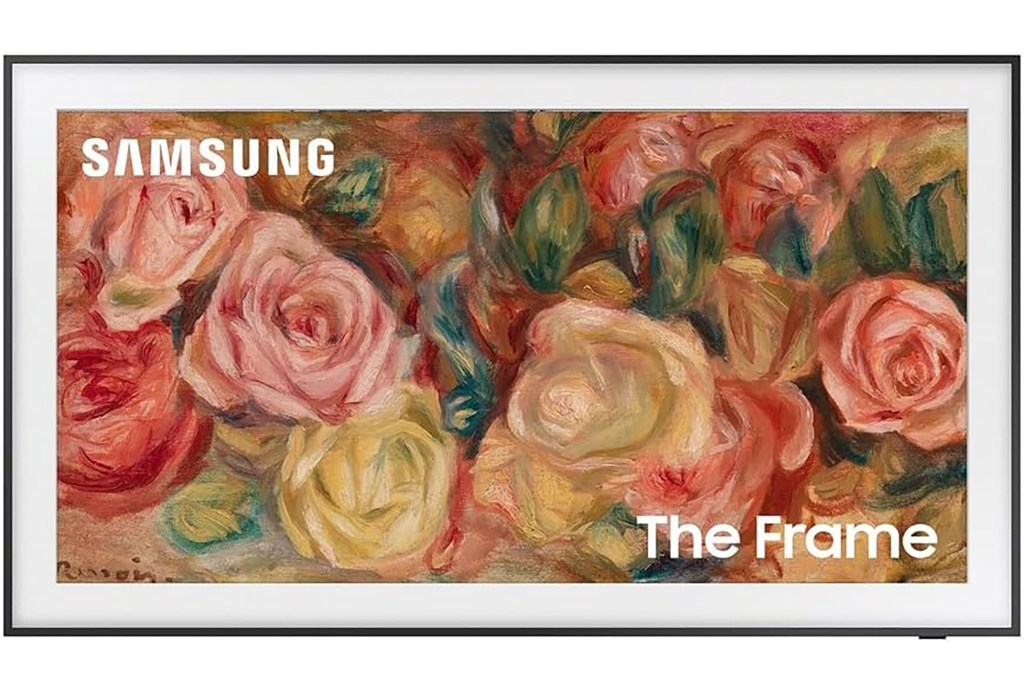
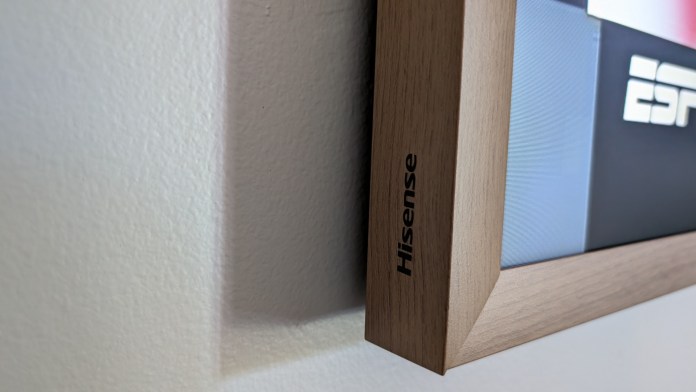
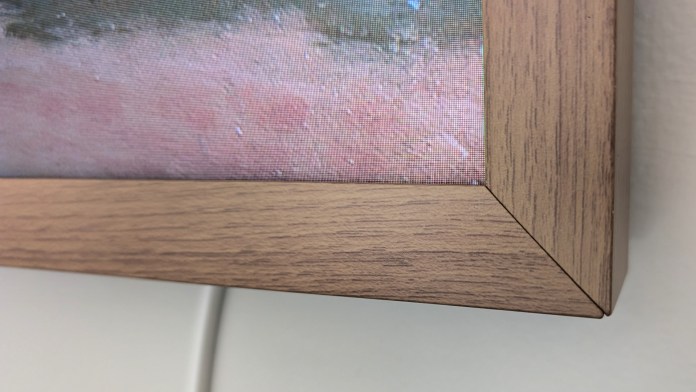
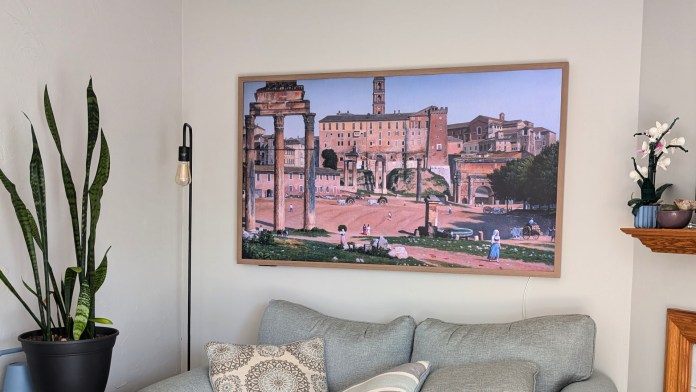
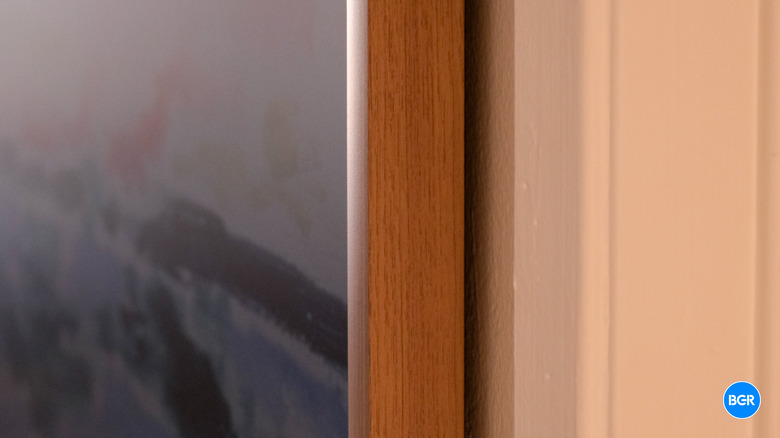
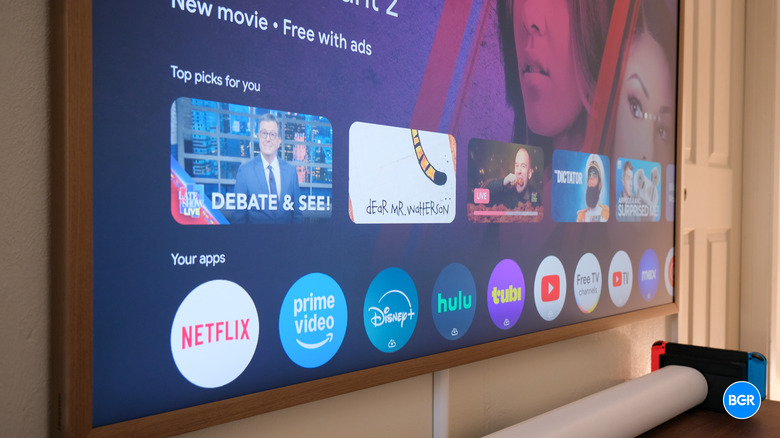
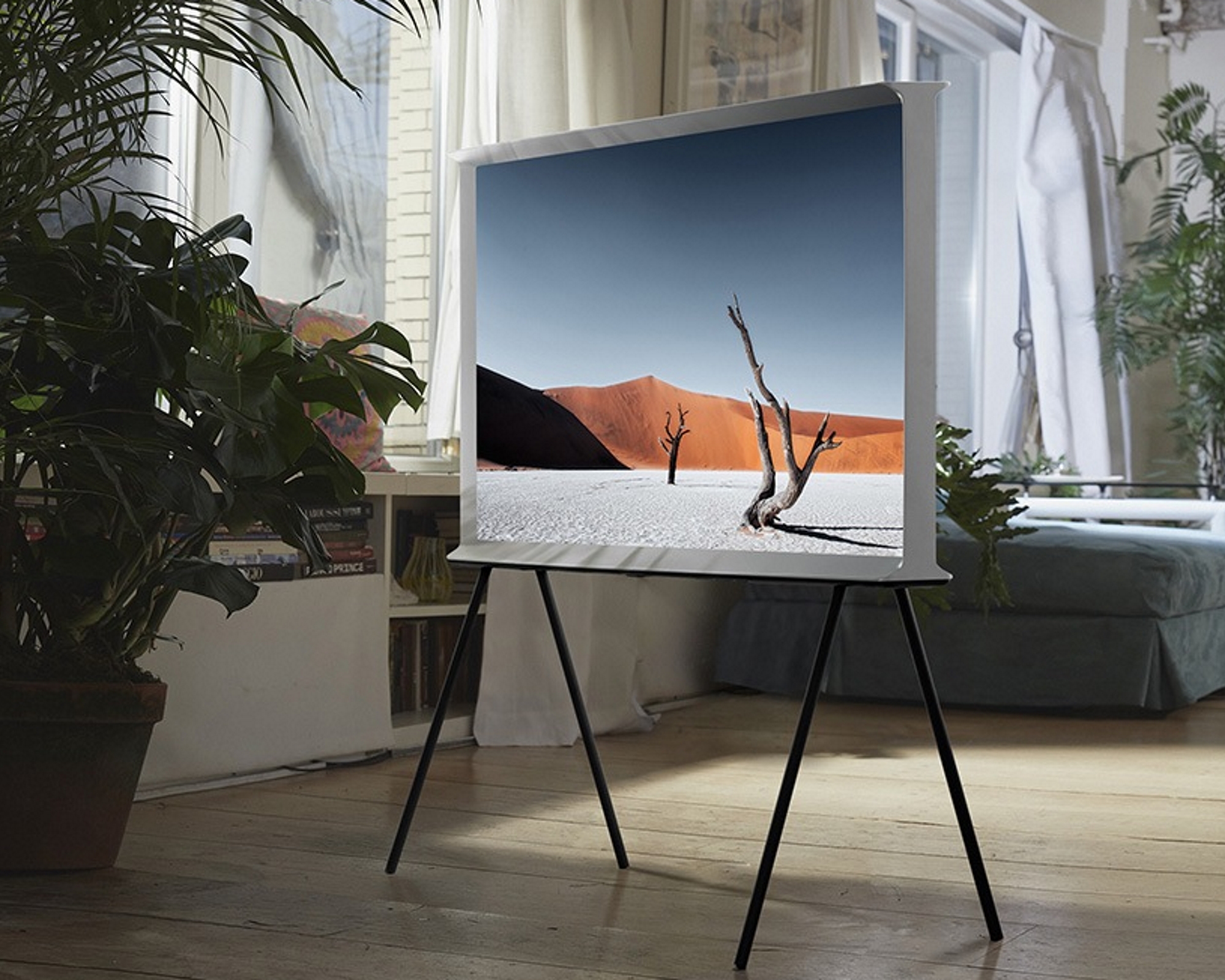
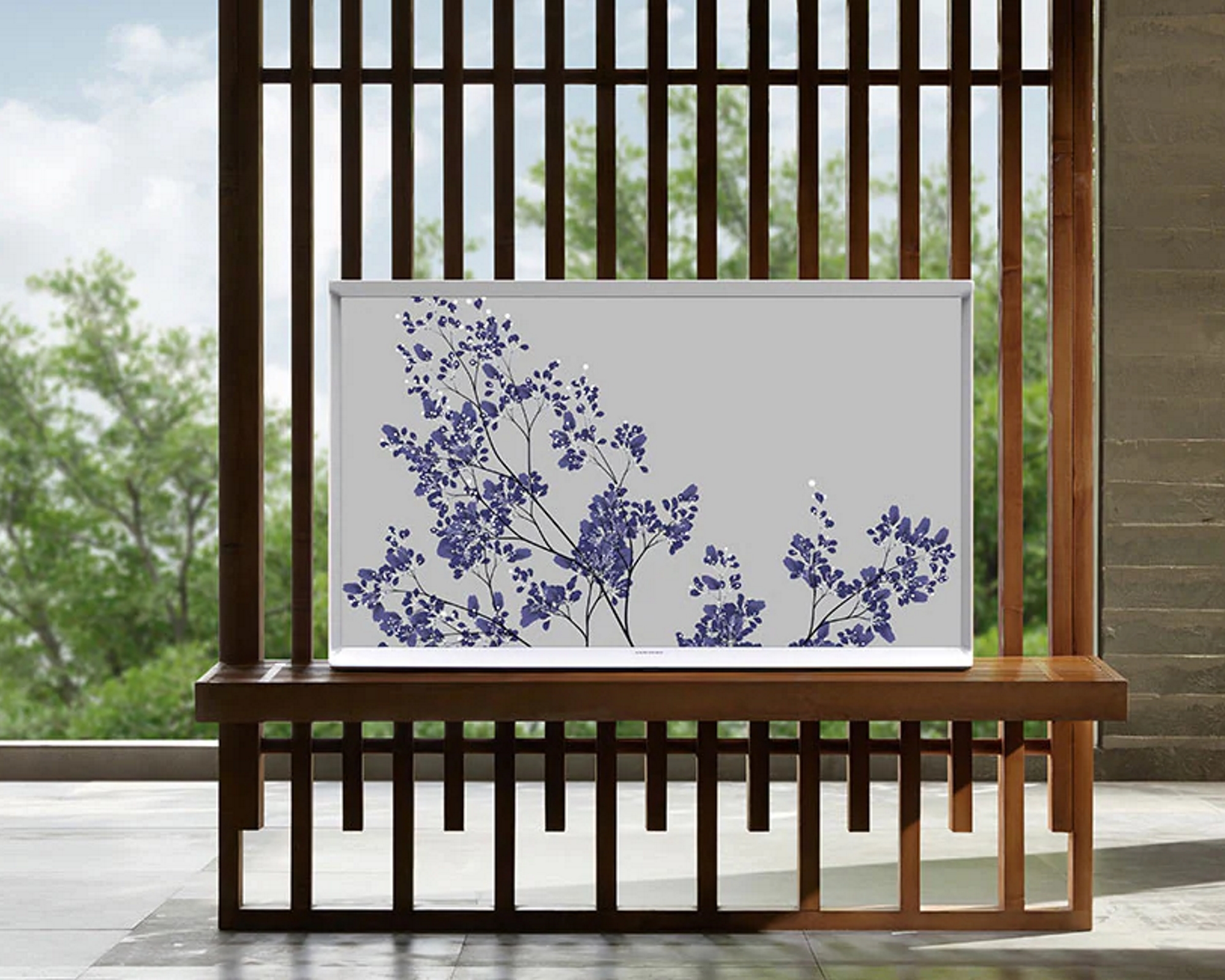
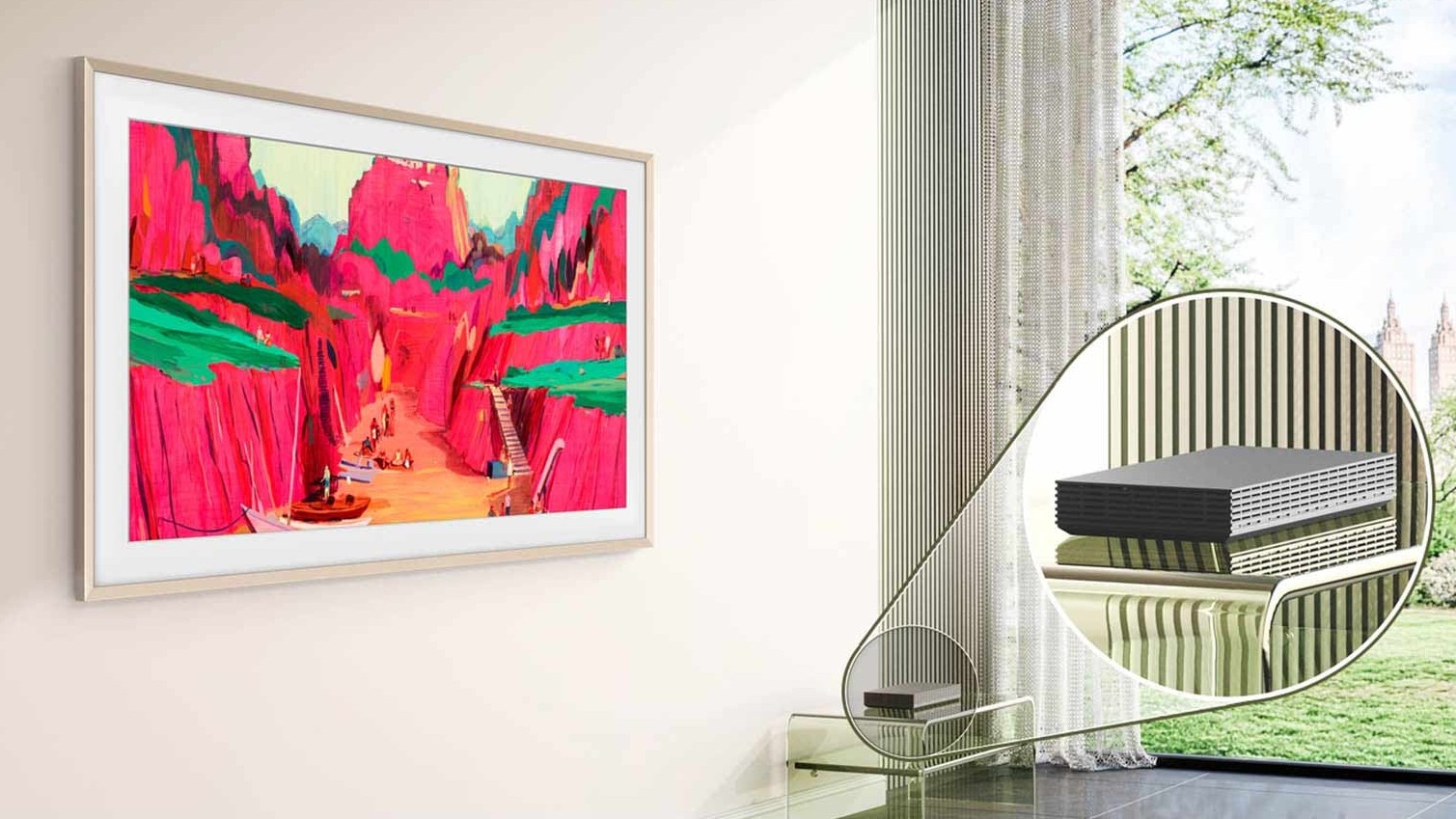
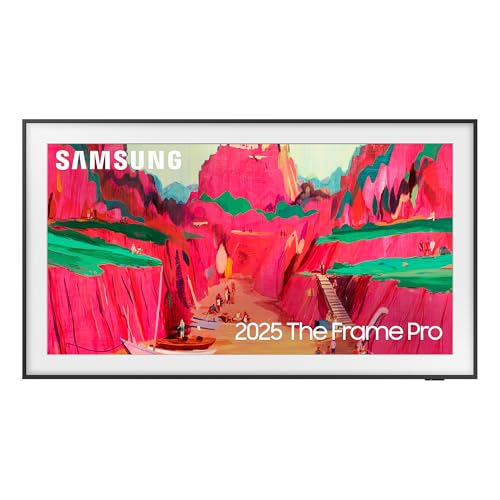
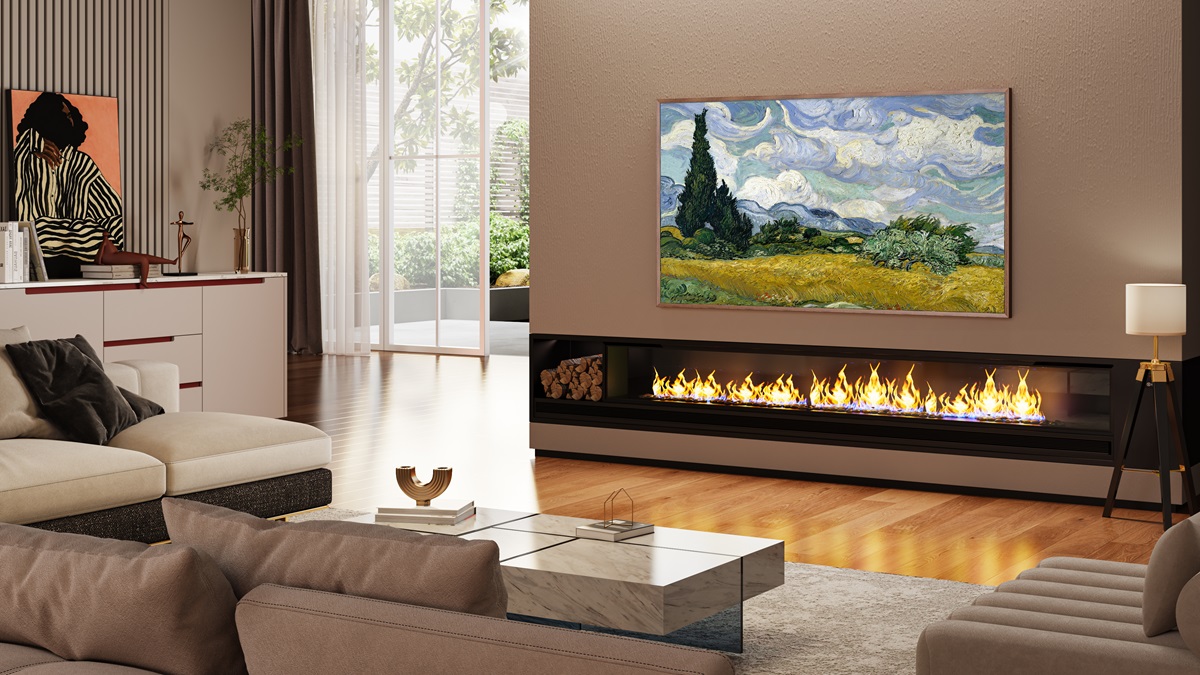
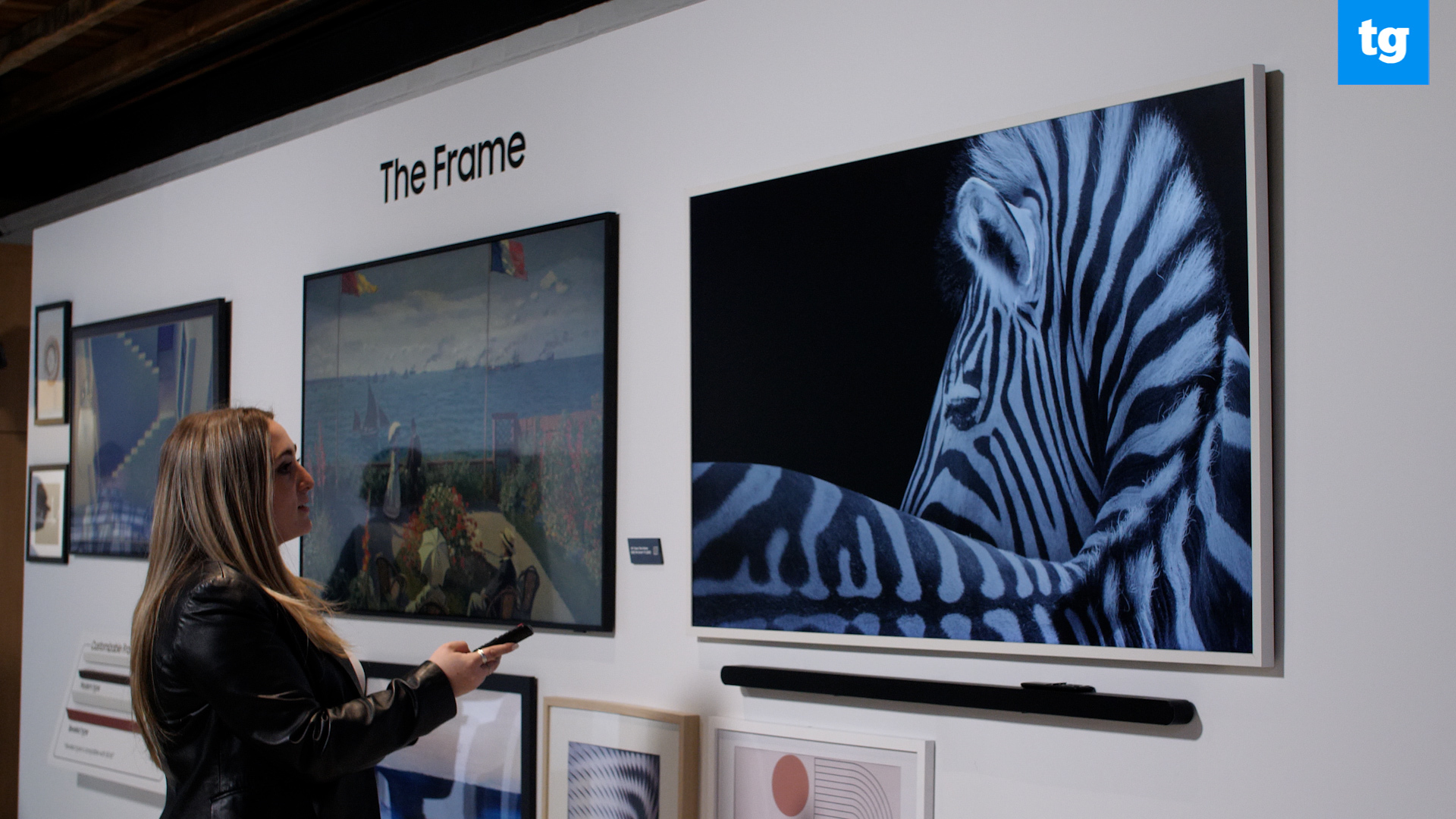
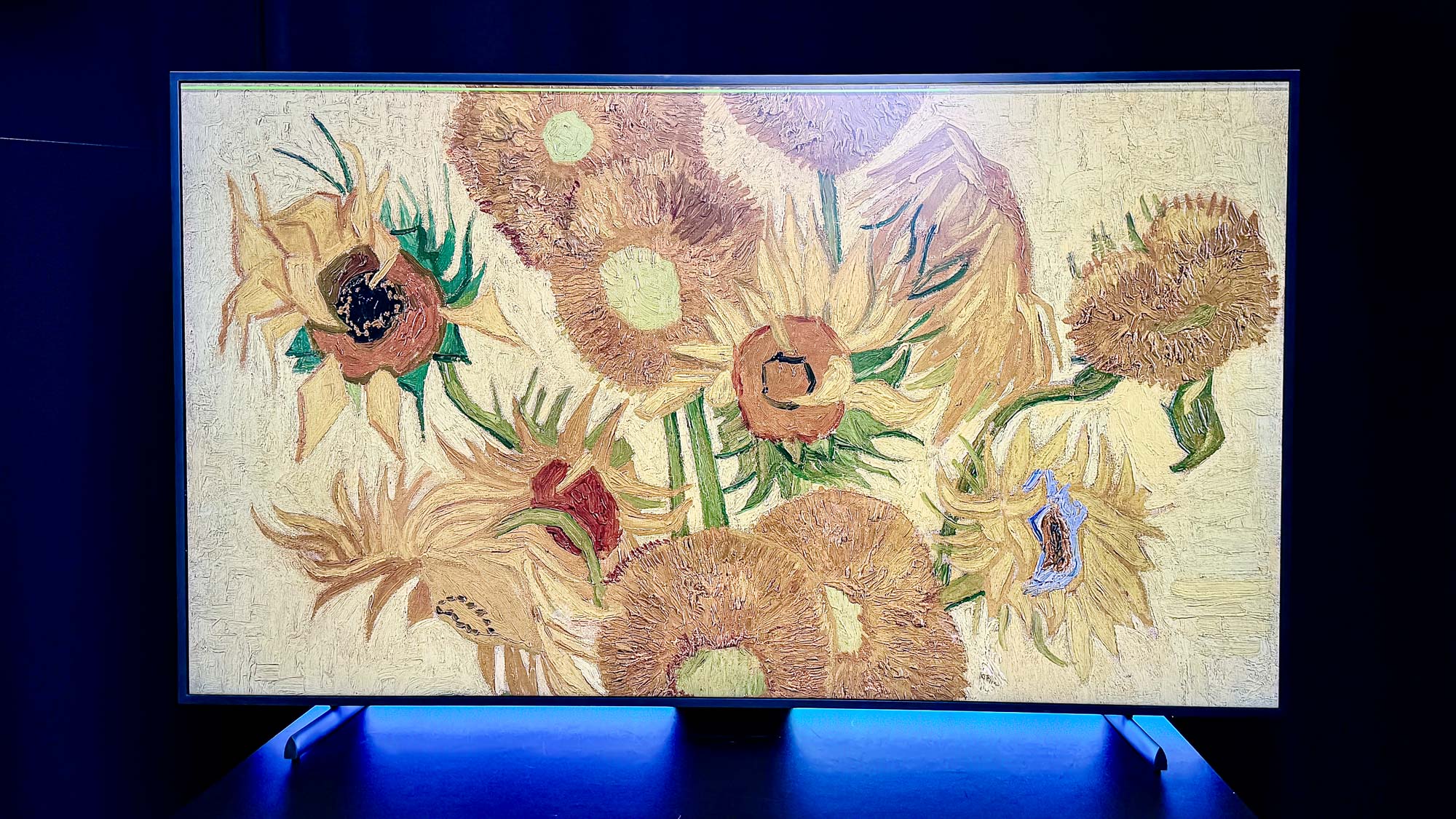
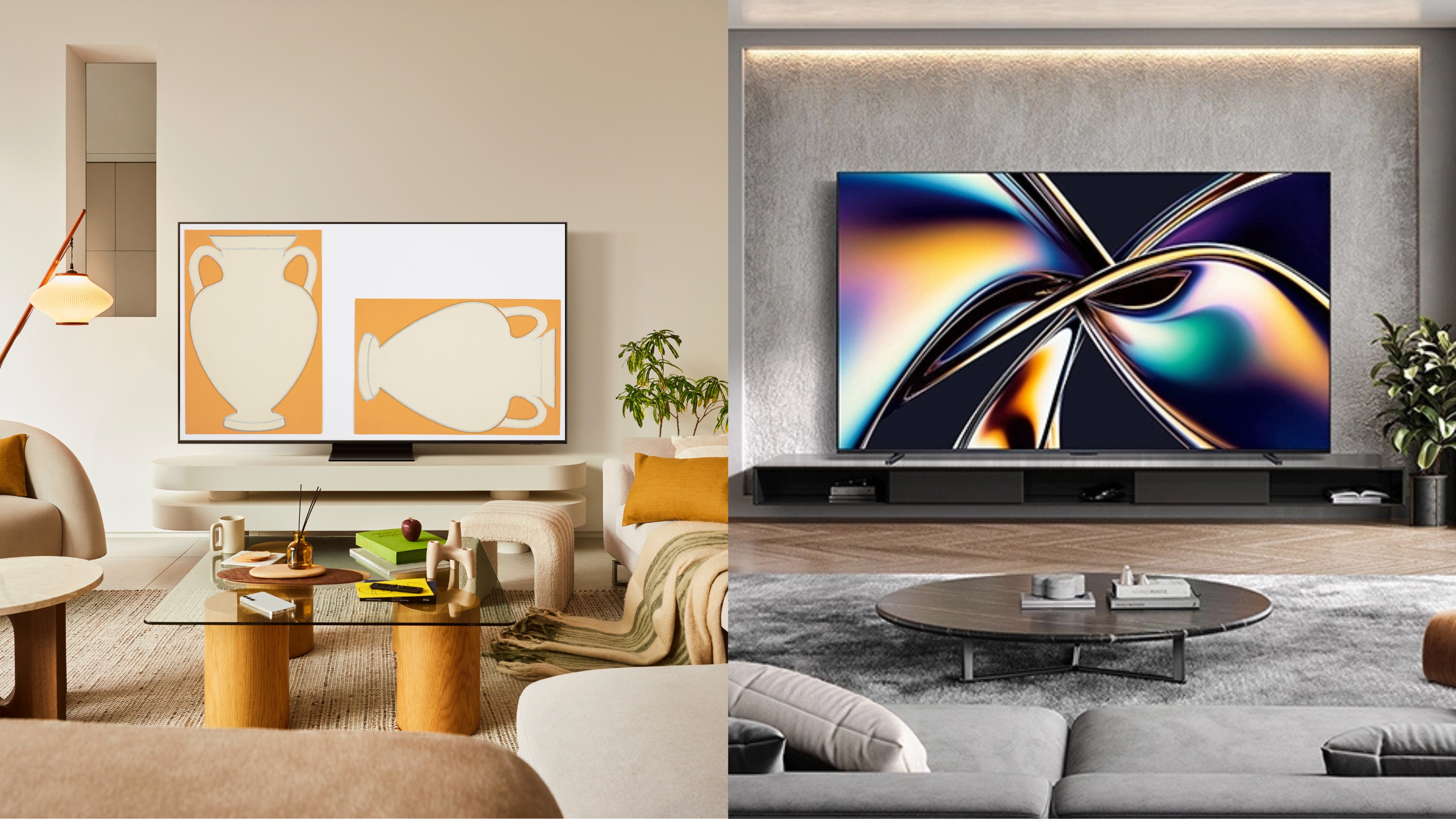
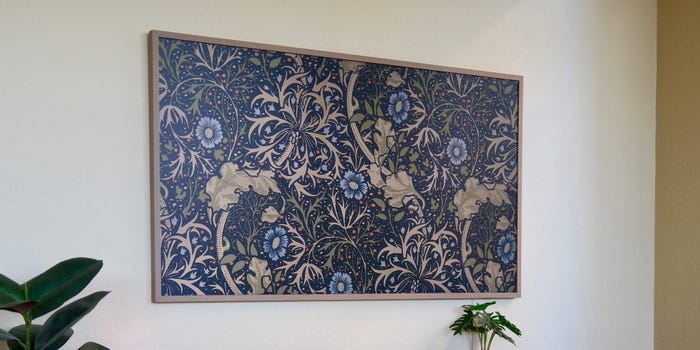
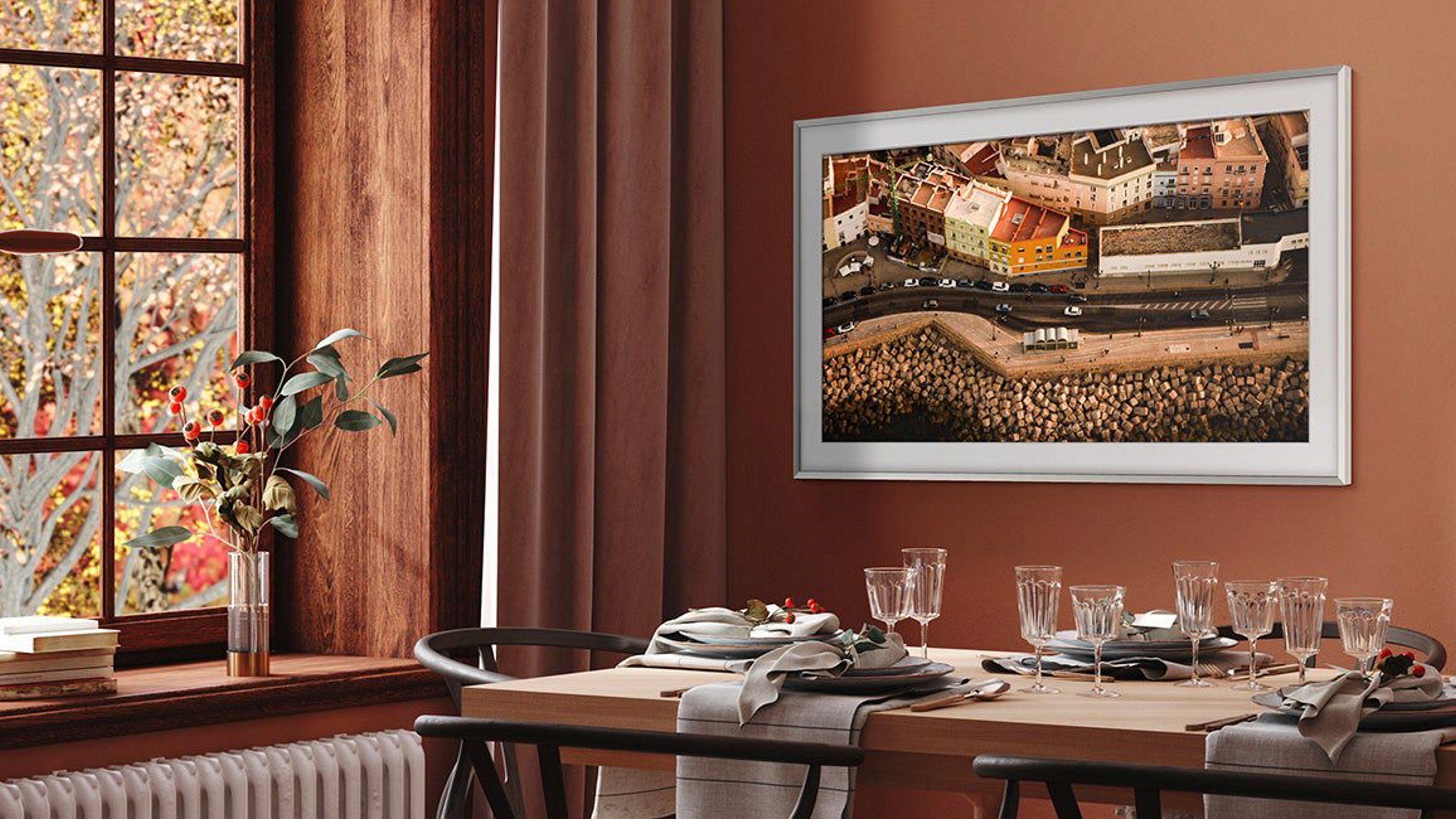
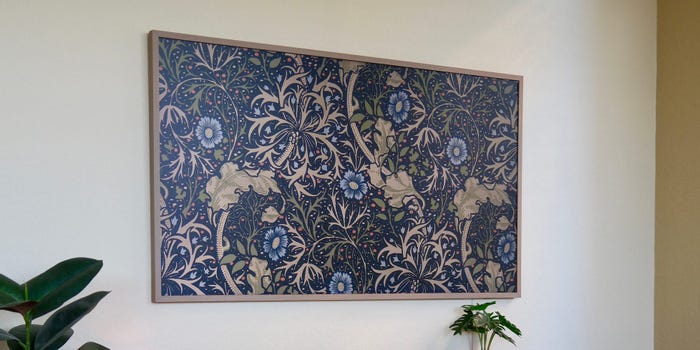
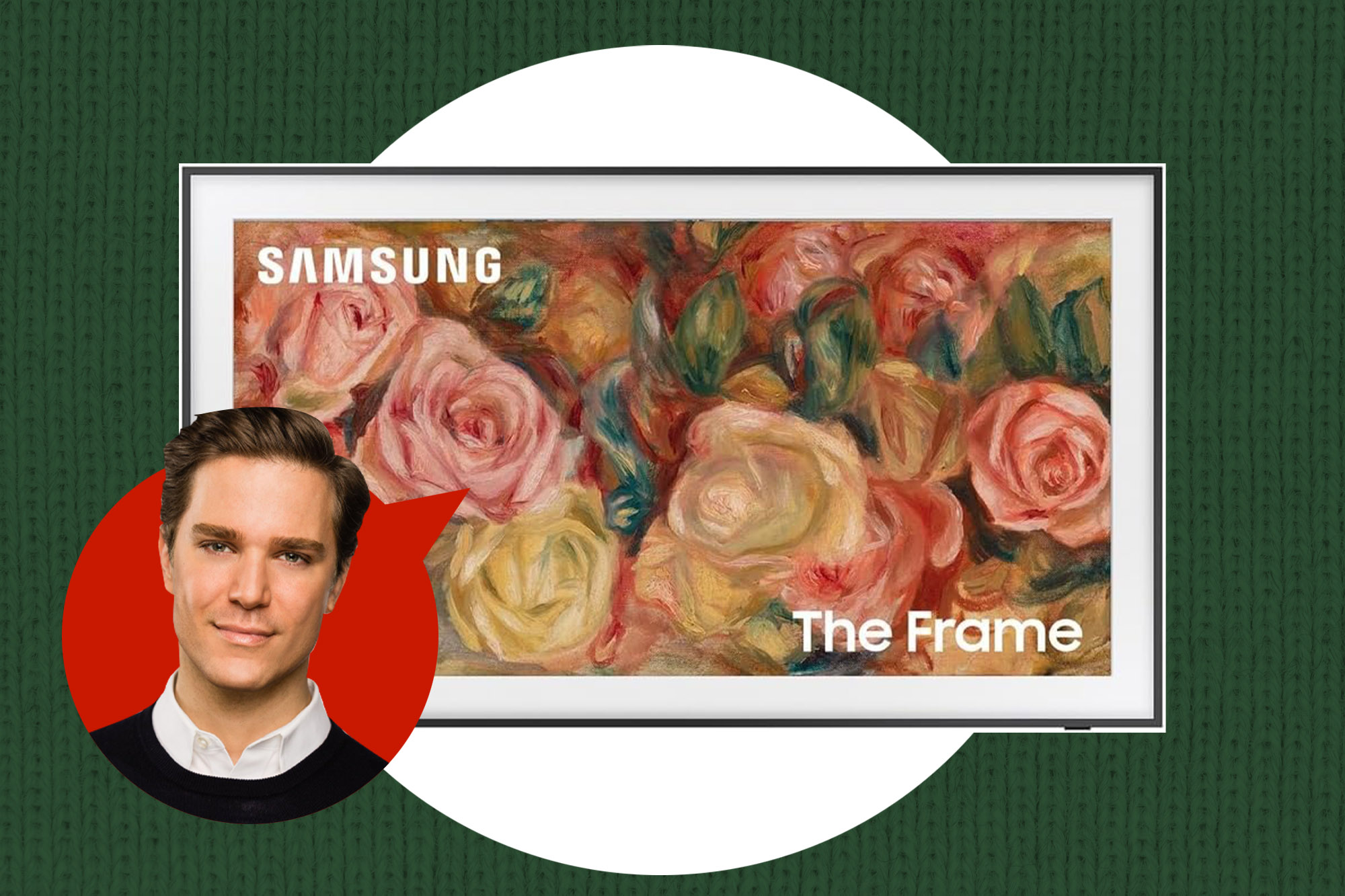
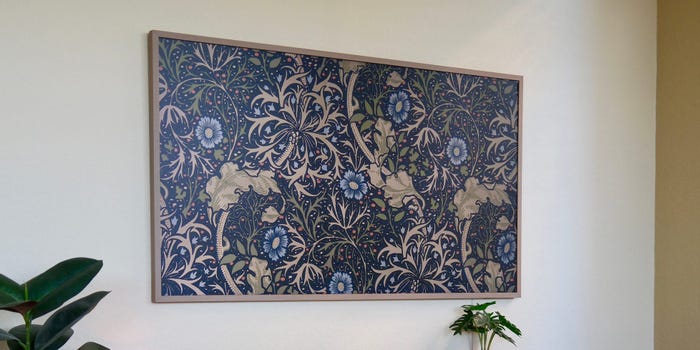
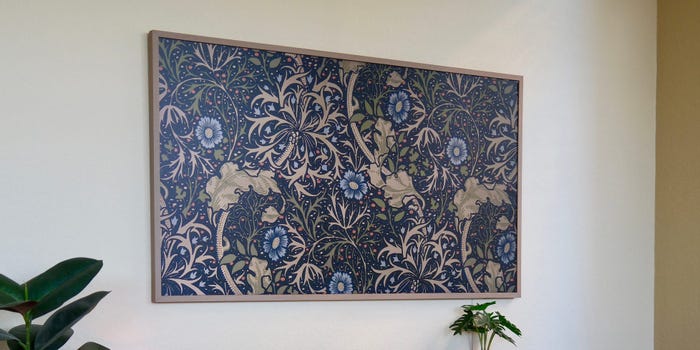
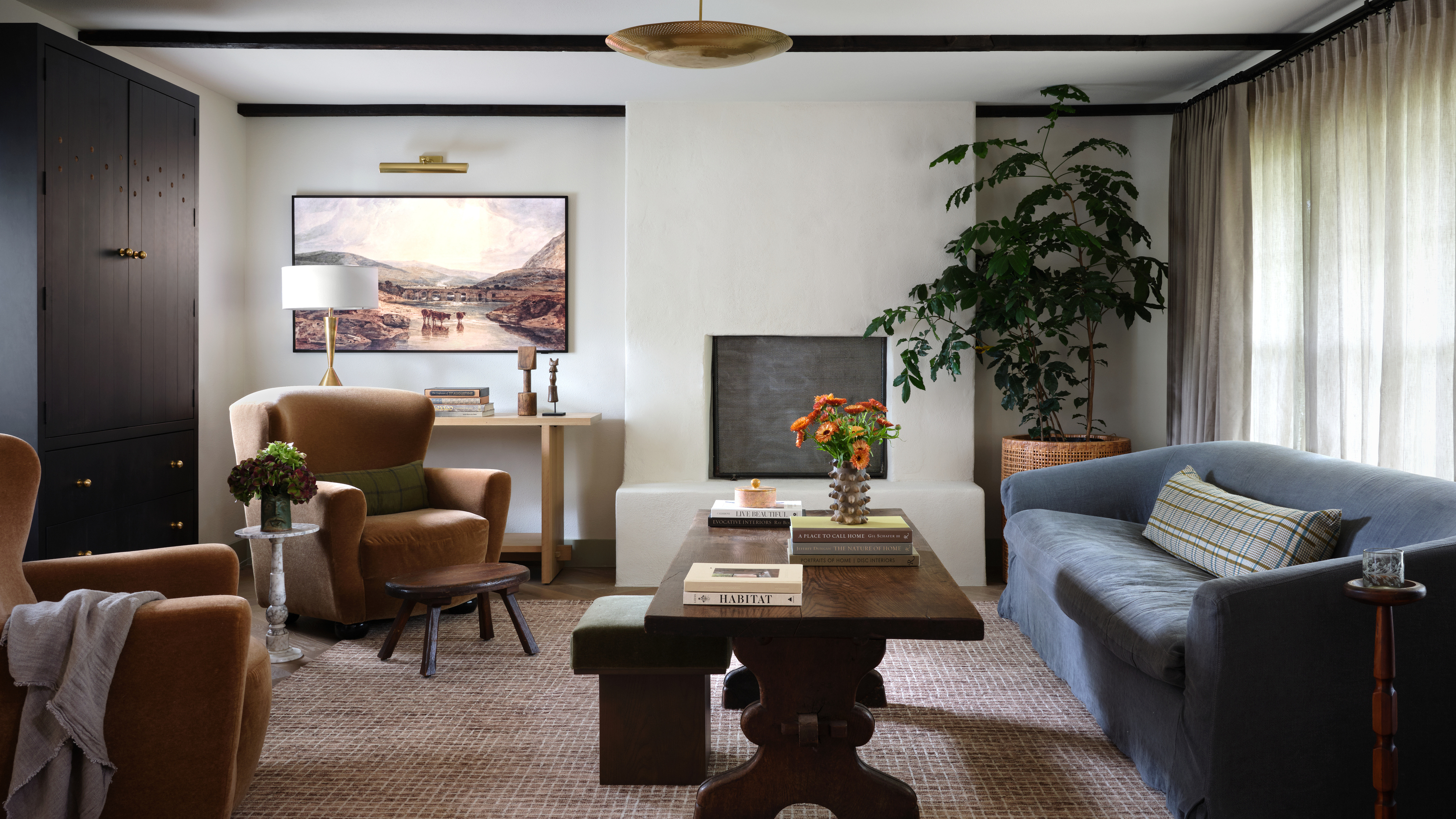
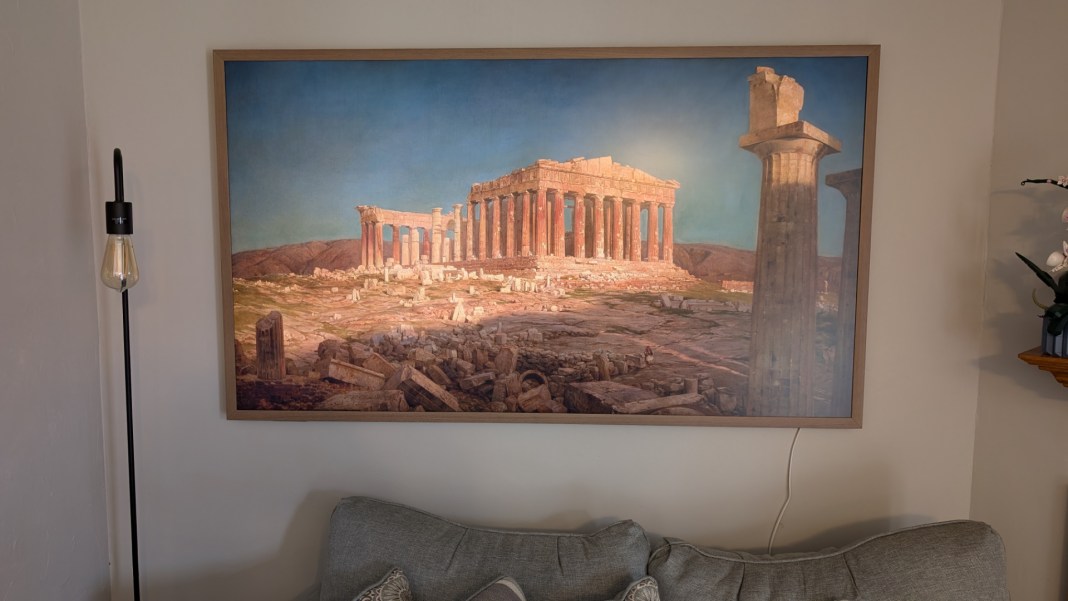
The article delves into a detailed evaluation across several key categories: design, picture quality, sound quality, price, and ease of use. In terms of design, both brands are recognized for offering a wide range of TV options to suit diverse needs and budgets, consistently providing a premium finish. Samsung pioneered the 'art TV' concept with 'The Frame,' designed to mimic a picture frame with a minimal bezel for displaying digital art or photos. Samsung's Lifestyle Collection further includes 'The Serif' (a TV on legs with a matte display), 'The Sero' (a rotating TV for portrait viewing), and 'The Terrace' (a weatherproof outdoor TV). Hisense has entered this niche with its 'Canvas TV,' featuring a matte finish and an Art Mode, aiming to compete directly with 'The Frame.' While Hisense offers a compelling alternative, Samsung is considered the winner in the design category due to its broader range of innovative design-focused models.
For picture quality, both Samsung and Hisense produce OLED TVs, which are highly regarded for their overall depth, speed, and color range, despite QLED offering brighter images. A significant difference lies in HDR codec support: Samsung exclusively uses HDR10+ (10-bit color, over one billion colors), whereas Hisense supports both HDR10+ and Dolby Vision (12-bit color, 68 billion colors). While Hisense's broader codec support can lead to better input quality, Samsung's superior processing, especially in its high-end models, often results in a better overall image, particularly in aspects like judder removal and reflection handling. Refresh rates vary, with Samsung reaching up to 240Hz and Hisense up to 165Hz. Despite Hisense's brightness and HDR advantages, Samsung's advanced AI smarts often give it an edge, making Samsung the winner for picture quality.
In the sound quality segment, the inherent slimness of modern TVs limits built-in audio capabilities, making external sound systems preferable for immersive experiences. However, Hisense stands out by offering some models with a built-in subwoofer and advanced audio features. For instance, the Hisense U8N provides mini-LED display quality with 2.1.2 channel audio, a built-in subwoofer, and Dolby Atmos and DTS:X support with up-firing speakers. Samsung, on the other hand, employs sophisticated sound processing like Object Tracking Sound (OTS) to simulate surround sound. While Samsung's OTS is innovative, Hisense's inclusion of a built-in subwoofer and comprehensive Dolby Atmos support gives it the win in this category.
Regarding price, Hisense is actively positioning itself to offer more affordable options, often including features that rival or surpass those found in premium TVs from other brands, including Samsung. Consumers can find mid-range Hisense TVs that deliver exceptional value. Samsung, while offering premium features, also provides competitive pricing, especially with its QLED alternatives to OLED. Hisense is deemed the winner for price, offering more 'bang for your buck.'
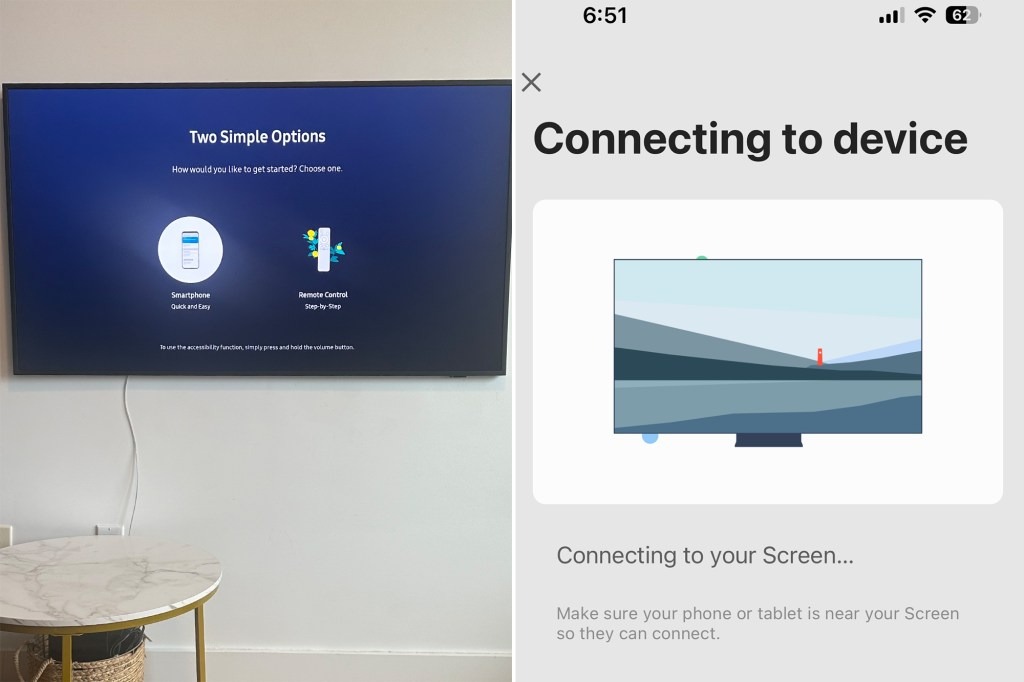
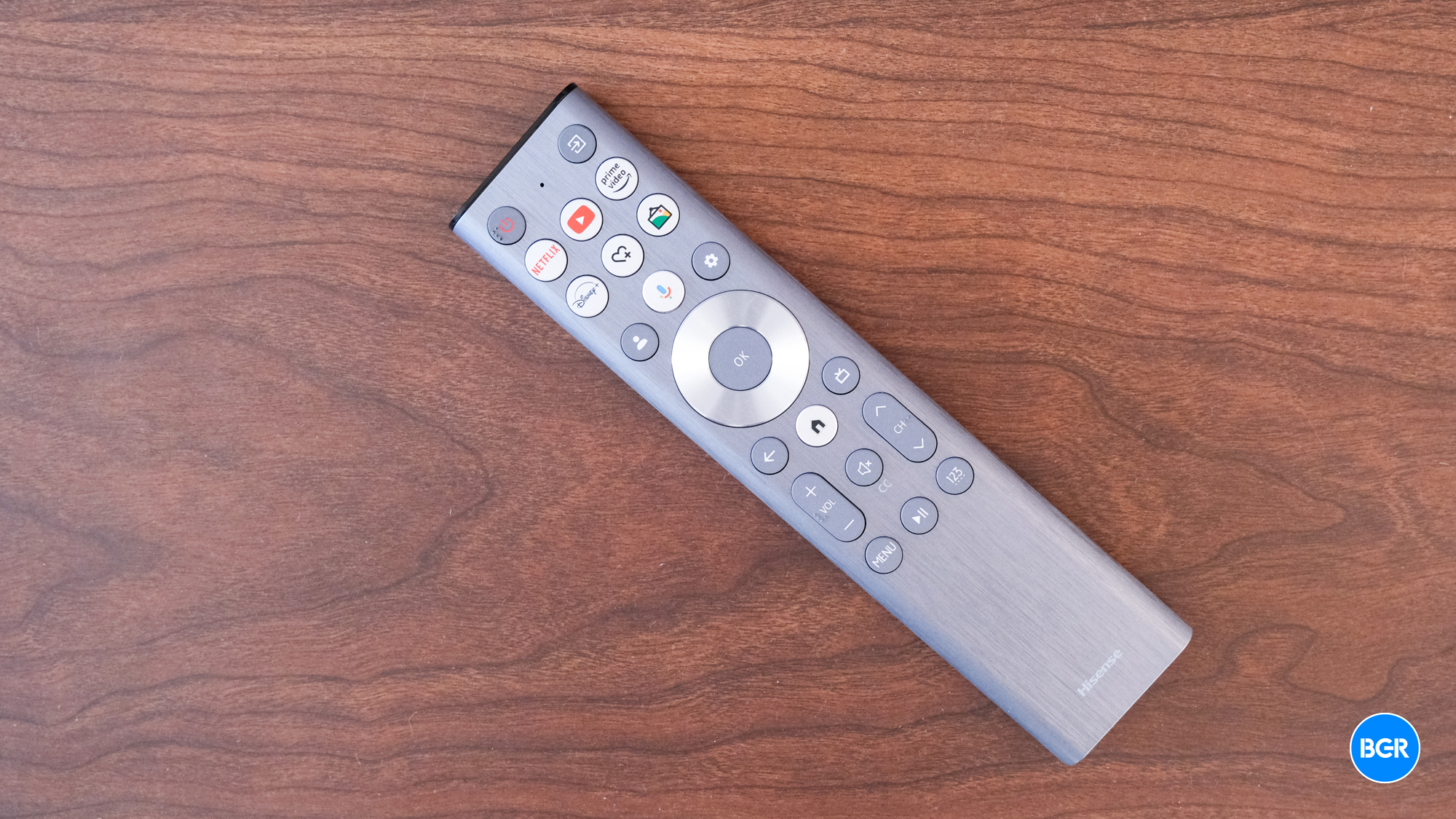
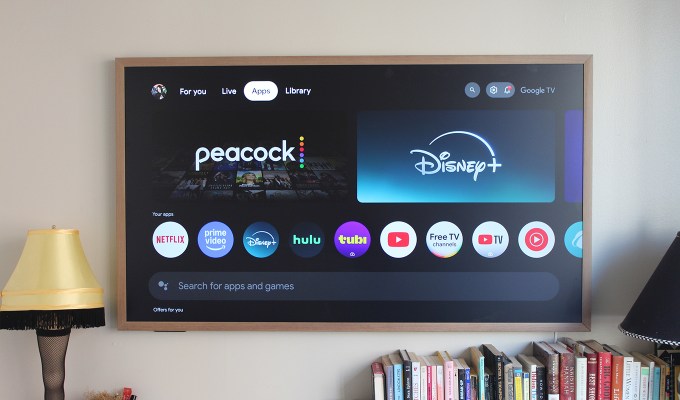
For ease of use, both brands feature proprietary operating systems and app-based controls. Samsung utilizes its Tizen OS, known for its uncluttered interface, focus on Samsung apps and devices, and the Bixby voice control system. Hisense employs its VIDAA Smart TV OS (or Android in the US), which is Linux-based and designed for simplicity and a personalized experience with a good selection of apps, albeit not as extensive as Samsung's. Samsung takes the win for ease of use due to its more mature and comprehensive smart TV ecosystem.
In conclusion, the article notes that both brands offer compelling choices. Hisense excels in value and sound quality, while Samsung leads in design, picture quality, and ease of use. The choice ultimately depends on individual consumer priorities, but Hisense is highlighted as a very strong contender, particularly for those seeking impressive features and sound at a more budget-friendly price point, with its Canvas TV being a notable design-focused offering.
#SamsungTV #HisenseTV #TVComparison #HomeEntertainment #SmartTV #Design #PictureQuality #SoundQuality #ValueForMoney #SamsungTV #HisenseTV #TVComparison #HomeEntertainment #SmartTV #Design #PictureQuality #SoundQuality #ValueForMoney
0 comment in total
 No comments yet
You may also like

Alternatives to Samsung’s The Frame TV Have Finally Arrived

Hisense S7N CanvasTV Review: Taking On Samsung At A Much Lower Price

The TV as we know it is finally changing — and these designs are leading the charge

We put the best art frame TVs from Samsung, Hisense, and TCL to the test — here's how they stack up
Samsung Frame vs Serif: which lifestyle TV should you choose?
We put the best art frame TVs from Samsung, Hisense, and TCL to the test — here's how they compare
My honest Samsung Frame TV review: A masterpiece or just another flat screen?
The best art frame TVs of 2025: How do Samsung, Hisense, and TCL models compare?
5 Modern TV Cabinet Designs for Hall in 2025: Suitable for LG, Sony, Samsung, and Other Models
The Best Frame TVs of 2026: How Do Samsung, Hisense, and TCL Compare?
What Are the Best Samsung Frame Alternatives? Here's Why You Should Consider Other “Art TVs”, too, Before You Buy
Hisense CanvasTV QLED 2024 Review


The Hisense CanvasTV Turned My Apartment Into an Art Gallery—And It's On Sale for Black Friday