1/5
What is a shingle style home? Everything you need to know about this classic coastal architectural style
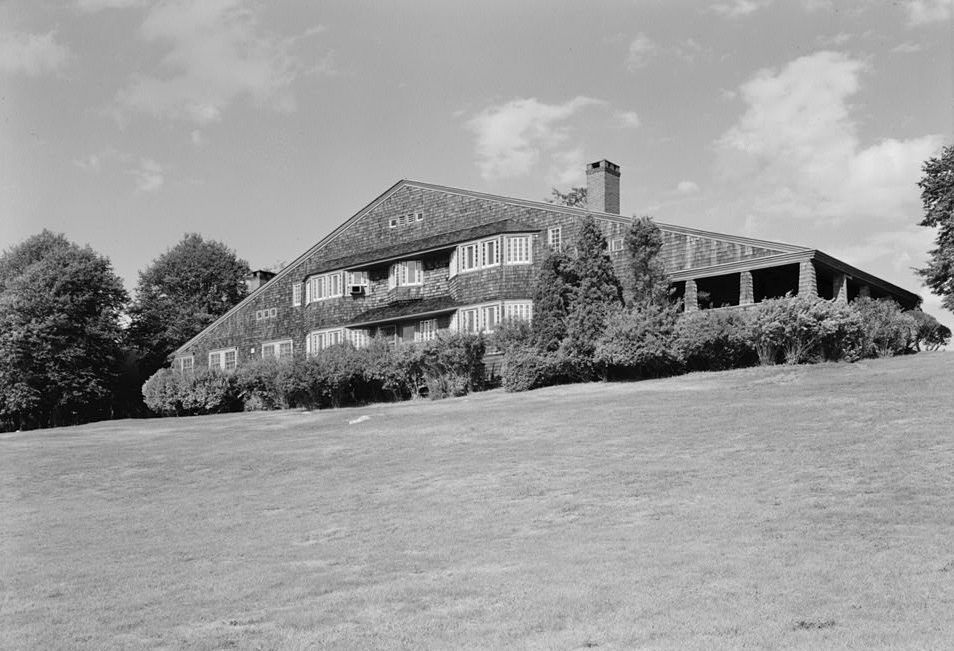
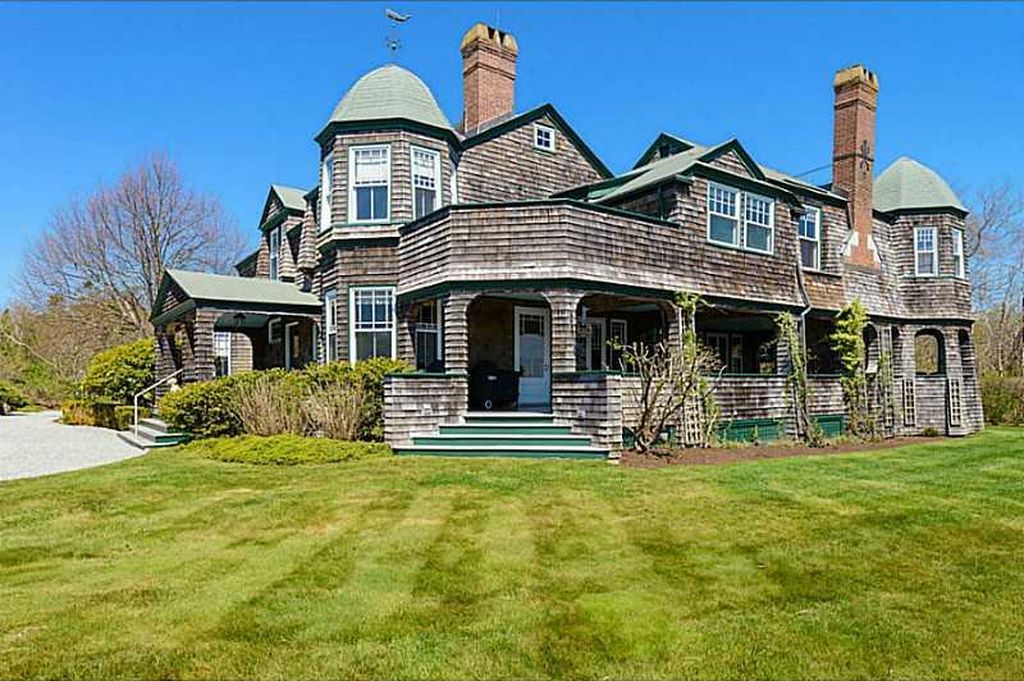
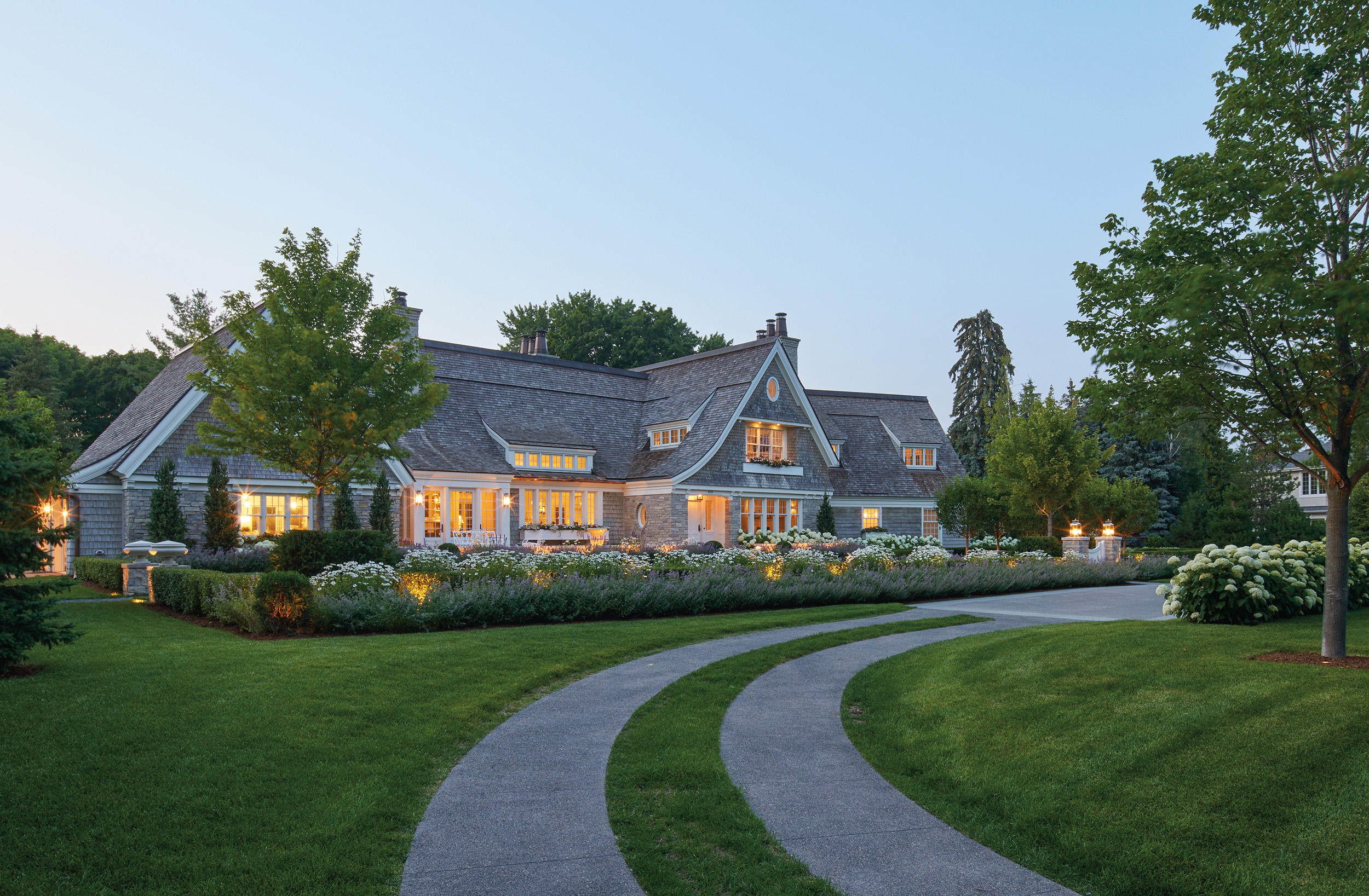
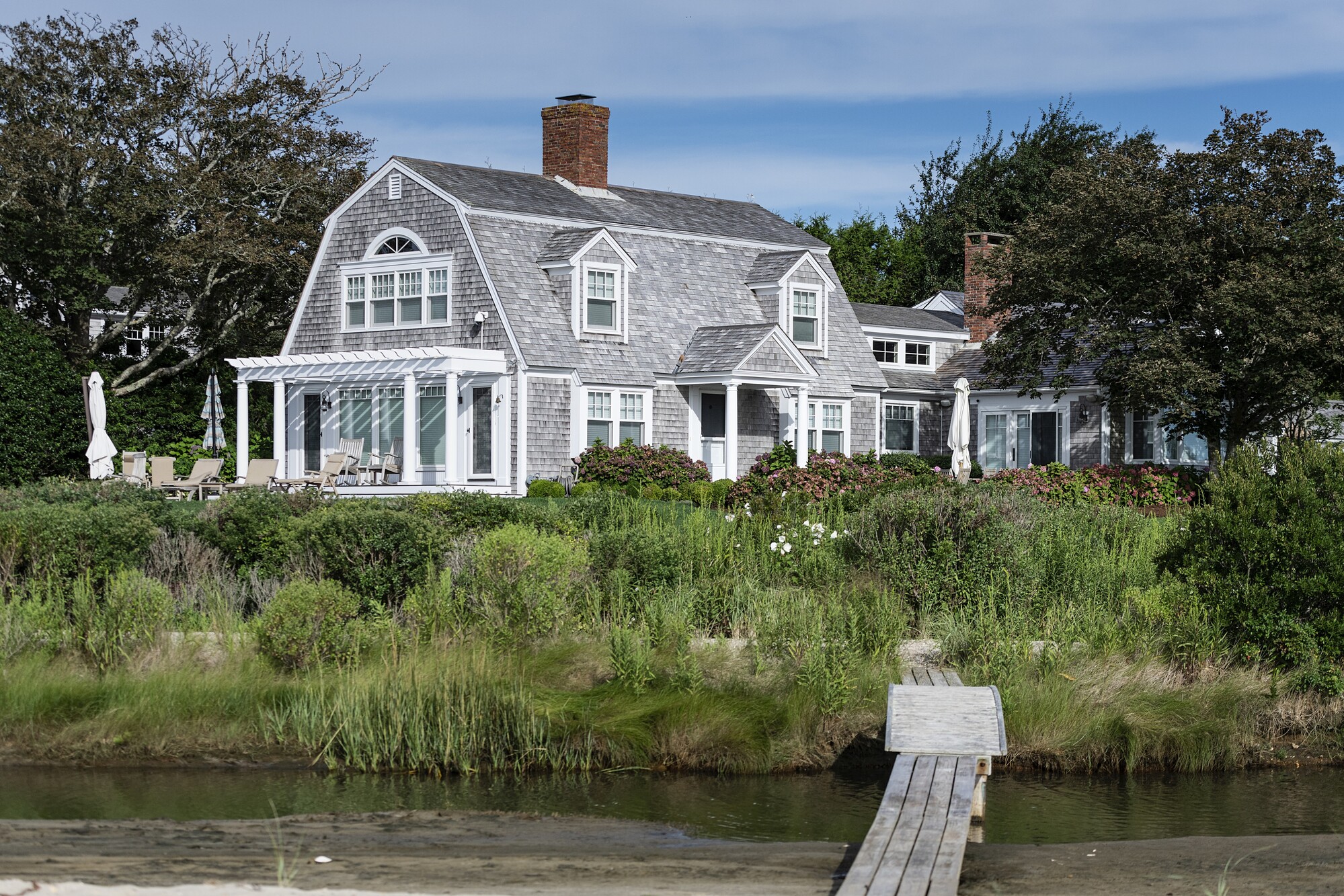
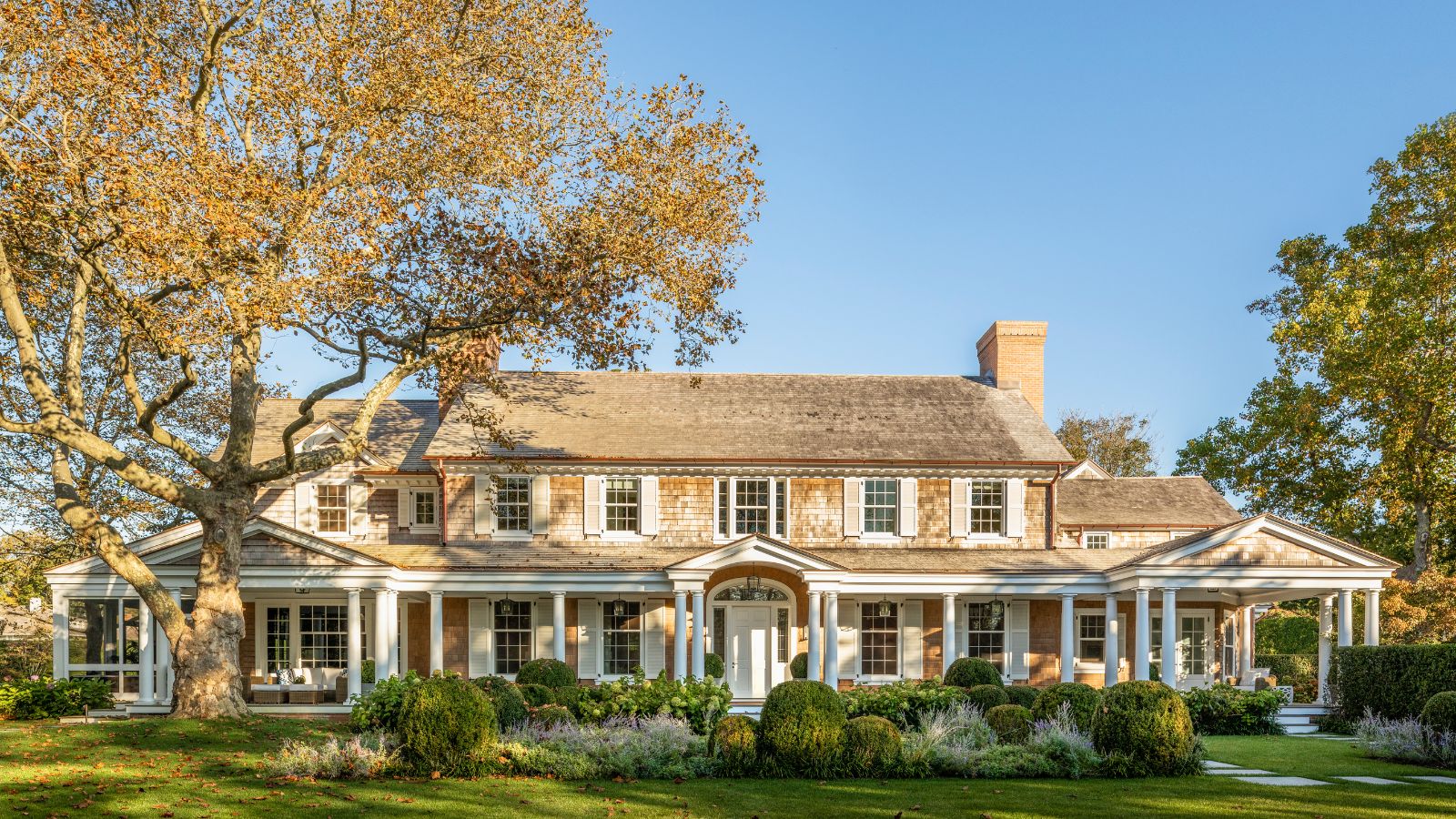
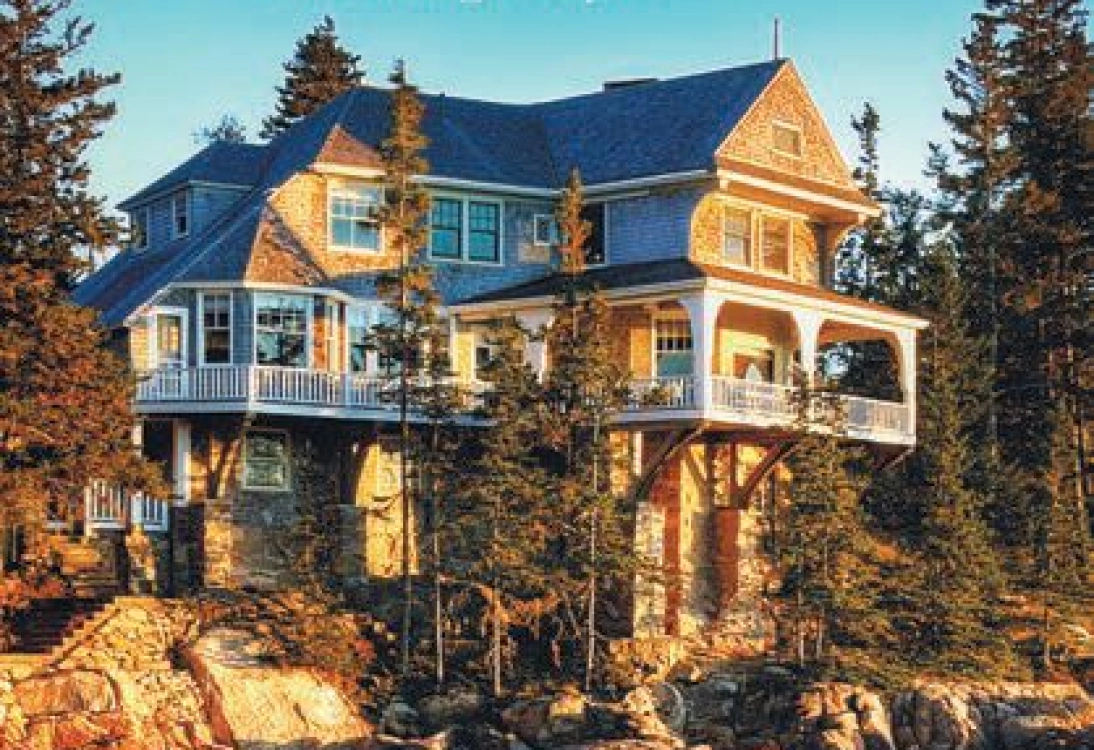
The Shingle style is a distinct and recognizable architectural form, predominantly found in the Northeastern United States, particularly along the coast. It emerged in the late 19th century, drawing influences from Queen Anne, Colonial Revival, and Arts and Crafts styles. Characterized by its wood shingle facades, often cedar, this style emphasizes a harmonious integration with its natural surroundings, especially coastal landscapes.
Architects Randy Correll of Robert A.M. Stern Architects and Stephen Chrisman of Ferguson & Shamamian Architects provide insights into the style. Correll highlights its picturesque massing, which relies on the balance of elements rather than strict symmetry, allowing the shingle skin to express the interior volumes. Chrisman defines Shingle style architecture as typically American domestic, constructed with wood frames and natural wood on exterior walls and roofs, originating around the 1870s.
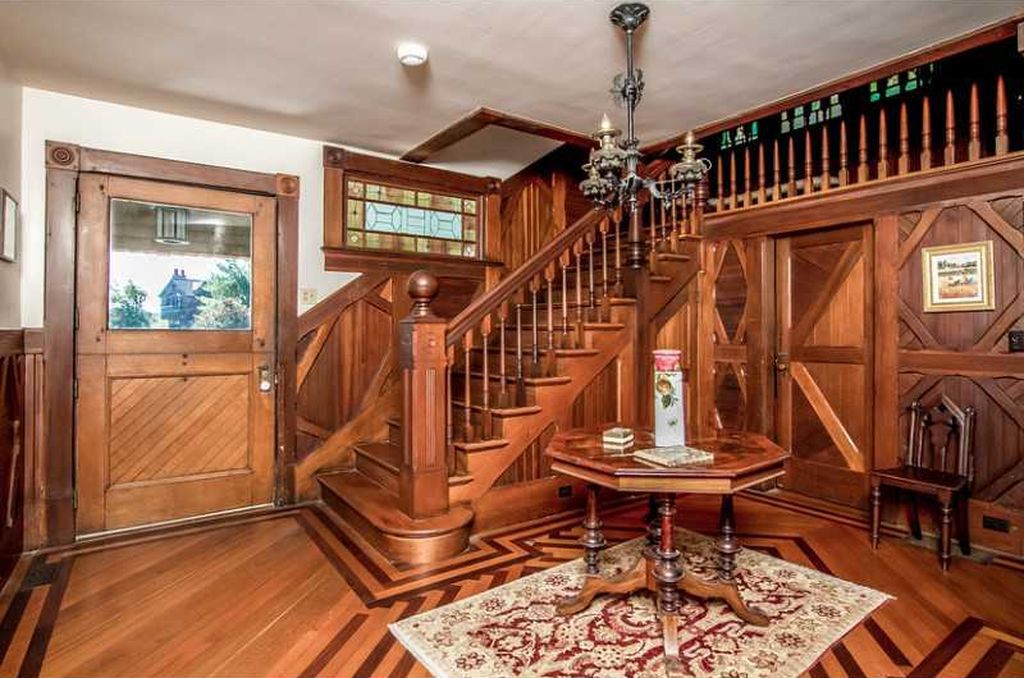
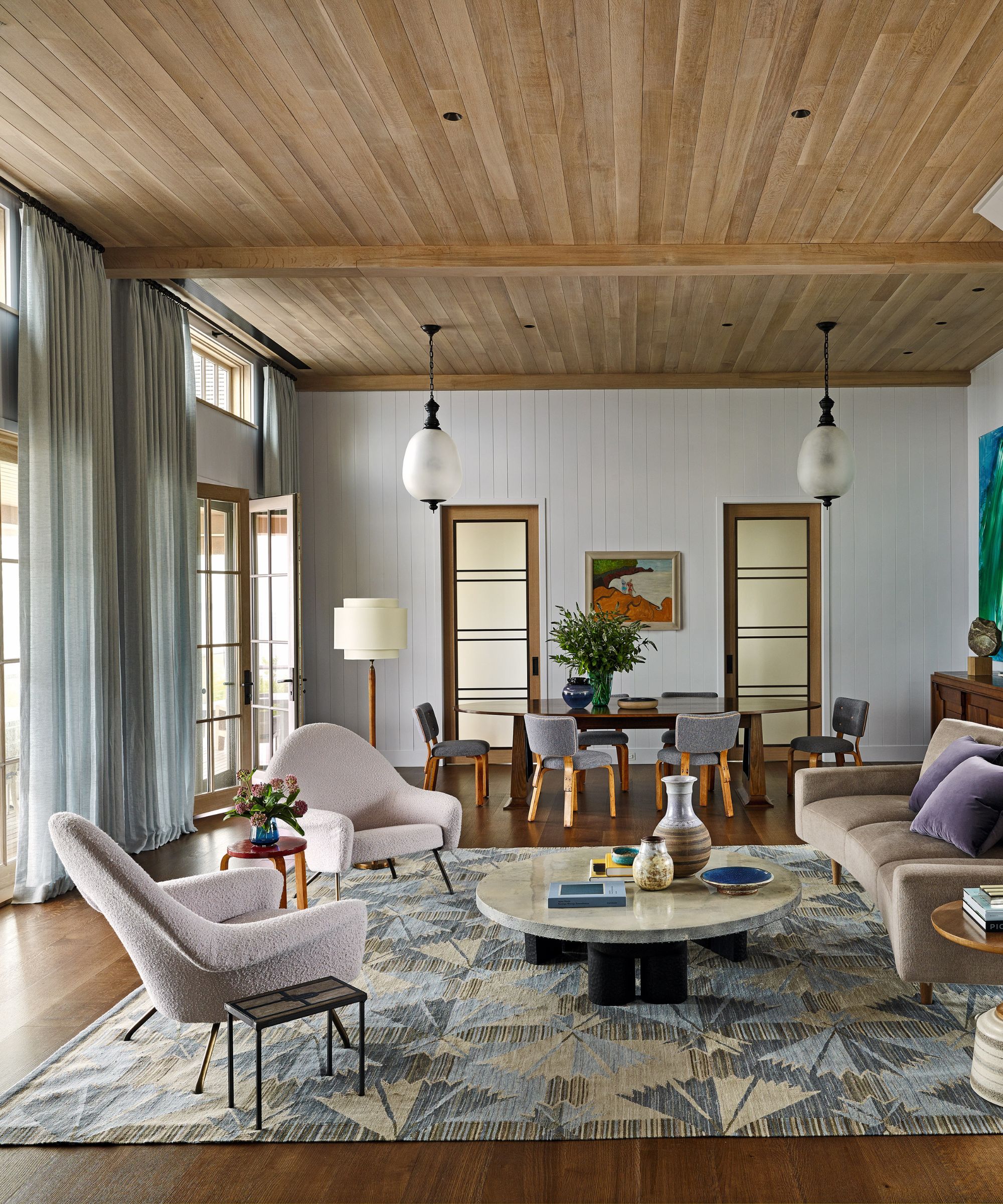
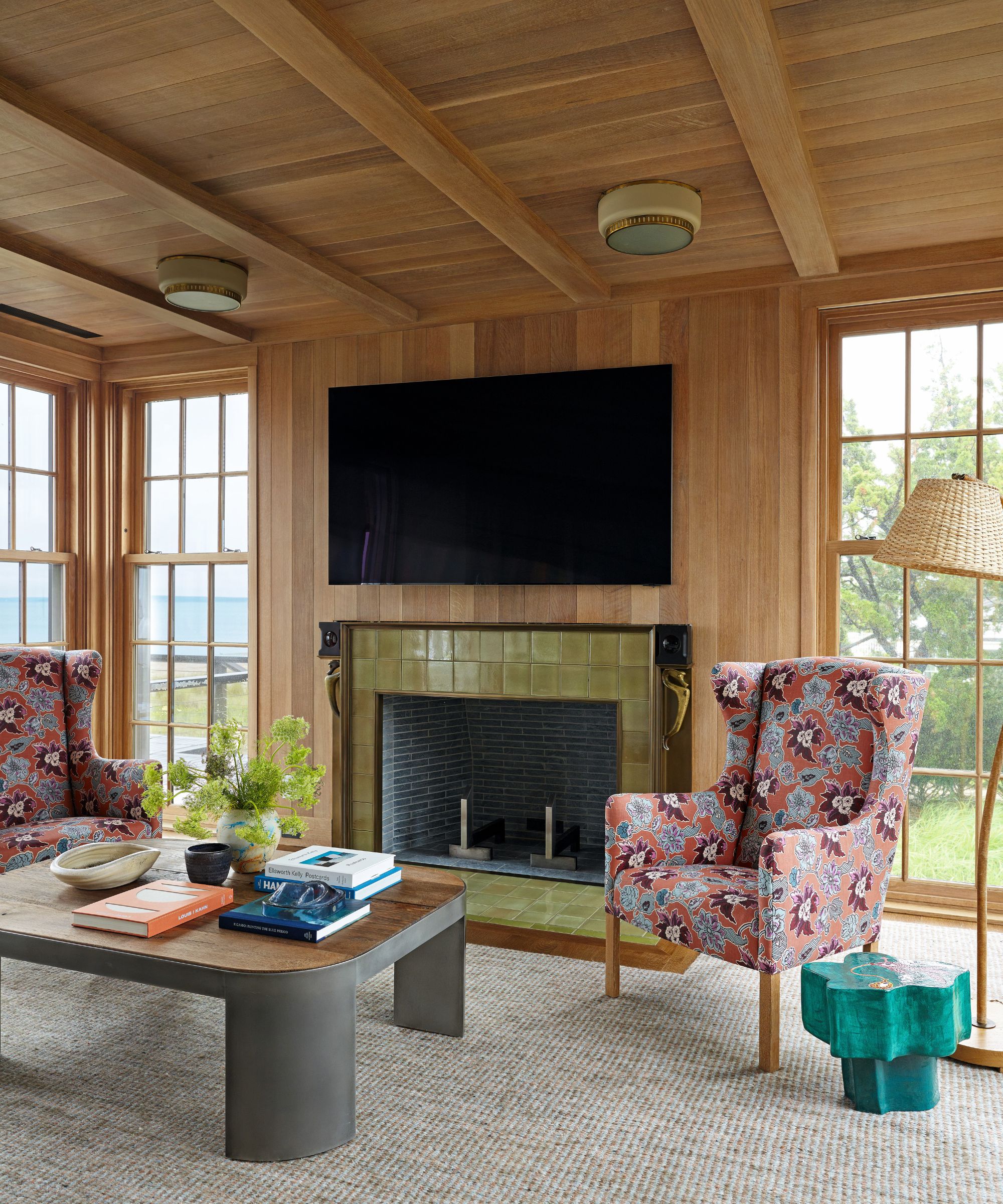
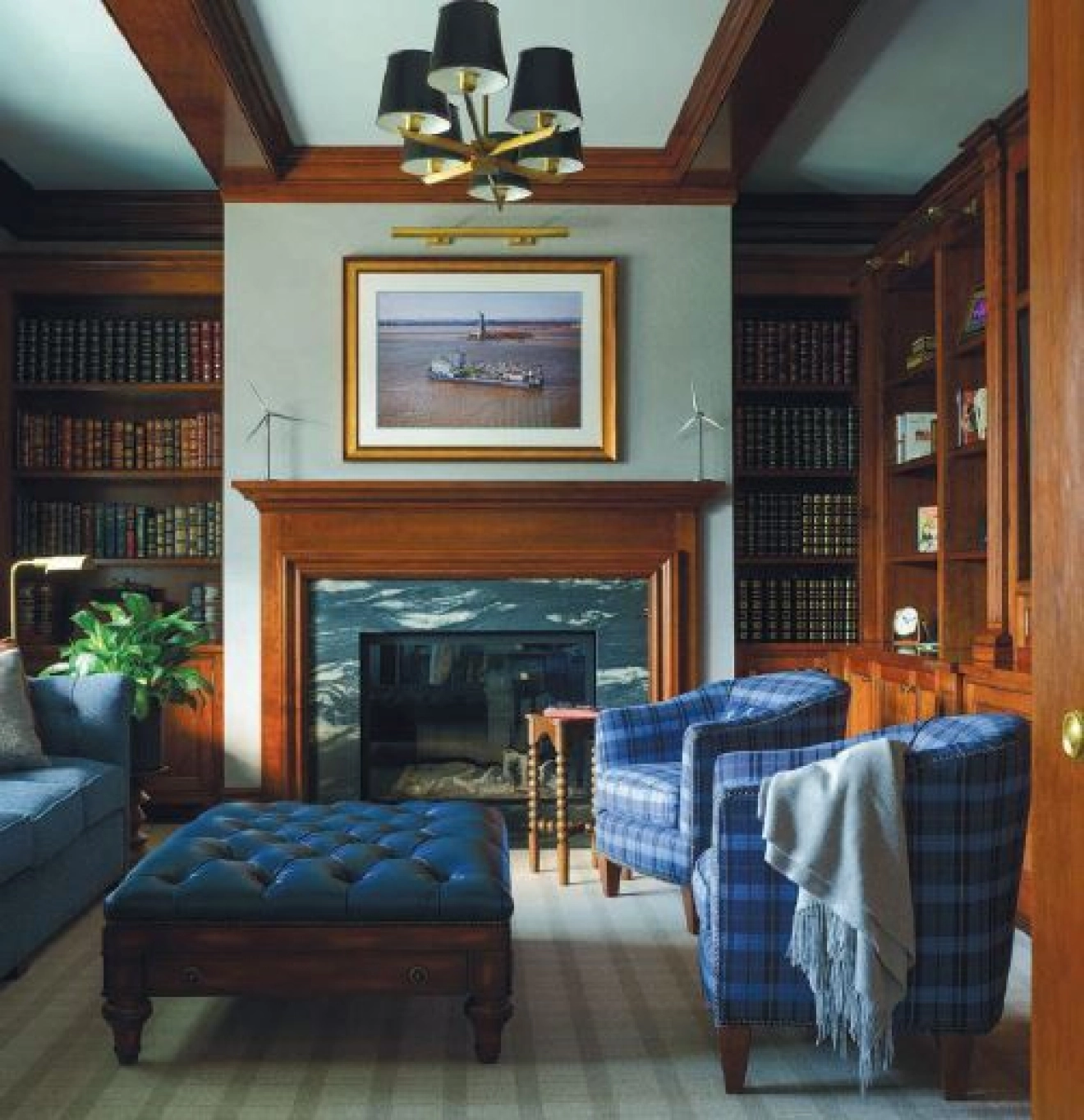
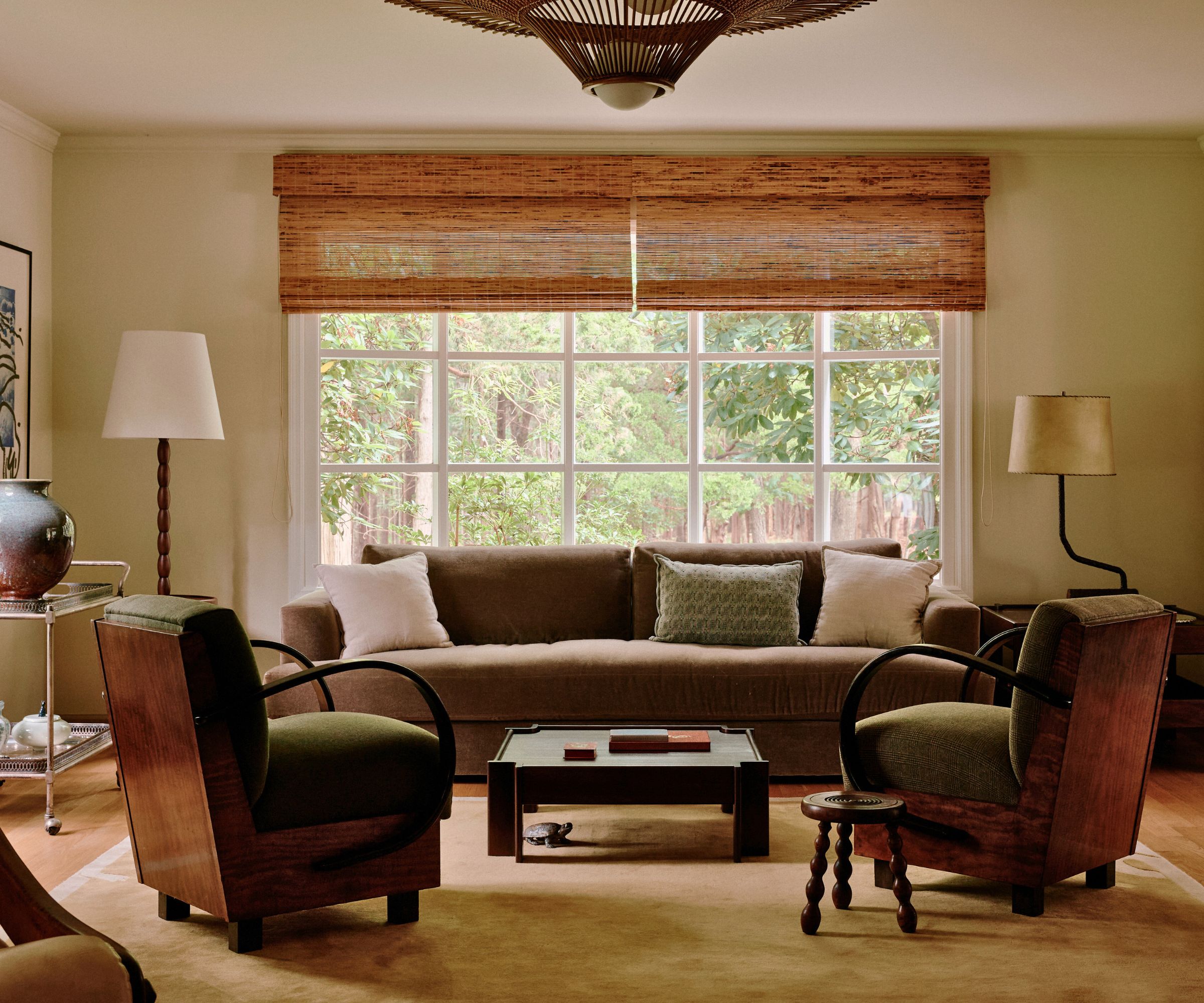
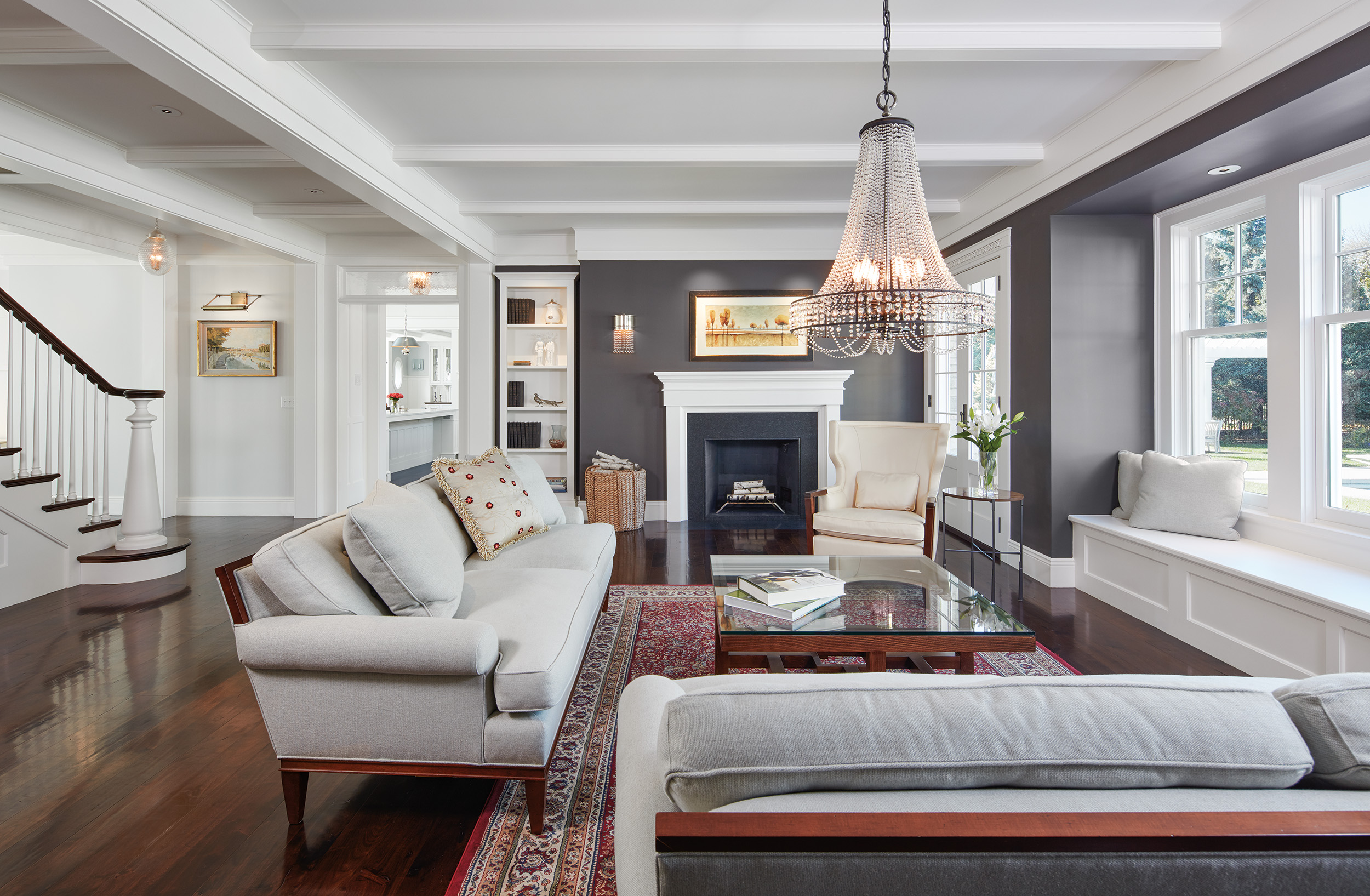
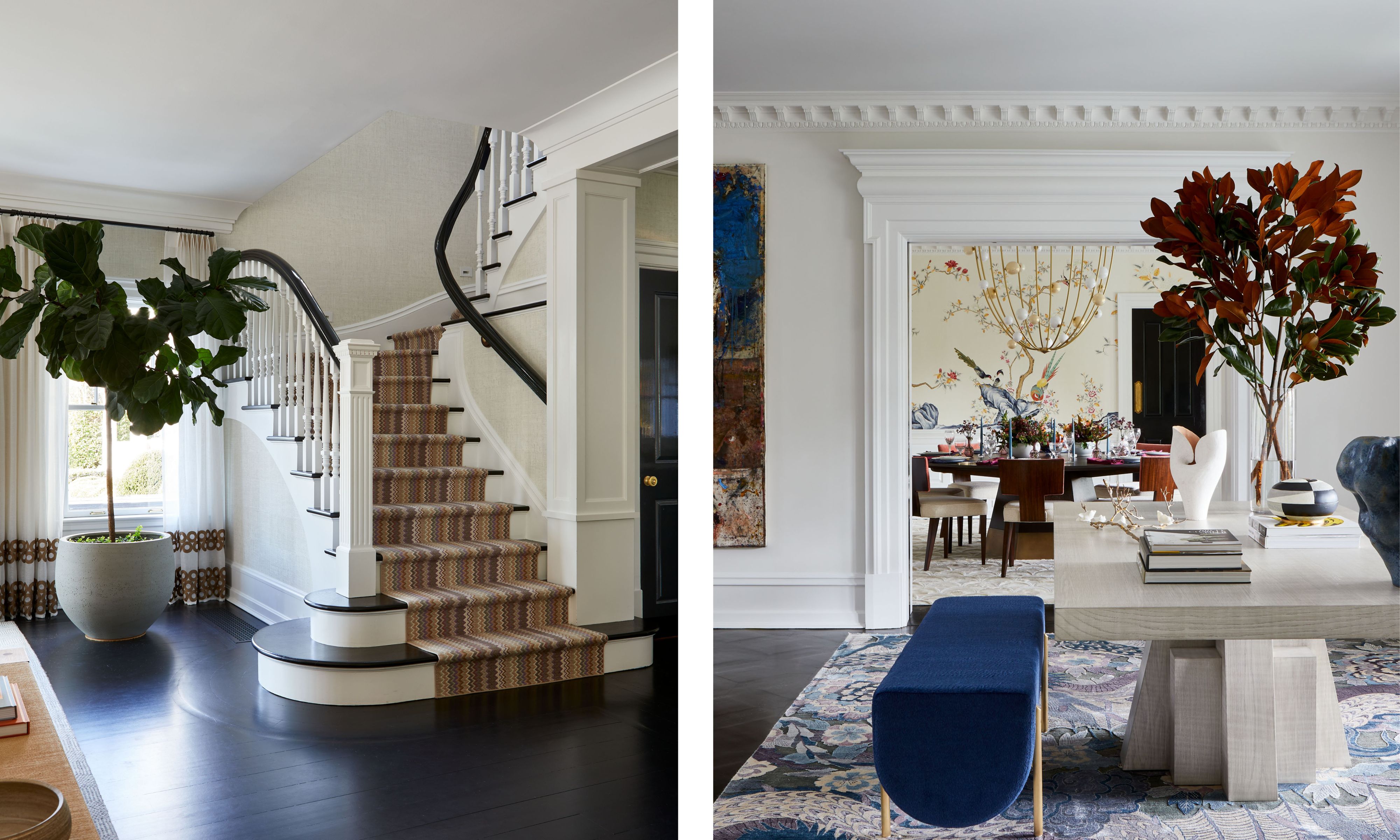
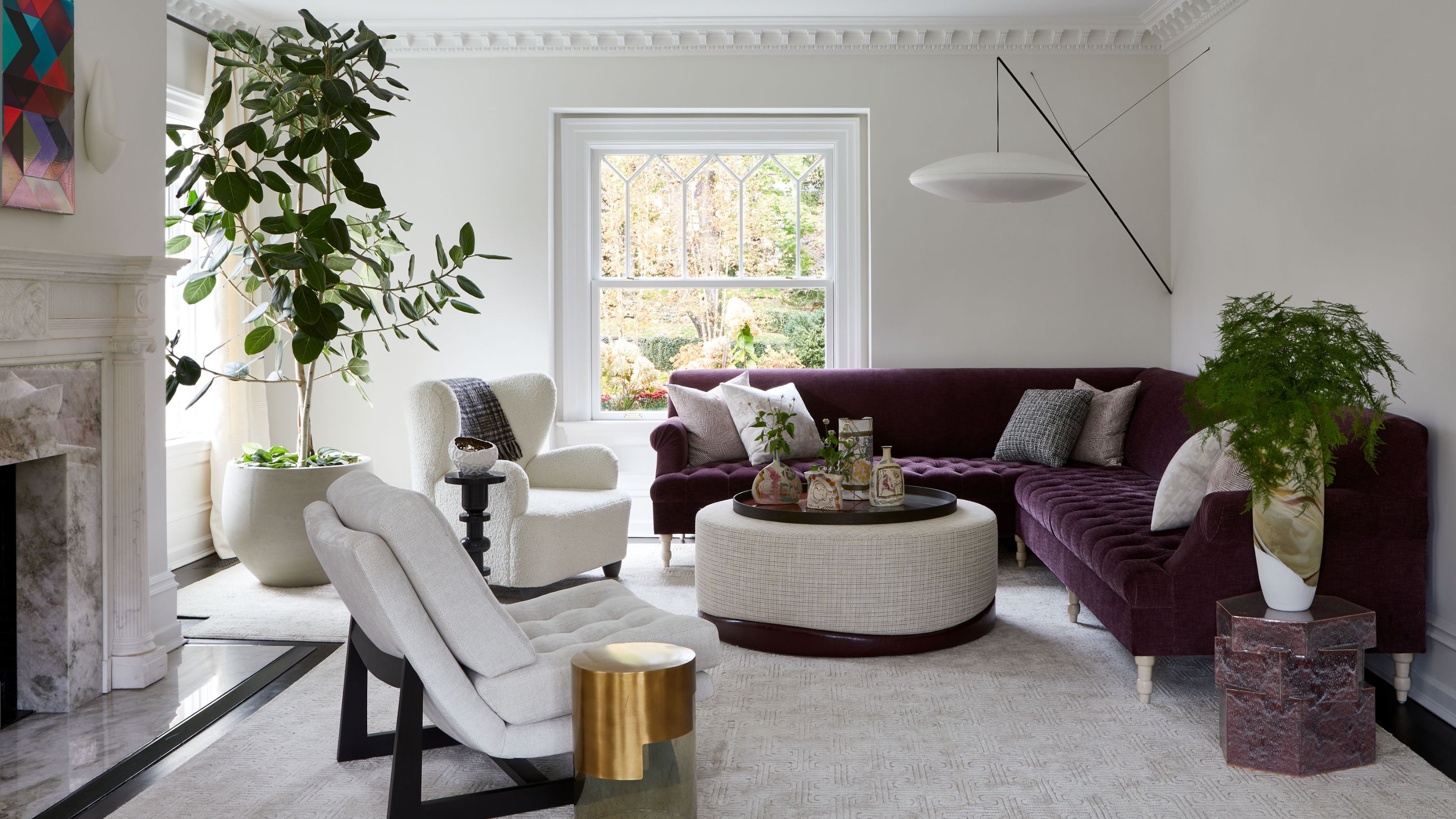
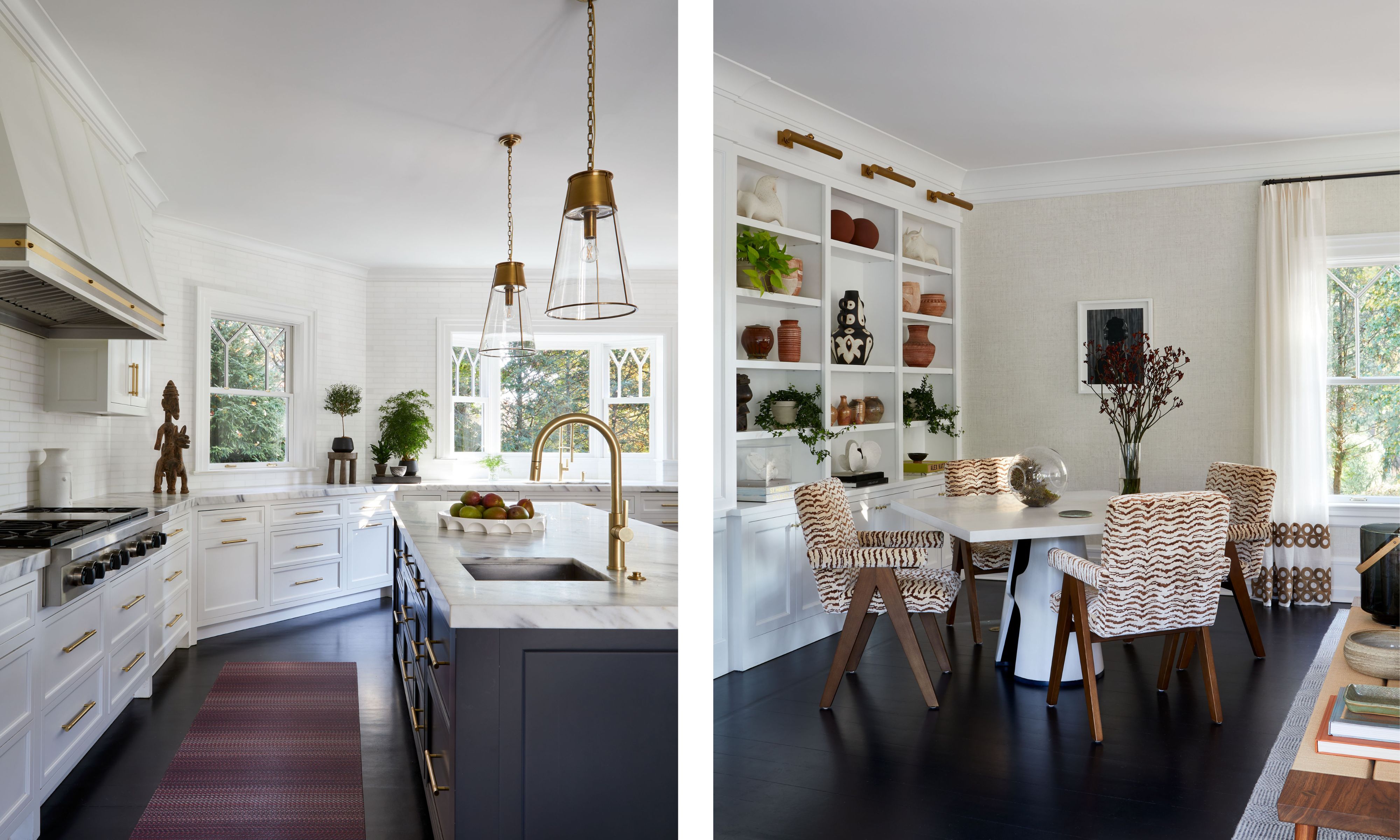
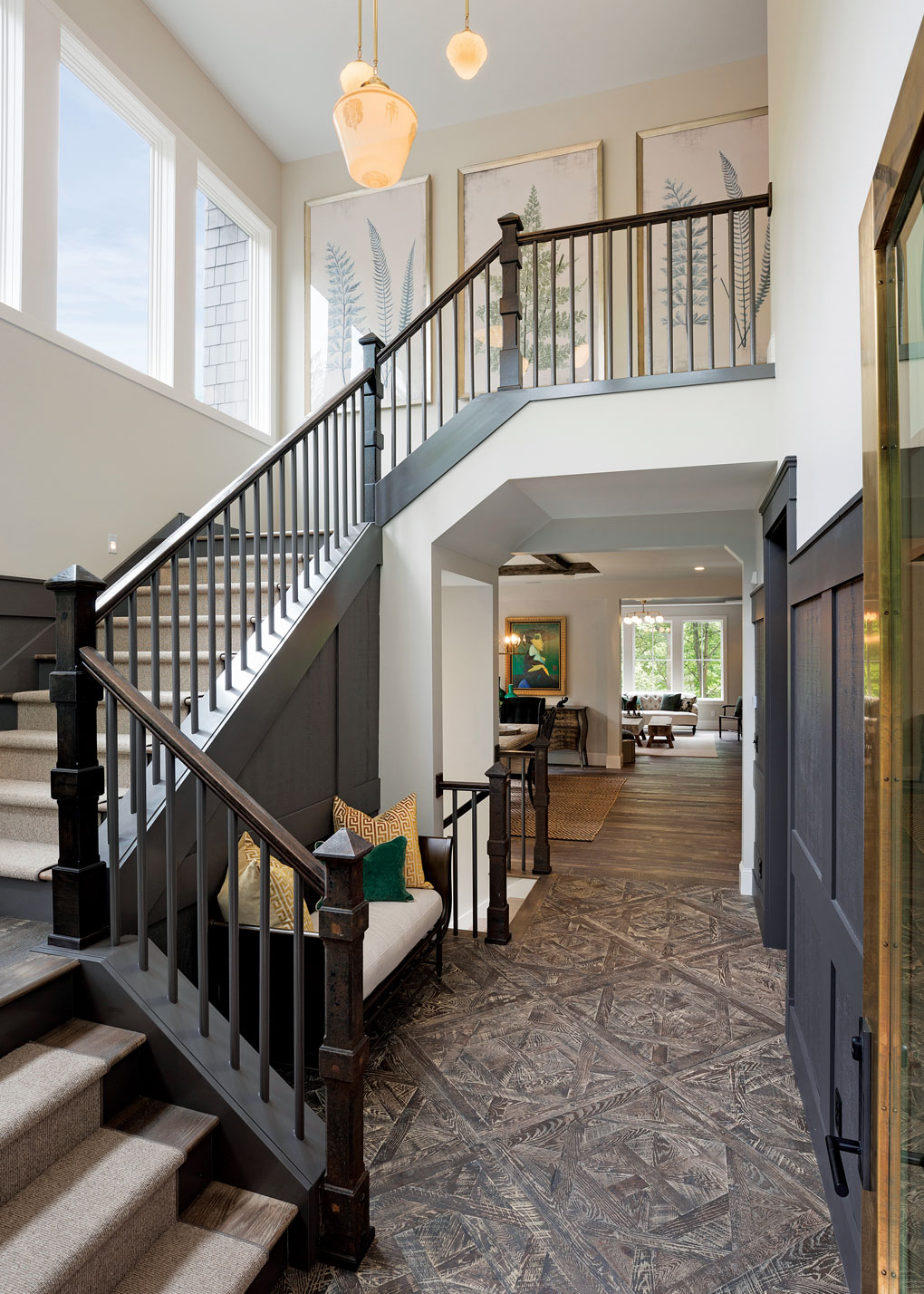
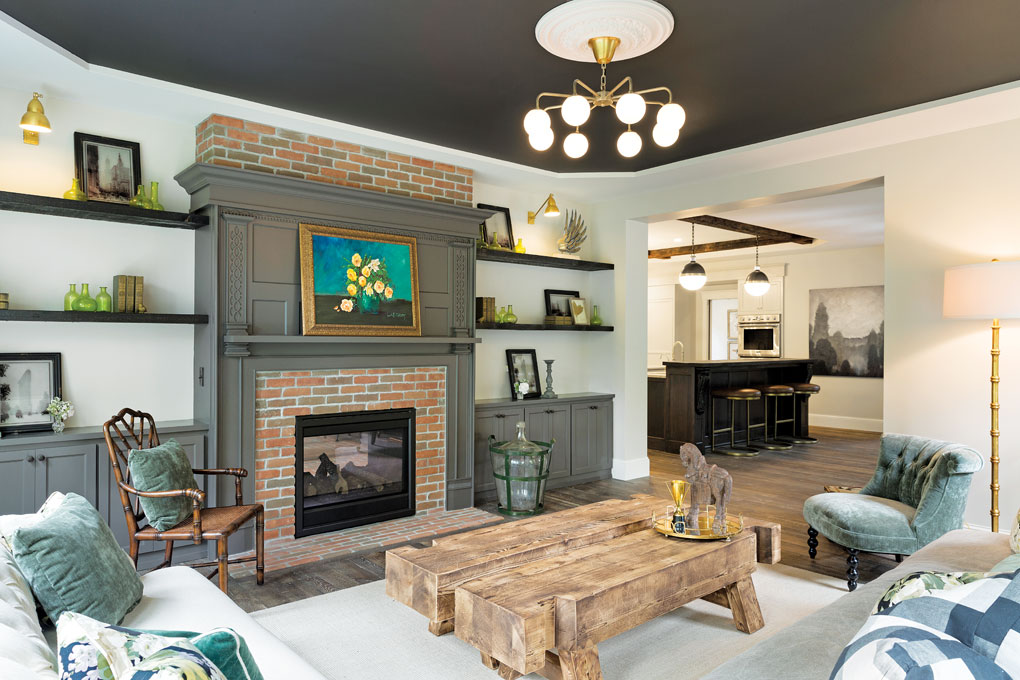
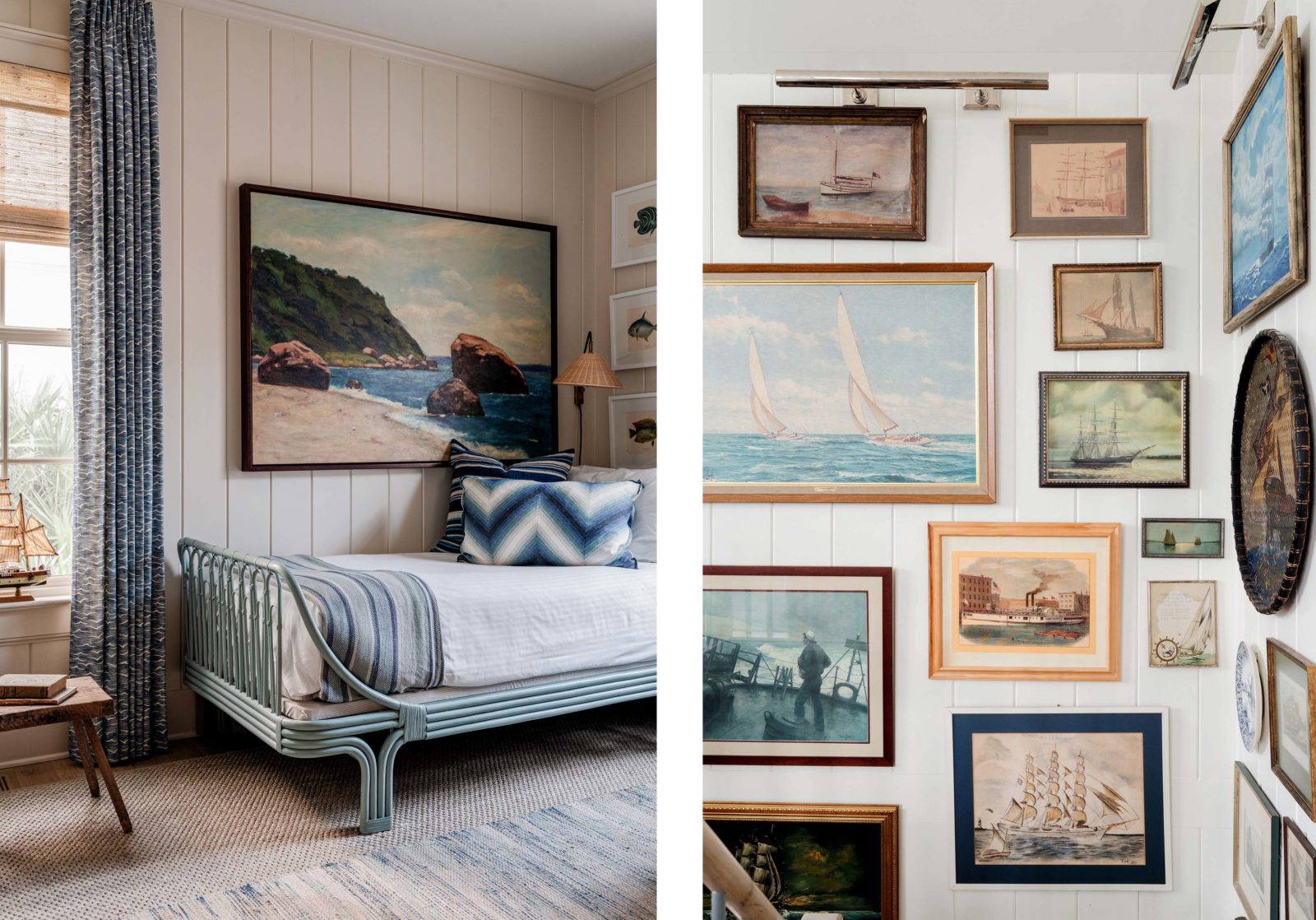
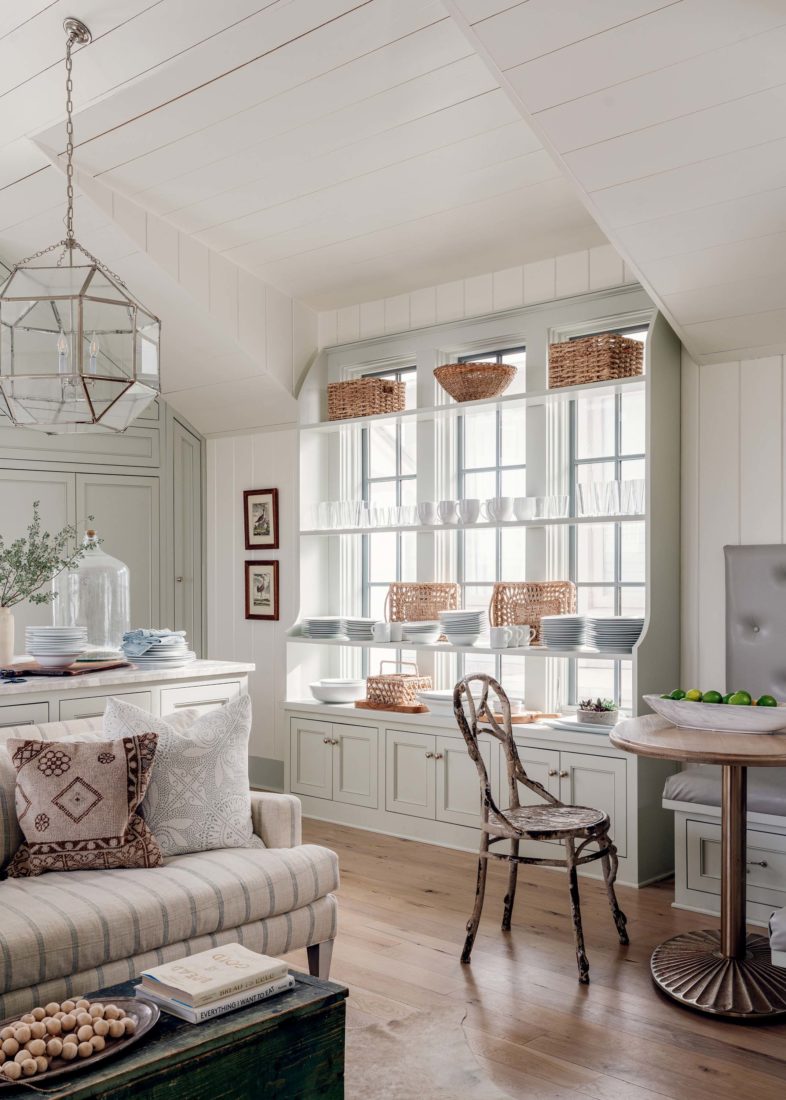
The architectural elements of a Shingle style home are notable. Interiors are designed to be eclectic, potentially incorporating Japanese influences, but often rooted in Georgian or Arts and Crafts traditions. Furnishings are encouraged to reflect the homeowners' travels and history. Color palettes can range from pale monochromes to bold and varied. Stained wood paneling with carved details is common in central halls and libraries, complemented by wood floors, whether plank or parquet, often adorned with diverse carpets. Chintz and patterned wallpapers are frequently found, especially in bedrooms.
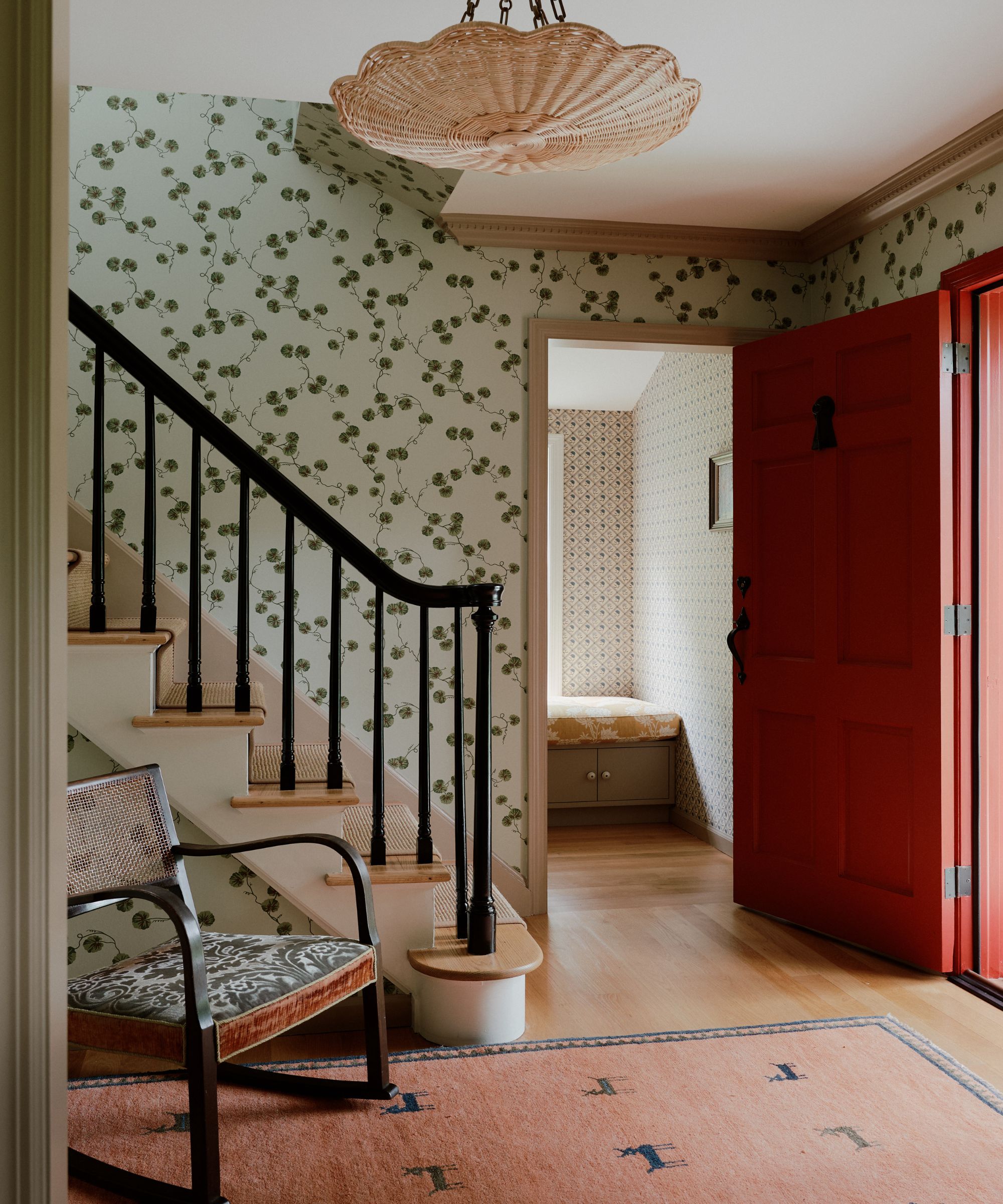
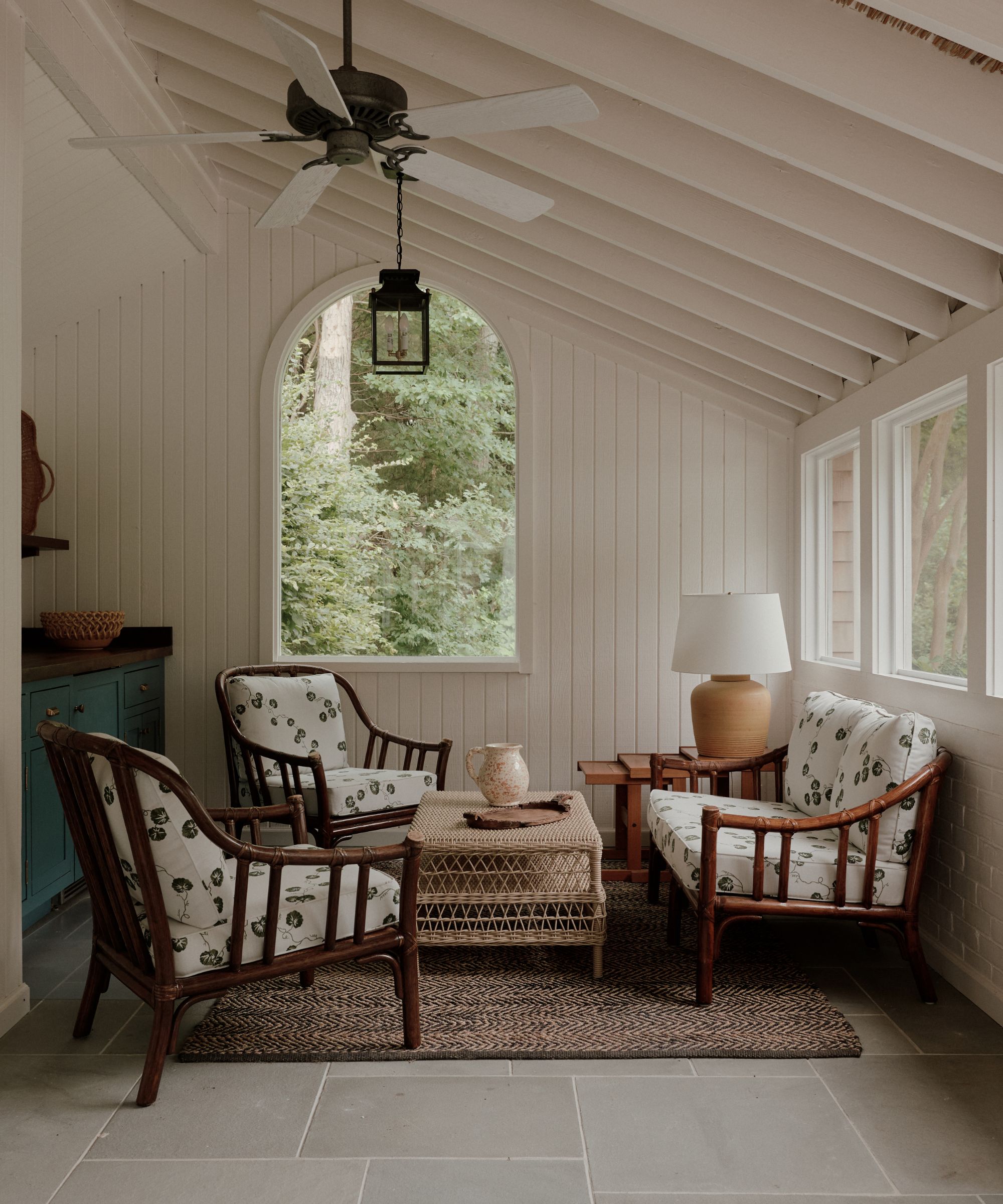
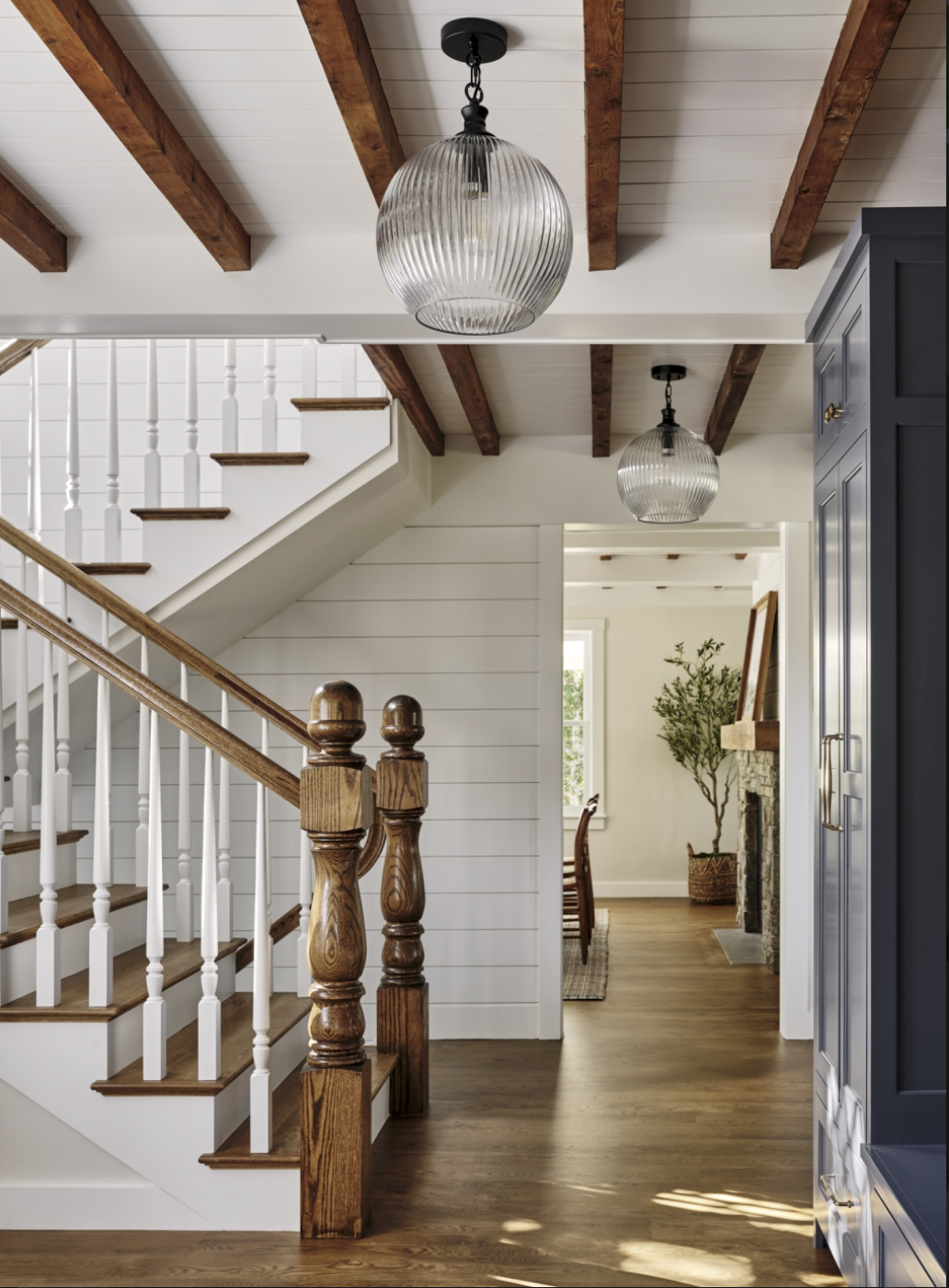
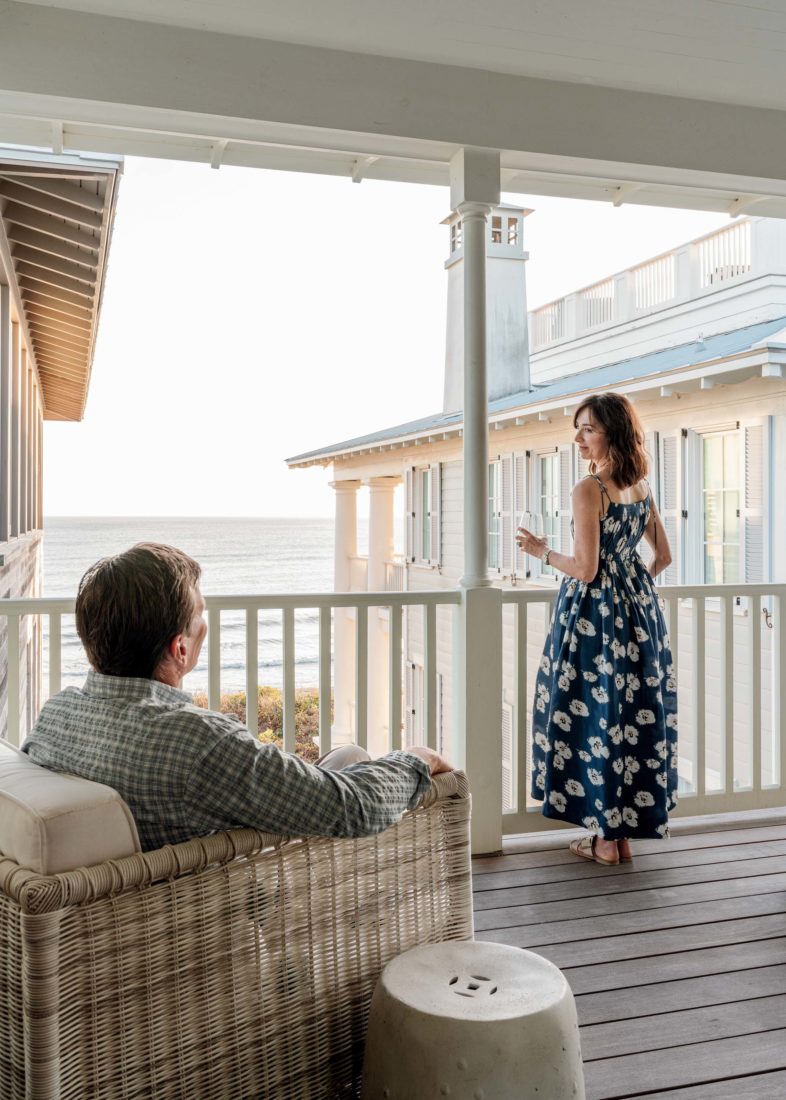
Externally, Shingle style homes often feature covered porches, or 'piazzas,' that encircle primary rooms, creating a connection to the outdoors. Generously sized double-hung windows and French doors facilitate views and access to these porches. The floor plans are unique, often centering around a 'Hall,' which can serve as an entrance, living room, or a combination. The staircase typically acts as a sculptural feature leading into this central space, with other primary rooms opening organically from it, again, without strict adherence to symmetry.
Case studies illustrate the enduring appeal and adaptability of the Shingle style. A recently completed family home in East Hampton, designed by Ferguson & Shamamian Architects, exemplifies sympathetic design. It was influenced by 19th-century architecture, with careful attention to local early American examples and agrarian landscapes, creating a structure that appears to have existed for generations. This project successfully blended historic inspiration with contemporary practicality, evolving to include wings, additions, loggias, and enclosed porches to maximize ocean views.
Another example in East Hampton involved transforming an existing colonial house. Architects enveloped the original structure with porches and cedar shingles, opening the floor plan to the gardens, thus integrating colonial simplicity with Shingle style characteristics. The central hall was retained but opened to the second floor and the garden.
Sandra Cavallo, founder of Old Silver Shed, renovated a 1905 Folk Victorian shingle-style home in Cape Cod. This house, perched on a bluff overlooking Old Silver Beach and the Herring River salt marsh, showcased distinctive features such as silvery grey shingles, cross-gambrel rooflines, shed dormers, and a thoughtful use of positive/negative space, including a farmer’s porch inset into the house structure, and large covered porches and lookout decks. The renovation focused on respecting the original design elements while incorporating modern sustainability principles, such as LEED certification, and strategically placed windows to capture expansive views, resulting in a cozy yet airy home with an open floor plan.
In essence, Shingle style architecture, with its wood shingled facades, stylized columns, and wraparound porches, remains a significant and classic coastal architectural style, particularly recognizable in regions like New England and Long Island. It continues to inspire contemporary design through its blend of historical influences and its capacity for elegant, comfortable living.
#ShingleStyle #ArchitecturalStyle #CoastalArchitecture #AmericanArchitecture #HistoricalHomes #HomeDesign #InteriorDesign #EastCoastHomes #Renovation #ShingleStyle #ArchitecturalStyle #CoastalArchitecture #AmericanArchitecture #HistoricalHomes #HomeDesign #InteriorDesign #EastCoastHomes #Renovation
0 comment in total
 No comments yet
You may also like
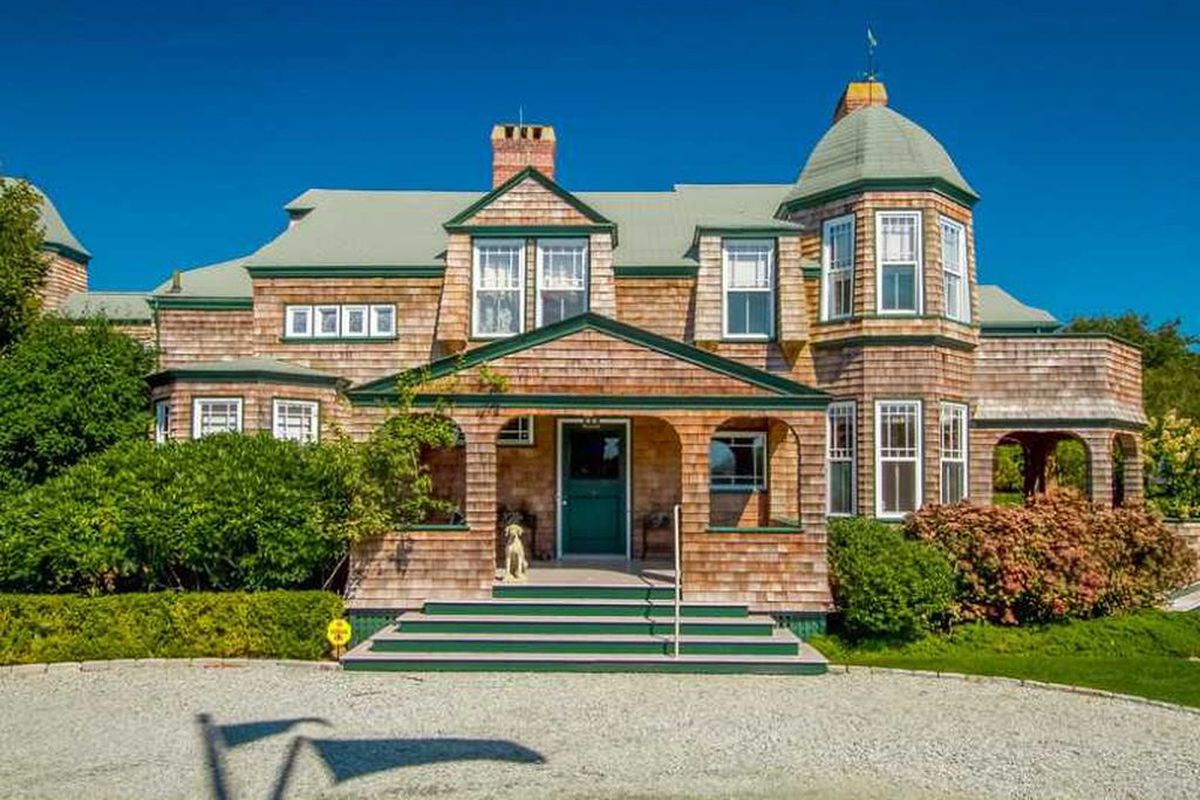
3 historic shingle style houses ready for summer
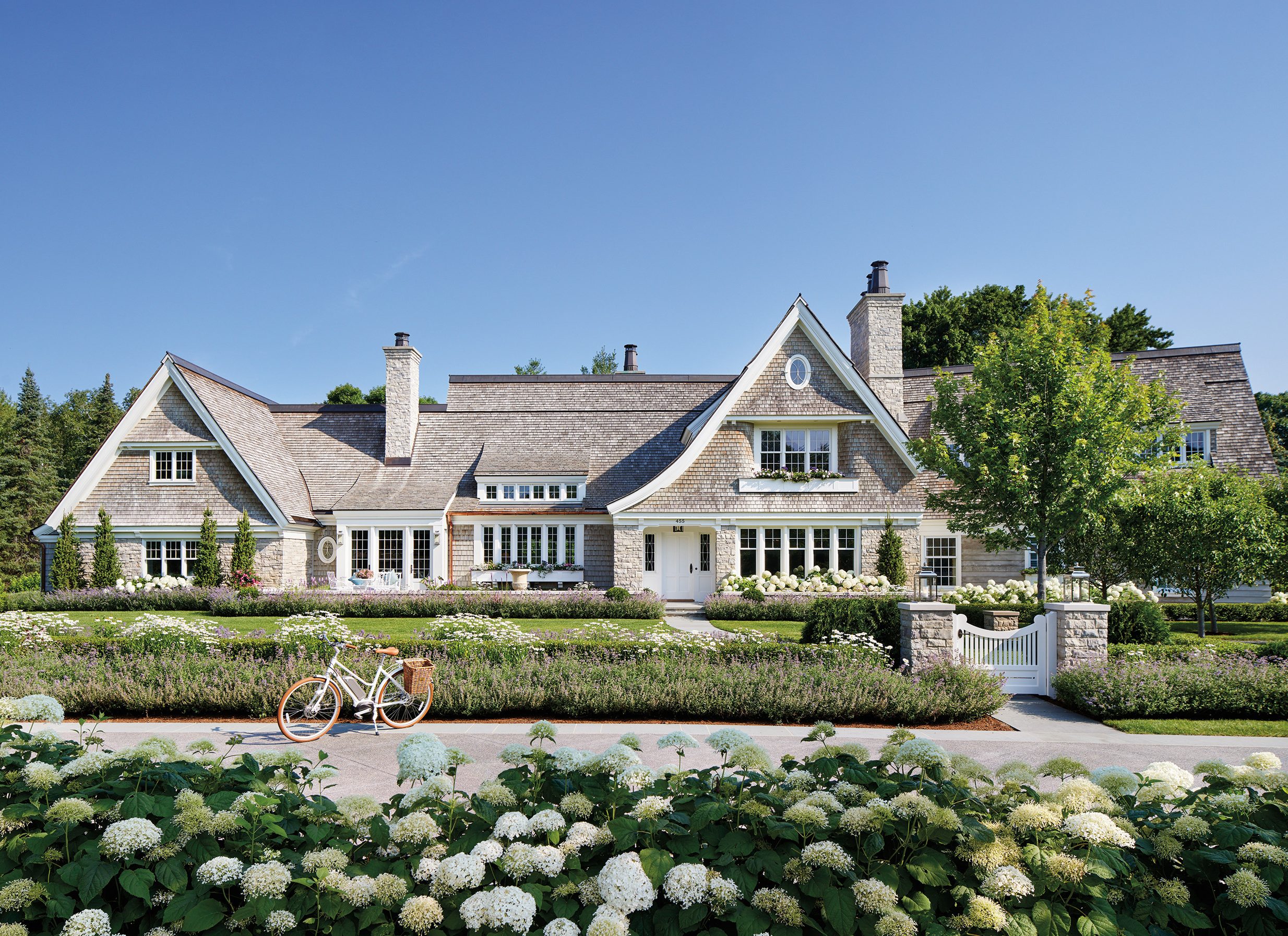
A Storybook-Style Transformation Near Lake Minnetonka

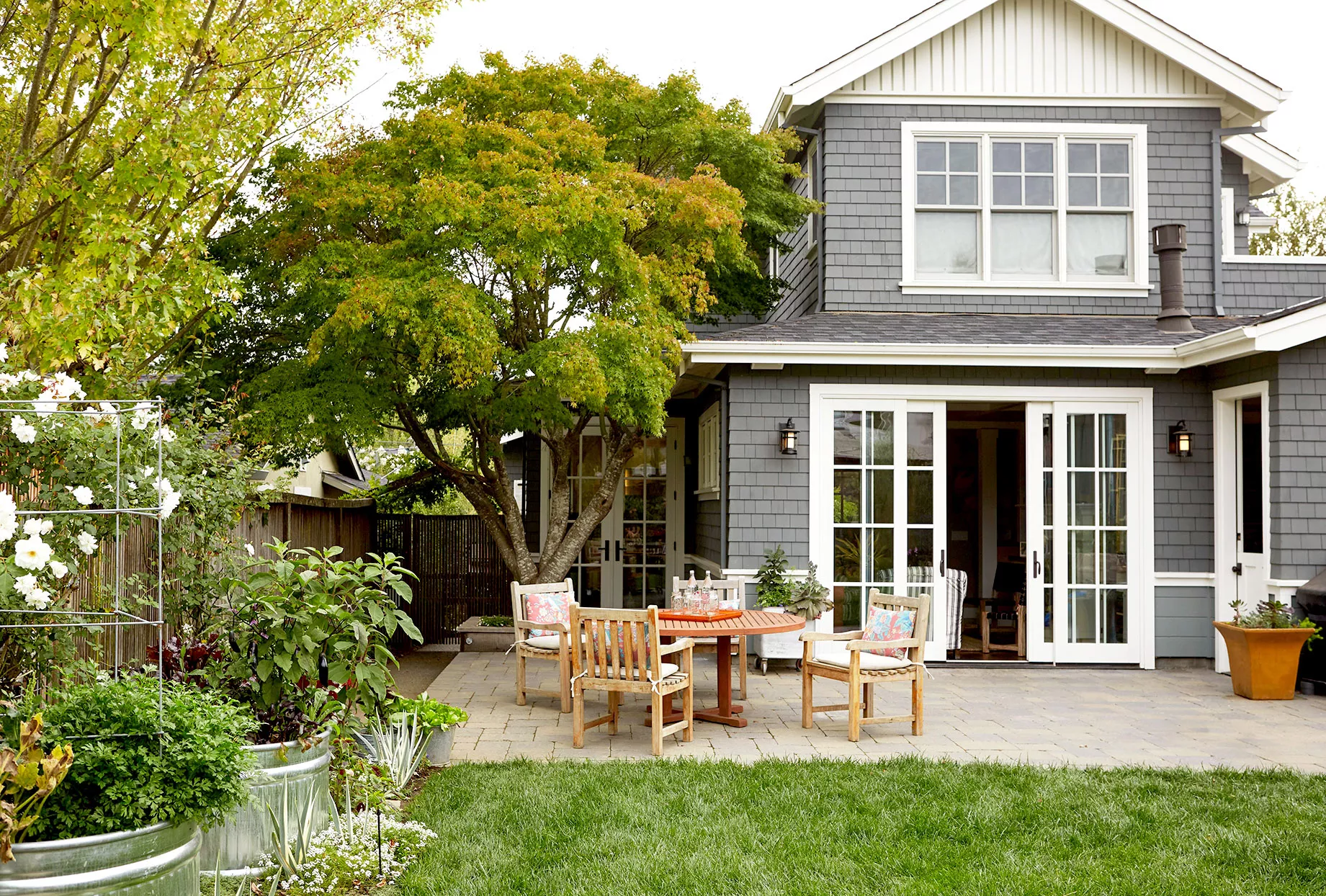
Revamp Your Exterior with Our How-to Guide to Installing Siding Shingles

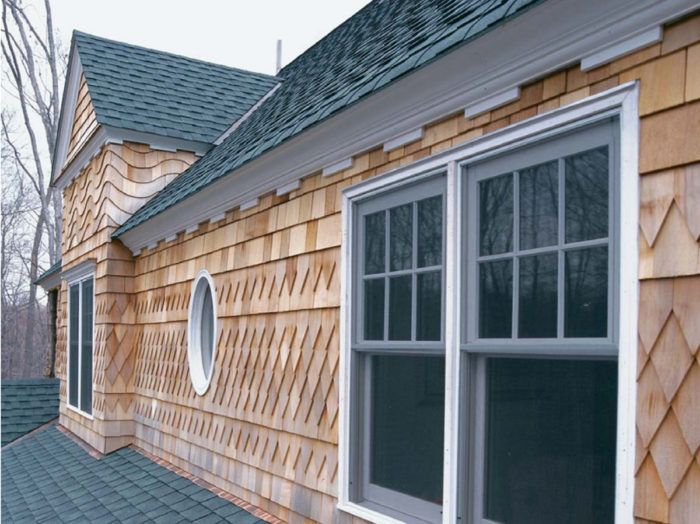
Venting a Traditional Eave

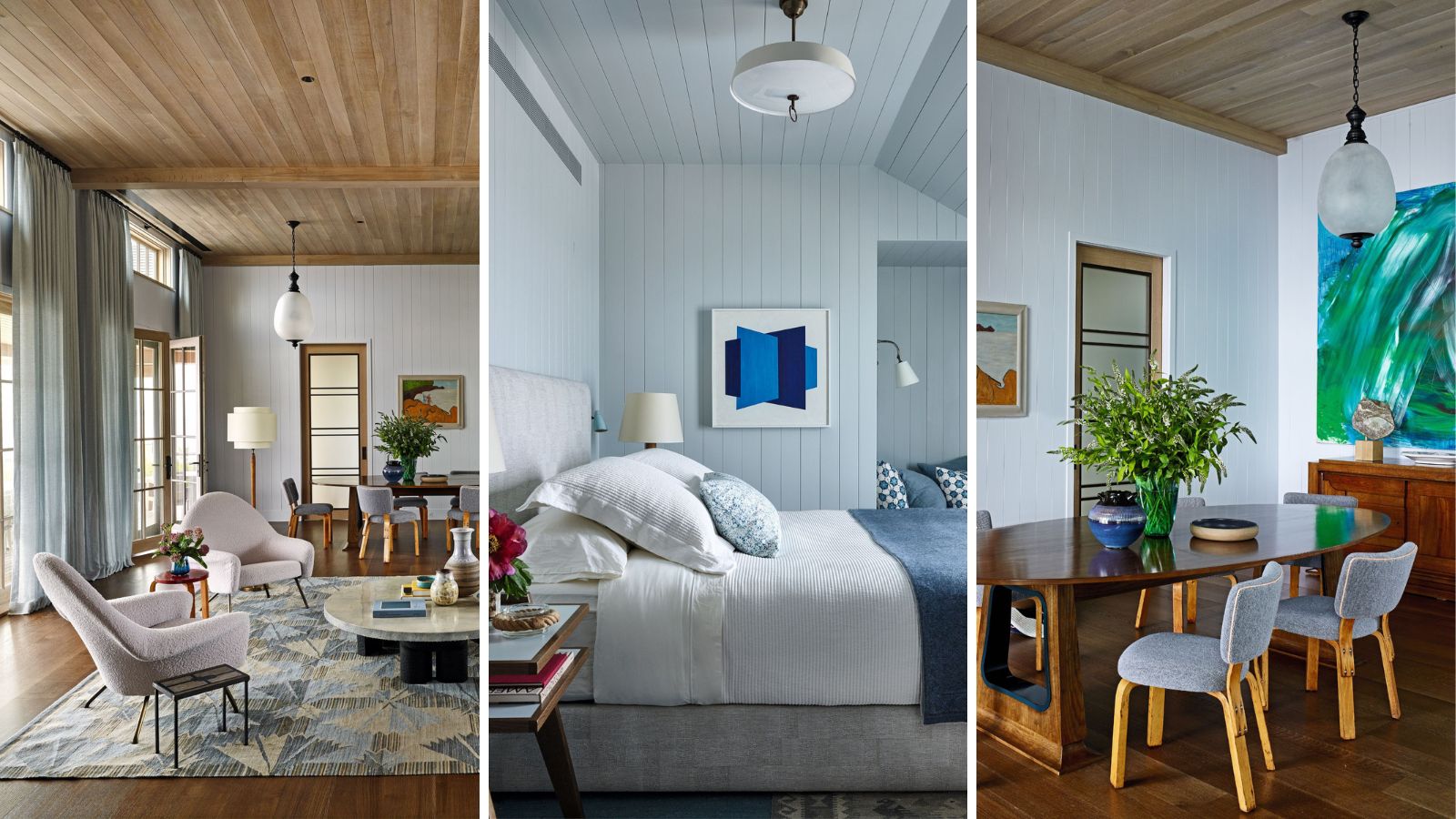
This Hamptons shingle beach house sits on stilts six feet above the ground – perfect for seaside living
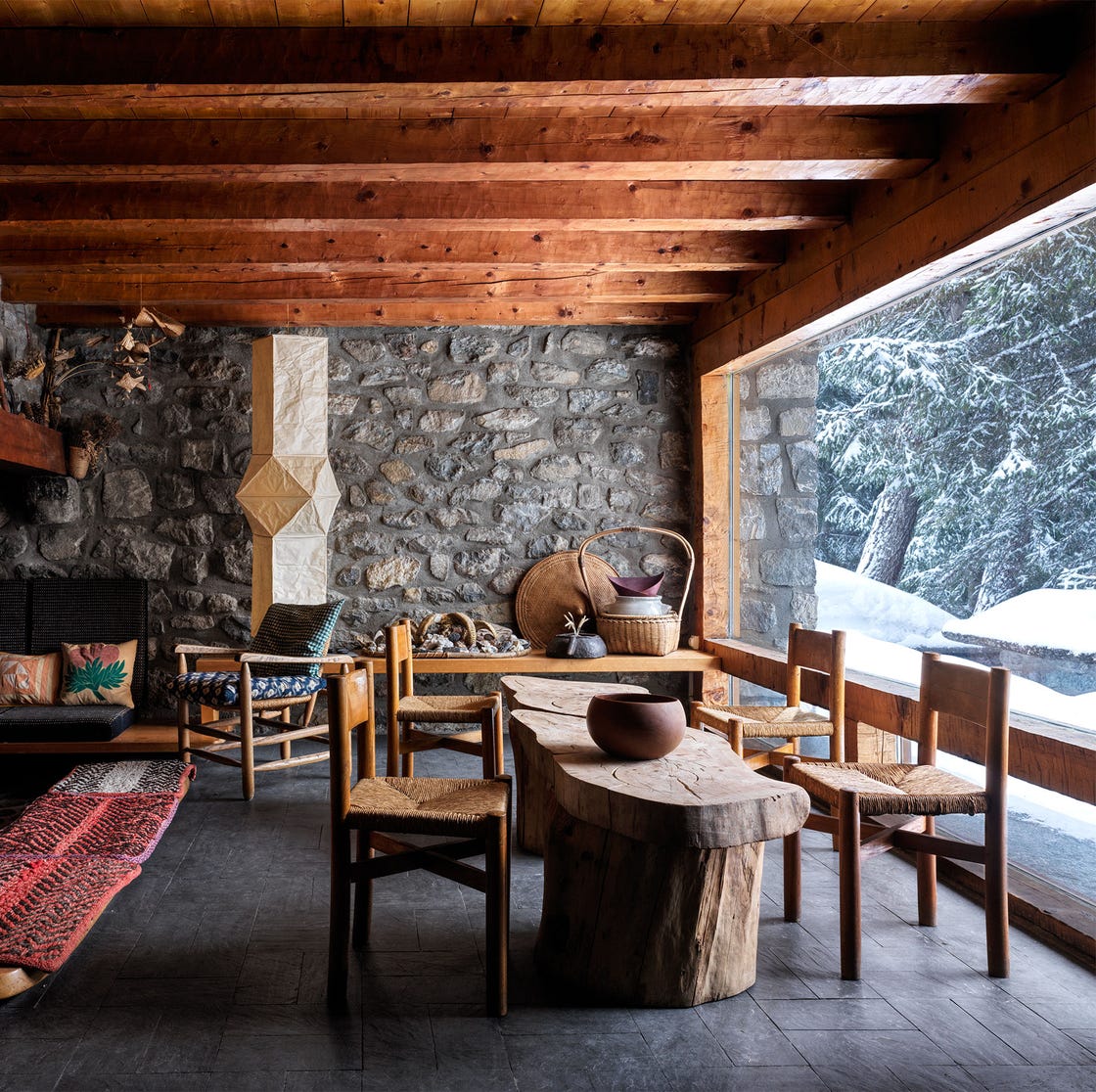
Everything You Need to Know About Chalet-Style Homes

SV Design’s Approach to Coastal Design Connects North Shore Homes with the Sea

Is Shiplap going out of style? Designers decide if this classic trend is on the out
4 Home Decor Books For Coastal Design Inspiration
The Past, Re-Built to Last
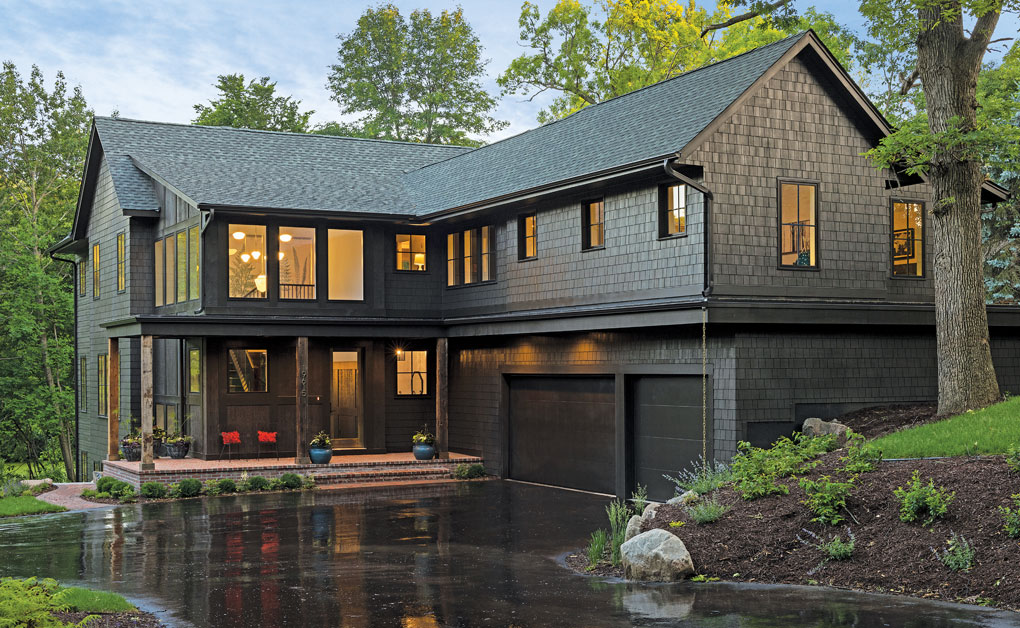
Oregon Coast-Inspired Home by Aspect Design Build
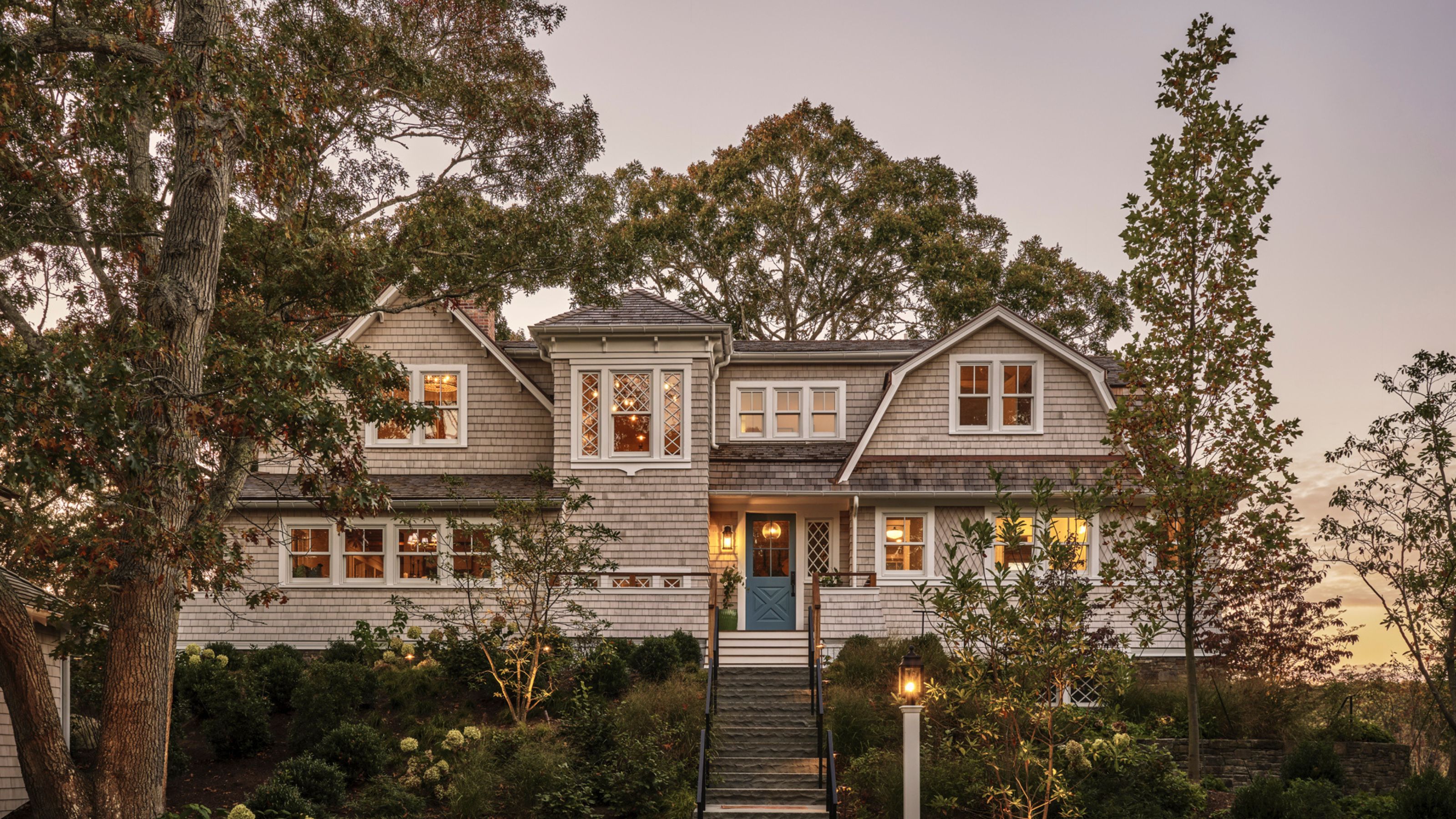
Cape Cod Style Houses Are So Charming — This New England Architect Knows What Makes Them Feel Special

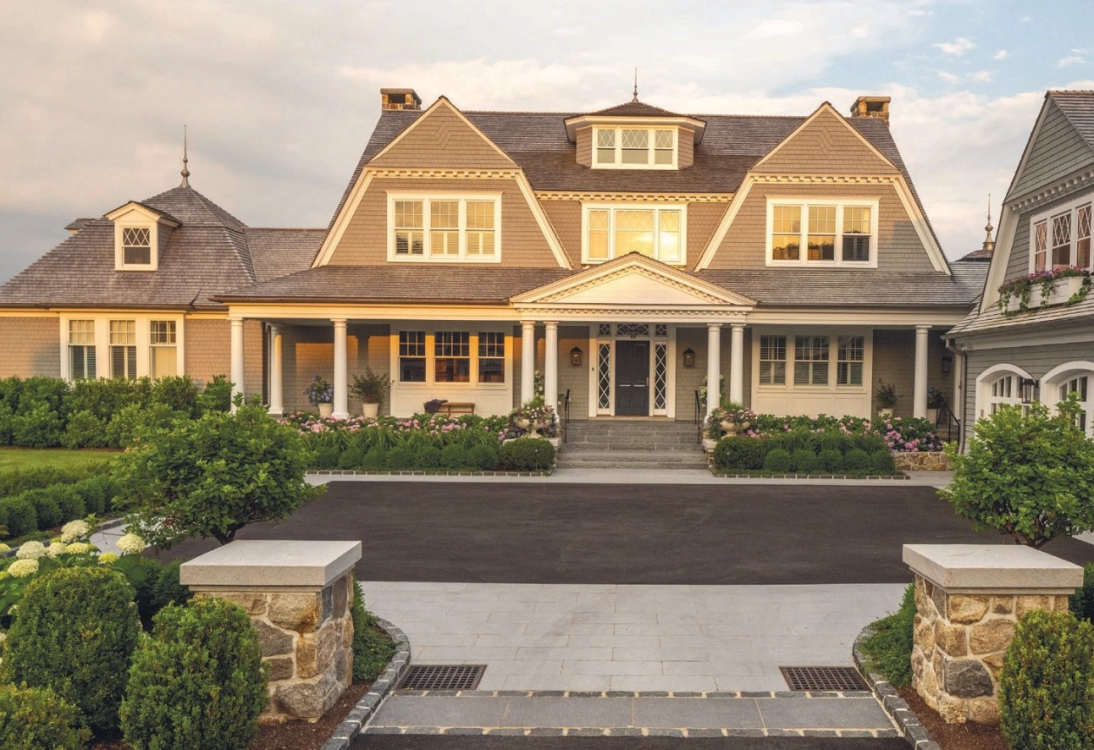
Best Traditional Home 2025: Coastal Charm by Mark Finlay

Best Solar Shingles for 2025

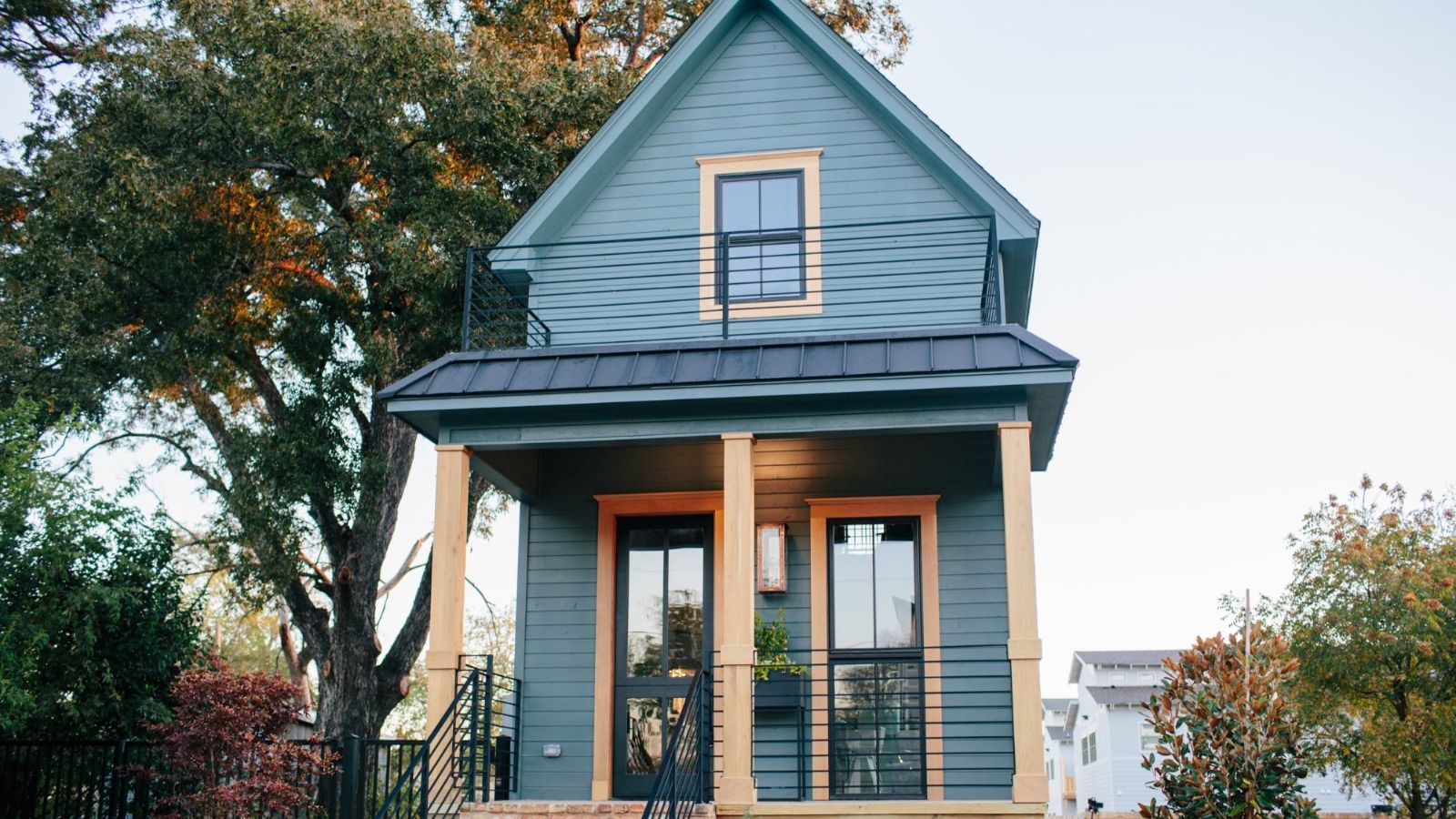
What is a shotgun house? The history behind this tiny one-of-a-kind architectural style
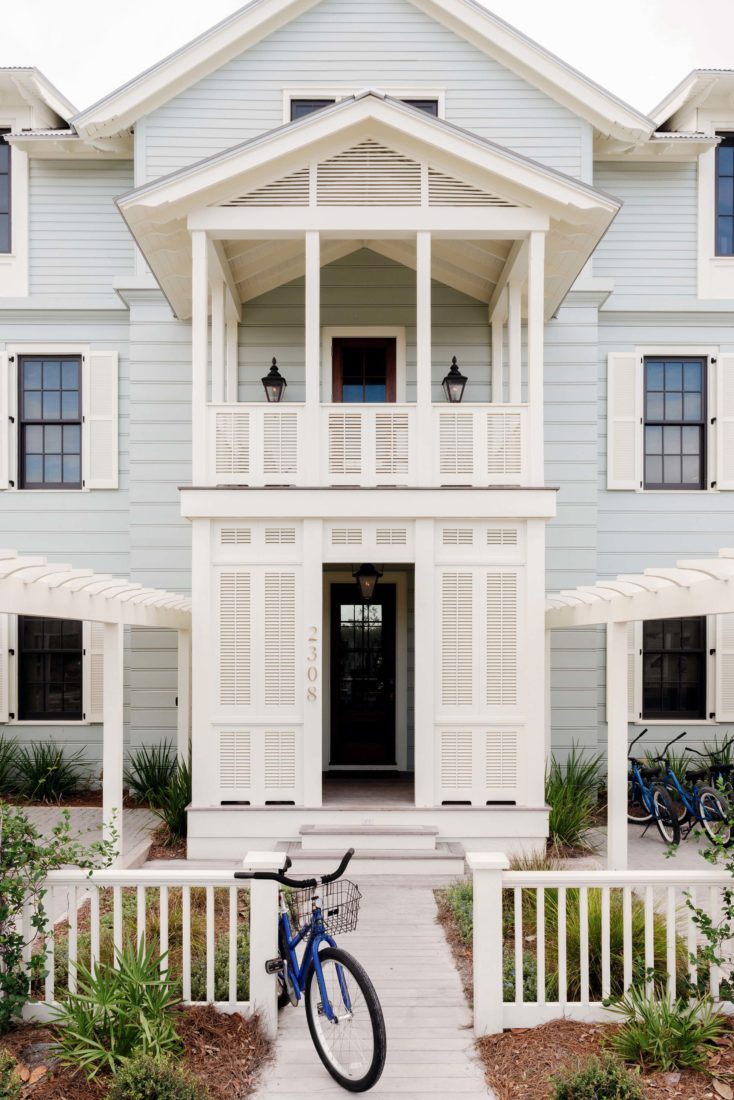
Inside a Dreamy Beach Bungalow
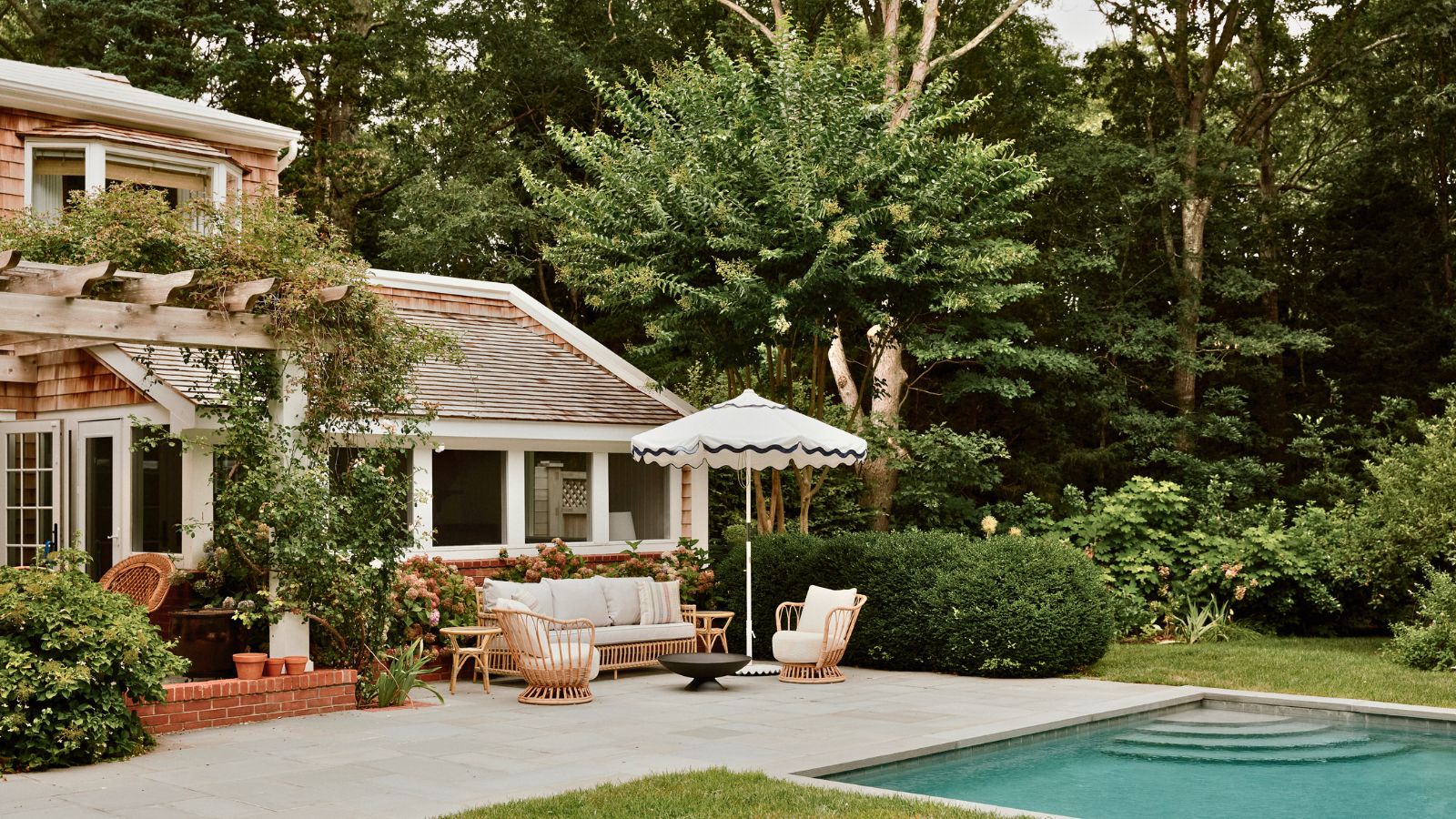
The owners of this Hamptons shingle-style cottage wanted a lived-in look
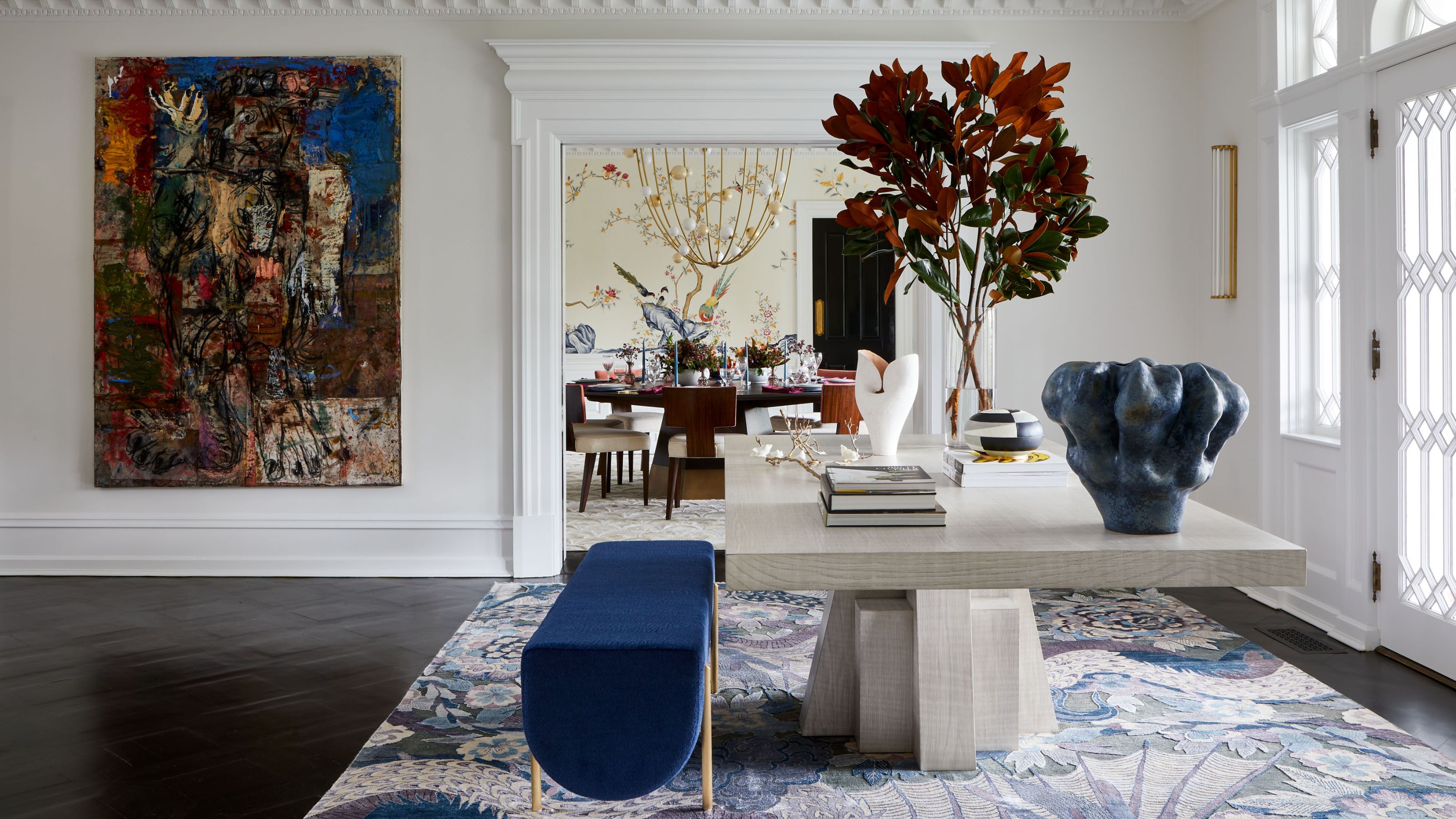
Explore a vibrant New England home that honors the original features

SHED/HOUSE / Side Angle Side


meandre's shell-shaped house in spain presents an original space-planning layout