1/3
WANT AN EFFICIENT HOME? MAKE IT FABRIC FIRST
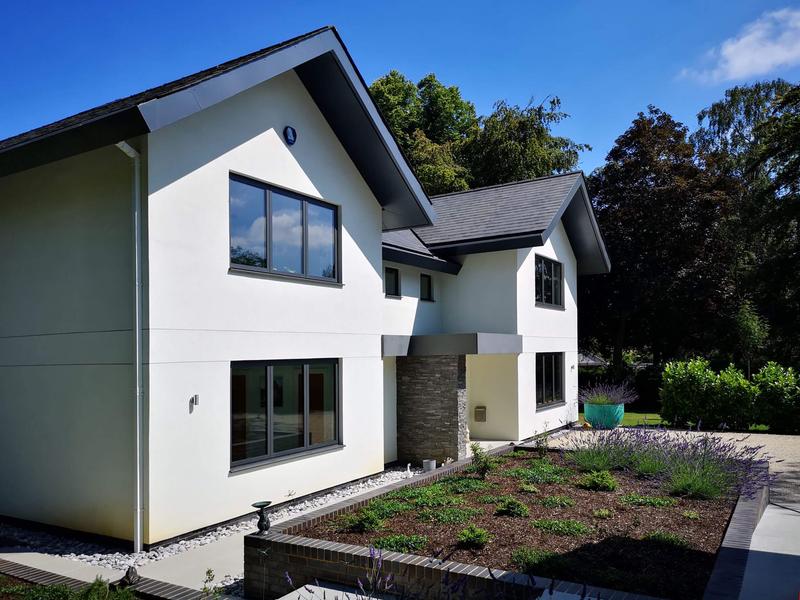
The UK faces a significant challenge in improving the energy efficiency of its housing stock, given that domestic energy consumption accounts for approximately 14% of the nation's total emissions. With the Committee on Climate Change's report, 'UK housing: Fit for the future?', highlighting an upward trend in residential energy use and impending revisions to Part L Building Regulations, there is a pressing need for effective strategies to enhance sustainability in homes. A 'fabric first' approach emerges as a crucial method to address these concerns, focusing on maximizing the inherent performance of a building's materials and structural components to reduce energy demand.
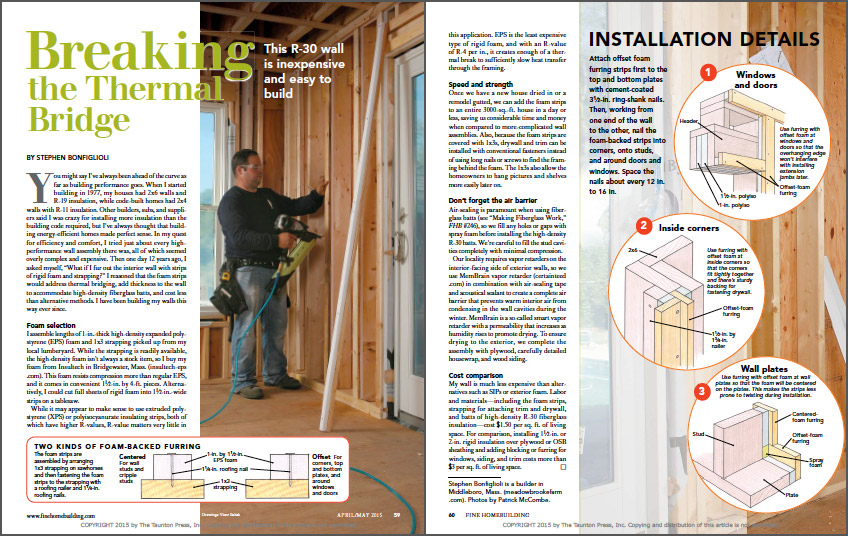
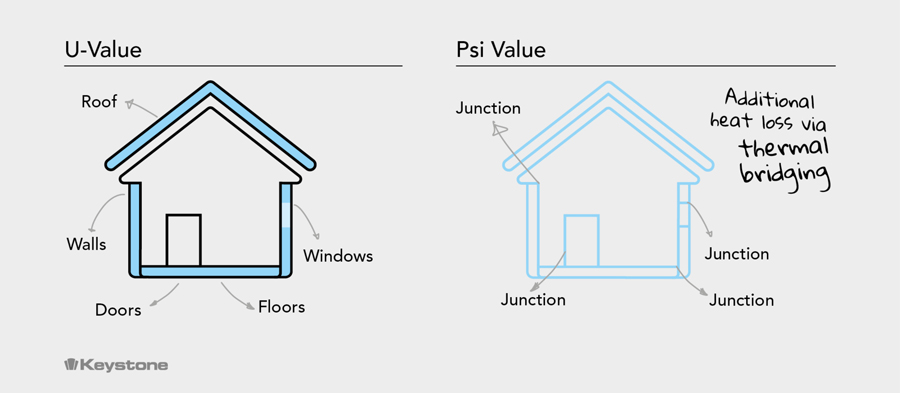
This approach prioritizes the building envelope itself, incorporating elements such as high levels of thermal insulation, superior air tightness, and a design that strategically leverages passive solar gains through optimal building orientation. A fundamental aspect of the fabric first methodology is the meticulous design-out of thermal bridging. Thermal bridges are localized areas within the building fabric where insulation is compromised, allowing heat to escape more readily. Failure to adequately address thermal bridging can lead to several undesirable outcomes, including reduced energy efficiency, the proliferation of condensation and mould growth over time due to cold spots, and increased expenditures on supplementary materials or technologies to offset the resultant heat loss.
The detailing of construction plays a critical role in achieving an energy-efficient home. While a typical cavity wall incorporates an insulation layer to prevent heat loss, this layer can be interrupted by materials with higher thermal conductivity, such as traditional steel lintels spanning window or door openings. Such interruptions create clear pathways for heat escape, forming thermal bridges and significantly diminishing the thermal performance of the building. Research by the BRE indicates that thermal bridging can contribute up to 30% of a building's total heat loss. Consequently, specifying thermally-efficient materials and products during the design phase is paramount to mitigating thermal bridging and enhancing overall fabric efficiency.
Traditional steel lintels, due to steel's high thermal conductivity and their extensive use across openings, represent a significant source of thermal bridging. However, innovative lintel designs that integrate a thermal break offer a considerably more efficient alternative. For example, Hi-therm+ lintels utilize a patented combination of a polymer insulator and galvanized steel. The polymer section acts as a robust thermal break, substantially lowering the lintel's conductivity value to between 0.03 and 0.06 W/m.k. This design makes Hi-therm+ Lintels up to five times more thermally efficient than their traditional counterparts, while maintaining comparable lengths, sizes, and loading capacities.
Adopting a fabric first approach from the initial design stages is essential for ensuring a home's sustained energy performance throughout its lifespan. The effectiveness of this approach hinges on careful attention to detail. Neglecting issues like thermal bridging at the design stage will inevitably compromise the building's overall thermal efficiency. Therefore, the specification of materials and components that offer superior performance is critical. Such thoughtful material selection can be the decisive factor in differentiating a truly sustainable home from one that is inherently inefficient.
#EnergyEfficiency #FabricFirst #SustainableHomes #ThermalBridging #BuildingRegulations #Insulation #ThermalPerformance #KeystoneLintels #HiThermPlus #EnergyEfficiency #FabricFirst #SustainableHomes #ThermalBridging #BuildingRegulations #Insulation #ThermalPerformance #KeystoneLintels #HiThermPlus
0 comment in total
 No comments yet
You may also like

This is the Fastest Way To Get an Elegant-Looking Home

How to modernise your home without breaking the bank

Contractors Swear By These Weird Things That Make Your Home Look Way More Expensive

If you want a home remodel to go quickly, know what you want to do and prepare early

How to save money on home renovations – 6 cost-effective ideas
Create a cozy home in 10 easy, inexpensive steps


Homeowners Are Revealing The Common Purchases They Either Totally Regret Or Completely Stand By
An Easy Way To Build a Well-Insulated House


12 Ways To Create a More Sustainable Home

Save Money and Cut Waste With These 8 Reno Materials You Didn't Know You Could Reuse

Five Simple Rules For House Design That Drastically Lower Energy Costs

10 ways to make your home more sustainable
Your Home, But Better: Achieve a High-Functioning Home
7 Small Hacks That Will Save You Money on Your Next Remodel
Invest In Your Nest: 41 Home Upgrades That Pay Off In Comfort And Value
This Is What Makes a Home Functional, According to Interior Designers

How to Make Your Home More Sustainable, According to Design Experts

50 Super Simple Ways to Save on Energy Costs
Cost-effectiveness and affordability evaluation of a residential prototype built with compressed earth bricks, hybrid roofs and palm midribs
Do-It-Yourself Projects to Boost Home Value