1/6
The quirky charm of Norwegian design
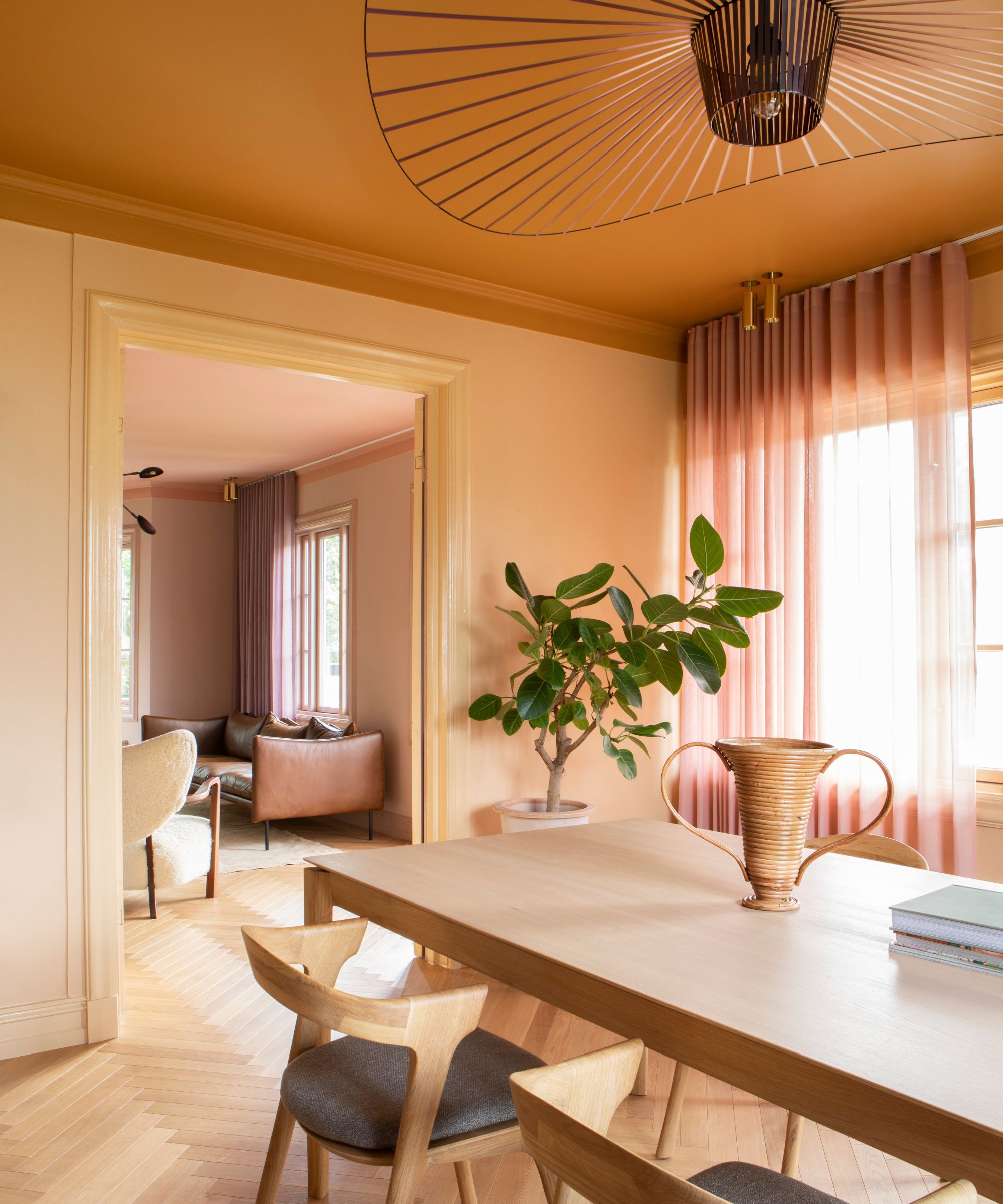
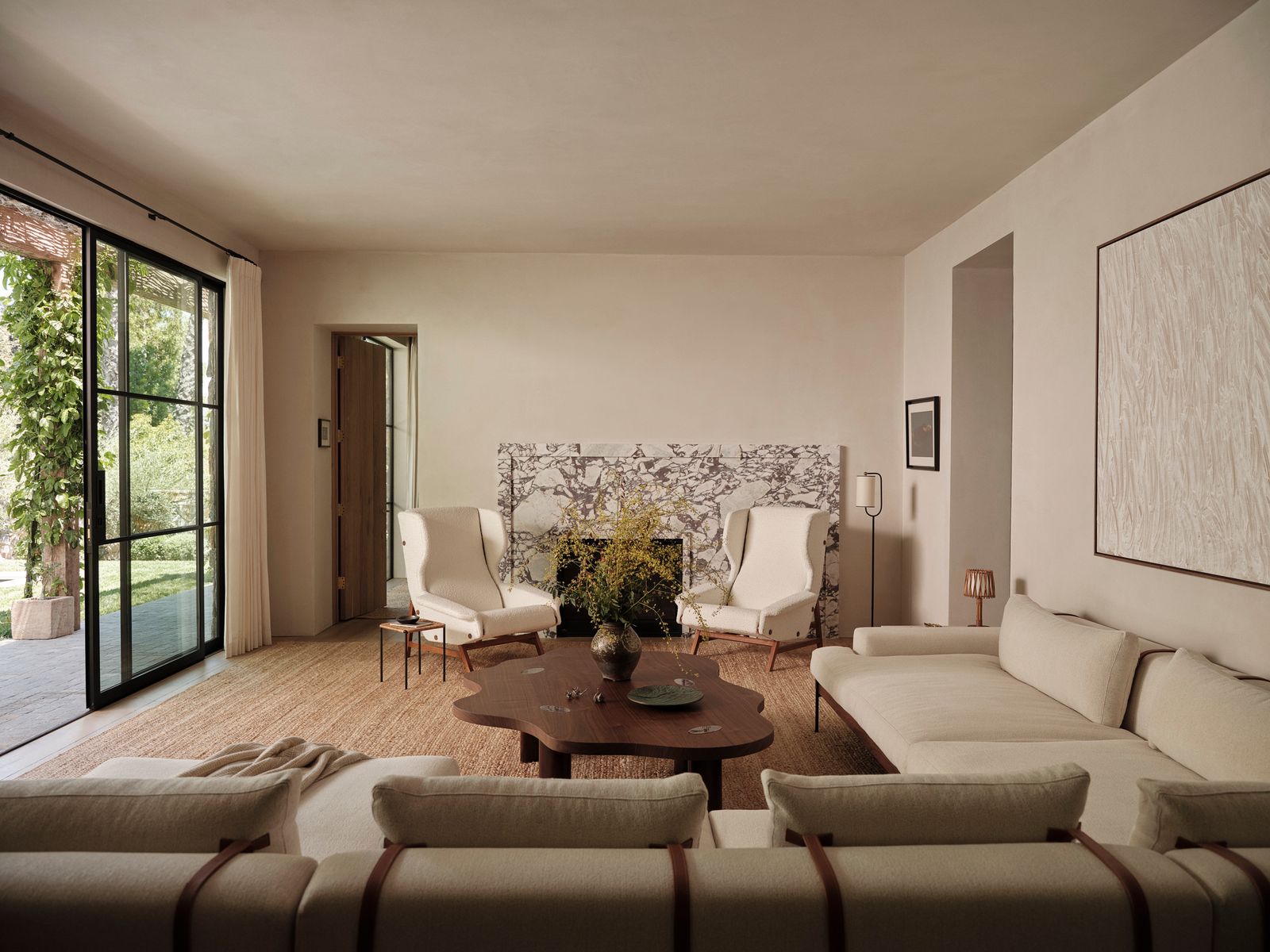
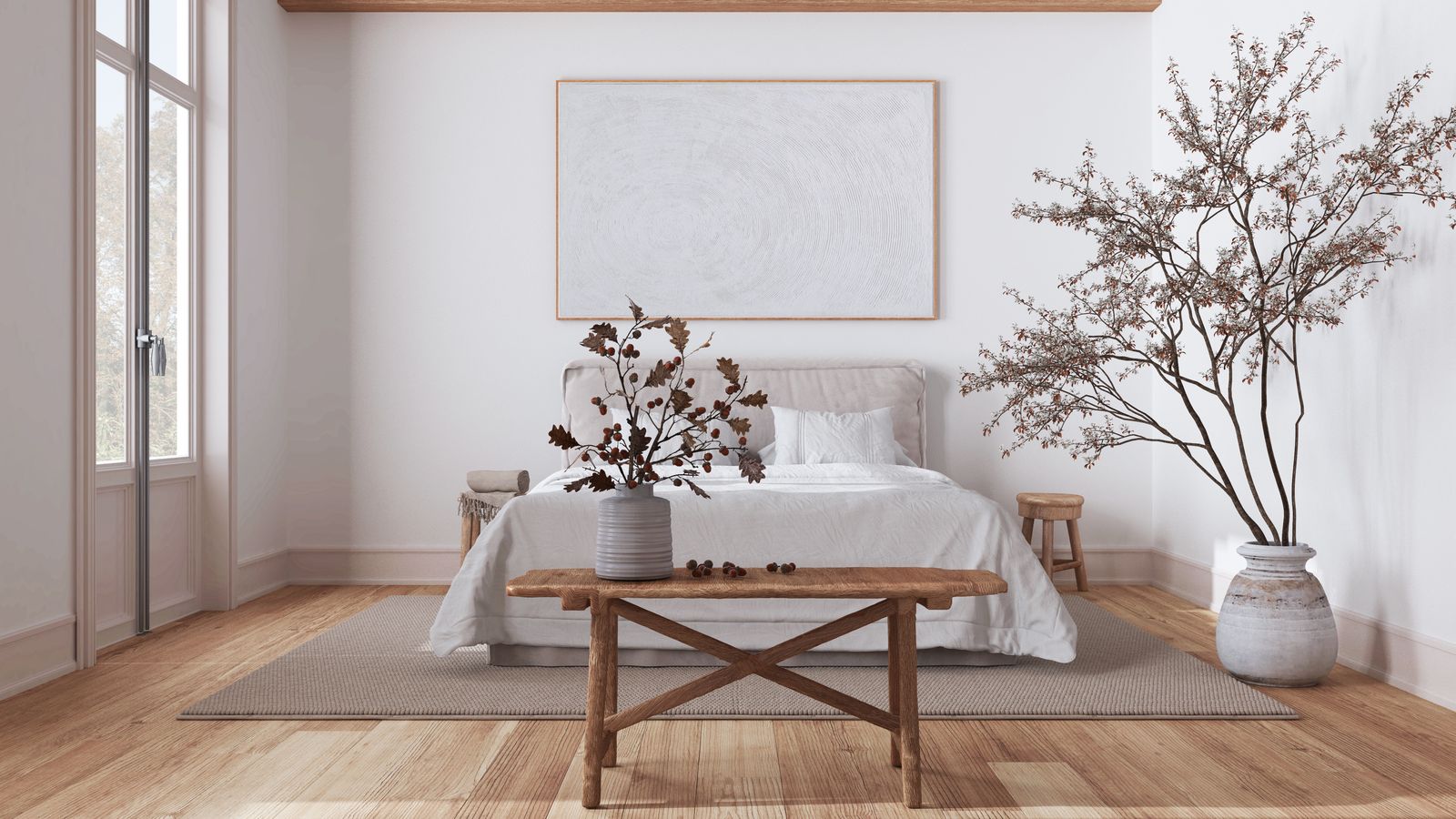
Scandinavian design, known for its minimalist, functional, and democratic aesthetic, has been a significant force in furniture and interiors for decades, primarily dominated by Danish, Finnish, and Swedish designers. However, Norwegian design has historically been overlooked, despite Norway having a population size comparable to Finland and Denmark. This article delves into the reasons behind Norway's understated presence in the Scandi design landscape and highlights its unique evolution.
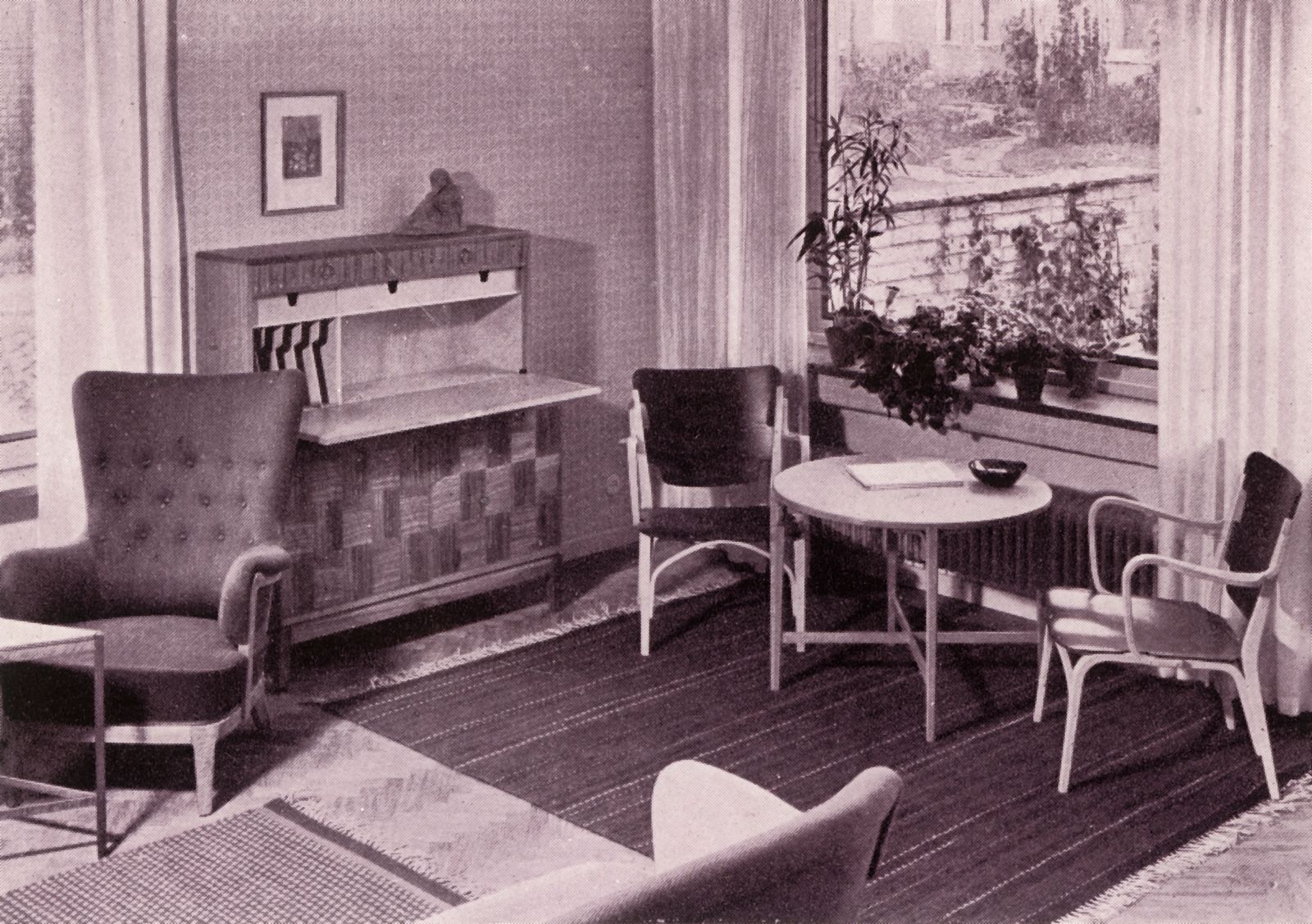
Norway's lower profile in design can be attributed to several factors. The destruction of its furniture factories during World War Two led to the rise of a cottage industry, with farmers in rural western Norway producing simple, functional furniture. Following the war, a new generation of design graduates, trained by influential architect Arne Korsmo, began creating stylish pieces for these workshops. Korsmo, along with his wife Grete Prytz Kittelsen, was instrumental in connecting Norwegian designers with international modernist pioneers like Frank Lloyd-Wright and Charles and Ray Eames, elevating their skills to match those of their Scandinavian neighbors. Despite this promising start and international recognition, the discovery of oil in the 1960s redirected national focus and investment away from the design industry. Skilled workers left, and the country began importing furniture, leading to a significant loss of domestic production.
Unlike its neighbors, who actively supported and promoted their designers abroad, Norway's government shifted its attention to its burgeoning oil industry. This lack of state support, combined with a national temperament that Morten Hippe of Eikund describes as shy and disinclined to self-promotion, meant that Norwegian mid-century designs largely fell out of production and public memory. While other Scandinavian countries continually reissued iconic pieces like Finn Juhl's Model 45 Easy Chair or Arne Jacobsen's Egg Chair, Norway's design heritage remained largely dormant. This led to a situation where, even among contemporary designers, Norwegian names from that era are not widely recognized, with Hans Brattrud being one of the few exceptions.
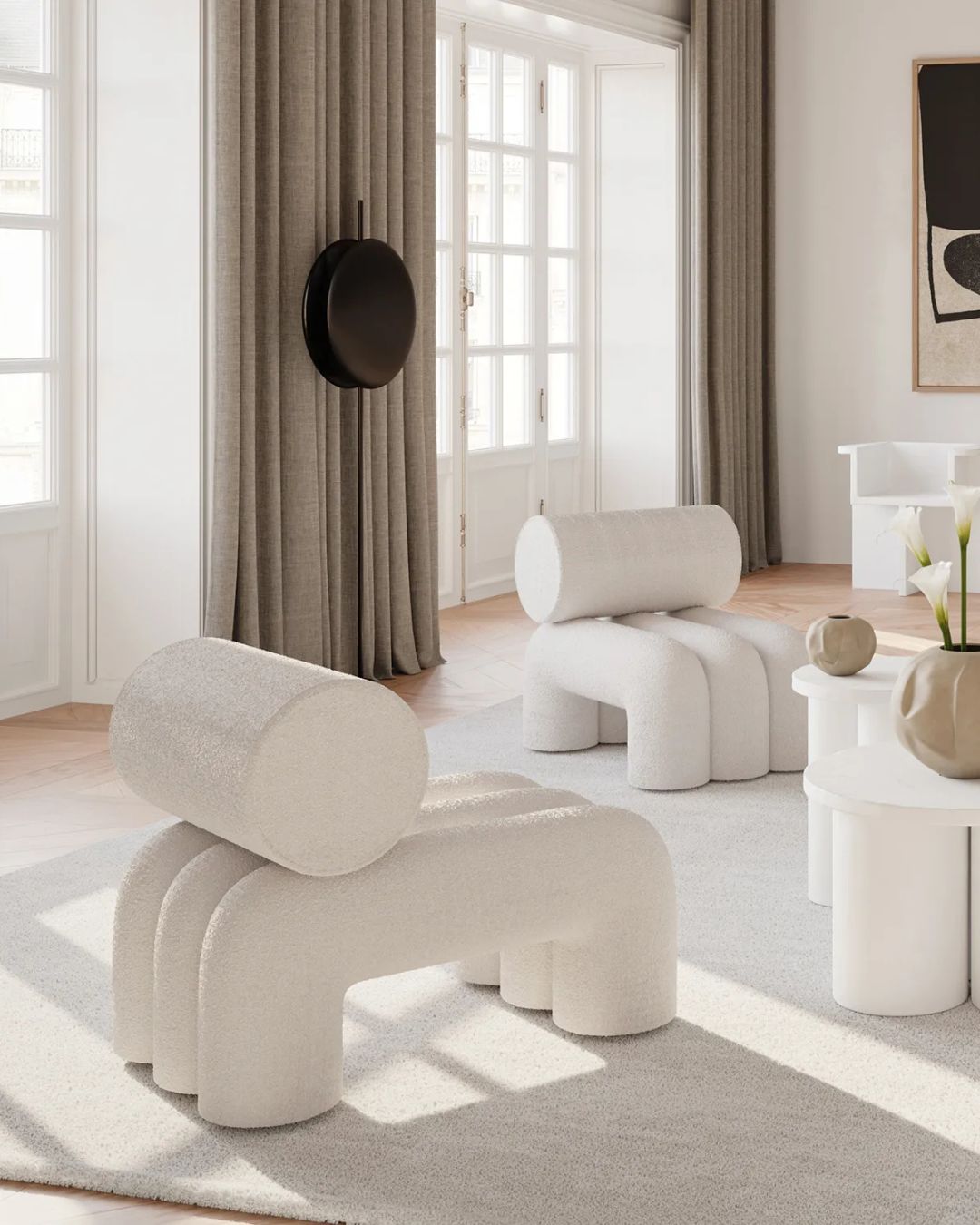
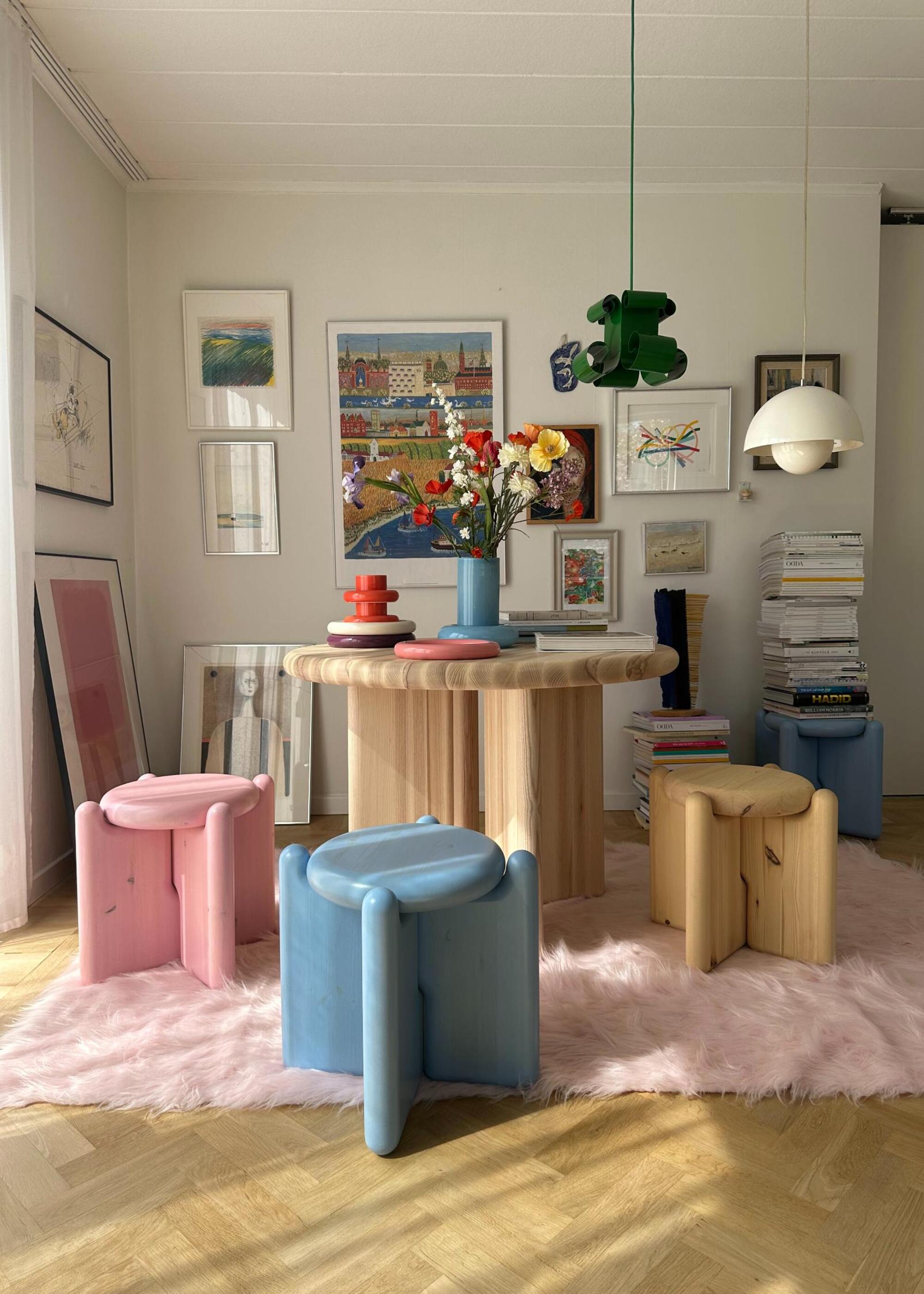
However, this historical lack of a dominant design legacy has paradoxically become an advantage for the current generation of Norwegian designers. Unlike their Danish counterparts, who often feel burdened by a strong historic design legacy, Norwegian creatives have a freer rein to innovate and explore new ideas without the pressure of competing with or being overshadowed by past icons. Hallgeir Homstvedt notes a blossoming design scene in Norway over the last decade, characterized by a certain quirkiness and playfulness. Elizabeth Hurlen, export manager of LK Hjelle, highlights the "warm playfulness" in products by designers like Norway Says.
The contemporary Norwegian design scene also demonstrates a ruggedness and experimental approach to materials, evident in shows like Norwegian Presence. Designers such as Ali Gallefoss, Vilde Hagelund, and Nils Stensrud are utilizing raw materials like stone off-cuts and scrap aluminum, embracing an aesthetic that Benedicte Sunde describes as a reaction against glamour. This results in a "raw aesthetic" that challenges conventional notions of beauty, presenting a new-wave, avant-garde perspective. Despite this creative flourishing, Norway still has fewer homegrown, world-recognized brands compared to its neighbors. Consequently, many talented Norwegian designers, including Lars Tornøe and Andreas Engesvik, often work for international brands.
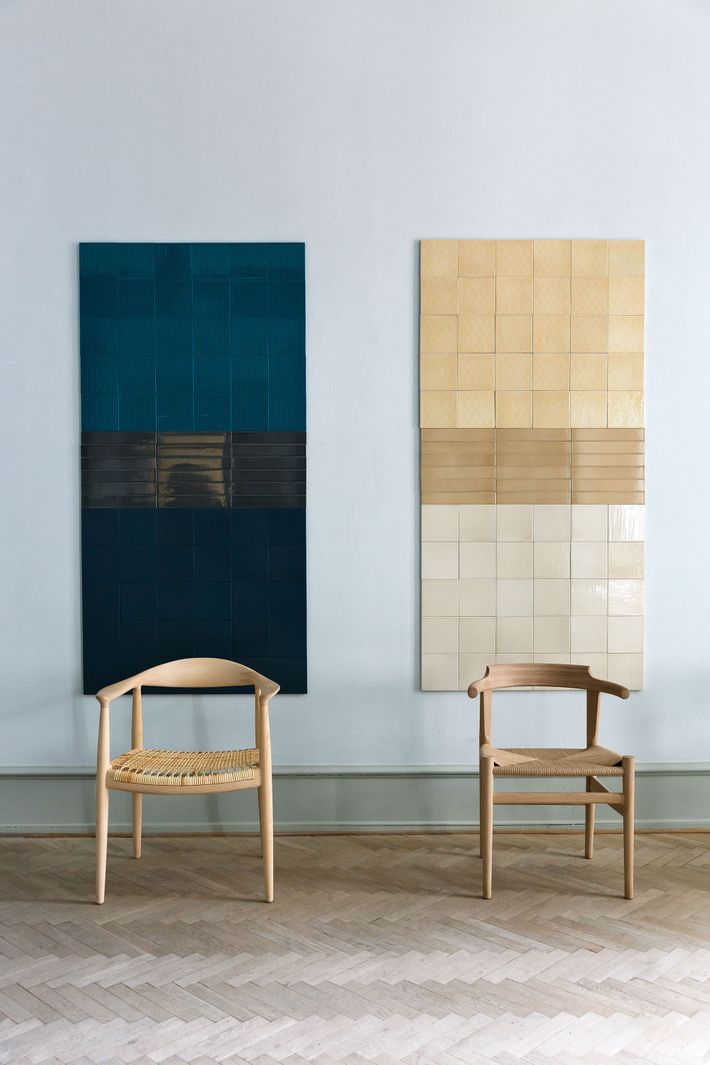
In an effort to reclaim and celebrate their heritage, Norwegian brands like Fjordfiesta, Eikund, and Hjelle are now actively reissuing mid-century designs. This two-pronged approach, combining the revival of classics with the fostering of new talent, is seen as a way for Norway to assert its rightful place within the broader Scandinavian design tradition. The country is moving towards a balanced future where its unique design voice, characterized by creativity, playfulness, and a connection to its material roots, can thrive alongside a renewed appreciation for its historical contributions.
#NorwegianDesign #ScandinavianDesign #FurnitureDesign #InteriorDesign #MidCenturyModern #DesignHistory #ContemporaryDesign #NordicStyle #DesignInnovation #NorwegianDesign #ScandinavianDesign #FurnitureDesign #InteriorDesign #MidCenturyModern #DesignHistory #ContemporaryDesign #NordicStyle #DesignInnovation
0 comment in total
 No comments yet
You may also like
Nordic Nest has sculpted a singular interior design spotlight

What is Scandinavian interior design? Experts explain its beauty and functionality

You're Missing Out If You Don't Follow These 7 Scandinavian Interior Designers

15 Instagram accounts to follow if you love Scandinavian design

3 Nordic Women Designers Defining Modern Hygge

A Backyard in Norway Gets a Ship-Shaped Addition

We Adore These 16 Scandinavian-Style Houses for Their Simplicity and Beauty

5 Copenhagen-Based Creatives Pushing the Boundaries of Danish Design

From uplifting pastel palettes to cool, crisp schemes, these 5 cozy homes showcase the best of Scandinavian style
What Is Scandinavian Style? We Break Down the Popular Style
Why Interior Designers are Raving About This Scandinavian Brand

The Hallway at This Norwegian Cabin Has the Best View in the House
Hygge vs Lagom: Scandinavian design secrets that make homes feel like a warm hug | Hindustan Times

clad in oak panels, folly by rever & drage extends angular cantilever form over norwegian hill
Stockholm Creative Edition: Glass, Wood + Metal
New Orleans Architecture Meets Modern Scandinavian Design at Uptown Home

Scandinavian Style 101: Everything You Need to Know About Scandi Design
My whistle-stop tour of Copenhagen reaffirmed these 5 Danish design lessons in cool and cozy design
Brands You Have to Know if You Love Scandinavian Design
Try This Key Decor Item To Give Your Home That Signature Scandinavian Style