Try This Key Decor Item To Give Your Home That Signature Scandinavian Style
The author shares insights gained from a trip to Copenhagen and Stockholm, exploring the core principles and aesthetics of Scandinavian interior design. Beyond common perceptions like IKEA's modernism, the author highlights the unexpected warmth found in Scandinavian spaces, emphasizing a blend of old and new, and intentional design choices.
The article delves into the concept of "intentional design," where functionality and well-being are paramount. Scandinavian interiors are not merely minimalist but thoughtfully curated to enhance daily life, creating comfortable and efficient spaces without excessive ornamentation. This approach is exemplified by cultural practices like the Swedish "fika," where every element, from the cup to the seating, contributes to a holistic experience of comfort.
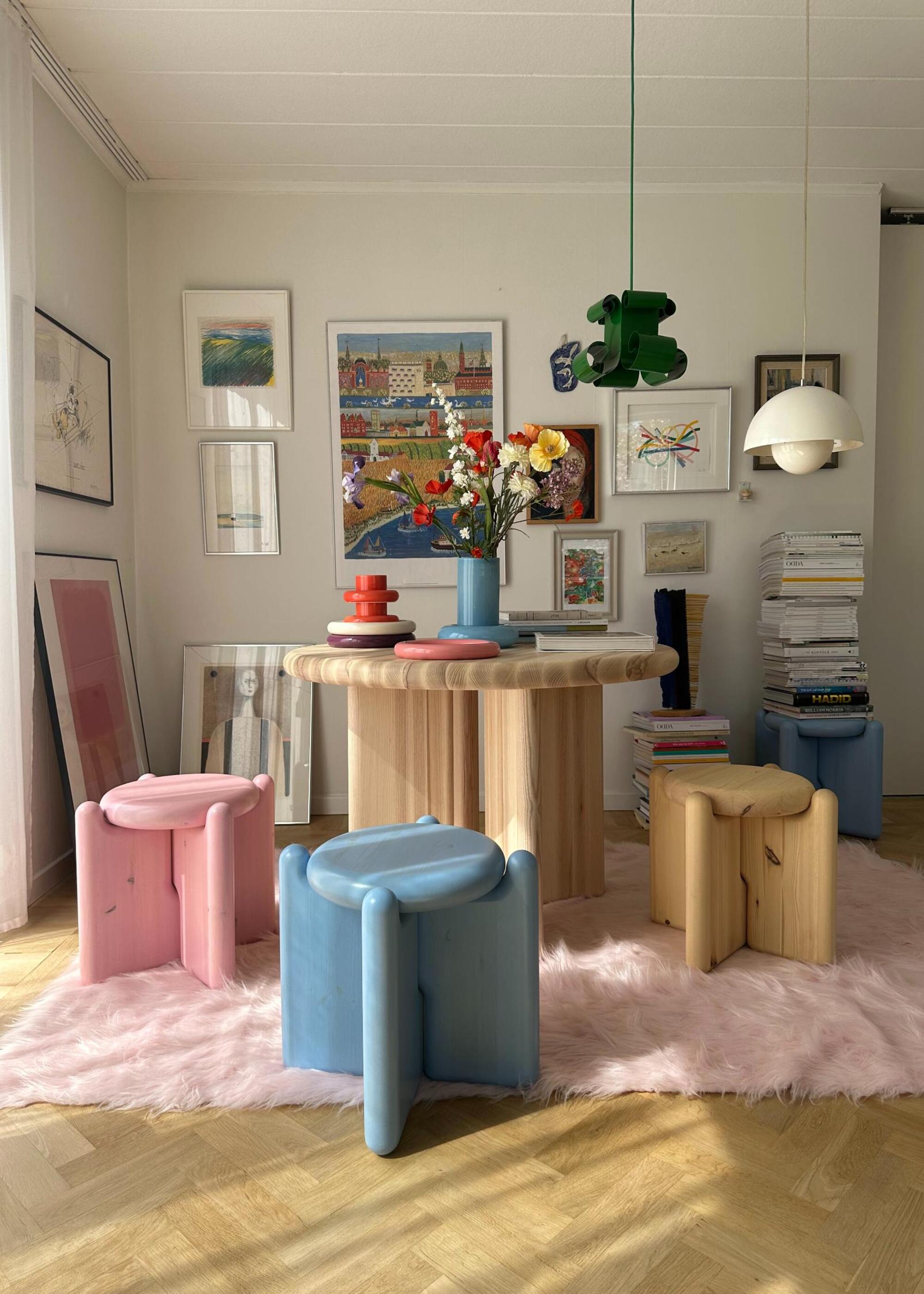
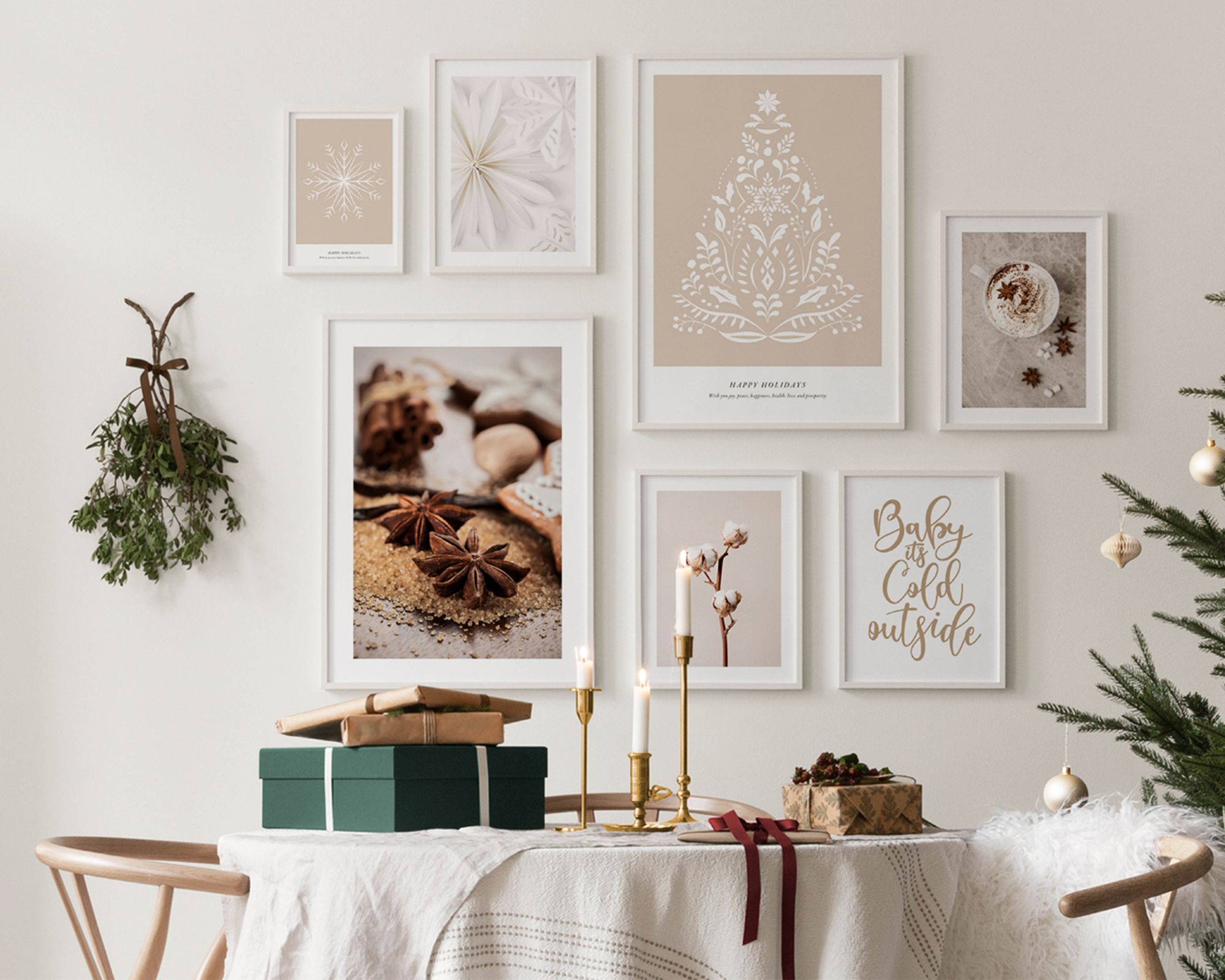
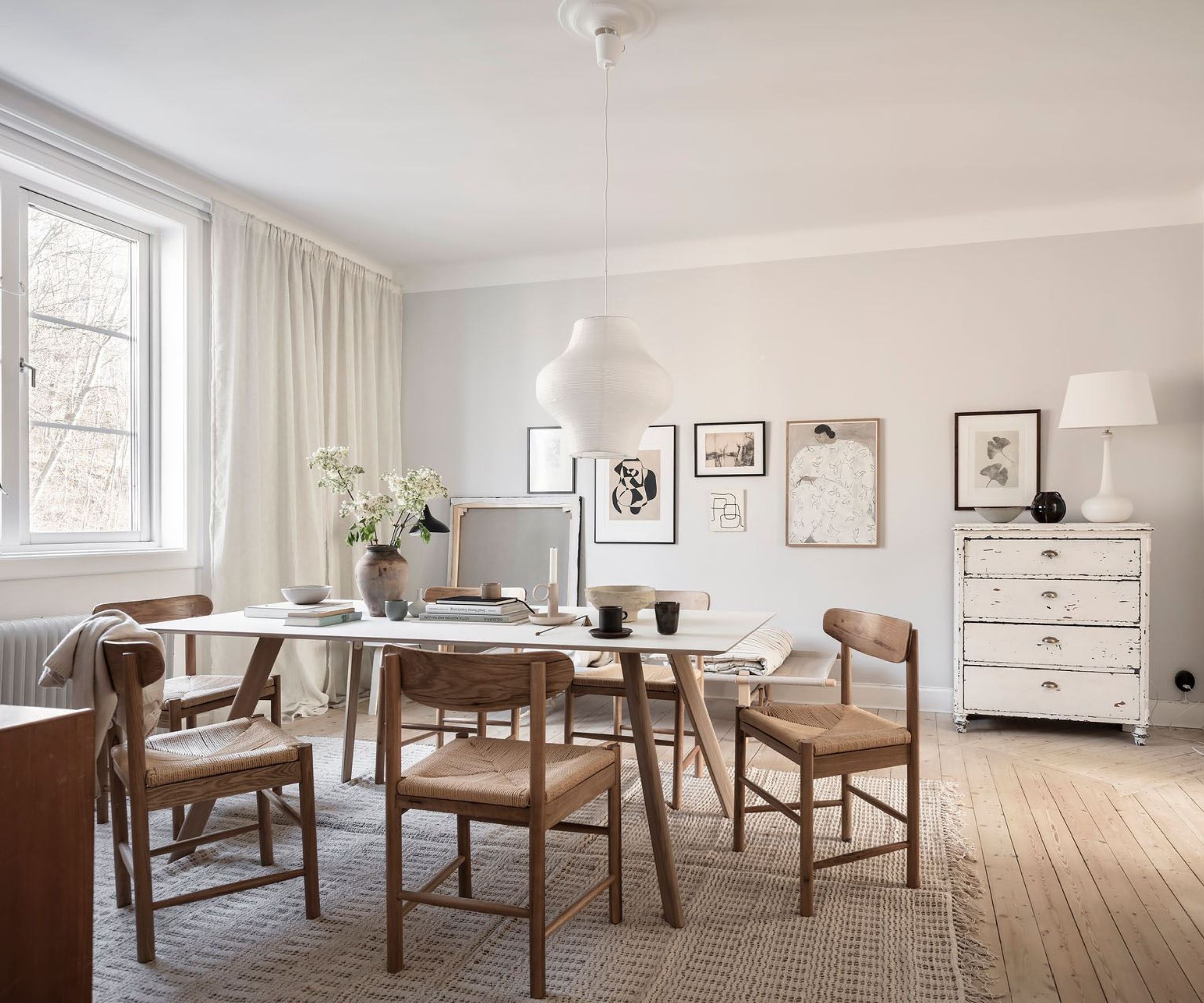
A key observation is the prevalent use of gallery walls, which, contrary to a sparse aesthetic, are integrated with purpose. The art in these displays often shares a unifying theme or narrative, reflecting personal stories or local culture, rather than being a random collection. The article suggests that consistency in elements like frame color or material can help achieve a harmonious look, even with diverse media like typography, posters, and paintings.
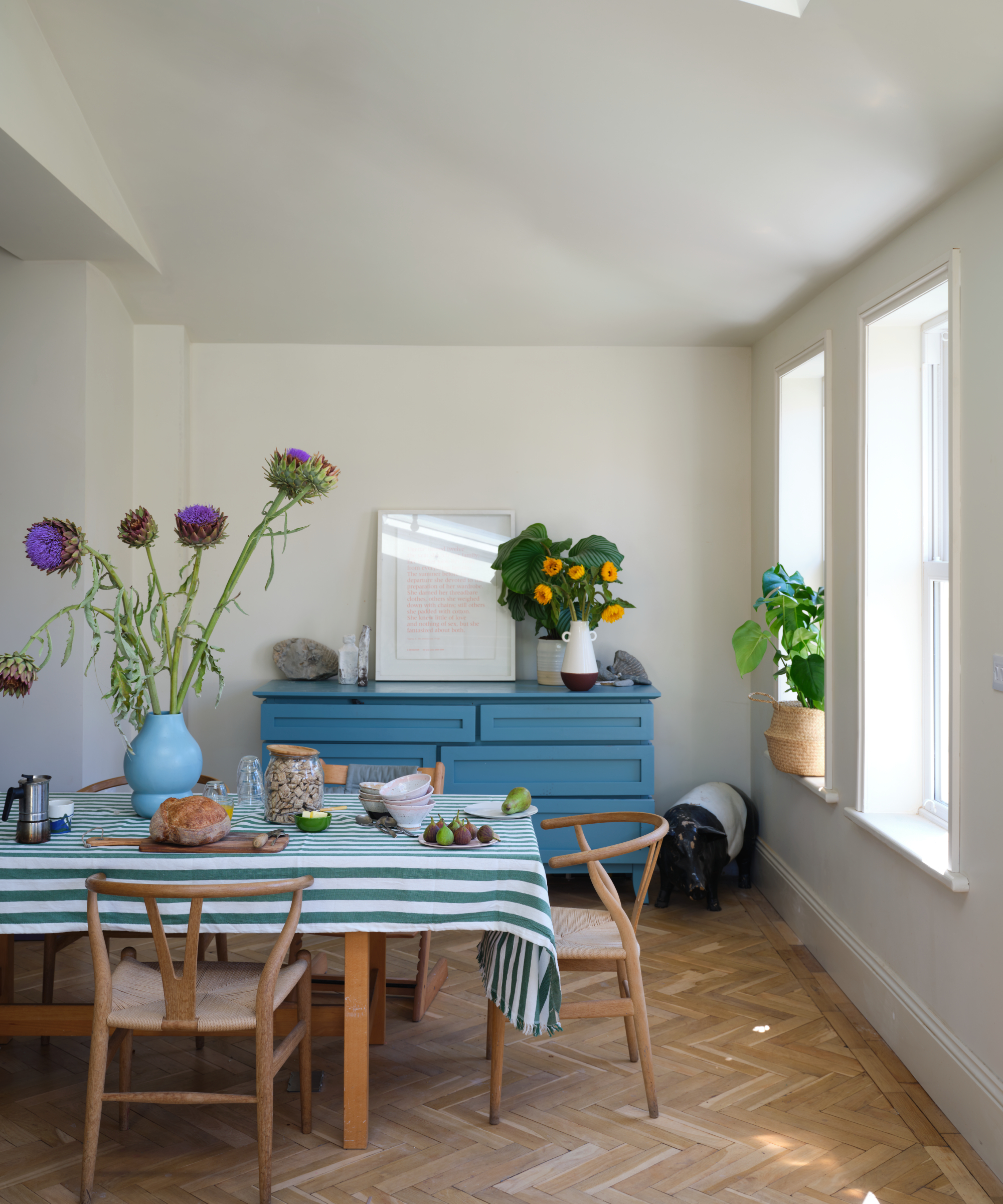
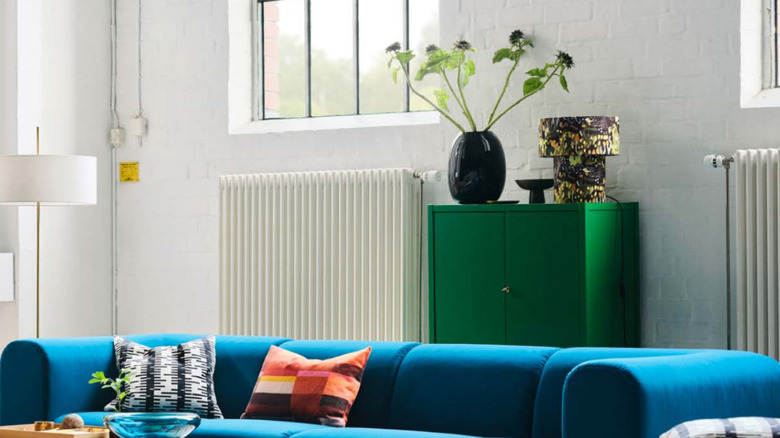
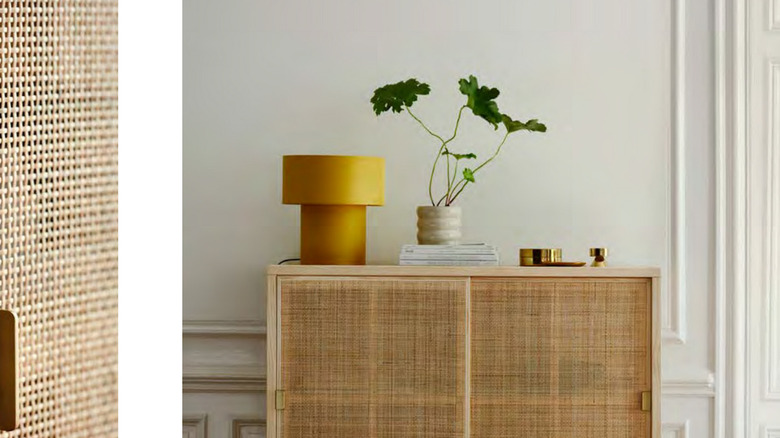
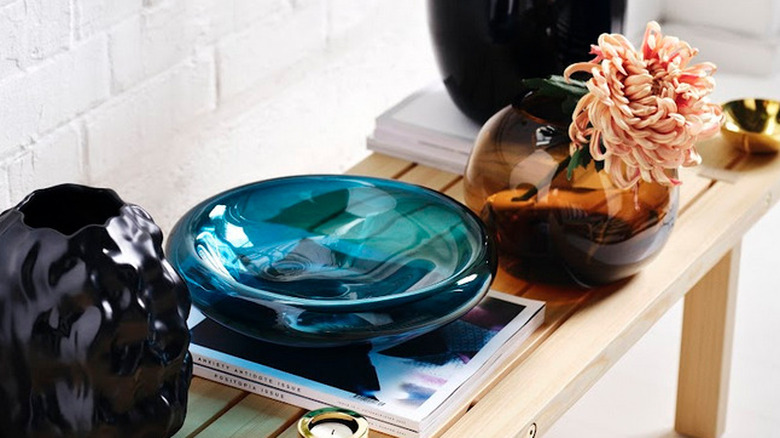
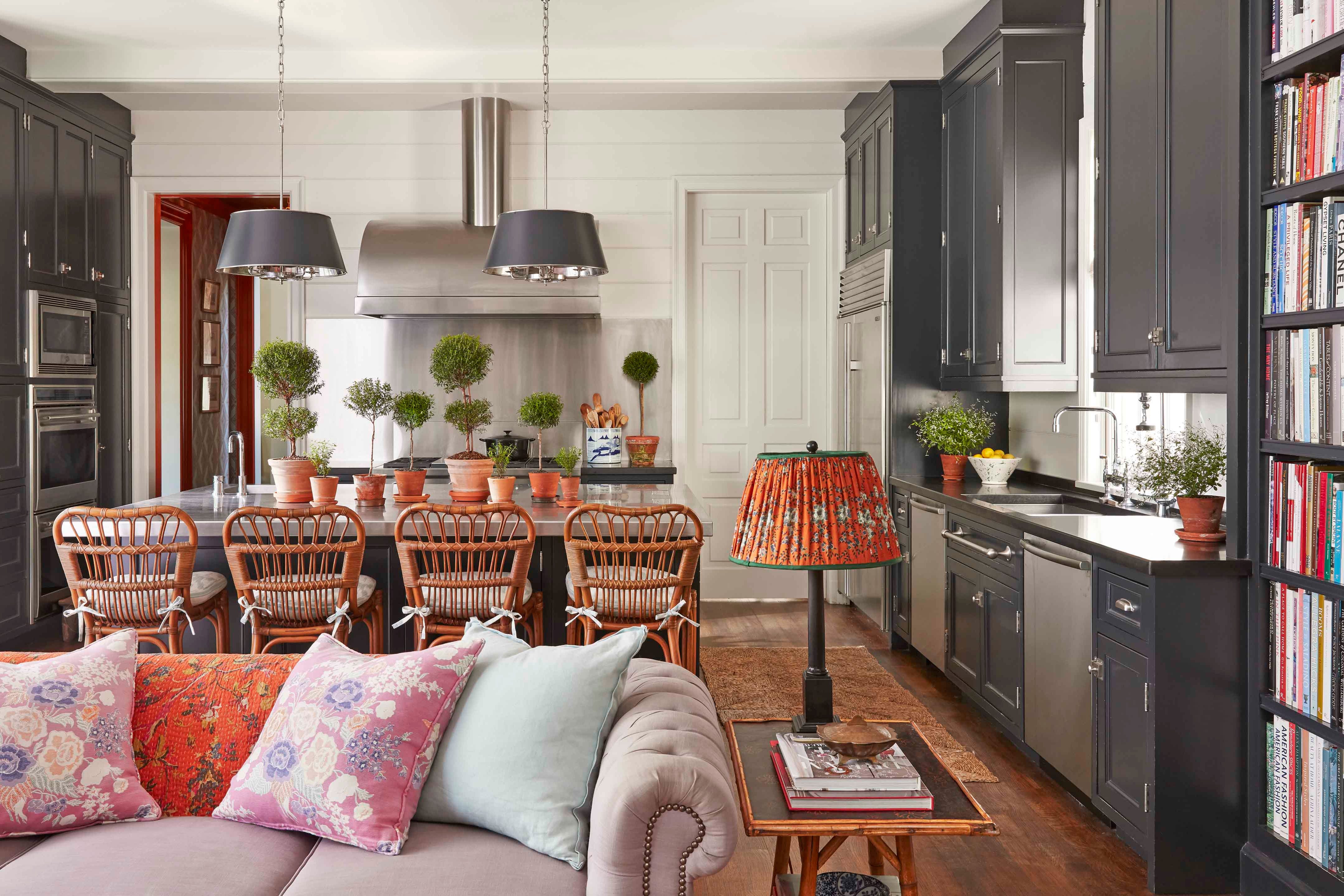
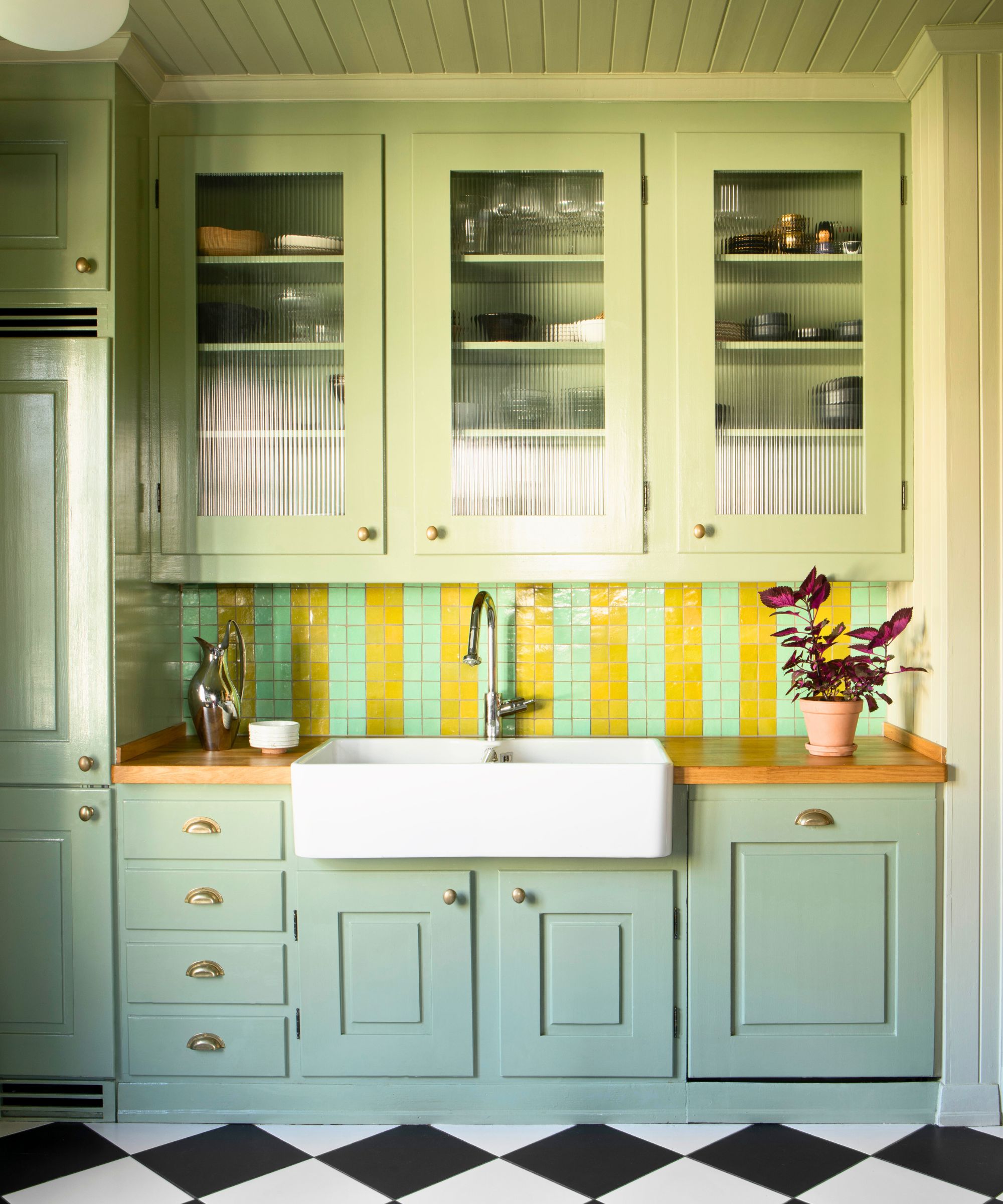
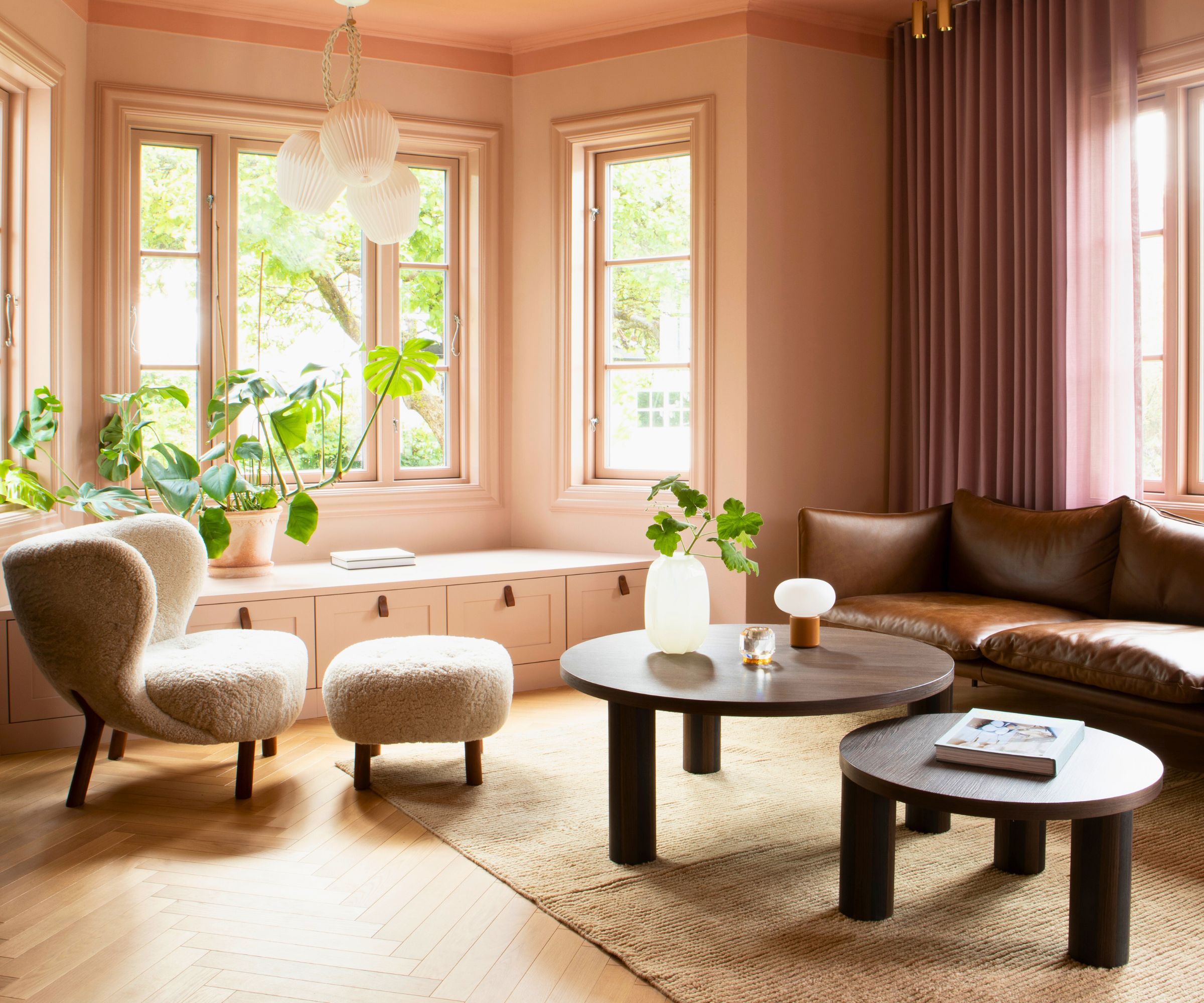
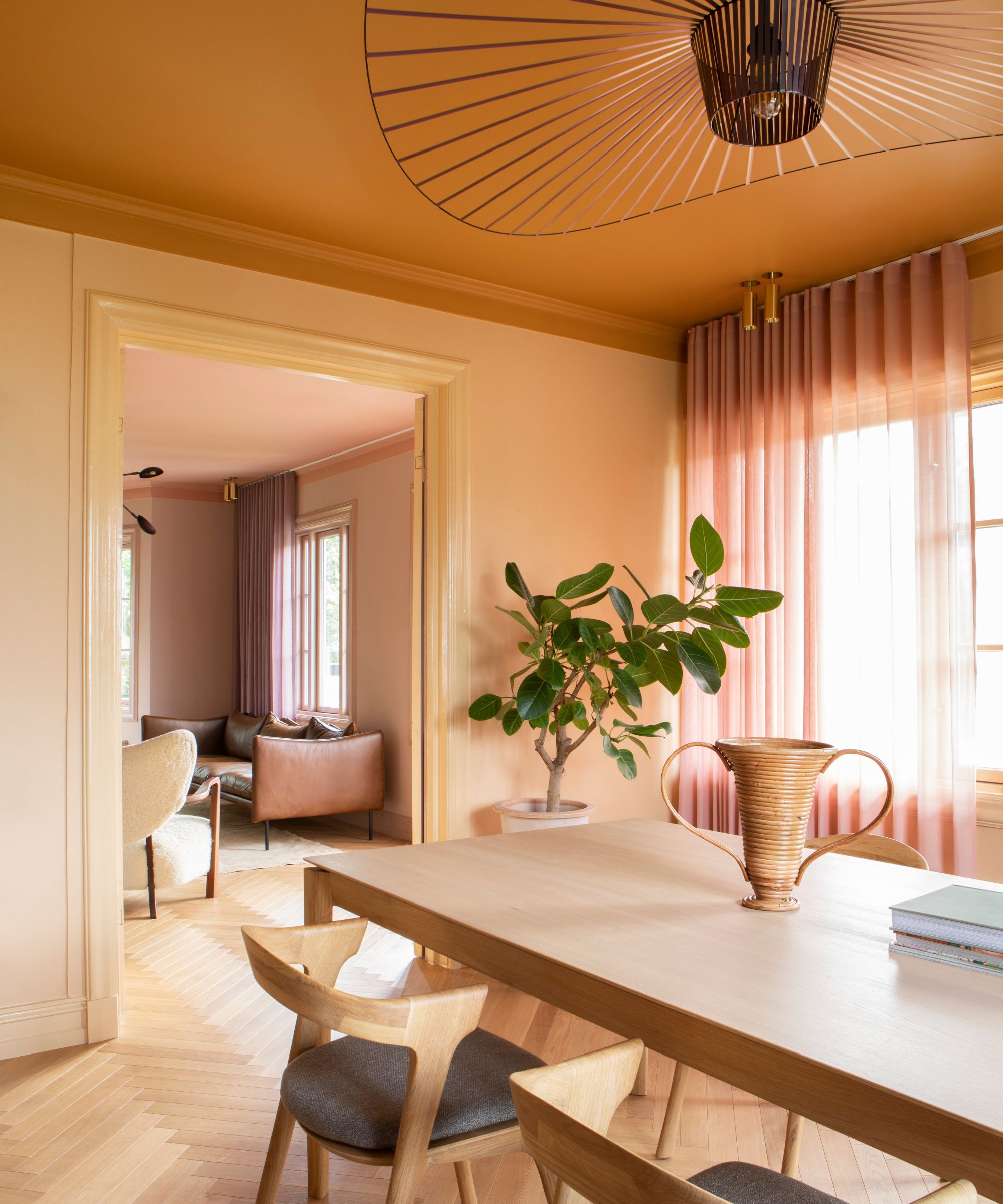
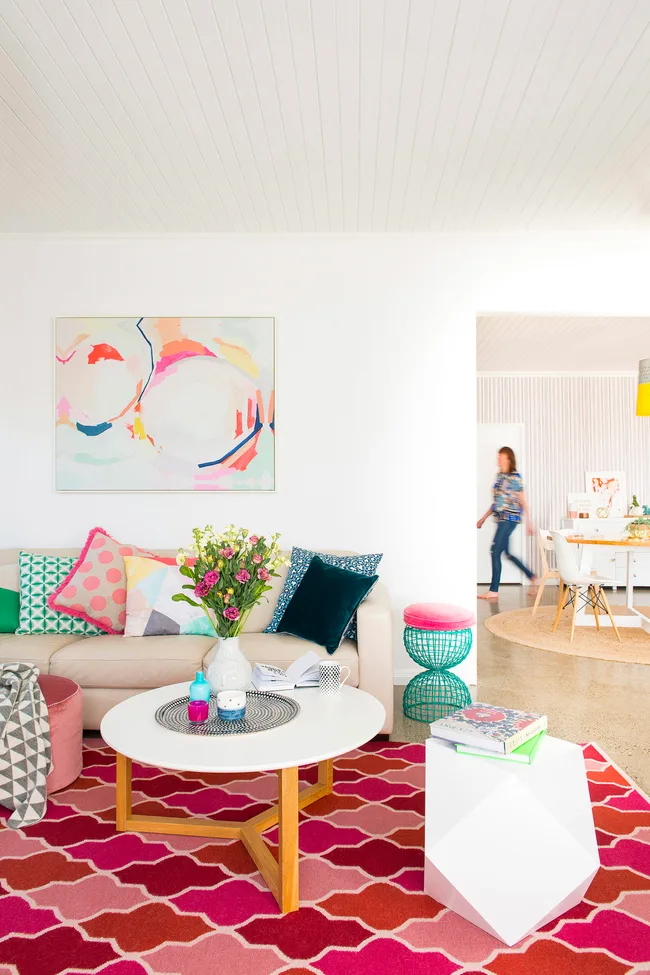
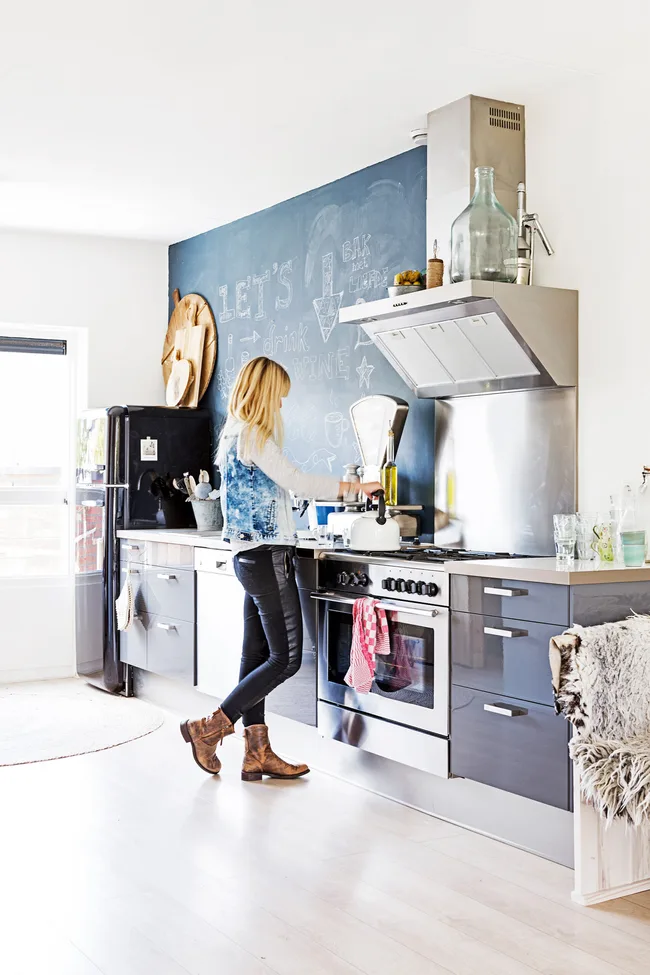
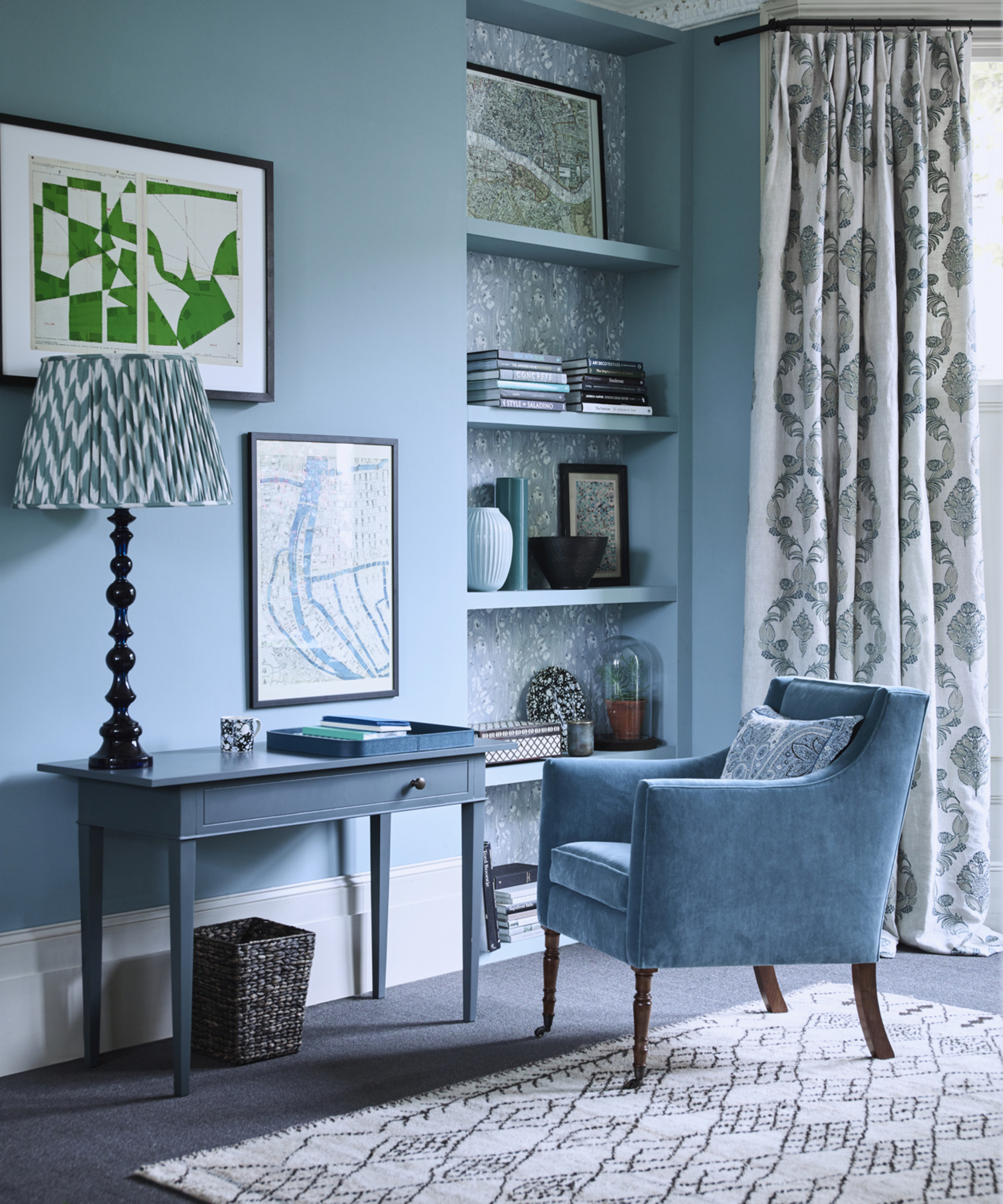
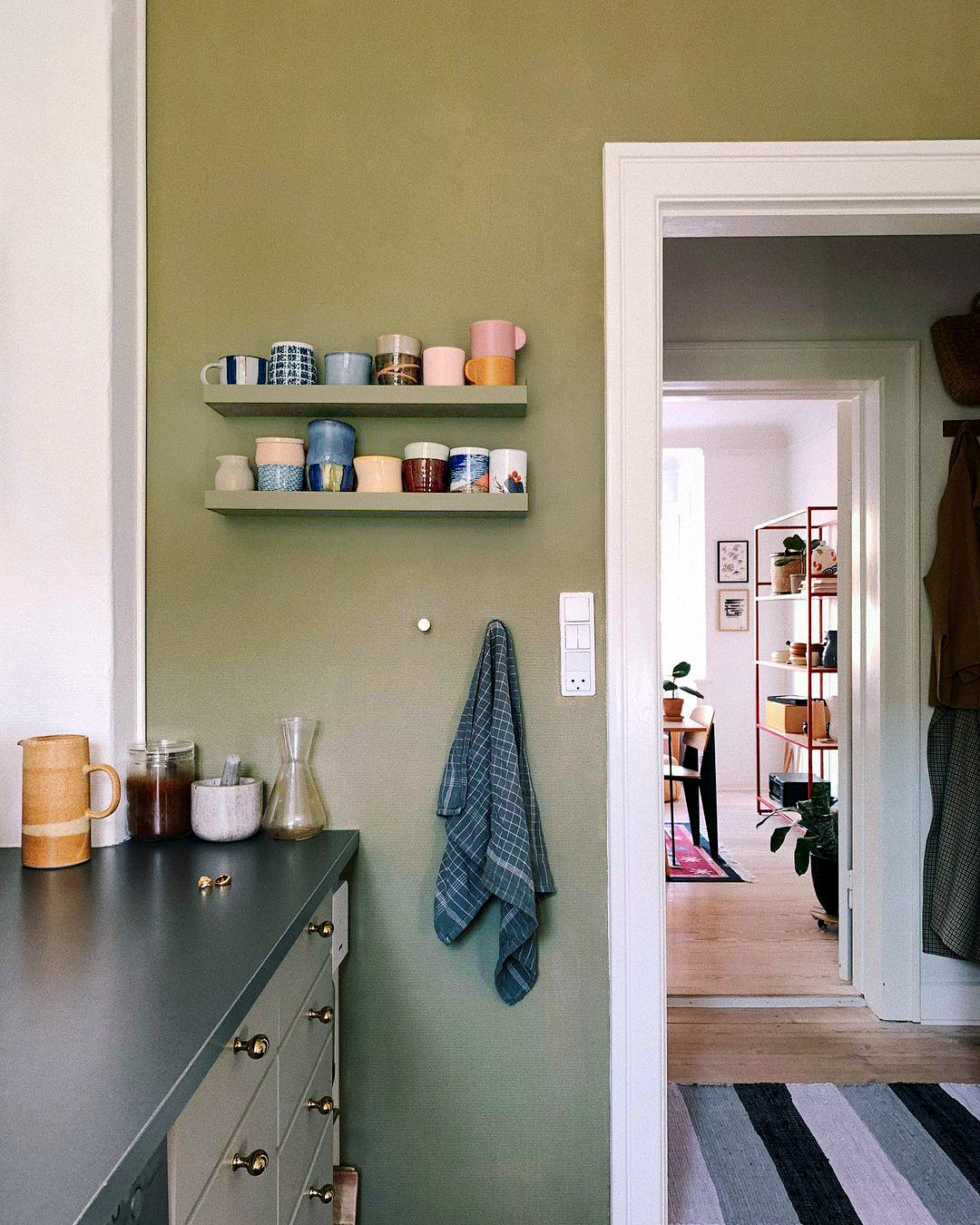
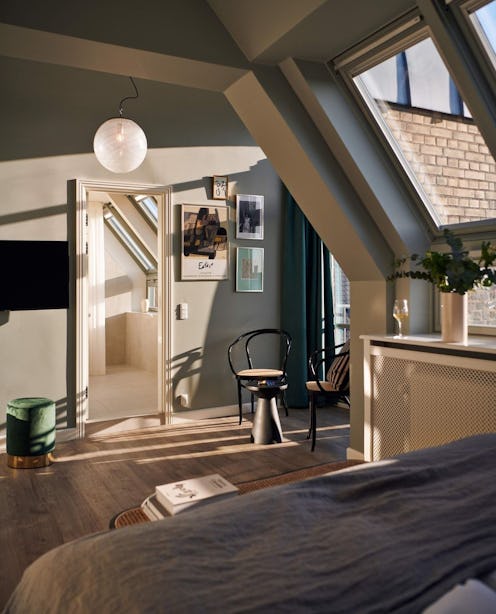
The vibrant use of color, especially in Copenhagen, challenges the stereotype of dull, cold Scandinavian interiors. Buildings and interiors often feature bold hues, which are applied intentionally to a foundation of more minimal, natural tones. This allows for playful accents that can be easily updated seasonally, such as graphic patterns in textiles or brightly colored throws, without overwhelming the space.
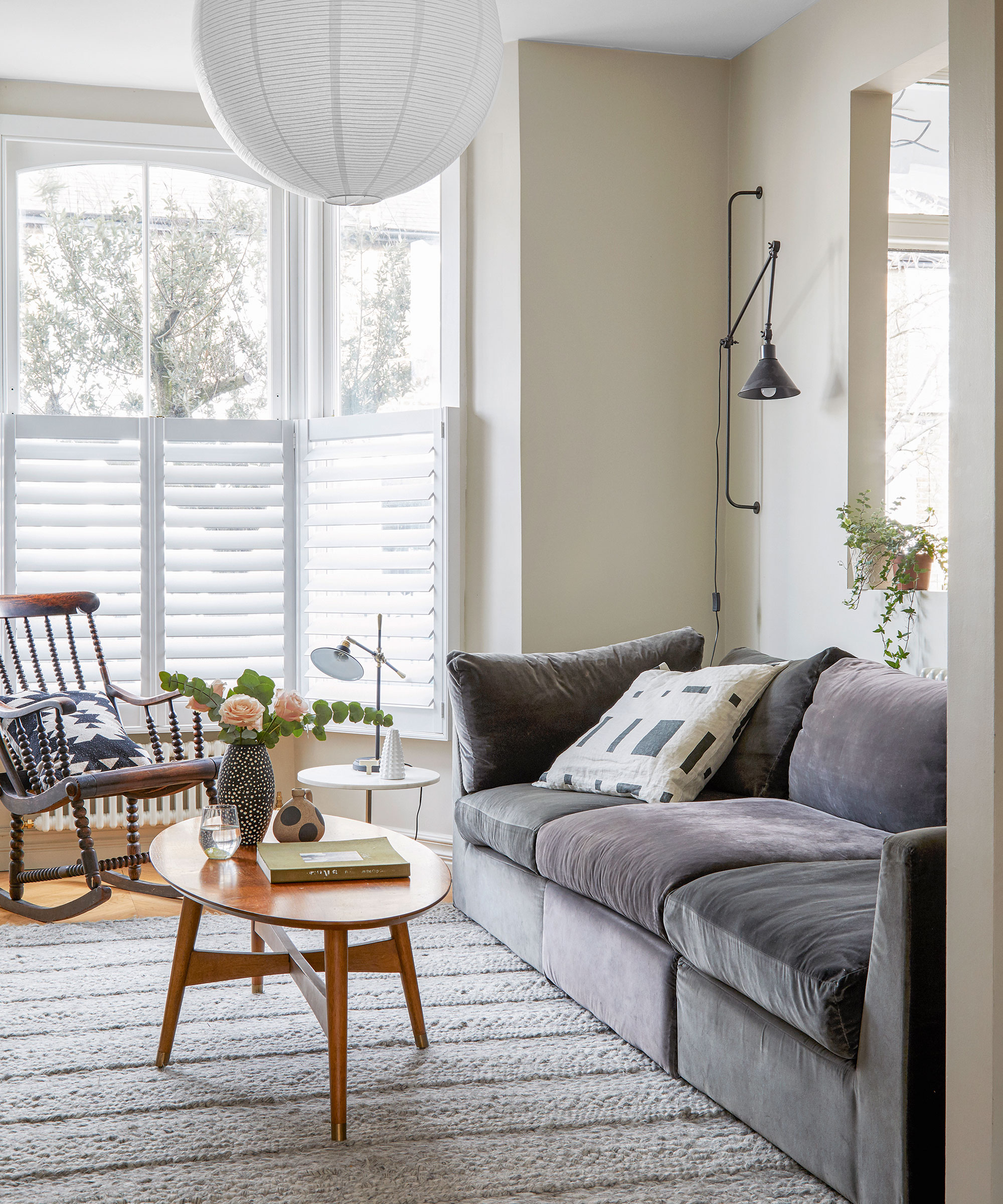
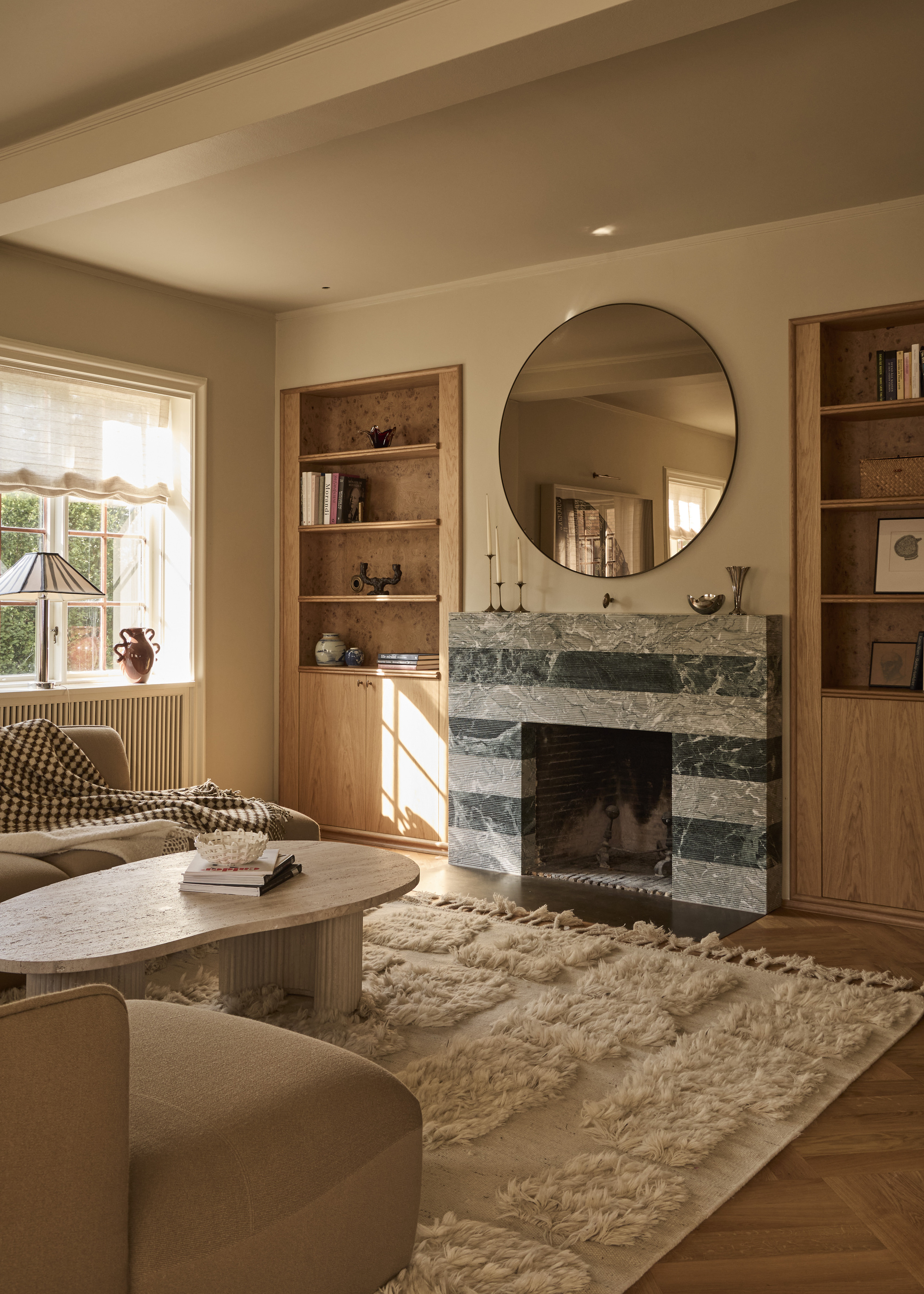
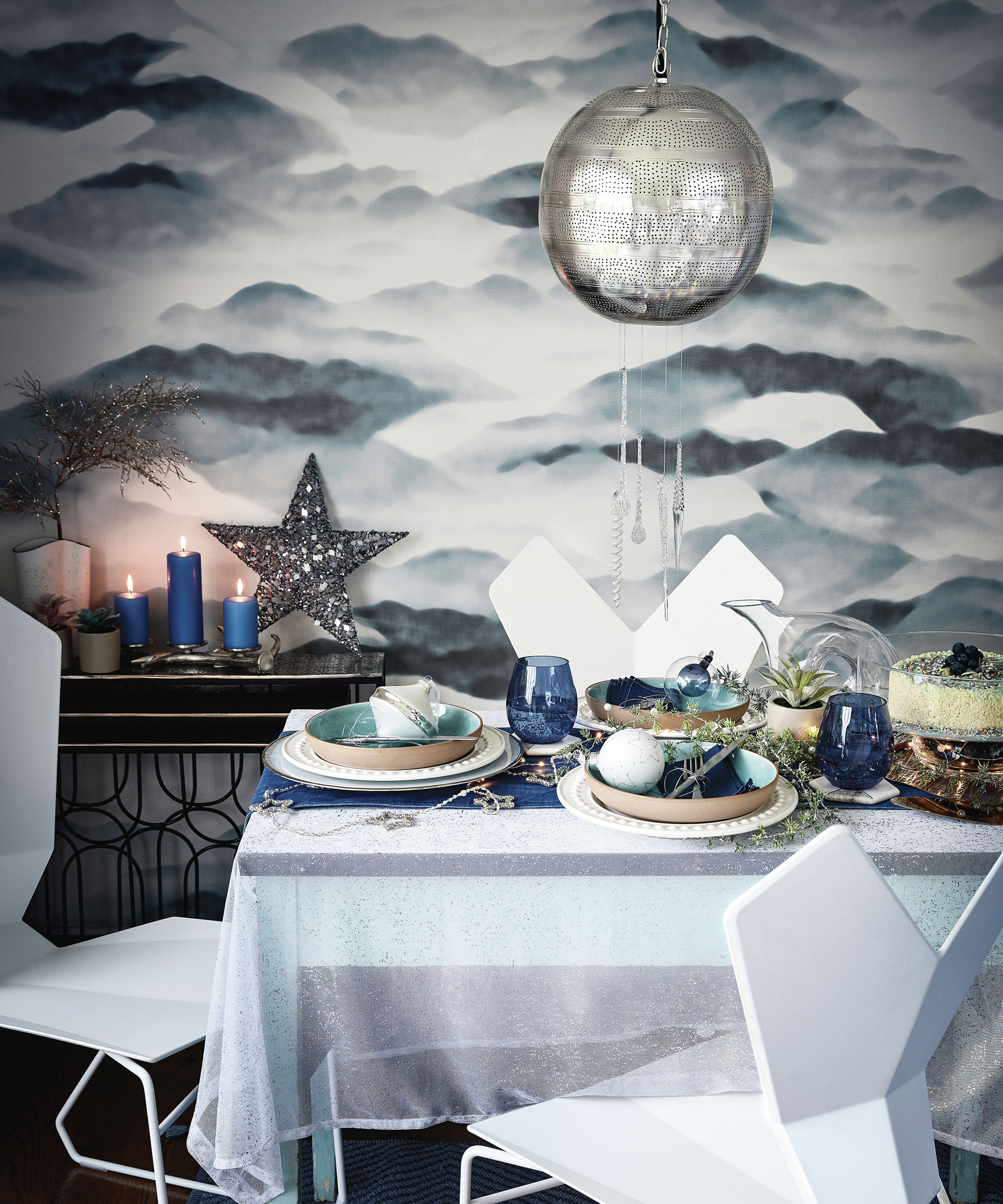
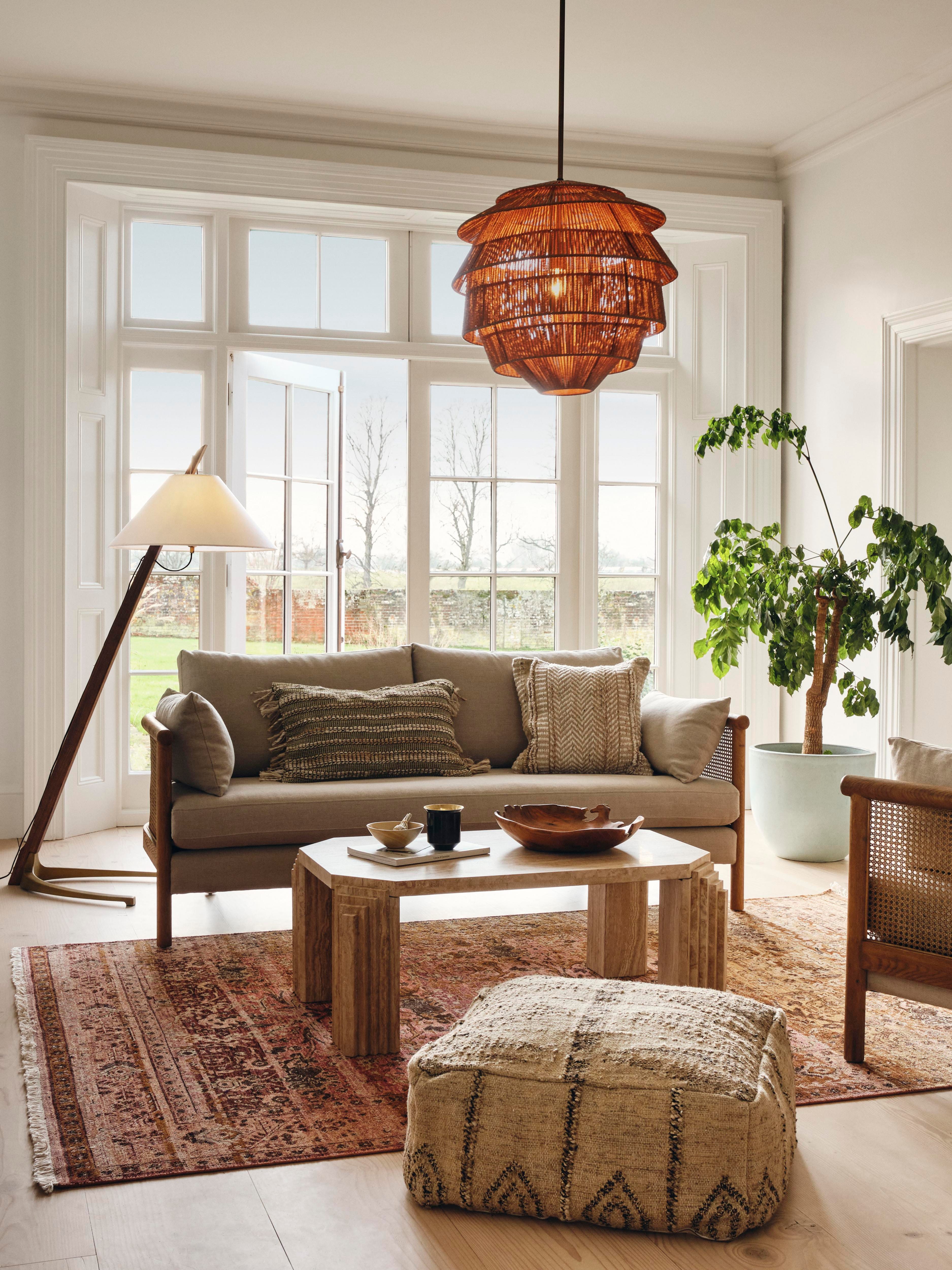
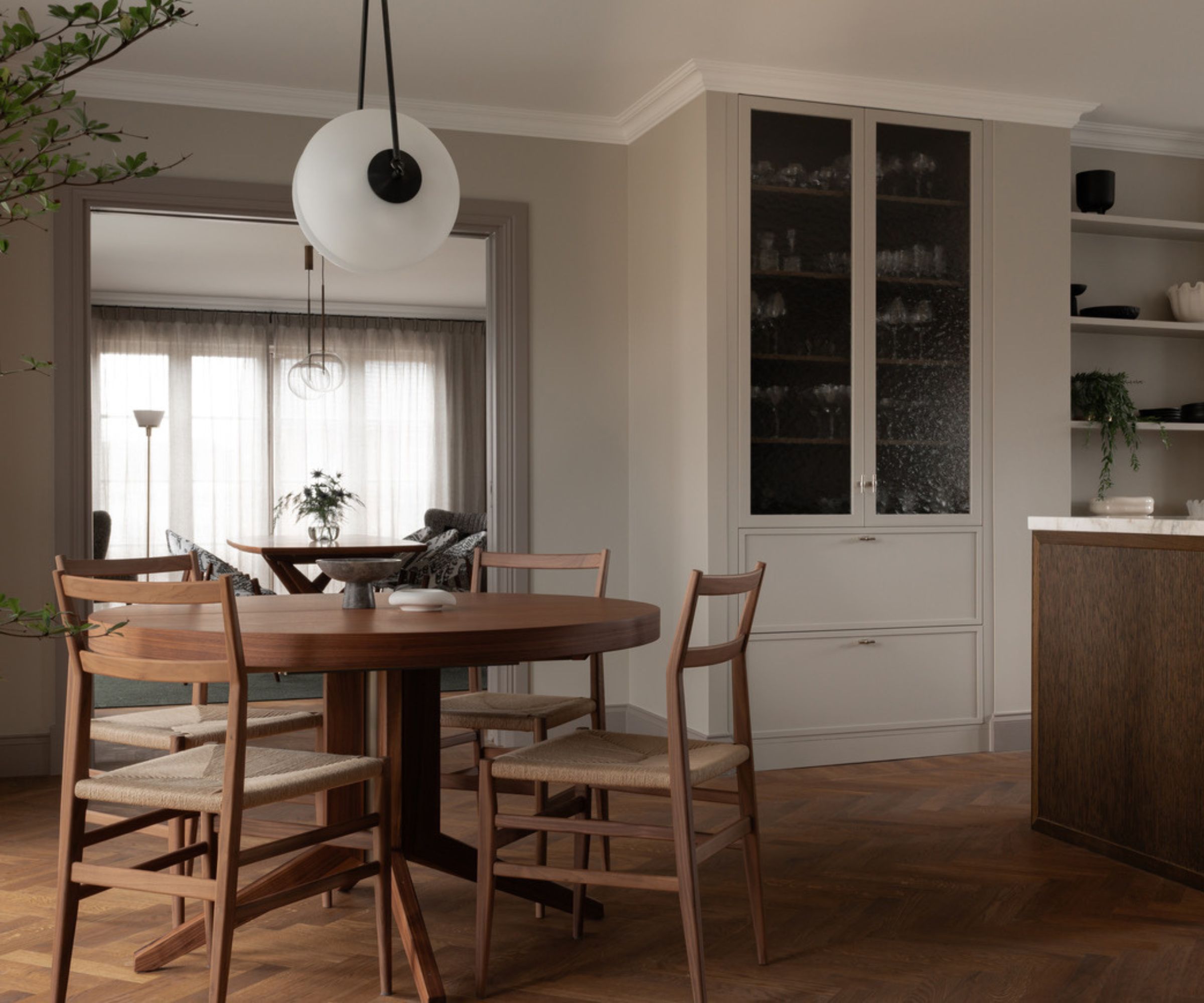
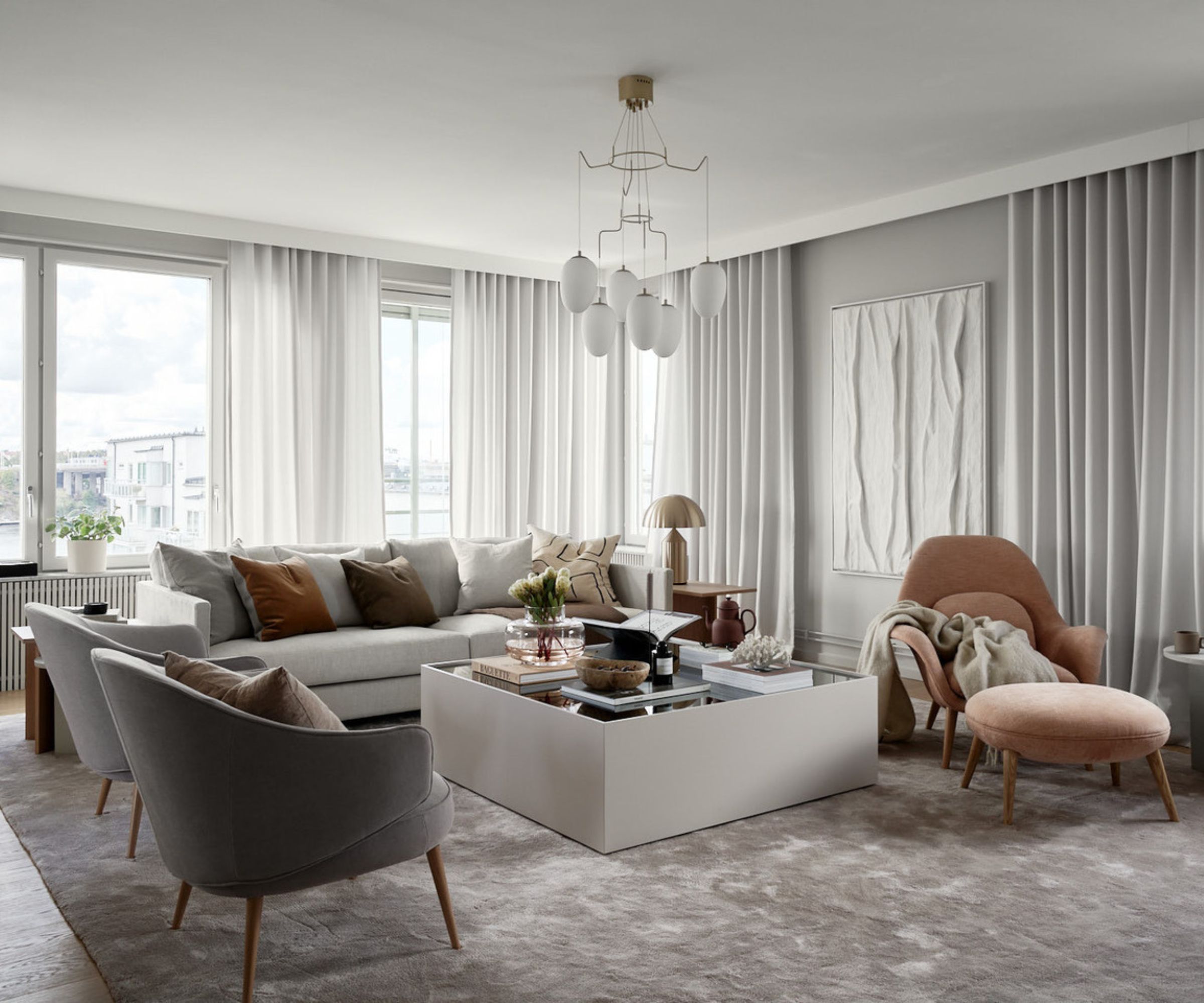
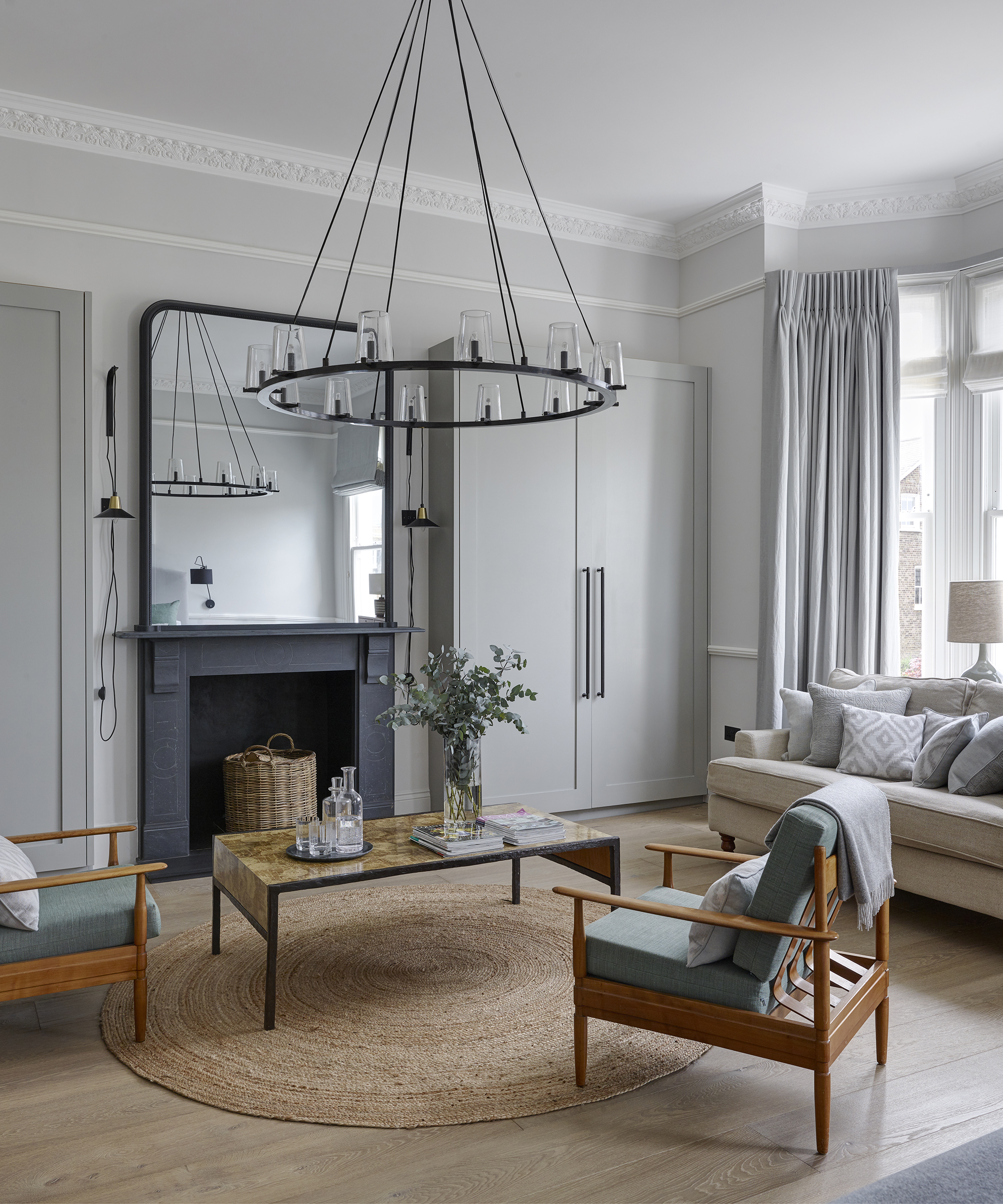
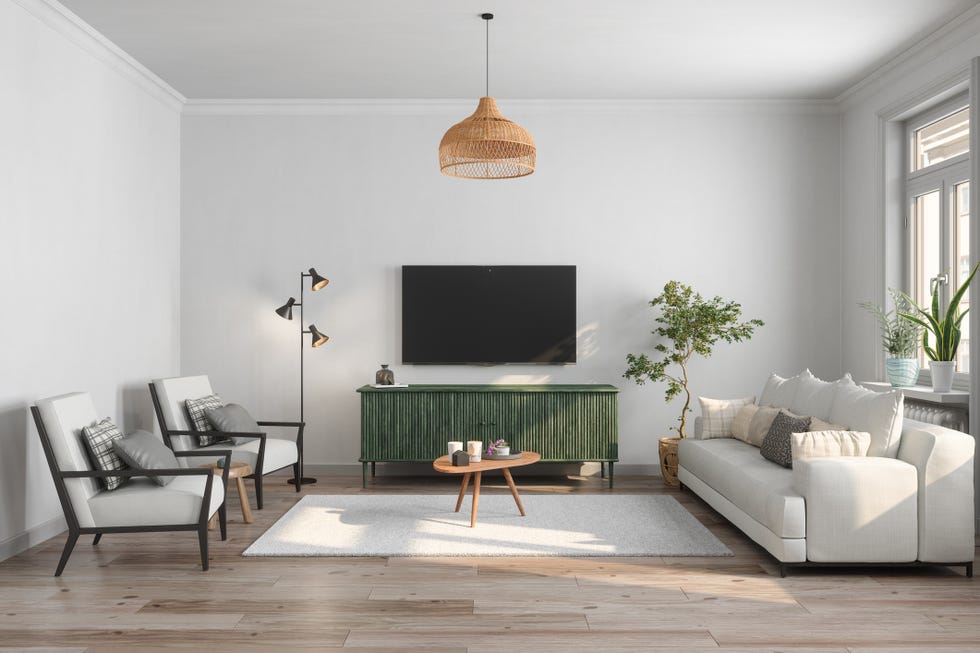
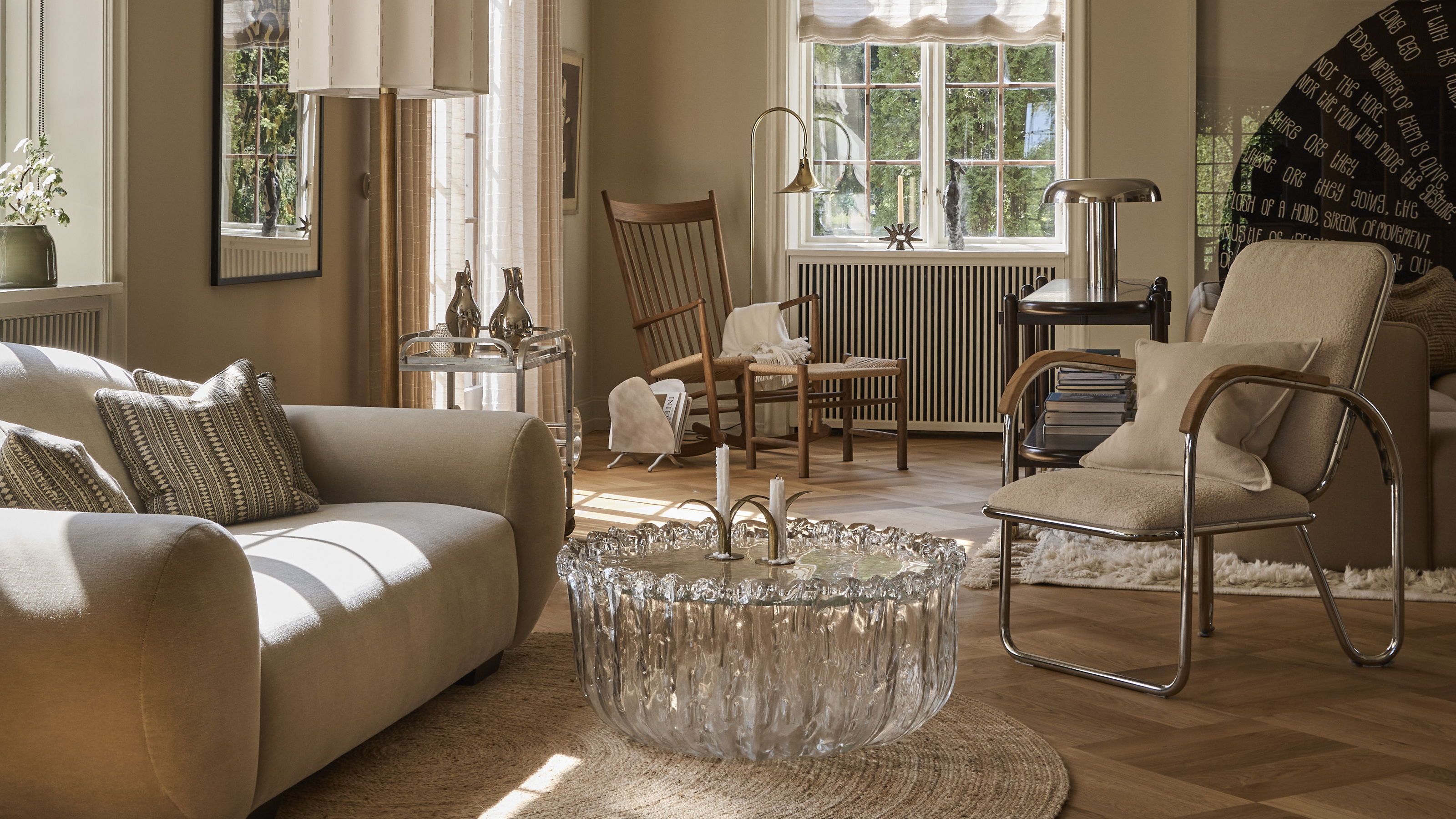
Lighting is identified as a crucial element in creating the cozy atmosphere associated with "hygge." Scandinavian design prioritizes layered lighting, using pendants, sconces, table lamps, and candles to create a soft, inviting glow, rather than harsh overhead lights. The emphasis is on utilizing natural light as much as possible and then strategically adding artificial sources to enhance mood and ambiance. The article advises against architectural can lights and encourages the use of dimmers to control the intensity of light.
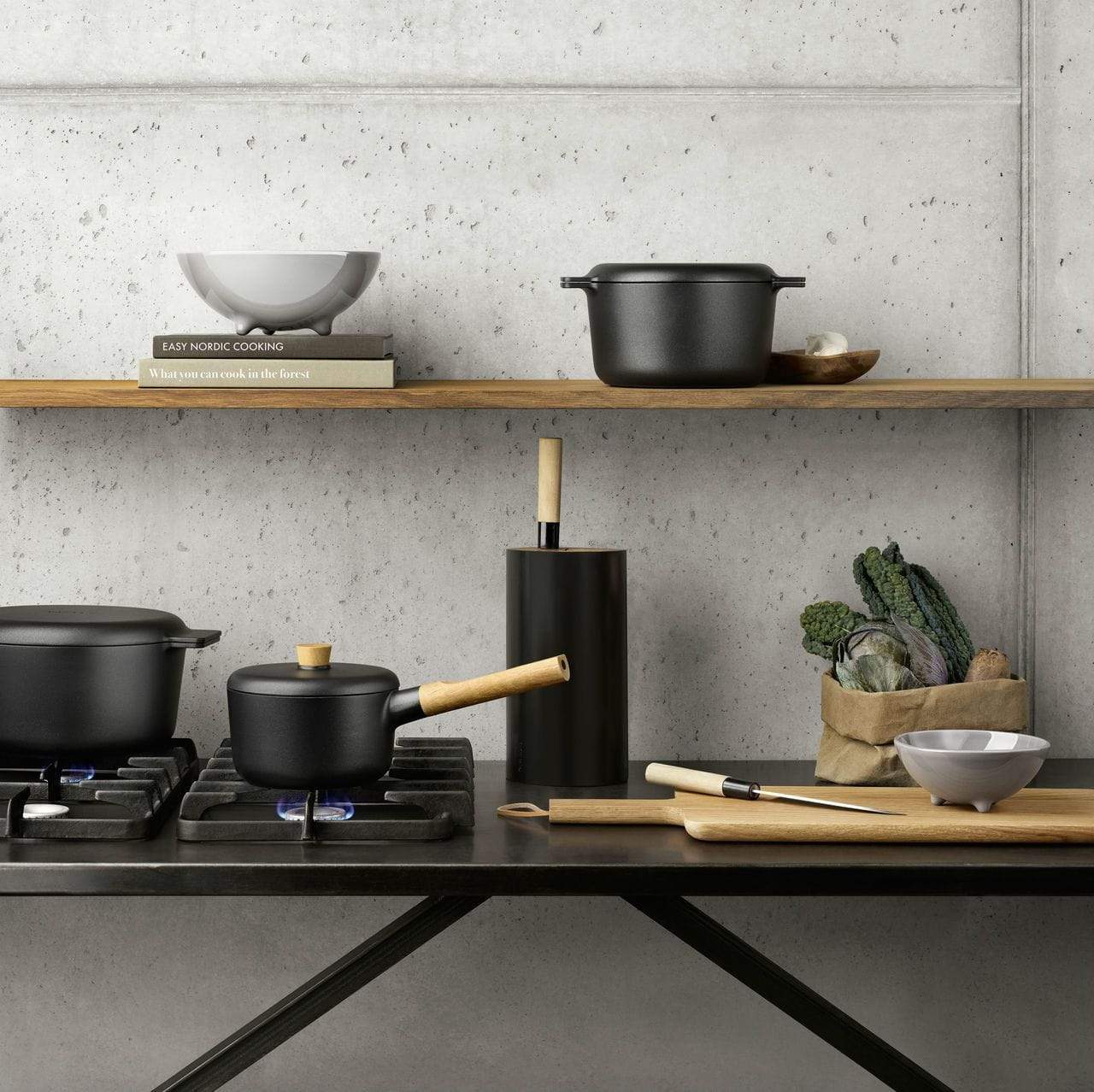
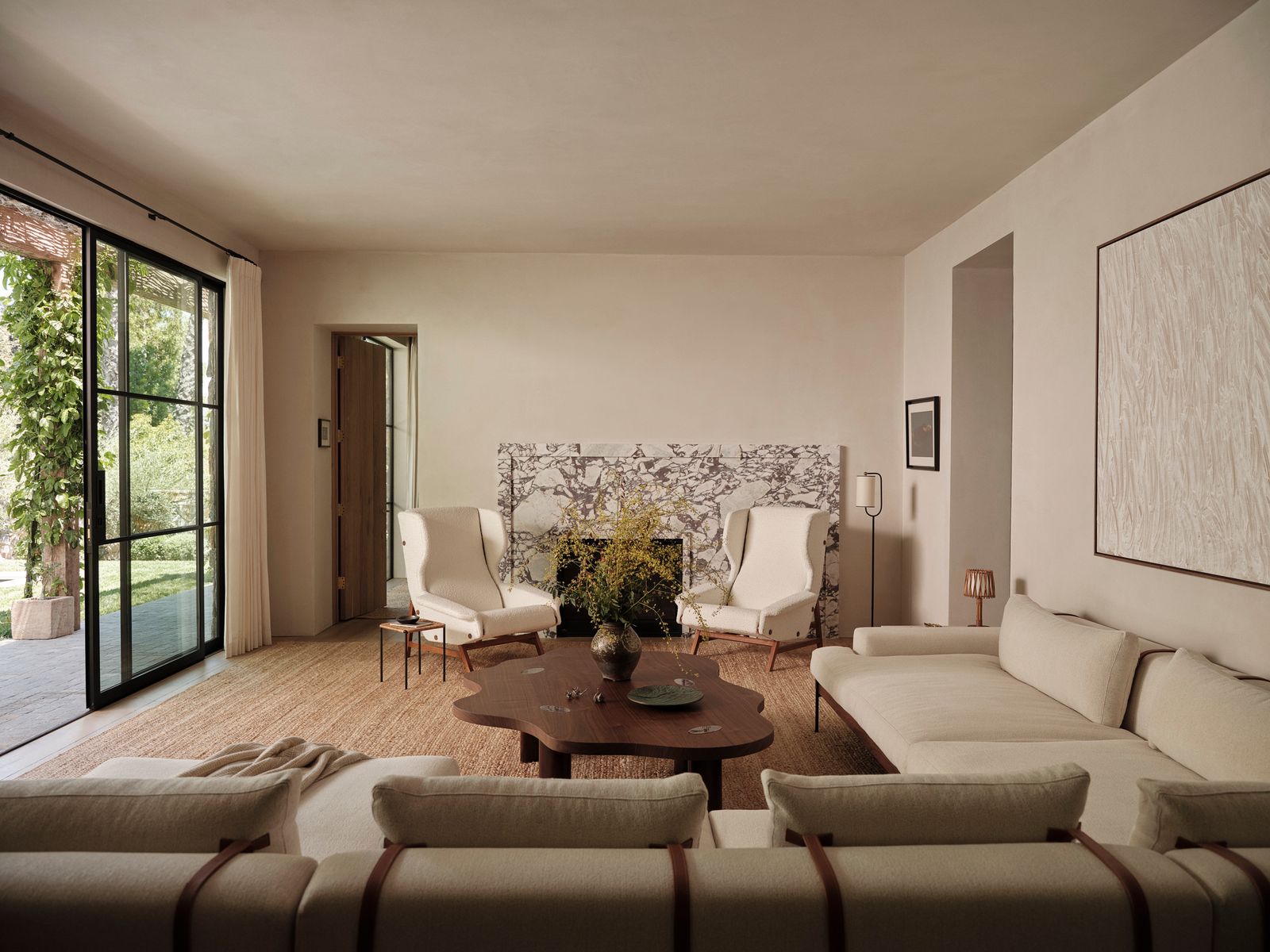
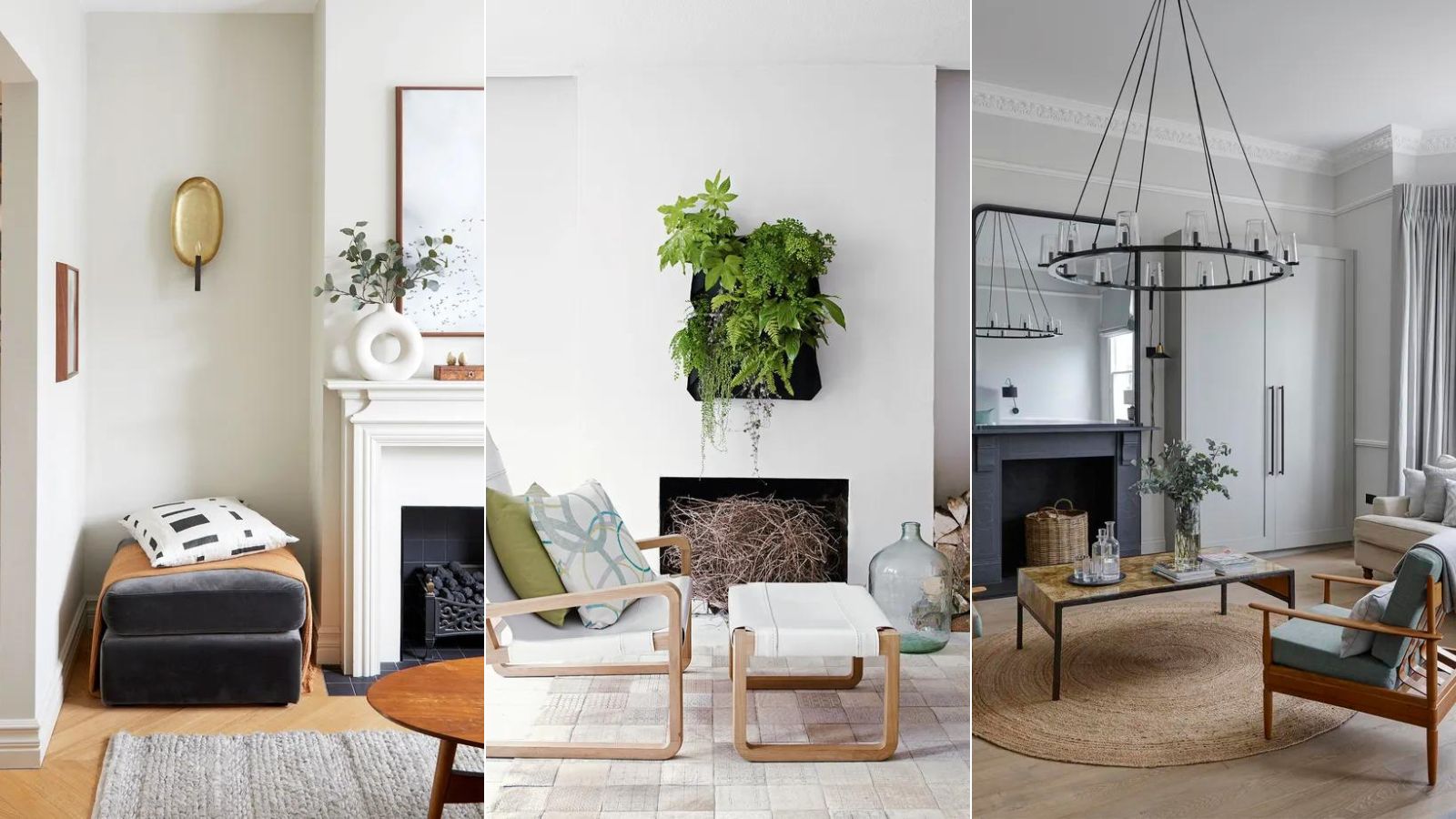
Another significant aspect is the value placed on "negative space." This refers to the conscious decision of what *not* to include in an interior, leading to spaces that feel calming and uncluttered. Furniture and accessories are selected for their functional purpose, eliminating excess. The article suggests unconventional arrangements for wall art, like off-center placement, and encouraging sculptural furniture shapes that allow light and air to flow through, creating a sense of openness.
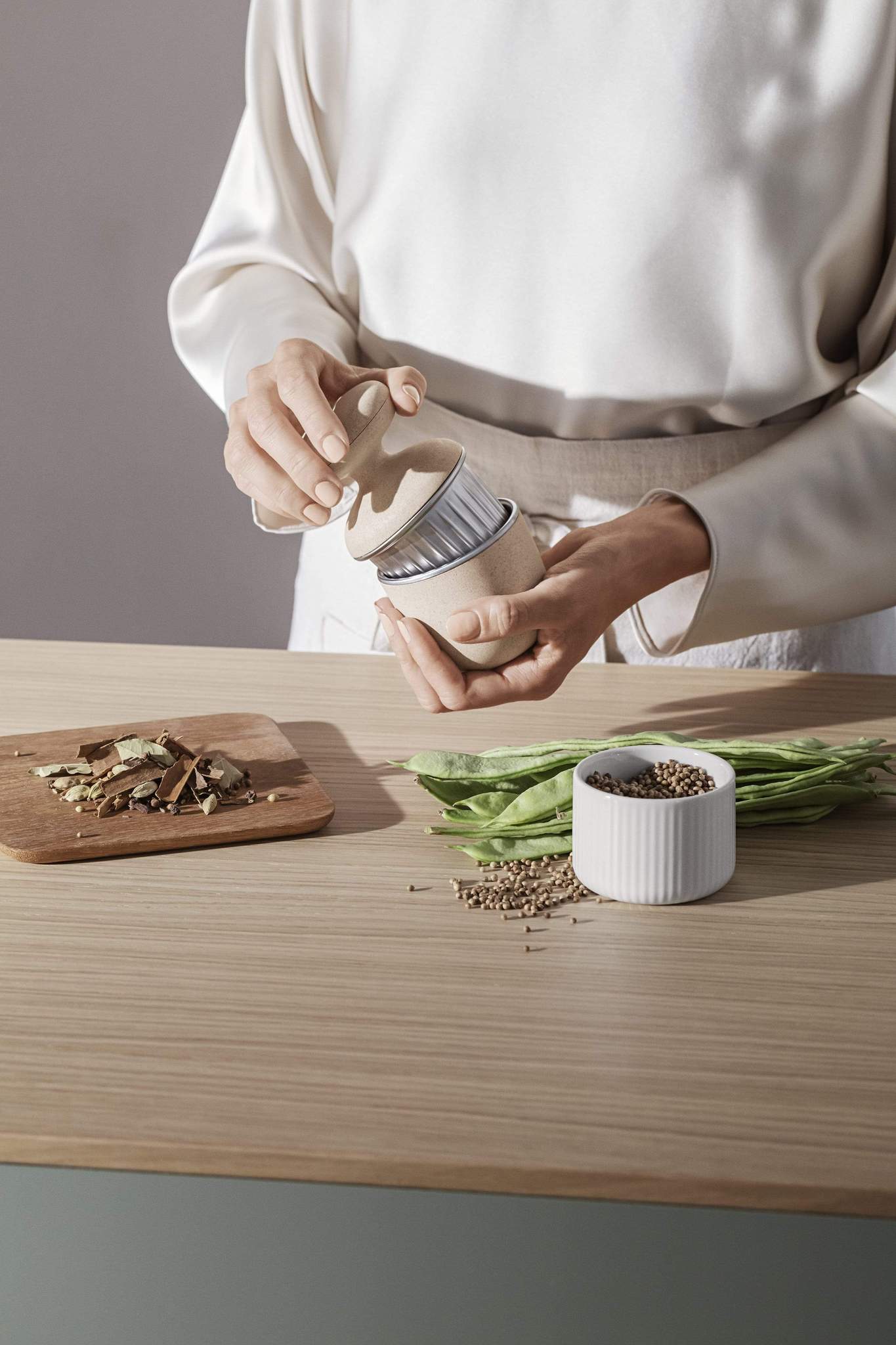
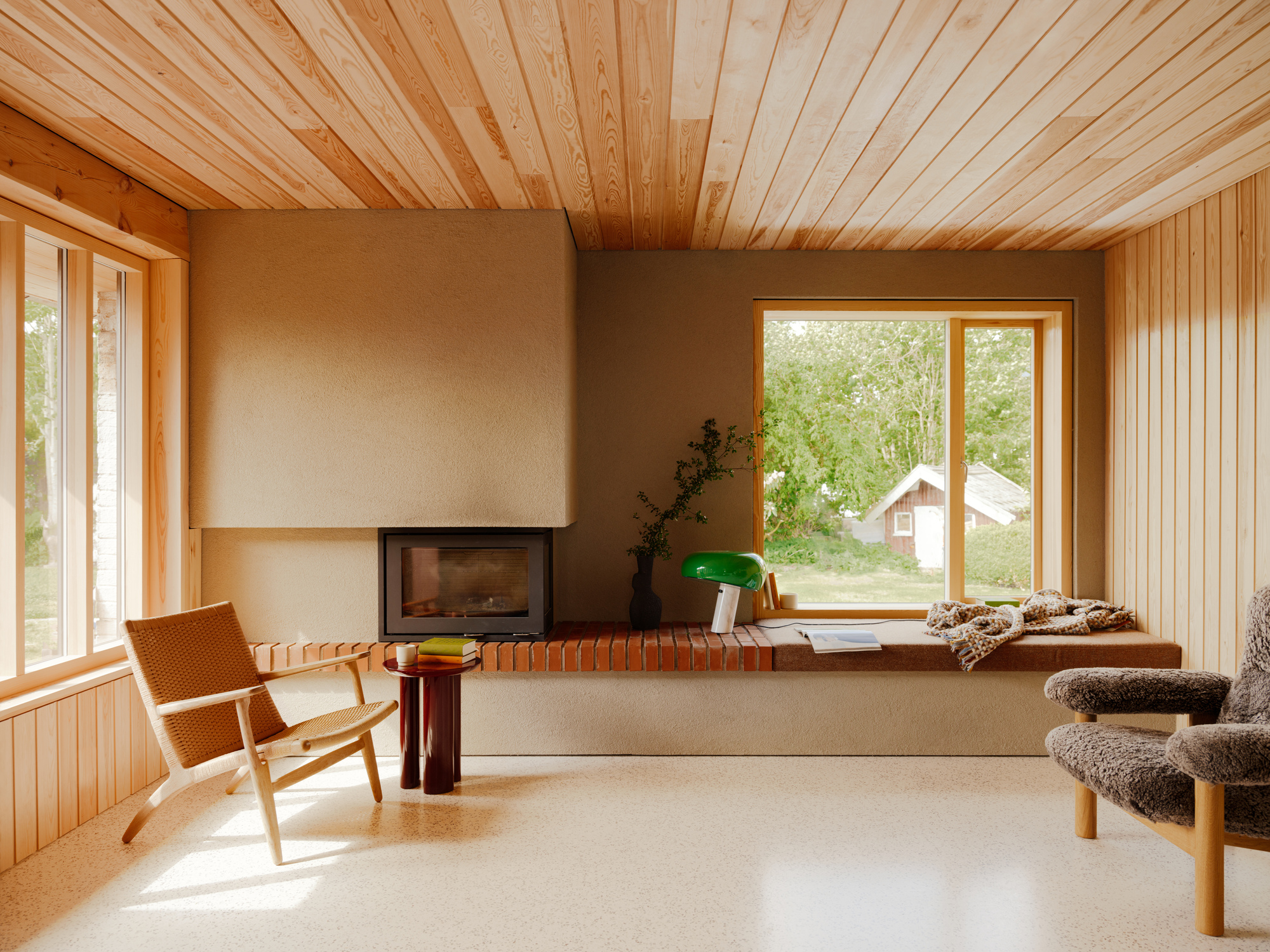
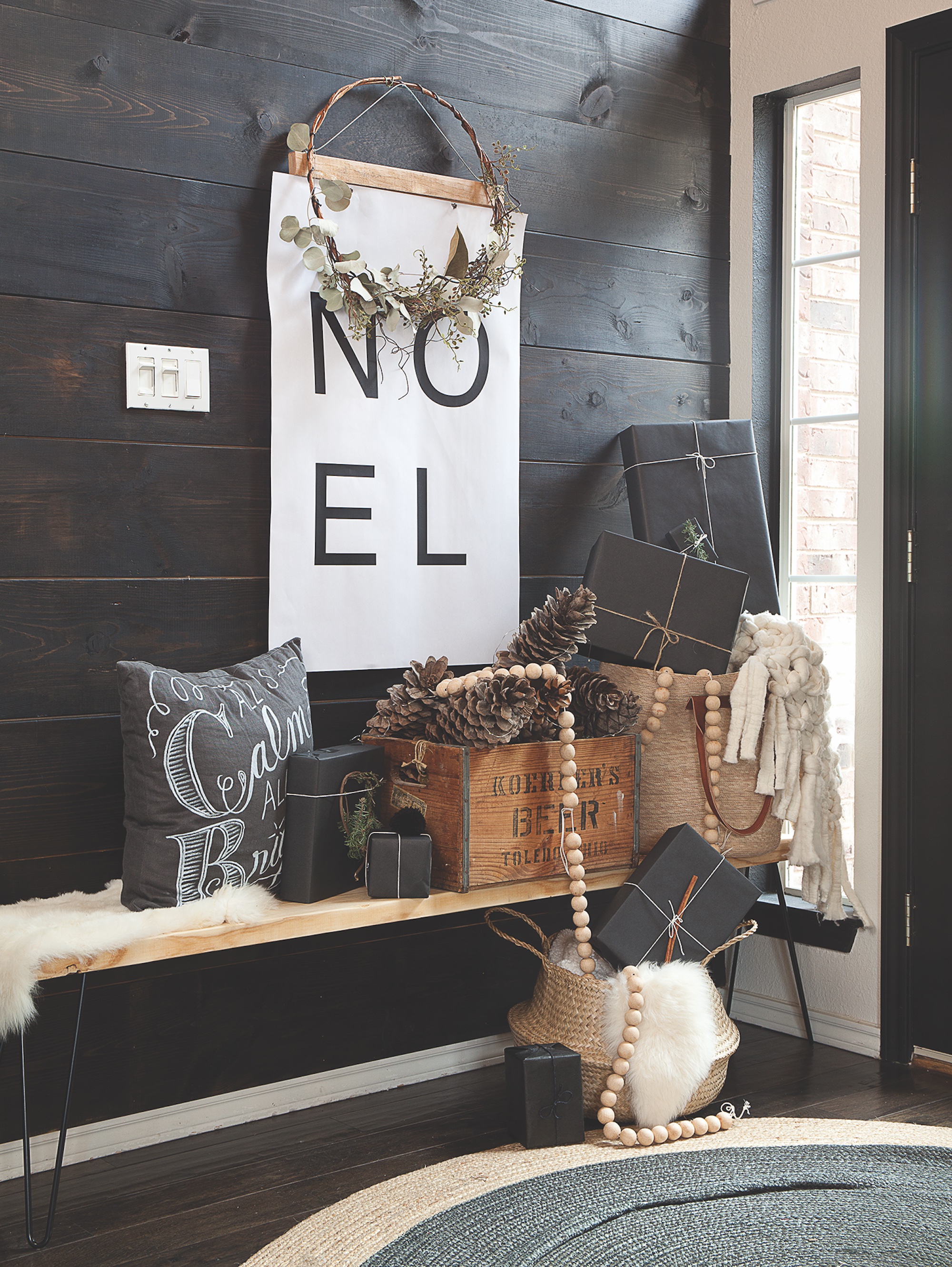
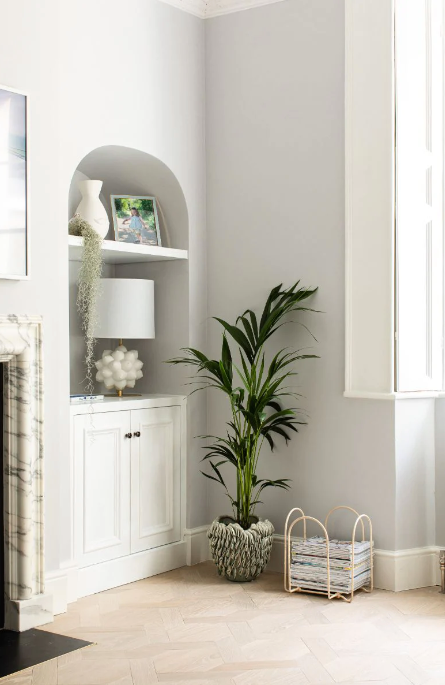
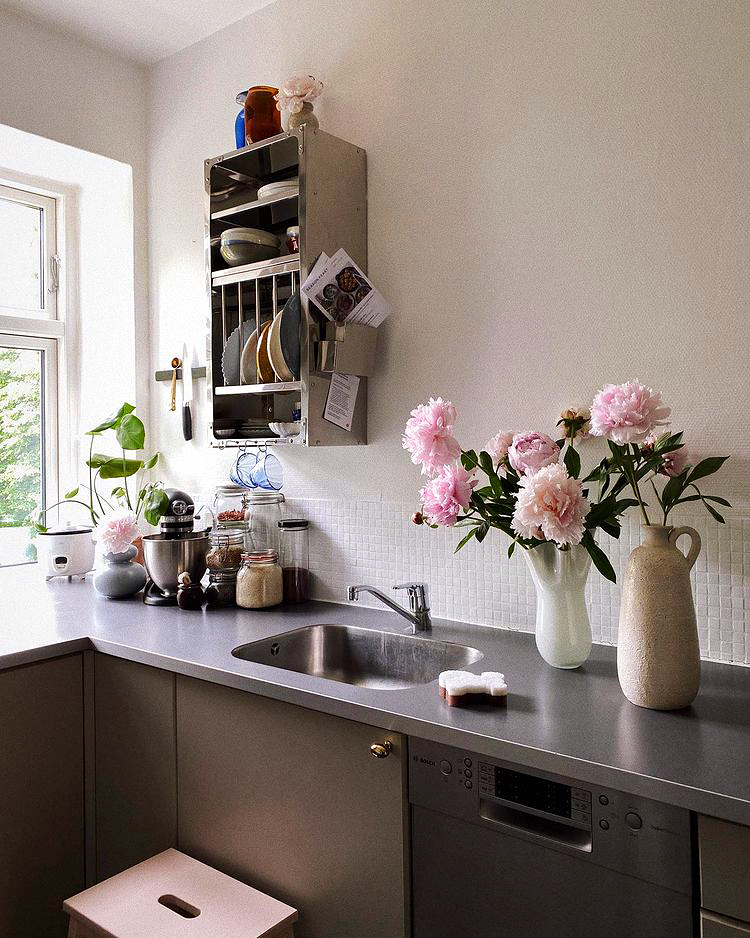
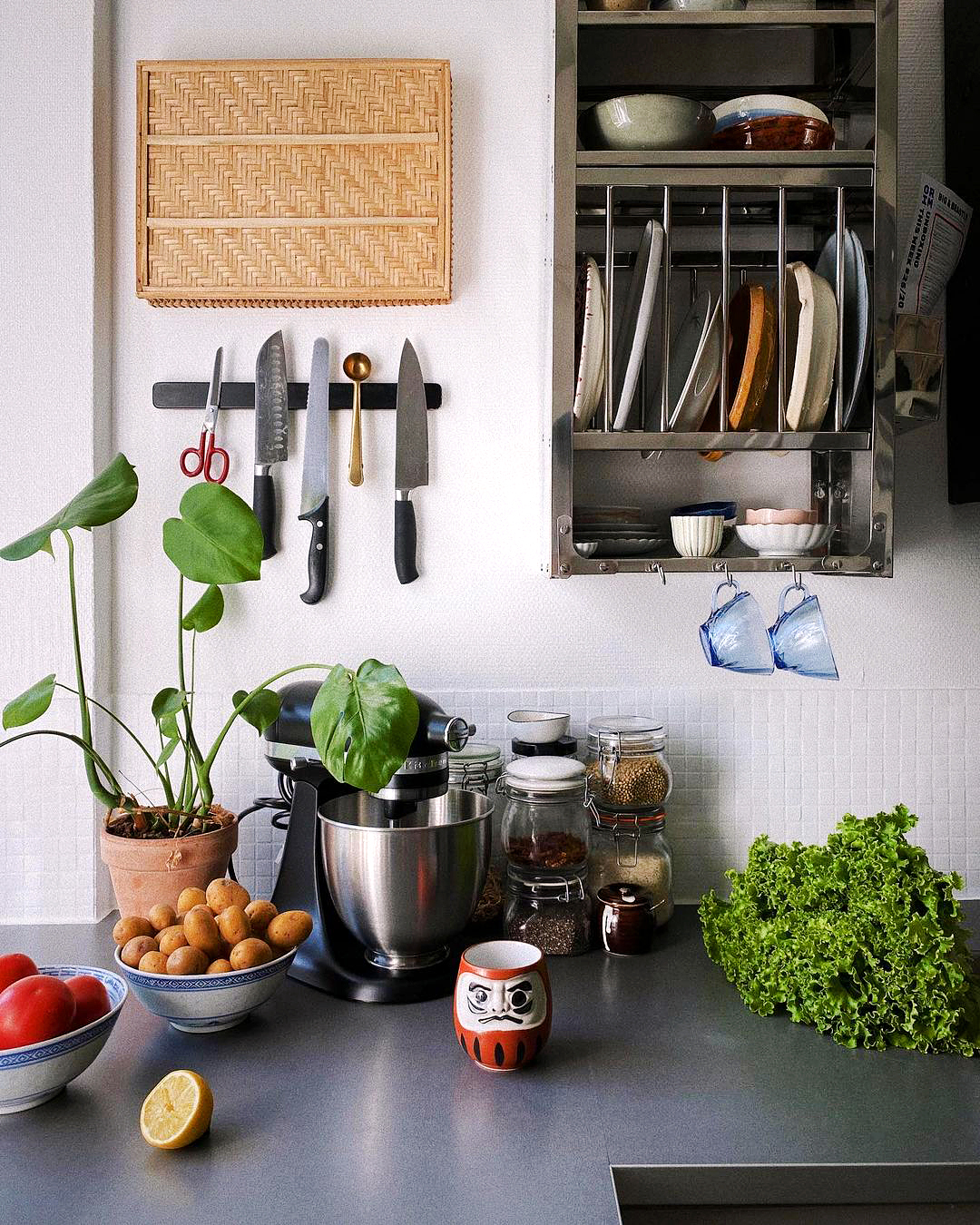
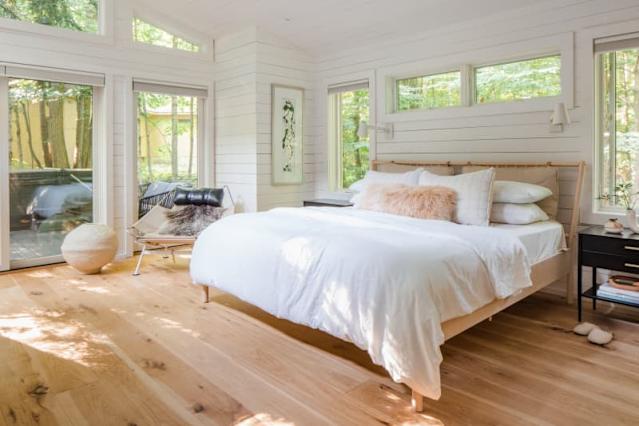
Finally, the integration of natural elements is highlighted as contributing to the sense of wellness in Scandinavian design. This includes the use of materials like natural woods, cottons, linens, and even biomorphic shapes in man-made objects. Bringing the outdoors in, through elements like sheepskin throws on furniture or carefully placed greenery, adds texture and a calming effect. The article stresses that these natural additions, like all other design choices, are made with intentionality to enhance well-being within the space.
#ScandinavianDesign #InteriorDesign #HomeDecor #Hygge #IntentionalDesign #Copenhagen #Stockholm #GalleryWalls #LayeredLighting #NaturalElements #ScandinavianDesign #InteriorDesign #HomeDecor #Hygge #IntentionalDesign #Copenhagen #Stockholm #GalleryWalls #LayeredLighting #NaturalElements
0 comment in total
 No comments yet
You may also like
What is Scandinavian interior design? Experts explain its beauty and functionality

Five tips for tasteful holiday décor: Ready for a fresh, simple Scandinavian Zen look?
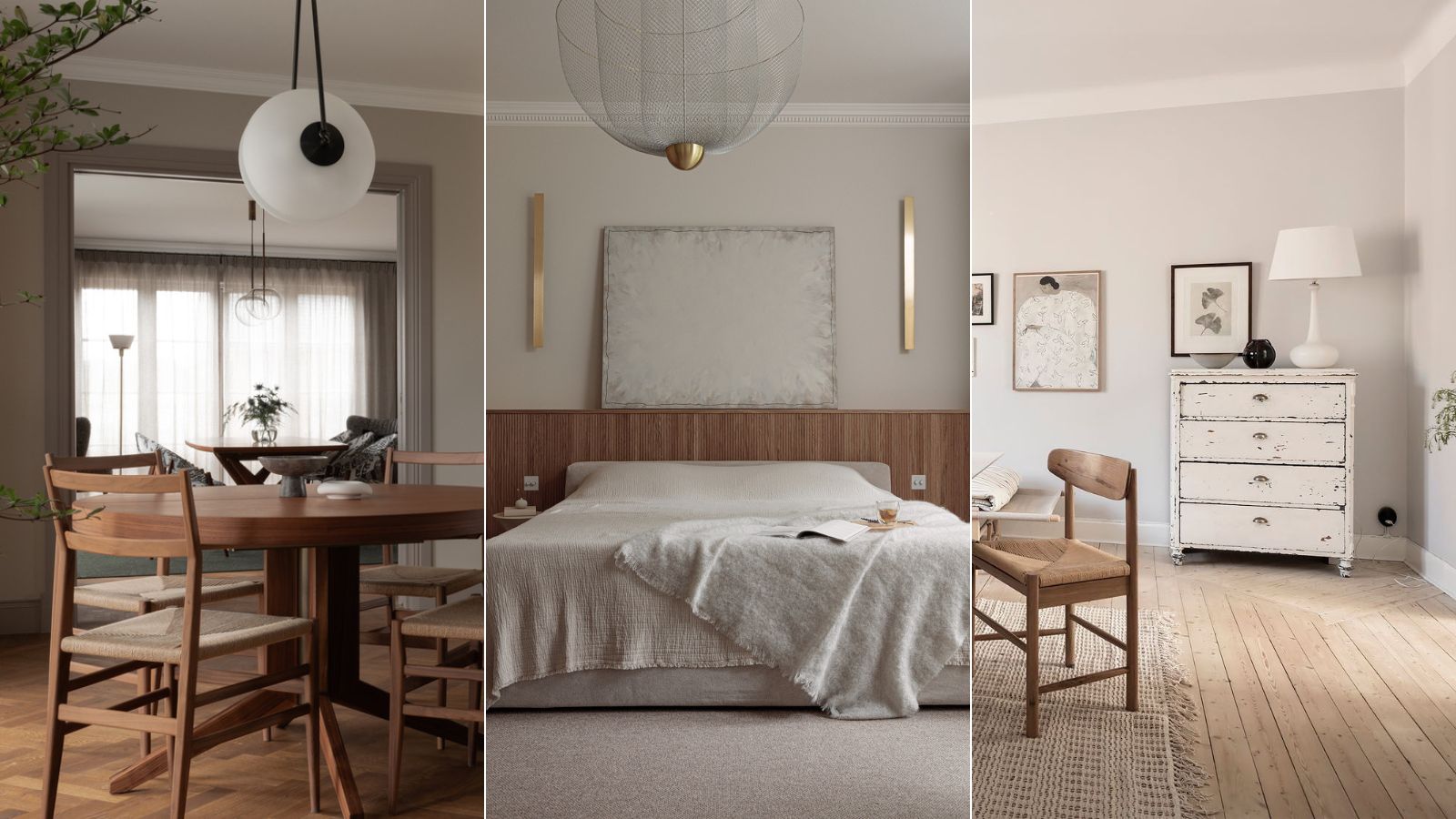
5 lessons to learn from Scandinavian interior designers about creating soft, minimalist spaces
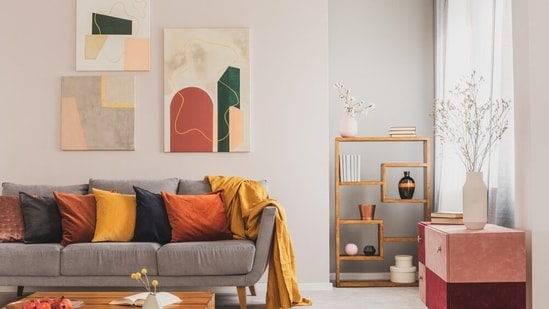
Hygge vs Lagom: Scandinavian design secrets that make homes feel like a warm hug | Hindustan Times

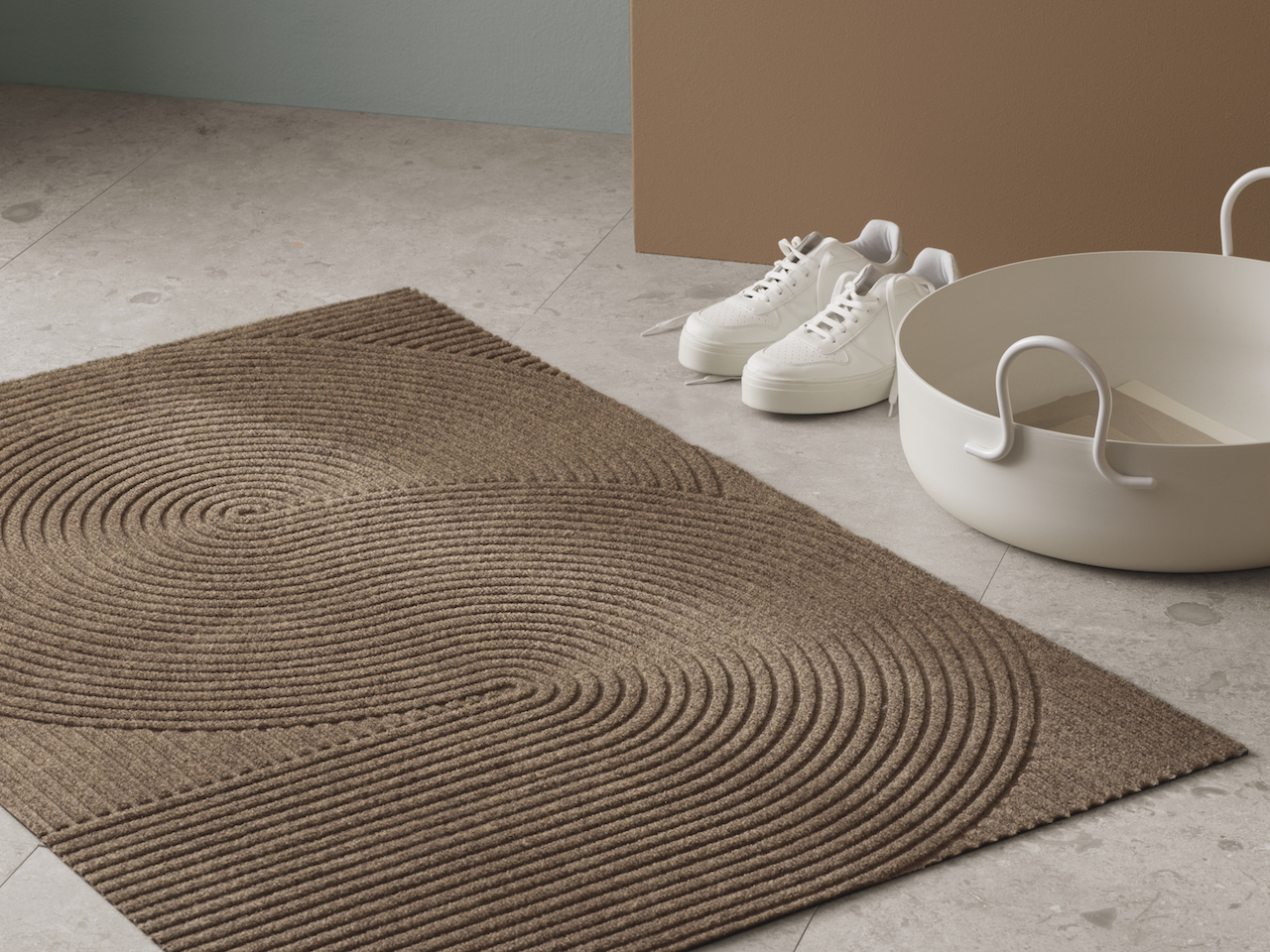
Brands You Have to Know if You Love Scandinavian Design
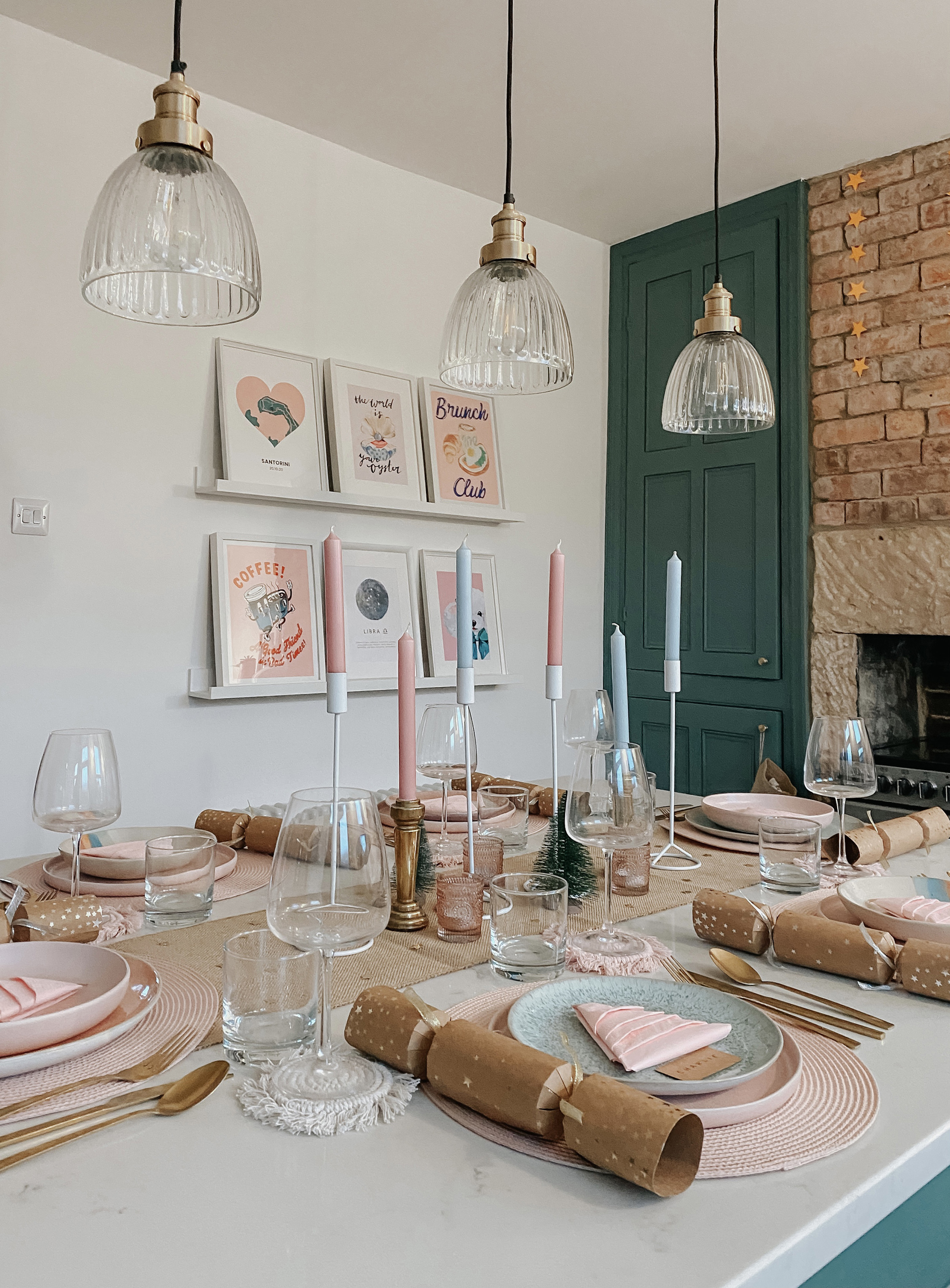
17 Scandi Christmas decorations to hygge up your home

This Style Creates a “Livable Aesthetic” That’s Instantly Cozy, Designers Say

My whistle-stop tour of Copenhagen reaffirmed these 5 Danish design lessons in cool and cozy design
You're Missing Out If You Don't Follow These 7 Scandinavian Interior Designers

What Is Scandinavian Style? We Break Down the Popular Style

Interior Designers Reveal 6 Surprising Things Making Your House Look Dated

5 Design Choices That Make Your House Look Super Dated, According to Designers

15 Instagram accounts to follow if you love Scandinavian design

10 Scandi living room ideas to inspire your next interior project

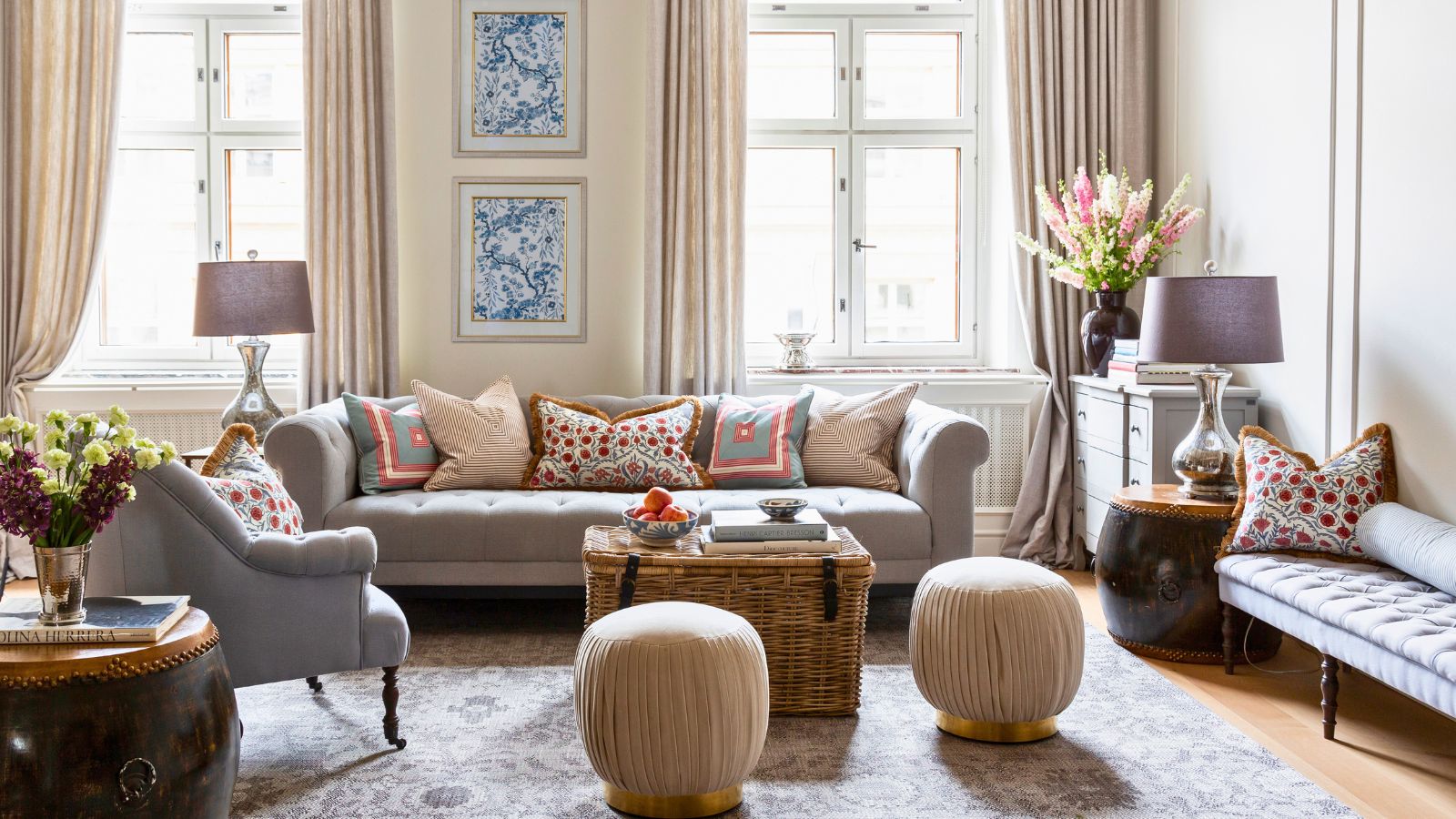
From uplifting pastel palettes to cool, crisp schemes, these 5 cozy homes showcase the best of Scandinavian style
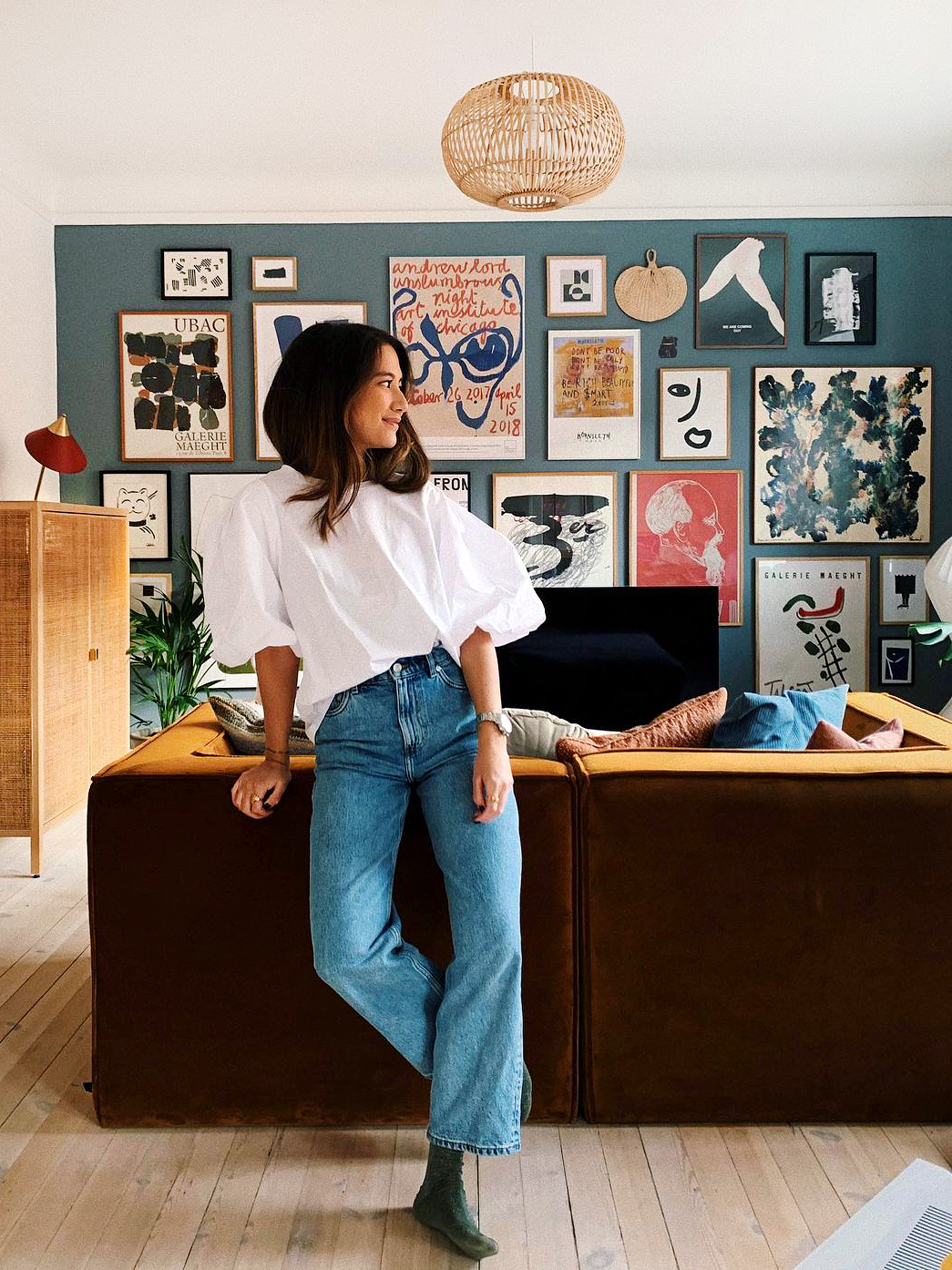
This Scandinavian Home’s Headliner: A Gallery Wall That Doubles as TV Camouflage

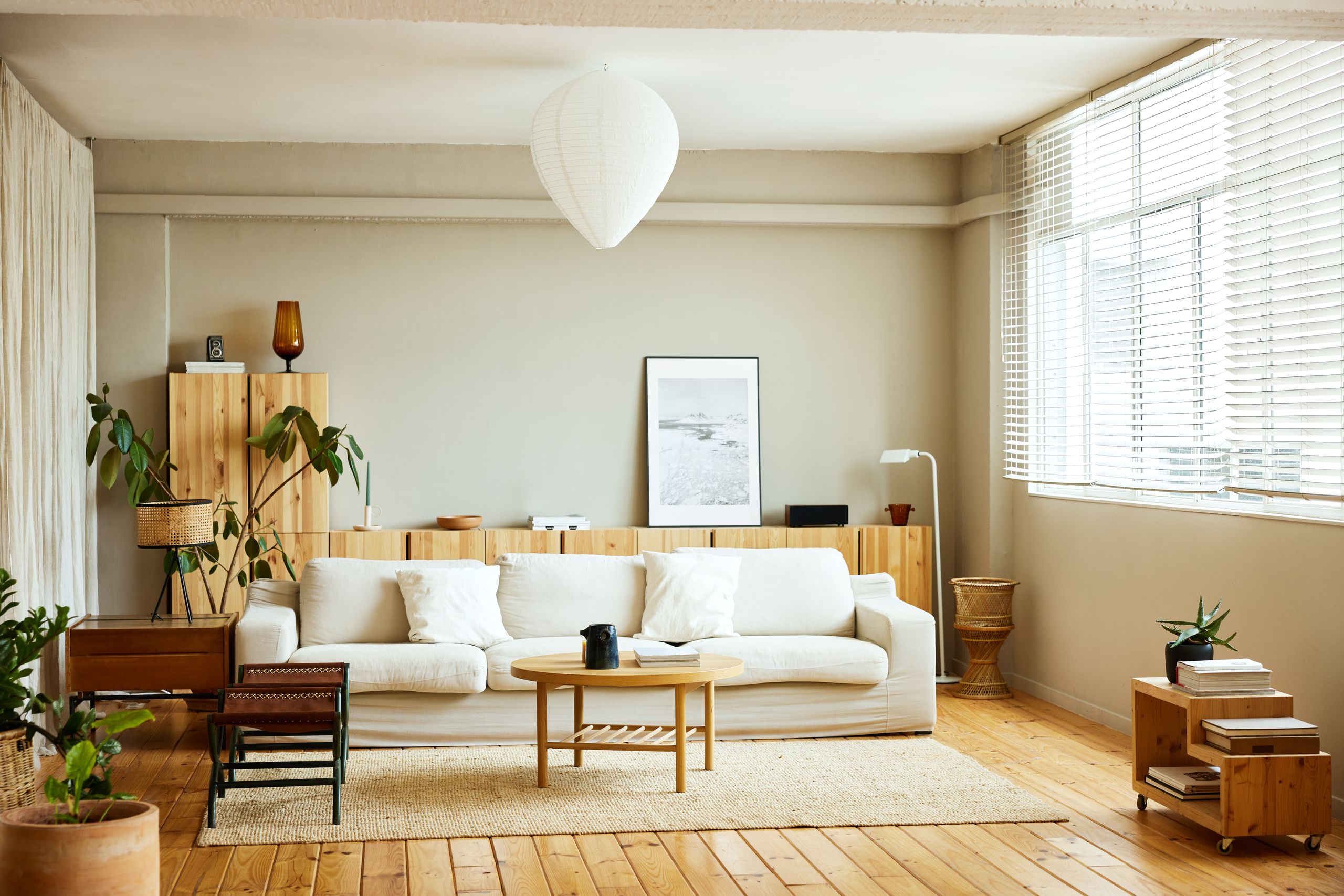
Scandinavian Style 101: Everything You Need to Know About Scandi Design
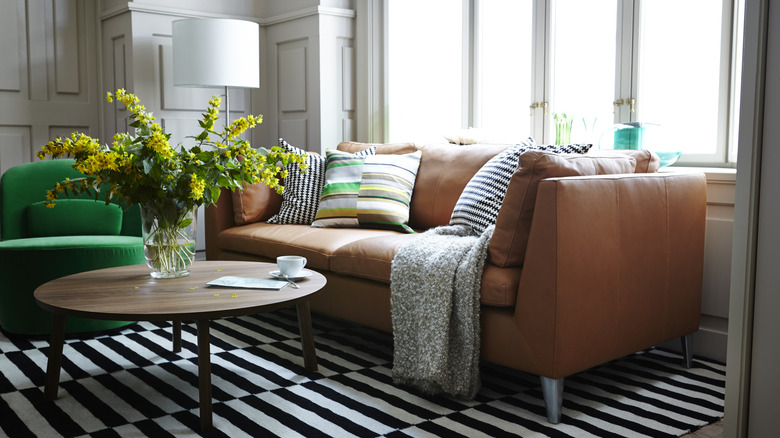
Our Top 7 Picks From IKEA's New STOCKHOLM Collection

2010-2020: The top interior trends from the past decade
16 Gorgeous Scandinavian-Style Rooms Showcasing This Cozy, Minimalist Look