1/12
2010-2020: The top interior trends from the past decade
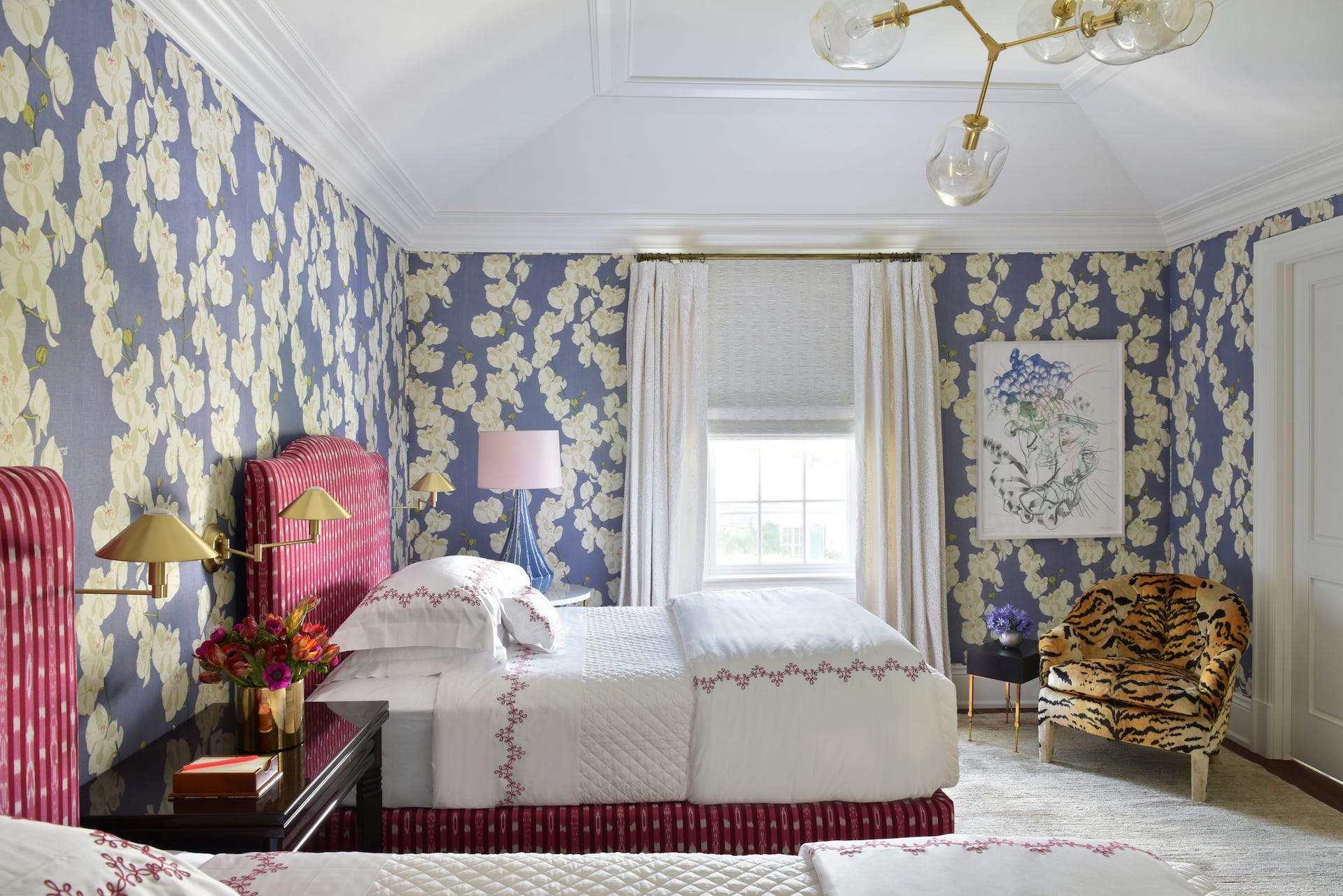
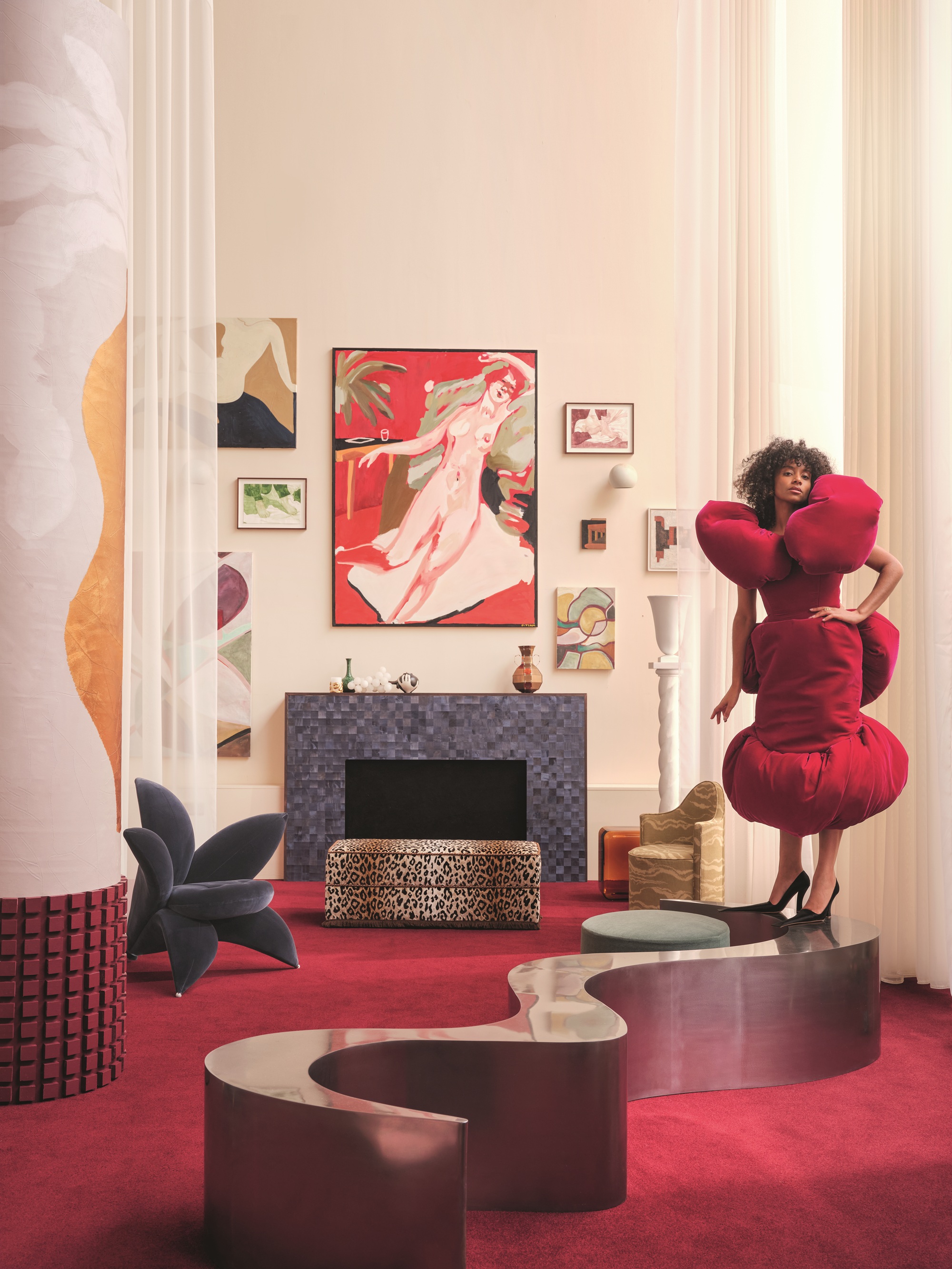
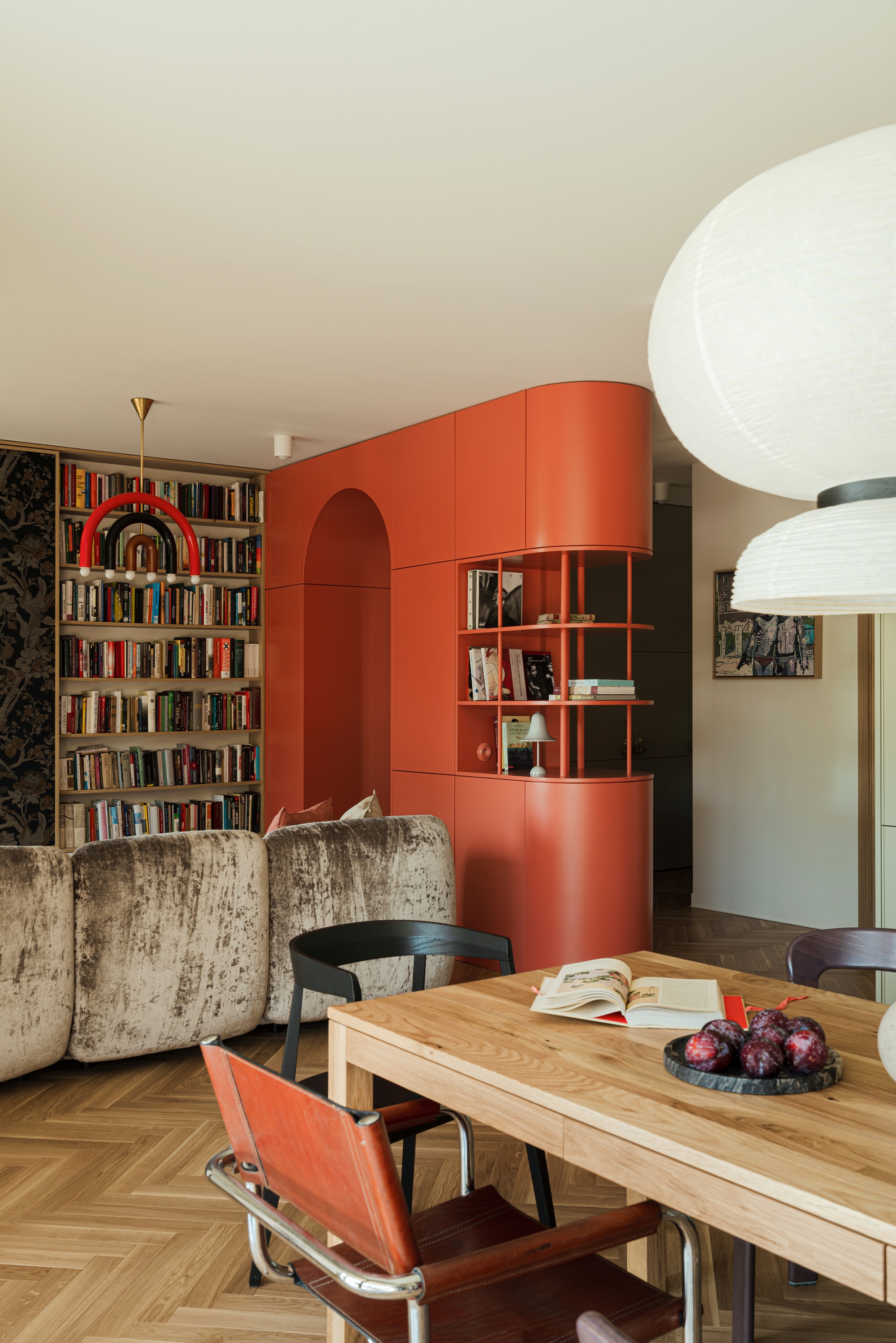
The past decade, from 2010 to 2020, witnessed a dynamic evolution in interior design, with various trends emerging, gaining popularity, and influencing how people decorated their homes. Justine Wilson, director and principal stylist at Vault Interiors, characterized the 2010s as a revolutionary decade for interior styling, observing a blend of revived old trends and the rise of new ones.
In 2010, the prevailing style embraced "Vintage Vibes," characterized by a rustic and salvaged aesthetic. This included elements such as stacked vintage suitcases, antique wooden birdcages, and a general farmhouse feel. Large, dark wooden furniture was common, alongside key décor items like dressmakers' mannequins, antique bus scrolls, and industrial factory light pendants.

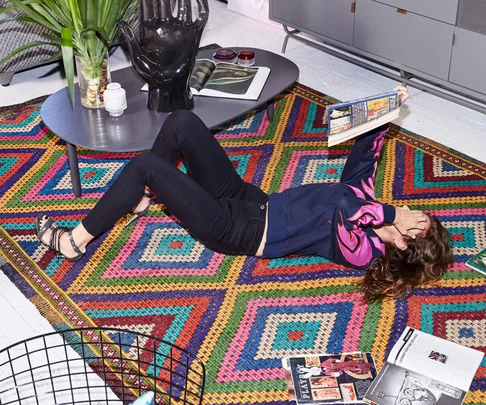
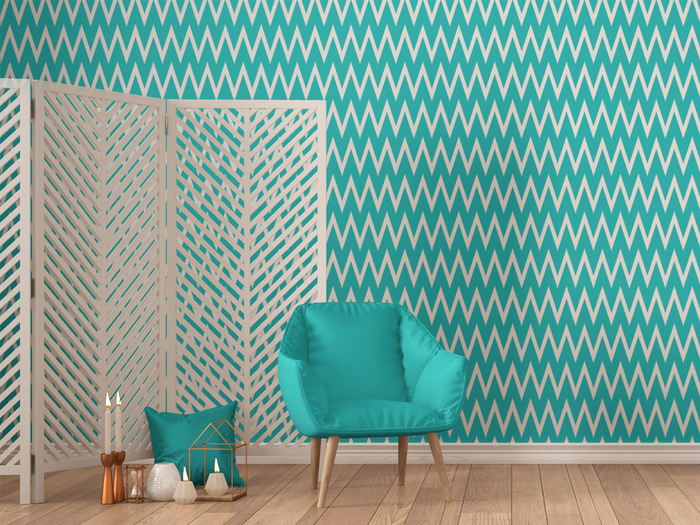
The year 2011 saw a shift towards "Bold Eclectic" interiors. This trend featured strong patterned woolen rugs, with Moroccan and chevron designs being particularly popular. These were often paired with colorful, mismatched dining chairs and timber tables. Replica furniture, especially the Eames chair, was ubiquitous. Oversized wall decals and inspirational quotes adorned walls, and primary colors such as yellow, cobalt blue, and red were fashionable.
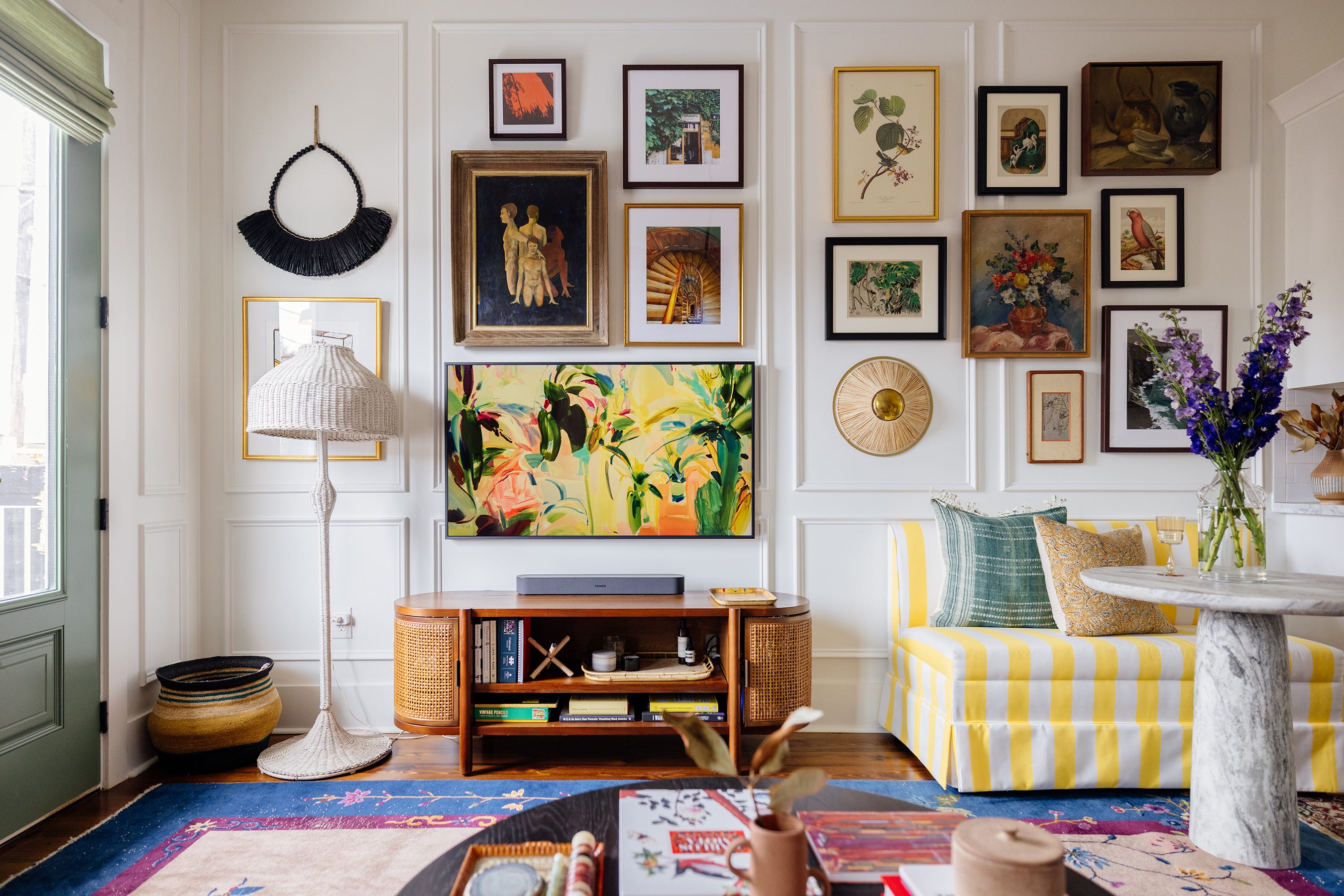
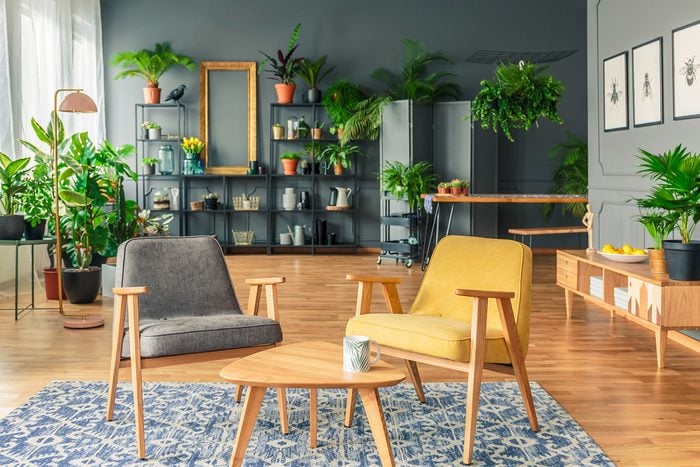
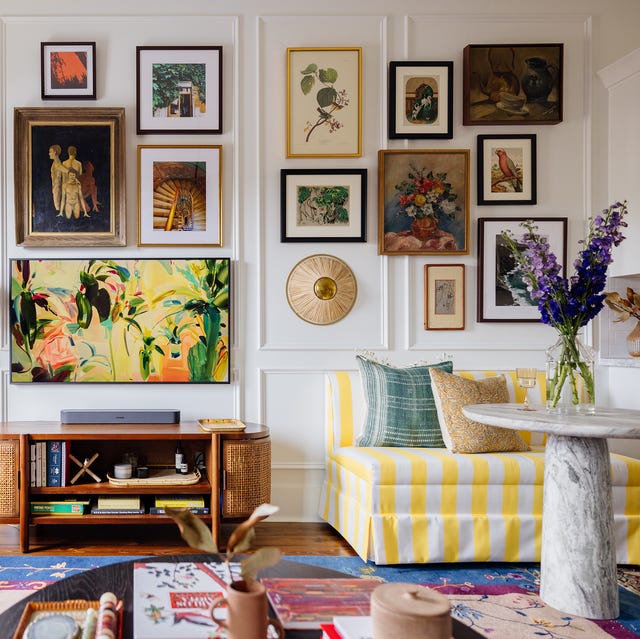
"Industrial Cool" defined 2012, bringing elements like chalkboard paint feature walls and a significant presence of plant life, including large leafy ferns, terrariums, hanging plants, floor plants, and succulents. Gallery walls experienced a resurgence, and industrial furniture was widely adopted, aiming to replicate the aesthetic of a converted warehouse.
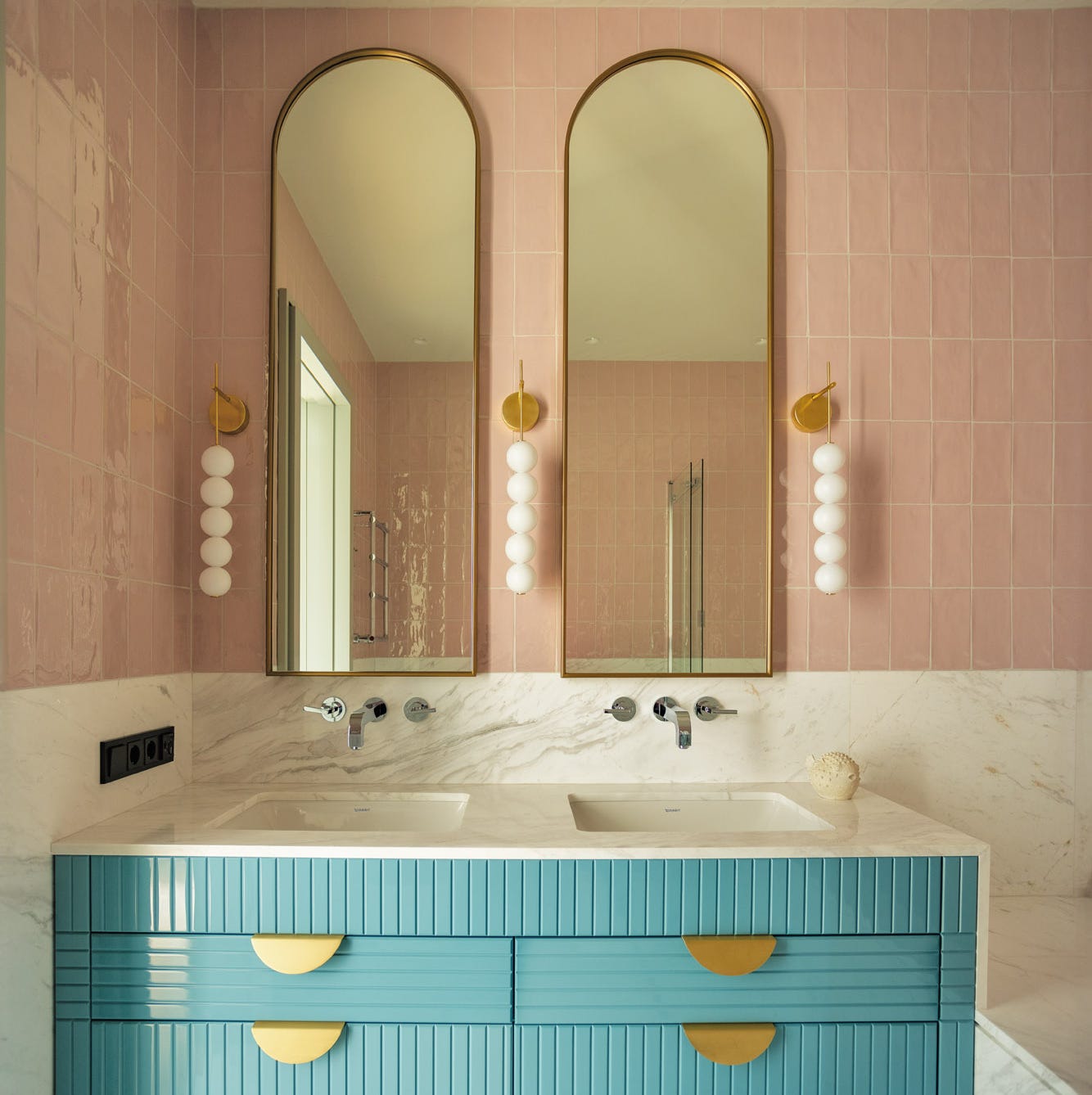
By 2013, the "Geo Pastel" trend marked a transition away from darker, more masculine interiors. Metallics, especially rose gold, made a comeback, alongside lighter tones and soft pastel accents. Geometric patterns and facet motifs were prominent, contributing to an overall airier and more feminine color palette.
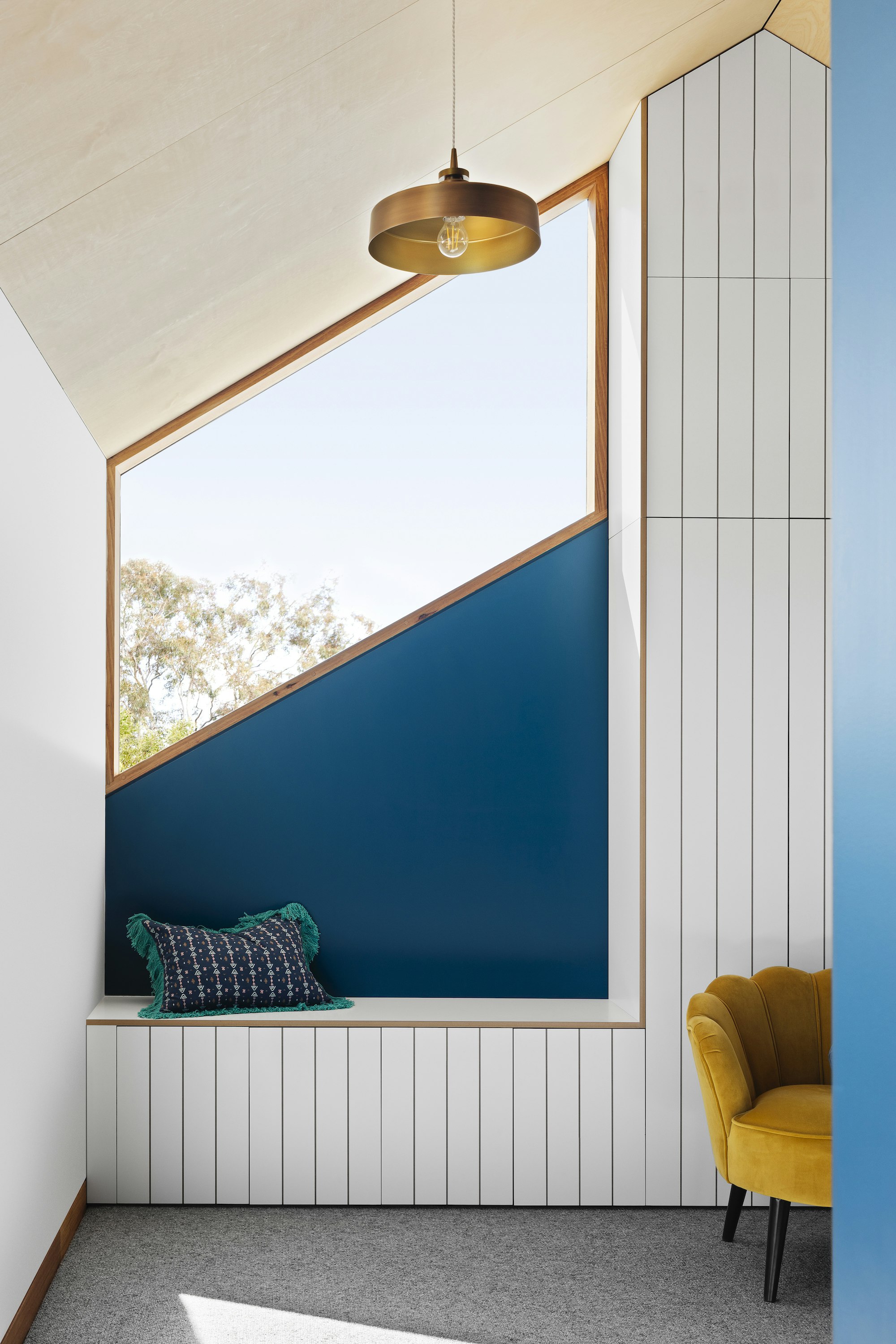
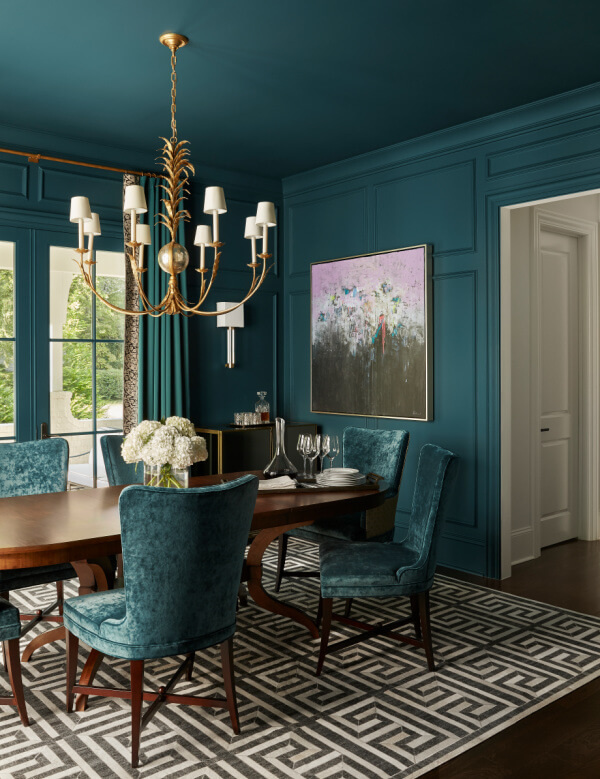
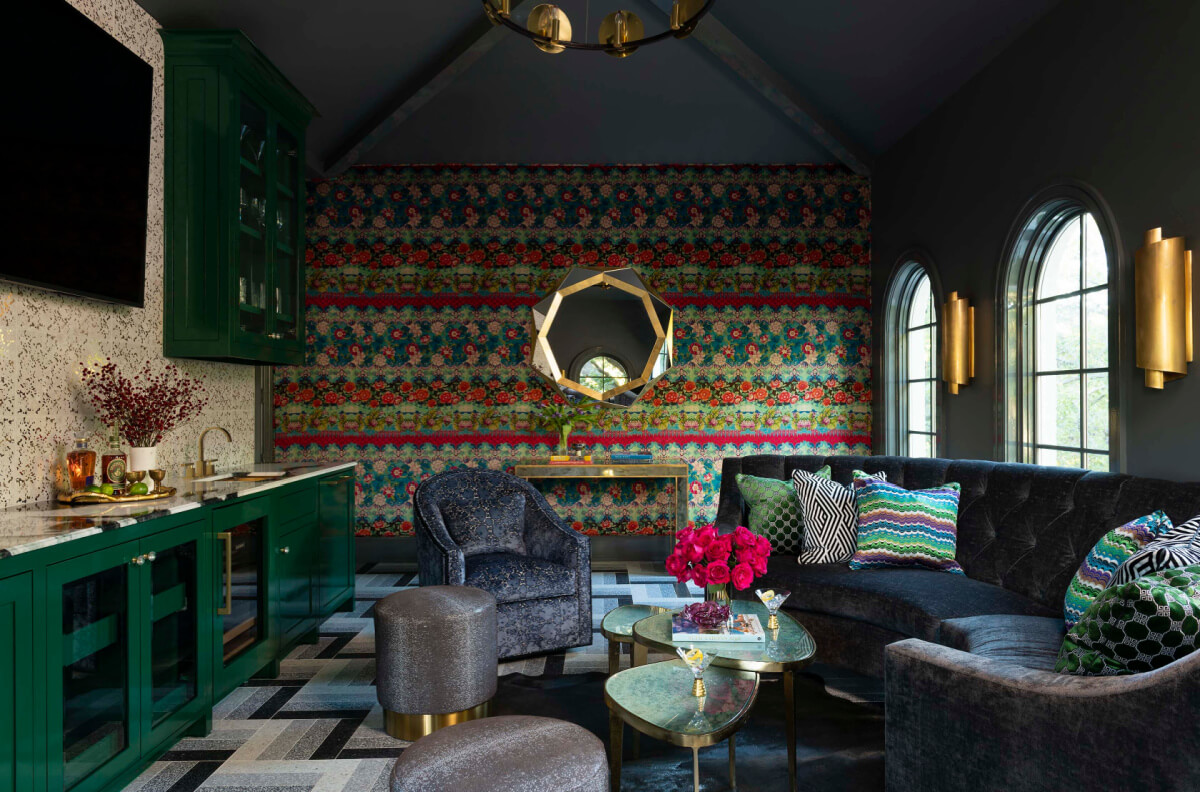
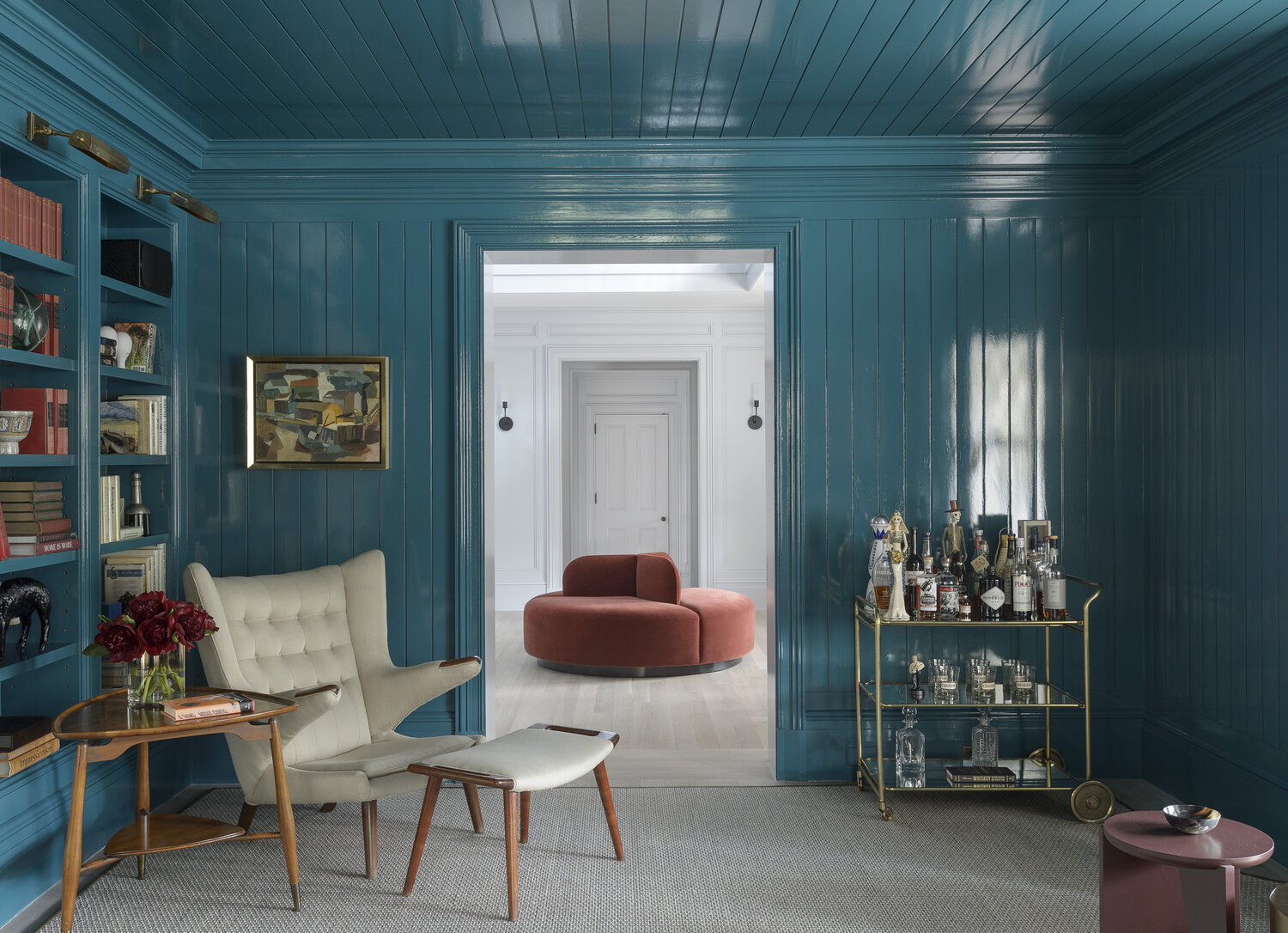
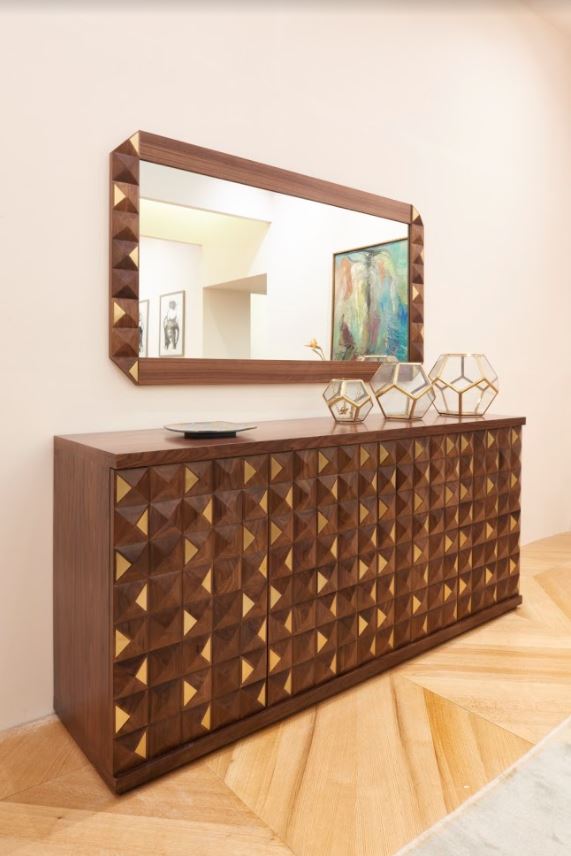
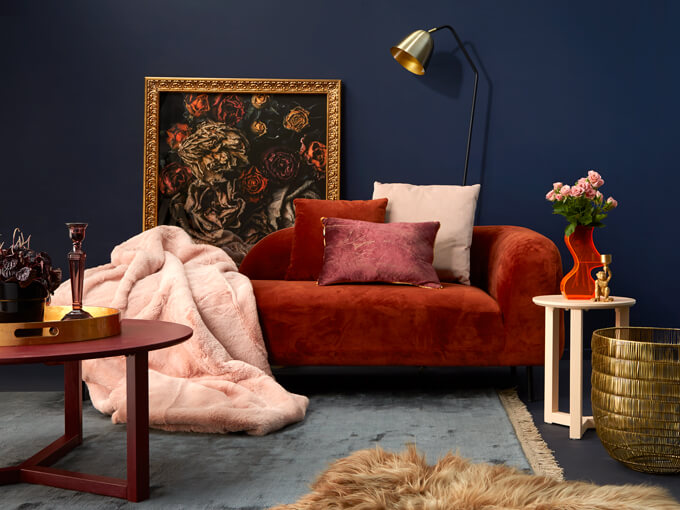
The year 2014 was all about "Glam." This period saw the return of velvet fabrics and rich color palettes including teal, navy, chartreuse, and plum. Furniture featured classic, tailored lines with studded trims, echoing Victorian styles like chesterfields and buttoned headboards. Grey walls with white wooden trims became a popular choice for homeowners.
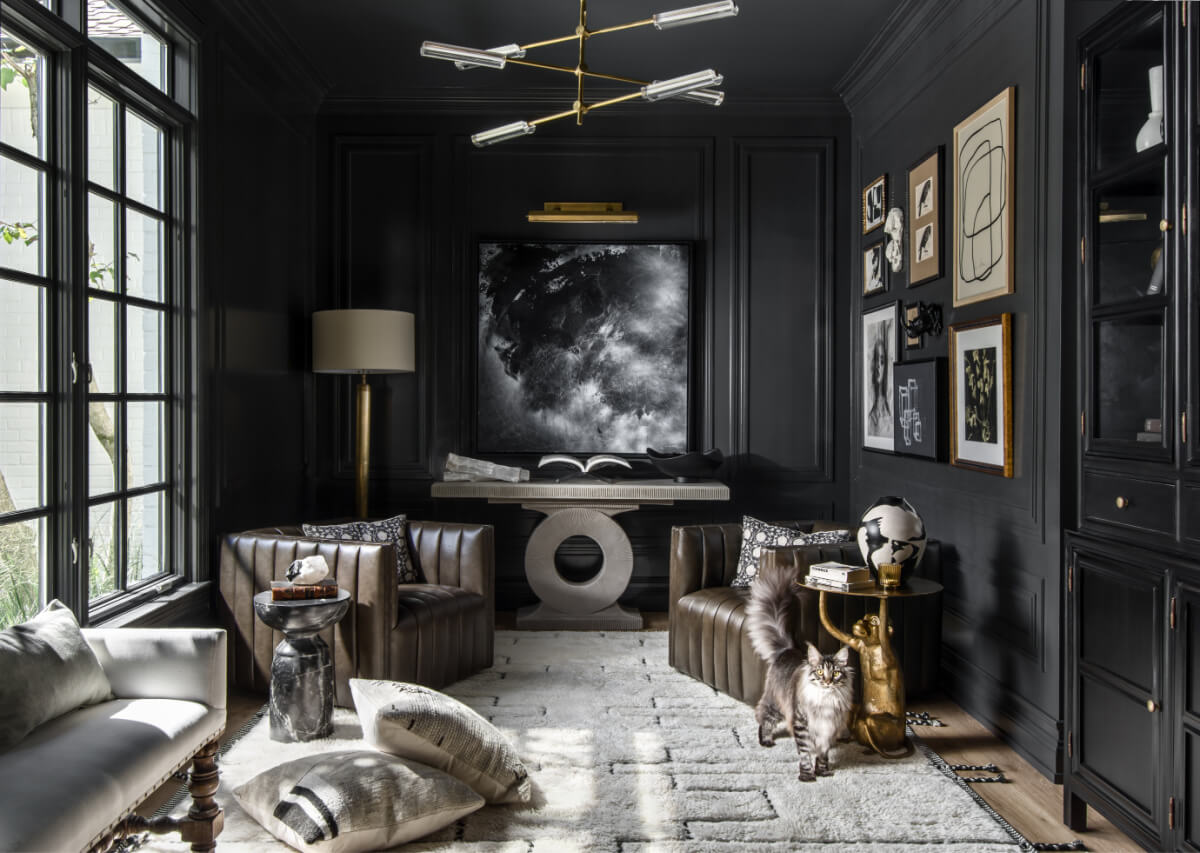
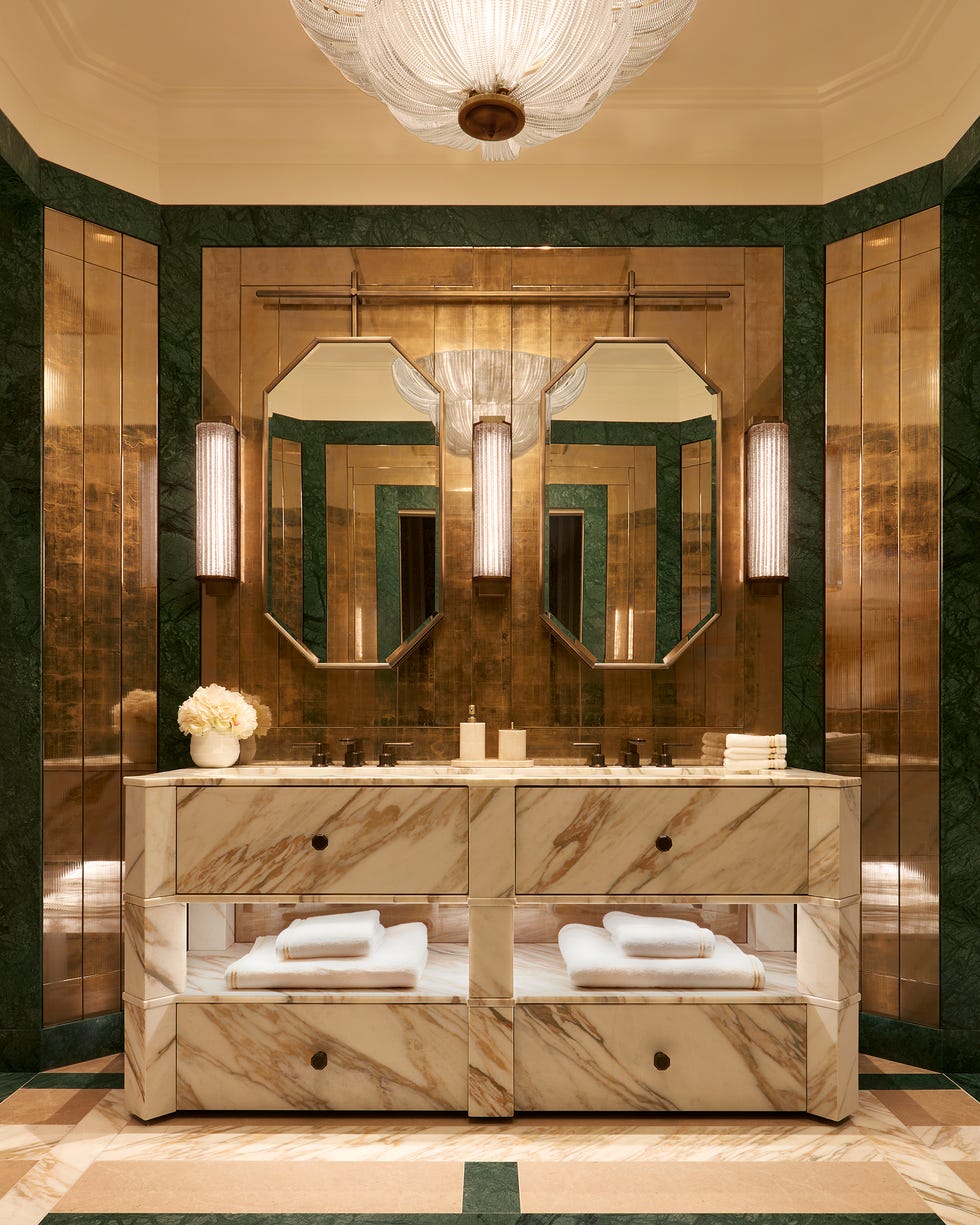
In 2015, the "Matte Land" trend emerged, focusing on matte finishes, particularly matte black, which was widely applied to bathroom and kitchen hardware. The subway tile became a sensation, often installed with black or grey grout. Monochromatic interior palettes of black, grey, and white were dominant, and marble became a significant material for furniture and finishes.
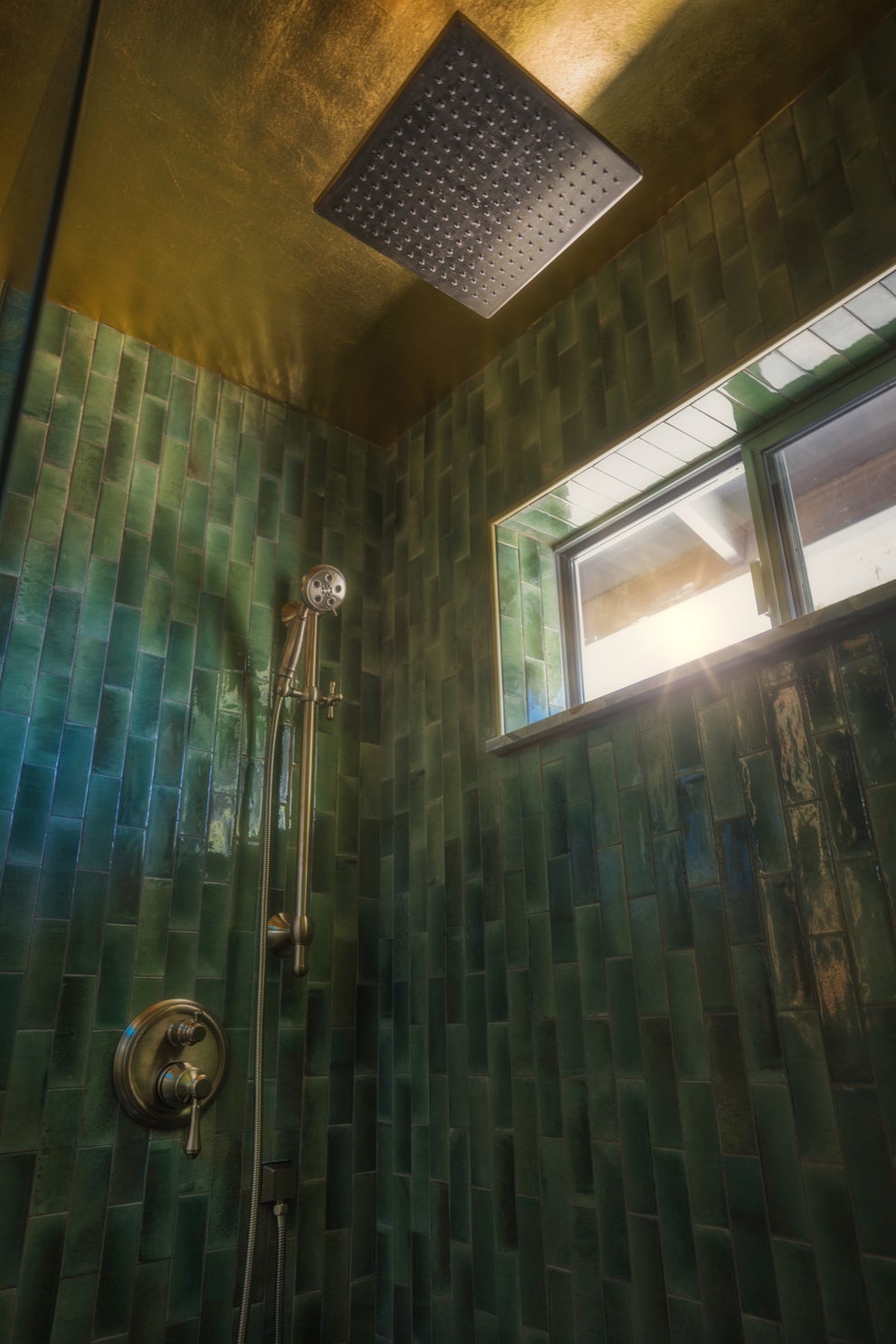
"Urban Chic" characterized 2016, with funky neon signs becoming a popular decorative item. Exposed brick walls and polished timber floors contributed to a trendy café-like atmosphere, complemented by metal and powder-coated furniture. Hot pink and blue served as popular accent colors, and green walls were highly sought after.
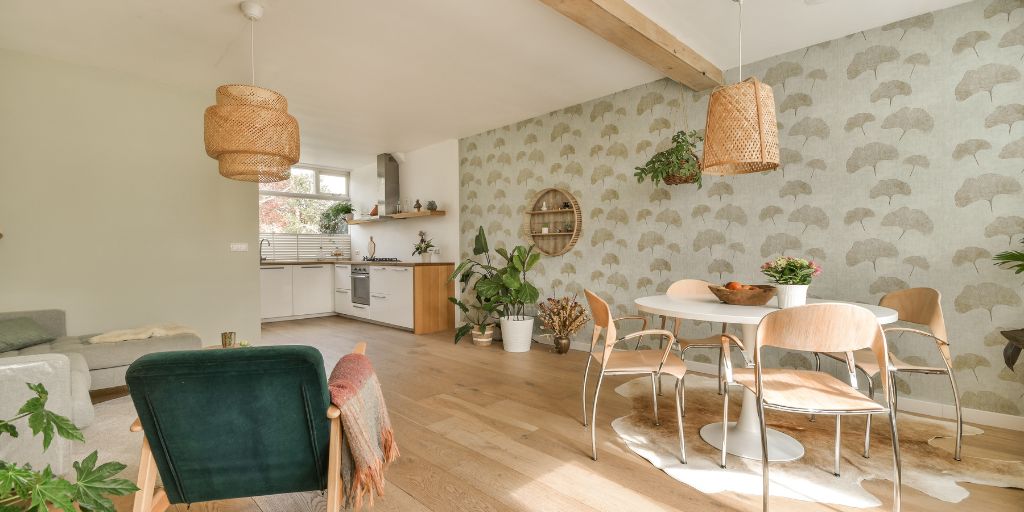
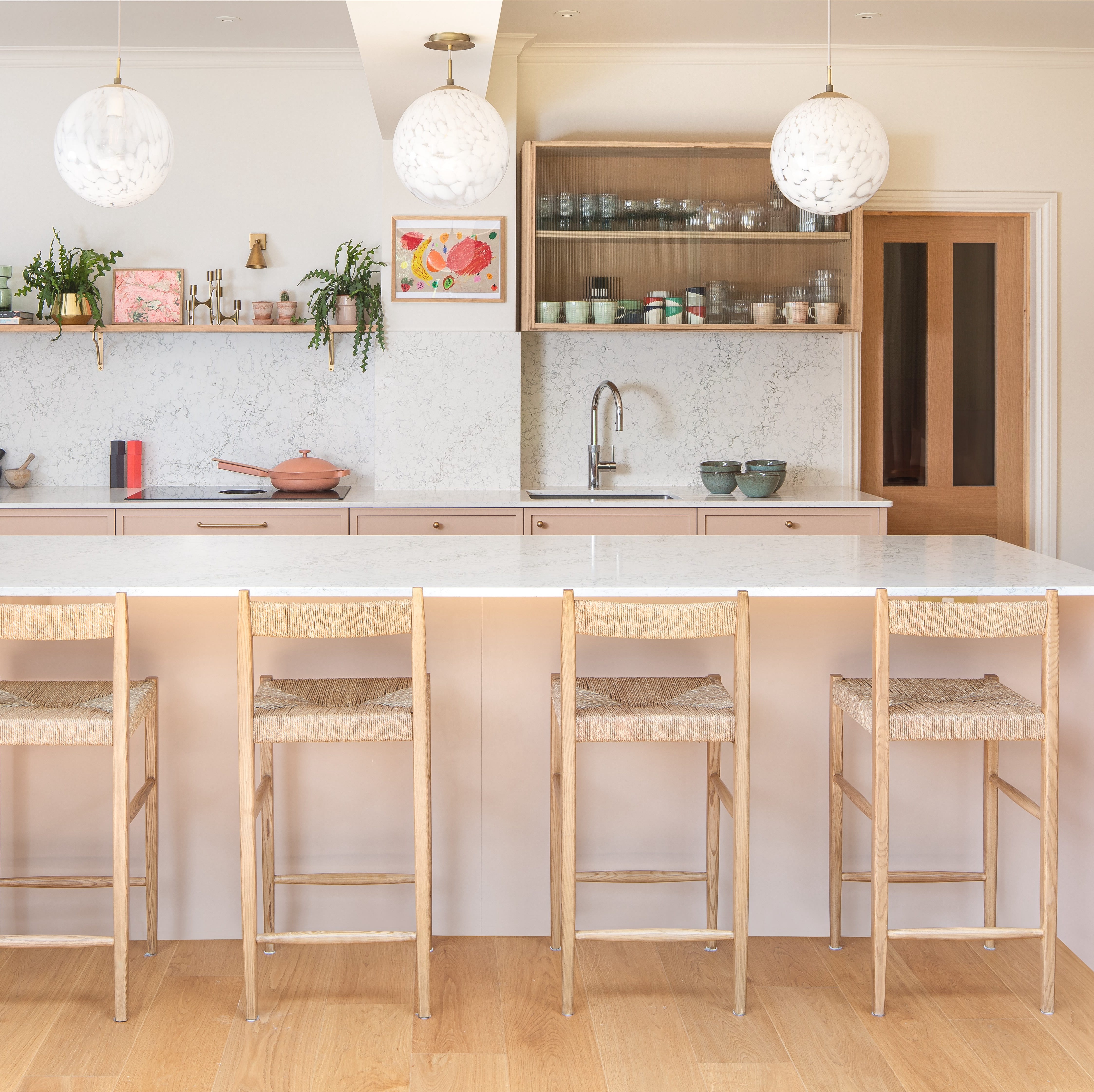
"Scandi" style rose to prominence in 2017 and continued its influence into later years. This trend emphasized thin, simple lines, light oak woods, and pastel pinks. Faux fur, fiddle leaf figs, and pared-back paint tones in white and light grey were common. The rise of affordable on-trend homewares from retailers like Kmart and Target fueled an accessible styling revolution, with social media contributing to the spread of home styling inspiration.
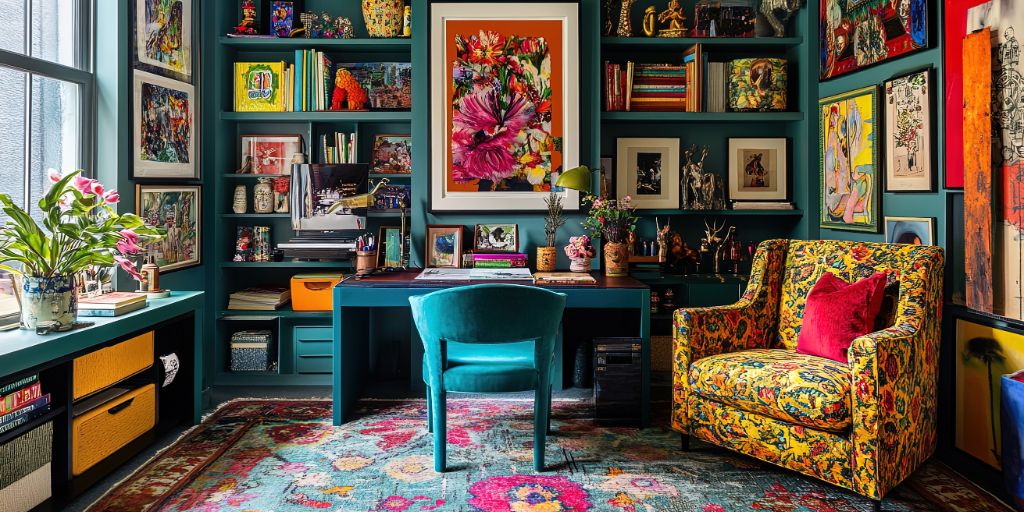
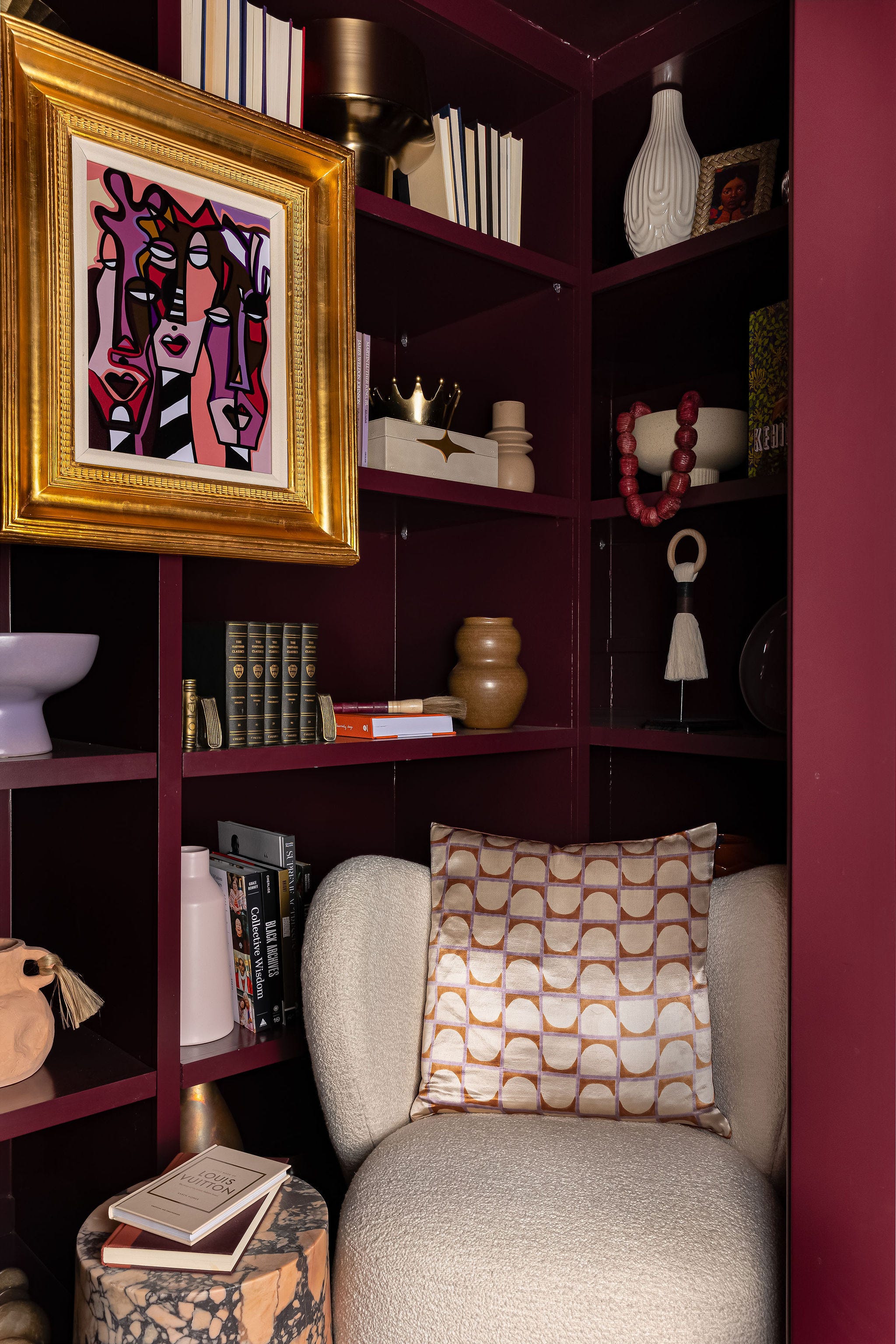
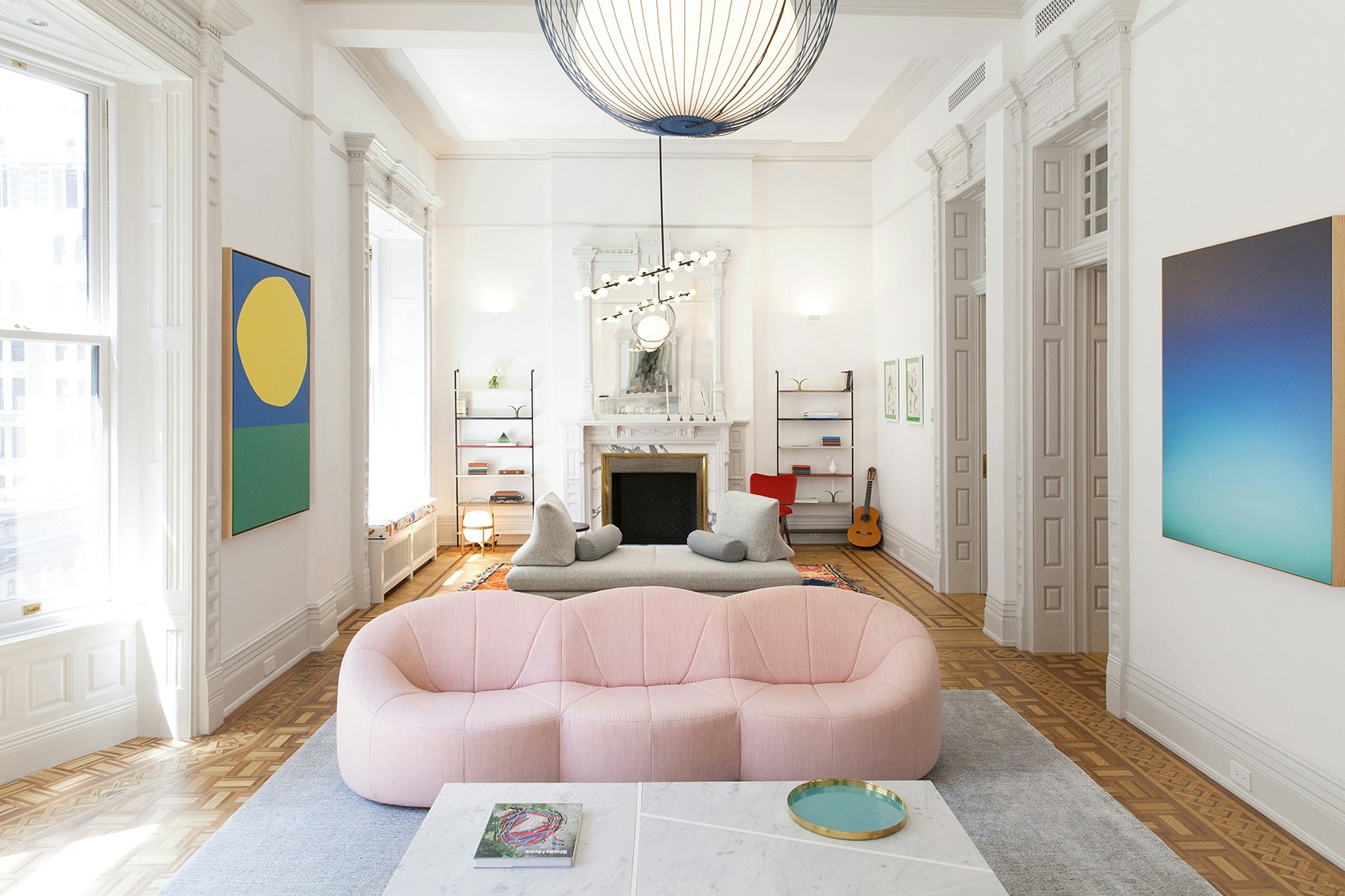
In 2018, "Fashion Forward" interiors were heavily influenced by fashion, with a focus on NYC loft style. This included acrylic furniture, gloss white finishes, marble side tables, and gold accents. Deep pink and navy were popular accent colors. Large framed fashion posters, photography, design books, and well-styled bookshelves were key elements. Crystals, such as agate bookends, coasters, and amethyst cluster chunks, became popular coffee table accessories.
The "Nordic Nest" trend dominated 2019, building on the Scandi influence but moving towards a more earthy and ethnic direction. Macramé wall hangings, crushed linen bedspreads, and cowhide rugs added texture. Monochromatic accents with Aztec prints and layered textiles were popular. While Scandi furniture lines remained, they appeared in darker walnut and black tones, a departure from the earlier light oak.
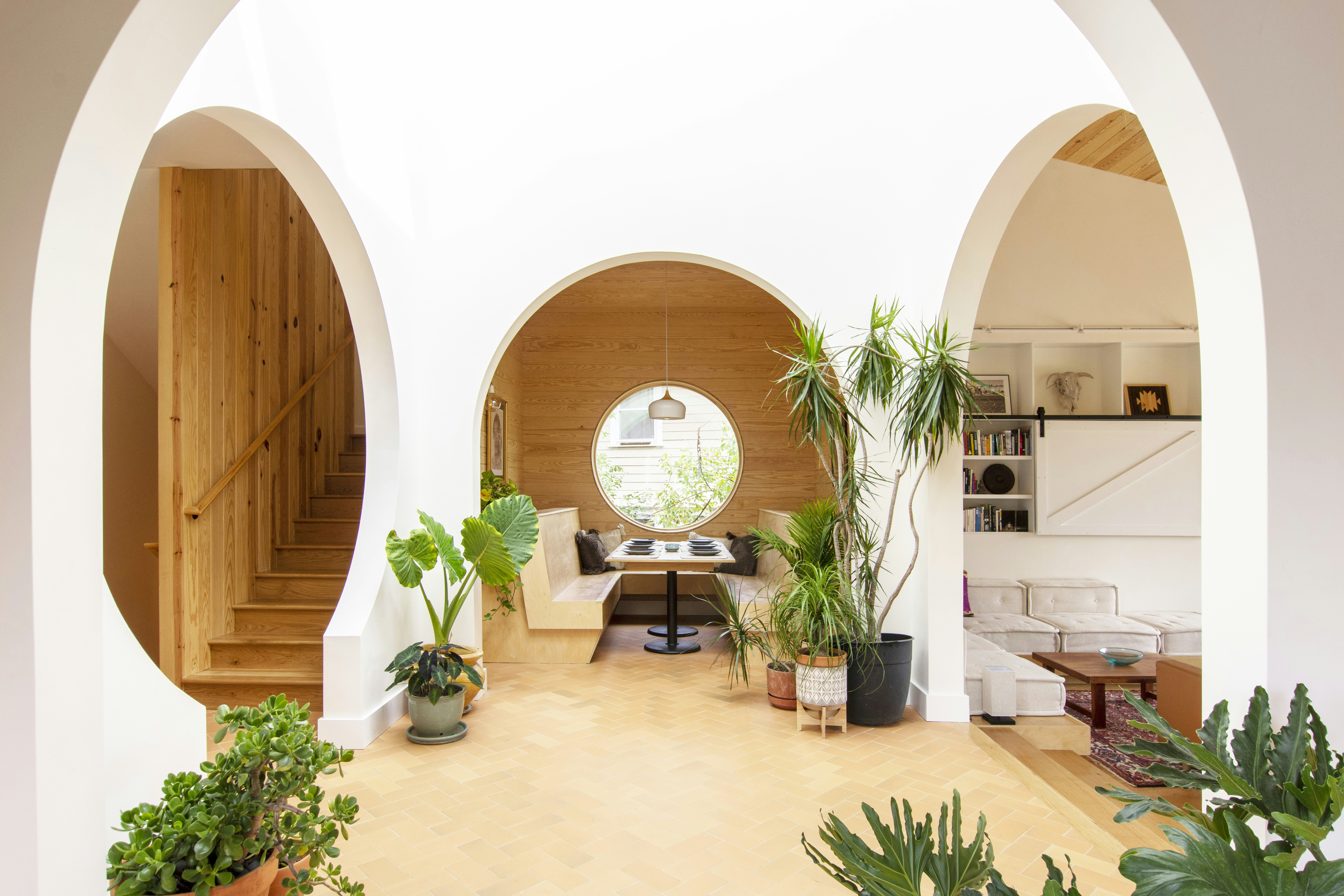
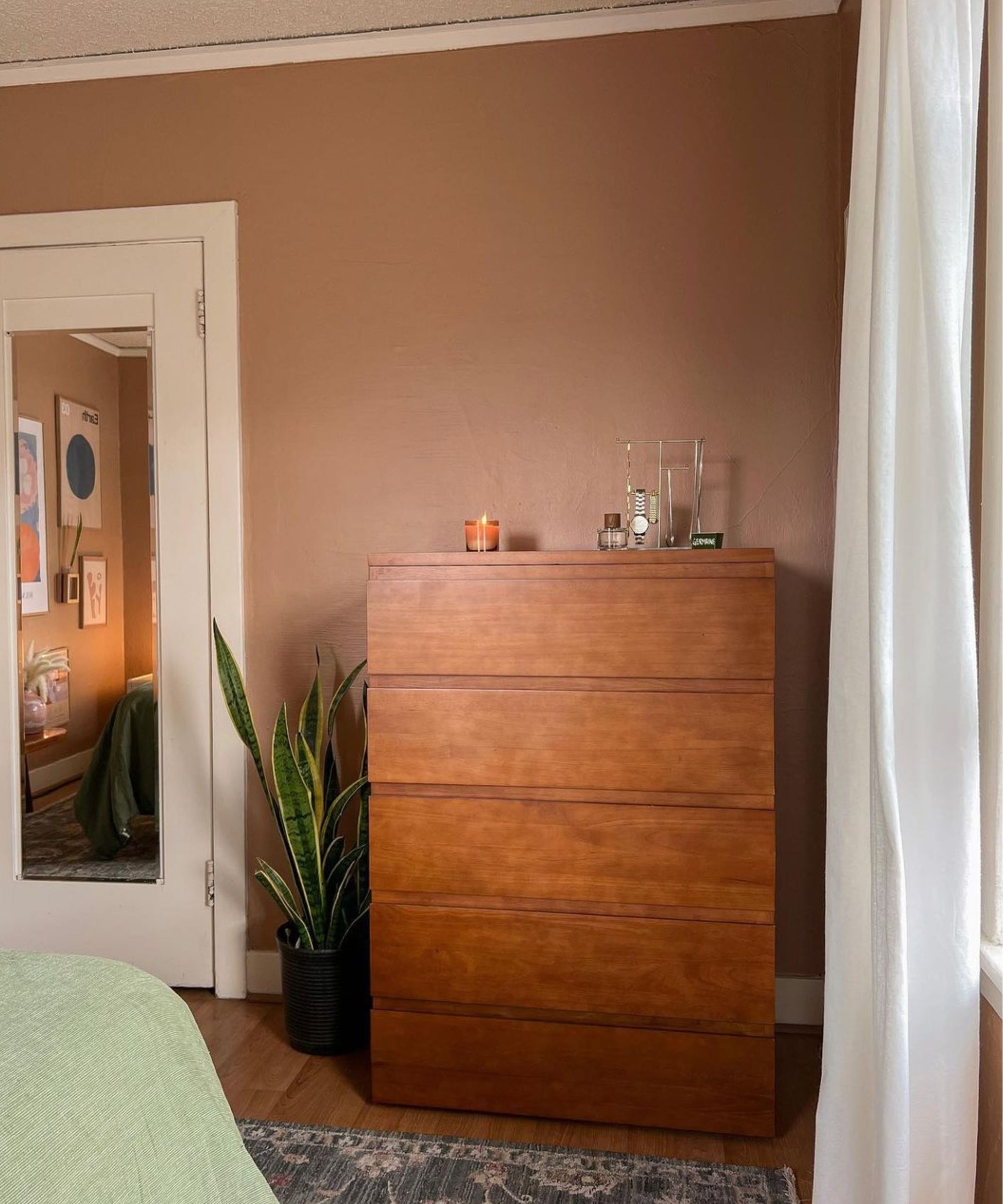
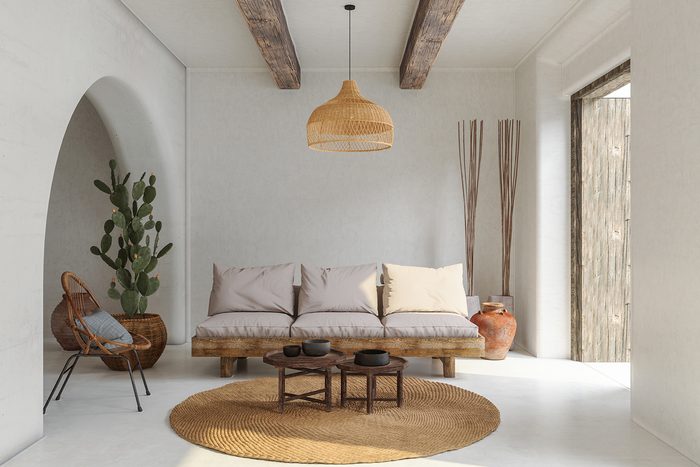
Looking ahead to 2020, the article predicted the "Global Home" trend, emphasizing a world traveler aesthetic. This trend combines modern boho vibes with Mediterranean influences, mimicking high-end resorts and spas. Accessories tend to be earthy, such as clay and pottery, and dried florals are a significant design element. Soft earth colors like terracotta, peach, and beige are fashionable, with terrazzo, handmade tiles, concrete, and stucco being preferred materials and finishes. This comprehensive overview highlights the dynamic nature of interior design trends across the decade, from vintage and industrial to Scandi and global influences.
#InteriorDesignTrends #HomeDecor #VintageVibes #ScandiStyle #GlobalHome #DecoratingIdeas #DesignHistory #MatteFinishes #GeometricPatterns #InteriorDesignTrends #HomeDecor #VintageVibes #ScandiStyle #GlobalHome #DecoratingIdeas #DesignHistory #MatteFinishes #GeometricPatterns
0 comment in total
 No comments yet
You may also like
Here Are the 10 Interior Design Trends That Will Rule 2020

Interior Design Trends That Might Surprise You. Here Are 10 That Are Hot for 2025!
10 Hottest Home Design Trends to Watch for 2025
Sorry, but These Design Trends Will Be Outdated in 2025

Top interior design trends 2020


People Are Exposing The Home Decor Trends That'll "Completely Fade Out" Sooner Than You'd Think

A taste of this year's interior design trends

Renovating? The home design trends you’ll see everywhere in 2025

10 Interior Design Trends to Watch in 2025

17 home trends from the 2010s that need to disappear
The Biggest Interior Design Trends for 2025

10 Top Interior Design Trends in Egypt in 2020

The 10 Biggest Interior Design Trends of the Year, According to Google's 'Year in Search' Report
These Are The Top Design Trends Worth Trying
We Combed Design Markets and Shows Around the World to Find the 11 Biggest Interior Trends Right Now

Design Forward: 4 Must-Know Interior Trends for 2025

10 interior design trends for 2025 to level up your space

What’s Next for Our Homes? The 14 Defining Interior Design Trends That Will Shape the Way We Live in 2026

The Pros Have Spoken: These Interior Design Trends Will Define 2025

Top 10 Home Interior Designs for 2025