17 home trends from the 2010s that need to disappear
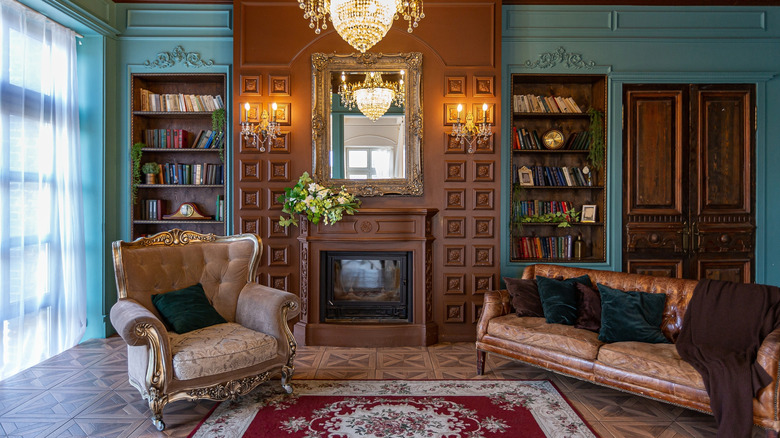
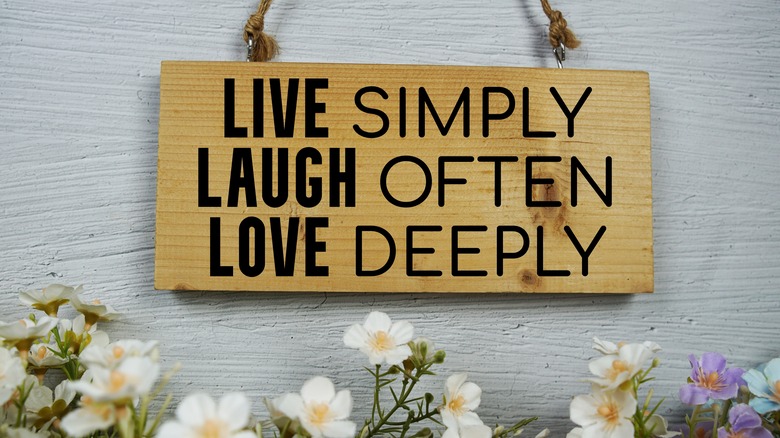
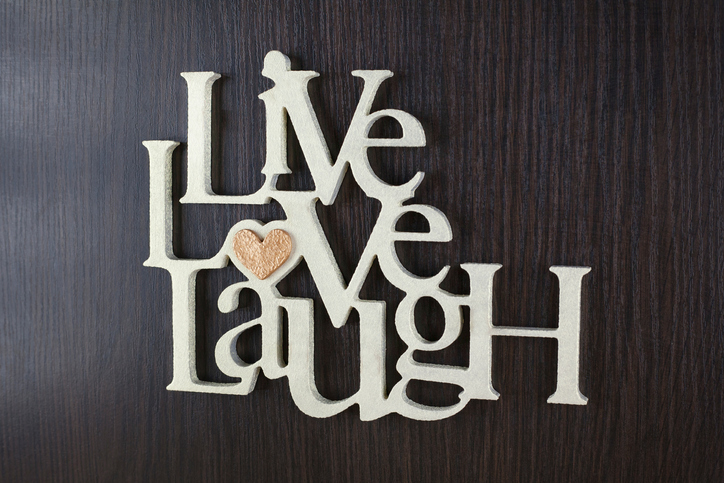
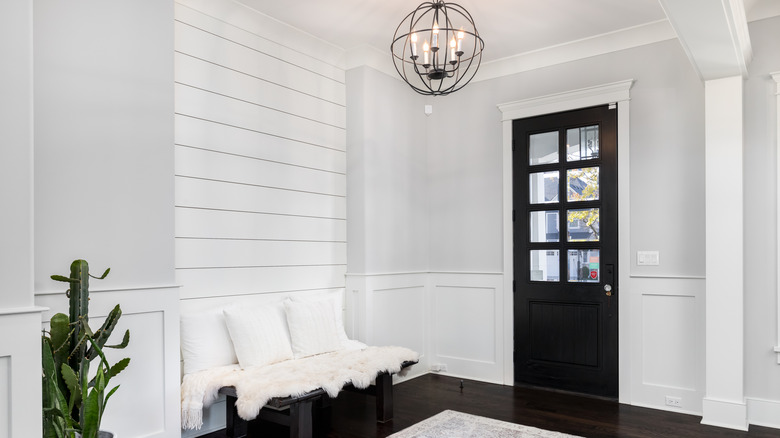
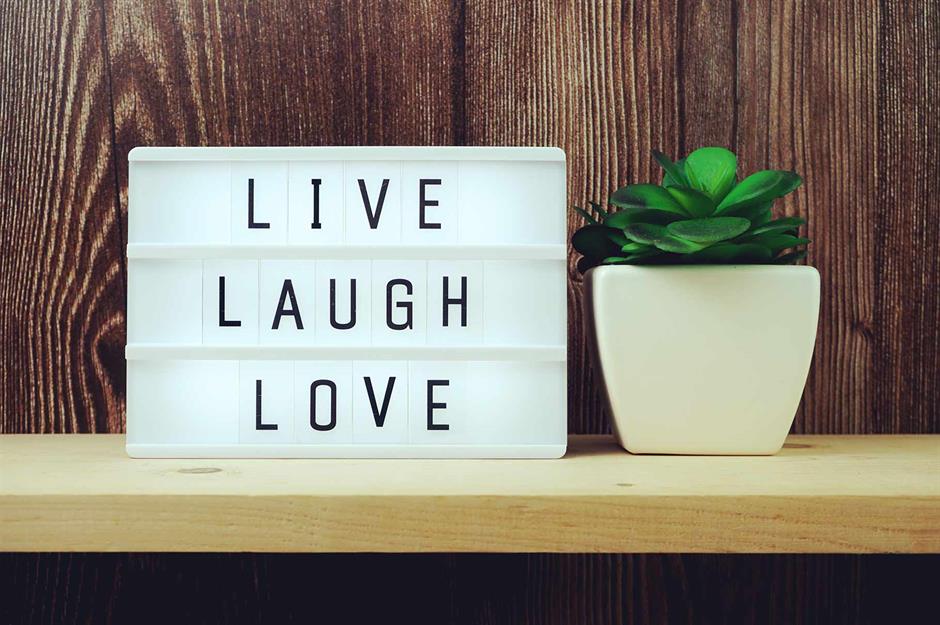
The 2010s brought forth numerous home design trends, some of which have since become dated or overused. One prominent trend was the widespread use of Lucite chairs, which were popular in various settings, including dining rooms and home offices, despite their often immature aesthetic. Shiplap, a type of wood paneling typically used on exteriors, was extensively incorporated into interior walls and furniture, leading to a beachy and somewhat outdated appearance in many homes. The phrase "Live, Laugh, Love" also became ubiquitous, appearing on wall hangings, pillows, and even engraved items. While initially having literary origins, it is now widely regarded as a cheesy and overused idiom.
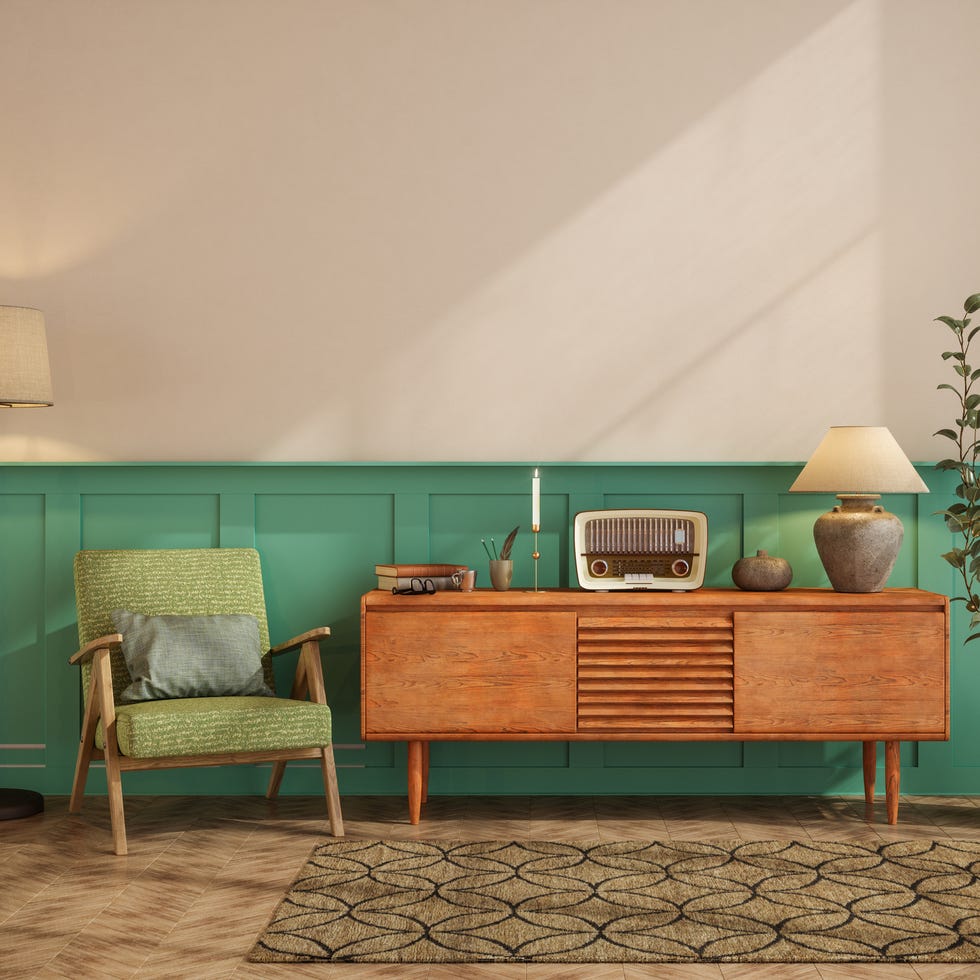
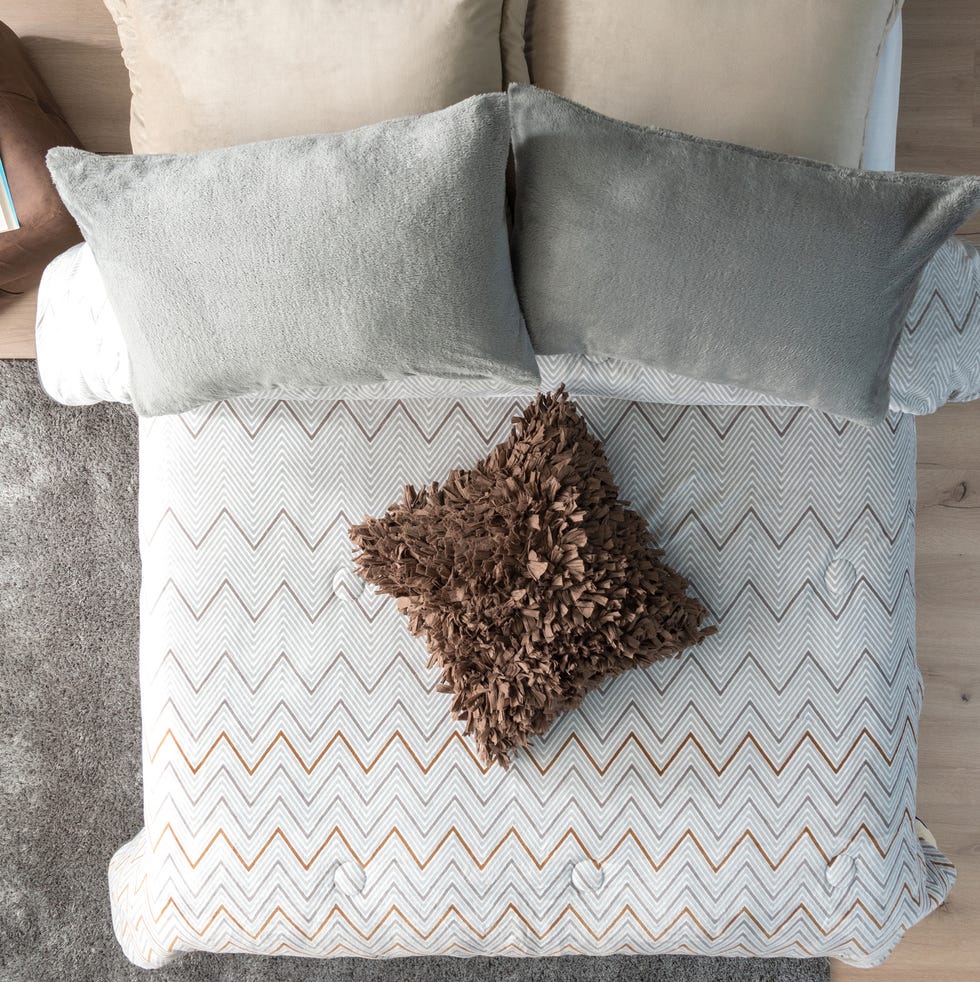
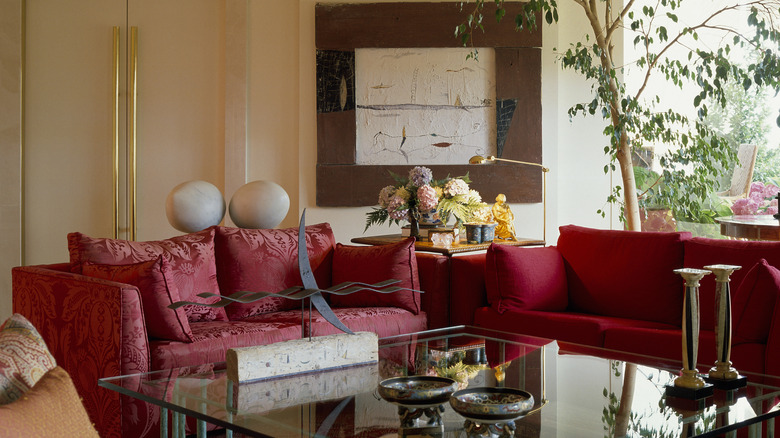
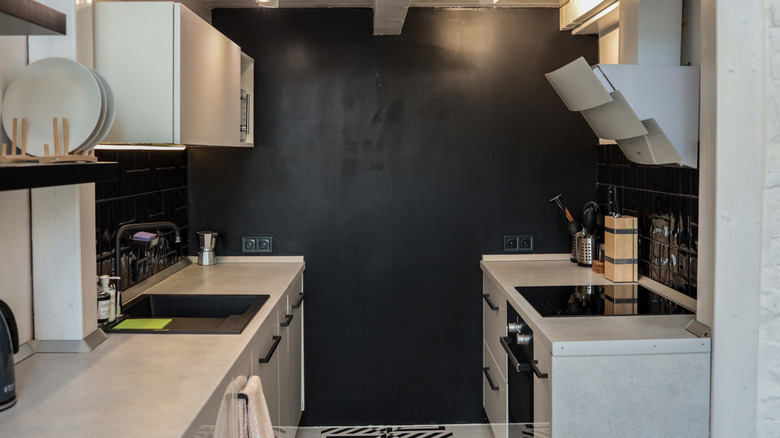
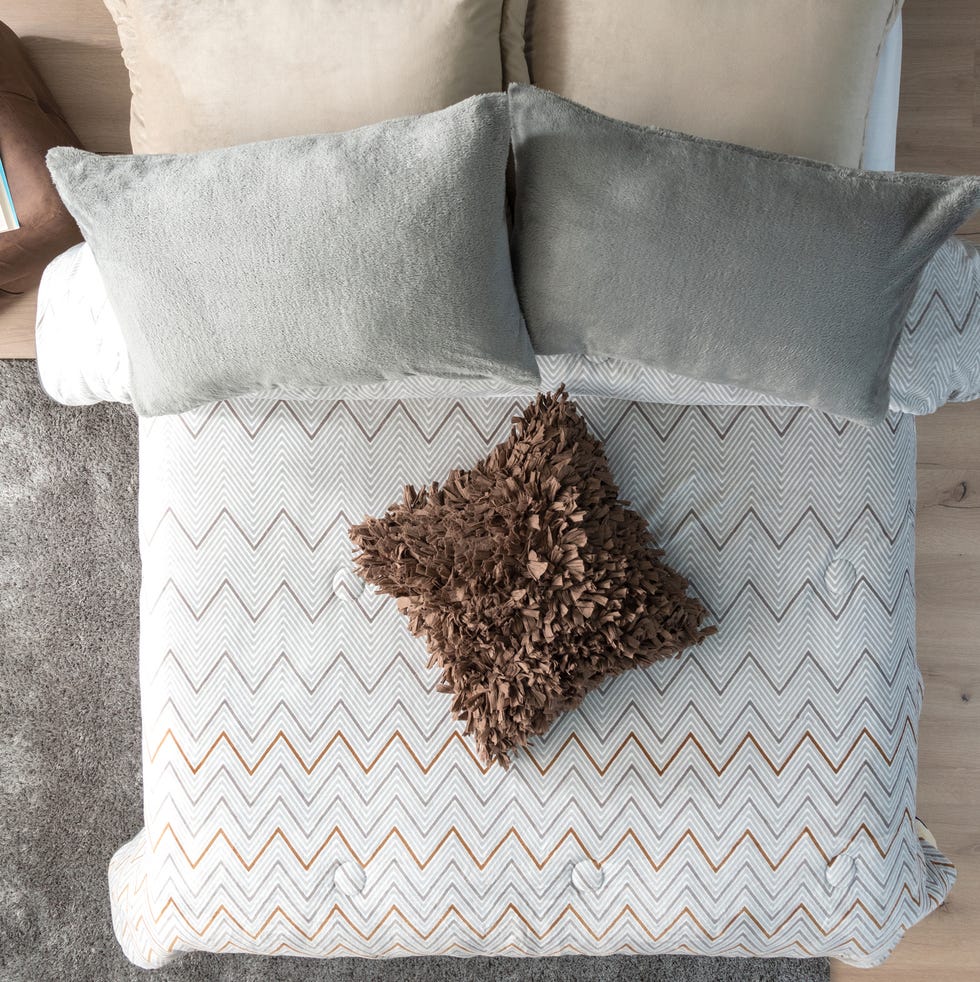
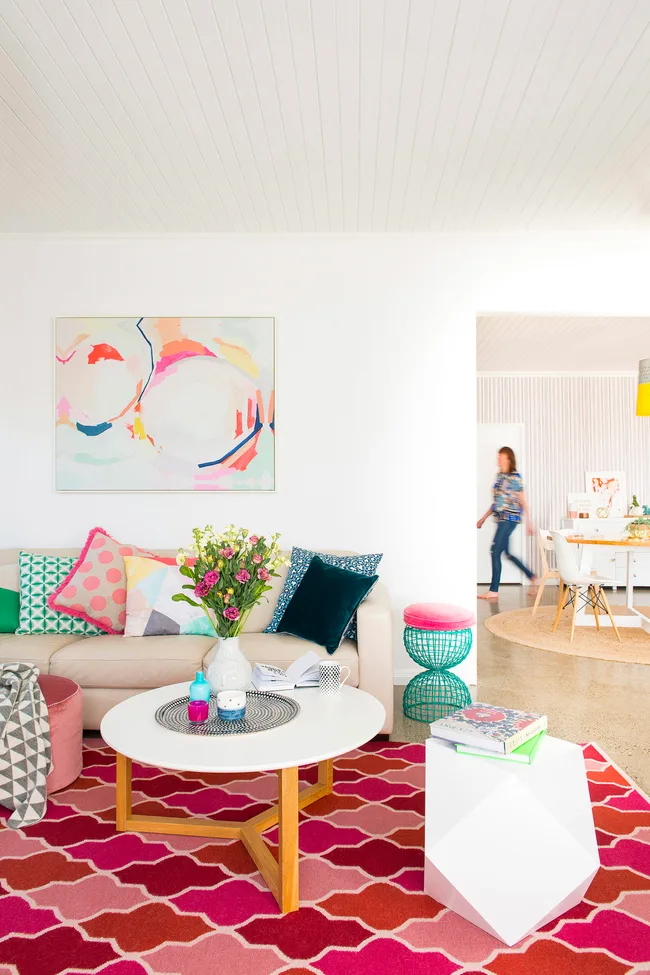
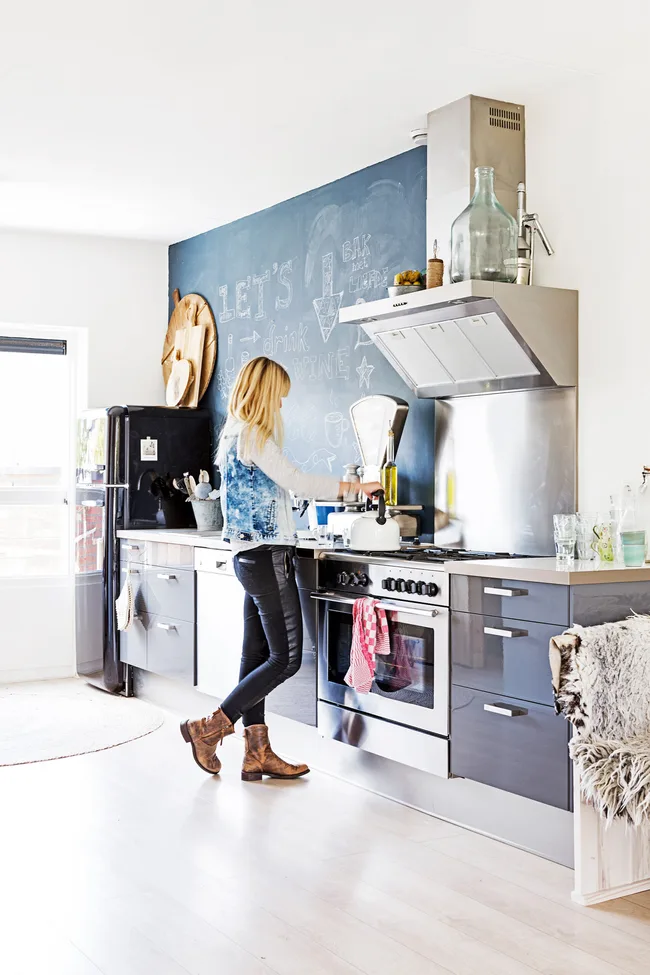
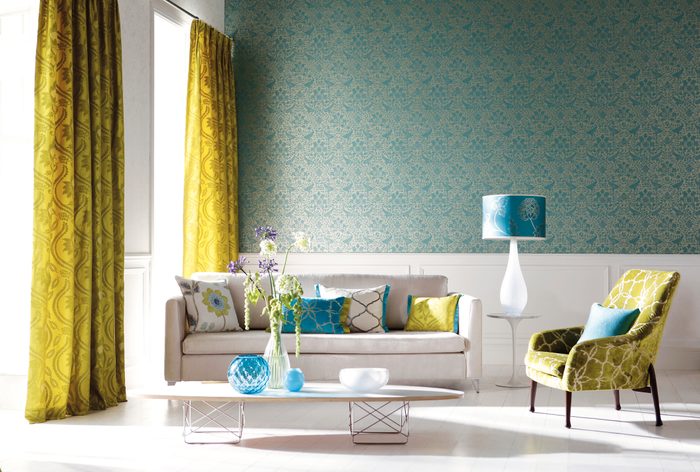
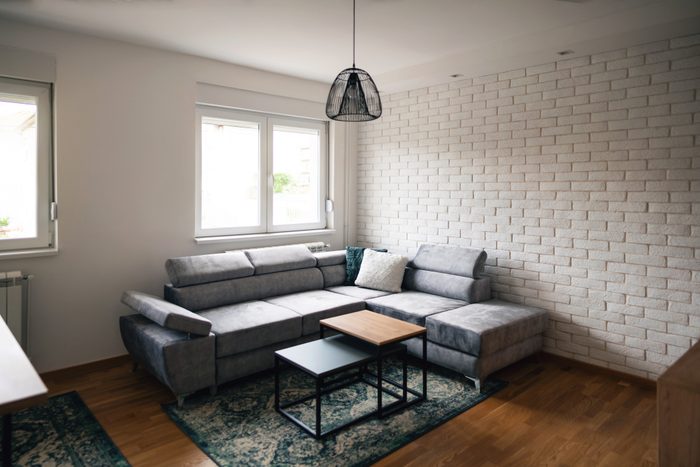
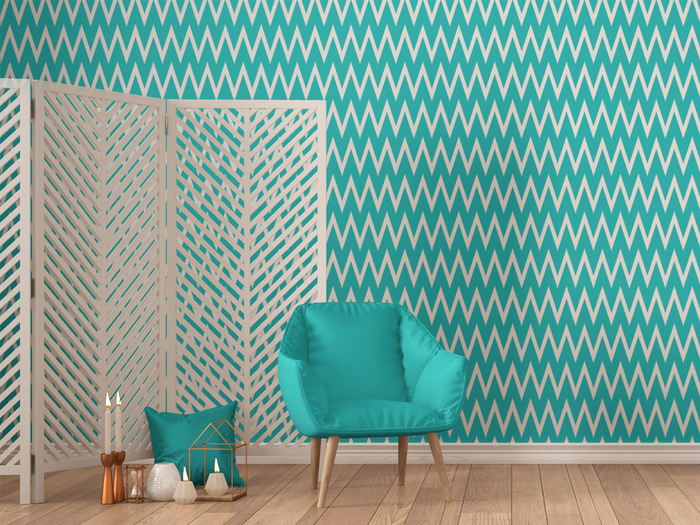
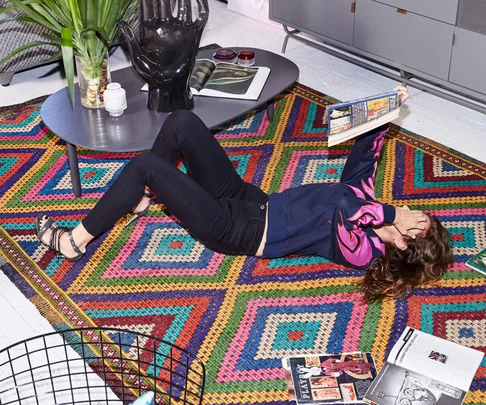
Accent walls were another significant trend, intended to brighten rooms but often resulting in disjointed spaces. Some individuals further embraced this by creating DIY chalkboard walls, which, despite aiming for an interactive space, often appeared kitschy. Chevron patterns were immensely popular, gracing rugs, pillows, linens, and even wallpaper, particularly in suburban areas. While wallpaper itself saw a resurgence, many chevron prints created an overwhelming visual effect. Painting floors was also trendy, a practice that design experts predict will not make a comeback. Floor poufs, which offered flexible seating, were popular around 2012 and again in 2019, but frequently gave rooms a dorm-like, immature vibe.
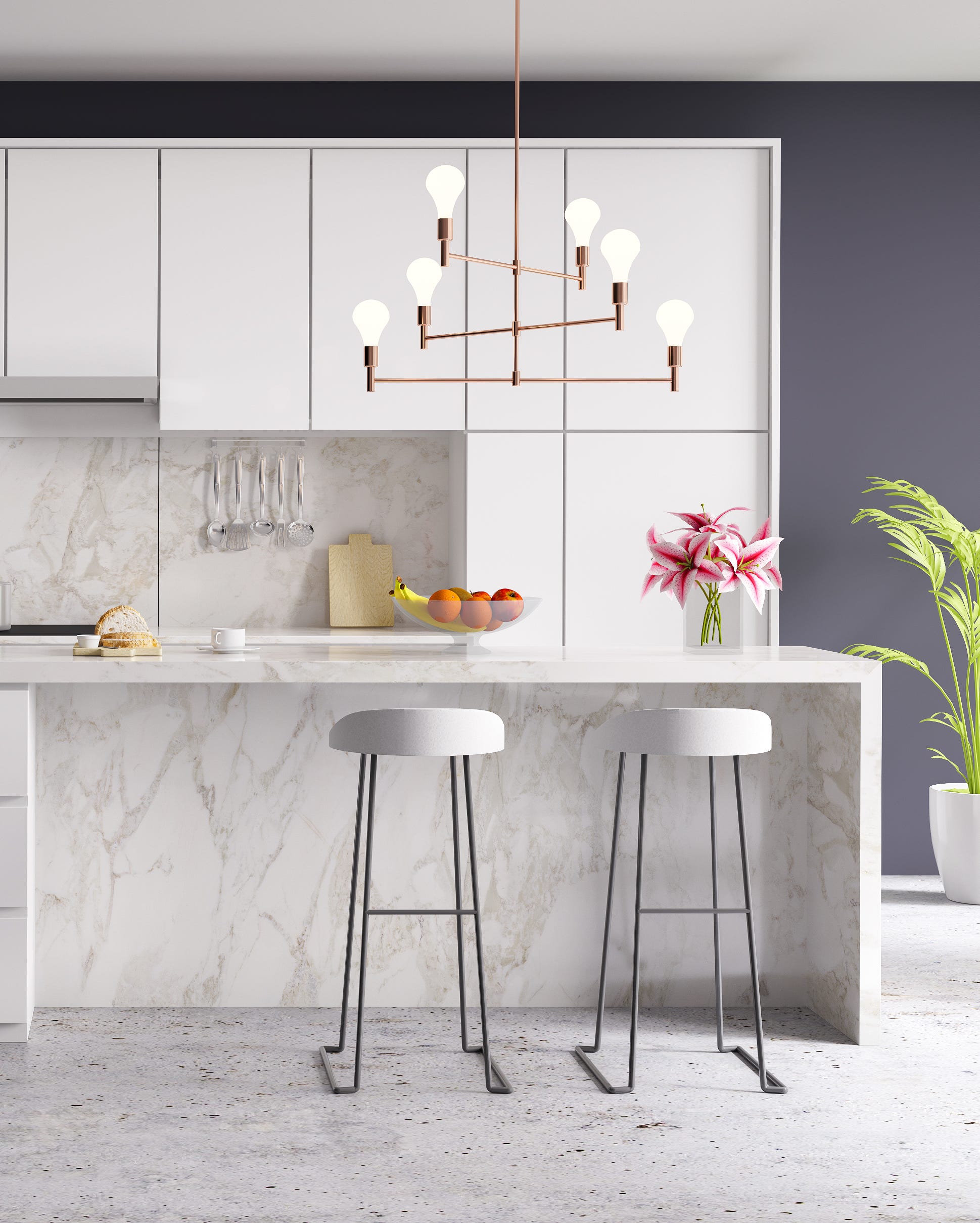
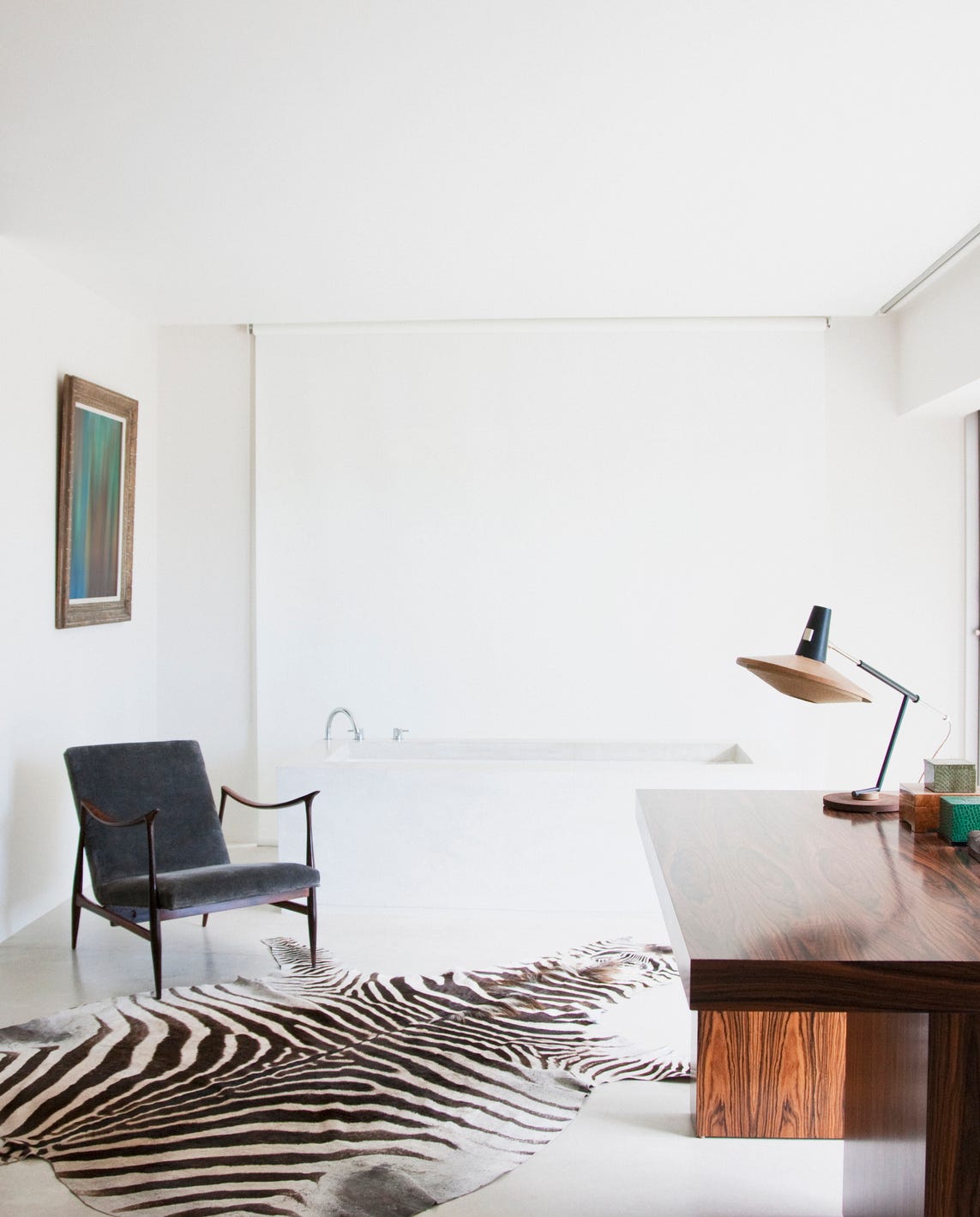
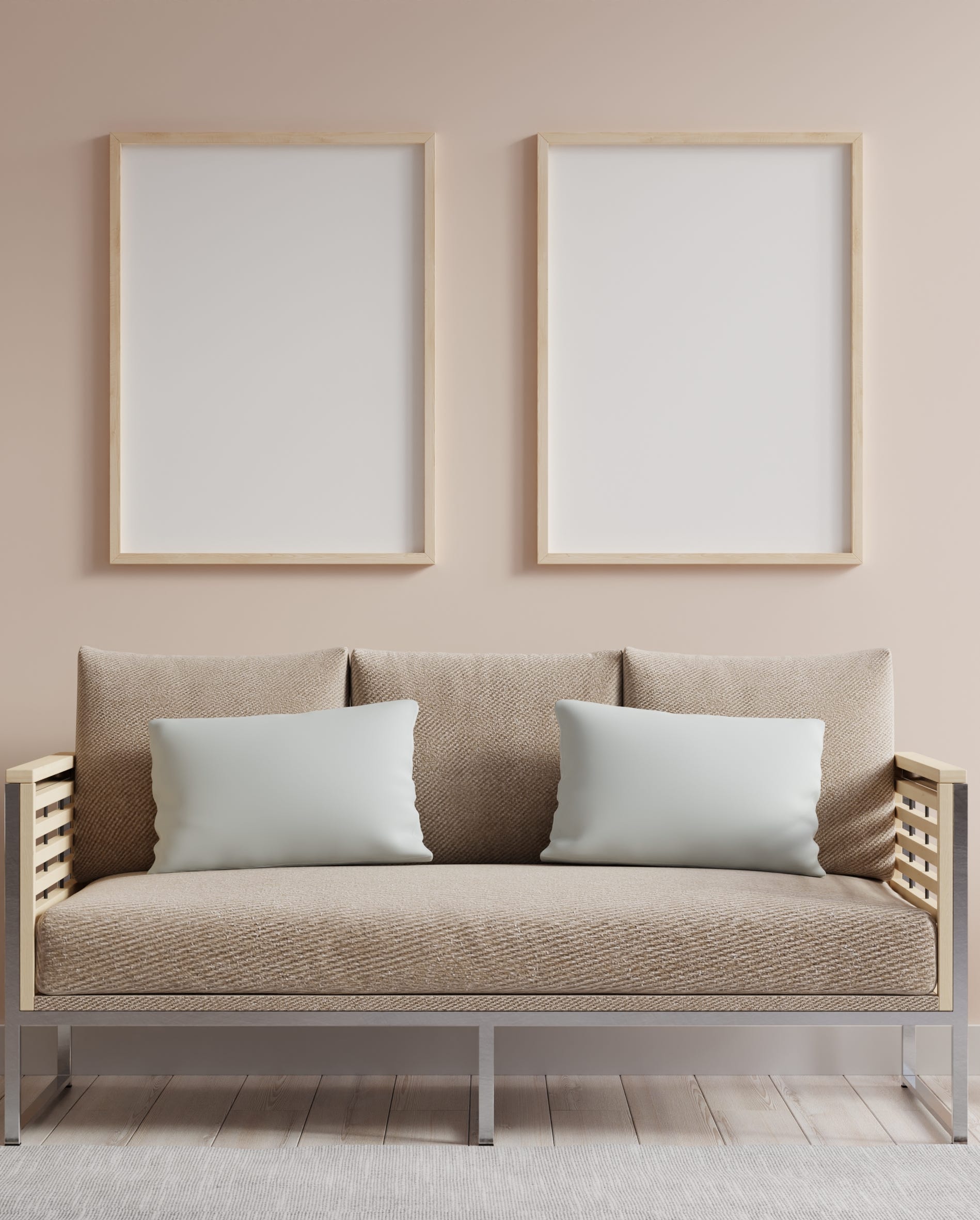
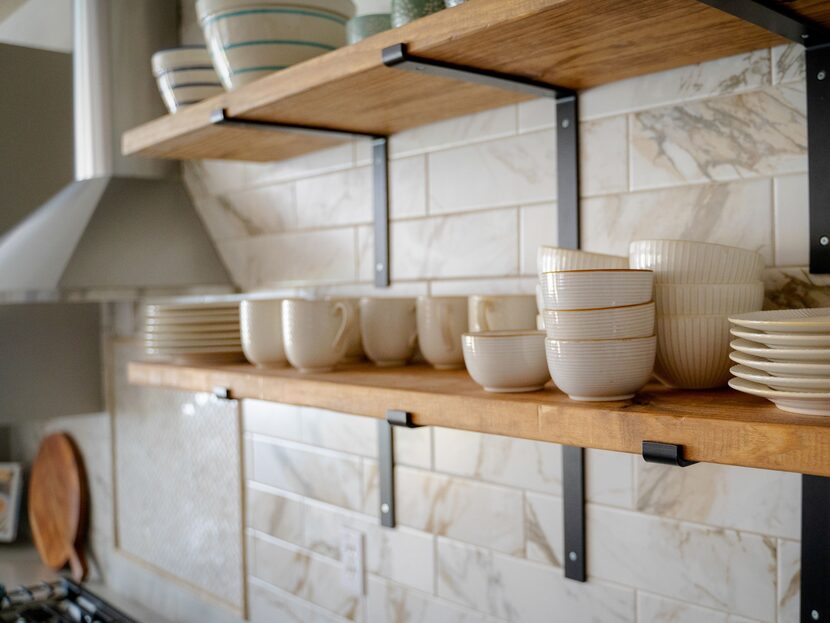
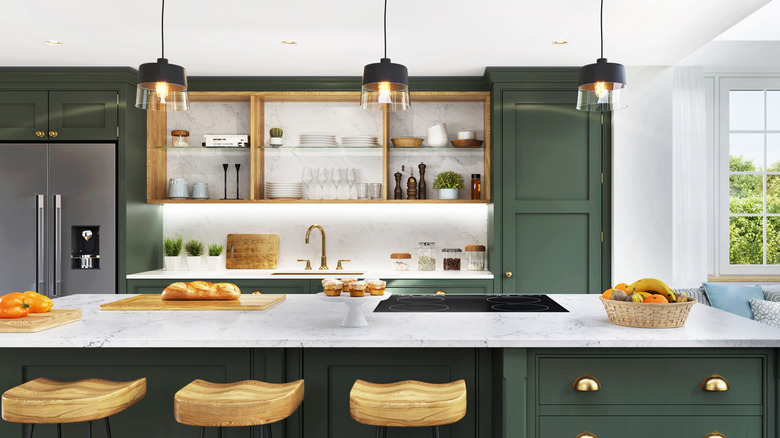
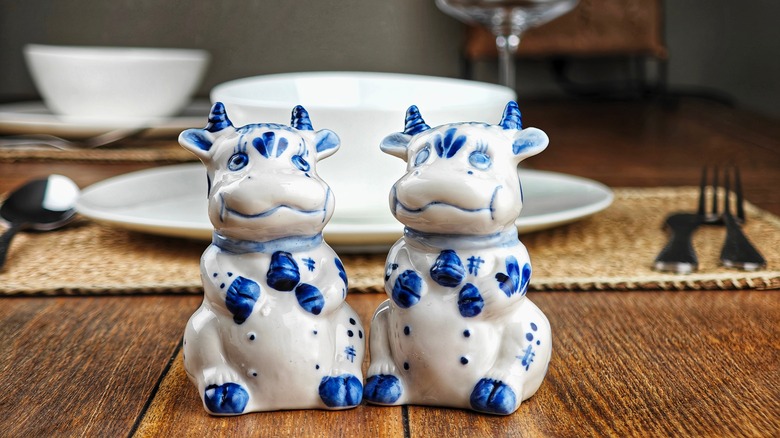
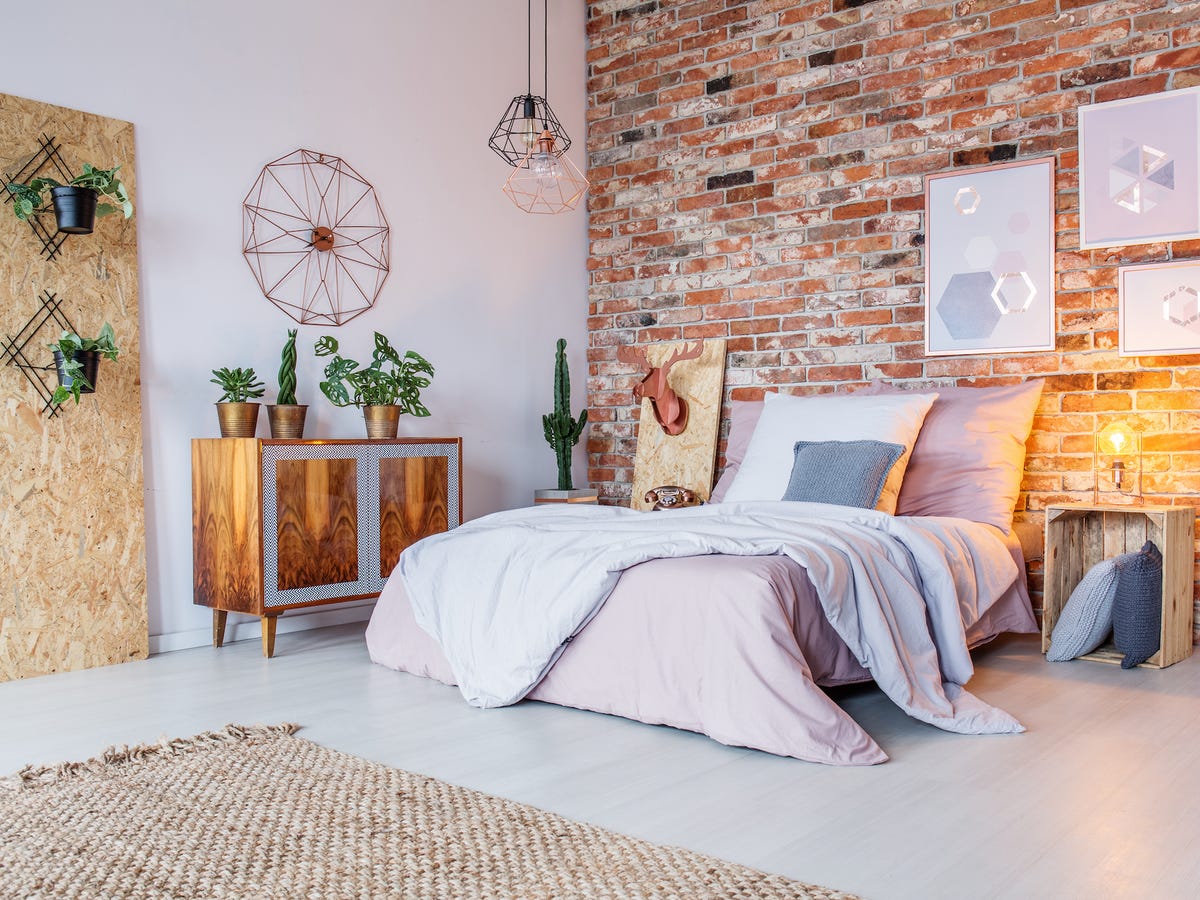
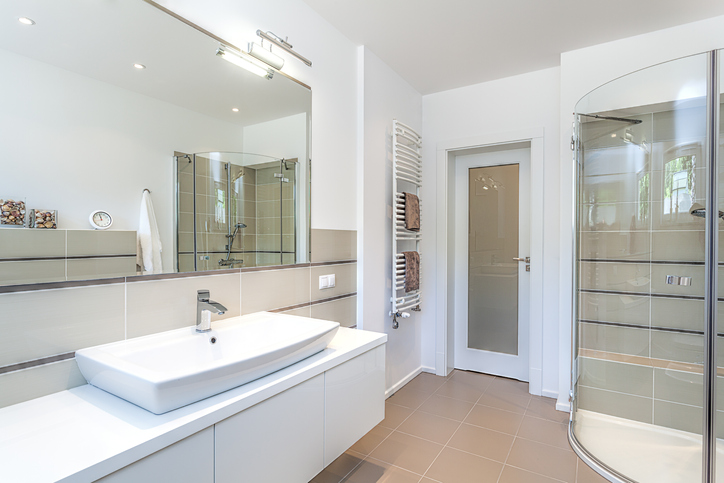
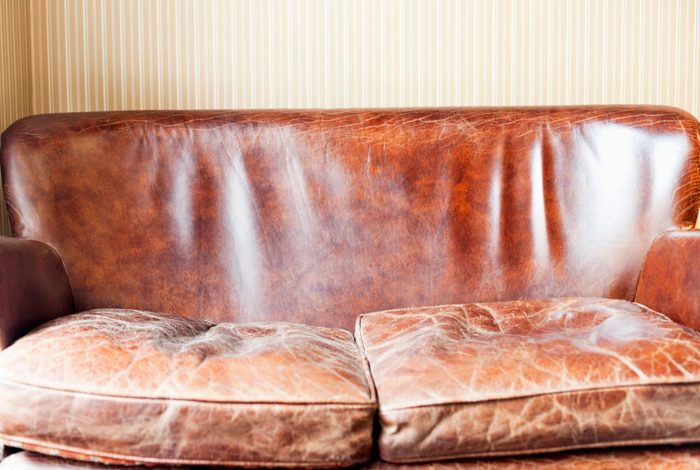
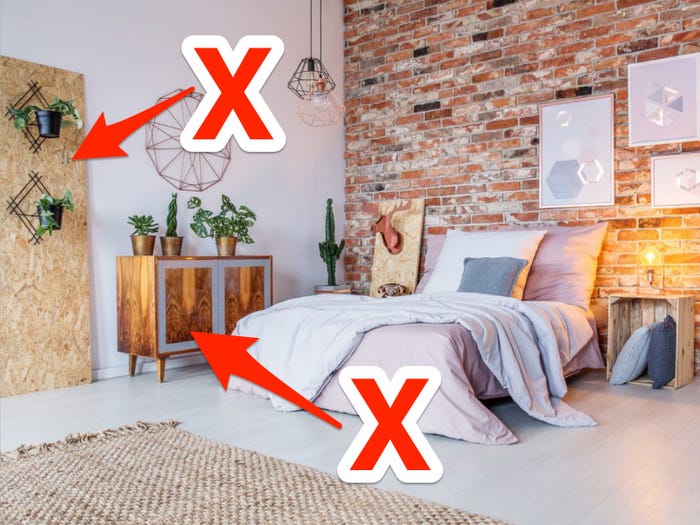
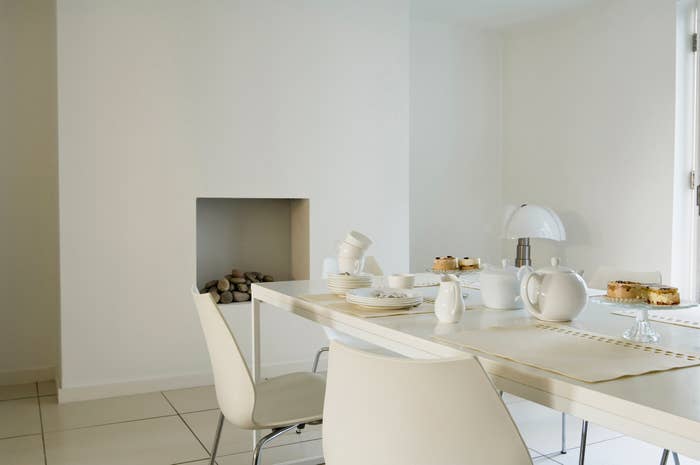
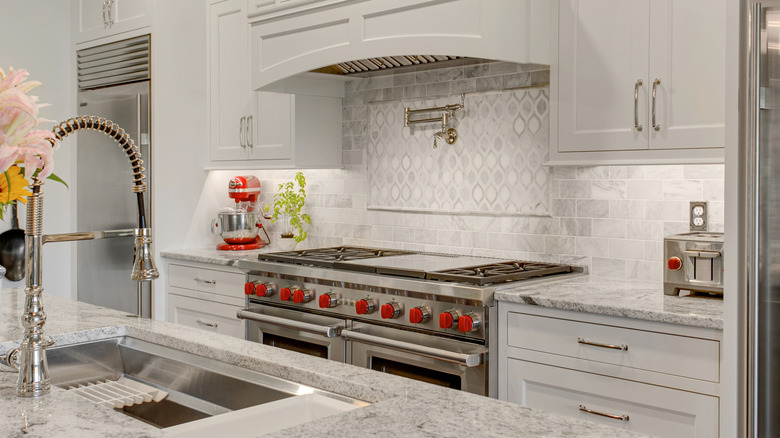
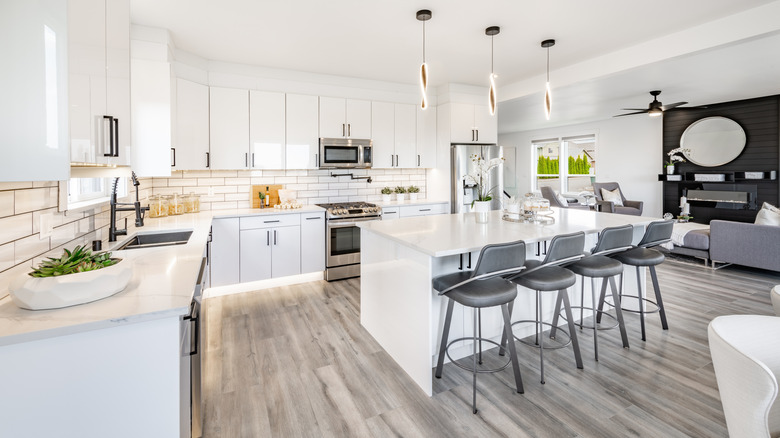
All-white kitchens emerged as a strong trend that seems to persist due to its perceived classic appeal, though some argue it can make homes appear dull. Hanging empty vintage frames was a common decor choice, particularly for weddings, but added little functional or aesthetic value. Sheepskin accessories, including rugs, throws, and even table runners, gained popularity toward the end of the decade, contributing to an overly retro look. The integration of modernism with rustic aesthetics led to a trend of deer accessories, such as fake wall mounts and antler chandeliers, which attempted to modernize taxidermy but often failed to create a cohesive style. Mason jars were heavily utilized as home decor, aligning with the farmhouse aesthetic, but frequently looked cheap.
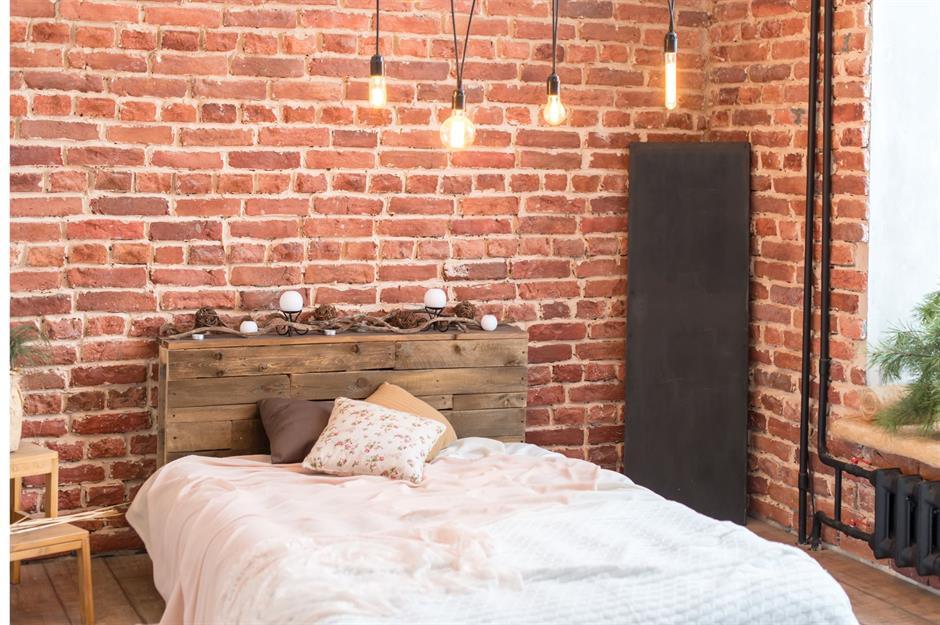
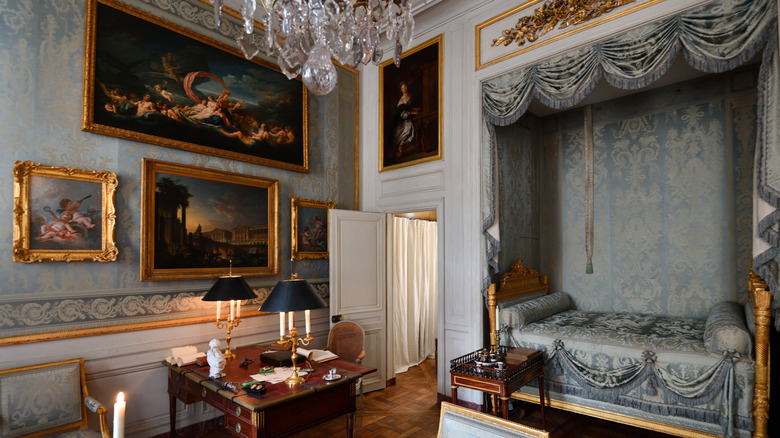
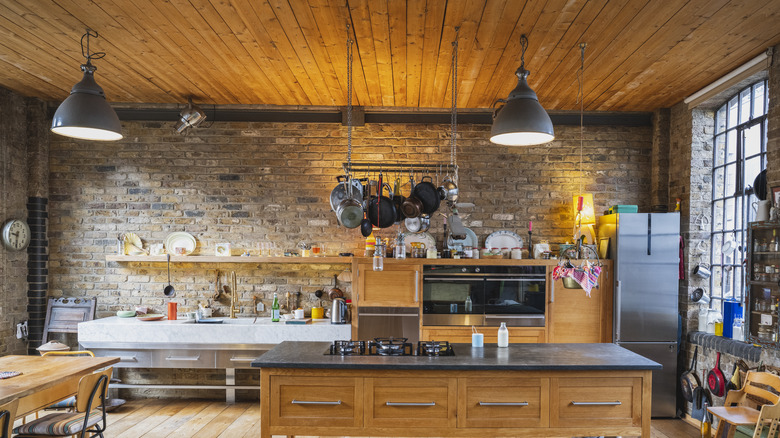
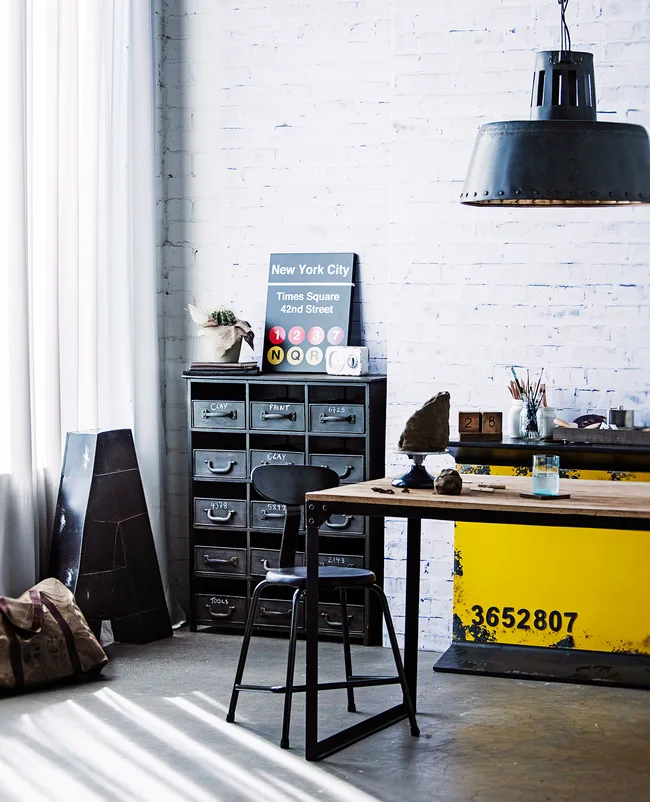
Edison bulbs, with their industrial aesthetic, became popular in the latter half of the decade. While this style is suitable for commercial spaces, it often made residential interiors feel cold and uninviting. Tufted headboards, upholstered for an elegant look, gained traction, but their dramatic appearance is better suited for hotels than domestic spaces and is rapidly becoming overdone. Finally, a nautical aesthetic permeated homes far beyond coastal or lakeside locations, creating a disconnected and illogical theme in many interiors. While some of these trends may linger, many are considered to be relics of the 2010s that contemporary design is moving beyond.
#HomeDecorTrends #InteriorDesign #2010sTrends #DesignReview #HomeStyling #OutdatedDecor #Shiplap #AccentWalls #ChevronPattern #MasonJars #HomeDecorTrends #InteriorDesign #2010sTrends #DesignReview #HomeStyling #OutdatedDecor #Shiplap #AccentWalls #ChevronPattern #MasonJars
0 comment in total
 No comments yet
You may also like
40 Outdated Home Trends We Hope Never to See Again

8 Home Trends That Are Tragically DEAD to the Design World

10 Outdated Decor Items That Don't Belong In Your Kitchen In 2025

Interior designers reveal the 12 things in your home you should get rid of
30 of the worst modern home trends that WILL go out of fashion | loveproperty.com

The #1 Home Trend You Should Avoid, According to Designers

17 popular trends interior designers wish would disappear
10 Horrifying Home Design Trends: 2023 Edition
7 home design trends to skip (and what to do instead)

11 "Outdated" Home Design Trends That Definitely Need A Resurrection
10 Horrifying Home Design Trends: 2022 Edition
2010-2020: The top interior trends from the past decade

17 Trends That Need to Disappear Forever , According to Interior Designers

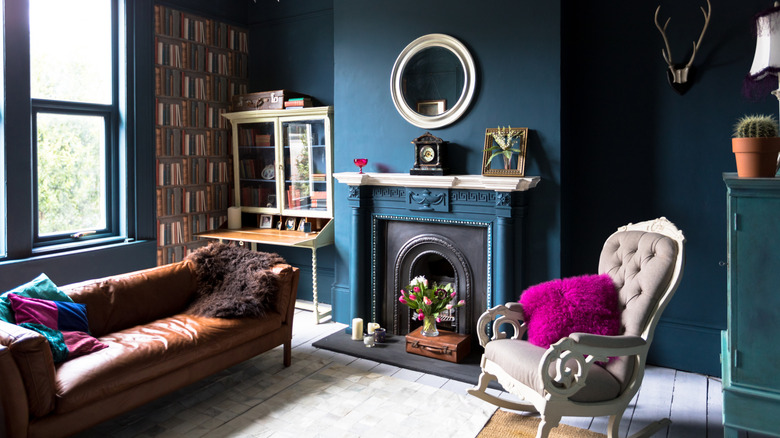
11 Moody Design Trends That Took Over Homes This Year (And One We're Ready To Ditch)

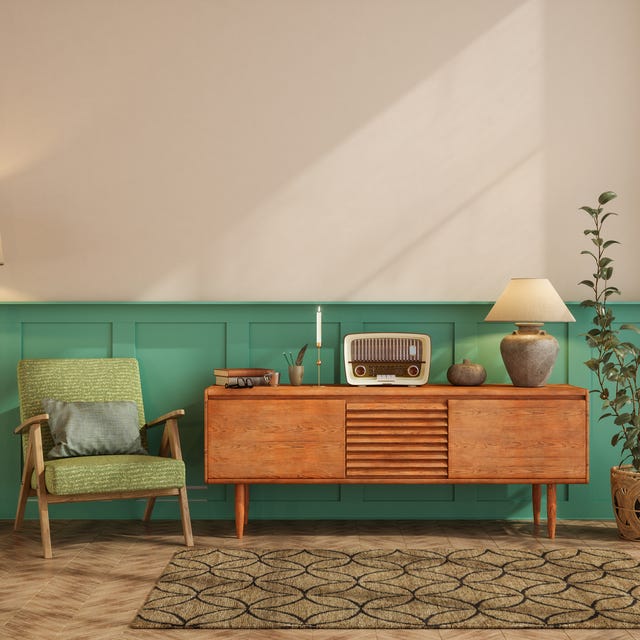
8 Tacky Home Trends That Designers Say Are TRAGICALLY Dead
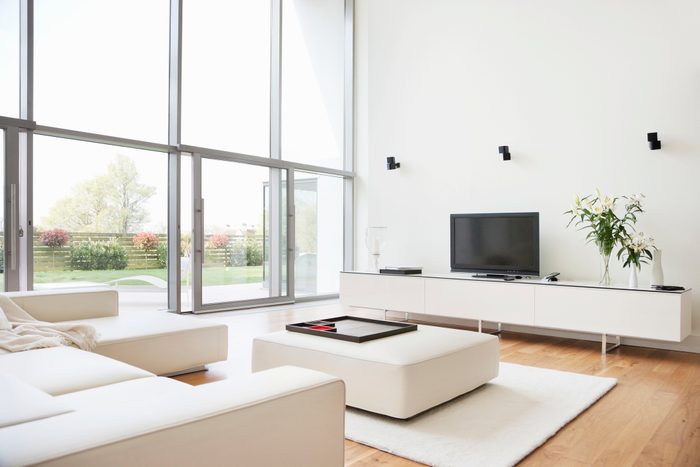
16 Home Décor Trends on Their Way Out

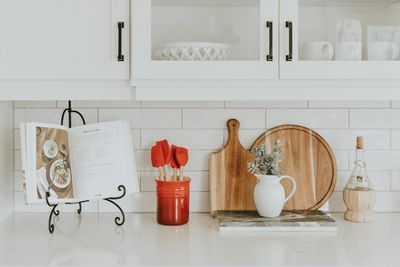
12 "Outdated" Kitchen Trends You Should Ditch In 2025 (But You Probably Have)

13 Outdated Kitchen Trends You Can Leave In The Past
13 Home Design Trends That Are Dating Your Home
Tracking home decor trends that are on the way out