1/7
What is Scandinavian interior design? Experts explain its beauty and functionality
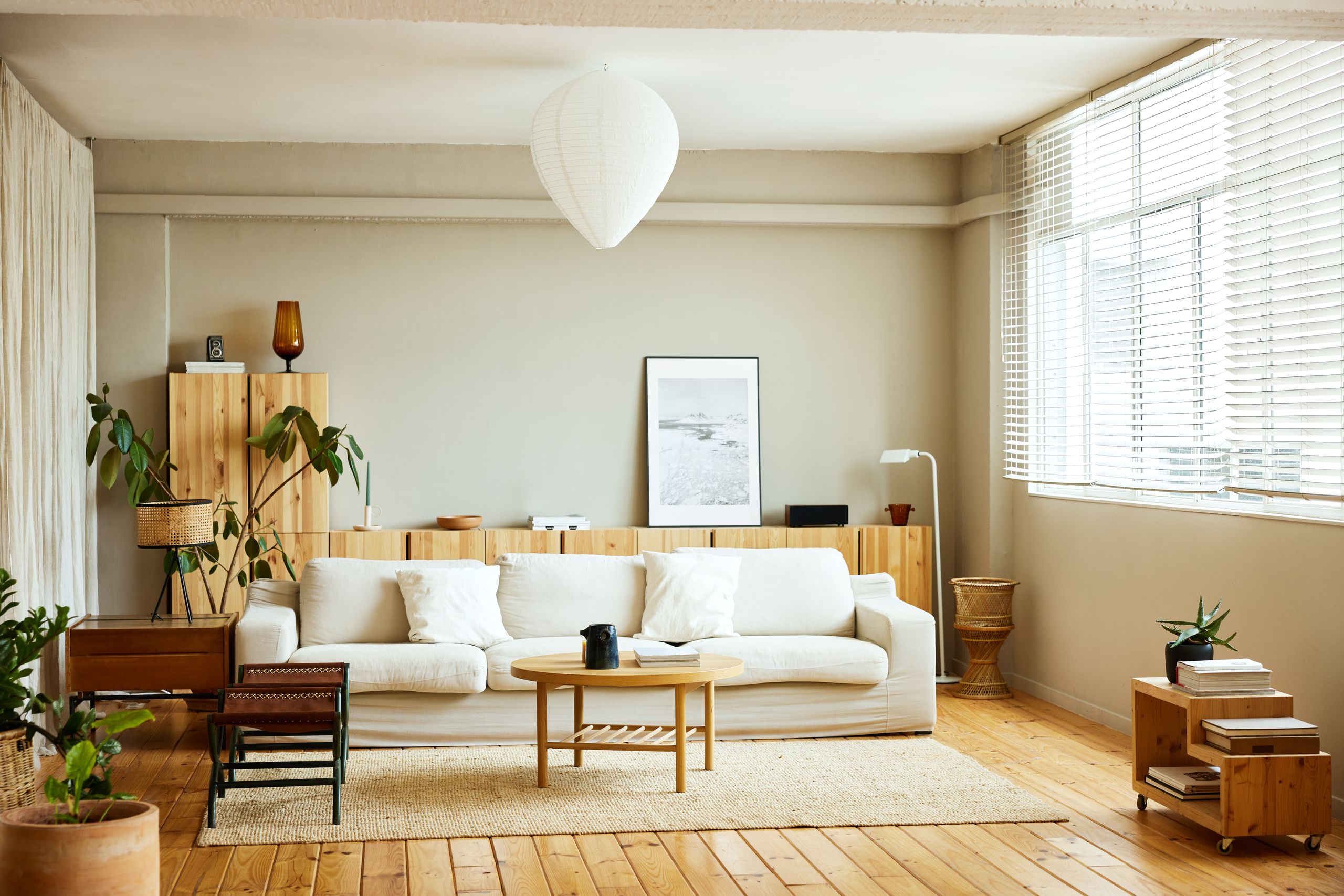
Scandinavian interior design is a widely appreciated style characterized by its minimalist, clean aesthetic, and a seamless blend of functionality with beauty. It prioritizes simple lines, open spaces, and essential elements, avoiding clutter. This design philosophy is suitable for various home sizes, from small city apartments to larger houses, due to its emphasis on maximizing space and light.
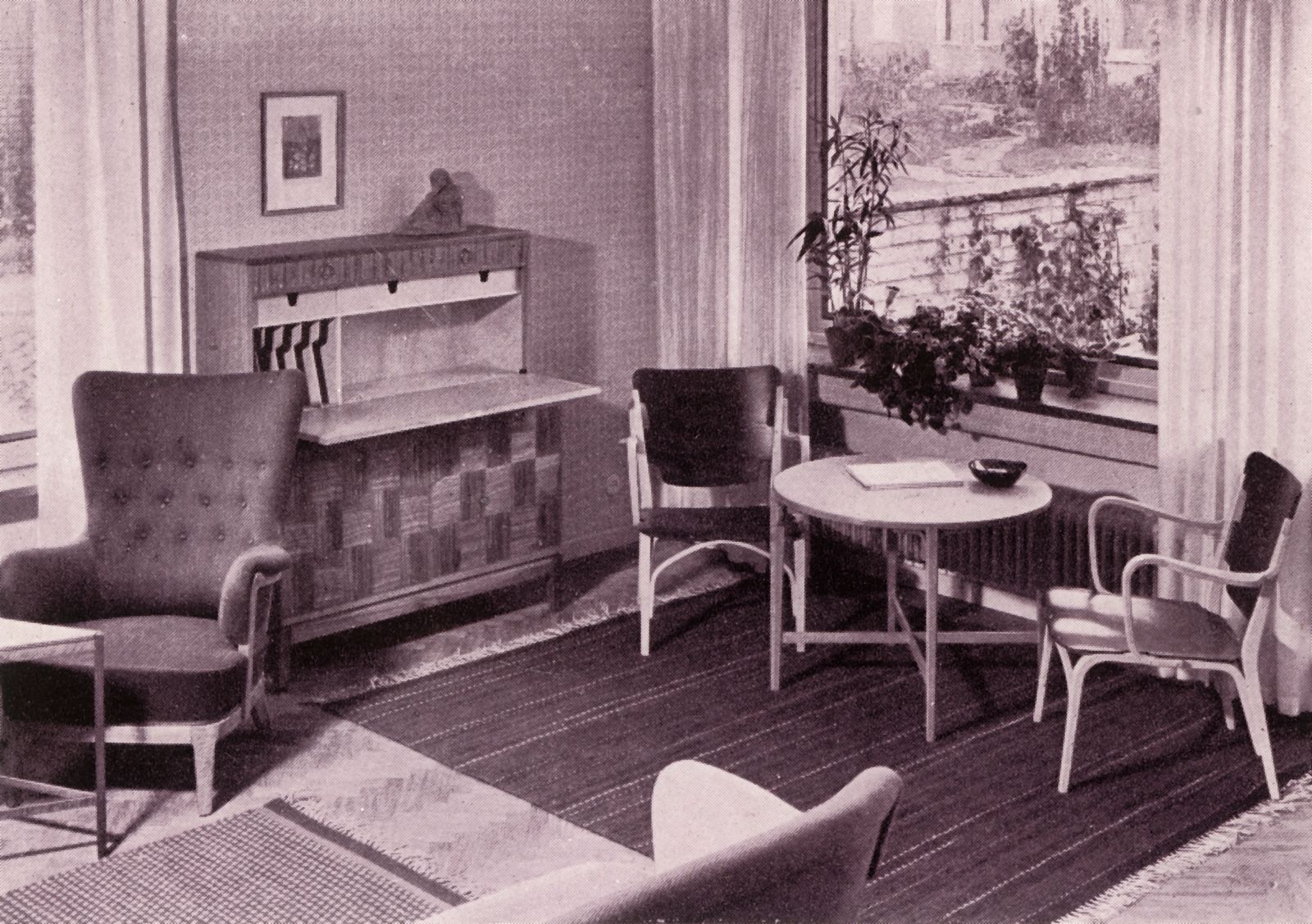
The origins of modern Scandinavian design can be traced back to the early 20th century, gaining significant momentum in the 1930s across Sweden, Norway, Denmark, Finland, and Iceland. It achieved global recognition in the 1950s, largely influenced by designers like Arne Jacobsen and Josef Frank, who merged constructivism and functionalism. The 'Design in Scandinavia' exhibition, which toured 24 museums in the US from 1954 to 1957, played a crucial role in introducing and popularizing this aesthetic in America, appealing to post-war preferences for minimalism and practicality.
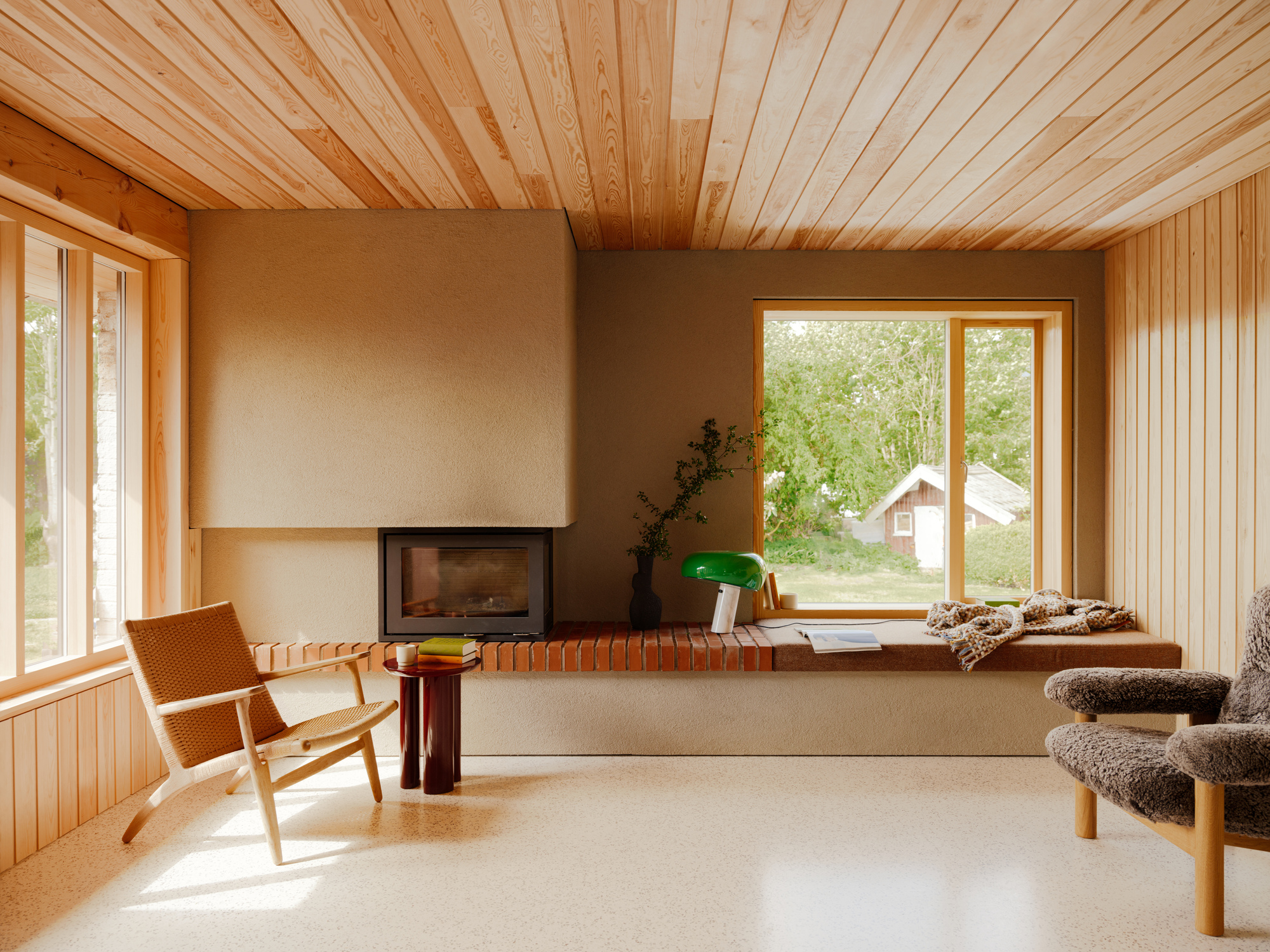
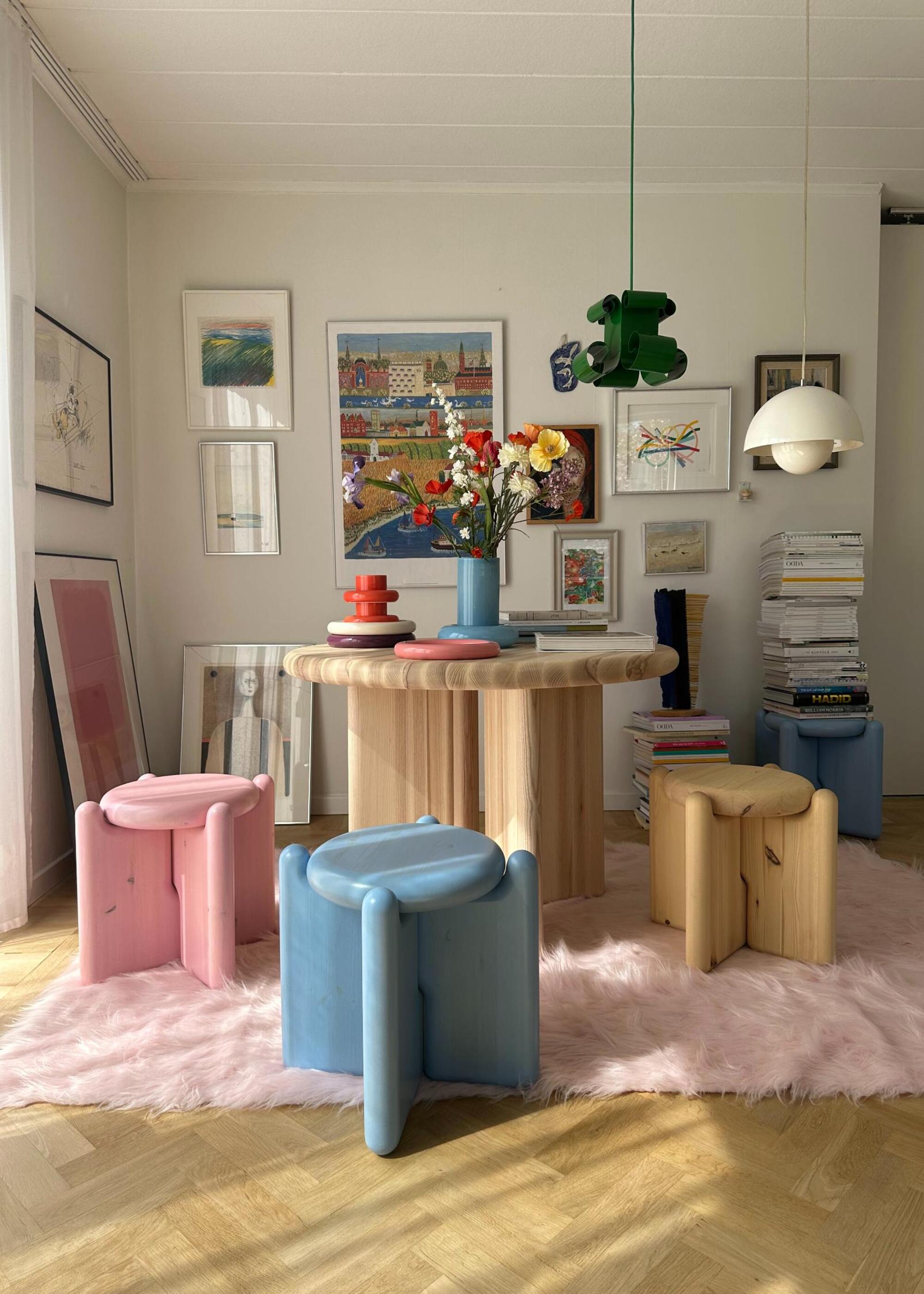
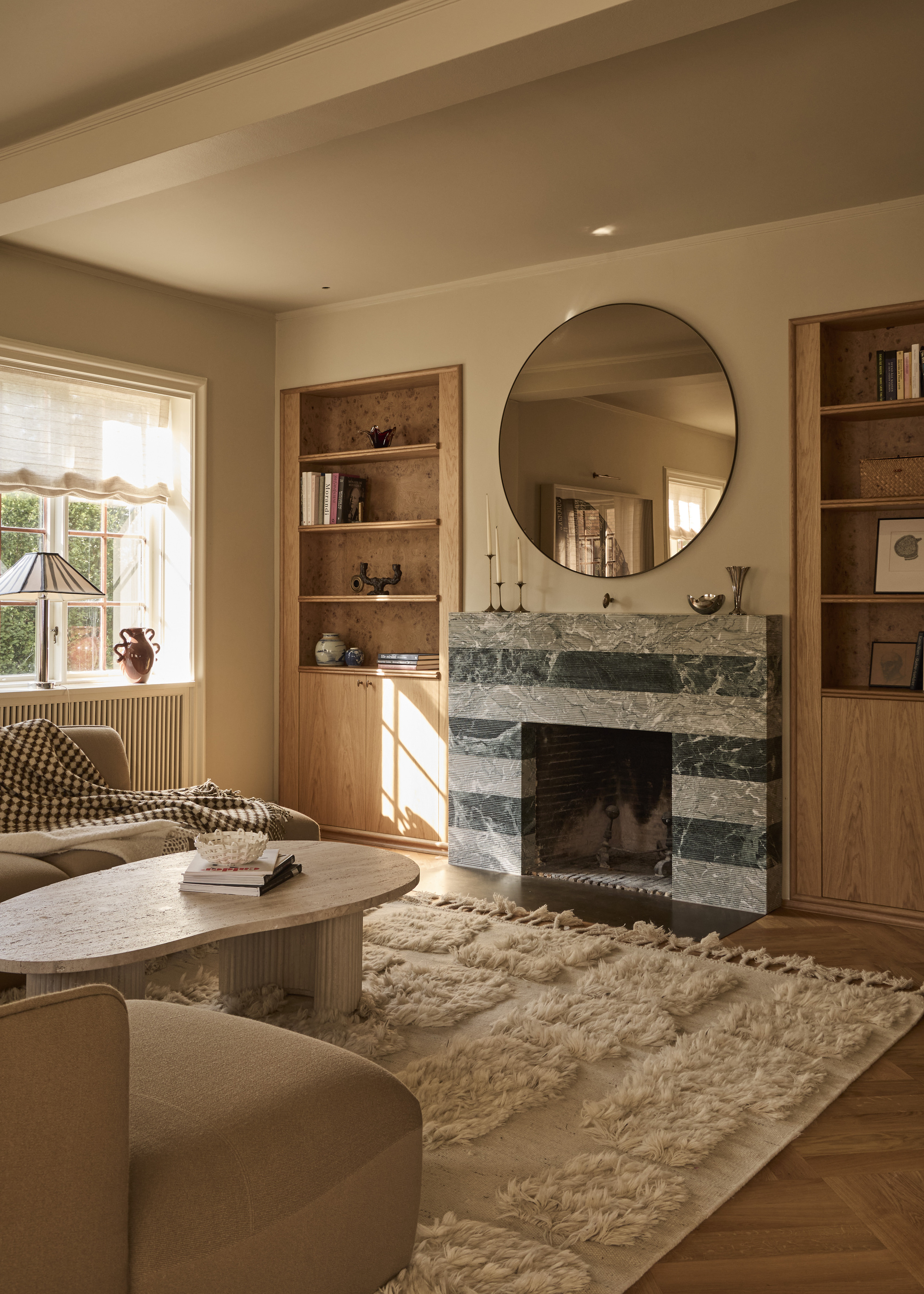
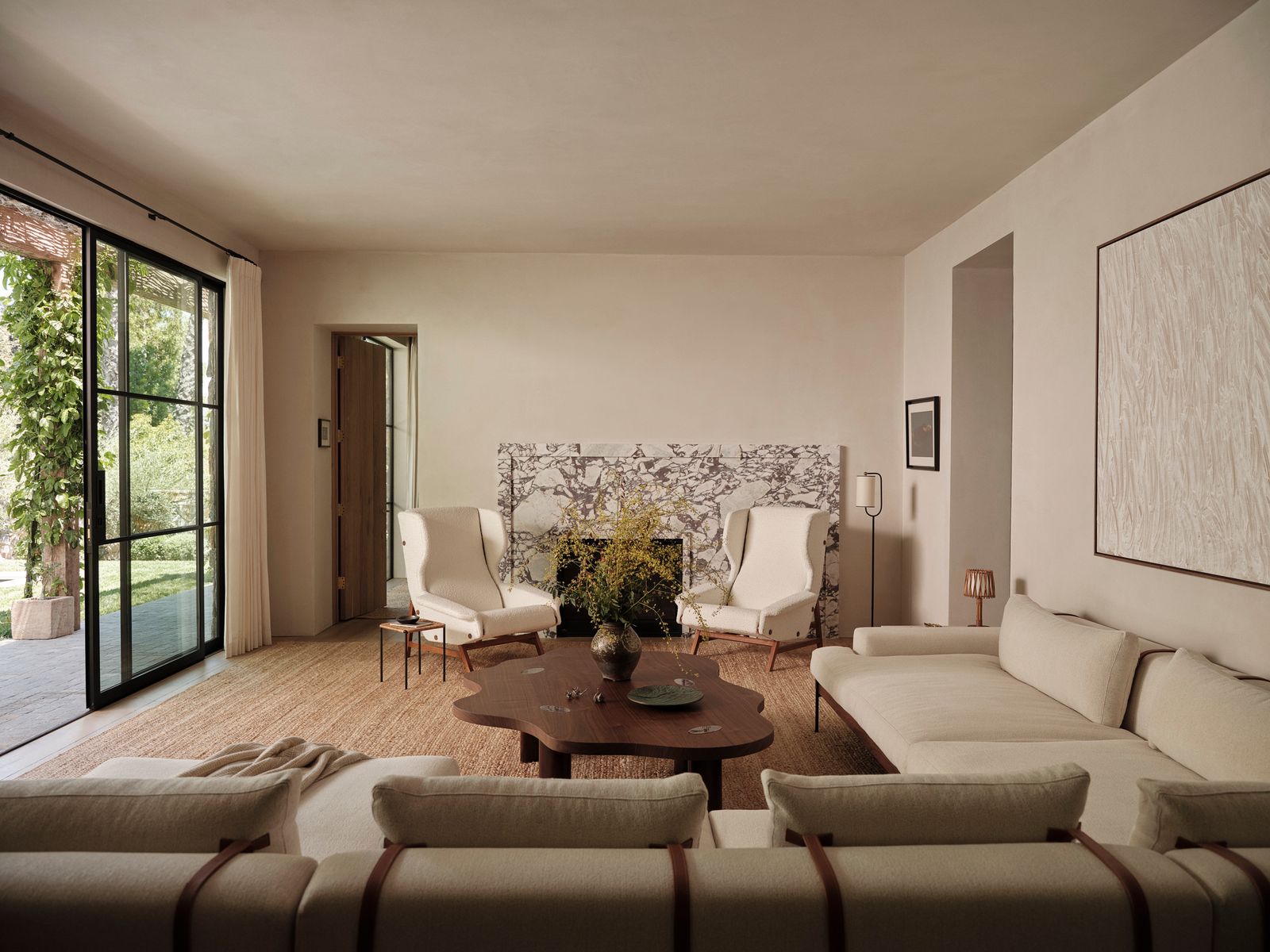
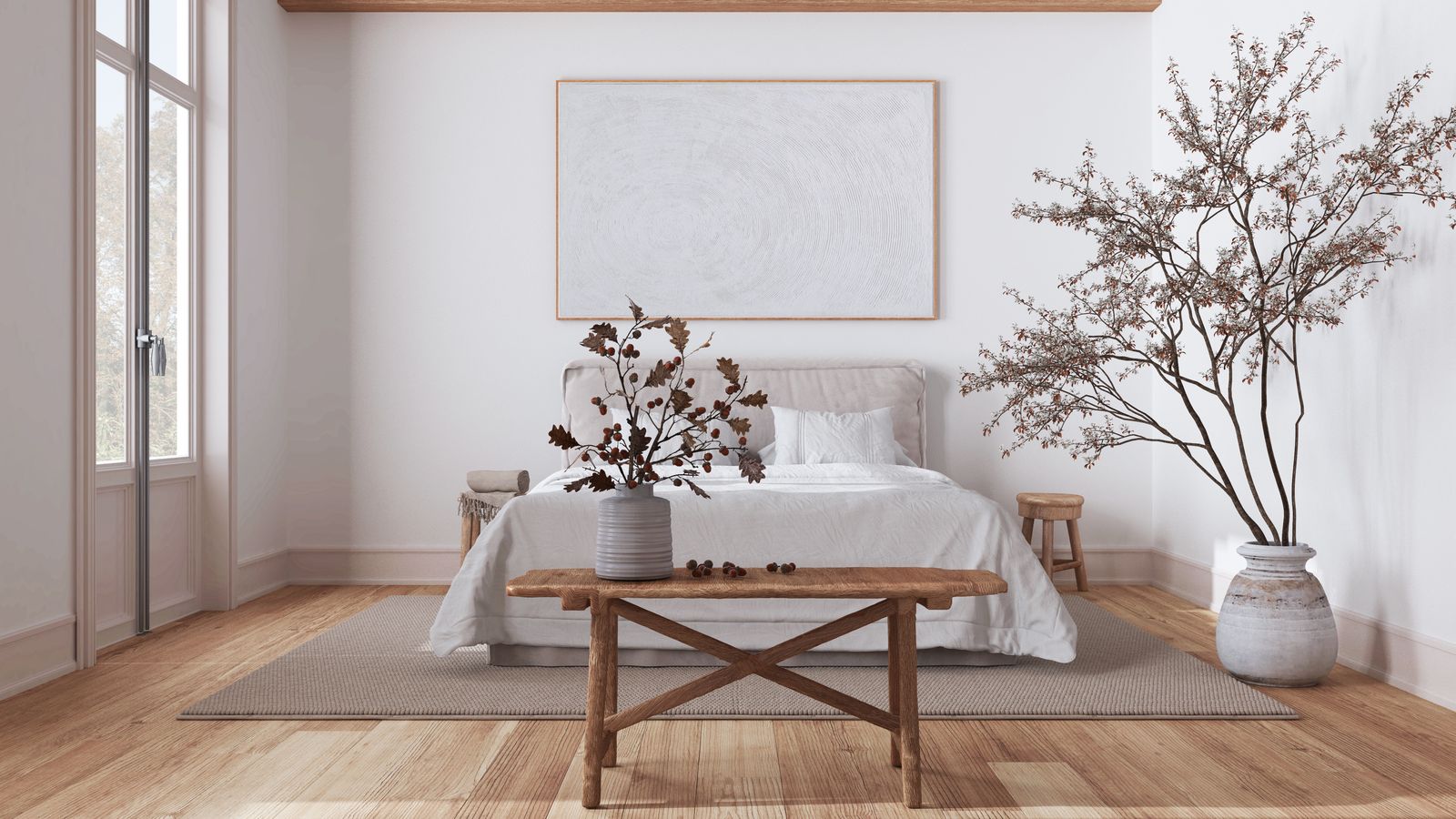
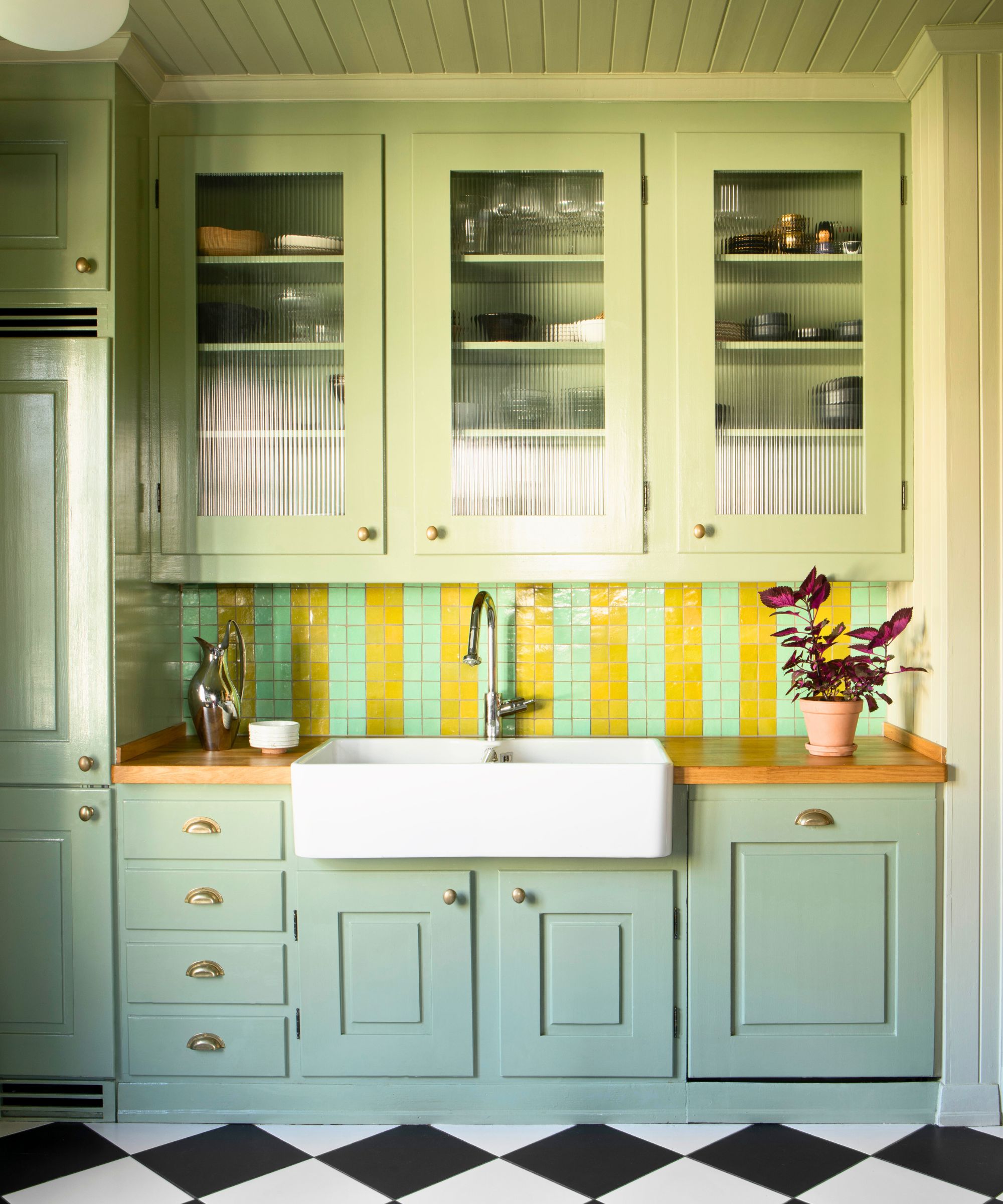
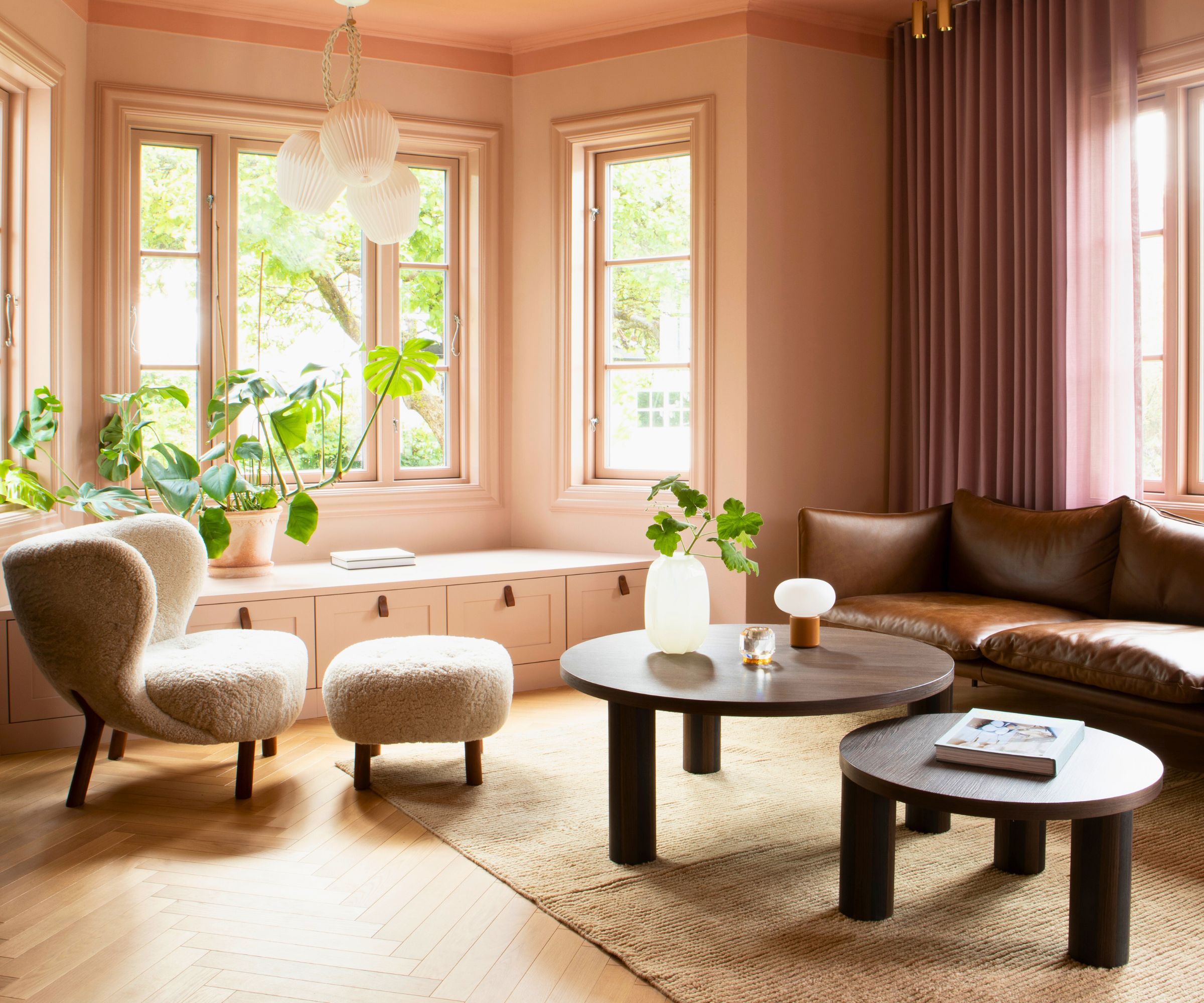
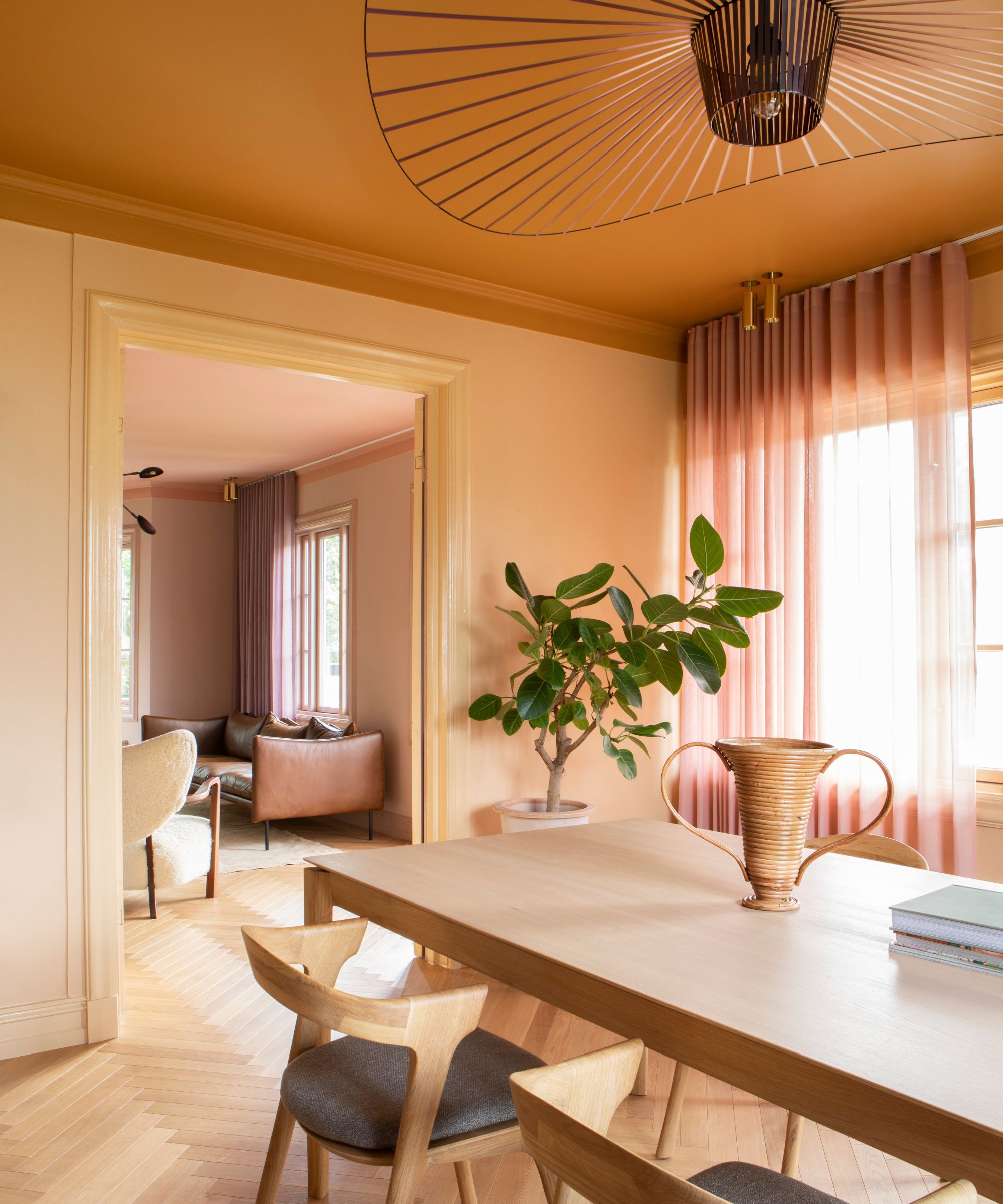
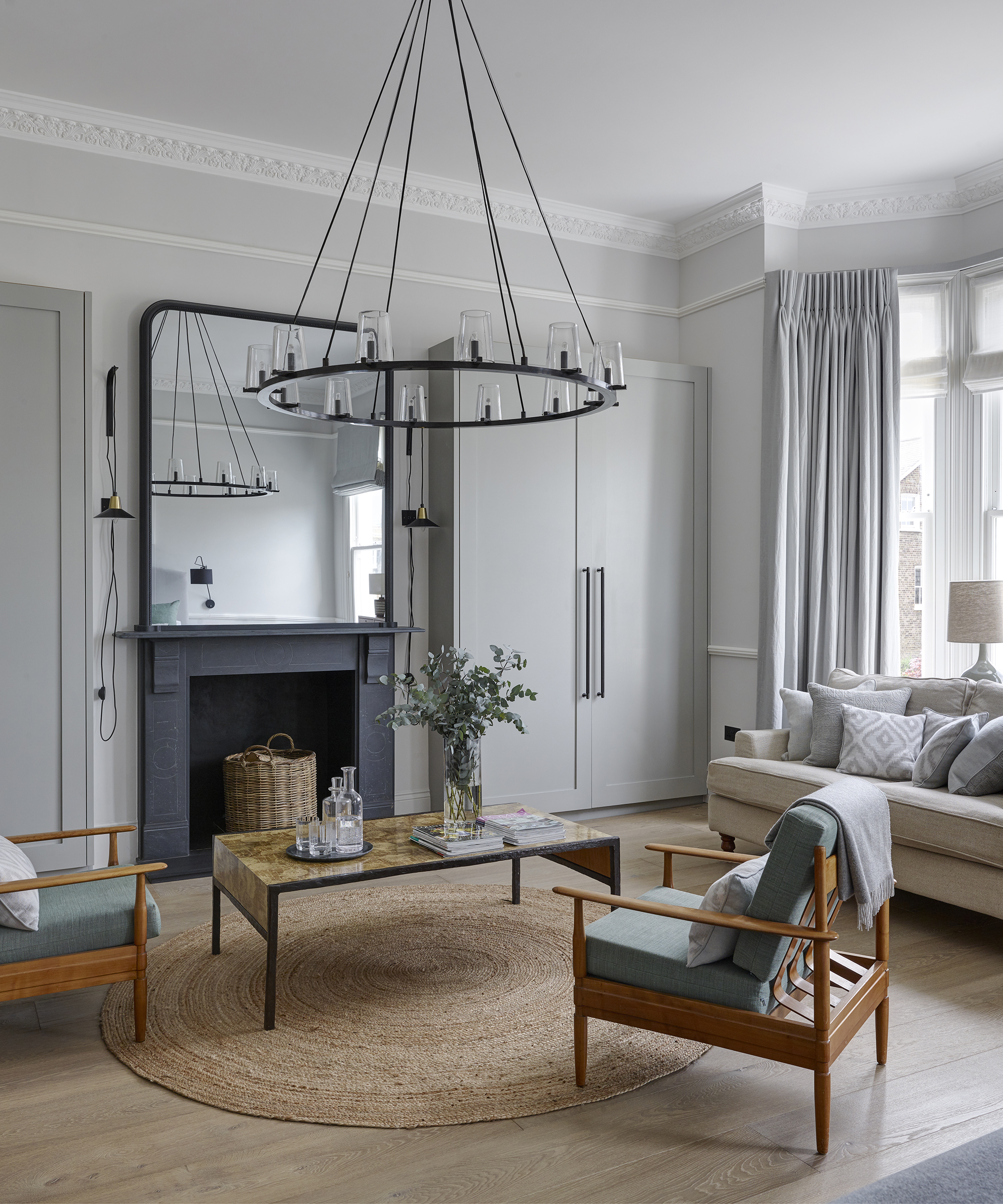
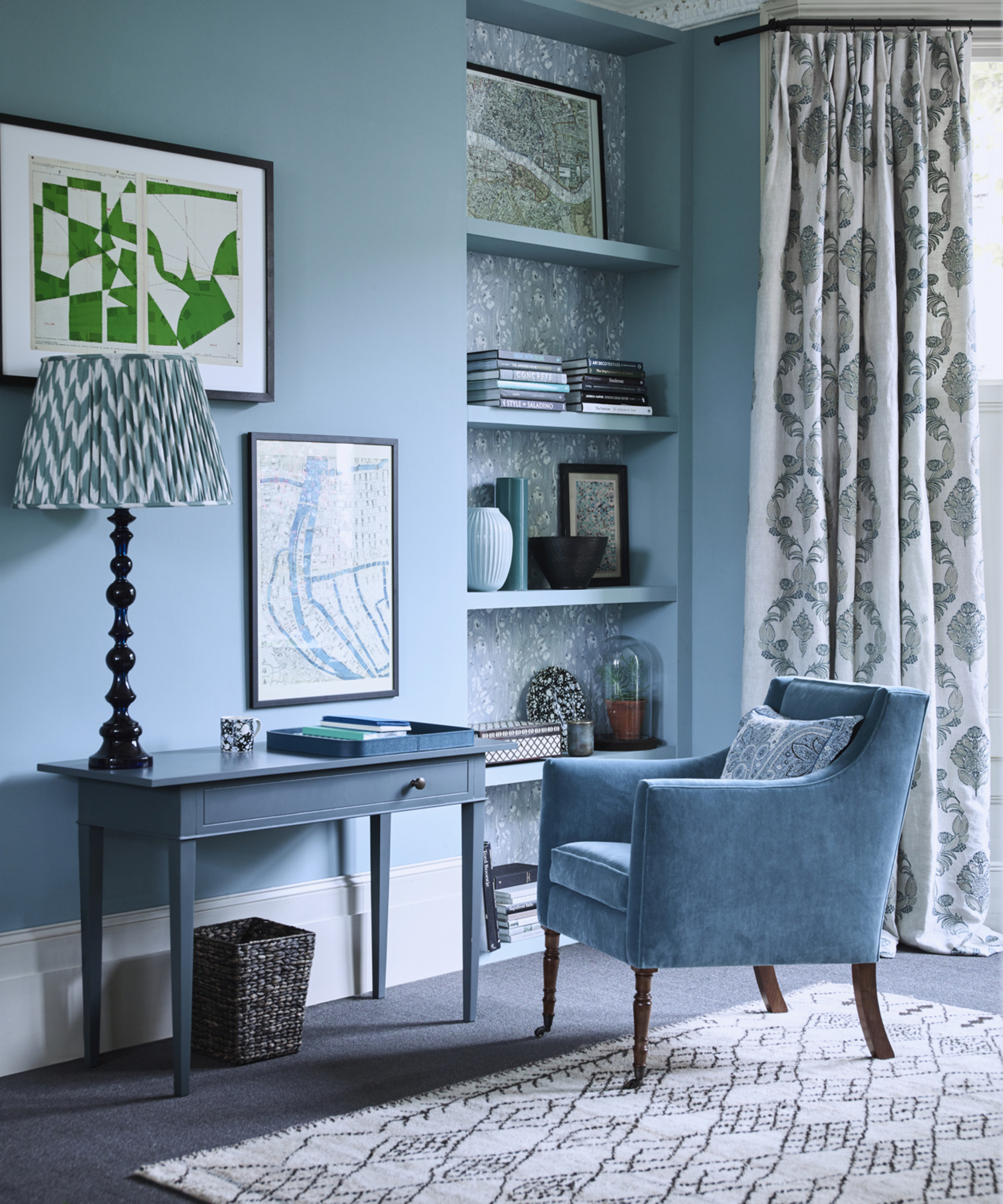
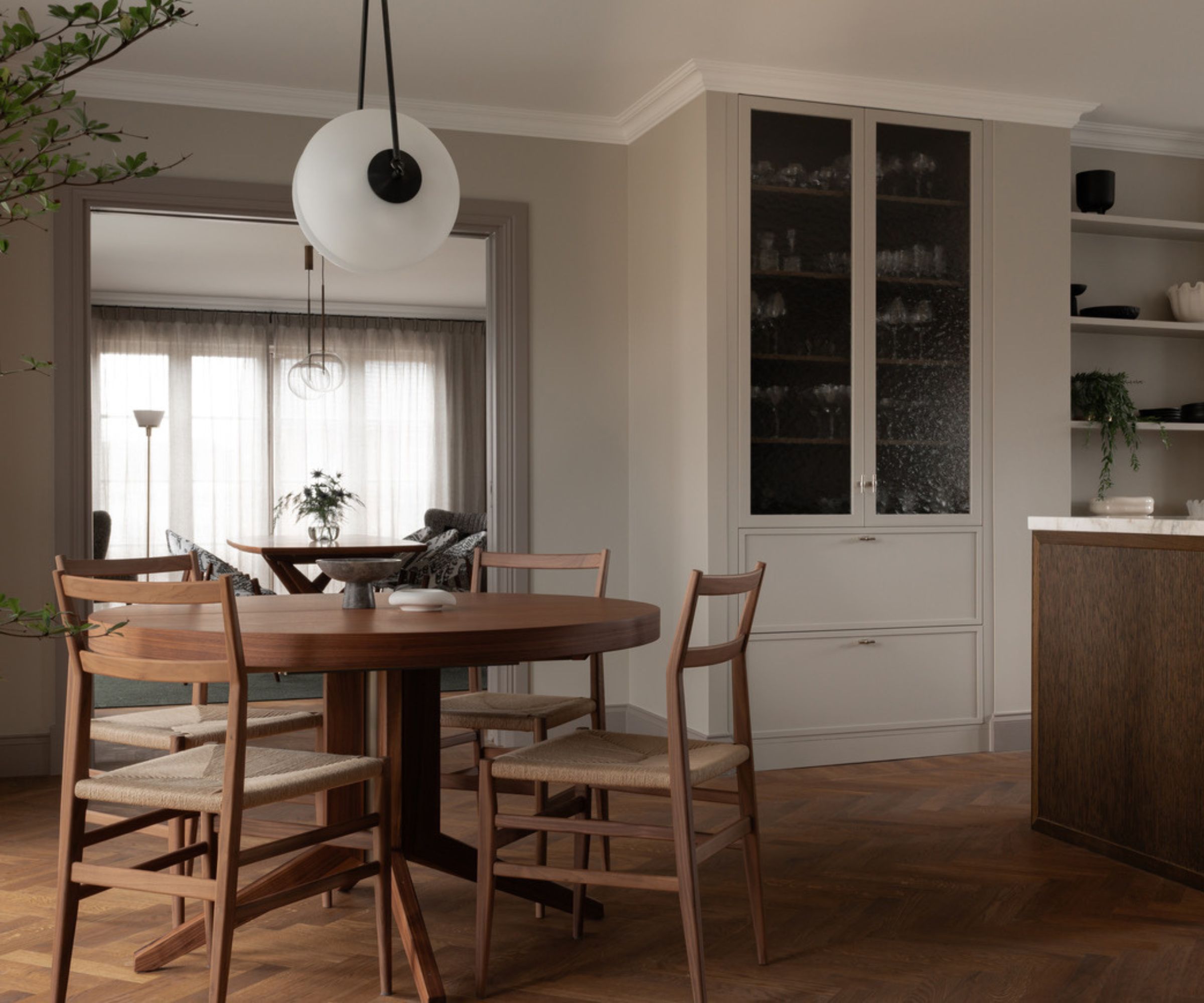
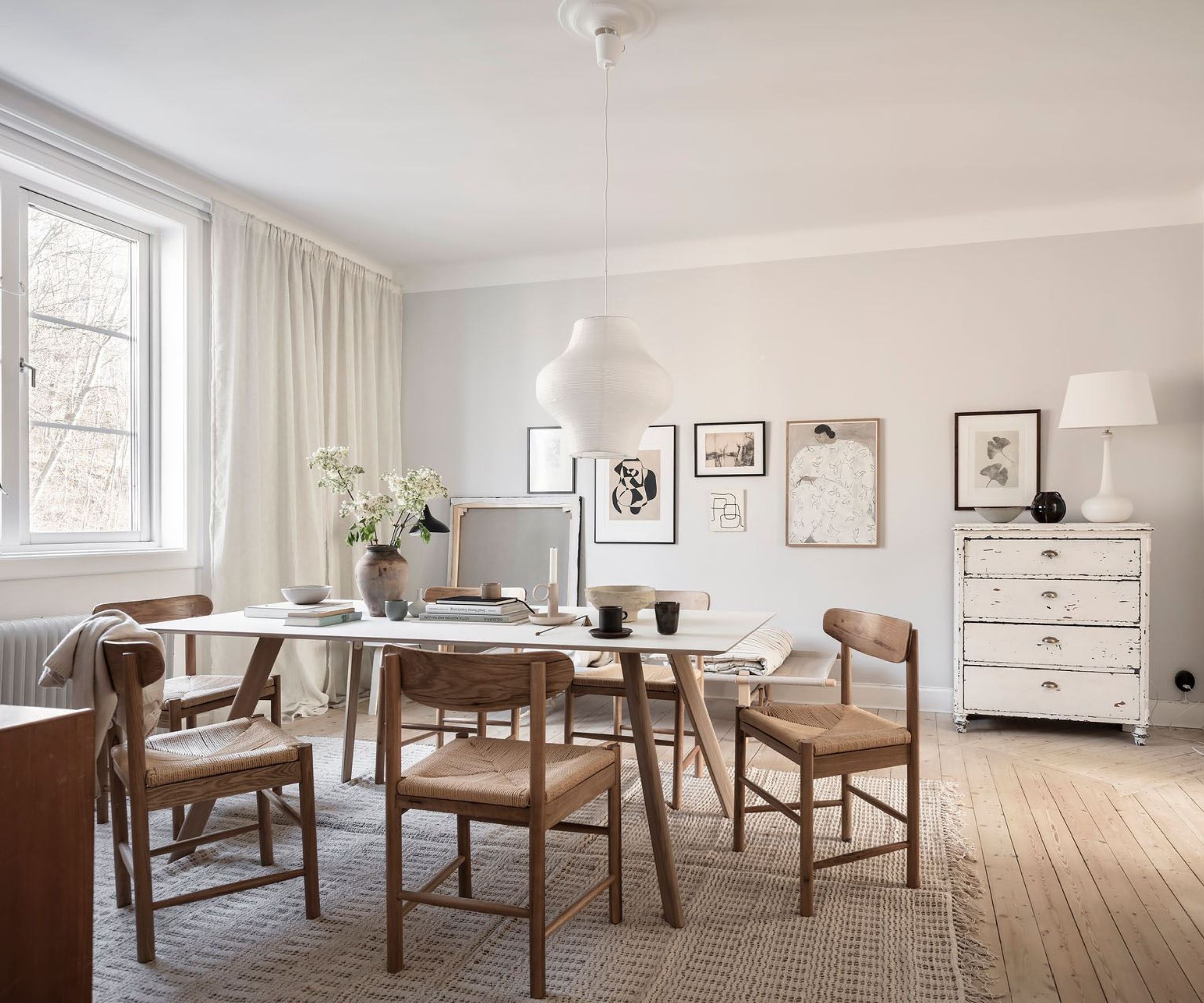
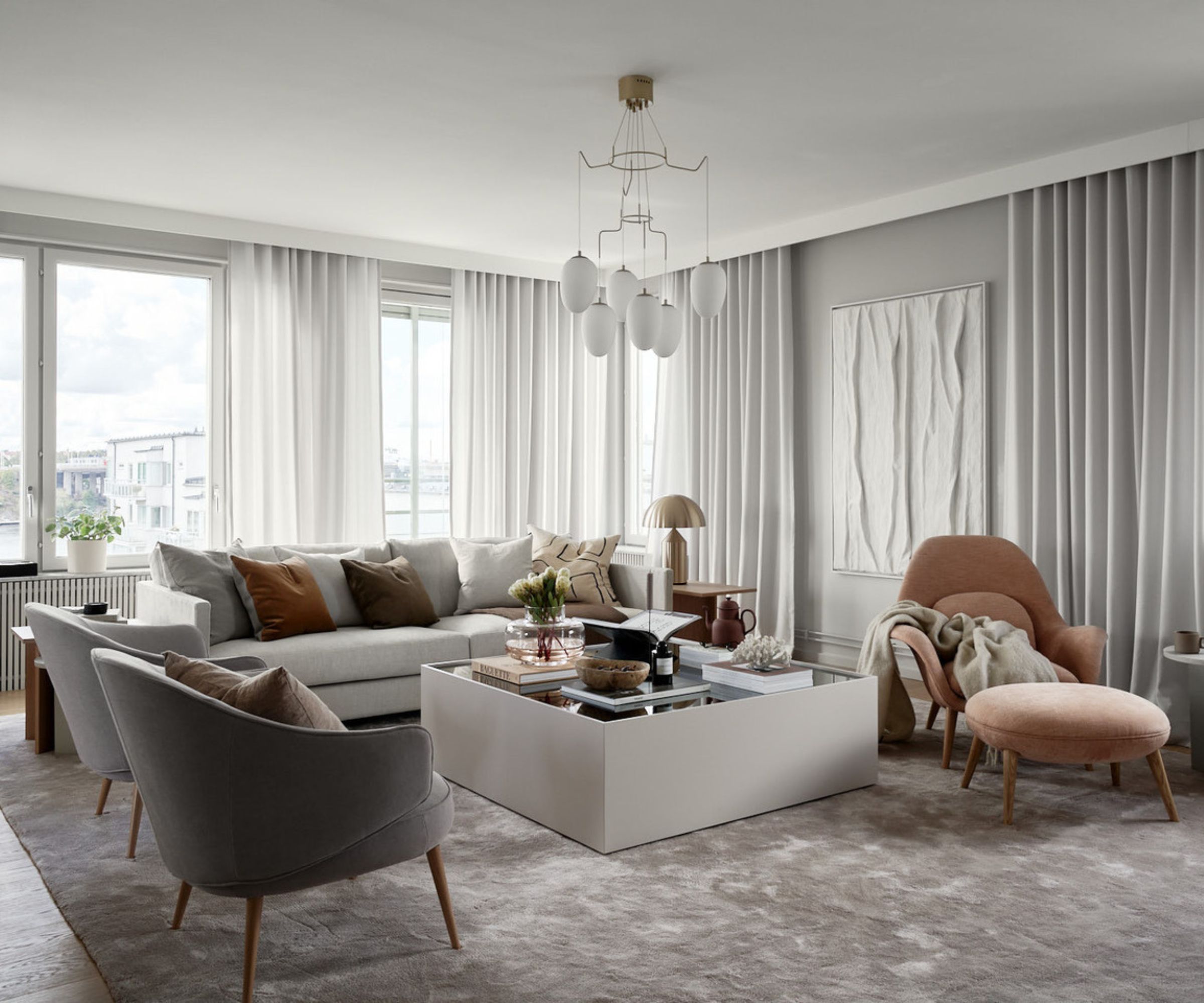
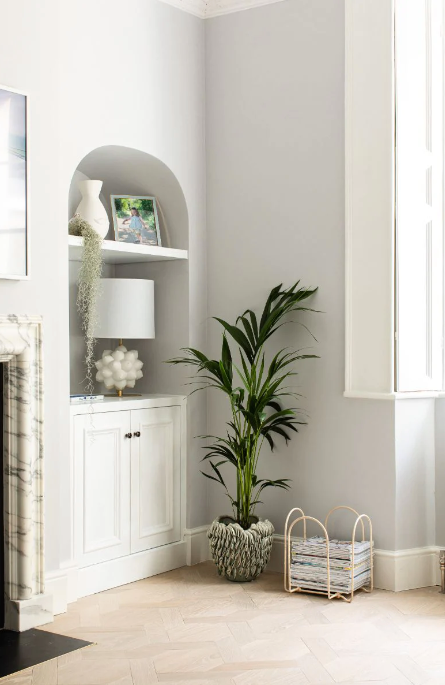
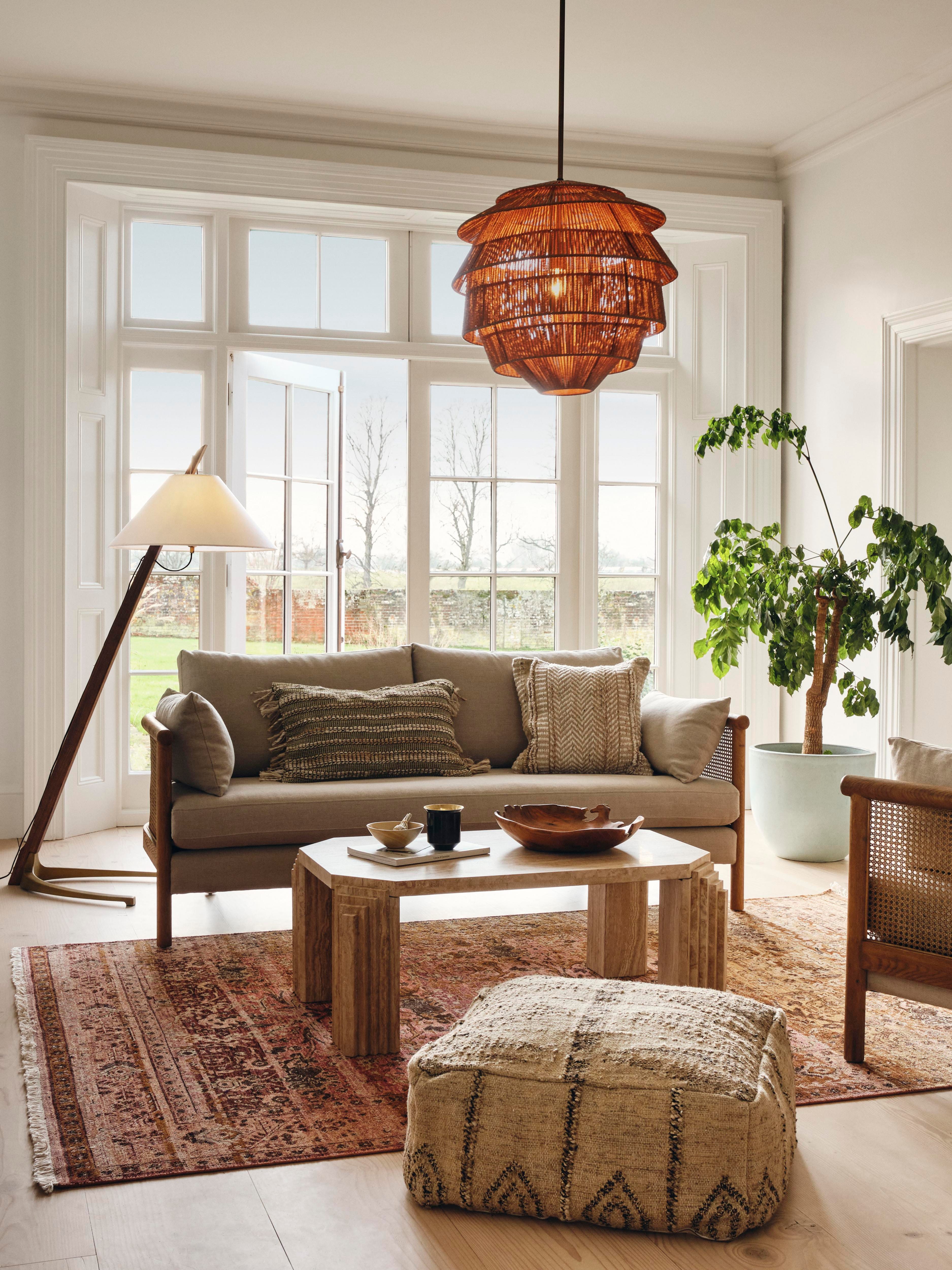
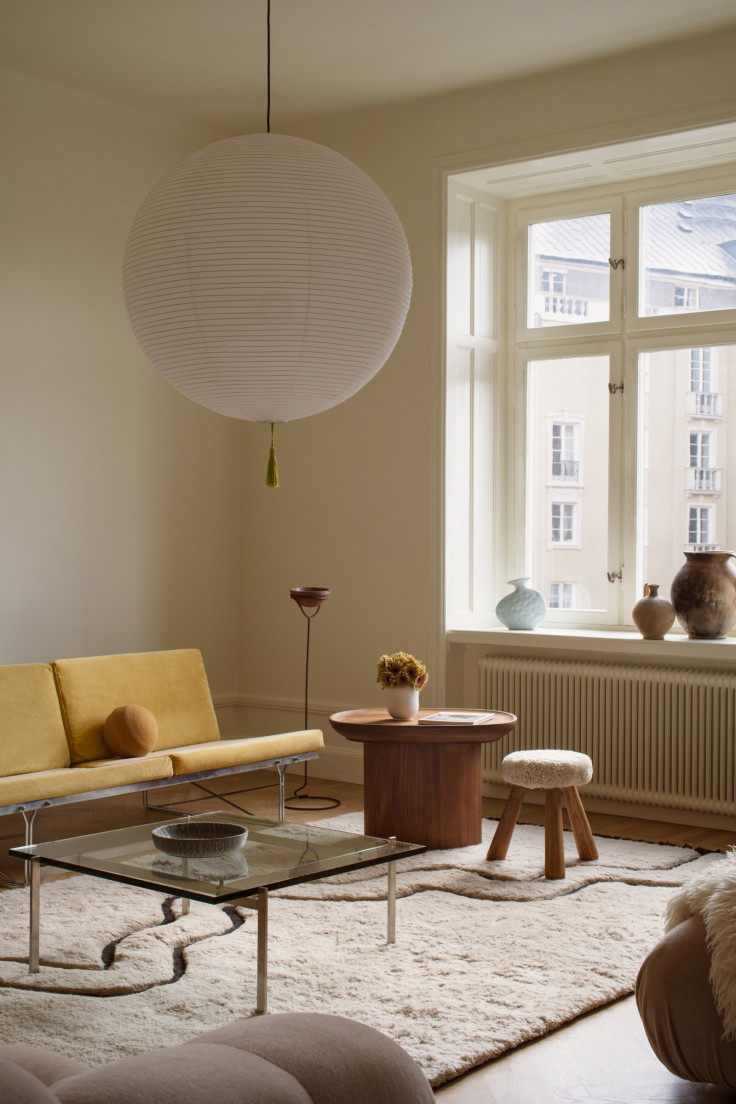
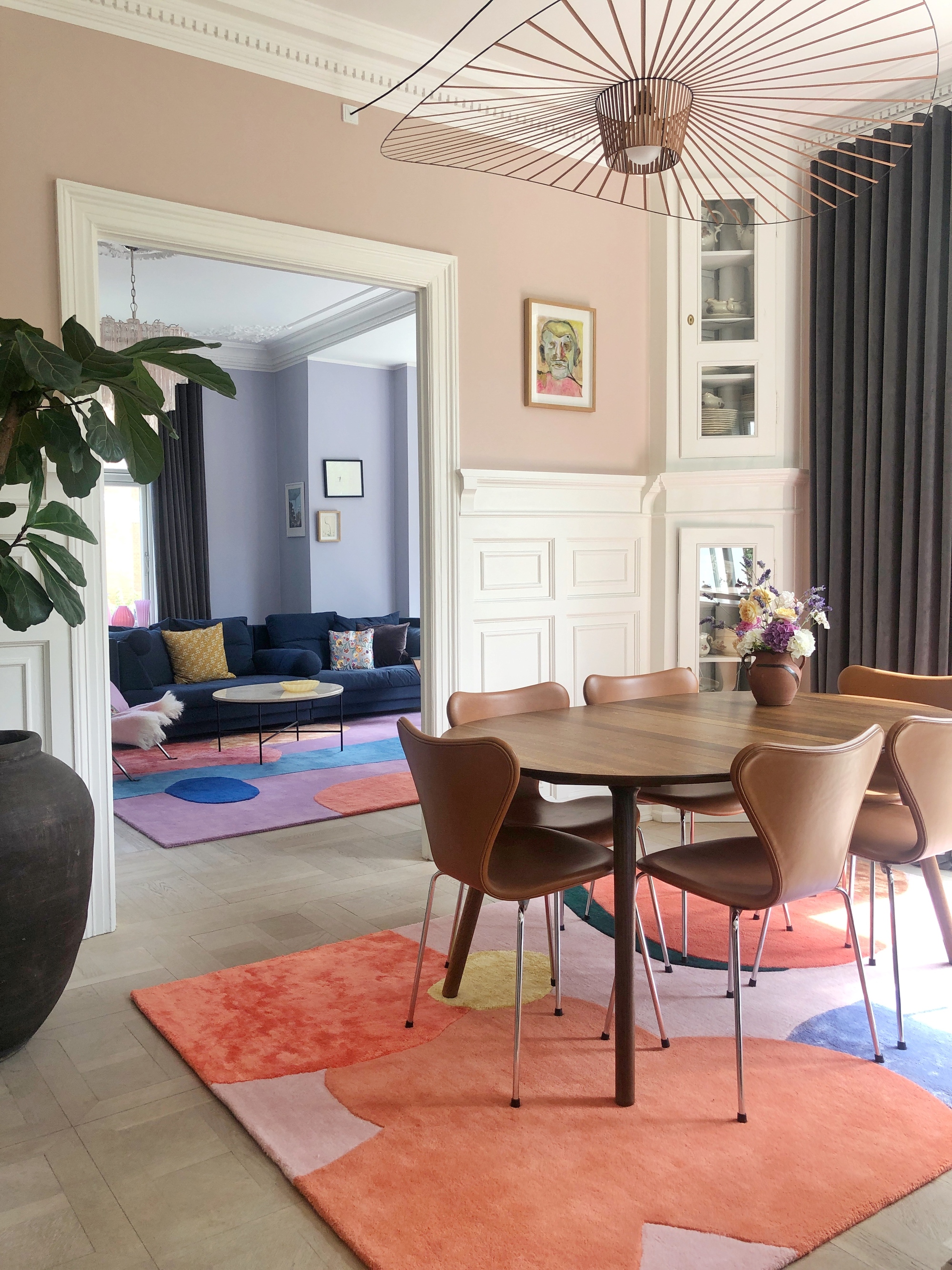
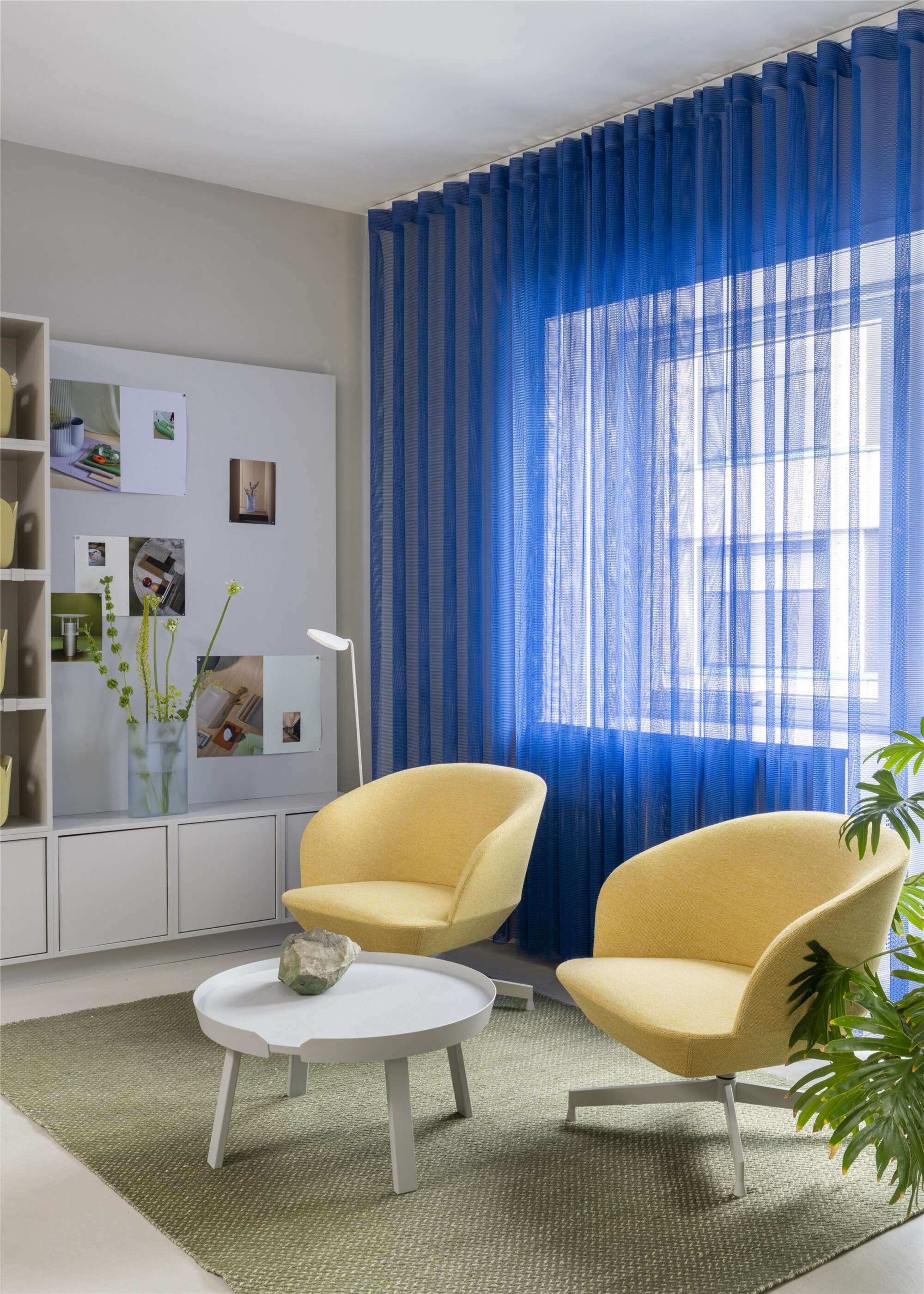
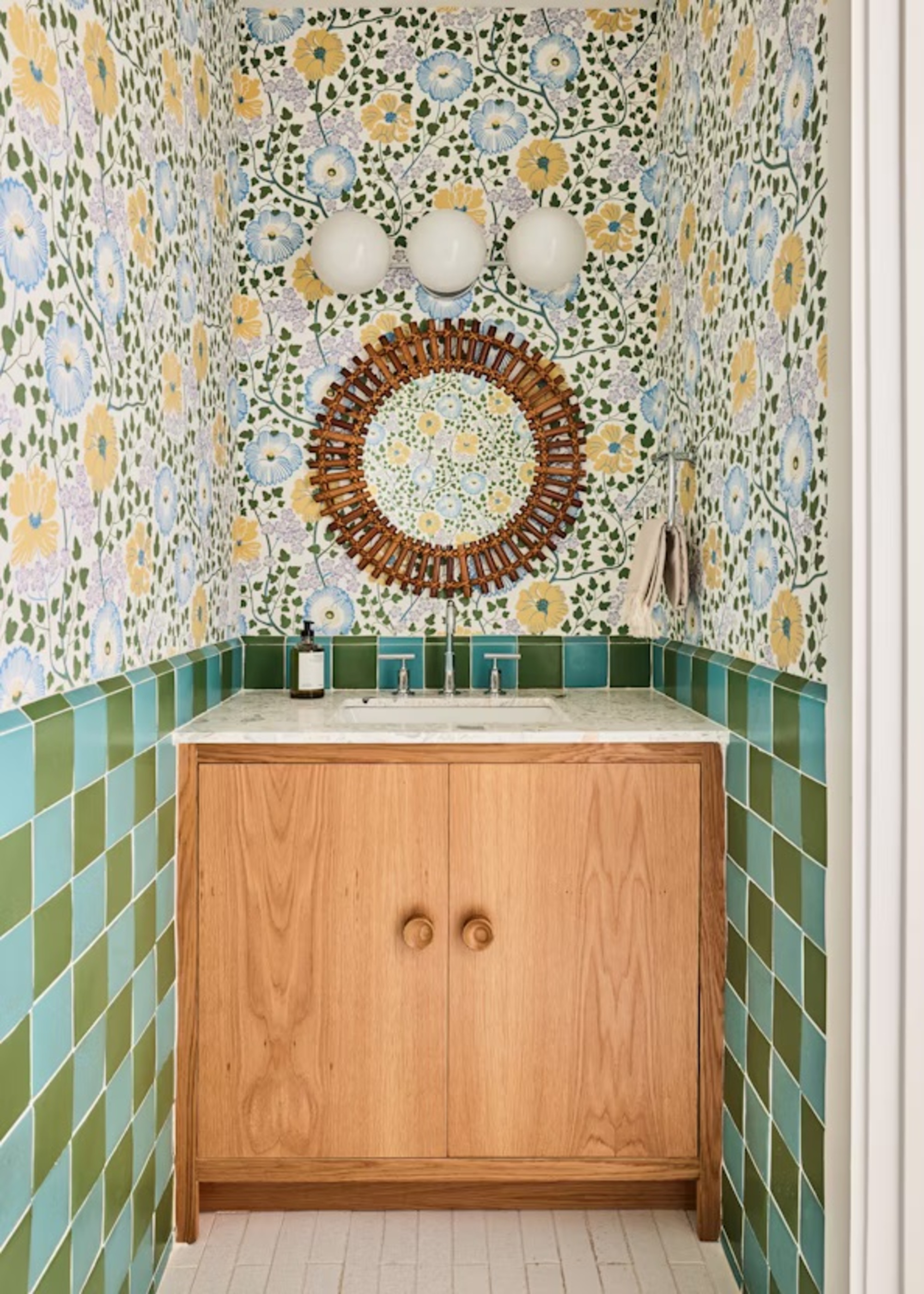
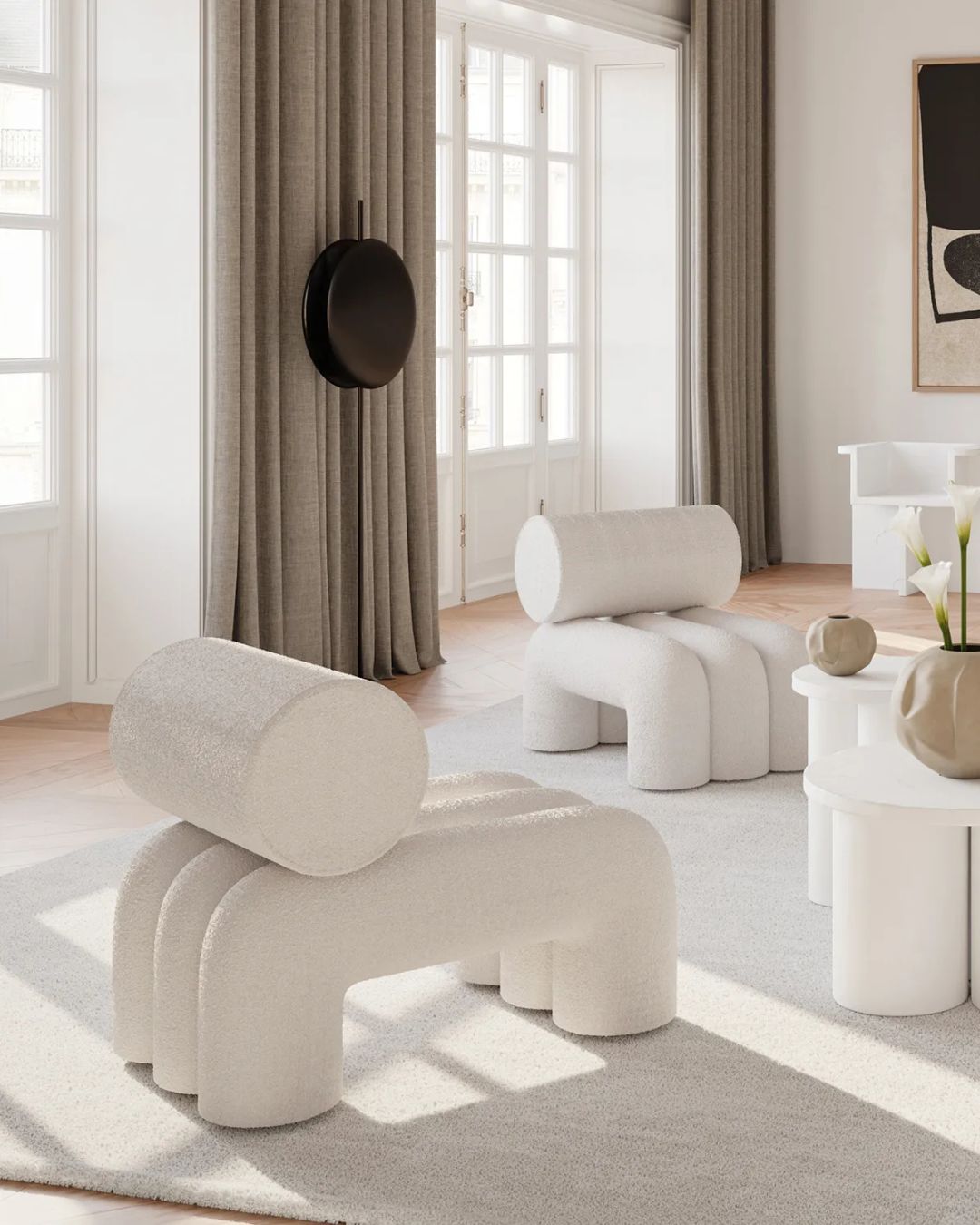
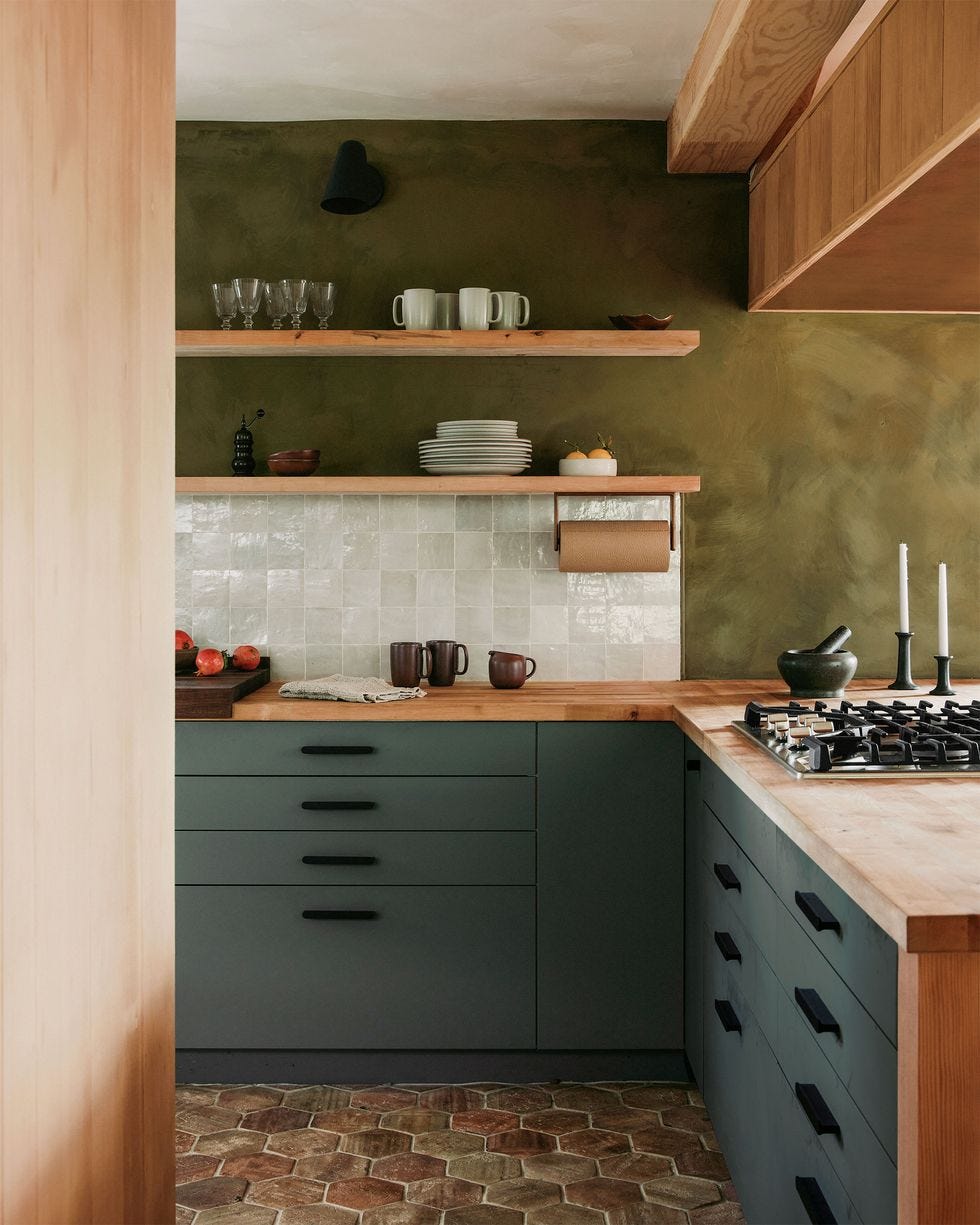
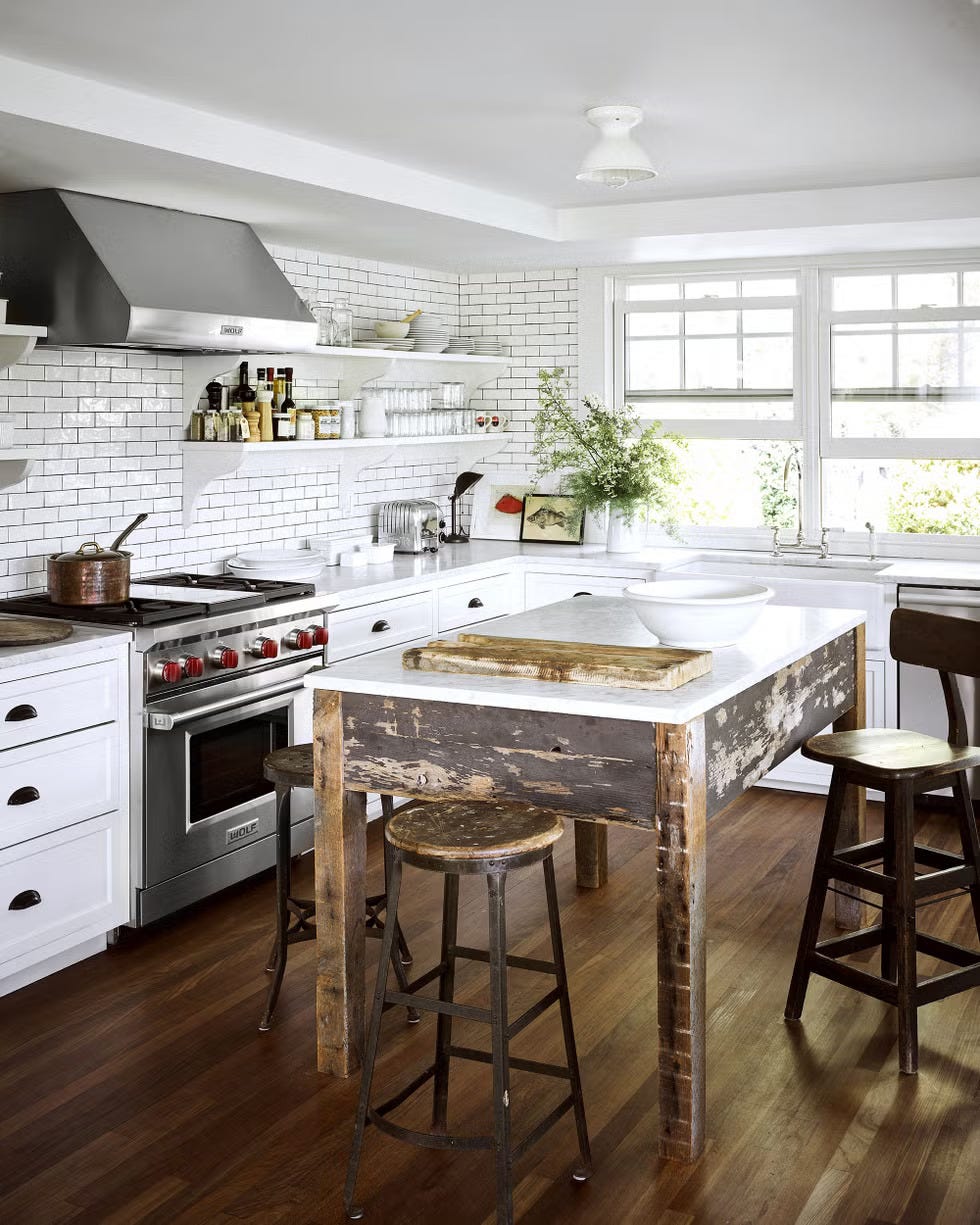
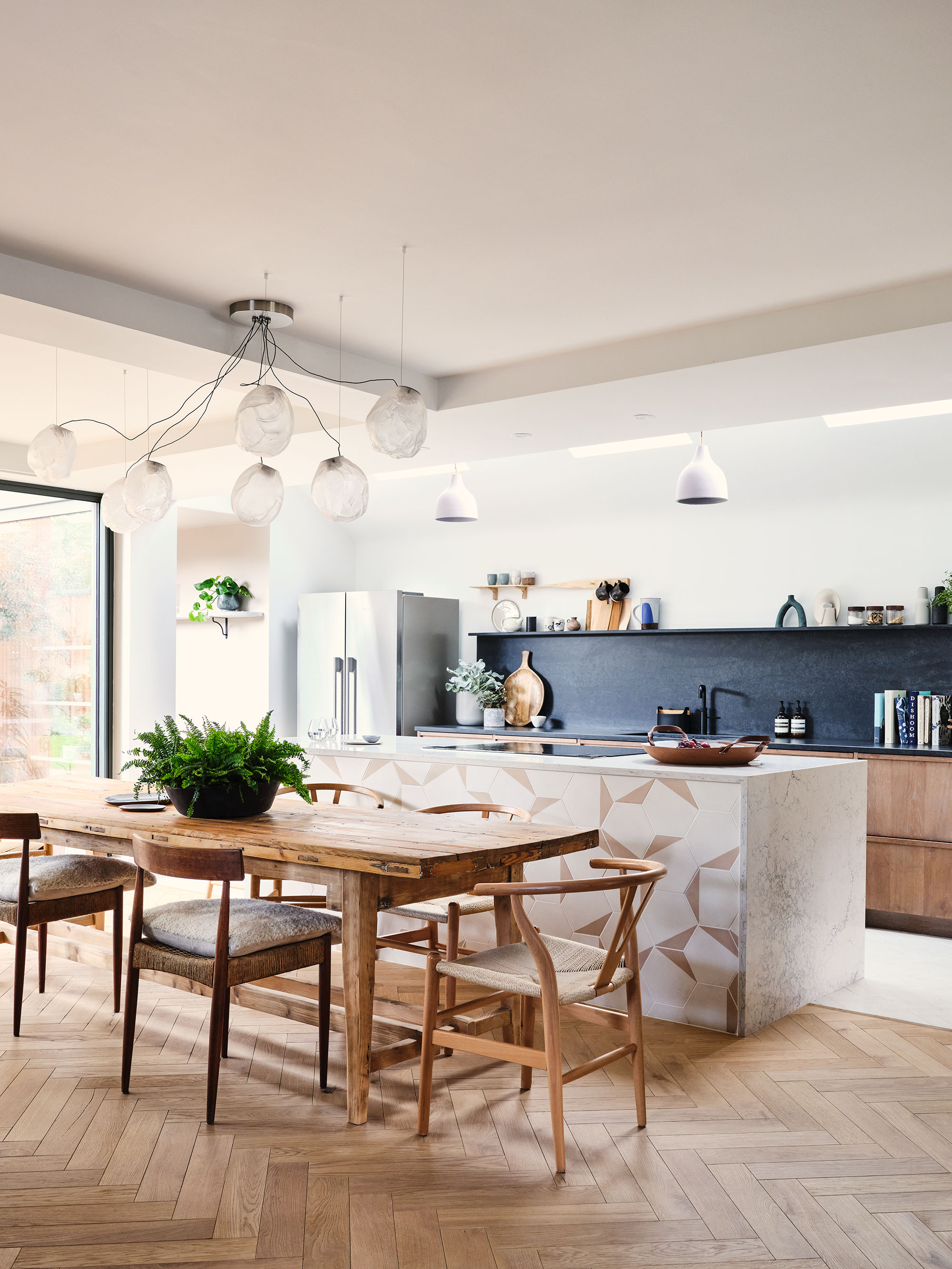
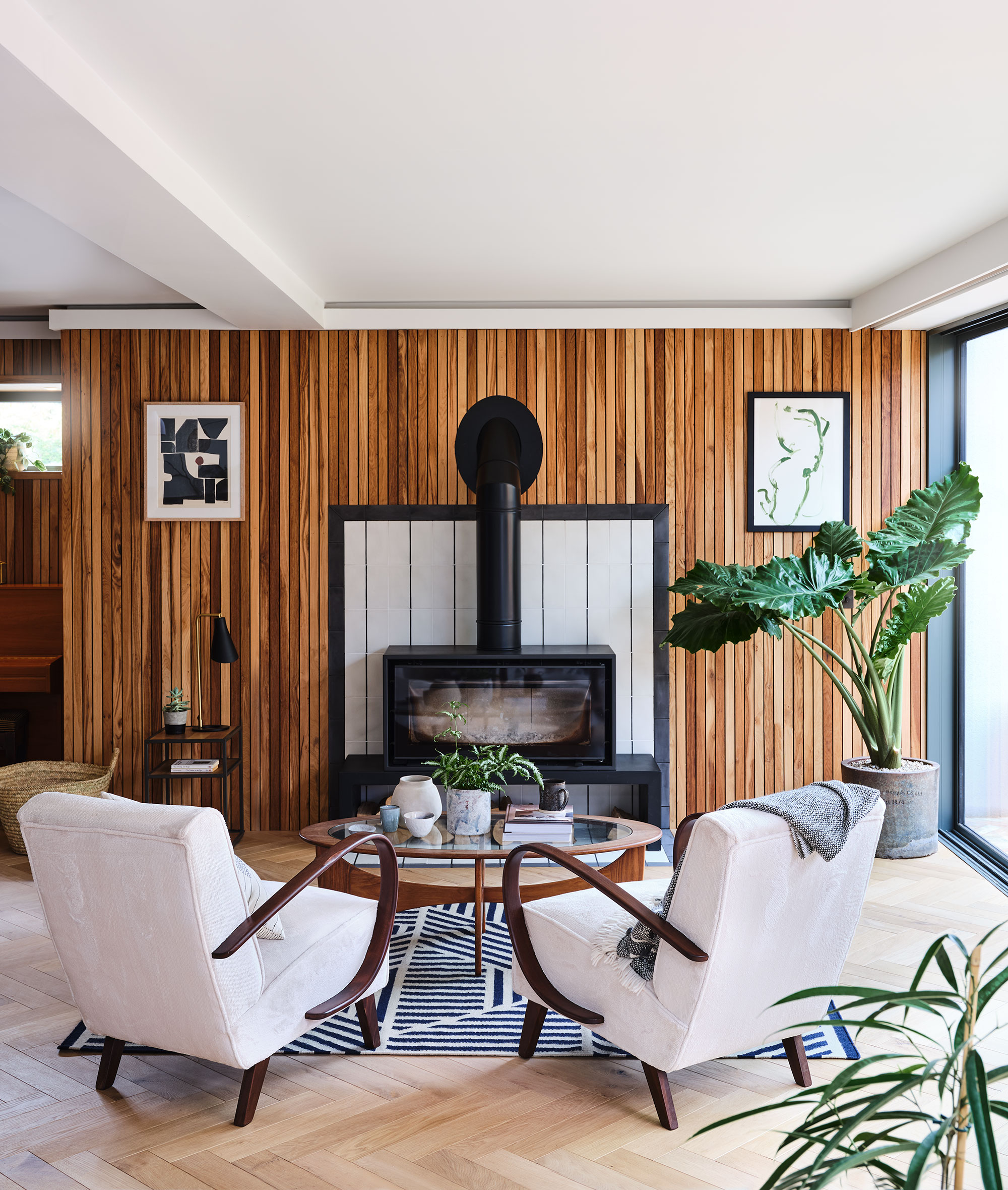
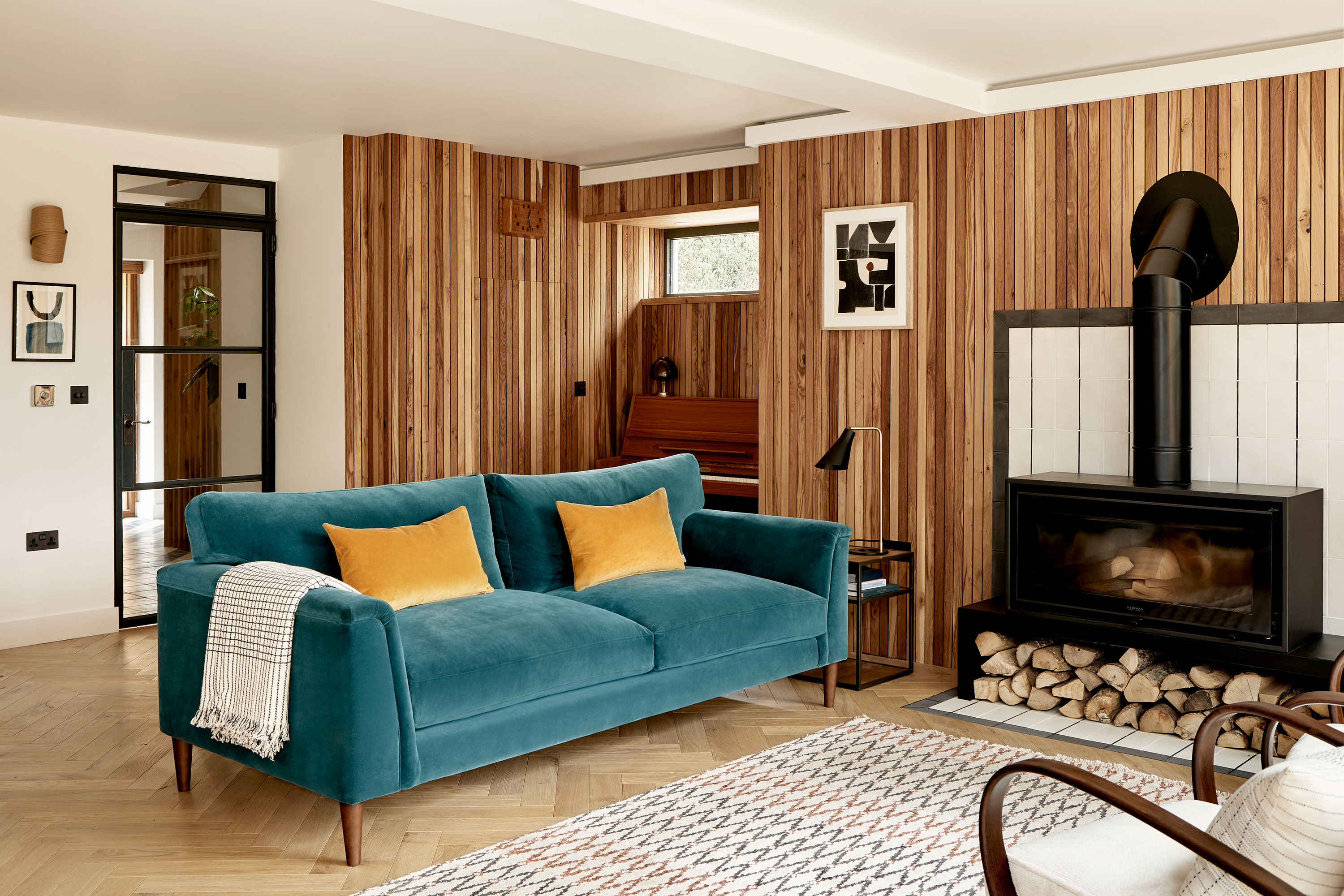
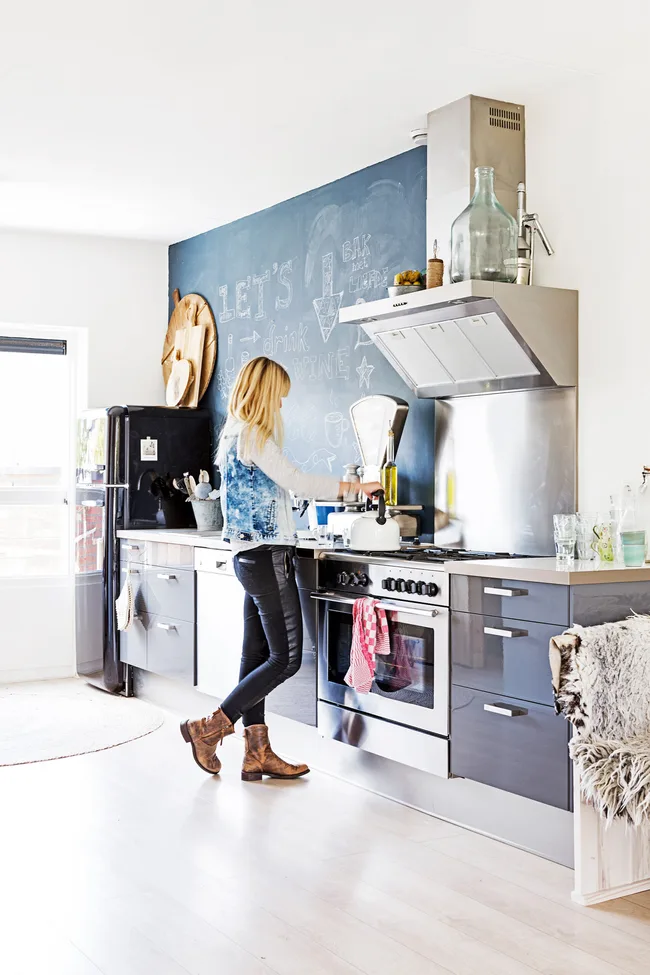
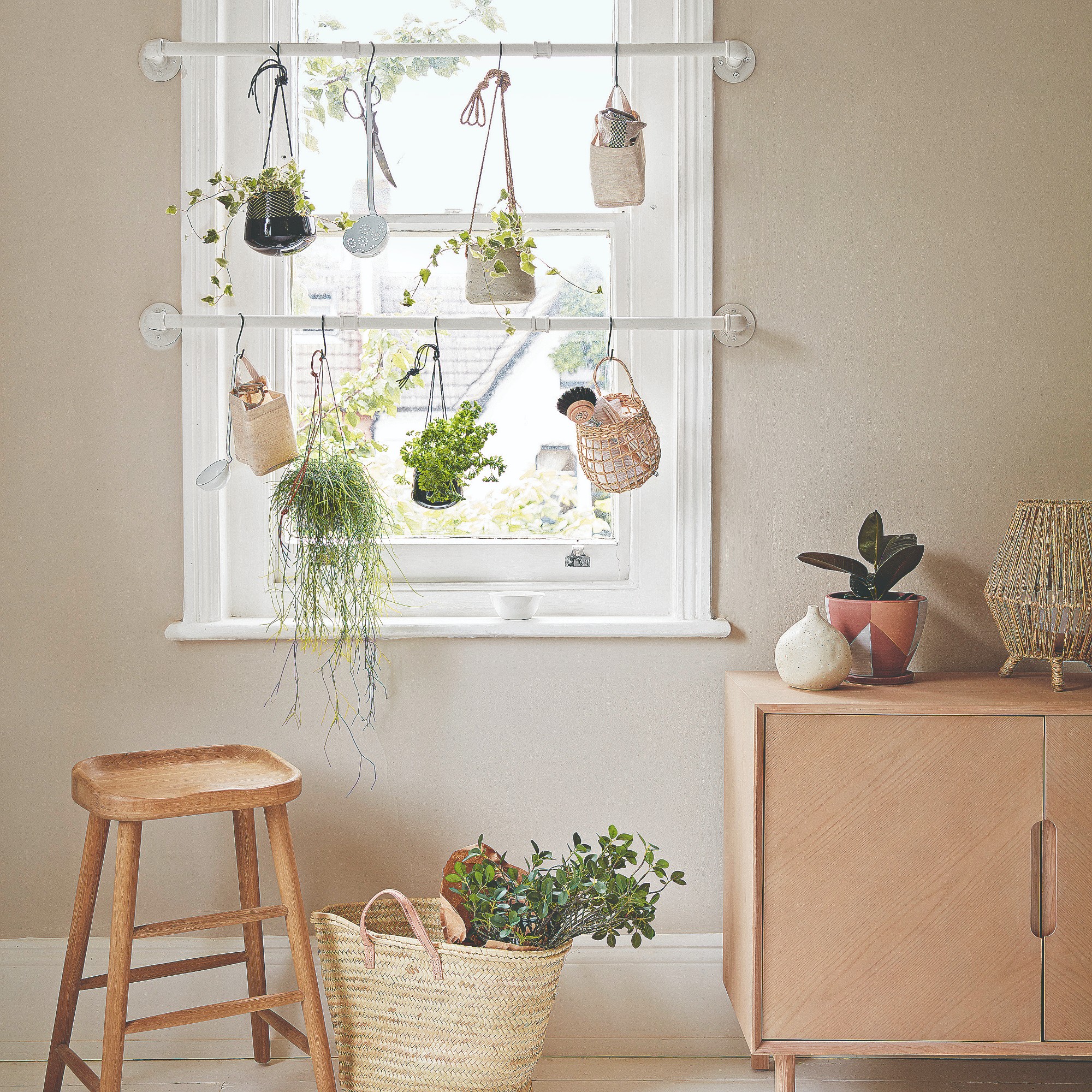
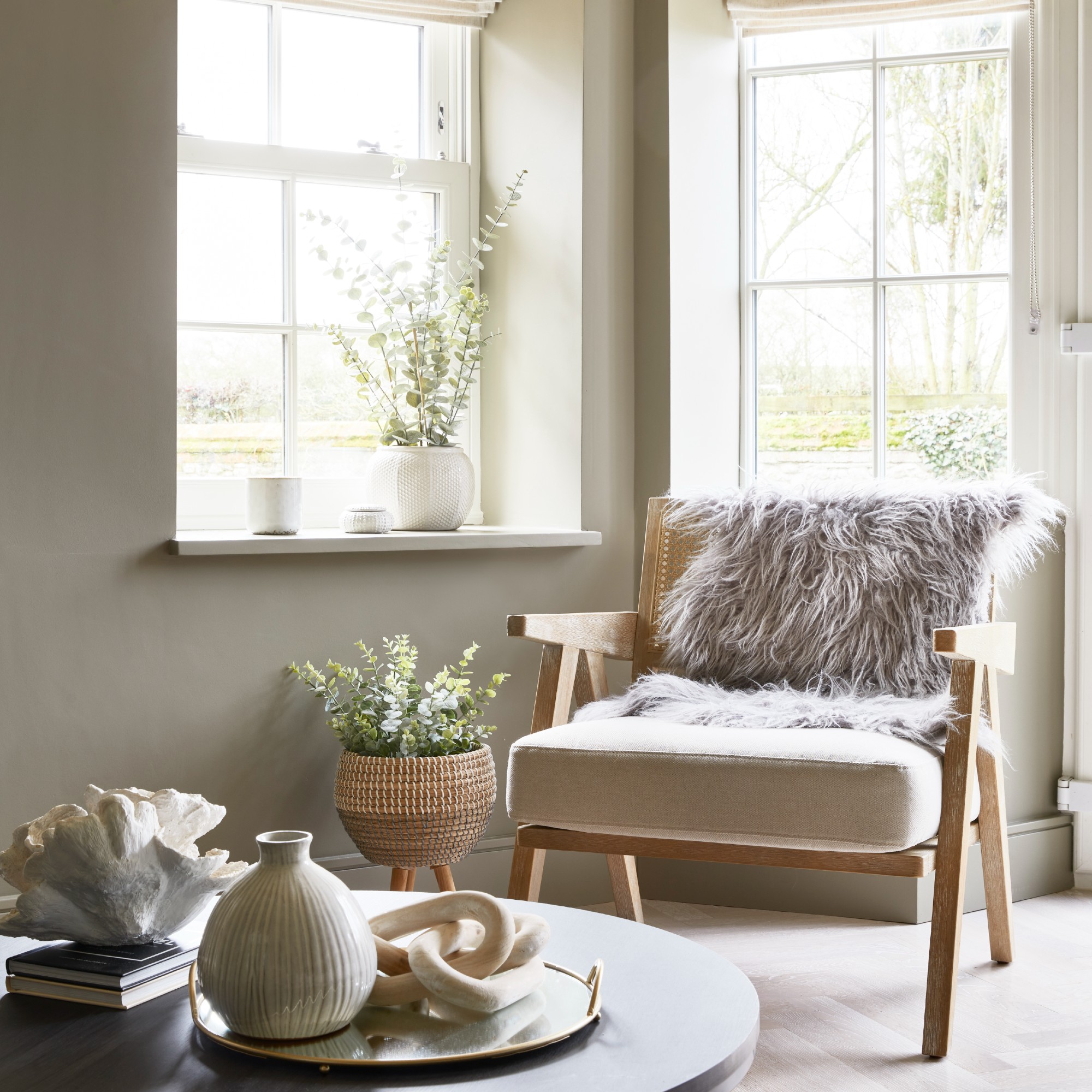
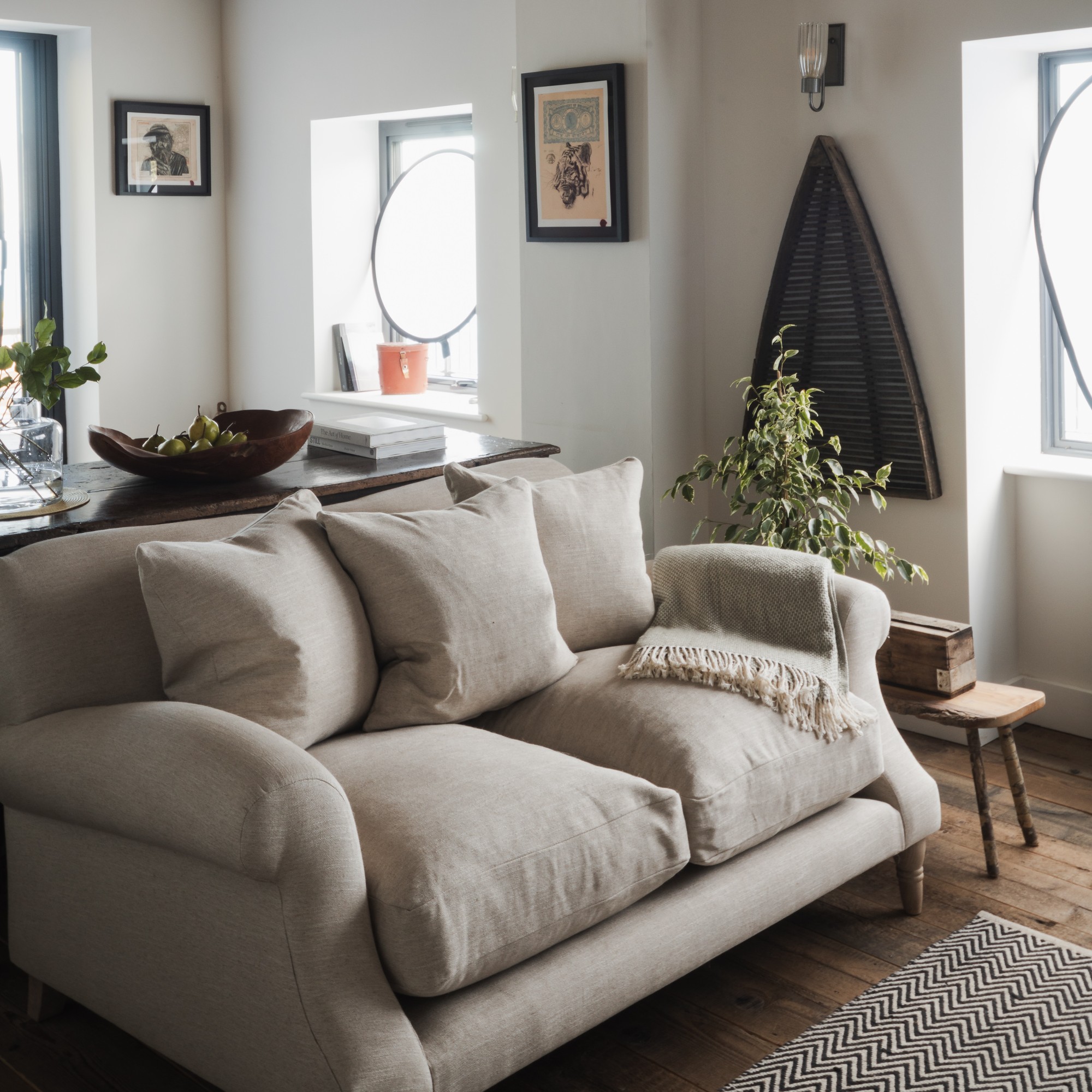
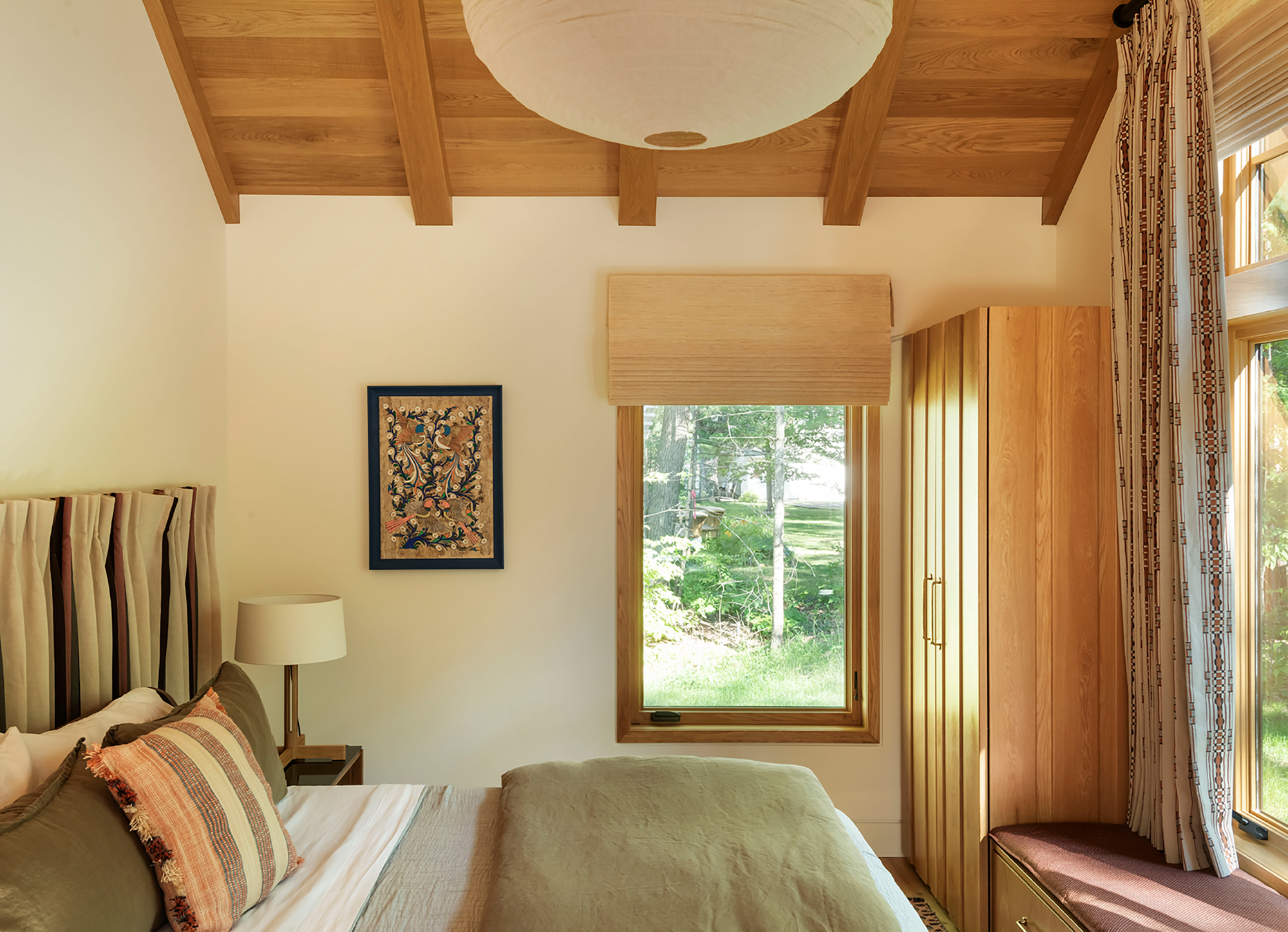
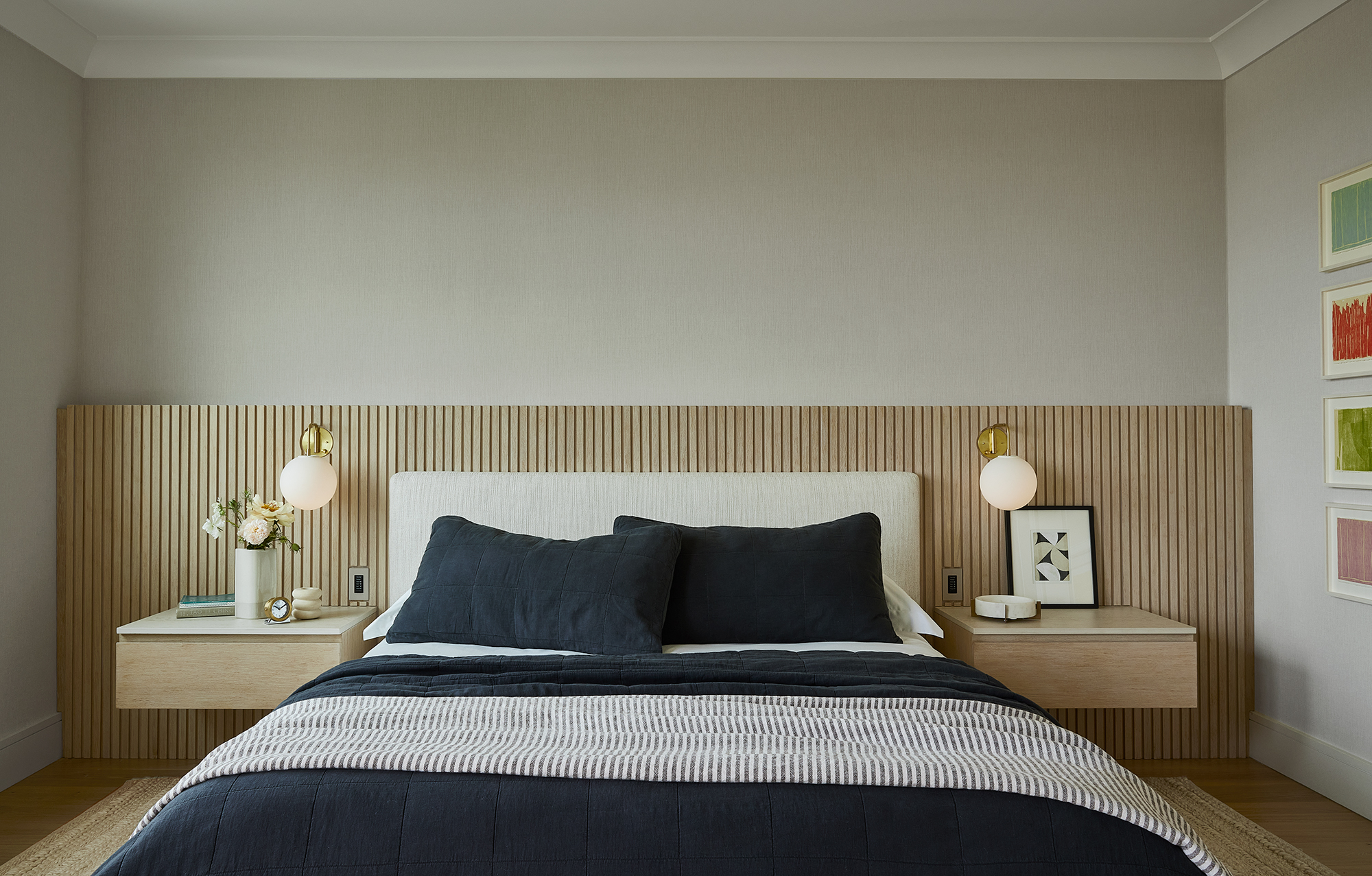
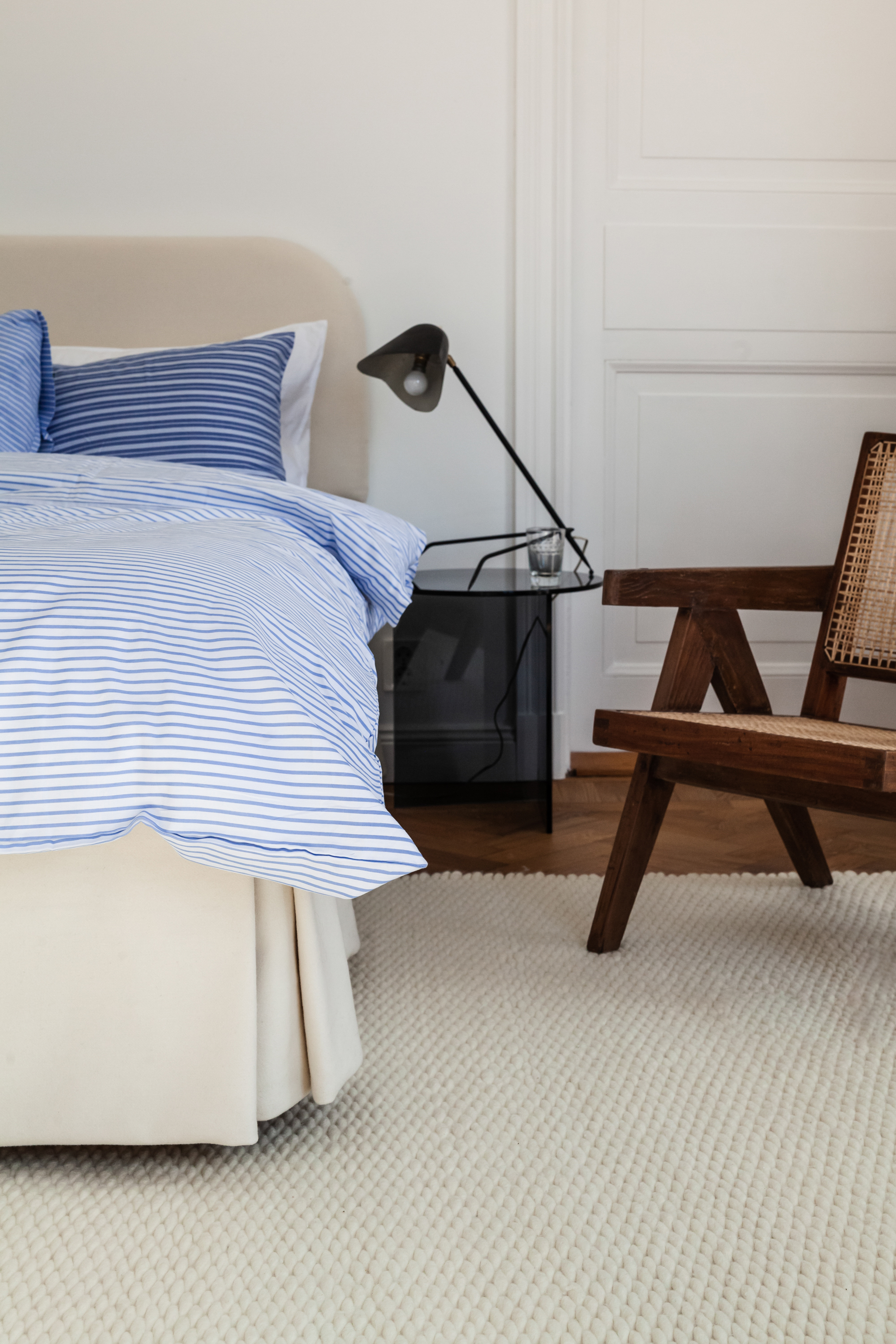
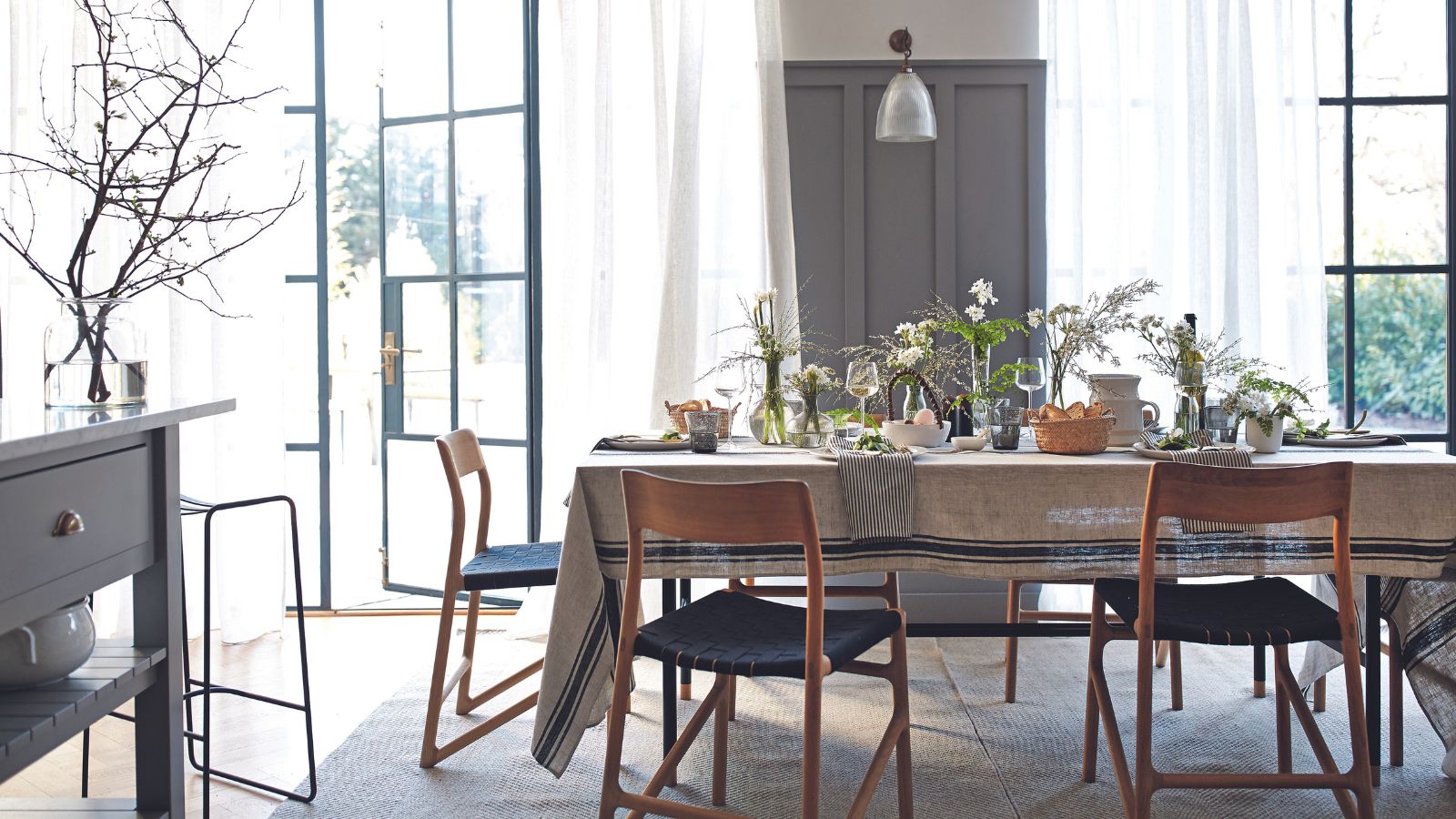
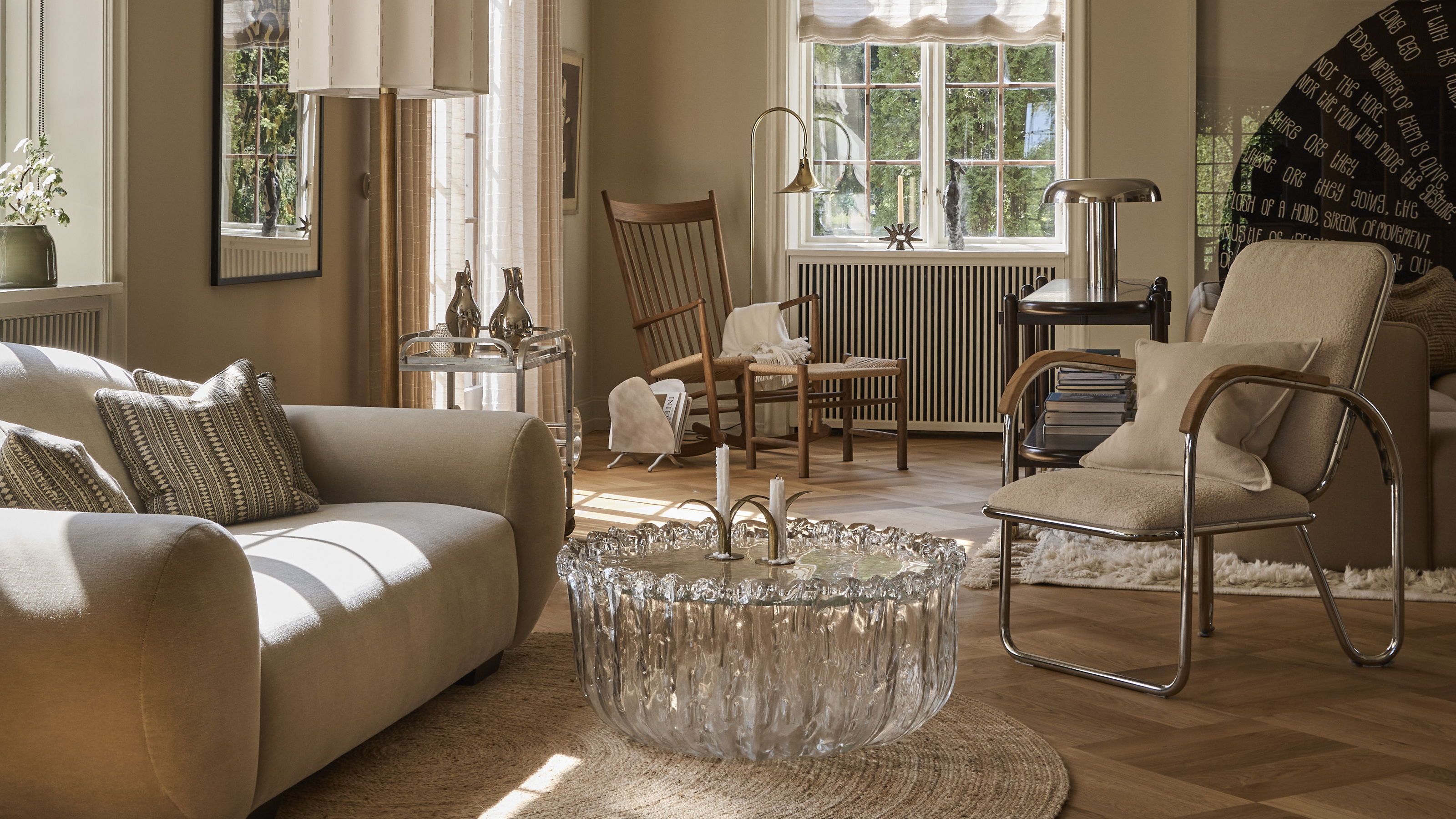
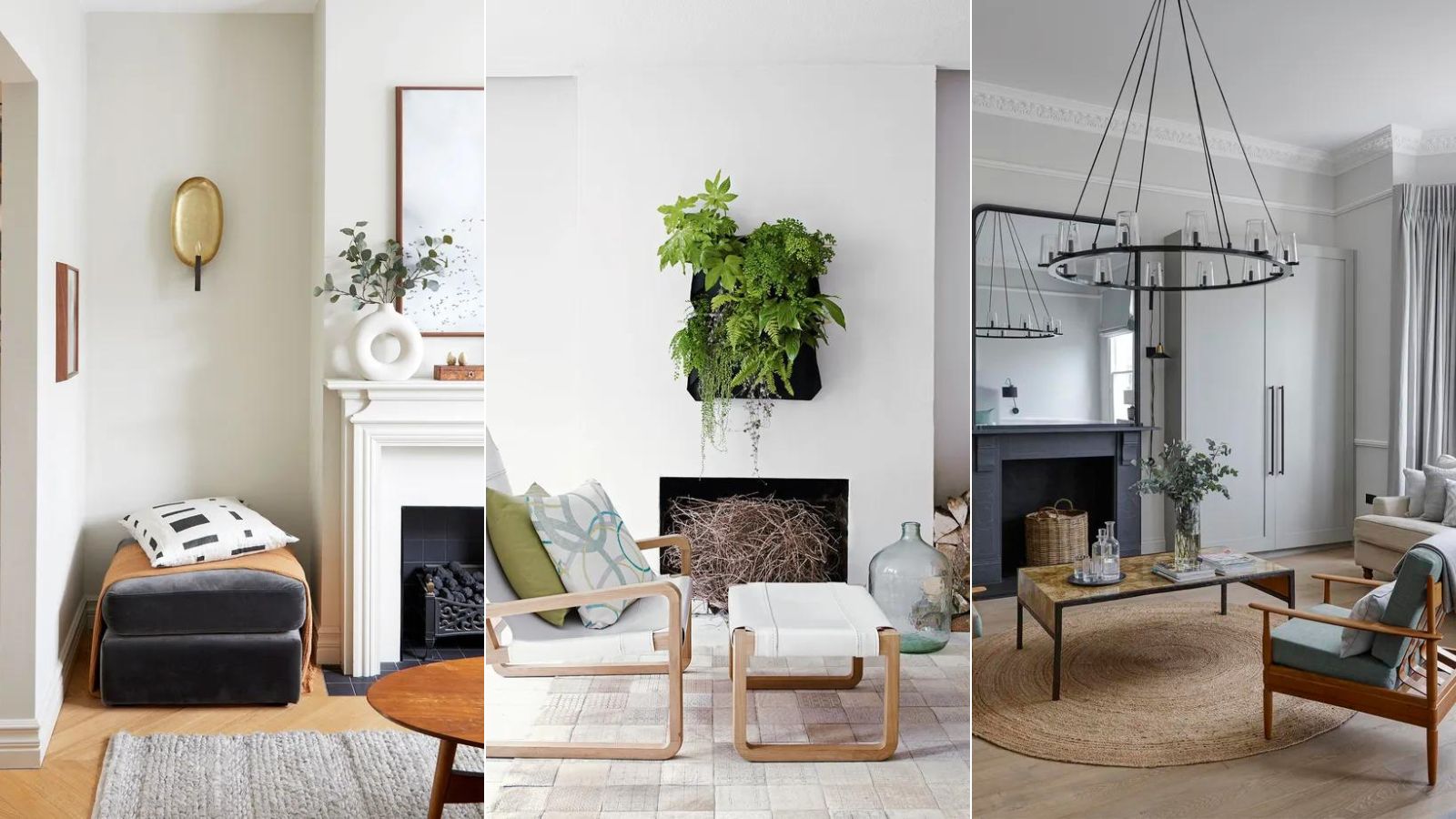
Key elements of Scandinavian design include a tranquil color palette dominated by neutral and monochromatic shades such as bright whites and contrasting blacks. Subtle pops of color, including plush pinks, gray-blues, and nature-inspired hues like sage, are used to add warmth and interest. Natural materials are central, with light-colored wood floors and furniture creating a strong connection to nature. An abundance of indoor plants further enhances this natural feel. Maximizing natural light is paramount; interiors feature white walls and large windows, with minimal or no window treatments to allow light penetration. Artificial lighting is carefully selected to complement natural light.
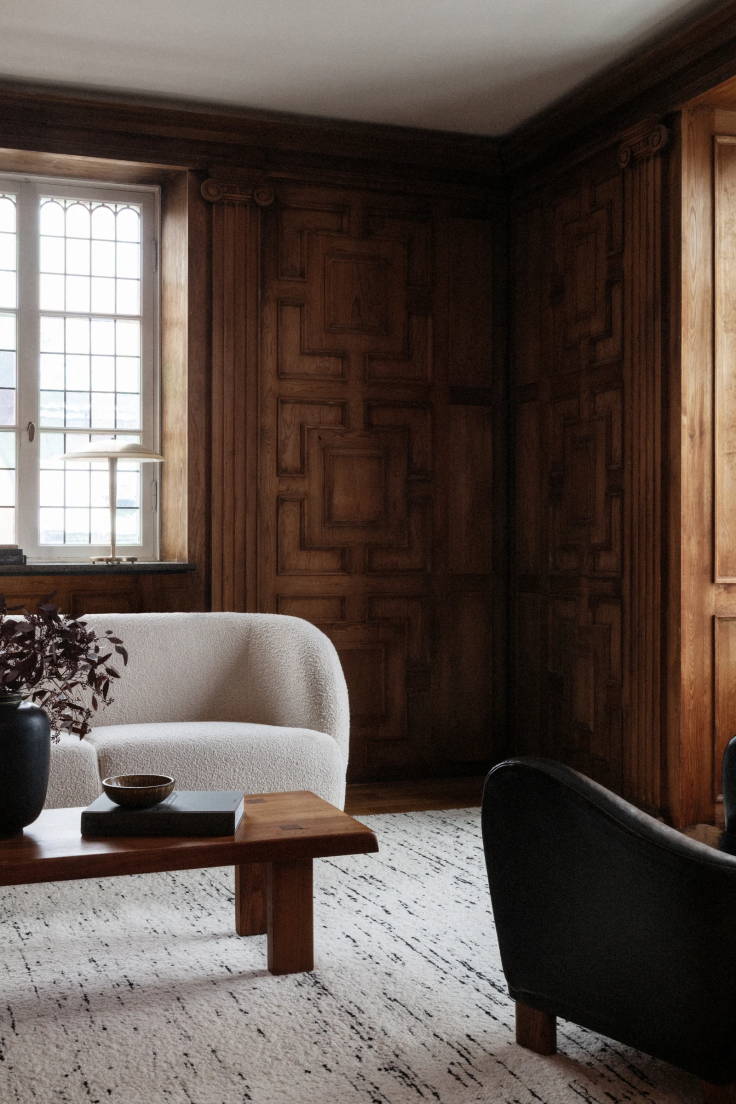
Achieving a Scandinavian interior involves prioritizing simplicity, functionality, and natural elements. This means opting for clean lines, minimalist furnishings, and quality pieces that serve multiple purposes. Avoiding clutter and overly ornate decorations is crucial to maintain the clean aesthetic. Dark, heavy furniture and overly bright colors are generally avoided to prevent overpowering the space. The emphasis is on thoughtful curation, where each item contributes functionally and visually to the harmony of the room.
The distinction between Scandinavian and Nordic interior design is primarily geographical. Scandinavia refers specifically to Denmark, Norway, and Sweden, while Nordic includes these three along with Finland and Iceland. Although both styles share principles like clean lines and minimalism, Nordic design might incorporate more straightforward furniture and, in the case of Finnish designers, experimental materials like plastic and more varied color accents. Ultimately, Scandinavian interior design aims to promote mindful living through a minimalist home environment, emphasizing high-quality, timeless design over excessive consumerism.
#ScandinavianDesign #InteriorDesign #Minimalism #HomeDecor #NaturalMaterials #NordicStyle #FunctionalDesign #ScandinavianDesign #InteriorDesign #Minimalism #HomeDecor #NaturalMaterials #NordicStyle #FunctionalDesign
0 comment in total
 No comments yet
You may also like
You're Missing Out If You Don't Follow These 7 Scandinavian Interior Designers

My whistle-stop tour of Copenhagen reaffirmed these 5 Danish design lessons in cool and cozy design
10 Colorful Scandinavian Schemes That Prove This Style Is So Much More Than Pared-Back White Rooms
16 Gorgeous Scandinavian-Style Rooms Showcasing This Cozy, Minimalist Look

Scandinavian Style 101: Everything You Need to Know About Scandi Design
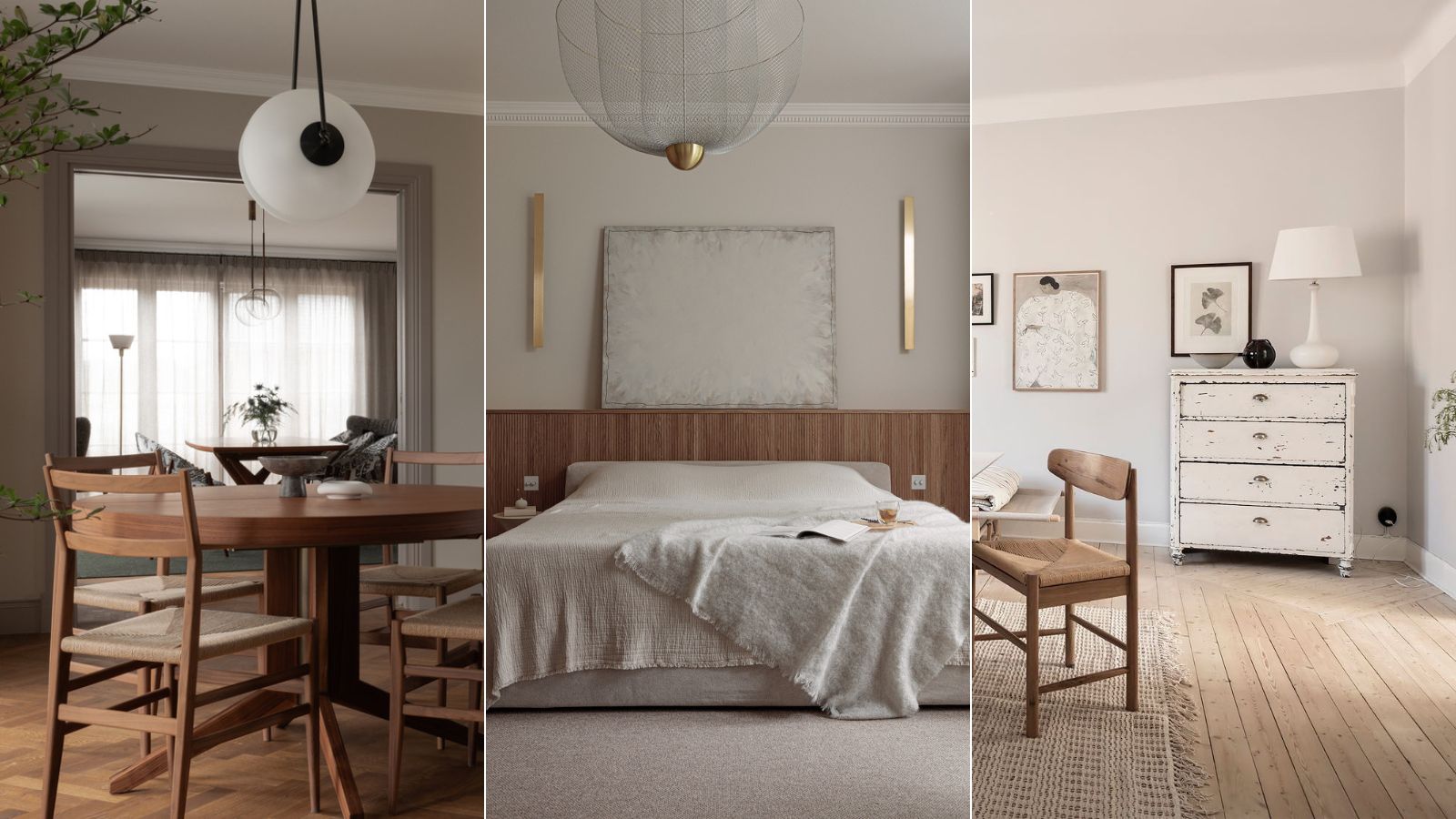
5 lessons to learn from Scandinavian interior designers about creating soft, minimalist spaces
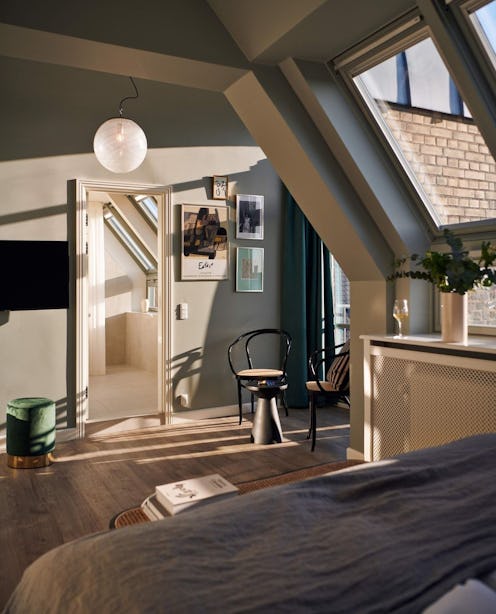
Try This Key Decor Item To Give Your Home That Signature Scandinavian Style
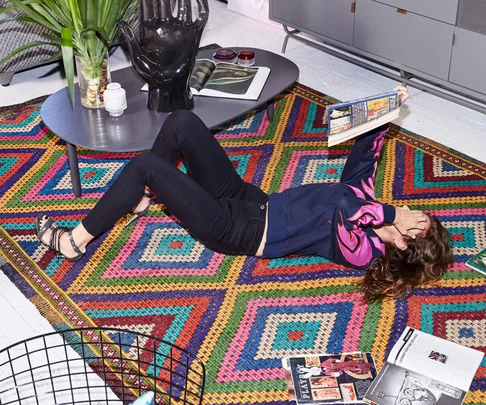
2010-2020: The top interior trends from the past decade

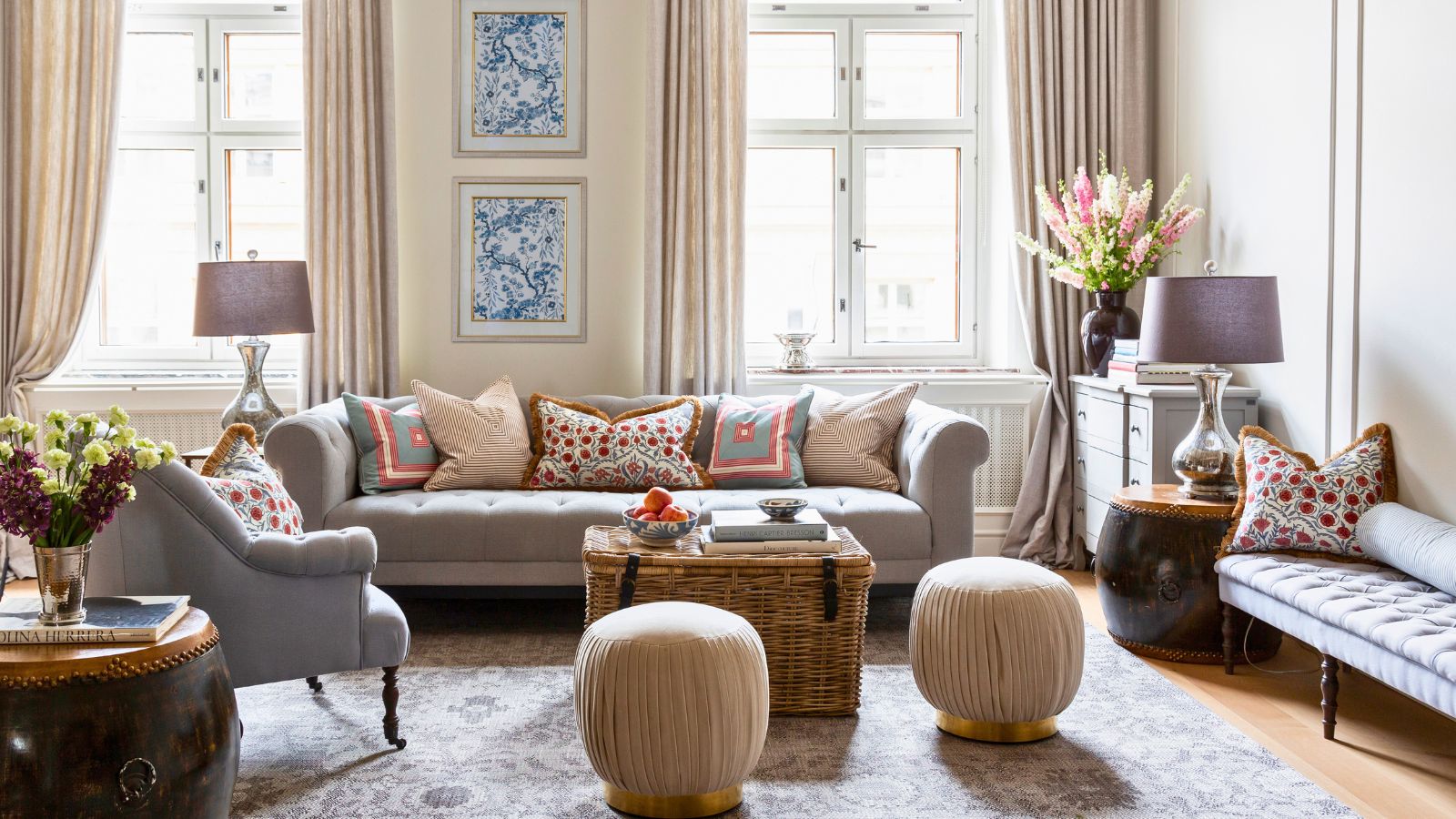
From uplifting pastel palettes to cool, crisp schemes, these 5 cozy homes showcase the best of Scandinavian style
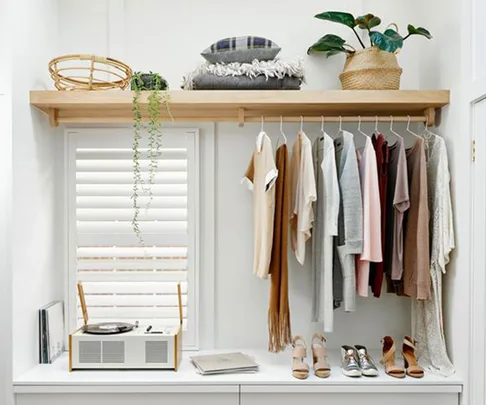
15 Instagram accounts to follow if you love Scandinavian design
Nordic Nest has sculpted a singular interior design spotlight

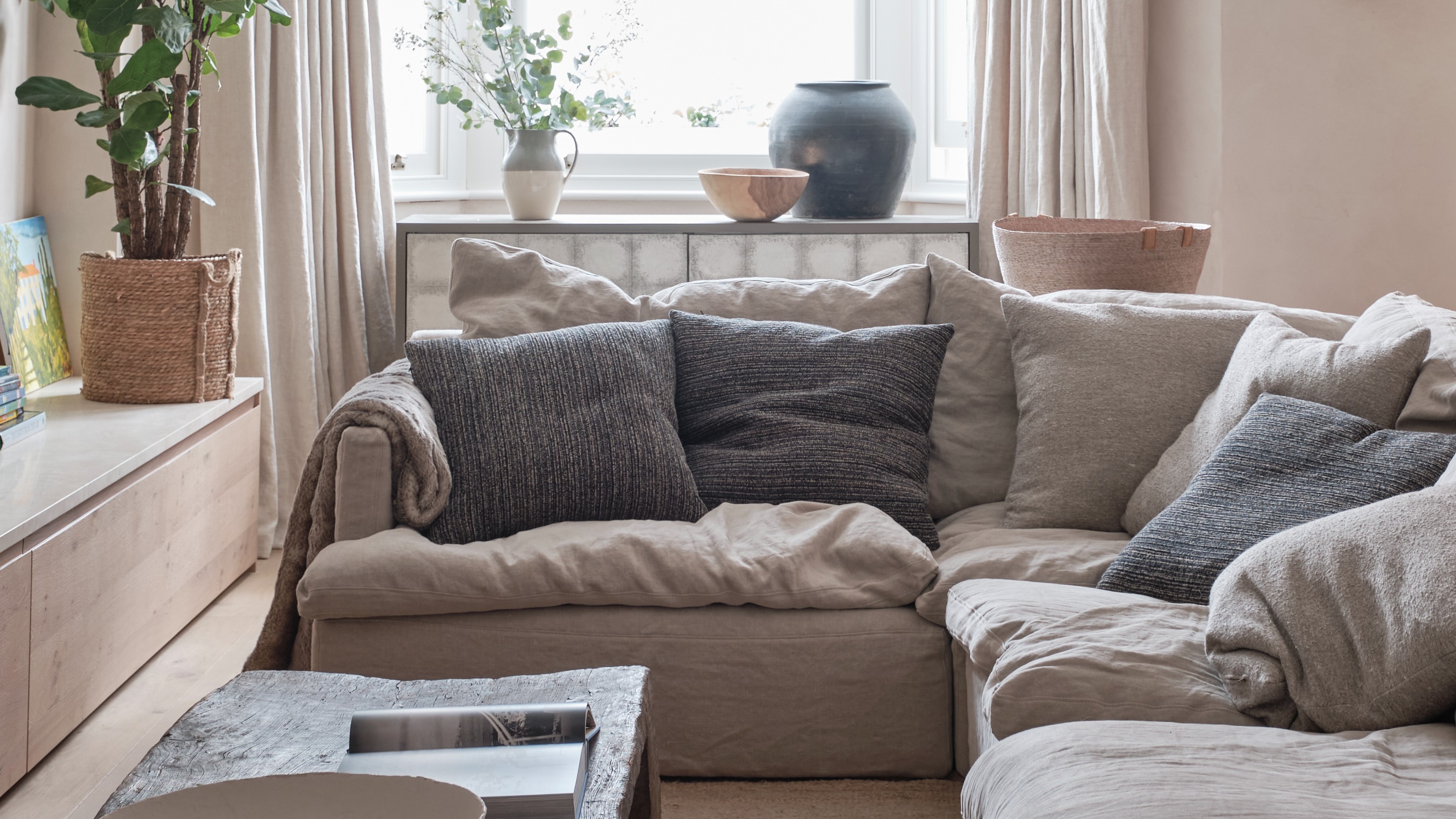
Scandinavian living room ideas – 8 ways to nail the Scandis’ signature minimalist yet cosy style in your lounge
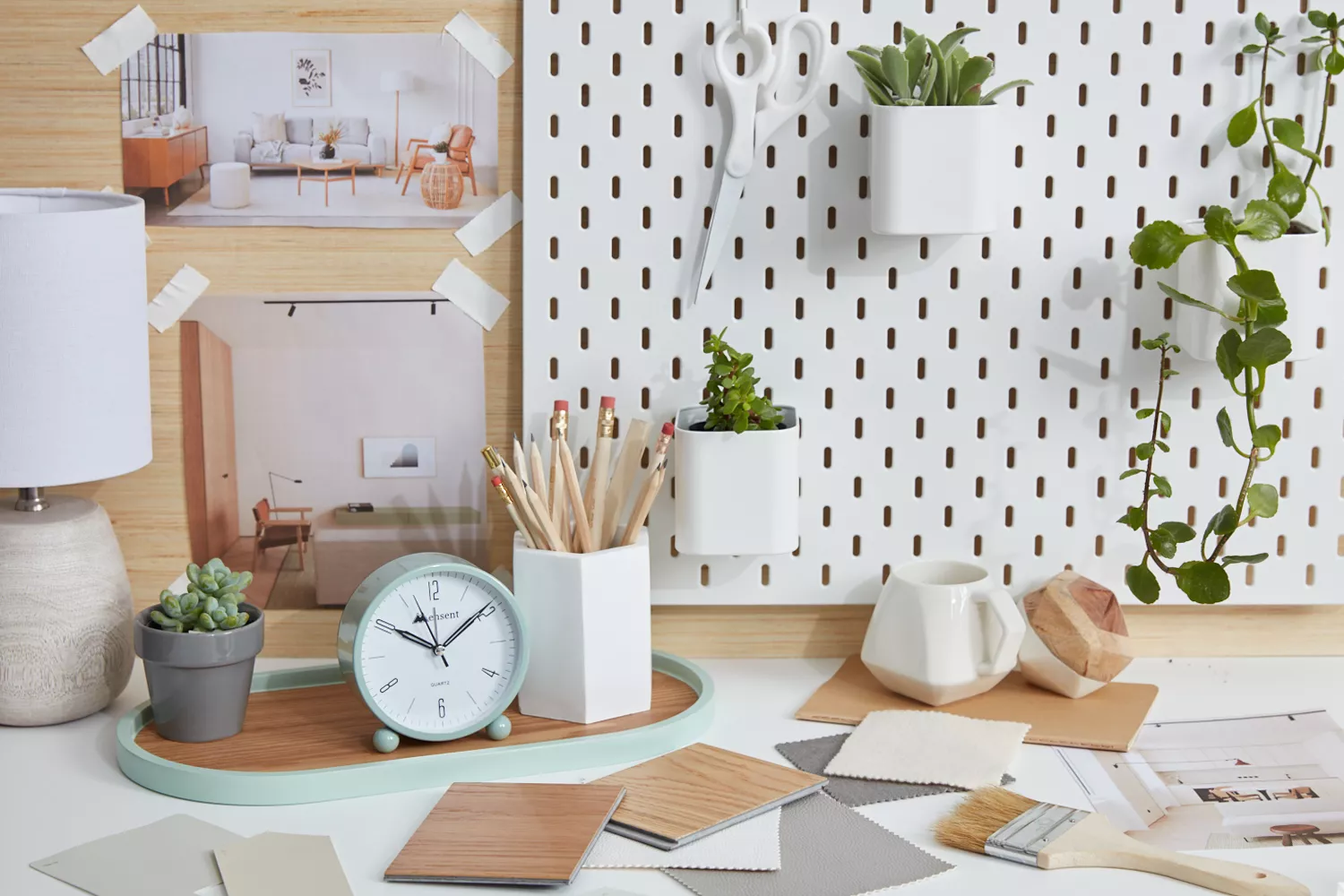
What Is Scandinavian Style? We Break Down the Popular Style

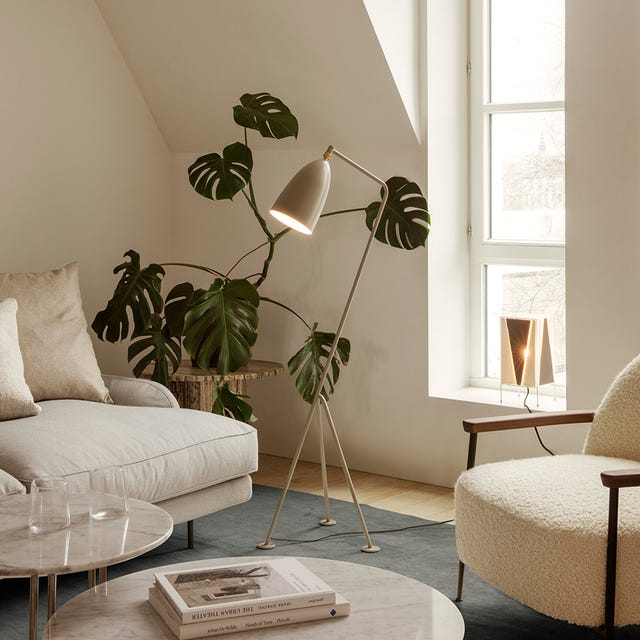
10 Scandi living room ideas to inspire your next interior project

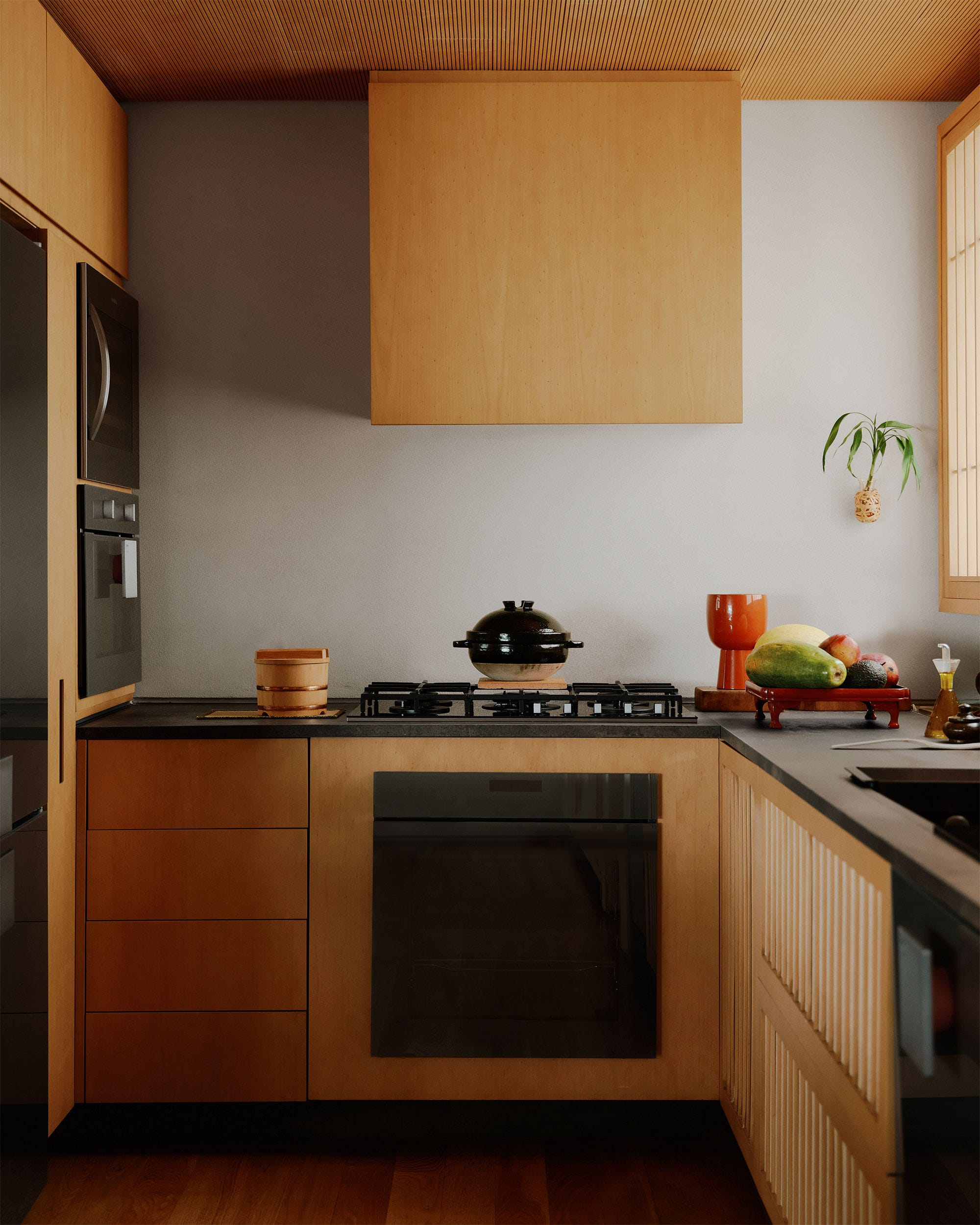
Steal These Design Ideas For Your Own Scandinavian Kitchen

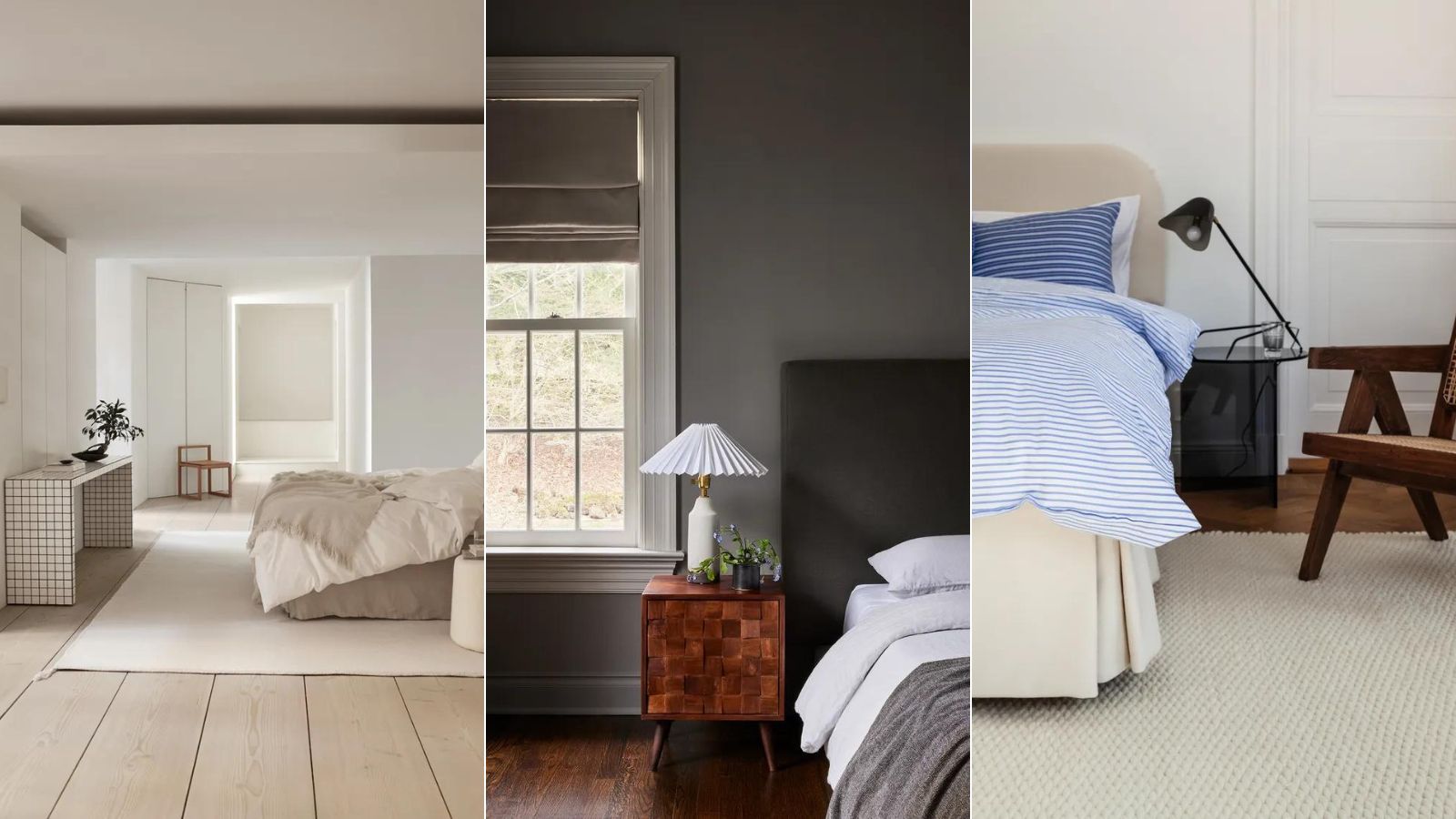
Scandinavian bedroom ideas – 10 designer ways to craft a modern minimalist aesthetic
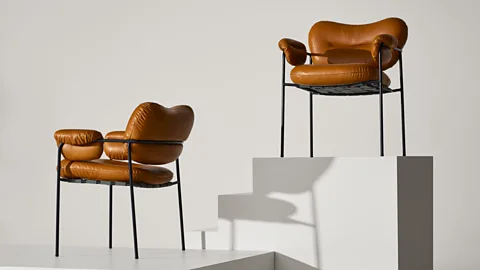
The quirky charm of Norwegian design
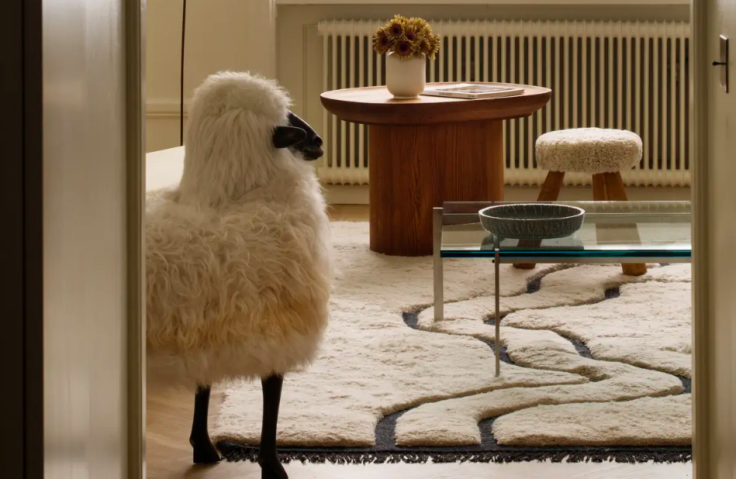
Why Interior Designers are Raving About This Scandinavian Brand
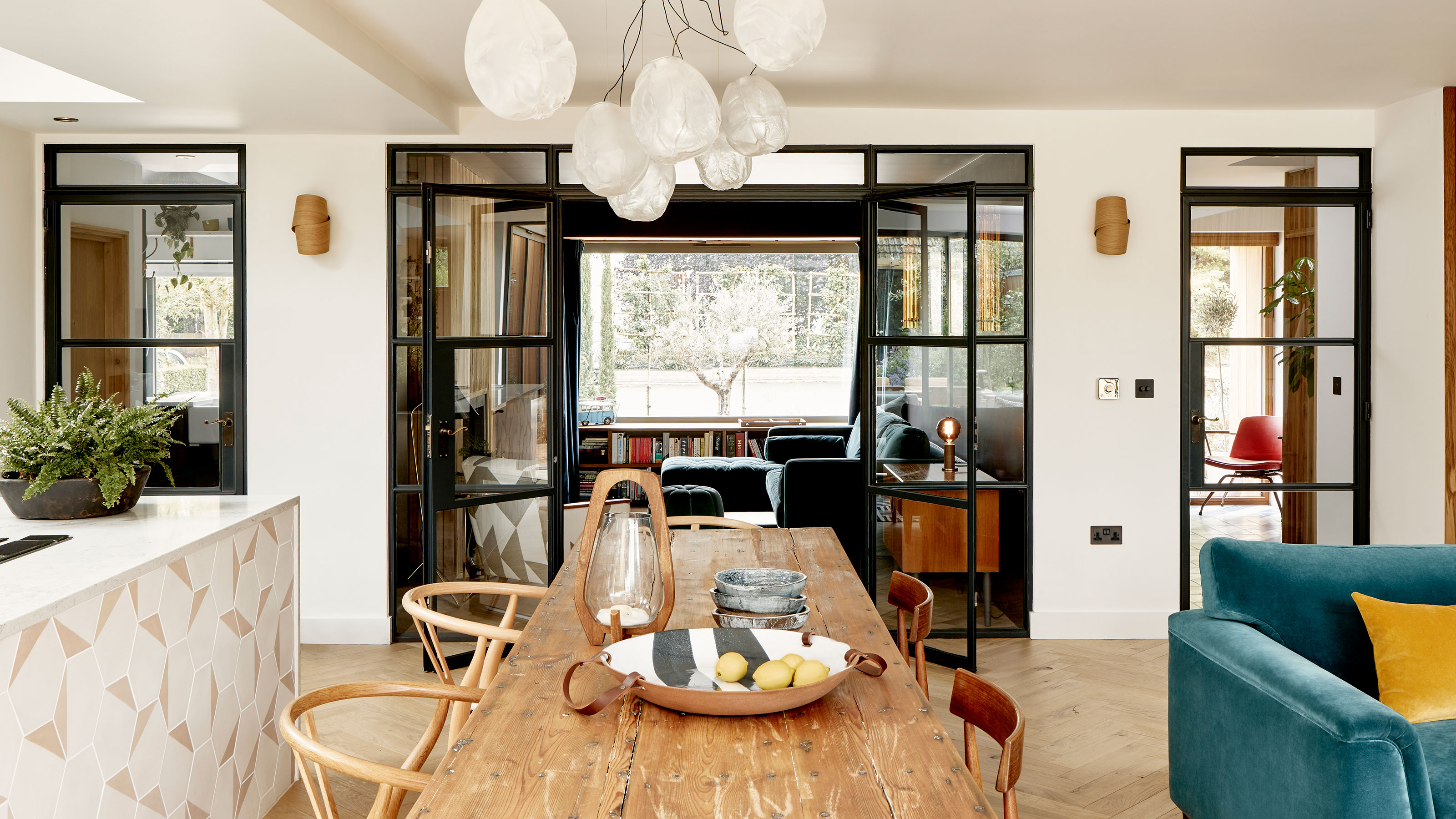
This redesigned 1950s home is a lesson in how to tile in style – Scandi-style
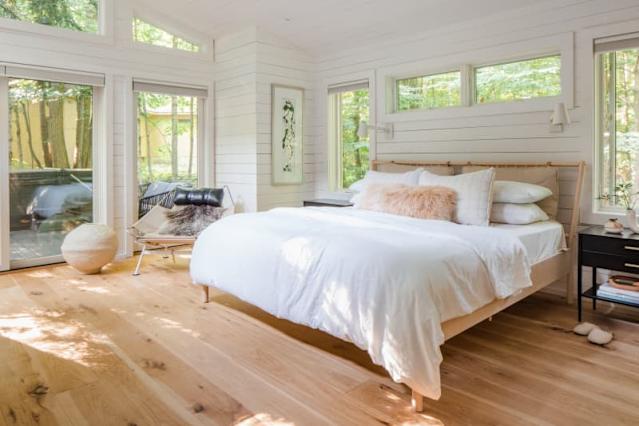
This Style Creates a “Livable Aesthetic” That’s Instantly Cozy, Designers Say