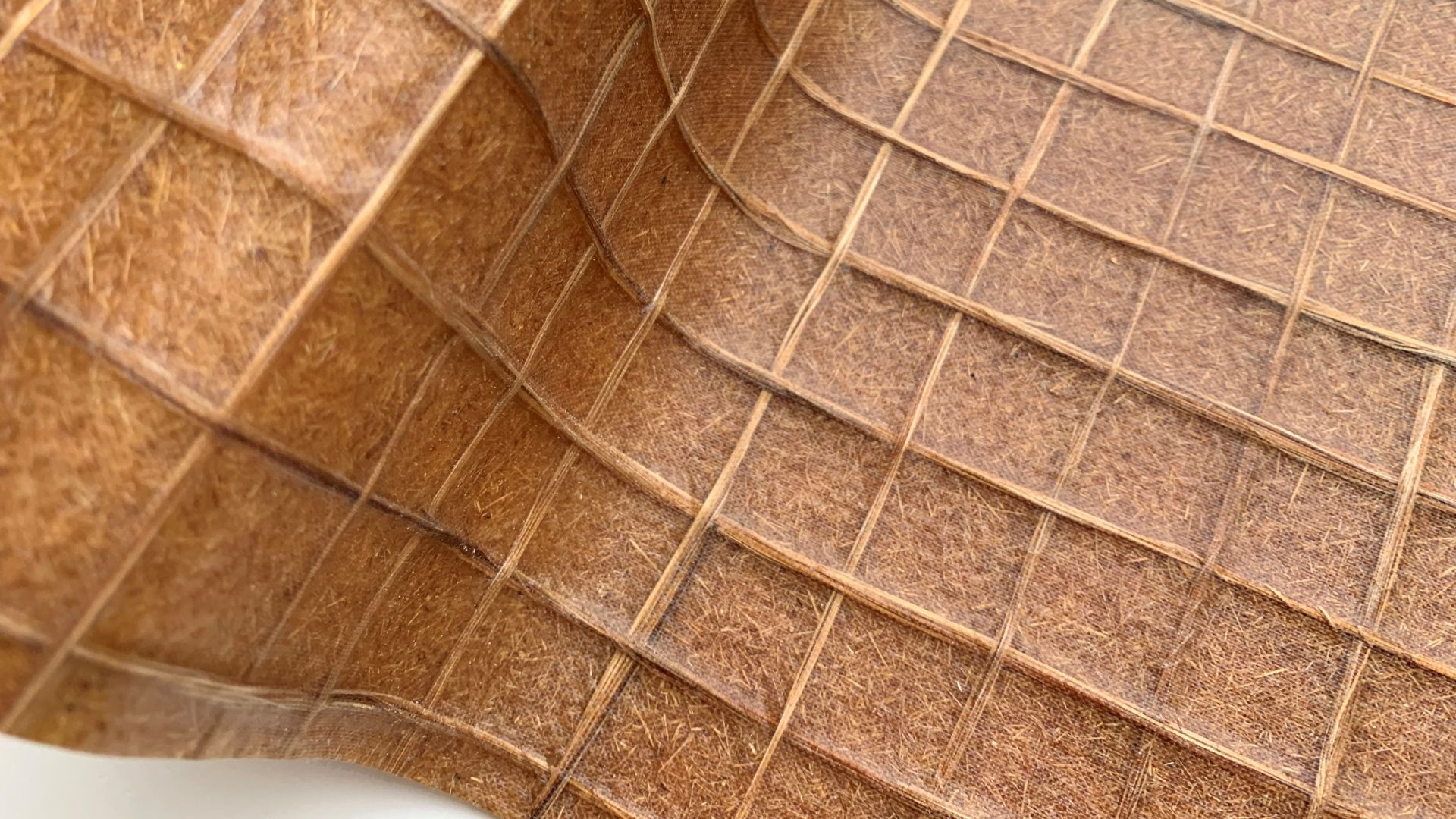
1/7
Long bamboo fibers for high-performance composite applications
Bambooder, a Dutch startup founded in 2014 by Marc Bokeloh and Dr.Ir.Ing. Almer van der Stoel, has developed a patented technology for mechanically extracting long bamboo fibers. The company focuses on creating bio-based alternatives to traditional fossil fuel-produced composites. Their primary offerings include technical yarns made from long bamboo fibers, ranging from 12 to 50 cm, suitable for continuous fiber 3D printing, unidirectional (UD) tapes, and textiles. All by-products from this process are utilized to produce short fibers, which find application in non-woven mats, injection molding compounds, and 3D printing filaments.
Bamboo offers several advantages as a material. It is lightweight, strong, and highly sustainable, exhibiting faster growth and greater CO2 absorption compared to other plants. This rapid growth also results in a significantly higher fiber yield than other natural fibers, positioning bamboo as a viable competitor to materials such as steel, aluminum, carbon, glass, and other natural fibers, depending on the specific property requirements.
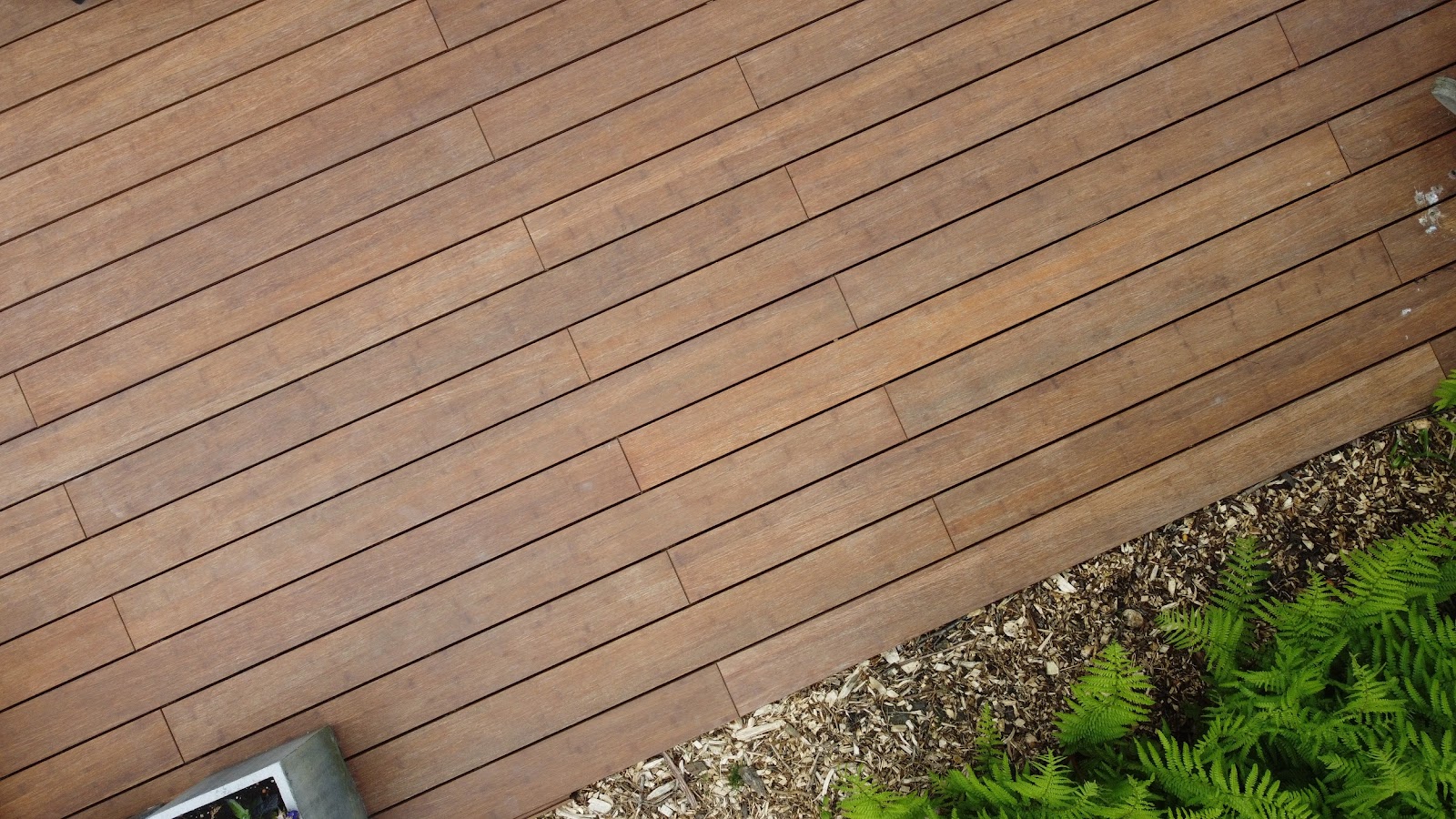
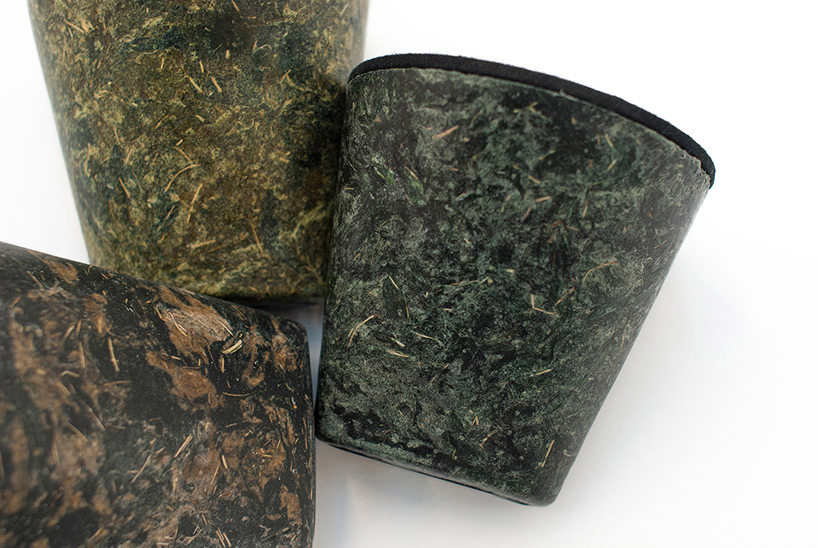
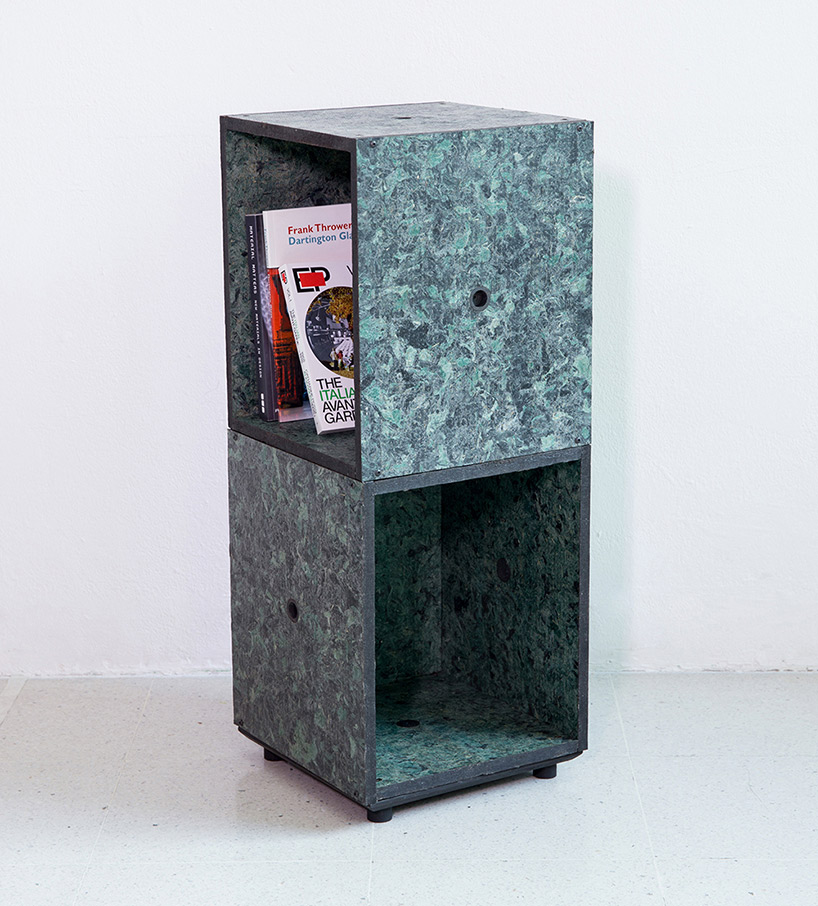
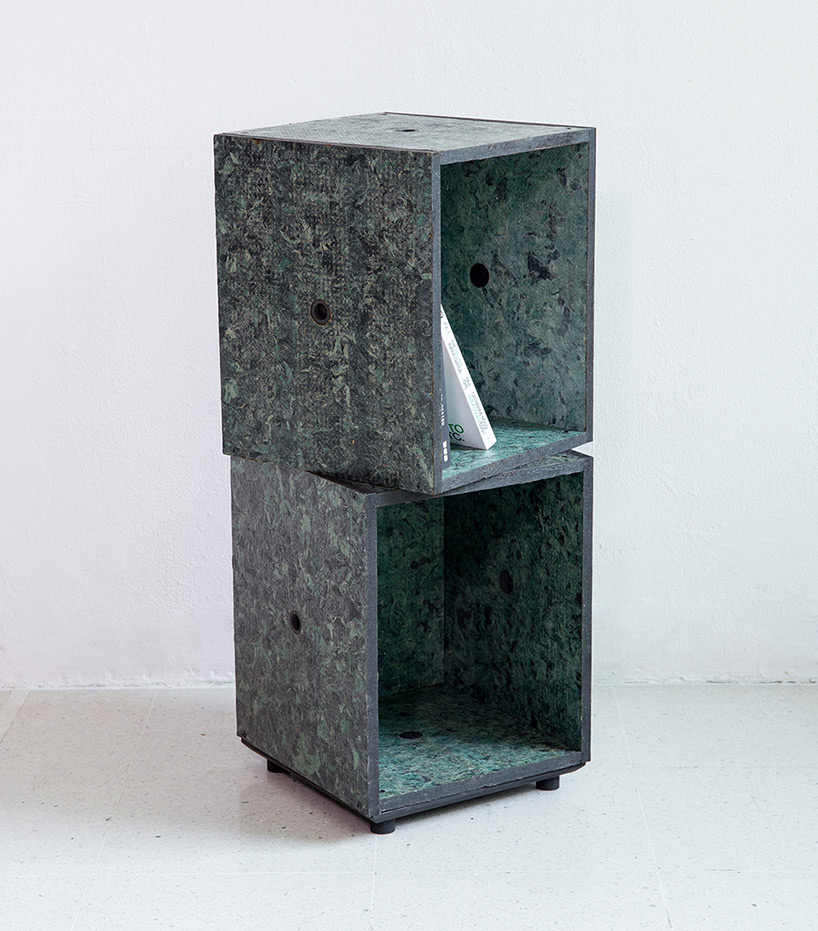
The applications of these long bamboo fibers are diverse. Short fiber filaments combined with PLA can be used for 3D printing decorative objects. Bamboo cork sandwich panels, which consist of two outer layers of non-woven short fiber mats and an inner cork layer, provide heat insulation, sound absorption, and electric insulation. Mats made from short bamboo fibers serve as a sustainable substitute for non-woven glass fiber mats and can be incorporated using techniques like hand lamination, thermoforming, and vacuum infusion.
Long bamboo fibers are processed into technical yarn for use in continuous fiber 3D printing filaments, UD tapes, and textiles, offering a sustainable alternative to carbon and glass fibers. UD tapes are particularly valuable for their ability to provide stiffness in a single direction, allowing for precise control over product stiffness by stacking tapes in different orientations. This enables the creation of components that can withstand greater loads with thinner walls and without additional ribs. These bamboo-based products have potential across various industries, including transportation (e.g., lightweight elements in trains, trams, metro cars, and buses), sports (e.g., surfboards, skateboards, skis, bikes), energy, as well as automotive, aeronautics, furniture, and lighting design sectors.
While Bambooder’s materials offer versatility and sustainability, they do have certain limitations. Their moderate resistance to UV radiation, scratches, chemicals, and weathering makes them less ideal for outdoor applications or situations involving significant chemical or mechanical stress. Despite these specific limitations, the broad applicability and sustainable benefits of Bambooder’s bamboo fiber composites present a significant advancement in material science and design.
#BambooFibers #SustainableMaterials #BiobasedComposites #InnovativeMaterials #3DPrinting #MaterialScience #GreenTechnology #CircularEconomy #BambooFibers #SustainableMaterials #BiobasedComposites #InnovativeMaterials #3DPrinting #MaterialScience #GreenTechnology #CircularEconomy
0 comment in total
 No comments yet
You may also like
Best Bamboo Sheets in Canada | Made in CA

Back to the land
yunting lin develops 100% recyclable, biodegradable nanocellulose fiberboard
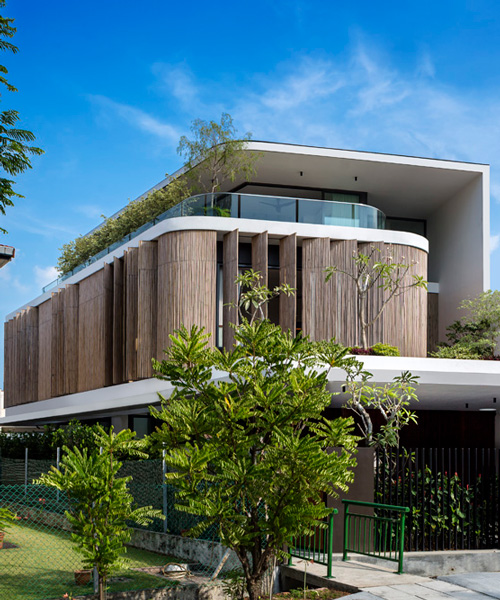
wallflower wraps house in singapore in a bamboo veil of operable screens
Best Bamboo Sheets: Expert-Tested and Reviewed

10 Innovative Materials Poised to Make Home Building More Sustainable
Timber-concrete composite floor systems for tall buildings
Best Bamboo Pillows of 2025

A next-generation material for sustainable padding applications
Glue-Laminated Timbers

FabriSPAN® Wide Width Fabric System from FabriTRAK®

Timber

Eco-friendly materials: the future of residential and commercial construction
3 sustainable homes with bamboo screens that redefine indoor-outdoor living

Mass Timber Primer


A new life with composites

How SUPAWOOD’s MAXI BEAM is meeting the growing demand for lightweight timber-look beams
6 Wood Substitutes and When to Use Them

Bamboo furniture to buy now: beds, footstool, room divider
Fiber-Cement Siding: An Attractive Alternative to Wood