1/7
yunting lin develops 100% recyclable, biodegradable nanocellulose fiberboard
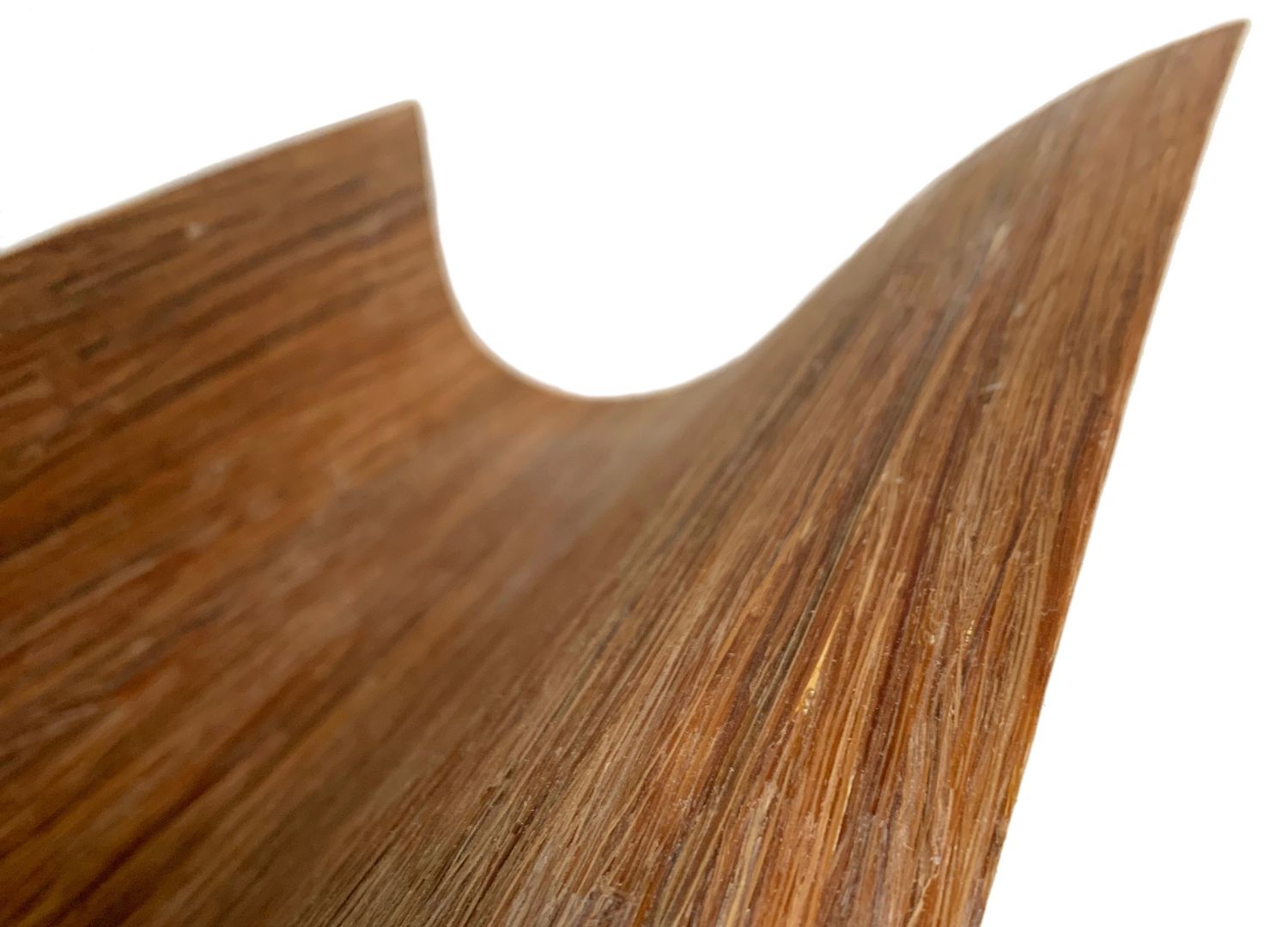
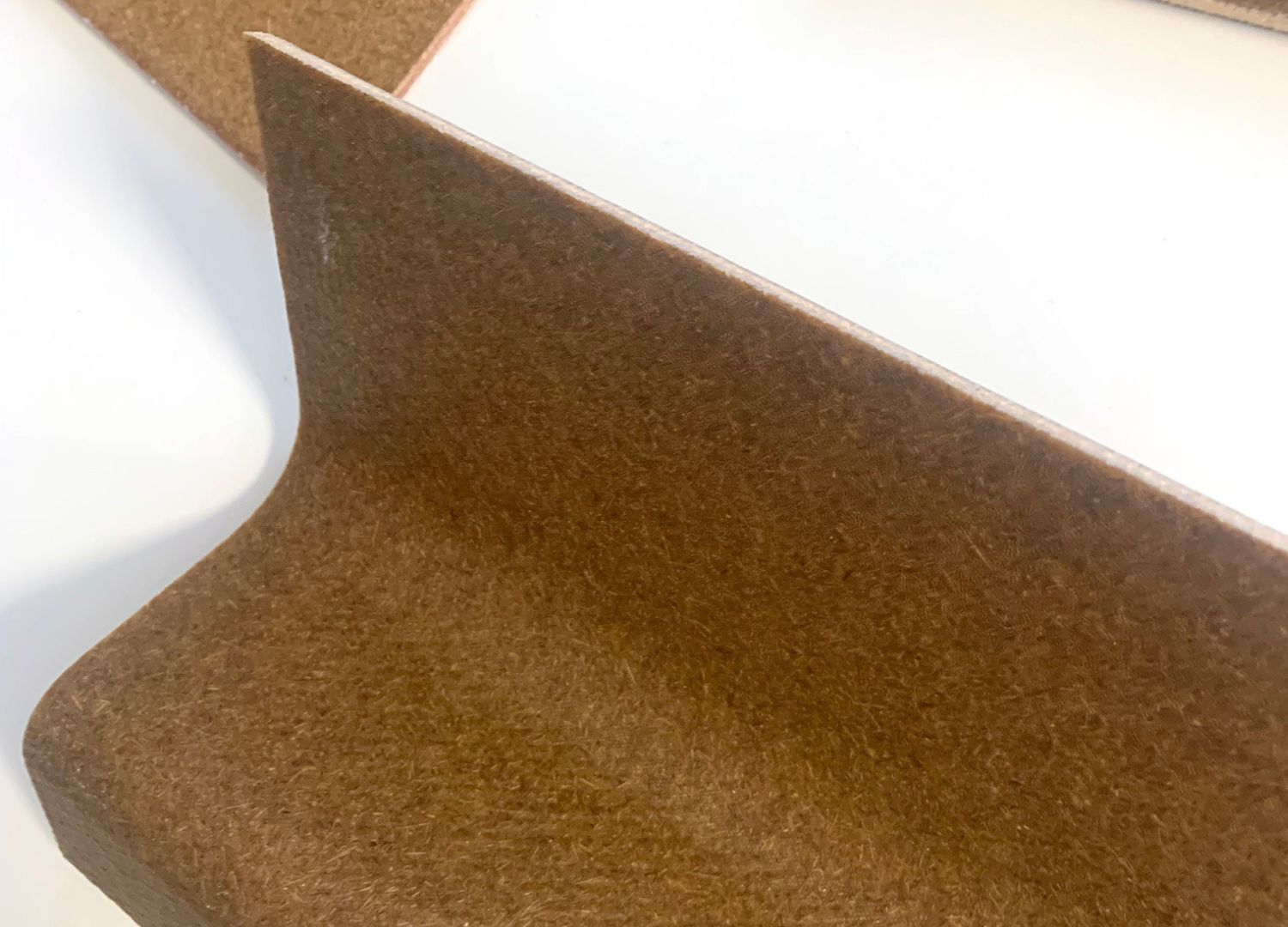
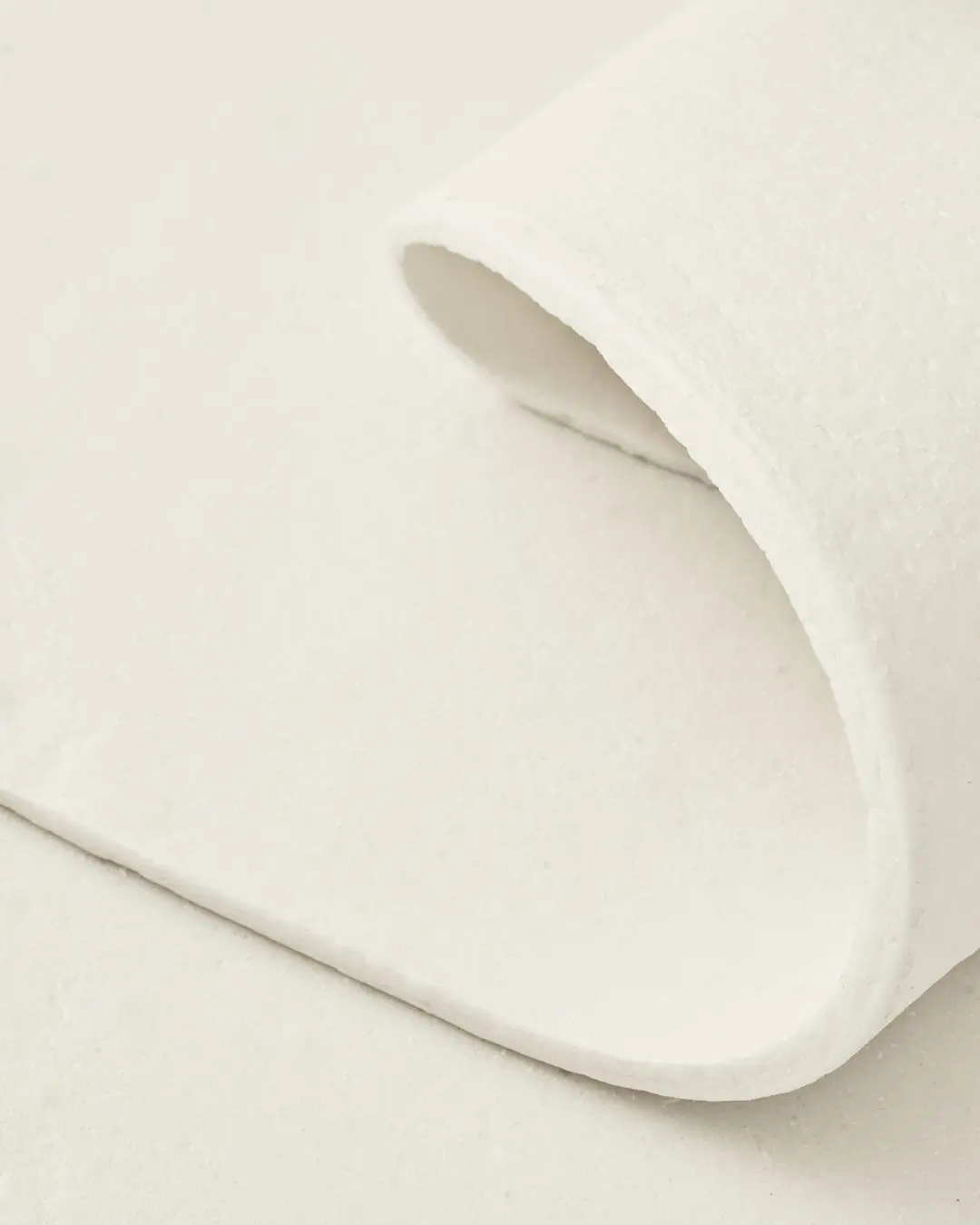
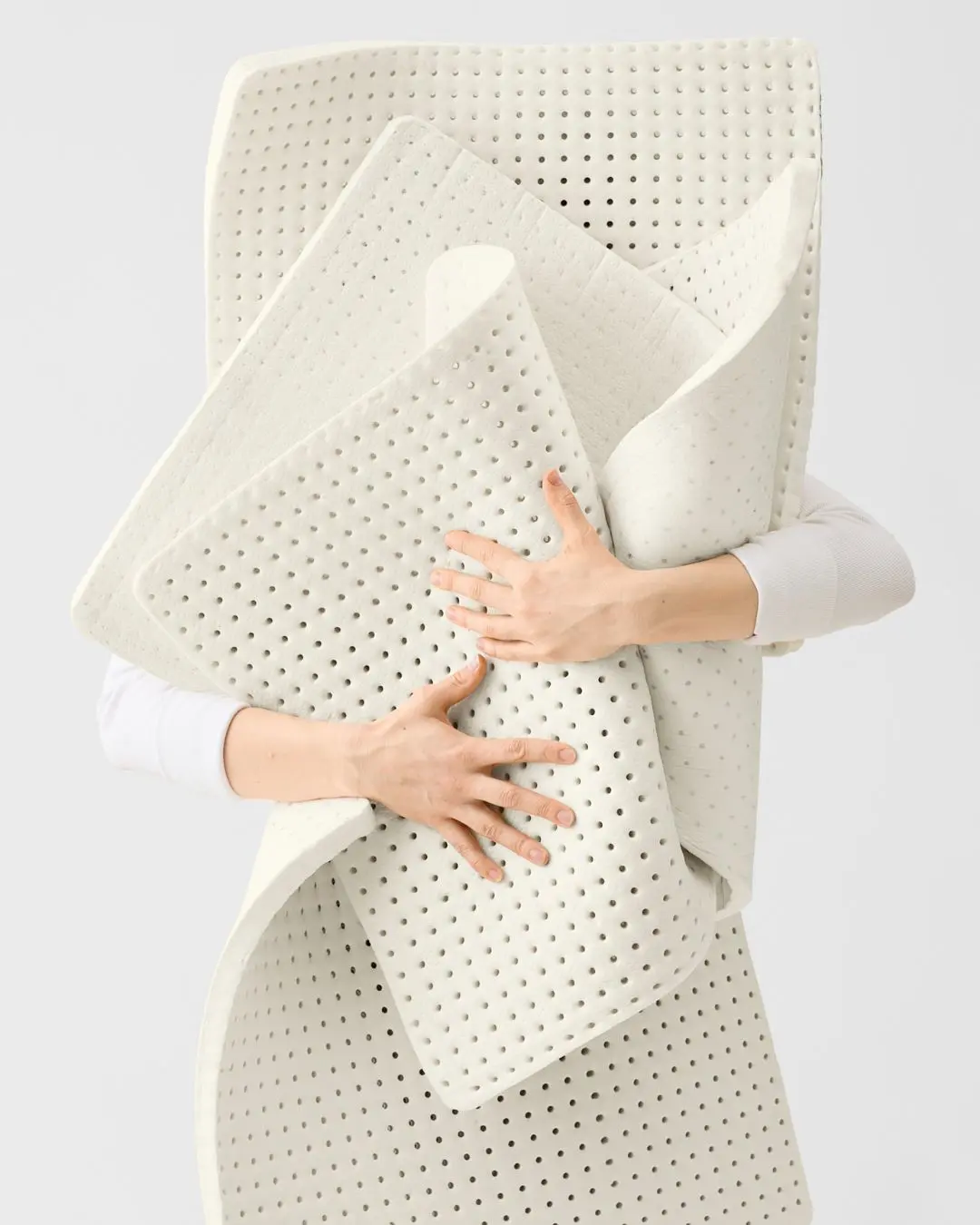
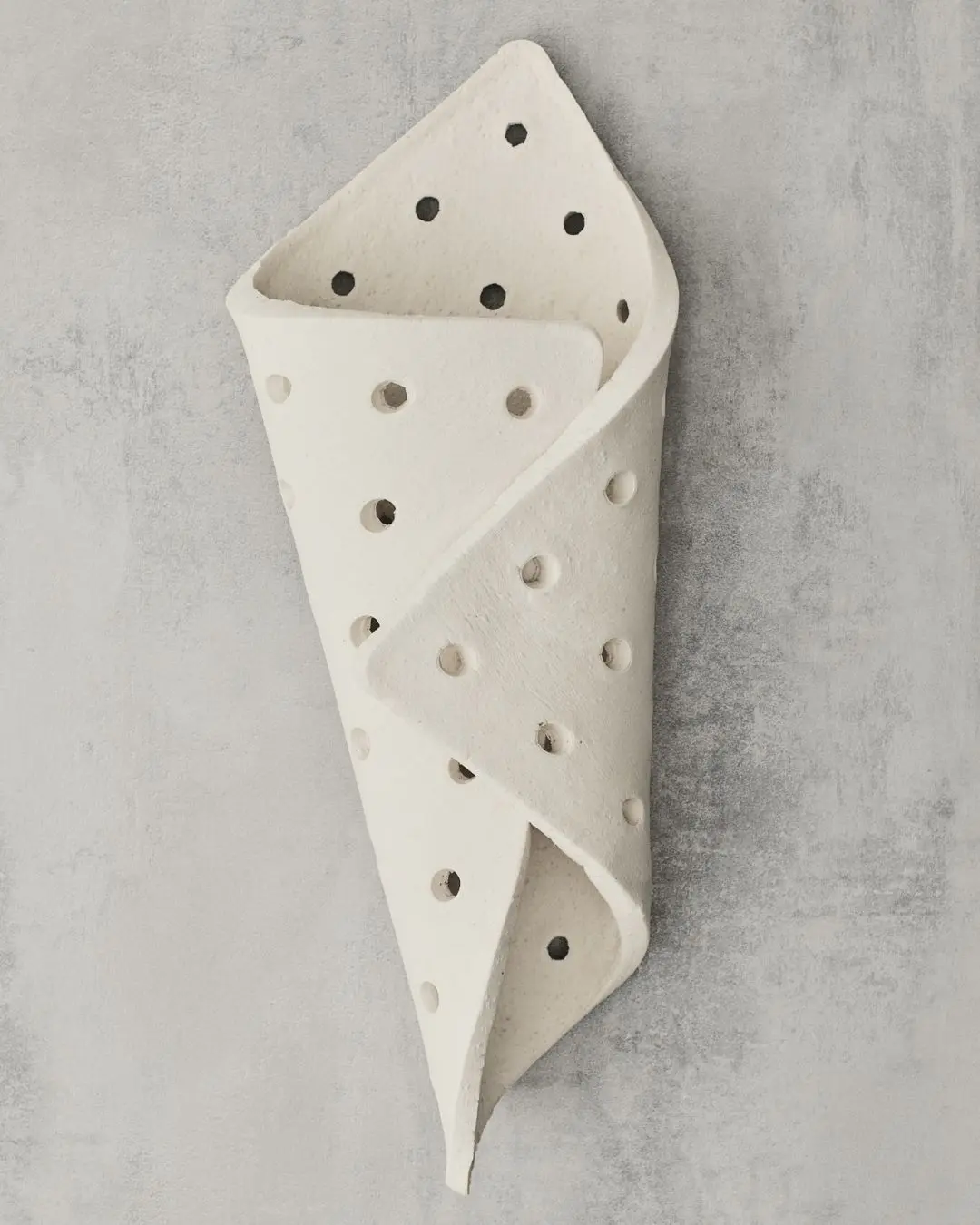
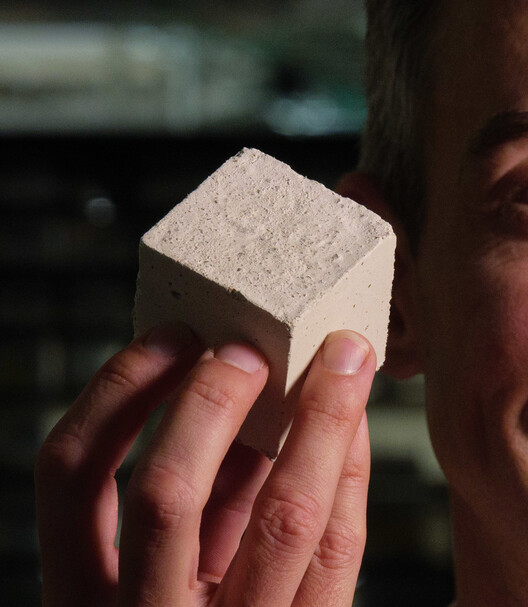
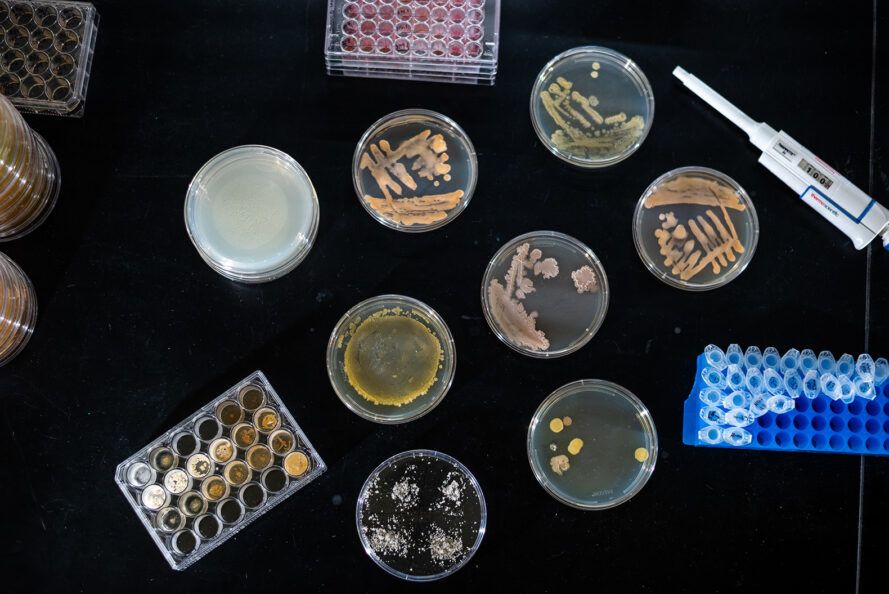
Yunting Lin, a multi-disciplinary designer, has developed a novel material called nanocellulose fiberboard, which offers a 100% recyclable and biodegradable alternative to conventional materials like MDF and molded plastics. This sustainable product addresses the environmental concerns associated with traditional fiberboards, which are neither eco-friendly nor recyclable and often emit harmful substances like urea-formaldehyde, linked to various health issues.
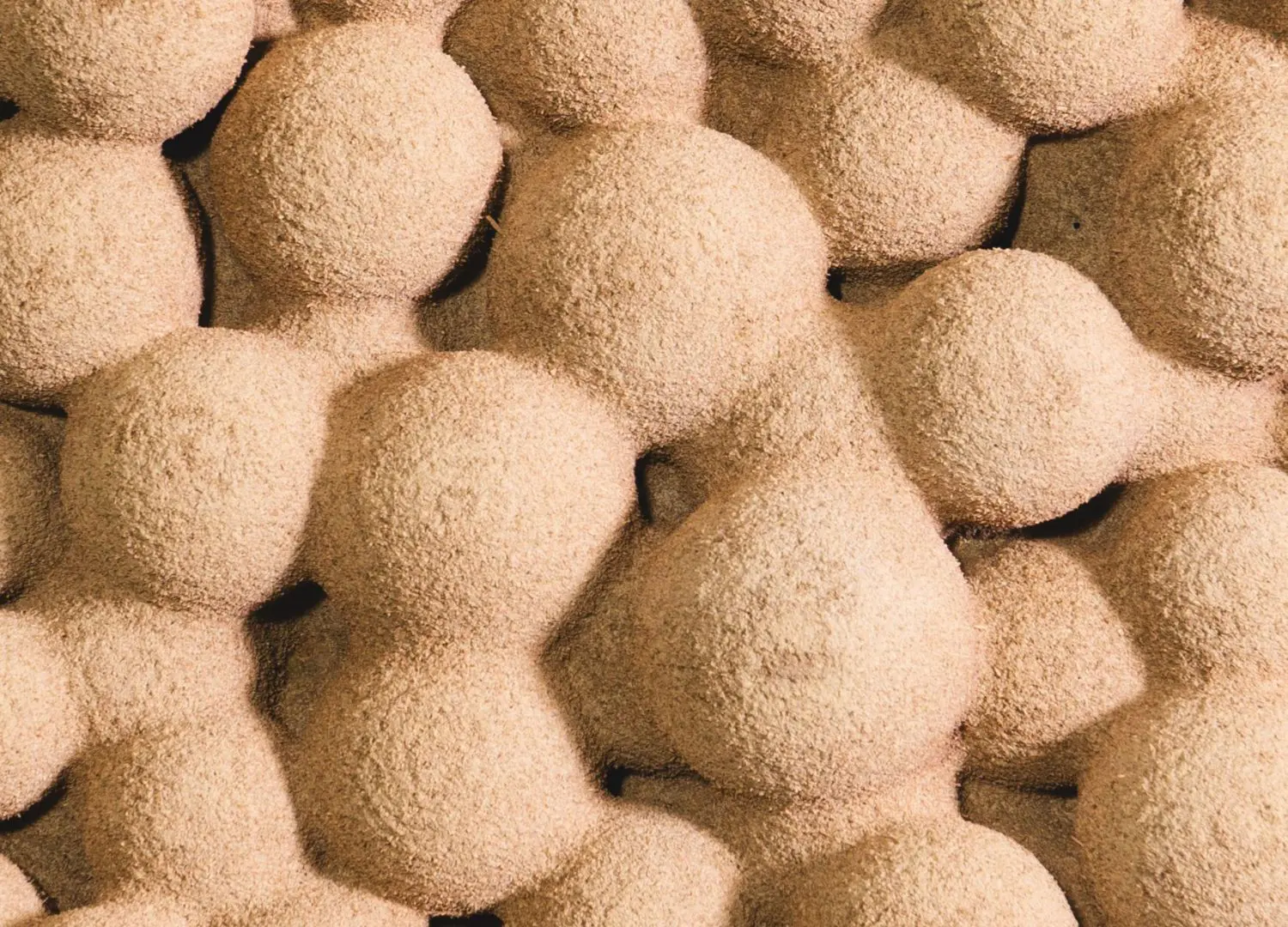
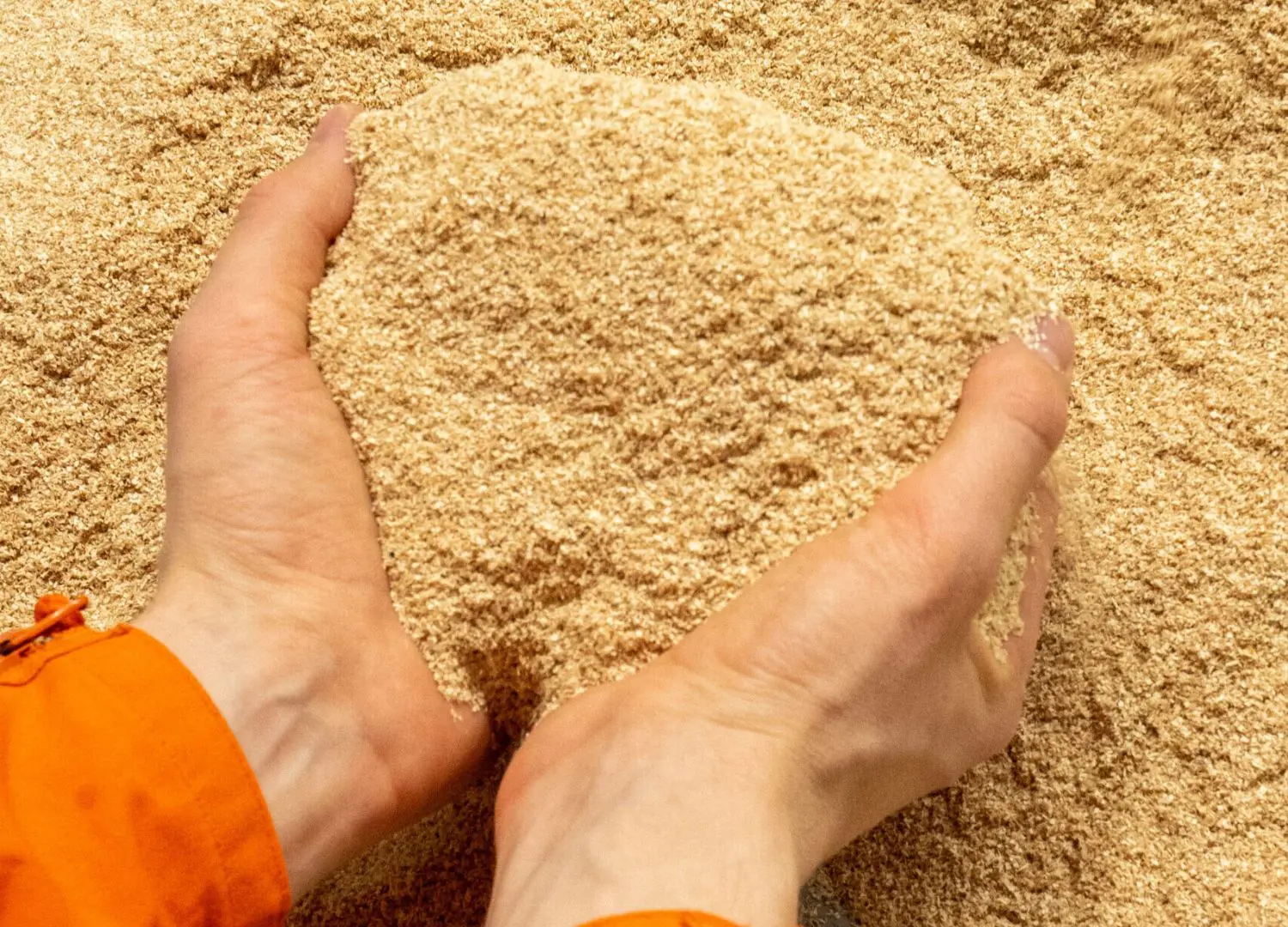
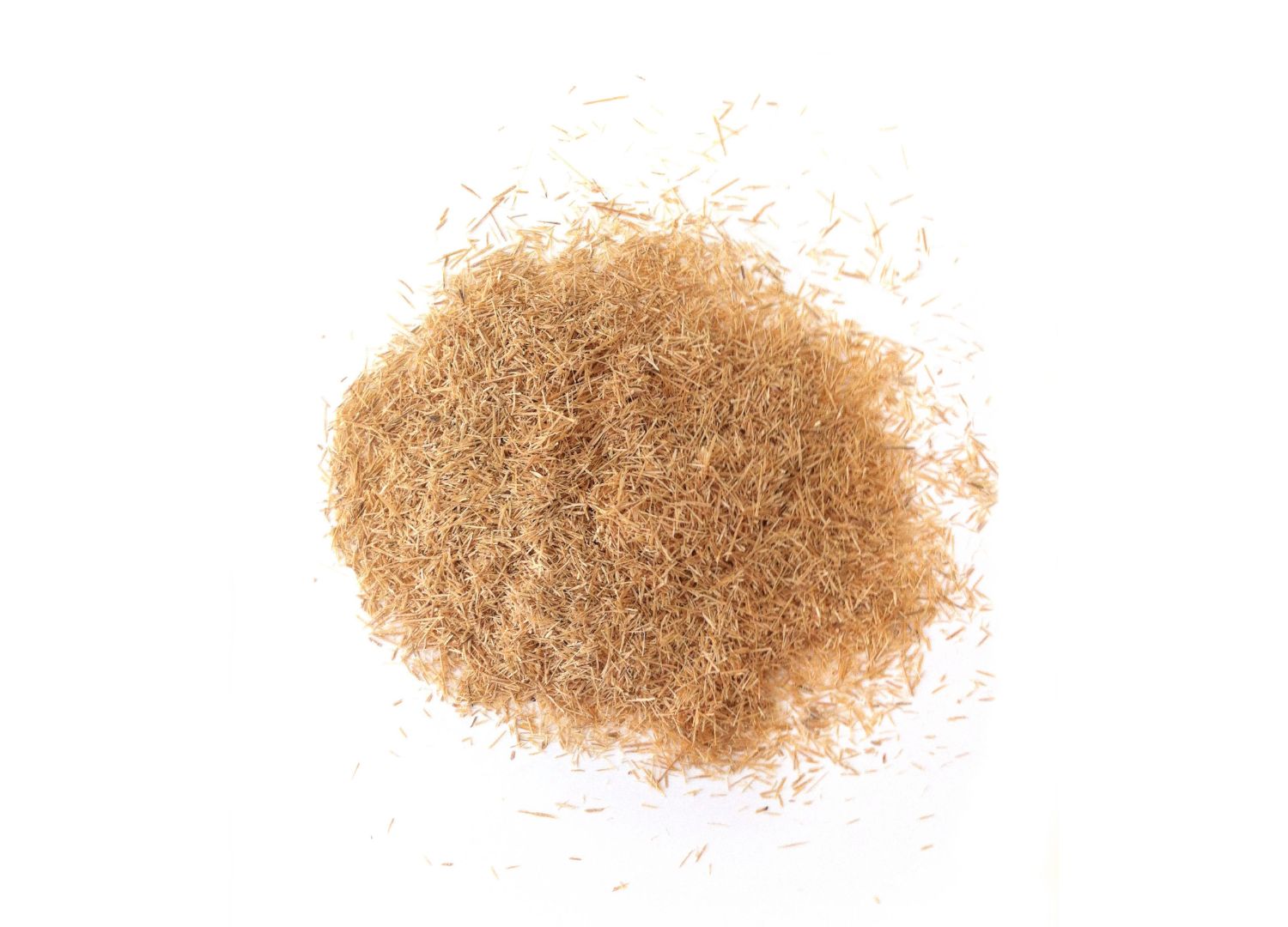
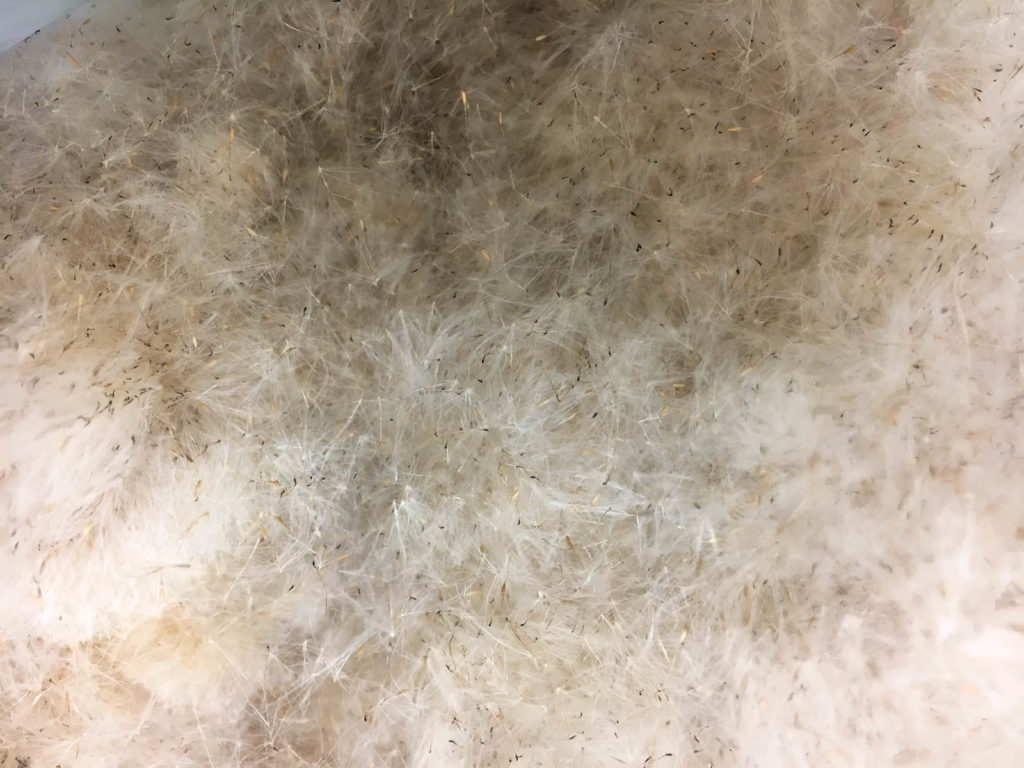
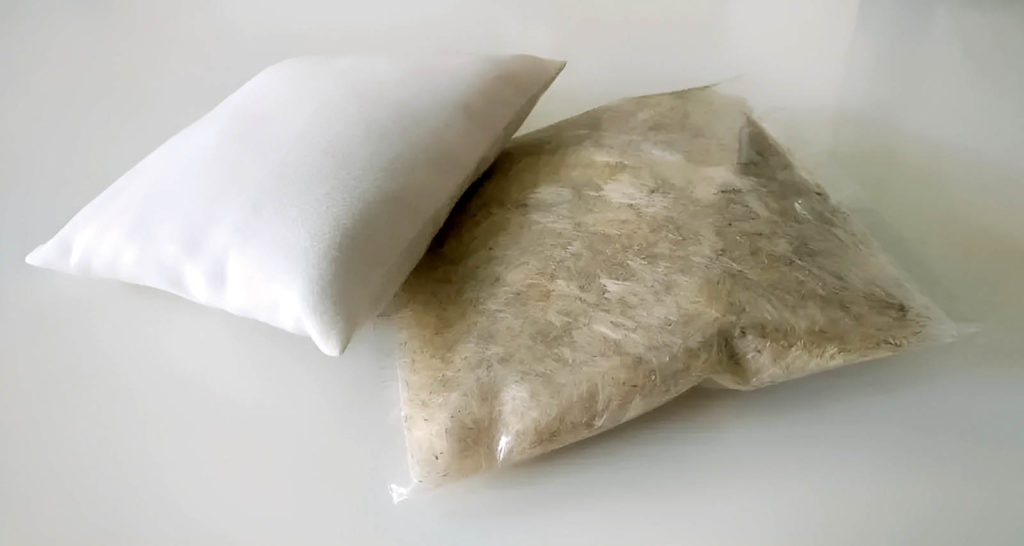
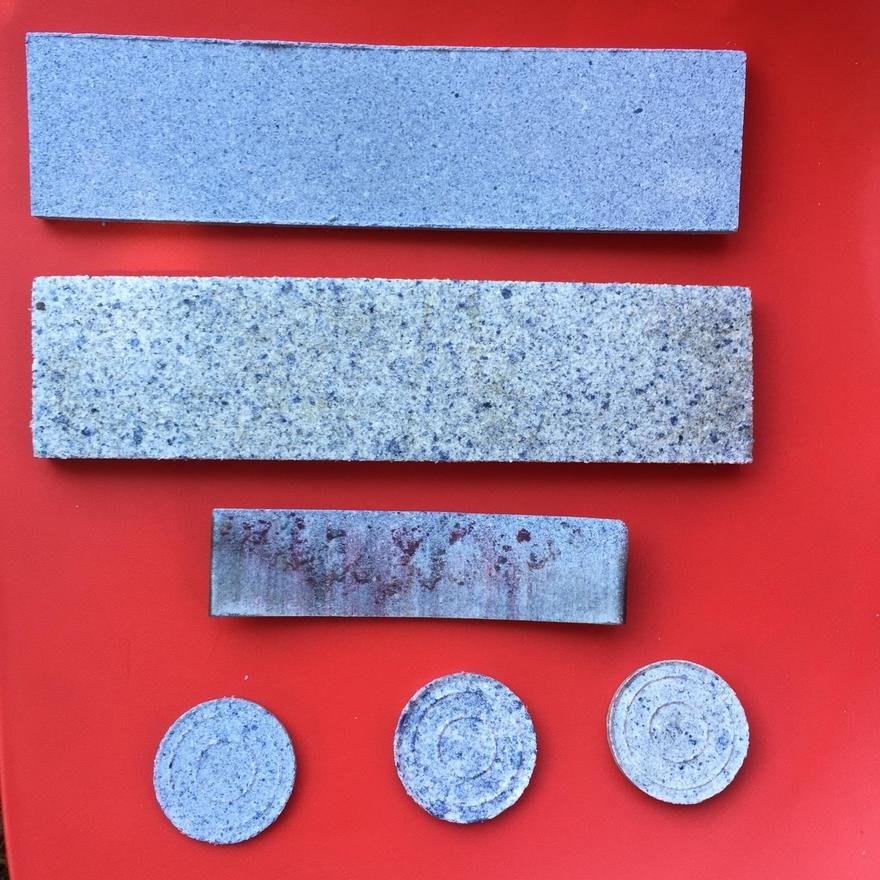
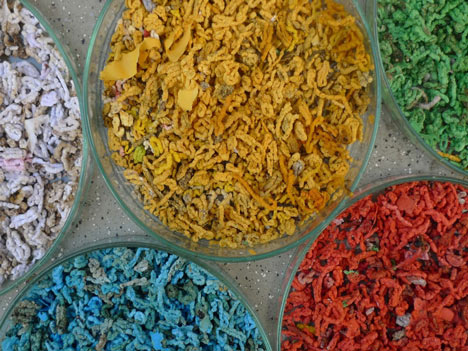
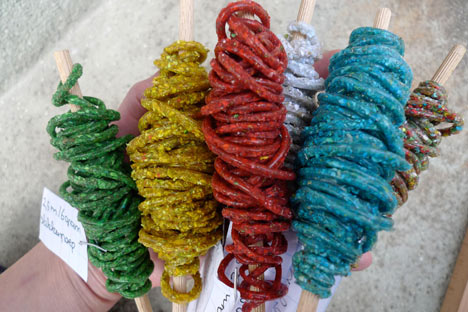
The nanocellulose fiberboard is composed of plant fibers, such as flax, and naturally fermented nanocellulose. Both components are already produced on an industrial scale in Europe and East Asia, indicating the feasibility of widespread adoption. The material's non-toxicity is a key advantage over existing alternatives.
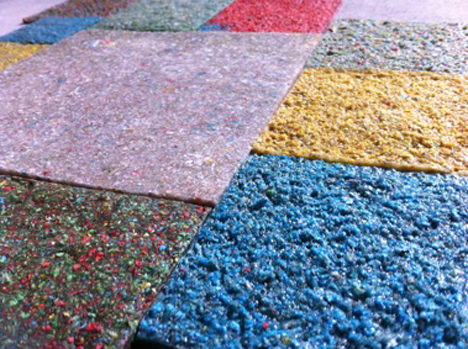
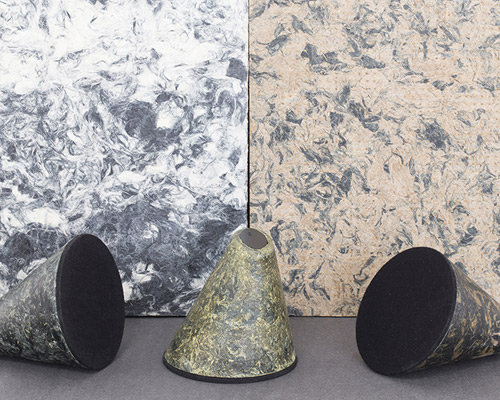
Lin demonstrates the versatility and potential applications of nanocellulose fiberboard through three distinct product prototypes: a modular storage system, interior wall panels, and Bluetooth speakers. These examples highlight the material's ability to be utilized in various consumer and construction contexts, directly replacing less sustainable options.
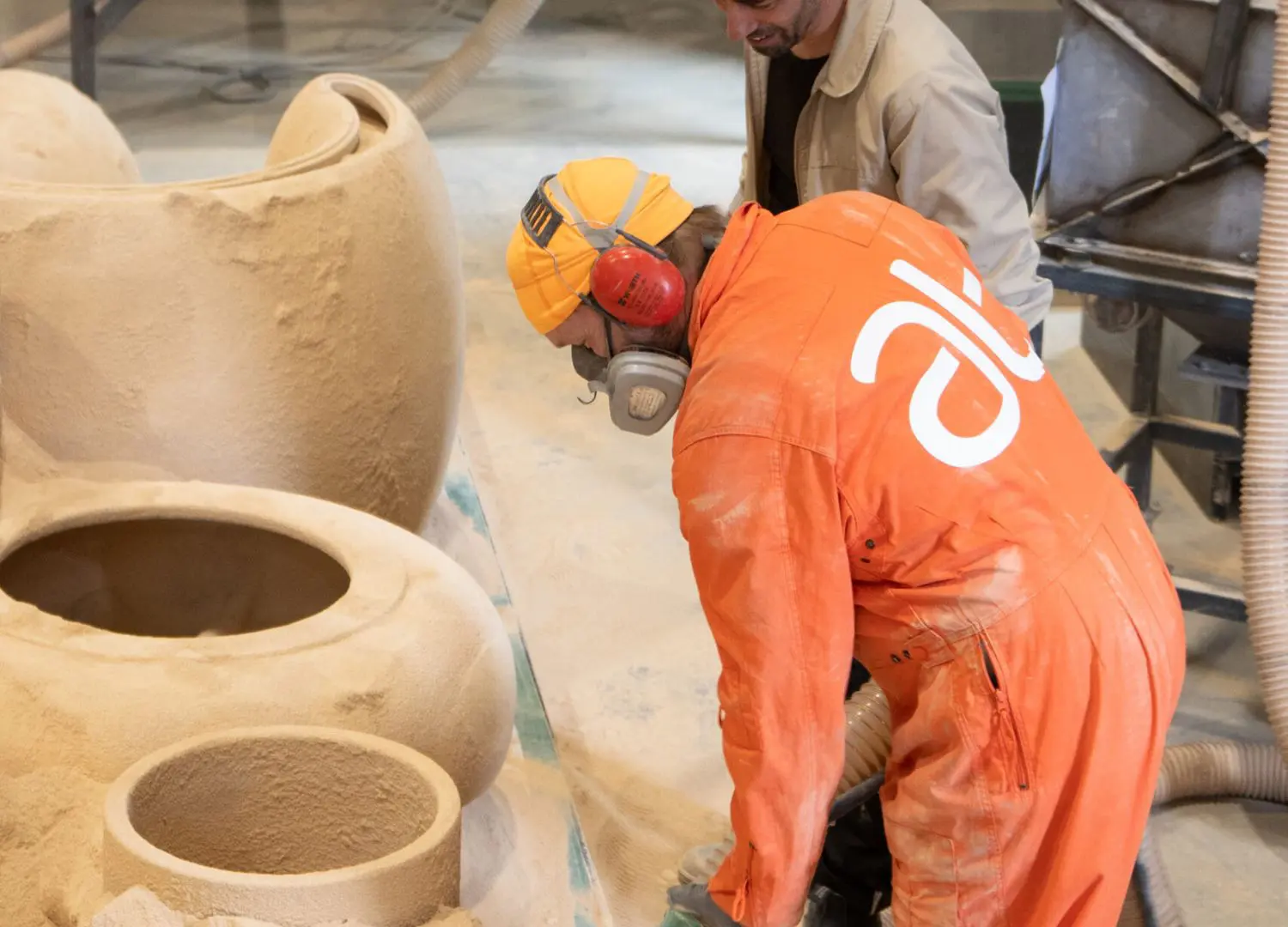
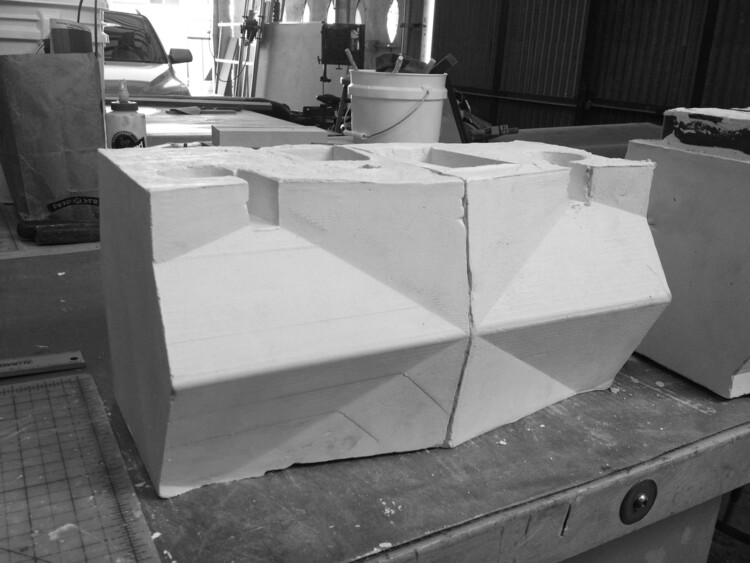
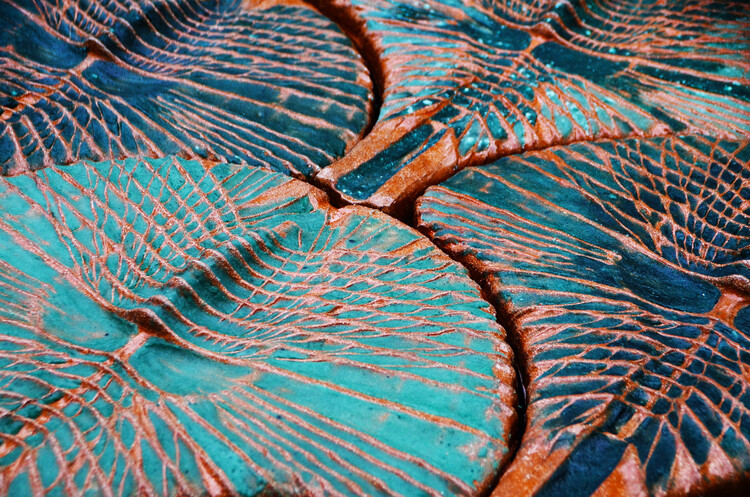
The manufacturing process for nanocellulose fiberboard is designed to be compatible with existing factory infrastructure, requiring similar techniques to those used for conventional products. This compatibility facilitates a smoother transition for industries looking to adopt more sustainable materials without significant investment in new machinery. Furthermore, the material allows for the integration of surface colors and patterns during manufacturing, eliminating the need for post-production laminating or painting. This feature significantly reduces labor and time costs associated with finishing processes.
A notable characteristic of nanocellulose fiberboard is its high moldability and the reduced energy required for its processing compared to plastics. This attribute makes it an ideal candidate for product casings, particularly for high-turnover consumer electronic products, where rapid production and material efficiency are crucial. The material can also be produced in various densities, allowing it to substitute different types of fiberboards effectively while maintaining performance.
The research and development of this innovative material were conducted by Yunting Lin in collaboration with Dr. Koon-Yang Lee, underscoring the scientific backing behind its creation. The project emphasizes a move towards more environmentally responsible material science and product design, offering a practical solution to reduce waste and minimize the environmental impact of manufacturing.
#NanocelluloseFiberboard #SustainableMaterials #Biodegradable #Recyclable #EcoFriendlyDesign #YuntingLin #MaterialInnovation #GreenBuildingMaterials #NanocelluloseFiberboard #SustainableMaterials #Biodegradable #Recyclable #EcoFriendlyDesign #YuntingLin #MaterialInnovation #GreenBuildingMaterials
0 comment in total
 No comments yet
You may also like
econitWood™ turns timber scraps into new material resources

FabBRICK reinvents construction materials with recycled textile waste
RCA Product Design Student Invents Stone-Like Material Made from Fish Scales

Could ‘seawool’ – a textile made from mussel waste – be part of the future of sustainable design?
Long bamboo fibers for high-performance composite applications
Mycelium as a Material for 3D Printing

Reliance to enhance fire retardant and sustainable properties of Recron® FS using Nofia® Technology

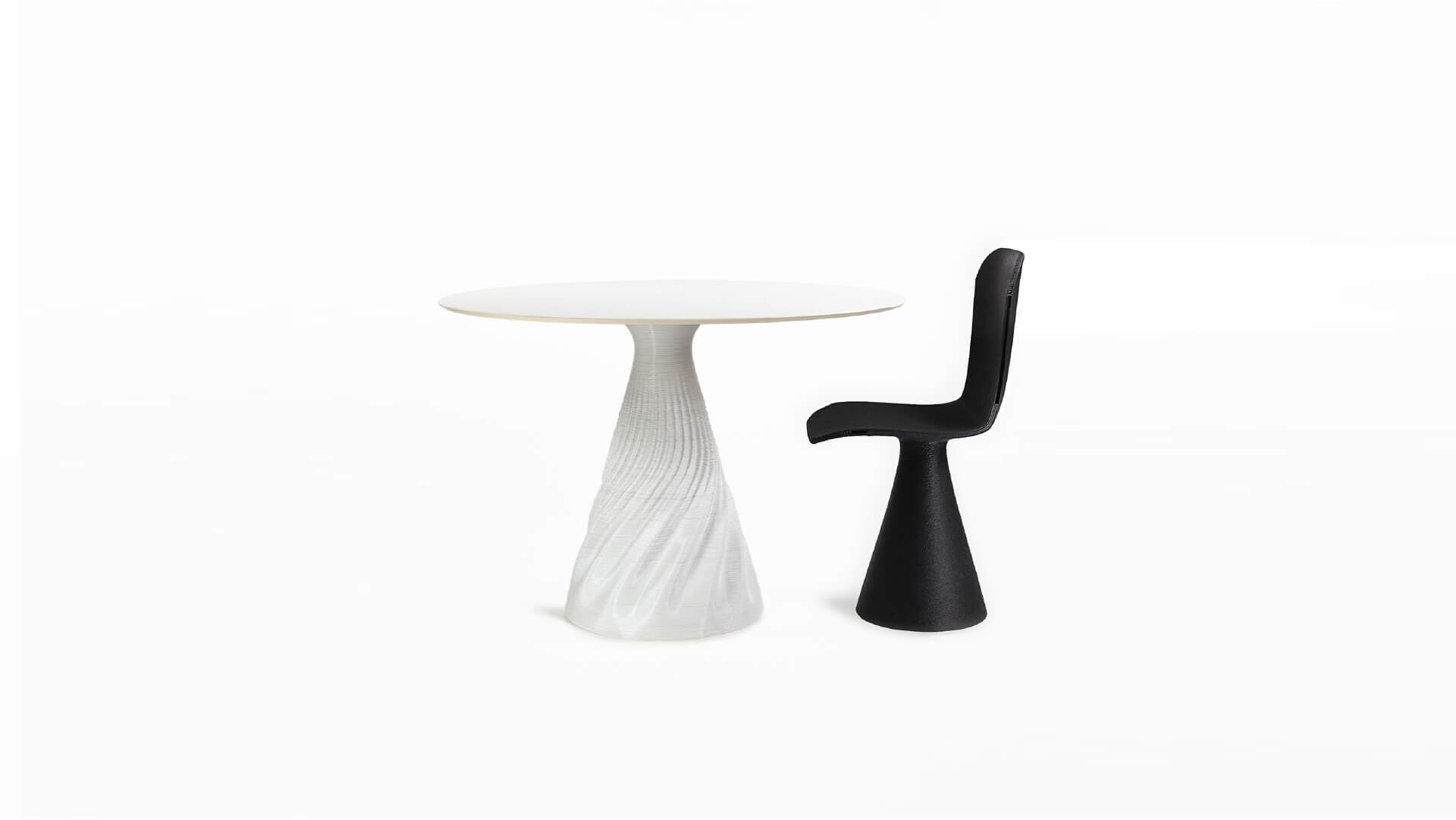
Marble-look surfaces top 3D-printed plastic bases in Elli’s furniture collection
Senso designs "world's first seamless flooring" with plant-based resins

Finding Sustainable Alternatives to Traditional Building Materials

PFAS regulations prompt innovation

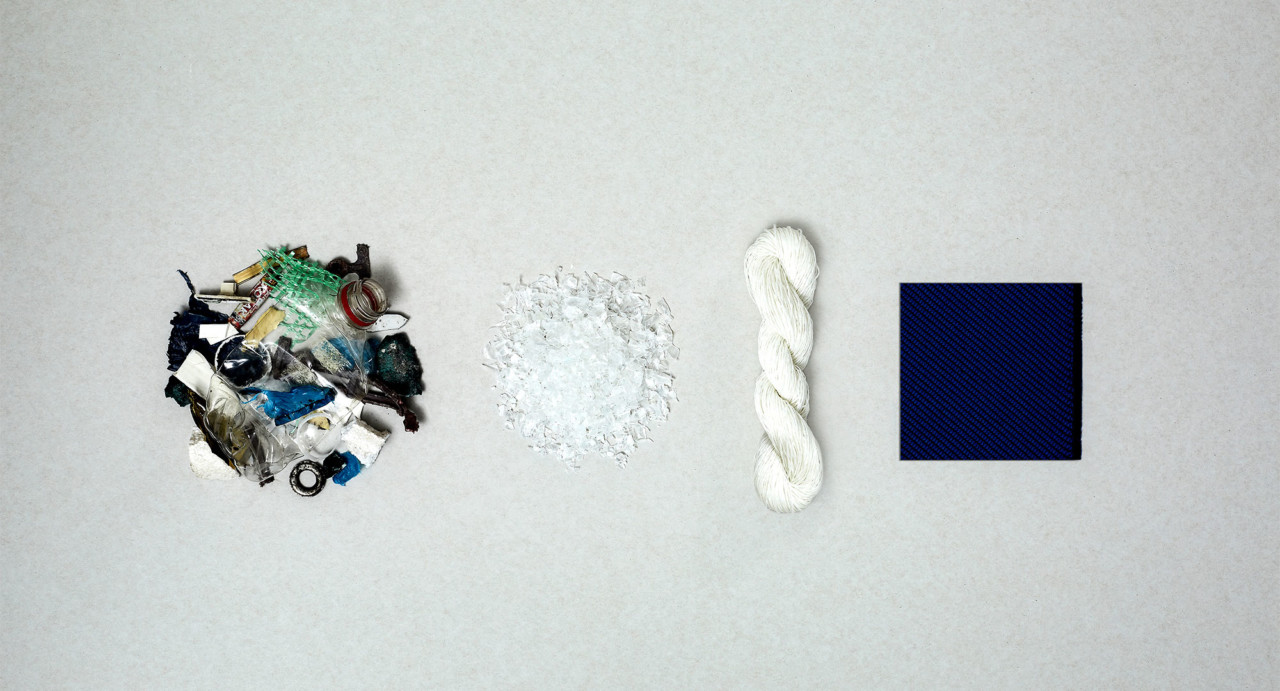
Camira + SEAQUAL Turn Ocean Plastic into Upholstery Fabric

Wood Innovation: Sustainability Becomes More Important, Companies Seek to Develop Wood-Based, Eco-Friendly Products

A next-generation material for sustainable padding applications
Floor tiles made of coloured snail poo by Lieske Schreuder
The BioBased concrete tiles cut carbon emissions and waste


Fluff Stuff

10 Start-ups Creating Innovative and Sustainable Building Materials, from Mycelium Bricks to Water Purifying Tiles

6 Sustainable Material Trends That Prove It's No Longer Just a Buzzword, but an Exciting Design Opportunity

Eco-friendly materials: the future of residential and commercial construction