1/2
How to Remove Stains From Plastic Laminate Countertops
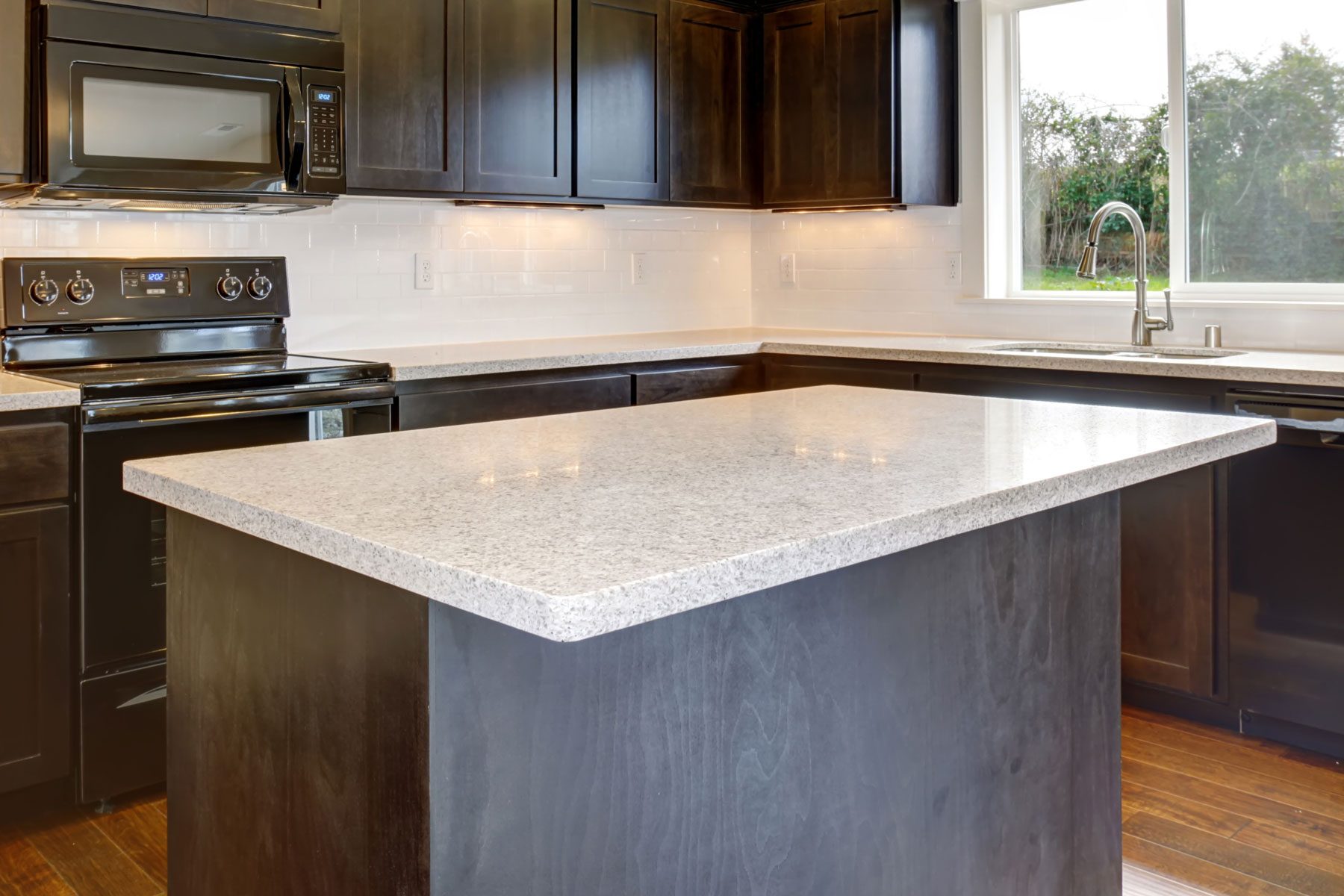
Plastic laminate countertops, while often less celebrated than quartz or granite, are known for their affordability, durability, and ease of maintenance. However, they are not entirely stain-proof. Certain common household items and foods can lead to persistent stains if left unattended for extended periods. Understanding the primary culprits behind these stains is the first step in effective counter care.
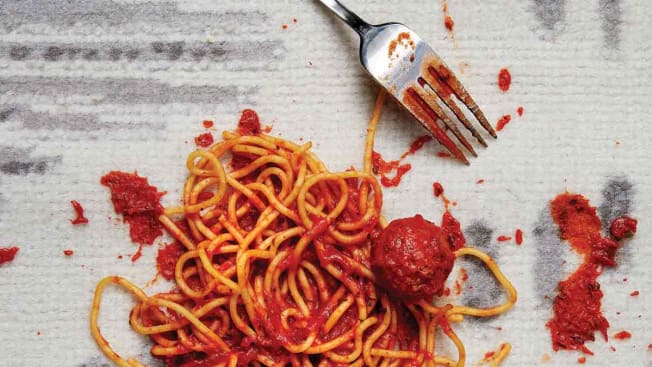
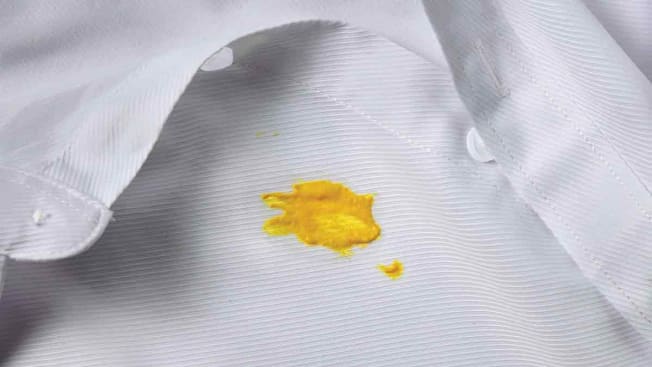
Key staining agents include turmeric, known for its vibrant yellow pigment, curcumin, which easily binds to microscopic pores in plastic laminate. Other highly pigmented spices like chili powder and cumin can also leave similar marks. Tomatoes and tomato sauce, due to their natural acidity, can cause discoloration. Everyday beverages such as coffee and tea contain tannins, historically used as dyes, which can also stain laminate surfaces. Additionally, berries like blueberries, raspberries, and strawberries, when crushed, release strong pigments and tannins that can leave noticeable stains.
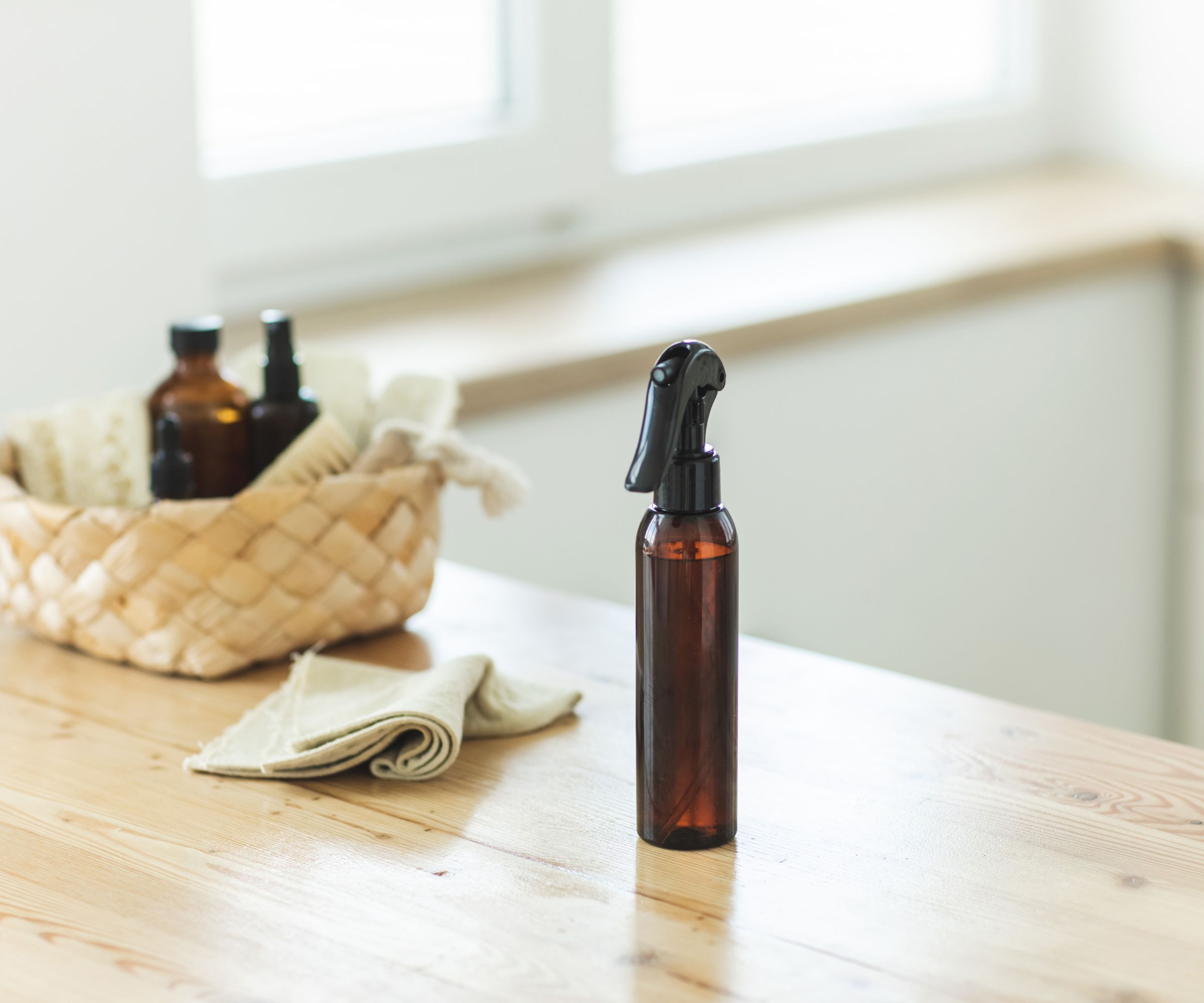
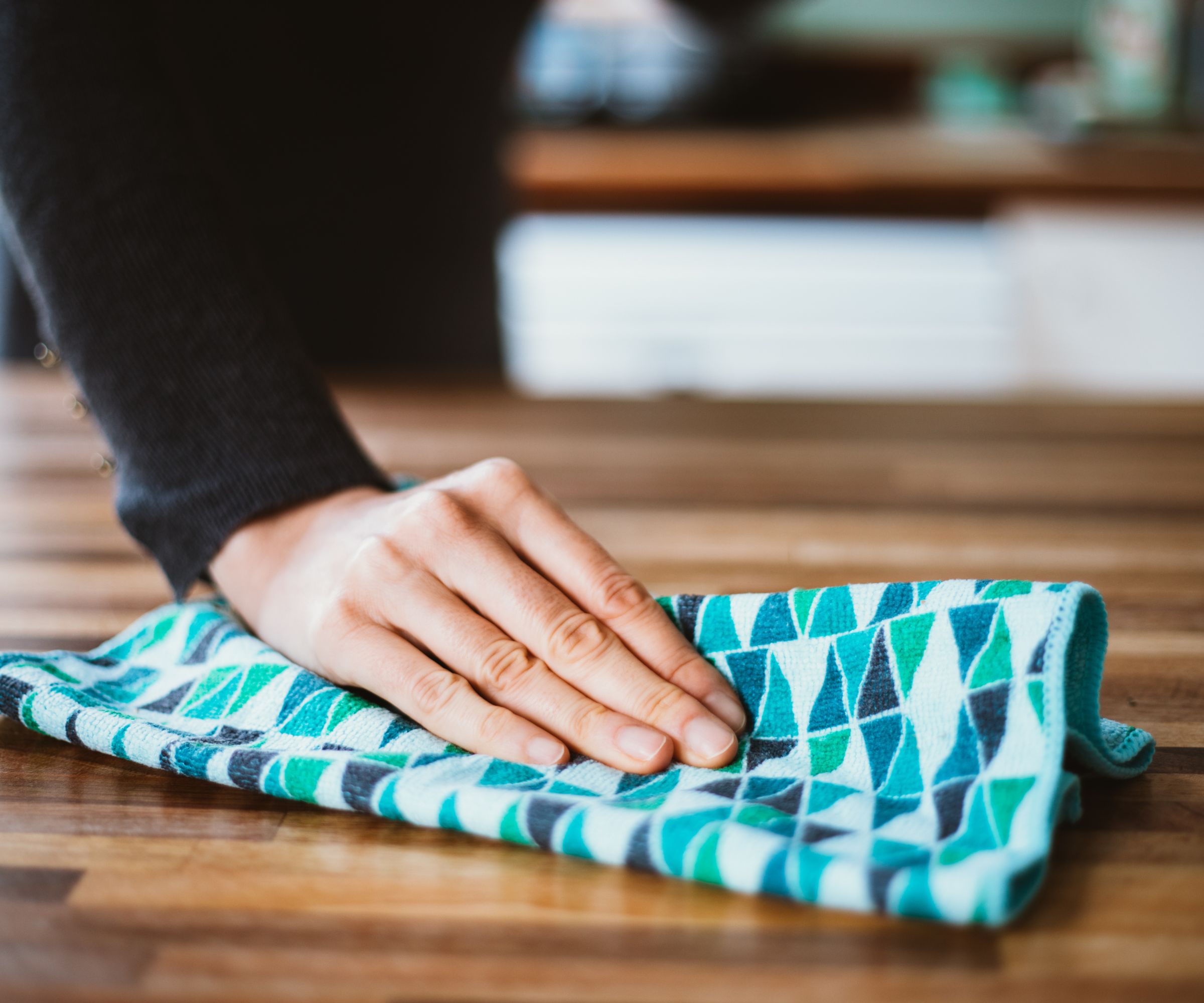
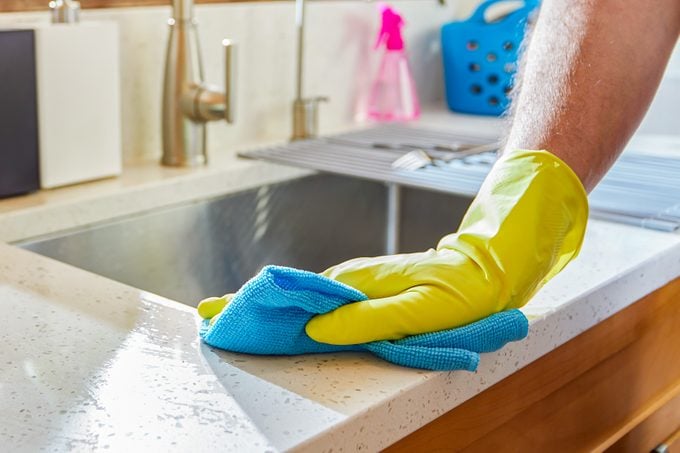
For routine cleaning, a simple solution of warm water mixed with a few drops of mild dish soap is highly effective. This mixture, applied with a soft microfiber cloth or sponge, can clean the surface. It is crucial to rinse the cloth and wipe down the countertops again to remove any soapy residue. Because plastic laminate counters have a wooden particle board base, they are susceptible to warping if exposed to excessive moisture. Therefore, thoroughly drying seams after cleaning or spills is essential, and it is recommended to use a damp cloth rather than soaking the surface.
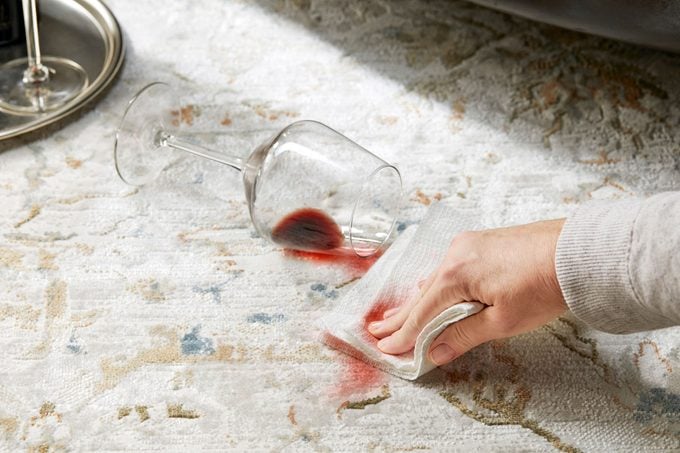
Immediate attention to spills is paramount. Wiping up accidental spills of liquids like coffee, tea, wine, and juices as soon as they occur can significantly prevent staining or damage. Soft kitchen sponges, microfiber cloths, or damp paper towels are suitable for quick clean-ups. While gentle soap and water or natural ingredient cleaners are generally safe for plastic laminate, consulting the manufacturer for specific cleaner recommendations is advisable, especially given the investment in countertops.
When dealing with tough, set-in stains, non-abrasive cleaning agents are preferred. Baking soda is a versatile option for this purpose. A thick paste can be made by mixing baking soda with warm water. This paste should be applied to the stain and allowed to sit for five to ten minutes before gently scrubbing with a soft cloth, rinsing, and drying. However, baking soda should be used sparingly to avoid dulling the surface finish. Vinegar offers an additional cleaning boost when combined with water in equal parts. This solution can be applied to the stained area, wiped with a soft cloth, and then thoroughly rinsed and dried. It is important to note that plastic laminate countertops can scratch if cleaned with abrasive materials like steel wool or scouring pads, which should be avoided to preserve the surface integrity.
#LaminateCountertops #StainRemoval #KitchenMaintenance #CleaningTips #HomeCare #DIYCleaning #CountertopCare #HouseholdHacks #KitchenCleaning #LaminateCountertops #StainRemoval #KitchenMaintenance #CleaningTips #HomeCare #DIYCleaning #CountertopCare #HouseholdHacks #KitchenCleaning
0 comment in total
 No comments yet
You may also like

How to Get Red Wine Stains Out of White Marble Countertops

The Best Natural Countertop Cleaners To Wipe Away Spills And Splatters


How to clean butcher block countertops – 5 methods to prevent, and remove, hard-set stains


Don't Replace Your Laminate Countertops Yet—How to Repair Them to Extend Their Life


The Ultimate Stain-Removal Guide
The One Way You Should NEVER Clean Laminate Floors


Commonly-Stained Kitchen Surfaces—And How to Make Them Look Brand New Again

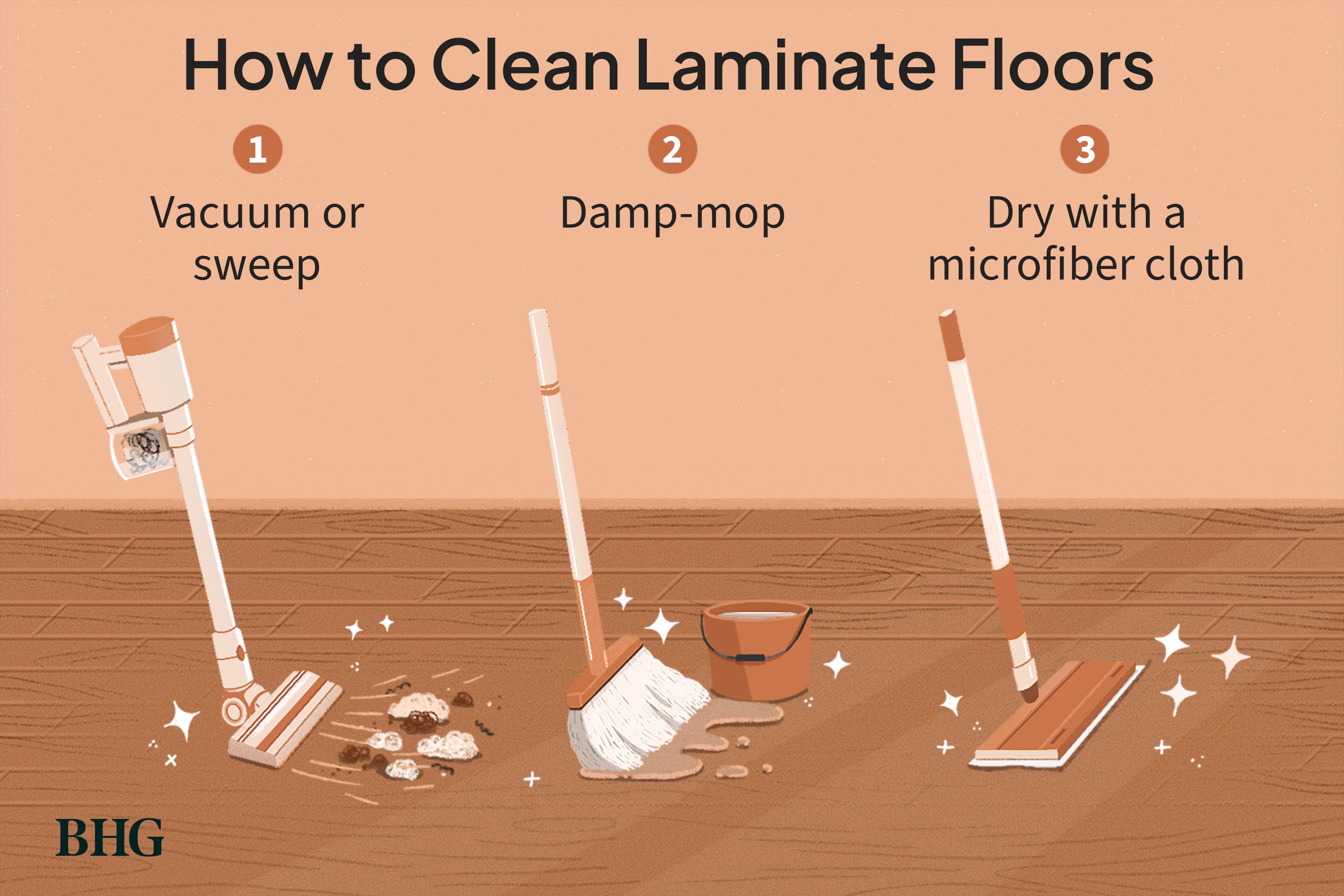
How to Clean Laminate Floors to Protect Their Shiny Finish
How to Remove Water Stains from Wood with Common Household Products


How to Clean Granite Countertops—and Remove Stubborn Stains


How to get paint out of clothes – the easy method experts fall back on

How To Clean Marble Countertops And Tile

The Right Way to Remove Stains From Granite Countertops

Red Wine Stain Removal: Step-by-Step Instructions for Any Surface


Tips for Cleaning and Caring for Quartz Countertops
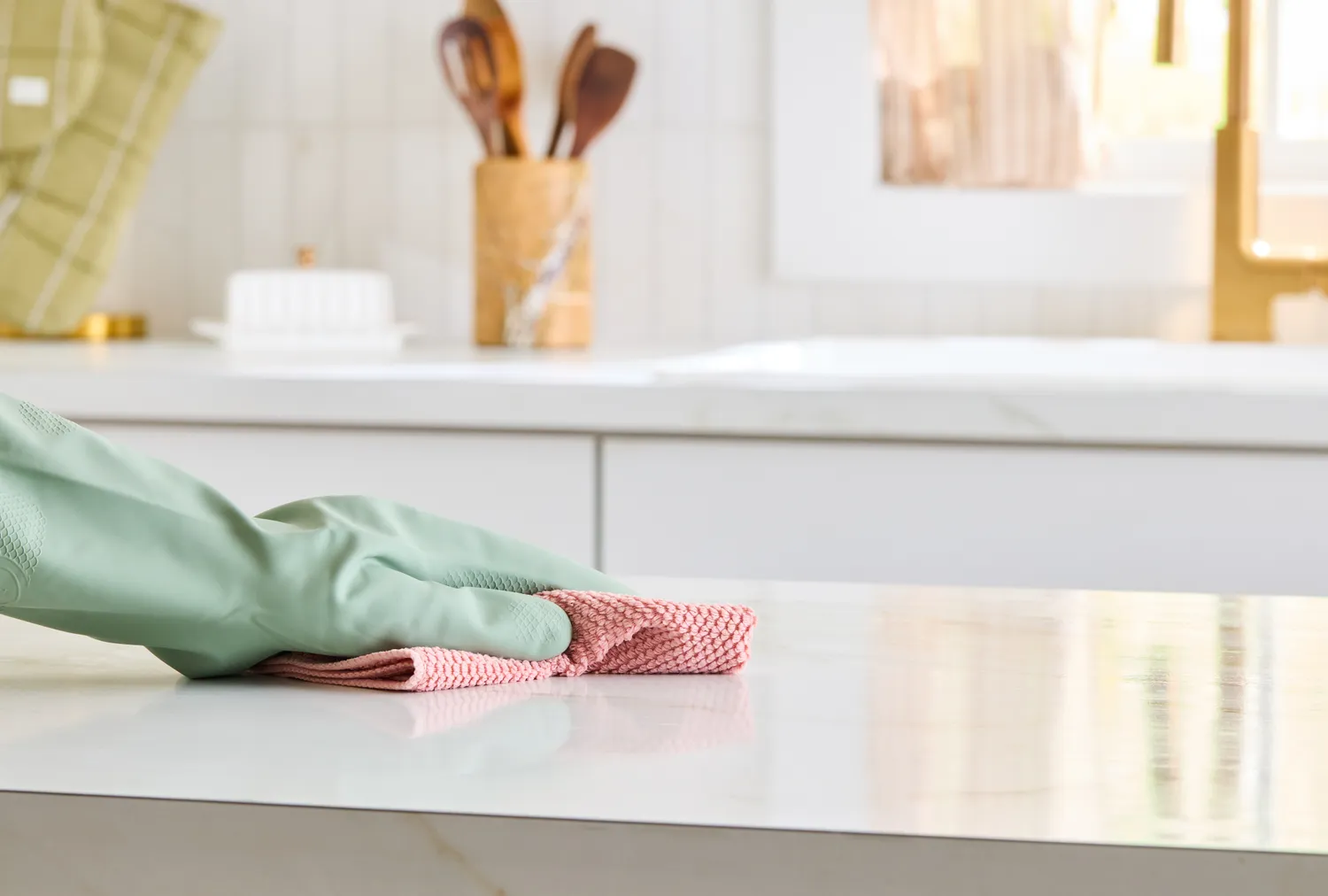
We Asked 3 Cleaning Pros to Share Their Easiest Tricks to Keep Countertops Cleaner for Way Longer
13 Top Reviewed Products That Will Help Remove Stains

Yes, Laminate Countertops Can Look Stylish. Here Are 5 Easy Steps to Make Yours Gleam

Remove tough sofa stains using pan lid and two household ingredients

How to Remove Oil Stains From a Garage Floor