1/3
Tips for Cleaning and Caring for Quartz Countertops
Quartz countertops are a popular choice for homeowners due to their attractive appearance, durability, and low maintenance requirements. As an engineered stone, they offer a wide range of designs and colors. Cleaning quartz countertops is straightforward, provided a few basic rules are followed, as highlighted by cleaning professionals Allen Rathey and Alicia Sokolowski. The primary consideration is to use gentle cleaning methods to avoid damaging the polymer resin binder that holds the quartz particles together. Harsh abrasives like steel wool, scouring pads, and scouring powders can scratch this resin, leading to dullness or pitting. Instead, soft cloths and gentle, non-abrasive cleaners are recommended.
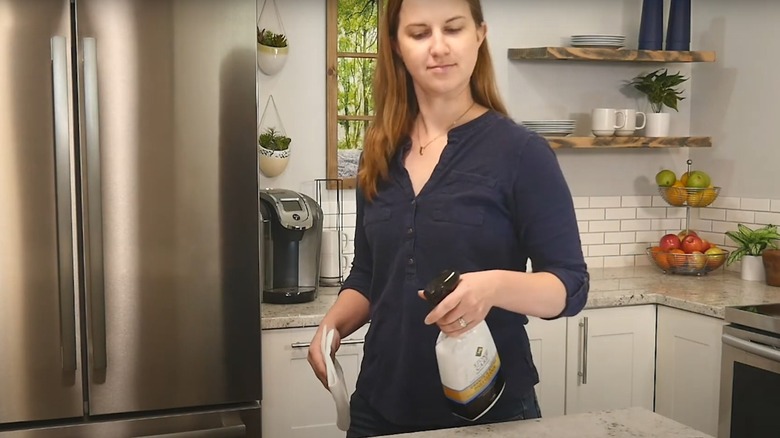
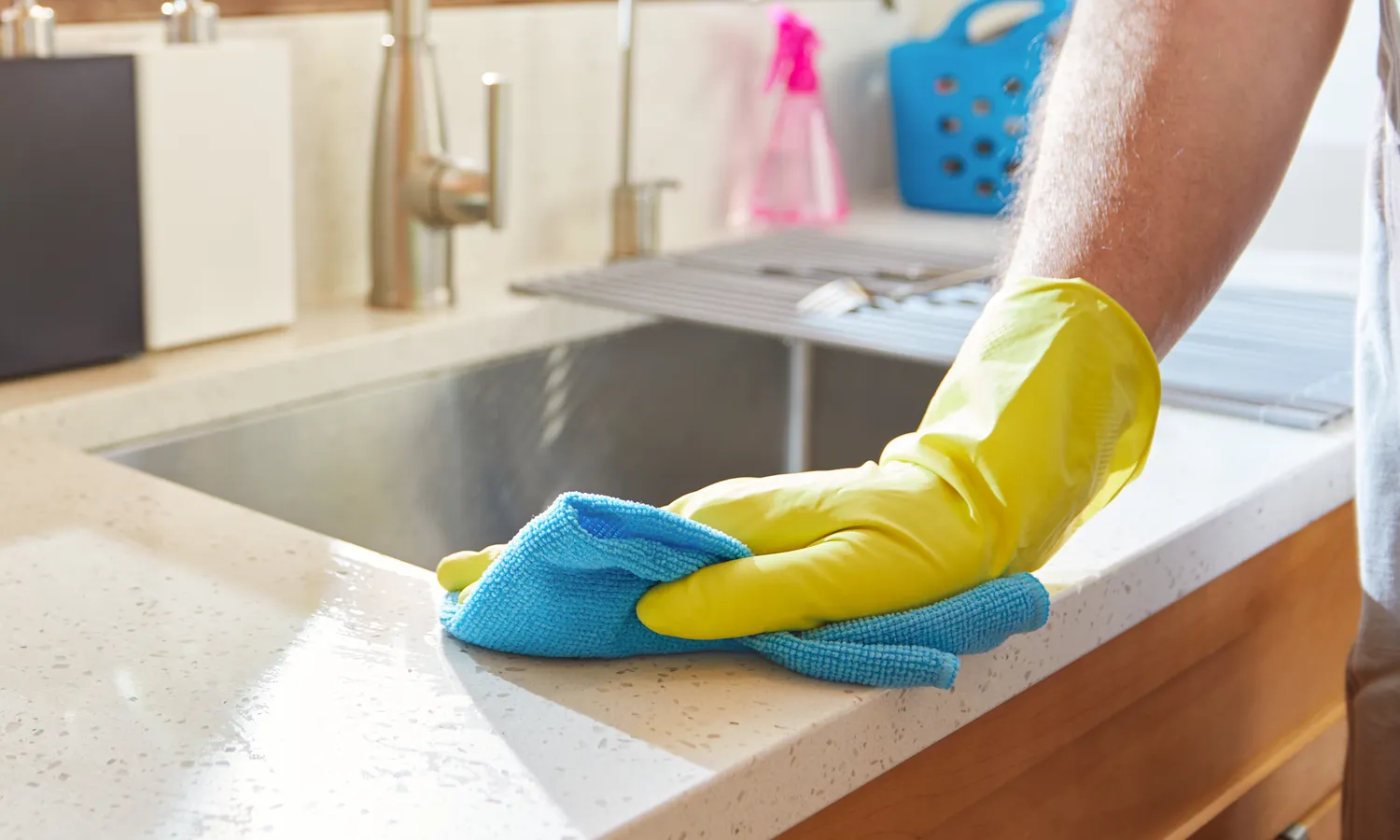
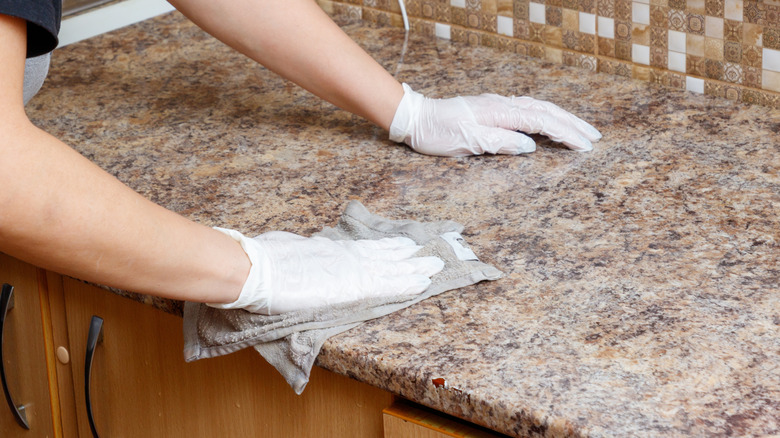
Daily maintenance typically involves a quick wipe-down with warm water and a natural dish soap, applied with a microfiber cloth or sponge. For easier application, a spray bottle can be used. After cleaning, the surface should be rinsed with a clean, damp cloth to remove any dust or food splatters. Heat resistance is a notable difference between engineered quartz and natural stone. The resin in quartz countertops makes them less tolerant of high temperatures, so trivets, potholders, or cutting boards should always be used for hot pans to prevent scorching, which is difficult to repair without professional assistance.
While quartz is known for its nonporous nature and stain resistance, immediate cleanup of spills is crucial. A study by geologist Karen Kirk demonstrated that quartz countertops can stain if spills, especially those from food coloring, bright spices like turmeric, chili powder, or acidic foods like tomatoes, are left for too long. Strong acids (e.g., hydrochloric and sulfuric acids found in toilet bowl cleaners) and strong bases (e.g., bleach and oven cleaners) should be avoided entirely as they can etch the surface or harm the resin matrix. Even relatively gentle acids like lemon juice and vinegar can cause damage if left on the surface.
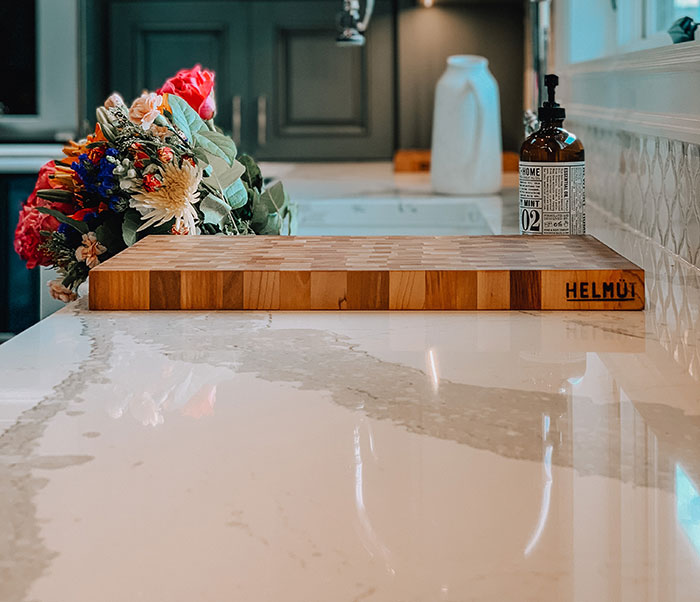
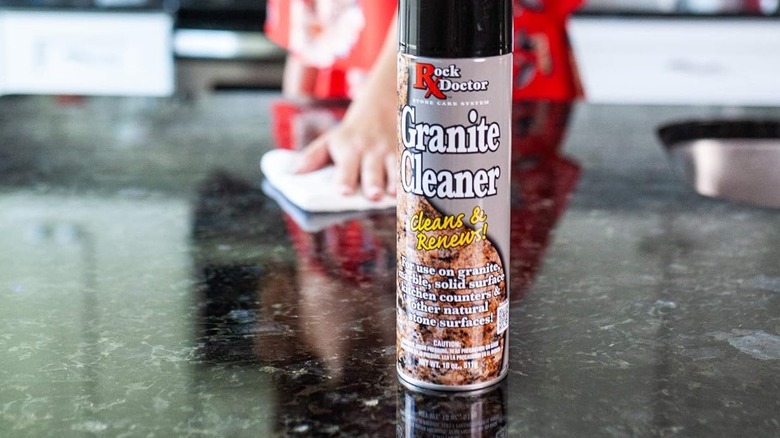
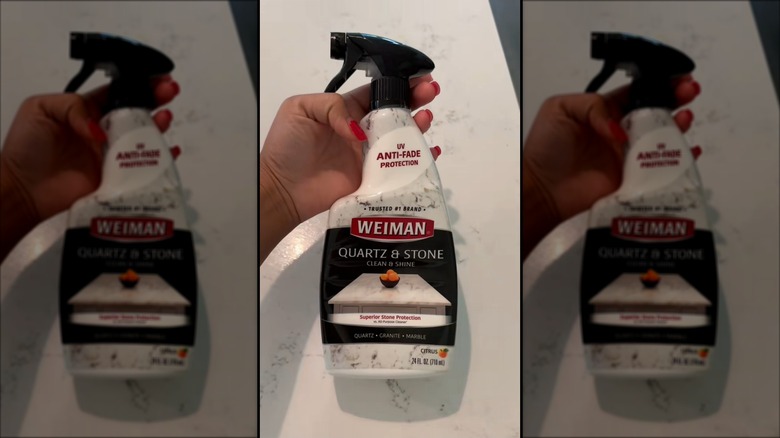
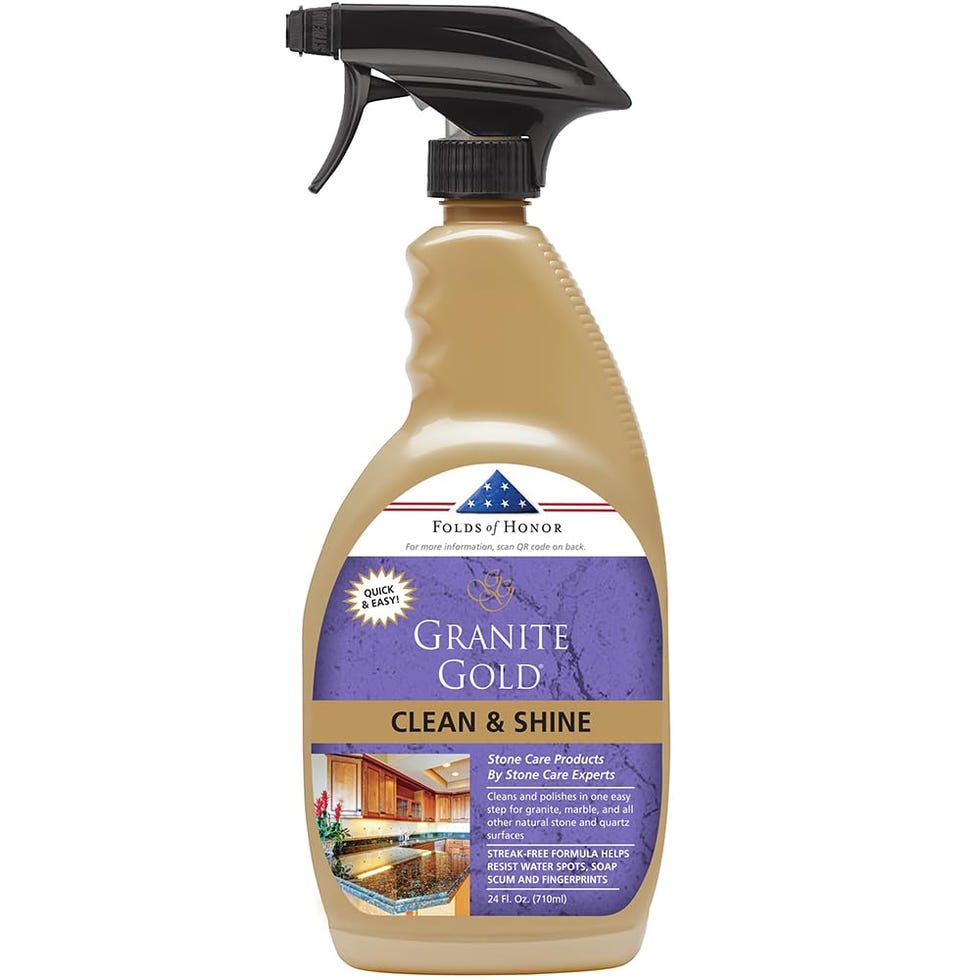
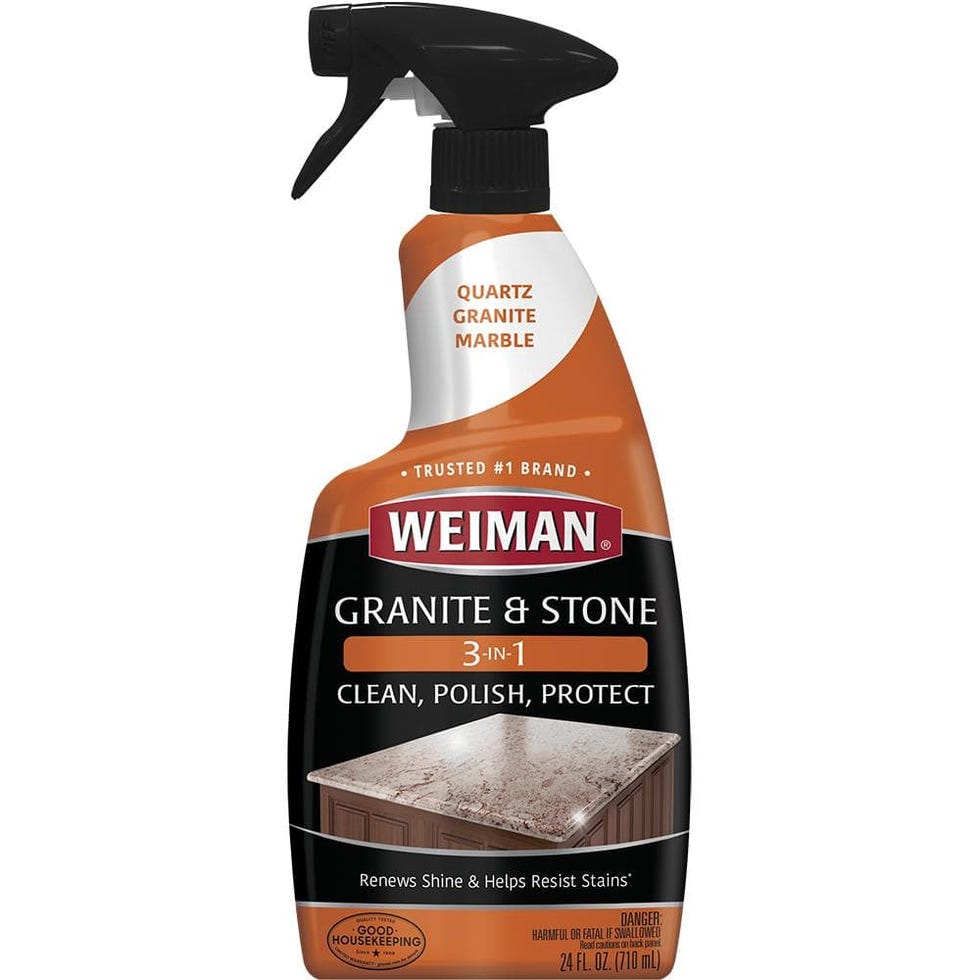
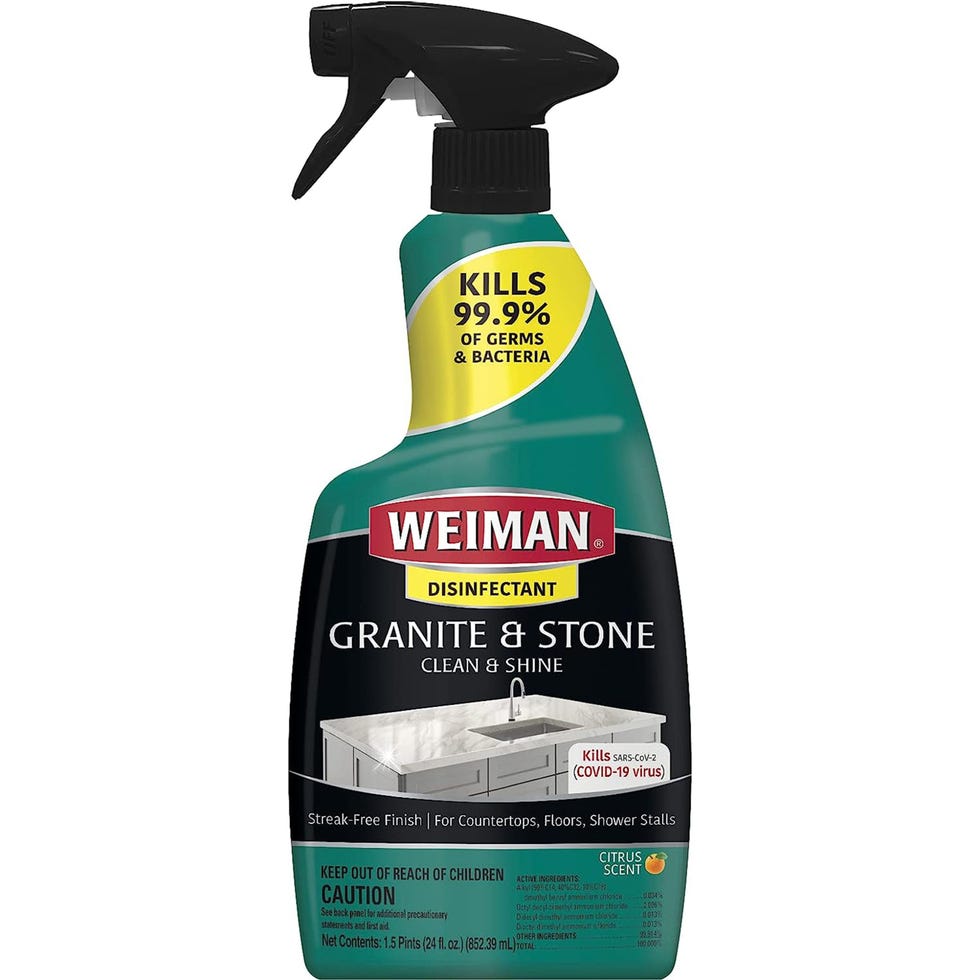
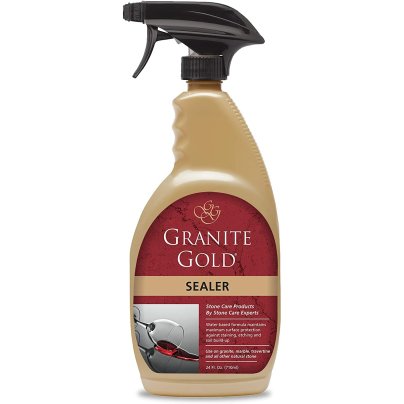
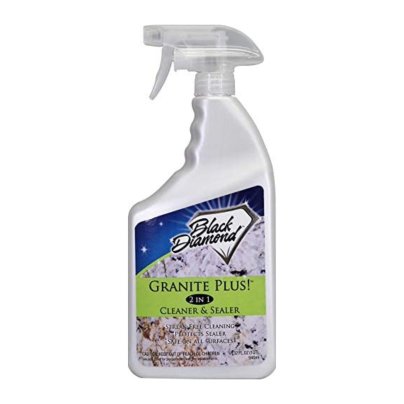
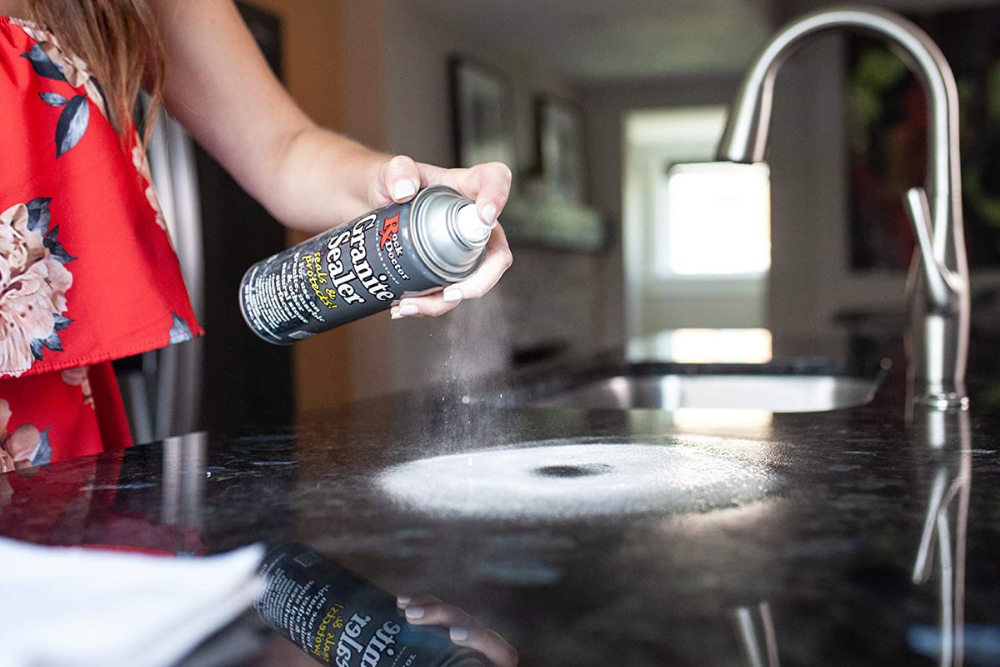
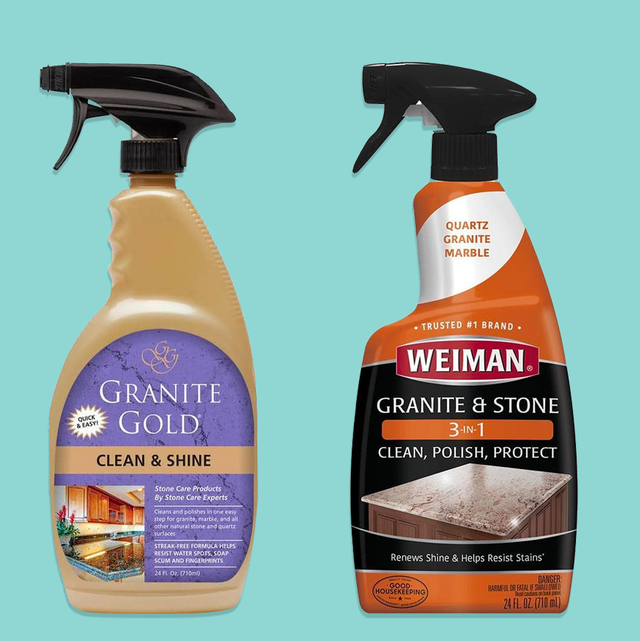
Using a cutting board is essential to protect the countertop from knife marks. Although quartz can withstand occasional accidental knife strikes, repeated impacts can cause scratches and harbor bacteria. For stubborn stains that do not respond to soap and water, baking soda can be used as a gentle abrasive. It can be applied as a mild scrub with a damp, soft cloth or as a thick paste for more persistent marks, then allowed to dry and removed with dish soap and water. For cleaning large quartz surfaces, a squeegee can be an effective tool after applying a soapy water solution, allowing for quick and thorough cleaning by directing the water into the sink. Commercial cleaning products specifically formulated for quartz are also available to clean and polish, restoring dull surfaces. Regardless of the method, testing on a small, inconspicuous area first is always advised to ensure compatibility and prevent further damage.
#QuartzCountertops #CleaningTips #HomeMaintenance #KitchenCare #DIYCleaning #CountertopMaintenance #StainRemoval #QuartzCountertops #CleaningTips #HomeMaintenance #KitchenCare #DIYCleaning #CountertopMaintenance #StainRemoval
0 comment in total
 No comments yet
You may also like

How to Properly Clean Quartz Countertops — And the Products You Should Never (Ever) Use

Are quartz countertops right for your home? We examine the pros and cons
Marble vs. Quartz Countertops: Which Is Better?

The Right Way To Clean Quartz Countertops, According To Experts
Quartz Countertops Guide: Maintenance Tips & 15 Chic Decor Ideas

I Picked Quartz Countertops for My New Kitchen, but Was It the Right Choice? Experts Weigh Up the Pros and Cons
How To Clean & Maintain Countertops: From Corian to Quartz

6 great alternatives to marble and granite for your NYC kitchen renovation: quartz, quartzite, porcelain, soapstone & more
The Best Quartz Countertop Cleaners According To Reviews

4 Easy-to-Follow Care Tips That Keep Quartz Countertops Looking Like New


The Best Countertop Materials for Every Type of Kitchen


Why Quartz Countertops Will Never Go Out of Style


The Right Way to Clean Quartz Countertops
Should You Choose Quartz or Granite Countertops? Experts Settle the Debate on These Two Popular Materials
Our Pros Swear By These Kitchen Countertop Cleaners


Countertops Can Set the Tone for Your Whole Kitchen—Here’s How to Choose the Right One

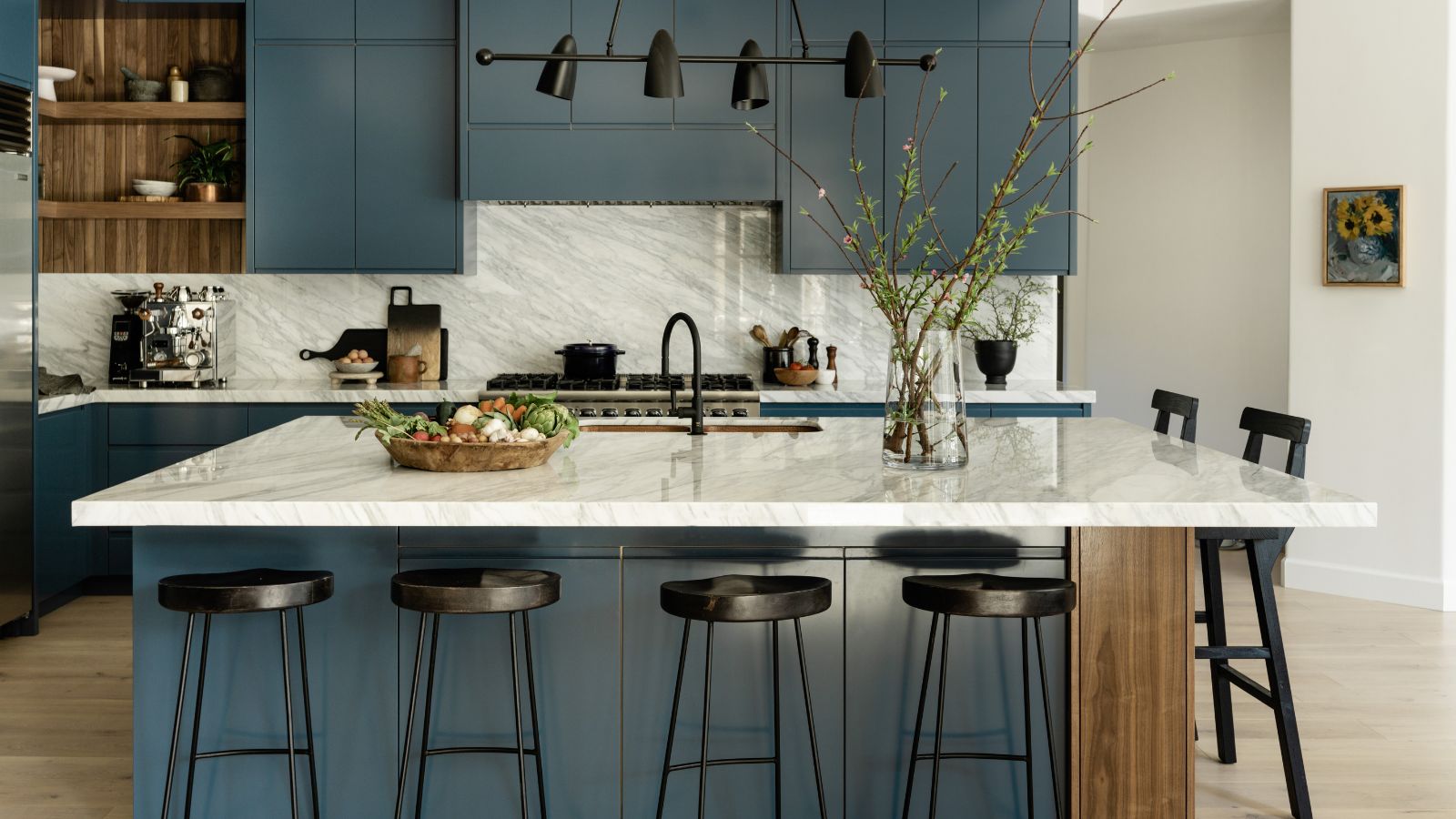
5 cleaning myths that will damage your countertops – and what to do instead


What is the most low maintenance kitchen countertop? Design experts unanimously agree
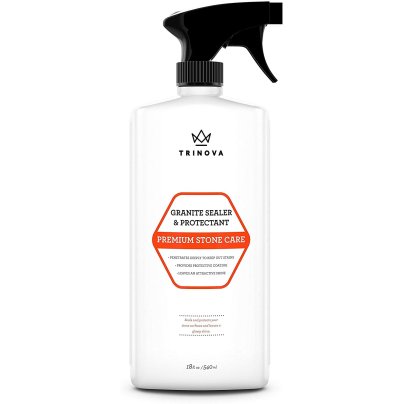
The Best Granite Sealers for Countertop Maintenance
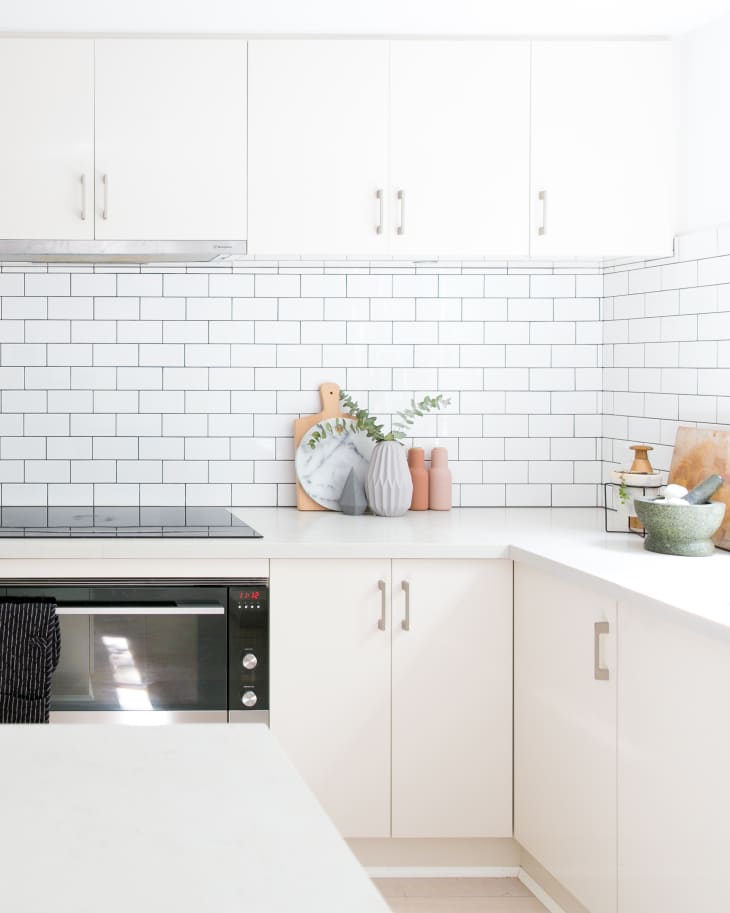
This Is How to Clean Quartz Countertops So They Sparkle Like New