1/3
How Do I Know What Size Dehumidifier I Need?
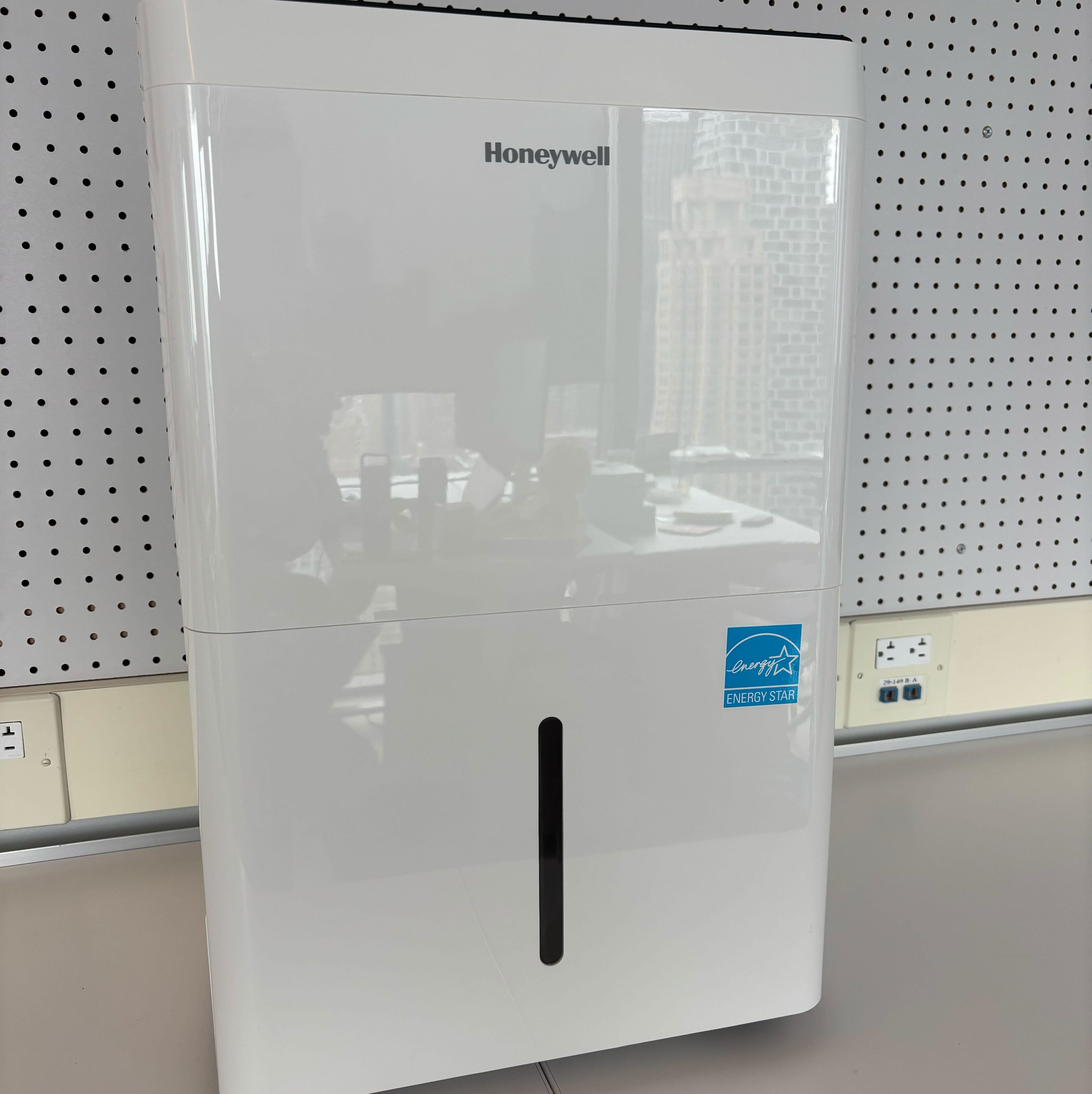
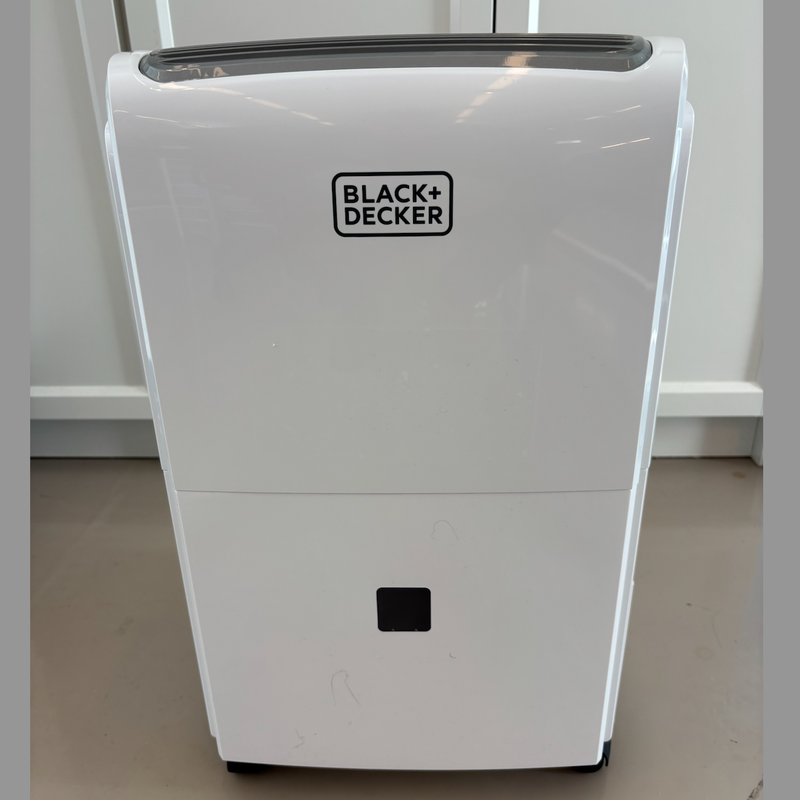
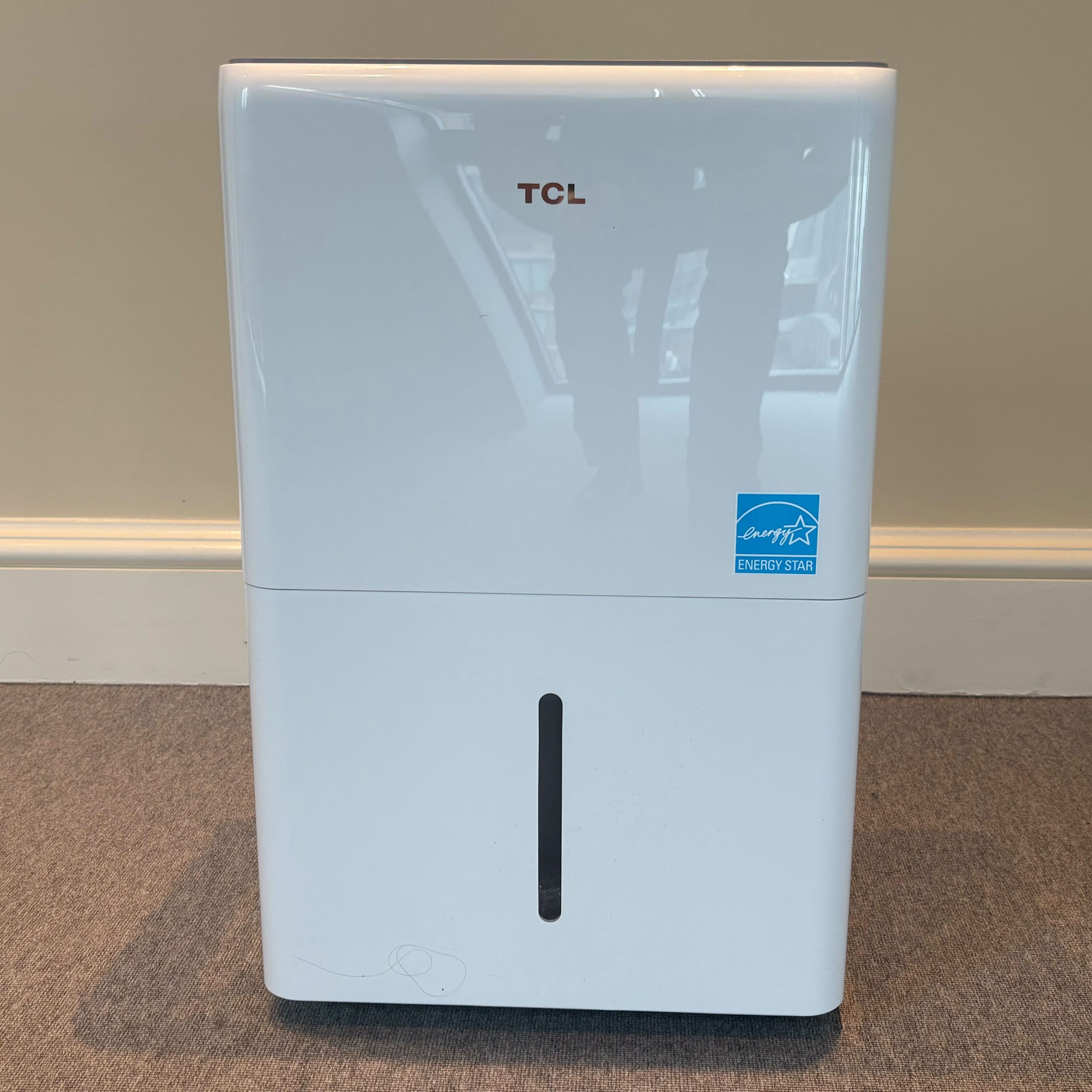
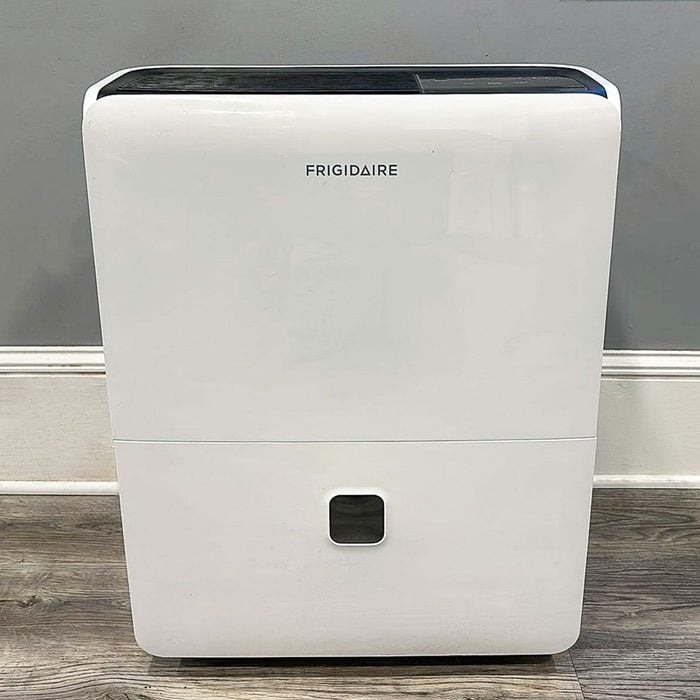
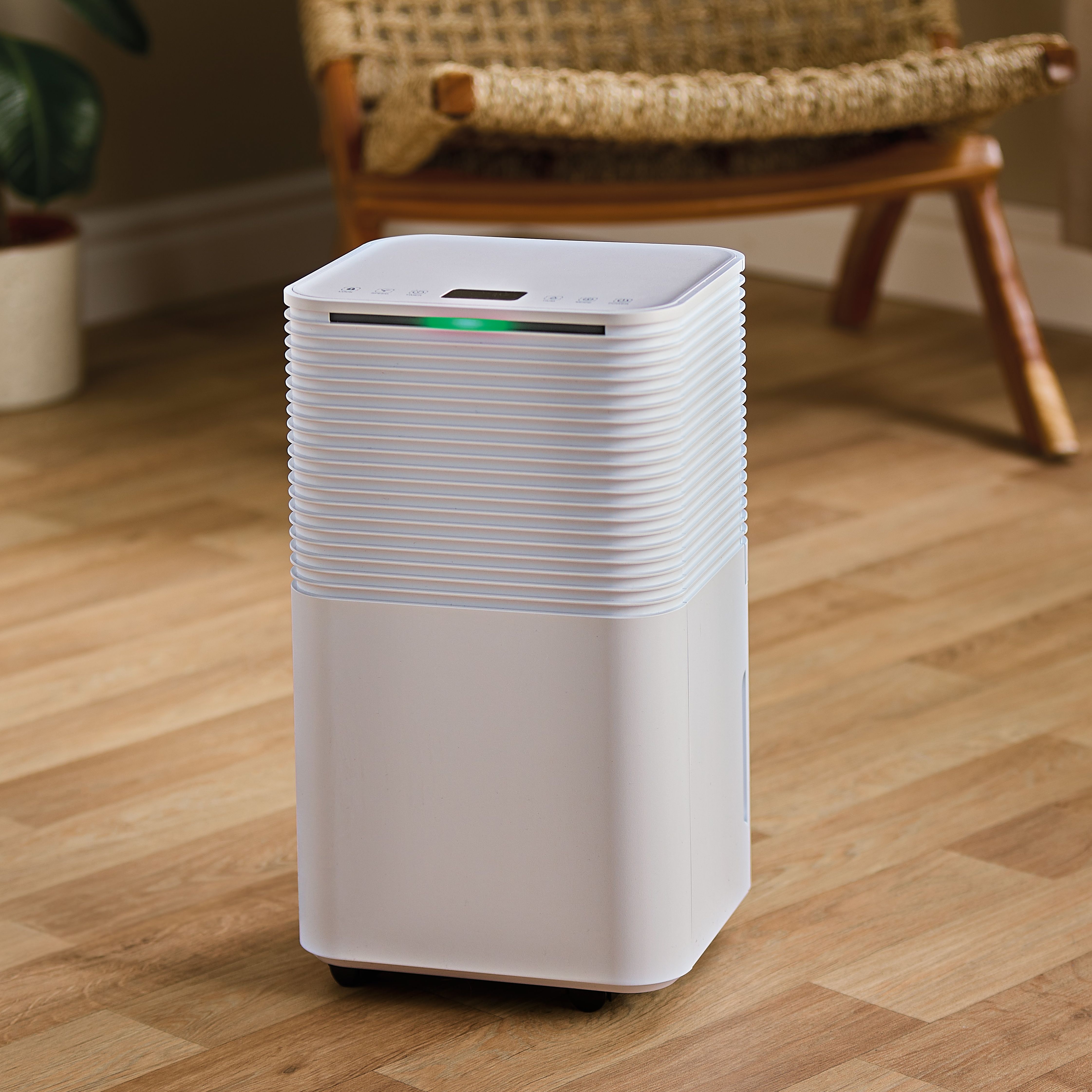
Selecting the correct size dehumidifier is crucial for effectively managing humidity levels in a home and preventing issues such as mold growth, which can damage structural components and pose health risks. An undersized unit will be ineffective, while an oversized one might not operate efficiently. The process begins with determining the square footage of the area to be dehumidified by multiplying its length by its width. This initial measurement provides a fundamental understanding of the space's volume.
Following the spatial calculation, it is essential to assess the existing humidity level using a hygrometer. This device measures the relative humidity in a room, providing an accurate baseline. It is important to note that humidity fluctuates with temperature; for instance, a cool basement might appear less humid than it actually is, and heating systems can temporarily mask true humidity levels. Therefore, using a hygrometer is vital for an accurate assessment. The ideal relative humidity range for living spaces is generally 40 to 60 percent in warmer weather and slightly lower, around 30 to 50 percent, in cooler conditions.
Consumer Reports and the Department of Energy provide sizing guidelines based on updated labeling standards from 2020, which more accurately reflect performance in common application areas like basements. These standards consider both room size and humidity level to recommend appropriate dehumidifier capacities. For example, a 400 sq. ft. room with 50-60% humidity would typically require a 20-pint dehumidifier, while a 1,200 sq. ft. room with 80-90% humidity would need a 60-pint unit. These capacities refer to the amount of moisture the unit can remove daily.
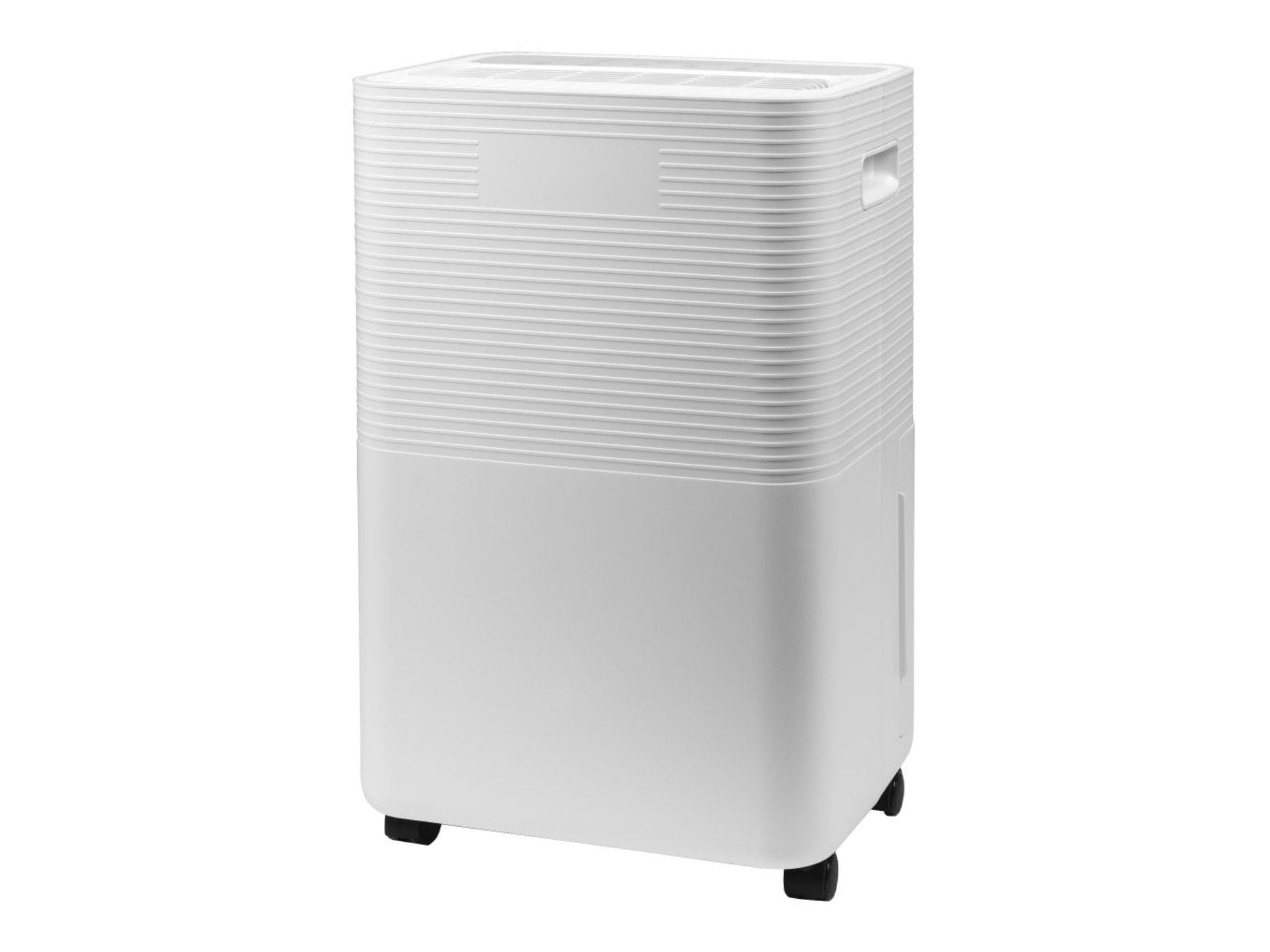
For large areas of 1,200 square feet or more, a large-capacity dehumidifier is usually necessary, capable of removing 50 to 60 pints of water per day. These powerful units are beneficial in consistently damp or wet environments. Given the significant volume of water collected, a direct drain option, often via a garden hose attachment, is highly recommended to avoid frequent manual emptying. Some models also feature a built-in pump, allowing water to be drained into a raised sink, offering greater flexibility in placement. In very large spaces, supplementing the dehumidifier with an additional fan can enhance airflow and improve the distribution of dry air, as the dehumidifier's internal fan might be optimized for noise reduction rather than extensive air circulation.
Medium-capacity dehumidifiers are suitable for spaces between 600 and 800 square feet with slight dampness or musty odors, and for smaller, wetter rooms of around 400 square feet. These units typically remove 30 to 39 pints of moisture daily and are generally quieter than their larger counterparts. However, for medium-sized rooms experiencing significant moisture issues like puddles or visible mold, a large-capacity unit is still preferable. After installation, it is crucial to recheck humidity levels with a hygrometer in various parts of the room to ensure even moisture reduction and confirm the dehumidifier's effectiveness. If humidity remains high at full power, a larger unit may be needed.
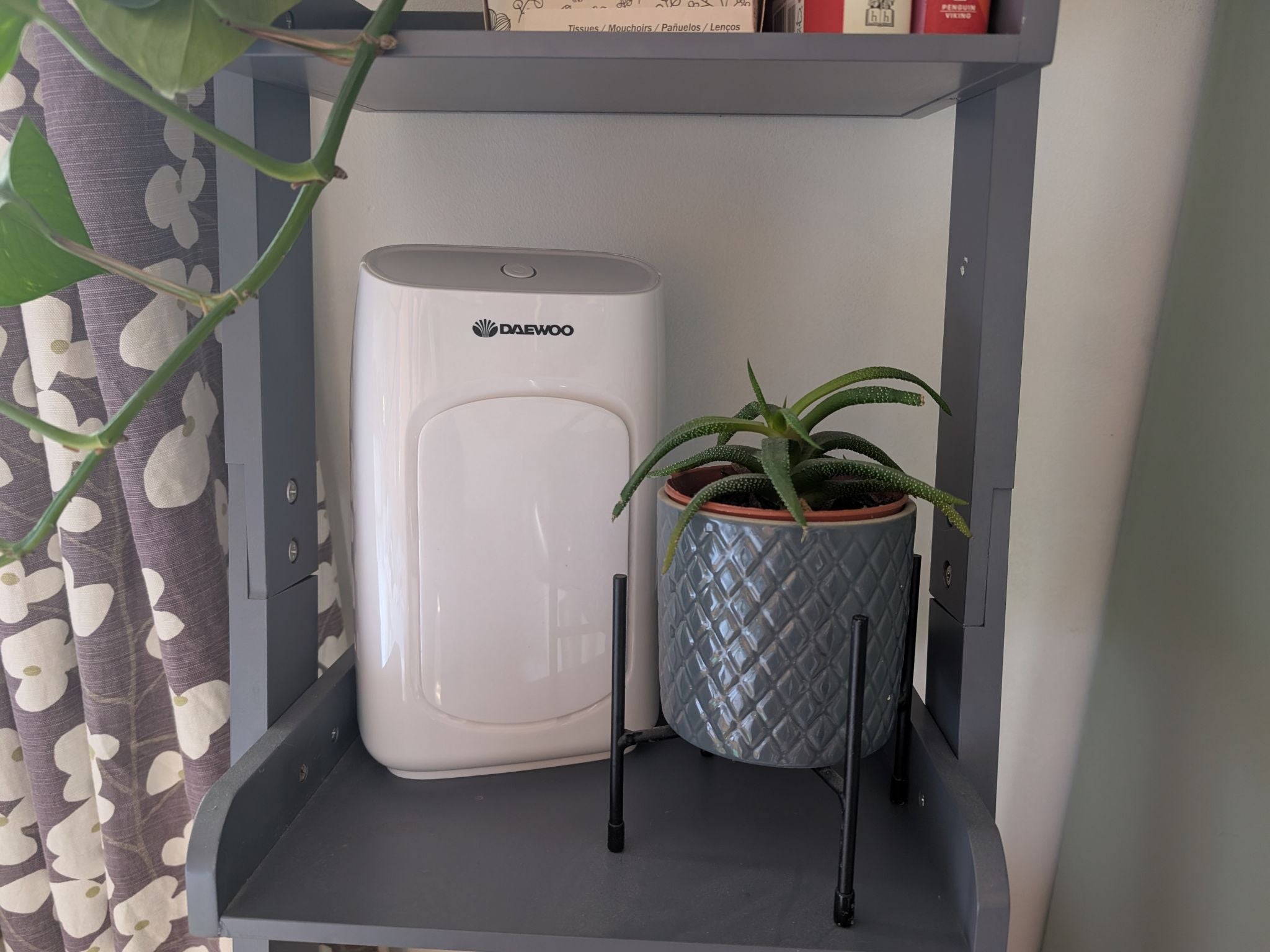
Small-capacity dehumidifiers are designed for areas less than 600 square feet and are typically less expensive. These models excel at managing mild moisture and are often quiet, making them ideal for smaller rooms where noise is a concern. However, for bathrooms, a good exhaust fan often proves more effective at quickly removing moisture than a small dehumidifier. Ultimately, while dehumidifiers are effective, they are not a standalone solution for persistent moisture problems caused by external factors. Issues like clogged gutters or improper downspout drainage should be addressed first. For widespread or severe moisture, consulting a water remediation expert or considering a whole-house dehumidifier (either portable or integrated with the HVAC system) may be necessary, particularly for very large areas up to 5,000 square feet. Such extensive solutions, though costly, can also lead to savings in air conditioning expenses. In cases of flooding or persistently wet crawl spaces, industrial-sized units or professional intervention with specialized ducting might be required.
#Dehumidifier #HomeHumidity #MoistureControl #IndoorAirQuality #MoldPrevention #HomeAppliances #ConsumerGuide #HomeImprovement #ApplianceSizing #Dehumidifier #HomeHumidity #MoistureControl #IndoorAirQuality #MoldPrevention #HomeAppliances #ConsumerGuide #HomeImprovement #ApplianceSizing
0 comment in total
 No comments yet
You may also like
I've Tested Dehumidifiers for 25 Years: These Are the Most Reliable

These simple mistakes could be why your dehumidifier isn't working properly – and here's how to avoid them
Major Humidifier Brands Ranked Worst To Best
We've Tested 68 Humidifiers—These Are the Best Options To Get You Through a Dry Winter

The 9 Best Dehumidifiers for Basements to Get Ahead of Moisture Issues

Can a dehumidifier dry out damp walls? Expert tips you need to know to drive out unwanted moisture this winter

Wondering Where to Place Your Humidifier? These Tips Will Help

Elechomes HTJ-2119 Ultrasonic Humidifier review

Best dehumidifiers 2025, tried and tested for tackling damp

How to Decide What Type of Dresser to Include in Your Home
We Tested the Best Humidifiers and Our Top Pick Covers the Largest Square Footage We've Seen

These are the best humidifiers for your home, tried and tested by the GHI

You can stop worrying about damp in your home thanks to this budget appliance

The 4 simple tricks that stopped condensation from forming on my bedroom windows – I no longer have to wipe my windows down every morning
Which Standard Refrigerator Size Is Best for You?

Amazon Drops Humidifiers to Clearance Prices for Last-Minute Shoppers – Top Deals from Dreo, Levoit & More
The 3 Best Dehumidifiers of 2025 | Reviews by Wirecutter
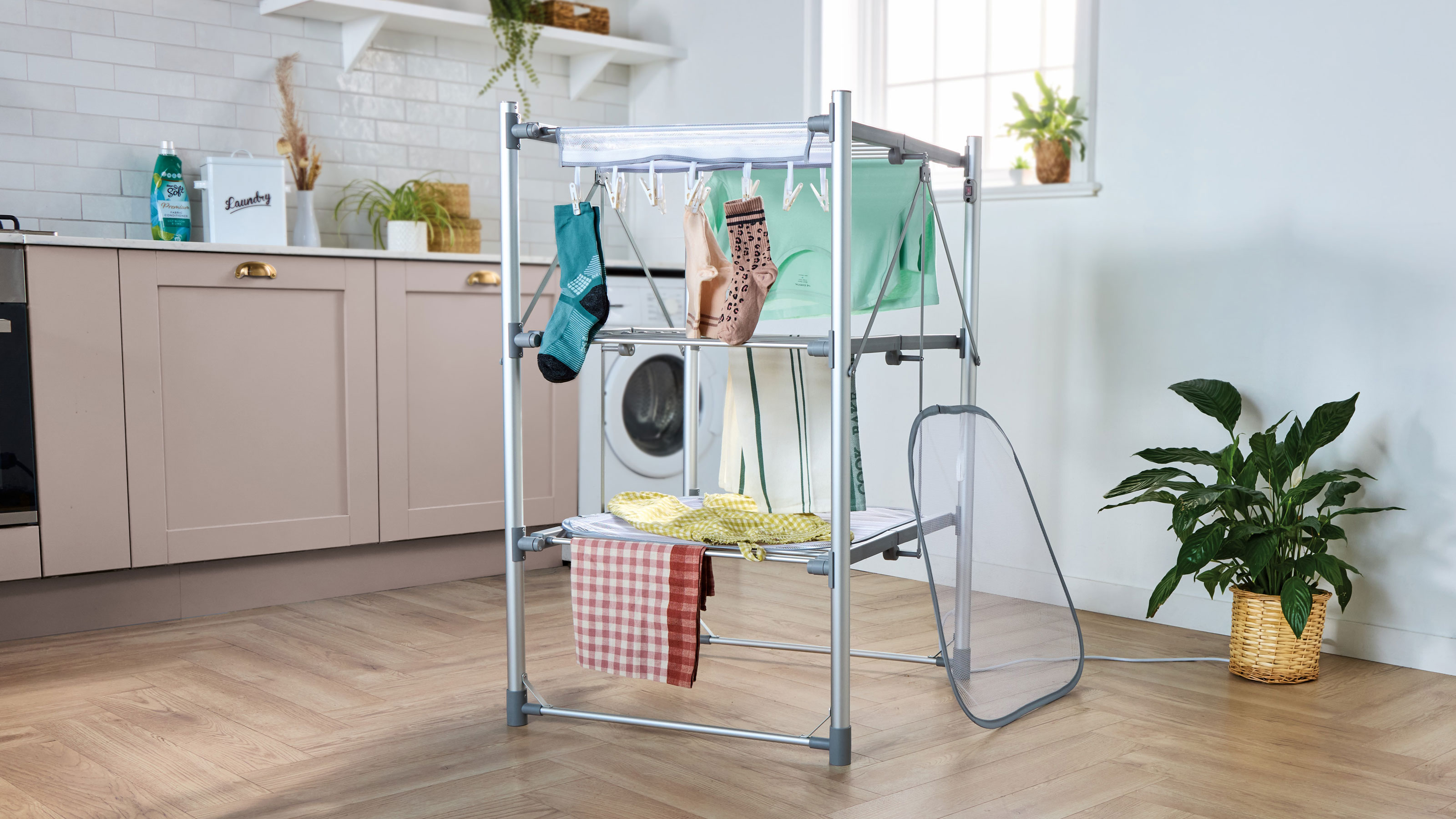
Aldi is selling the ultimate dream team for drying laundry quickly in winter – grab them while you can
How to dry clothes fast without a tumble dryer – 14 ways to save time, energy, and money
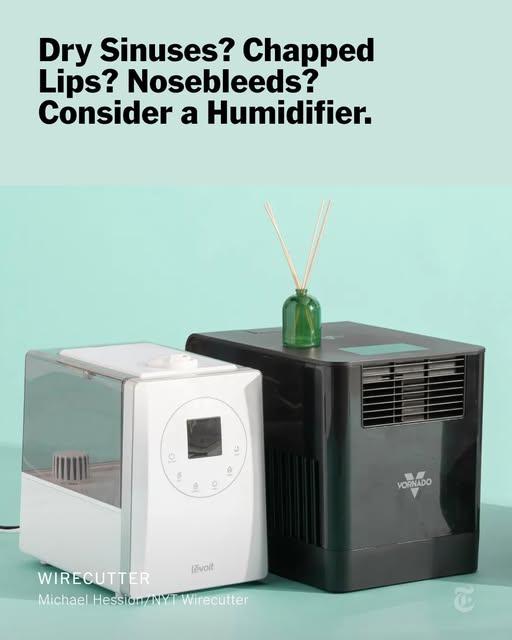
The best humidifier we found does everything right: It’s low-maintenance and easy to clean, and it humidifies the air quickly and (almost) silently. It’s also one of the very few ultrasonic humidifiers we’ve tested that can stop themselves before they turn your roo