1/11
How to dry clothes fast without a tumble dryer – 14 ways to save time, energy, and money
This article explores fourteen effective methods for drying clothes quickly without a tumble dryer, a common challenge, especially during colder months. It aims to provide solutions for those without access to a tumble dryer or looking to reduce energy consumption.
The first suggestion emphasizes utilizing sunny winter days for outdoor drying. While traditionally associated with summer, dry and windy winter days can still be effective. Covering the laundry line with a ground sheet can protect against unexpected rain. Experts highlight that outdoor drying preserves clothes' freshness and extends their lifespan by preventing trapped moisture and musty smells.
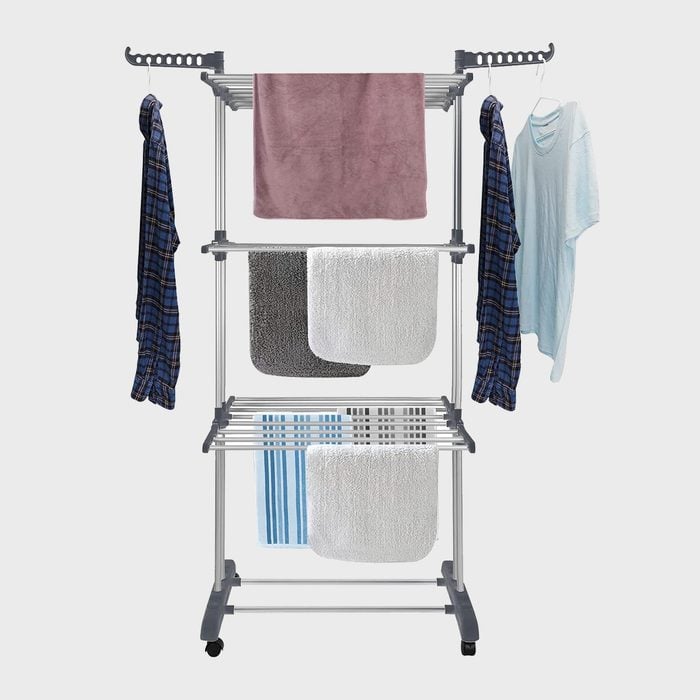
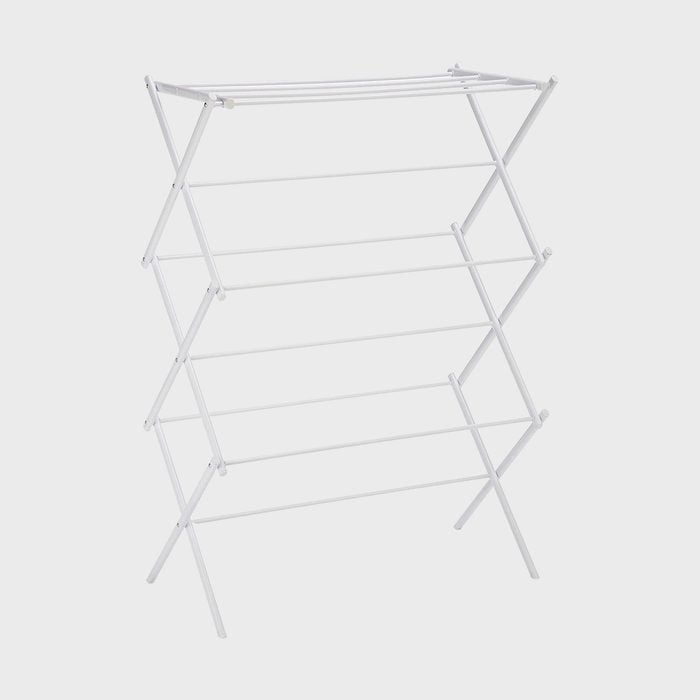
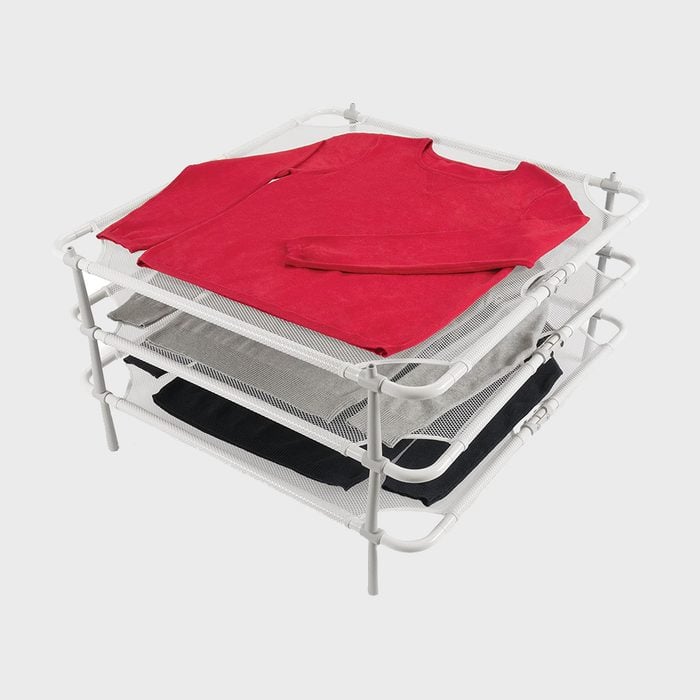
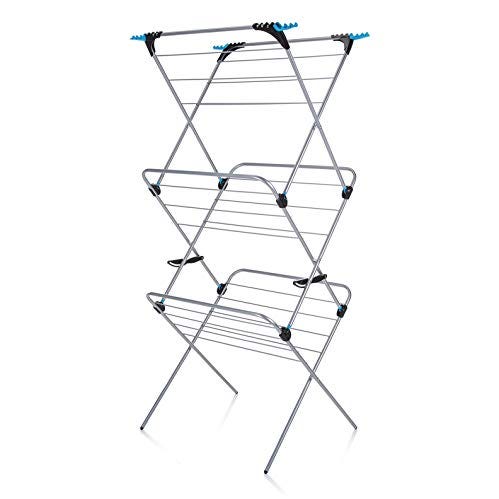
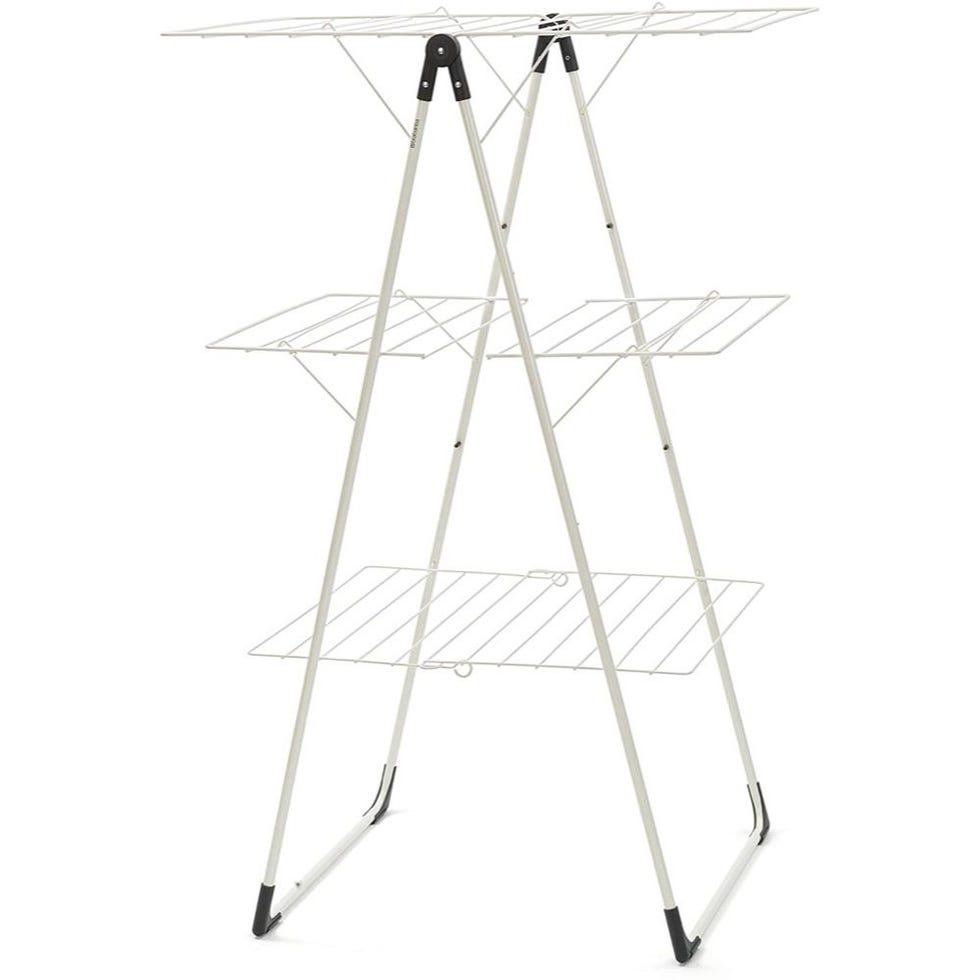
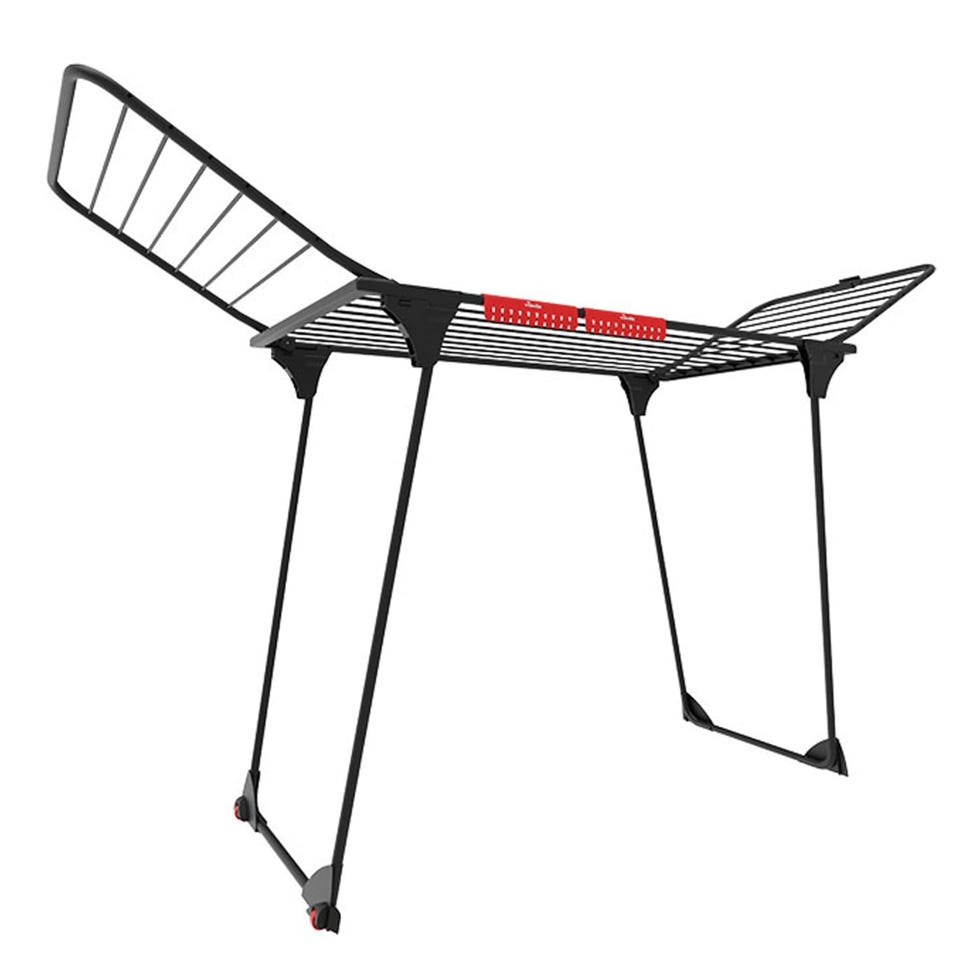
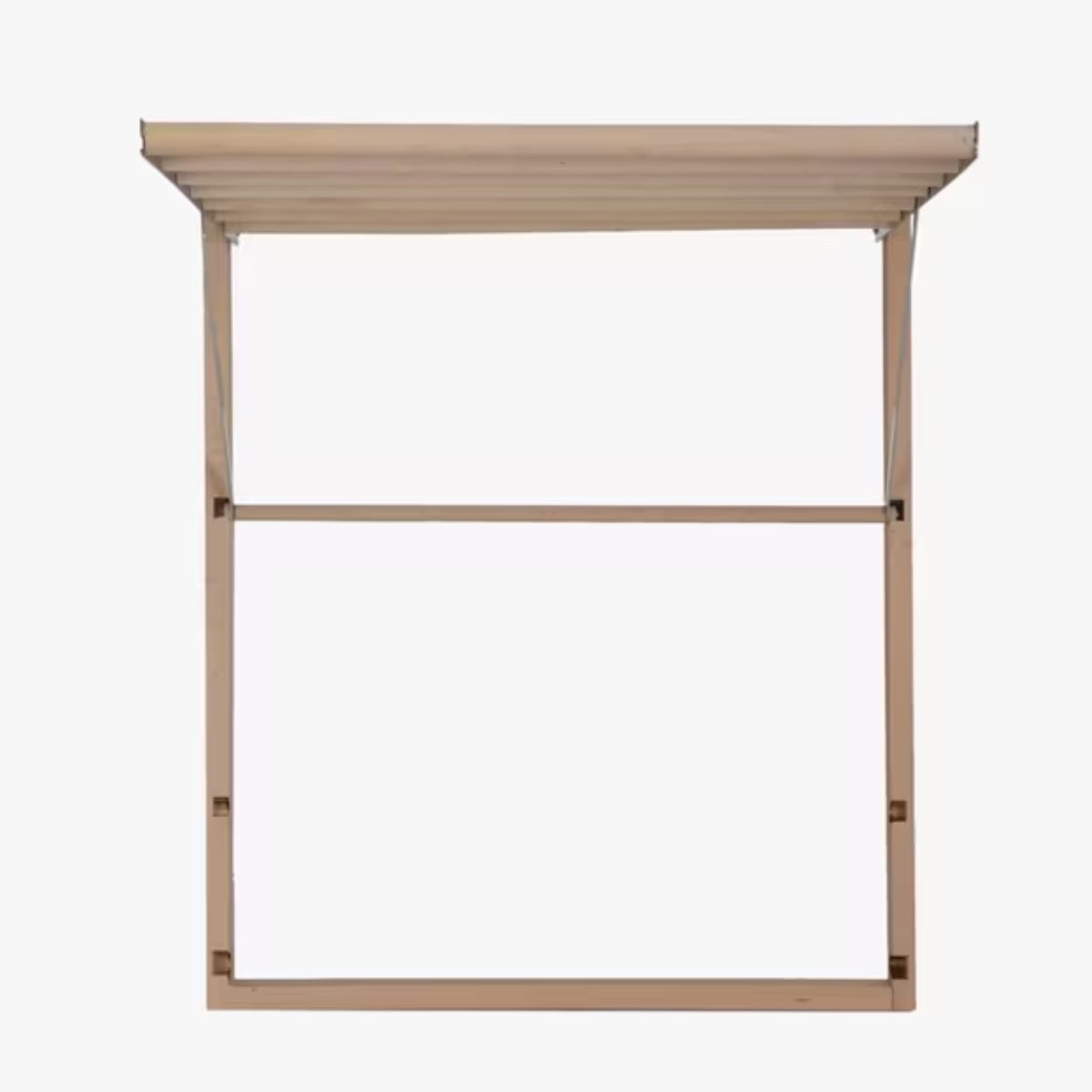
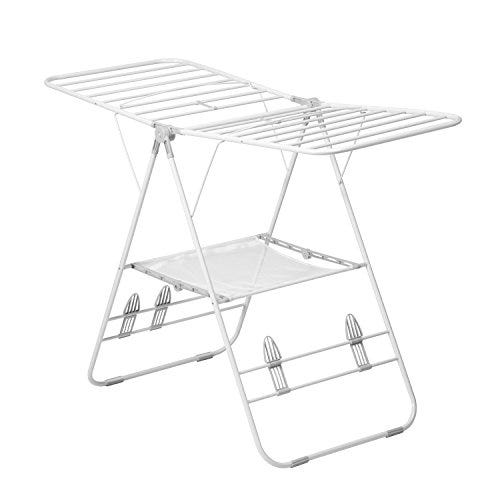
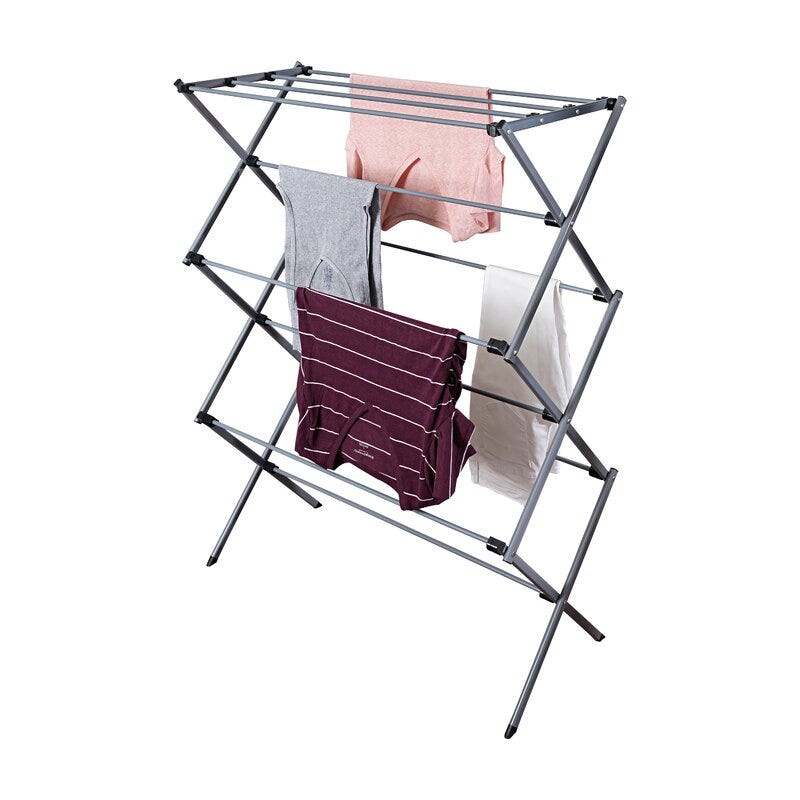
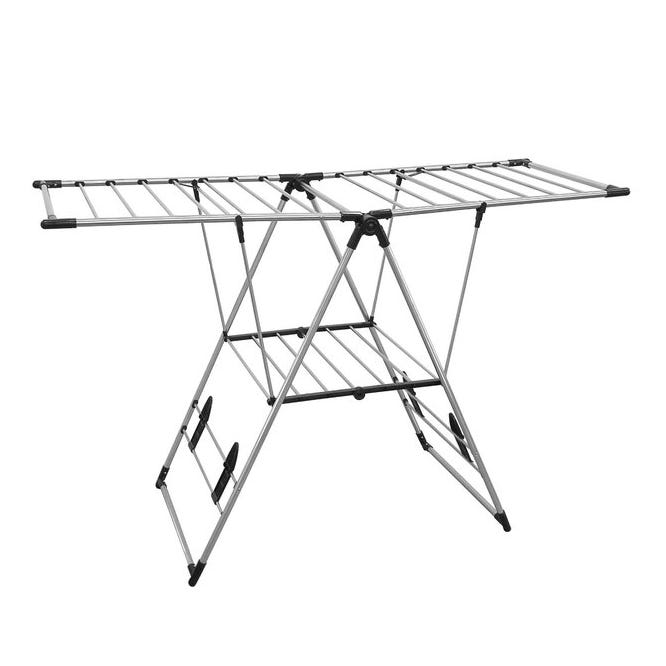
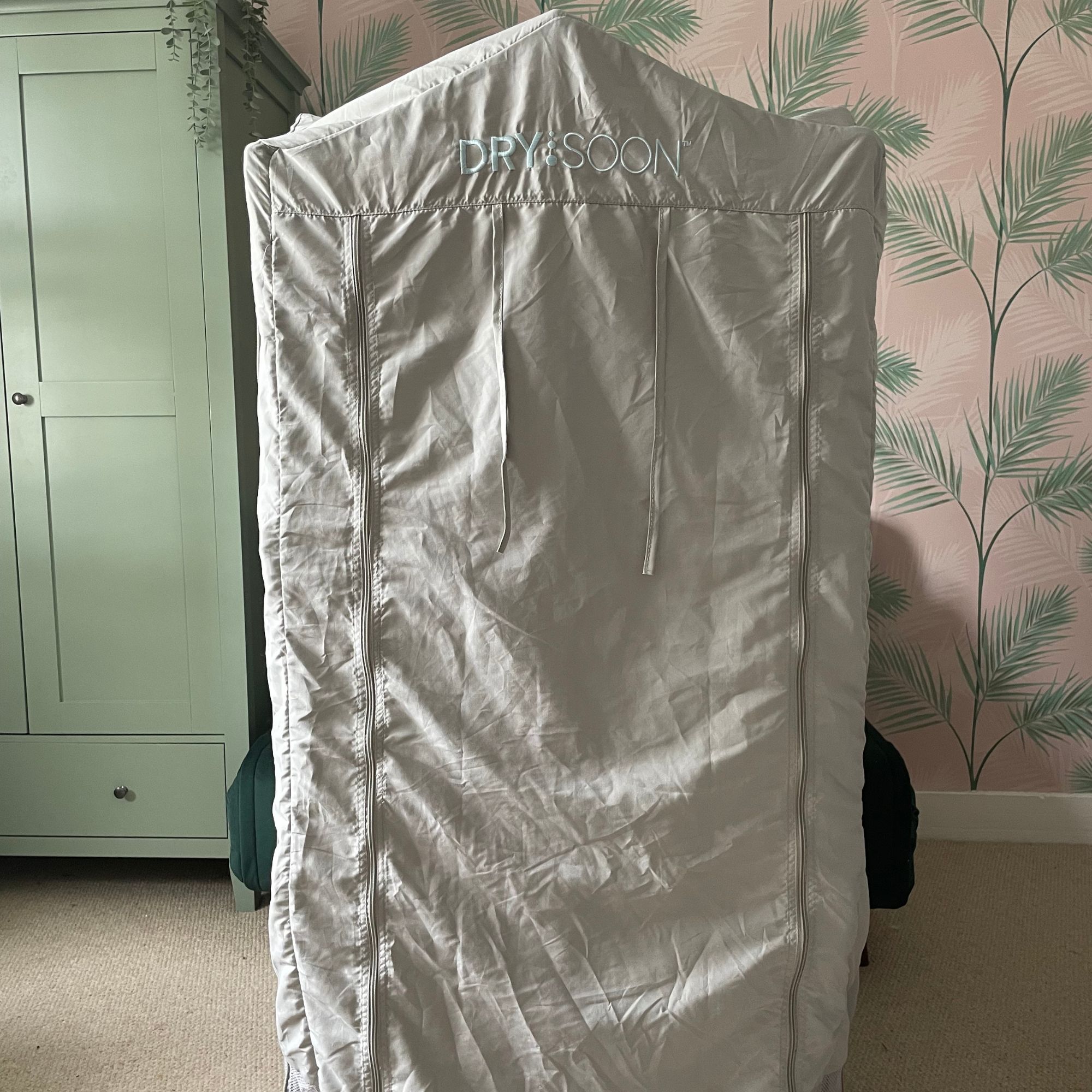
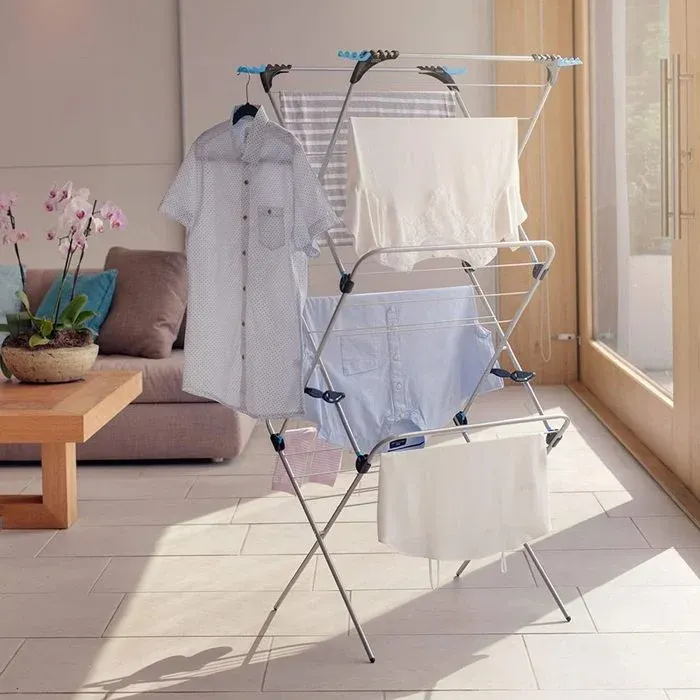
For indoor drying, a 'drying rack hack' is introduced. This involves placing a drying rack next to a radiator and covering both with a bedsheet to create an insulated, warm air tunnel. Incorporating a fan can enhance air circulation and accelerate evaporation. Proper ventilation is crucial when drying clothes indoors to prevent mold formation. The article advises keeping windows slightly open, even in cold weather, to allow moisture to escape and mitigate dampness. Should mold appear, various solutions for removal are available, though persistent mold may necessitate alternative drying methods.
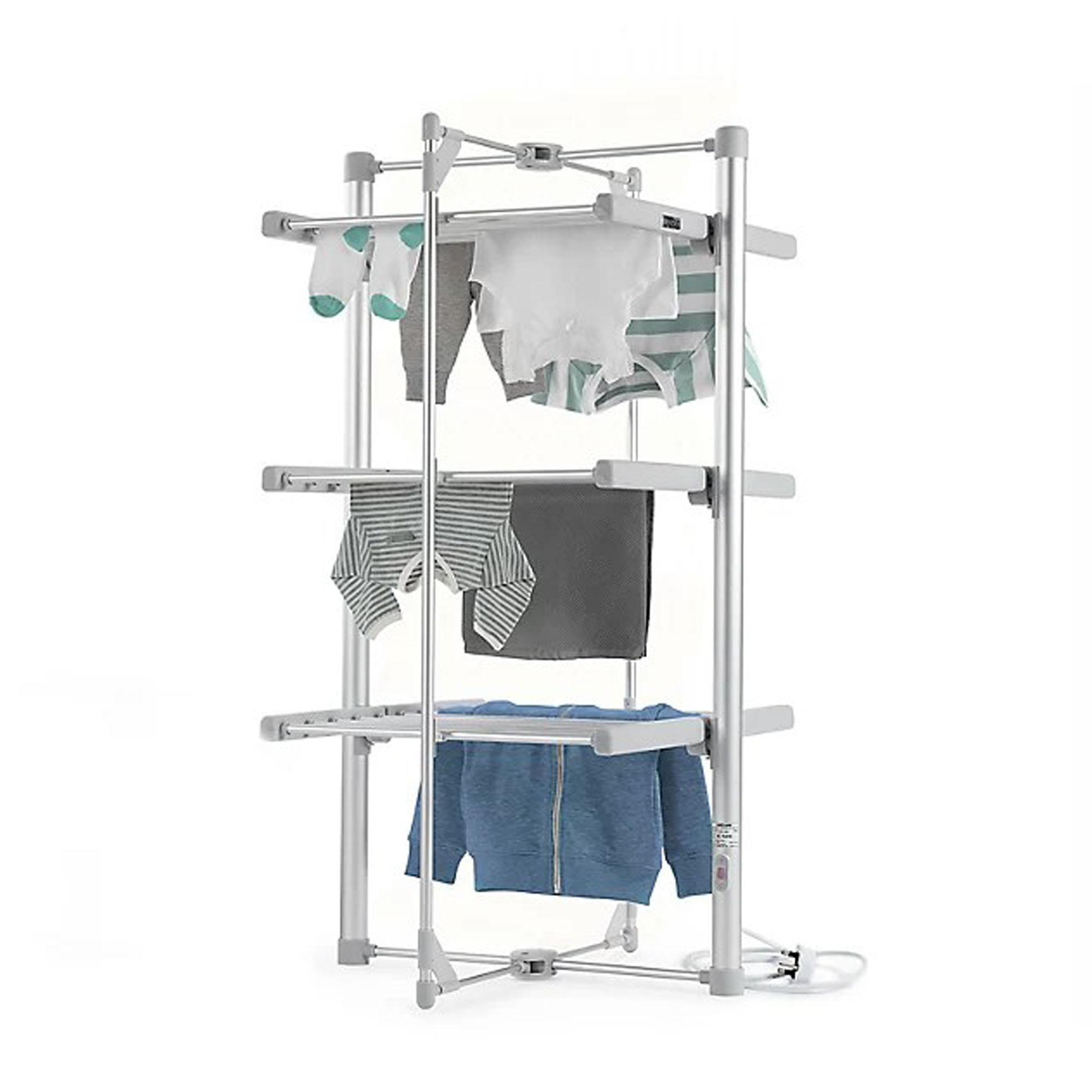
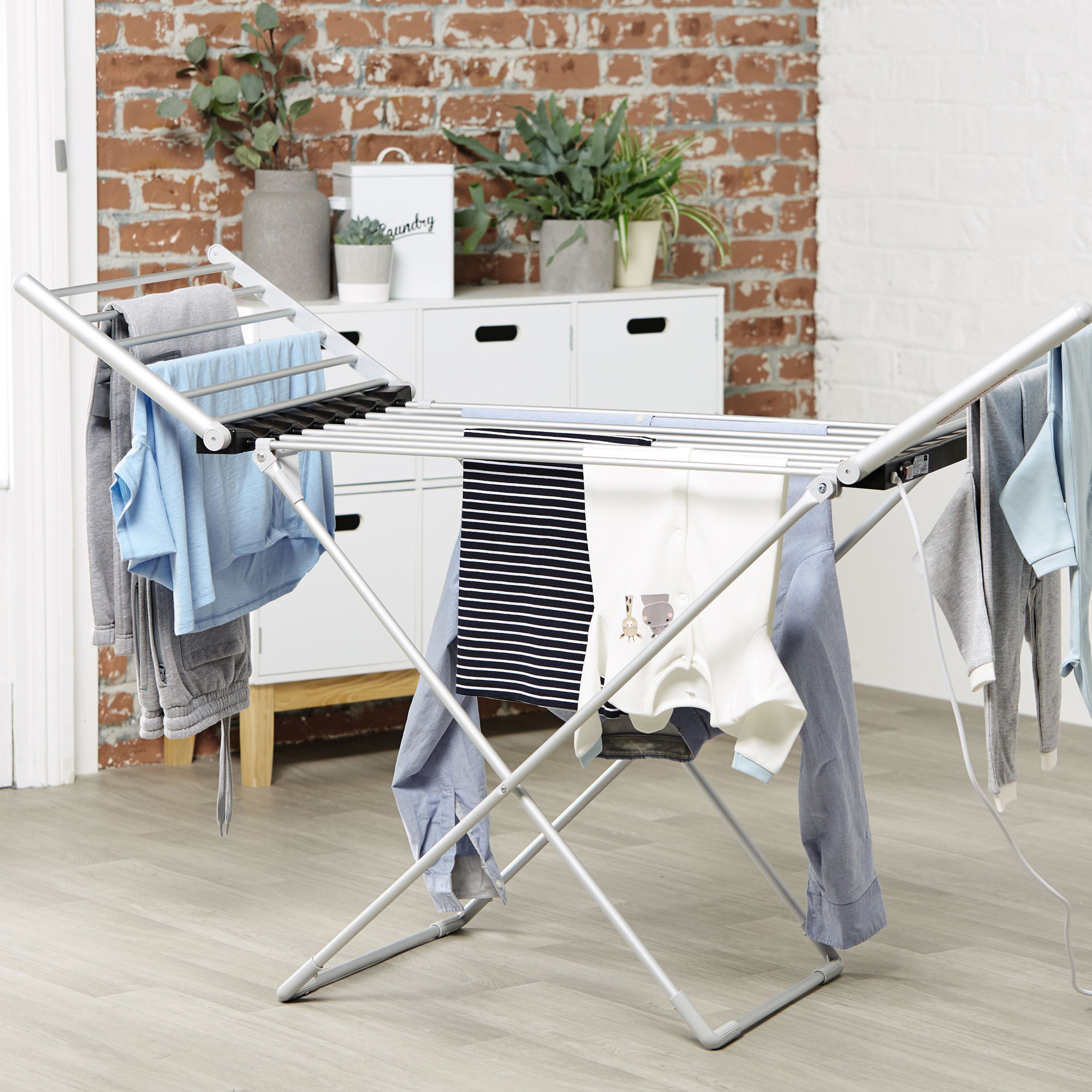
A less conventional method involves using curtain rails. Clothes hung on hangers from curtain rails with a window ajar can dry surprisingly quickly and result in fewer creases, simplifying ironing. Investing in a heated clothes airer is presented as a practical and energy-efficient alternative to tumble dryers. These airers significantly reduce drying time, enabling overnight drying or quick drying within a few hours. The article also touches on the running costs and common mistakes to avoid with heated airers.
Another significant recommendation is the use of a dehumidifier, especially those with a laundry setting. Dehumidifiers effectively remove moisture from the air, drastically cutting down drying time and combating the 'damp chill' often associated with indoor drying. The article notes that while an initial investment, the running costs are relatively low, and they can reduce the need for heating solely to dry clothes. It also advises on choosing the appropriate size of dehumidifier.
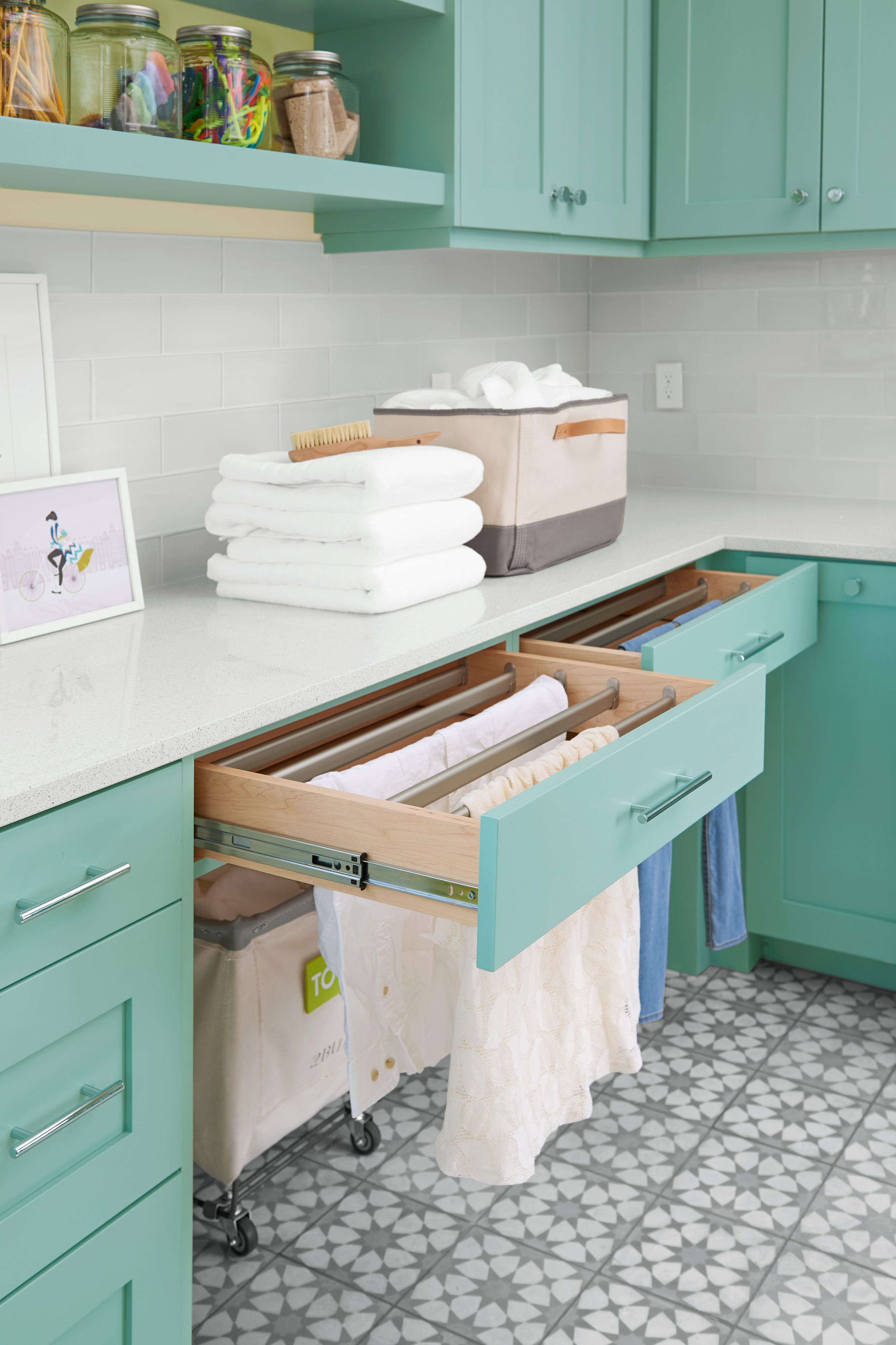
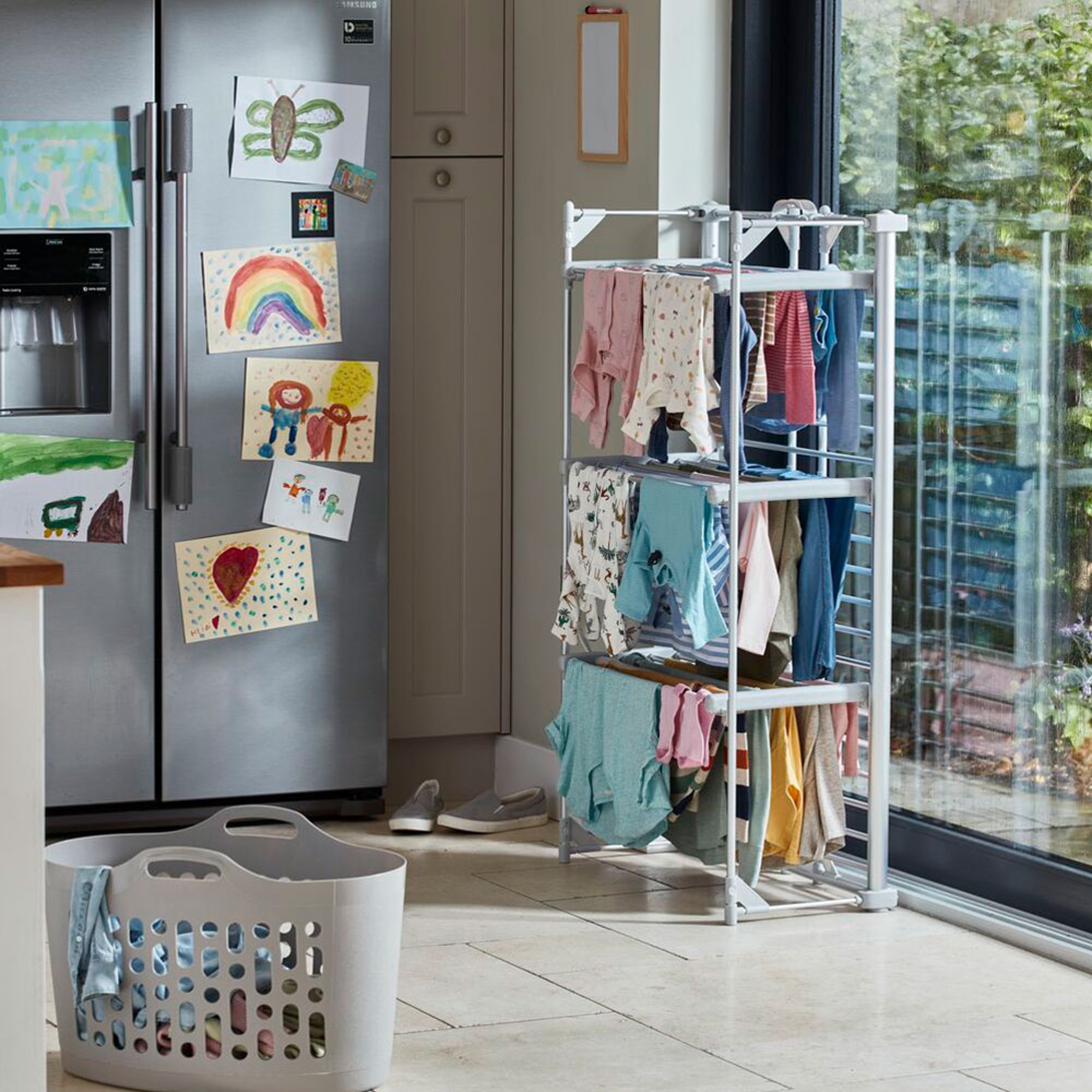
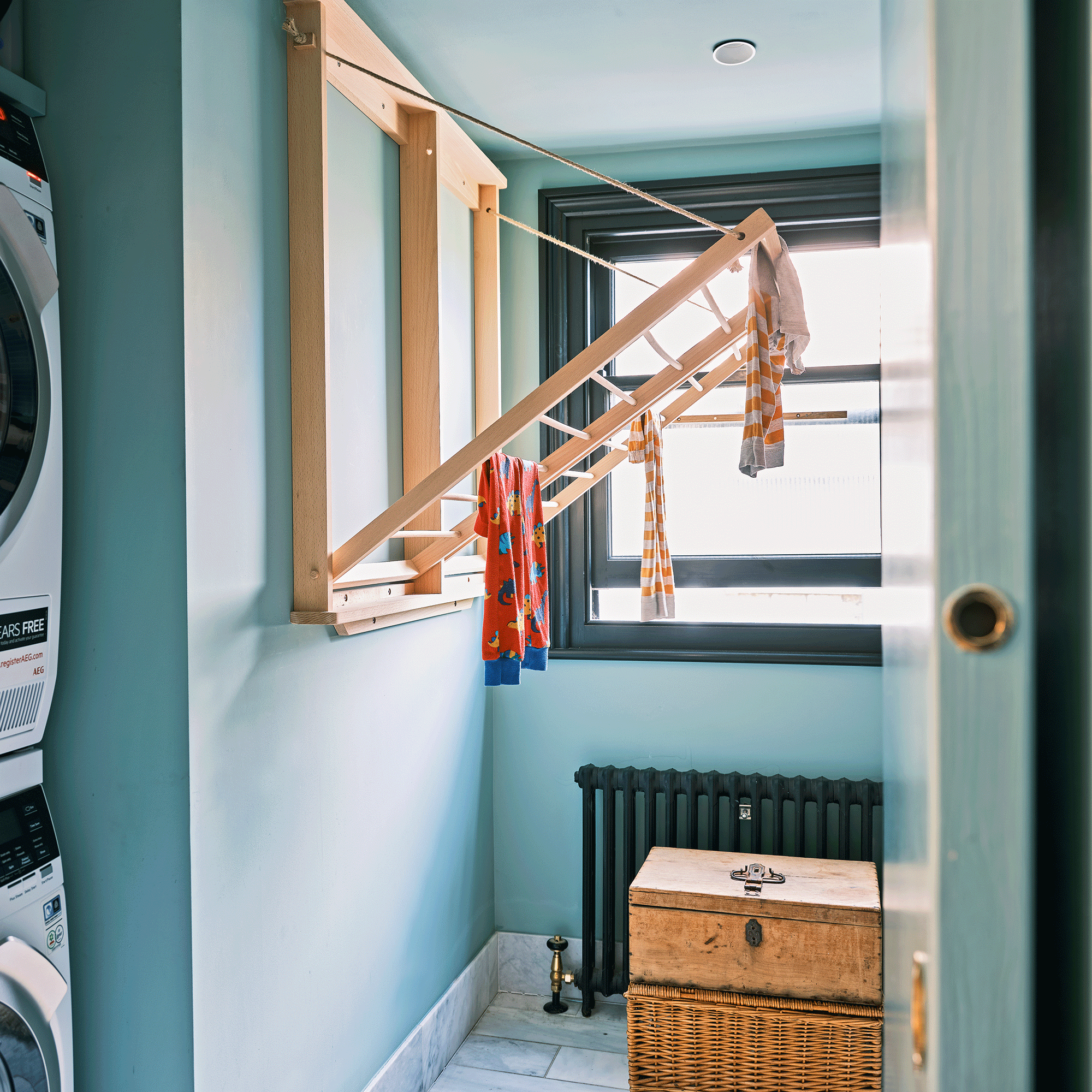
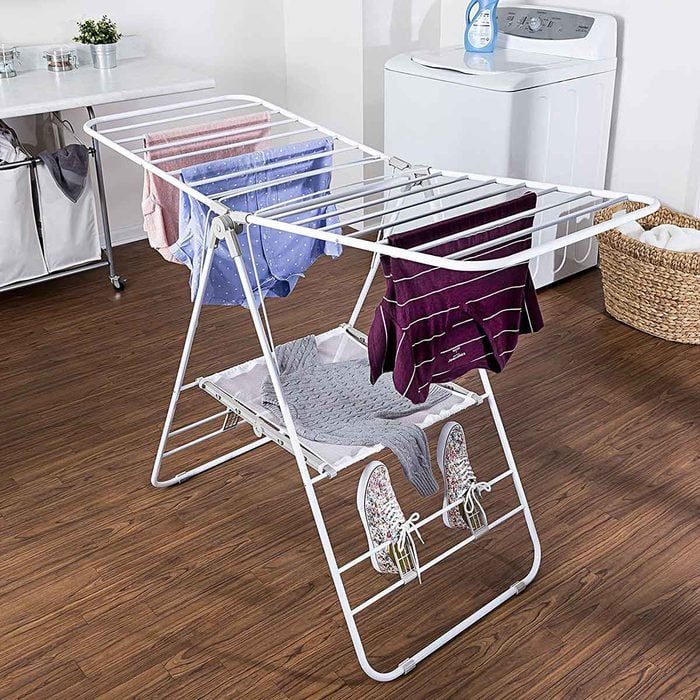
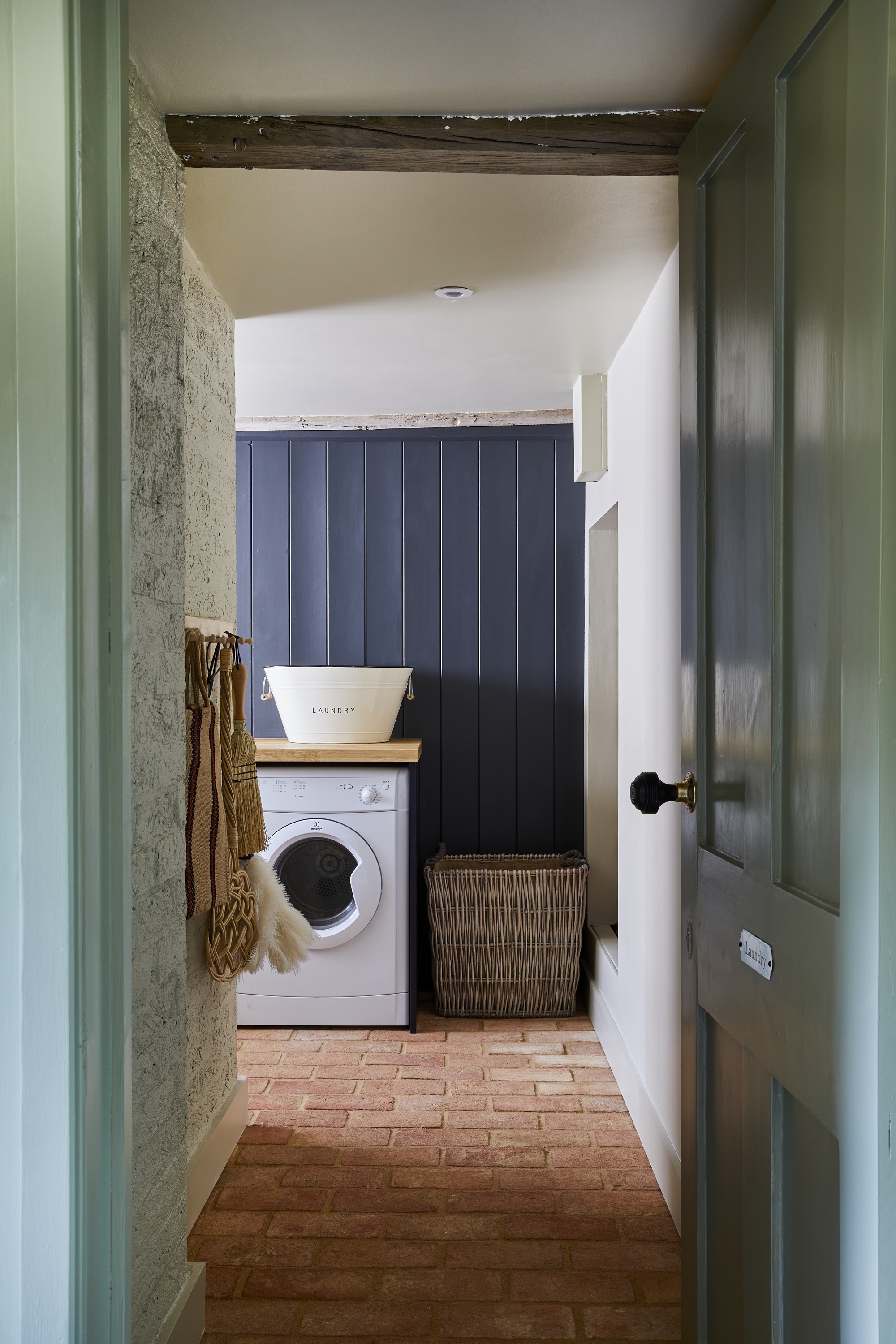
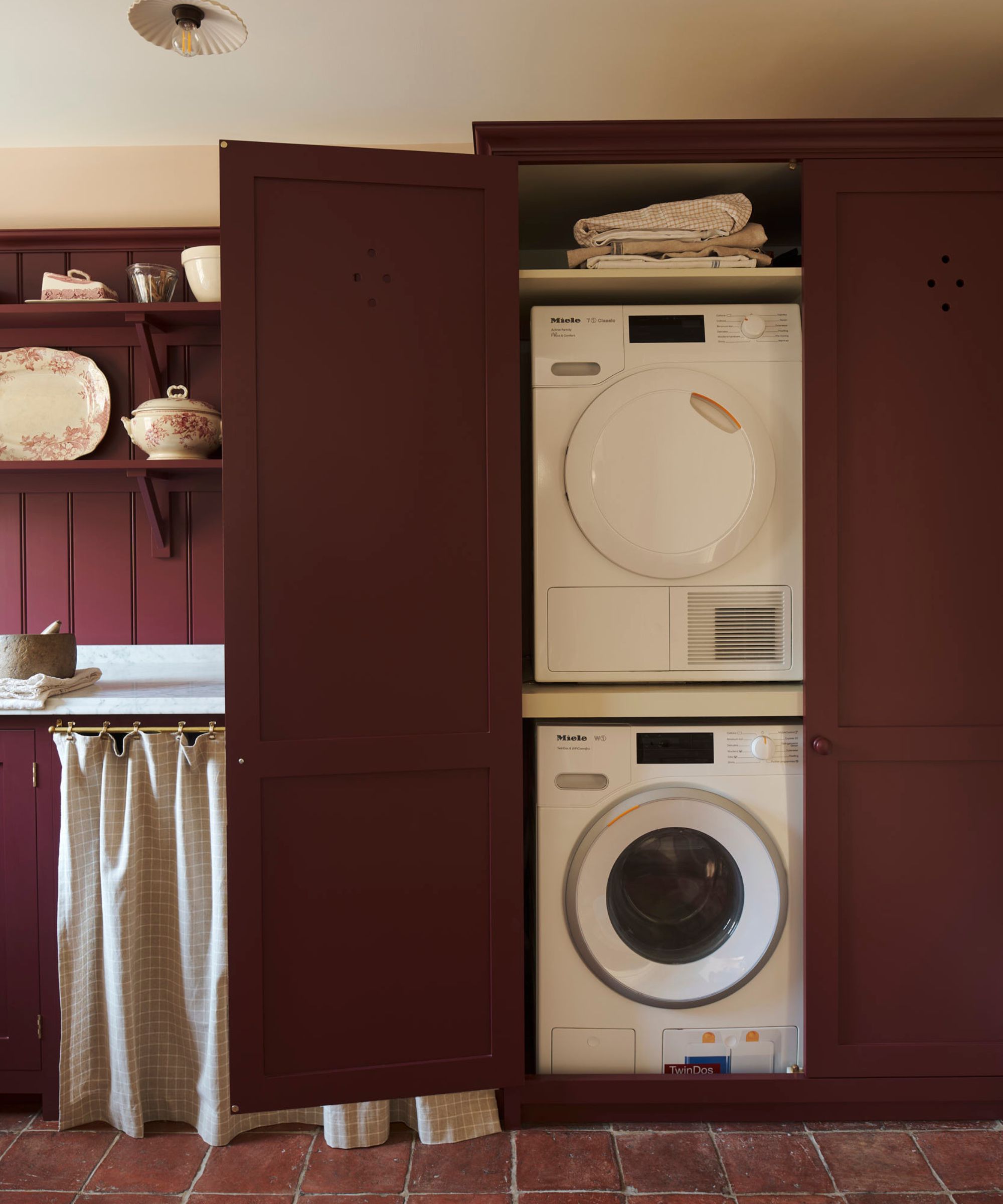
Other tips include creating a dedicated drying space, such as a spare, well-ventilated room, and avoiding overloading the washing machine. Overloading leads to clothes retaining more water and taking longer to dry, and can also damage the machine. Radiator airers are suggested for efficient radiator drying, preventing the blocking of heat and ensuring air circulation around clothes. An extra spin cycle in the washing machine or a rinse cycle is highly recommended to remove as much excess water as possible before drying, as this is more energy-efficient than using a tumble dryer. Timing laundry for mornings allows clothes to dry throughout the day when household heating is more active. The 'towel method' involves rolling wet clothes in a dry towel to absorb excess moisture before air drying. Utilizing a fan to blow air across laundry can also speed up the process, though caution is advised to prevent clothes from tangling. Finally, for those with tumble dryers, using tin foil balls or dryer balls can reduce static and accelerate drying by separating items.
#LaundryDrying #EnergySaving #HomeEfficiency #DehumidifierBenefits #HeatedClothesAirer #IndoorDrying #MoldPrevention #WinterLaundry #HouseholdTips #LaundryDrying #EnergySaving #HomeEfficiency #DehumidifierBenefits #HeatedClothesAirer #IndoorDrying #MoldPrevention #WinterLaundry #HouseholdTips
0 comment in total
 No comments yet
You may also like

How to Dry Laundry Quickly Indoors — 9 Things You Can Do If You Don't Have a Dryer

The Best Clothes-Drying Racks to Buy Right Now

How to prevent mould in wardrobes - expert-approved tips to protect your furniture and your clothes
15 laundry room ideas that'll make laundry day feel less like a chore
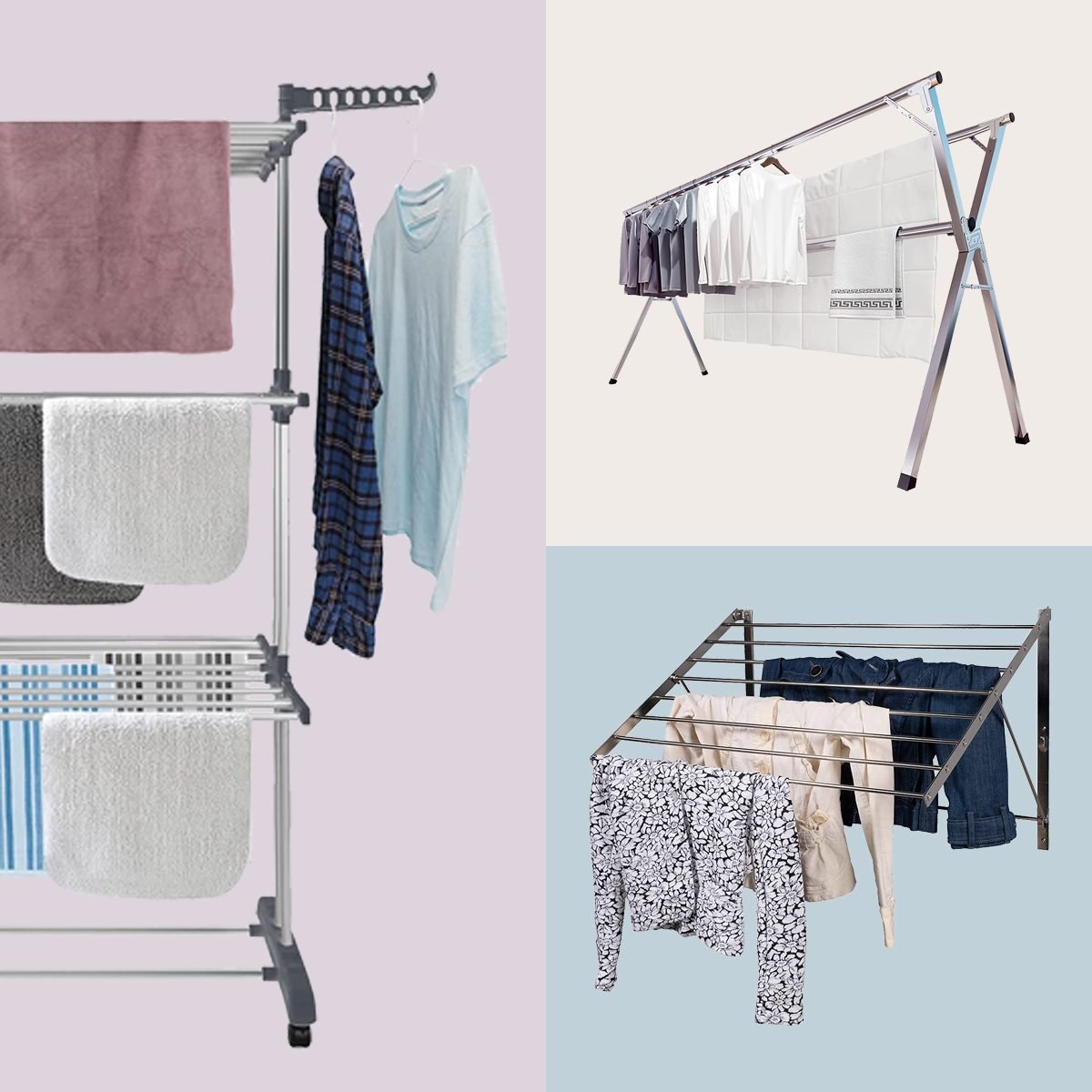
The 12 Best Clothes Drying Racks for Eco-Friendly Drying

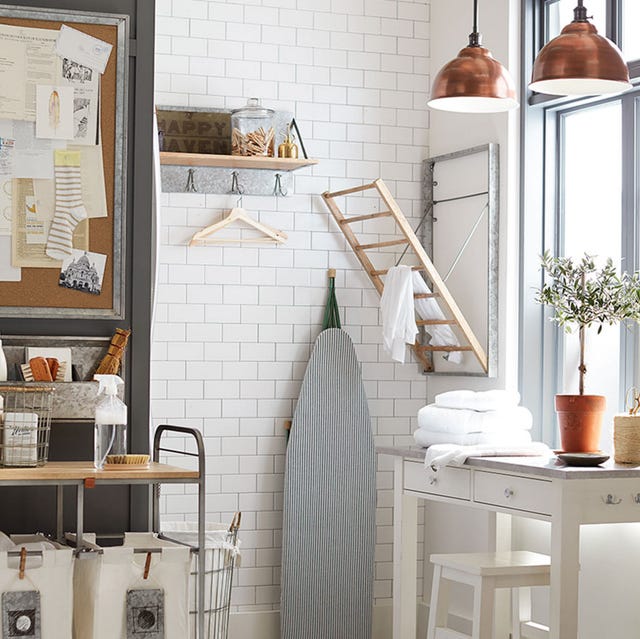
The $45 Drying Rack That Keeps All My Tees From Wrinkling

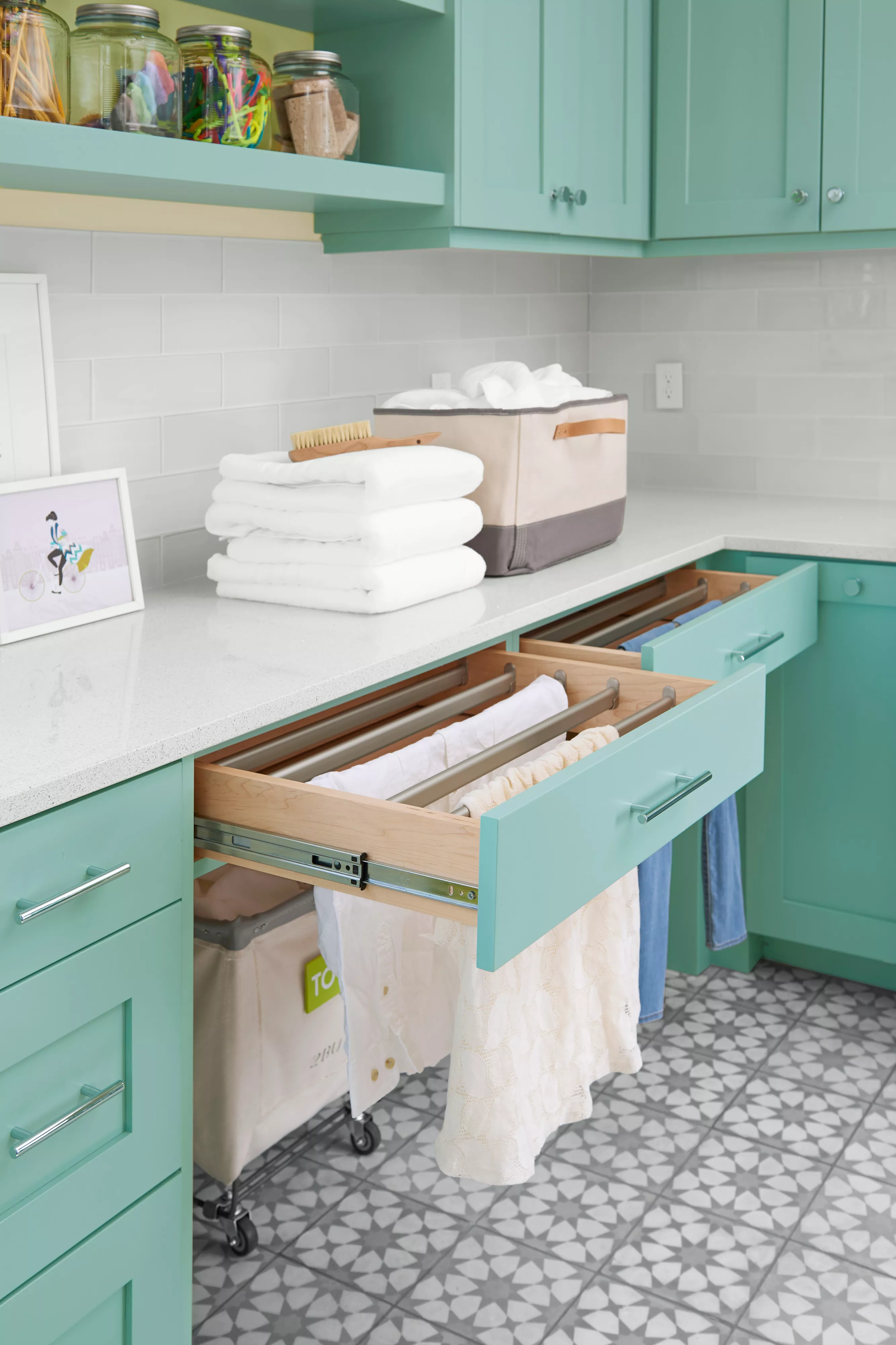
8 Laundry Room Drying Rack Ideas to Make Life Easier

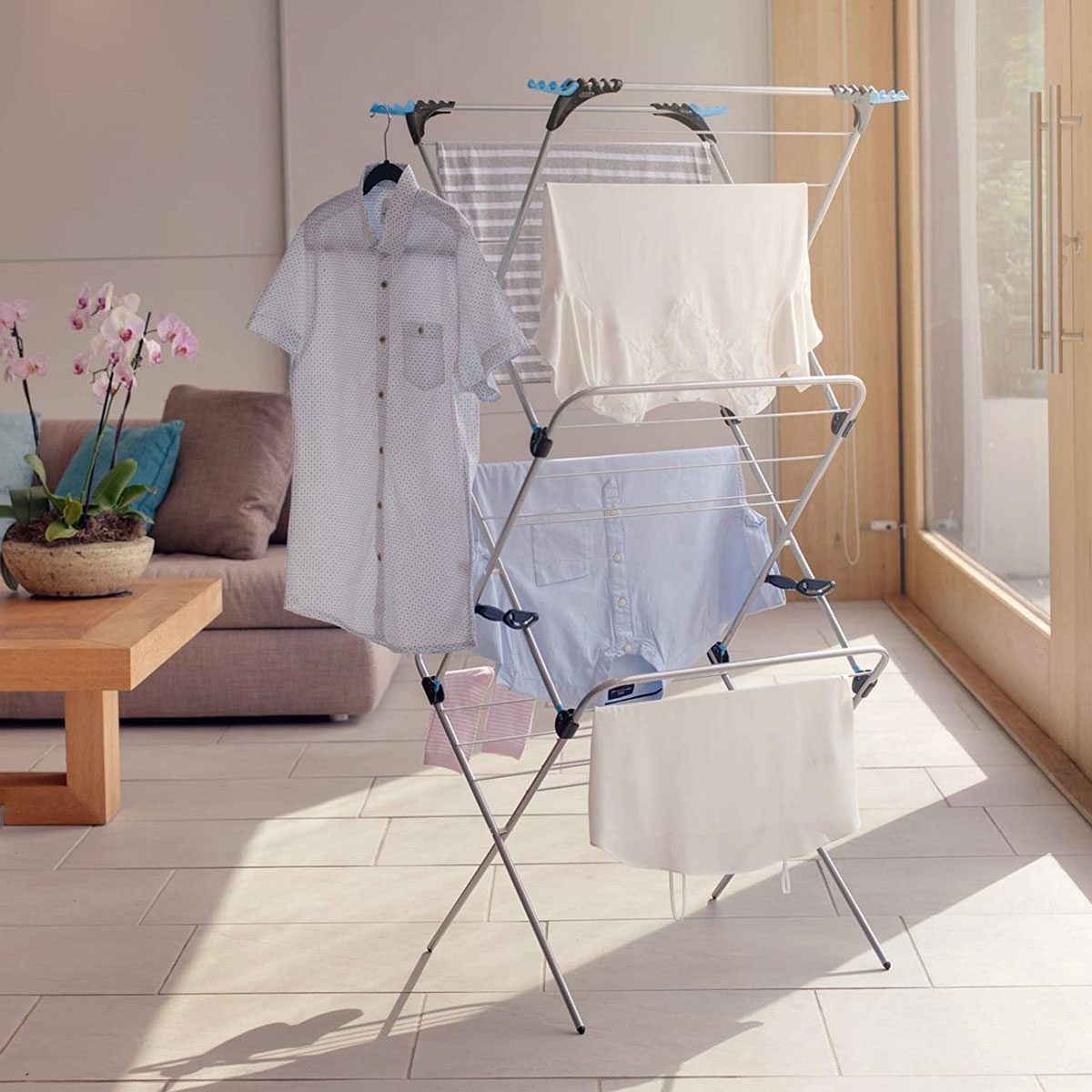
8 Best Hanging Racks for the Laundry Room


The 7 best best clothes horses, drying racks and airers that will suit all spaces

No dresser? No problem – here's 8 ways to organize clothes without one

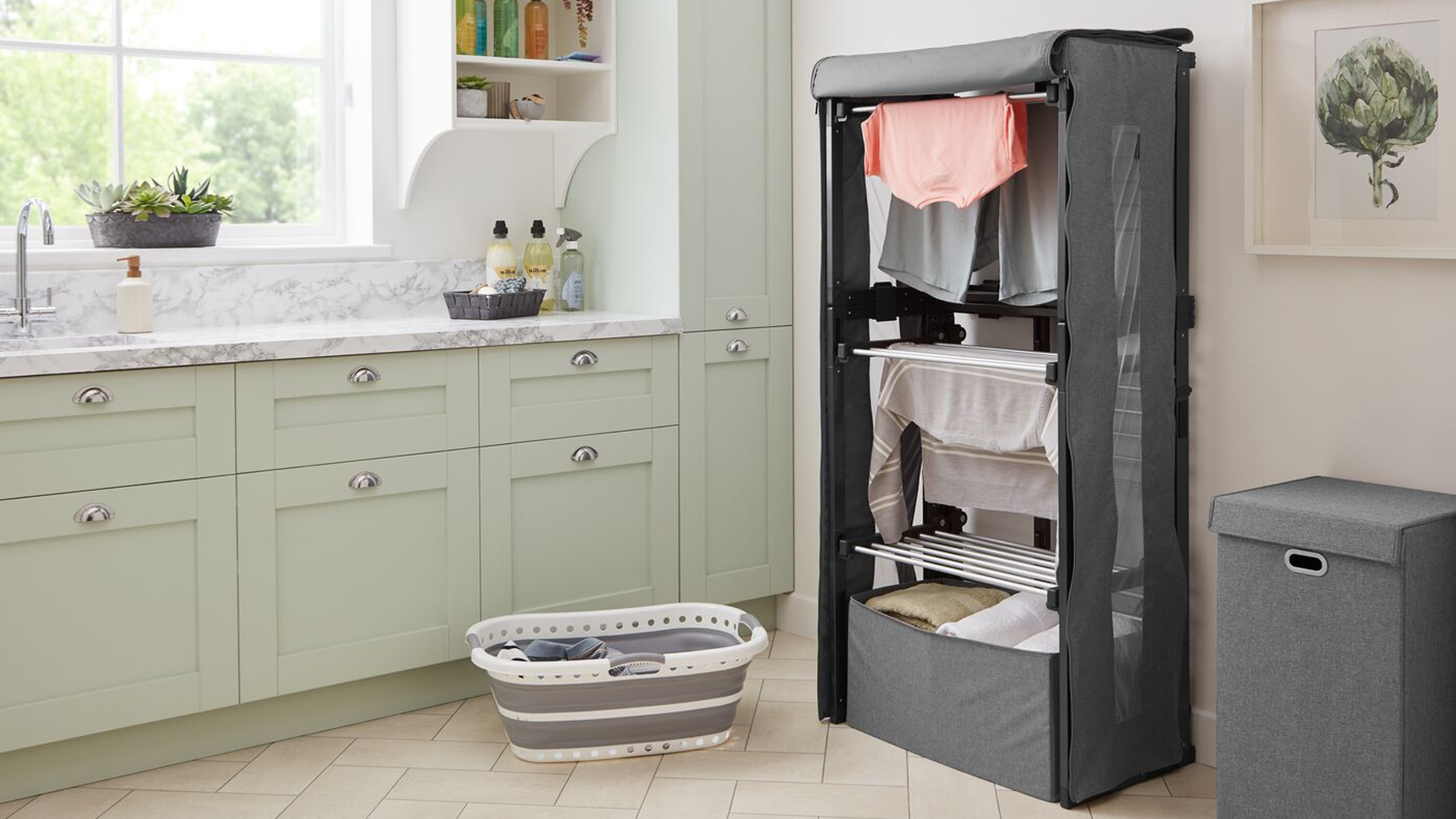
6 common mistakes people make when buying a heated clothes airer – and how to avoid them

This Brilliant, Space-Saving Laundry Room Feature Makes Ugly and Clunky Drying Racks a Thing of the Past

No-Drill Telescopic Clothes Drying Rod Spring-Loaded Anti-Slip Design | Multi-Purpose for Bathroom Balcony Bedroom


The 13 Very Best Clothes-Drying Racks

I think this traditional clothes airer is the secret to drying clothes this autumn – the classic look is stylish too
3 smart ways to do less laundry – cut this dreaded chore in half with these expert tips


6 Genius Ways to Design a Drying Rack Into Your Utility Room — So You're Not Always Tripping Over Wet Laundry
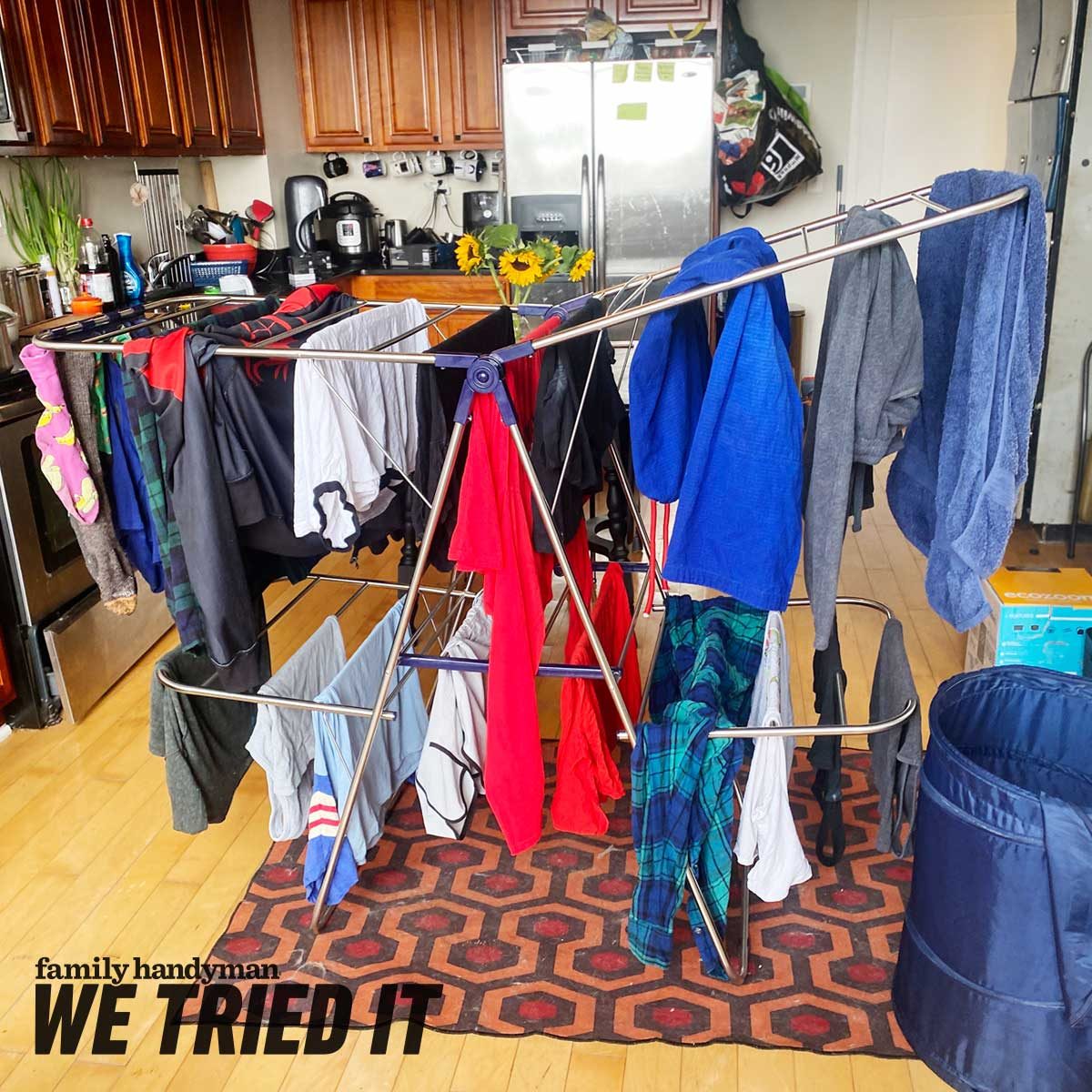
We Tried the Songmics Clothes-Drying Rack, and It Fits More Than One Load at a Time
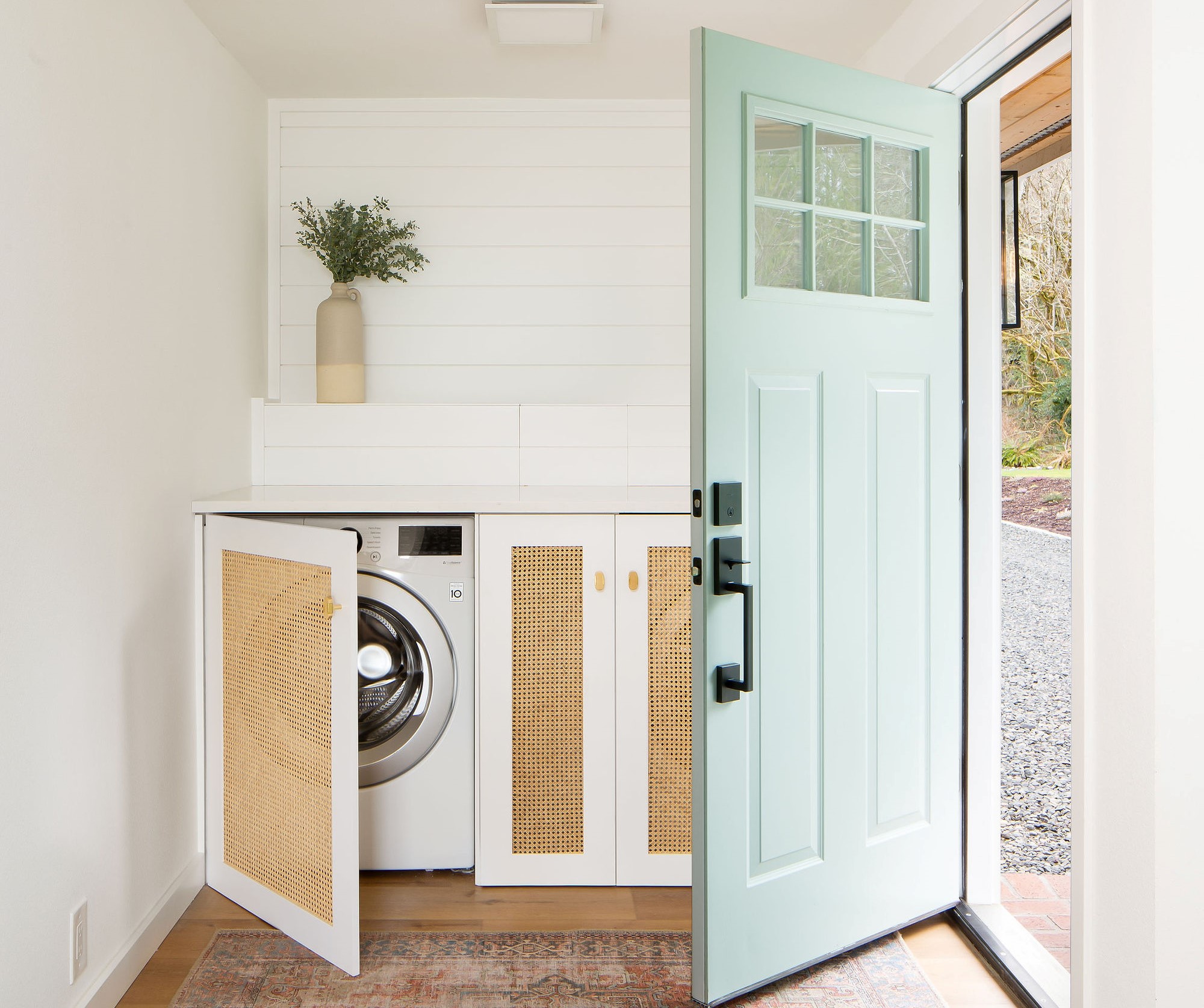
6 genius ways to sneak a washer dryer into a small home – even if you don't have space for a laundry room
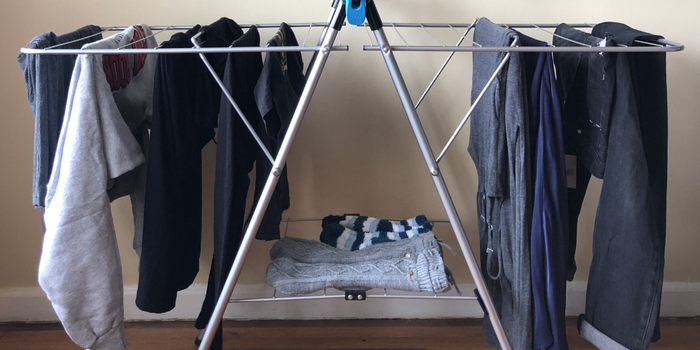
The Best Clothes-Drying Racks of 2025