How to Decide What Type of Dresser to Include in Your Home
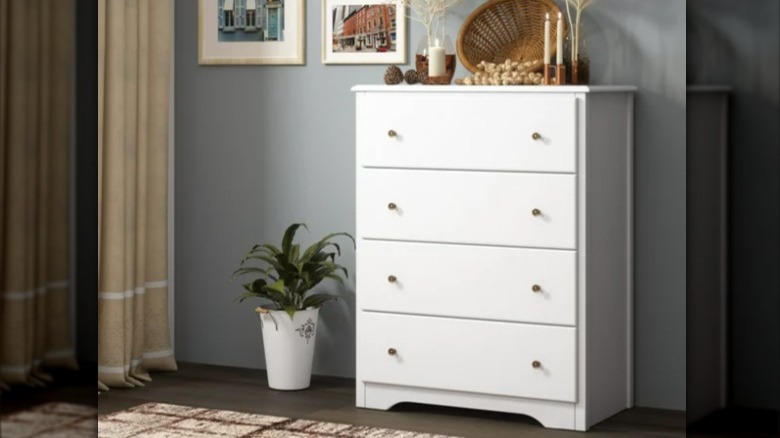
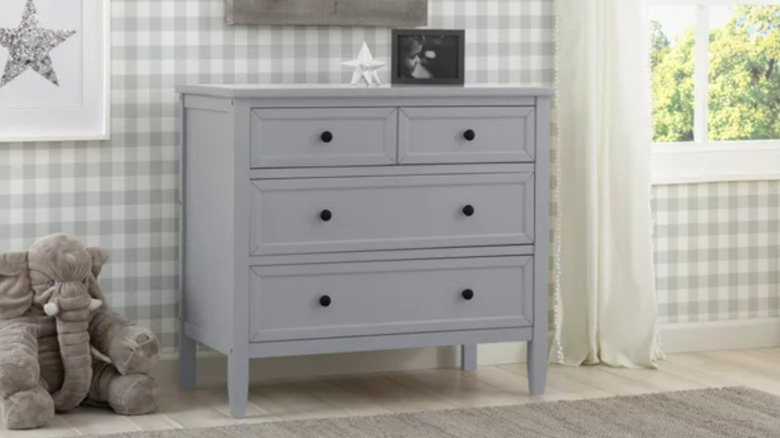
Dressers are fundamental pieces of furniture designed for organizing and storing various clothing items, ranging from undergarments and socks to shirts and pants. While most dressers feature at least three storage drawers, their designs vary significantly in terms of size, style, and material, commonly made from wood or other composite materials. Understanding the different types of dressers available can help individuals make an informed decision based on their specific needs, room size, and aesthetic preferences. This guide explores 15 common types of dressers and their unique characteristics, offering insights into their best uses and design considerations.
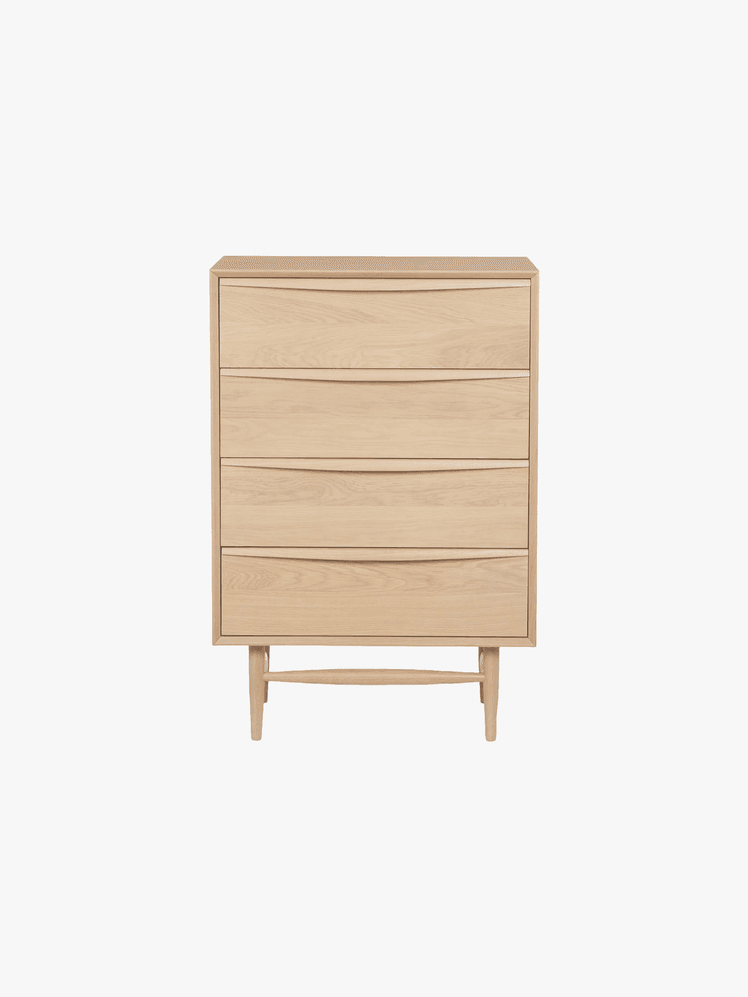
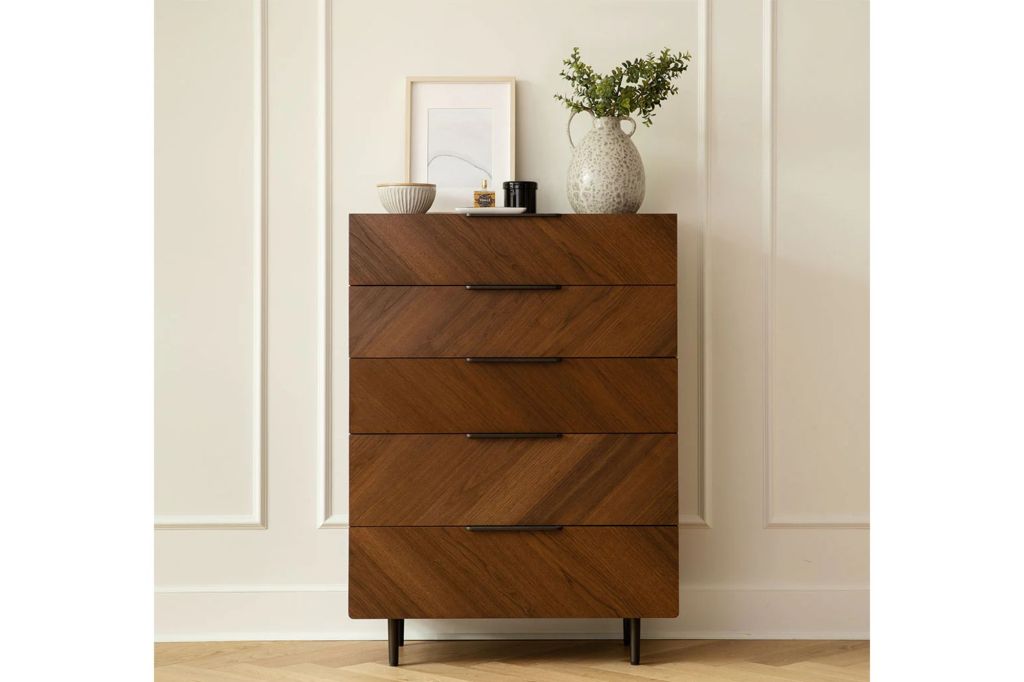
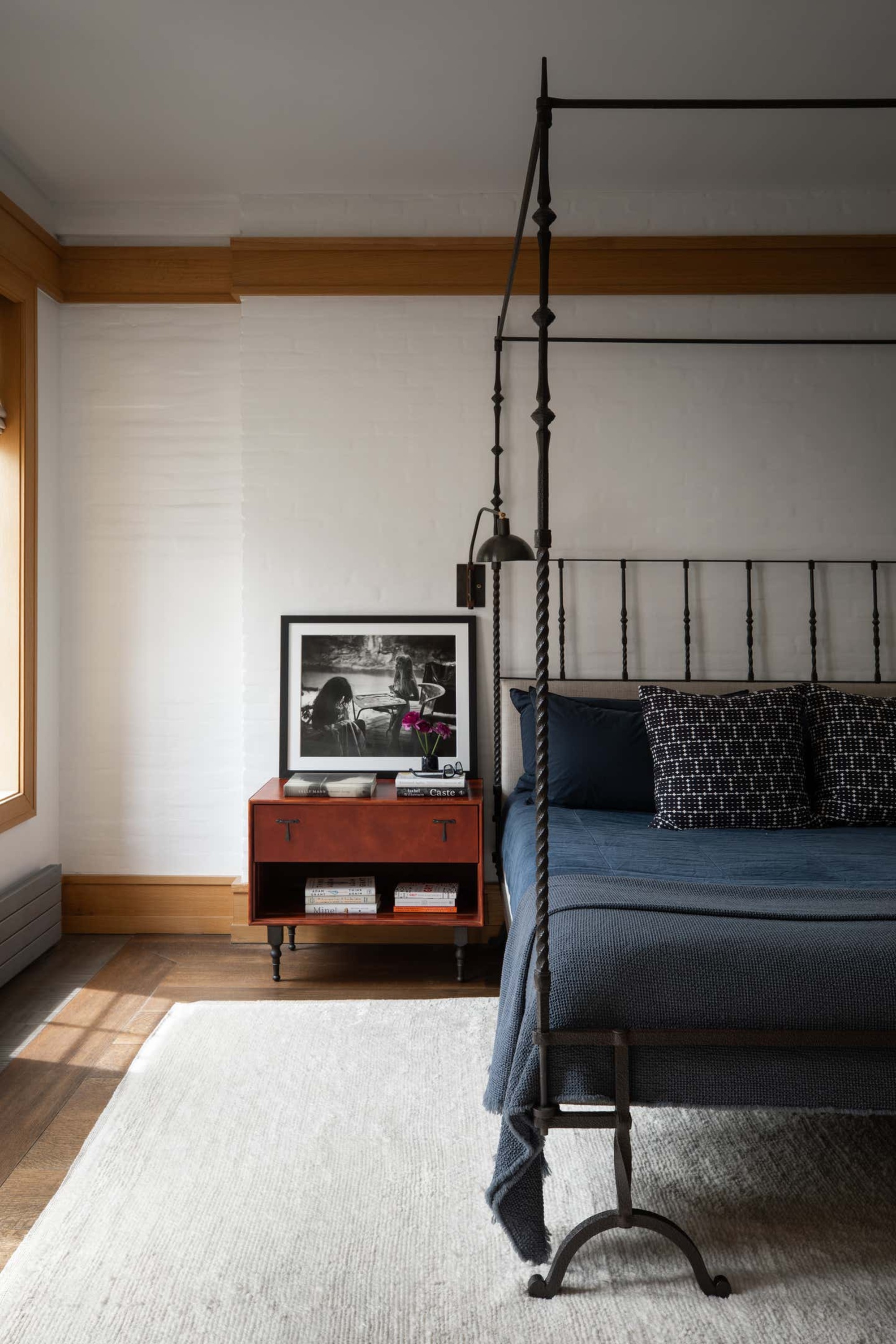
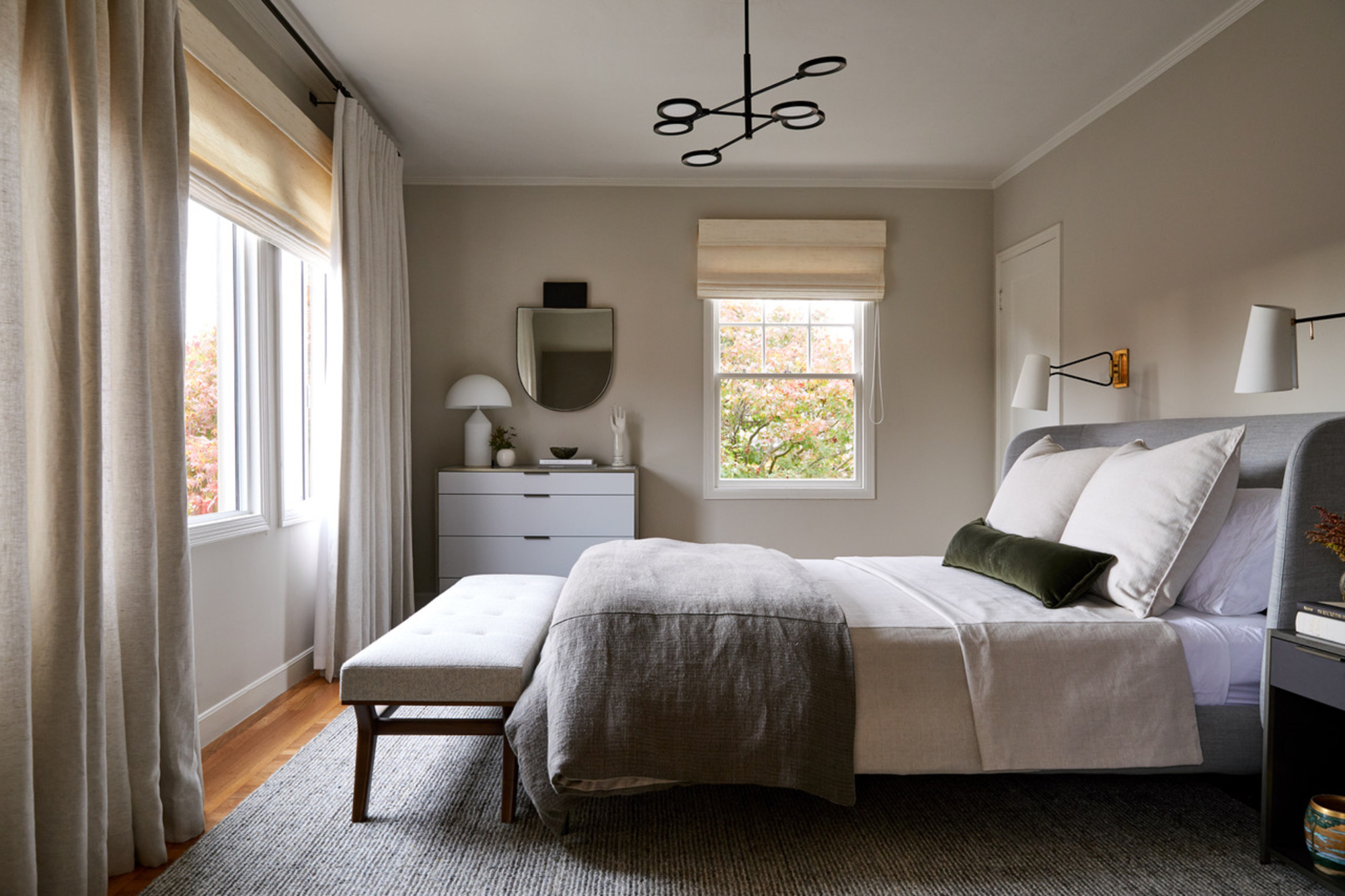
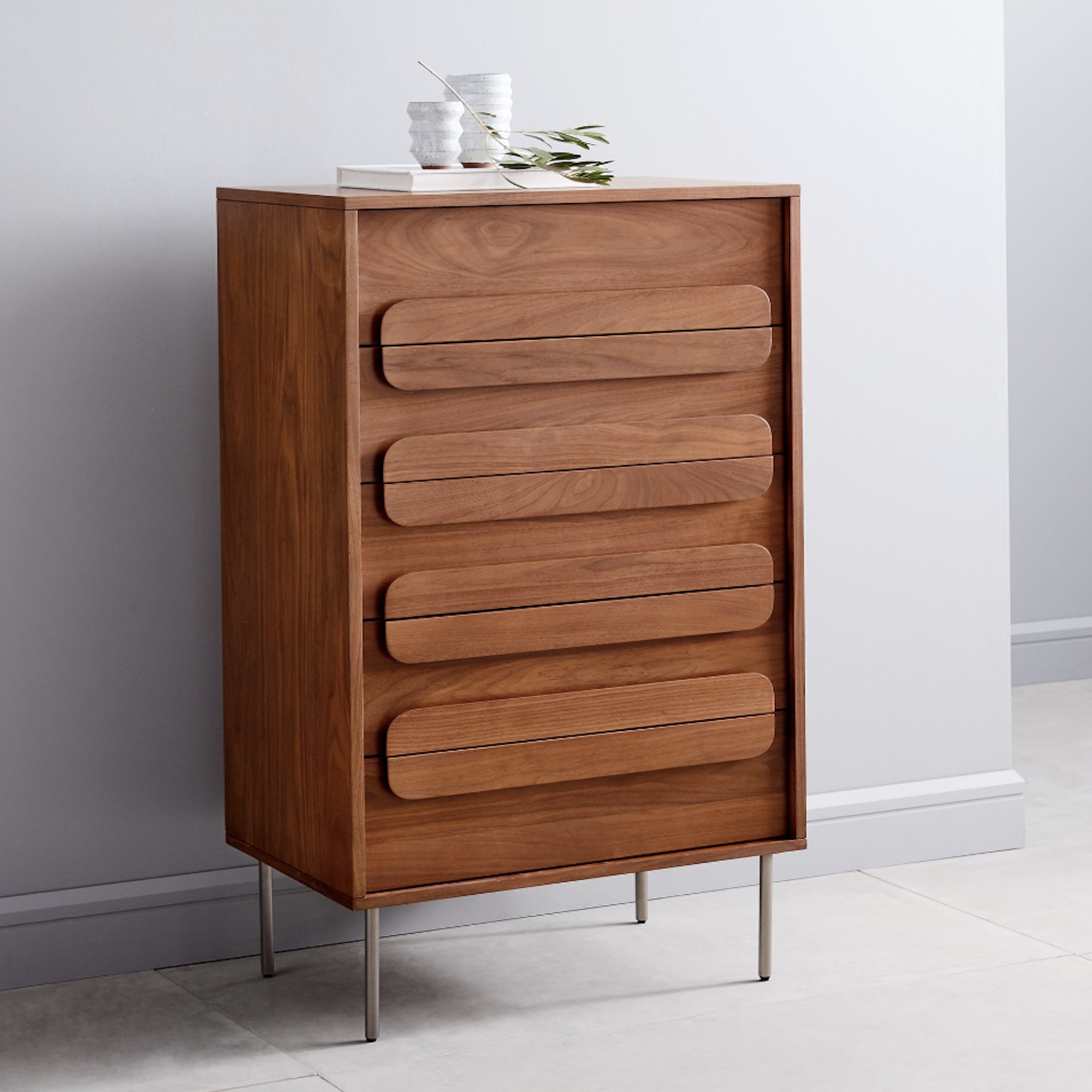
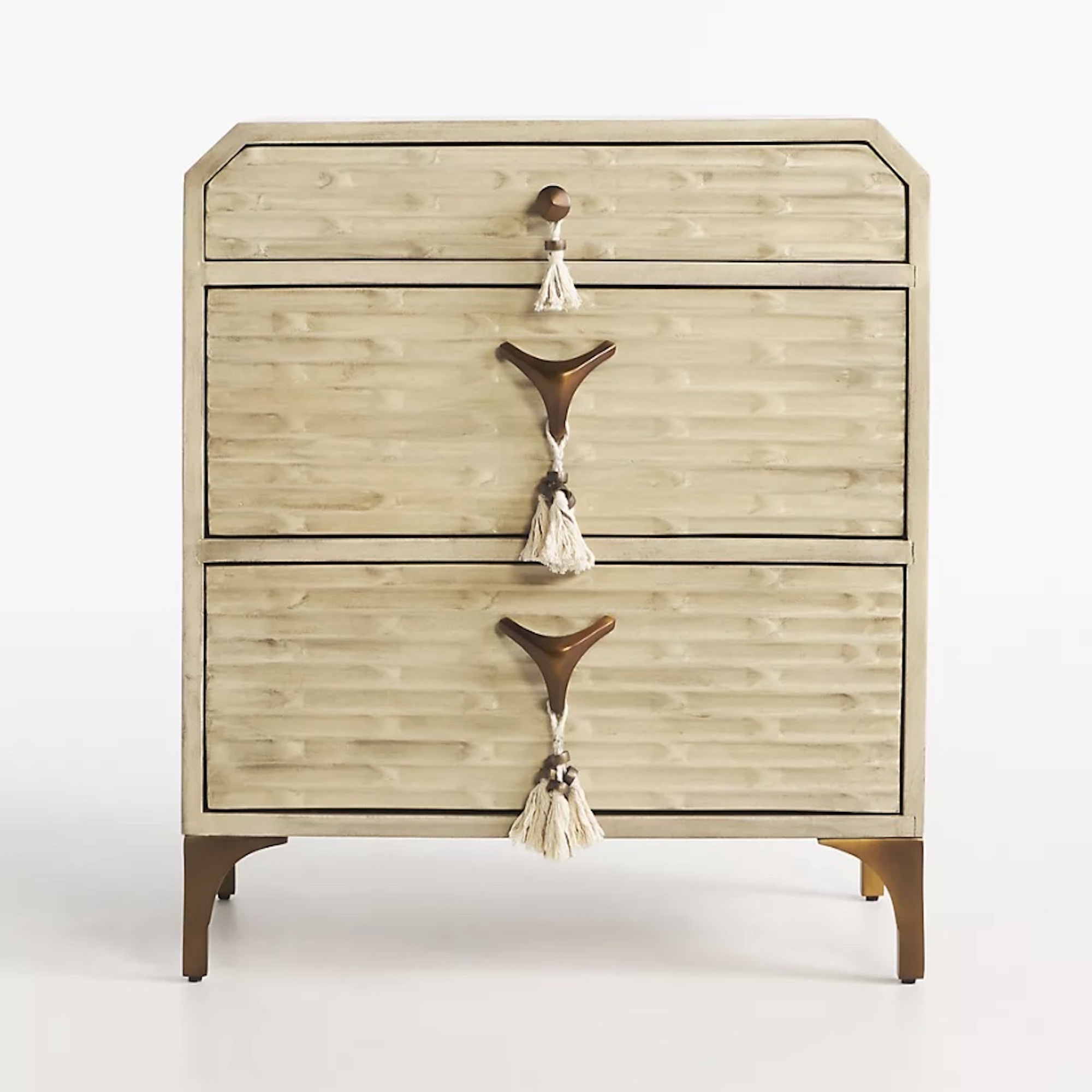
Gentleman's chests offer multifunctional storage by combining drawers with hanging space, making them ideal for small bedrooms or situations where closet space is limited, such as for couples sharing a closet. These chests usually have at least five equal-sized drawers for folded items and a section for hanging more formal clothing like dress shirts and suit jackets. Bachelor's chests are compact, low-profile dressers that can double as nightstands, perfect for a single person's belongings or as an extra storage piece in guest rooms, allowing guests to unpack without cluttering the space with additional furniture. Highboy dressers are characterized by their tall, narrow structure, often consisting of two stacked chests. They are well-suited for rooms with high ceilings as they draw the eye upwards and are effective in rooms with limited wall space due to many windows or doors. Highboys are also versatile enough to be used in living rooms as storage units.
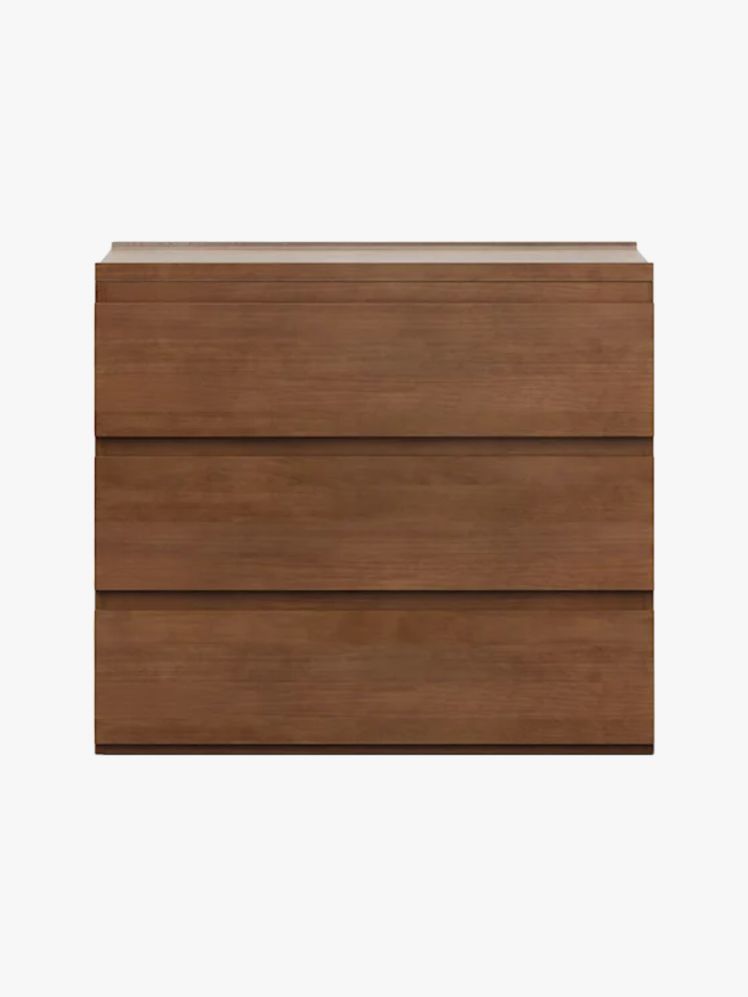
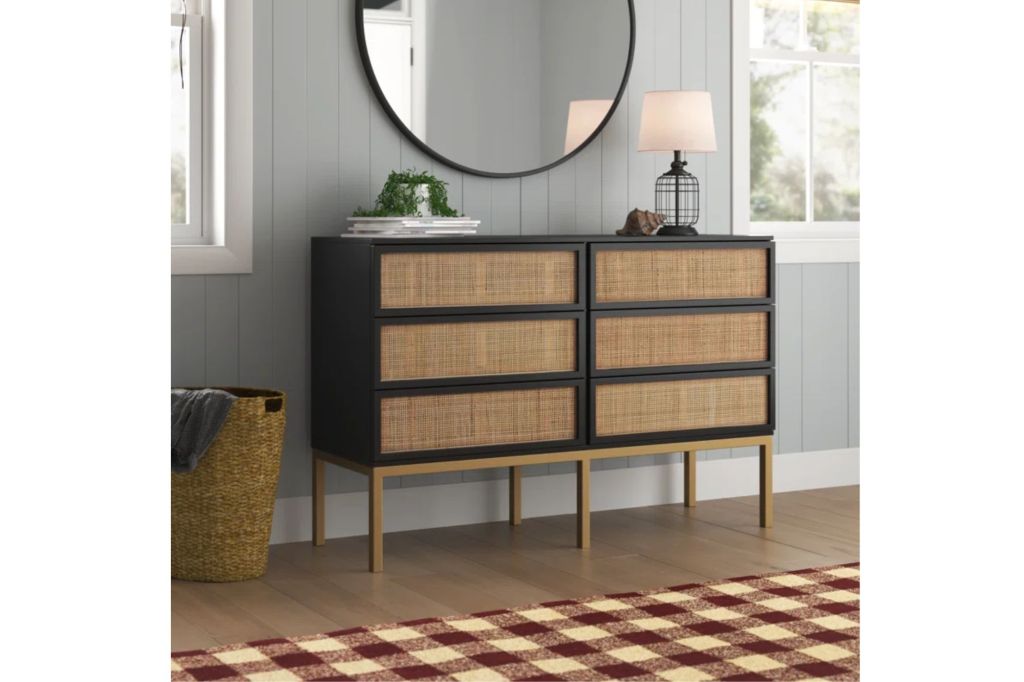
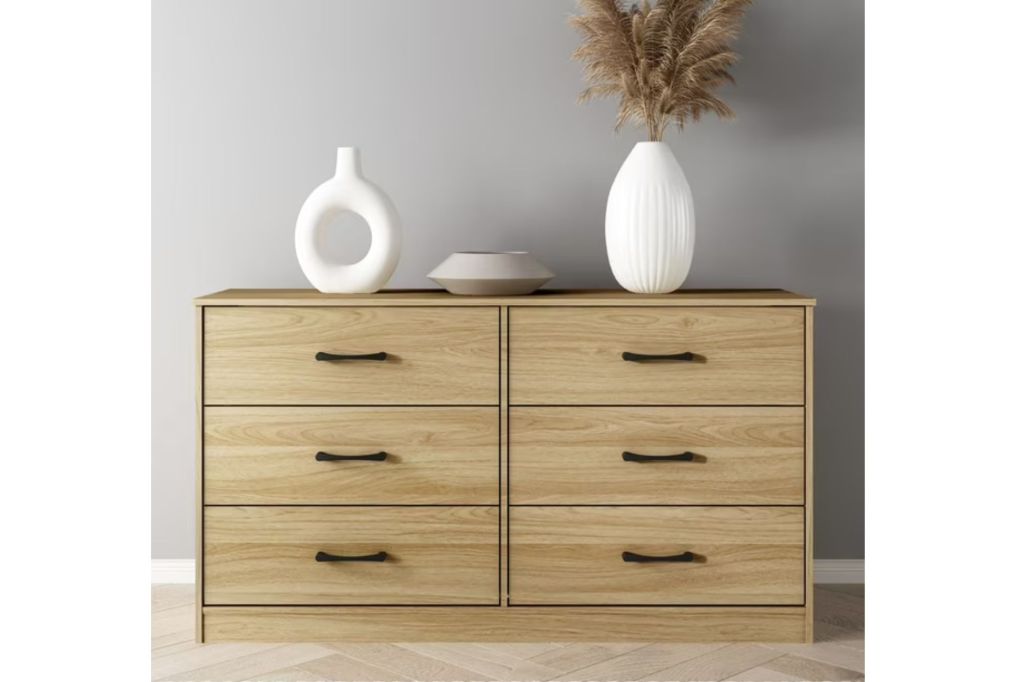
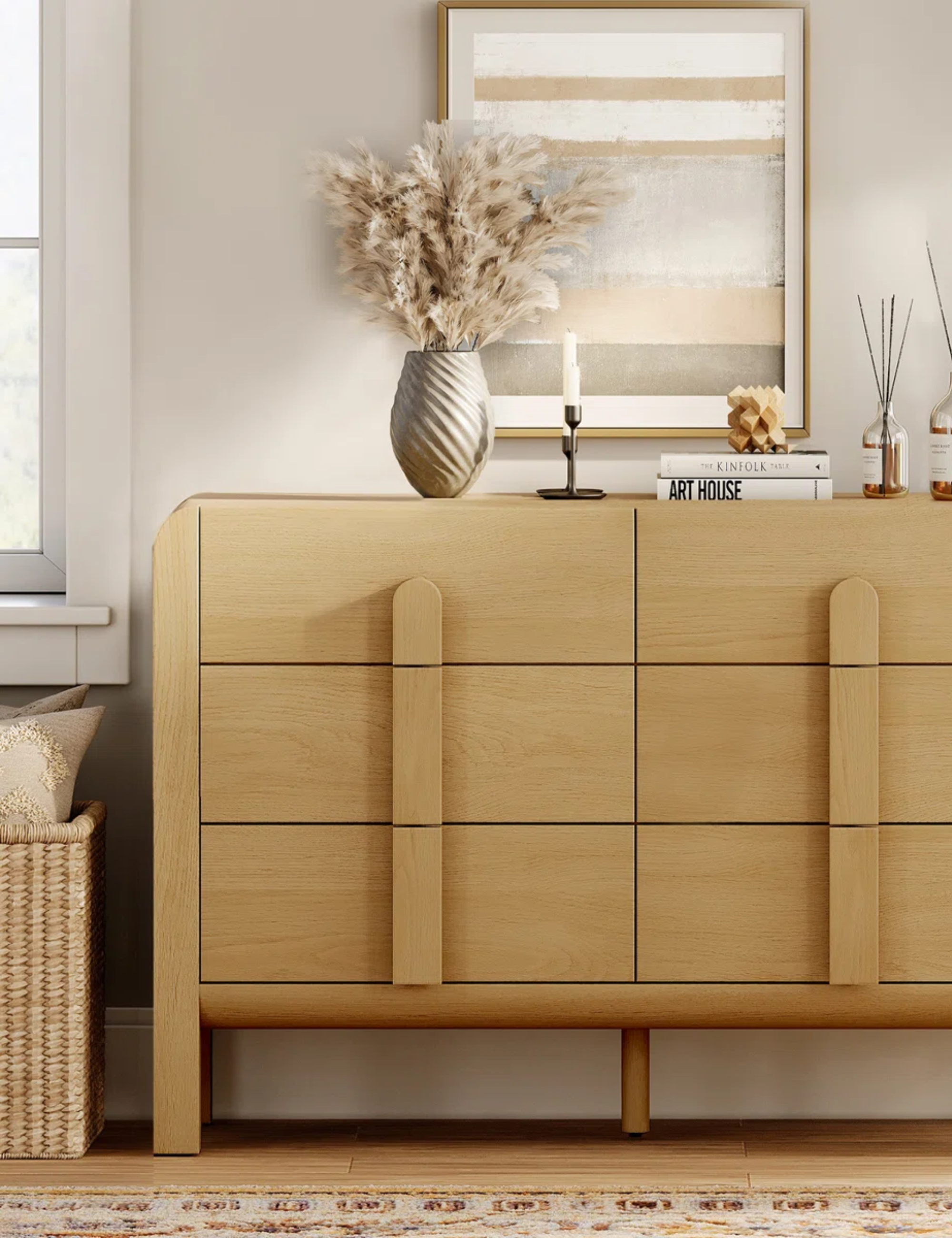
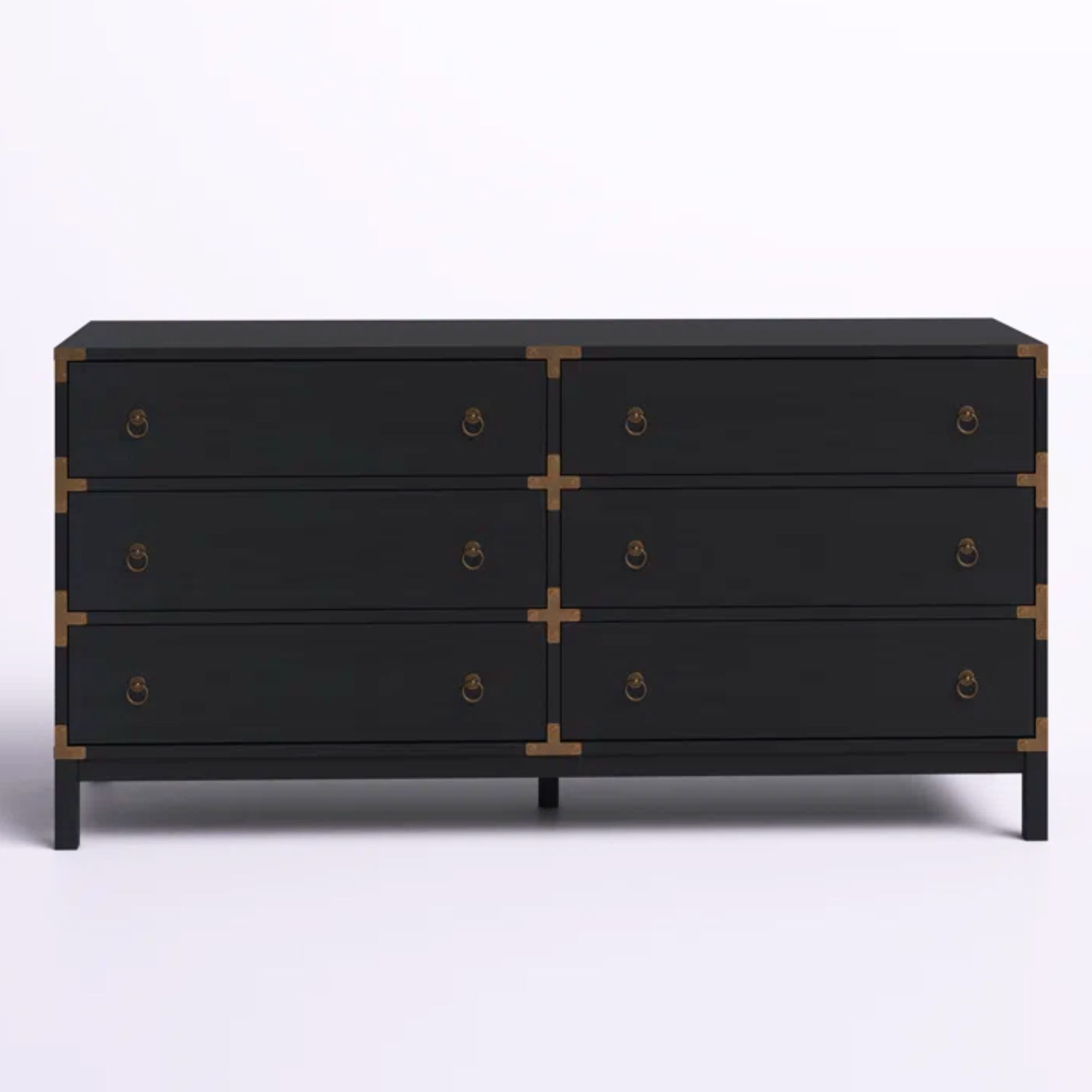
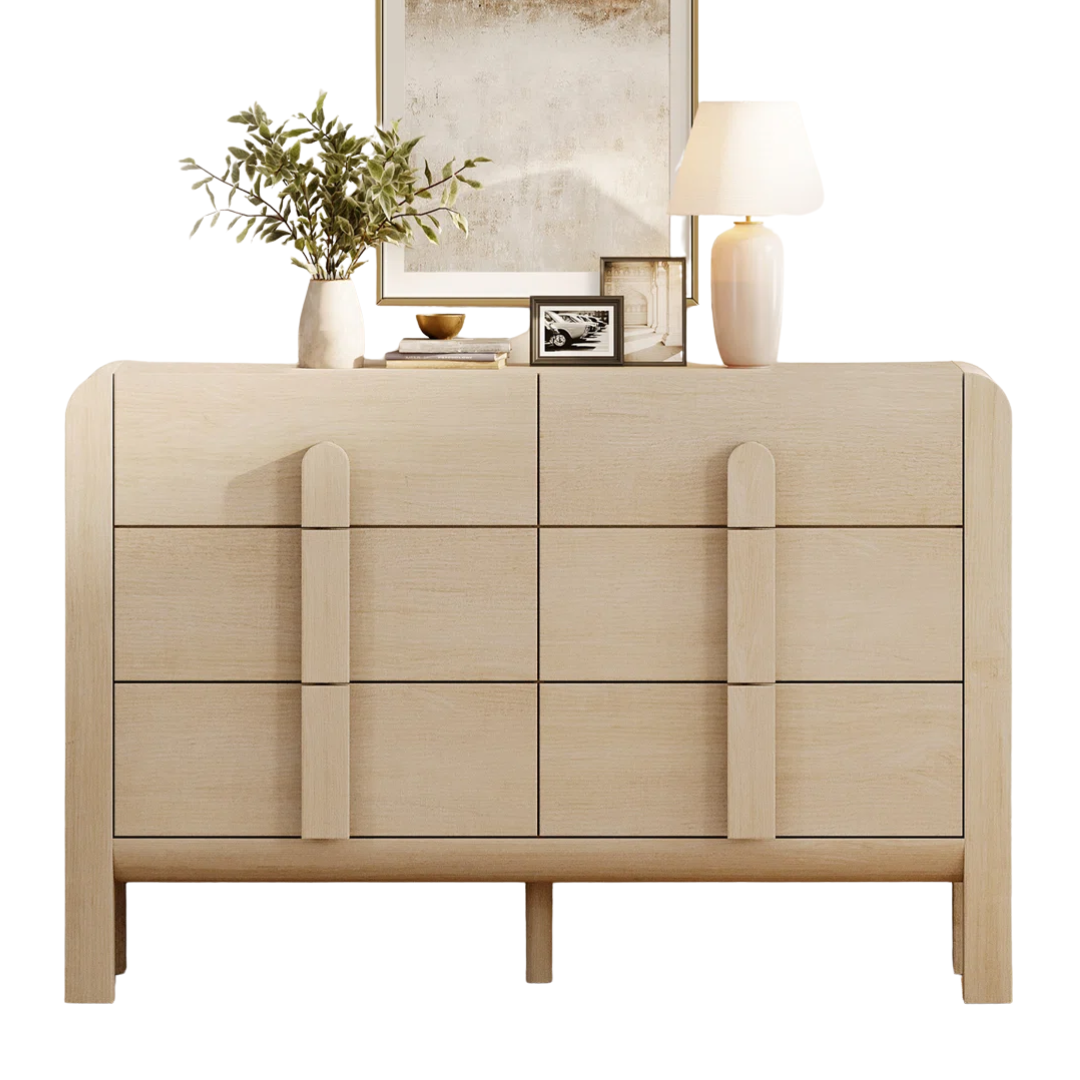
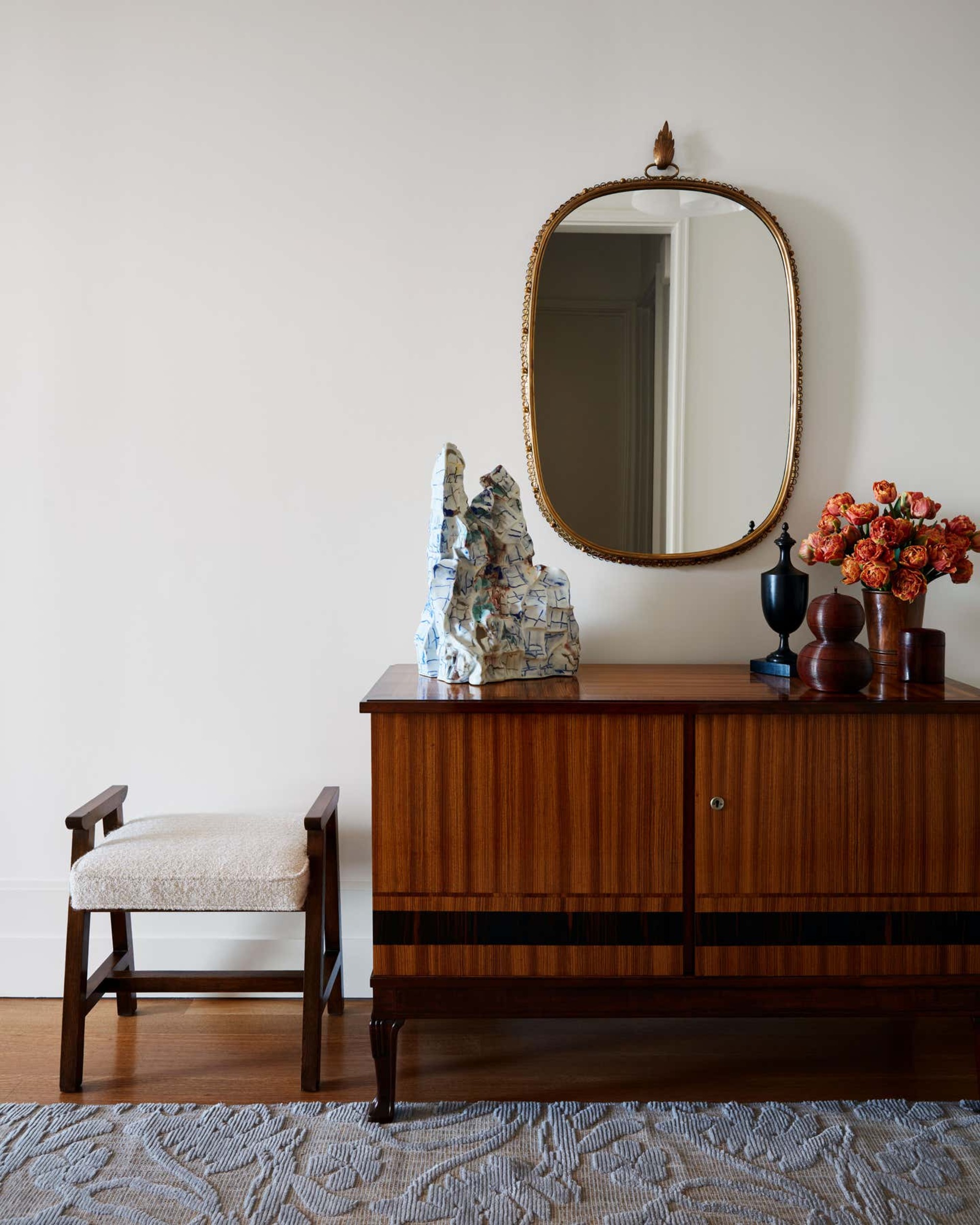
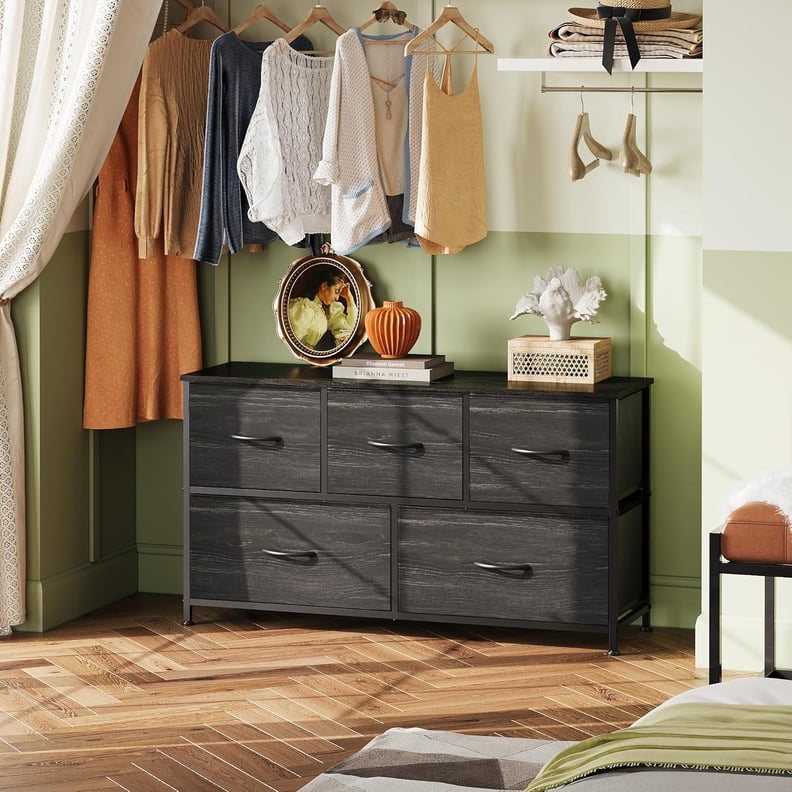
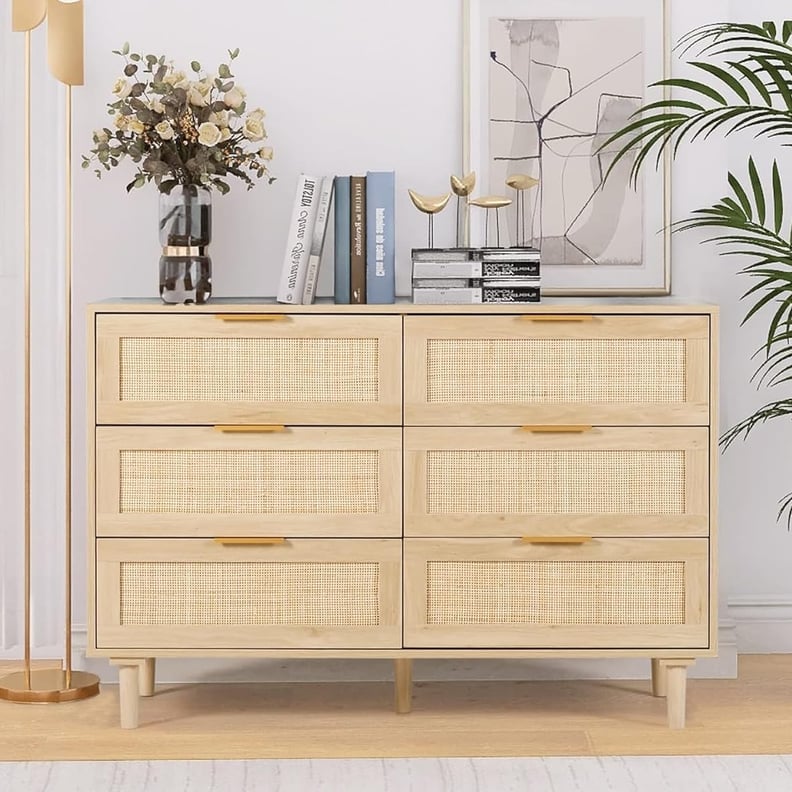
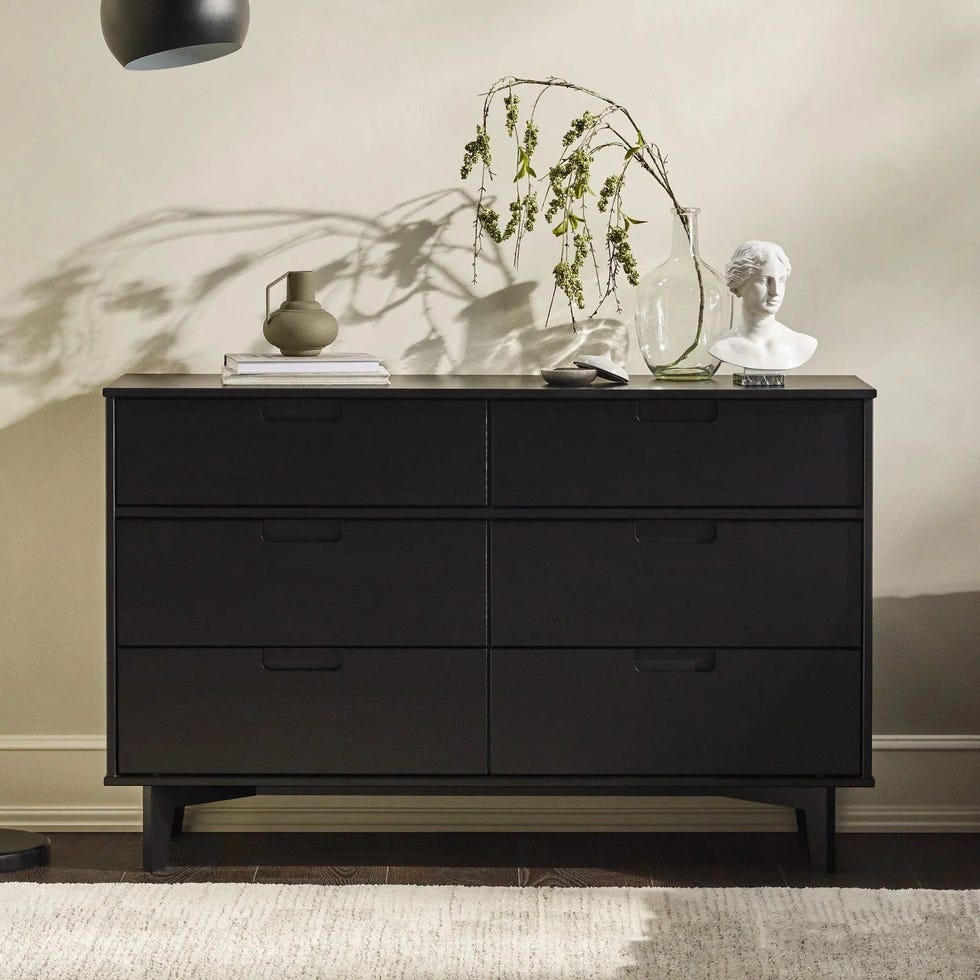
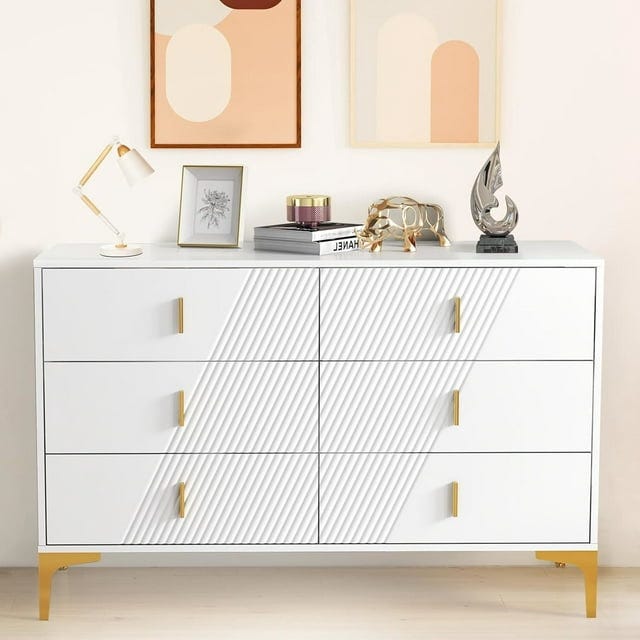
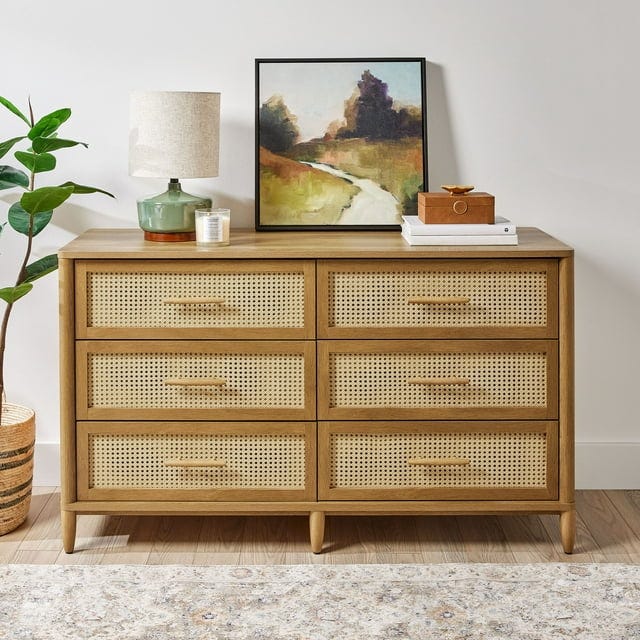
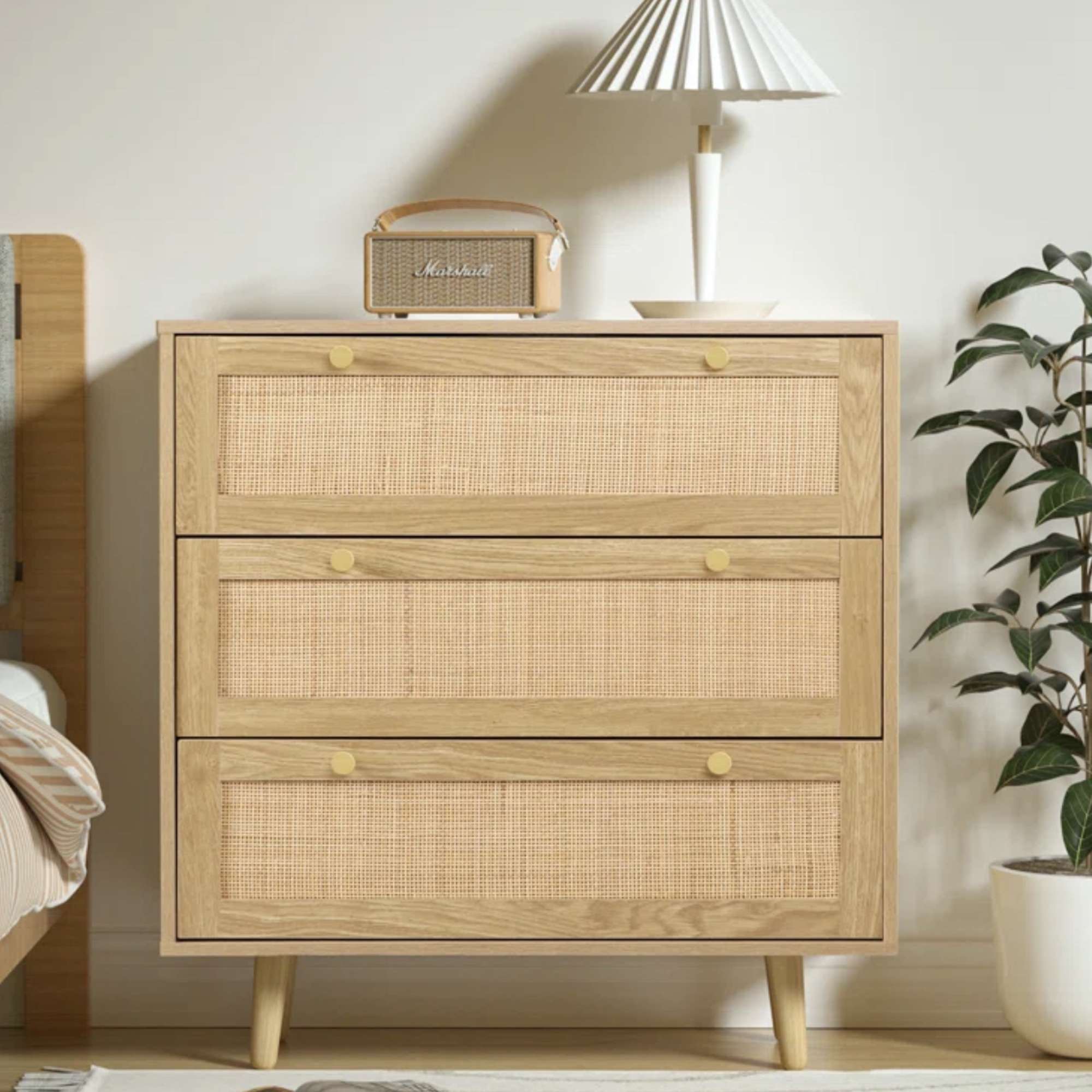
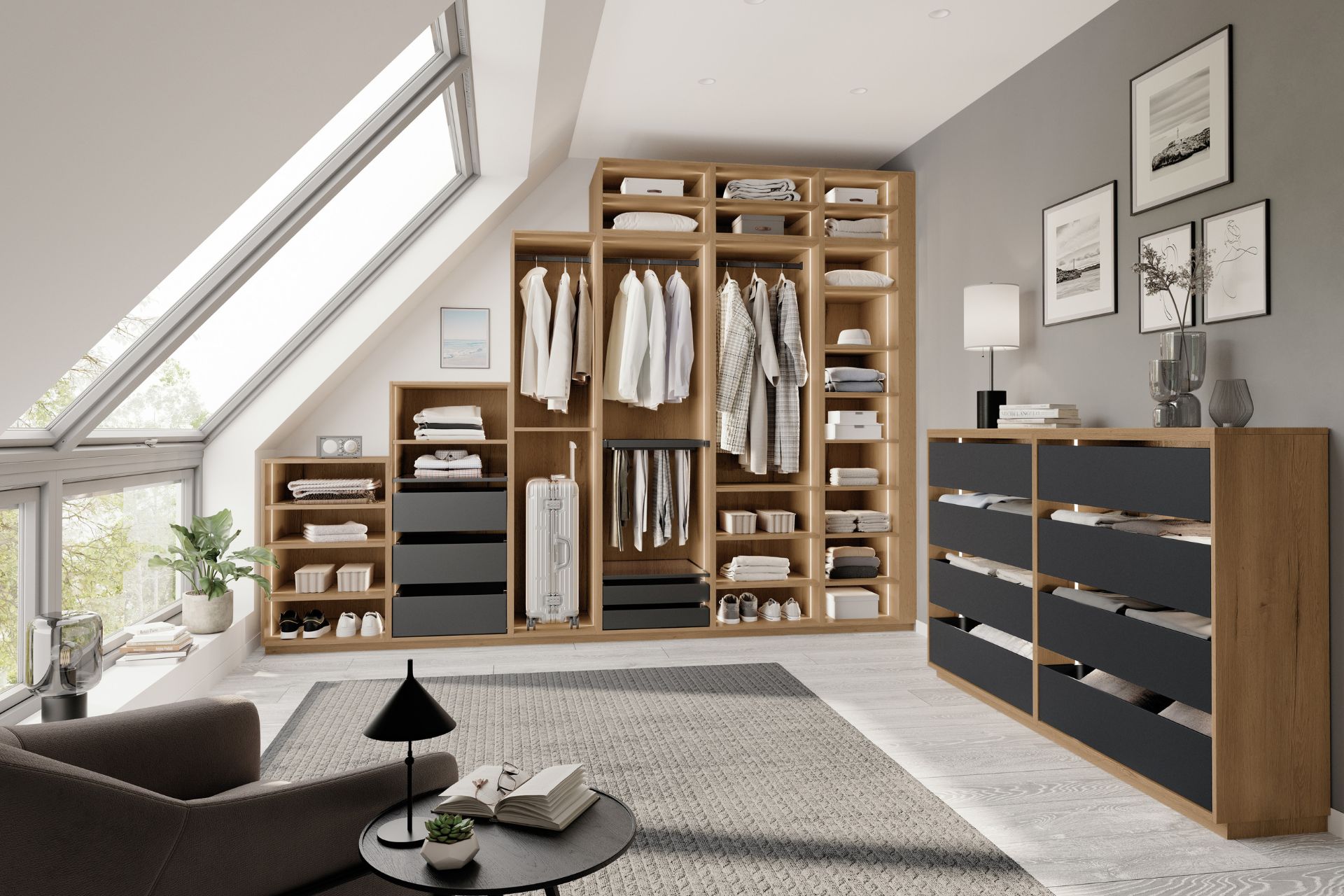
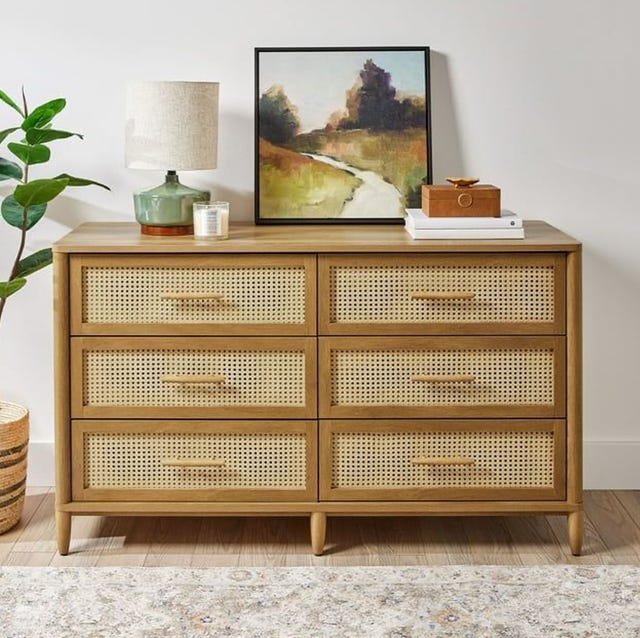
Conversely, lowboy dressers are shorter, historically serving as dressing tables, and are now a general term for various low-height dressers, fitting well in rooms with lower ceilings. Horizontal dressers are a common type, featuring six or more drawers, and are versatile for primary bedrooms, kids' rooms, or guest rooms, providing accessible storage for all types of folded clothing. Vertical dressers, similar to highboys, are tall and narrow, best for adults or teenagers who can easily reach higher drawers, especially when horizontal wall space is a constraint. Built-in dressers are permanent fixtures that can be customized with a mix of cabinets, drawers, and hanging sections, proving excellent for shared spaces like dorm rooms or children's rooms where personalized storage solutions are beneficial. Combination dressers offer both drawers and cabinets, making them highly versatile for use outside the bedroom, potentially serving as buffets in dining rooms or storage in offices, accommodating both small and awkwardly shaped items.
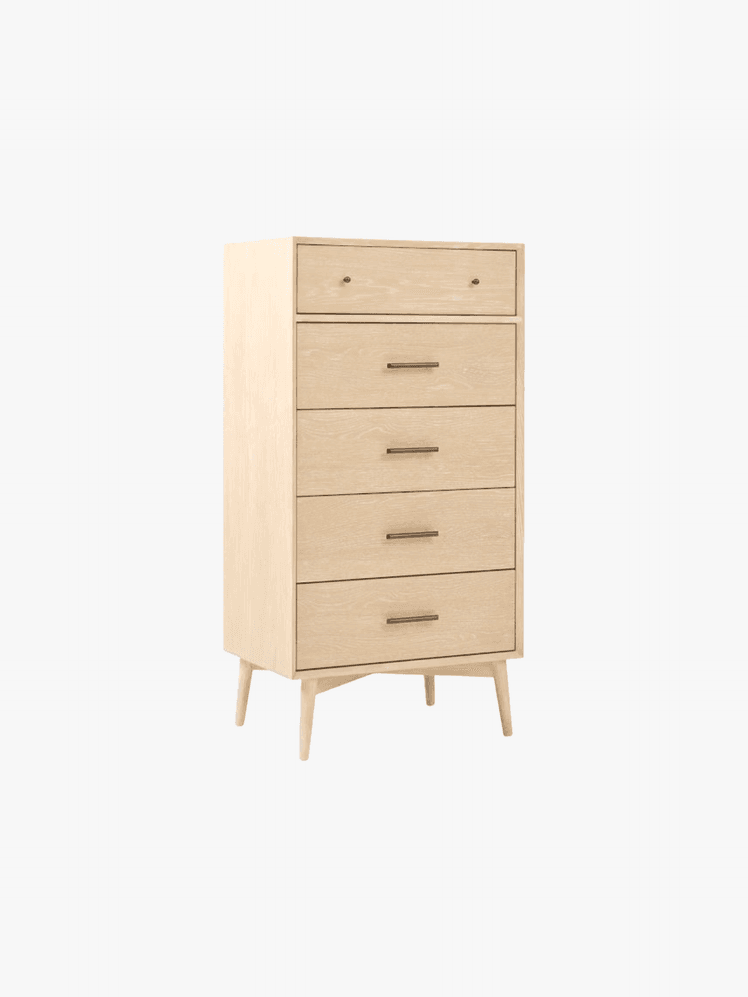
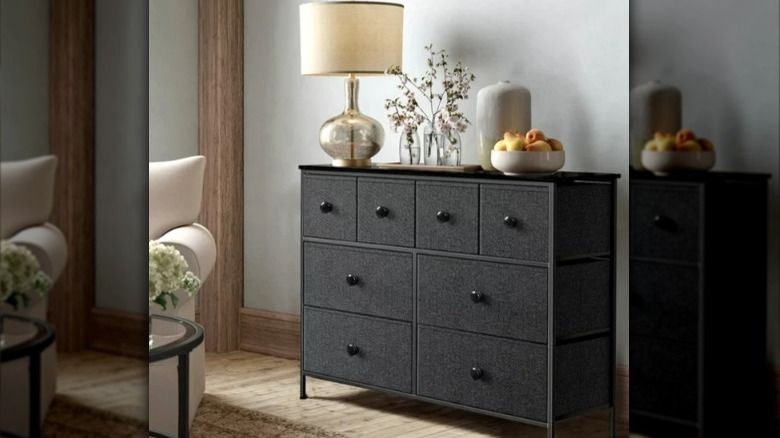
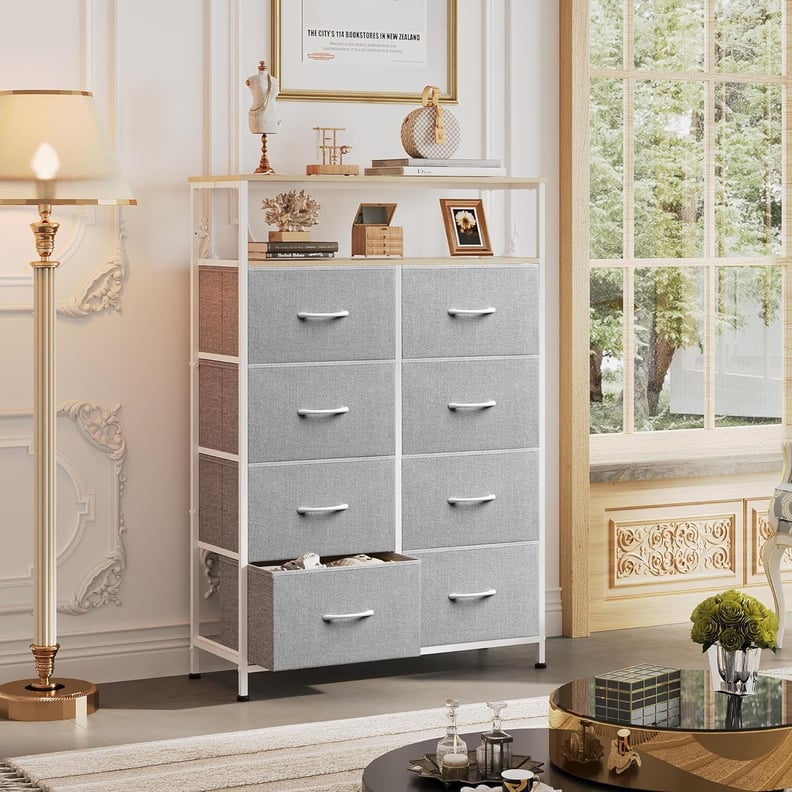
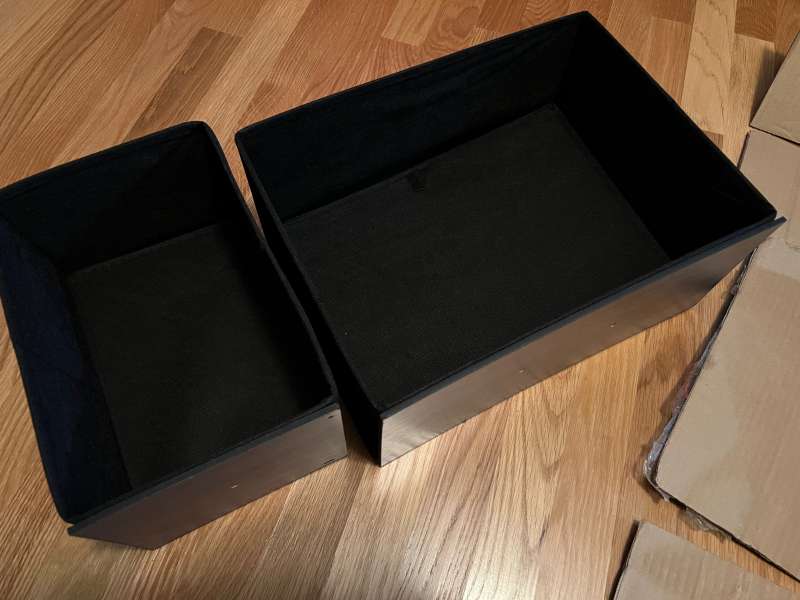
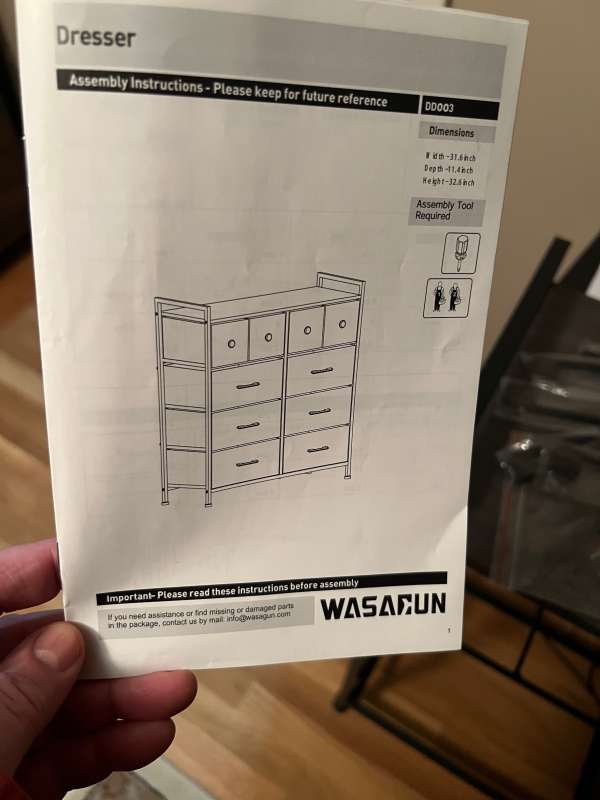
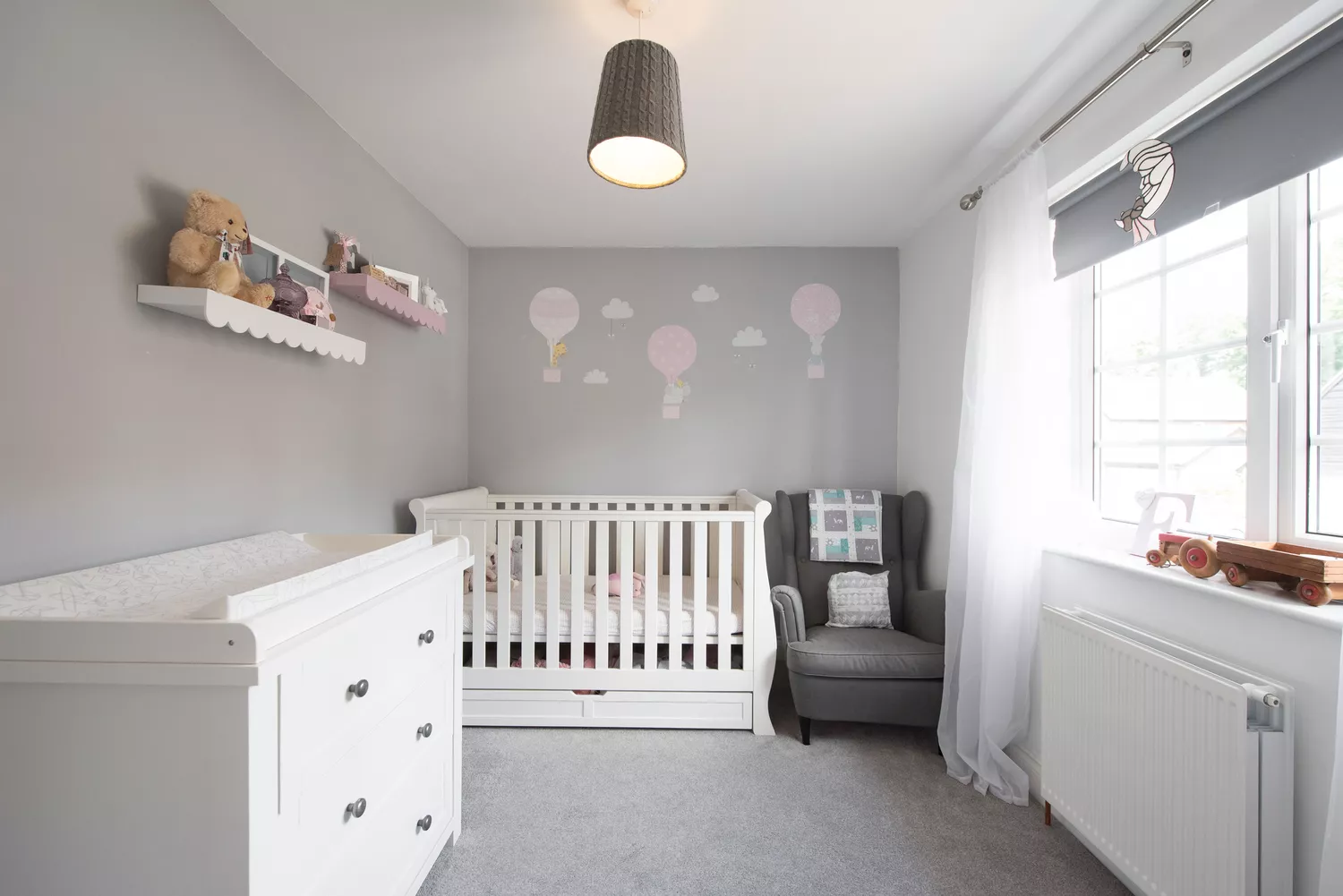
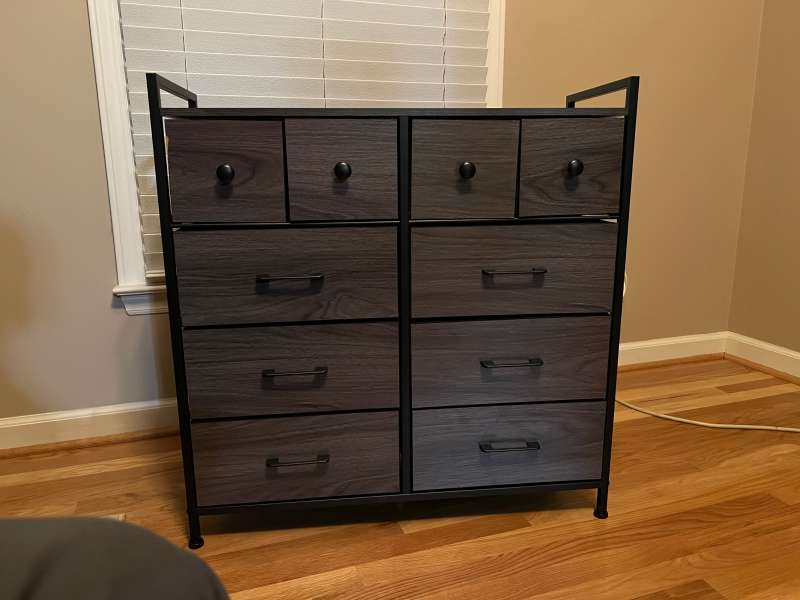
Lingerie chests are specifically designed for small, delicate items like undergarments and socks, featuring a tall, narrow design with at least five drawers. They are not intended as primary dressers but can be placed in a bedroom corner, beside the bed, or inside a walk-in closet. Changing table dressers integrate a changing pad on top with drawers for baby clothes and gear, offering a space-saving solution for smaller nurseries and growing with the child as they age. Bombe dressers, with their distinct curved and ornate design, originate from 17th-century France and add an antique style to homes, functioning as decorative storage in living rooms or dining rooms. Cloth drawer dressers feature metal frames and fabric drawers, making them a safe and affordable option for children's rooms, as they mitigate the risk of pinched fingers and are lightweight.
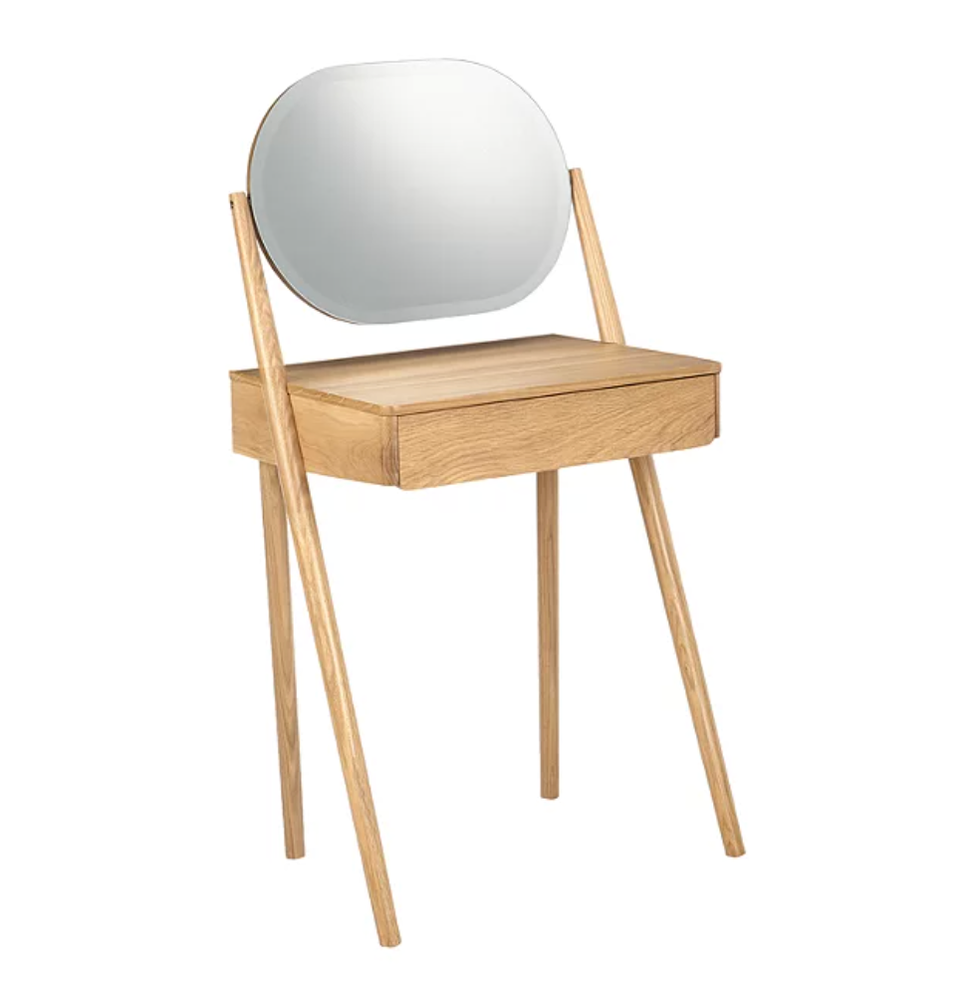
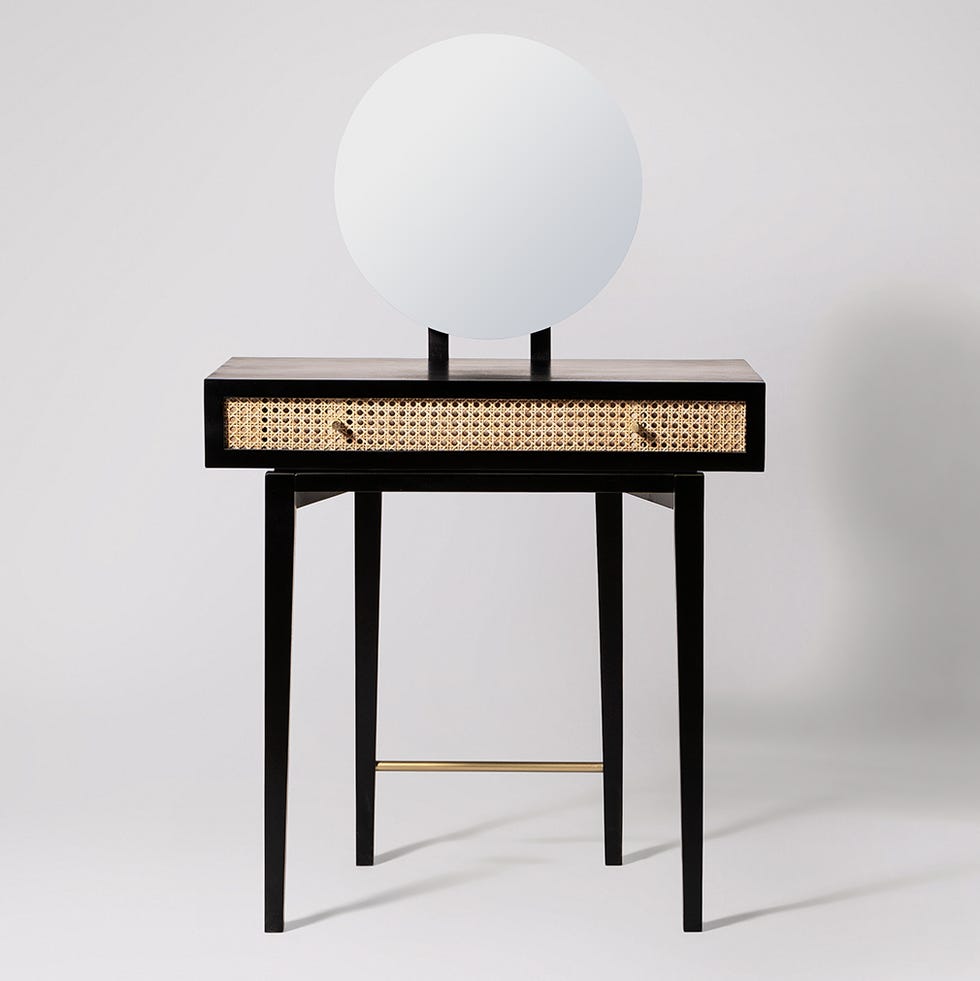
Armoires are large wardrobes with internal hanging rods, providing additional closet space for hanging jackets, suits, and dresses, particularly useful for homes without hall closets. Rolling chests are short, wheeled drawer or cubby units, ideal for organizing smaller items within a closet and easily movable. Lastly, dresser desks combine a vanity or writing station with three or more drawers, such as a secretary desk, offering a multi-functional piece for studio apartments by eliminating the need for separate furniture items and creating a streamlined look. When selecting a dresser, it is crucial to consider the volume of belongings, the bedroom's dimensions, and available wall space to ensure the chosen piece meets both functional and aesthetic requirements.
#DresserTypes #HomeDecor #FurnitureSelection #StorageSolutions #BedroomFurniture #InteriorDesign #SpaceSaving #AntiqueFurniture #DresserTypes #HomeDecor #FurnitureSelection #StorageSolutions #BedroomFurniture #InteriorDesign #SpaceSaving #AntiqueFurniture
0 comment in total
 No comments yet
You may also like
Outfit Your Bedroom With an Editor-Approved Dresser

Take your pick: it's time to invest in a dressing table
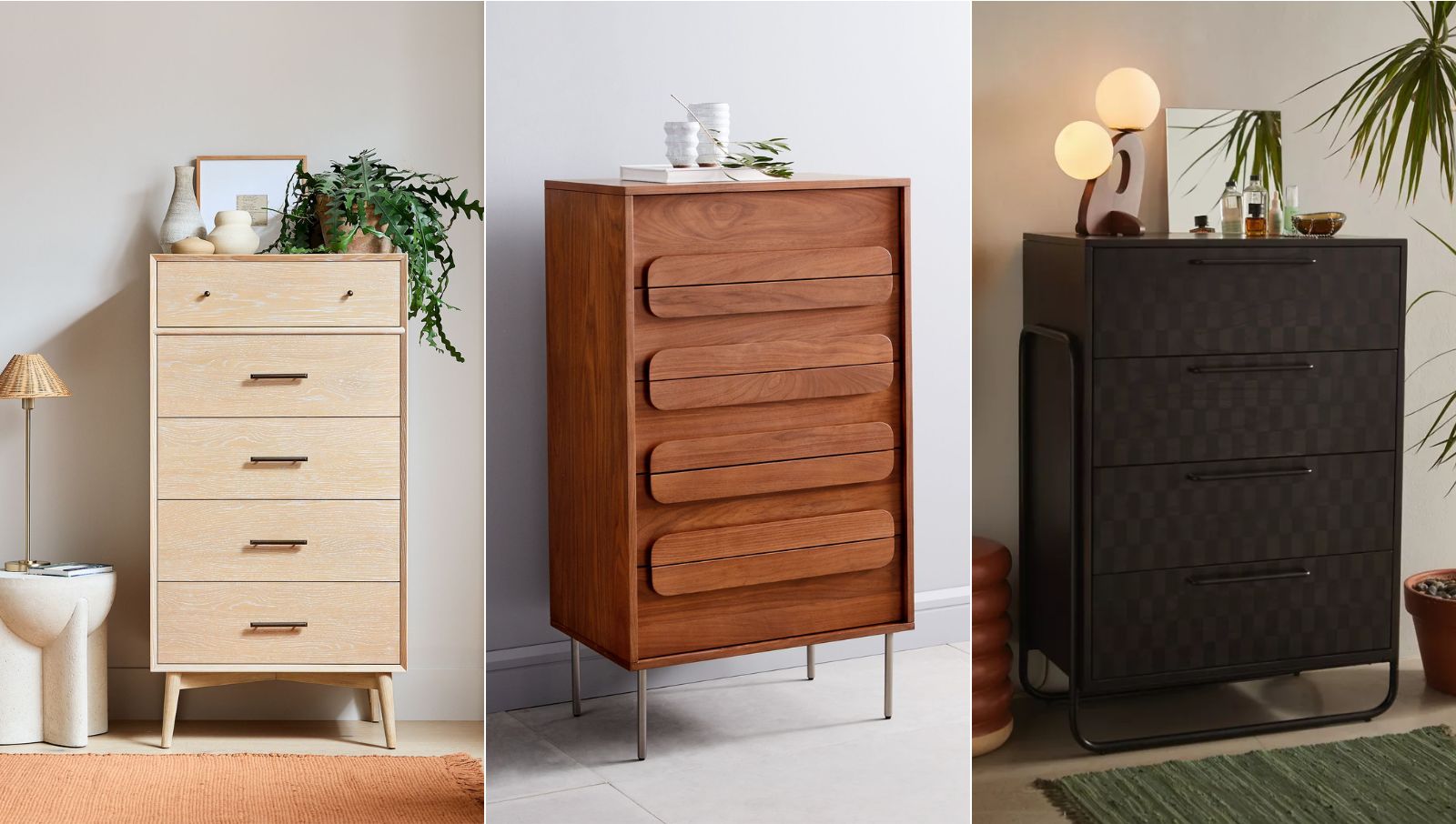
Best small space dressers – our style editor has found 9 styles perfect for those awkward, tiny rooms

Our Design Expert Names The Best Type Of Door For Your Laundry Room

From Amazon to Article — we found the best places to buy a dresser in 2025
Bedroom dresser decor ideas that turn your space into a sanctuary


How to Hang Drapery (Published 2023)

Set the tone for your home with these entryway styling tips from Dallas designers

3 Of The Best-Selling Dressers At Walmart
How to Choose the Right Type of Baseboards for Your Home

Wasagun 10-drawer dresser review – a place for everything

How to choose the right fireplace for your home
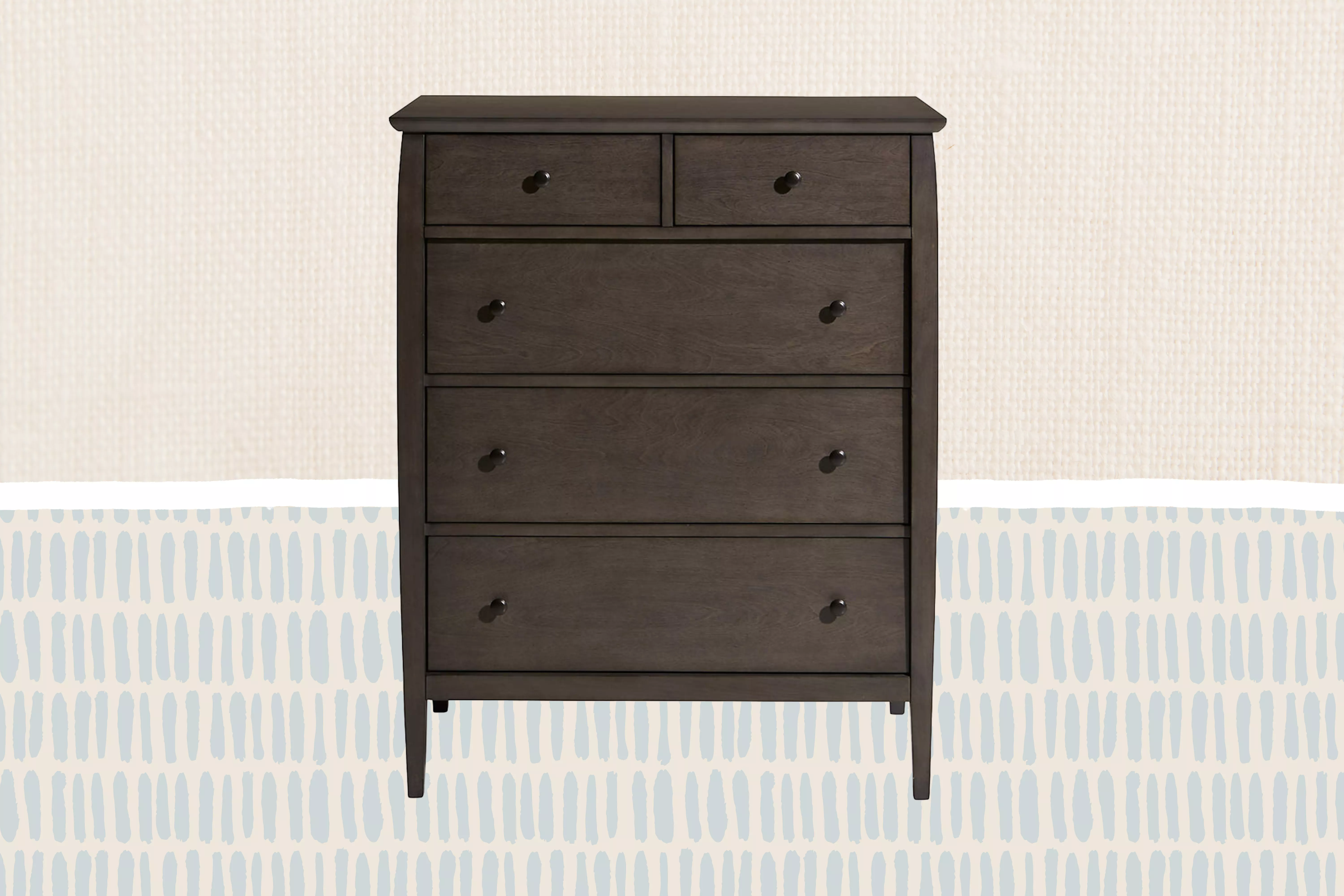
Browse 30 Stylish Bedroom Dressers That Will Keep Your Wardrobe Organized

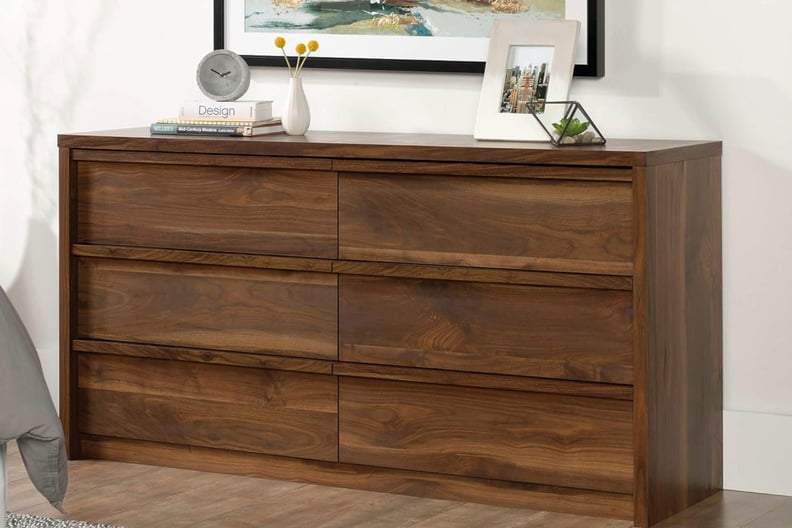
8 Amazon Dressers That Fit Every Style and Budget — Including Prime Day Deals
How To Design A Dressing Room
How Much Should You Spend on Door Hardware?

Too Many Clothes, Not Enough Space? These Are the Best Places to Buy Dressers for Anyone Whose Wardrobe Runs Their Life
Get Ready for a Home Makeover: We Found the Cutest Affordable Dressers on the Internet

12 Things Designers ALWAYS Look for at HomeGoods

How to Choose Curtains for Your Home the Right Way